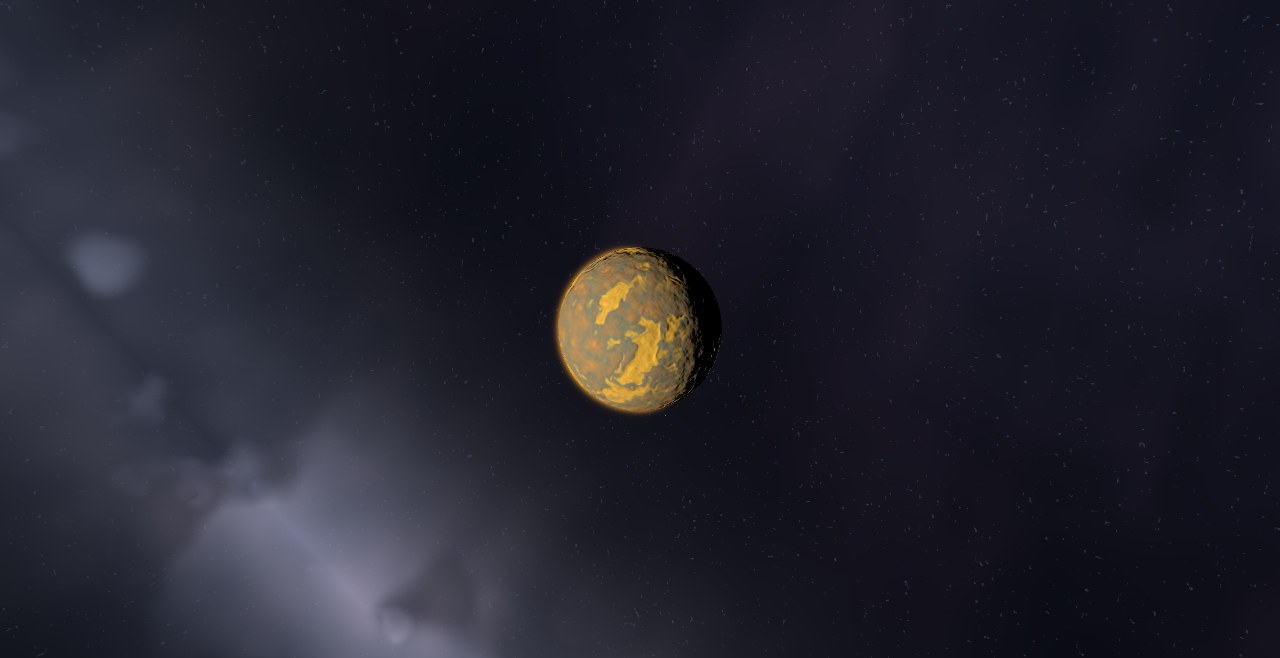
Kepler-187 - System
Kepler-187, a Sun-like F-type star of 1.08 solar masses, and Kepler-187 b, a planet with 1.4 Earth radii, with an orbital period of 4.9 days, at 0.059 AU from its star.
Exoplanets
Track gravitational perturbations, transit timing variations, and orbital stability between binary planet arrangements around distant stars.
Share
Kepler-187, a Sun-like F-type star of 1.08 solar masses, and Kepler-187 b, a planet with 1.4 Earth radii, with an orbital period of 4.9 days, at 0.059 AU from its star.
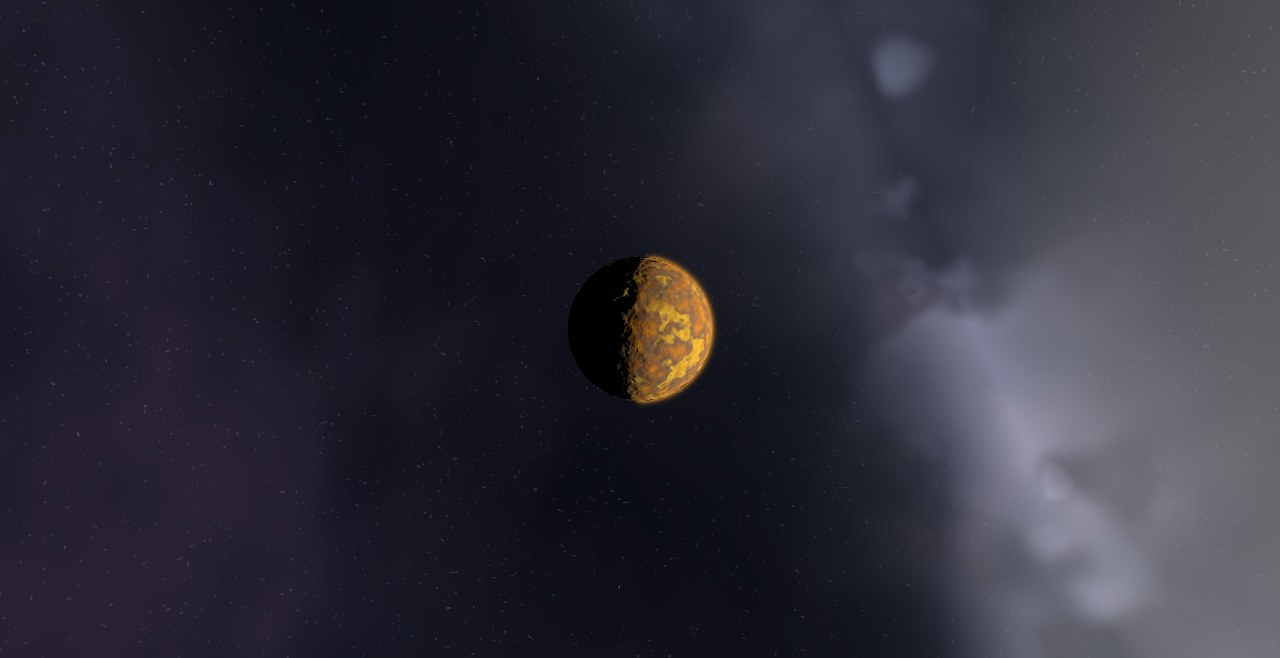
Kepler-188, a Sun-like F-type star of 1.02 solar masses, and Kepler-188 b, a planet with 1.7 Earth radii, with an orbital period of 2.1 days, at 0.032 AU from its star.
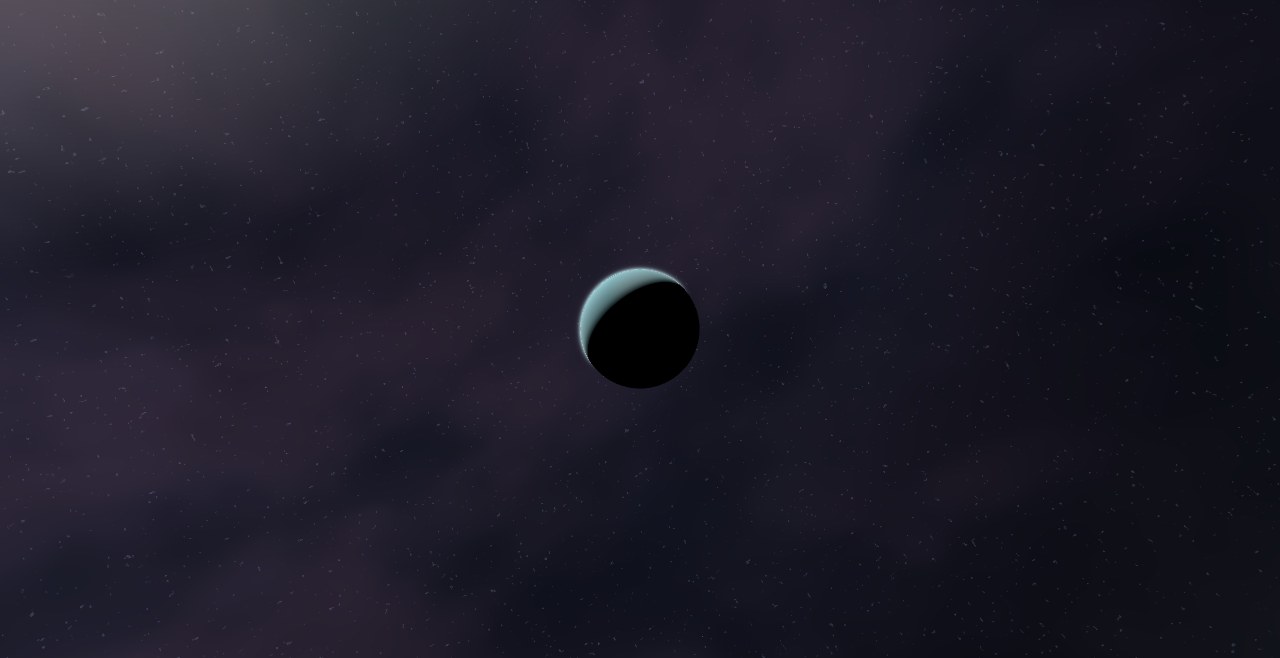
Kepler-189, a Sun-like G-type star of 0.80 solar masses, and Kepler-189 b, a planet with 1.2 Earth radii, with an orbital period of 10.4 days, at 0.088 AU from its star.
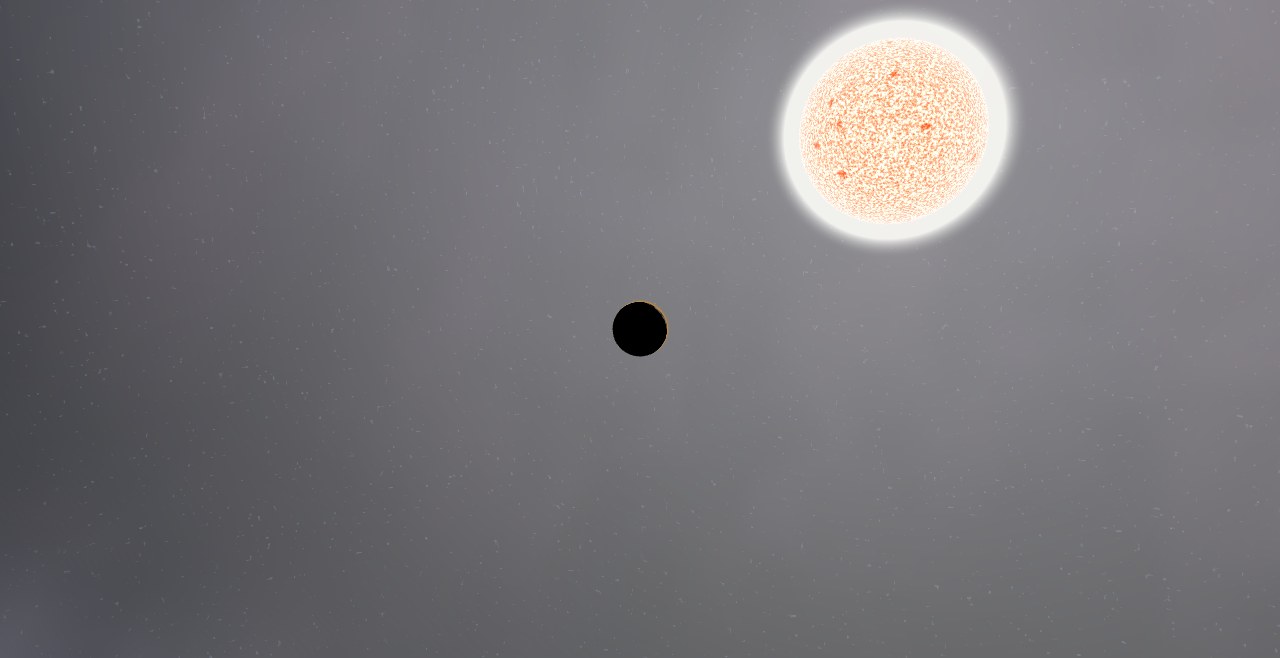
Kepler-1894, a Sun-like G-type star of 1.00 solar masses, and Kepler-1894 c, a planet with 1.2 Earth radii, with an orbital period of 5.1 days, at 0.058 AU from its star, and an equilibrium temperature near.
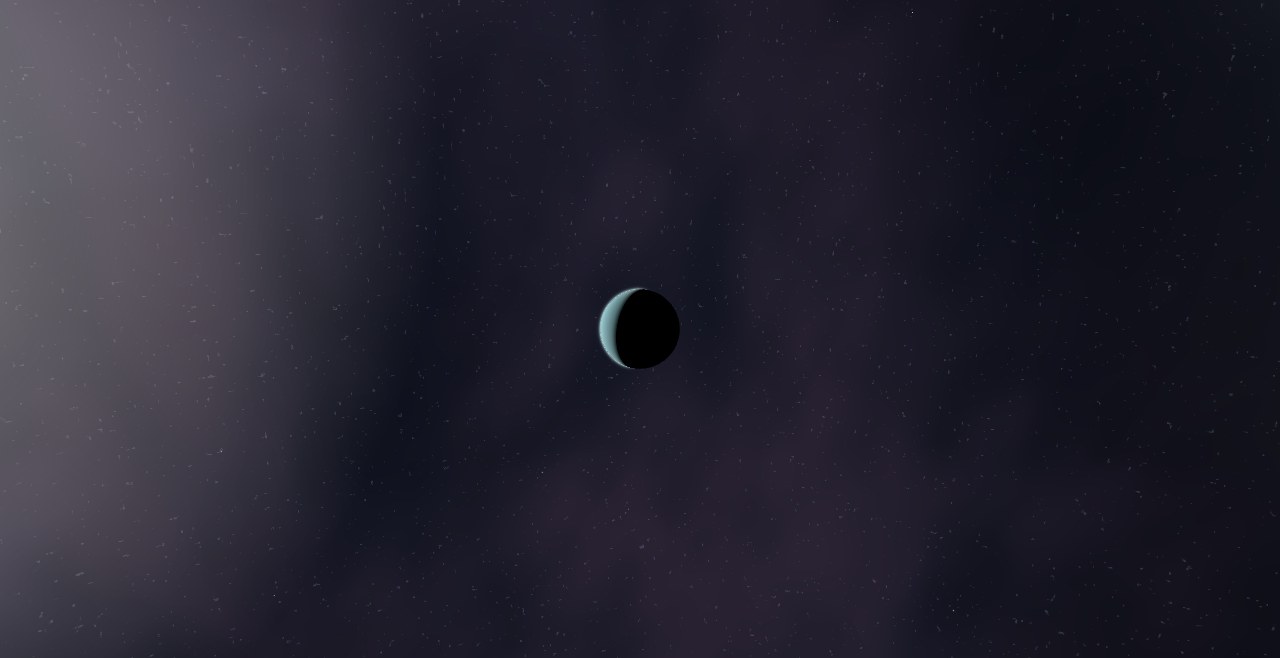
Kepler-19, whose unseen outer planet was the first world discovered purely from transit timing. Kepler-19 c never crosses the star itself. Only the inner planet, Kepler-19 b, is seen to transit.
Kepler-190, an orange K-type dwarf of 0.83 solar masses, and Kepler-190 b, a planet with 1.6 Earth radii, with an orbital period of 2.0 days, at 0.030 AU from its star.
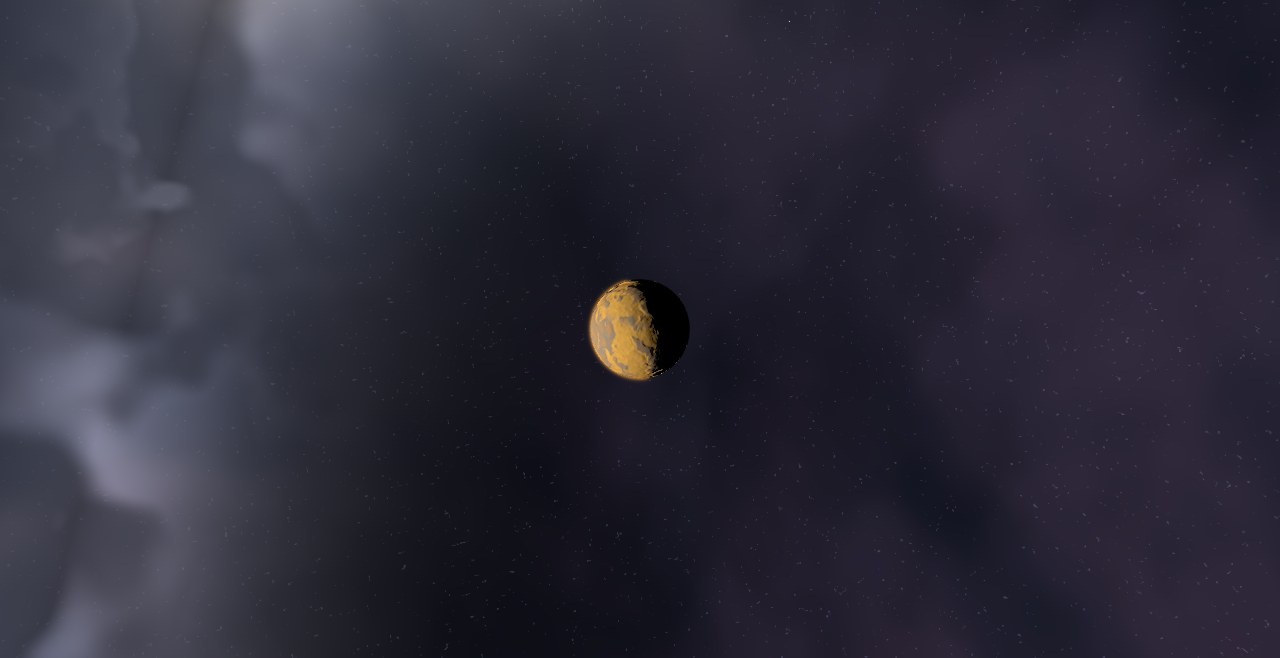
Kepler-1907, an orange K-type dwarf of 0.75 solar masses, and Kepler-1907 b, a planet with 0.9 Earth radii, with an orbital period of 5.7 days.
Kepler-1921, a Sun-like F-type star of 1.25 solar masses, and Kepler-1921 c, a planet with 1.4 Earth radii, with an orbital period of 3.2 days, at 0.045 AU from its star, and an equilibrium temperature near.
Kepler-193, a Sun-like F-type star of 1.05 solar masses, and Kepler-193 b, a planet with 2.4 Earth radii, with an orbital period of 11.4 days, at 0.106 AU from its star.
Kepler-195, a Sun-like G-type star of 0.87 solar masses, and Kepler-195 b, a planet with 2.0 Earth radii, with an orbital period of 8.3 days, at 0.077 AU from its star.
Kepler-1972, a Sun-like G-type star of 1.12 solar masses, and Kepler-1972 b, a 2.0-Earth-mass planet, with an orbital period of 7.5 days, on an eccentric orbit (e ≈ 0.07).
Kepler-199, a Sun-like G-type star of 0.96 solar masses, and Kepler-199 b, a planet with 3.1 Earth radii, with an orbital period of 23.6 days, at 0.158 AU from its star.
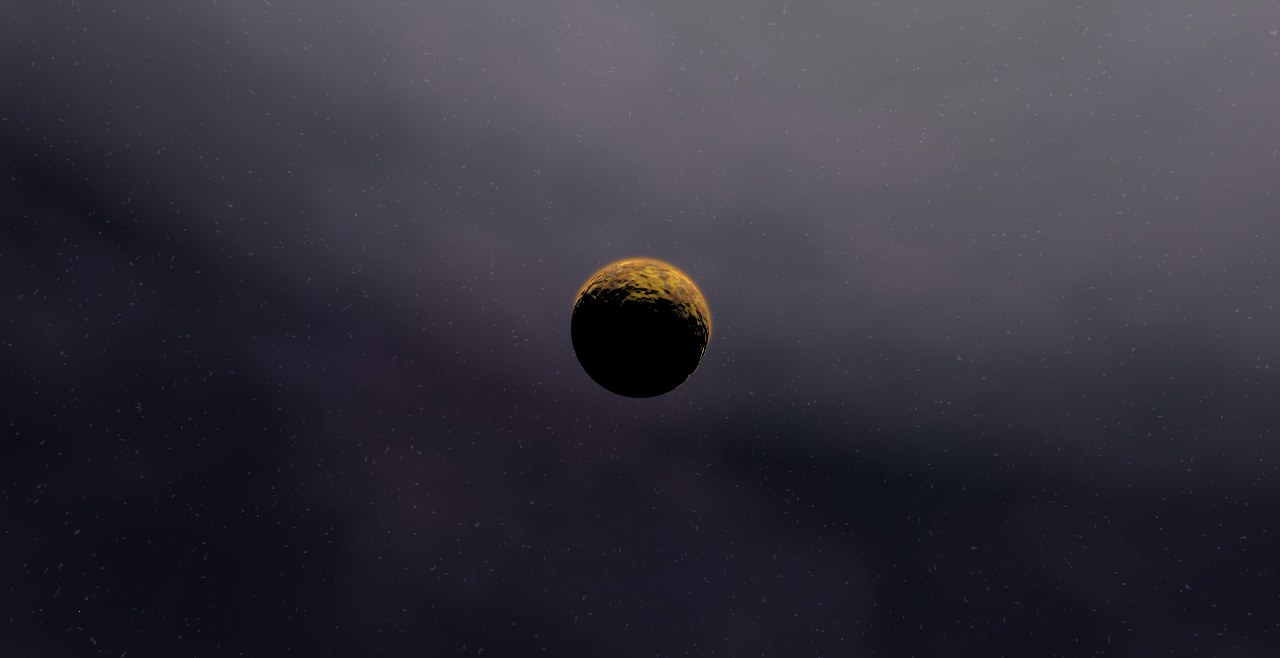
Kepler-1990, a Sun-like G-type star of 1.03 solar masses, and Kepler-1990 b, a planet with 3.3 Earth radii, with an orbital period of 1.7 days, at 0.029 AU from its star, and an equilibrium temperature near.
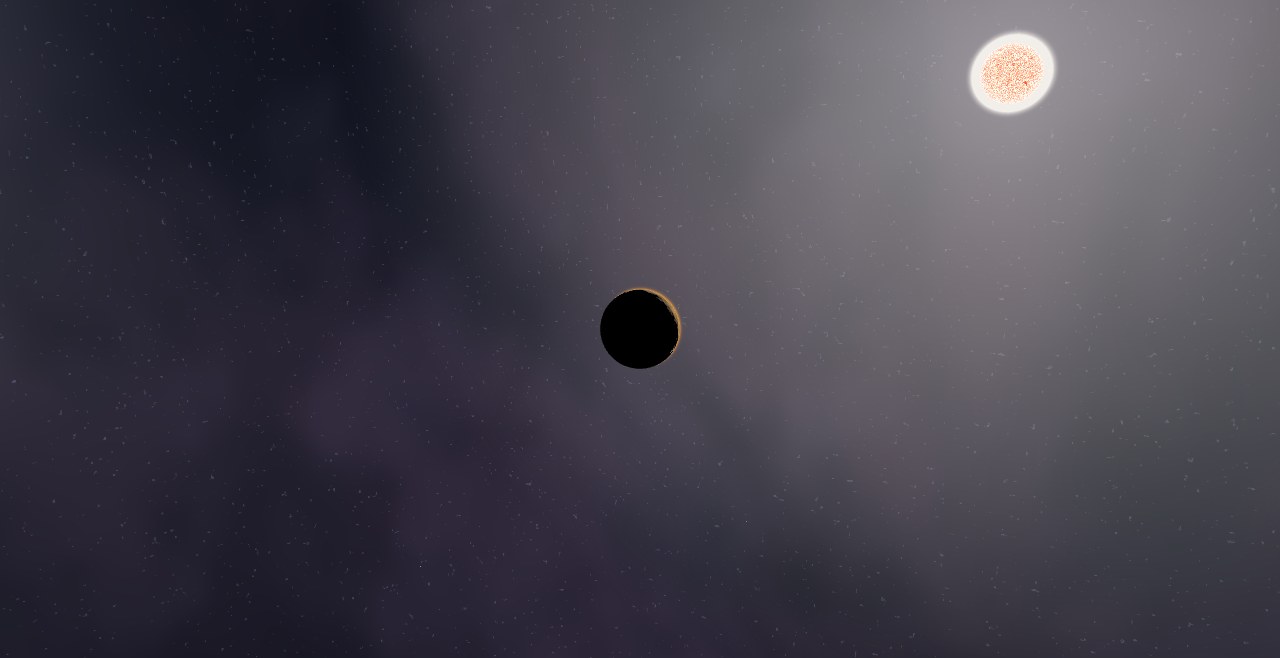
Kepler-1991, a Sun-like G-type star of 0.91 solar masses, and Kepler-1991 b, a planet with 1.5 Earth radii, with an orbital period of 13.3 days, at 0.106 AU from its star, and an equilibrium temperature near.
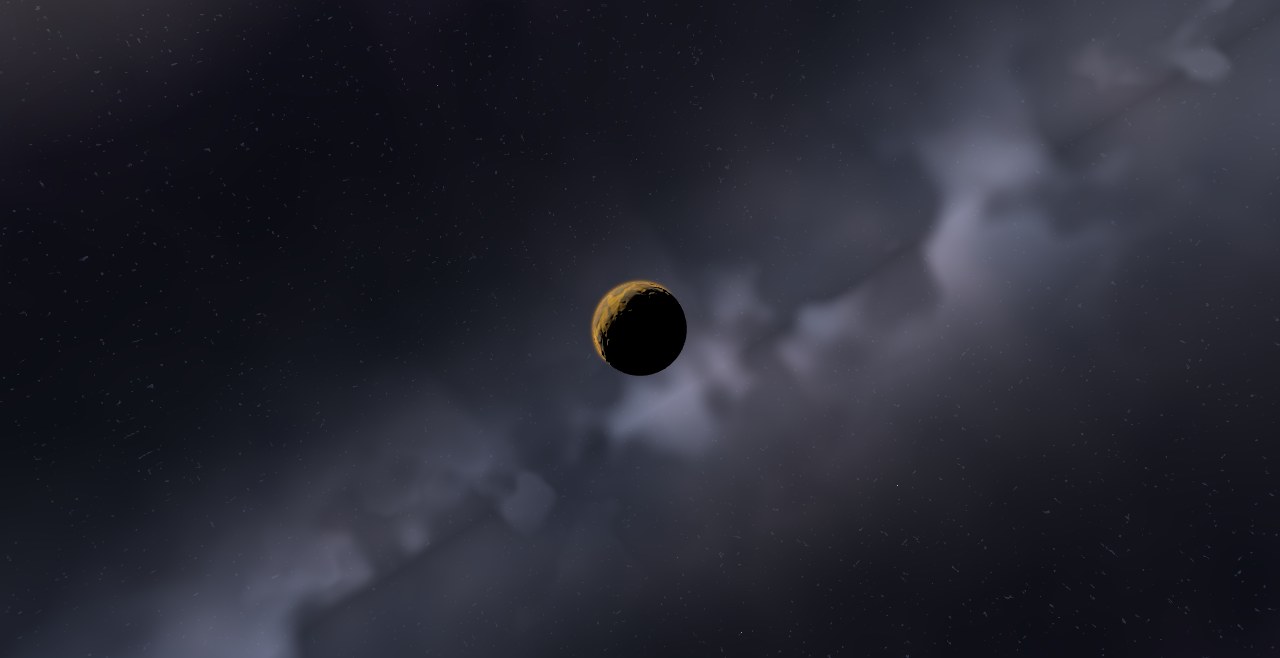
Kepler-1996, an orange K-type dwarf of 0.75 solar masses, and Kepler-1996 b, a planet with 2.3 Earth radii, with an orbital period of 32.4 days, at 0.179 AU from its star, and an equilibrium temperature near.
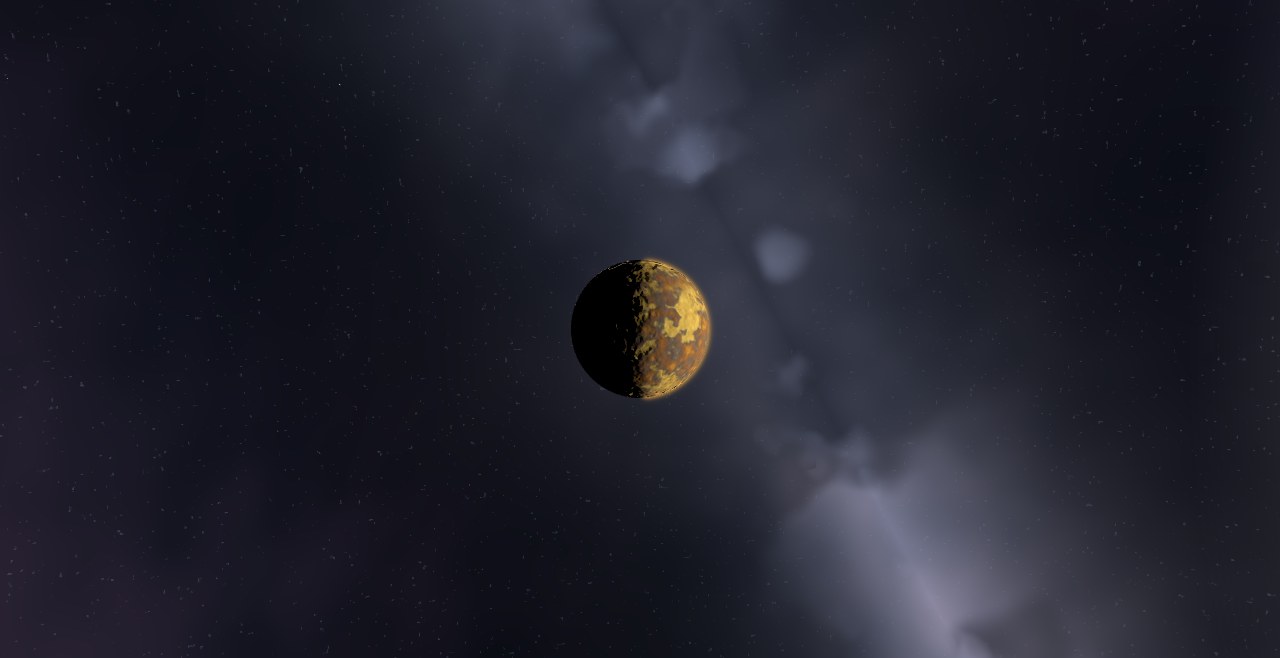
Kepler-200, a Sun-like G-type star of 0.97 solar masses, and Kepler-200 b, a planet with 2.1 Earth radii, with an orbital period of 8.6 days, at 0.080 AU from its star.
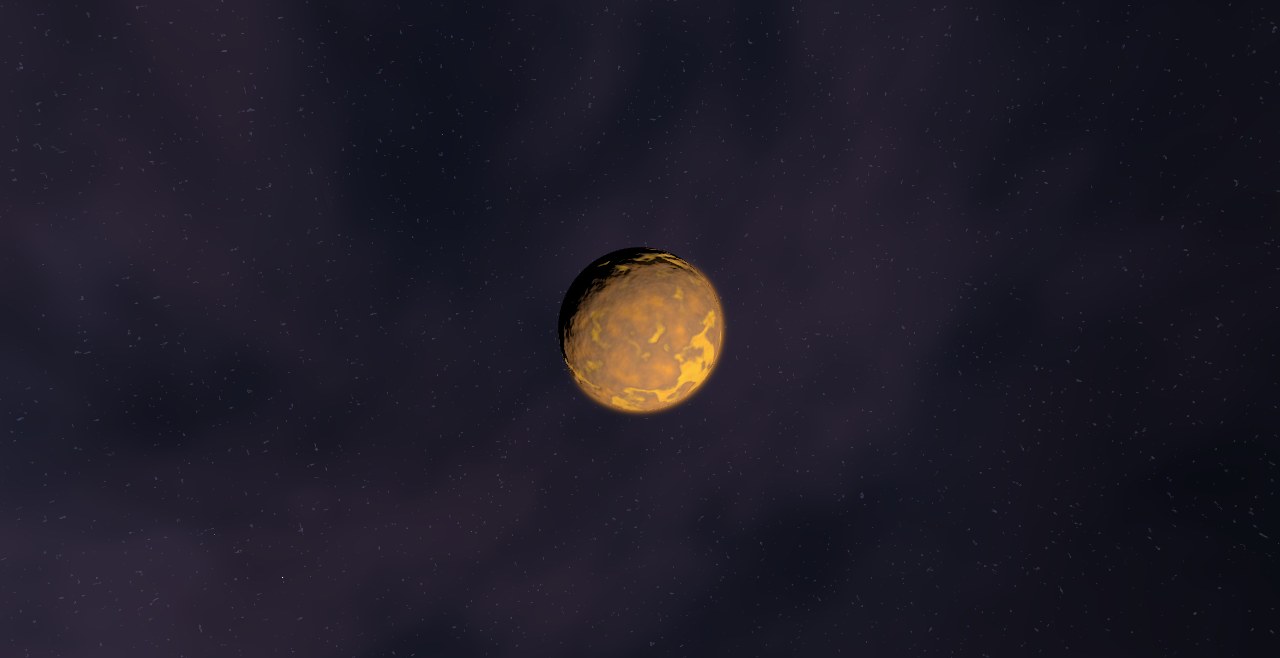
Kepler-2000, an orange K-type dwarf of 0.58 solar masses, and Kepler-2000 b, a planet with 2.7 Earth radii, with an orbital period of 6.4 days, at 0.056 AU from its star, and an equilibrium temperature near.
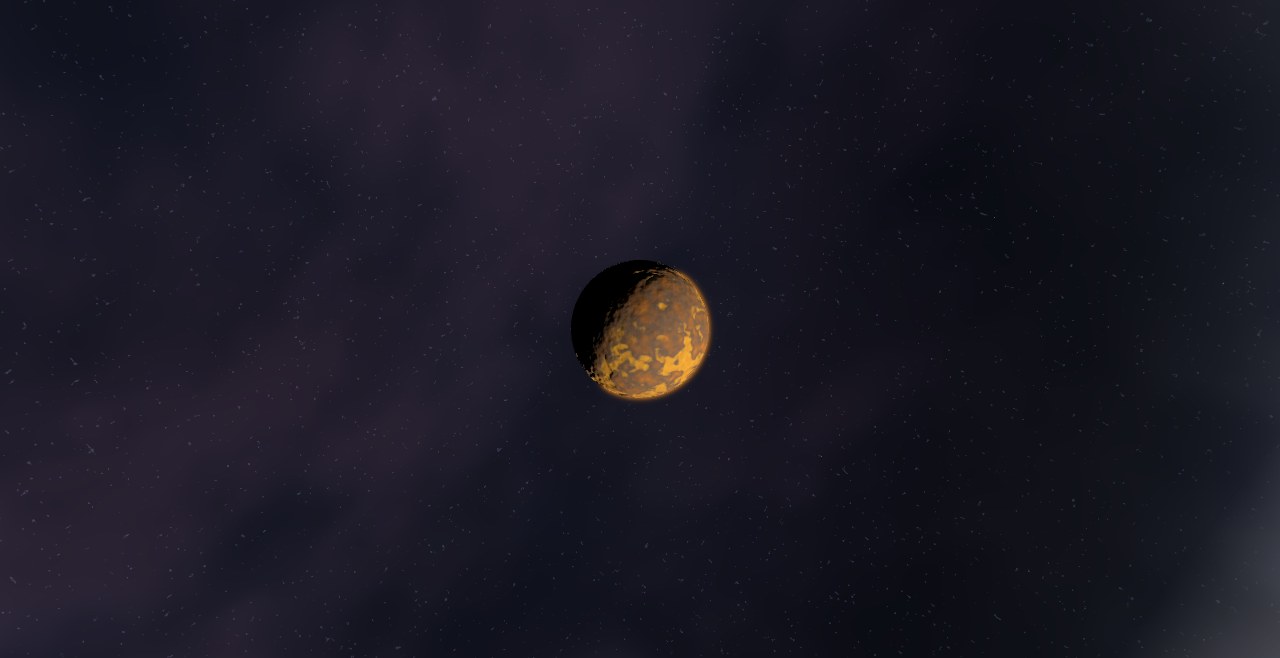
Kepler-2001, an orange K-type dwarf of 0.86 solar masses, and Kepler-2001 b, a planet with 1.0 Earth radii, with an orbital period of 1.1 days, at 0.020 AU from its star, and an equilibrium temperature near.