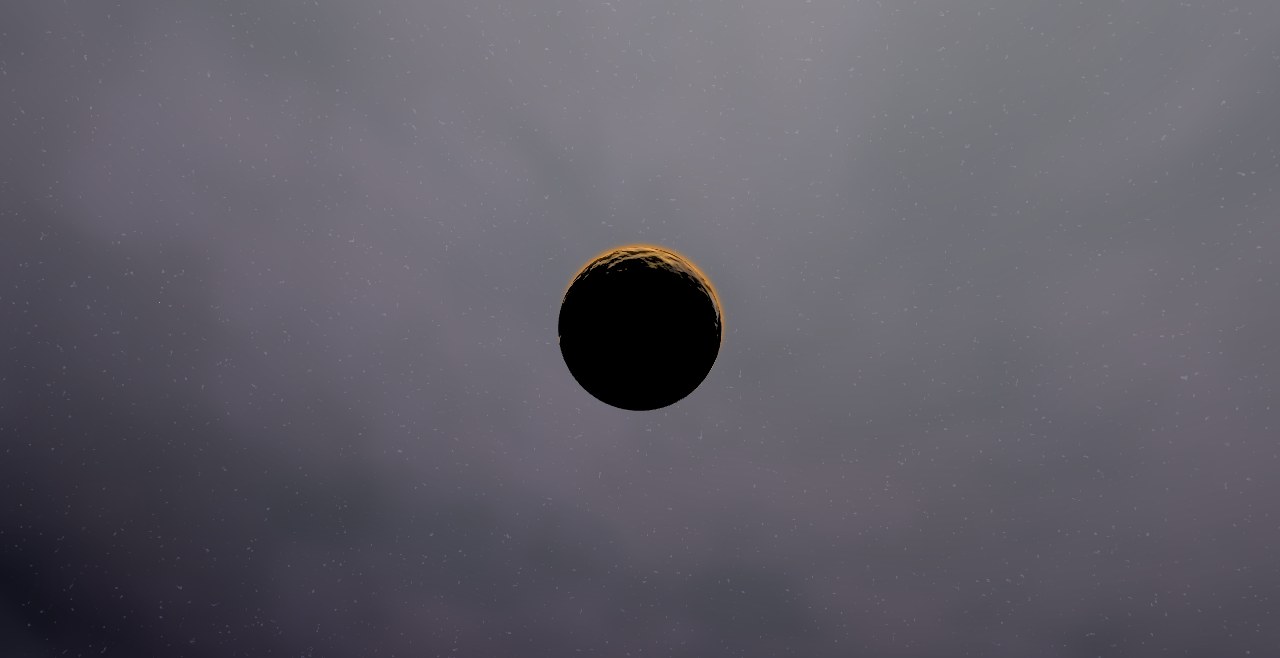
Kepler-1518 - System
Kepler-1518, a Sun-like F-type star of 1.54 solar masses, and Kepler-1518 c, a planet with 2.9 Earth radii, with an orbital period of 9.6 days, at 0.090 AU from its star, and an equilibrium temperature near.
Exoplanets
Track gravitational perturbations, transit timing variations, and orbital stability between binary planet arrangements around distant stars.
Share
Kepler-1518, a Sun-like F-type star of 1.54 solar masses, and Kepler-1518 c, a planet with 2.9 Earth radii, with an orbital period of 9.6 days, at 0.090 AU from its star, and an equilibrium temperature near.
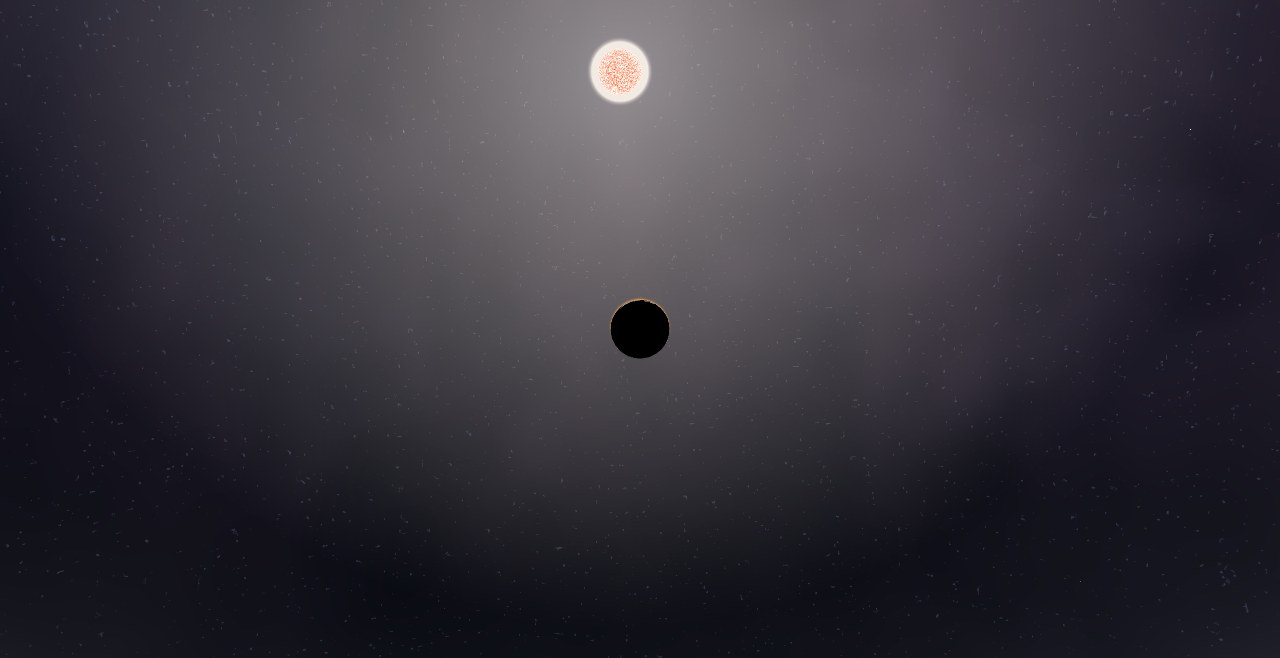
Kepler-152, an orange K-type dwarf of 0.78 solar masses, and Kepler-152 b, a planet with 2.8 Earth radii, with an orbital period of 18.2 days, at 0.124 AU from its star.
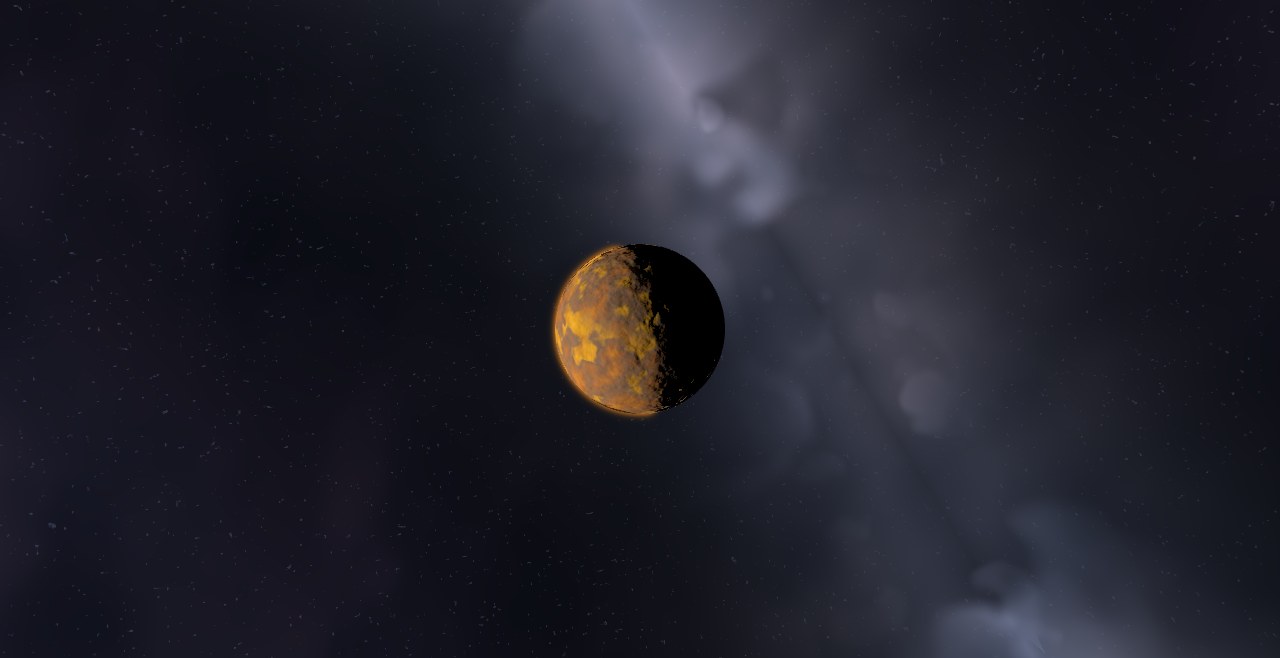
Kepler-153, a Sun-like G-type star of 0.76 solar masses, and Kepler-153 b, a planet with 2.9 Earth radii, with an orbital period of 18.9 days, at 0.129 AU from its star.
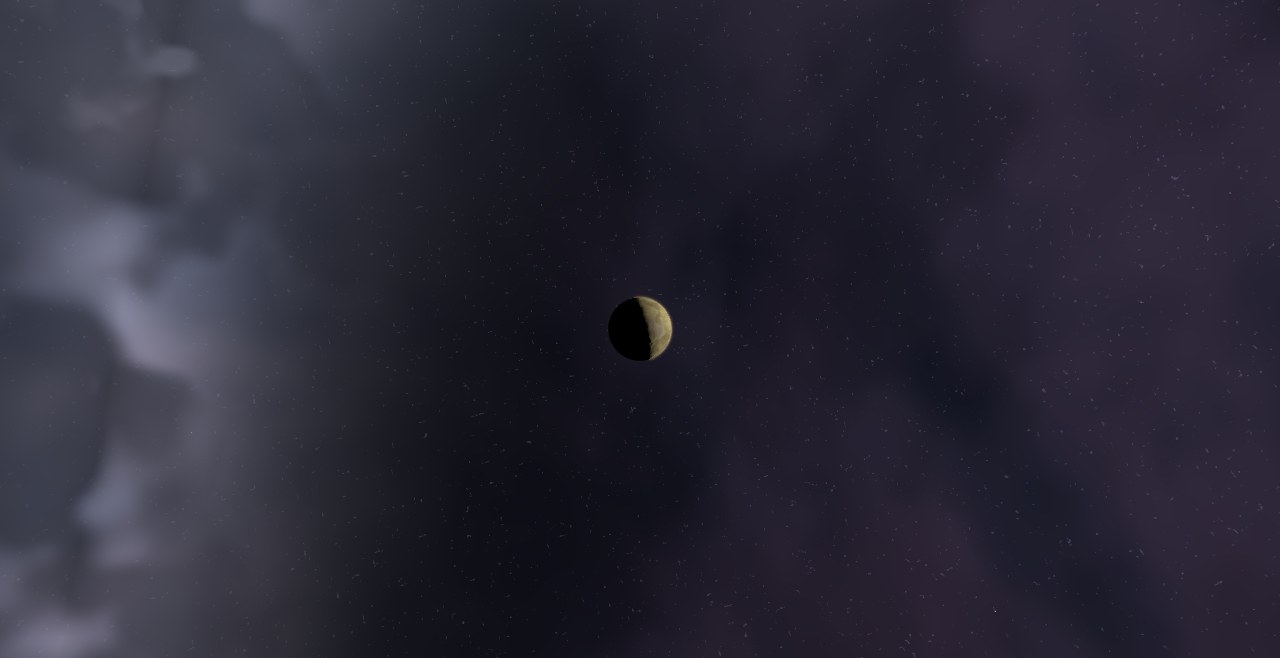
Kepler-155, an orange K-type dwarf of 0.64 solar masses, and Kepler-155 b, a planet with 2.1 Earth radii, with an orbital period of 5.9 days, at 0.056 AU from its star.
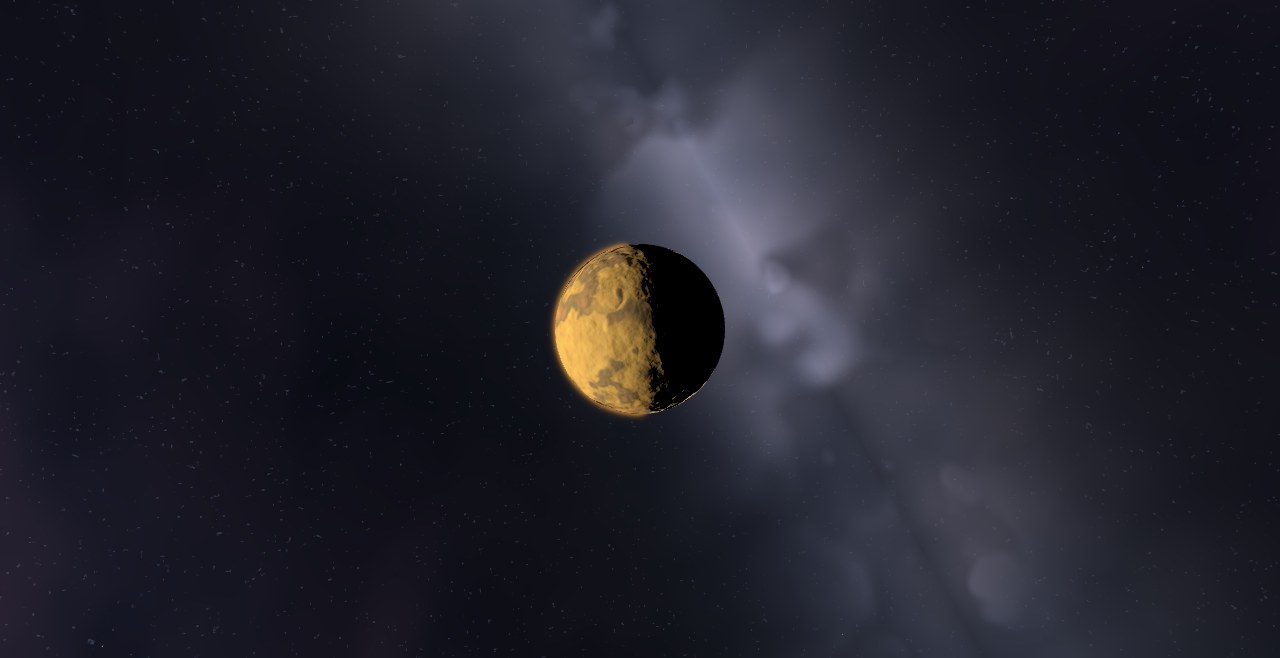
Kepler-156, an orange K-type dwarf of 0.86 solar masses, and Kepler-156 b, a planet with 2.3 Earth radii, with an orbital period of 5.0 days, at 0.054 AU from its star.
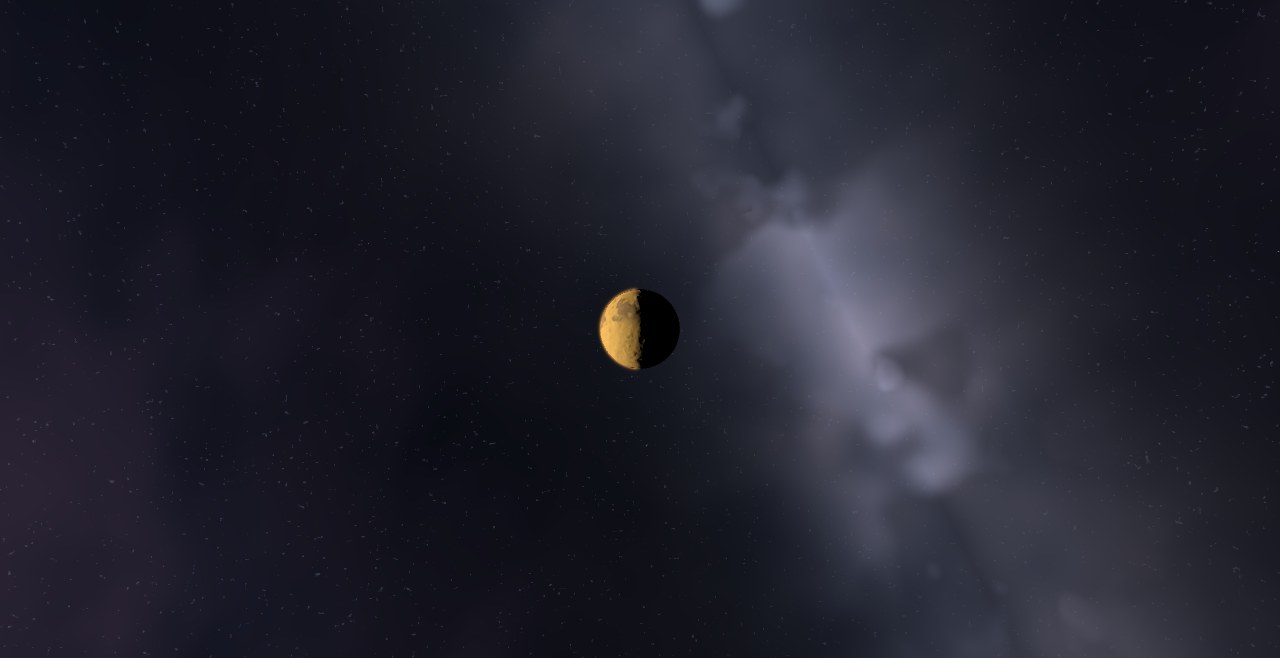
Kepler-158, an orange K-type dwarf of 0.66 solar masses, and Kepler-158 b, a planet with 2.1 Earth radii, with an orbital period of 16.7 days, at 0.111 AU from its star.
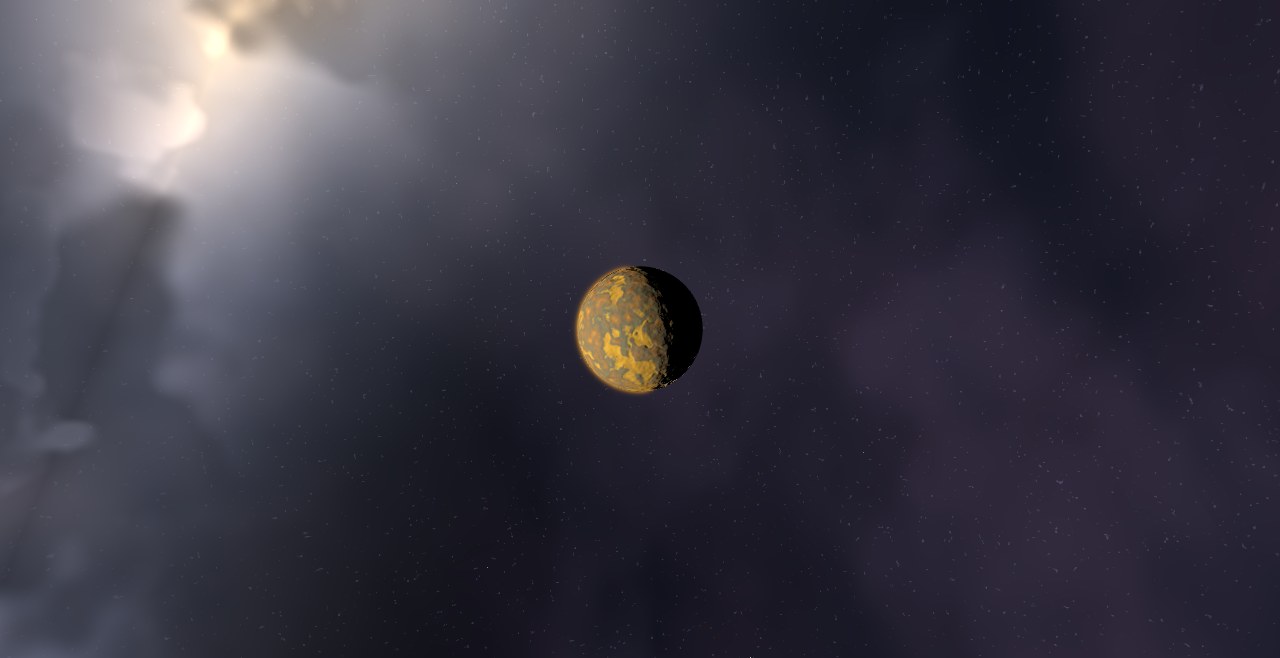
Kepler-159, an orange K-type dwarf of 0.63 solar masses, and Kepler-159 b, a planet with 2.4 Earth radii, with an orbital period of 10.1 days, at 0.082 AU from its star.
Kepler-1600, a Sun-like G-type star of 0.86 solar masses, and Kepler-1600 c, a planet with 1.9 Earth radii, with an orbital period of 7.3 days.
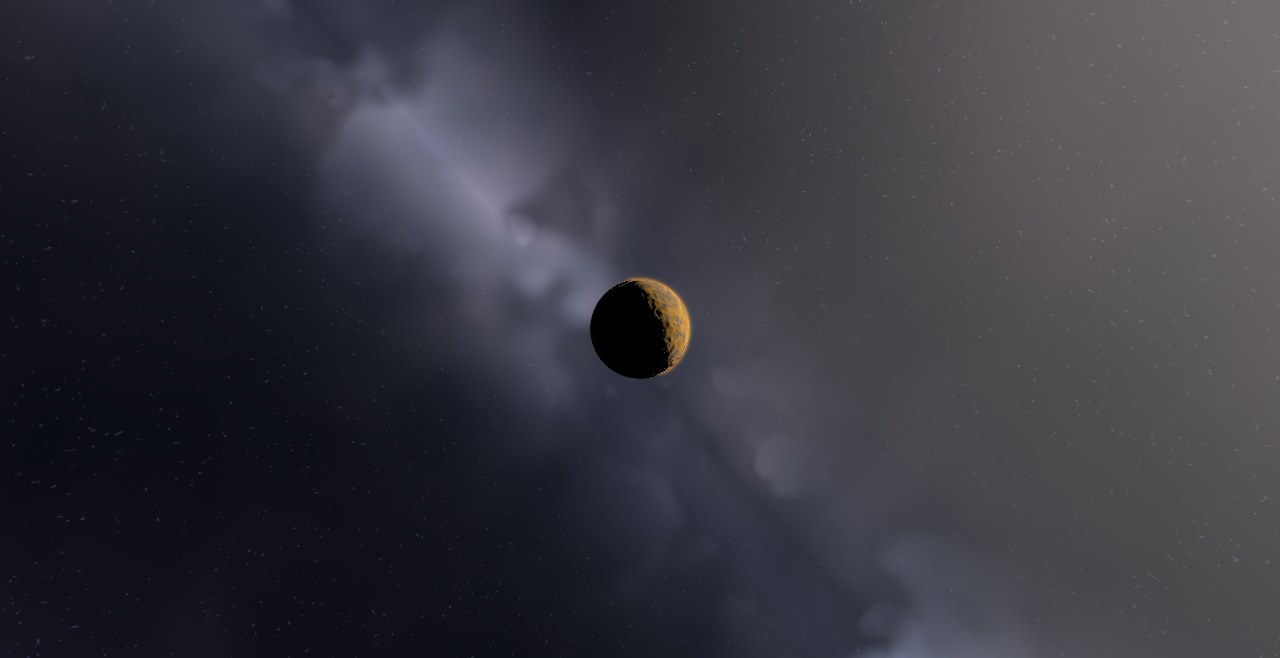
Kepler-161, an orange K-type dwarf of 0.85 solar masses, and Kepler-161 b, a planet with 2.1 Earth radii, with an orbital period of 4.9 days, at 0.054 AU from its star.
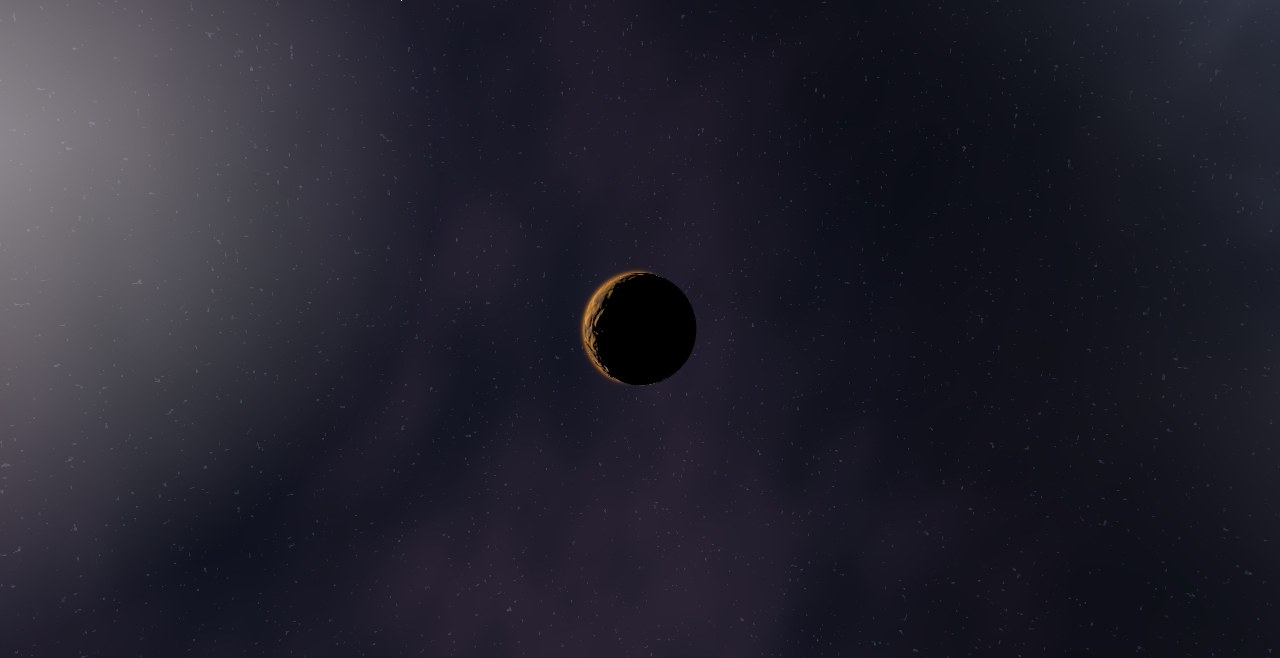
Kepler-1610, a Sun-like G-type star of 0.82 solar masses, and Kepler-1610 c, a planet with 2.1 Earth radii, with an orbital period of 45.0 days, at 0.232 AU from its star, and an equilibrium temperature near.
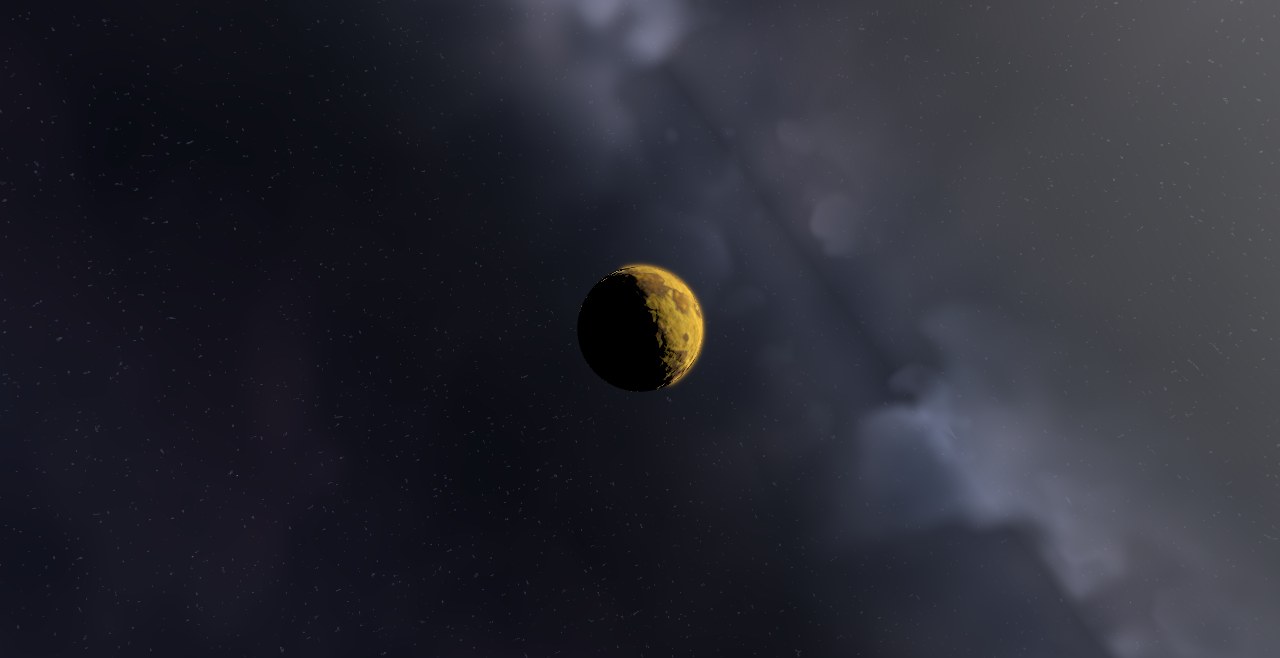
Kepler-162, a Sun-like G-type star of 1.05 solar masses, and Kepler-162 b, a planet with 1.3 Earth radii, with an orbital period of 6.9 days, at 0.069 AU from its star.
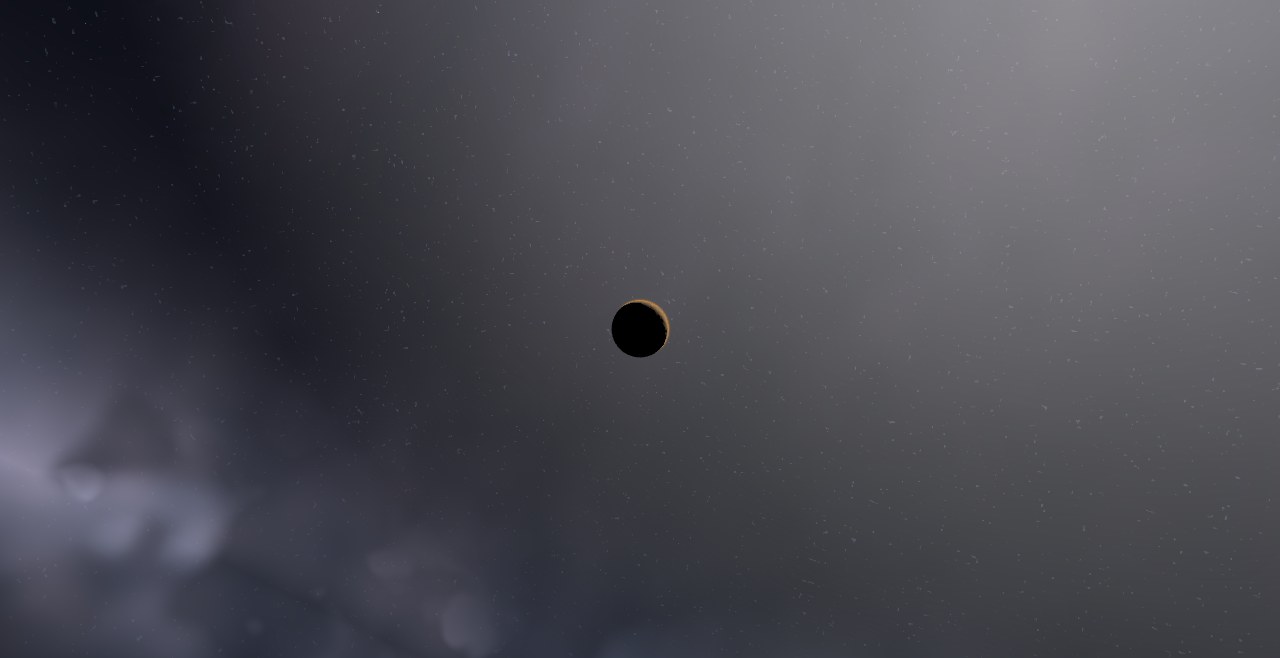
Kepler-163, a Sun-like G-type star of 0.88 solar masses, and Kepler-163 b, a planet with 1.1 Earth radii, with an orbital period of 7.8 days, at 0.078 AU from its star.
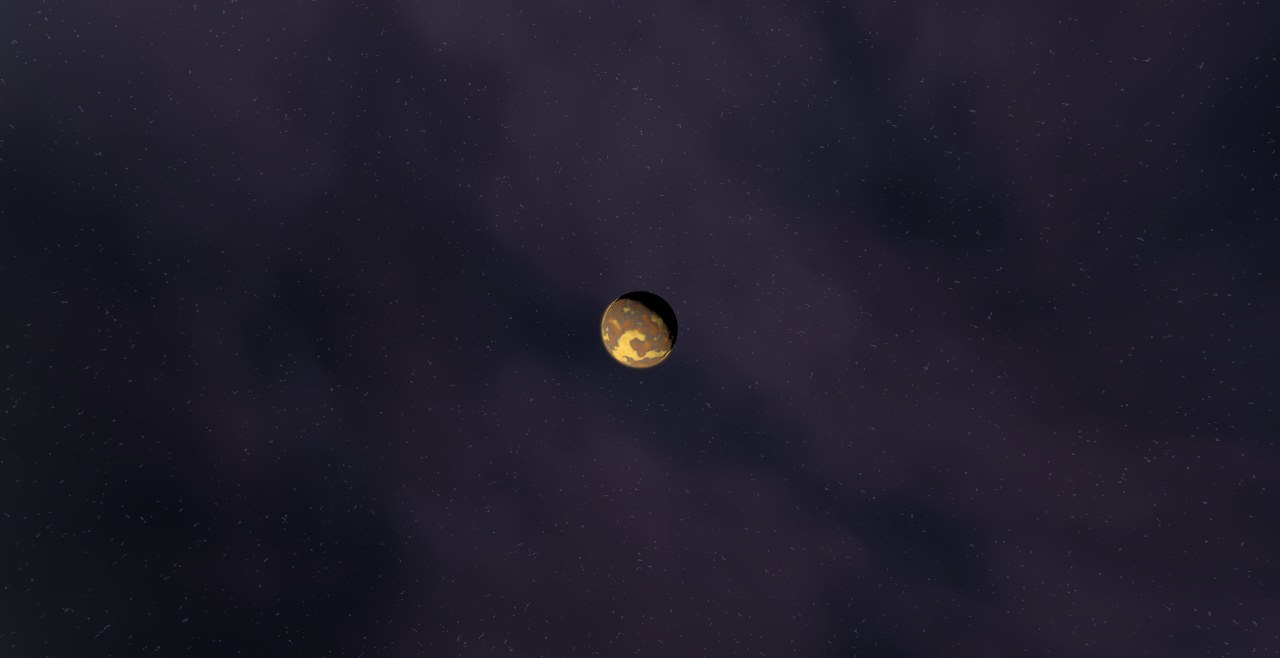
Kepler-1641, a Sun-like F-type star of 1.12 solar masses, and Kepler-1641 b, a planet with 3.1 Earth radii, with an orbital period of 19.7 days.
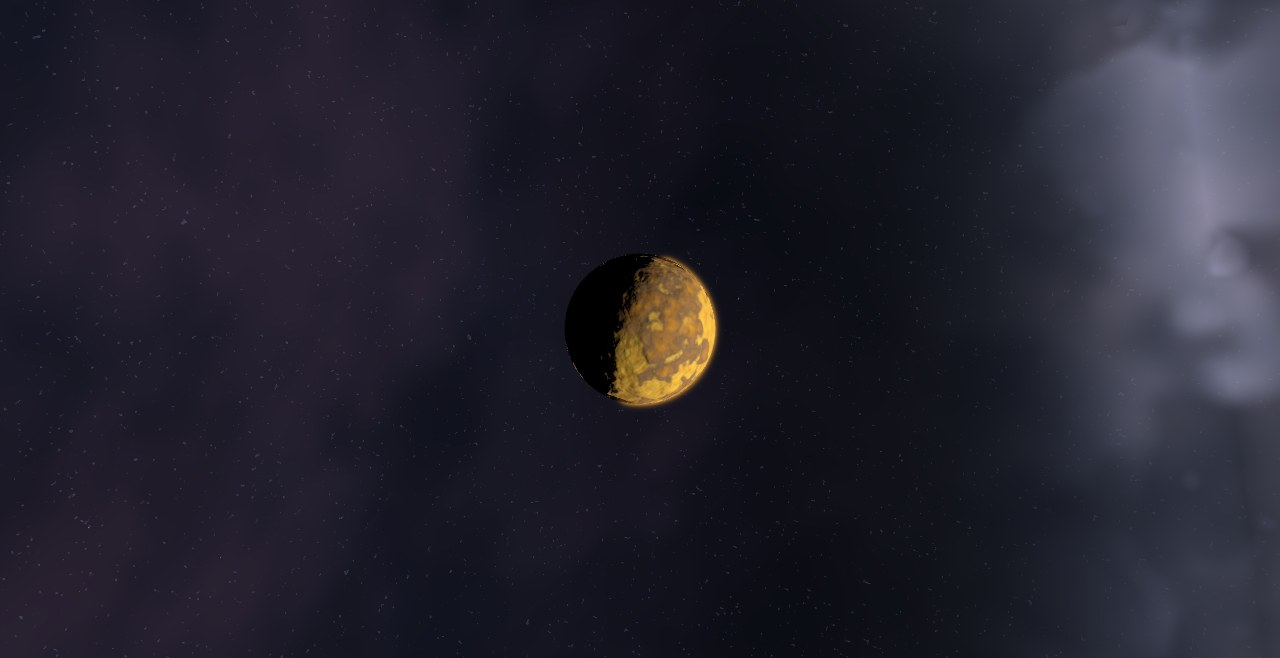
Kepler-1642, a Sun-like G-type star of 0.88 solar masses, and Kepler-1642 c, a planet with 2.7 Earth radii, with an orbital period of 6.7 days.
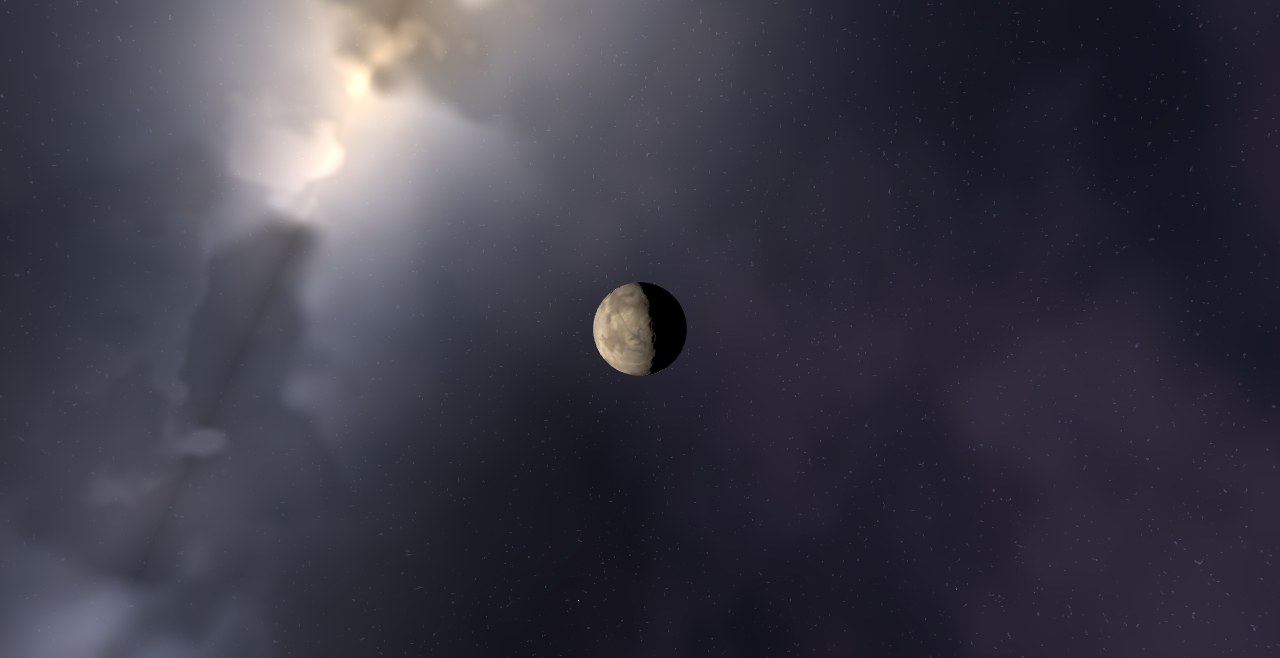
Kepler-1649 c, an Earth-sized habitable-zone planet missed by the pipeline and recovered by citizen scientists rechecking Kepler false positives.
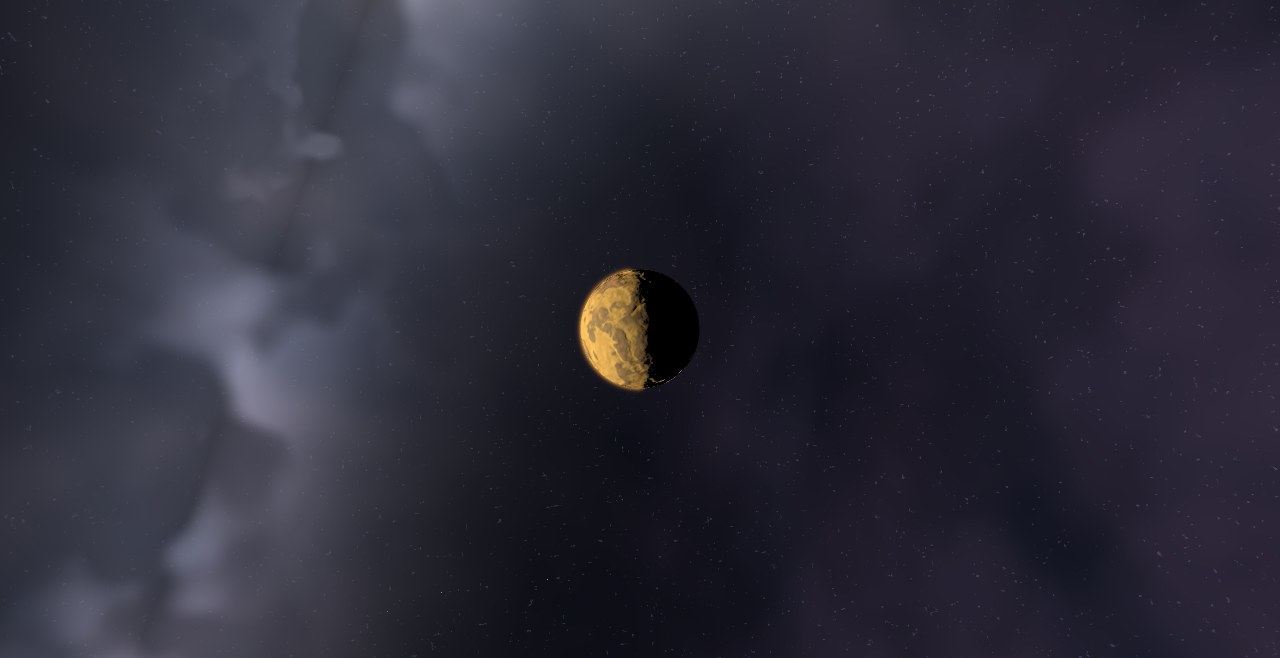
Kepler-165, a Sun-like G-type star of 0.75 solar masses, and Kepler-165 b, a planet with 2.3 Earth radii, with an orbital period of 8.2 days, at 0.072 AU from its star.
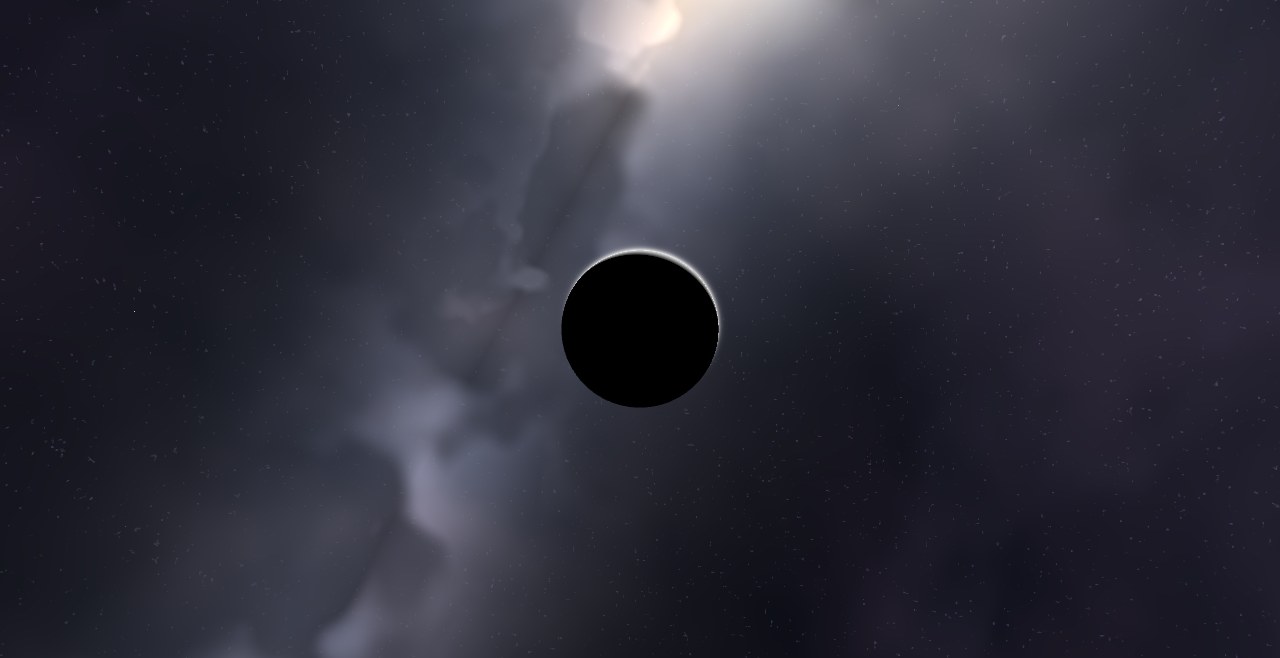
Kepler-1656, a Sun-like G-type star of 1.03 solar masses, and Kepler-1656 b, a 0.15-Jupiter-mass companion, with an orbital period of 31.6 days, at 0.197 AU from its star, on an eccentric orbit (e ≈ 0.84).
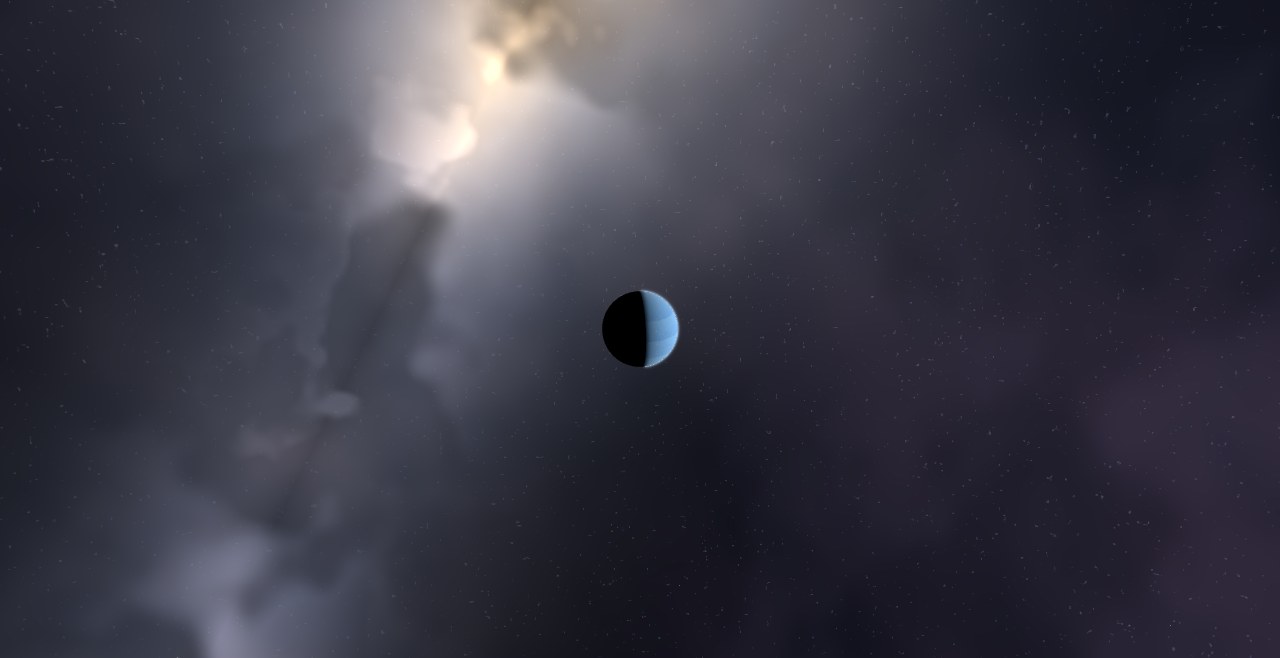
Kepler-1666, a Sun-like F-type star of 1.23 solar masses, and Kepler-1666 b, a planet with 2.9 Earth radii, with an orbital period of 25.8 days.