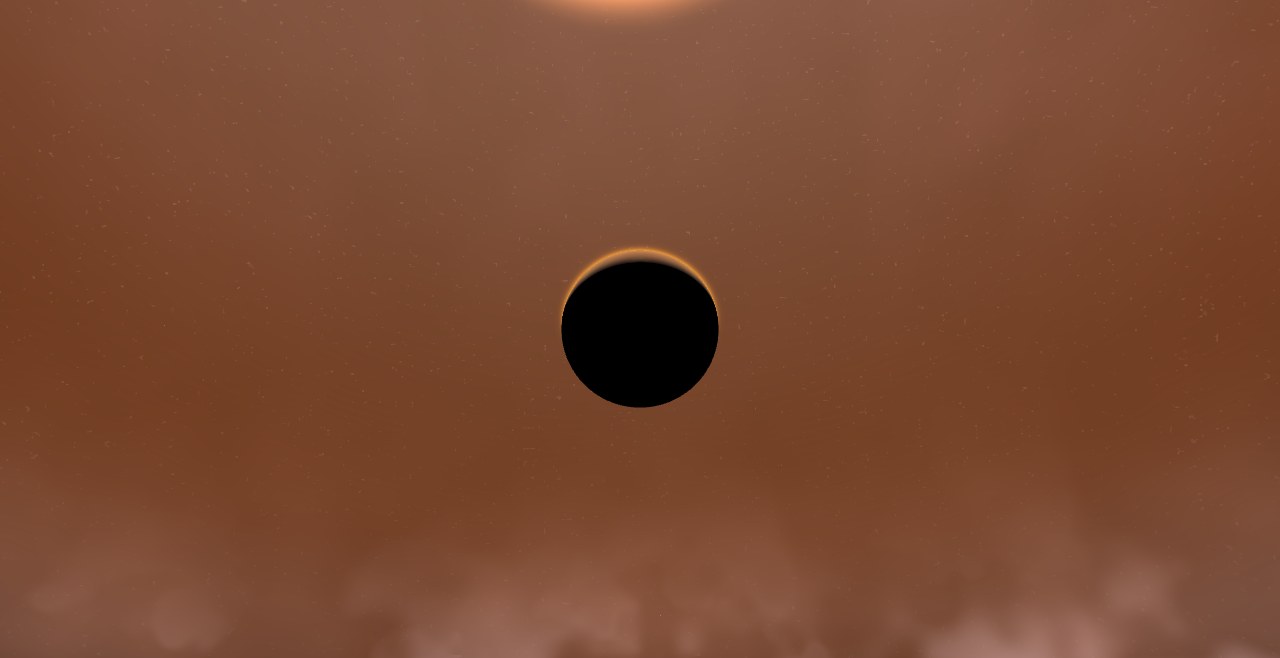
K2-137 - System
K2-137, a cool M-dwarf of 0.46 solar masses, and K2-137 b, a planet with 0.6 Earth radii, with an orbital period of 4.3 hours.
Exoplanets
Analyze isolated alien worlds orbiting a singular host star to observe basic orbital parameters, tidal locks, and planetary eccentricities.
Share
K2-137, a cool M-dwarf of 0.46 solar masses, and K2-137 b, a planet with 0.6 Earth radii, with an orbital period of 4.3 hours.
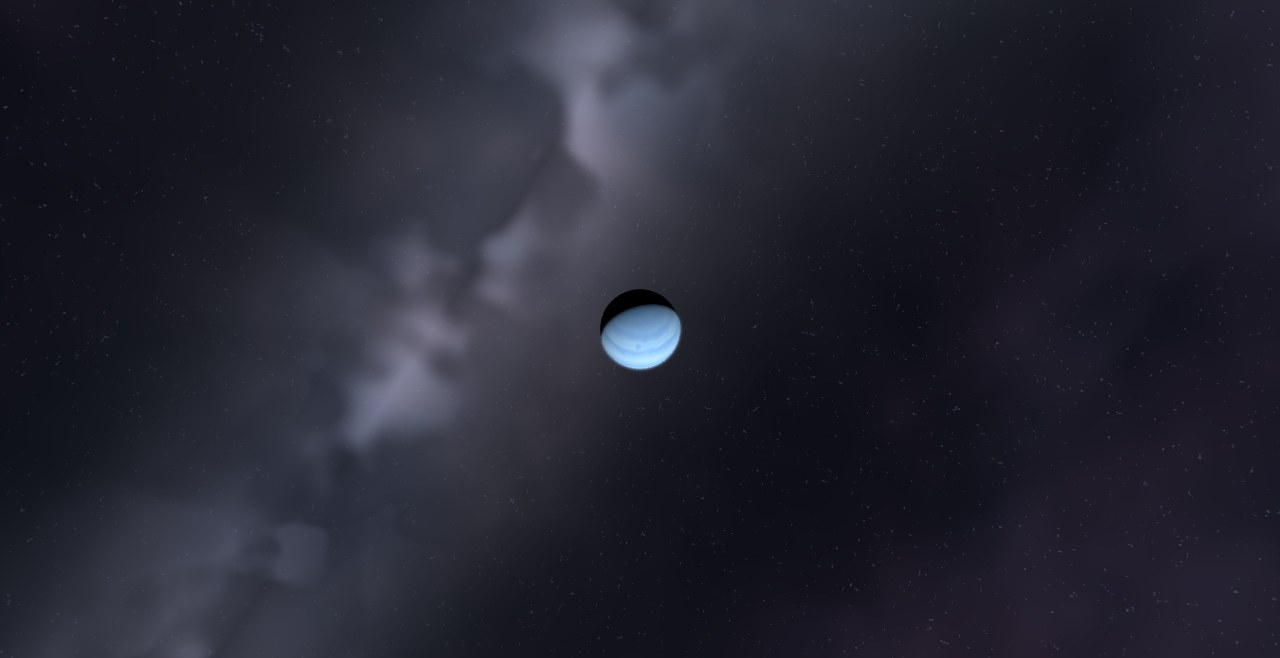
K2-139, a Sun-like G-type star of 0.96 solar masses, and K2-139 b, a planet with 9.1 Earth radii, with an orbital period of 28.4 days, at 0.180 AU from its star, and an equilibrium temperature near 524 K.
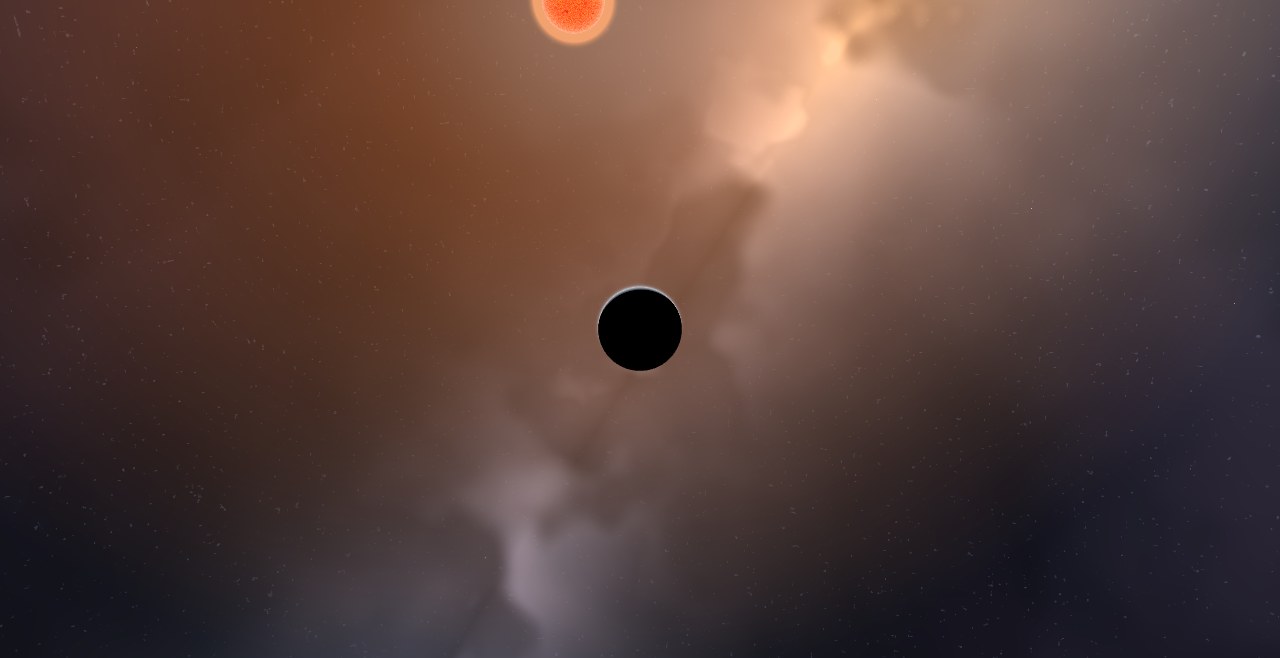
K2-14, an orange K-type dwarf of 0.47 solar masses, and K2-14 b, a planet with 4.8 Earth radii, with an orbital period of 8.4 days, at 0.063 AU from its star, and an equilibrium temperature near 488 K.
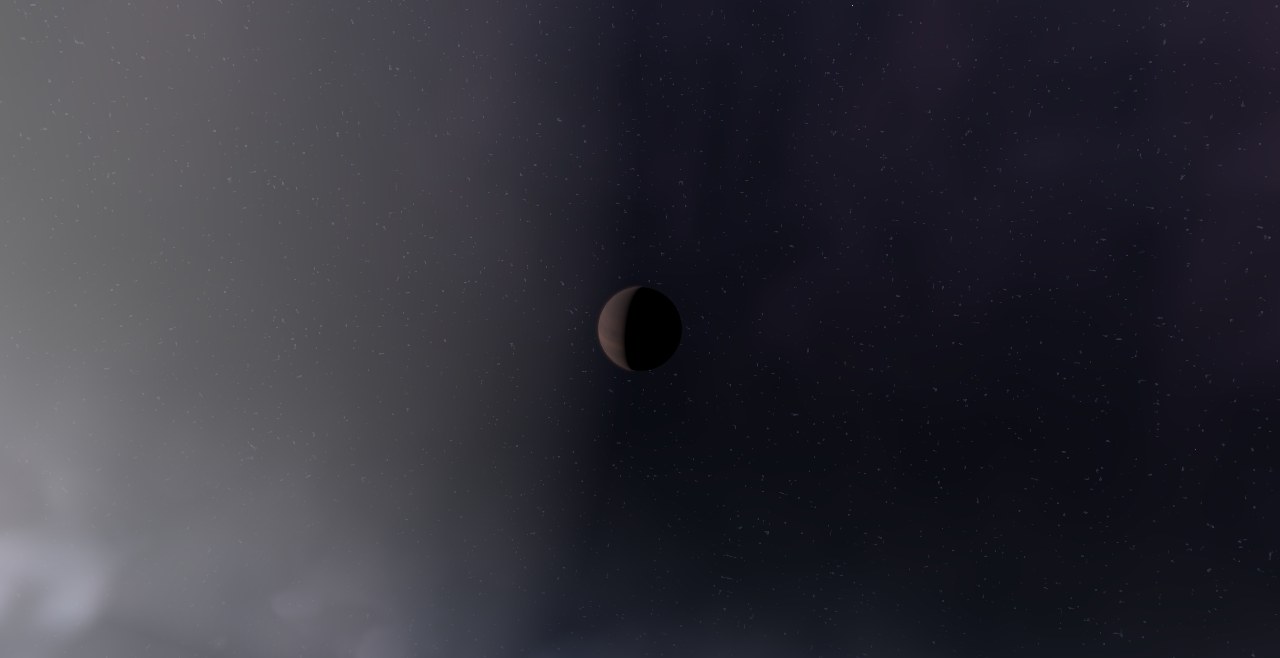
K2-140, a Sun-like G-type star of 0.96 solar masses, and K2-140 b, a 0.93-Jupiter-mass companion, with an orbital period of 6.6 days, at 0.068 AU from its star, and an equilibrium temperature near 962 K.
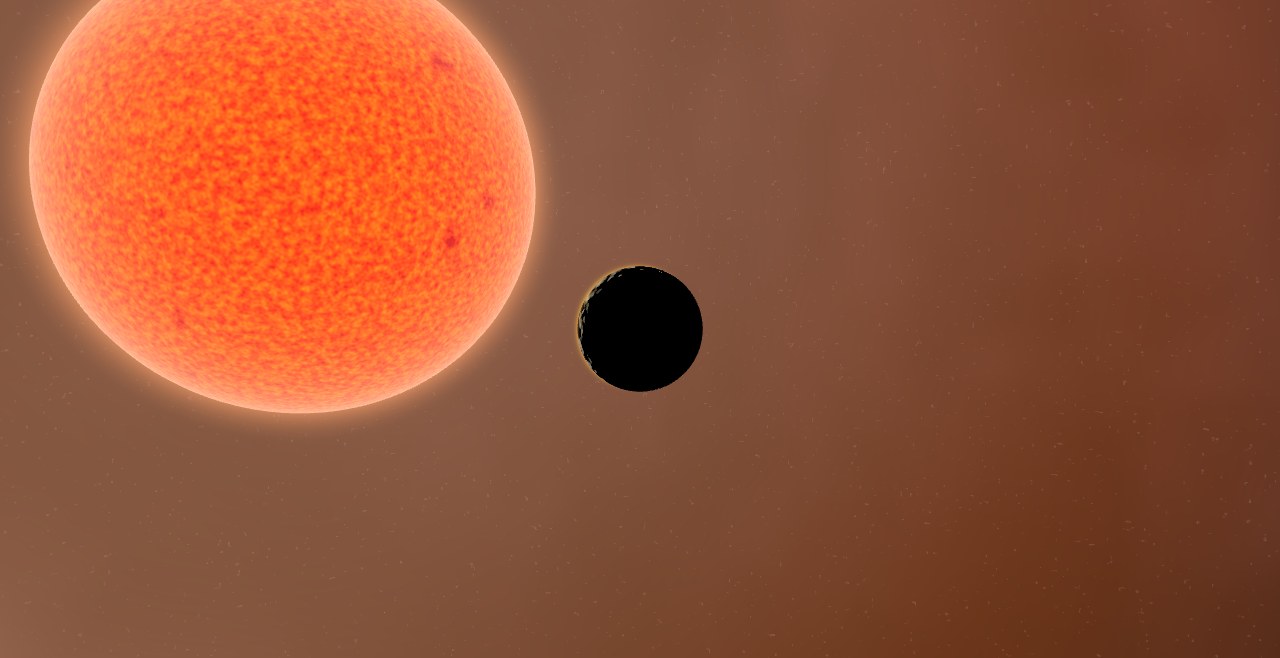
K2-147, a cool M-dwarf of 0.56 solar masses, and K2-147 b, a planet with 1.5 Earth radii, with an orbital period of 23.1 hours, at 0.016 AU from its star, and an equilibrium temperature near 1,077 K.
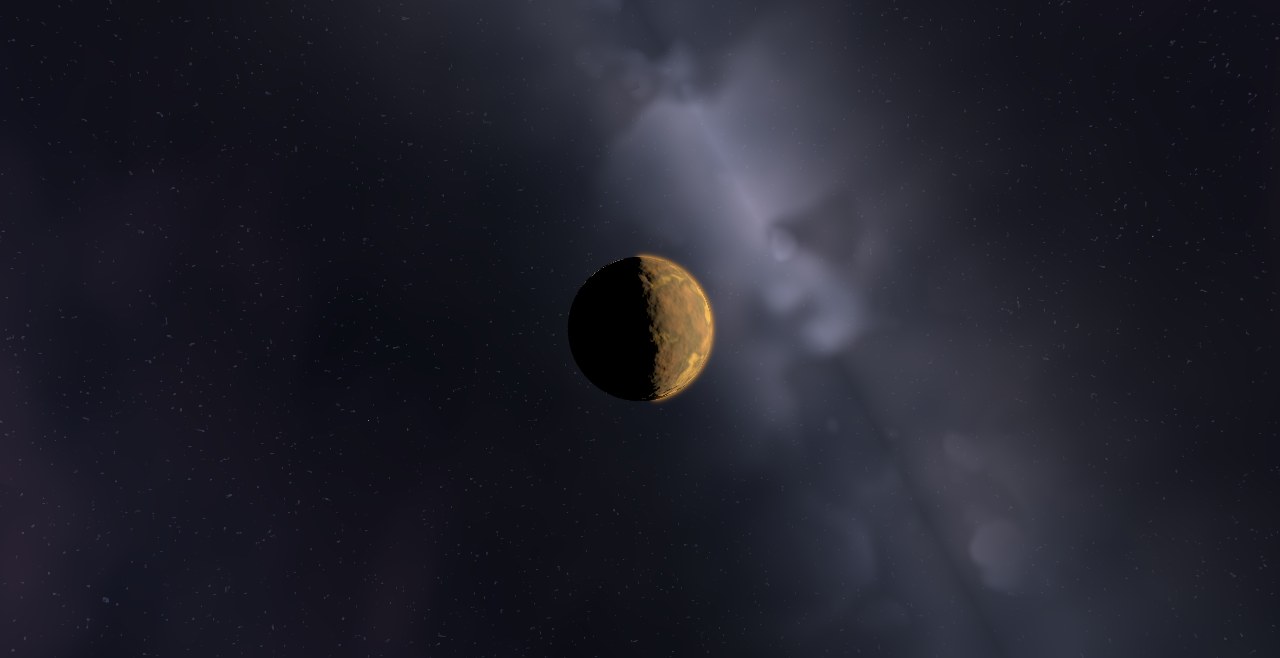
K2-149, a cool M-dwarf of 0.59 solar masses, and K2-149 b, a planet with 1.6 Earth radii, with an orbital period of 11.3 days, at 0.083 AU from its star.
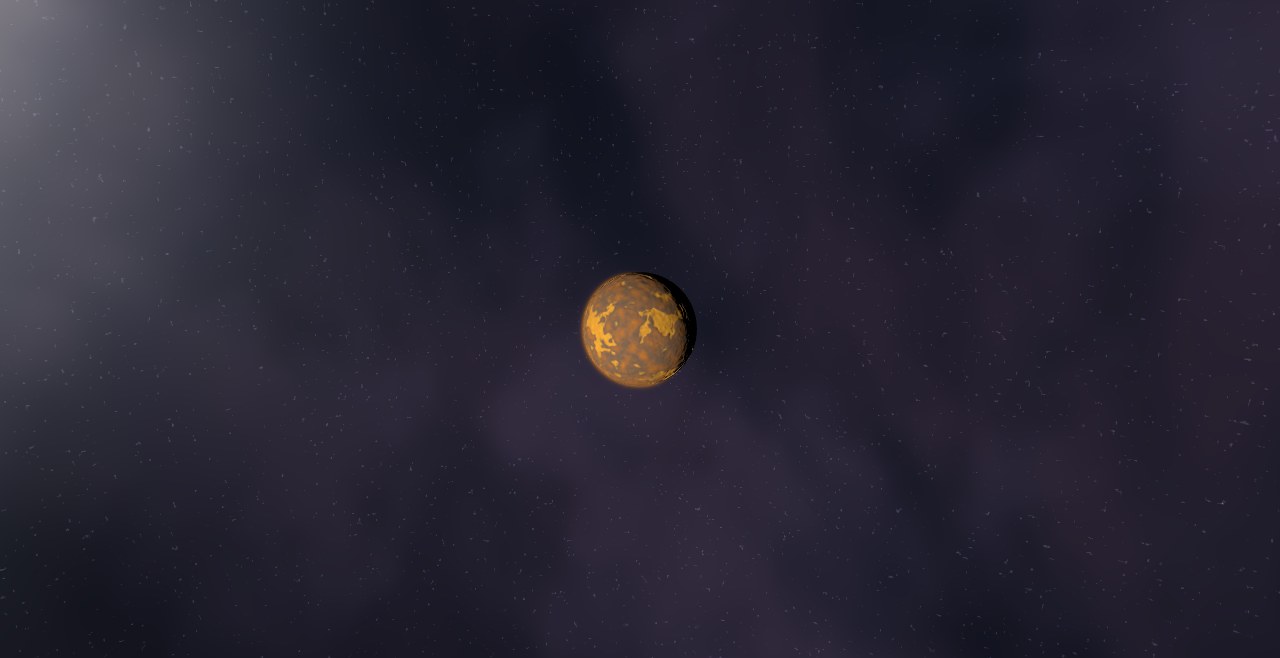
K2-15, an orange K-type dwarf of 0.72 solar masses, and K2-15 b, a planet with 2.5 Earth radii, with an orbital period of 11.8 days, at 0.091 AU from its star, and an equilibrium temperature near 676 K.
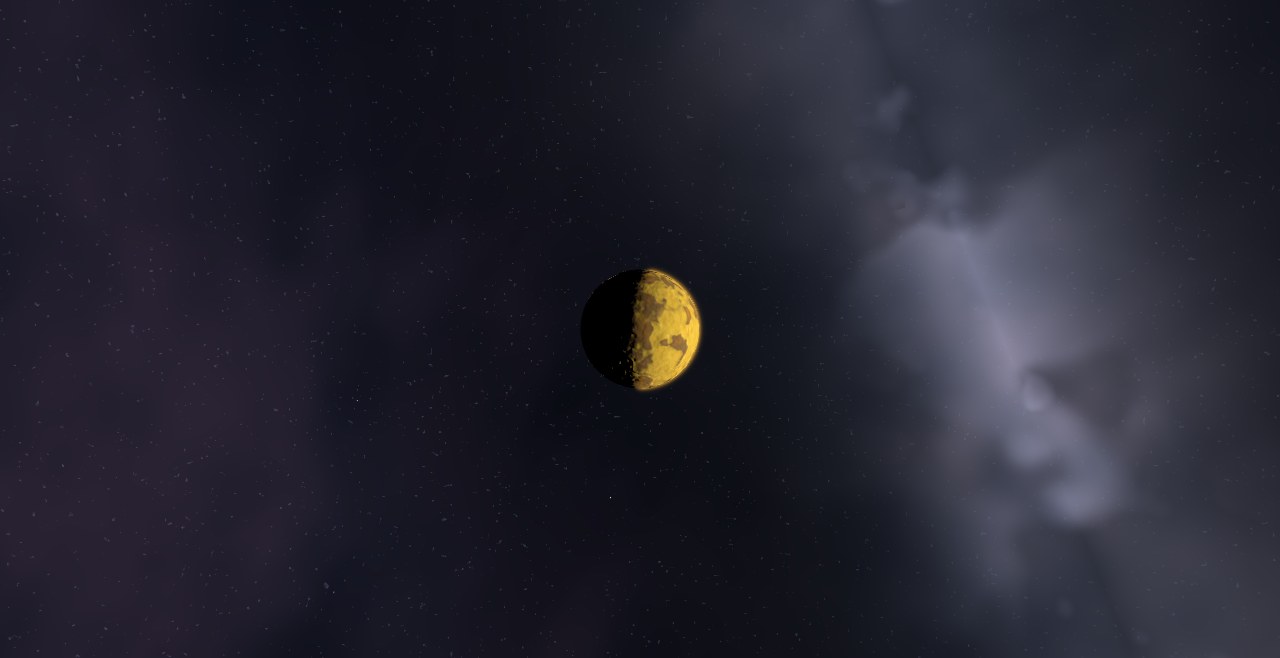
K2-150, a cool M-dwarf of 0.46 solar masses, and K2-150 b, a planet with 2.0 Earth radii, with an orbital period of 10.6 days, at 0.073 AU from its star.
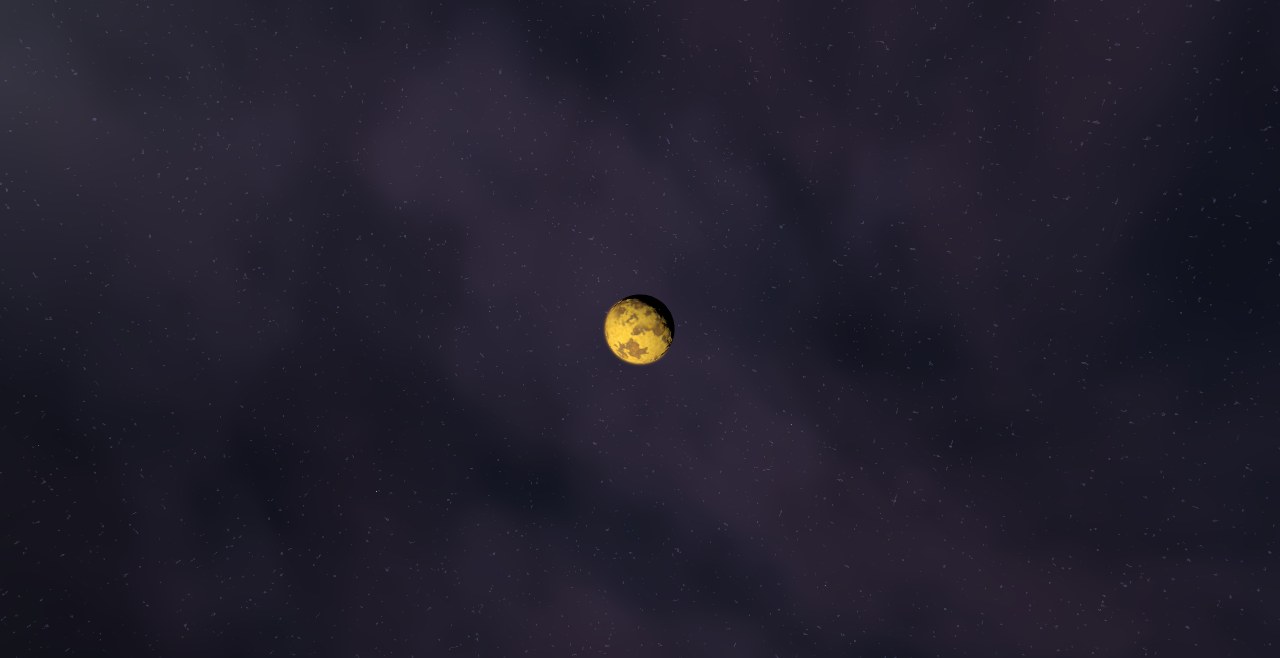
K2-151, a cool M-dwarf of 0.47 solar masses, and K2-151 b, a planet with 1.5 Earth radii, with an orbital period of 3.8 days, at 0.037 AU from its star, and an equilibrium temperature near 566 K.
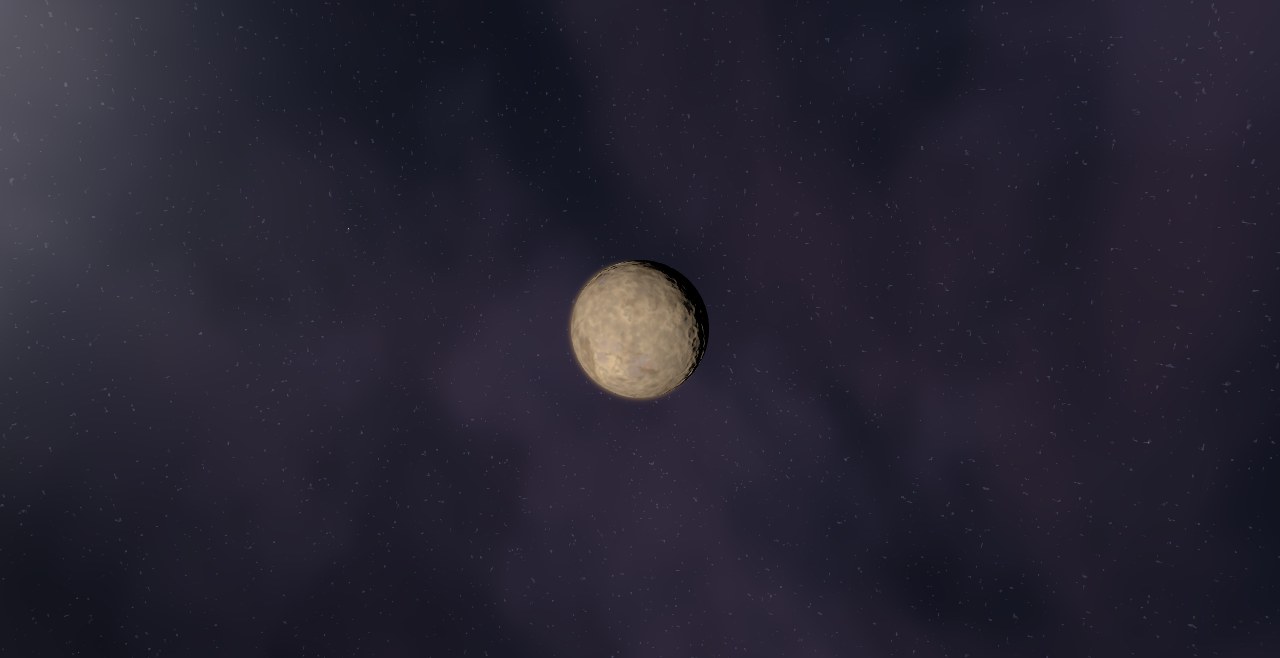
K2-152, an orange K-type dwarf of 0.63 solar masses, and K2-152 b, a planet with 2.3 Earth radii, with an orbital period of 32.6 days, at 0.172 AU from its star, and an equilibrium temperature near 337 K.
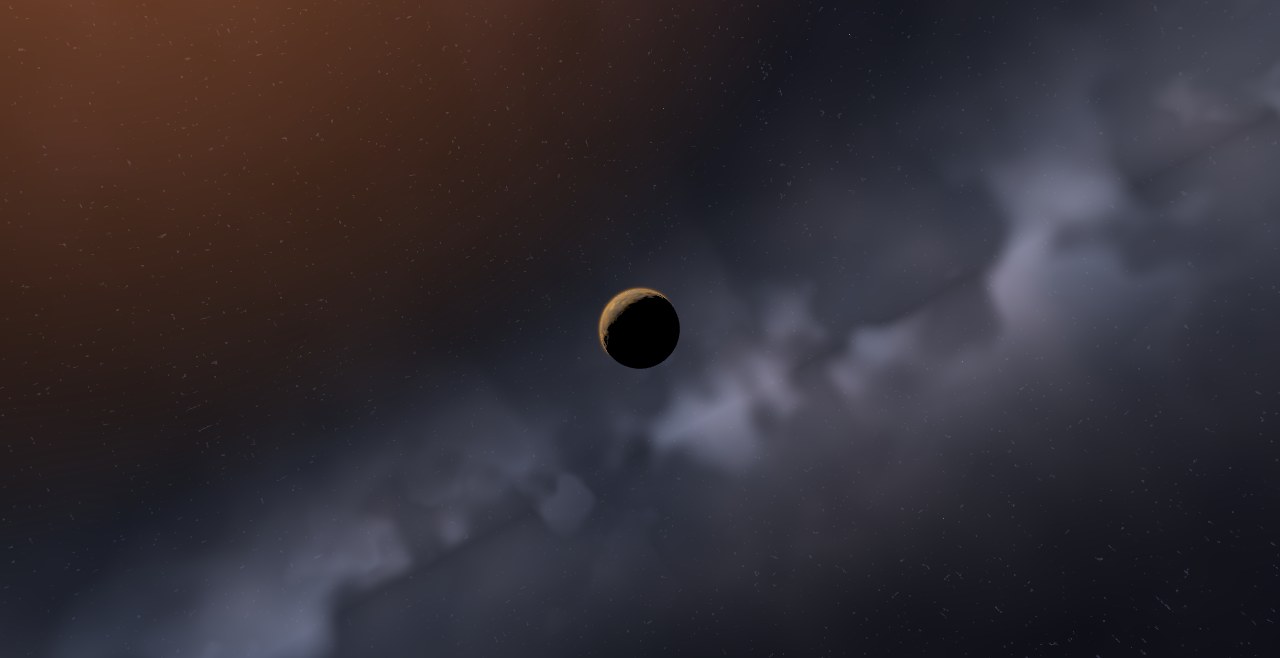
K2-153, an orange K-type dwarf of 0.55 solar masses, and K2-153 b, a planet with 2.0 Earth radii, with an orbital period of 7.5 days, at 0.061 AU from its star, and an equilibrium temperature near 497 K.
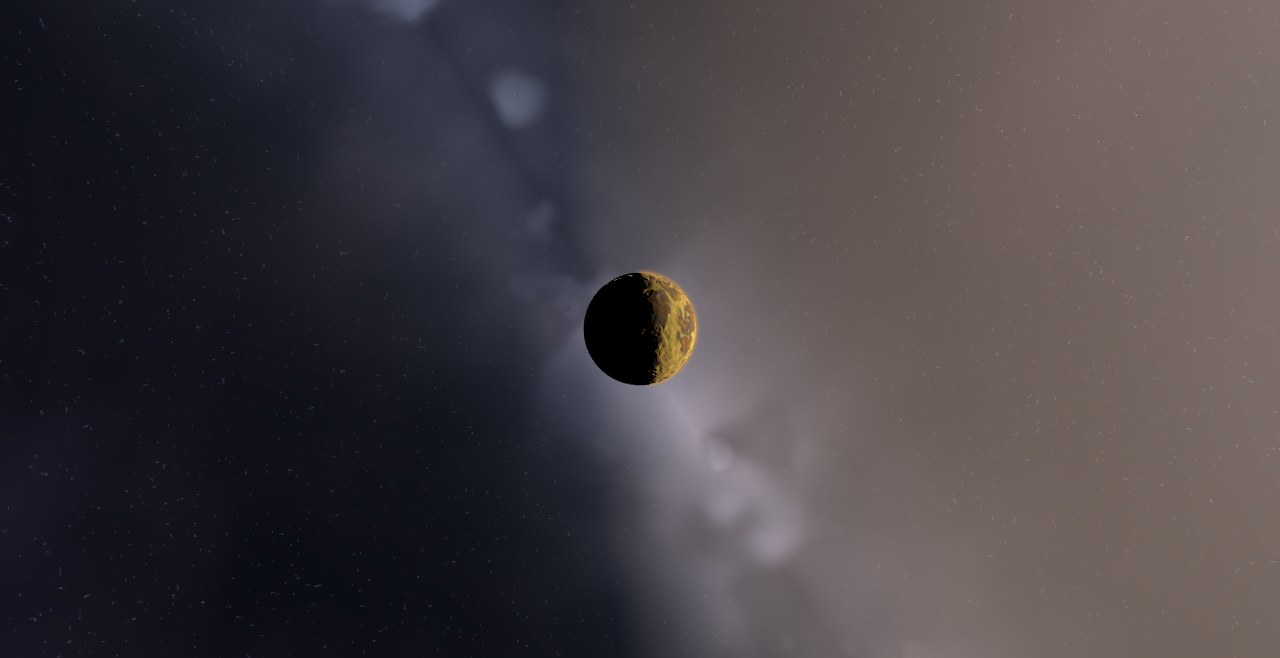
K2-156, an orange K-type dwarf of 0.66 solar masses, and K2-156 b, a planet with 1.1 Earth radii, with an orbital period of 19.5 hours.
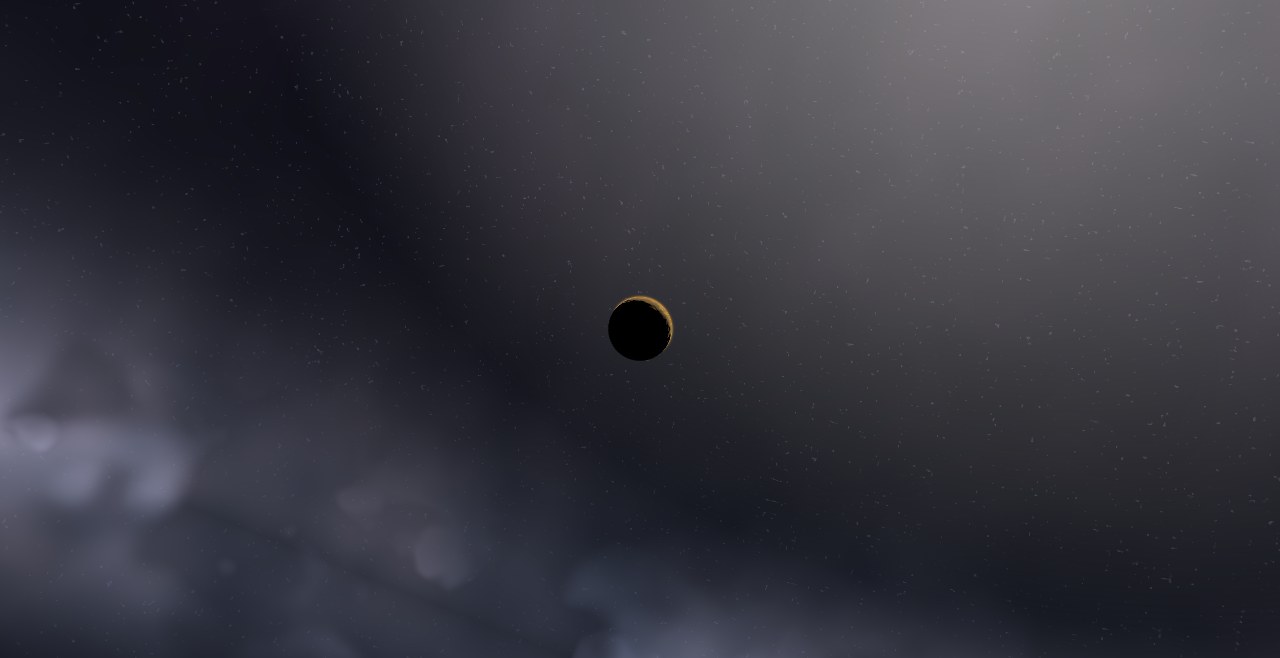
K2-159, a Sun-like G-type star of 0.90 solar masses, and K2-159 b, a planet with 2.3 Earth radii, with an orbital period of 12.4 days, at 0.101 AU from its star, and an equilibrium temperature near 684 K.
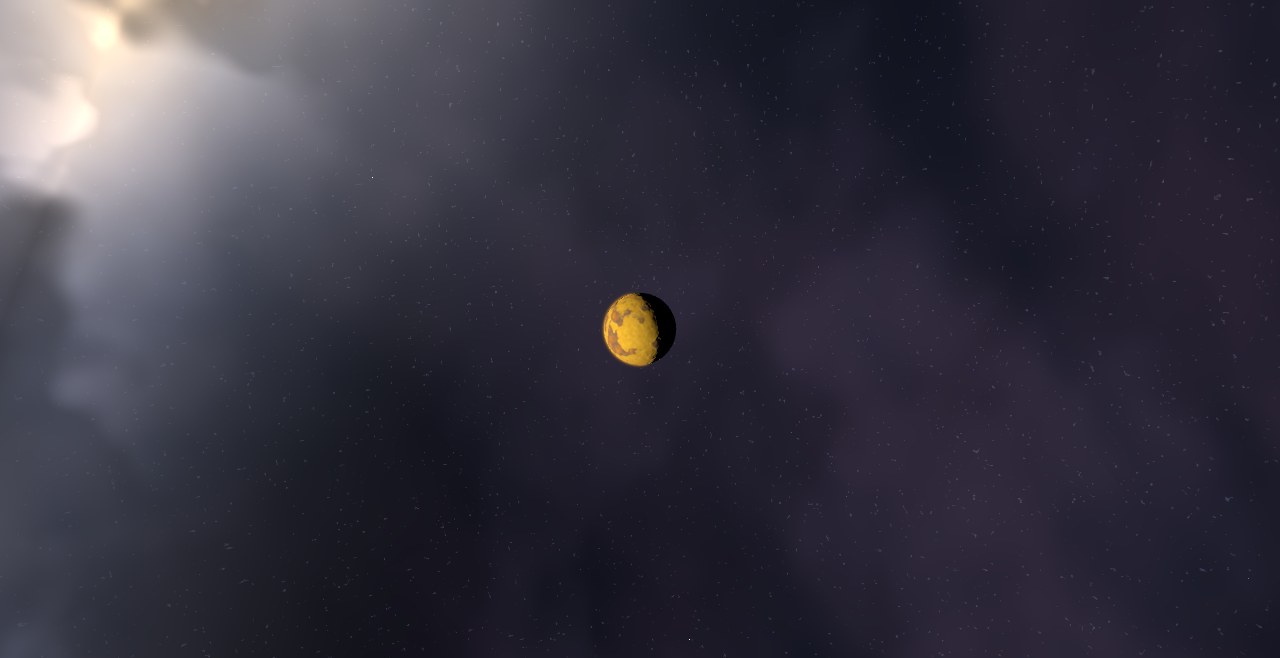
K2-162, an orange K-type dwarf of 0.75 solar masses, and K2-162 b, a planet with 1.4 Earth radii, with an orbital period of 9.5 days, at 0.080 AU from its star, and an equilibrium temperature near 631 K.
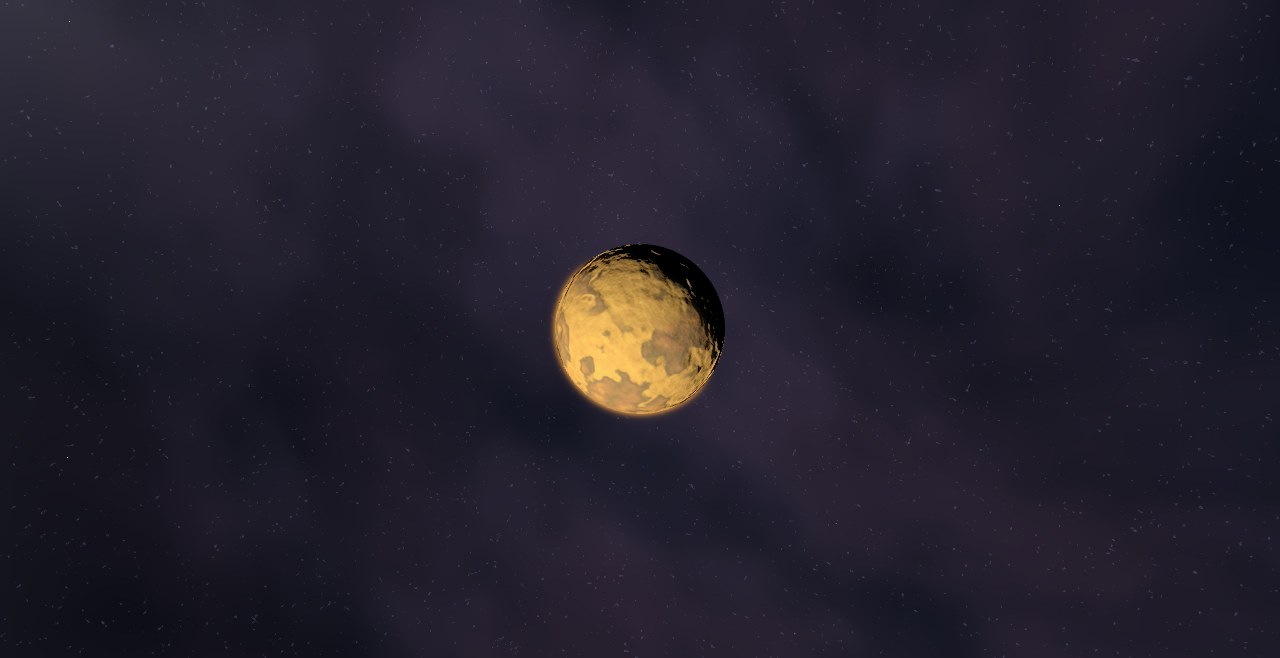
K2-166, a Sun-like G-type star of 1.16 solar masses, and K2-166 b, a planet with 2.2 Earth radii, with an orbital period of 8.5 days, at 0.086 AU from its star, and an equilibrium temperature near 1,140 K.
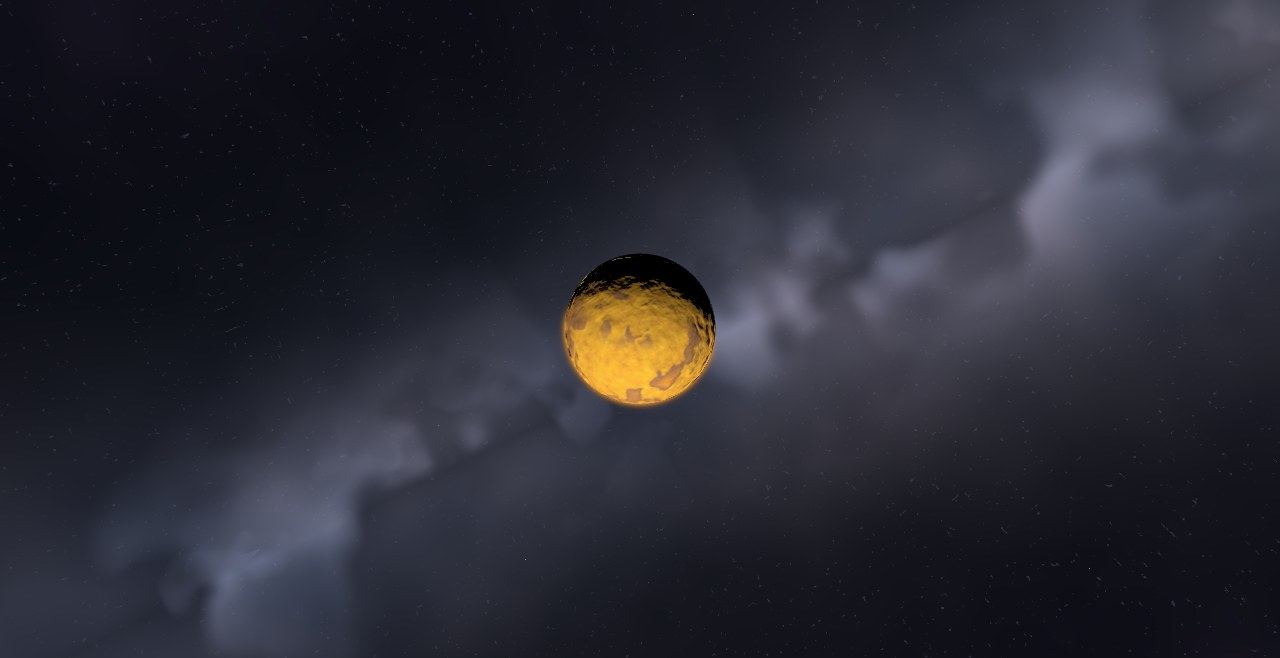
K2-167, a Sun-like F-type star of 1.08 solar masses, and K2-167 b, a planet with 2.4 Earth radii, with an orbital period of 10.0 days, at 0.093 AU from its star, and an equilibrium temperature near 1,220 K.
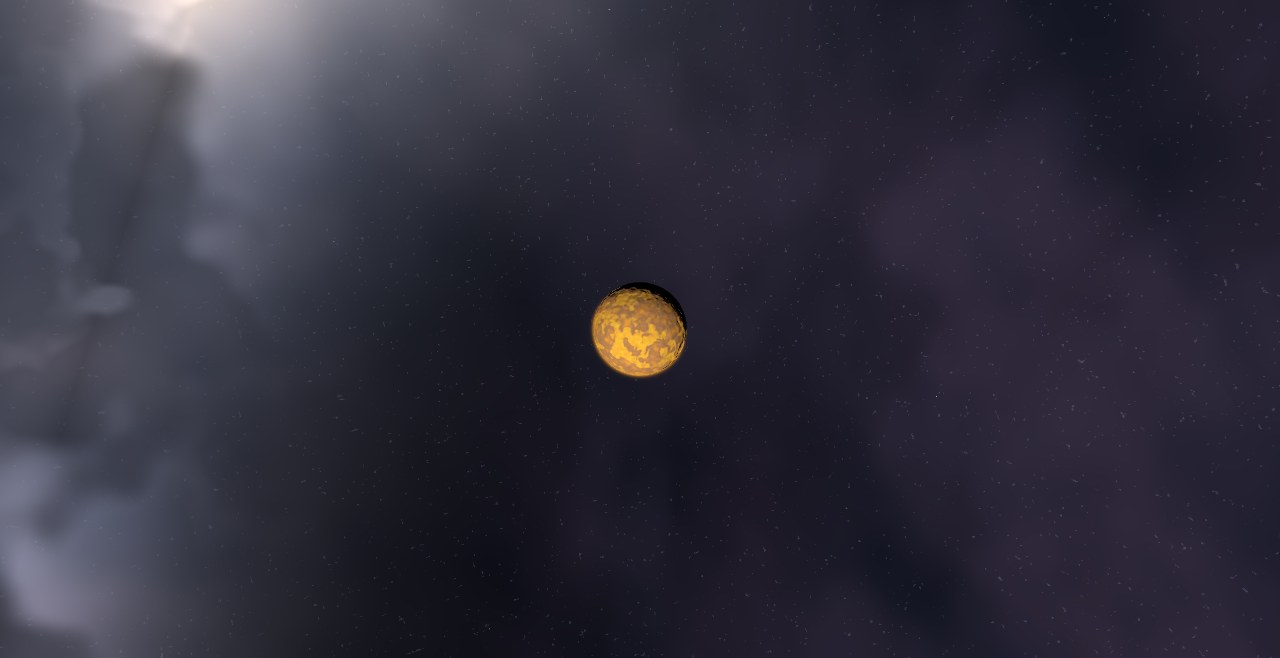
K2-17, an orange K-type dwarf of 0.71 solar masses, and K2-17 b, a planet with 2.2 Earth radii, with an orbital period of 18.0 days, at 0.119 AU from its star, and an equilibrium temperature near 487 K.
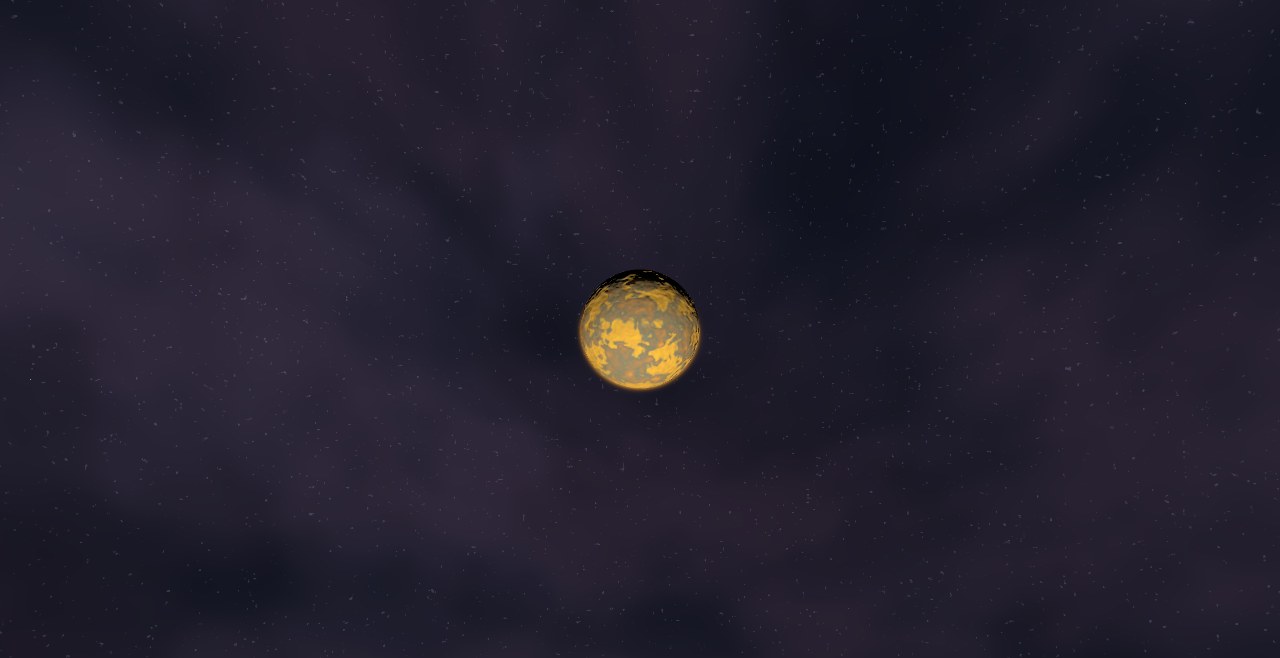
K2-174, an orange K-type dwarf of 0.70 solar masses, and K2-174 b, a planet with 2.6 Earth radii, with an orbital period of 19.6 days, at 0.126 AU from its star, and an equilibrium temperature near 455 K.