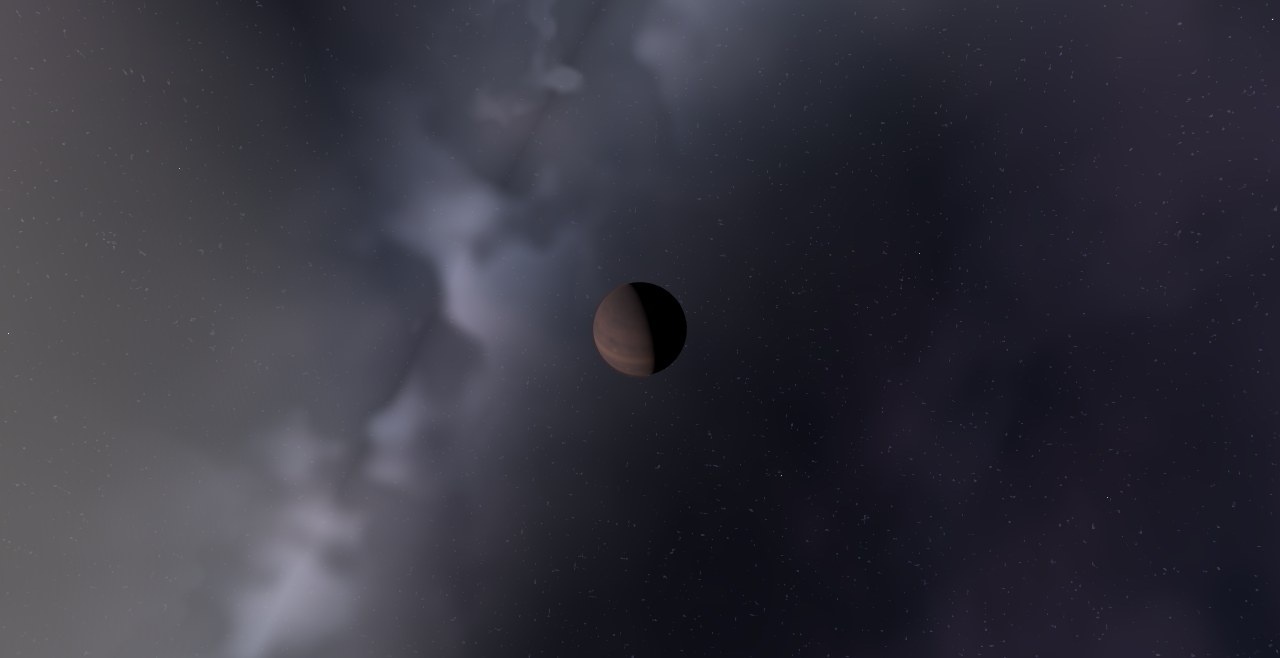
WASP-89 - System
WASP-89, an orange K-type dwarf of 0.92 solar masses, and WASP-89 b, a 5.90-Jupiter-mass companion, with an orbital period of 3.4 days, at 0.043 AU from its star, and an equilibrium temperature near 1,120 K.
3D Space and Gravity Simulator. Simulate the solar system, exoplanets and even colliding galaxies. Add, delete and modify planets, and change the laws of physics.
Share
WASP-89, an orange K-type dwarf of 0.92 solar masses, and WASP-89 b, a 5.90-Jupiter-mass companion, with an orbital period of 3.4 days, at 0.043 AU from its star, and an equilibrium temperature near 1,120 K.
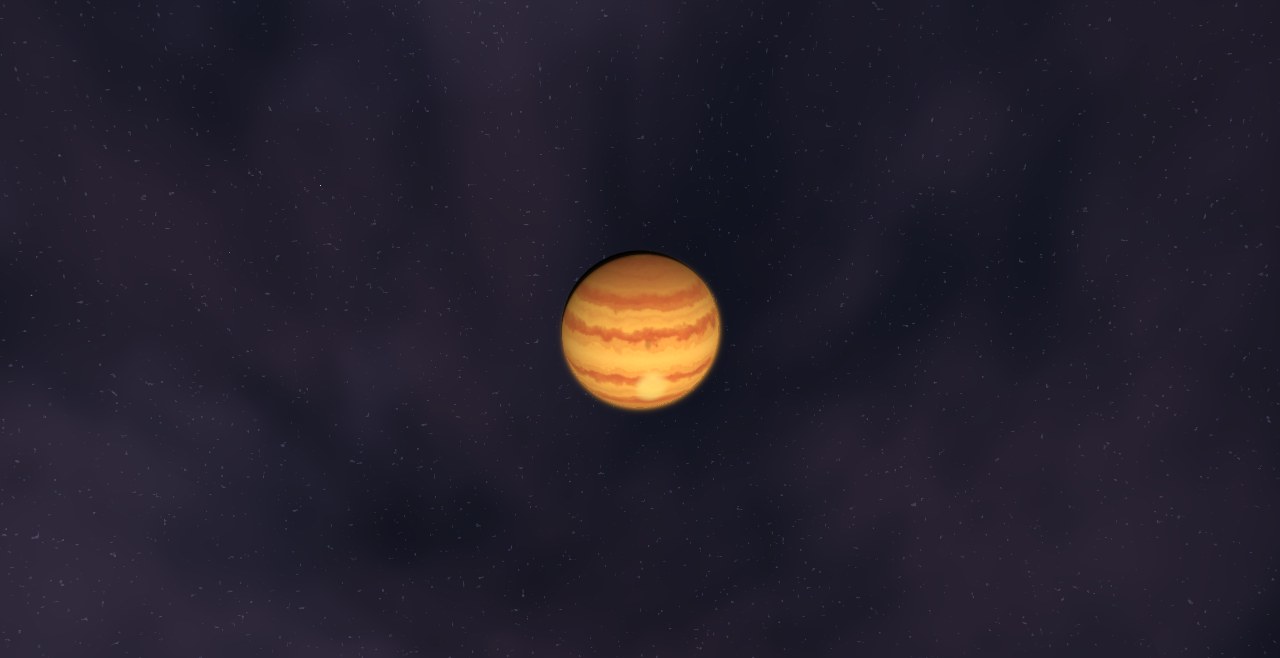
WASP-90, a Sun-like F-type star of 1.55 solar masses, and WASP-90 b, a 0.63-Jupiter-mass companion, with an orbital period of 3.9 days, at 0.056 AU from its star, and an equilibrium temperature near 1,840 K.
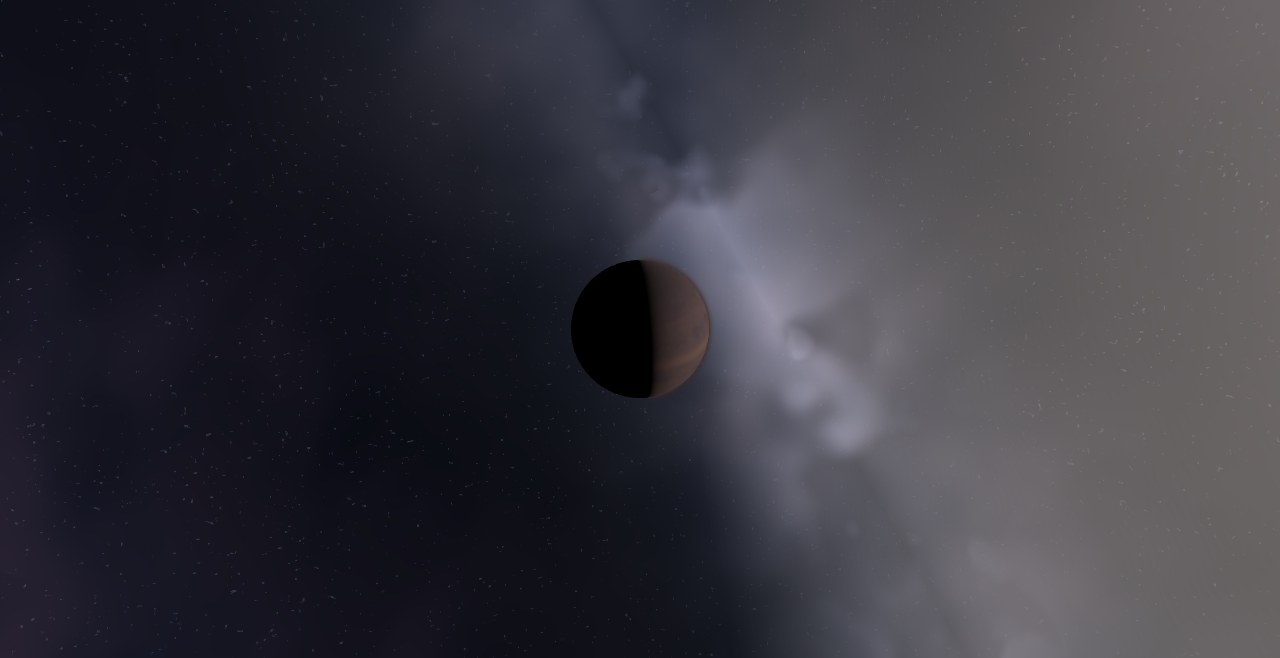
WASP-91, an orange K-type dwarf of 0.84 solar masses, and WASP-91 b, a 1.34-Jupiter-mass companion, with an orbital period of 2.8 days, at 0.037 AU from its star, and an equilibrium temperature near 1,160 K.
WASP-92, a Sun-like F-type star of 1.19 solar masses, and WASP-92 b, a 0.81-Jupiter-mass companion, with an orbital period of 2.2 days, at 0.035 AU from its star, and an equilibrium temperature near 1,871 K.
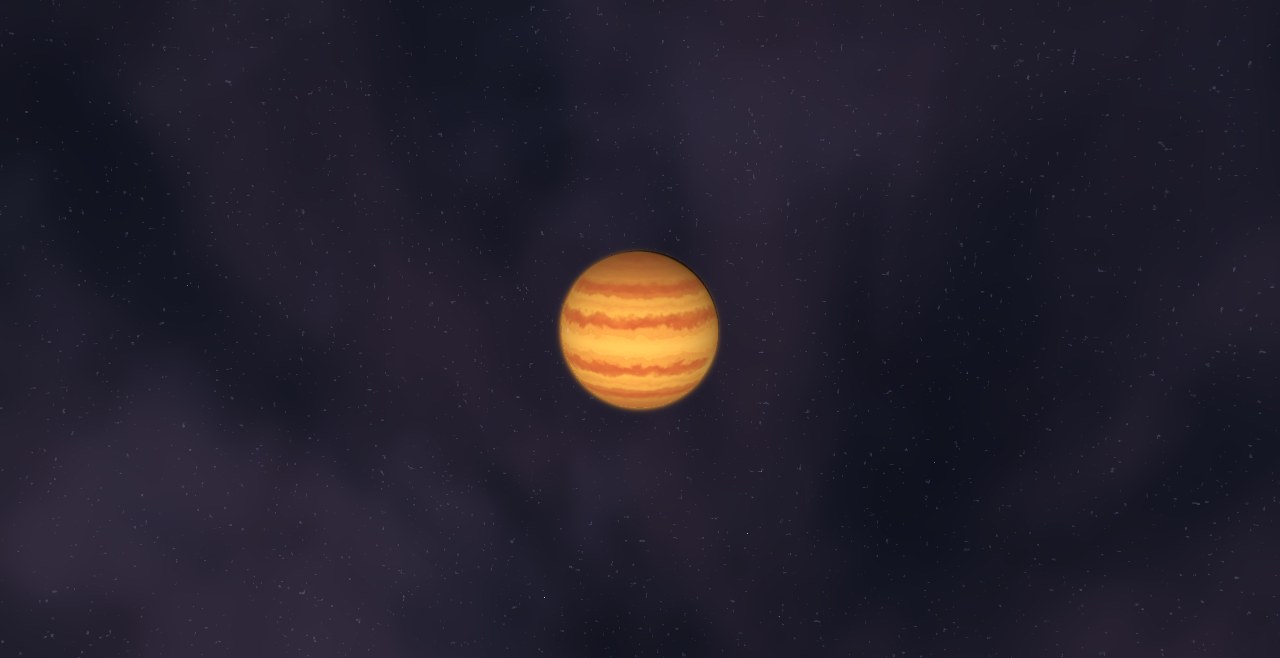
WASP-93, a Sun-like F-type star of 1.33 solar masses, and WASP-93 b, a 1.47-Jupiter-mass companion, with an orbital period of 2.7 days, at 0.042 AU from its star, and an equilibrium temperature near 1,942 K.
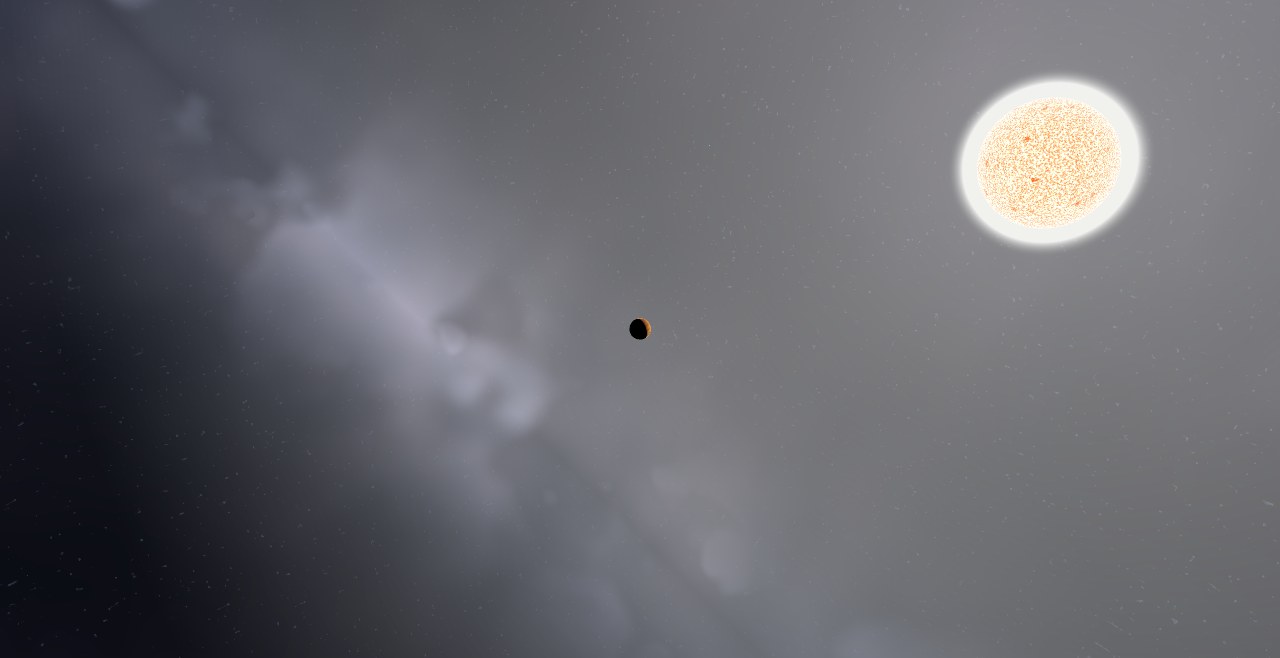
WASP-94 A, a Sun-like F-type star of 1.67 solar masses, and WASP-94 A b, a 0.50-Jupiter-mass companion, with an orbital period of 4.0 days.
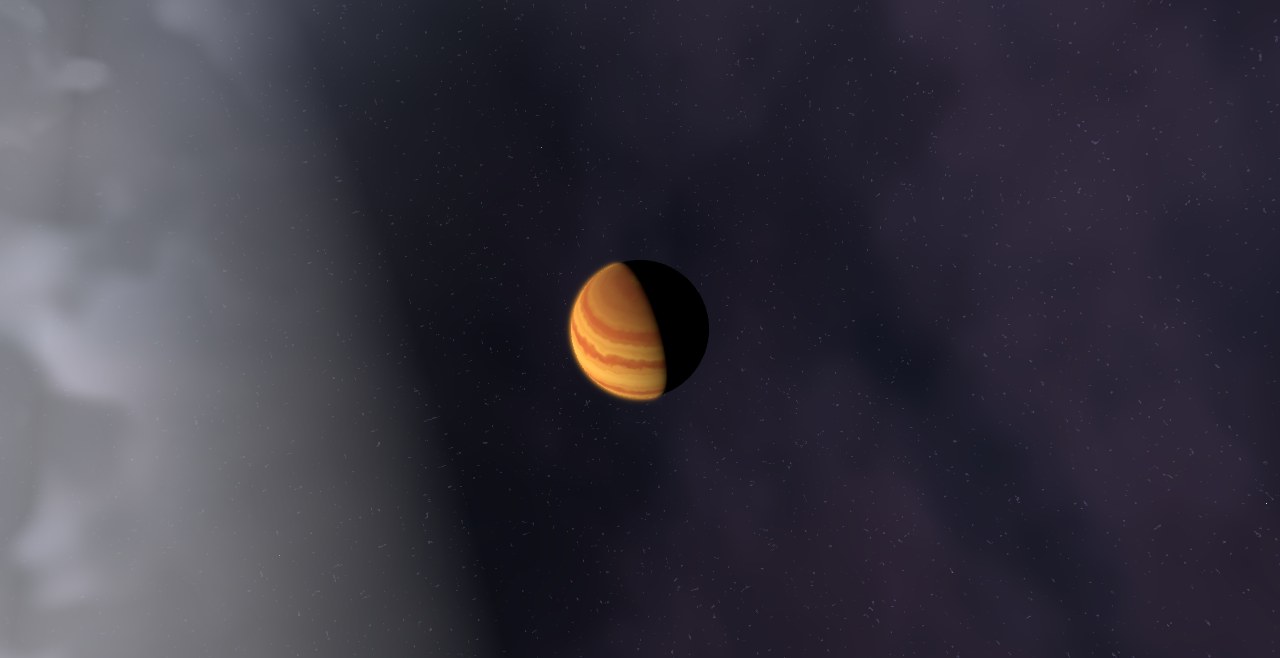
WASP-94 B, a Sun-like F-type star of 1.24 solar masses, and WASP-94 B b, a 0.62-Jupiter-mass companion, with an orbital period of 2.0 days, at 0.034 AU from its star.
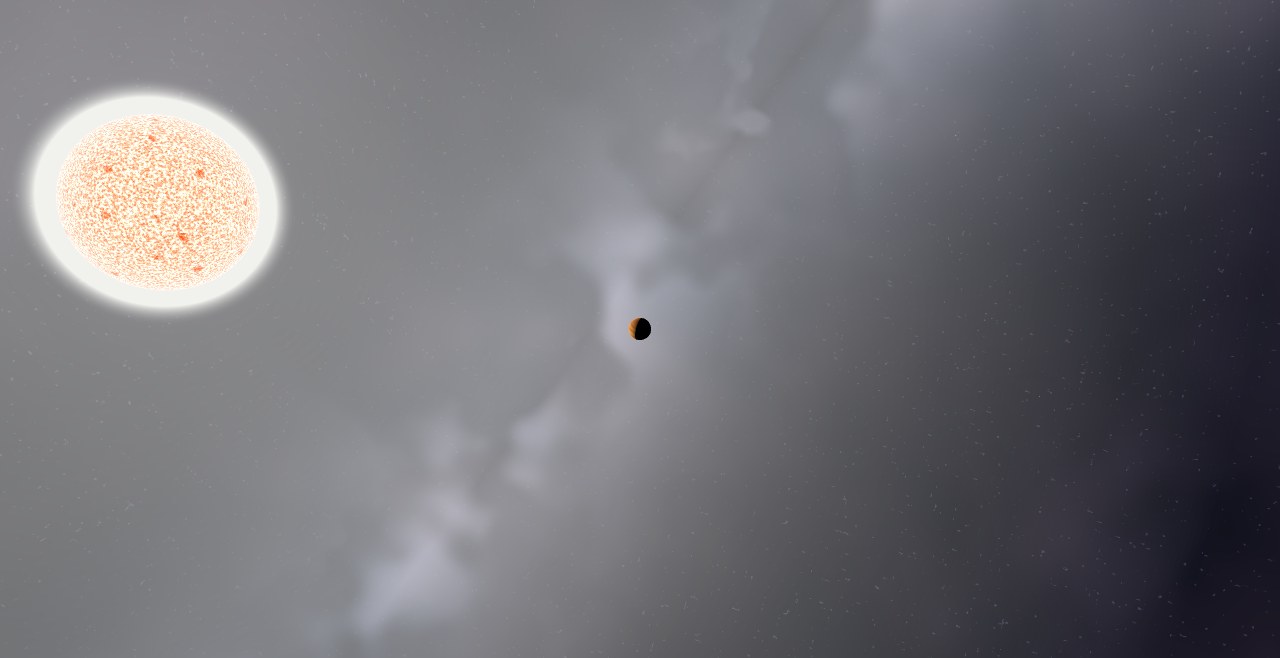
WASP-95, a Sun-like G-type star of 1.46 solar masses, and WASP-95 b, a 1.44-Jupiter-mass companion, with an orbital period of 2.2 days.
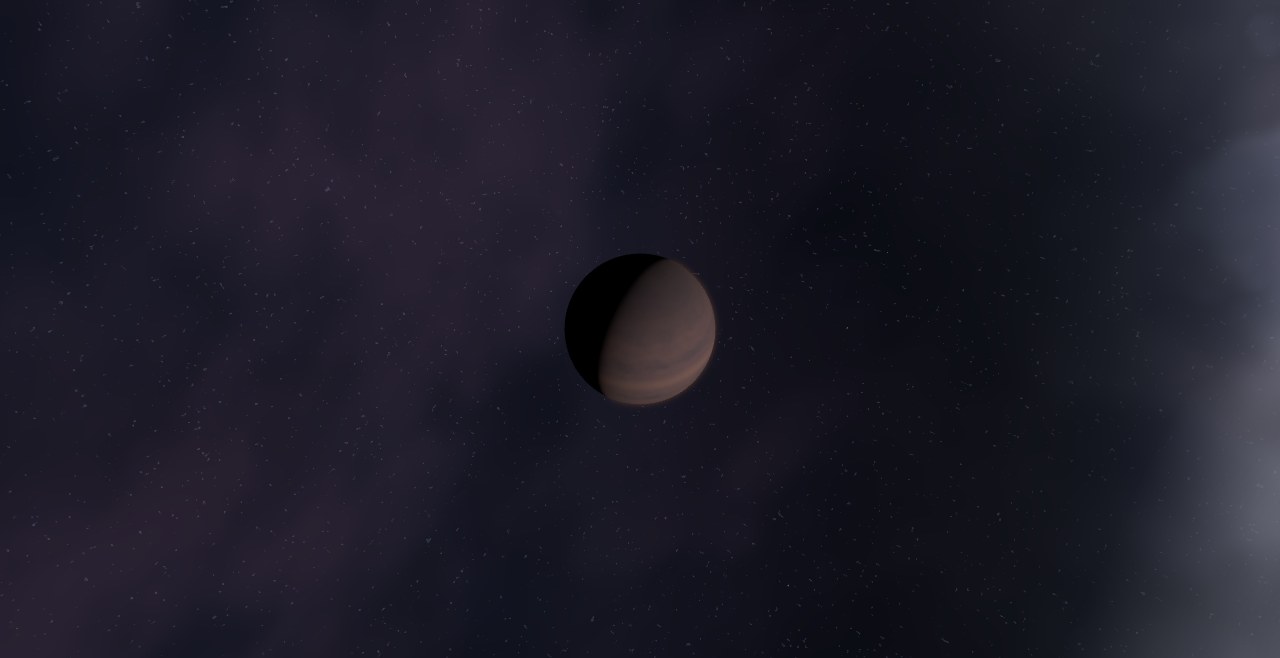
WASP-96 b, a clear hot Saturn used for some of JWST's first exoplanet spectra. Water showed up in a nearly cloud-free atmosphere. The spectrum is unusually free of high-altitude clouds.
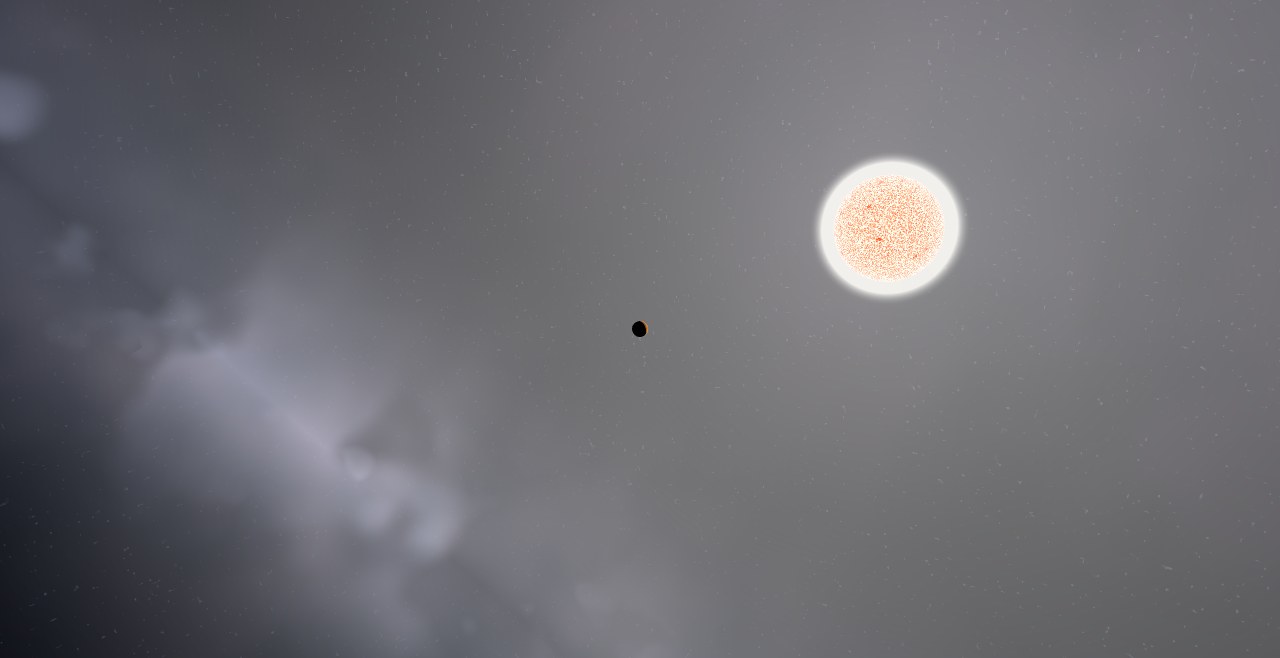
WASP-97, a Sun-like G-type star of 1.18 solar masses, and WASP-97 b, a 1.36-Jupiter-mass companion, with an orbital period of 2.1 days.
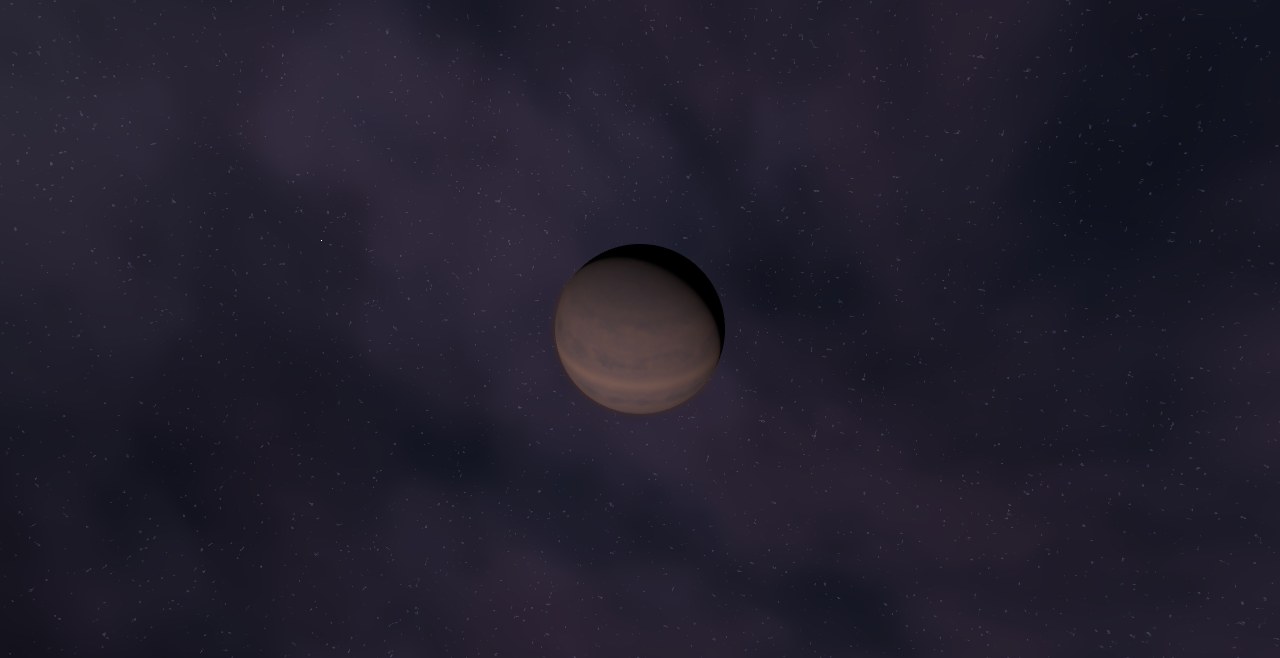
WASP-98, a Sun-like G-type star of 0.81 solar masses, and WASP-98 b, a 0.92-Jupiter-mass companion, with an orbital period of 3.0 days, at 0.038 AU from its star, and an equilibrium temperature near 1,171 K.
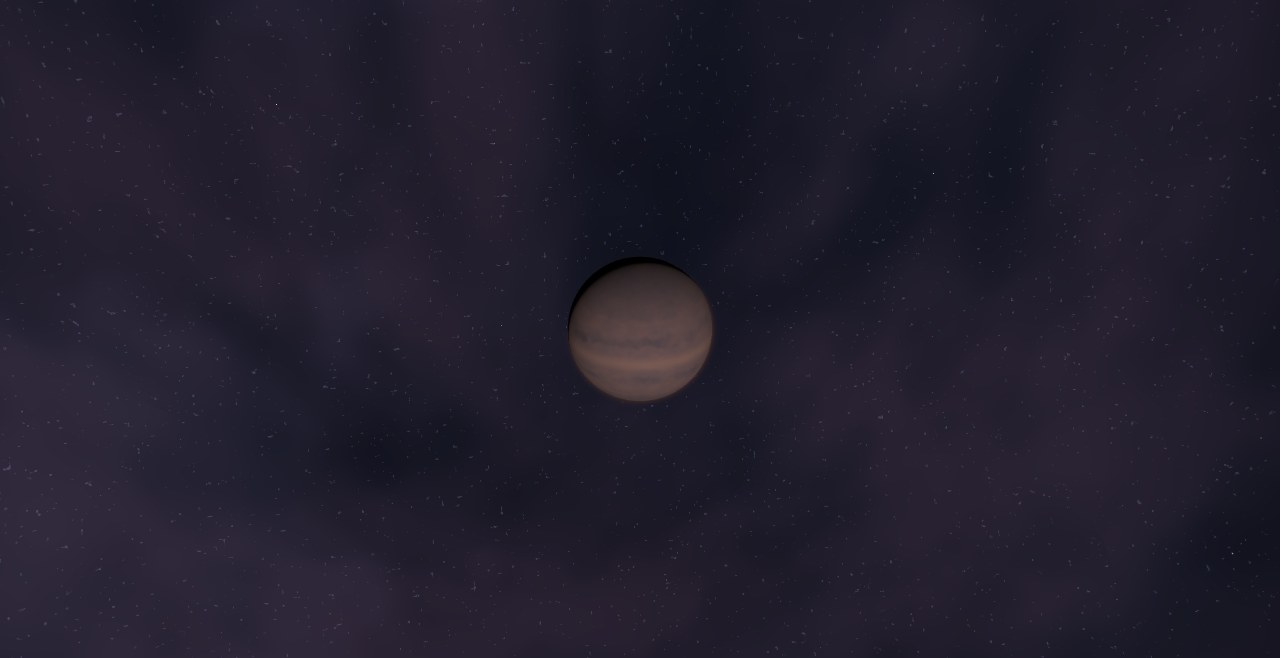
WASP-99, a Sun-like F-type star of 1.21 solar masses, and WASP-99 b, a 2.43-Jupiter-mass companion, with an orbital period of 5.8 days.
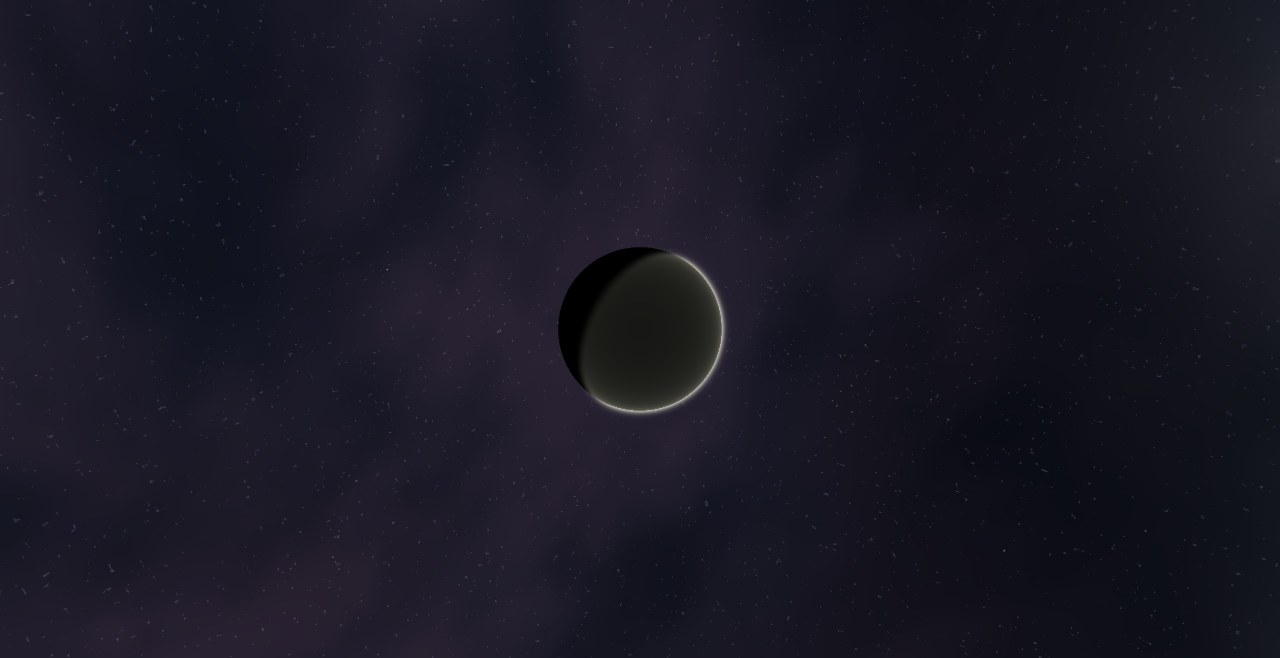
WD 0806-661, and WD 0806-661 b, a 7.00-Jupiter-mass companion, and an equilibrium temperature near 357 K.
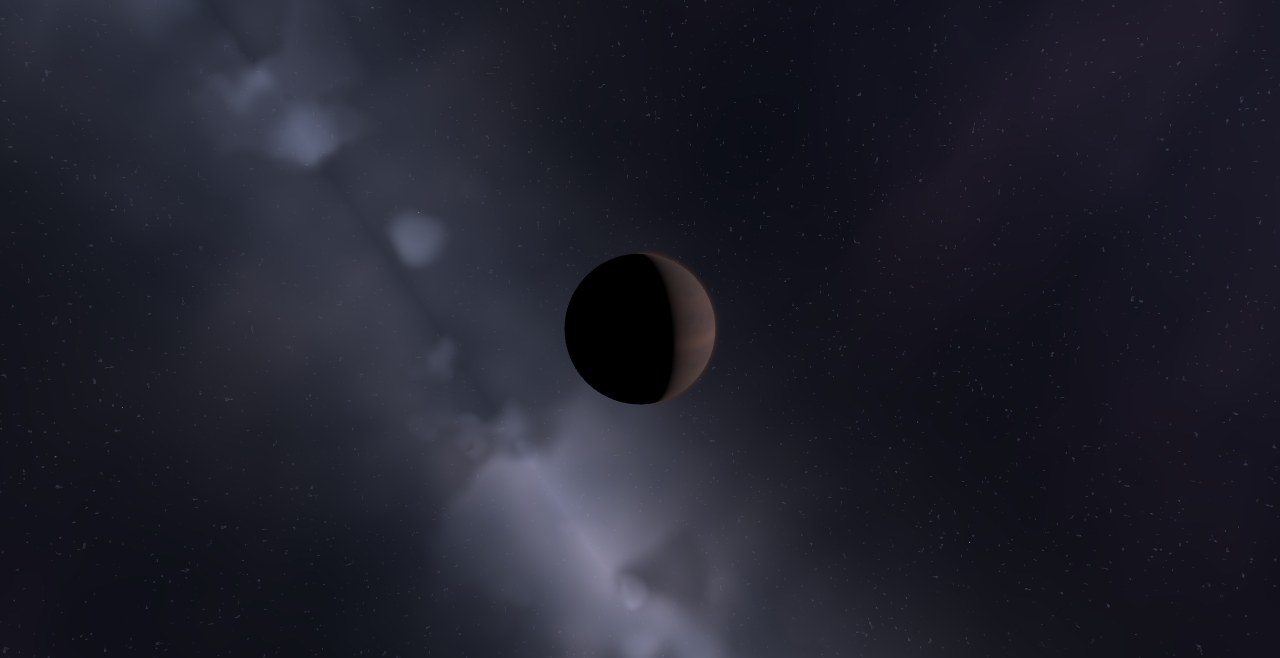
WD 1856 b, a Jupiter-sized world that survived or arrived around a white dwarf. It transits a dead star only about the size of Earth. A year around the white dwarf lasts only 1.4 days.
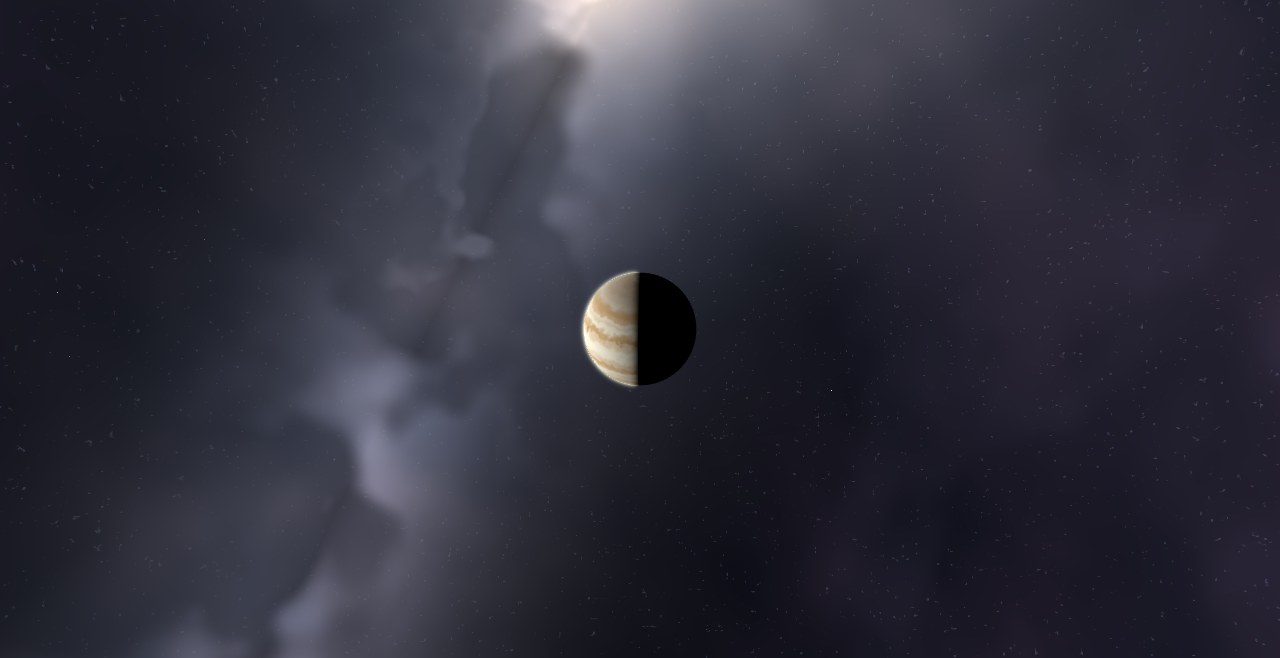
WISE J033605.05-014350.4, a cool M-dwarf of 0.01 solar masses, and WISE J033605.05-014350.4 b, a 8.25-Jupiter-mass companion, with an orbital period of 7.01 years, at 0.970 AU from its star, and an equilibrium.
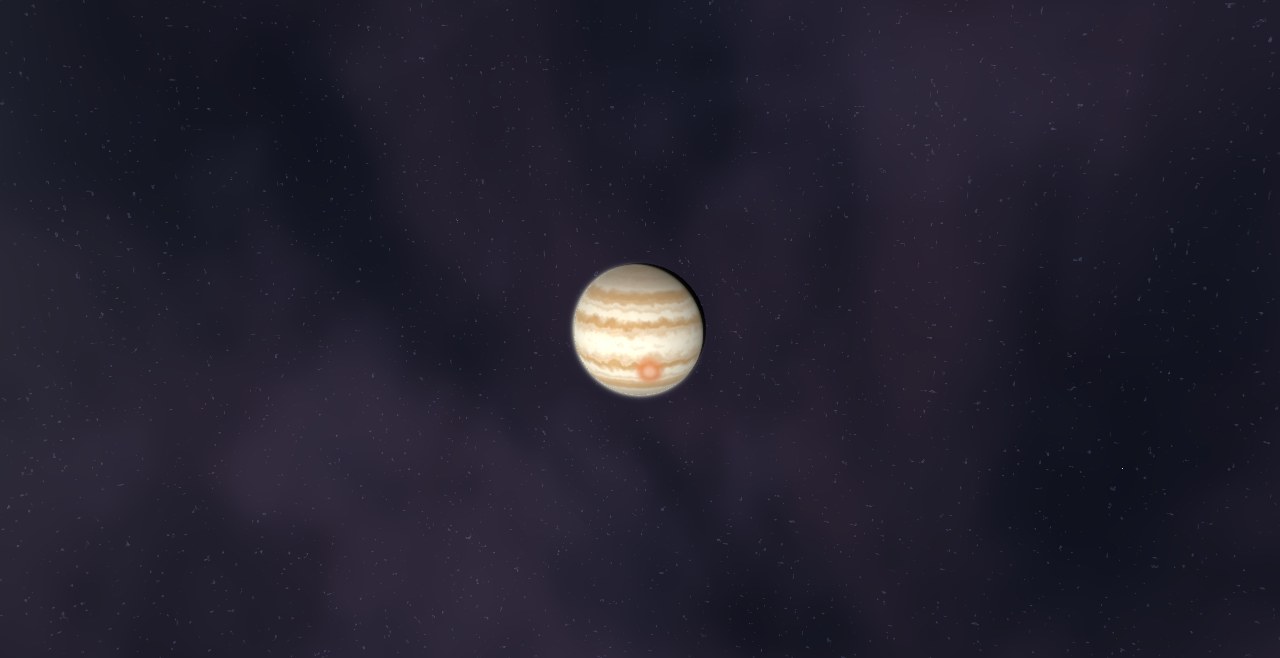
WISEP J121756.91+162640.2 A, a cool M-dwarf of 0.03 solar masses, and WISEP J121756.91+162640.2 A b, a 22.0-Jupiter-mass companion, at 8.000 AU from its star, and an equilibrium temperature near 450 K.
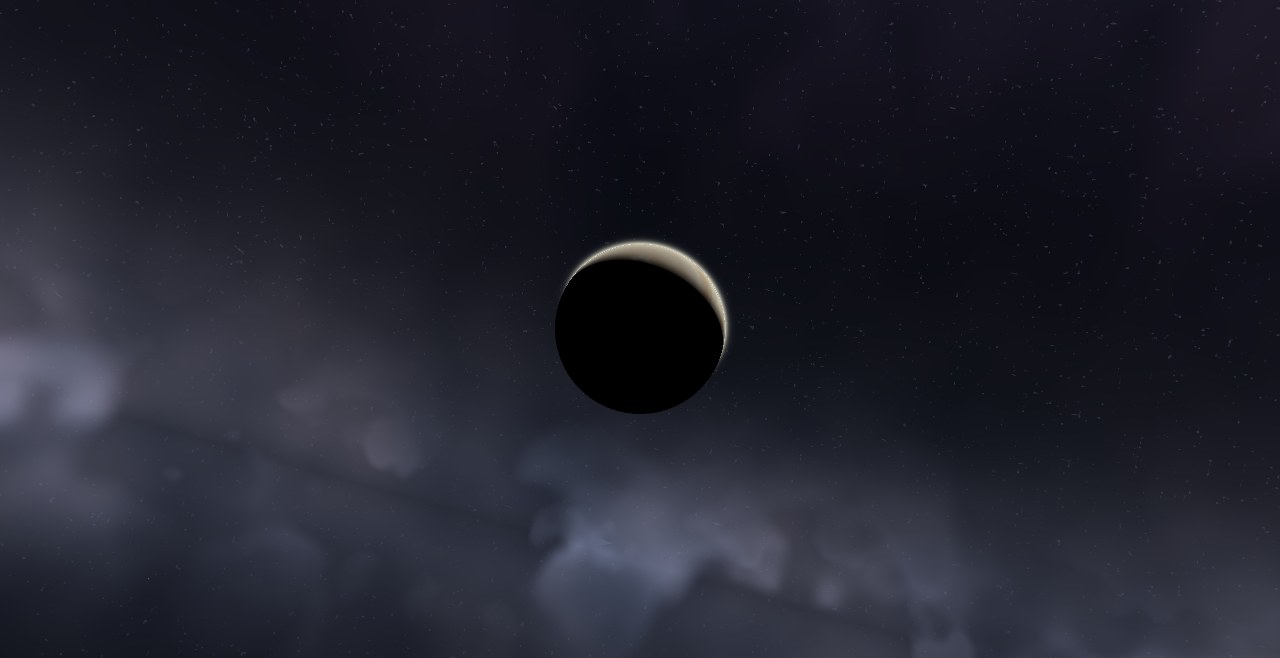
WISPIT 1, an orange K-type dwarf of 0.72 solar masses, and WISPIT 1 b, a 10.4-Jupiter-mass companion, at 338 AU from its star.
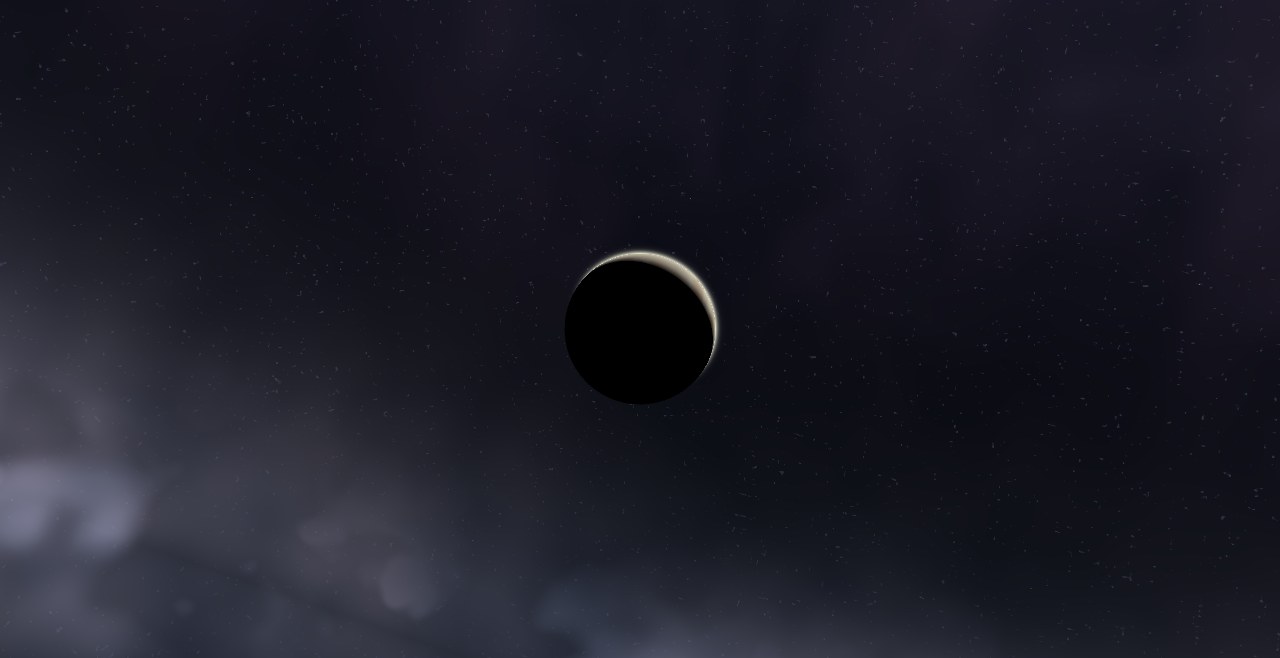
WISPIT 2, an orange K-type dwarf of 1.08 solar masses, and WISPIT 2 c, a 10.0-Jupiter-mass companion, at 14.0 AU from its star, and an equilibrium temperature near 2,050 K.