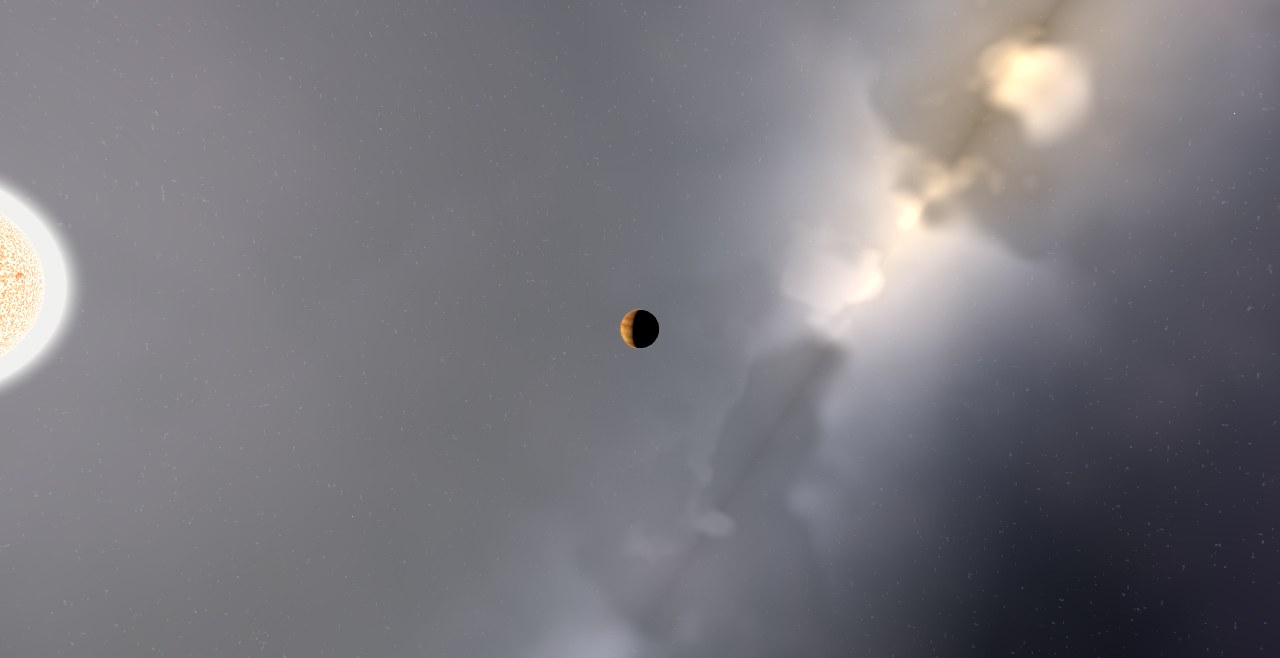
WTS-1 - System
WTS-1, a Sun-like F-type star of 1.20 solar masses, and WTS-1 b, a 4.01-Jupiter-mass companion, with an orbital period of 3.4 days, at 0.047 AU from its star, and an equilibrium temperature near 1,500 K.
3D Space and Gravity Simulator. Simulate the solar system, exoplanets and even colliding galaxies. Add, delete and modify planets, and change the laws of physics.
Share
WTS-1, a Sun-like F-type star of 1.20 solar masses, and WTS-1 b, a 4.01-Jupiter-mass companion, with an orbital period of 3.4 days, at 0.047 AU from its star, and an equilibrium temperature near 1,500 K.
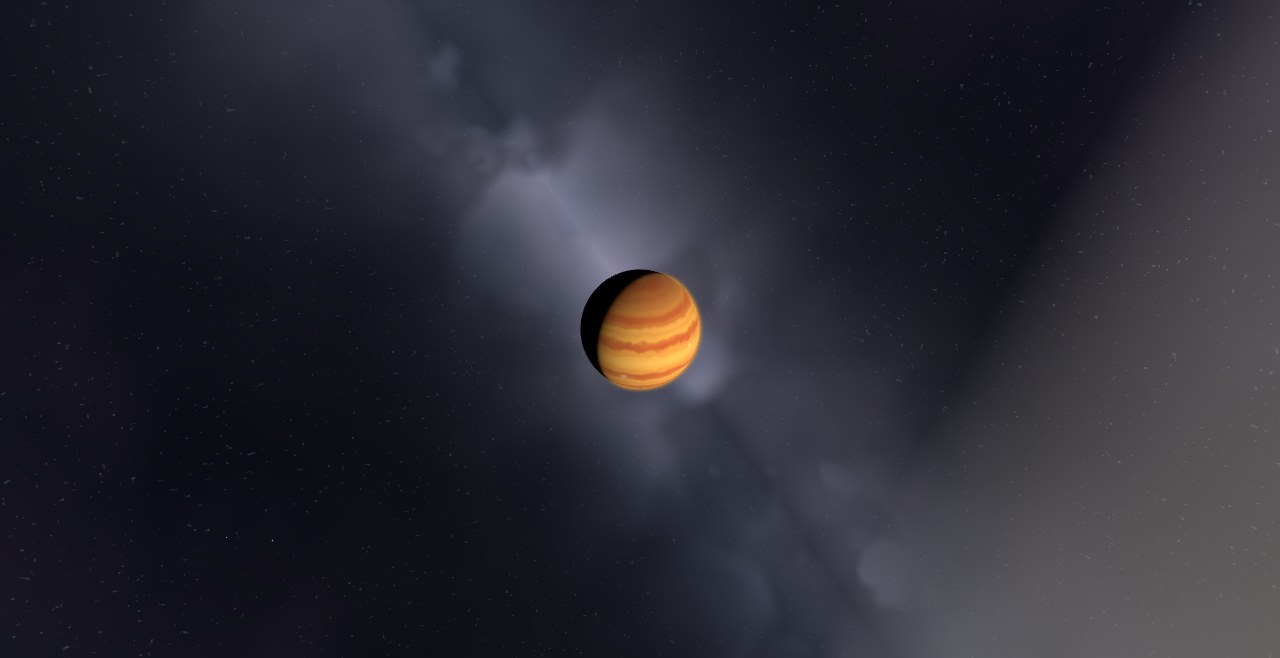
WTS-2, an orange K-type dwarf of 0.82 solar masses, and WTS-2 b, a 1.12-Jupiter-mass companion, with an orbital period of 1.0 days, at 0.019 AU from its star, and an equilibrium temperature near 2,000 K.
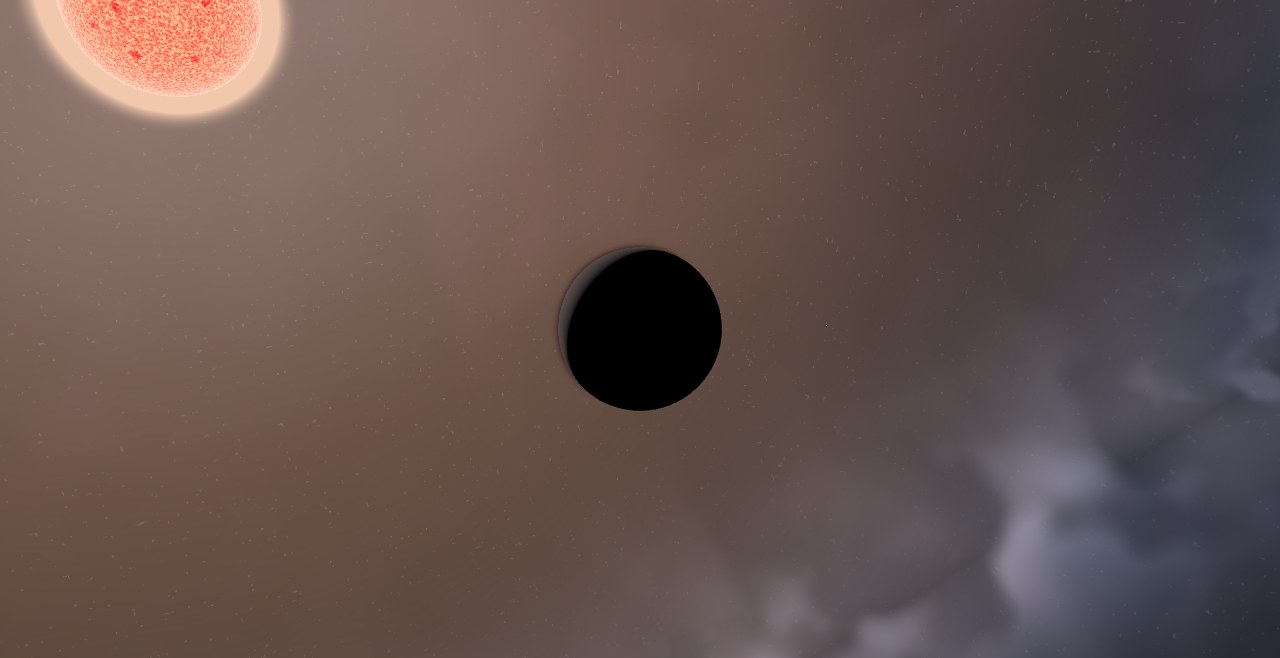
Wendelstein-1, an orange K-type dwarf of 0.65 solar masses, and Wendelstein-1 b, a 0.59-Jupiter-mass companion, with an orbital period of 2.7 days, at 0.028 AU from its star, and an equilibrium temperature.
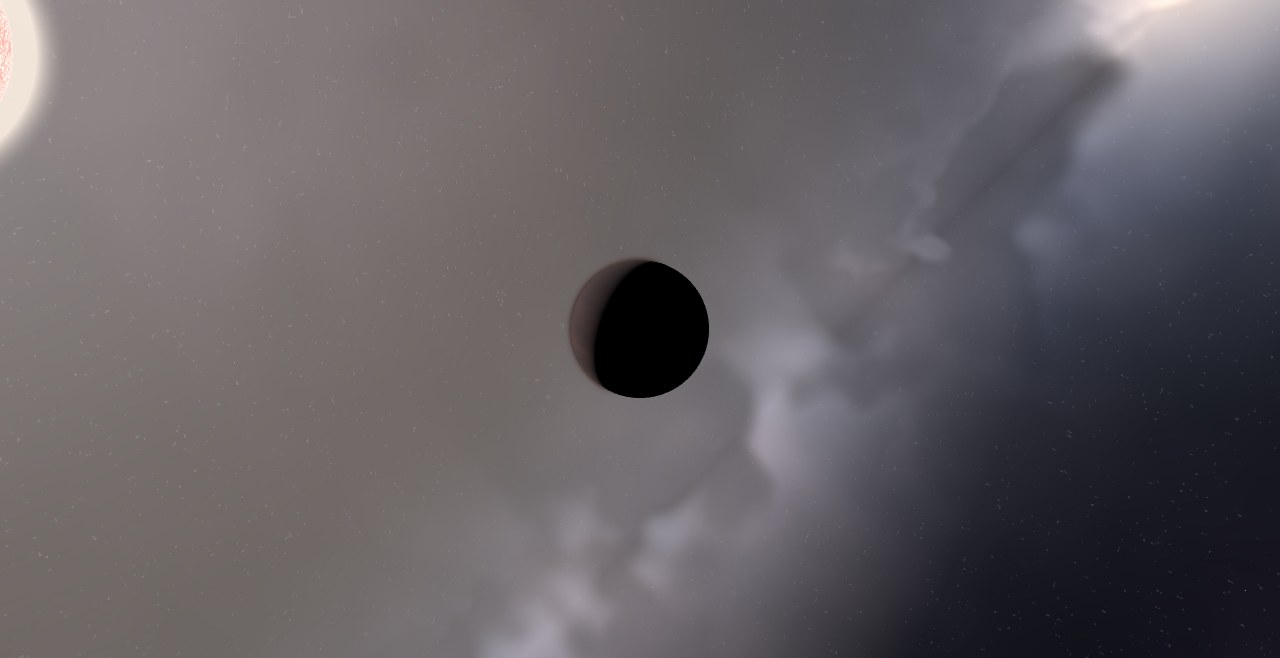
Wendelstein-2, an orange K-type dwarf of 0.73 solar masses, and Wendelstein-2 b, a 0.73-Jupiter-mass companion, with an orbital period of 1.8 days, at 0.023 AU from its star, and an equilibrium temperature.
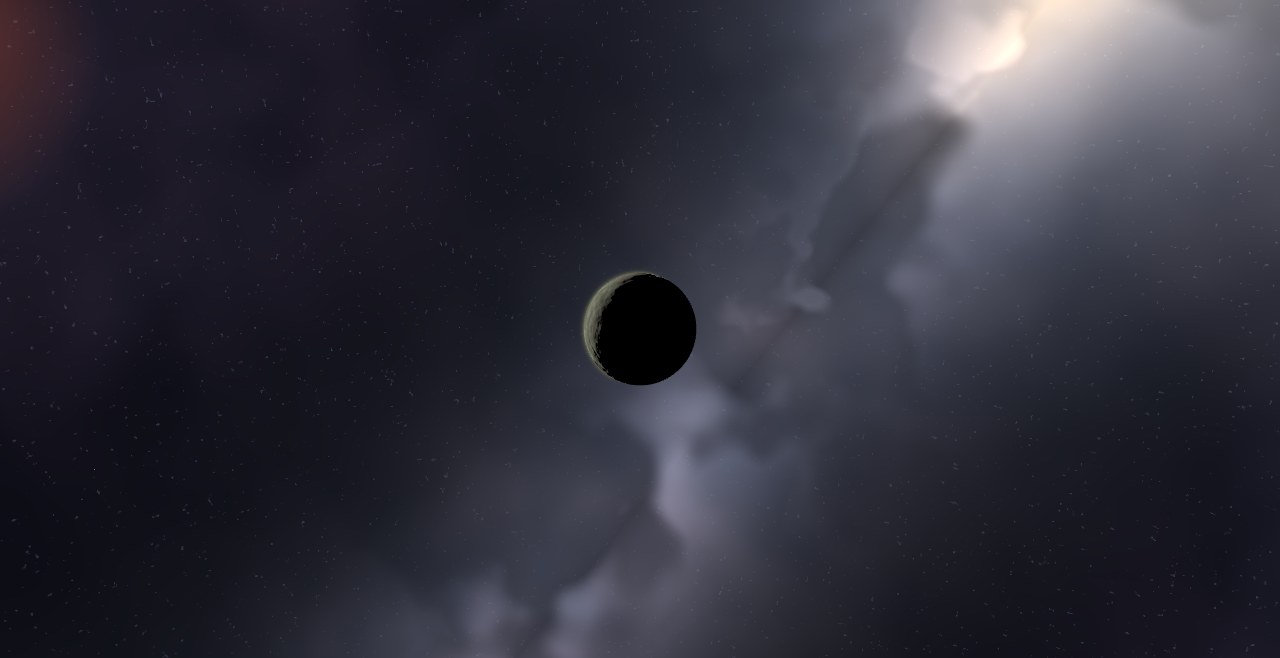
Wolf 1061, a red dwarf 14 light-years away. Planet c orbits in the habitable zone of one of the nearest known planetary systems. Three planets orbit this nearby M dwarf.
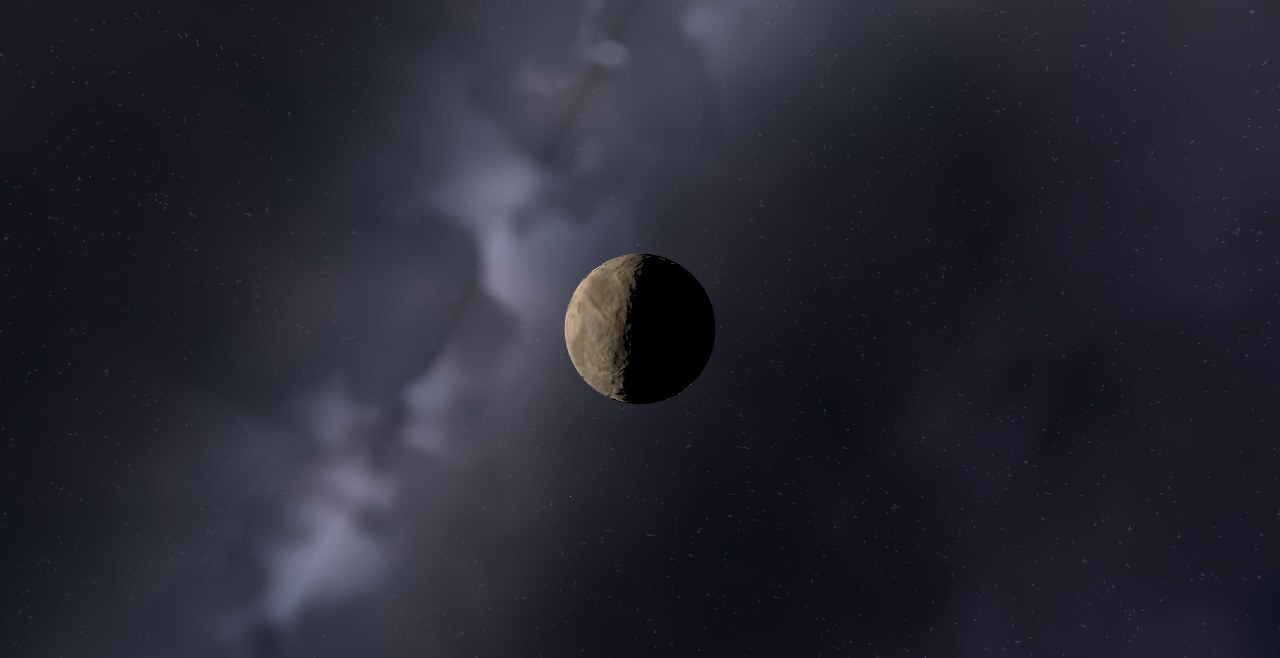
Wolf 1069, a cool M-dwarf of 0.17 solar masses, and Wolf 1069 b, a 1.3-Earth-mass planet, with an orbital period of 15.6 days, at 0.067 AU from its star, and an equilibrium temperature near 250 K.
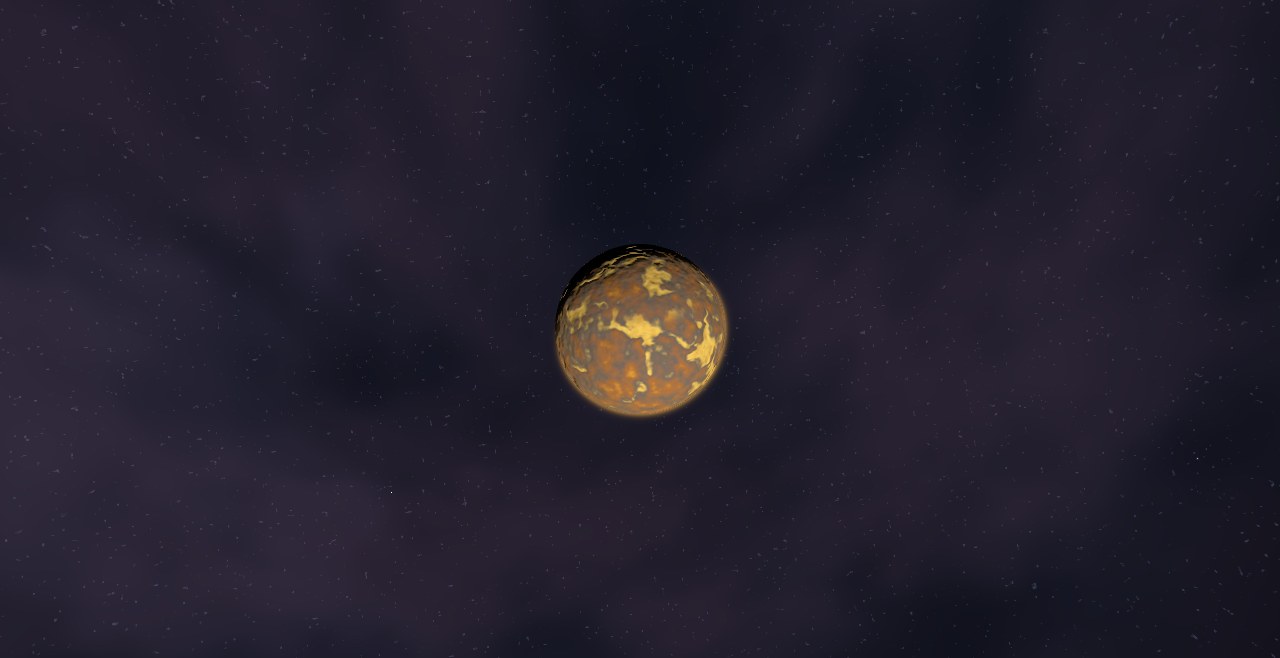
Wolf 327, a cool M-dwarf of 0.41 solar masses, and Wolf 327 b, a 2.5-Earth-mass planet, with an orbital period of 13.8 hours, at 0.010 AU from its star, and an equilibrium temperature near 996 K.
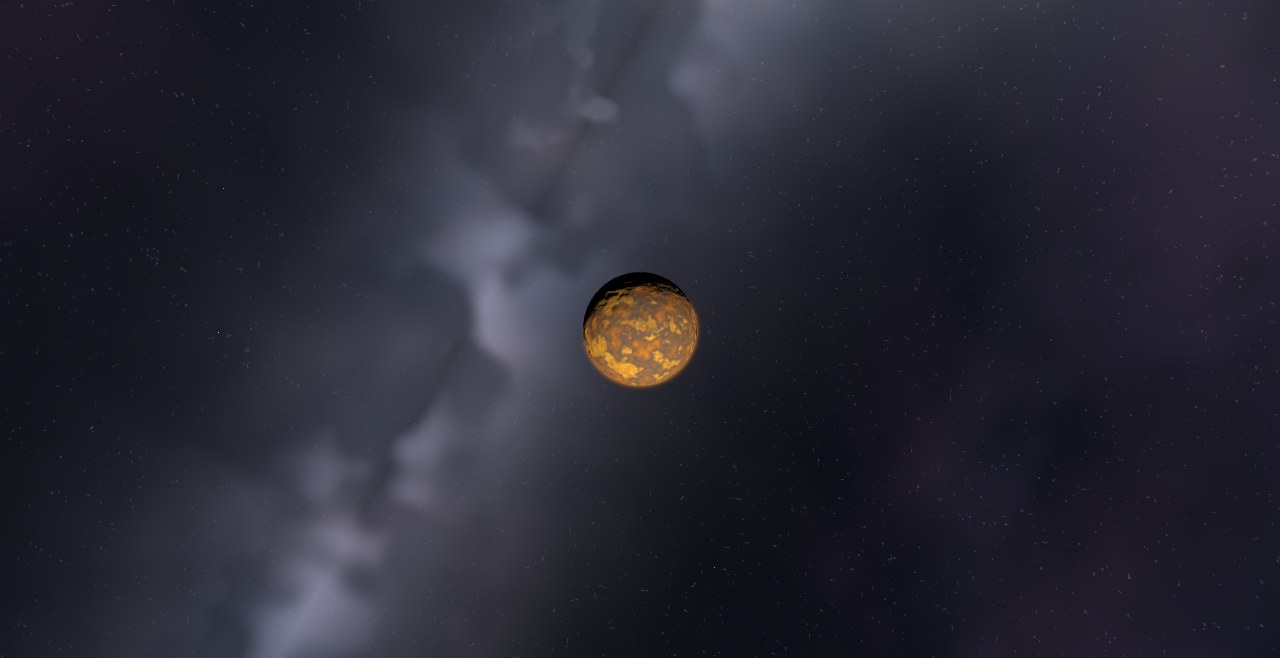
Wolf 503, an orange K-type dwarf of 0.69 solar masses, and Wolf 503 b, a 6.3-Earth-mass planet, with an orbital period of 6.0 days, at 0.057 AU from its star, and an equilibrium temperature near 790 K.
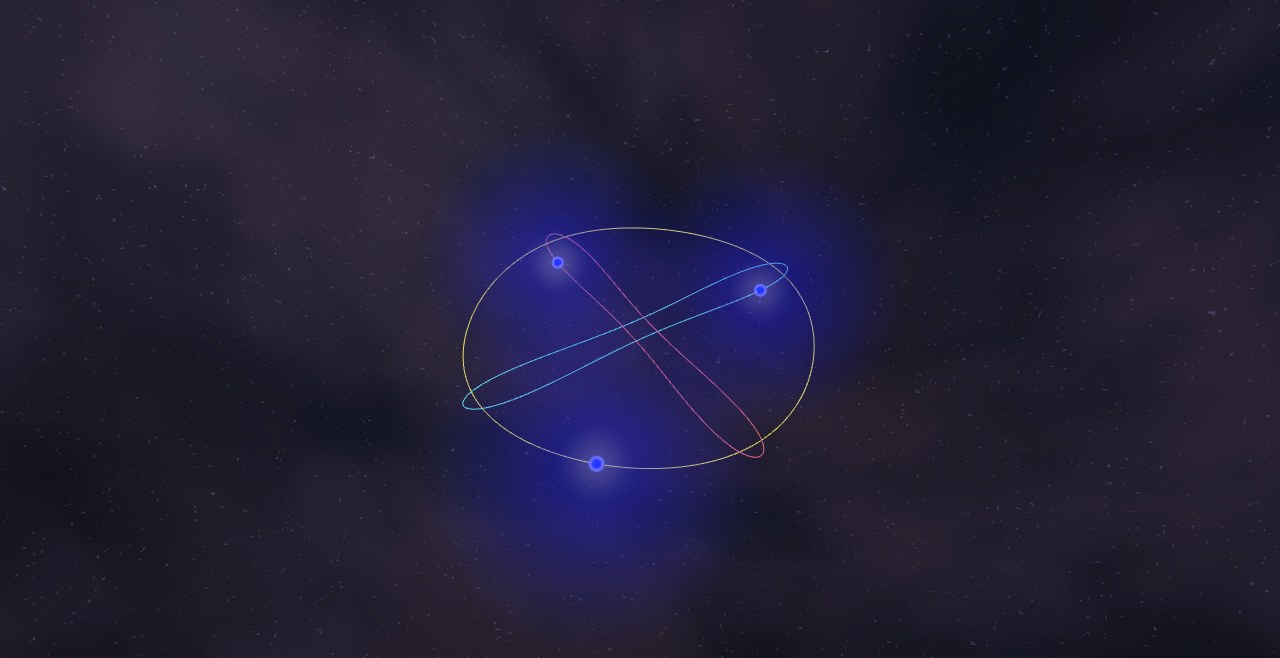
Simulate three equal masses crossing through a shared center to outline an X inside a circle. A rare, repeating n-body gravitational choreography solved by Newtonian physics.
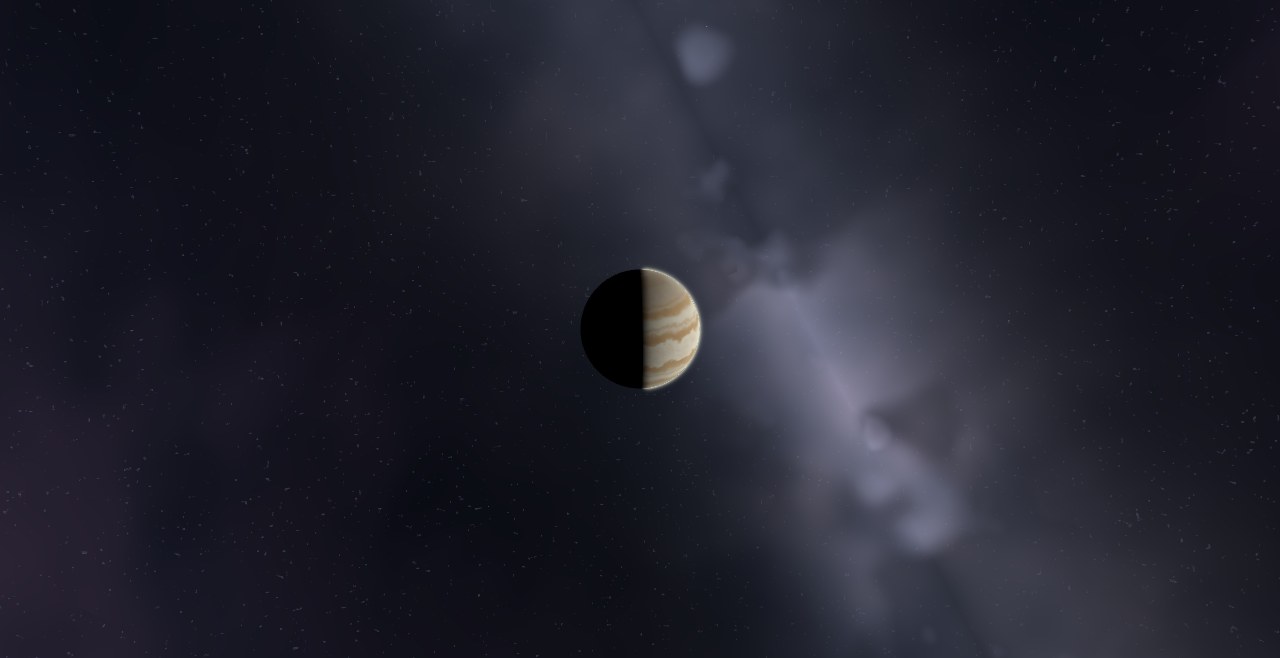
XEST 17-036, a cool M-dwarf of 0.26 solar masses, and KOINTREAU-1 b, a 10.6-Jupiter-mass companion, at 690 AU from its star.
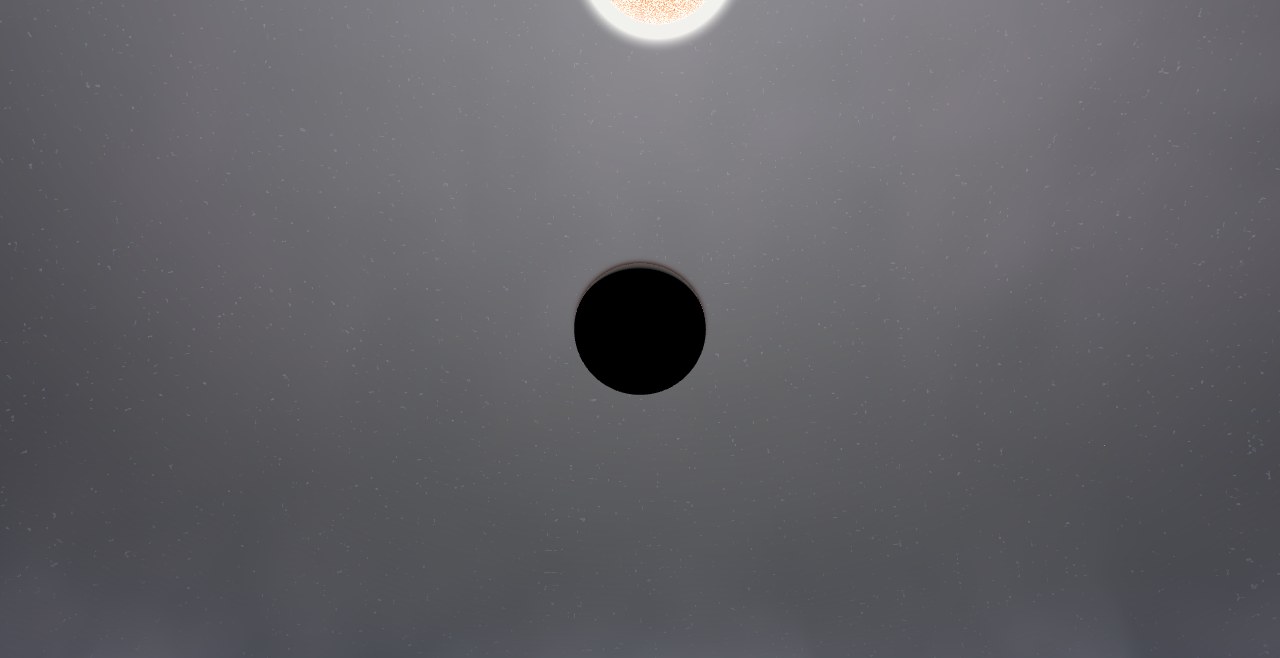
XO-1, a Sun-like G-type star of 0.88 solar masses, and XO-1 b, a 0.83-Jupiter-mass companion, with an orbital period of 3.9 days.
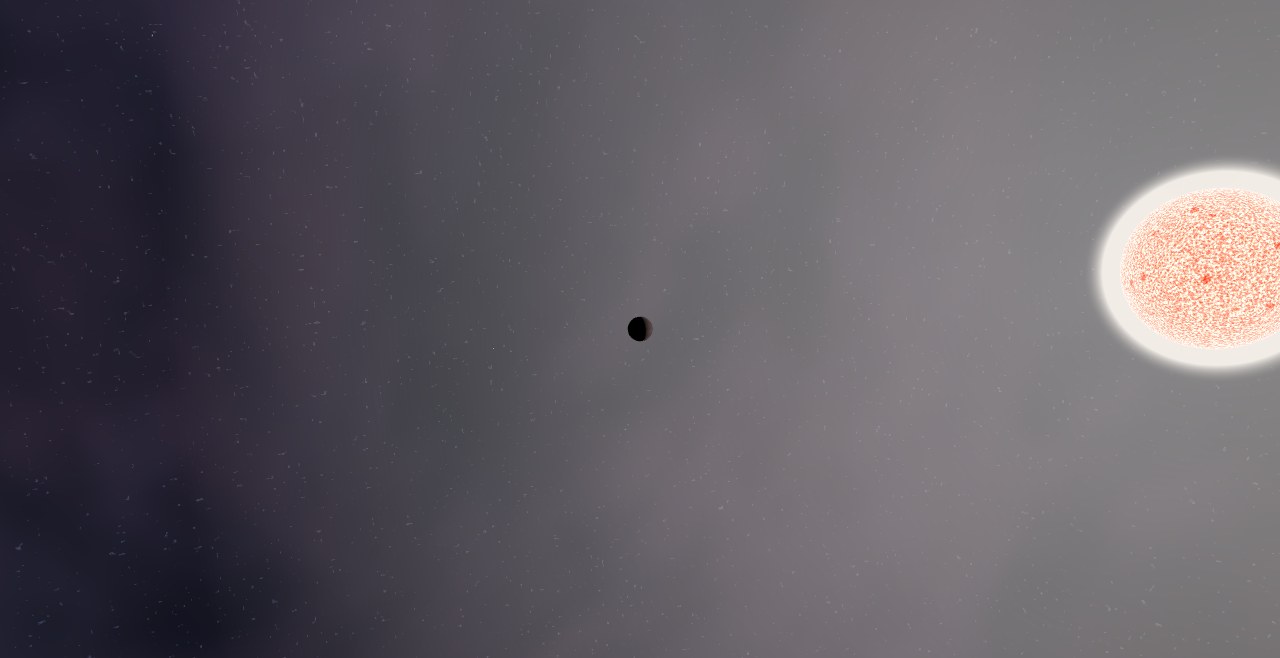
XO-2 N, a Sun-like G-type star of 0.96 solar masses, and XO-2 N b, a 0.59-Jupiter-mass companion, with an orbital period of 2.6 days, at 0.037 AU from its star.
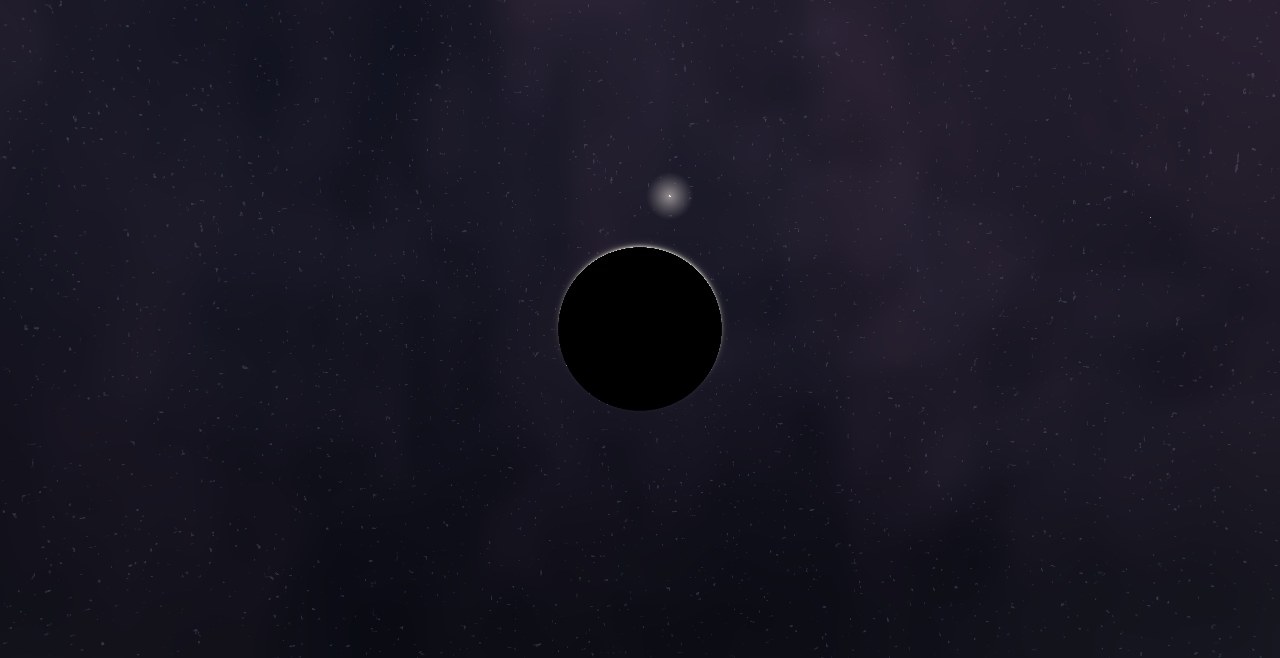
XO-2 S, a Sun-like G-type star of 0.98 solar masses, and XO-2 S b, a 0.26-Jupiter-mass companion, with an orbital period of 18.2 days, at 0.135 AU from its star, on an eccentric orbit (e ≈ 0.15).
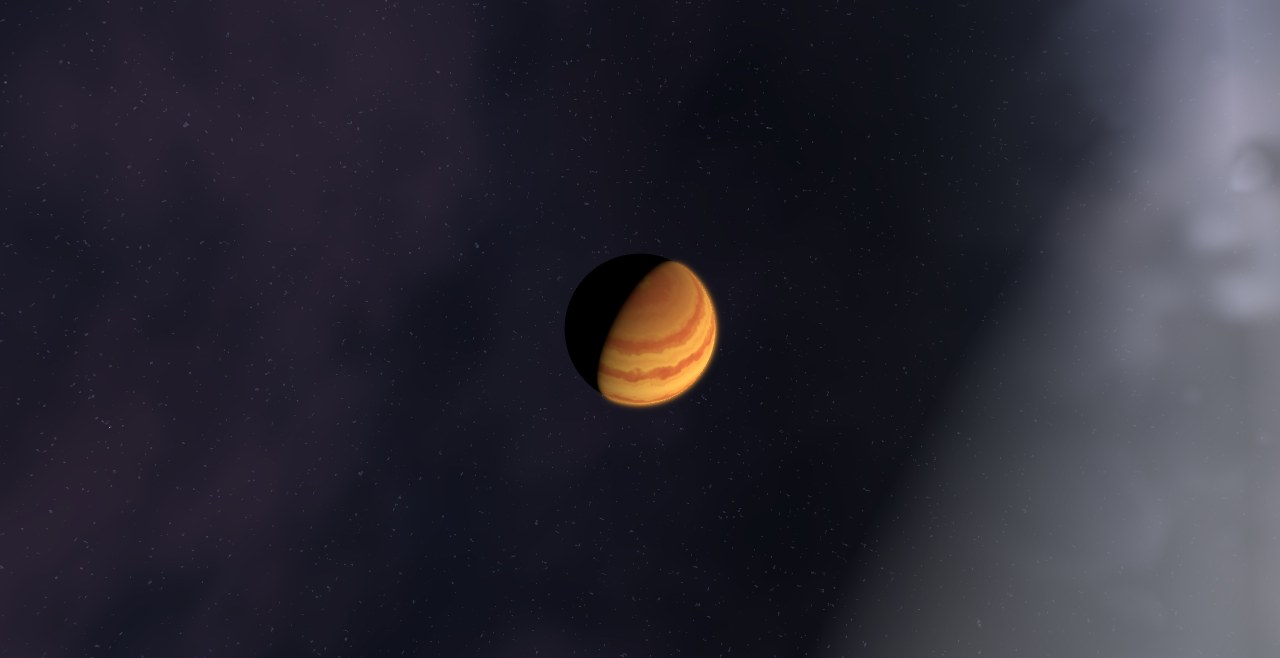
XO-3 b, a massive hot Jupiter on a tilted, eccentric orbit. Its spin-orbit misalignment is evidence that the planet was scattered inward. The planet is roughly twelve times Jupiter's mass.
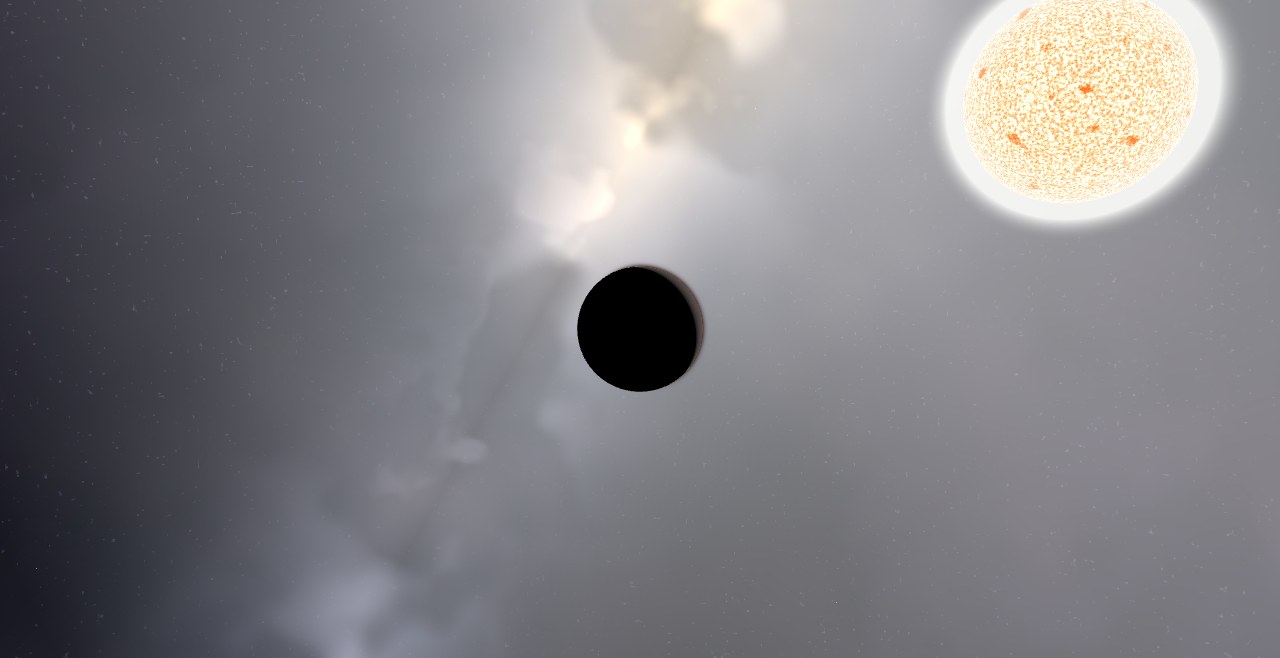
XO-4, a Sun-like F-type star of 1.10 solar masses, and XO-4 b, a 1.42-Jupiter-mass companion, with an orbital period of 4.1 days.
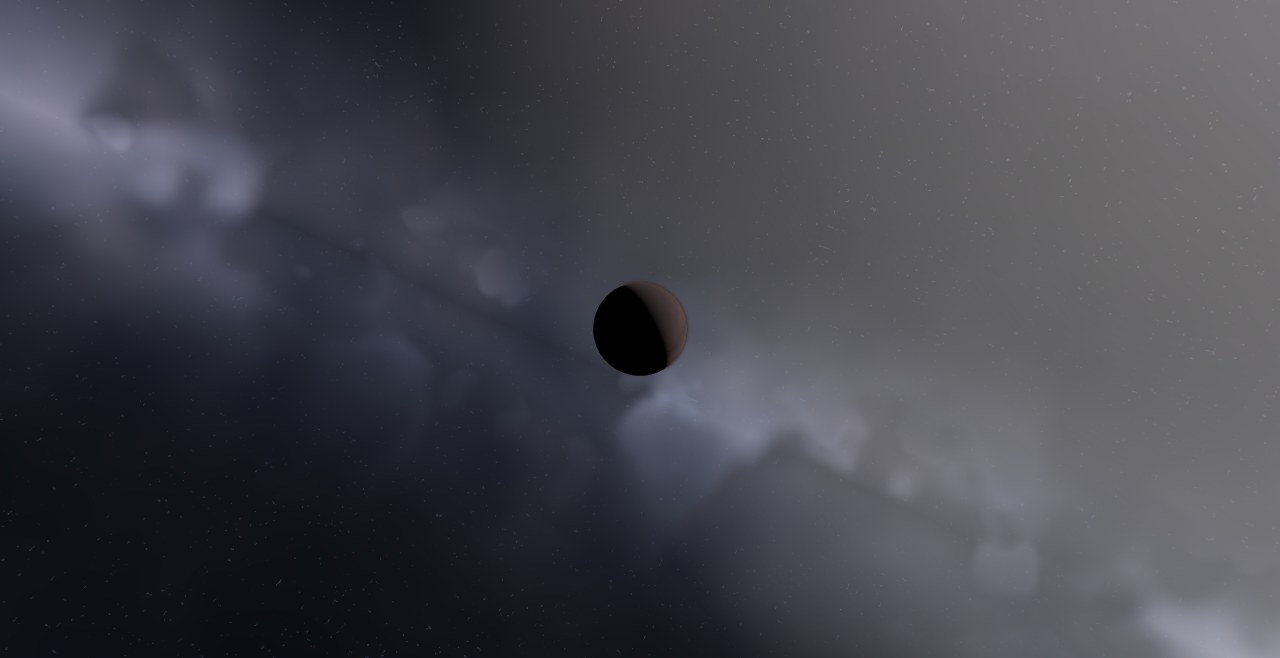
XO-5, a Sun-like G-type star of 1.04 solar masses, and XO-5 b, a 1.19-Jupiter-mass companion, with an orbital period of 4.2 days, at 0.051 AU from its star, and an equilibrium temperature near 1,230 K.
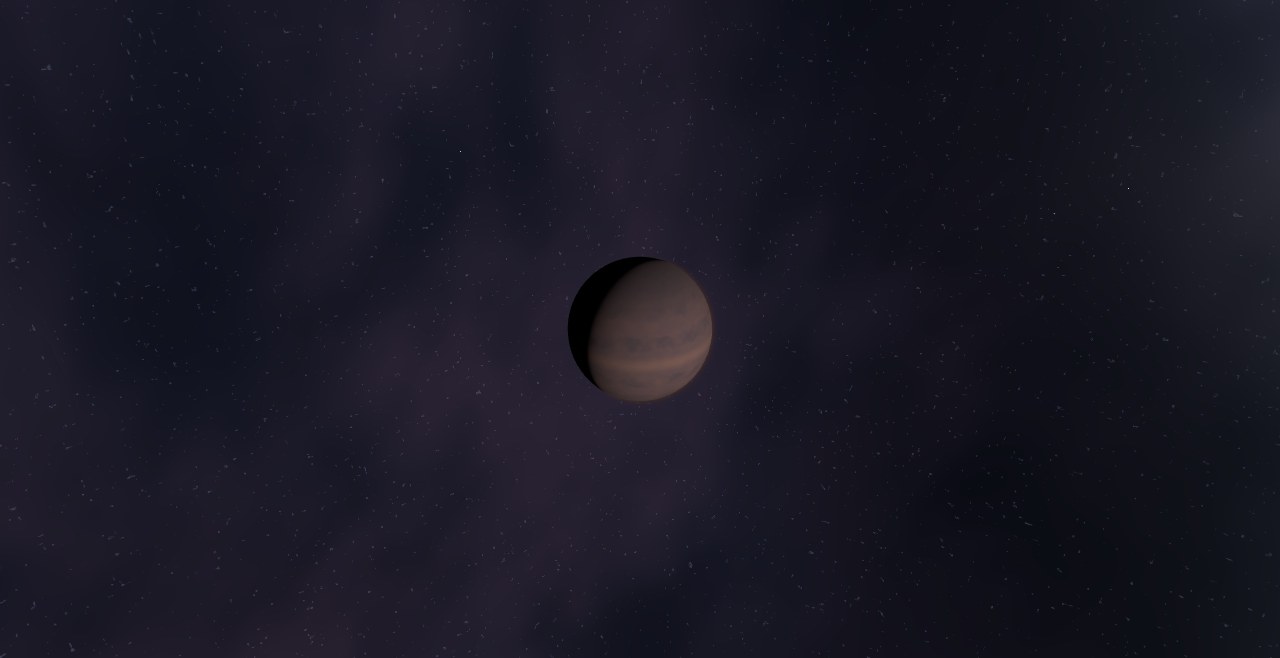
XO-6, a Sun-like F-type star of 1.47 solar masses, and XO-6 b, a 4.40-Jupiter-mass companion, with an orbital period of 3.8 days, at 0.082 AU from its star, and an equilibrium temperature near 1,577 K.
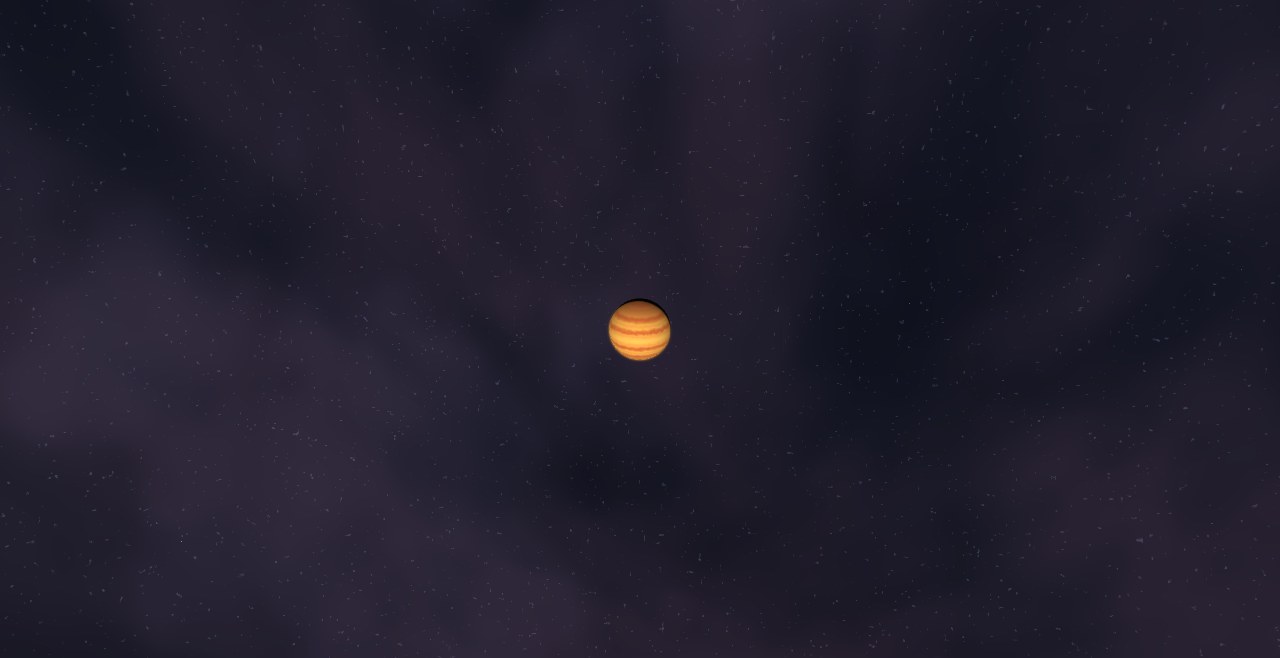
XO-7, a Sun-like G-type star of 1.41 solar masses, and XO-7 b, a 0.71-Jupiter-mass companion, with an orbital period of 2.9 days, at 0.044 AU from its star, and an equilibrium temperature near 1,743 K.