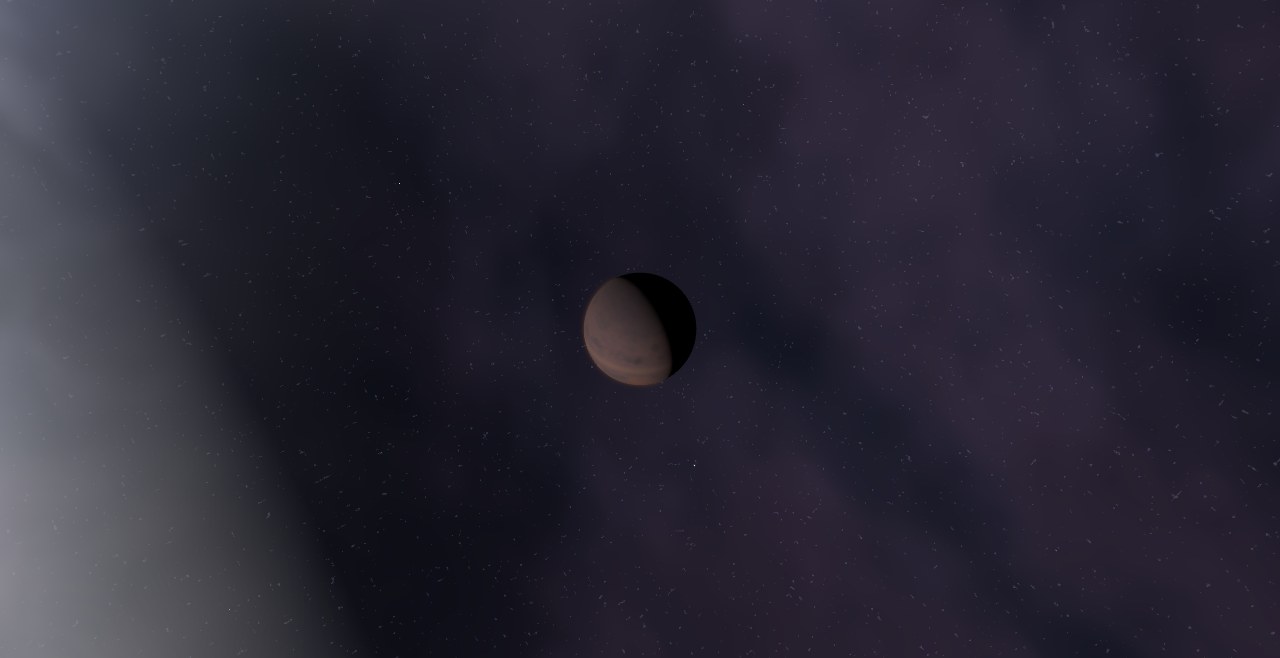
WASP-71 - System
WASP-71, a Sun-like F-type star of 0.76 solar masses, and WASP-71 b, a 1.39-Jupiter-mass companion, with an orbital period of 2.9 days.
3D Space and Gravity Simulator. Simulate the solar system, exoplanets and even colliding galaxies. Add, delete and modify planets, and change the laws of physics.
Share
WASP-71, a Sun-like F-type star of 0.76 solar masses, and WASP-71 b, a 1.39-Jupiter-mass companion, with an orbital period of 2.9 days.
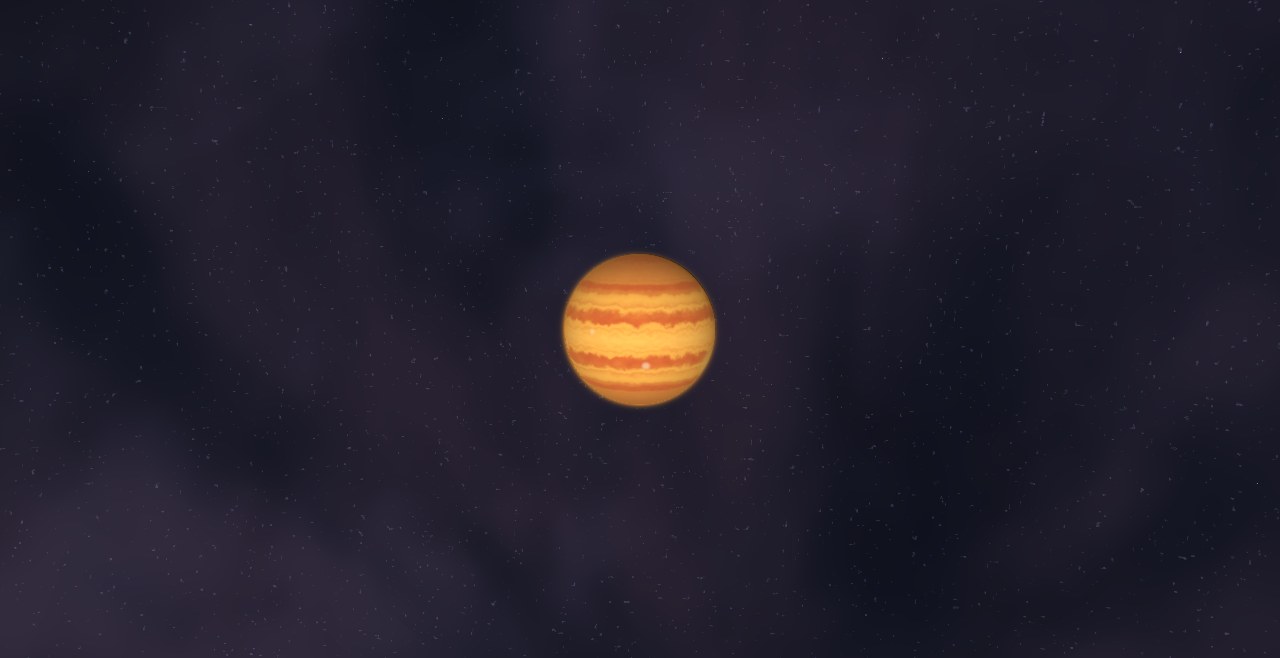
WASP-72, a Sun-like F-type star of 2.78 solar masses, and WASP-72 b, a 2.30-Jupiter-mass companion, with an orbital period of 2.2 days.
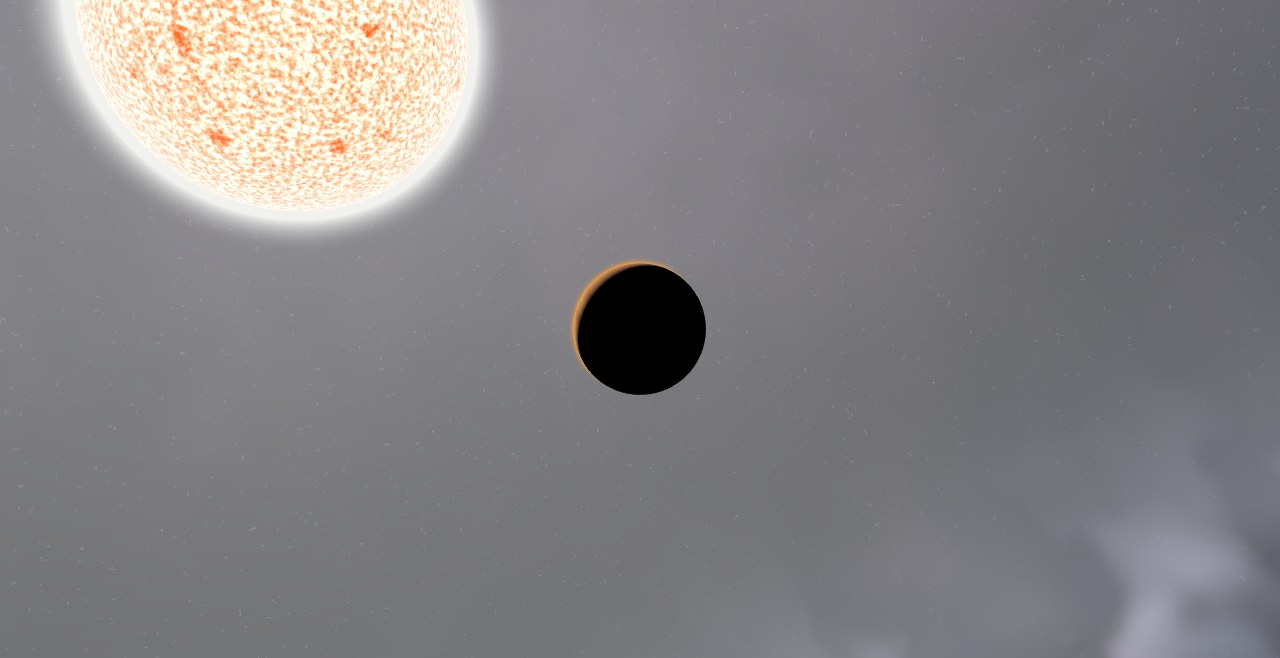
WASP-73, a Sun-like F-type star of 2.52 solar masses, and WASP-73 b, a 2.86-Jupiter-mass companion, with an orbital period of 4.1 days.
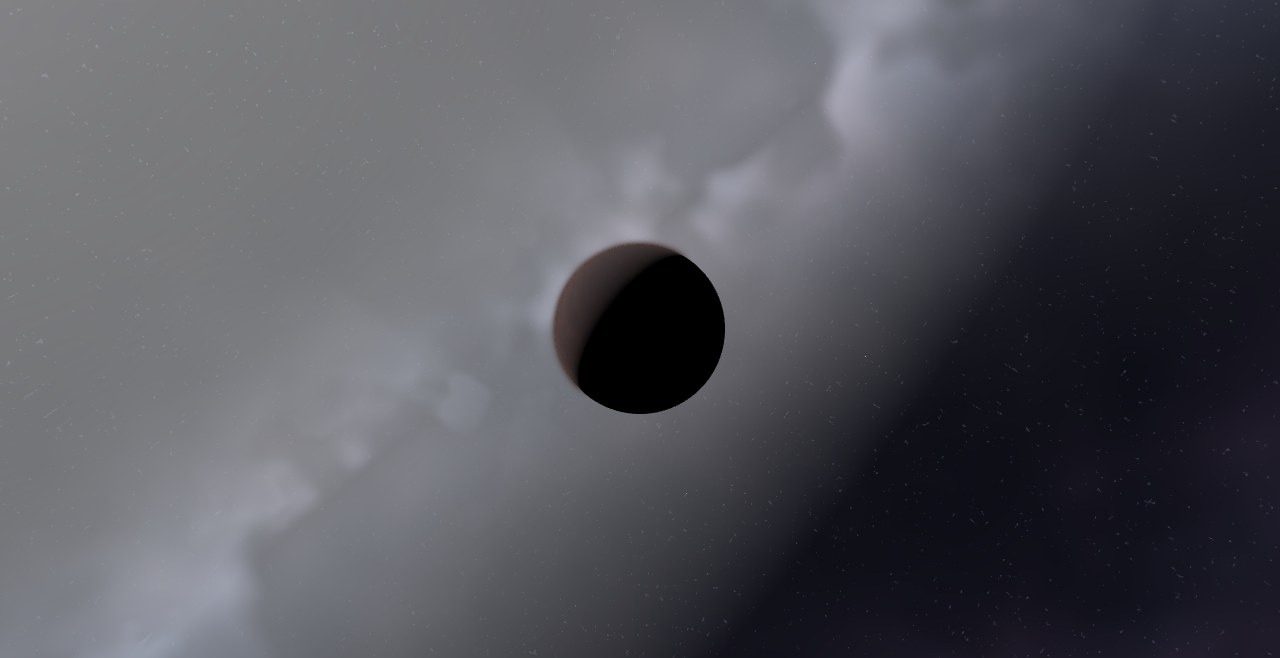
WASP-74, a Sun-like G-type star of 0.98 solar masses, and WASP-74 b, a 0.72-Jupiter-mass companion, with an orbital period of 2.1 days.
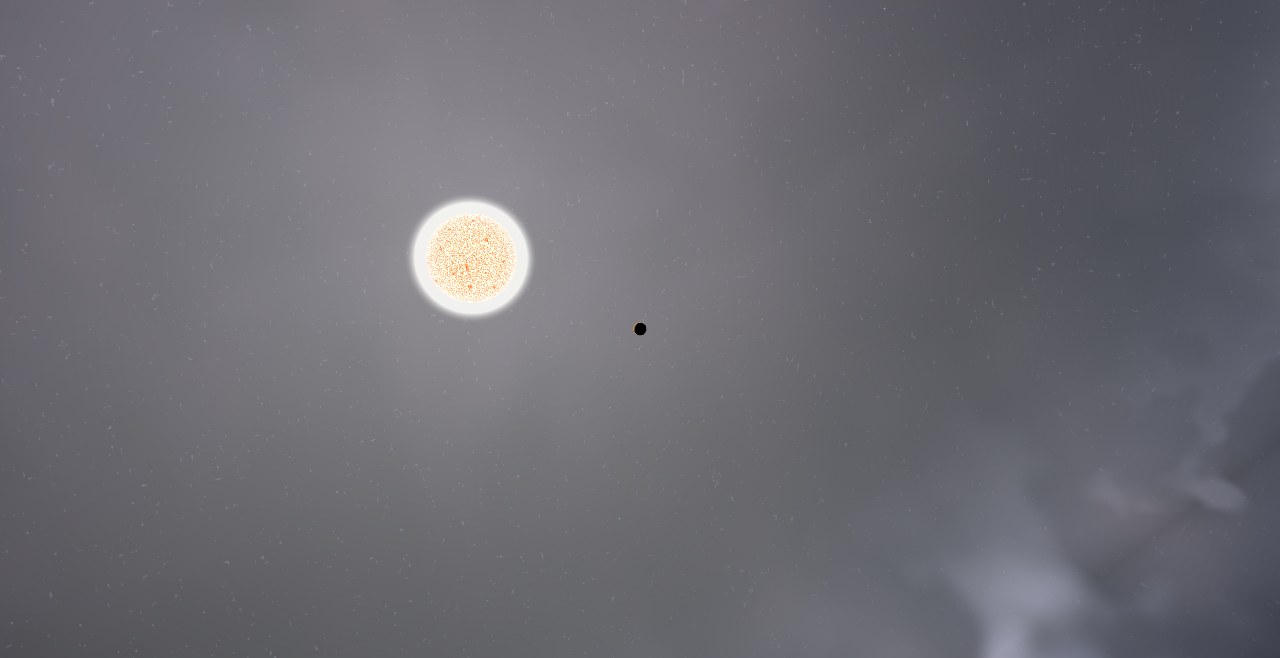
WASP-75, a Sun-like F-type star of 1.14 solar masses, and WASP-75 b, a 1.07-Jupiter-mass companion, with an orbital period of 2.5 days, at 0.037 AU from its star, and an equilibrium temperature near 1,710 K.
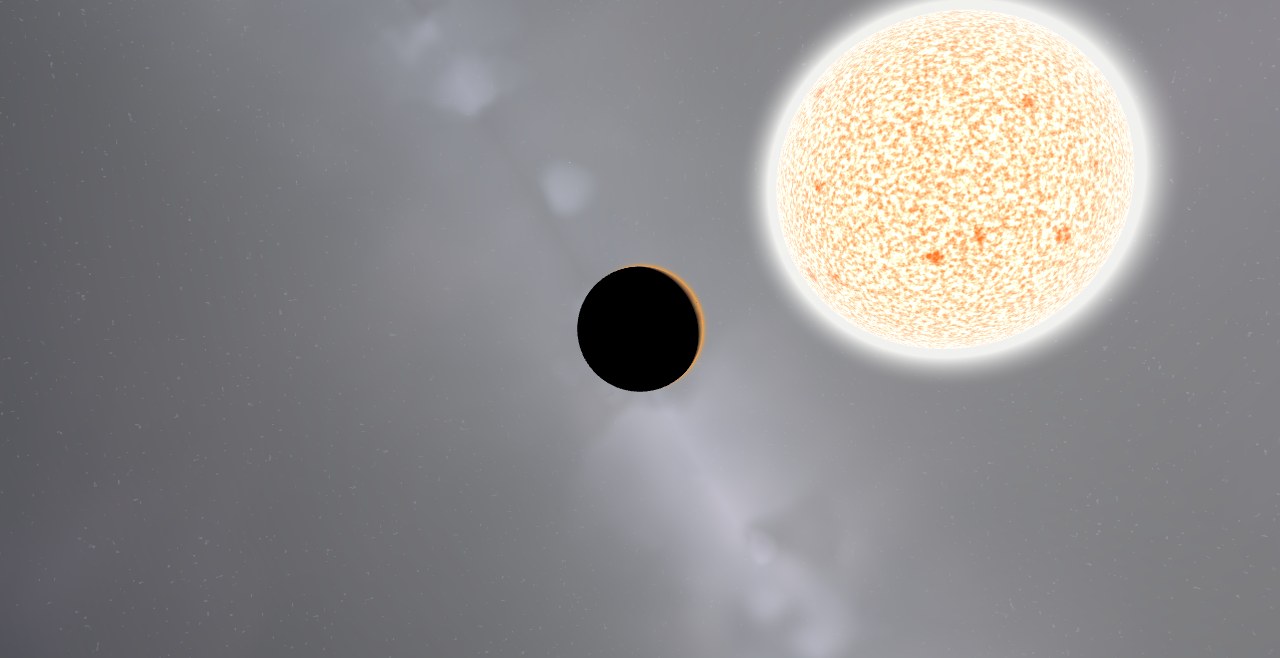
WASP-76 b, an ultra-hot Jupiter where iron vapor on the dayside may condense as it flows onto the cooler night side. The night side is cool enough that iron could rain.
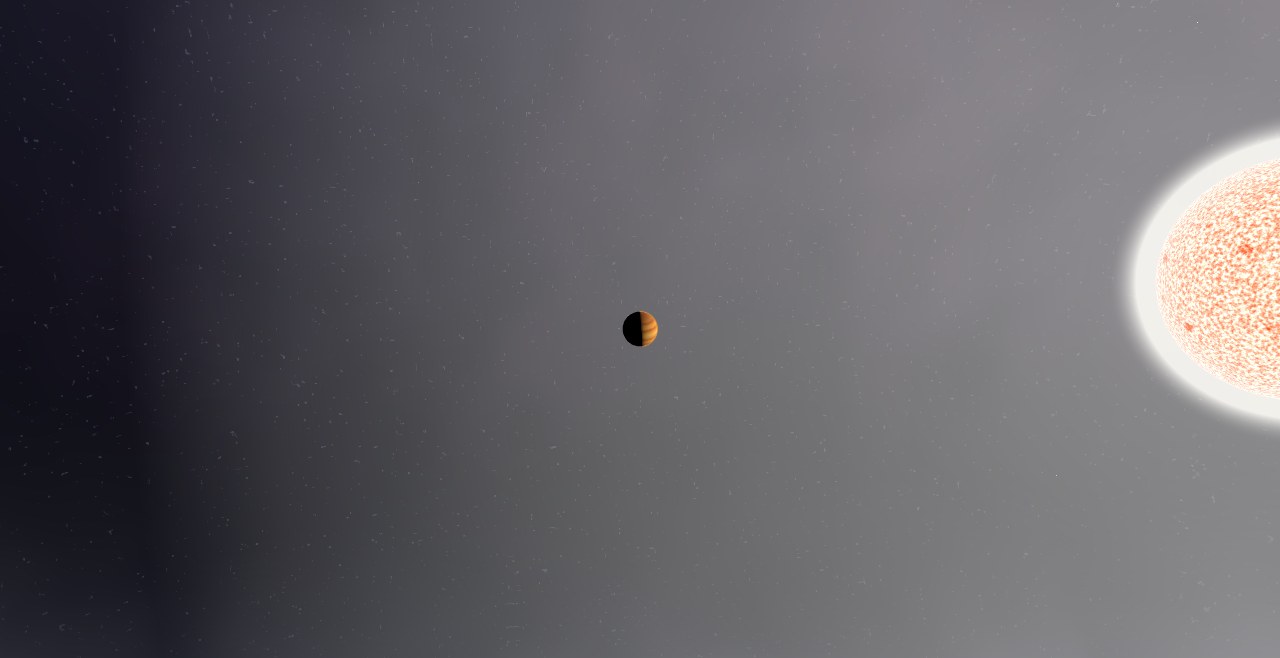
WASP-77 A, a Sun-like G-type star of 0.90 solar masses, and WASP-77 A b, a 1.67-Jupiter-mass companion, with an orbital period of 1.4 days, at 0.023 AU from its star.
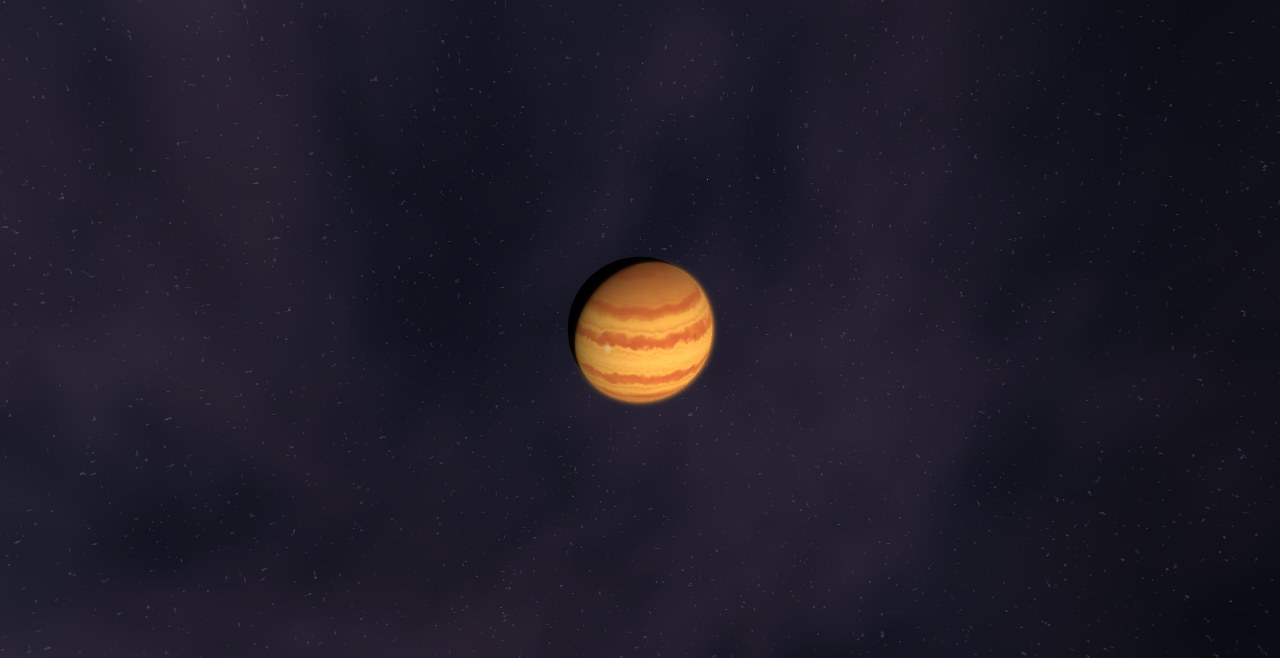
WASP-78, a Sun-like F-type star of 1.87 solar masses, and WASP-78 b, a 1.11-Jupiter-mass companion, with an orbital period of 2.2 days.
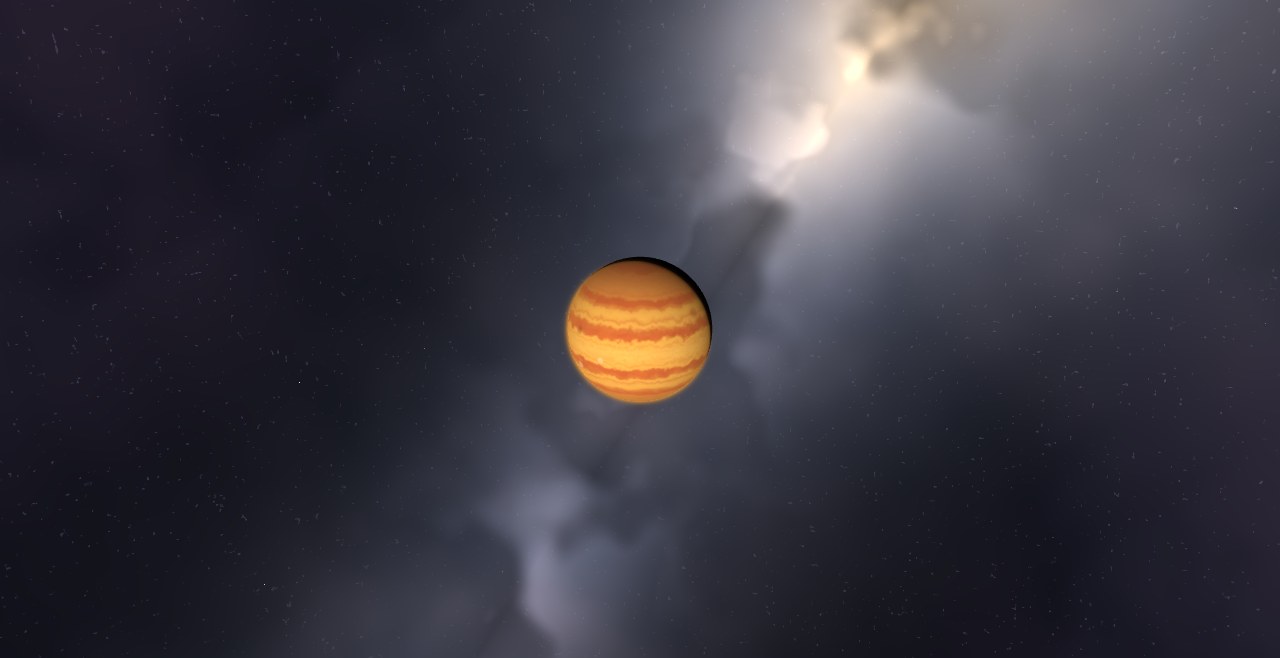
WASP-79, a Sun-like F-type star of 1.39 solar masses, and WASP-79 b, a 0.85-Jupiter-mass companion, with an orbital period of 3.7 days, at 0.052 AU from its star, and an equilibrium temperature near 1,716 K.
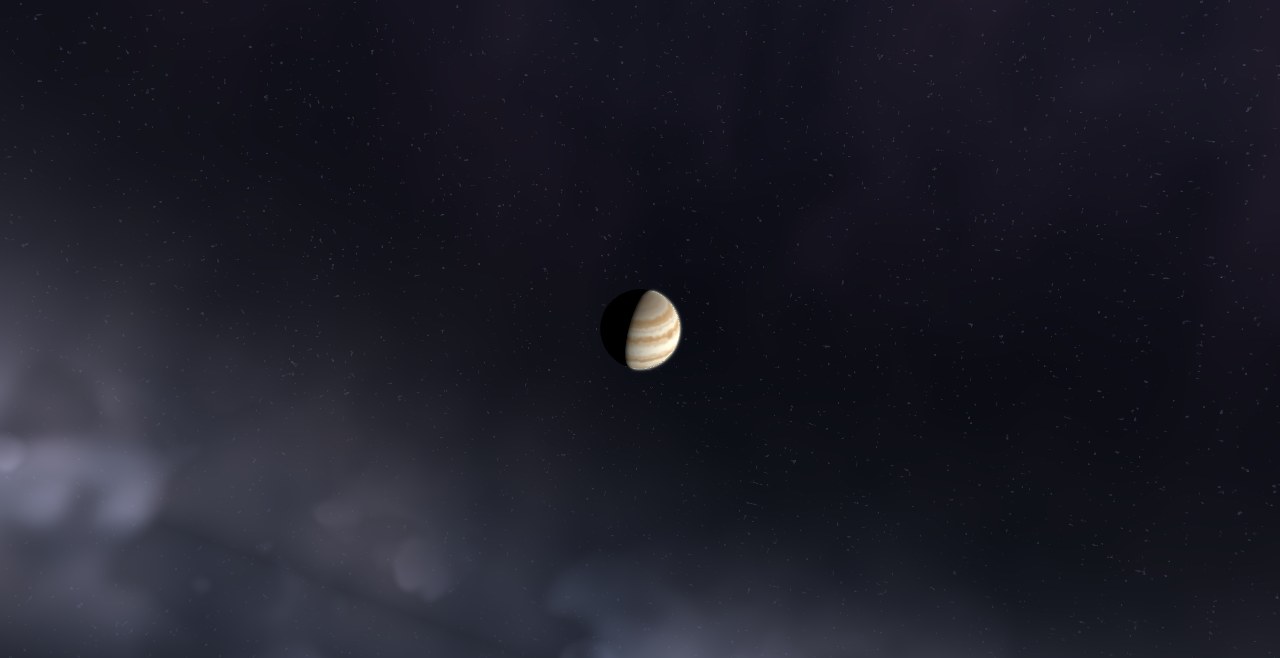
WASP-8, a Sun-like G-type star of 1.34 solar masses, and WASP-8 c, a 9.45-Jupiter-mass companion, with an orbital period of 11.8 years, at 5.280 AU from its star.
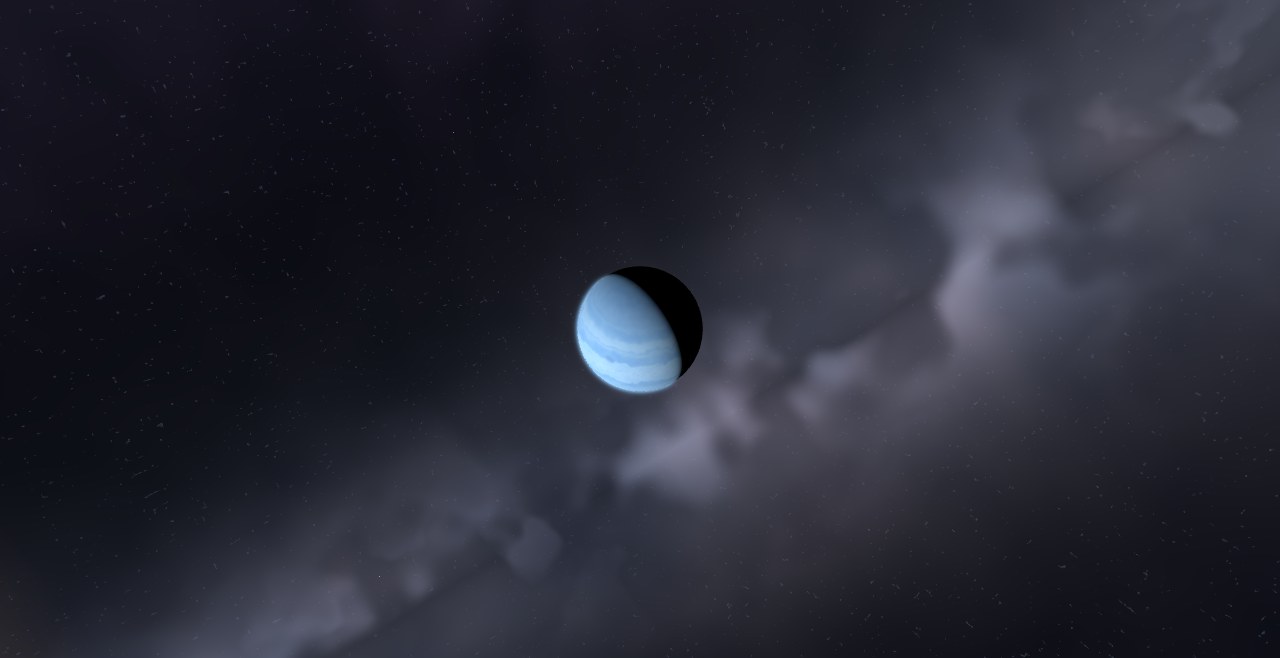
WASP-80, an orange K-type dwarf of 0.58 solar masses, and WASP-80 b, a 0.54-Jupiter-mass companion, with an orbital period of 3.1 days, at 0.034 AU from its star, and an equilibrium temperature near 825 K.
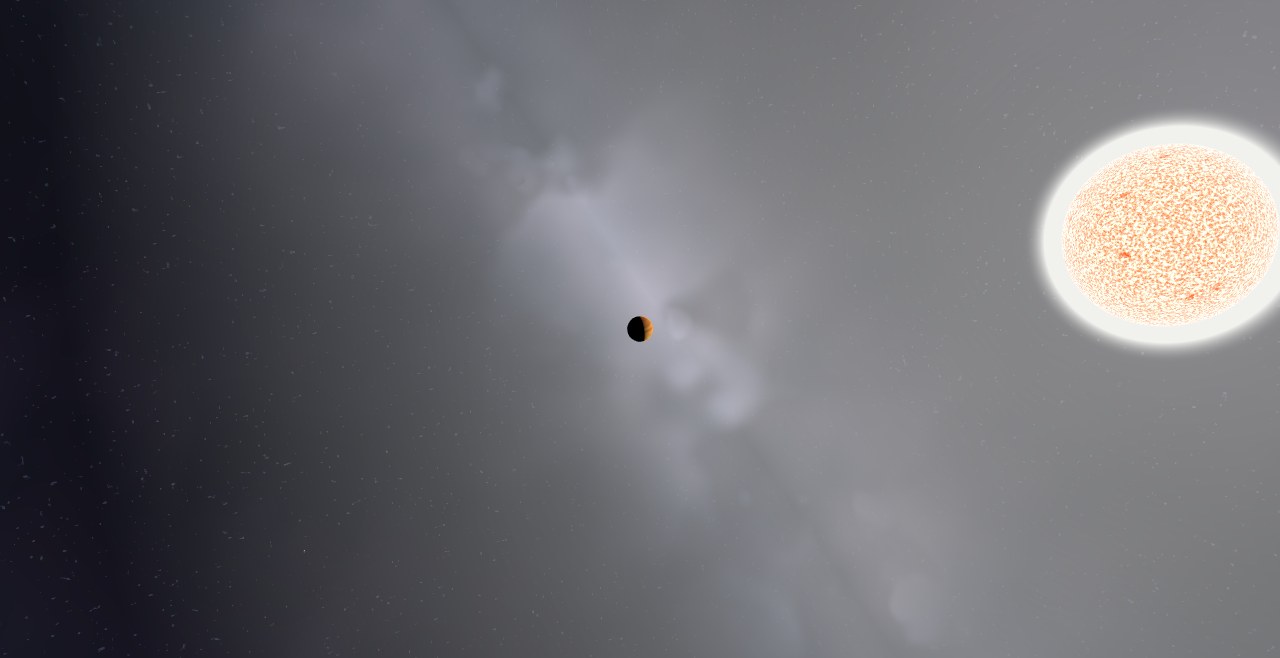
WASP-81, a Sun-like G-type star of 1.08 solar masses, and WASP-81 b, a 0.73-Jupiter-mass companion, with an orbital period of 2.7 days, at 0.039 AU from its star, and an equilibrium temperature near 1,623 K.
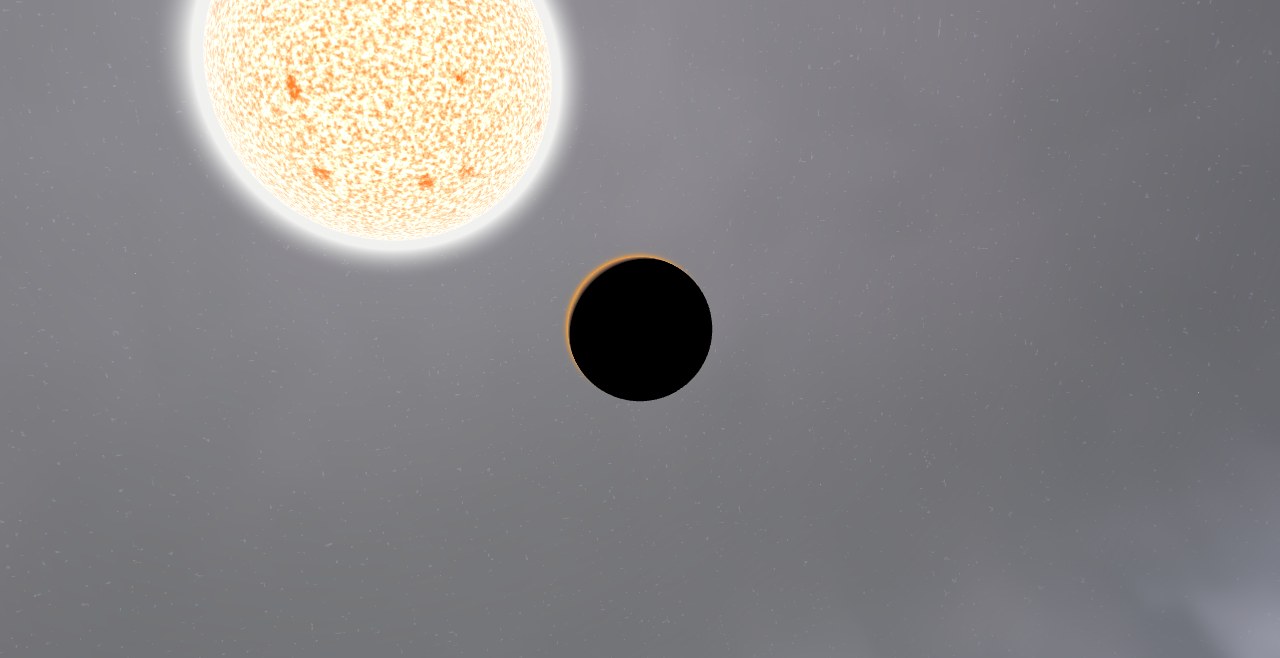
WASP-82, a Sun-like F-type star of 1.48 solar masses, and WASP-82 b, a 1.17-Jupiter-mass companion, with an orbital period of 2.7 days.
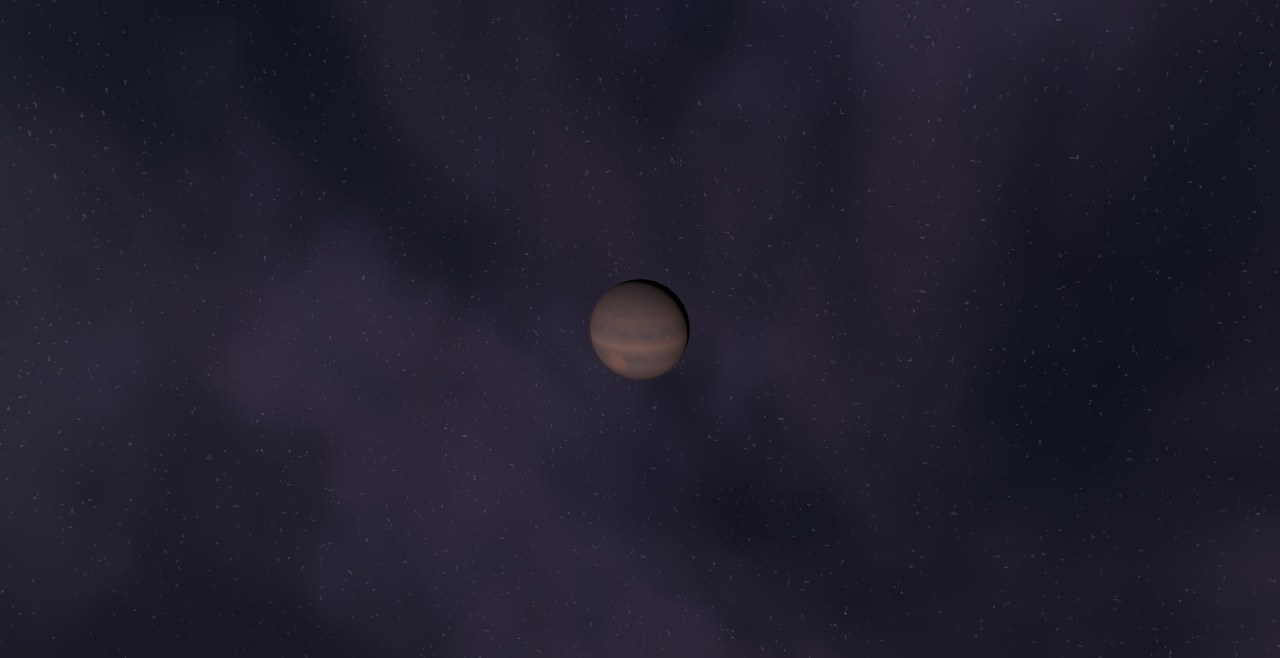
WASP-83, a Sun-like G-type star of 1.11 solar masses, and WASP-83 b, a 0.30-Jupiter-mass companion, with an orbital period of 5.0 days, at 0.059 AU from its star, and an equilibrium temperature near 1,120 K.
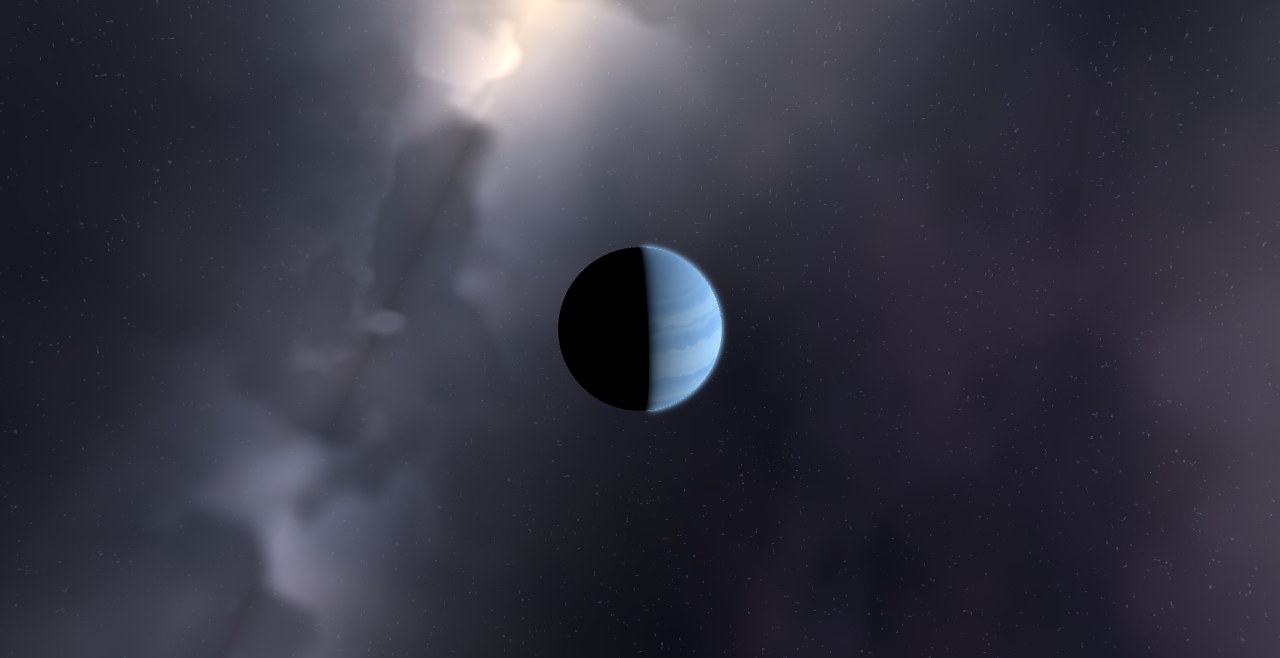
WASP-84, an orange K-type dwarf of 0.85 solar masses, and WASP-84 c, a 15.2-Earth-mass planet, with an orbital period of 1.4 days, at 0.024 AU from its star, and an equilibrium temperature near 1,329 K.
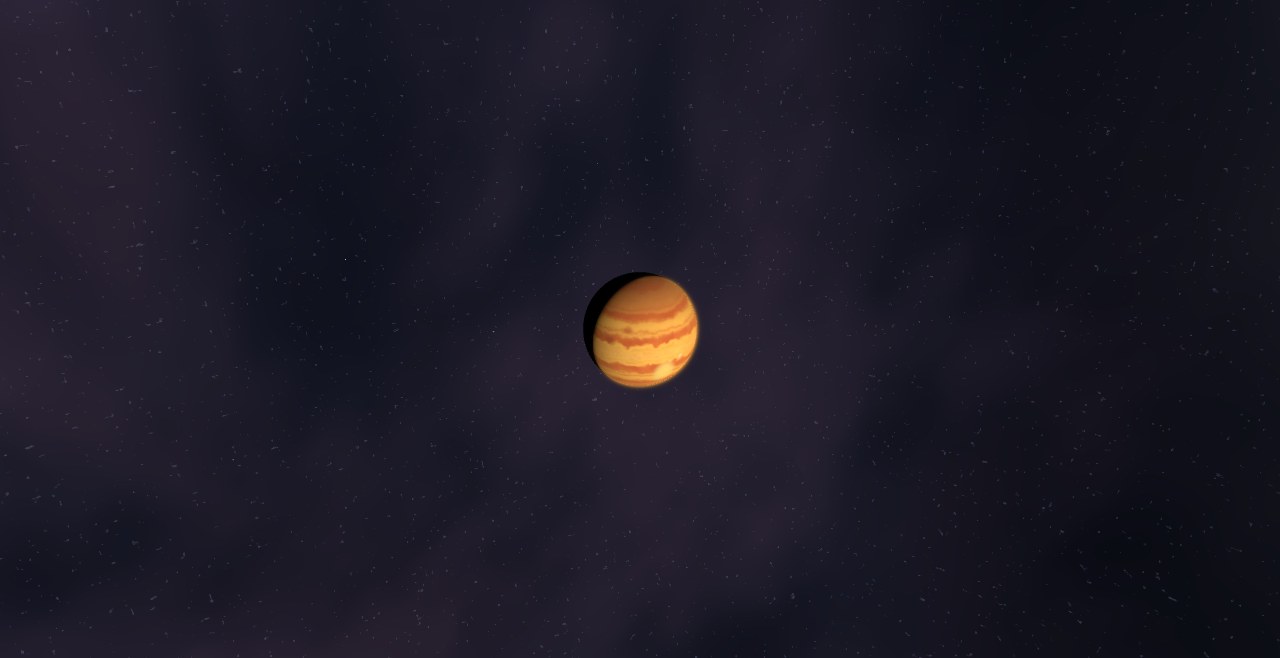
WASP-85 A, a Sun-like G-type star of 1.09 solar masses, and WASP-85 A b, a 1.26-Jupiter-mass companion, with an orbital period of 2.7 days, at 0.039 AU from its star, and an equilibrium temperature near 1,452 K.
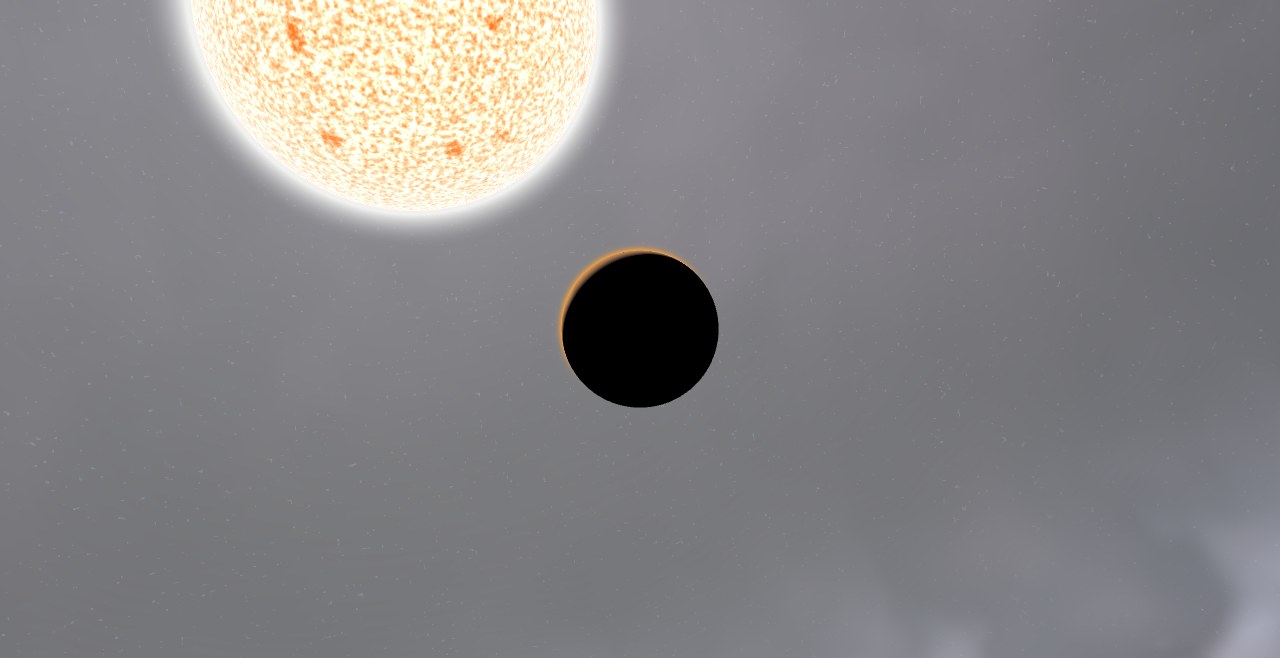
WASP-87, a Sun-like F-type star of 1.20 solar masses, and WASP-87 b, a 2.18-Jupiter-mass companion, with an orbital period of 1.7 days, at 0.029 AU from its star.
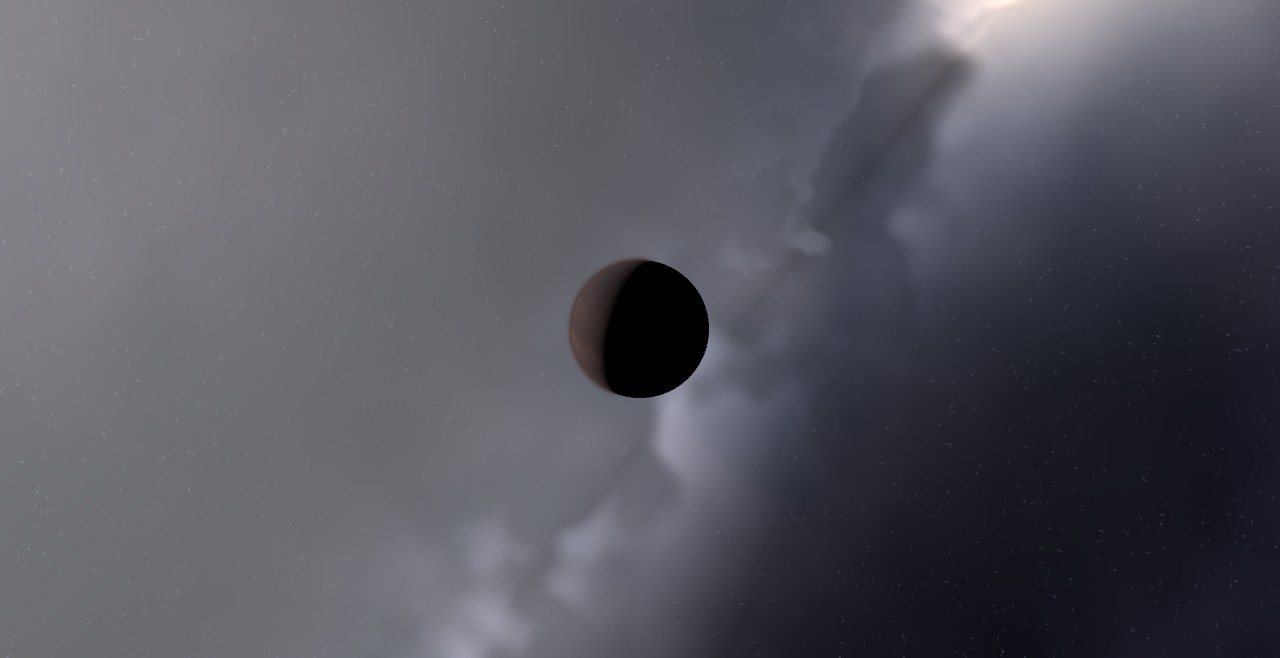
WASP-88, a Sun-like F-type star of 0.94 solar masses, and WASP-88 b, a 0.42-Jupiter-mass companion, with an orbital period of 5.0 days.