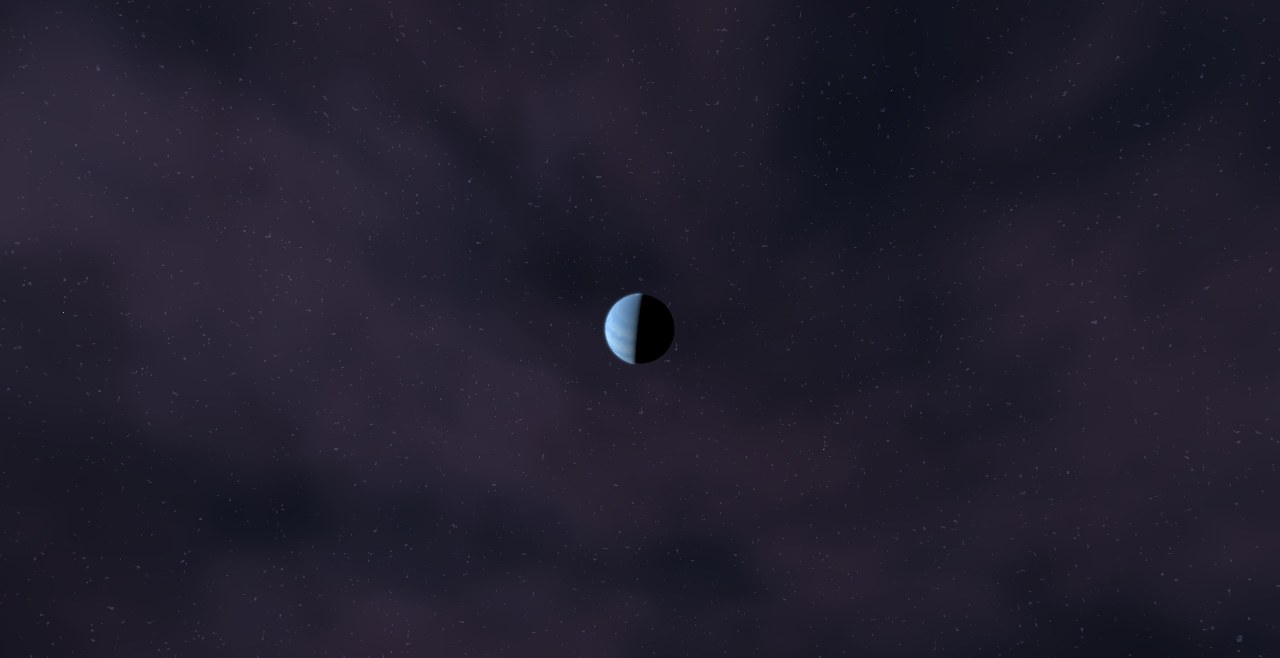
HD 43197 - System
HD 43197, a Sun-like G-type star of 0.96 solar masses, and HD 43197 b, a 0.55-Jupiter-mass companion, with an orbital period of 309 days, at 0.882 AU from its star, on an eccentric orbit (e ≈ 0.74).
Scenarios
Discover alien solar systems and explore worlds far beyond our own. Simulate extreme orbital environments, habitable zones, and tightly packed resonant chains discovered by modern astronomy, all mapped accurately from real exoplanetary discovery data.
Share
HD 43197, a Sun-like G-type star of 0.96 solar masses, and HD 43197 b, a 0.55-Jupiter-mass companion, with an orbital period of 309 days, at 0.882 AU from its star, on an eccentric orbit (e ≈ 0.74).
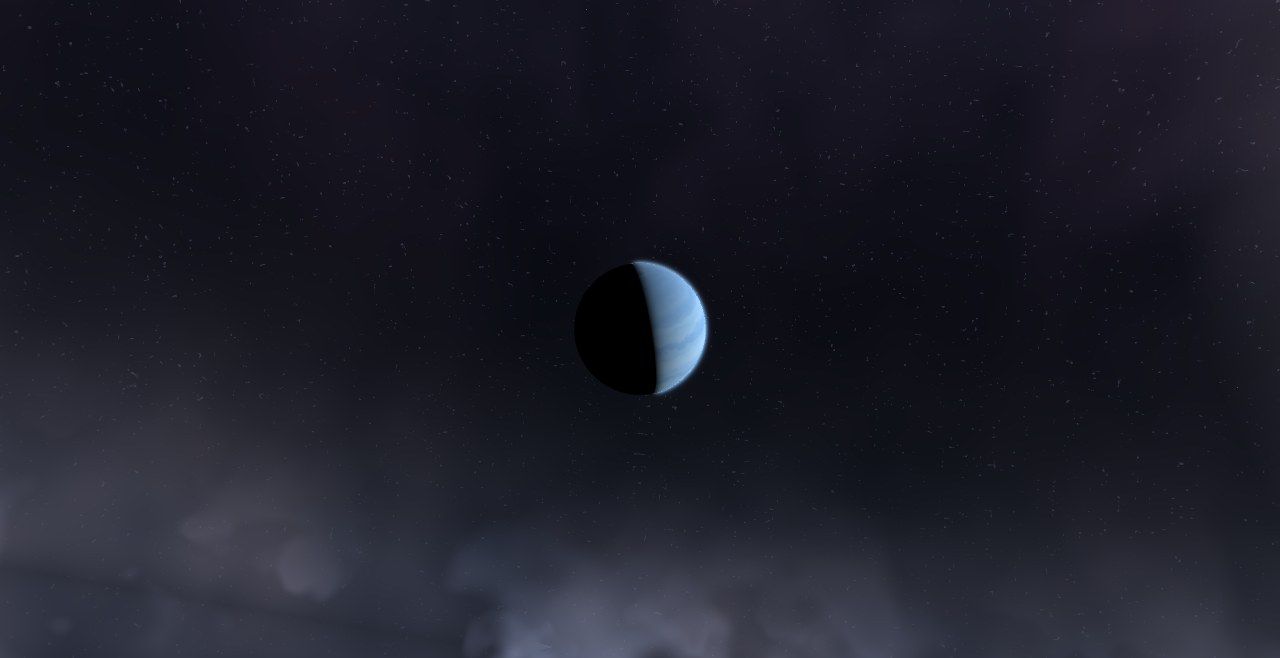
HD 43691, a Sun-like G-type star of 1.32 solar masses, and HD 43691 b, a 2.55-Jupiter-mass companion, with an orbital period of 37.0 days, at 0.238 AU from its star, on an eccentric orbit (e ≈ 0.08).
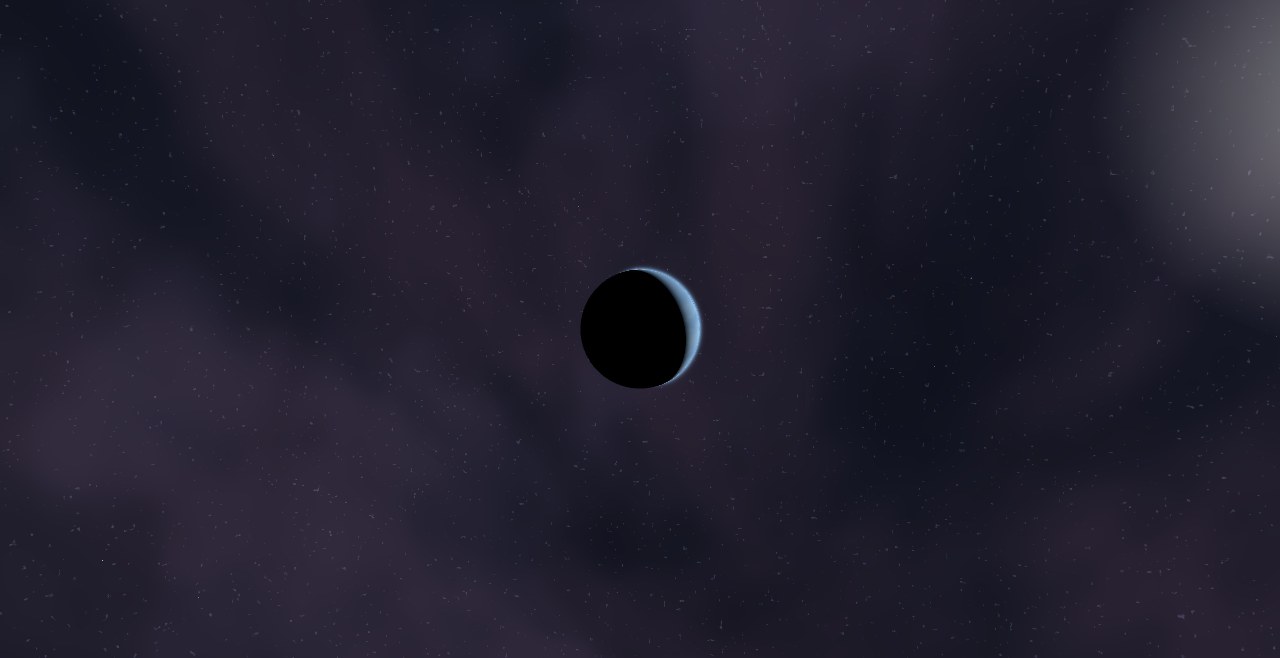
HD 44219, a Sun-like G-type star of 1.20 solar masses, and HD 44219 b, a 0.58-Jupiter-mass companion, with an orbital period of 1.29 years, at 1.260 AU from its star, on an eccentric orbit (e ≈ 0.41).
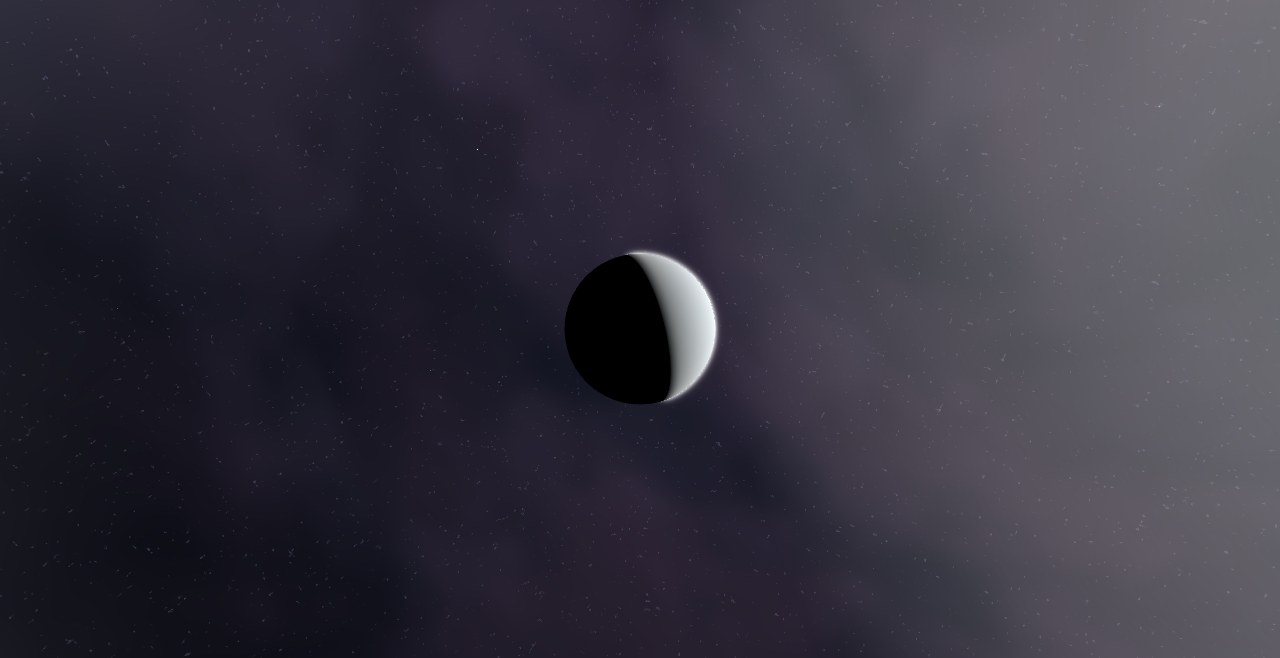
HD 45184, a Sun-like G-type star of 1.03 solar masses, and HD 45184 b, a 12.2-Earth-mass planet, with an orbital period of 5.9 days, at 0.064 AU from its star, on an eccentric orbit (e ≈ 0.07).
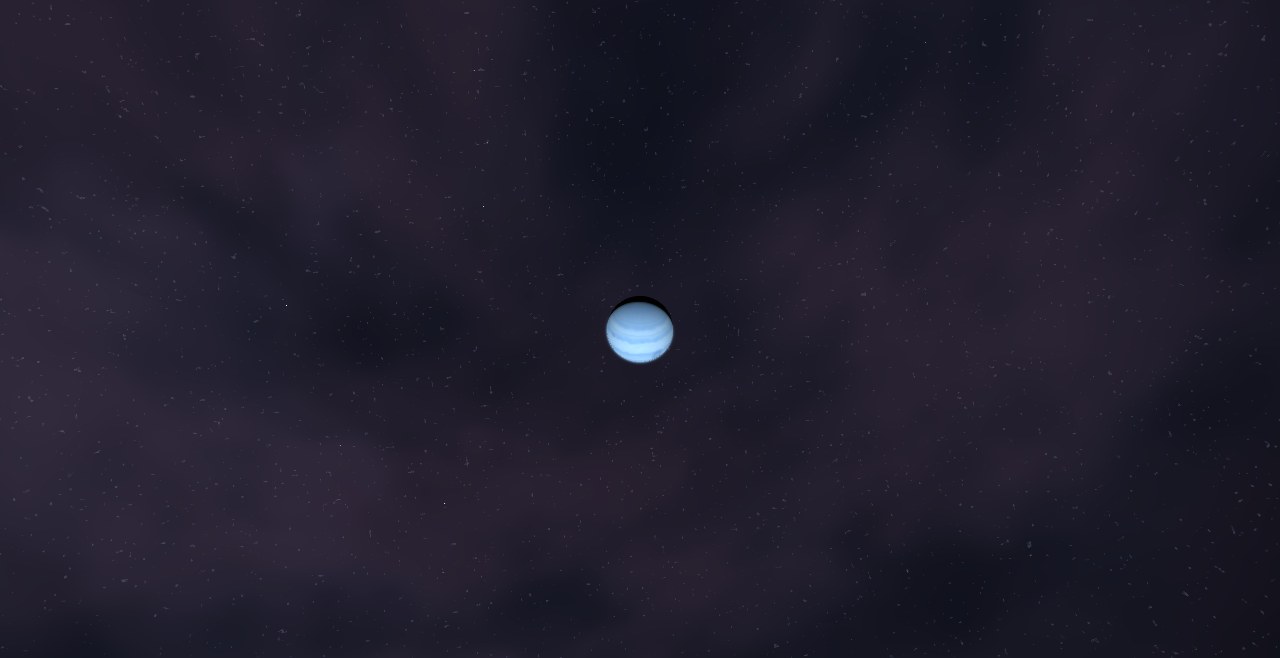
HD 45350, a Sun-like G-type star of 0.98 solar masses, and HD 45350 b, a 1.79-Jupiter-mass companion, with an orbital period of 2.64 years, at 1.920 AU from its star, on an eccentric orbit (e ≈ 0.78).
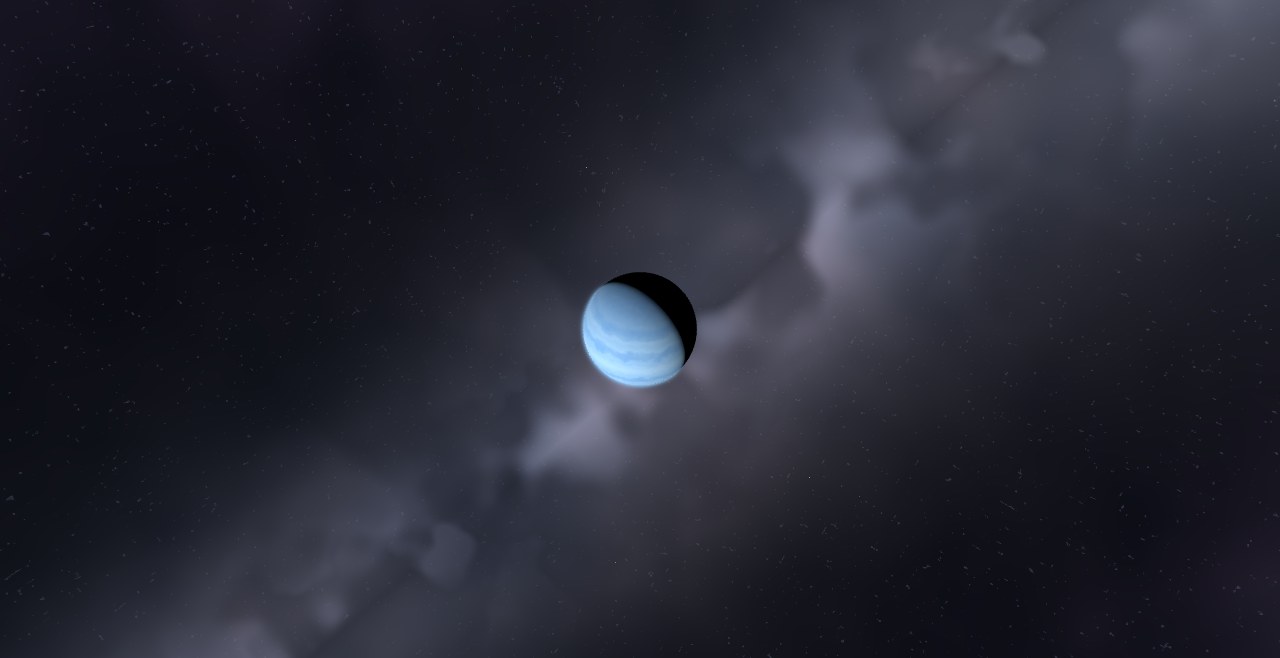
HD 45364, two giant planets locked in a 3:2 mean-motion resonance. They were likely captured into that rhythm while migrating through the disk.
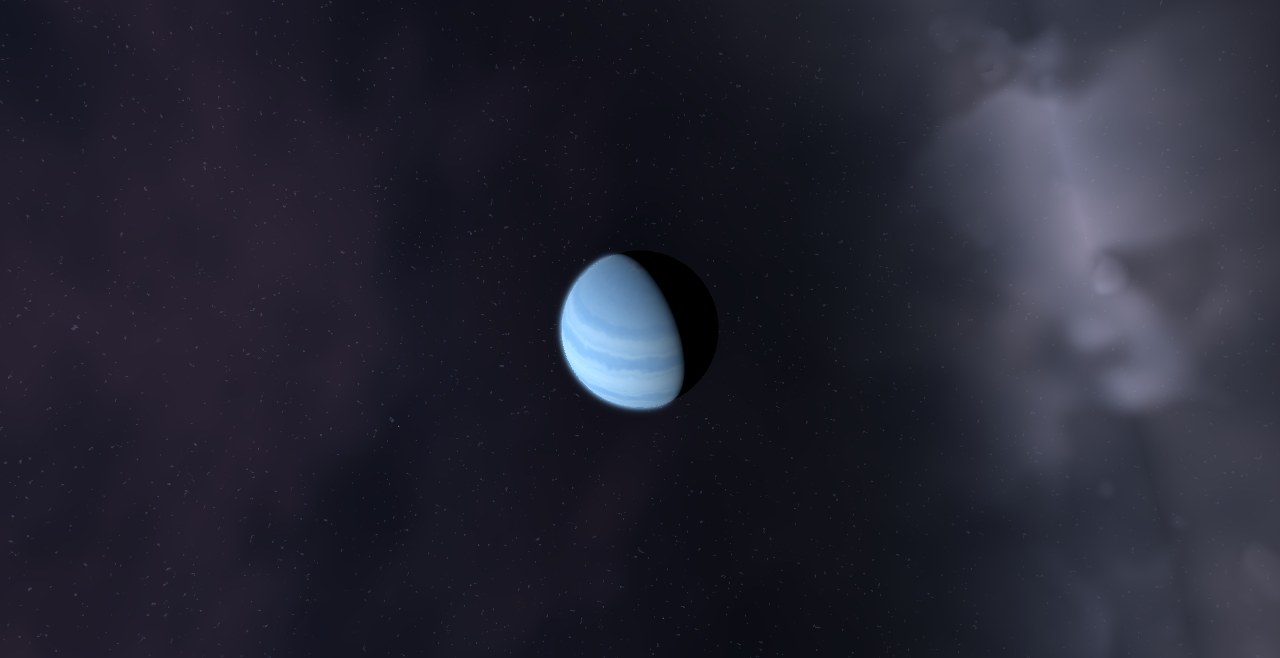
HD 45652, a Sun-like G-type star of 0.92 solar masses, and HD 45652 b, a 0.43-Jupiter-mass companion, with an orbital period of 44.1 days, at 0.237 AU from its star, on an eccentric orbit (e ≈ 0.61).
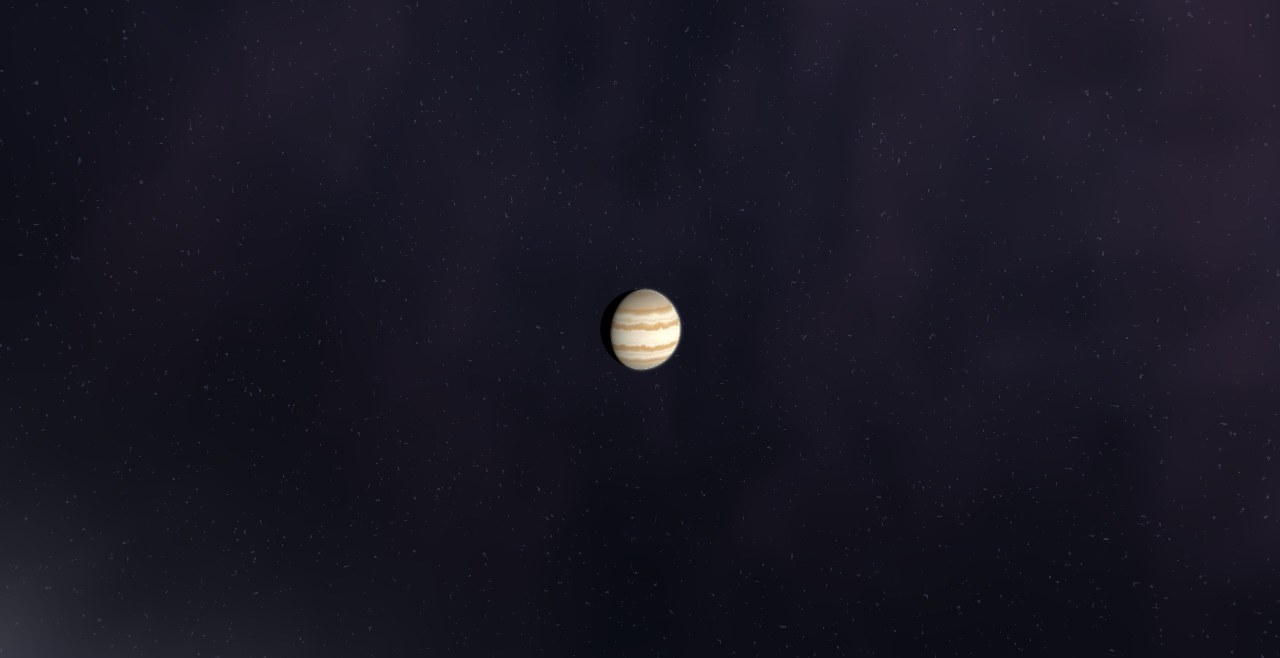
HD 457, a Sun-like F-type star of 1.15 solar masses, and HD 457 b, a 26.6-Jupiter-mass companion, with an orbital period of 55.6 years, at 15.4 AU from its star, on an eccentric orbit (e ≈ 0.56).
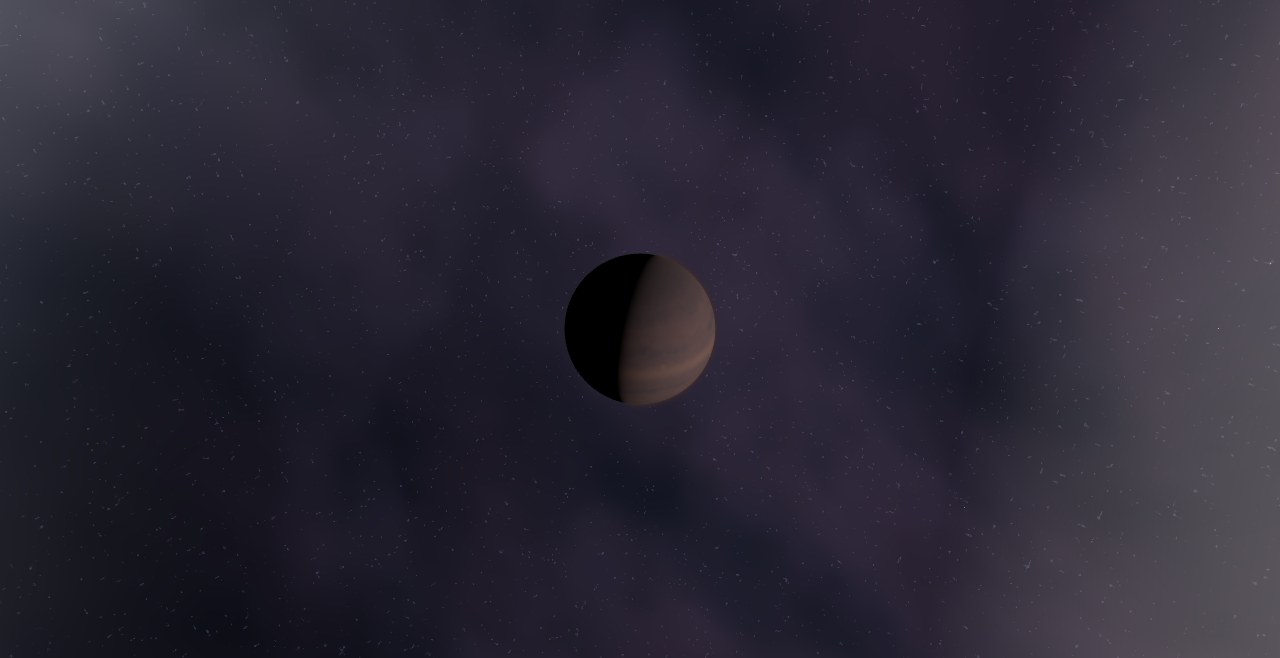
HD 46375, a Sun-like G-type star of 0.92 solar masses, and HD 46375 b, a 0.23-Jupiter-mass companion, with an orbital period of 3.0 days, at 0.040 AU from its star, on an eccentric orbit (e ≈ 0.06).
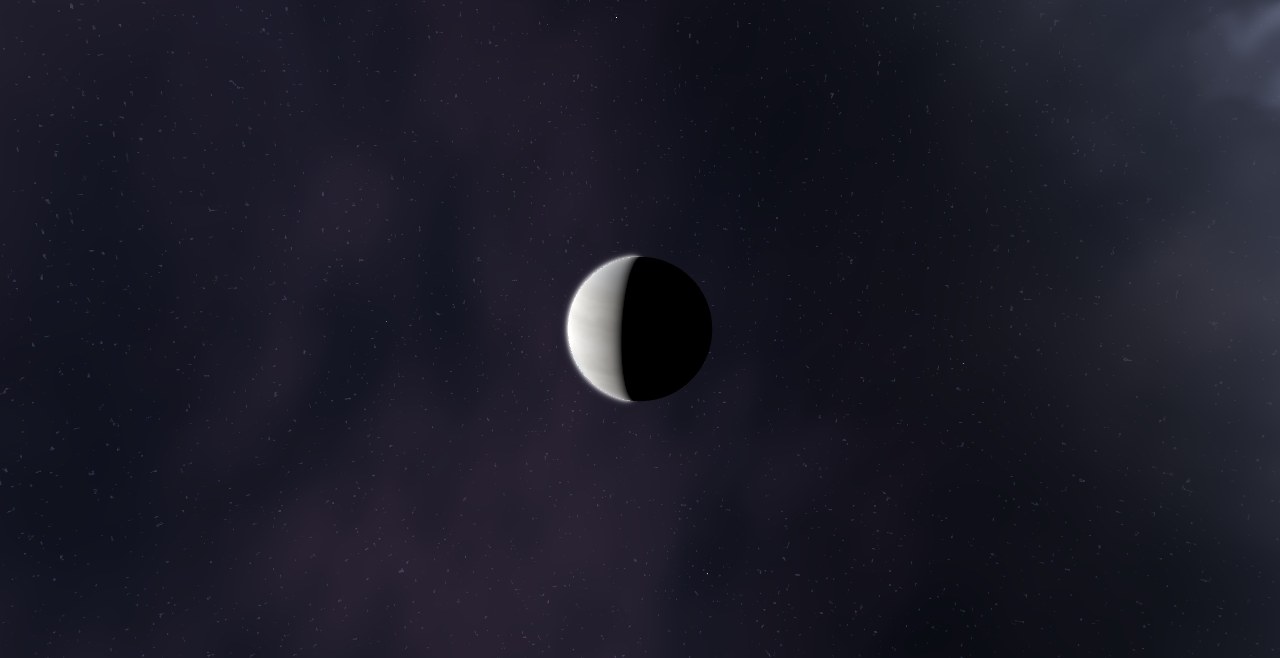
HD 47186, a Sun-like G-type star of 0.96 solar masses, and HD 47186 b, a 0.07-Jupiter-mass companion, with an orbital period of 4.1 days, at 0.050 AU from its star.
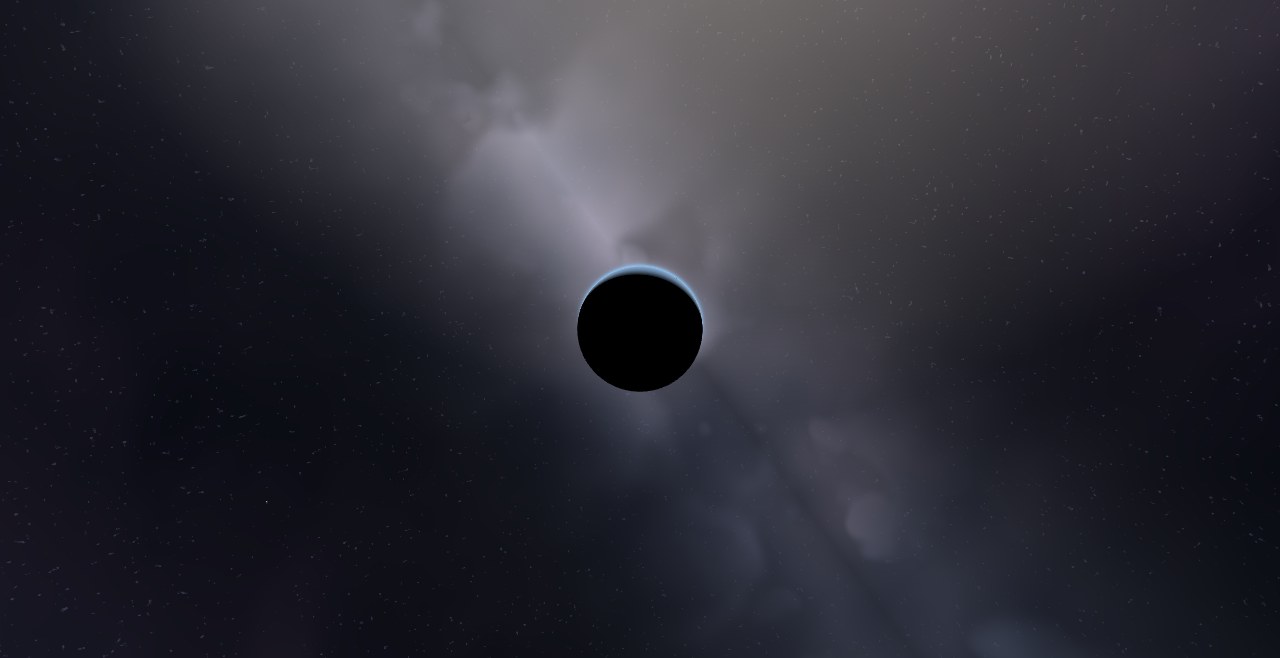
HD 4732, an orange K-type dwarf of 1.39 solar masses, and HD 4732 b, a 1.99-Jupiter-mass companion, with an orbital period of 1.02 years, at 1.129 AU from its star, on an eccentric orbit (e ≈ 0.27).
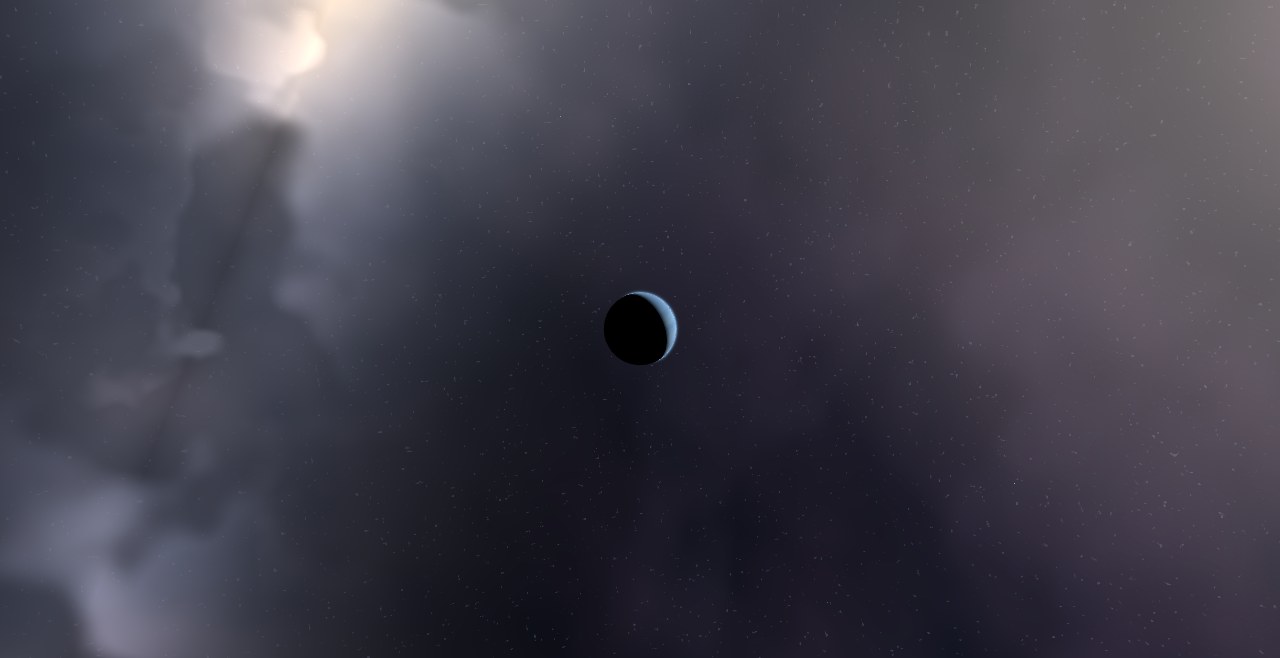
HD 47366, an orange K-type dwarf of 1.81 solar masses, and HD 47366 b, a 2.08-Jupiter-mass companion, with an orbital period of 360 days, at 1.207 AU from its star, on an eccentric orbit (e ≈ 0.07).
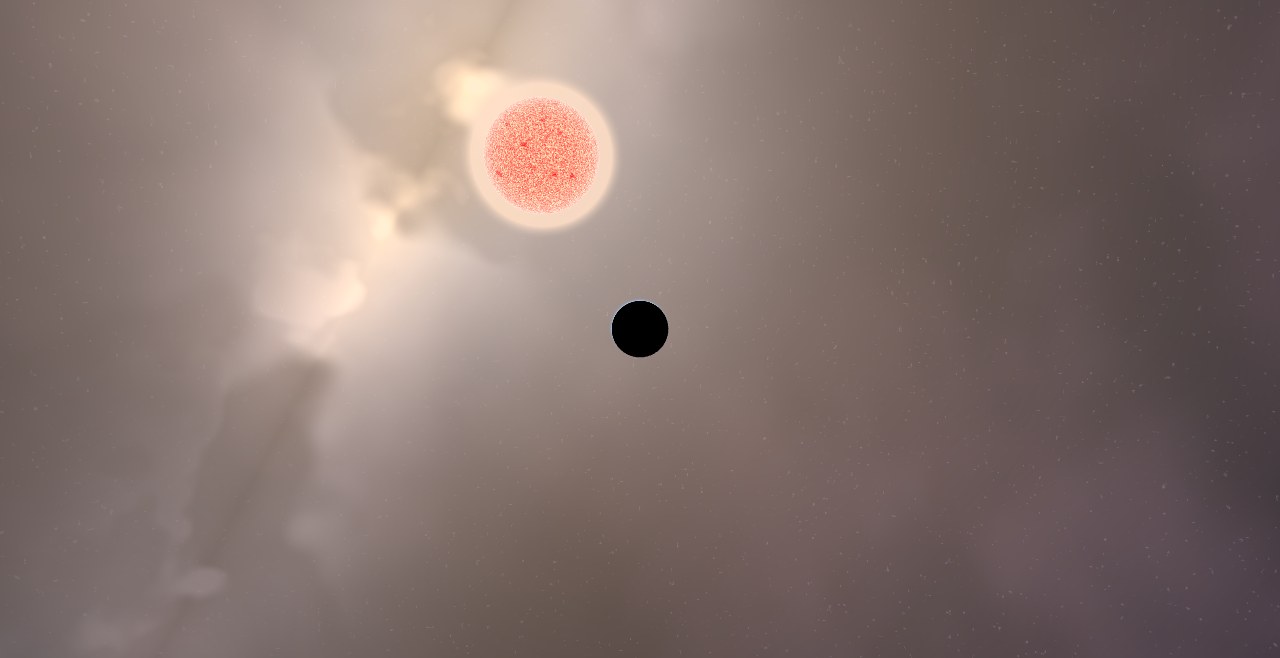
HD 47536, an orange K-type dwarf of 2.10 solar masses, and HD 47536 b, a 7.32-Jupiter-mass companion, with an orbital period of 1.95 years, at 1.930 AU from its star, on an eccentric orbit (e ≈ 0.20).
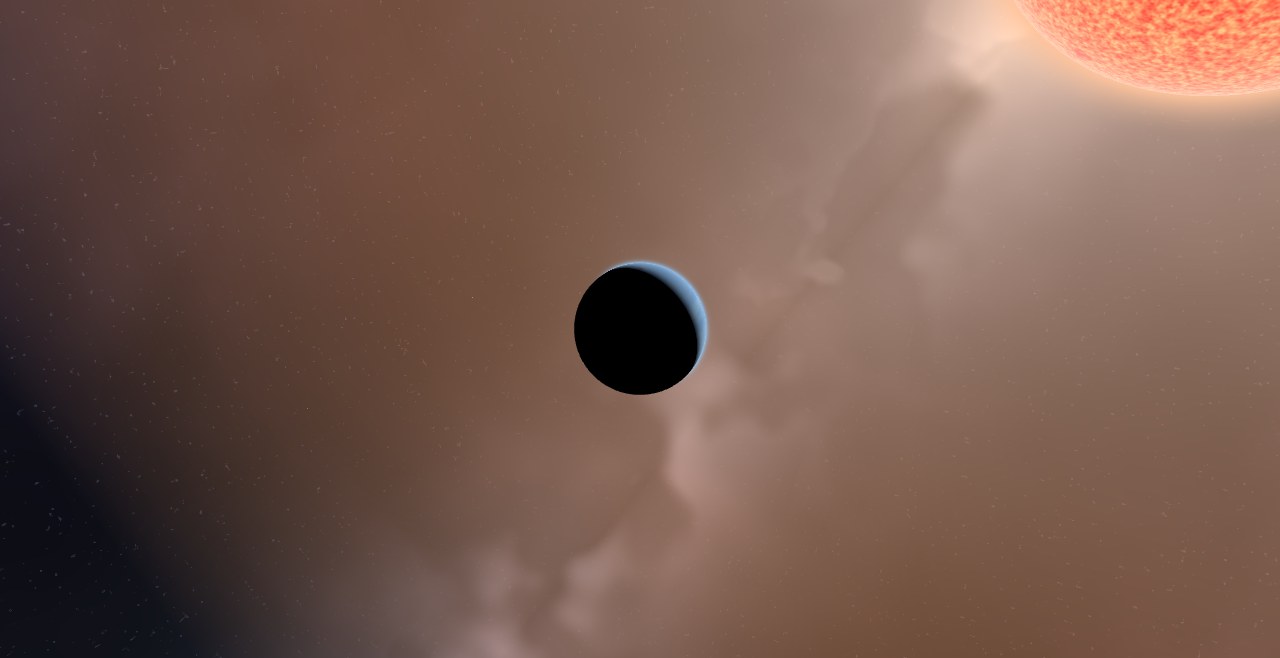
HD 4760, an orange K-type dwarf of 1.05 solar masses, and HD 4760 b, a 13.9-Jupiter-mass companion, with an orbital period of 1.19 years, at 1.140 AU from its star, on an eccentric orbit (e ≈ 0.23).
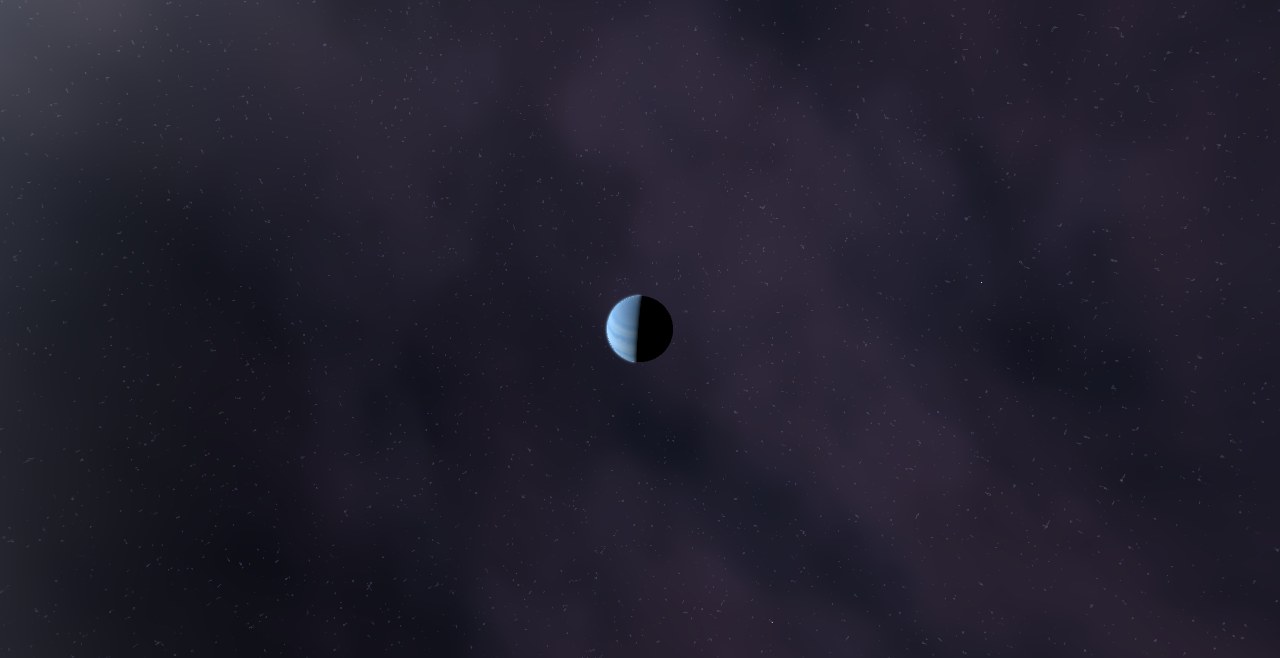
HD 48265, a Sun-like G-type star of 1.38 solar masses, and HD 48265 b, a 1.52-Jupiter-mass companion, with an orbital period of 2.13 years, at 1.814 AU from its star, on an eccentric orbit (e ≈ 0.21).
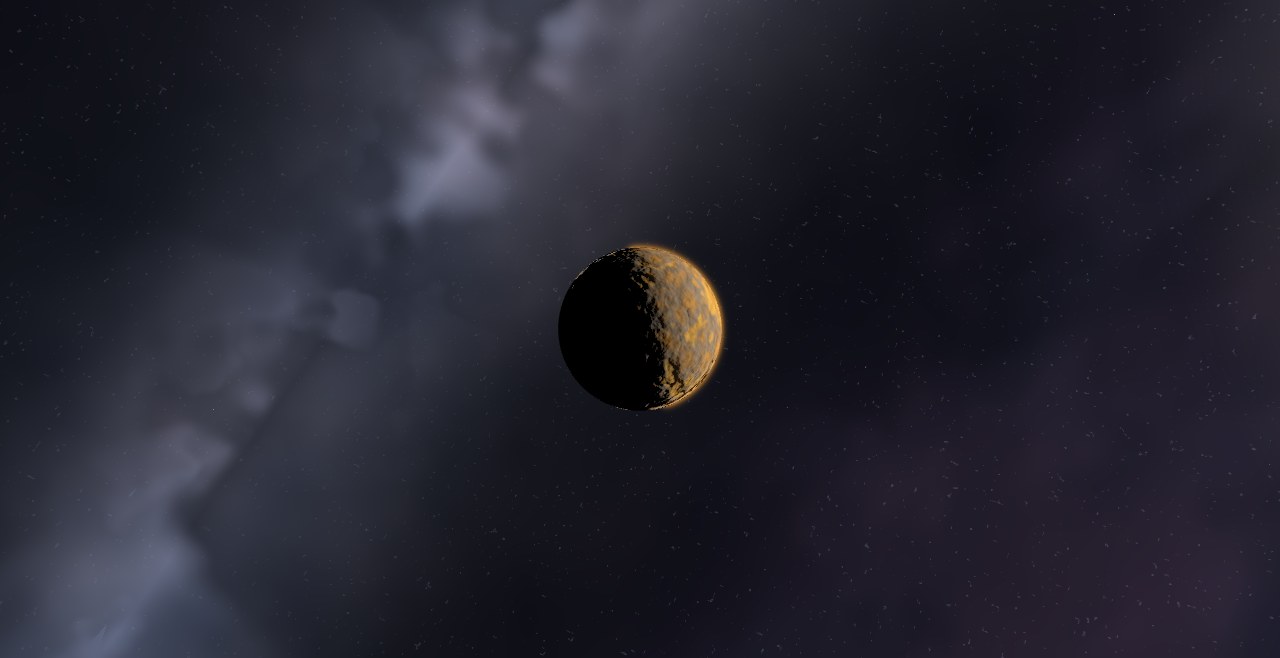
HD 48948, an orange K-type dwarf of 0.69 solar masses, and HD 48948 b, a 4.9-Earth-mass planet, with an orbital period of 7.3 days, at 0.065 AU from its star, and an equilibrium temperature near 957 K.
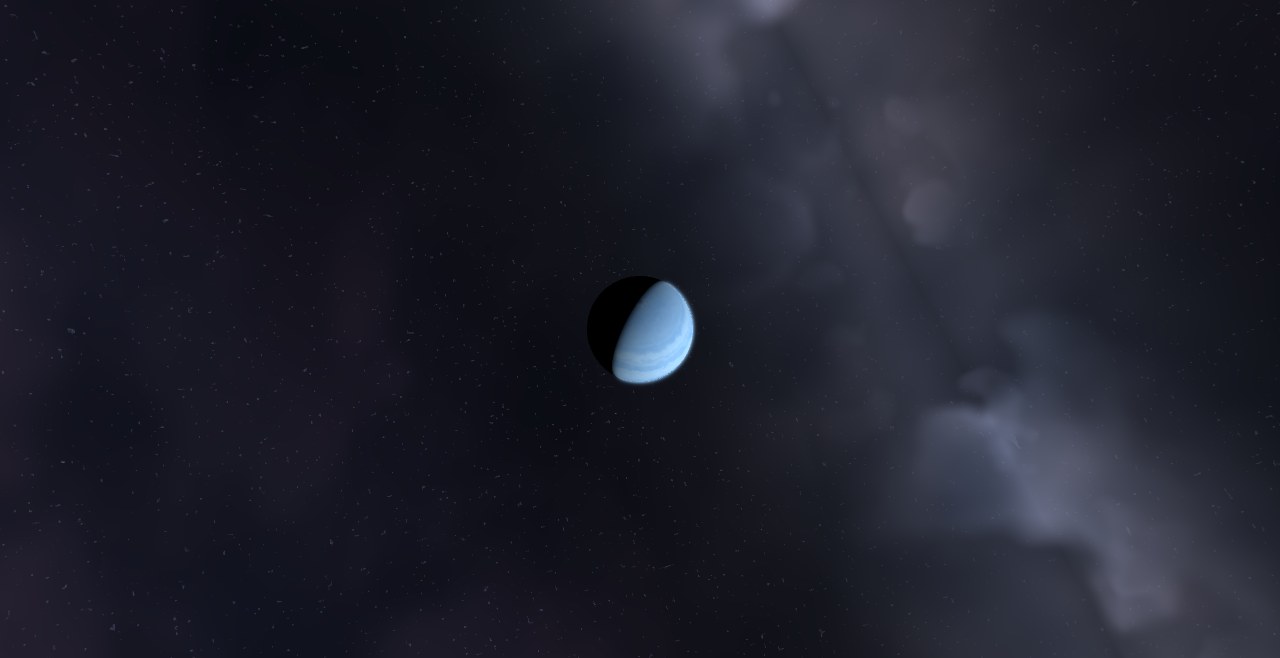
HD 4917, an orange K-type dwarf of 1.32 solar masses, and HD 4917 b, a 1.61-Jupiter-mass companion, with an orbital period of 1.10 years, at 1.167 AU from its star, on an eccentric orbit (e ≈ 0.07).
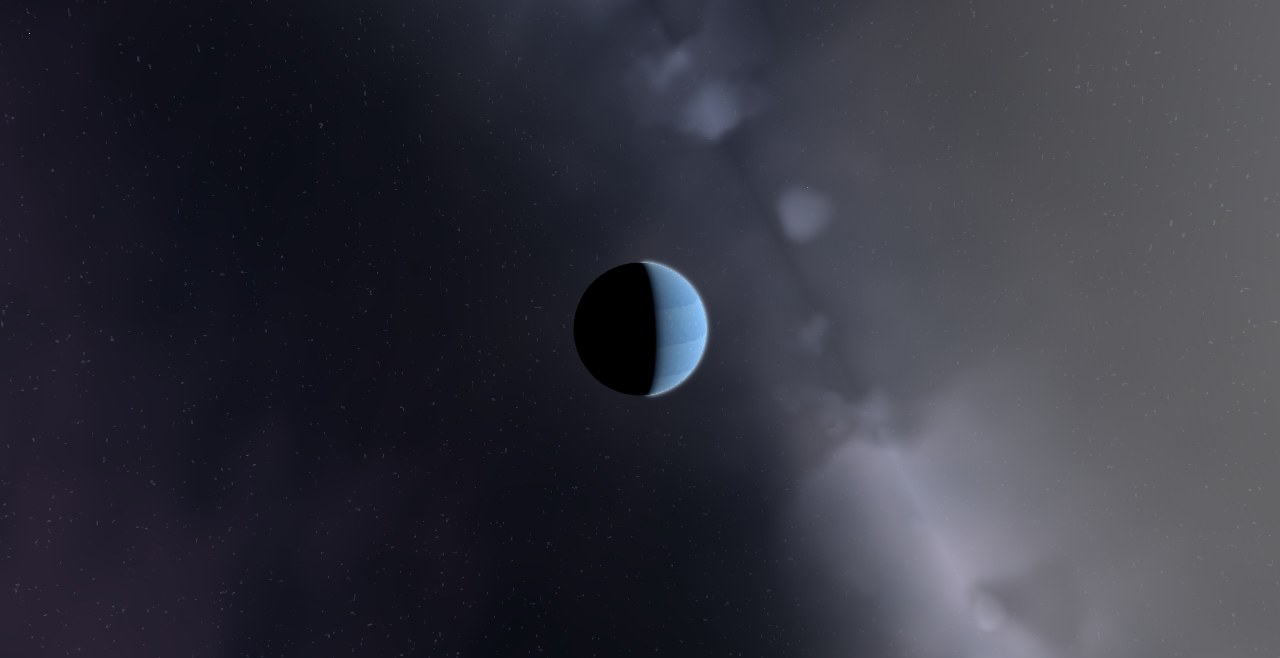
HD 49674, a Sun-like G-type star of 1.03 solar masses, and HD 49674 b, a 0.10-Jupiter-mass companion, with an orbital period of 4.9 days, at 0.060 AU from its star, on an eccentric orbit (e ≈ 0.09).