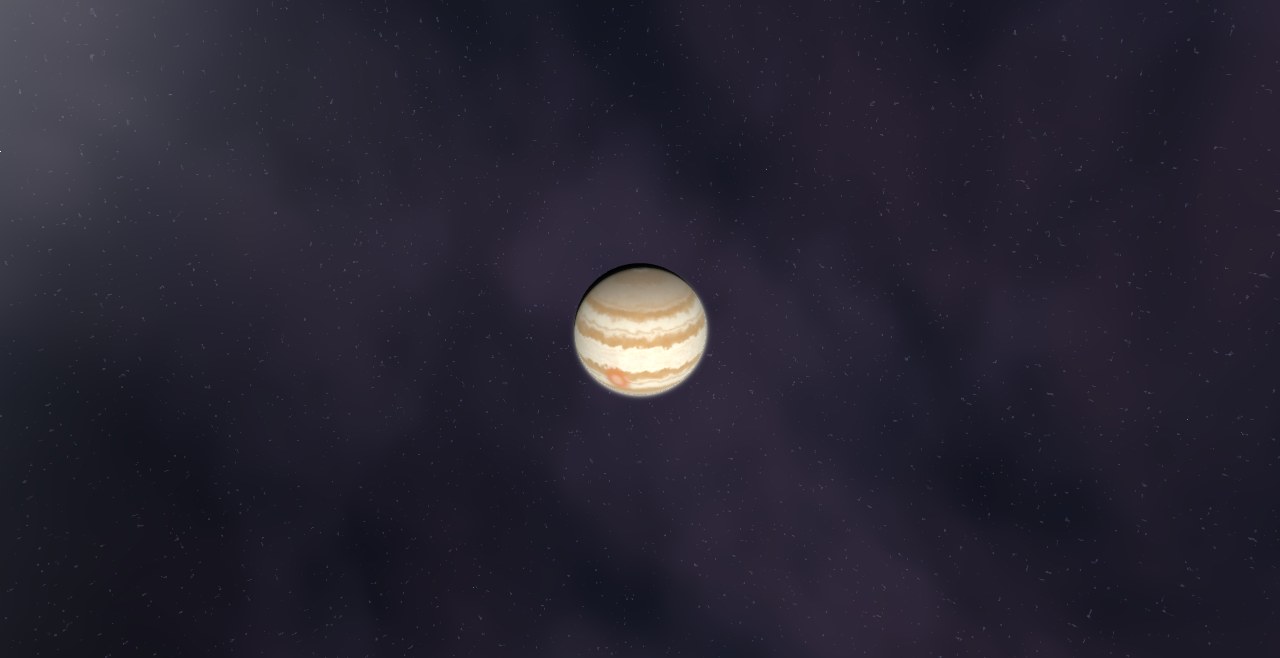
HD 37605 - System
HD 37605, an orange K-type dwarf of 0.94 solar masses, and HD 37605 b, a 2.69-Jupiter-mass companion, with an orbital period of 55.0 days, at 0.277 AU from its star, on an eccentric orbit (e ≈ 0.67).
Scenarios
Discover alien solar systems and explore worlds far beyond our own. Simulate extreme orbital environments, habitable zones, and tightly packed resonant chains discovered by modern astronomy, all mapped accurately from real exoplanetary discovery data.
Share
HD 37605, an orange K-type dwarf of 0.94 solar masses, and HD 37605 b, a 2.69-Jupiter-mass companion, with an orbital period of 55.0 days, at 0.277 AU from its star, on an eccentric orbit (e ≈ 0.67).
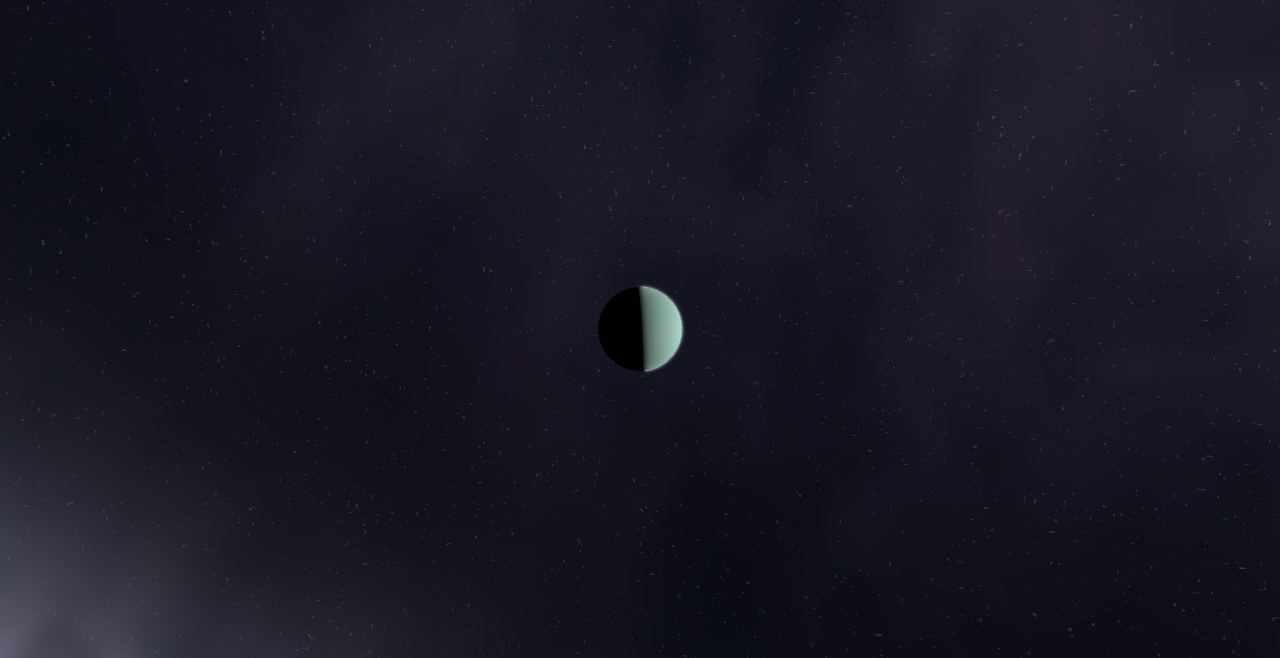
HD 3765, an orange K-type dwarf of 0.85 solar masses, and HD 3765 b, a 0.17-Jupiter-mass companion, with an orbital period of 3.32 years, at 2.108 AU from its star, on an eccentric orbit (e ≈ 0.30).
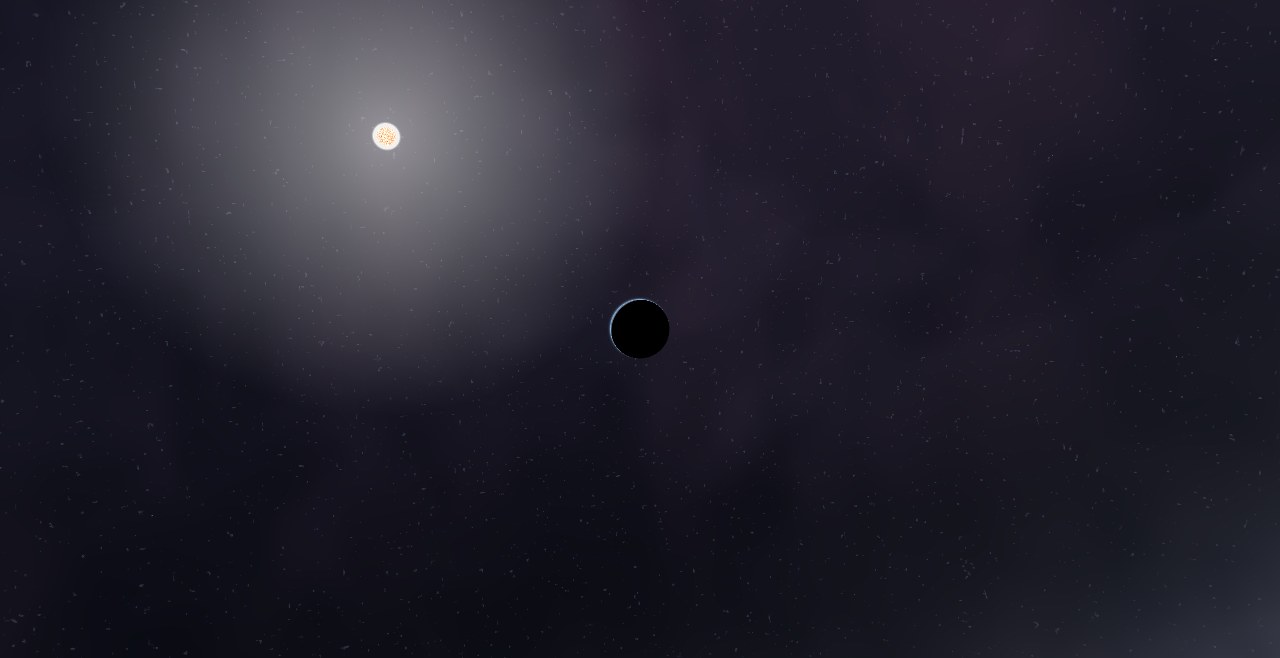
HD 38283, a Sun-like G-type star of 1.37 solar masses, and HD 38283 b, a 0.40-Jupiter-mass companion, with an orbital period of 363 days, at 1.020 AU from its star, on an eccentric orbit (e ≈ 0.41).
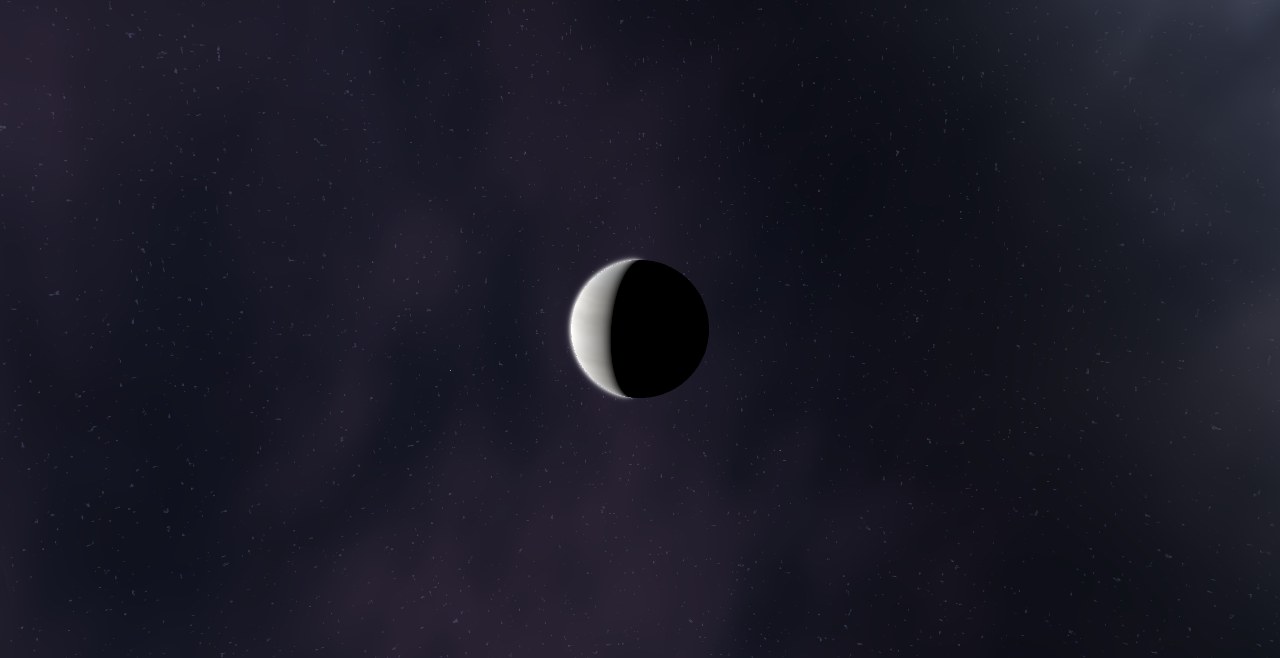
HD 38529, a Sun-like G-type star of 0.98 solar masses, and HD 38529 b, a 0.65-Jupiter-mass companion, with an orbital period of 14.3 days, at 0.115 AU from its star, on an eccentric orbit (e ≈ 0.26).
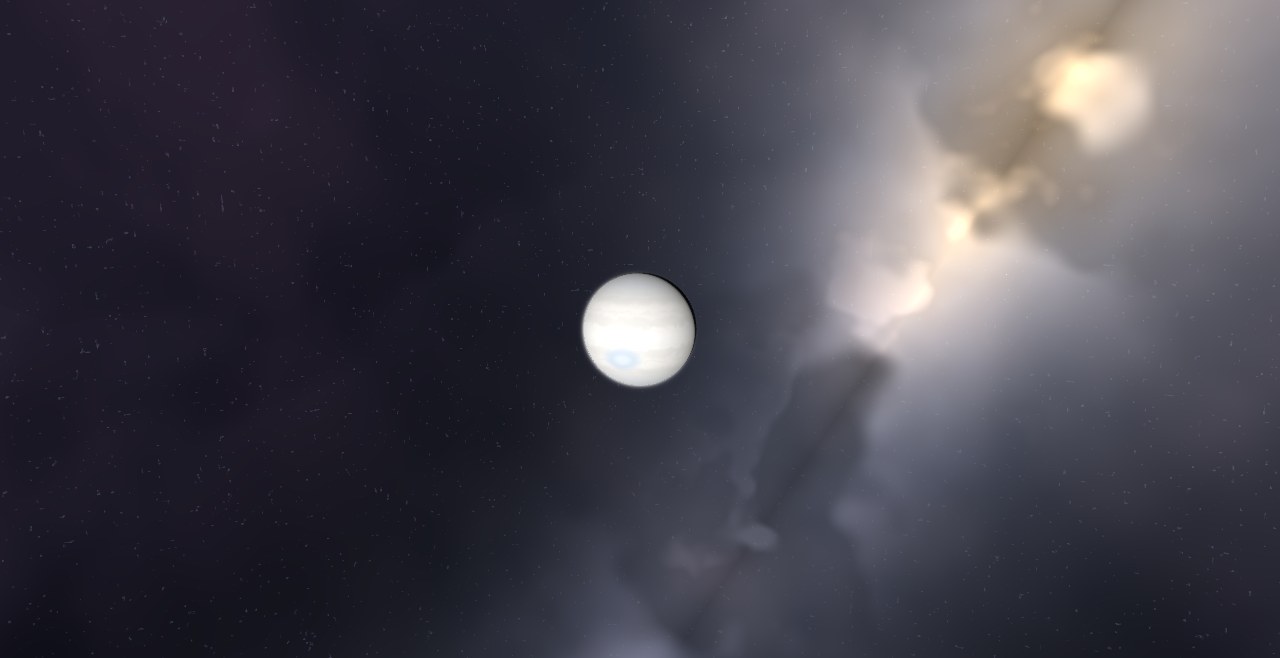
HD 38801, a Sun-like G-type star of 1.21 solar masses, and HD 38801 b, a 9.70-Jupiter-mass companion, with an orbital period of 1.88 years, at 1.623 AU from its star.
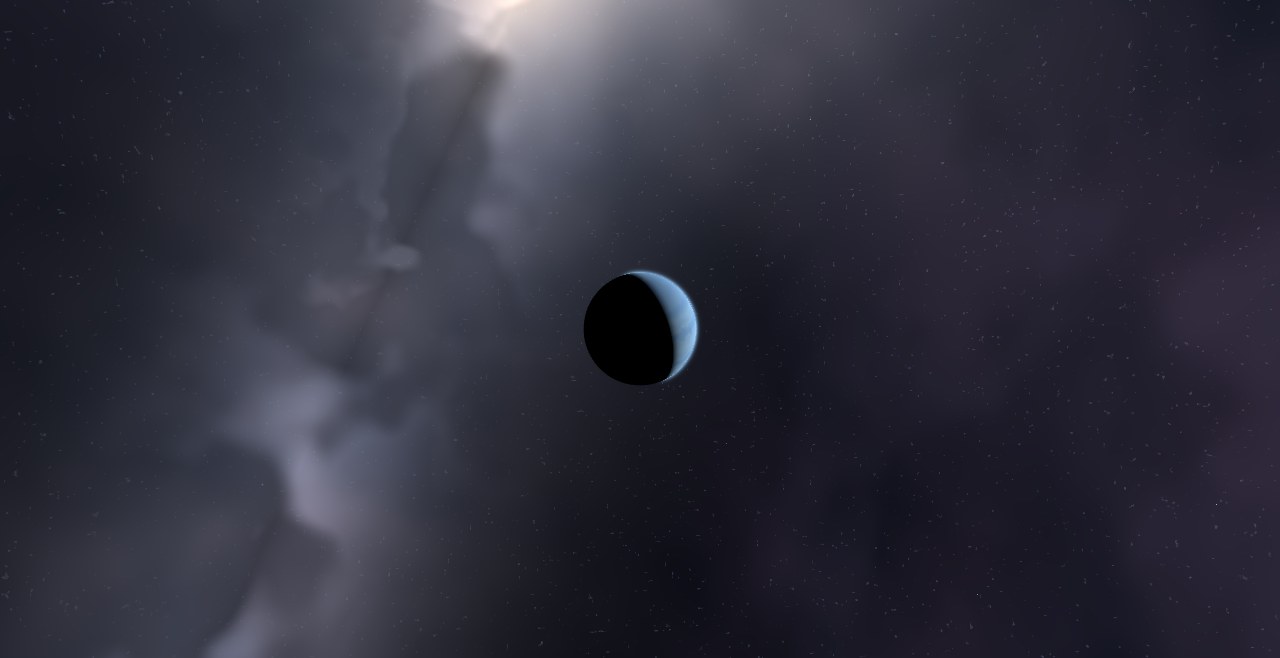
Pi Mensae, also HD 39091. An eccentric giant was already known; TESS then found an inner transiting super-Earth, its first planet. The super-Earth was TESS's first confirmed planet.
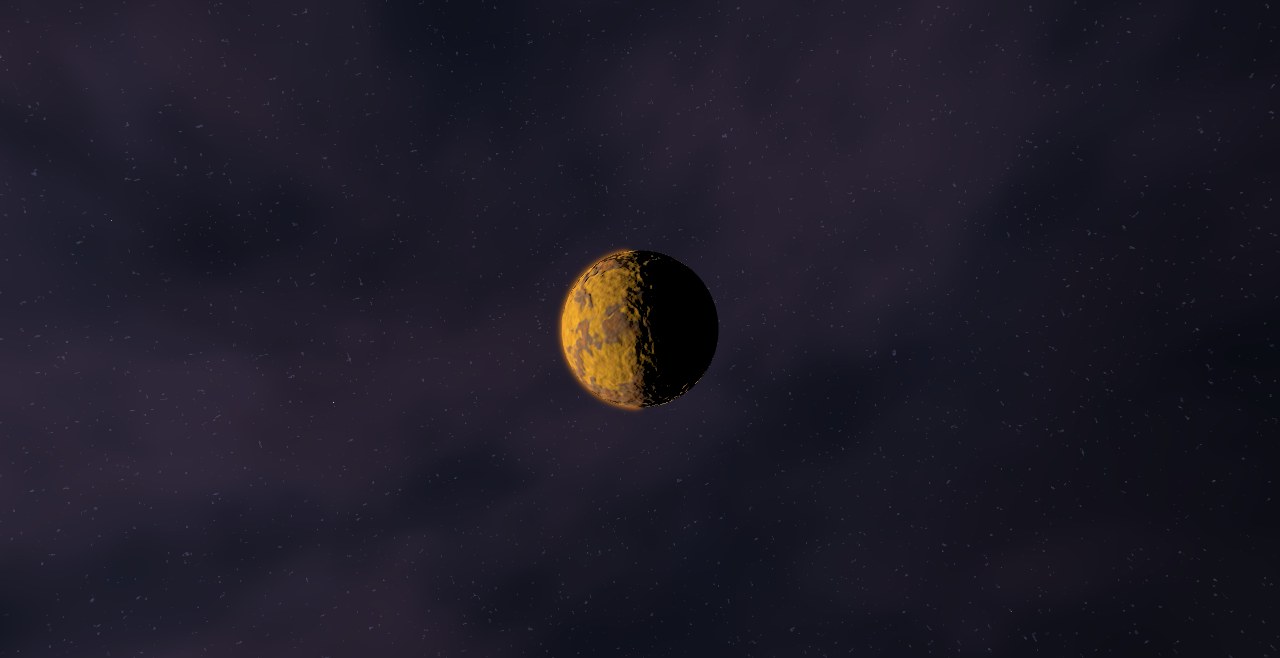
HD 39194, a Sun-like G-type star of 0.86 solar masses, and HD 39194 b, a 4.6-Earth-mass planet, with an orbital period of 5.6 days, at 0.059 AU from its star, on an eccentric orbit (e ≈ 0.10).
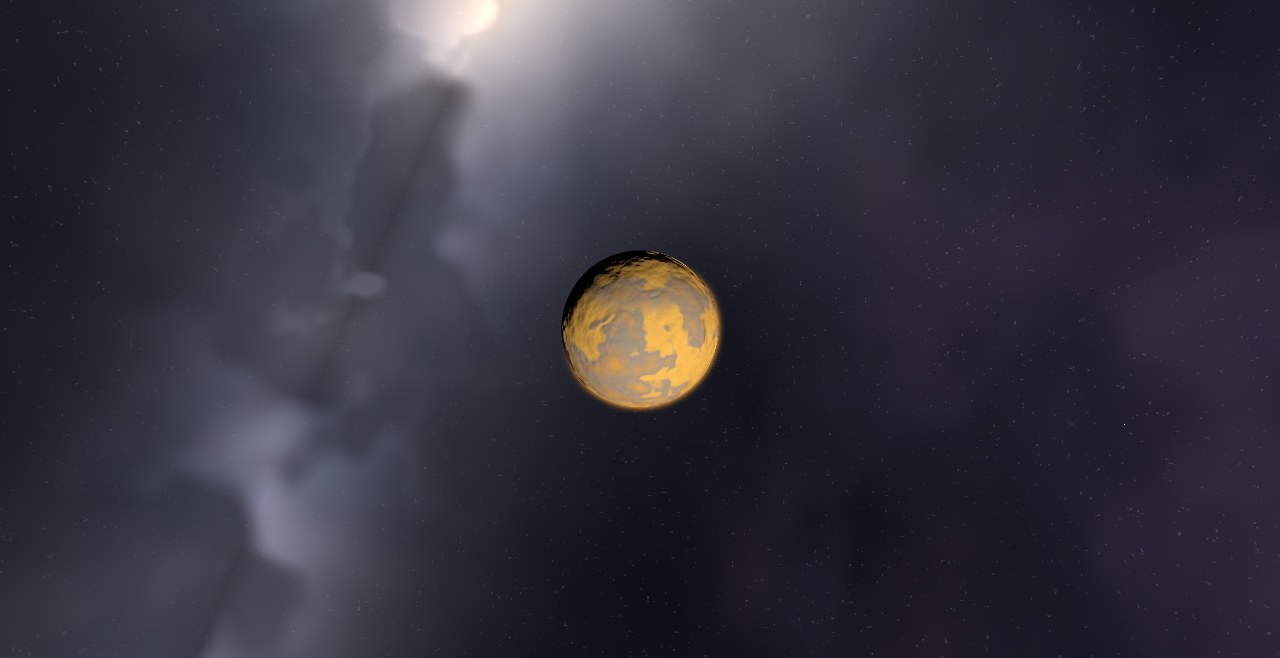
HD 39855, a Sun-like G-type star of 0.87 solar masses, and HD 39855 b, a 8.5-Earth-mass planet, with an orbital period of 3.2 days, at 0.041 AU from its star, on an eccentric orbit (e ≈ 0.14).
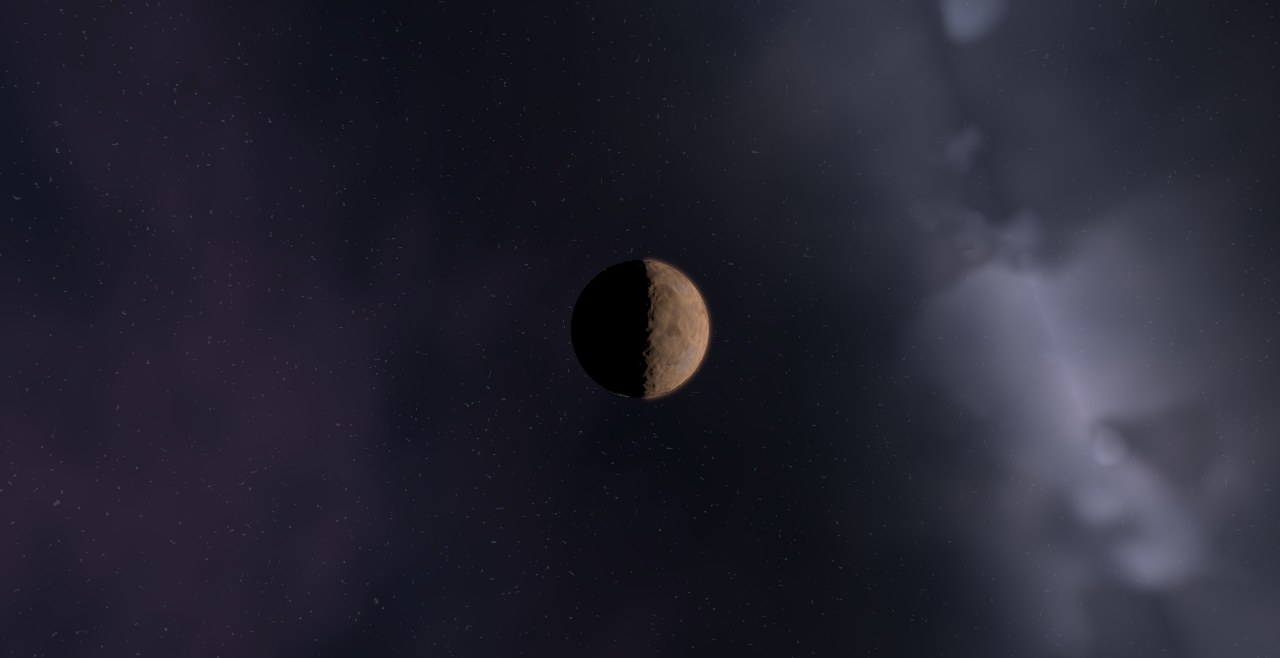
HD 40307, a nearby packed system of super-Earths. Several worlds orbit inside a few tenths of an AU around a quiet K dwarf. The star is a quiet K dwarf about 42 light-years away.
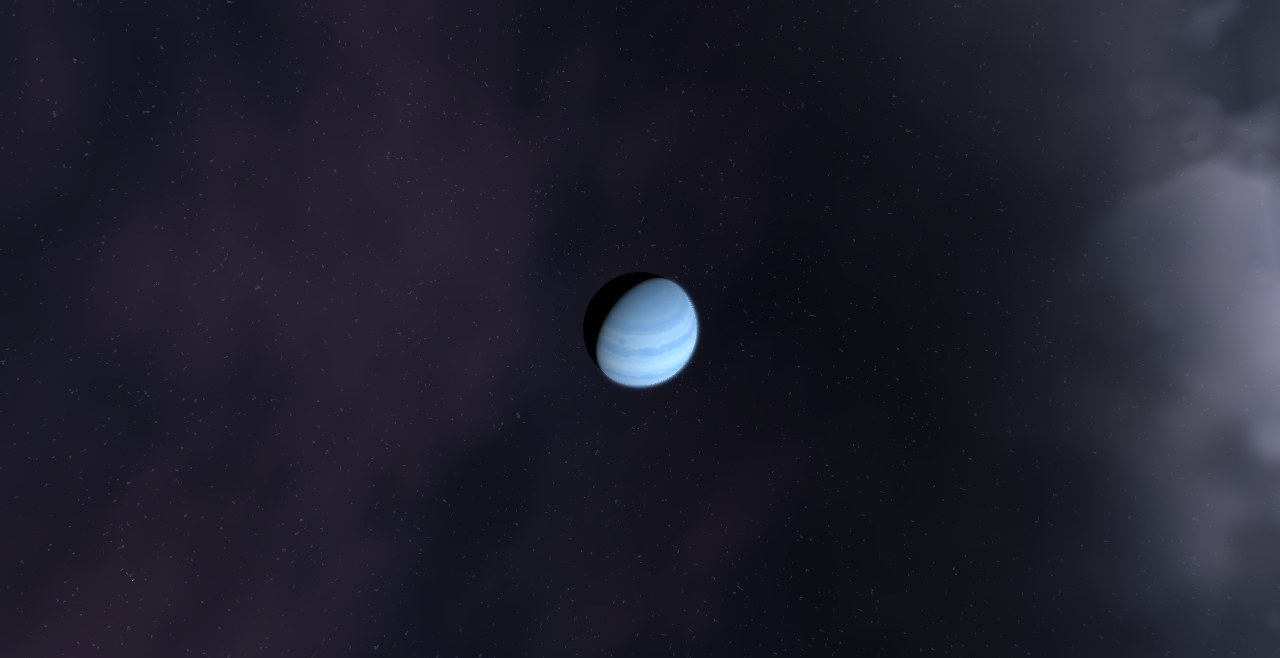
HD 40956, an orange K-type dwarf of 2.00 solar masses, and HD 40956 b, a 2.70-Jupiter-mass companion, with an orbital period of 1.58 years, at 1.400 AU from its star, on an eccentric orbit (e ≈ 0.24).
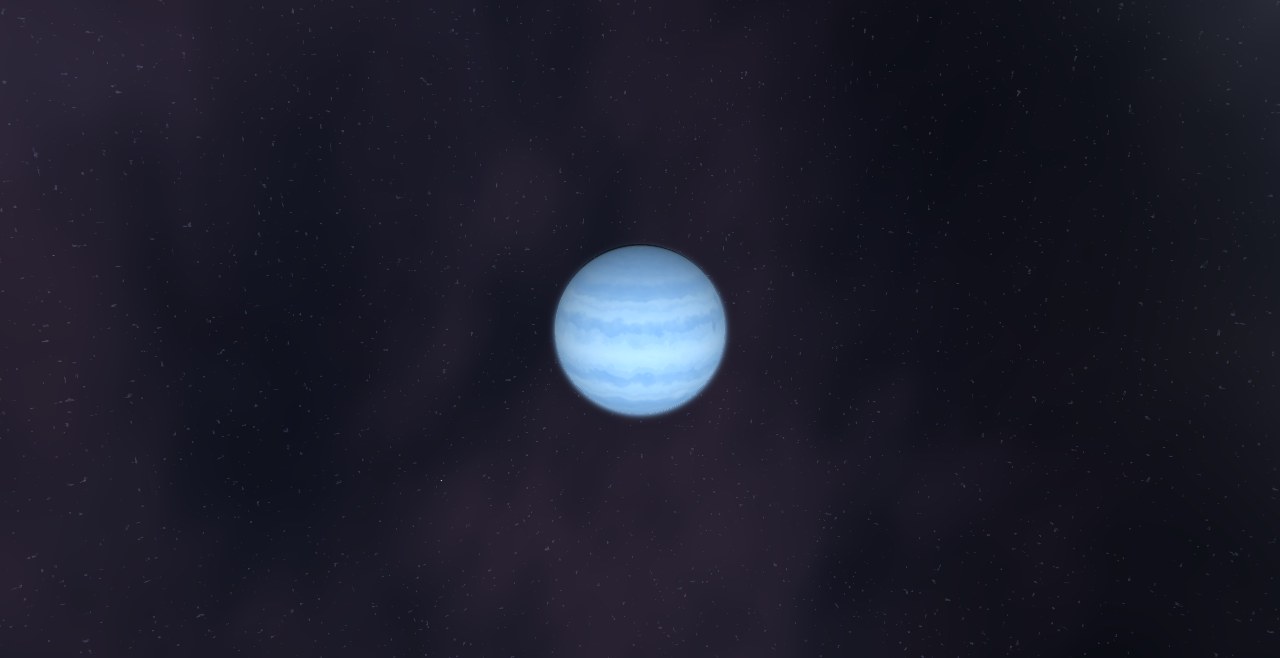
HD 40979, a Sun-like F-type star of 1.45 solar masses, and HD 40979 b, a 4.67-Jupiter-mass companion, with an orbital period of 264 days, at 0.850 AU from its star, on an eccentric orbit (e ≈ 0.25).
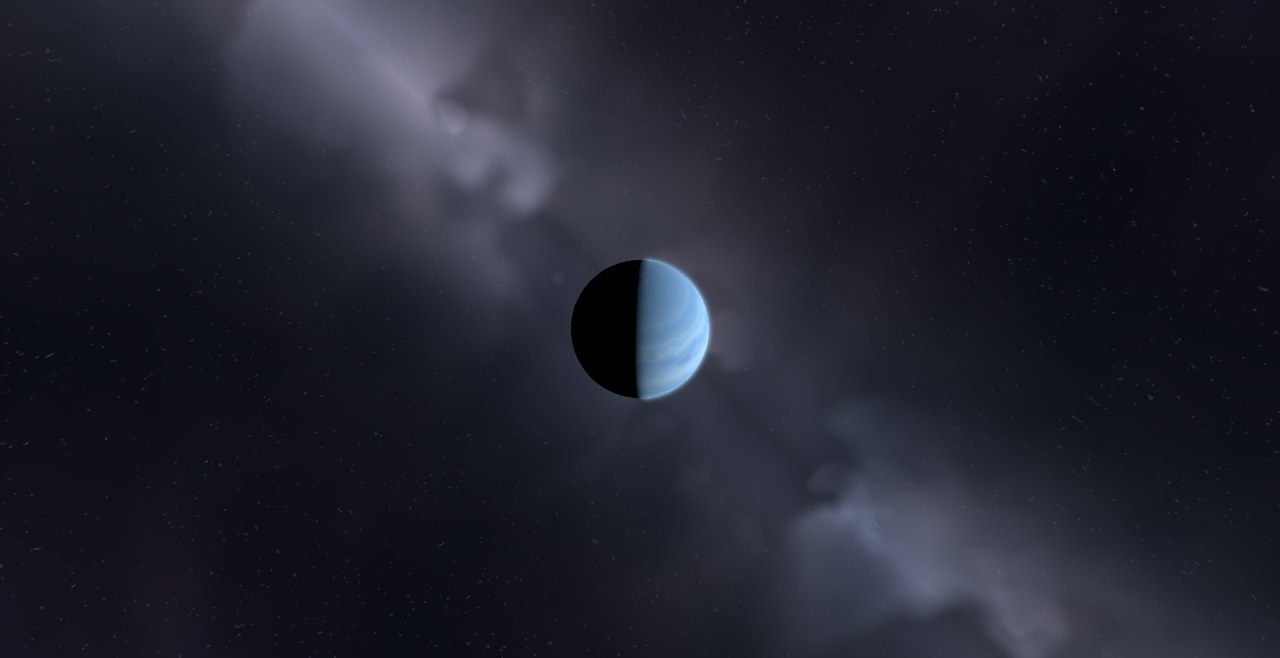
HD 4113, a Sun-like G-type star of 1.01 solar masses, and HD 4113 b, a 1.70-Jupiter-mass companion, with an orbital period of 1.44 years, at 1.280 AU from its star, on an eccentric orbit (e ≈ 0.90).
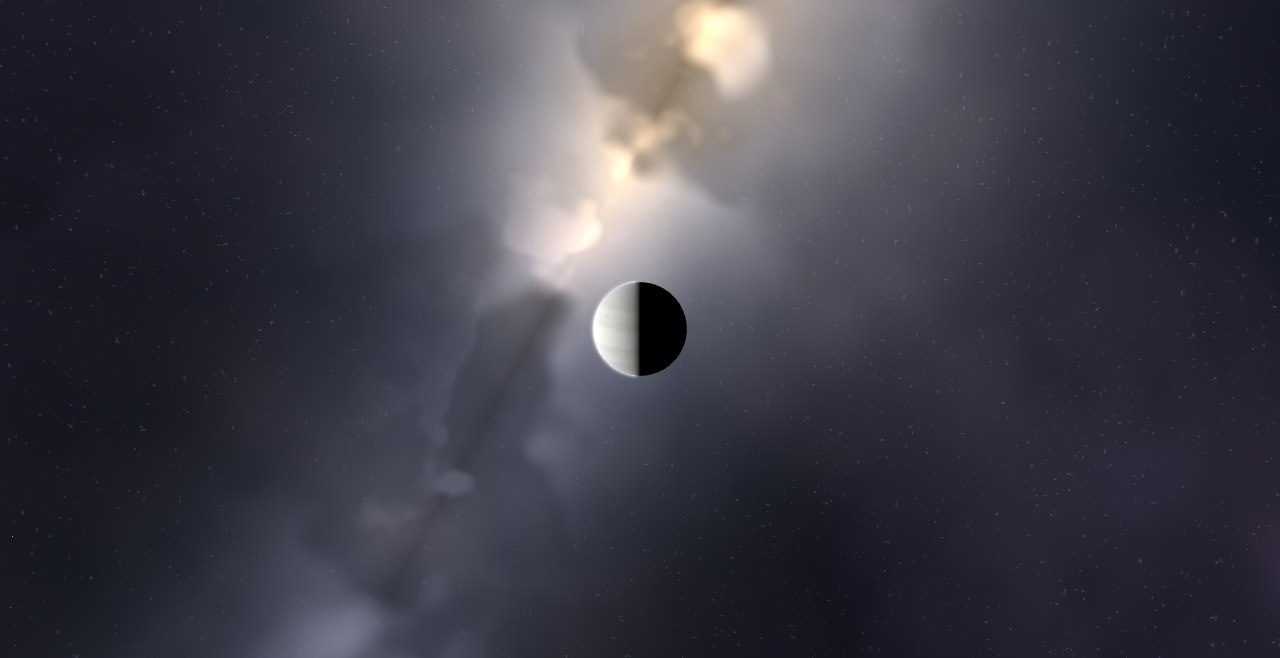
HD 42012, an orange K-type dwarf of 0.83 solar masses, and HD 42012 b, a 1.60-Jupiter-mass companion, with an orbital period of 2.35 years, at 1.670 AU from its star, on an eccentric orbit (e ≈ 0.20).
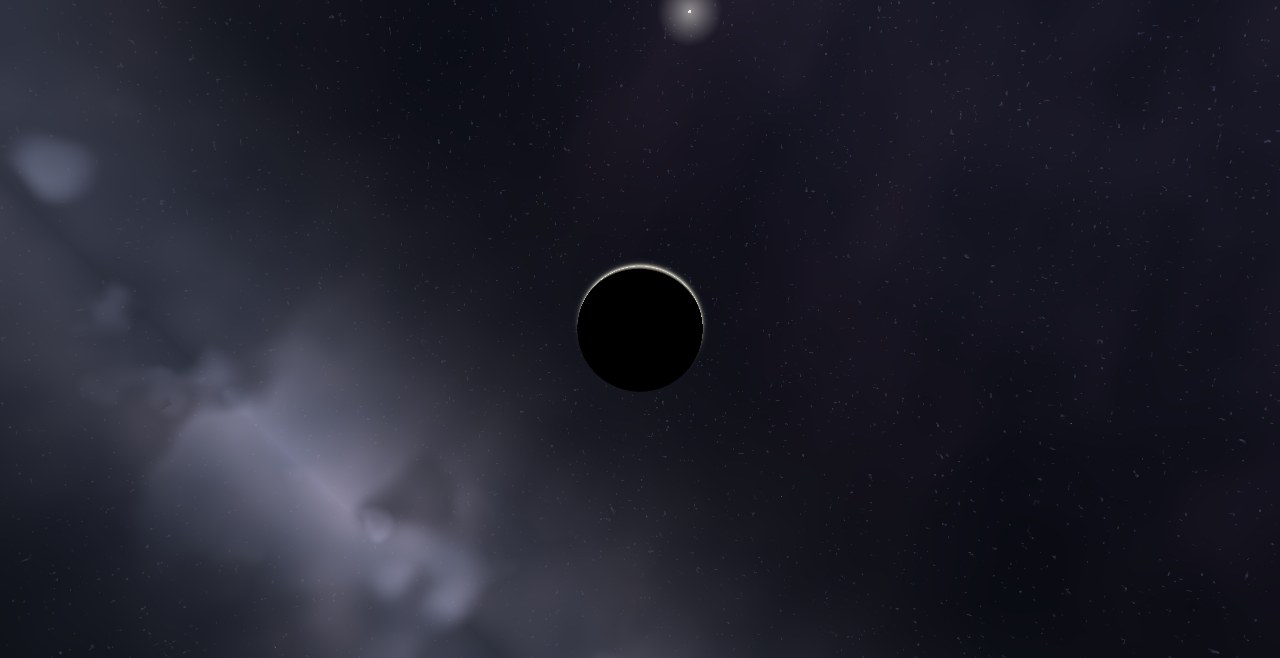
HD 4203, a Sun-like G-type star of 1.25 solar masses, and HD 4203 b, a 2.23-Jupiter-mass companion, with an orbital period of 1.18 years, at 1.170 AU from its star, on an eccentric orbit (e ≈ 0.52).
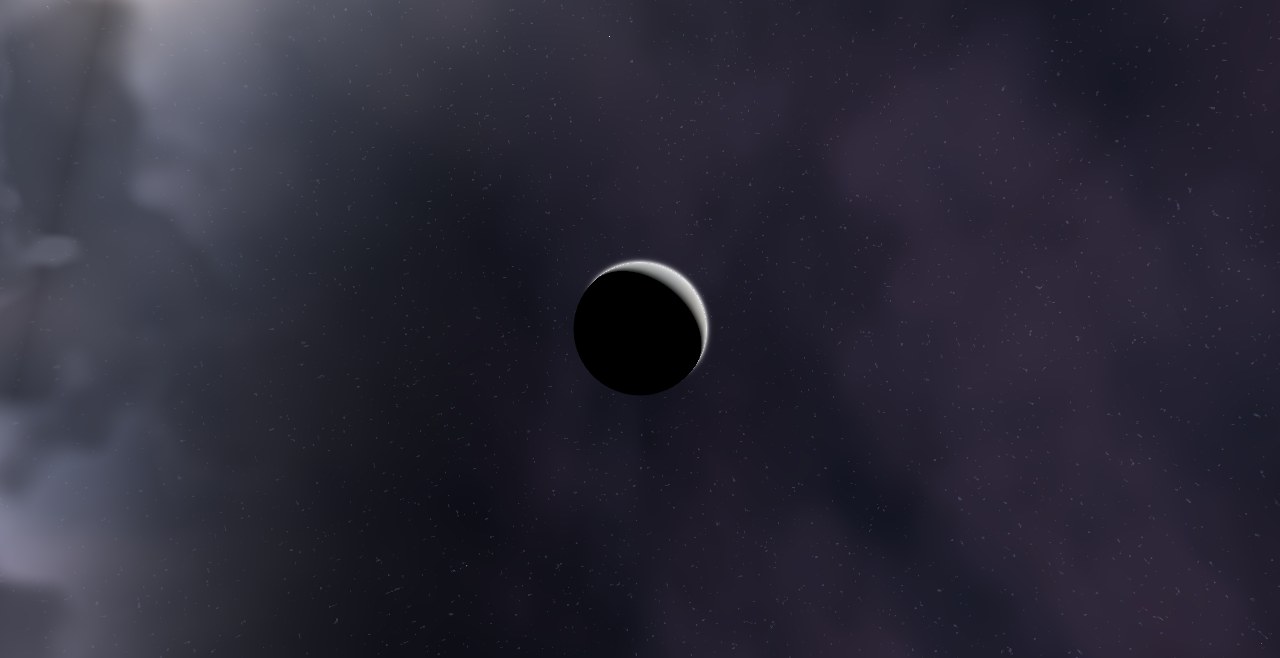
HD 4208, a Sun-like G-type star of 0.88 solar masses, and HD 4208 b, a 0.81-Jupiter-mass companion, with an orbital period of 2.28 years, at 1.662 AU from its star.
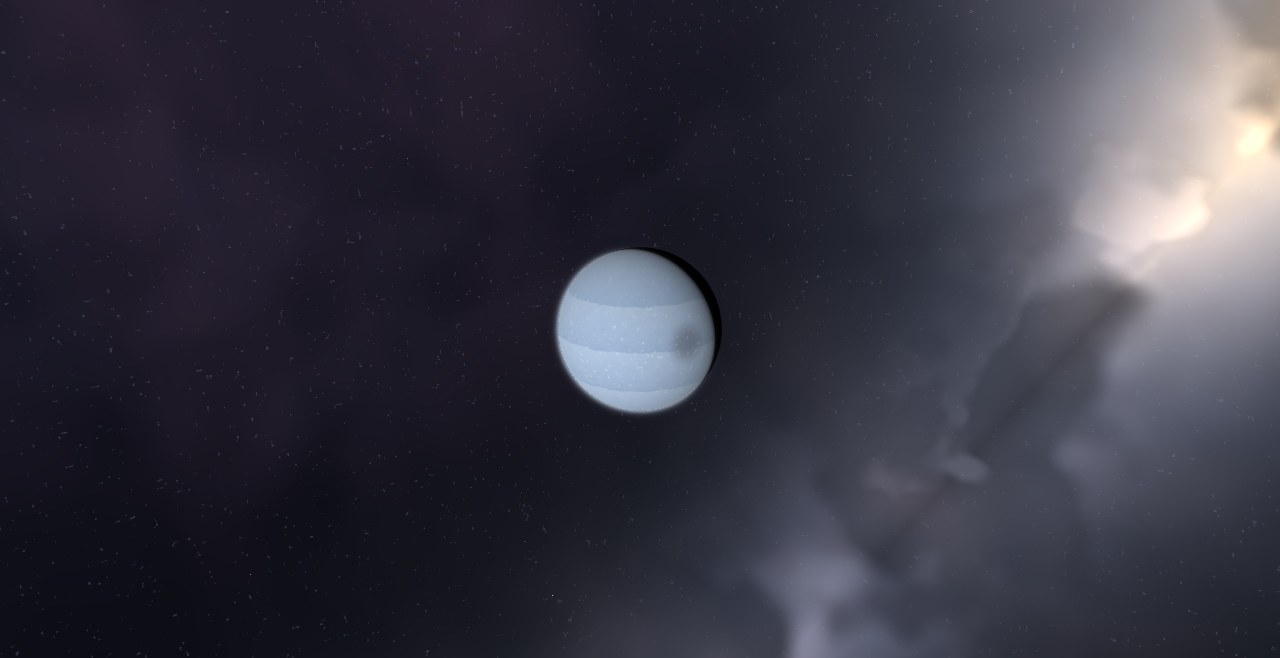
HD 42618, a Sun-like G-type star of 1.01 solar masses, and HD 42618 b, a 14.4-Earth-mass planet, with an orbital period of 150 days, at 0.554 AU from its star, and an equilibrium temperature near 337 K.
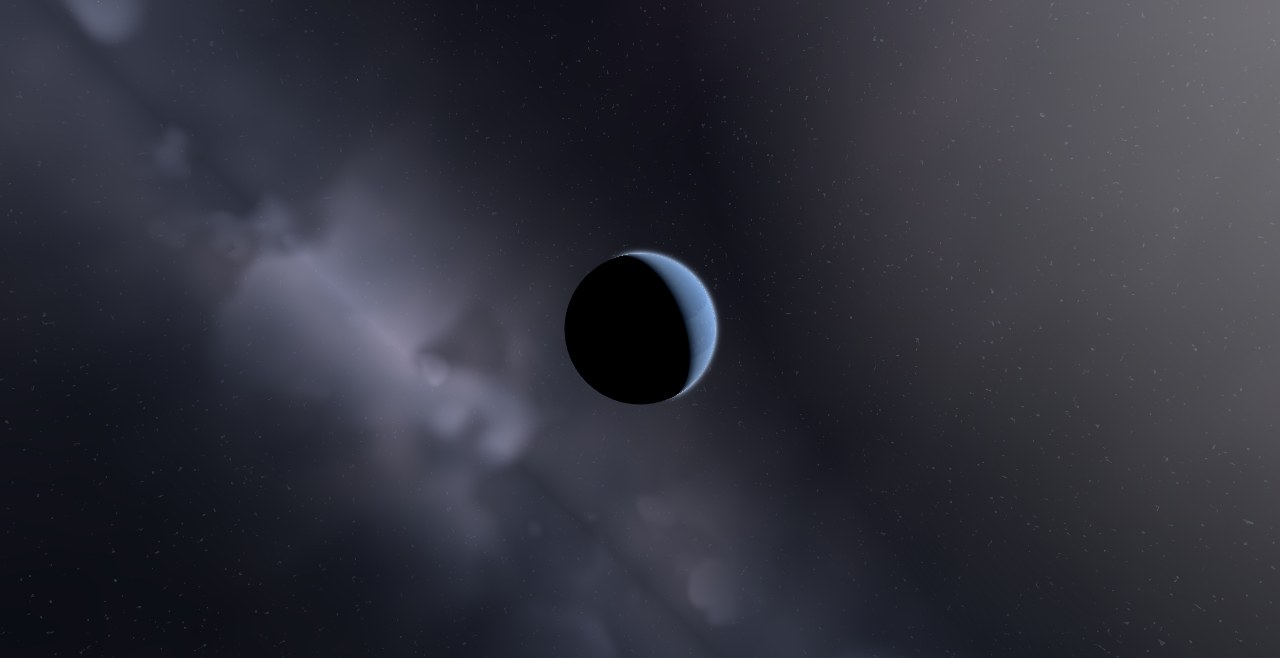
HD 4308, a Sun-like G-type star of 0.93 solar masses, and HD 4308 b, a 0.05-Jupiter-mass companion, with an orbital period of 15.6 days, at 0.120 AU from its star.
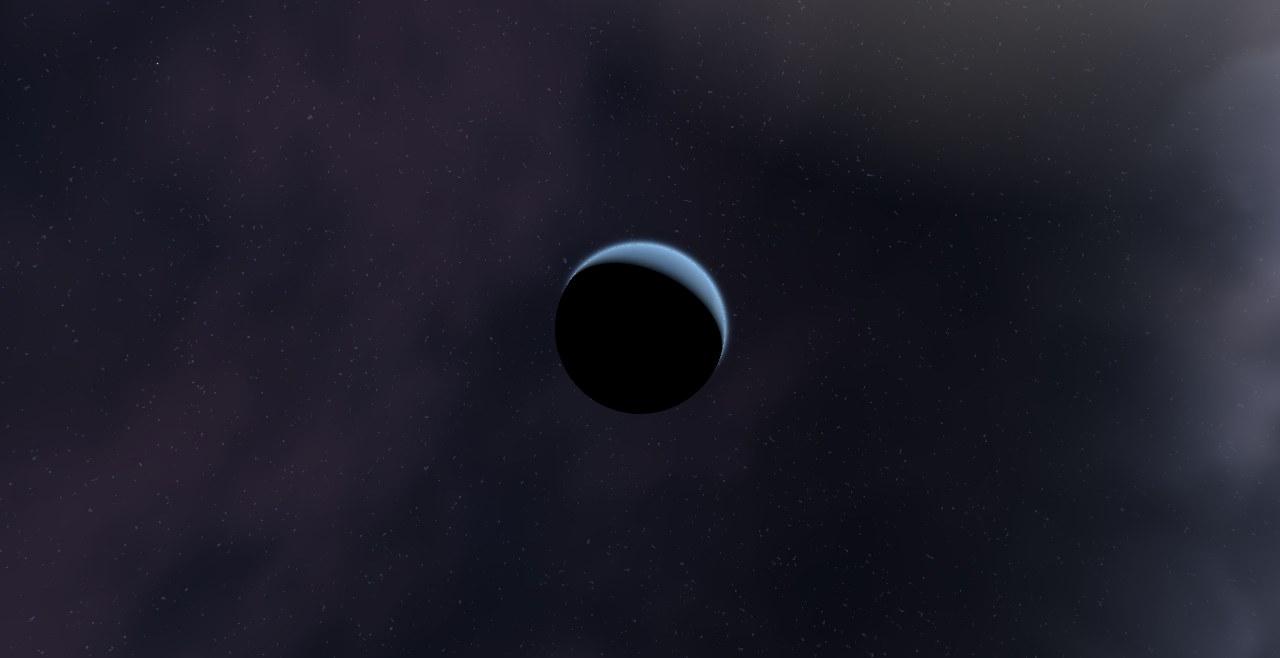
HD 4313, an orange K-type dwarf of 1.63 solar masses, and HD 4313 b, a 1.93-Jupiter-mass companion, with an orbital period of 356 days, at 1.157 AU from its star, on an eccentric orbit (e ≈ 0.15).