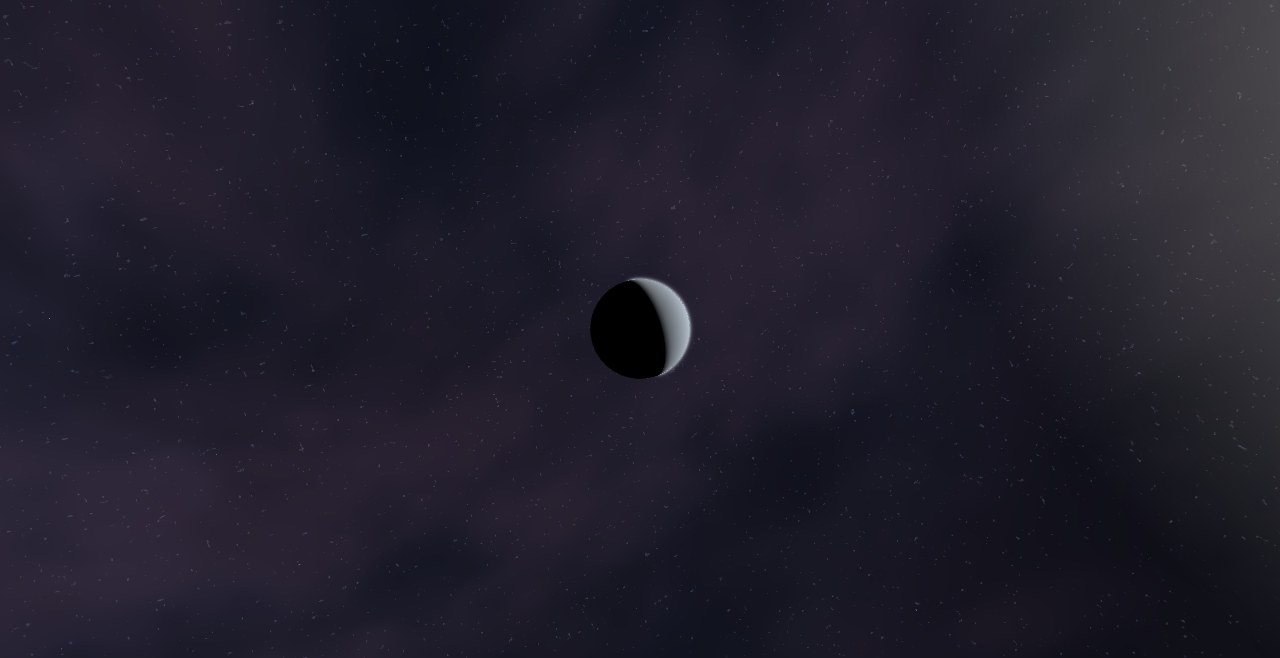
HD 207897 - System
HD 207897, an orange K-type dwarf of 0.82 solar masses, and HD 207897 b, a 14.8-Earth-mass planet, with an orbital period of 16.2 days, at 0.117 AU from its star, and an equilibrium temperature near 582 K.
Scenarios
Discover alien solar systems and explore worlds far beyond our own. Simulate extreme orbital environments, habitable zones, and tightly packed resonant chains discovered by modern astronomy, all mapped accurately from real exoplanetary discovery data.
Share
HD 207897, an orange K-type dwarf of 0.82 solar masses, and HD 207897 b, a 14.8-Earth-mass planet, with an orbital period of 16.2 days, at 0.117 AU from its star, and an equilibrium temperature near 582 K.
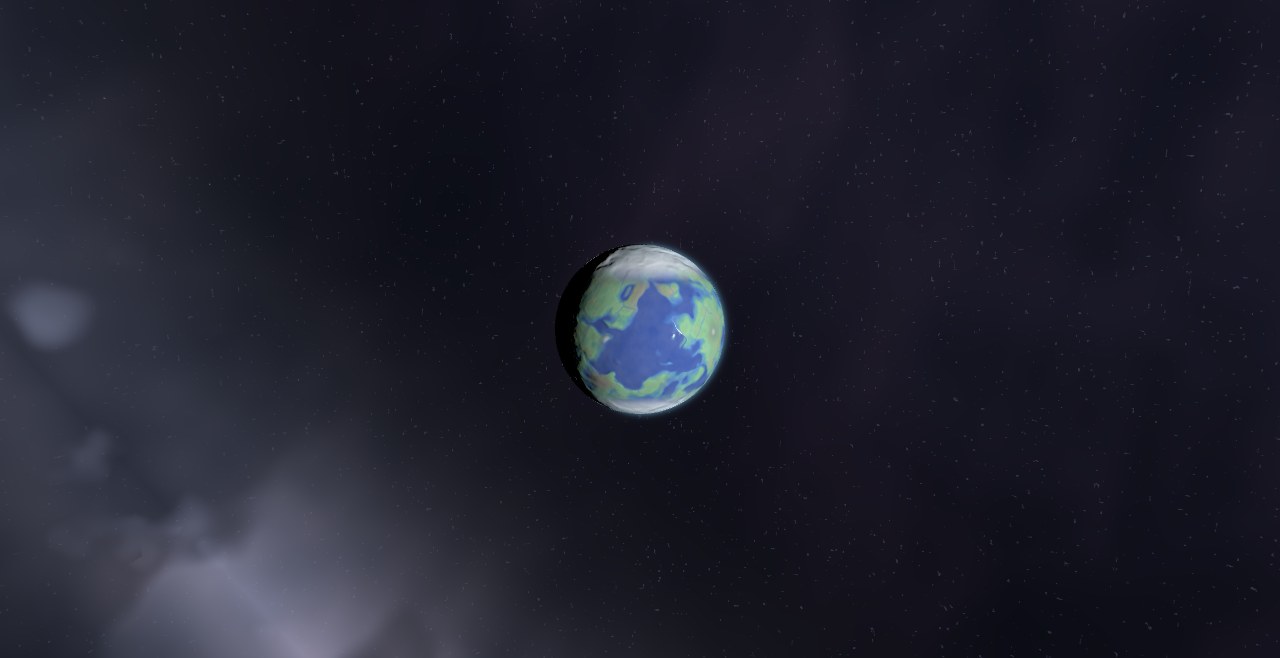
HD 20794, a Sun-like G-type star of 0.79 solar masses, and HD 20794 b, a 2.1-Earth-mass planet, with an orbital period of 18.3 days, at 0.126 AU from its star, on an eccentric orbit (e ≈ 0.06).
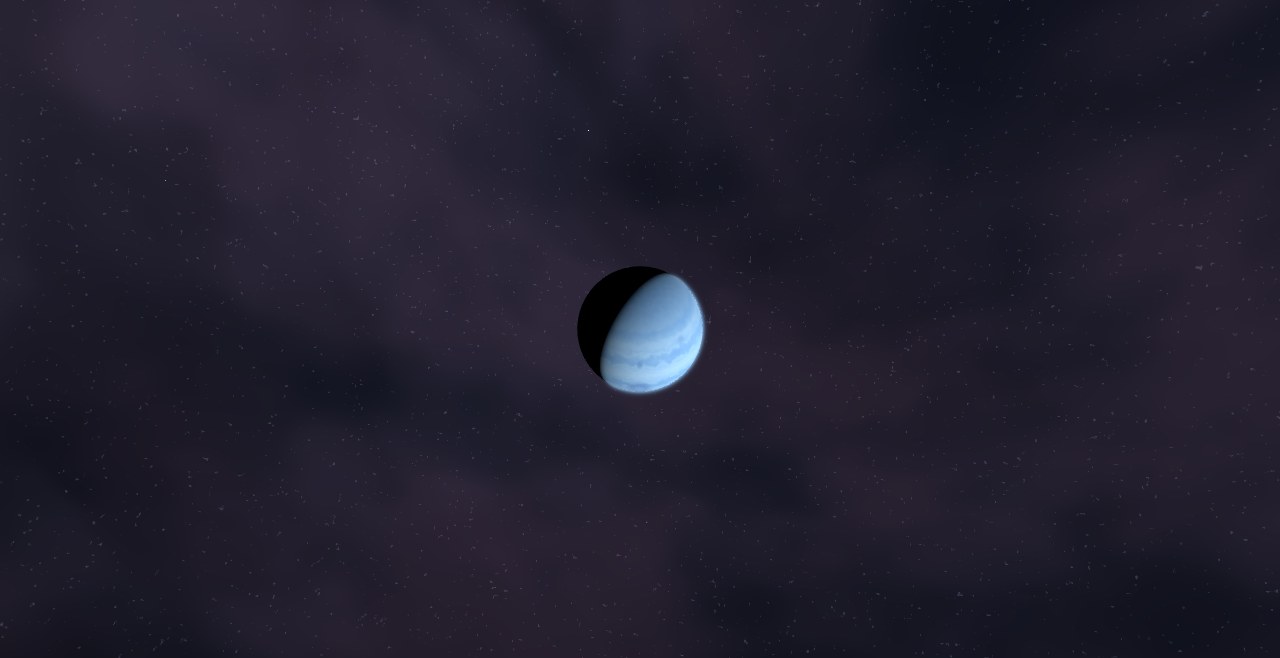
HD 208487, a Sun-like G-type star of 1.15 solar masses, and HD 208487 b, a 0.46-Jupiter-mass companion, with an orbital period of 129 days, at 0.530 AU from its star, on an eccentric orbit (e ≈ 0.37).
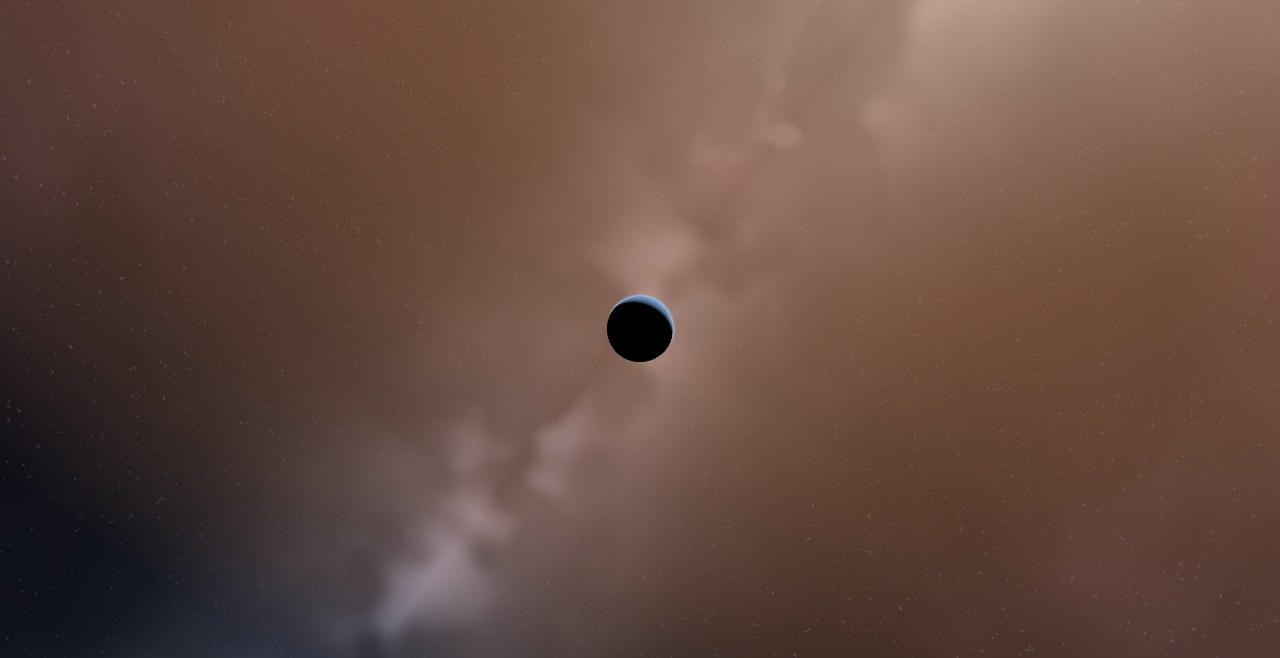
HD 208527, a cool M-dwarf of 1.60 solar masses, and HD 208527 b, a 9.90-Jupiter-mass companion, with an orbital period of 2.40 years, at 2.100 AU from its star, on an eccentric orbit (e ≈ 0.08).
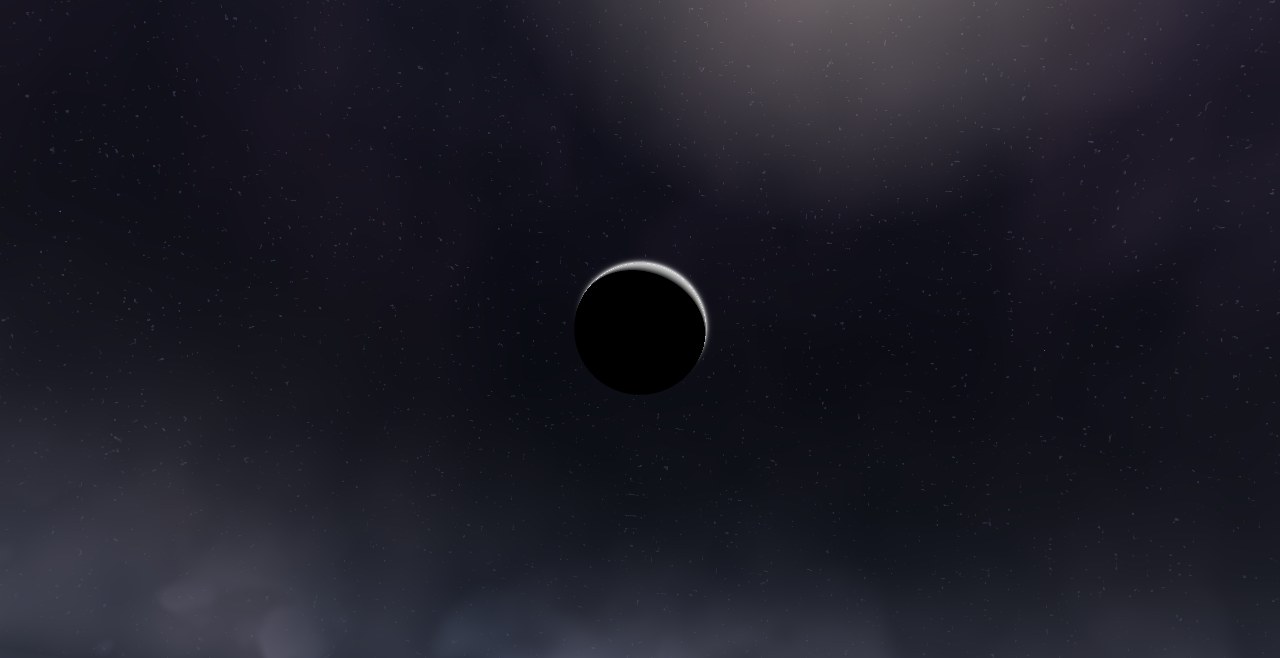
HD 20868, an orange K-type dwarf of 0.39 solar masses, and HD 20868 b, a 1.25-Jupiter-mass companion, with an orbital period of 1.04 years, at 0.950 AU from its star, on an eccentric orbit (e ≈ 0.75).
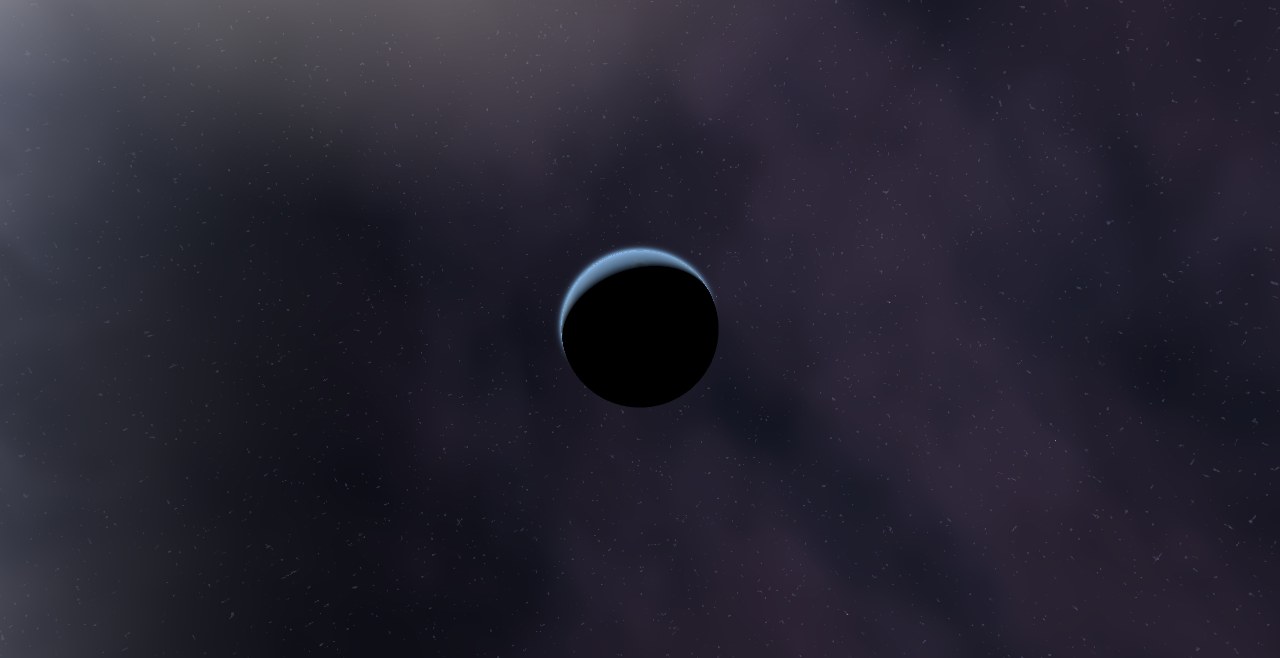
HD 208897, an orange K-type dwarf of 1.25 solar masses, and HD 208897 b, a 1.19-Jupiter-mass companion, with an orbital period of 358 days, at 1.063 AU from its star.
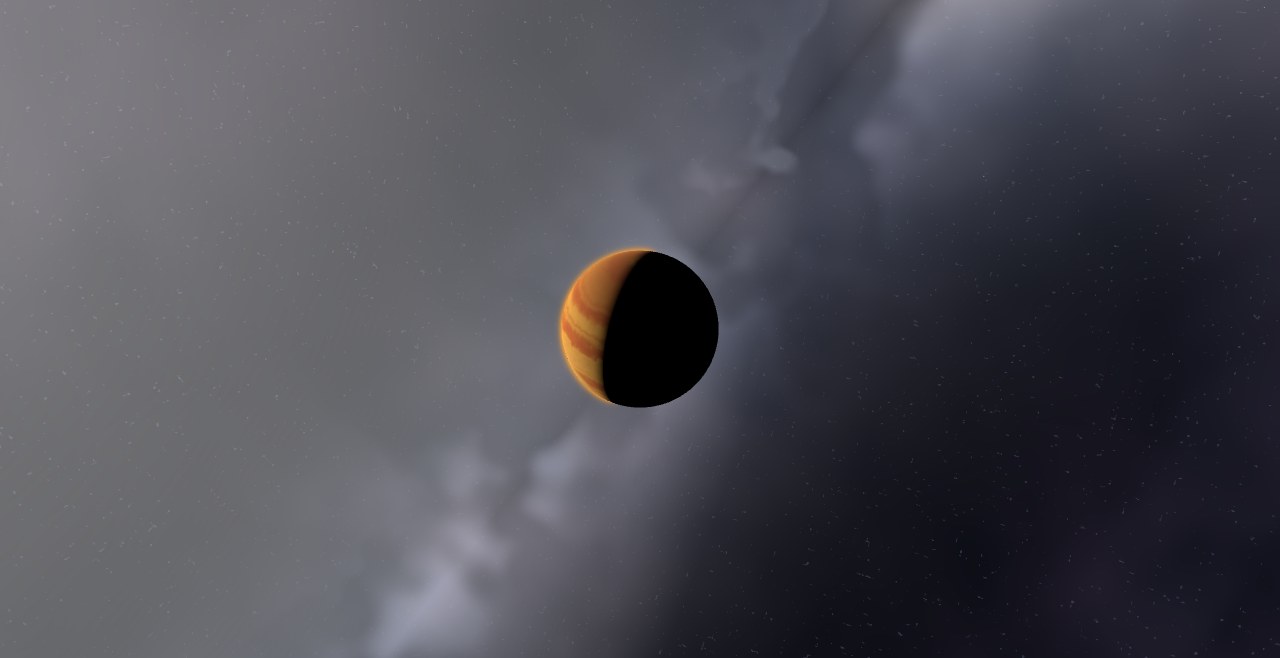
HD 209458 b, nicknamed Osiris. It was the first transiting exoplanet and the first whose atmosphere was measured, including escaping hydrogen.
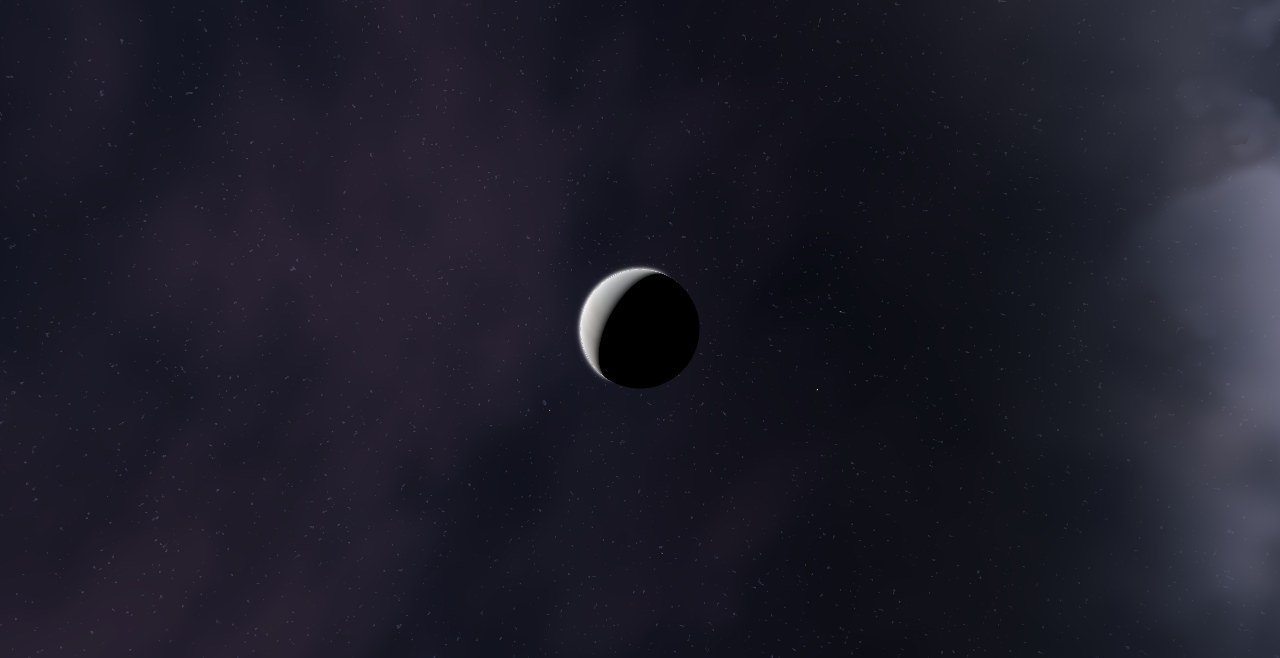
HD 210193, a Sun-like G-type star of 1.04 solar masses, and HD 210193 b, a 0.48-Jupiter-mass companion, with an orbital period of 1.78 years, at 1.487 AU from its star, on an eccentric orbit (e ≈ 0.24).
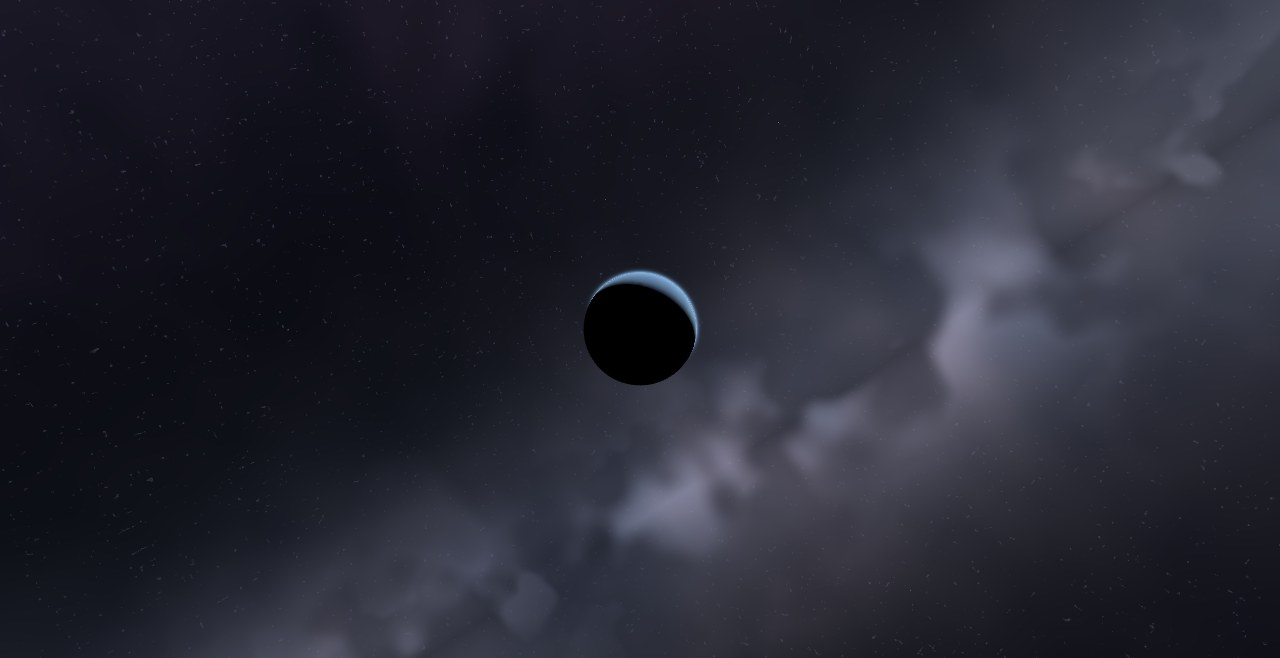
HD 210277, a Sun-like G-type star of 1.01 solar masses, and HD 210277 b, a 1.29-Jupiter-mass companion, with an orbital period of 1.21 years, at 1.130 AU from its star, on an eccentric orbit (e ≈ 0.48).
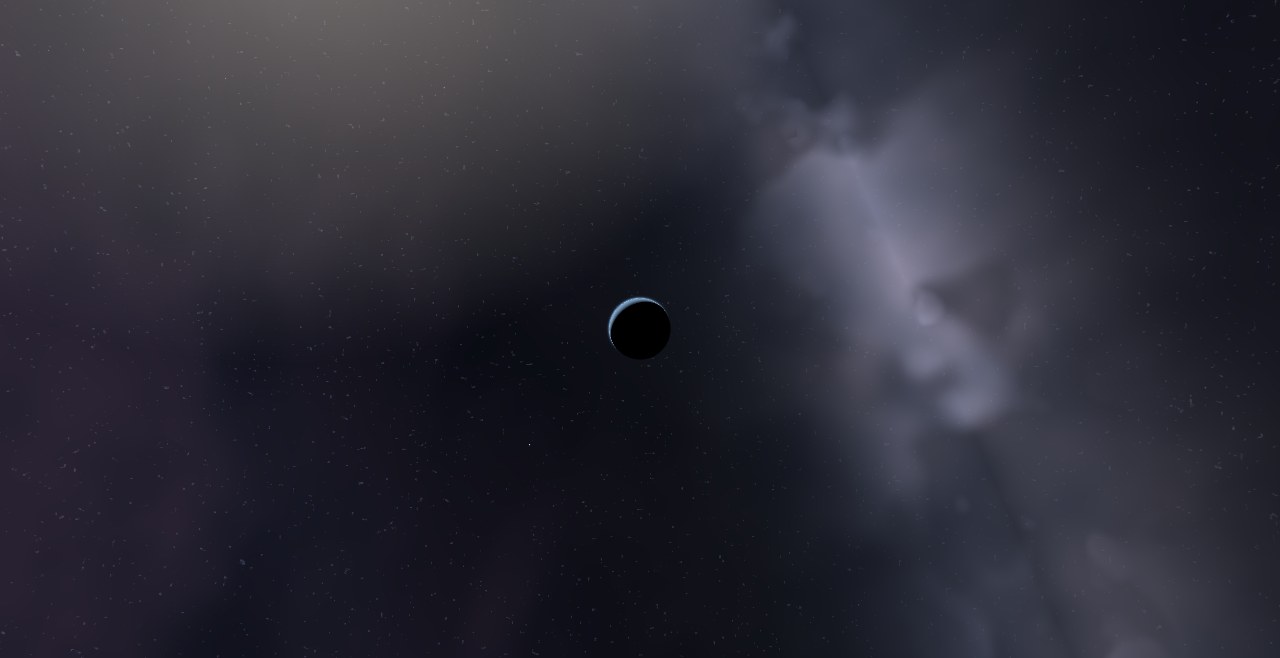
HD 210702, an orange K-type dwarf of 1.33 solar masses, and HD 210702 b, a 1.51-Jupiter-mass companion, with an orbital period of 356 days, at 1.079 AU from its star, on an eccentric orbit (e ≈ 0.07).
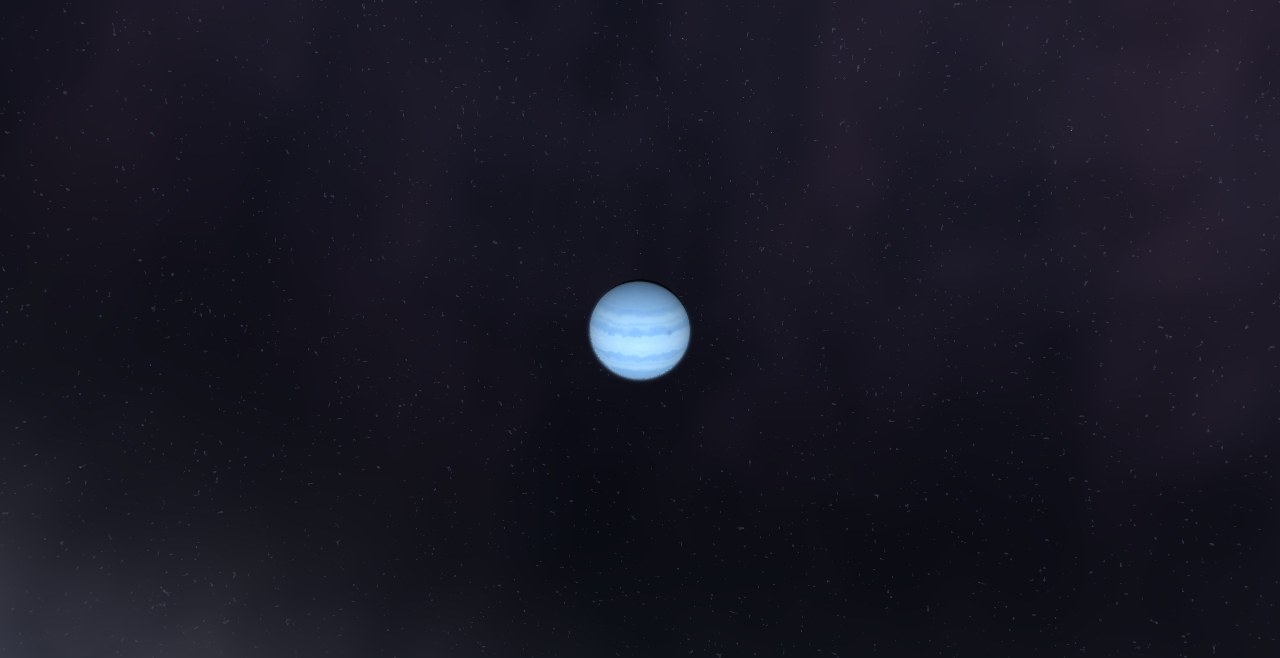
HD 211403, a Sun-like F-type star of 1.20 solar masses, and HD 211403 b, a 5.54-Jupiter-mass companion, with an orbital period of 224 days, at 0.768 AU from its star, and an equilibrium temperature near 380 K.
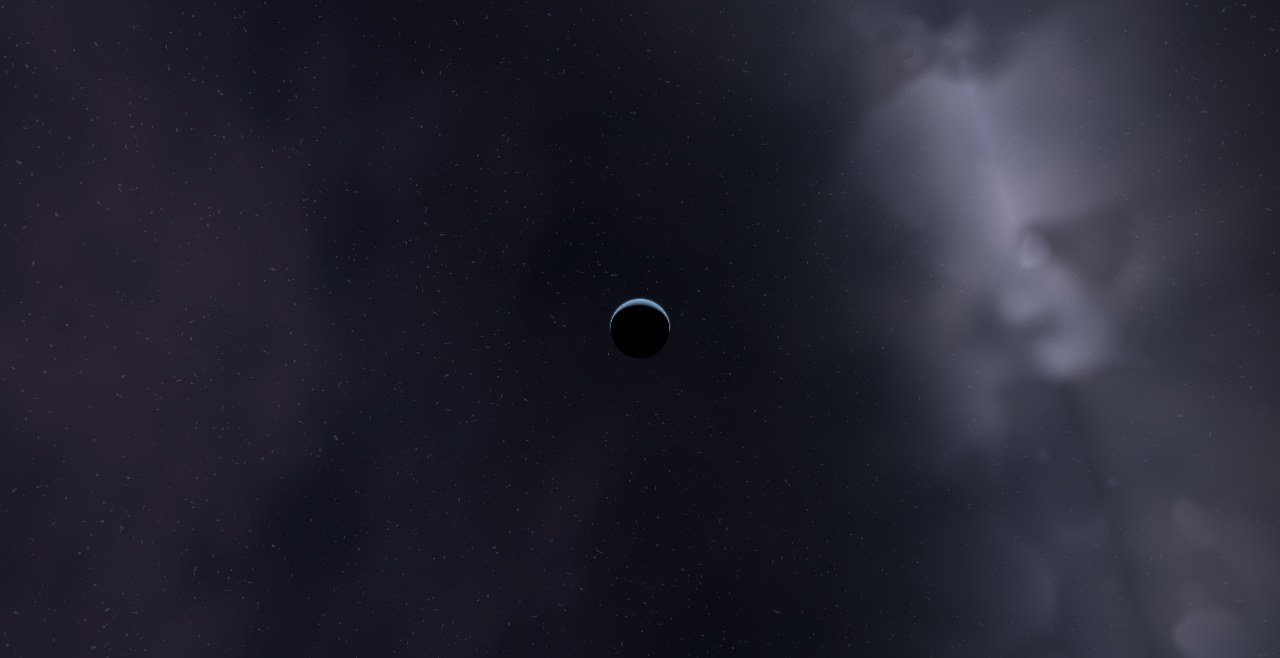
HD 211810, a Sun-like G-type star of 1.03 solar masses, and HD 211810 b, a 0.67-Jupiter-mass companion, with an orbital period of 4.27 years, at 2.656 AU from its star, on an eccentric orbit (e ≈ 0.68).
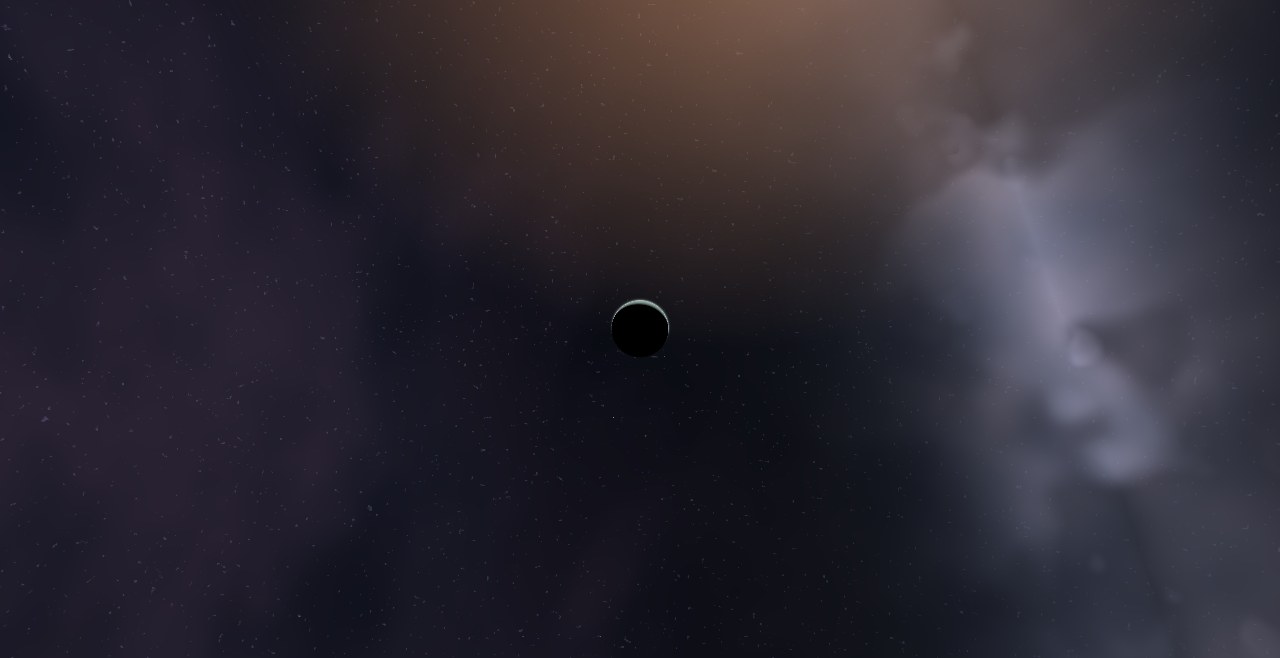
HD 211970, an orange K-type dwarf of 0.61 solar masses, and HD 211970 b, a 13.0-Earth-mass planet, with an orbital period of 25.2 days, at 0.143 AU from its star, on an eccentric orbit (e ≈ 0.15).
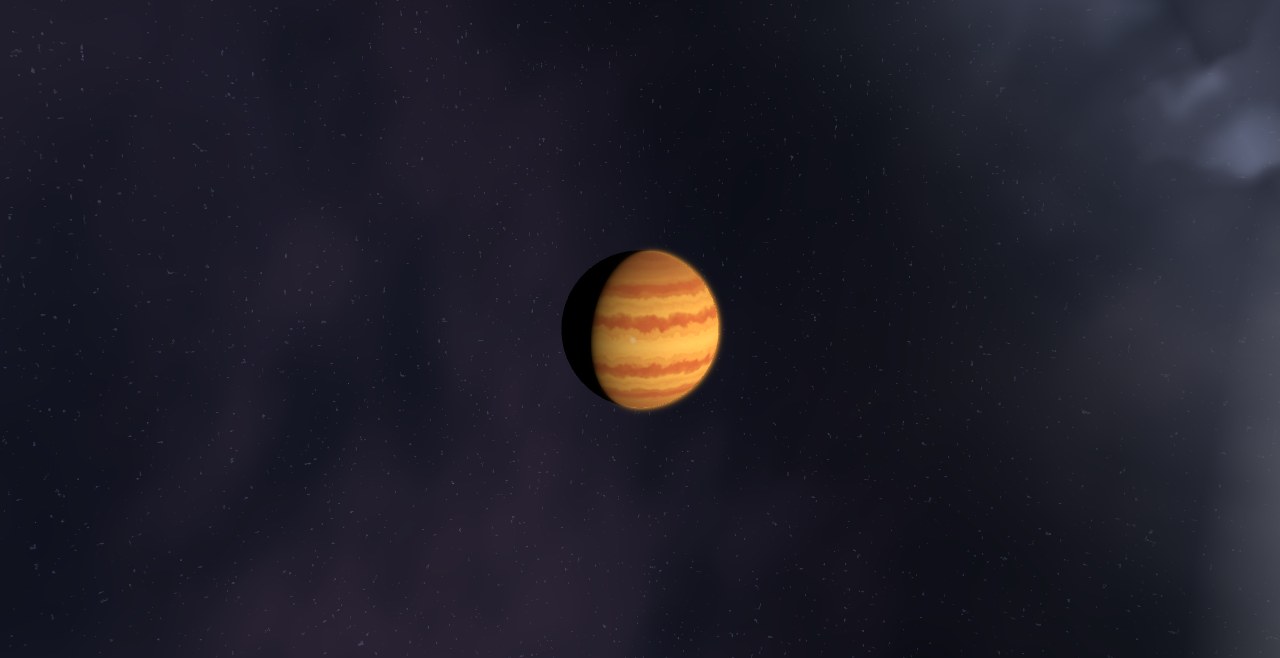
HD 212301, a Sun-like F-type star of 1.55 solar masses, and HD 212301 b, a 0.51-Jupiter-mass companion, with an orbital period of 2.2 days, at 0.030 AU from its star.
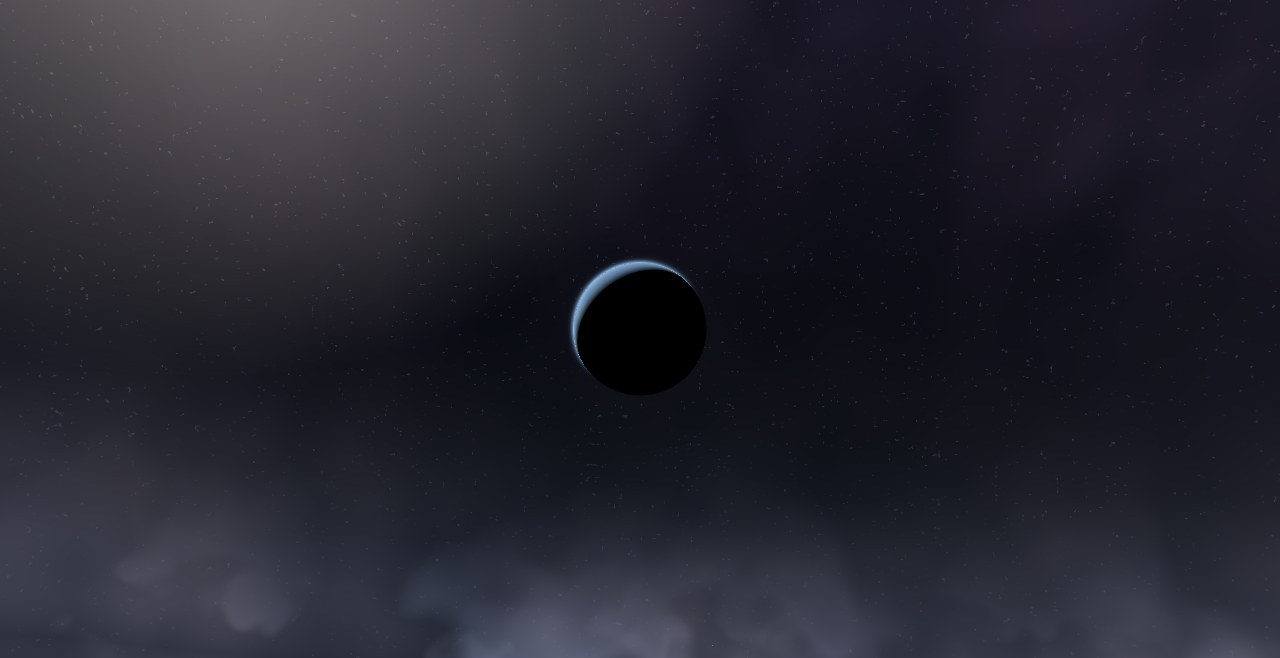
HD 212771, an orange K-type dwarf of 1.56 solar masses, and HD 212771 b, a 2.39-Jupiter-mass companion, with an orbital period of 1.04 years, at 1.190 AU from its star, on an eccentric orbit (e ≈ 0.08).
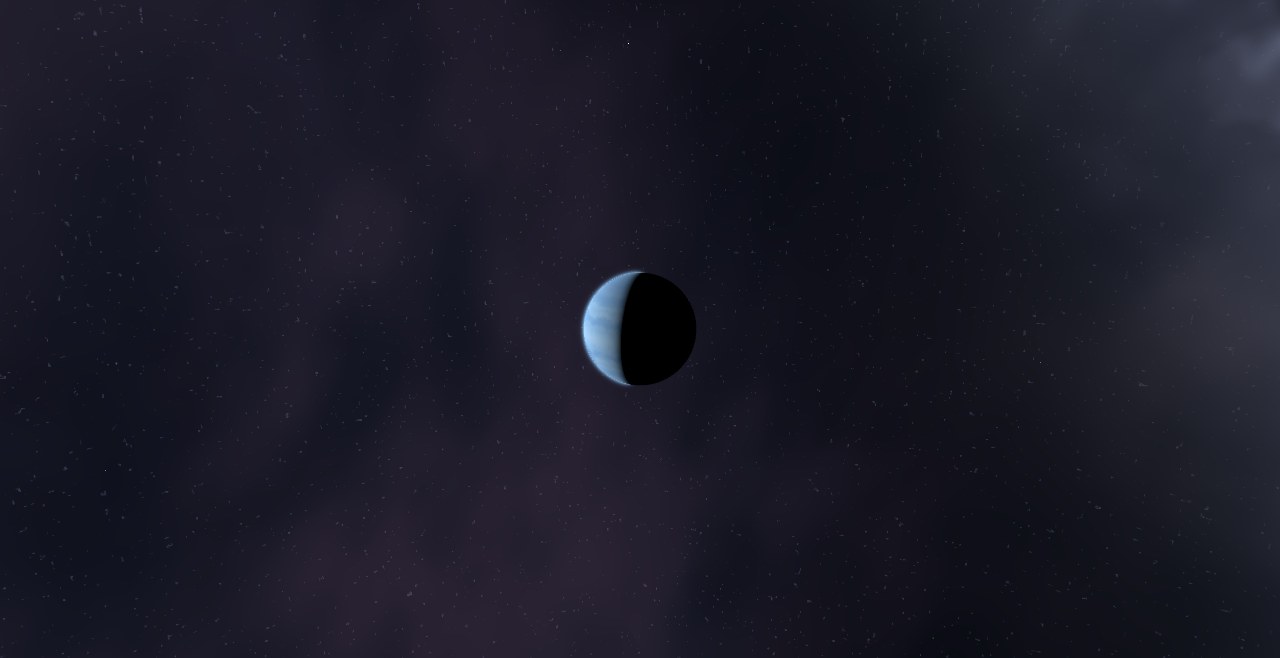
HD 213240, a Sun-like G-type star of 1.57 solar masses, and HD 213240 b, a 5.58-Jupiter-mass companion, with an orbital period of 2.42 years, at 1.890 AU from its star, on an eccentric orbit (e ≈ 0.42).
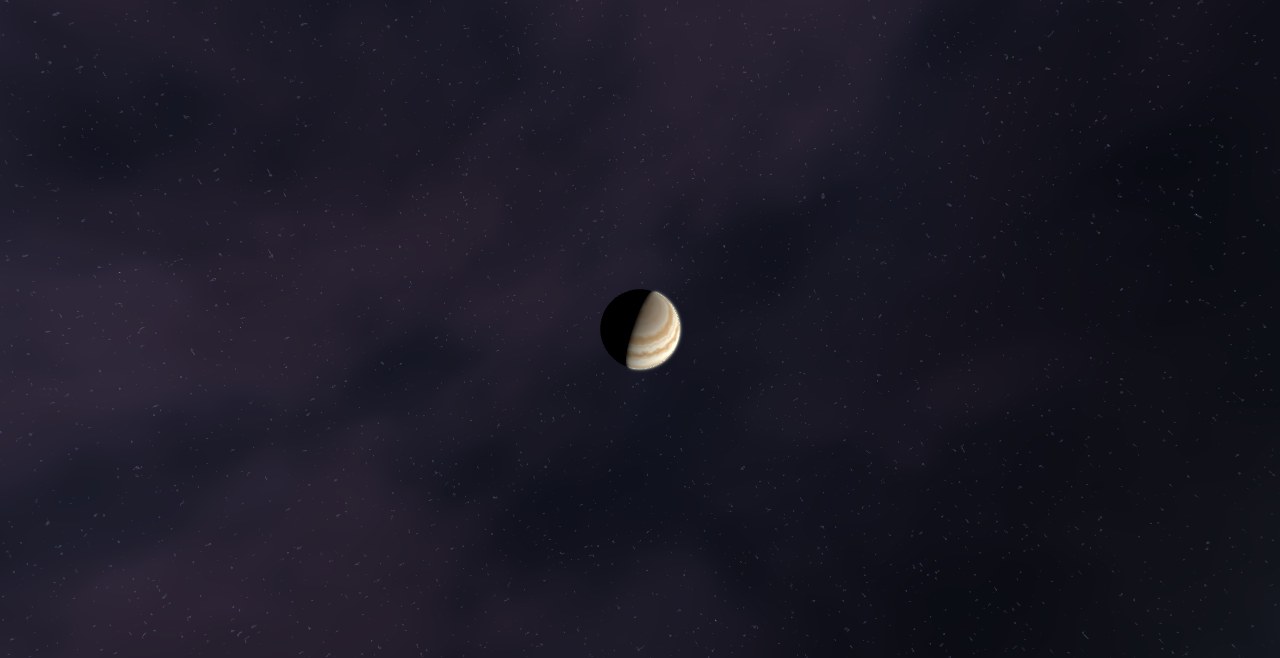
HD 213472, a Sun-like G-type star of 1.05 solar masses, and HD 213472 b, a 3.50-Jupiter-mass companion, with an orbital period of 46.5 years, at 13.0 AU from its star, on an eccentric orbit (e ≈ 0.53).
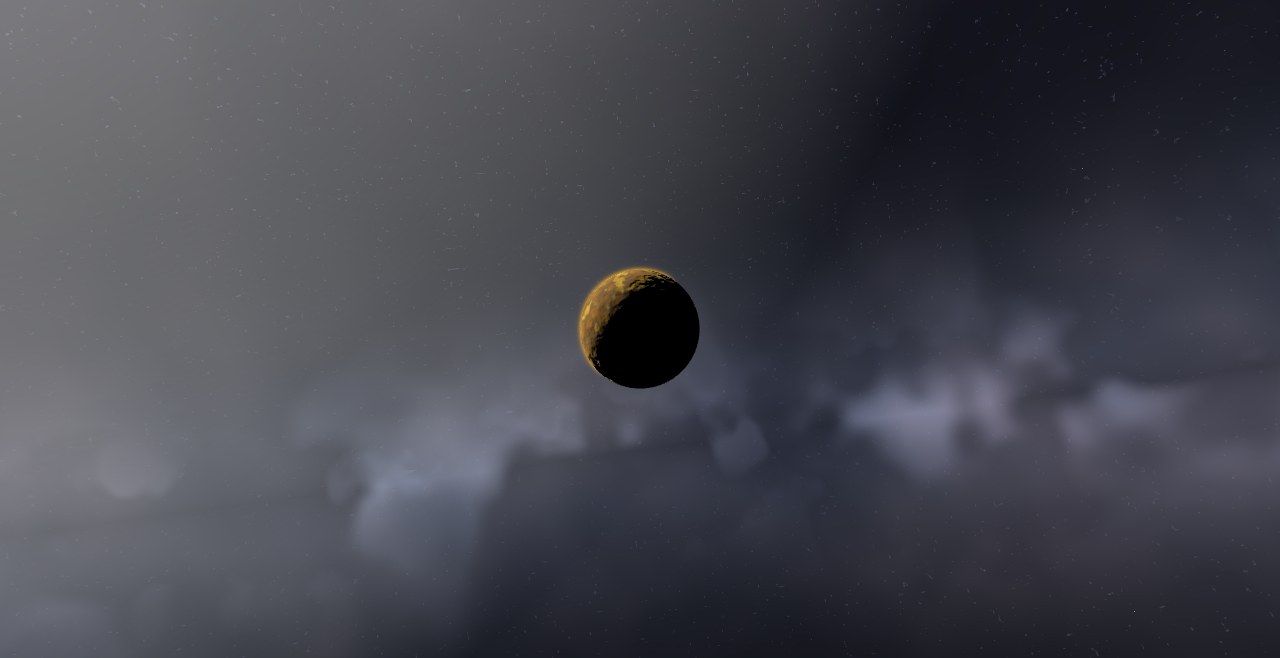
HD 213519, a Sun-like G-type star of 1.05 solar masses, and HD 213519 b, a 9.2-Earth-mass planet, with an orbital period of 11.1 days, at 0.099 AU from its star, on an eccentric orbit (e ≈ 0.41).