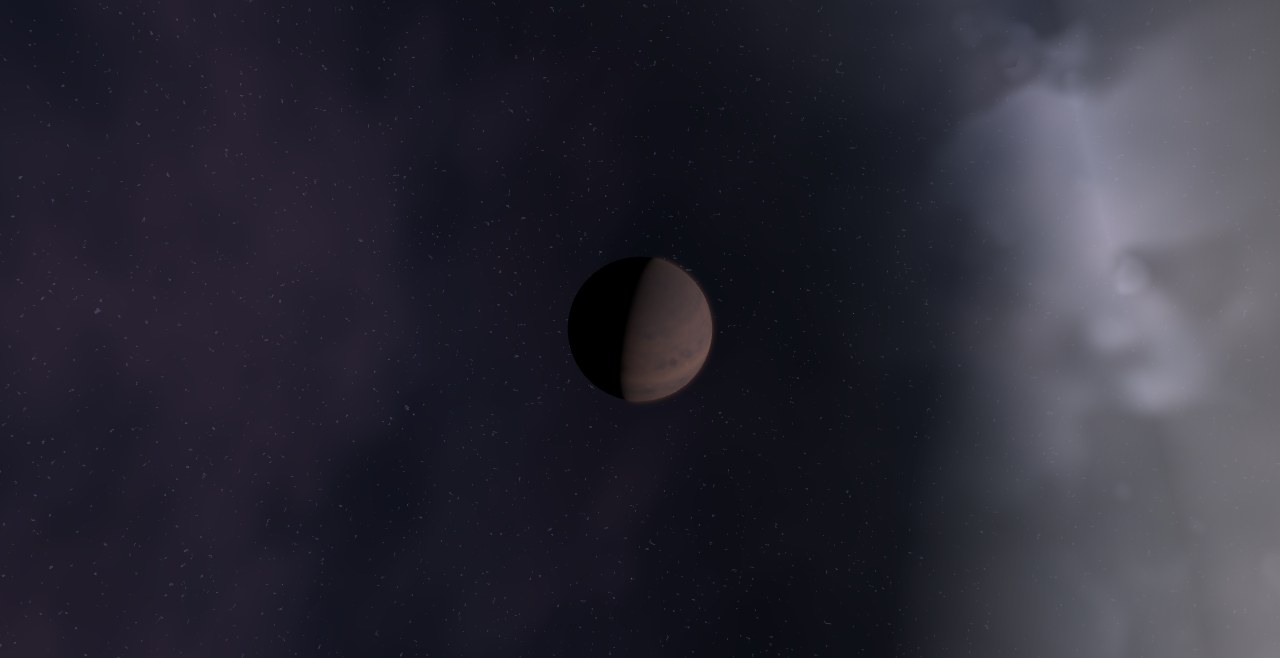
Kepler-428 - System
Kepler-428, an orange K-type dwarf of 0.87 solar masses, and Kepler-428 b, a 1.27-Jupiter-mass companion, with an orbital period of 3.5 days, at 0.043 AU from its star, and an equilibrium temperature near.
Scenarios
Discover alien solar systems and explore worlds far beyond our own. Simulate extreme orbital environments, habitable zones, and tightly packed resonant chains discovered by modern astronomy, all mapped accurately from real exoplanetary discovery data.
Share
Kepler-428, an orange K-type dwarf of 0.87 solar masses, and Kepler-428 b, a 1.27-Jupiter-mass companion, with an orbital period of 3.5 days, at 0.043 AU from its star, and an equilibrium temperature near.
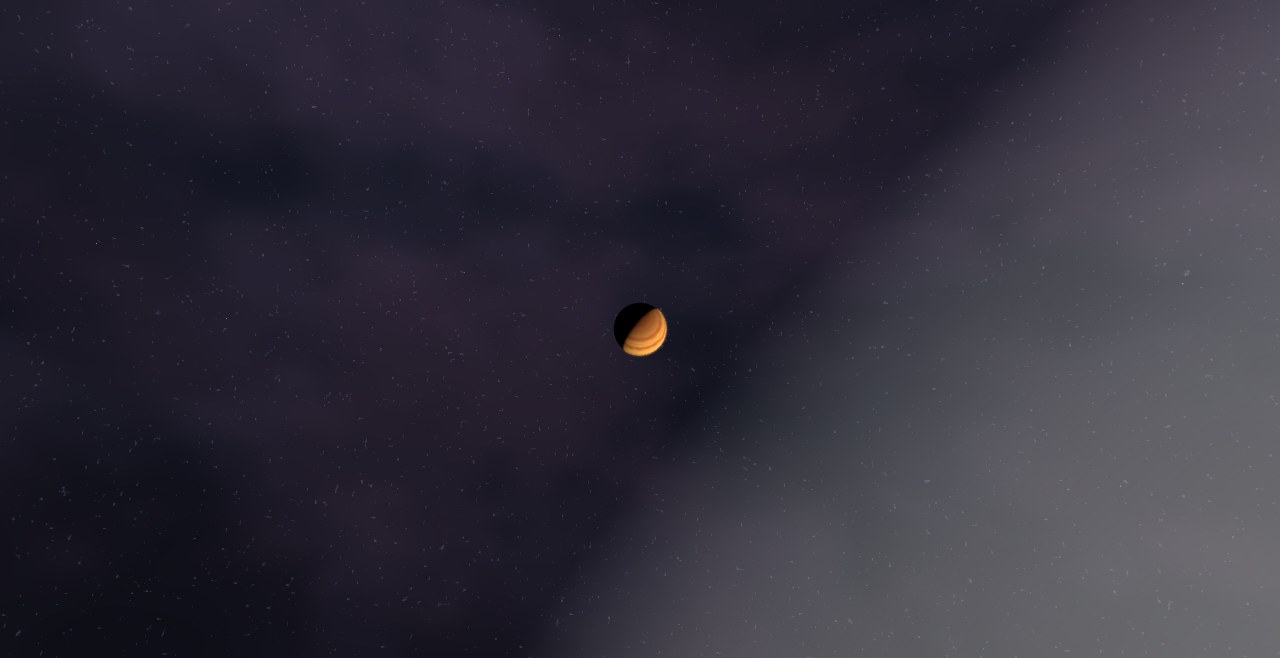
Kepler-43, a Sun-like F-type star of 1.32 solar masses, and Kepler-43 b, a 3.23-Jupiter-mass companion, with an orbital period of 3.0 days, at 0.046 AU from its star, and an equilibrium temperature near 1,620 K.
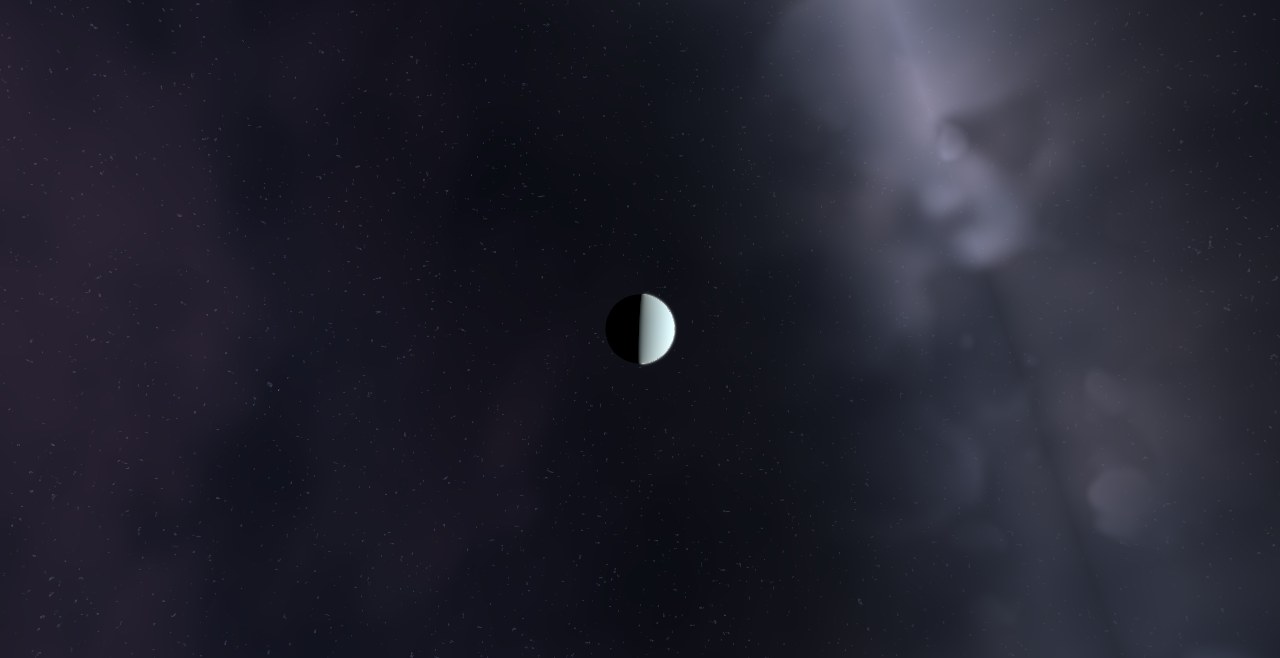
Kepler-430, a Sun-like G-type star of 1.17 solar masses, and Kepler-430 b, a planet with 3.3 Earth radii, with an orbital period of 36.0 days, at 0.224 AU from its star, and an equilibrium temperature near 667.
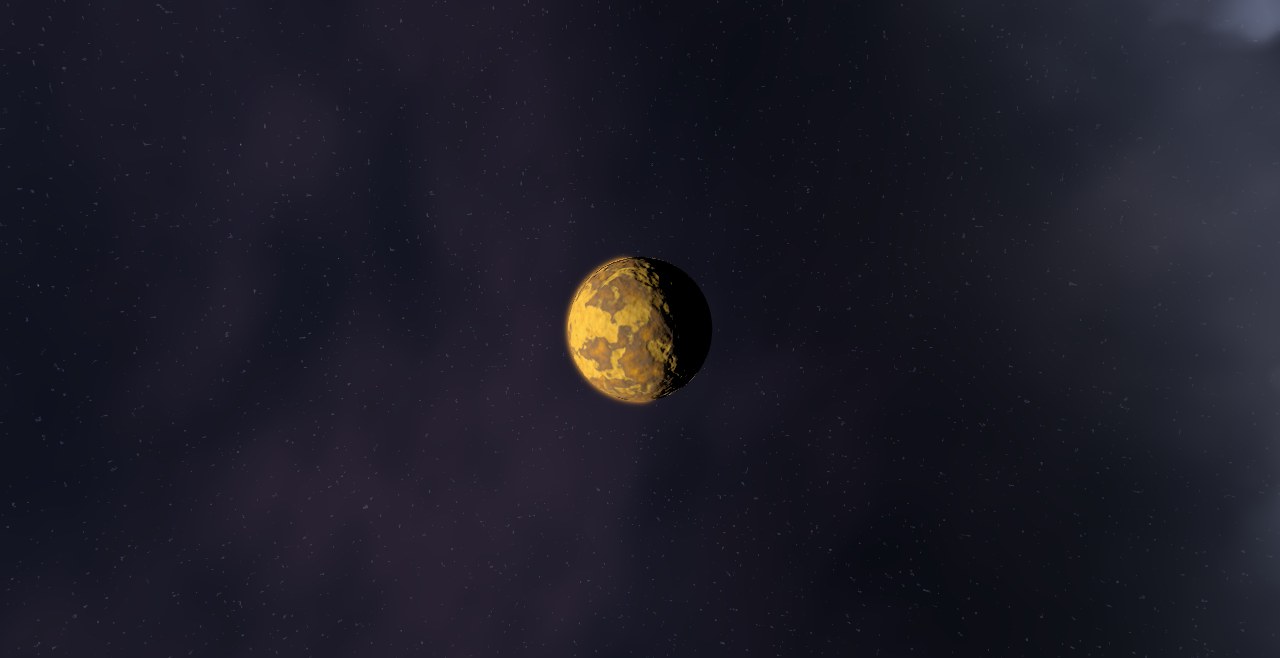
Kepler-431, a Sun-like F-type star of 1.07 solar masses, and Kepler-431 b, a planet with 0.8 Earth radii, with an orbital period of 6.8 days, at 0.072 AU from its star, and an equilibrium temperature near.
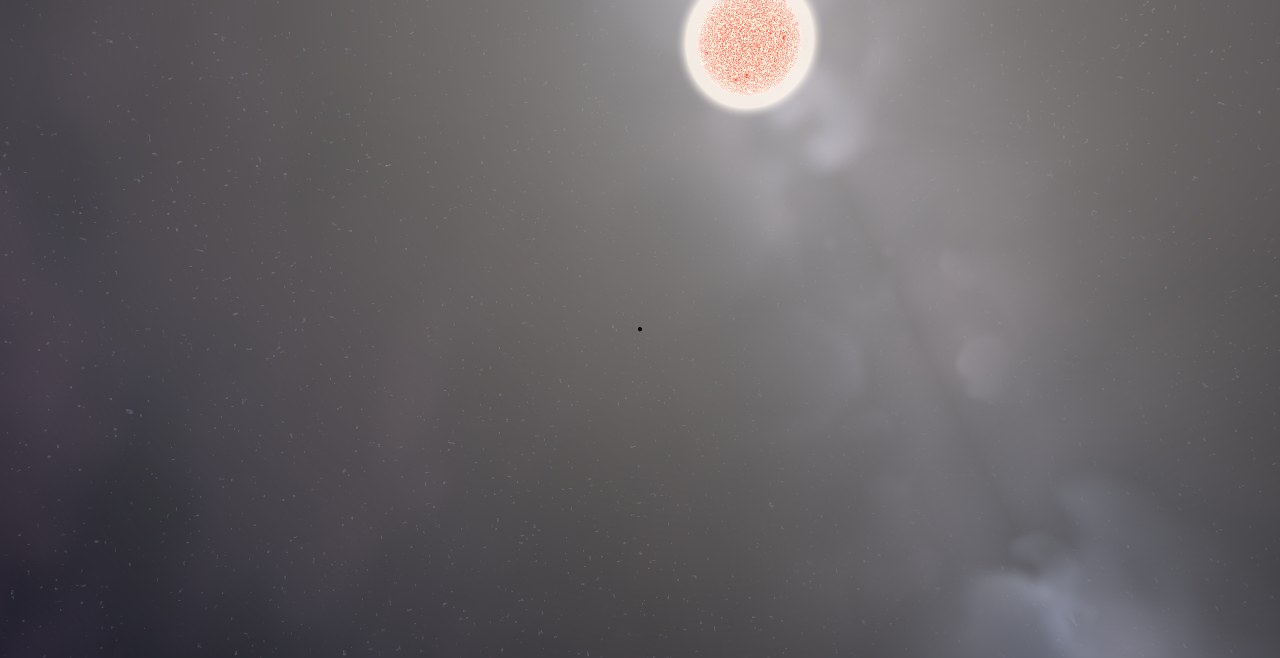
Kepler-432, an orange K-type dwarf of 1.32 solar masses, and Kepler-432 b, a 5.41-Jupiter-mass companion, with an orbital period of 52.5 days, at 0.301 AU from its star, on an eccentric orbit (e ≈ 0.51).
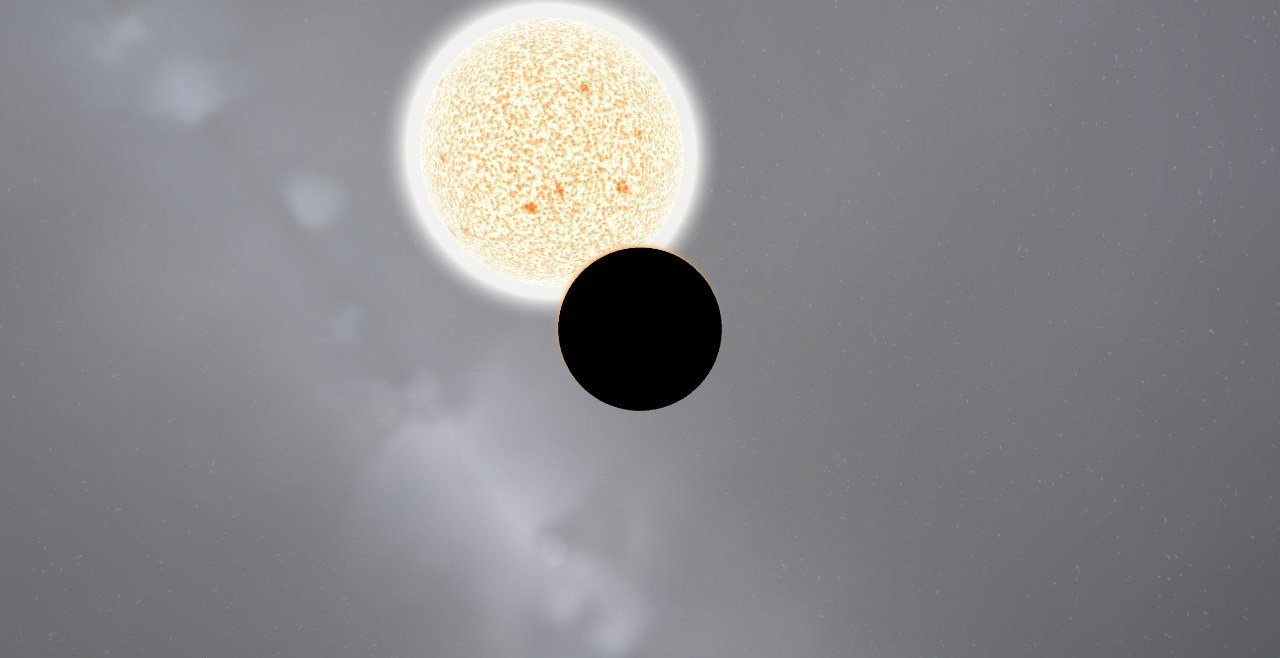
Kepler-433, a Sun-like F-type star of 1.46 solar masses, and Kepler-433 b, a 2.82-Jupiter-mass companion, with an orbital period of 5.3 days, at 0.068 AU from its star, and an equilibrium temperature near.
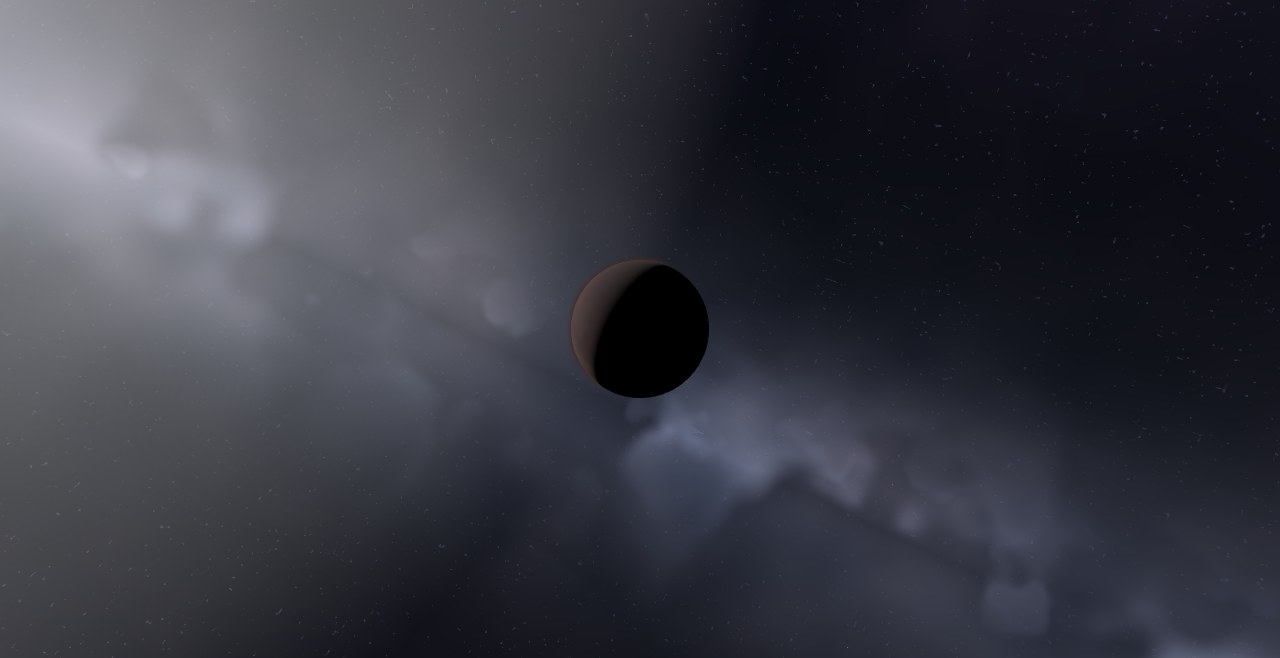
Kepler-434, a Sun-like G-type star of 1.20 solar masses, and Kepler-434 b, a 2.86-Jupiter-mass companion, with an orbital period of 12.9 days, at 0.114 AU from its star, and an equilibrium temperature near.
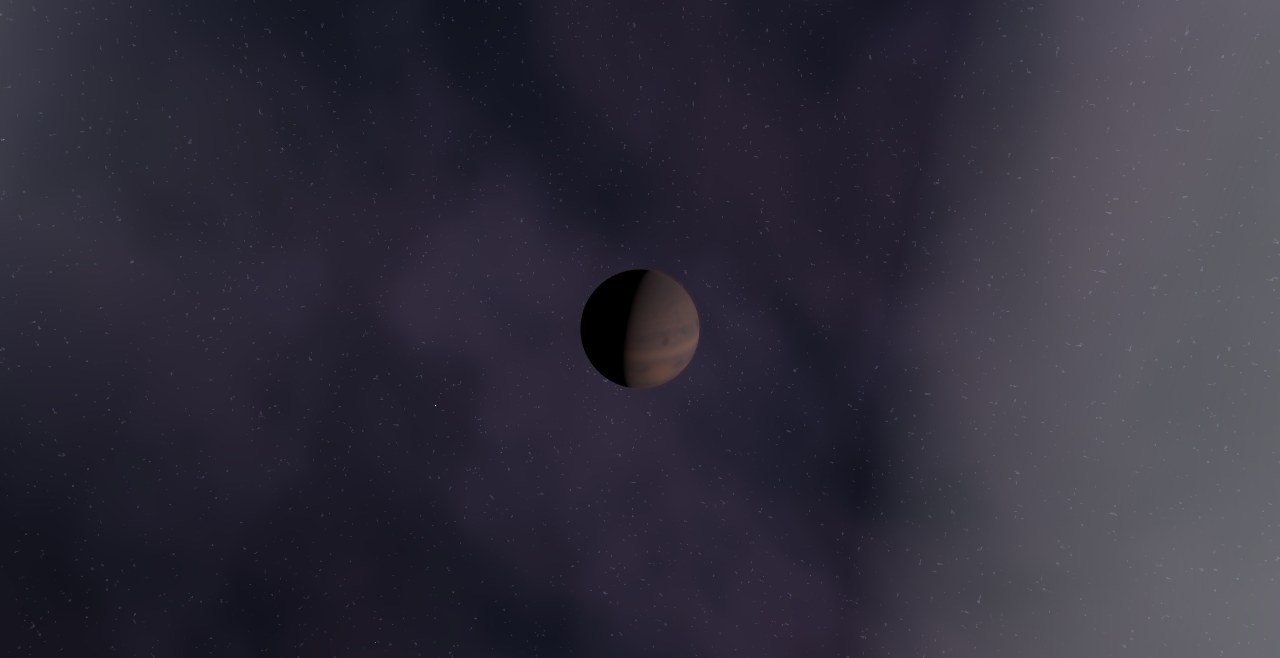
Kepler-435, a Sun-like F-type star of 1.54 solar masses, and Kepler-435 b, a 0.84-Jupiter-mass companion, with an orbital period of 8.6 days, at 0.095 AU from its star, and an equilibrium temperature near.
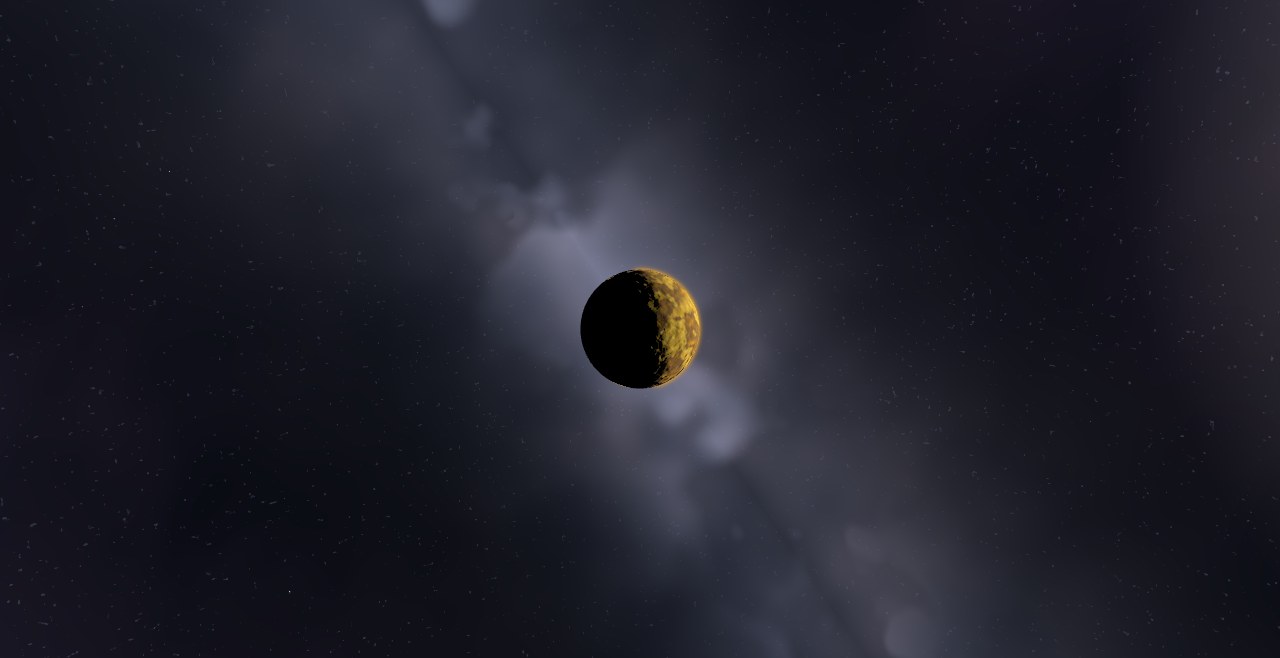
Kepler-436, an orange K-type dwarf of 0.73 solar masses, and Kepler-436 b, a planet with 2.7 Earth radii, with an orbital period of 64.0 days, at 0.339 AU from its star, on an eccentric orbit (e ≈ 0.19).
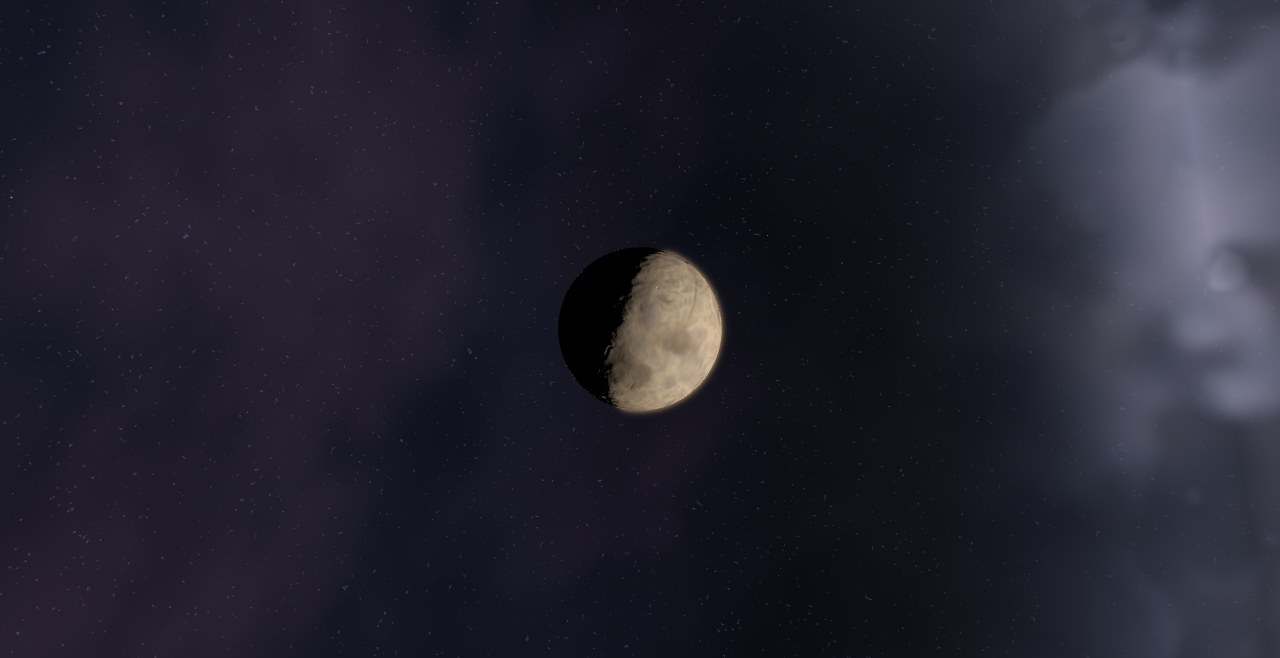
Kepler-437, an orange K-type dwarf of 0.71 solar masses, and Kepler-437 b, a planet with 2.1 Earth radii, with an orbital period of 66.7 days, at 0.288 AU from its star.
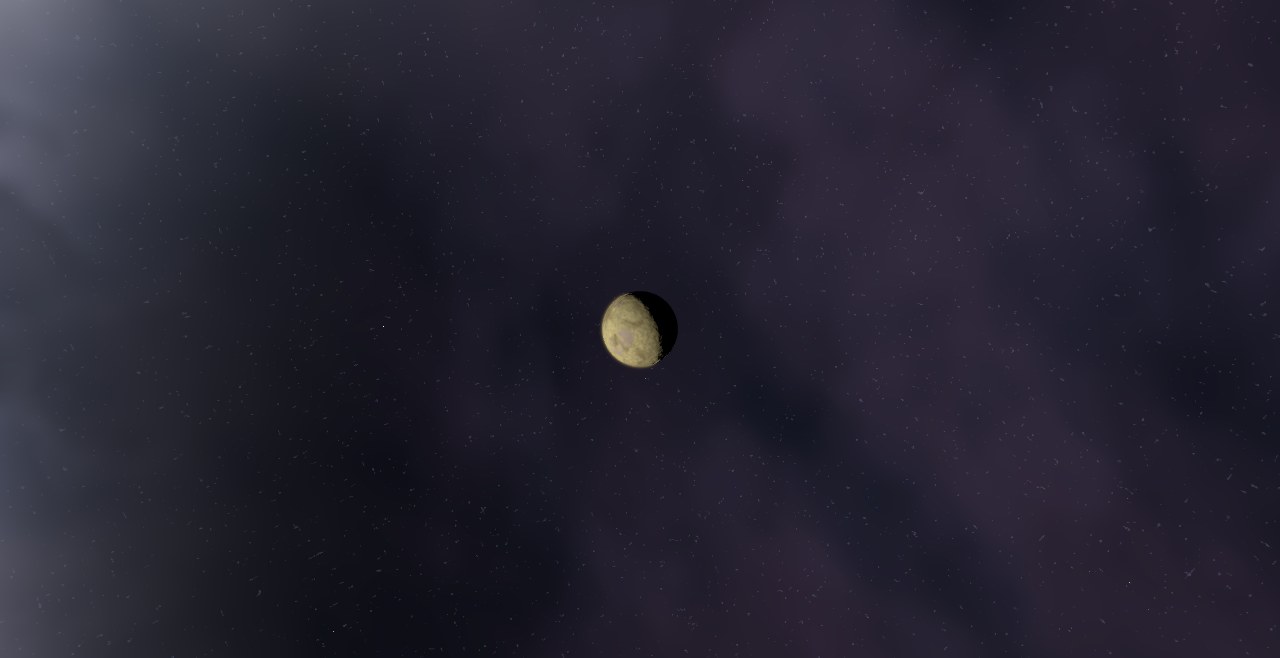
Kepler-438, an orange K-type dwarf of 0.54 solar masses, and Kepler-438 b, a planet with 1.1 Earth radii, with an orbital period of 35.2 days, at 0.166 AU from its star.
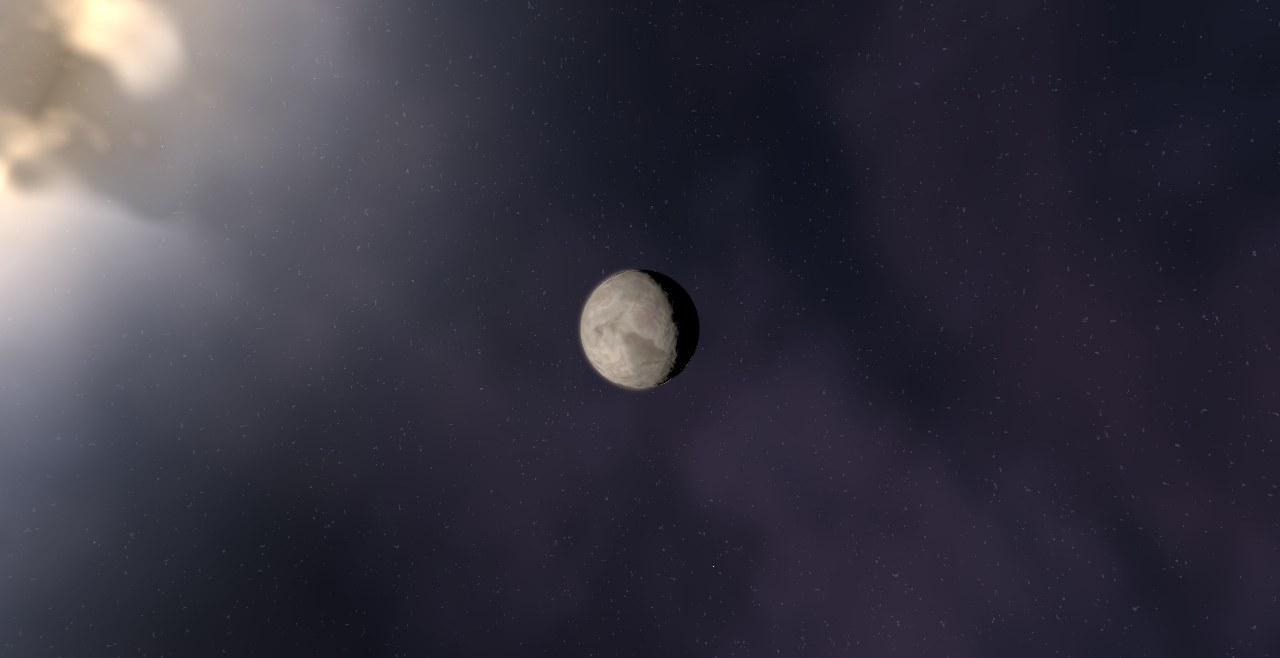
Kepler-439, a Sun-like G-type star of 0.88 solar masses, and Kepler-439 b, a planet with 2.2 Earth radii, with an orbital period of 178 days, at 0.563 AU from its star.
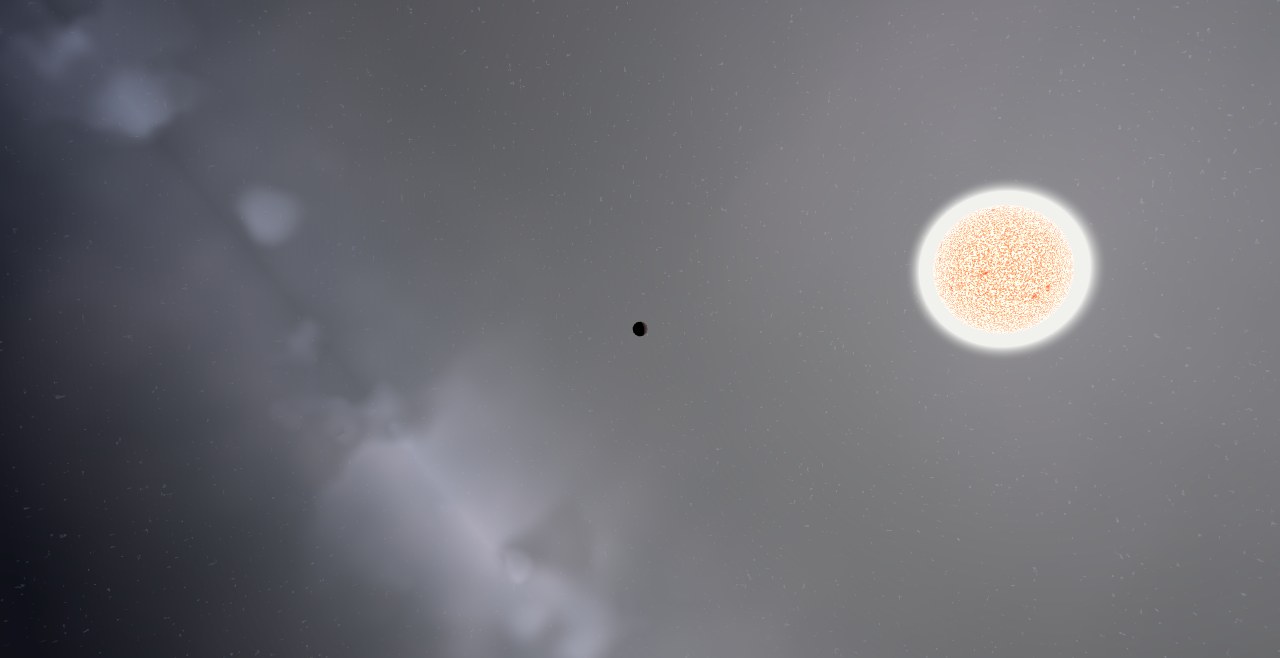
Kepler-44, a Sun-like G-type star of 1.12 solar masses, and Kepler-44 b, a 1.00-Jupiter-mass companion, with an orbital period of 3.2 days, at 0.045 AU from its star, and an equilibrium temperature near 1,544.
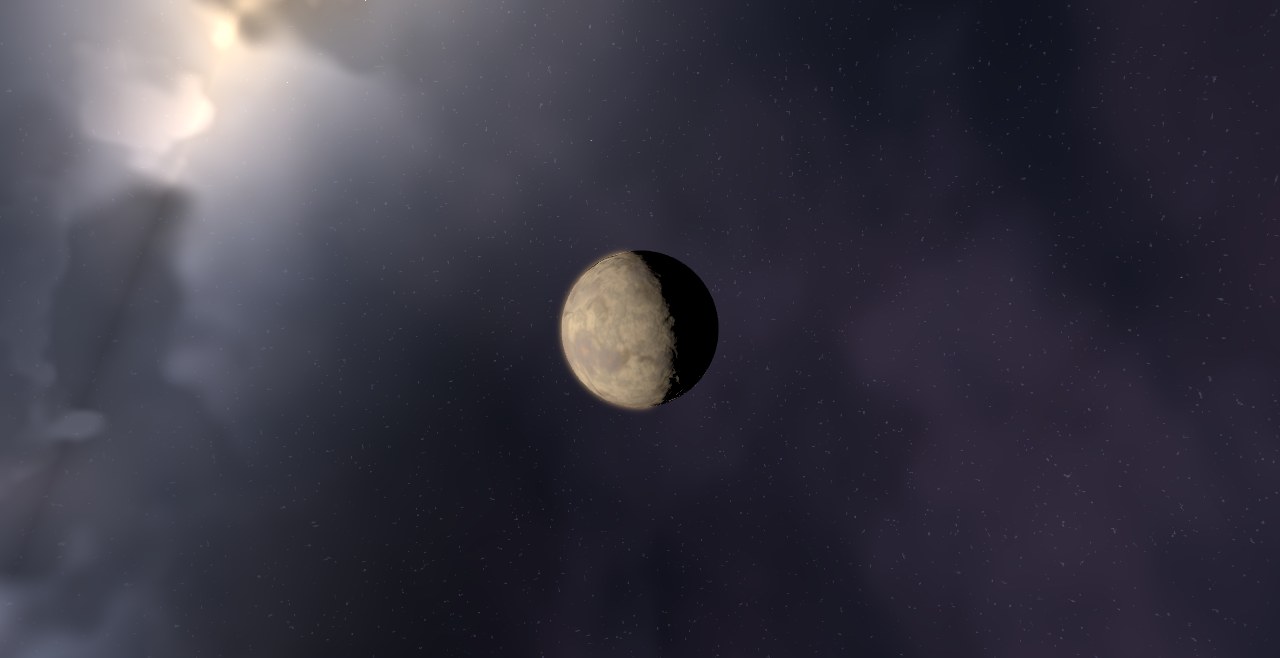
Kepler-440, an orange K-type dwarf of 0.57 solar masses, and Kepler-440 b, a planet with 1.9 Earth radii, with an orbital period of 101 days, at 0.242 AU from its star, on an eccentric orbit (e ≈ 0.34).
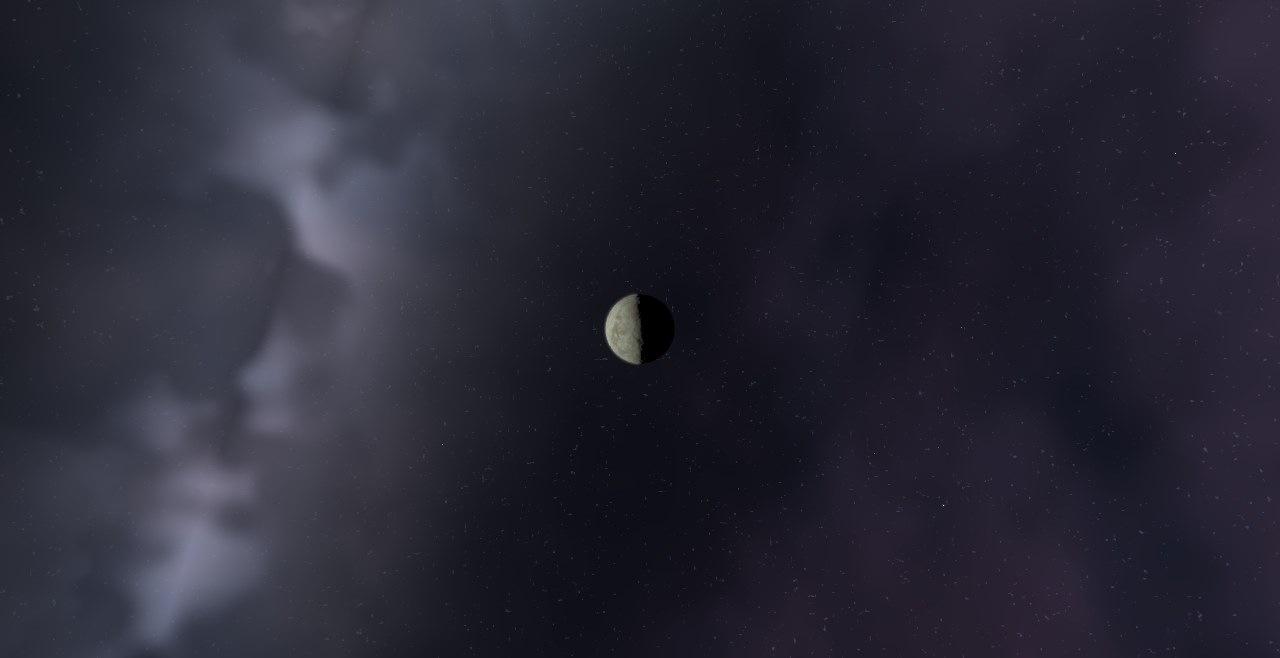
Kepler-441, an orange K-type dwarf of 0.57 solar masses, and Kepler-441 b, a planet with 1.6 Earth radii, with an orbital period of 207 days, at 0.640 AU from its star, on an eccentric orbit (e ≈ 0.10).
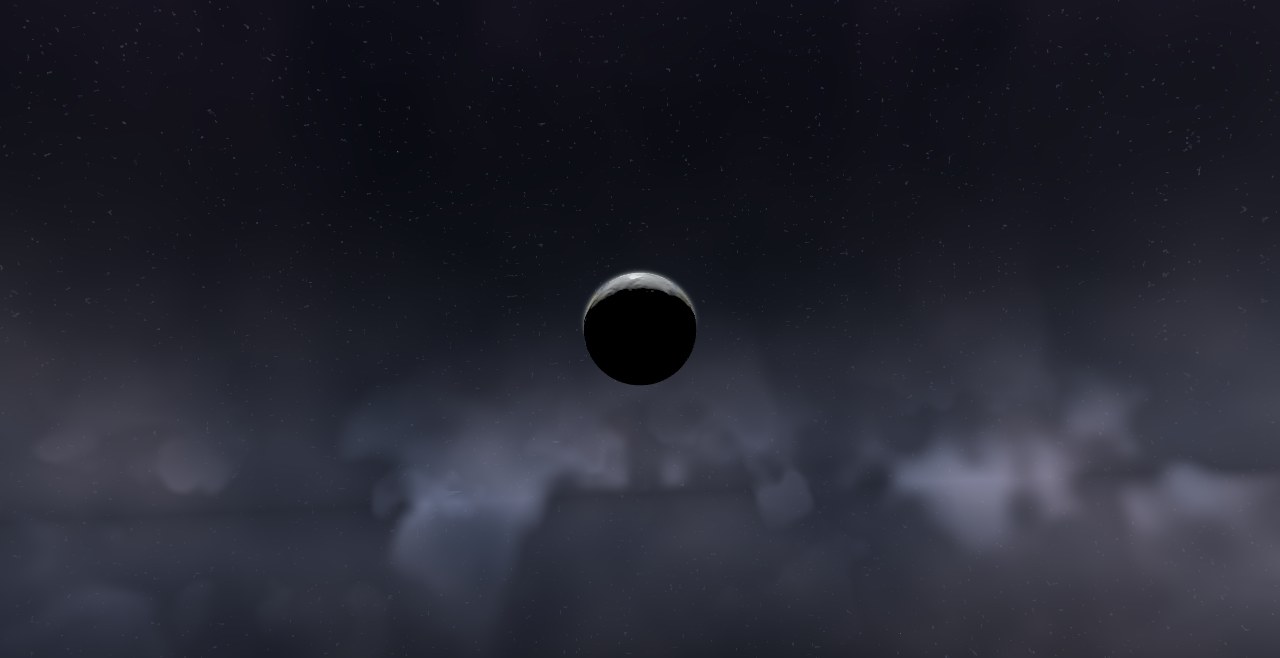
Kepler-442 b, one of the most Earth-like planets Kepler found. It sits in the habitable zone of a K dwarf with a size close to Earth's. It receives about two-thirds of the sunlight Earth gets.
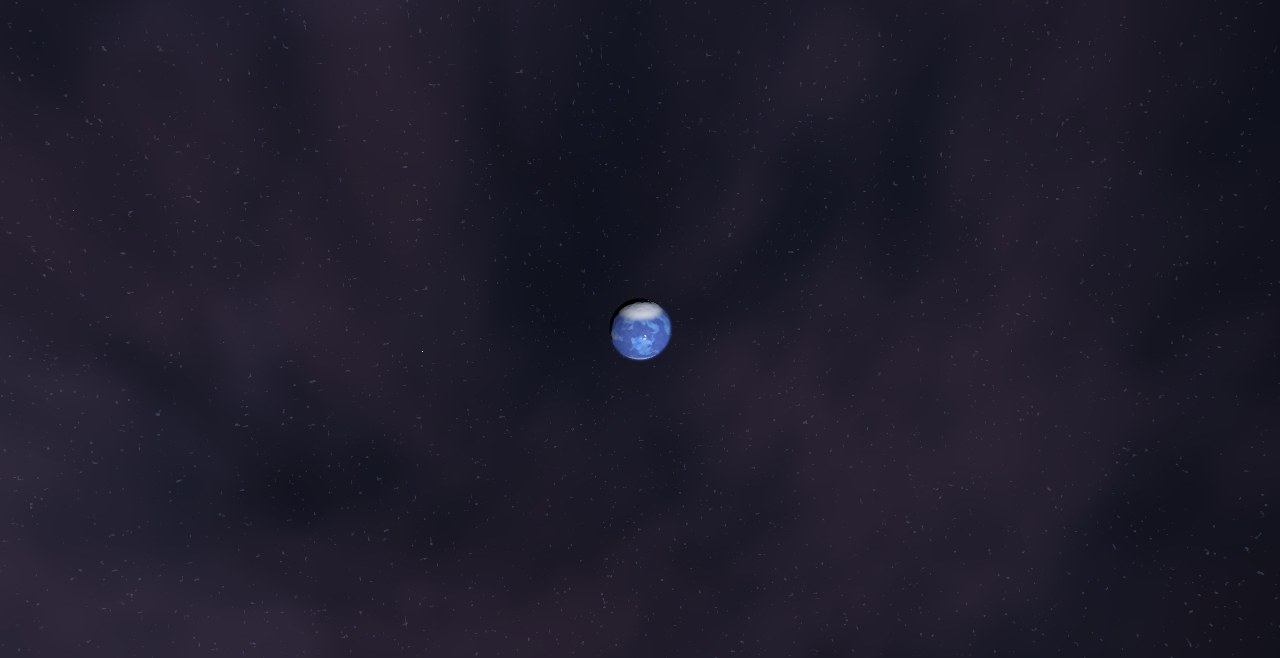
Kepler-443, an orange K-type dwarf of 0.74 solar masses, and Kepler-443 b, a planet with 2.3 Earth radii, with an orbital period of 178 days, at 0.495 AU from its star, on an eccentric orbit (e ≈ 0.11).
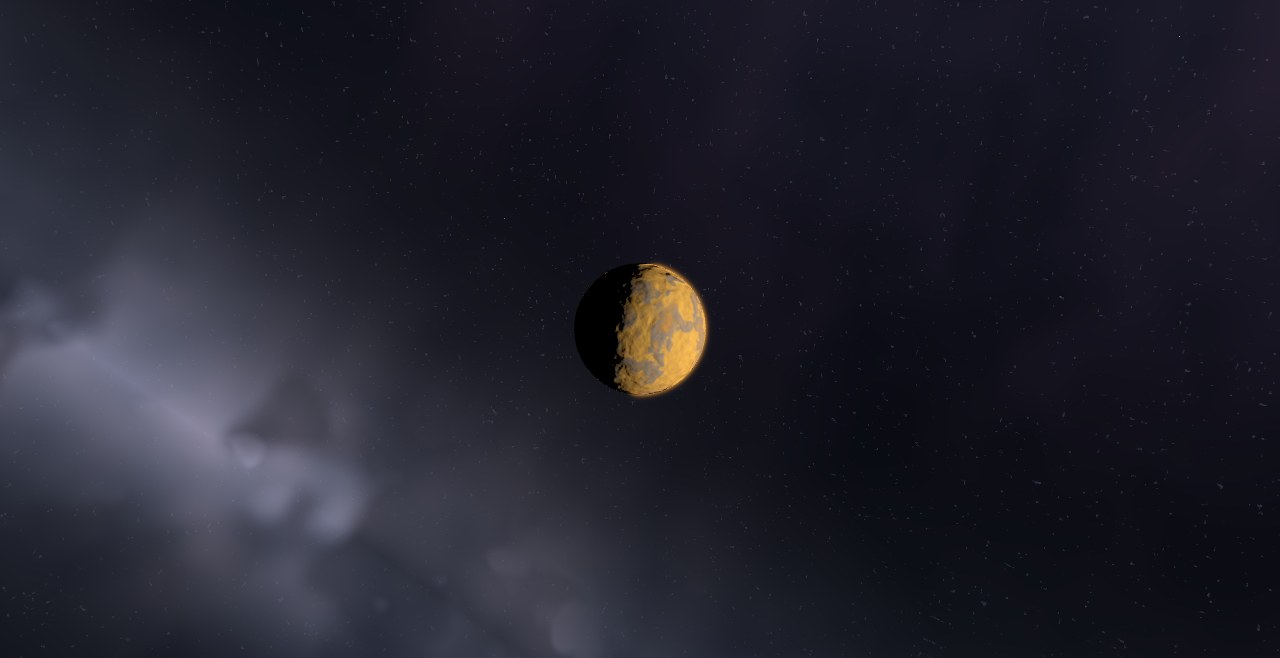
Kepler-444, an ancient compact system about 11 billion years old. Five sub-Earth planets orbit a star that formed when the Galaxy was young.