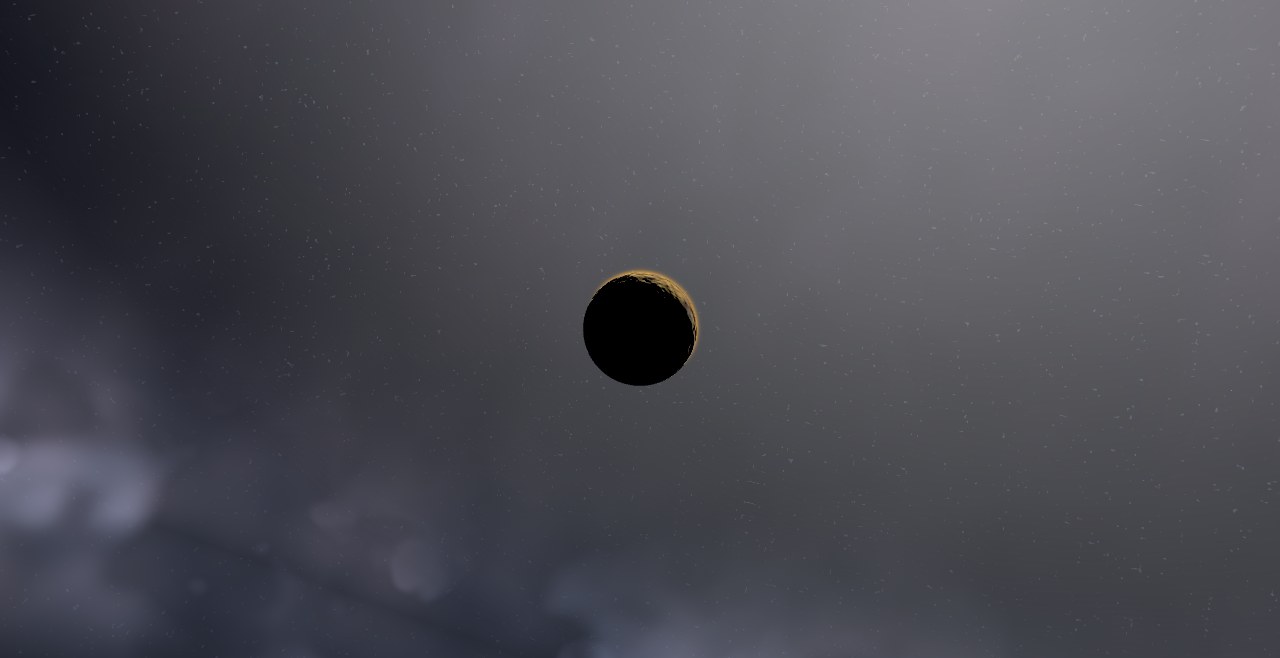
Kepler-410 A - System
Kepler-410 A, a Sun-like F-type star of 1.21 solar masses, and Kepler-410 A b, a planet with 2.8 Earth radii, with an orbital period of 17.8 days, at 0.123 AU from its star, on an eccentric orbit (e ≈ 0.17).
Scenarios
Discover alien solar systems and explore worlds far beyond our own. Simulate extreme orbital environments, habitable zones, and tightly packed resonant chains discovered by modern astronomy, all mapped accurately from real exoplanetary discovery data.
Share
Kepler-410 A, a Sun-like F-type star of 1.21 solar masses, and Kepler-410 A b, a planet with 2.8 Earth radii, with an orbital period of 17.8 days, at 0.123 AU from its star, on an eccentric orbit (e ≈ 0.17).
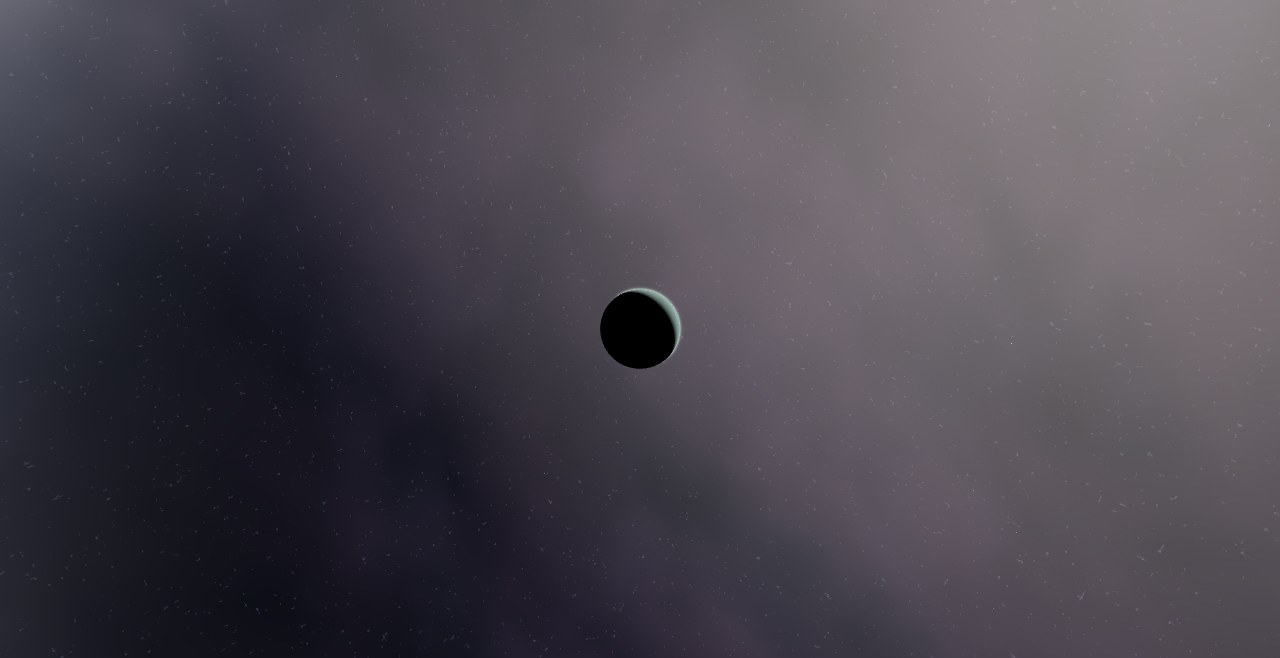
Kepler-411, an orange K-type dwarf of 0.87 solar masses, and Kepler-411 b, a 0.08-Jupiter-mass companion, with an orbital period of 3.0 days, at 0.037 AU from its star, and an equilibrium temperature near.
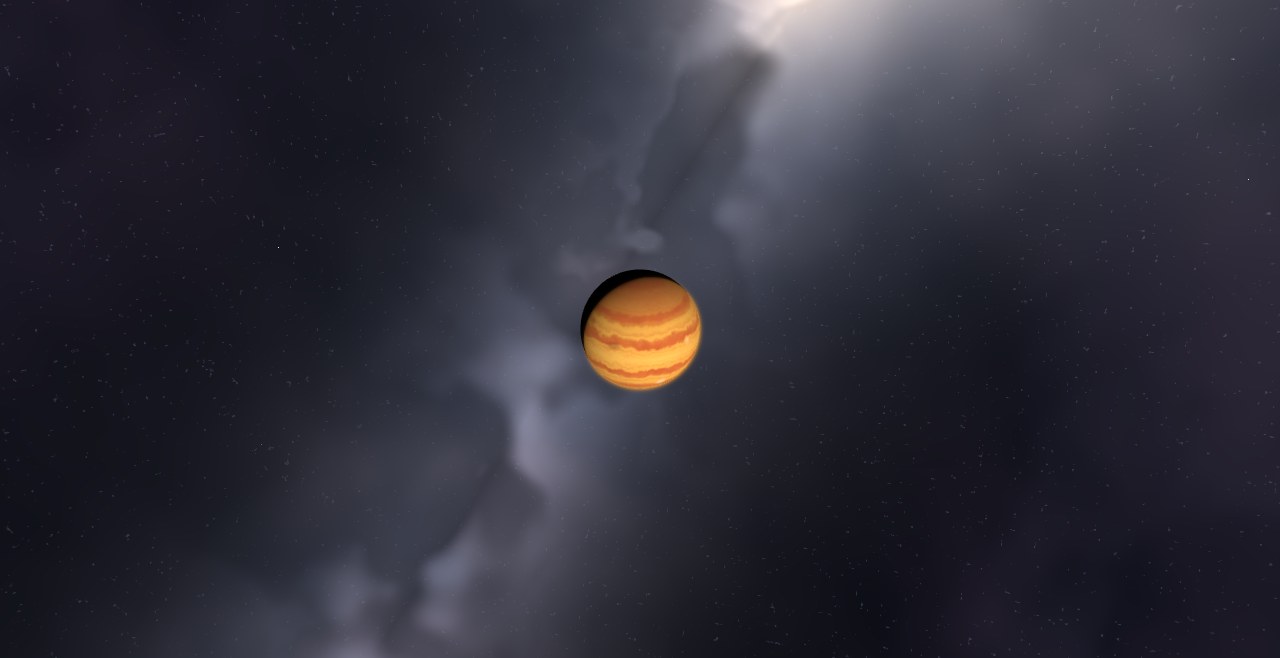
Kepler-412, a Sun-like G-type star of 1.17 solar masses, and Kepler-412 b, a 0.94-Jupiter-mass companion, with an orbital period of 1.7 days, at 0.029 AU from its star, and an equilibrium temperature near.
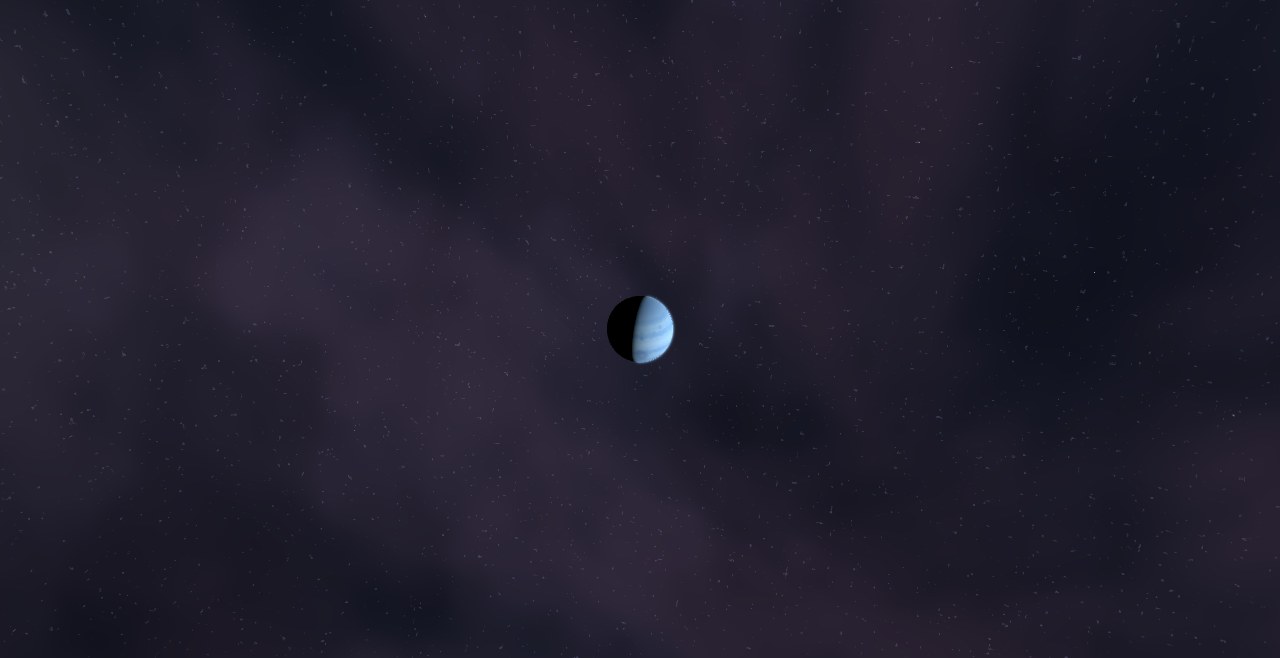
Kepler-413 b, a circumbinary planet whose transits turn on and off. Rapid orbital precession makes the planet miss the stellar disks for years.
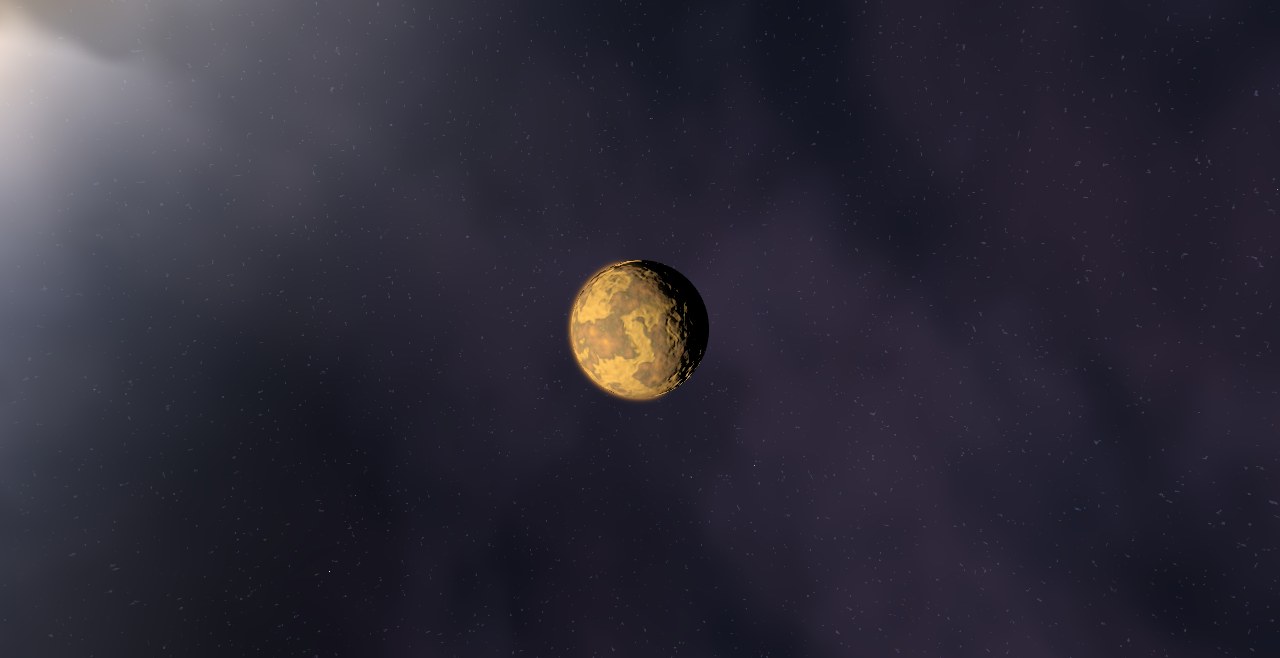
Kepler-414, a Sun-like G-type star of 0.89 solar masses, and Kepler-414 b, a 3.5-Earth-mass planet, with an orbital period of 4.7 days.
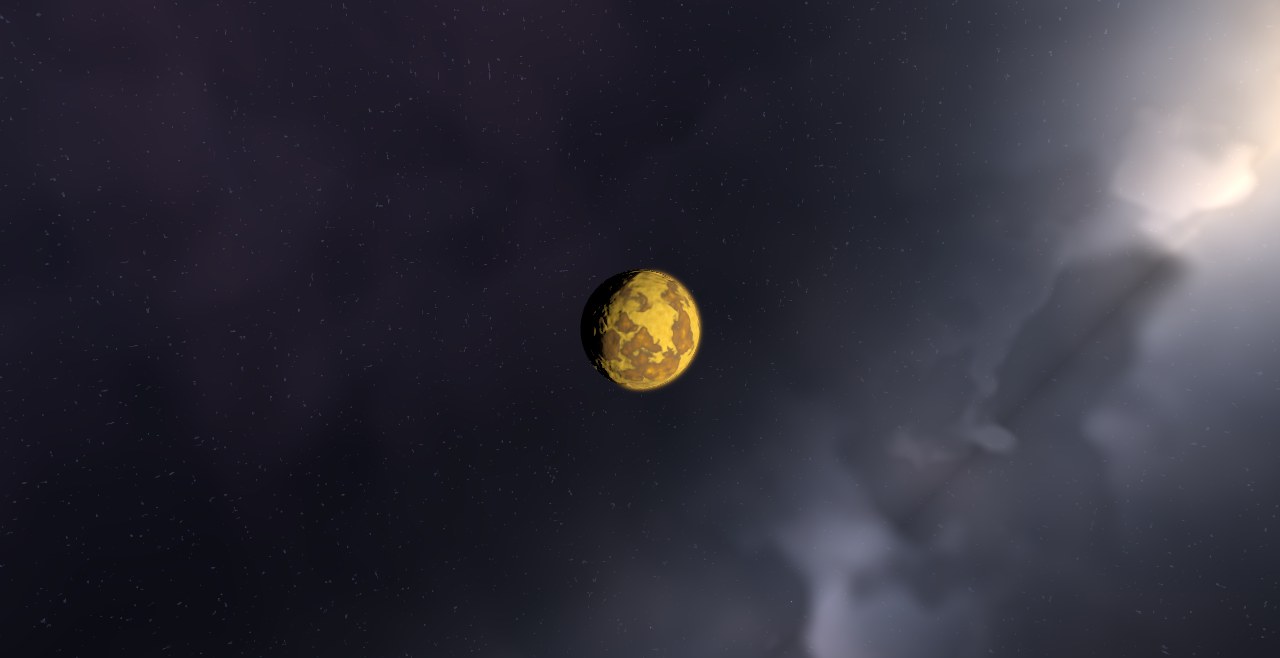
Kepler-415, an orange K-type dwarf of 0.67 solar masses, and Kepler-415 b, a 0.38-Jupiter-mass companion, with an orbital period of 4.2 days.
Kepler-416, a Sun-like G-type star of 0.95 solar masses, and Kepler-416 d, a planet with 1.6 Earth radii, with an orbital period of 3.1 days, at 0.041 AU from its star, and an equilibrium temperature near.
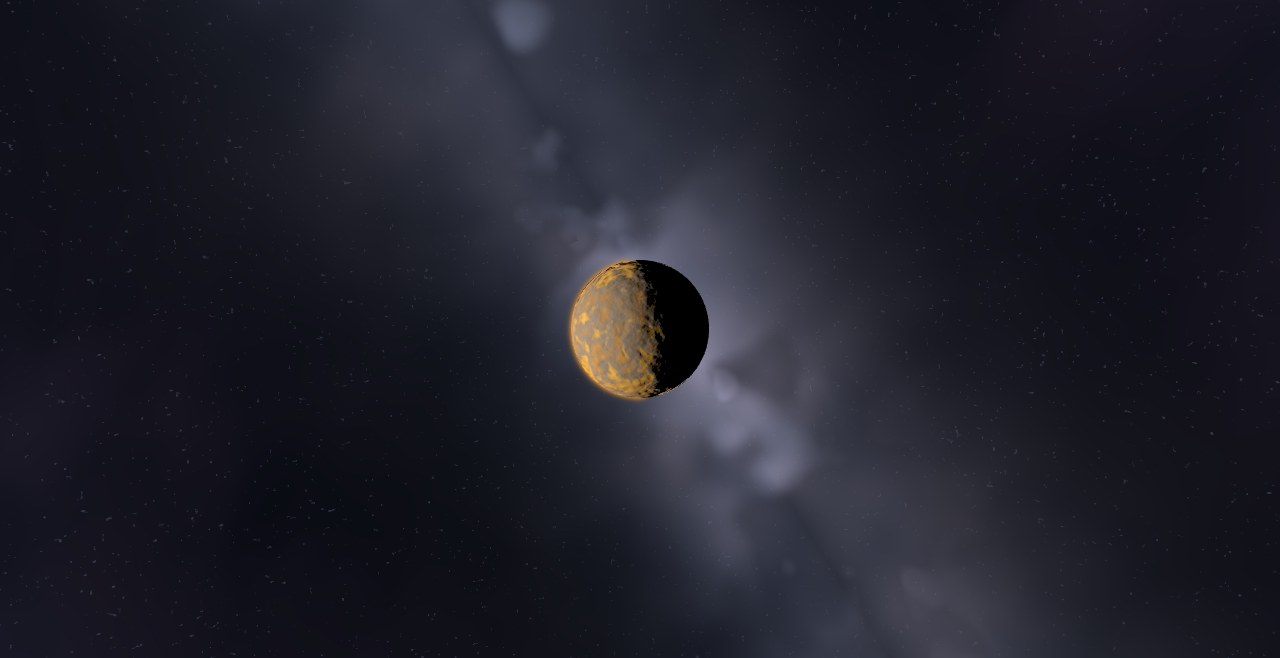
Kepler-417, an orange K-type dwarf of 0.90 solar masses, and Kepler-417 b, a 11.0-Earth-mass planet, with an orbital period of 12.3 days.
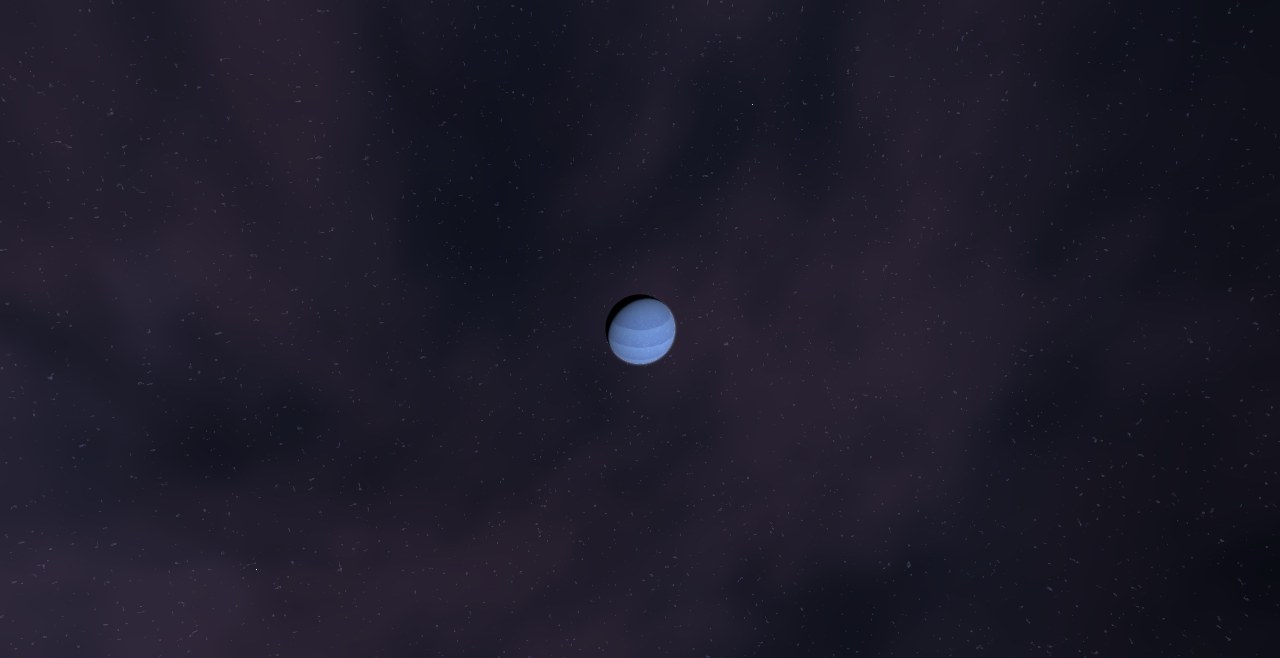
Kepler-418, a Sun-like G-type star of 0.98 solar masses, and Kepler-418 c, a planet with 5.2 Earth radii, with an orbital period of 12.2 days.
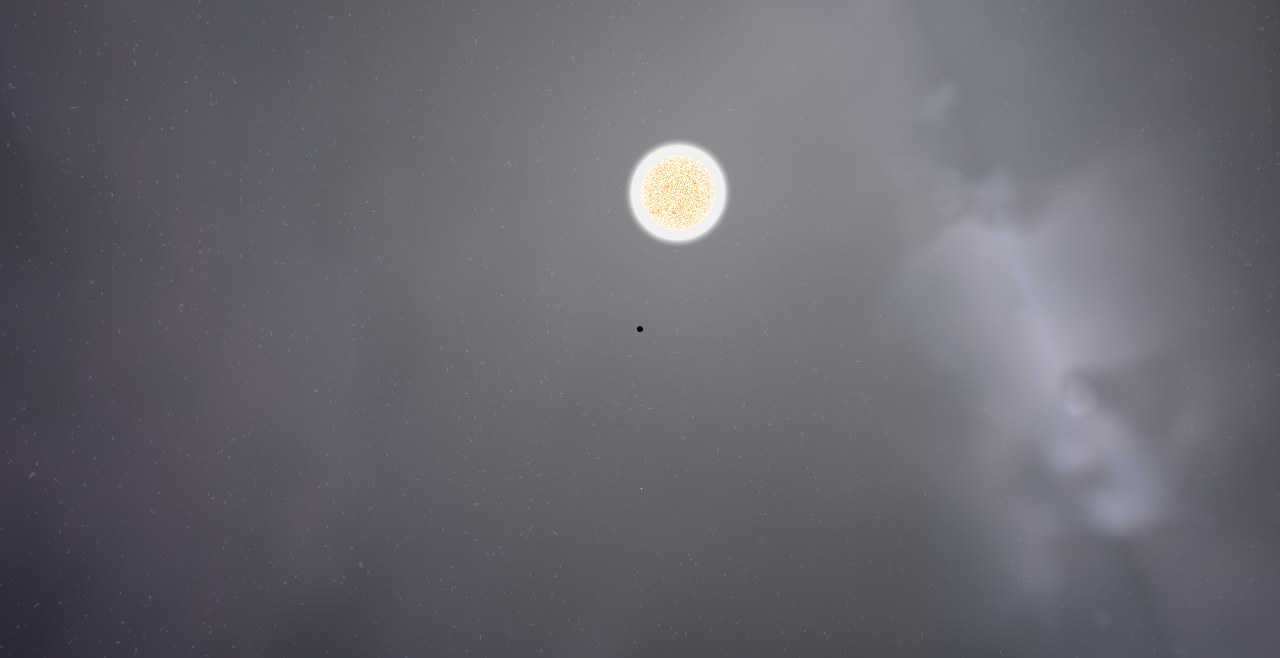
Kepler-419, a Sun-like F-type star of 1.39 solar masses, and Kepler-419 b, a 2.50-Jupiter-mass companion, with an orbital period of 69.8 days, at 0.370 AU from its star, on an eccentric orbit (e ≈ 0.83).
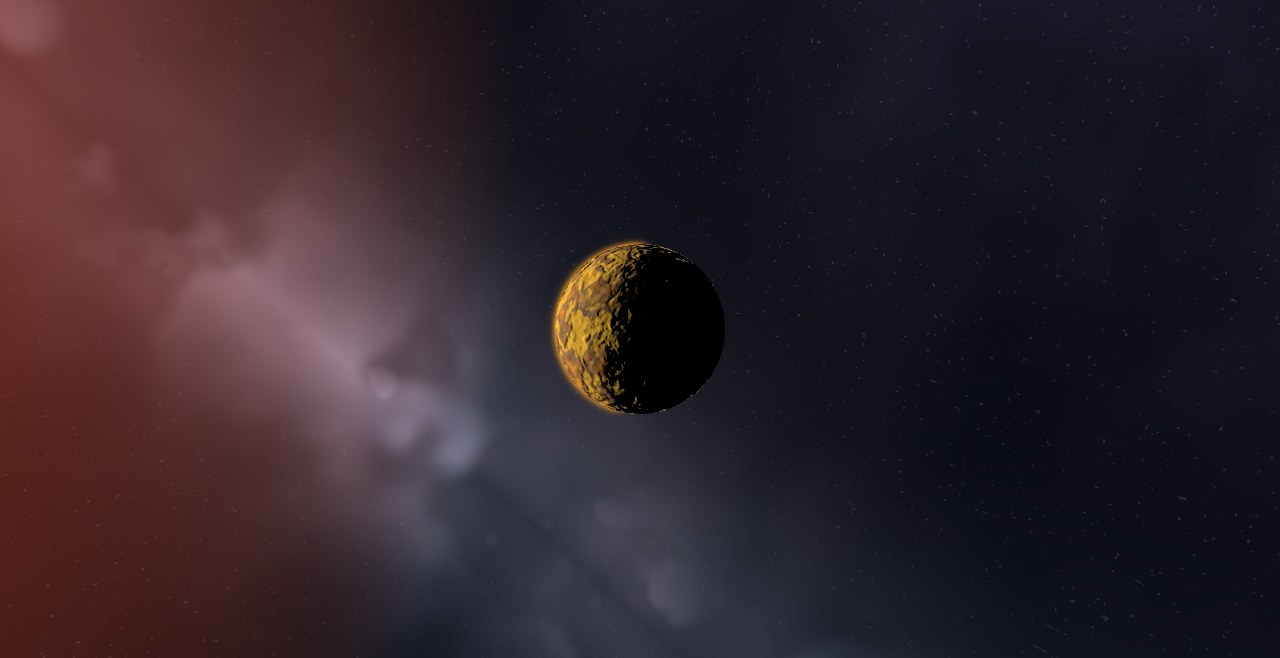
Kepler-42, three planets smaller than Earth around a tiny red dwarf. The whole system would fit well inside Mercury's orbit. All three planets are smaller than Earth itself.
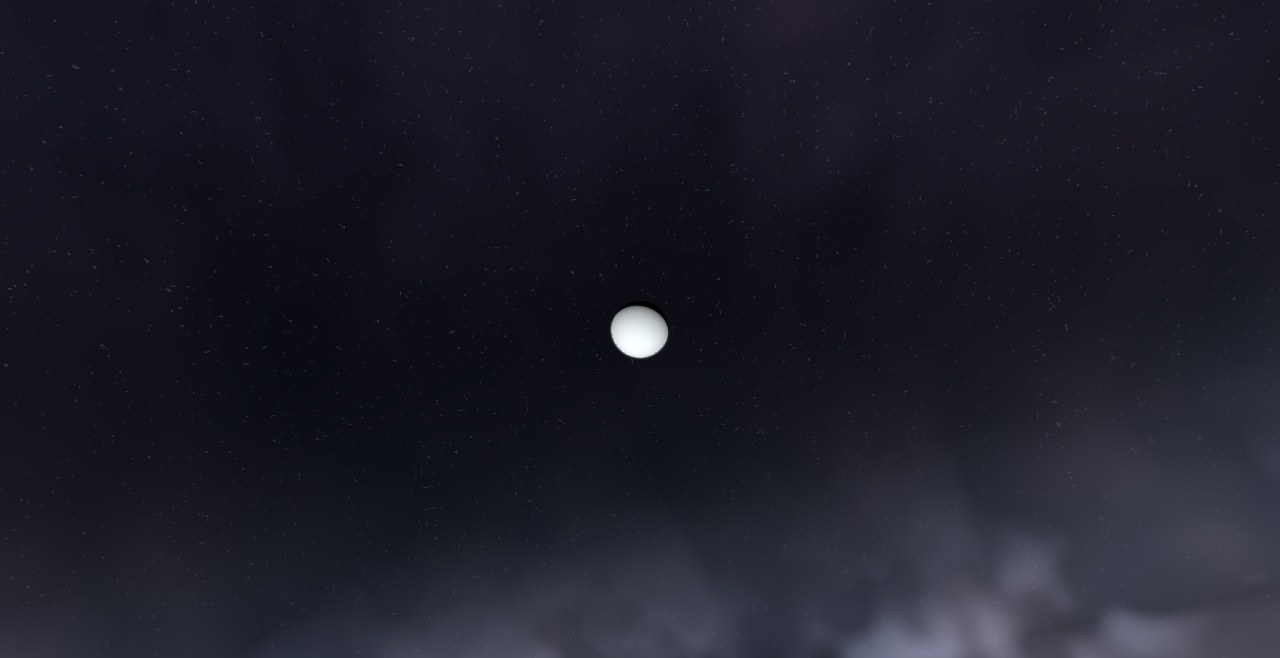
Kepler-421, a Sun-like G-type star of 0.79 solar masses, and Kepler-421 b, a planet with 4.2 Earth radii, with an orbital period of 1.93 years, at 1.219 AU from its star, and an equilibrium temperature near.
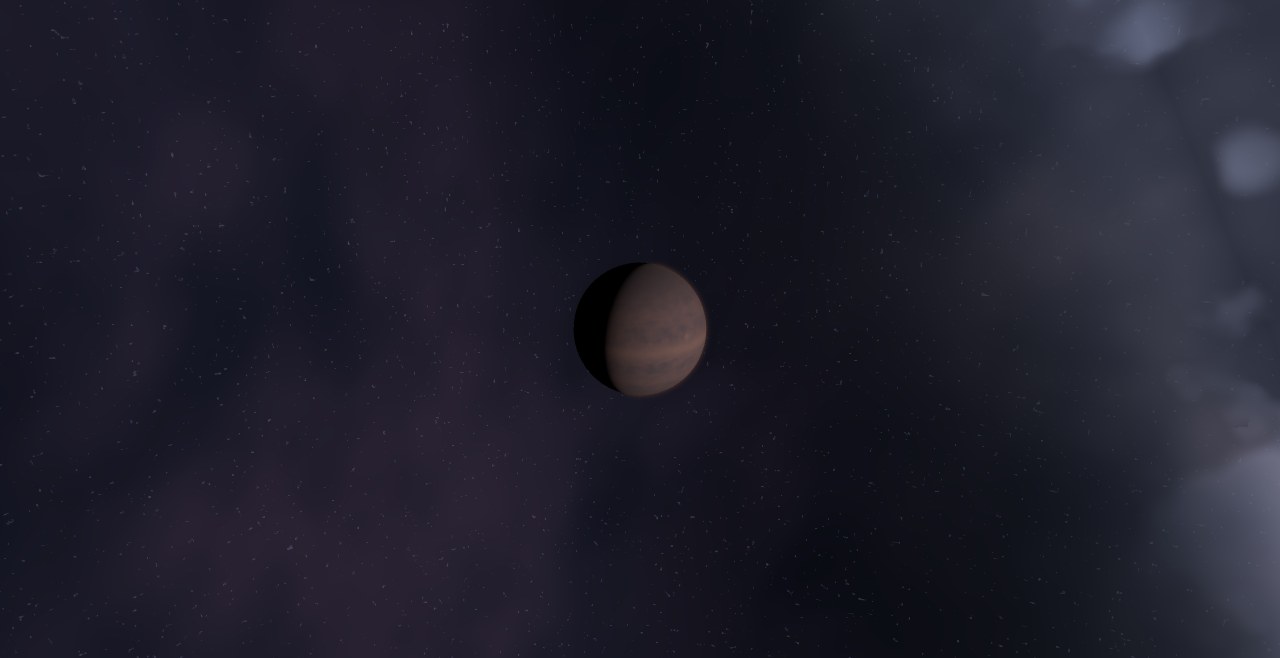
Kepler-422, a Sun-like G-type star of 1.15 solar masses, and Kepler-422 b, a 0.43-Jupiter-mass companion, with an orbital period of 7.9 days, at 0.082 AU from its star.
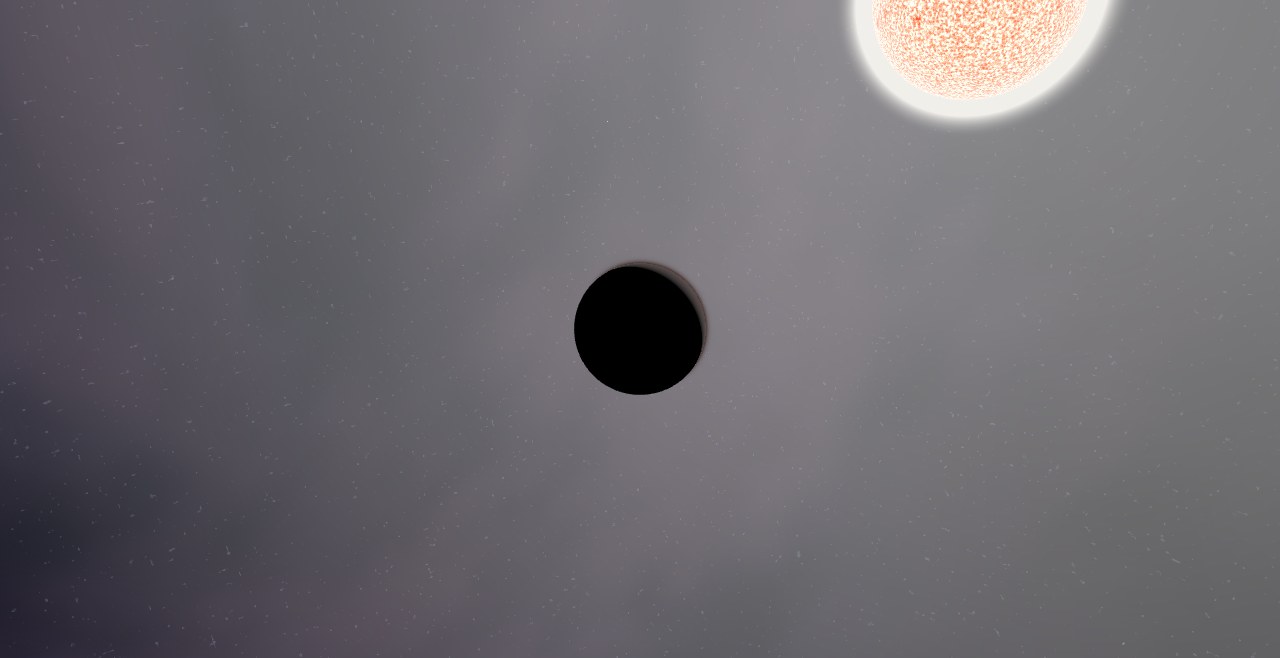
Kepler-423, a Sun-like G-type star of 0.85 solar masses, and Kepler-423 b, a 0.59-Jupiter-mass companion, with an orbital period of 2.7 days, at 0.036 AU from its star, and an equilibrium temperature near.
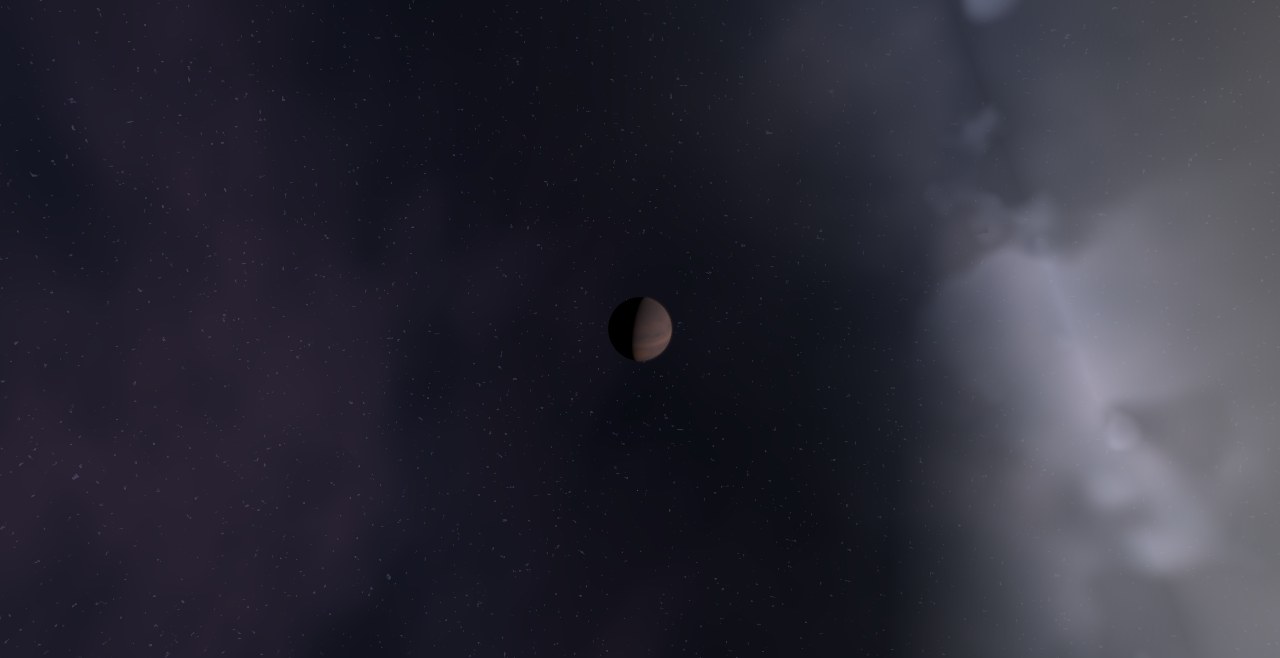
Kepler-424, a Sun-like G-type star of 1.01 solar masses, and Kepler-424 b, a 1.03-Jupiter-mass companion, with an orbital period of 3.3 days, at 0.044 AU from its star.
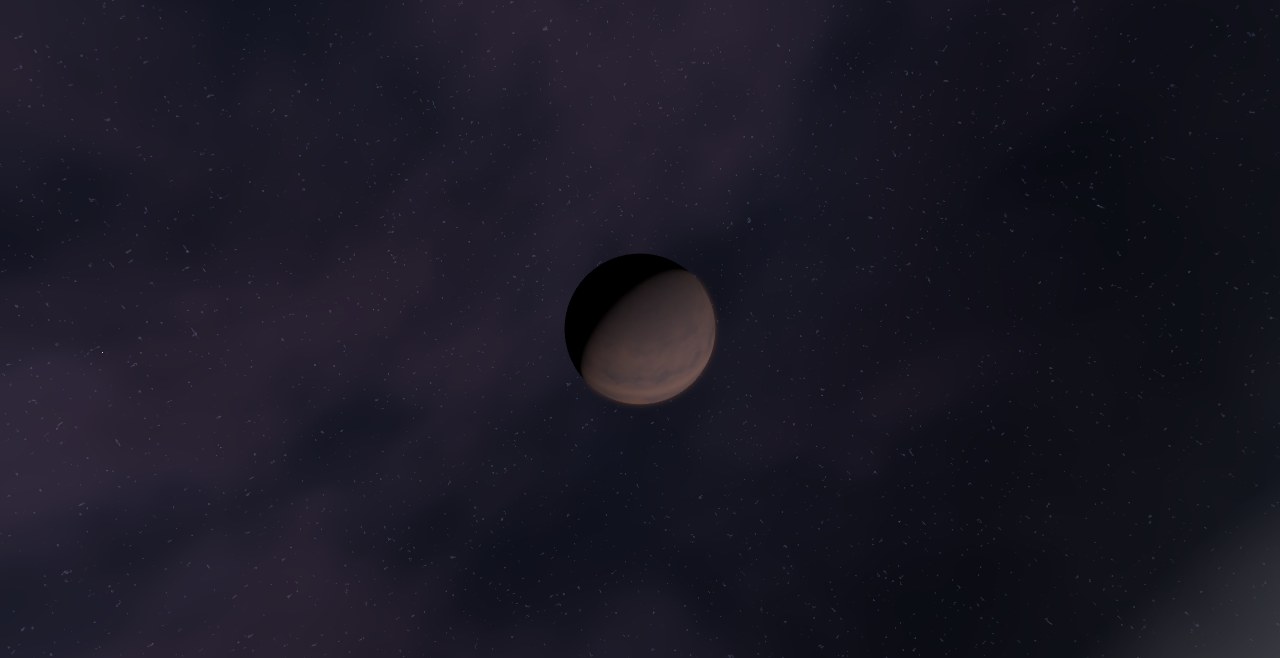
Kepler-425, an orange K-type dwarf of 0.93 solar masses, and Kepler-425 b, a 0.25-Jupiter-mass companion, with an orbital period of 3.8 days, at 0.046 AU from its star, and an equilibrium temperature near.
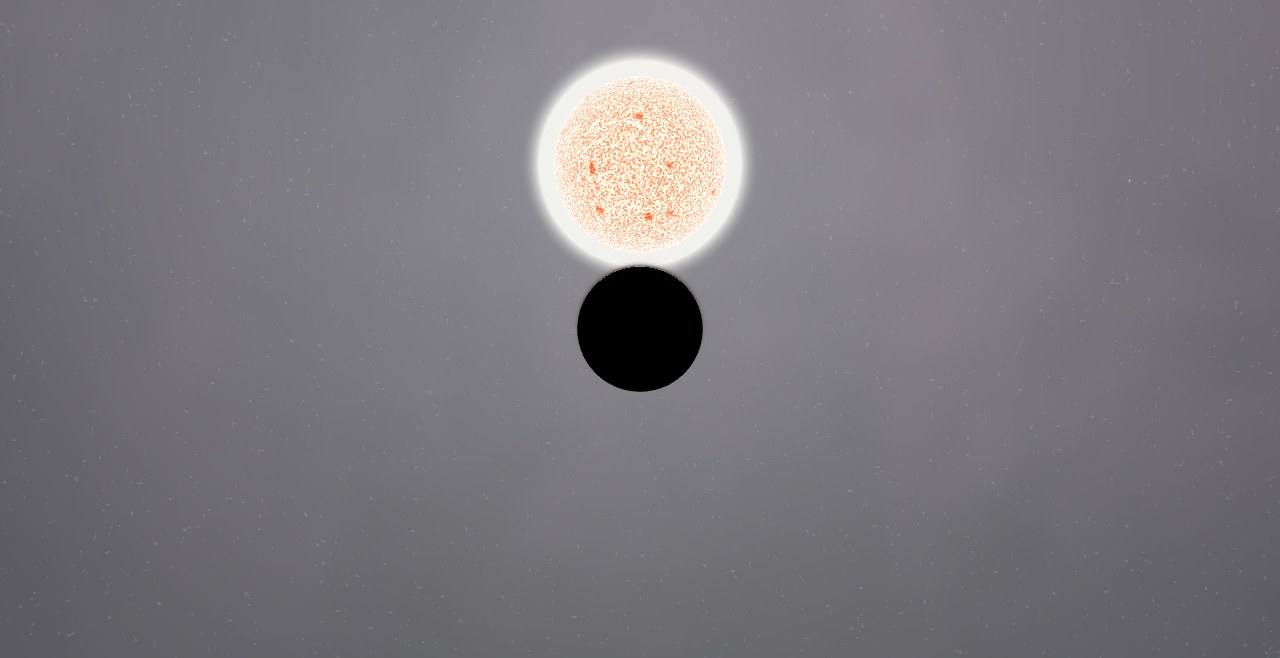
Kepler-426, a Sun-like G-type star of 0.91 solar masses, and Kepler-426 b, a 0.34-Jupiter-mass companion, with an orbital period of 3.2 days, at 0.041 AU from its star, and an equilibrium temperature near.
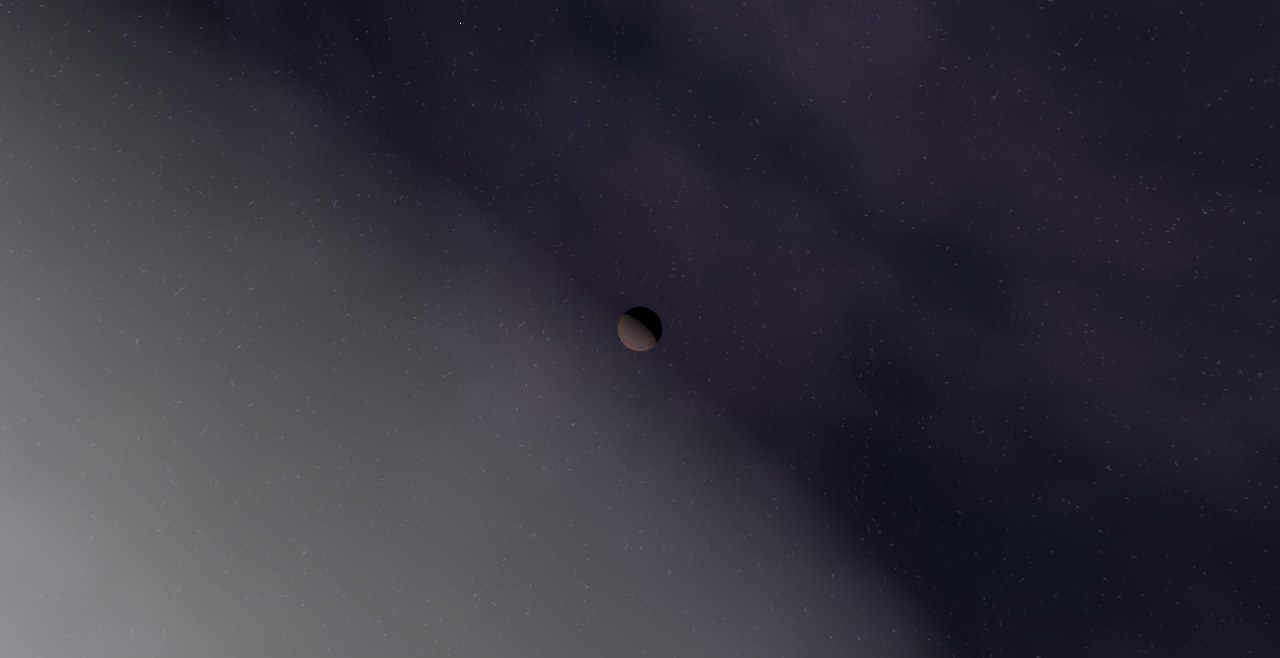
Kepler-427, a Sun-like G-type star of 0.96 solar masses, and Kepler-427 b, a 0.29-Jupiter-mass companion, with an orbital period of 10.3 days, at 0.091 AU from its star, and an equilibrium temperature near.