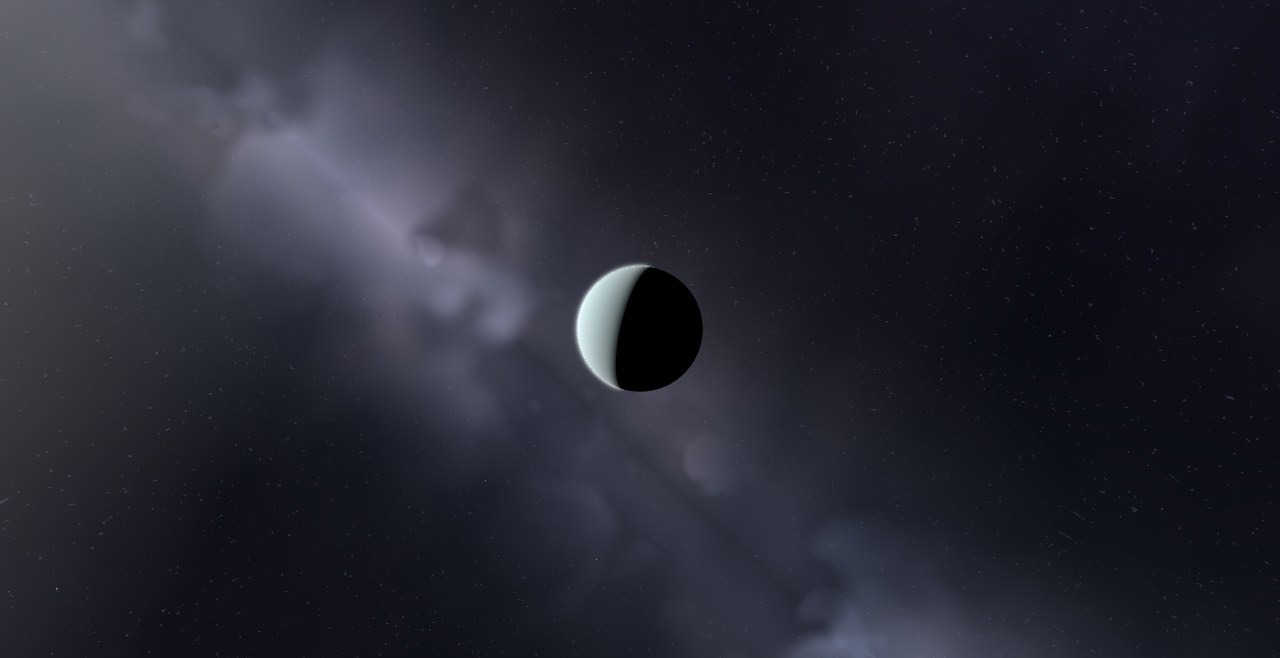
Kepler-219 - System
Kepler-219, a Sun-like G-type star of 1.16 solar masses, and Kepler-219 b, a planet with 3.0 Earth radii, with an orbital period of 4.6 days, at 0.057 AU from its star.
Exoplanets
Model multi-planet architectures to see how three competing gravitational forces pull on each other over millions of simulation years.
Share
Kepler-219, a Sun-like G-type star of 1.16 solar masses, and Kepler-219 b, a planet with 3.0 Earth radii, with an orbital period of 4.6 days, at 0.057 AU from its star.
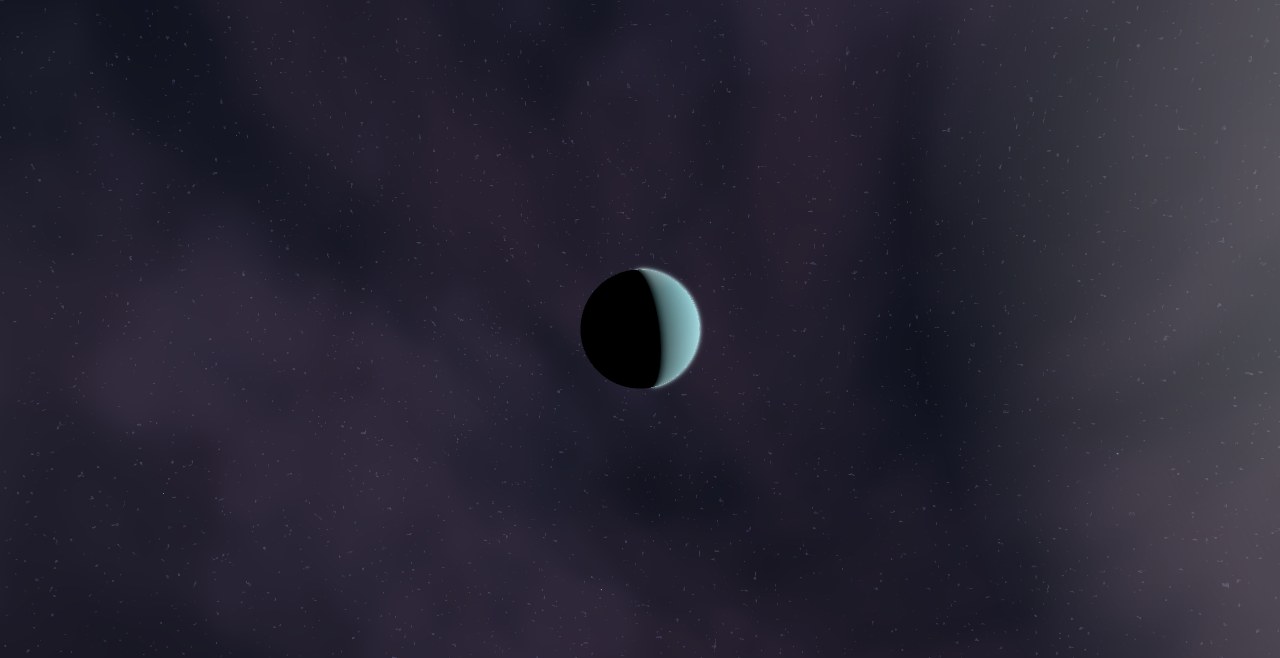
Kepler-222, a Sun-like G-type star of 0.93 solar masses, and Kepler-222 b, a planet with 3.2 Earth radii, with an orbital period of 3.9 days, at 0.048 AU from its star.
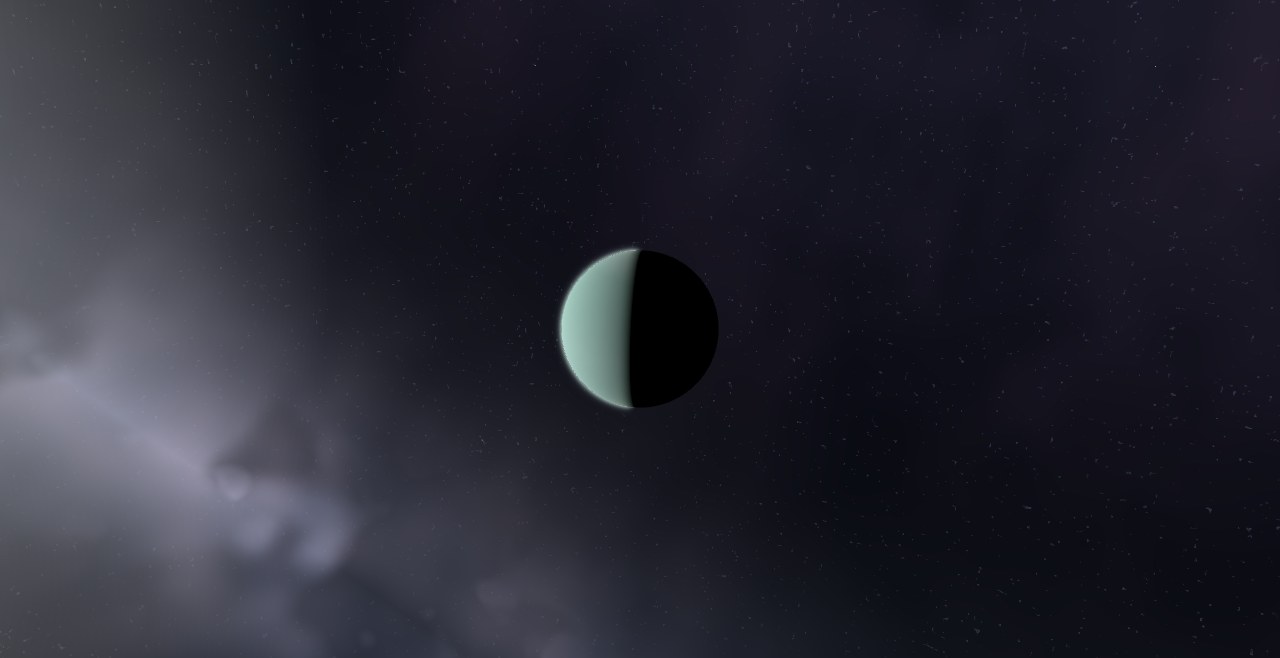
Kepler-226, a Sun-like G-type star of 0.90 solar masses, and Kepler-226 b, a planet with 1.6 Earth radii, with an orbital period of 3.9 days, at 0.047 AU from its star.
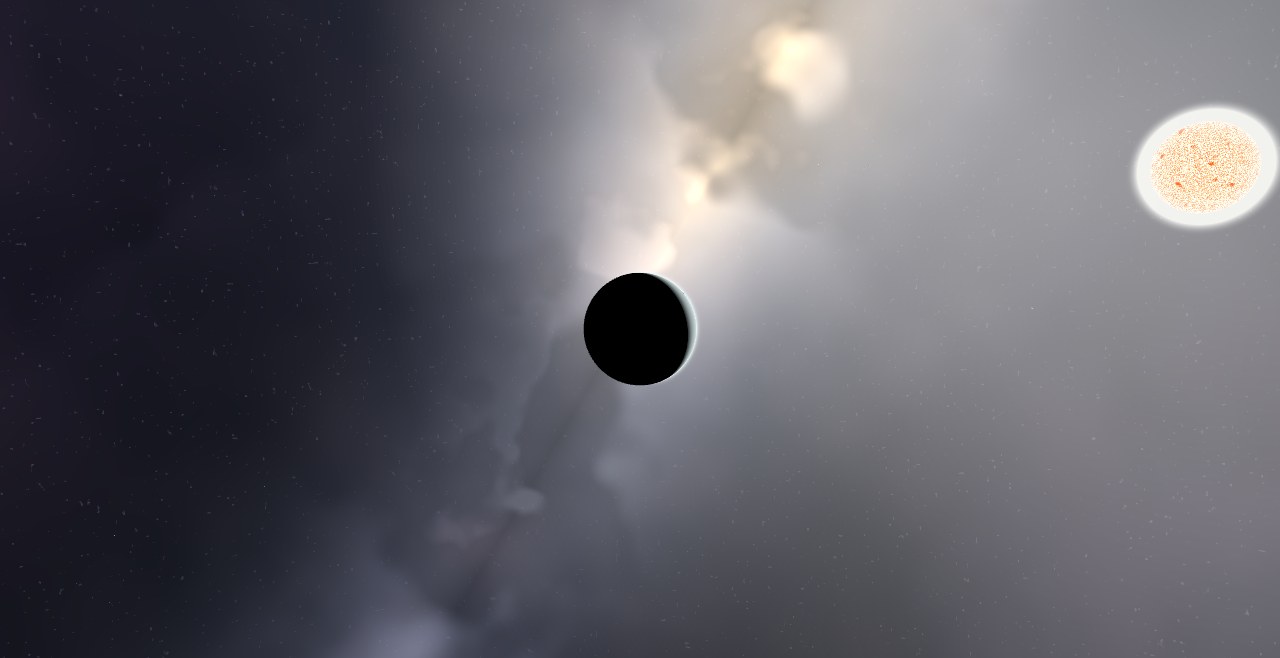
Kepler-228, a Sun-like F-type star of 1.01 solar masses, and Kepler-228 b, a planet with 1.5 Earth radii, with an orbital period of 2.6 days, at 0.038 AU from its star.
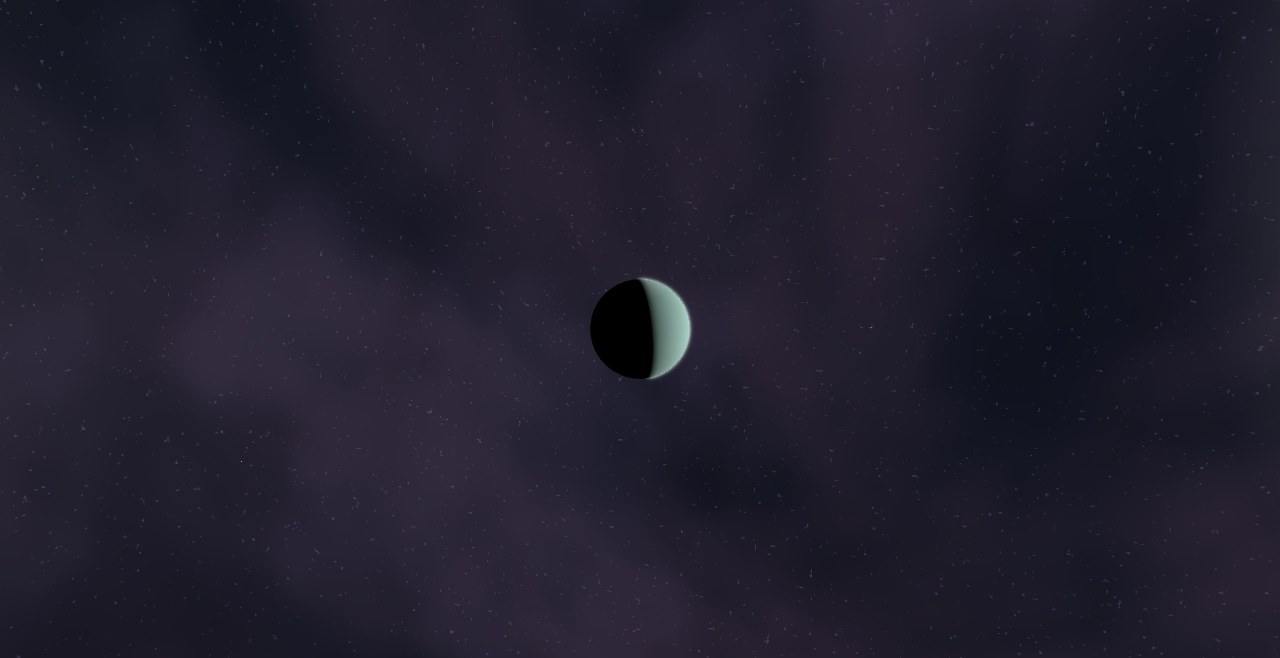
Kepler-229, an orange K-type dwarf of 0.81 solar masses, and Kepler-229 b, a planet with 2.2 Earth radii, with an orbital period of 6.3 days, at 0.062 AU from its star.
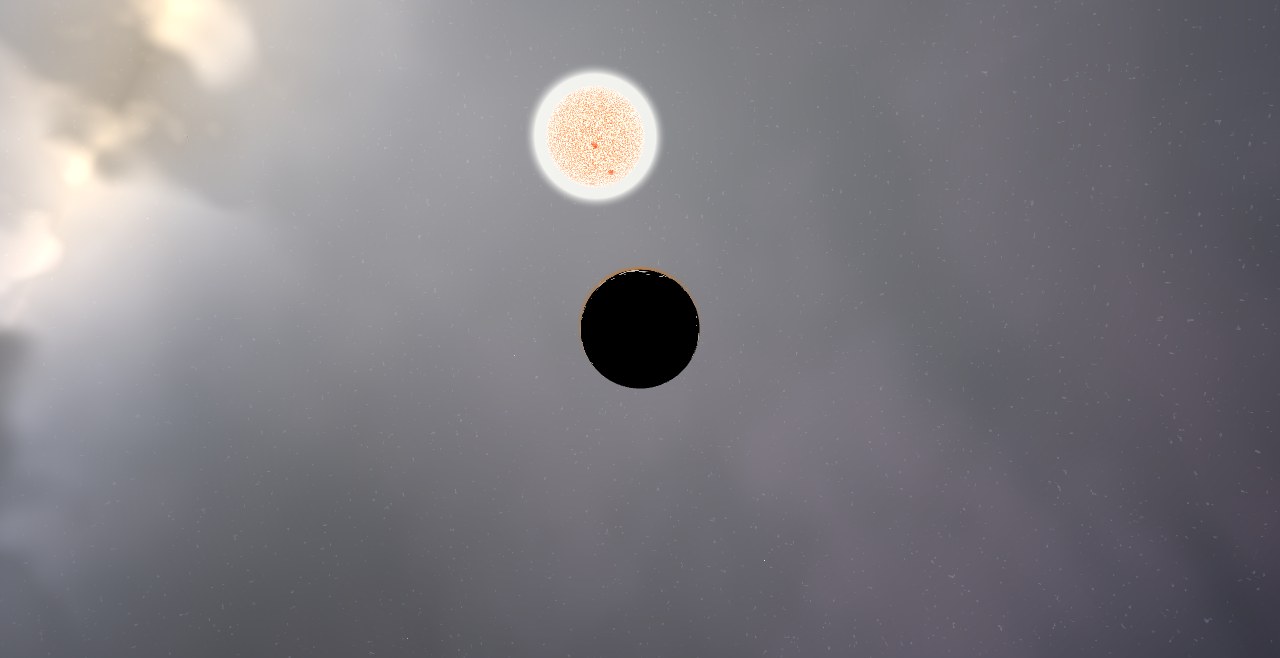
Kepler-23, a Sun-like G-type star of 1.08 solar masses, and Kepler-23 b, a 2.6-Earth-mass planet, with an orbital period of 7.1 days.
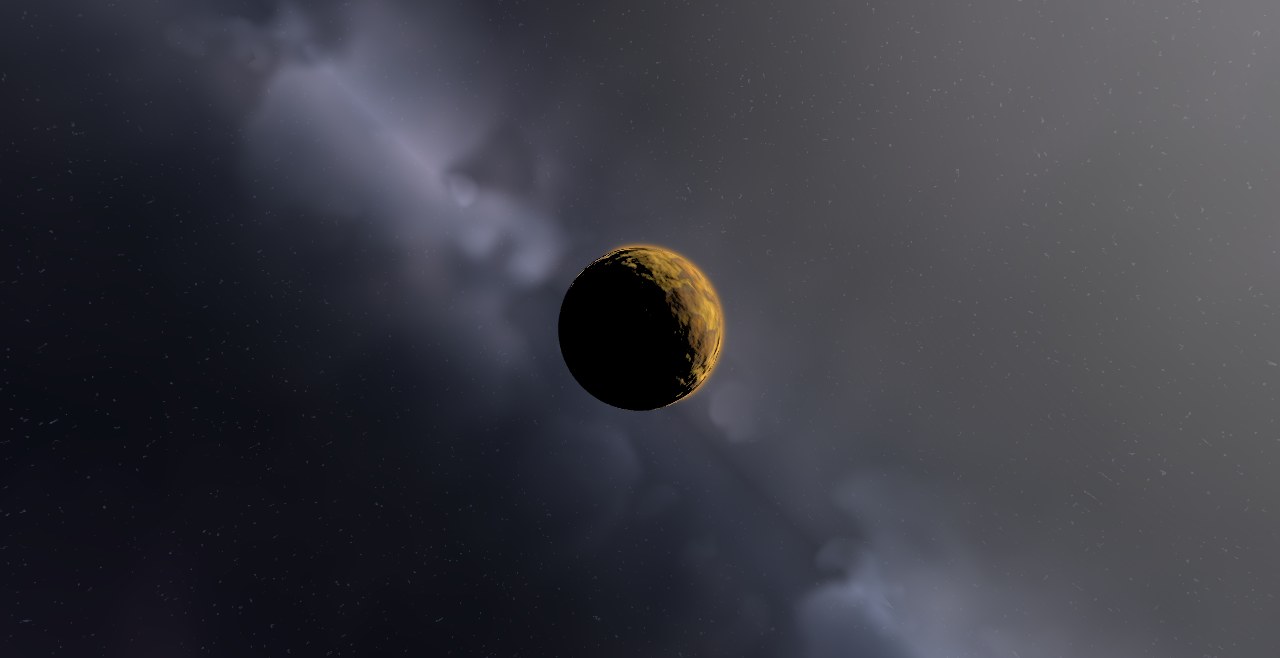
Kepler-244, a Sun-like G-type star of 0.93 solar masses, and Kepler-244 b, a planet with 2.8 Earth radii, with an orbital period of 4.3 days, at 0.050 AU from its star.
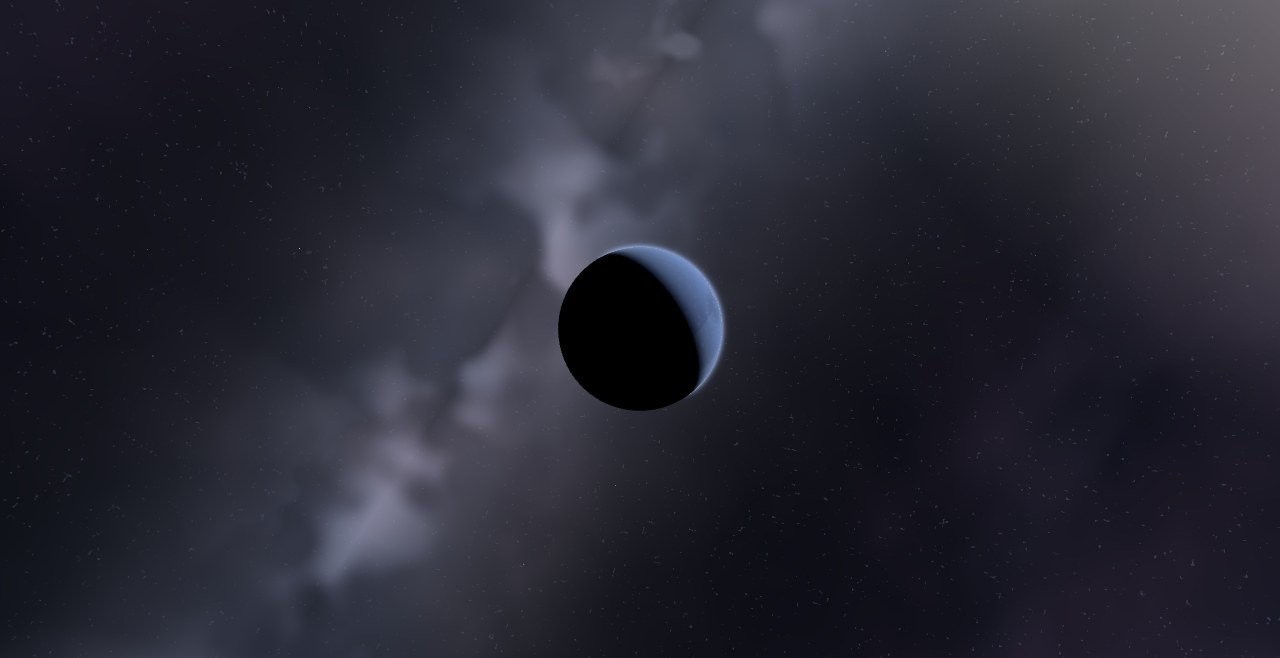
Kepler-247, an orange K-type dwarf of 0.88 solar masses, and Kepler-247 b, a planet with 1.6 Earth radii, with an orbital period of 3.3 days, at 0.042 AU from its star.
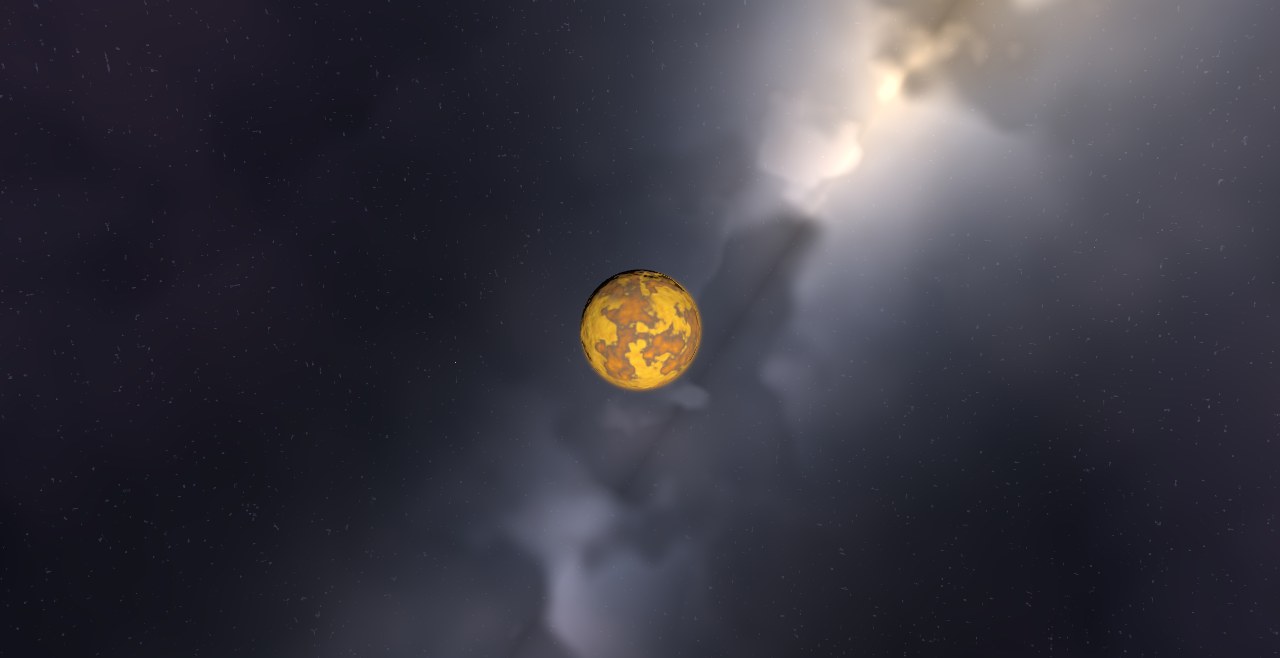
Kepler-249, a cool M-dwarf of 0.51 solar masses, and Kepler-249 b, a planet with 1.1 Earth radii, with an orbital period of 3.3 days, at 0.035 AU from its star.
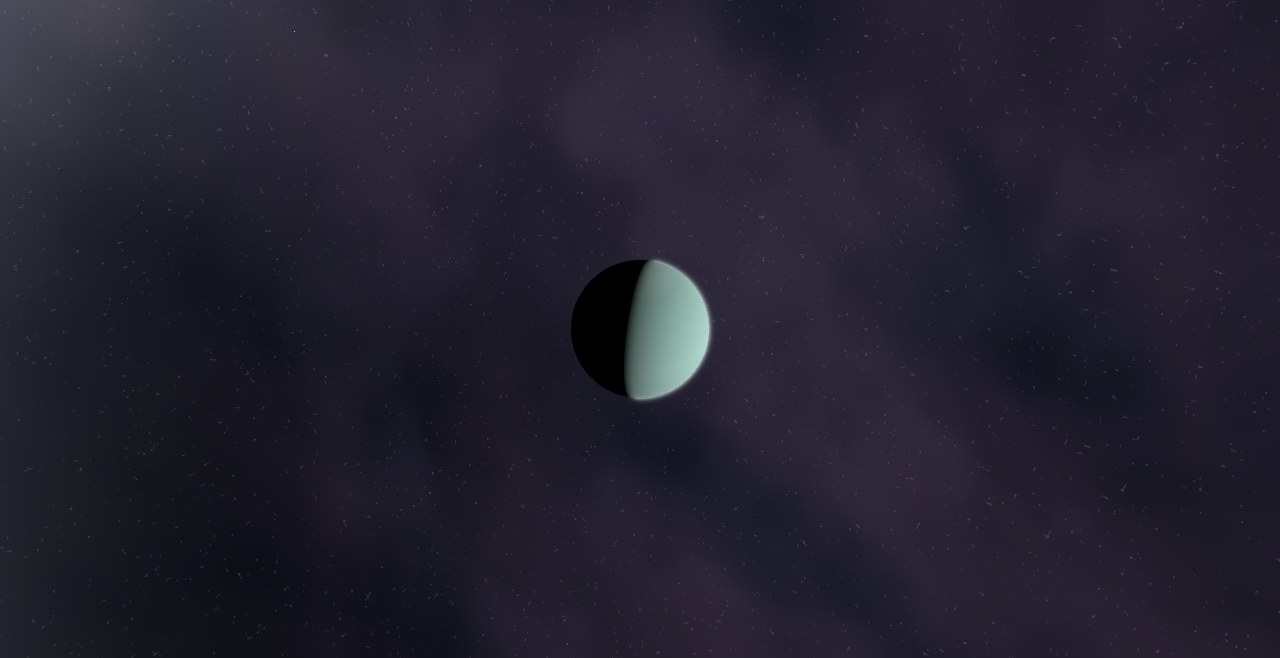
Kepler-25, a Sun-like F-type star of 1.17 solar masses, and Kepler-25 b, a 8.7-Earth-mass planet, with an orbital period of 6.2 days.
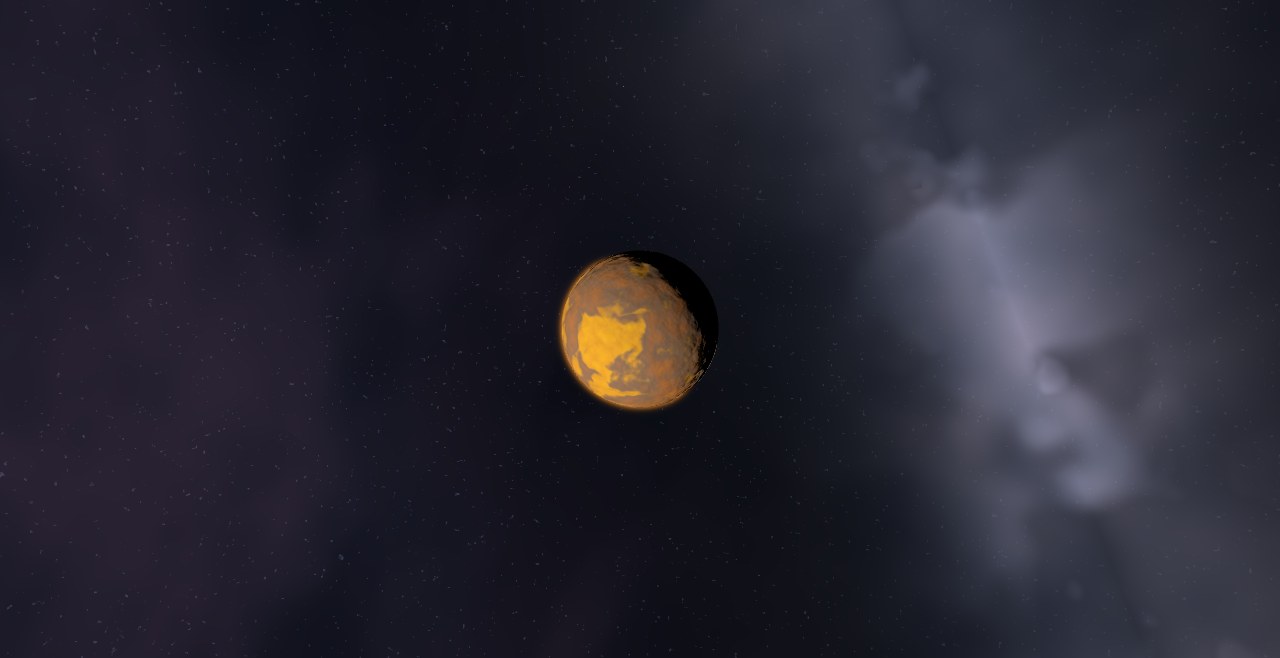
Kepler-250, an orange K-type dwarf of 0.81 solar masses, and Kepler-250 b, a planet with 1.1 Earth radii, with an orbital period of 4.1 days, at 0.048 AU from its star.
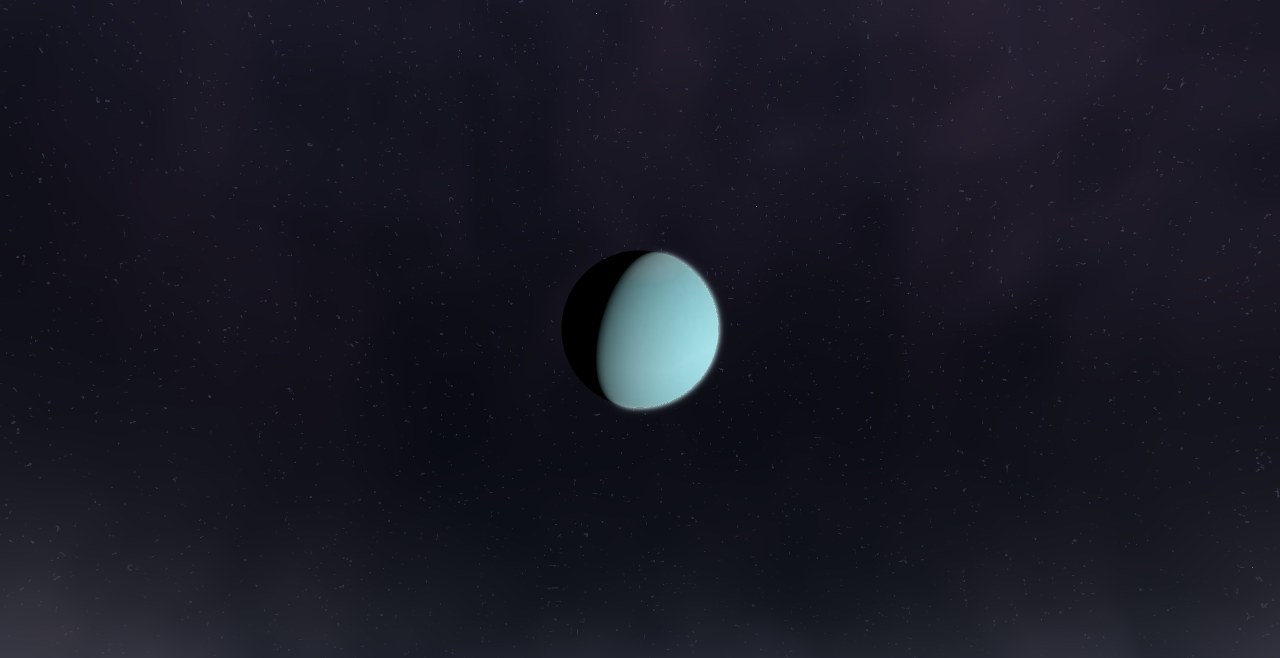
Kepler-253, a Sun-like G-type star of 0.86 solar masses, and Kepler-253 b, a planet with 1.6 Earth radii, with an orbital period of 3.8 days, at 0.046 AU from its star.
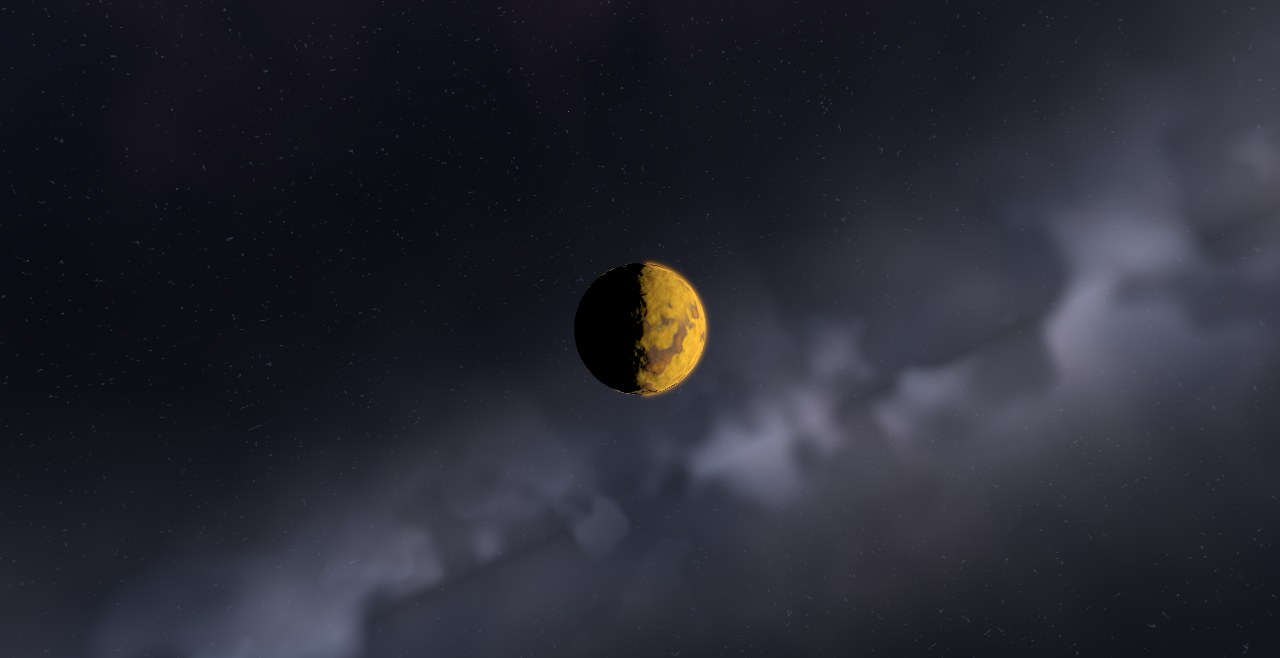
Kepler-254, a Sun-like G-type star of 0.85 solar masses, and Kepler-254 b, a planet with 3.9 Earth radii, with an orbital period of 5.8 days, at 0.064 AU from its star.
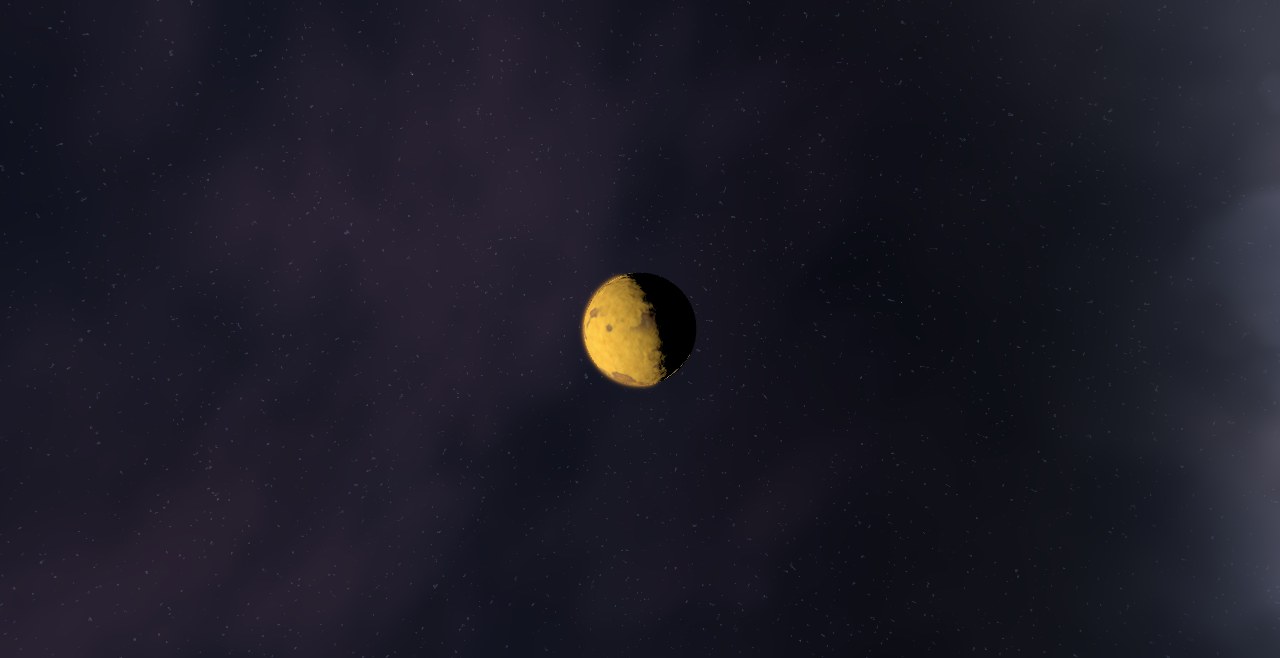
Kepler-255, a Sun-like G-type star of 0.90 solar masses, and Kepler-255 b, a planet with 1.6 Earth radii, with an orbital period of 5.7 days, at 0.063 AU from its star.
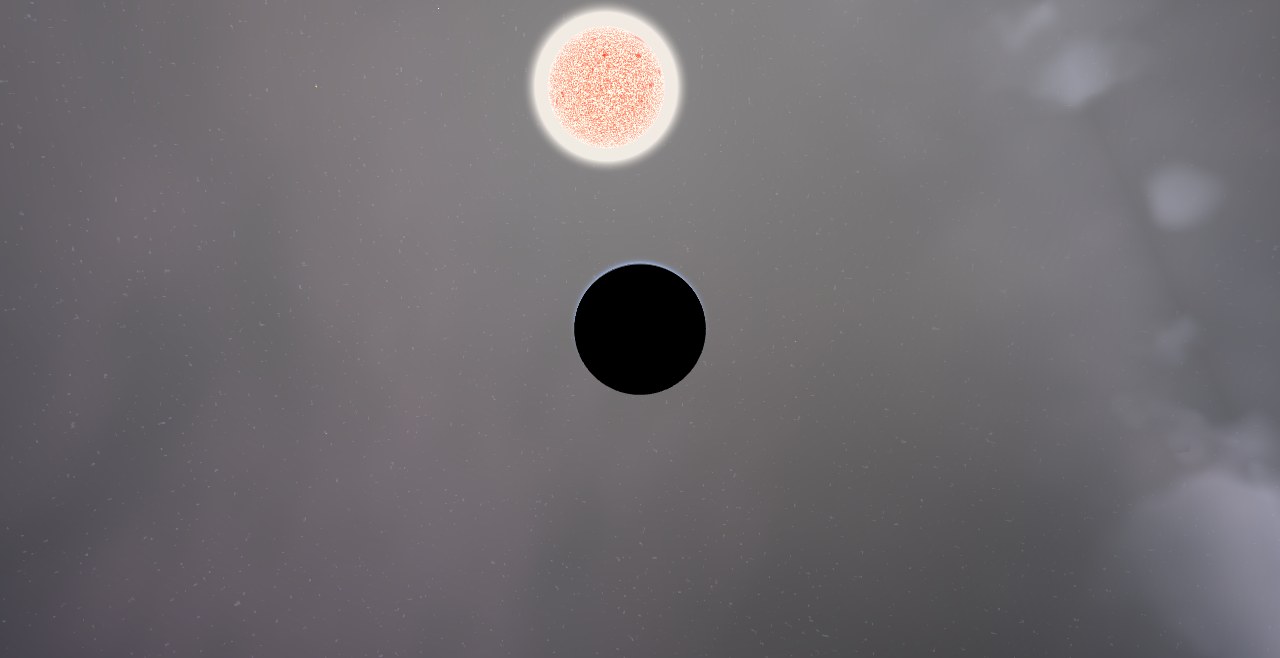
Kepler-257, an orange K-type dwarf of 0.92 solar masses, and Kepler-257 b, a planet with 2.6 Earth radii, with an orbital period of 2.4 days, at 0.034 AU from its star.
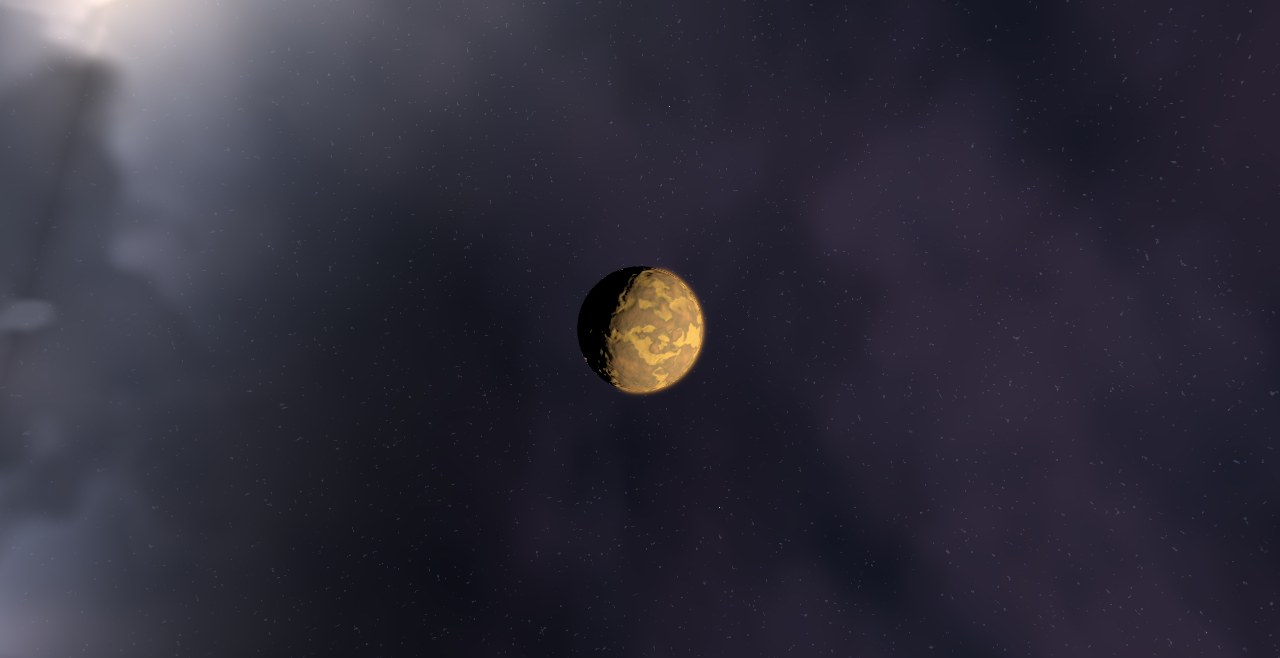
Kepler-267, an orange K-type dwarf of 0.54 solar masses, and Kepler-267 b, a planet with 2.0 Earth radii, with an orbital period of 3.4 days, at 0.037 AU from its star.
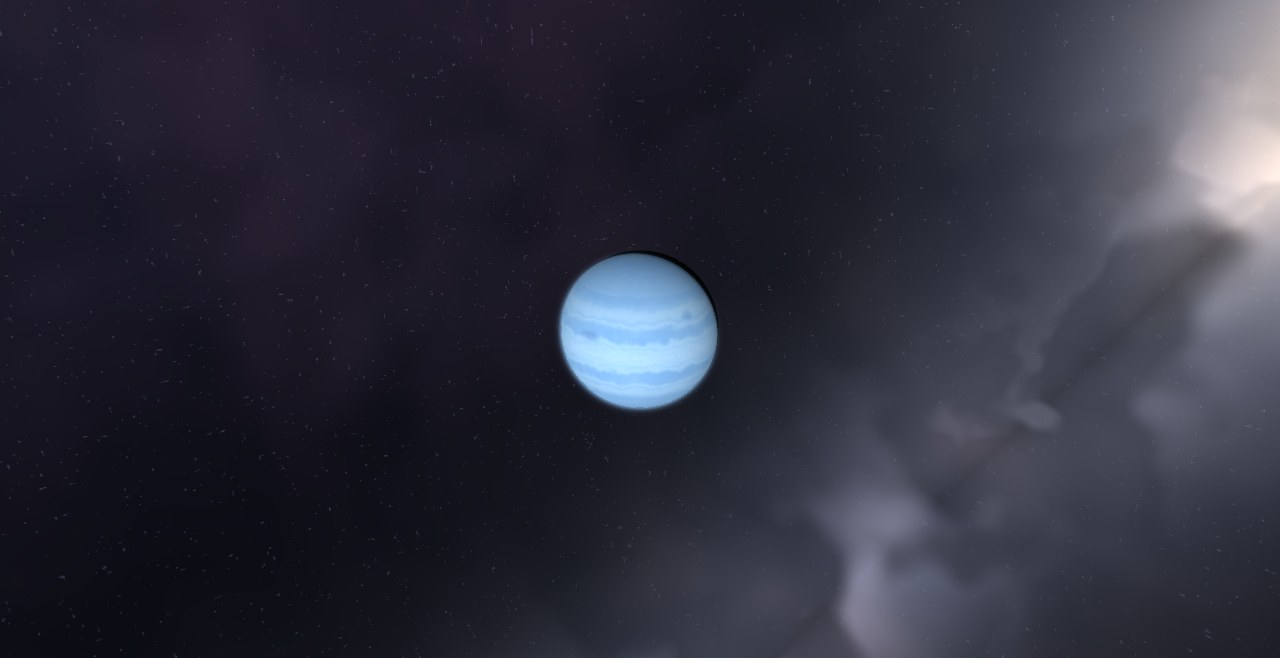
Kepler-27, a Sun-like G-type star of 0.65 solar masses, and Kepler-27 b, a 9.11-Jupiter-mass companion, with an orbital period of 15.3 days, at 0.118 AU from its star.
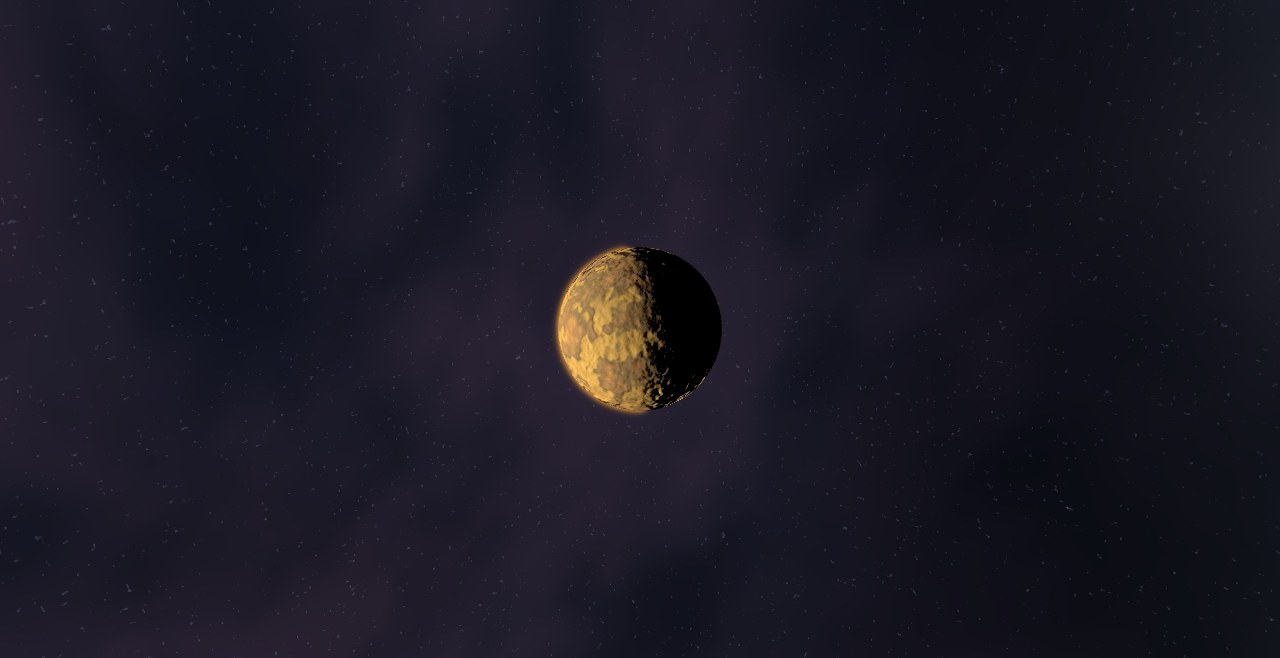
Kepler-271, a Sun-like G-type star of 0.90 solar masses, and Kepler-271 d, a planet with 0.7 Earth radii, with an orbital period of 5.2 days.