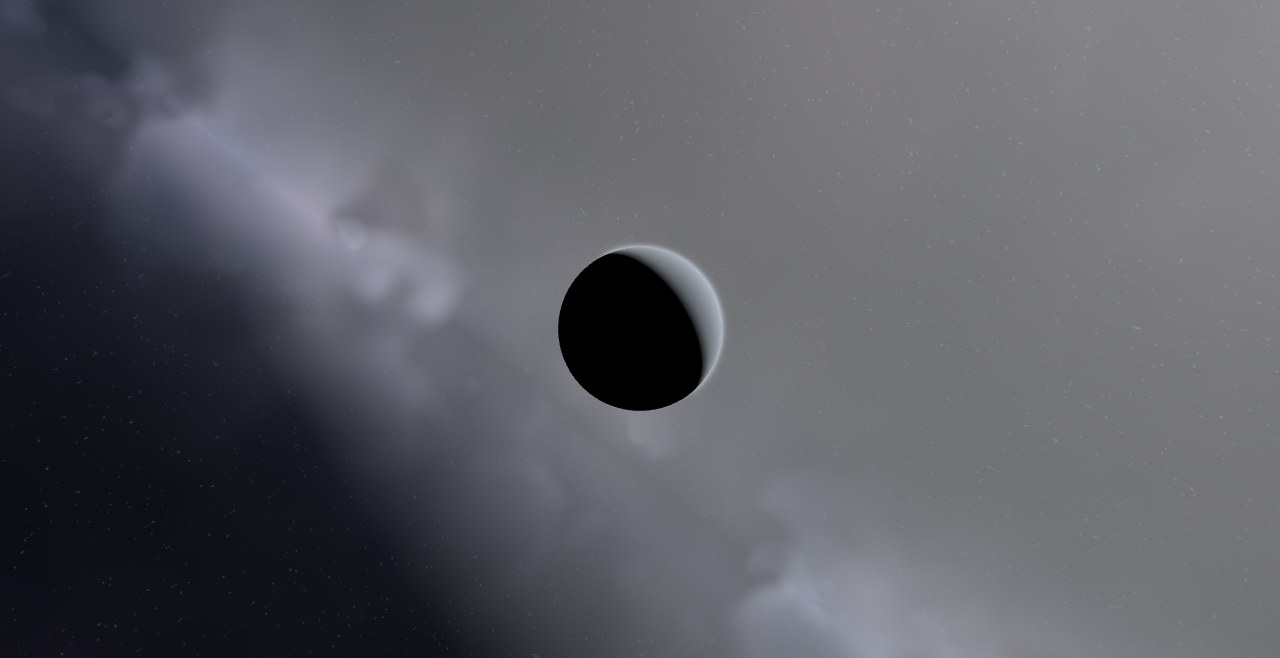
K2-100 - System
K2-100, a Sun-like G-type star of 1.15 solar masses, and K2-100 b, a 0.07-Jupiter-mass companion, with an orbital period of 1.7 days, at 0.030 AU from its star, and an equilibrium temperature near 1,841 K.
3D Space and Gravity Simulator. Simulate the solar system, exoplanets and even colliding galaxies. Add, delete and modify planets, and change the laws of physics.
Share
K2-100, a Sun-like G-type star of 1.15 solar masses, and K2-100 b, a 0.07-Jupiter-mass companion, with an orbital period of 1.7 days, at 0.030 AU from its star, and an equilibrium temperature near 1,841 K.
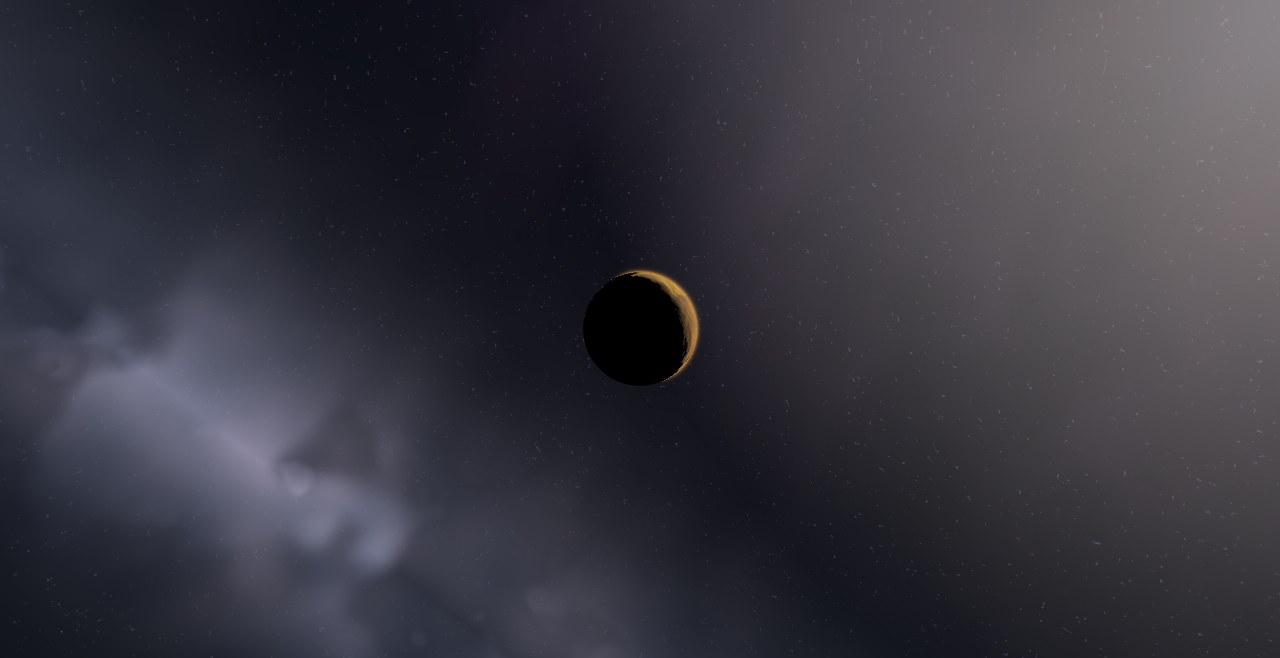
K2-101, an orange K-type dwarf of 0.82 solar masses, and K2-101 b, a planet with 2.0 Earth radii, with an orbital period of 14.7 days, at 0.112 AU from its star, and an equilibrium temperature near 618 K.
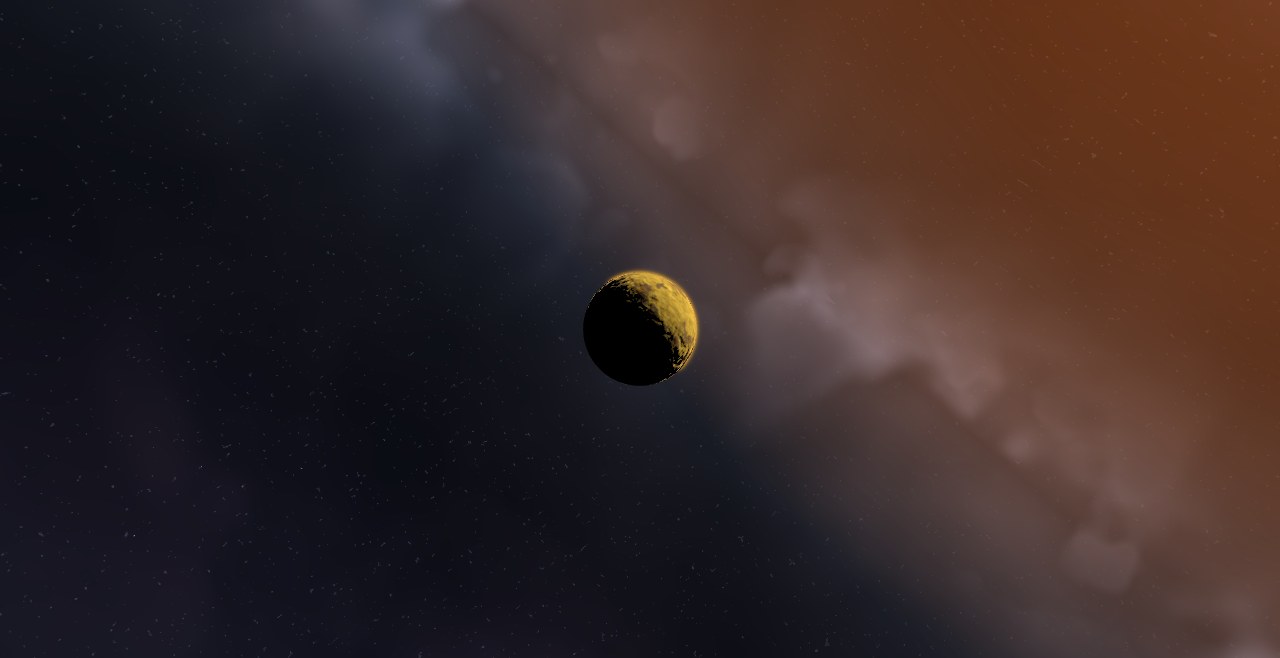
K2-104, an orange K-type dwarf of 0.51 solar masses, and K2-104 b, a planet with 1.8 Earth radii, with an orbital period of 2.0 days, at 0.024 AU from its star, and an equilibrium temperature near 798 K.
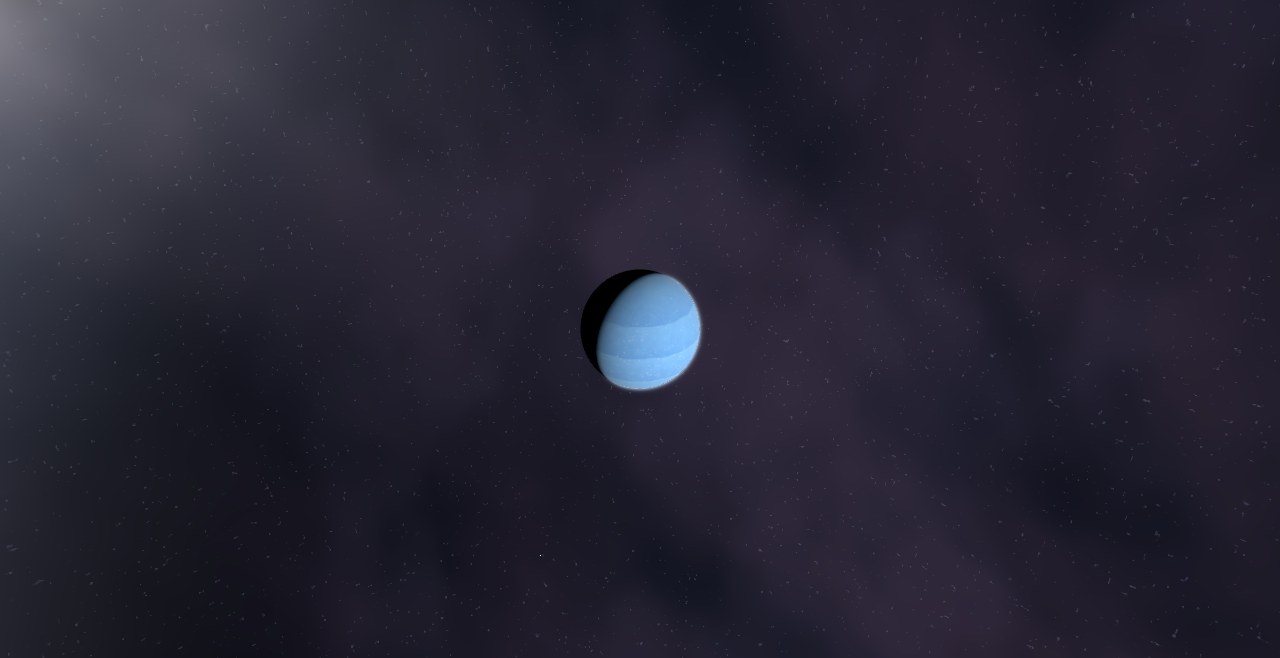
K2-105, a Sun-like G-type star of 0.94 solar masses, and K2-105 b, a 15.4-Earth-mass planet, with an orbital period of 8.3 days, and an equilibrium temperature near 805 K.
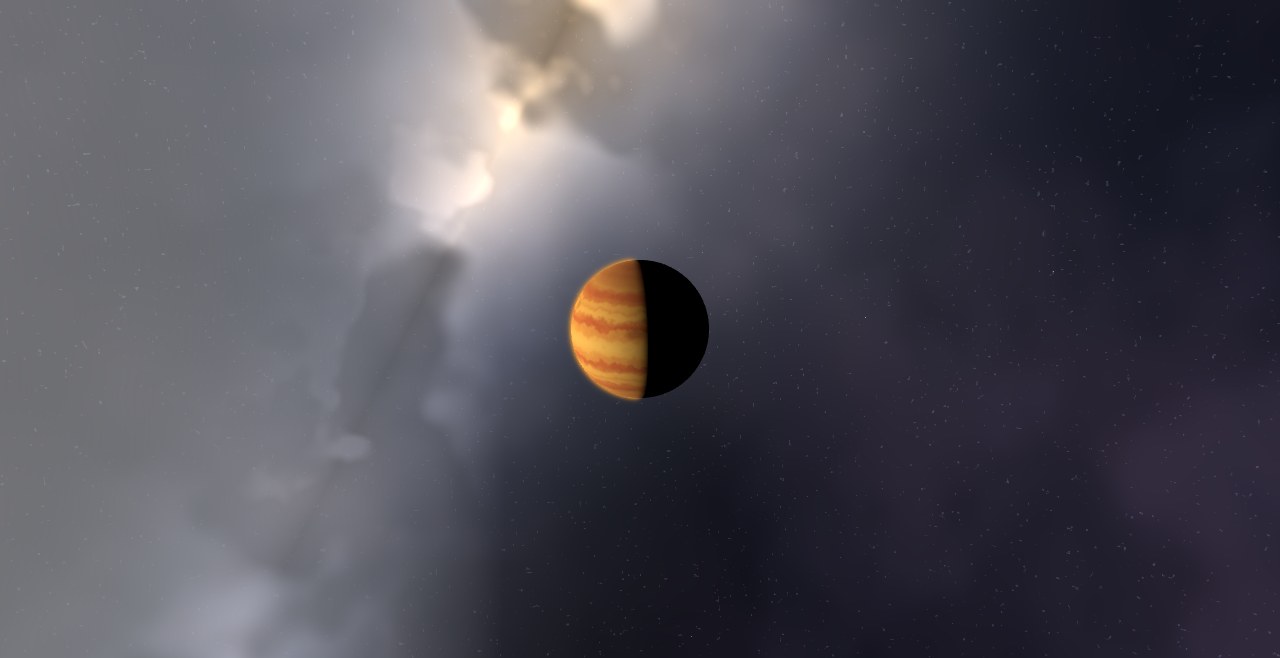
K2-107, a Sun-like F-type star of 1.30 solar masses, and K2-107 b, a planet with 16.0 Earth radii, with an orbital period of 3.3 days, at 0.048 AU from its star, and an equilibrium temperature near 1,649 K.
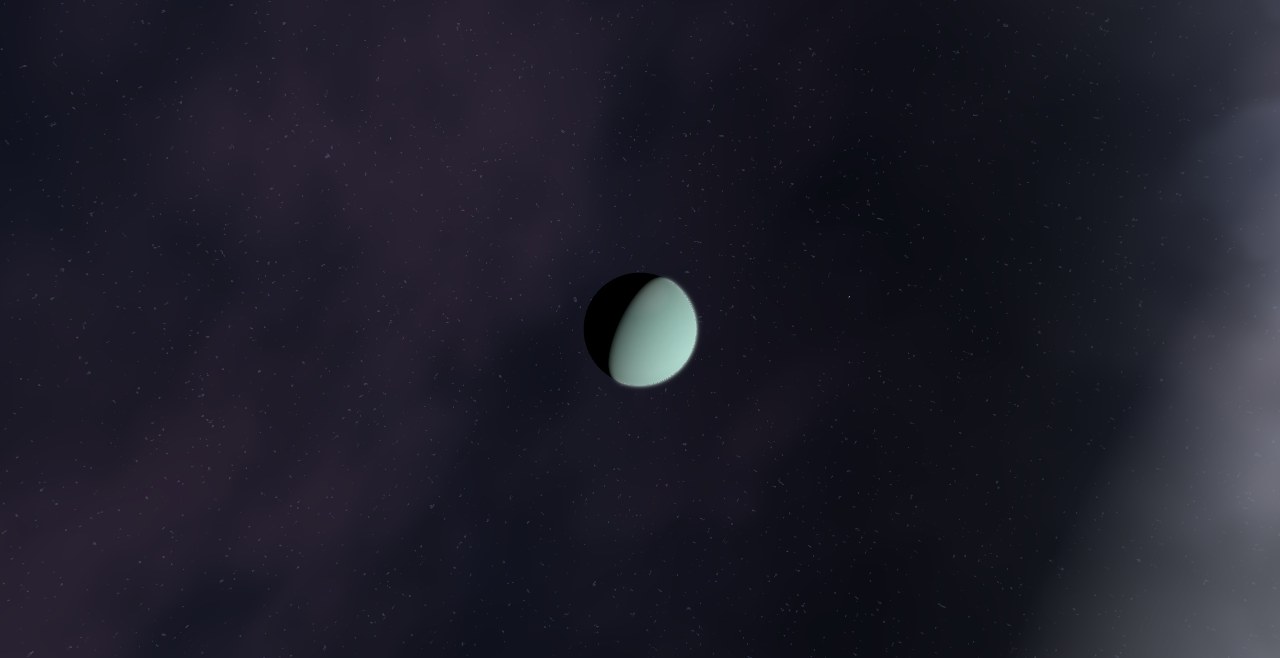
K2-108, a Sun-like G-type star of 1.17 solar masses, and K2-108 b, a planet with 5.3 Earth radii, with an orbital period of 4.7 days, at 0.058 AU from its star, and an equilibrium temperature near 1,360 K.
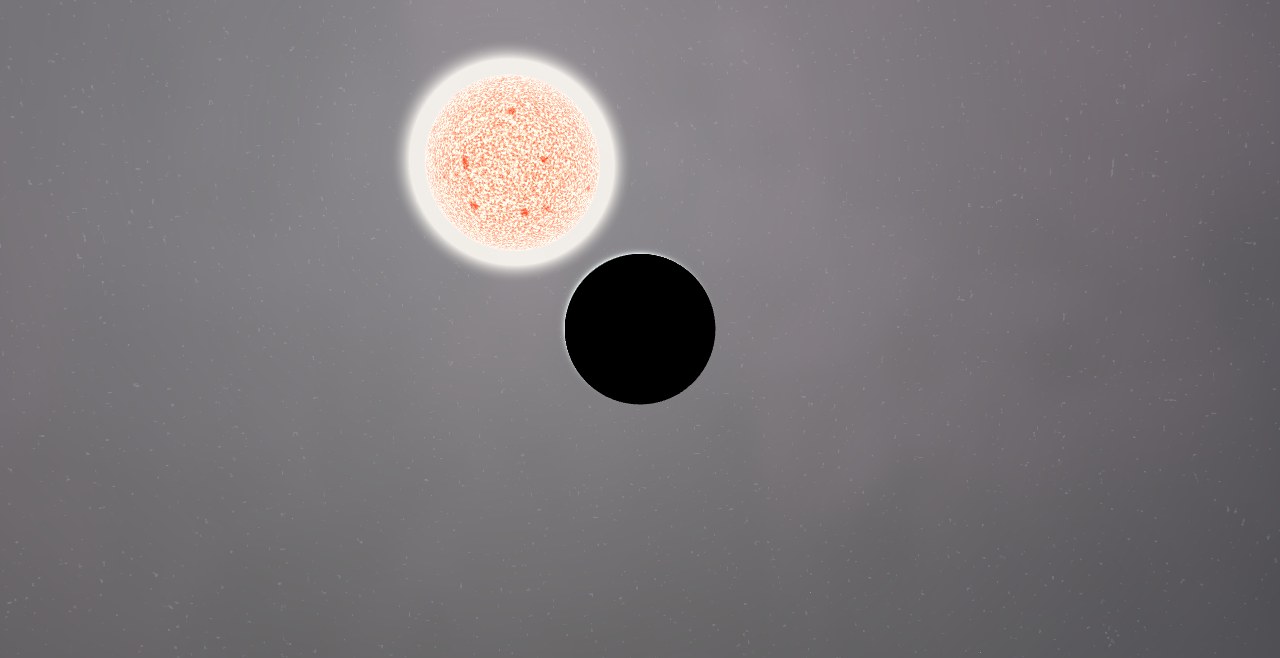
K2-11, a Sun-like G-type star of 1.35 solar masses, and K2-11 b, a planet with 7.5 Earth radii, with an orbital period of 39.9 days, at 0.226 AU from its star, and an equilibrium temperature near 734 K.
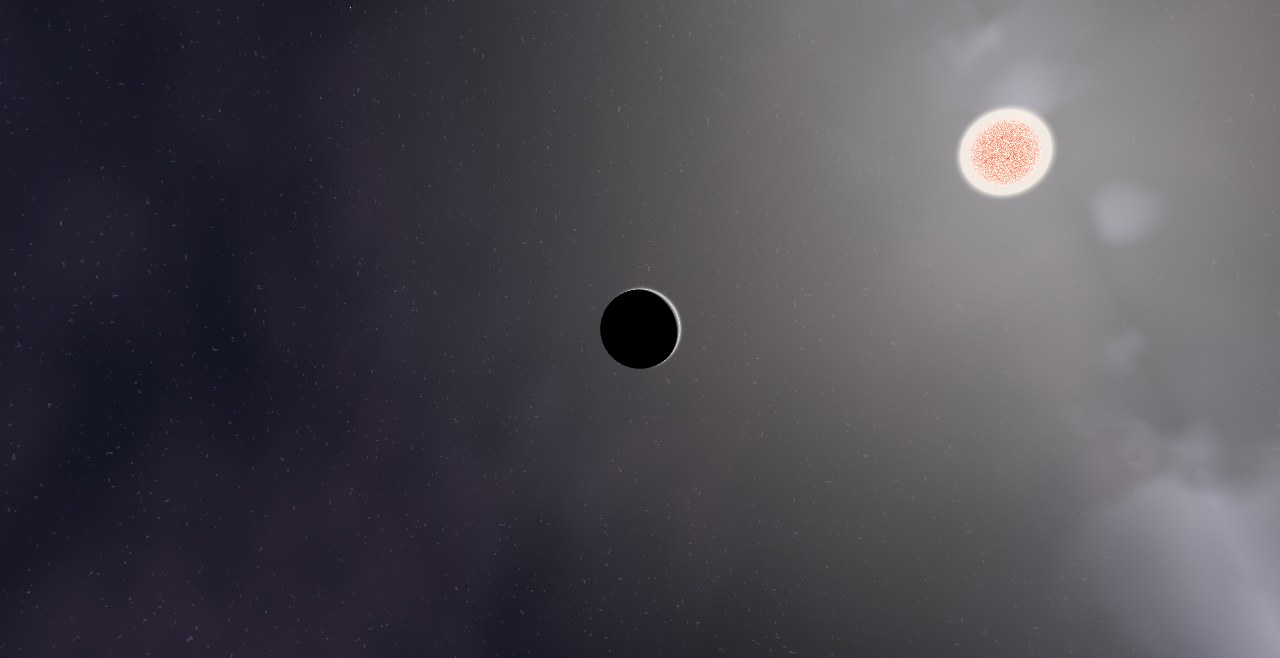
K2-110, an orange K-type dwarf of 0.74 solar masses, and K2-110 b, a 0.05-Jupiter-mass companion, with an orbital period of 13.9 days, at 0.102 AU from its star, and an equilibrium temperature near 638 K.
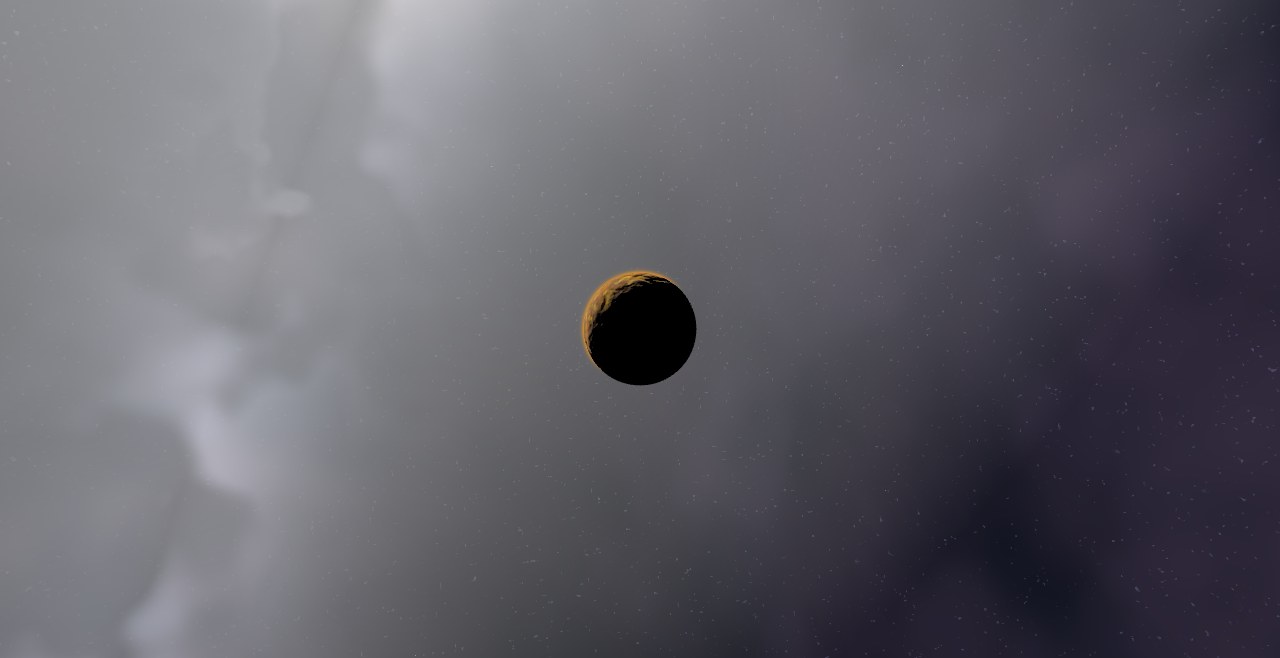
K2-111, a Sun-like G-type star of 0.84 solar masses, and K2-111 b, a 5.3-Earth-mass planet, with an orbital period of 5.4 days, at 0.057 AU from its star, and an equilibrium temperature near 1,293 K.
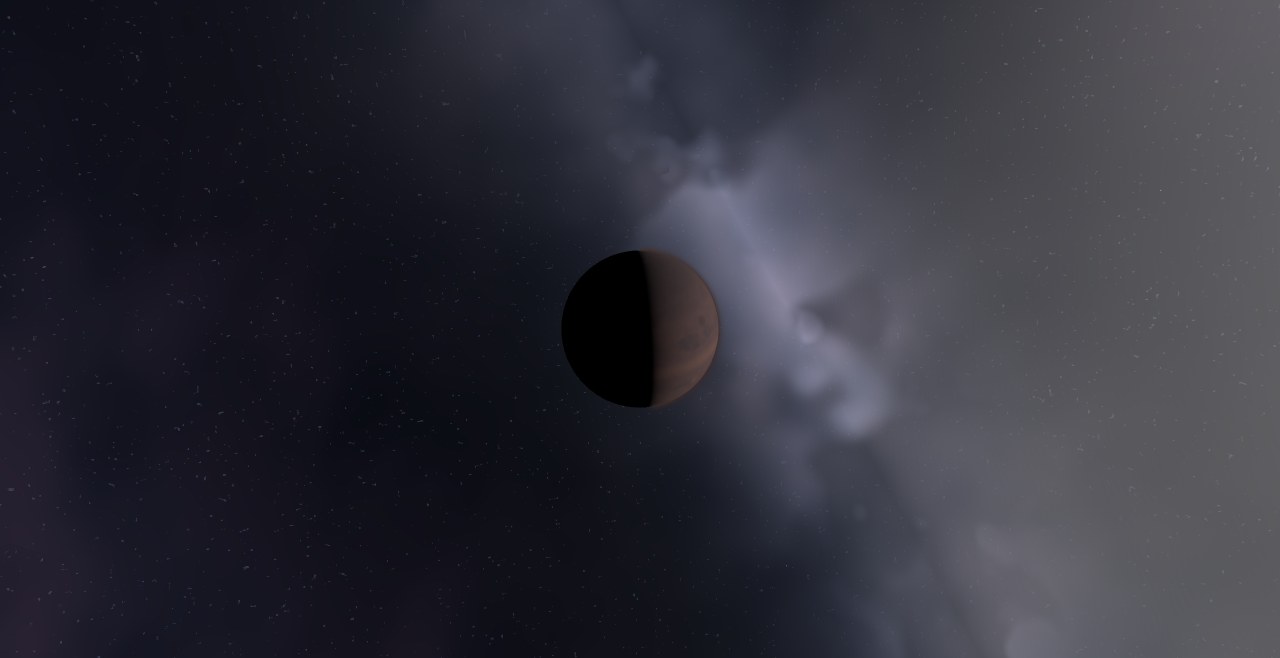
K2-113, a Sun-like G-type star of 1.04 solar masses, and K2-113 b, a planet with 12.1 Earth radii, with an orbital period of 5.8 days, at 0.064 AU from its star, and an equilibrium temperature near 1,098 K.
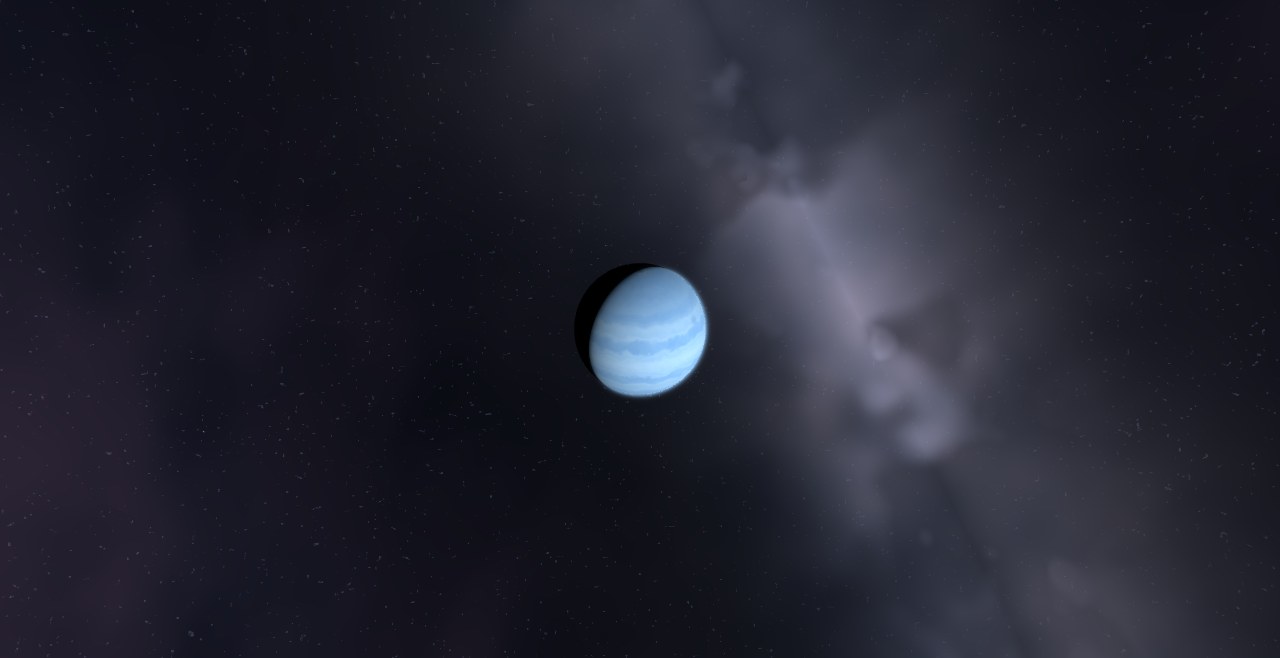
K2-114, an orange K-type dwarf of 0.86 solar masses, and K2-114 b, a 2.01-Jupiter-mass companion, with an orbital period of 11.4 days, at 0.094 AU from its star, and an equilibrium temperature near 701 K.
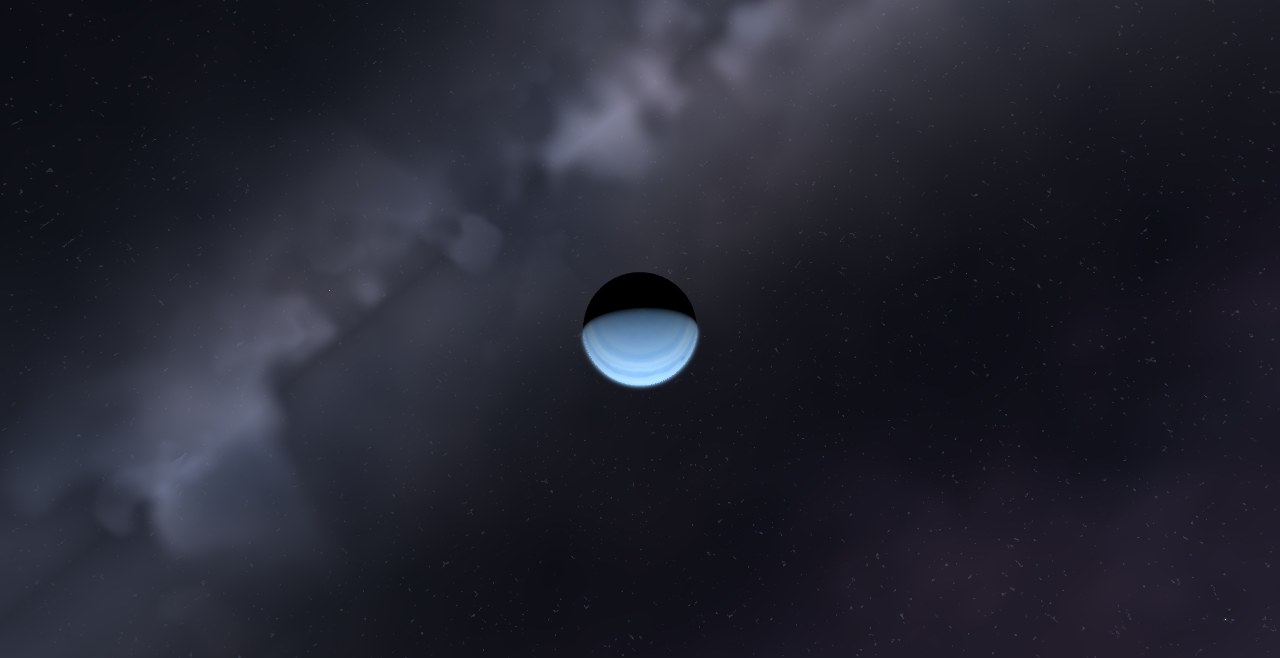
K2-115, a Sun-like G-type star of 0.92 solar masses, and K2-115 b, a 1.01-Jupiter-mass companion, with an orbital period of 20.3 days, at 0.141 AU from its star, and an equilibrium temperature near 696 K.
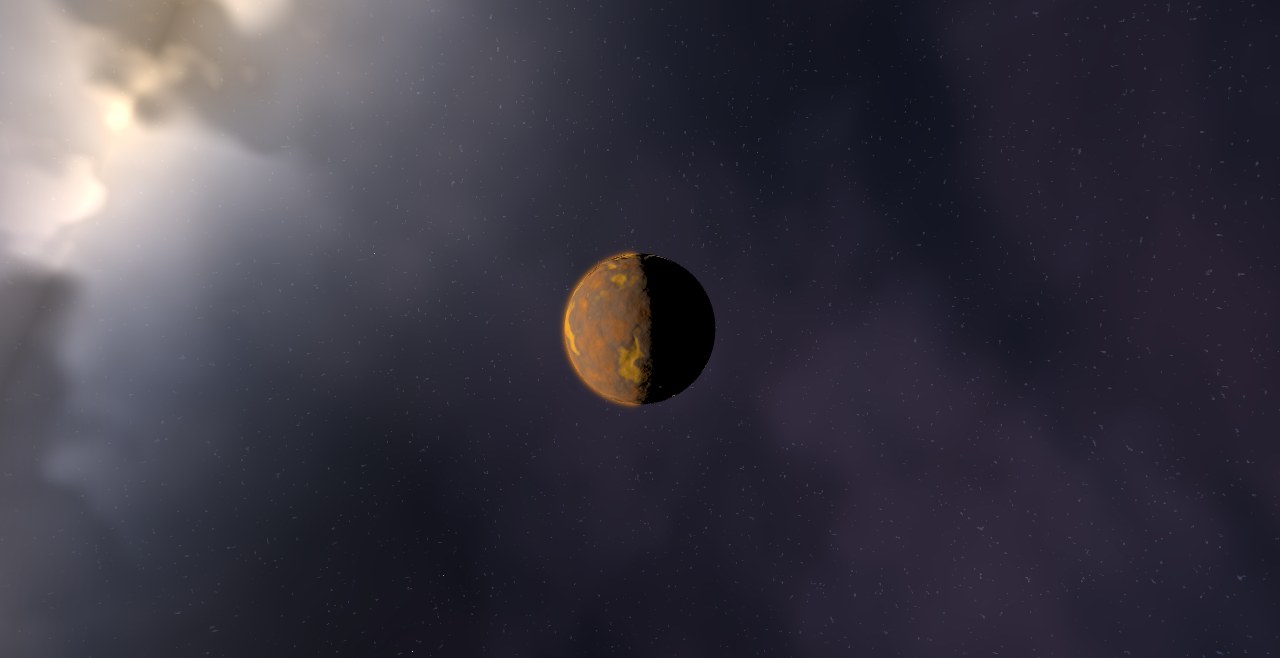
K2-116, an orange K-type dwarf of 0.69 solar masses, and K2-116 b, a planet with 0.7 Earth radii, with an orbital period of 4.7 days, at 0.048 AU from its star, on an eccentric orbit (e ≈ 0.06).
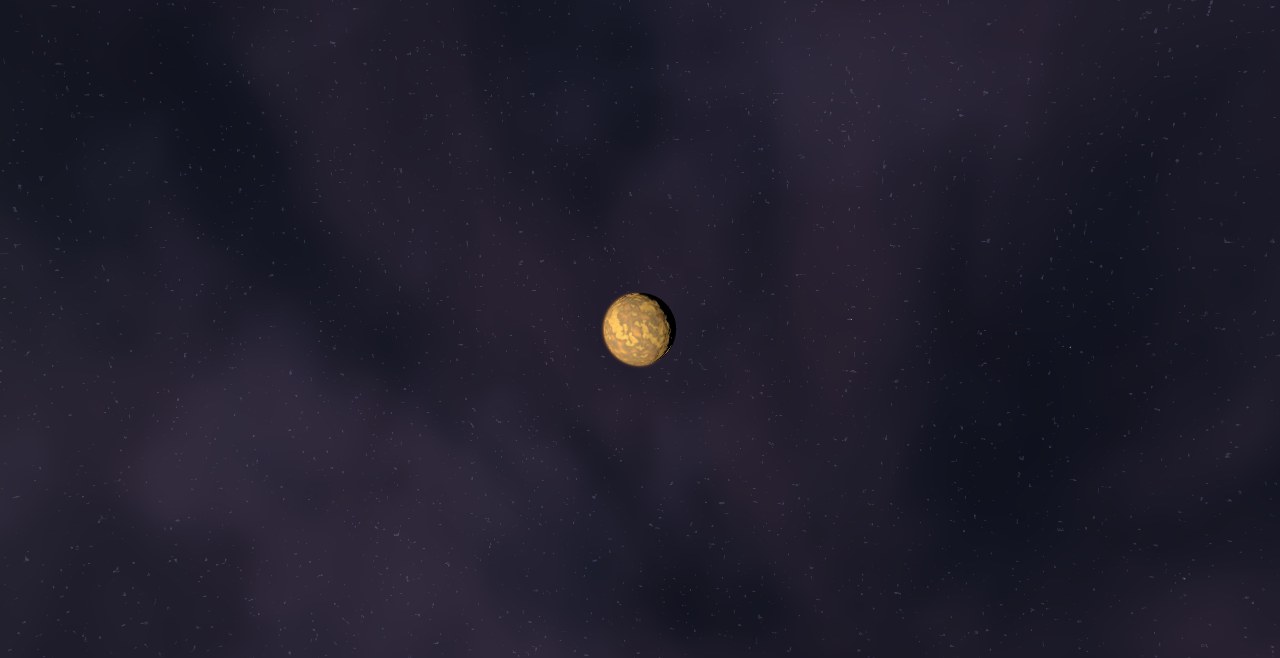
K2-117, an orange K-type dwarf of 0.54 solar masses, and K2-117 b, a planet with 2.0 Earth radii, with an orbital period of 1.3 days, at 0.019 AU from its star, and an equilibrium temperature near 868 K.
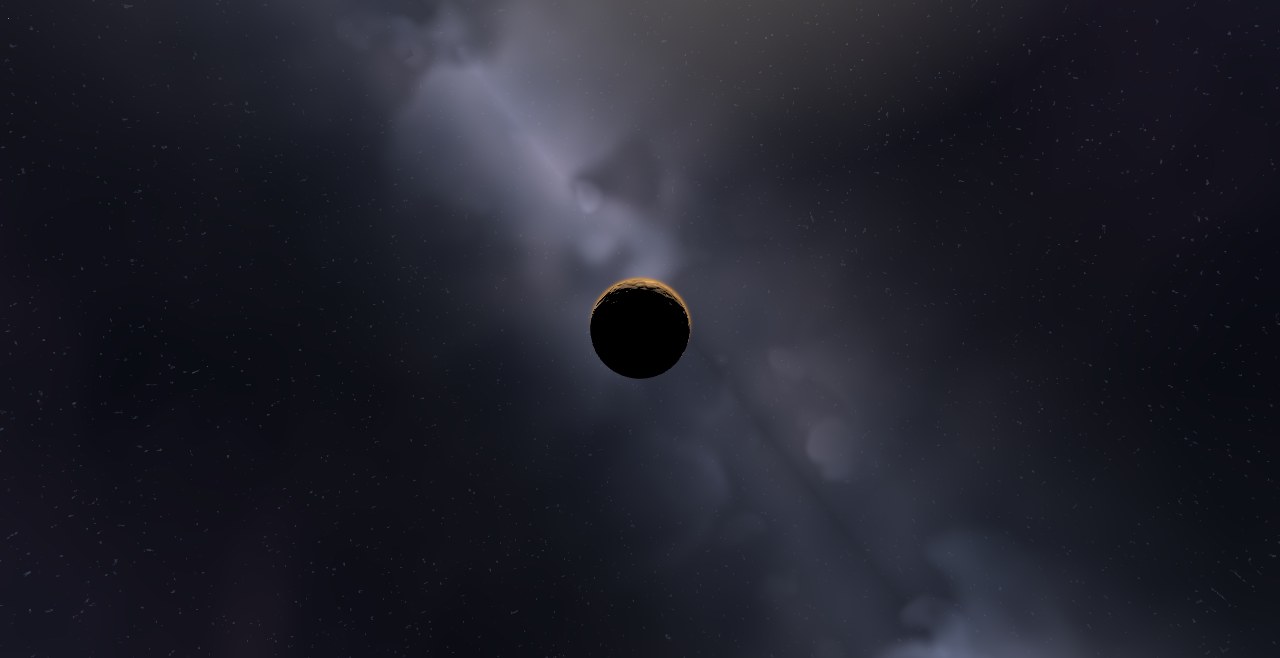
K2-118, an orange K-type dwarf of 0.76 solar masses, and K2-118 b, a planet with 2.5 Earth radii, with an orbital period of 50.9 days, at 0.245 AU from its star, on an eccentric orbit (e ≈ 0.20).
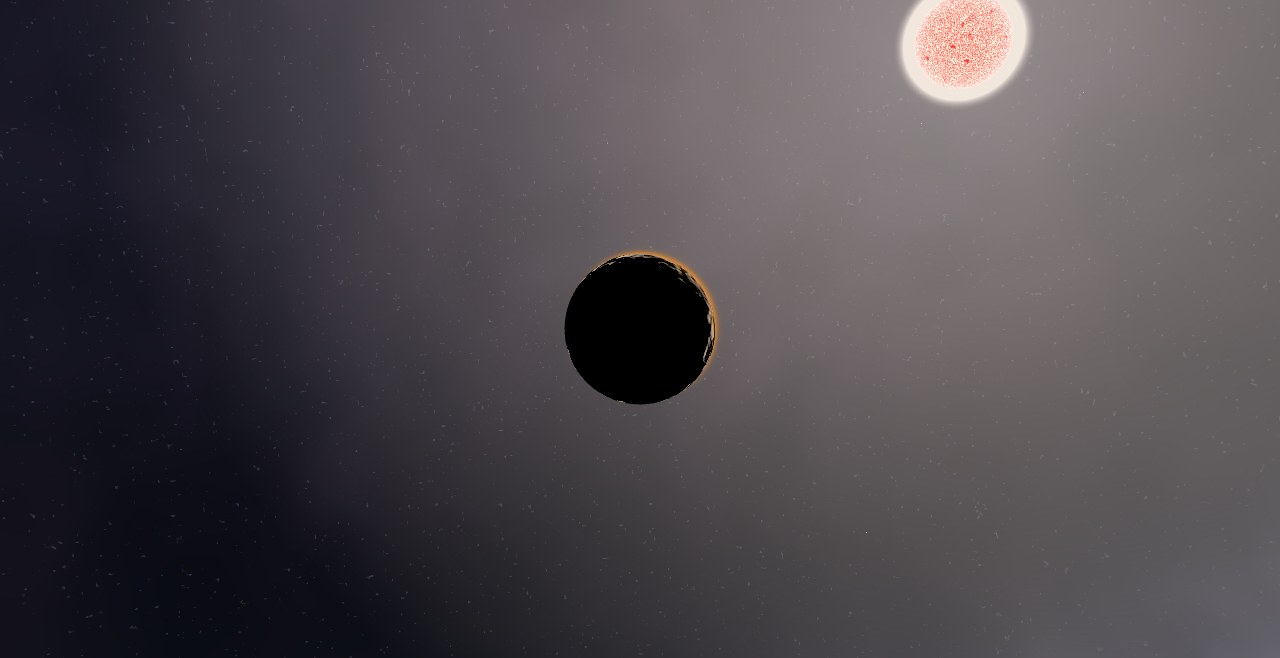
K2-119, an orange K-type dwarf of 0.76 solar masses, and K2-119 b, a planet with 2.5 Earth radii, with an orbital period of 7.7 days, at 0.070 AU from its star, and an equilibrium temperature near 666 K.
K2-12, a Sun-like G-type star of 0.96 solar masses, and K2-12 b, a 5.2-Earth-mass planet, with an orbital period of 8.3 days, at 0.079 AU from its star, and an equilibrium temperature near 1,026 K.
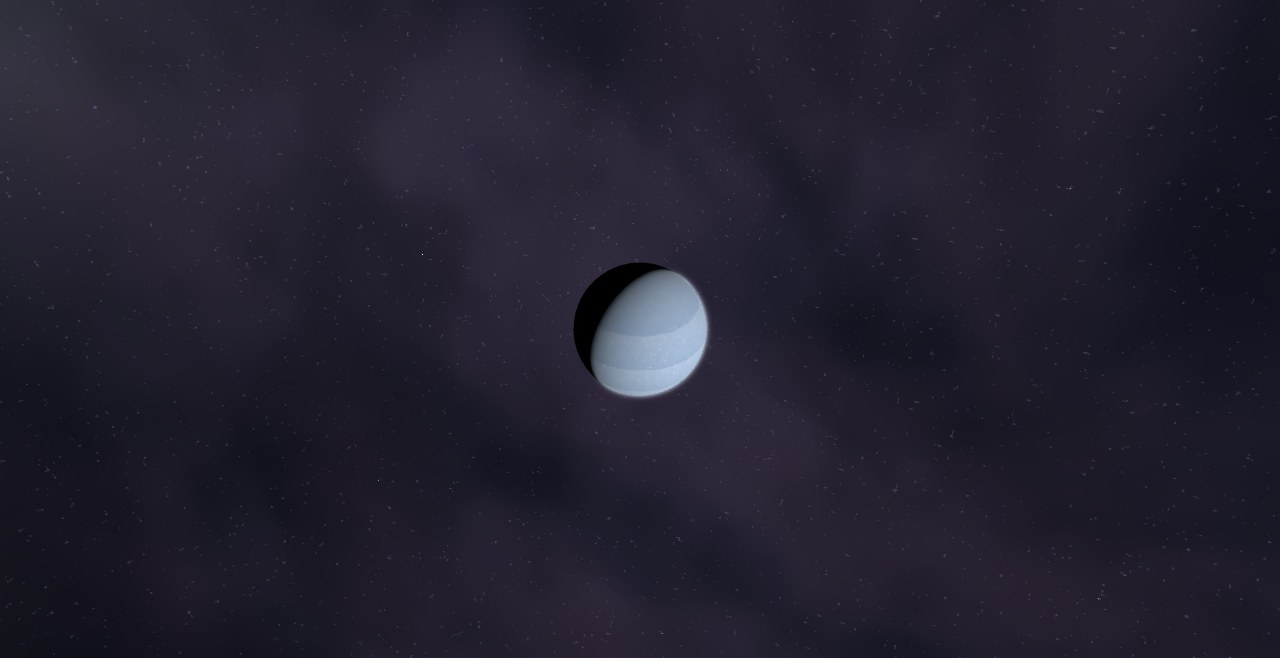
K2-121, an orange K-type dwarf of 0.71 solar masses, and K2-121 b, a 0.16-Jupiter-mass companion, with an orbital period of 5.2 days, and an equilibrium temperature near 716 K.