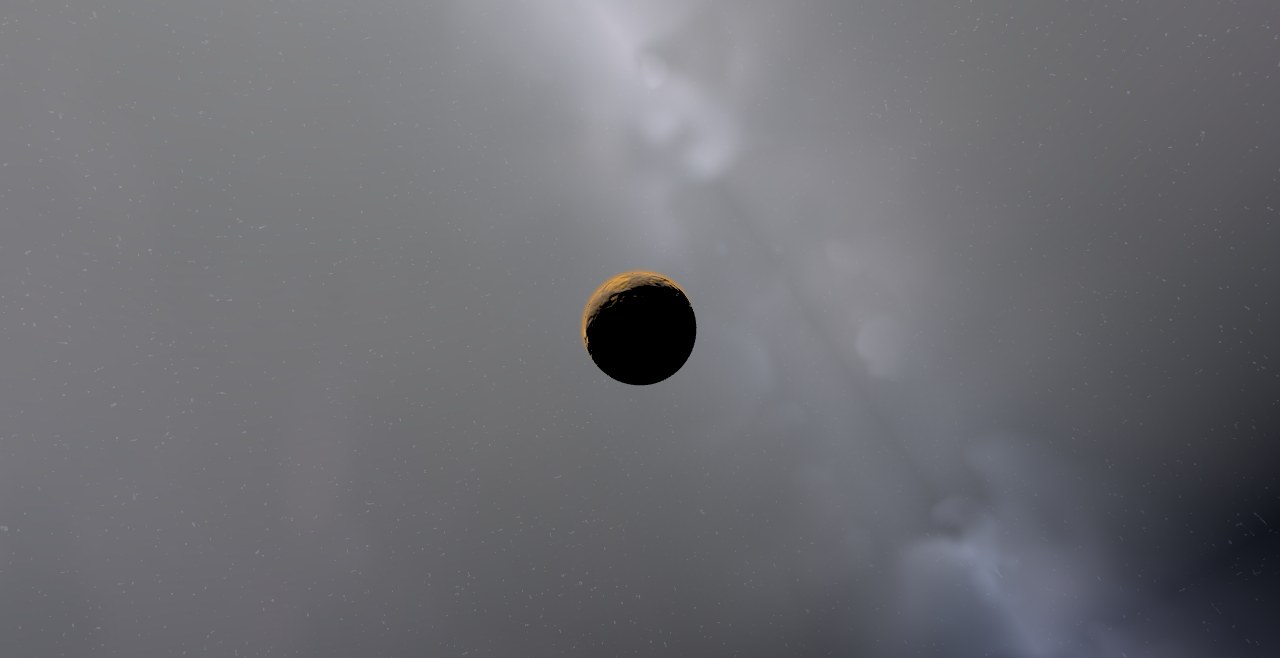
HD 93963 A - System
HD 93963 A, a Sun-like G-type star of 1.08 solar masses, and HD 93963 A b, a 2.8-Earth-mass planet, with an orbital period of 1.0 days, at 0.021 AU from its star, and an equilibrium temperature near 1,842 K.
3D Space and Gravity Simulator. Simulate the solar system, exoplanets and even colliding galaxies. Add, delete and modify planets, and change the laws of physics.
Share
HD 93963 A, a Sun-like G-type star of 1.08 solar masses, and HD 93963 A b, a 2.8-Earth-mass planet, with an orbital period of 1.0 days, at 0.021 AU from its star, and an equilibrium temperature near 1,842 K.
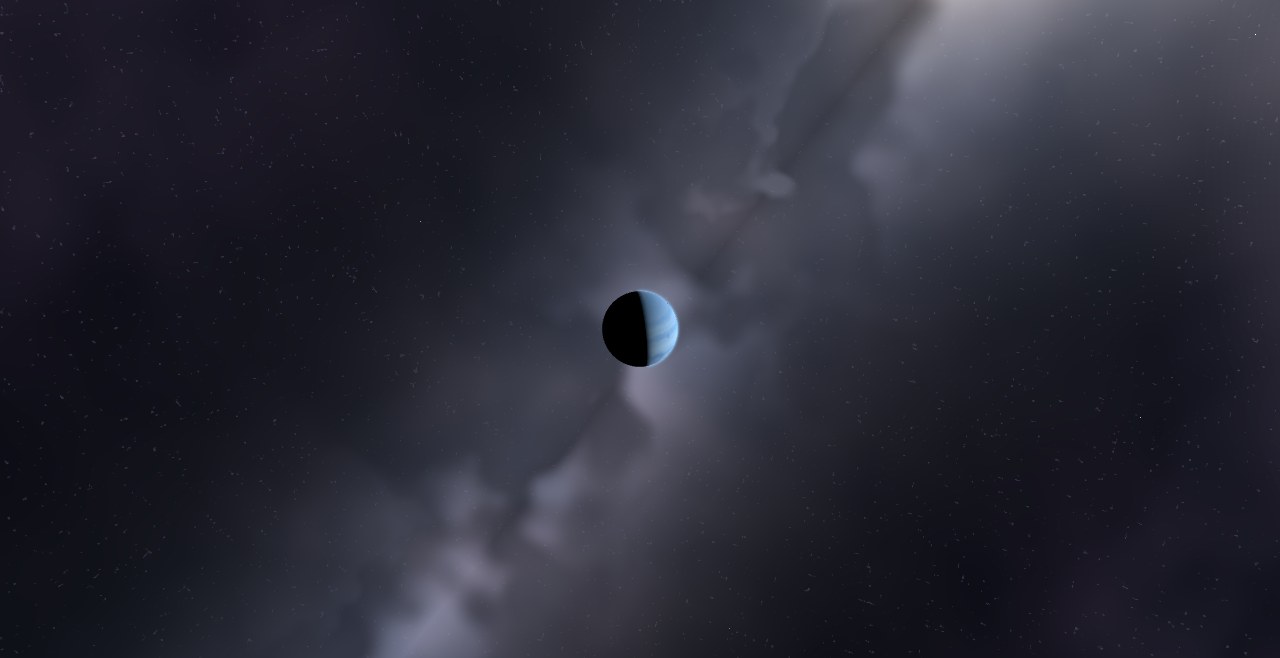
HD 9446, a Sun-like G-type star of 1.00 solar masses, and HD 9446 b, a 0.70-Jupiter-mass companion, with an orbital period of 30.1 days, at 0.189 AU from its star, on an eccentric orbit (e ≈ 0.20).
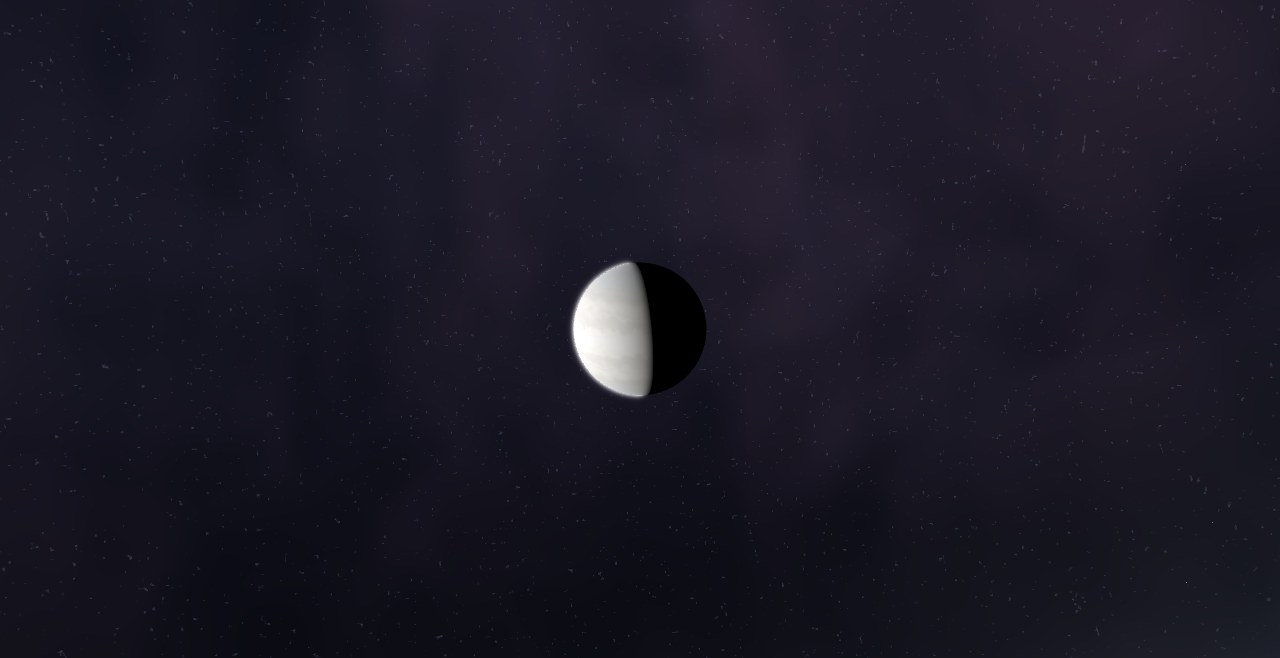
HD 94771, a Sun-like G-type star of 1.20 solar masses, and HD 94771 b, a 0.53-Jupiter-mass companion, with an orbital period of 5.92 years, at 3.480 AU from its star, on an eccentric orbit (e ≈ 0.39).
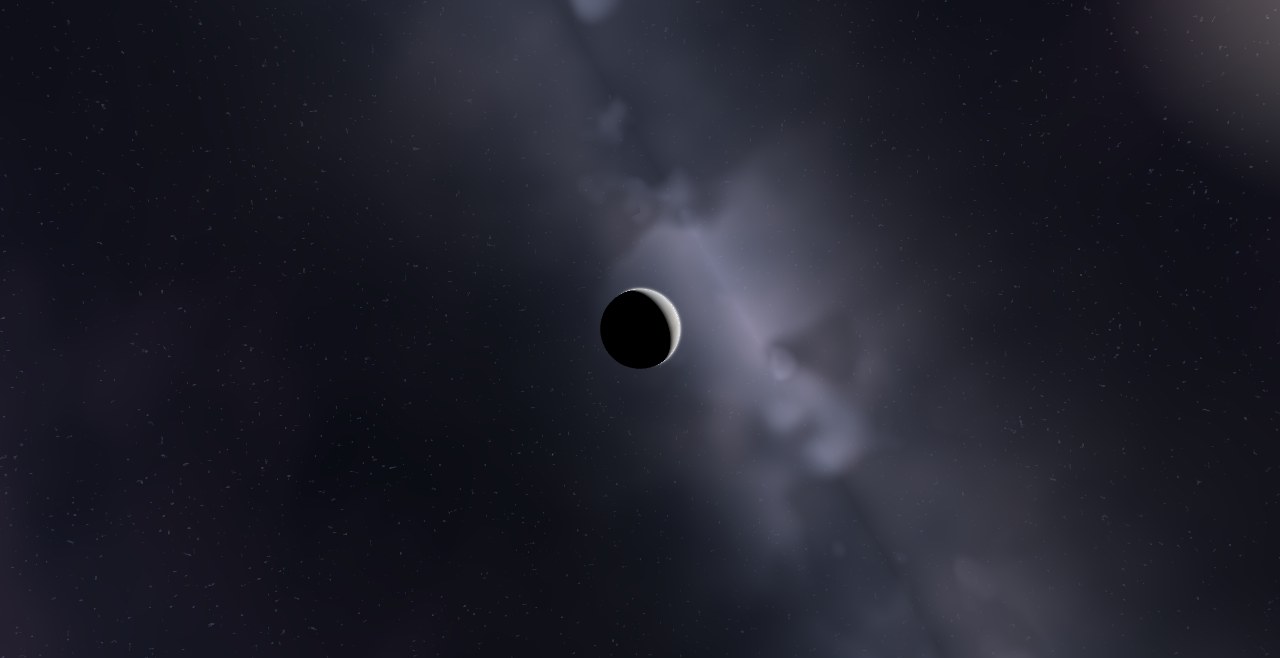
HD 94834, an orange K-type dwarf of 1.11 solar masses, and HD 94834 b, a 1.26-Jupiter-mass companion, with an orbital period of 4.31 years, at 2.740 AU from its star, on an eccentric orbit (e ≈ 0.14).
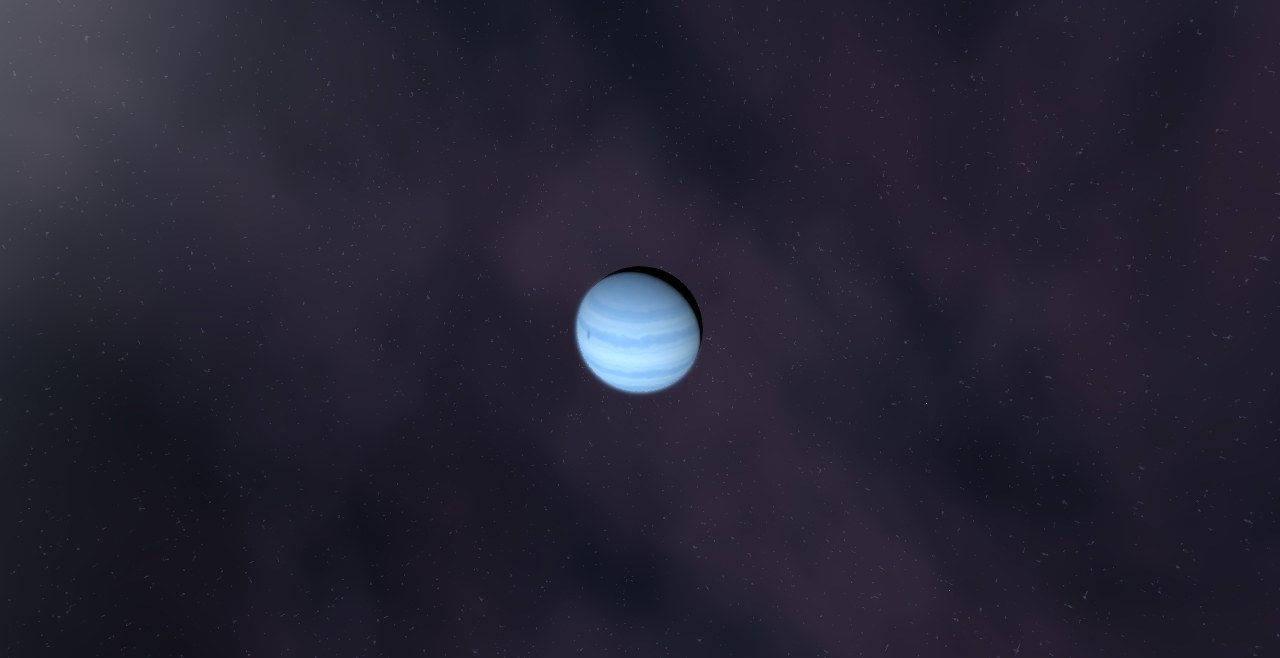
HD 94890, an orange K-type dwarf of 1.74 solar masses, and HD 94890 b, a 2.13-Jupiter-mass companion, with an orbital period of 2.26 years, at 2.070 AU from its star, on an eccentric orbit (e ≈ 0.22).
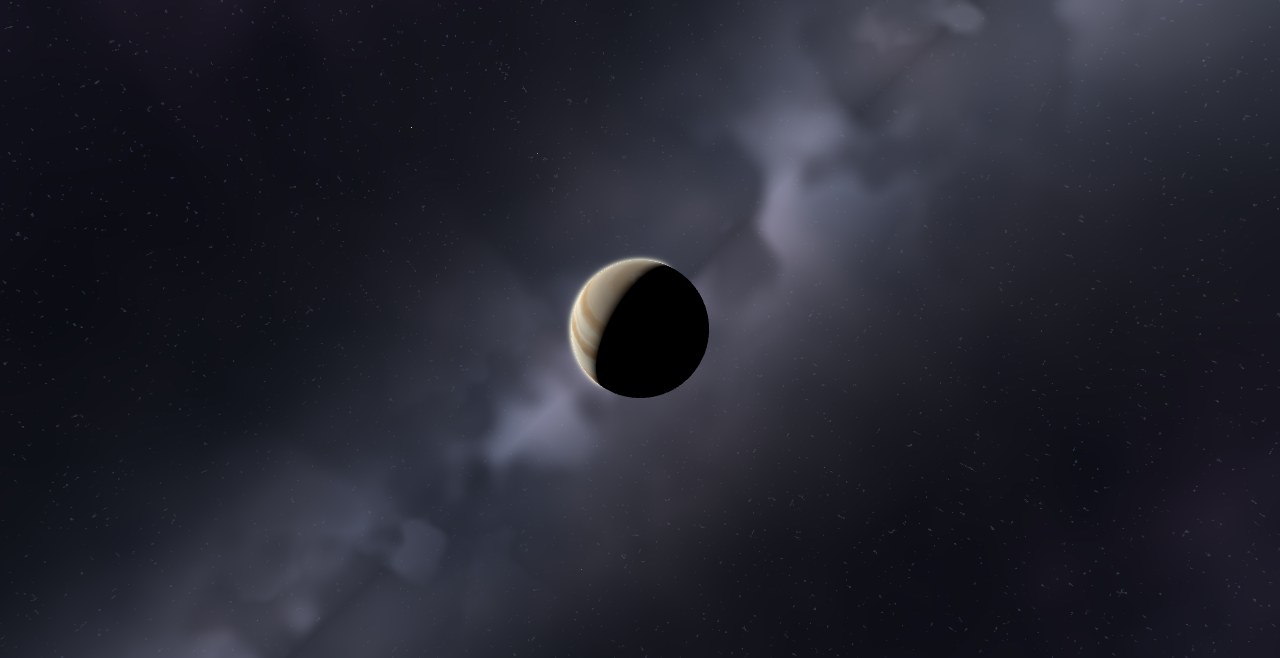
HD 95086 b, a young giant planet imaged in a debris disk. It is one of the lower-mass planets seen directly, still glowing from formation. It remains one of the lower-mass planets seen directly.
HD 95089, an orange K-type dwarf of 1.54 solar masses, and HD 95089 b, a 1.26-Jupiter-mass companion, with an orbital period of 1.27 years, at 1.360 AU from its star, on an eccentric orbit (e ≈ 0.12).
HD 95127, an orange K-type dwarf of 3.70 solar masses, and HD 95127 b, a 10.6-Jupiter-mass companion, with an orbital period of 1.32 years, at 1.280 AU from its star, on an eccentric orbit (e ≈ 0.11).
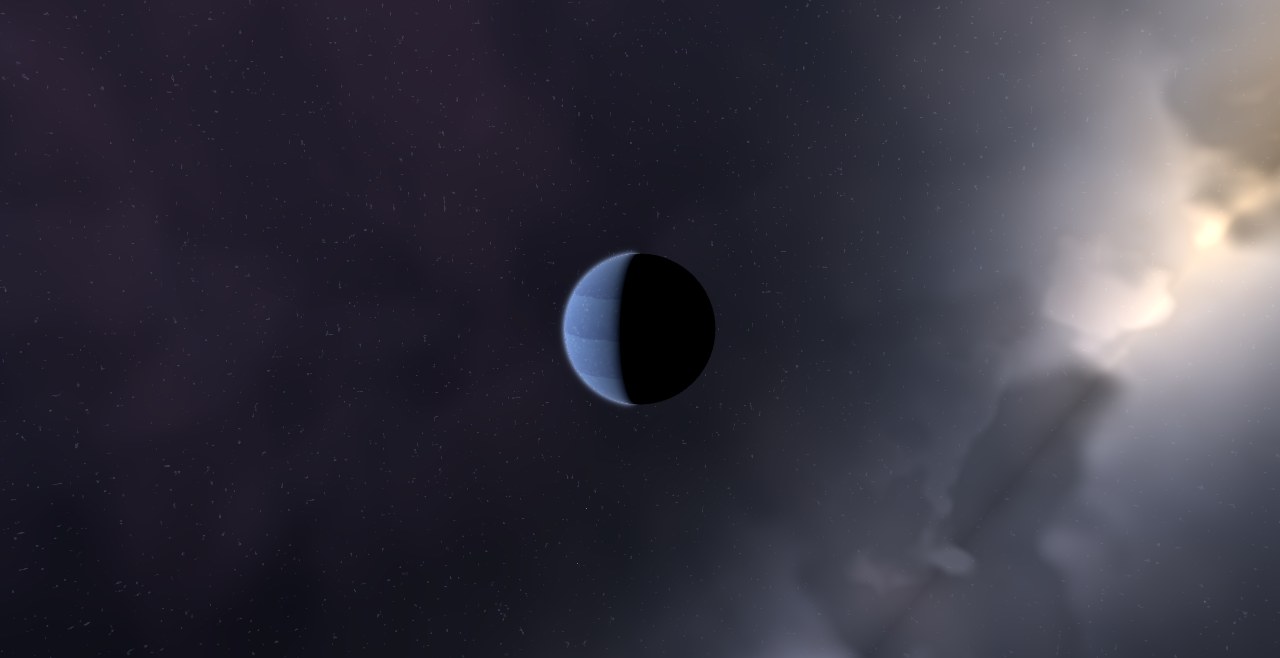
HD 95338, an orange K-type dwarf of 0.85 solar masses, and HD 95338 b, a planet with 4.3 Earth radii, with an orbital period of 55.1 days.
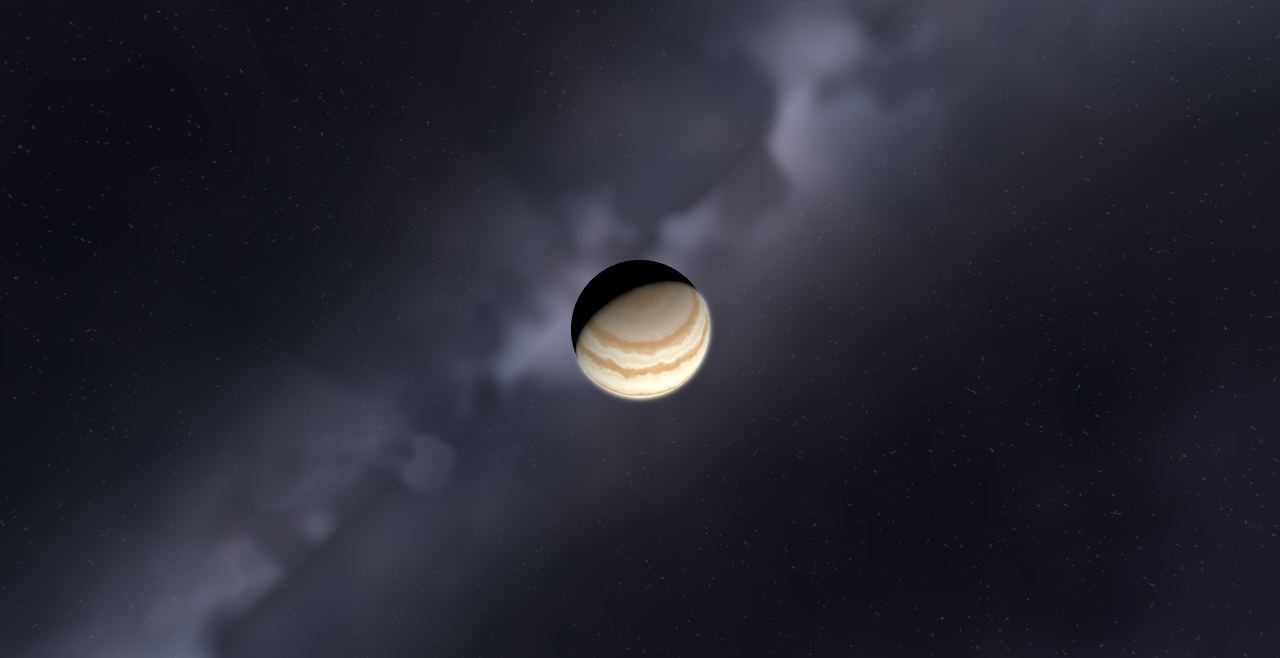
HD 95544, a Sun-like G-type star of 1.01 solar masses, and HD 95544 b, a 6.02-Jupiter-mass companion, with an orbital period of 5.59 years, at 3.166 AU from its star.
HD 95872, a Sun-like G-type star of 0.70 solar masses, and HD 95872 b, a 3.74-Jupiter-mass companion, with an orbital period of 12.0 years, at 5.150 AU from its star, on an eccentric orbit (e ≈ 0.06).
HD 96063, an orange K-type dwarf of 1.37 solar masses, and HD 96063 b, a 1.27-Jupiter-mass companion, with an orbital period of 363 days, at 1.110 AU from its star, on an eccentric orbit (e ≈ 0.17).
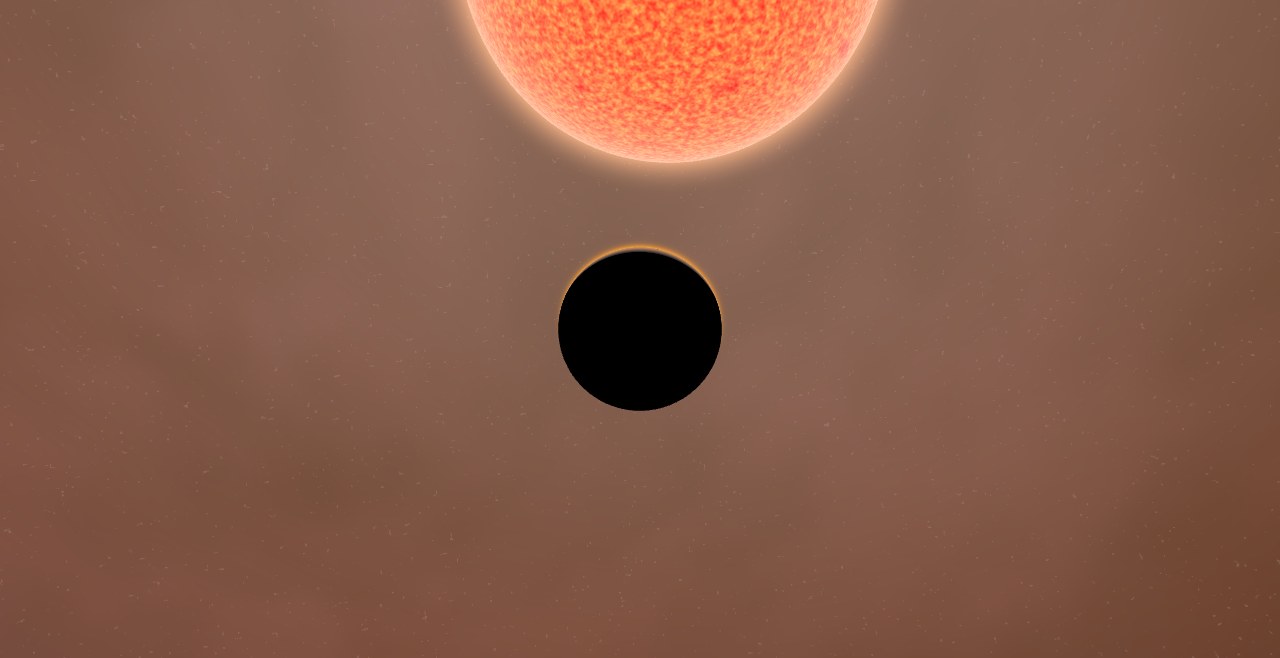
HD 96127, an orange K-type dwarf of 0.91 solar masses, and HD 96127 b, a 3.80-Jupiter-mass companion, with an orbital period of 1.75 years, at 1.410 AU from its star, on an eccentric orbit (e ≈ 0.30).
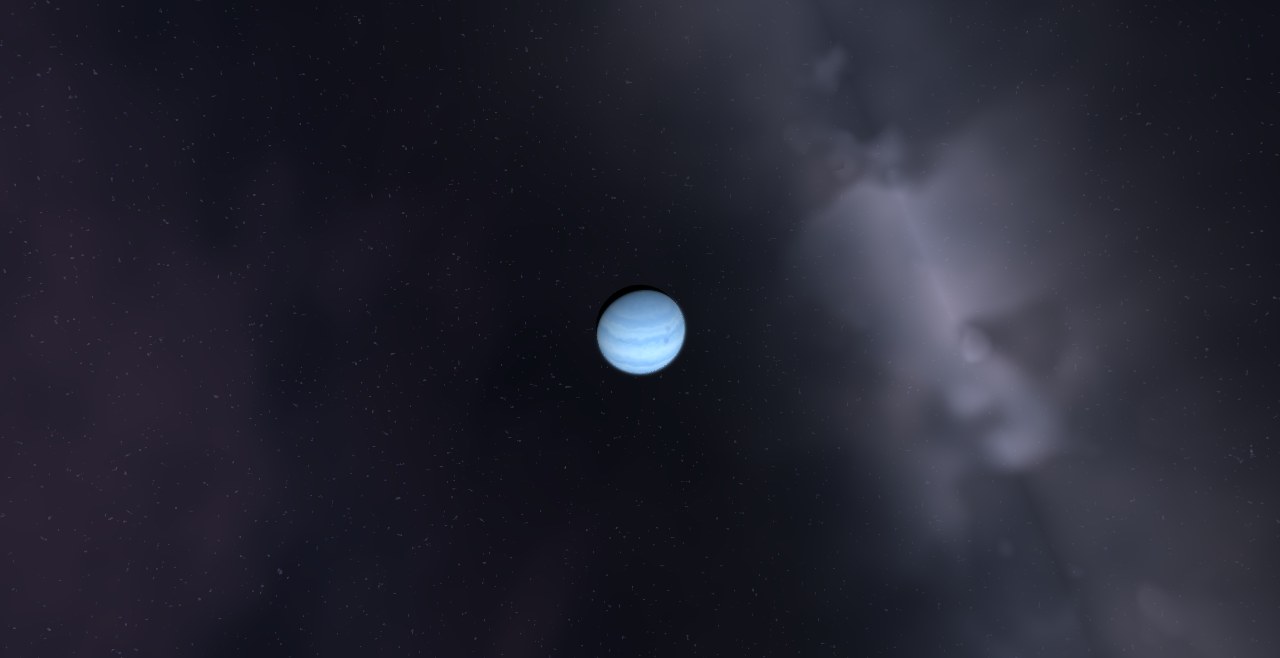
HD 96167, a Sun-like G-type star of 1.27 solar masses, and HD 96167 b, a 0.72-Jupiter-mass companion, with an orbital period of 1.36 years, at 1.332 AU from its star, on an eccentric orbit (e ≈ 0.69).
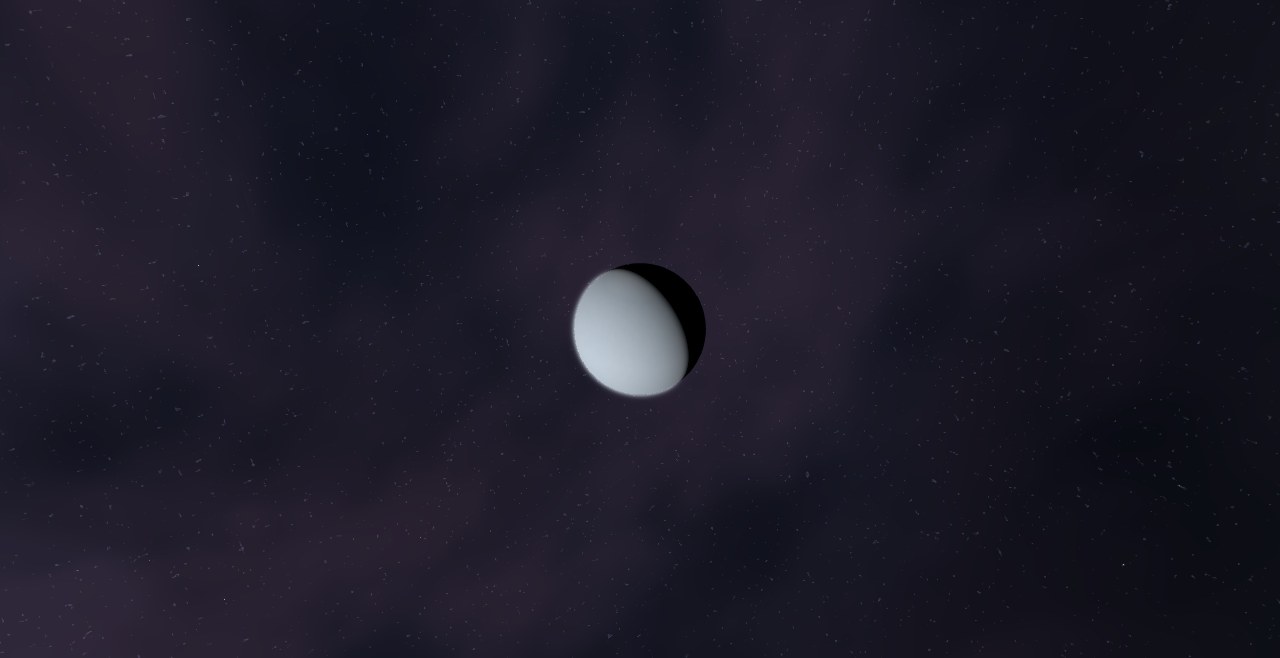
HD 96700, a Sun-like G-type star of 0.89 solar masses, and HD 96700 b, a 8.9-Earth-mass planet, with an orbital period of 8.1 days, at 0.078 AU from its star, on an eccentric orbit (e ≈ 0.14).
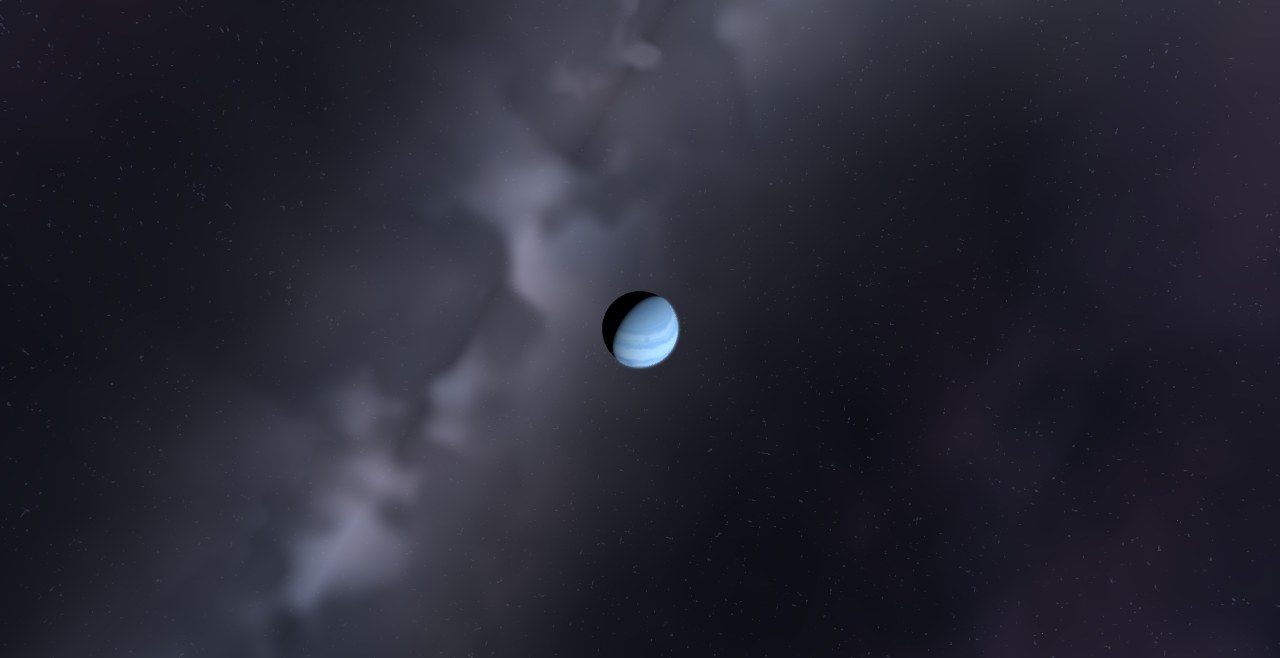
HD 96992, an orange K-type dwarf of 0.96 solar masses, and HD 96992 b, a 1.14-Jupiter-mass companion, with an orbital period of 1.41 years, at 1.240 AU from its star, on an eccentric orbit (e ≈ 0.41).
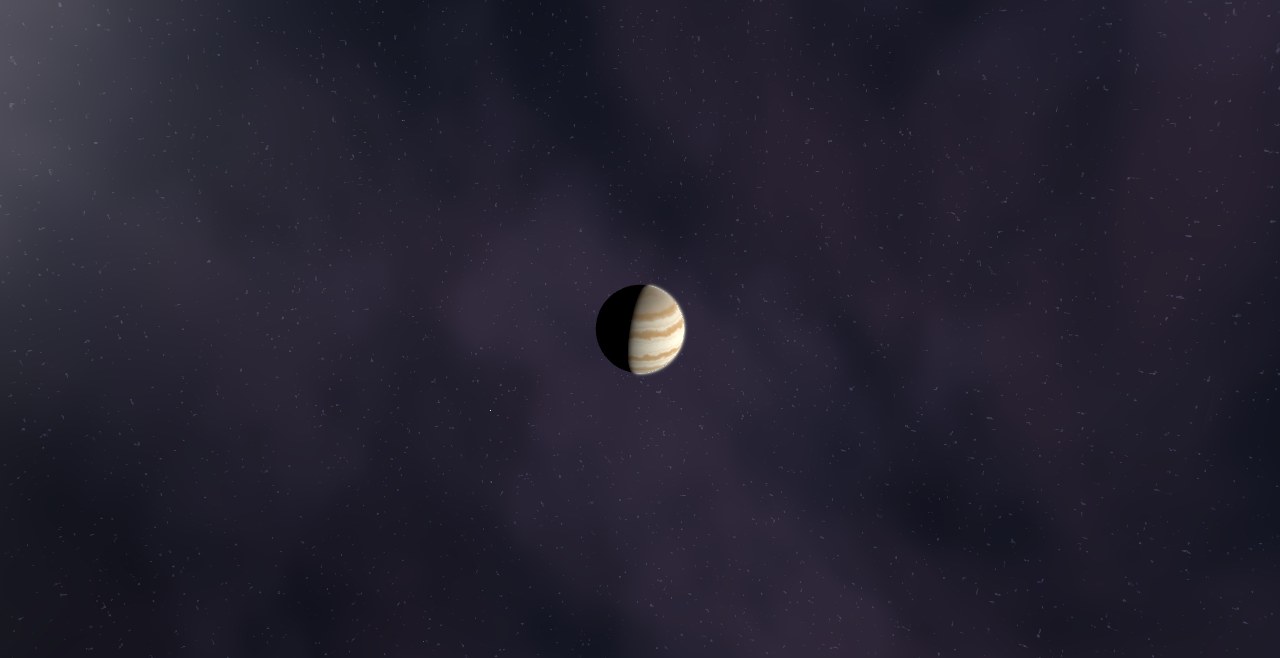
HD 97037, a Sun-like G-type star of 1.06 solar masses, and HD 97037 b, a 21.1-Jupiter-mass companion, with an orbital period of 17.7 years, at 6.925 AU from its star, on an eccentric orbit (e ≈ 0.36).
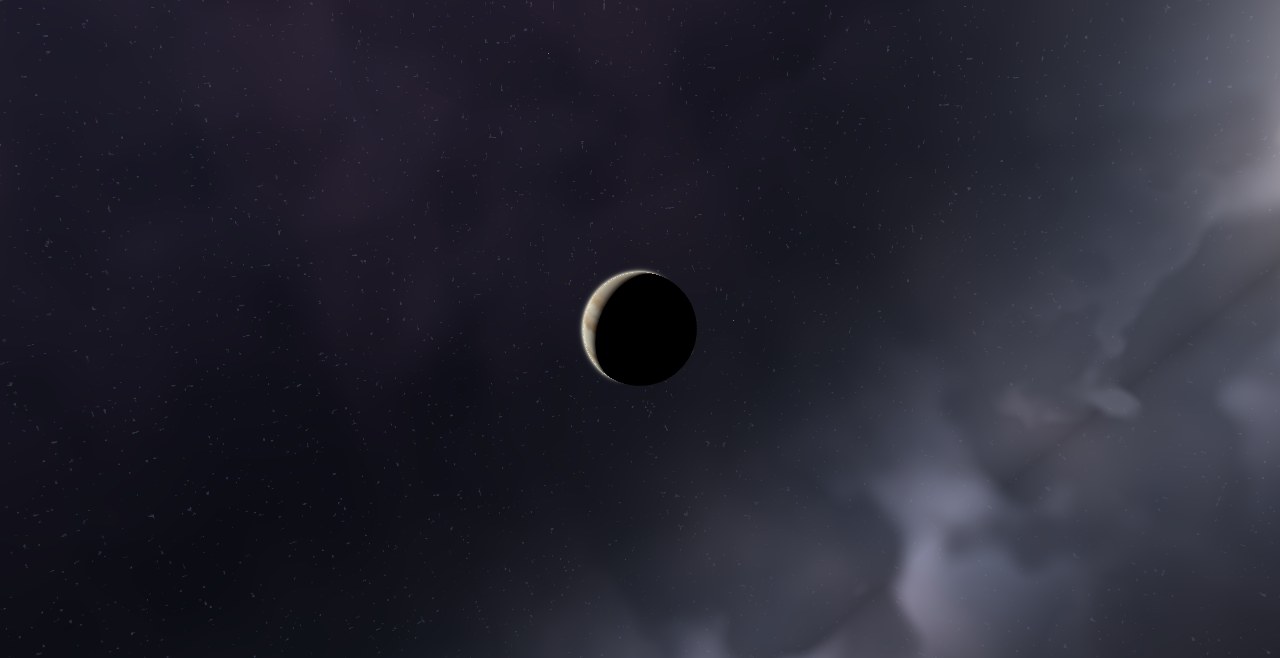
HD 97048, a hot B-type star of 2.40 solar masses, and HD 97048 b, a 2.50-Jupiter-mass companion, at 130 AU from its star.