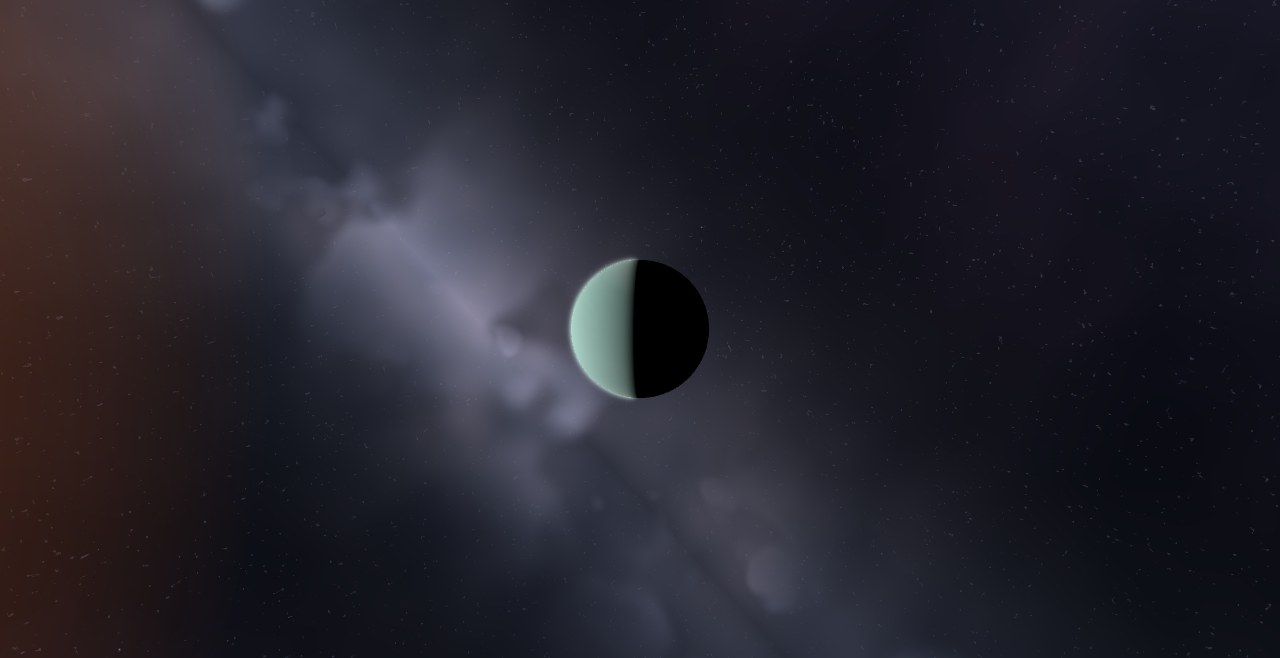
GJ 674 - System
GJ 674, a cool M-dwarf of 0.35 solar masses, and GJ 674 b, a 11.1-Earth-mass planet, with an orbital period of 4.7 days, at 0.039 AU from its star, on an eccentric orbit (e ≈ 0.20).
3D Space and Gravity Simulator. Simulate the solar system, exoplanets and even colliding galaxies. Add, delete and modify planets, and change the laws of physics.
Share
GJ 674, a cool M-dwarf of 0.35 solar masses, and GJ 674 b, a 11.1-Earth-mass planet, with an orbital period of 4.7 days, at 0.039 AU from its star, on an eccentric orbit (e ≈ 0.20).
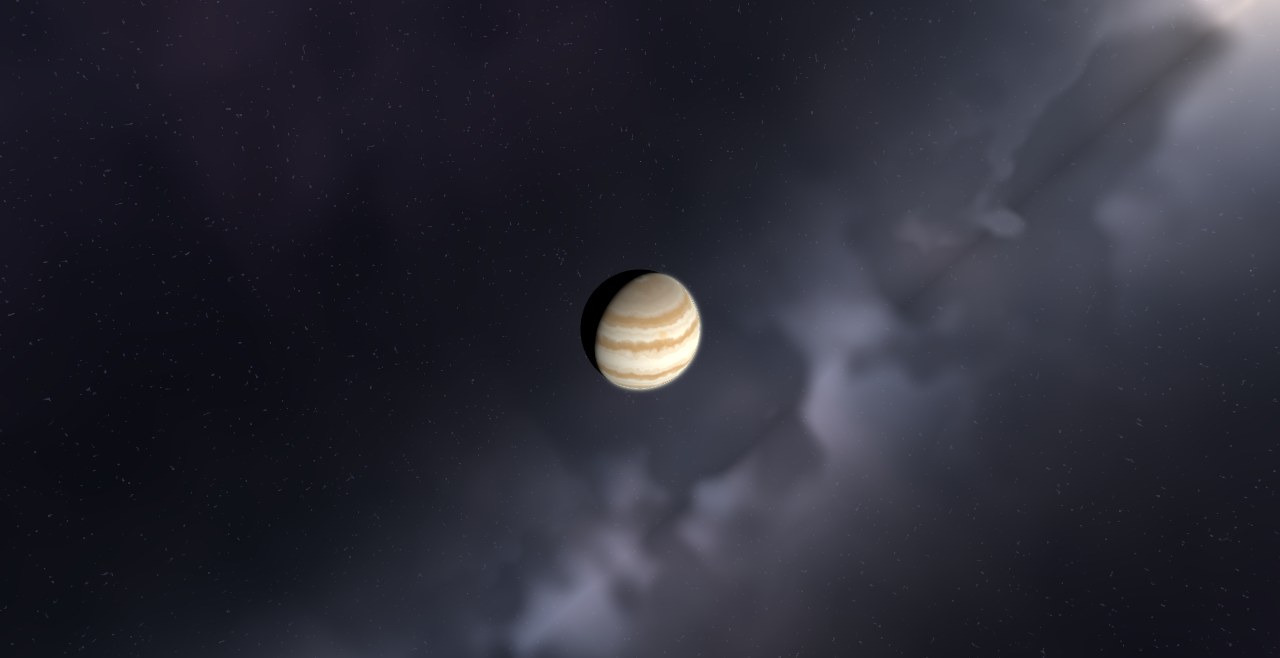
GJ 676 A, an orange K-type dwarf of 0.63 solar masses, and GJ 676 A d, a 3.8-Earth-mass planet, with an orbital period of 3.6 days, at 0.039 AU from its star, on an eccentric orbit (e ≈ 0.19).
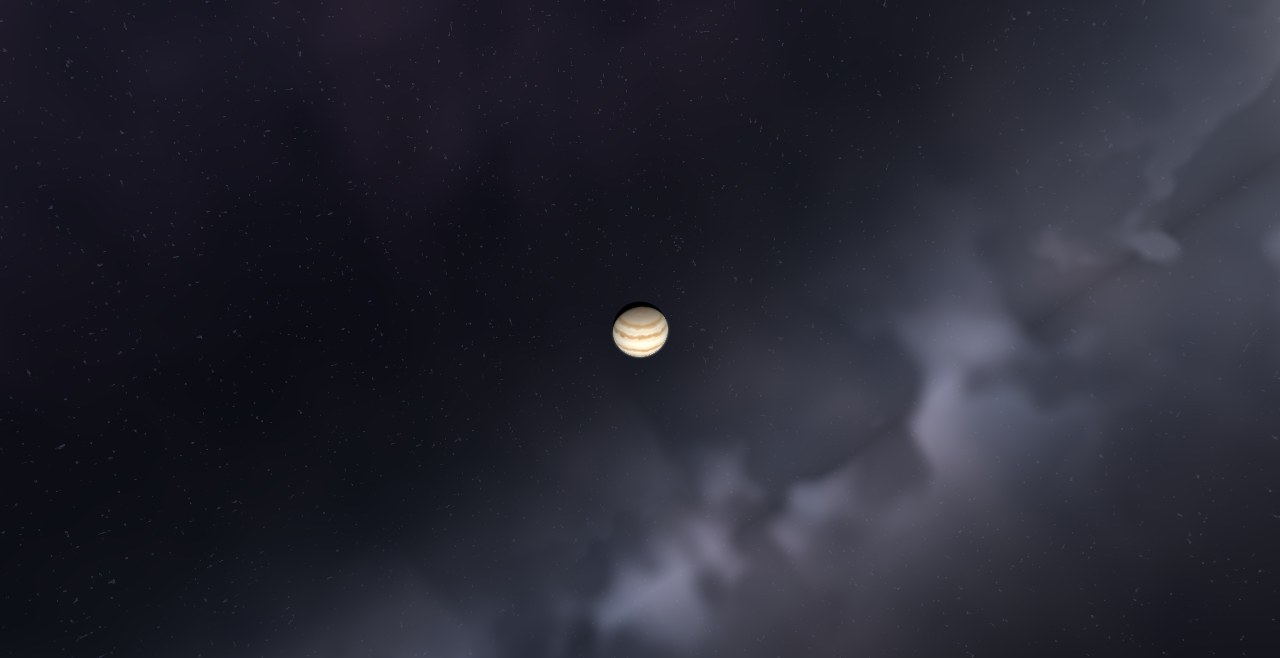
GJ 680, a cool M-dwarf of 0.46 solar masses, and GJ 680 b, a 25.1-Jupiter-mass companion, with an orbital period of 47.3 years, at 10.1 AU from its star, on an eccentric orbit (e ≈ 0.38).
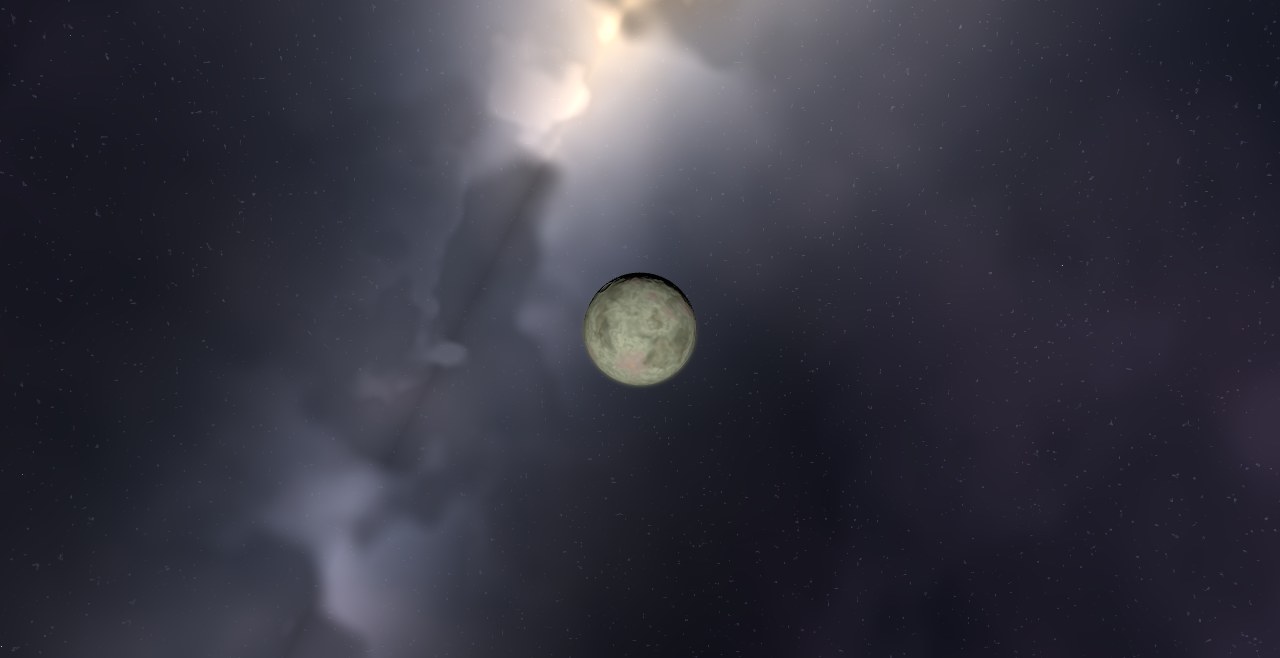
GJ 682, a cool M-dwarf of 0.27 solar masses, and GJ 682 b, a 4.4-Earth-mass planet, with an orbital period of 17.5 days, at 0.080 AU from its star, on an eccentric orbit (e ≈ 0.08).
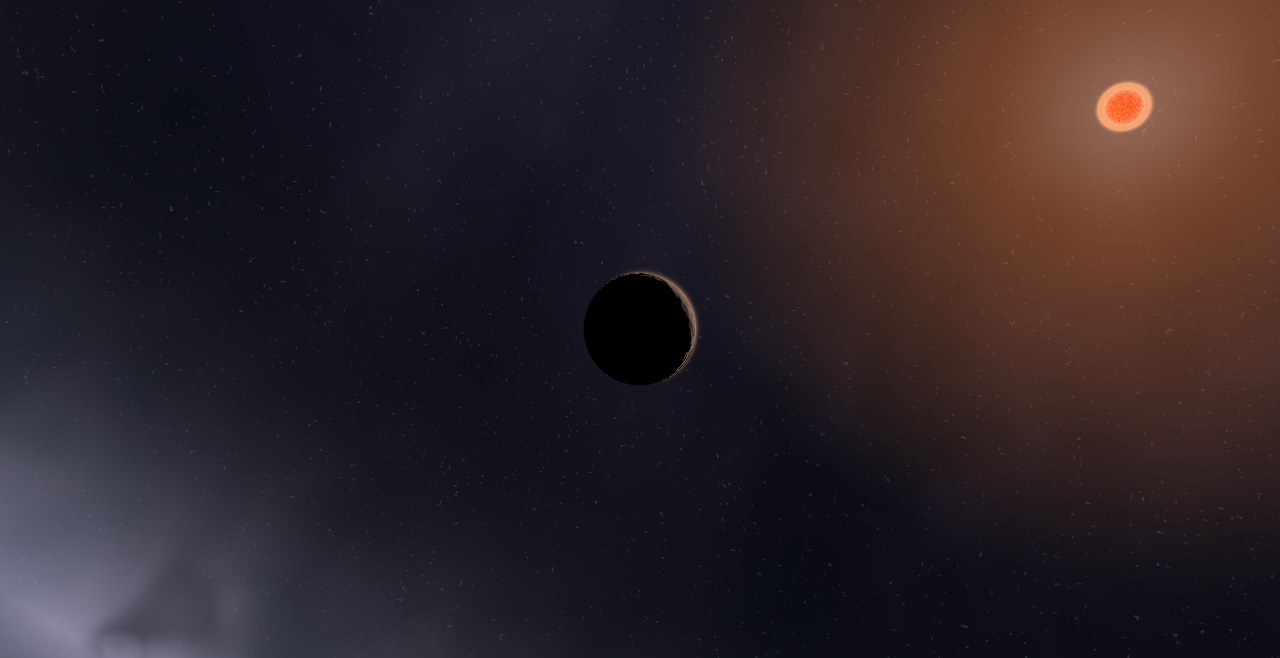
GJ 685, a cool M-dwarf of 0.55 solar masses, and GJ 685 b, a 9.0-Earth-mass planet, with an orbital period of 24.2 days, at 0.134 AU from its star.
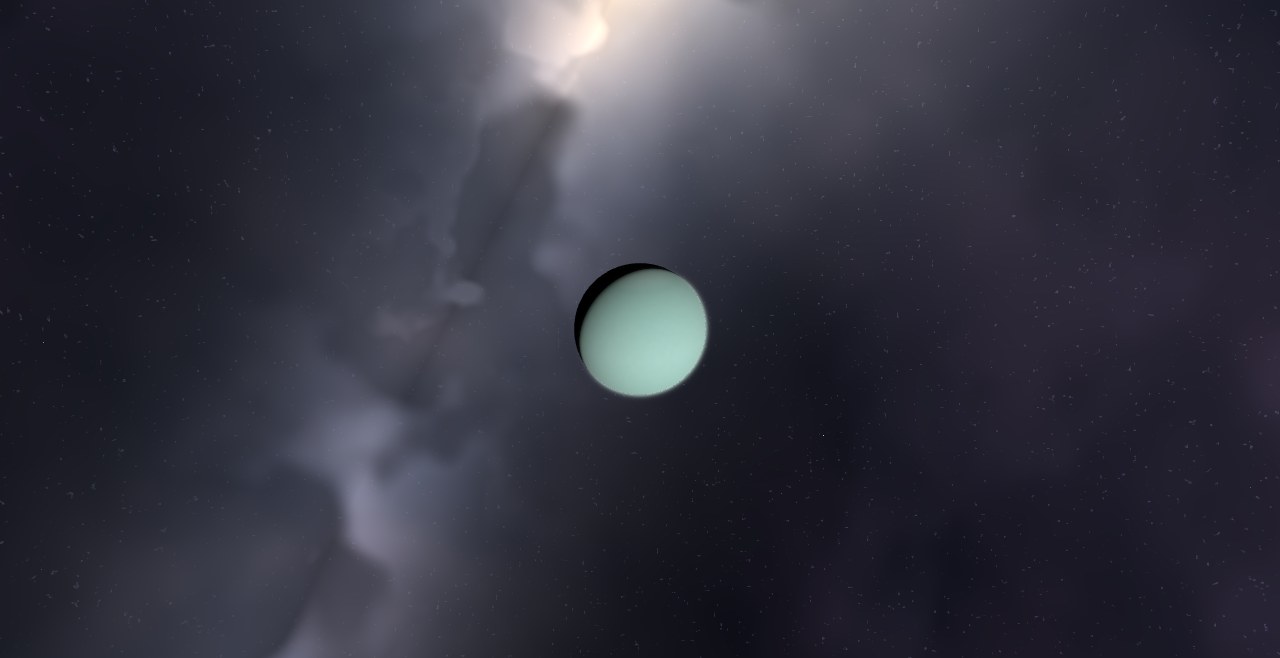
GJ 687, a cool M-dwarf of 0.40 solar masses, and GJ 687 b, a 0.05-Jupiter-mass companion, with an orbital period of 38.1 days, at 0.163 AU from its star, on an eccentric orbit (e ≈ 0.17).
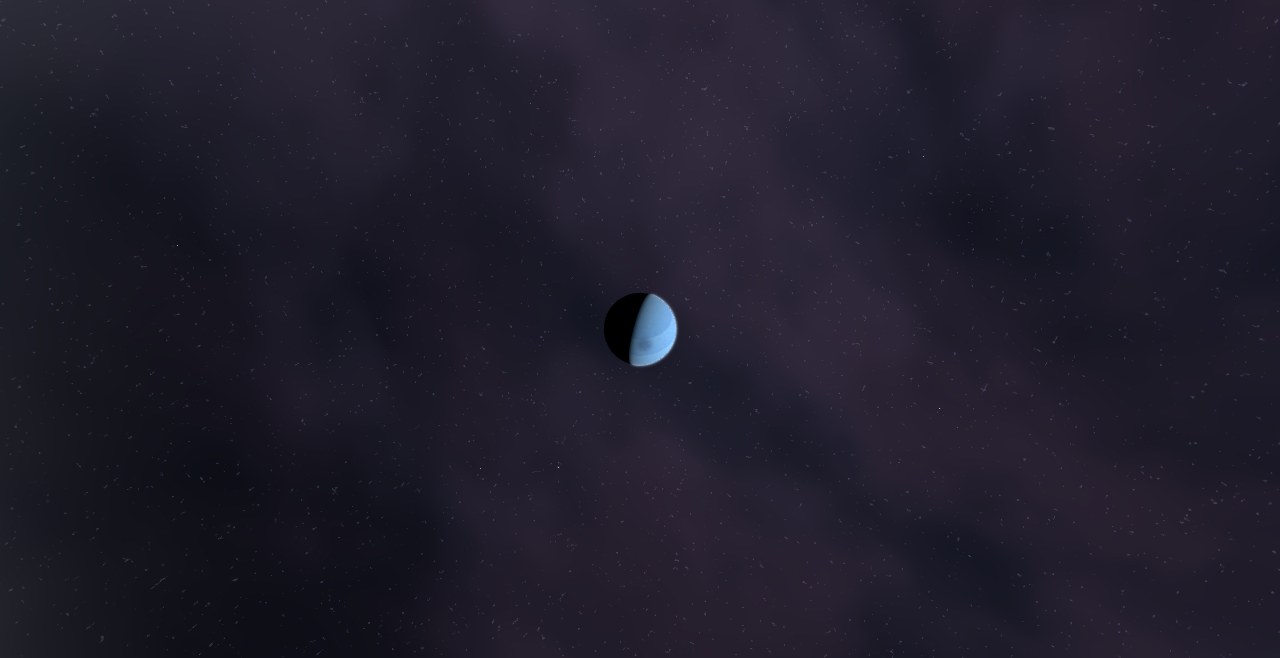
GJ 720 A, a cool M-dwarf of 0.57 solar masses, and GJ 720 A b, a 13.6-Earth-mass planet, with an orbital period of 19.5 days, at 0.119 AU from its star, and an equilibrium temperature near 401 K.
GJ 724, a cool M-dwarf of 0.53 solar masses, and GJ 724 b, a 10.8-Earth-mass planet, with an orbital period of 5.1 days, at 0.047 AU from its star, and an equilibrium temperature near 611 K, on an eccentric.
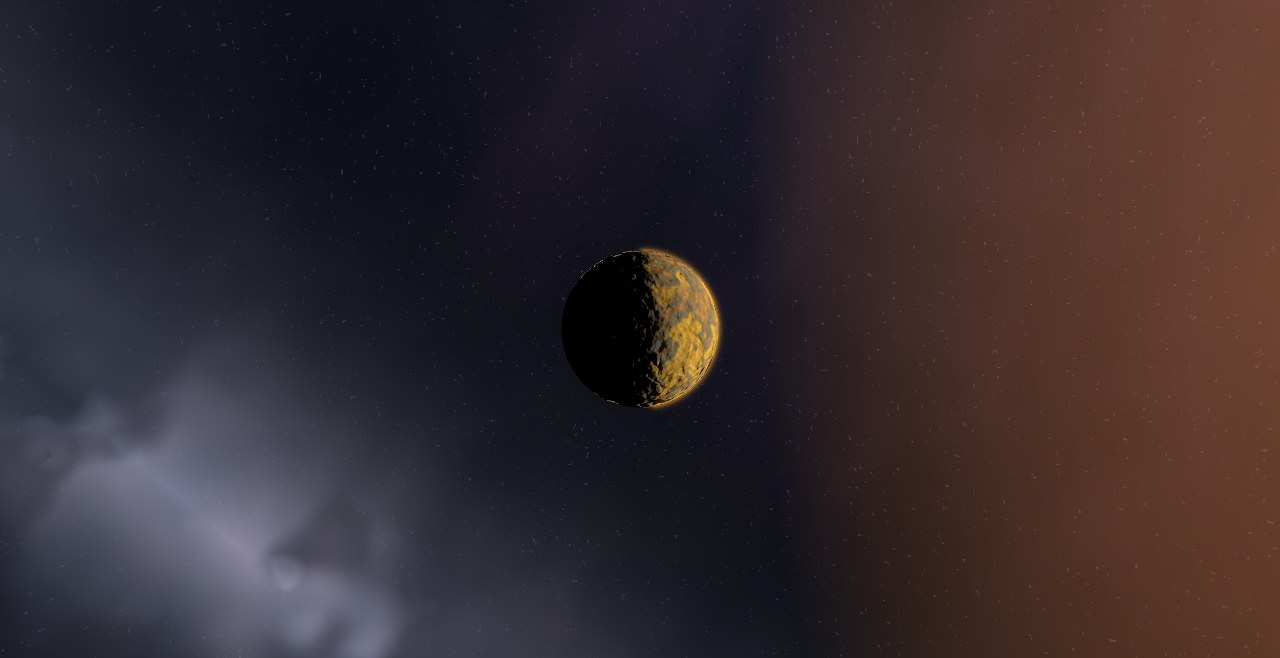
GJ 740, a cool M-dwarf of 0.58 solar masses, and GJ 740 b, a 3.0-Earth-mass planet, with an orbital period of 2.4 days, at 0.029 AU from its star, and an equilibrium temperature near 829 K, on an eccentric.
GJ 806, a cool M-dwarf of 0.41 solar masses, and GJ 806 b, a 1.9-Earth-mass planet, with an orbital period of 22.2 hours, at 0.014 AU from its star, and an equilibrium temperature near 940 K.
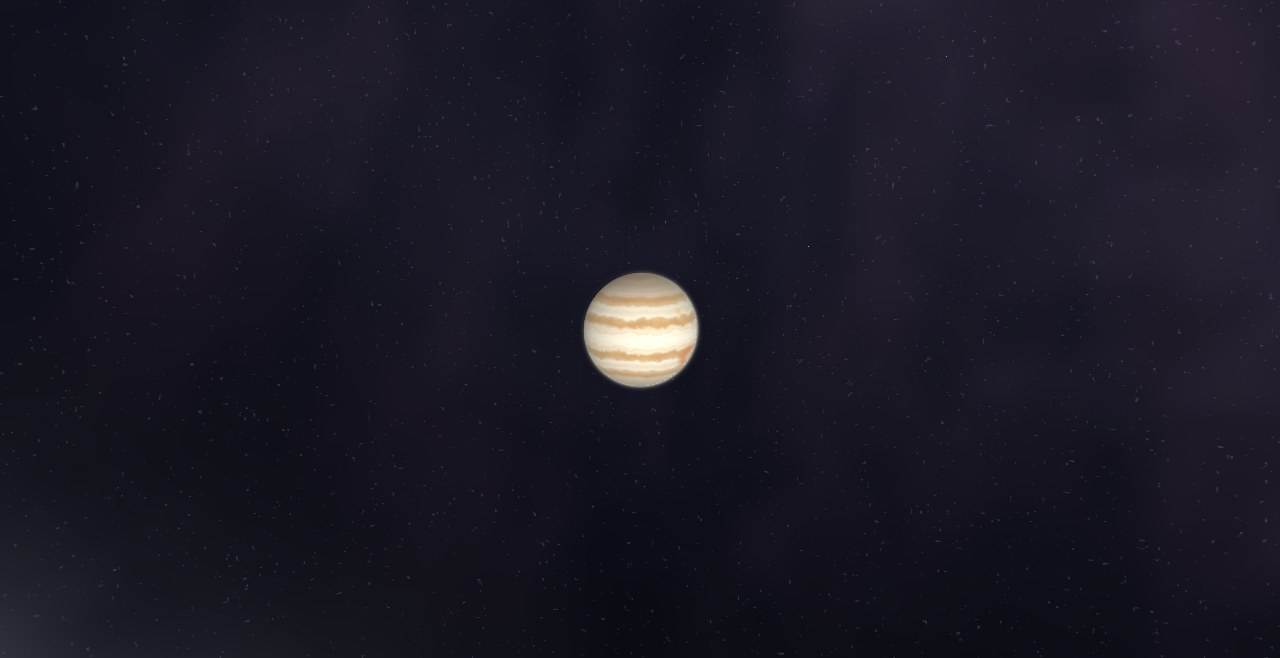
GJ 832, a cool M-dwarf of 0.45 solar masses, and GJ 832 b, a 0.99-Jupiter-mass companion, with an orbital period of 10.5 years, at 3.700 AU from its star.
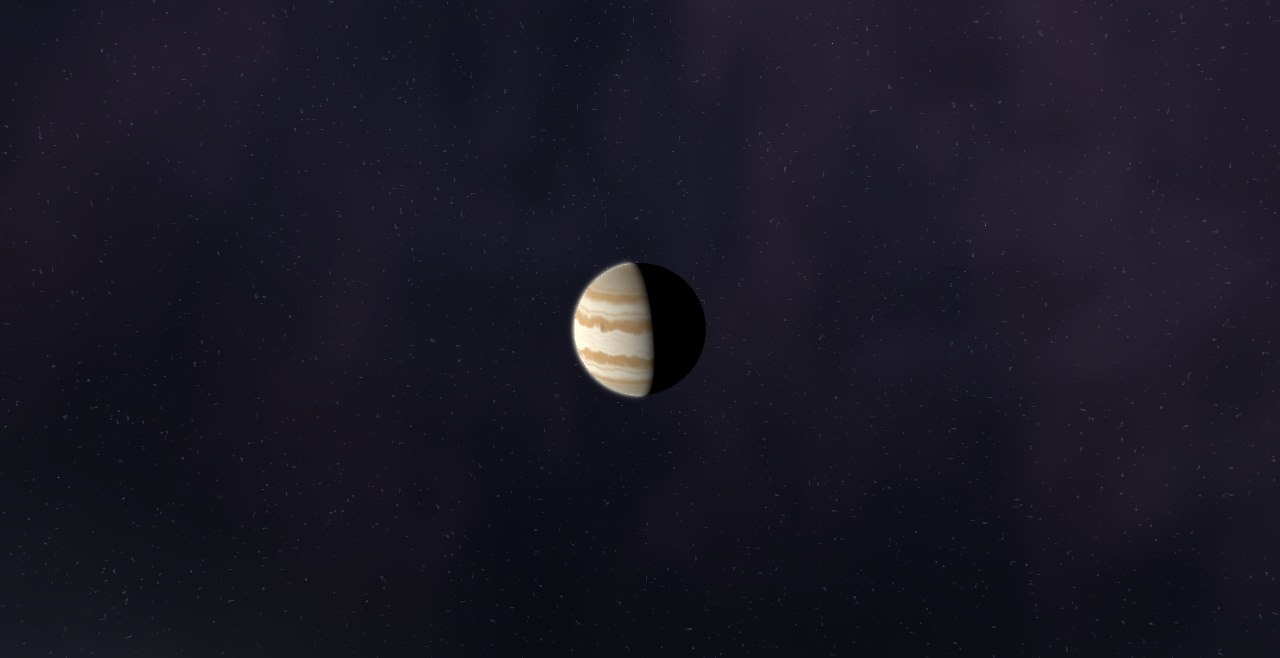
GJ 849, a cool M-dwarf of 0.45 solar masses, and GJ 849 b, a 0.89-Jupiter-mass companion, with an orbital period of 5.27 years, at 2.320 AU from its star.
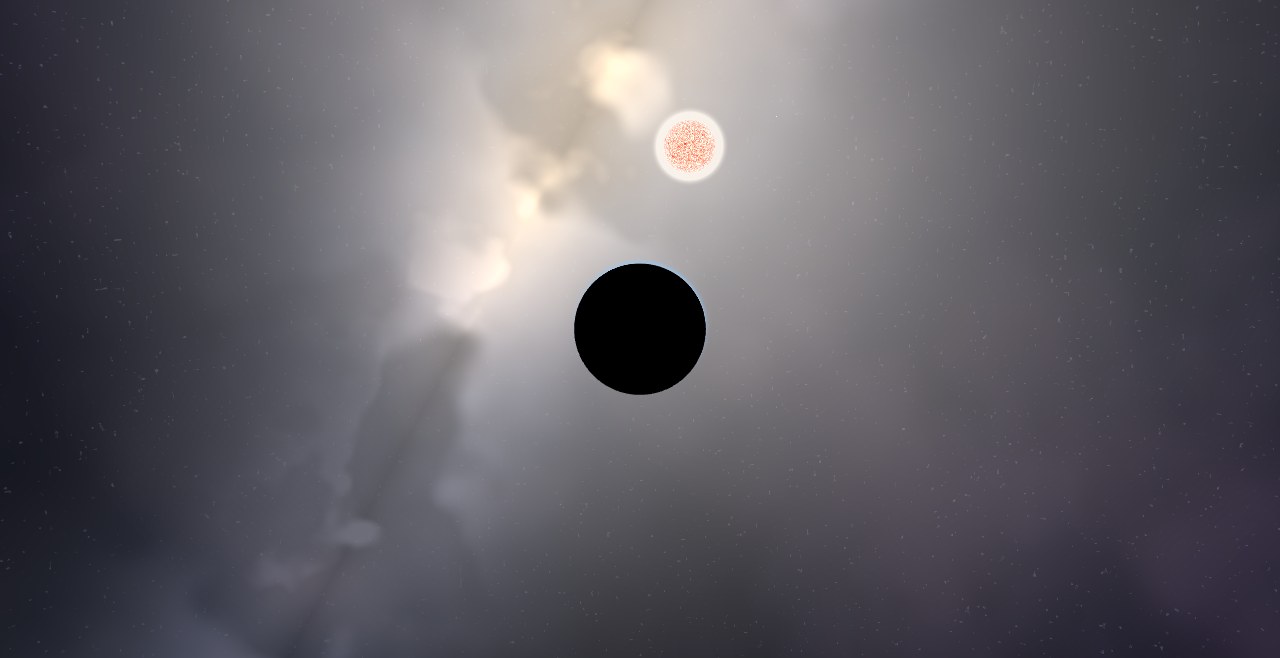
GJ 86, an orange K-type dwarf of 0.93 solar masses, and GJ 86 b, a 4.42-Jupiter-mass companion, with an orbital period of 15.8 days, at 0.110 AU from its star.
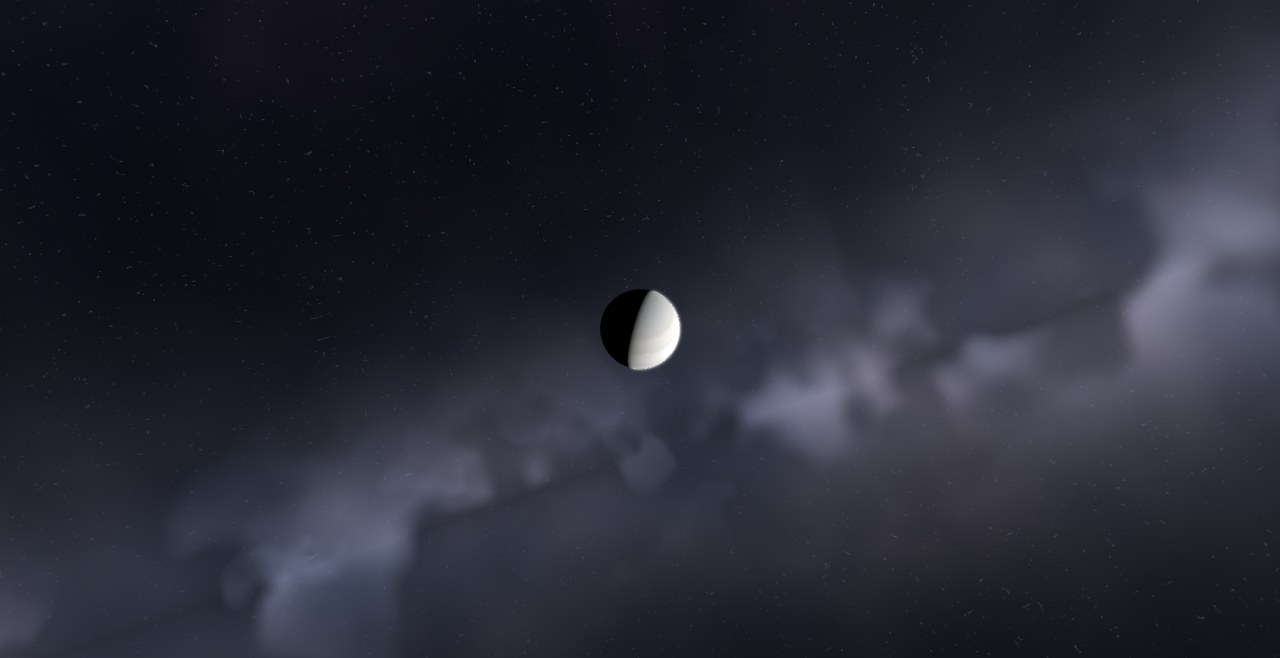
GJ 876, the first planet found around a red dwarf. Its giants are locked in a Laplace resonance, so their orbits keep a repeating gravitational rhythm.
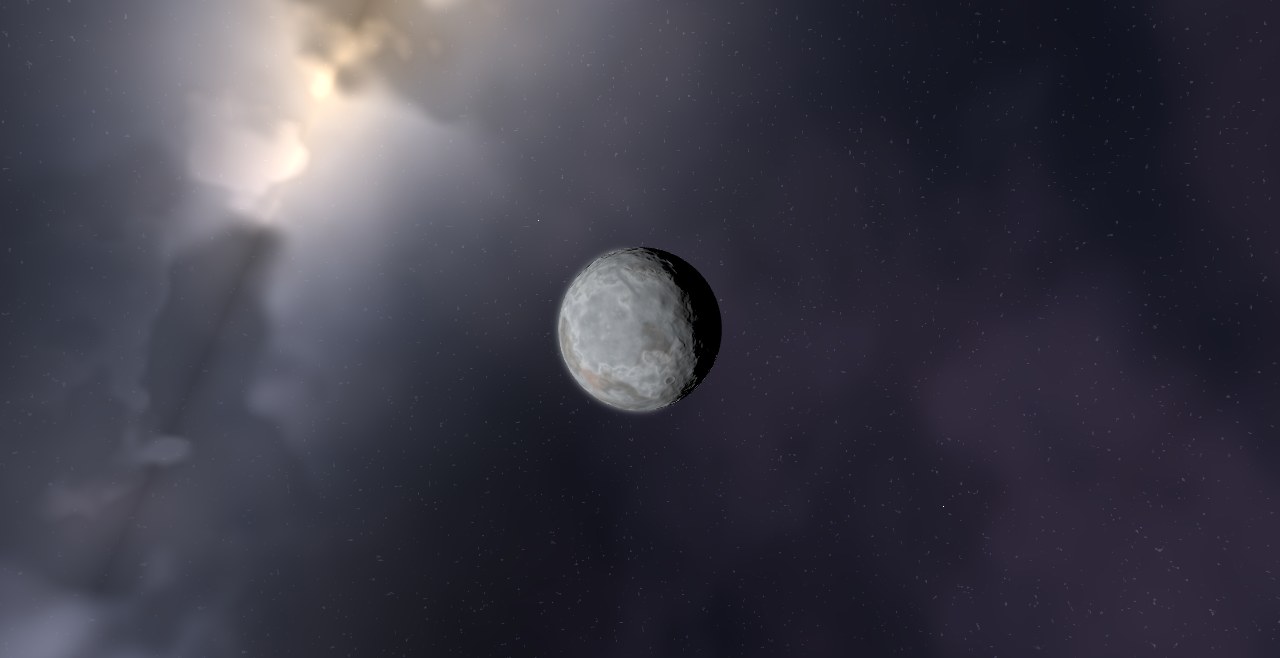
GJ 887, a cool M-dwarf of 0.49 solar masses, and GJ 887 e, a 1.5-Earth-mass planet, with an orbital period of 4.4 days, at 0.042 AU from its star, and an equilibrium temperature near 544 K.
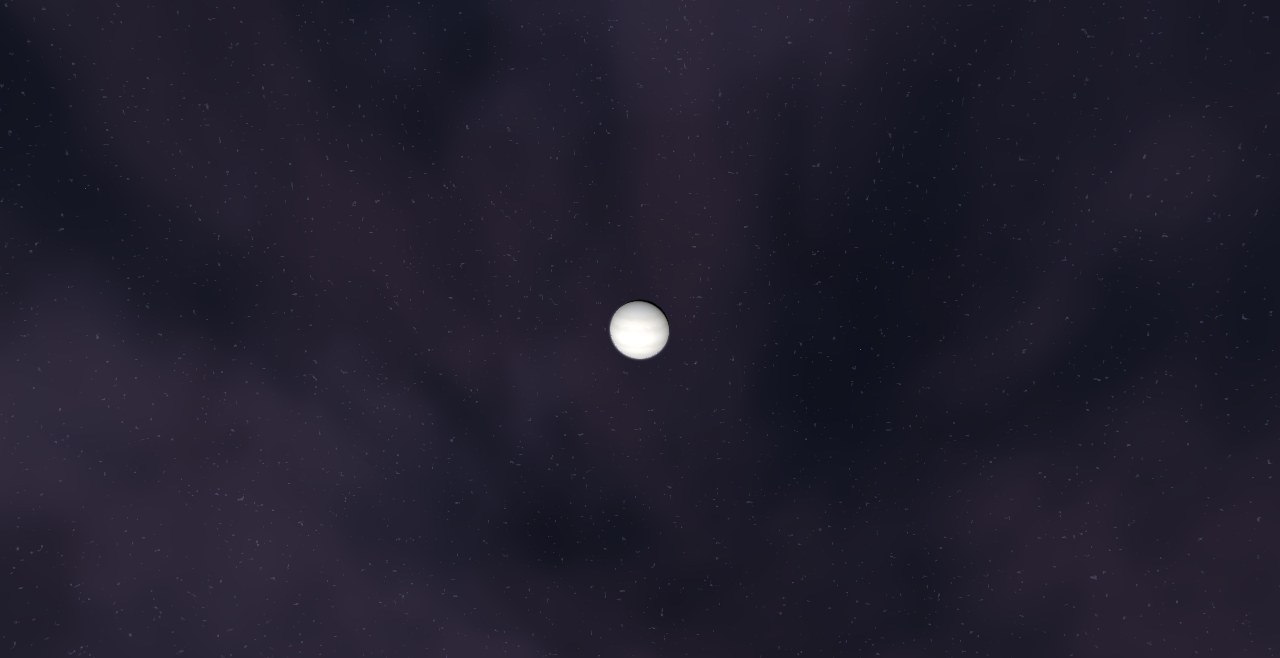
GJ 896 A, a cool M-dwarf of 0.44 solar masses, and GJ 896 A b, a 2.26-Jupiter-mass companion, with an orbital period of 284 days, at 0.640 AU from its star, on an eccentric orbit (e ≈ 0.35).
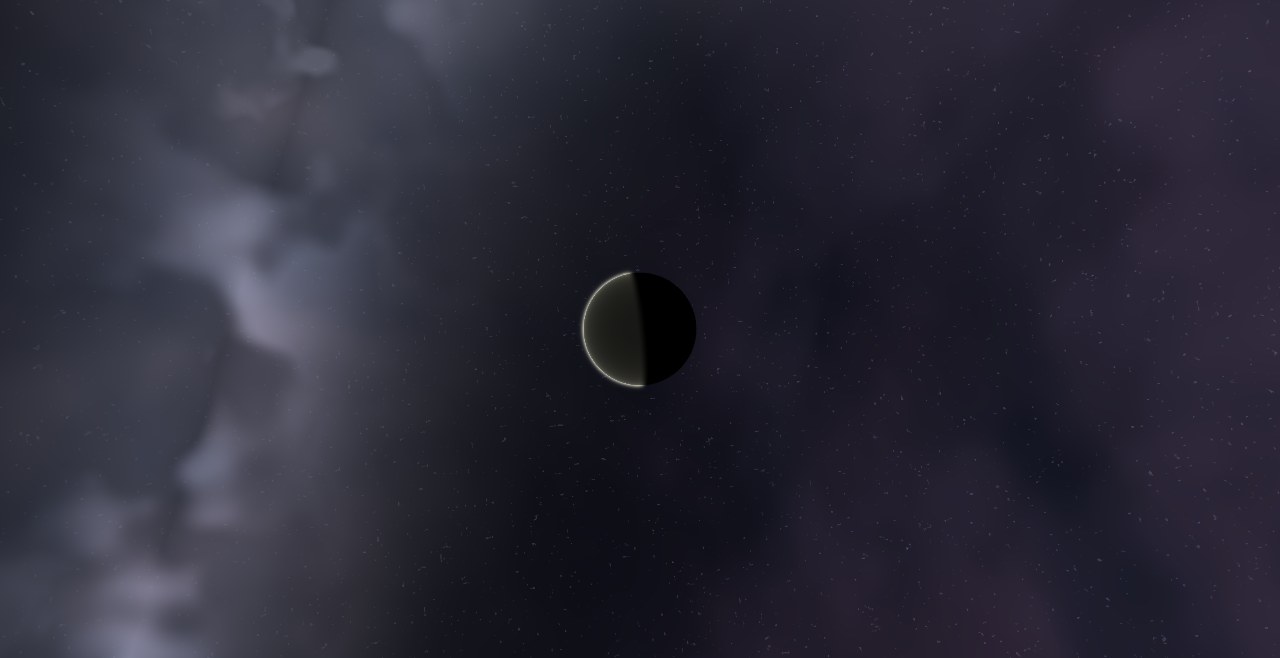
GJ 900 A, an orange K-type dwarf of 1.08 solar masses, and GJ 900 b, a 11.0-Jupiter-mass companion, at 12,000 AU from its star.
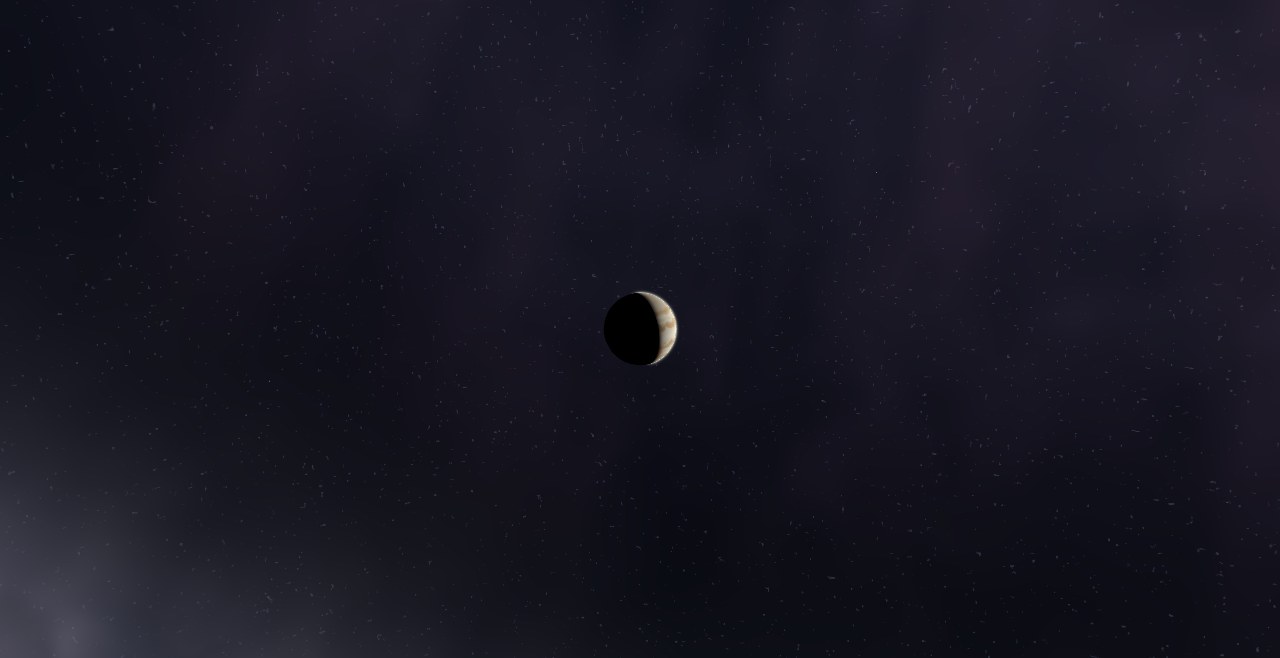
GJ 9066, a cool M-dwarf of 0.15 solar masses, and GJ 9066 c, a 0.21-Jupiter-mass companion, with an orbital period of 2.11 years, at 0.880 AU from its star, on an eccentric orbit (e ≈ 0.46).