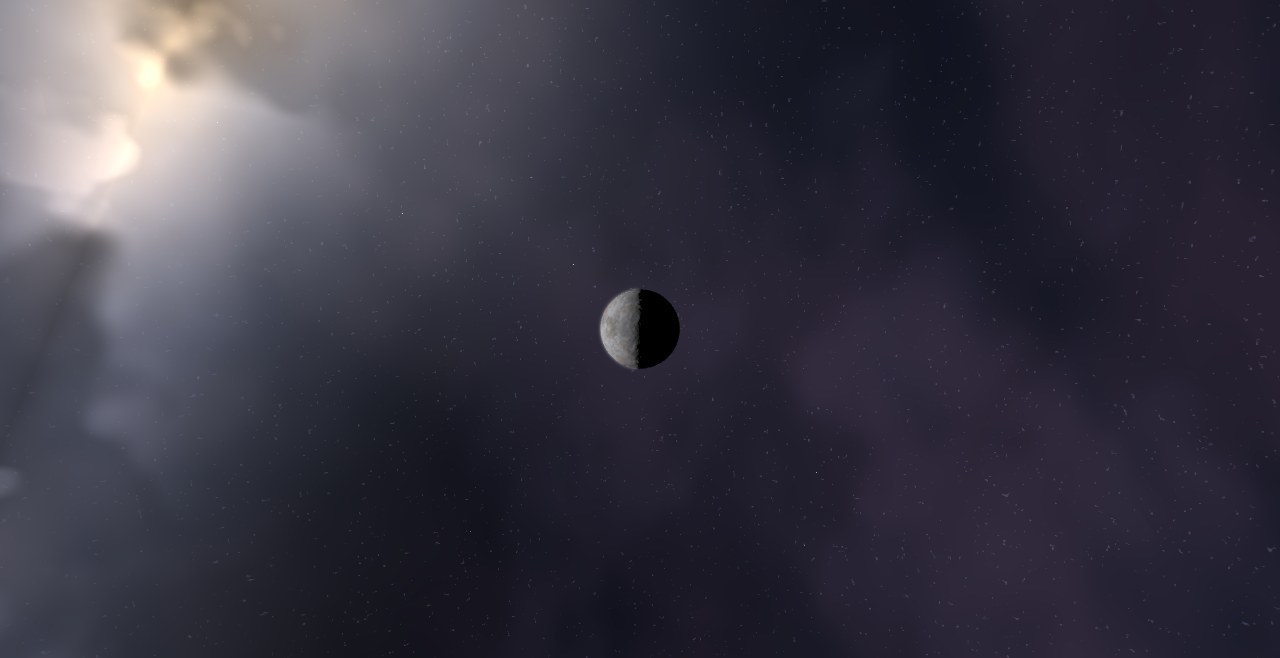
GJ 411 - System
GJ 411, an orange K-type dwarf of 0.39 solar masses, and GJ 411 b, a 2.7-Earth-mass planet, with an orbital period of 12.9 days, at 0.079 AU from its star, on an eccentric orbit (e ≈ 0.06).
3D Space and Gravity Simulator. Simulate the solar system, exoplanets and even colliding galaxies. Add, delete and modify planets, and change the laws of physics.
Share
GJ 411, an orange K-type dwarf of 0.39 solar masses, and GJ 411 b, a 2.7-Earth-mass planet, with an orbital period of 12.9 days, at 0.079 AU from its star, on an eccentric orbit (e ≈ 0.06).
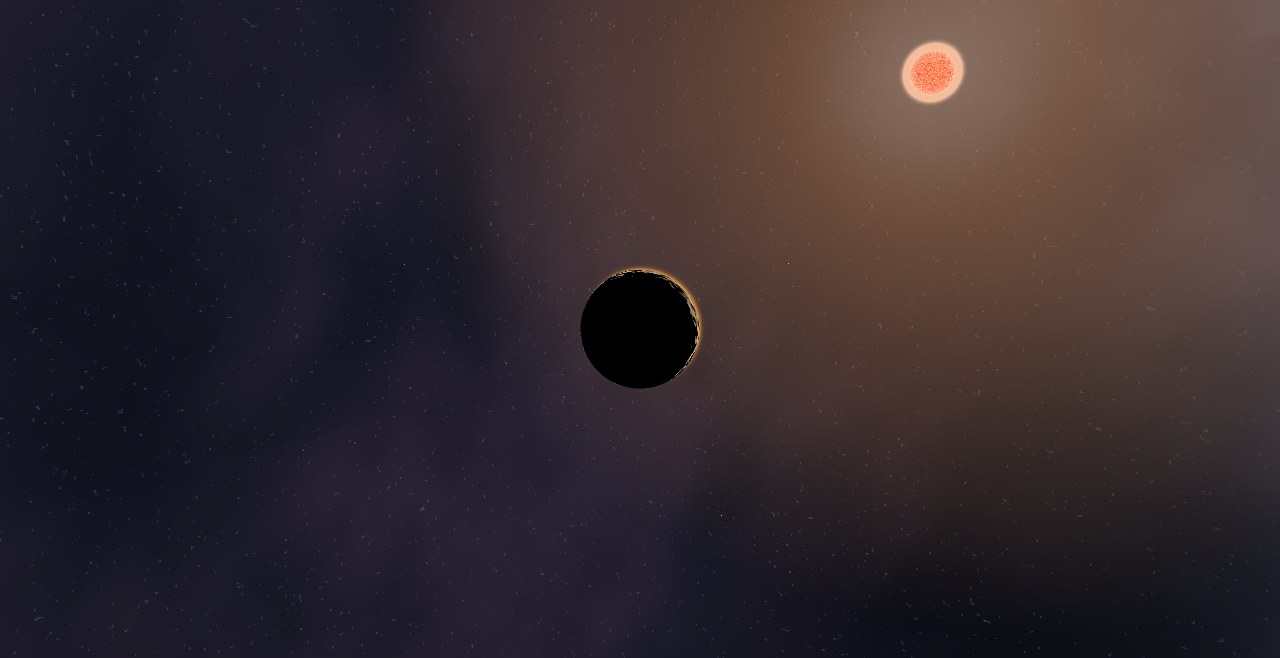
GJ 414 A, an orange K-type dwarf of 0.65 solar masses, and GJ 414 A b, a 7.6-Earth-mass planet, with an orbital period of 50.8 days, at 0.232 AU from its star, and an equilibrium temperature near 309 K.
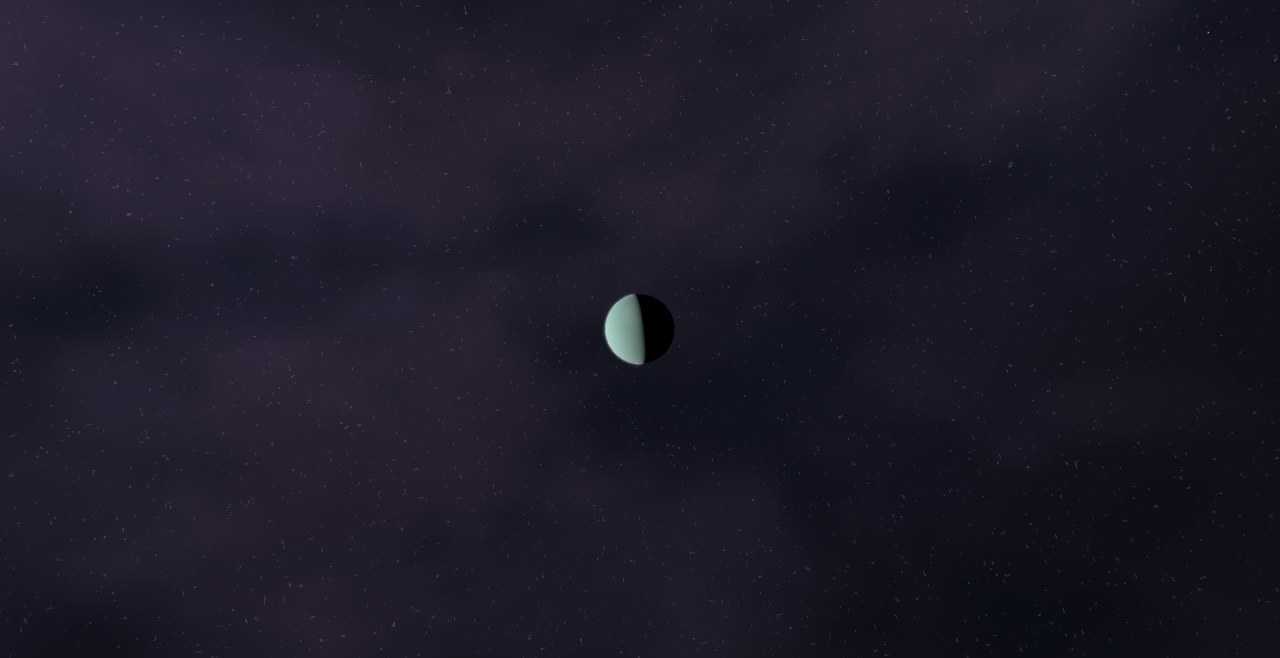
GJ 422, a cool M-dwarf of 0.35 solar masses, and GJ 422 b, a 11.1-Earth-mass planet, with an orbital period of 20.1 days, at 0.111 AU from its star, on an eccentric orbit (e ≈ 0.11).
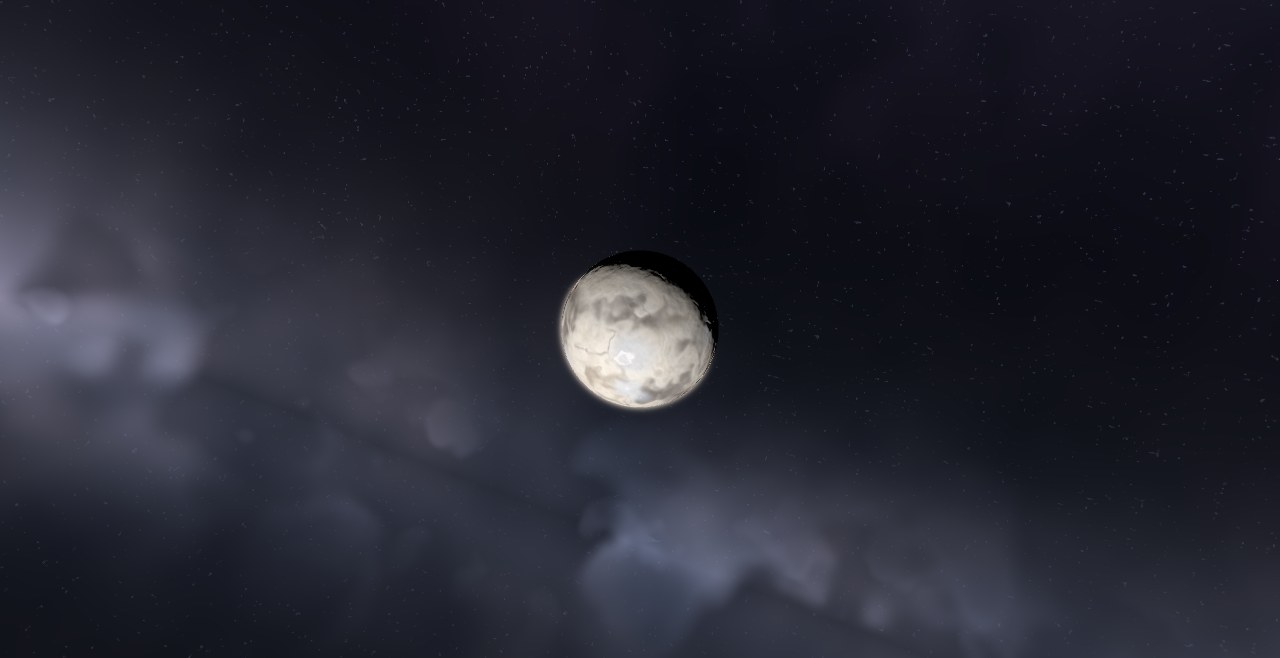
GJ 4274, a cool M-dwarf of 0.18 solar masses, and GJ 4274 b, a 3.0-Earth-mass planet, with an orbital period of 1.6 days, at 0.015 AU from its star.
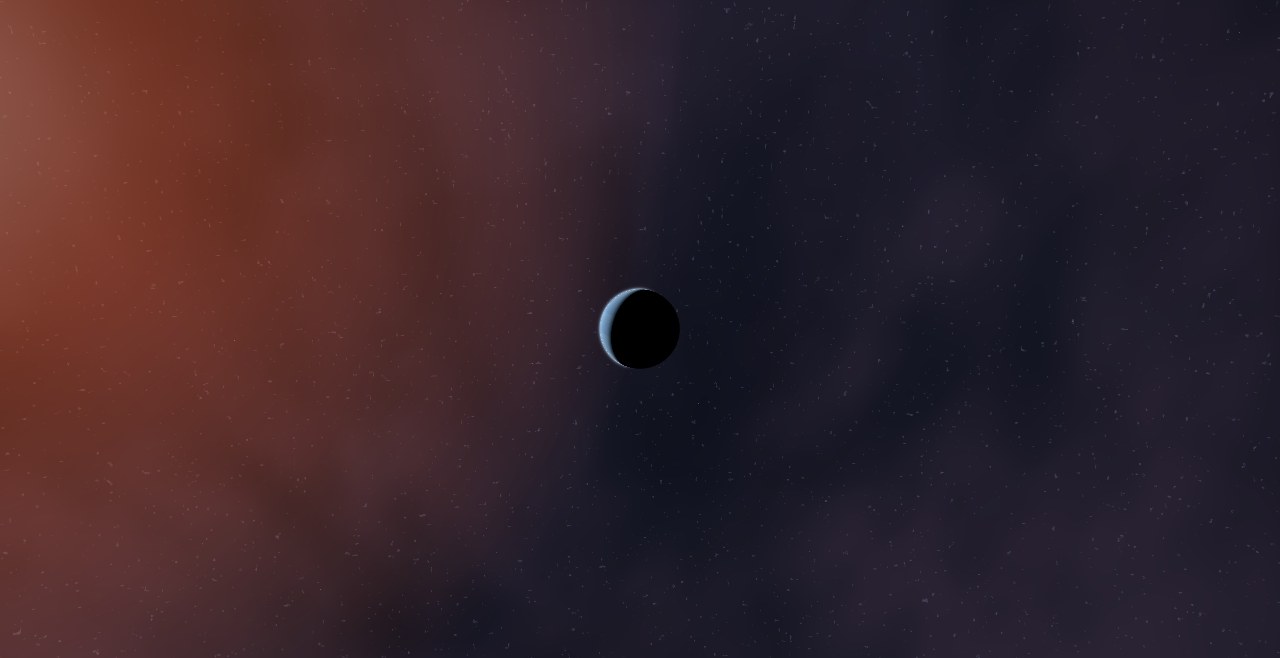
GJ 4276, a cool M-dwarf of 0.41 solar masses, and GJ 4276 b, a 0.05-Jupiter-mass companion, with an orbital period of 13.4 days, at 0.082 AU from its star, on an eccentric orbit (e ≈ 0.37).
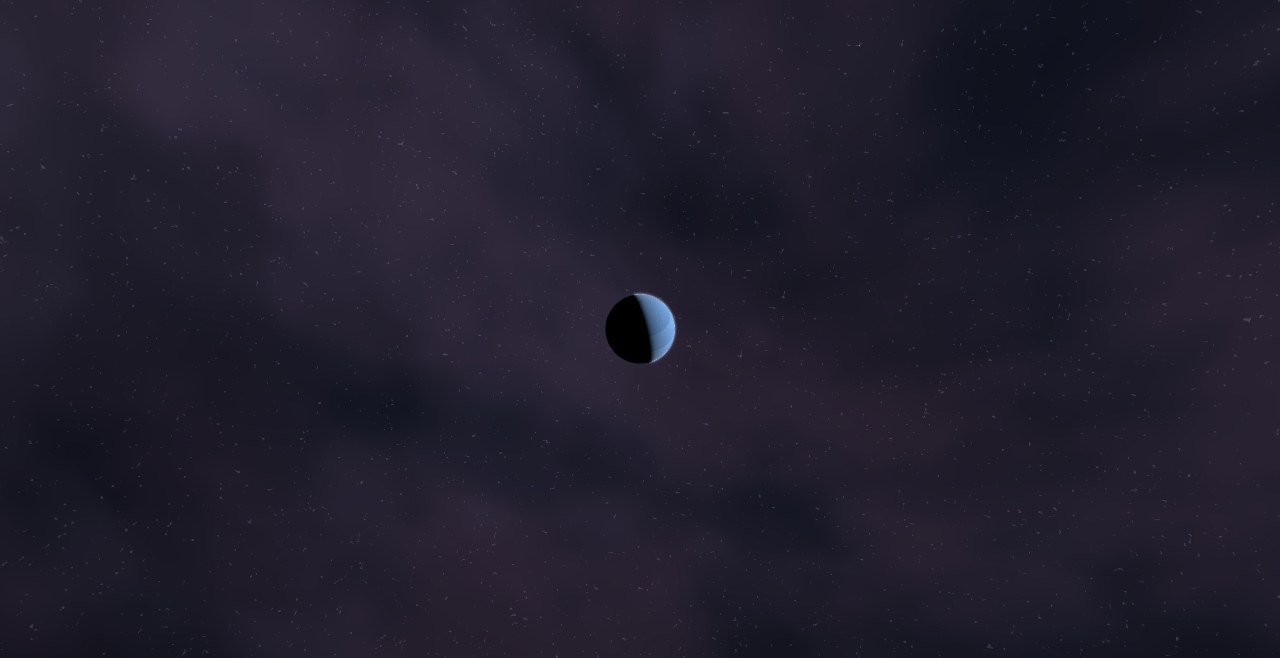
GJ 433, a cool M-dwarf of 0.48 solar masses, and GJ 433 b, a 6.0-Earth-mass planet, with an orbital period of 7.4 days, at 0.062 AU from its star.
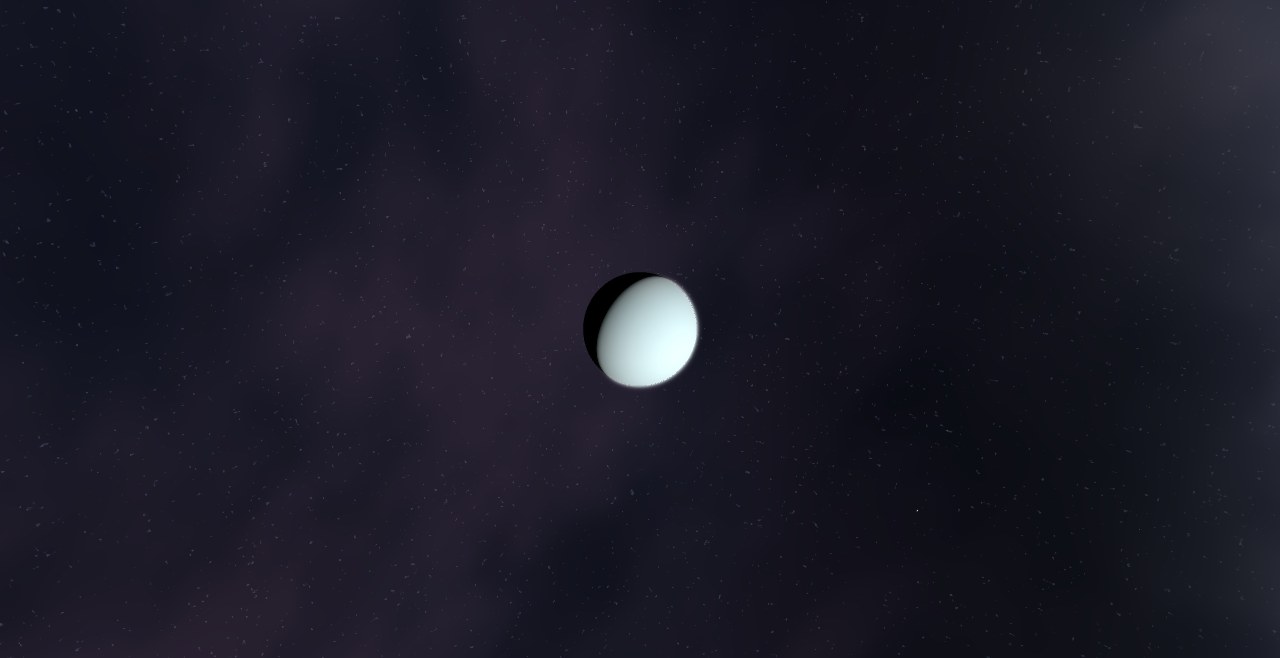
GJ 436 b, an eccentric hot Neptune trailing a huge comet-like helium and hydrogen tail. The oval orbit has persisted despite strong tides. The tail extends millions of kilometers behind the planet.
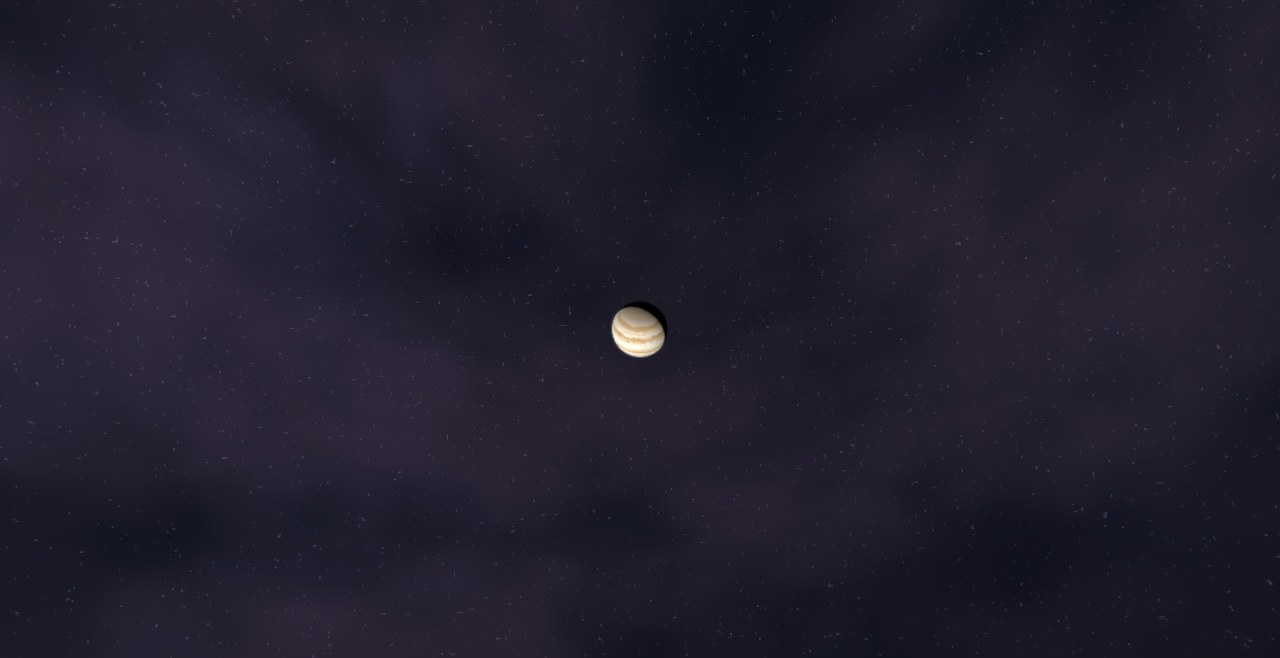
GJ 463, a cool M-dwarf of 0.49 solar masses, and GJ 463 b, a 1.65-Jupiter-mass companion, with an orbital period of 9.47 years, at 3.530 AU from its star, on an eccentric orbit (e ≈ 0.15).
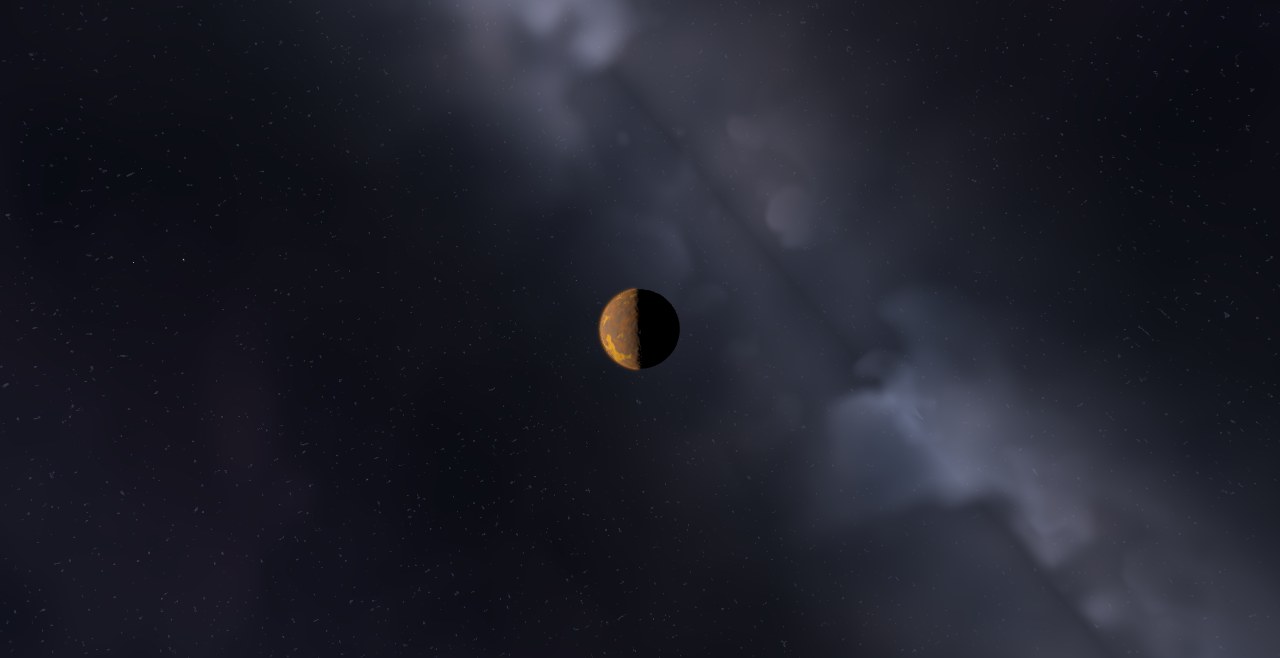
GJ 480, a cool M-dwarf of 0.45 solar masses, and GJ 480 b, a 8.8-Earth-mass planet, with an orbital period of 9.6 days, at 0.068 AU from its star, and an equilibrium temperature near 406 K.
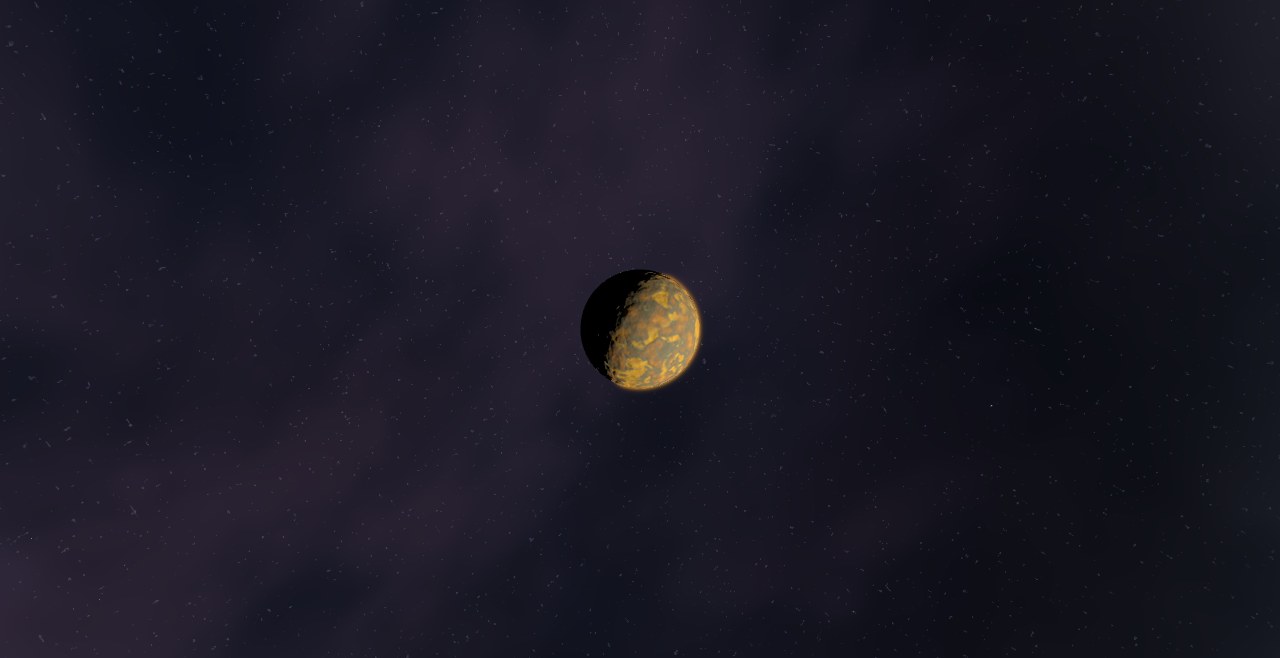
GJ 486 b, a hot rocky planet around a nearby red dwarf. JWST watches its dayside glow to see whether any atmosphere survives. Emission spectra test whether any air remains at all.
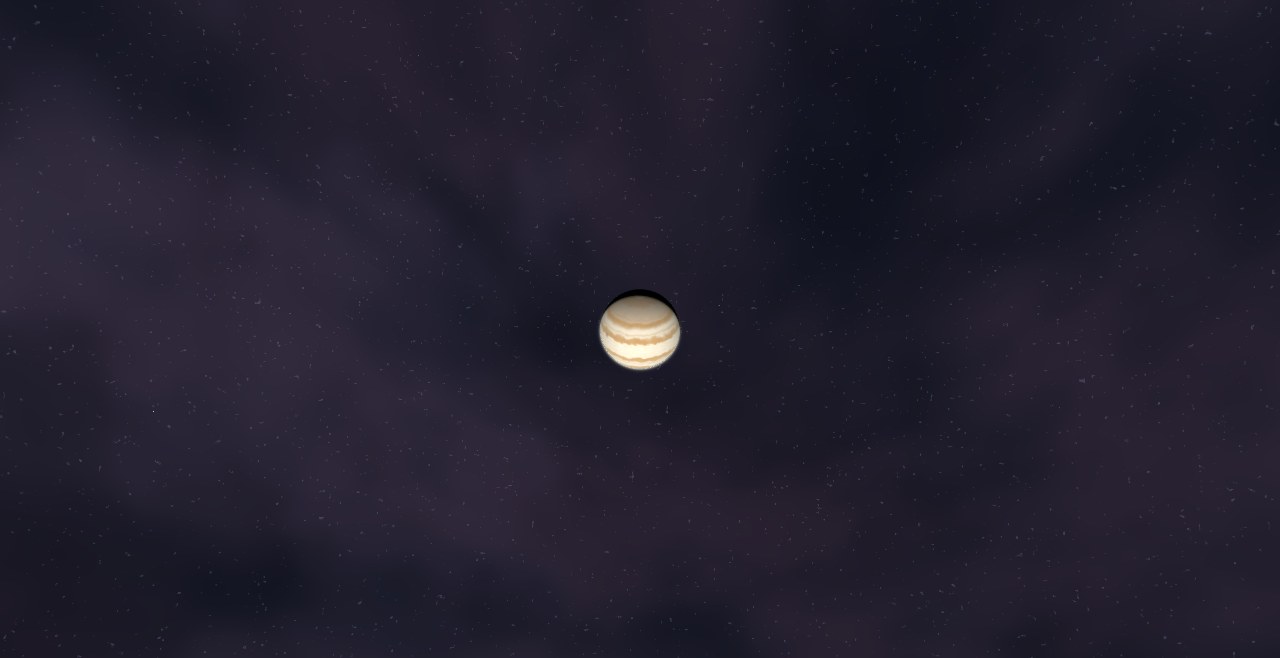
GJ 504 b, a cold giant planet imaged far from a Sun-like star. It is pinkish in infrared and one of the least massive planets seen directly.
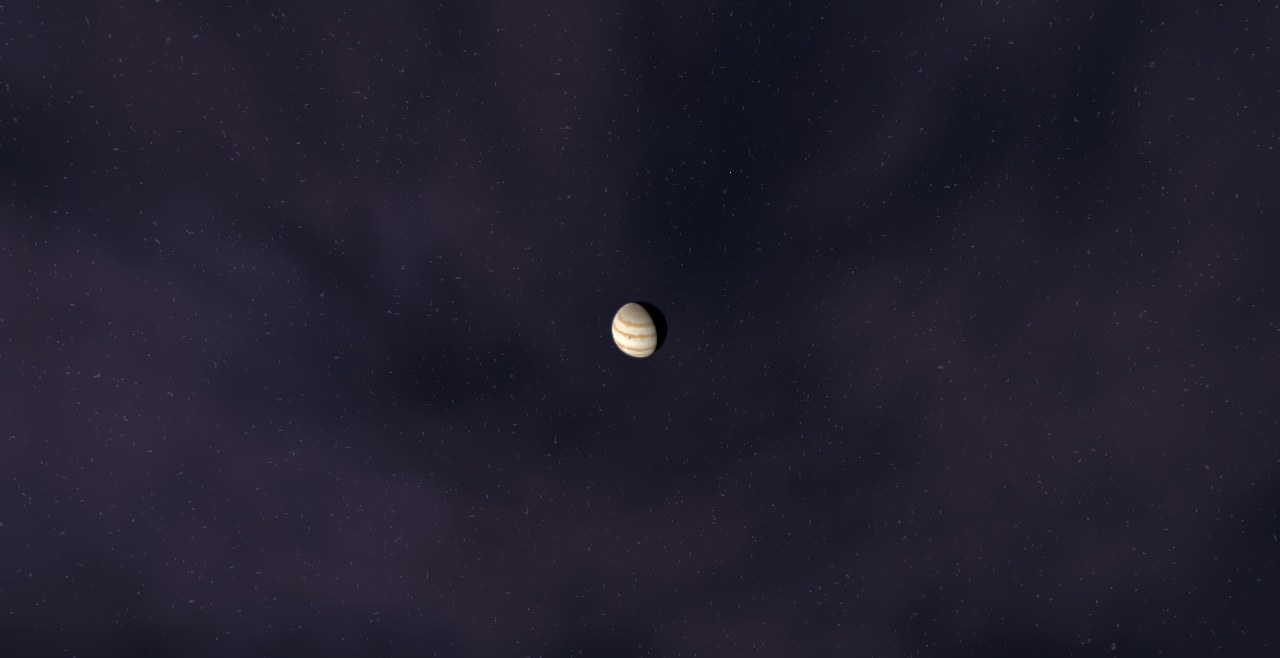
GJ 508.2, a cool M-dwarf of 0.54 solar masses, and GJ 508.2 b, a 1.85-Jupiter-mass companion, with an orbital period of 14.5 years, at 4.850 AU from its star, on an eccentric orbit (e ≈ 0.27).
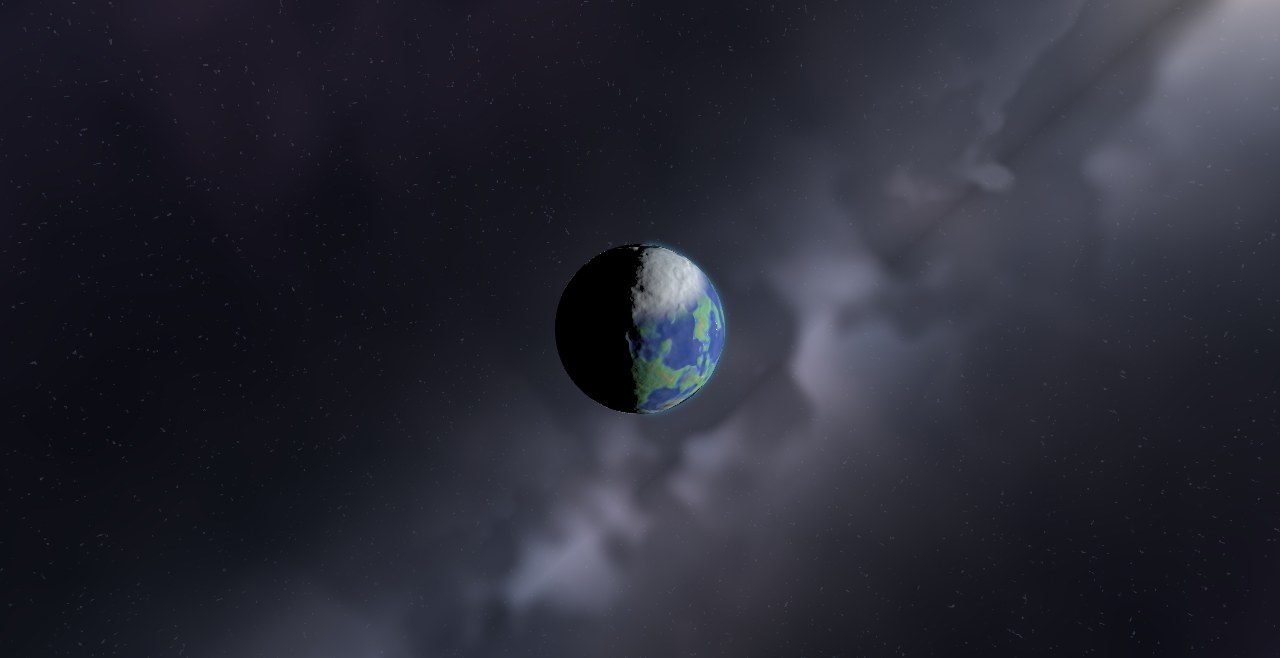
GJ 514, a cool M-dwarf of 0.51 solar masses, and GJ 514 b, a 5.2-Earth-mass planet, with an orbital period of 140 days, at 0.422 AU from its star, and an equilibrium temperature near 202 K, on an eccentric.
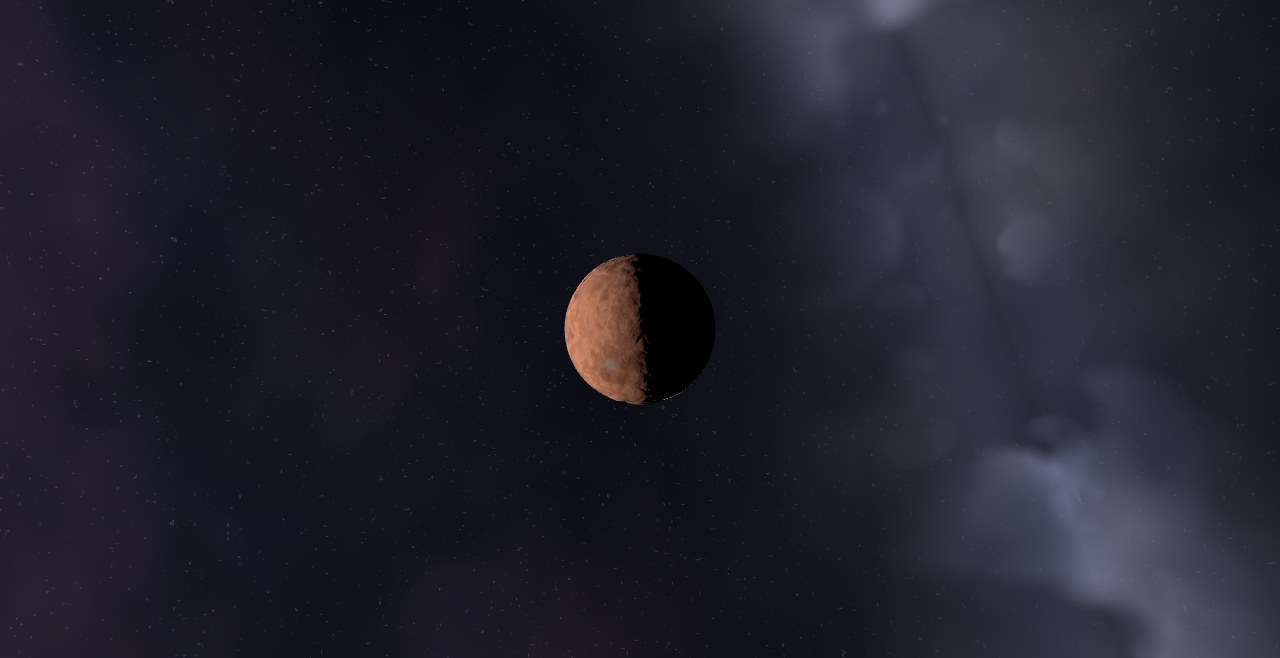
GJ 536, a cool M-dwarf of 0.53 solar masses, and GJ 536 b, a 6.4-Earth-mass planet, with an orbital period of 8.7 days, at 0.067 AU from its star, and an equilibrium temperature near 451 K.
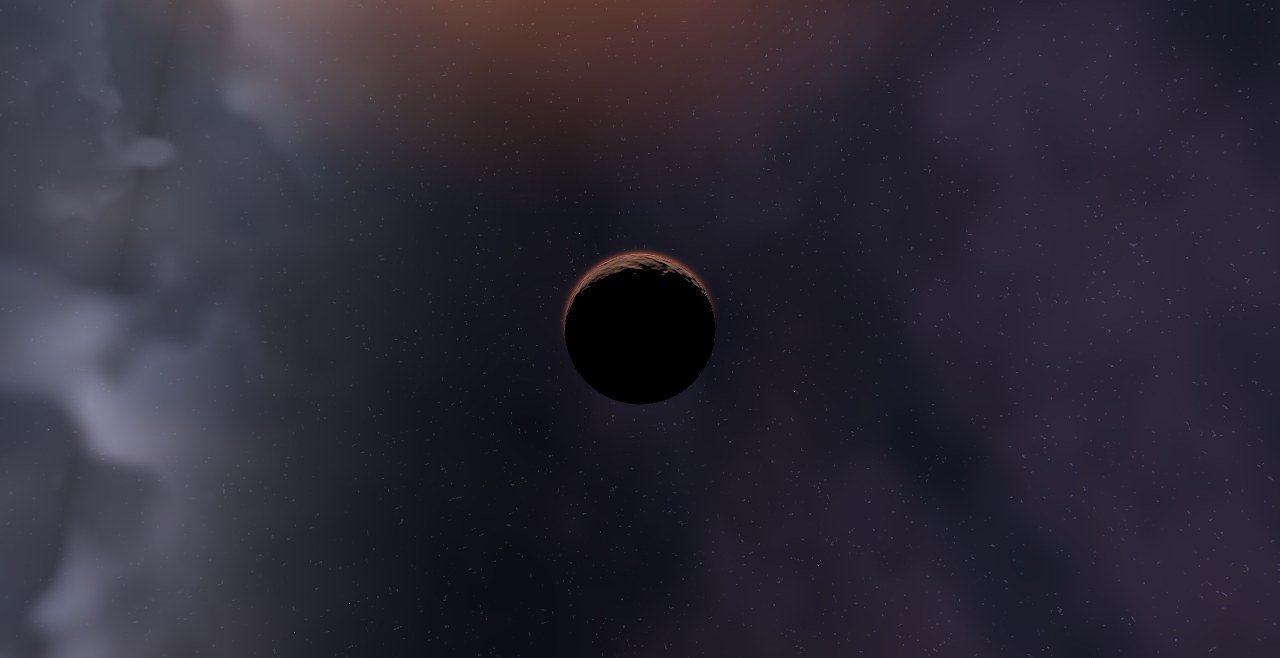
GJ 581, a cool M-dwarf of 0.29 solar masses, and GJ 581 e, a 2.5-Earth-mass planet, with an orbital period of 3.1 days, at 0.028 AU from its star.
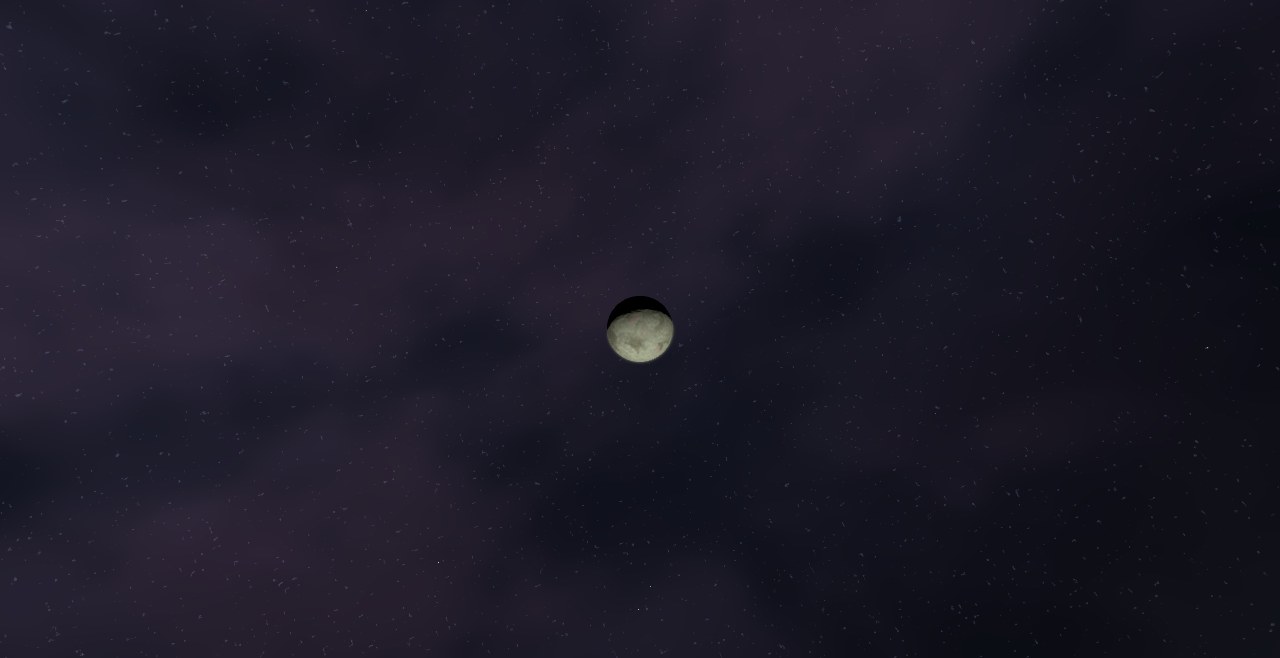
GJ 625, a cool M-dwarf of 0.30 solar masses, and GJ 625 b, a 2.8-Earth-mass planet, with an orbital period of 14.6 days, at 0.078 AU from its star, on an eccentric orbit (e ≈ 0.13).
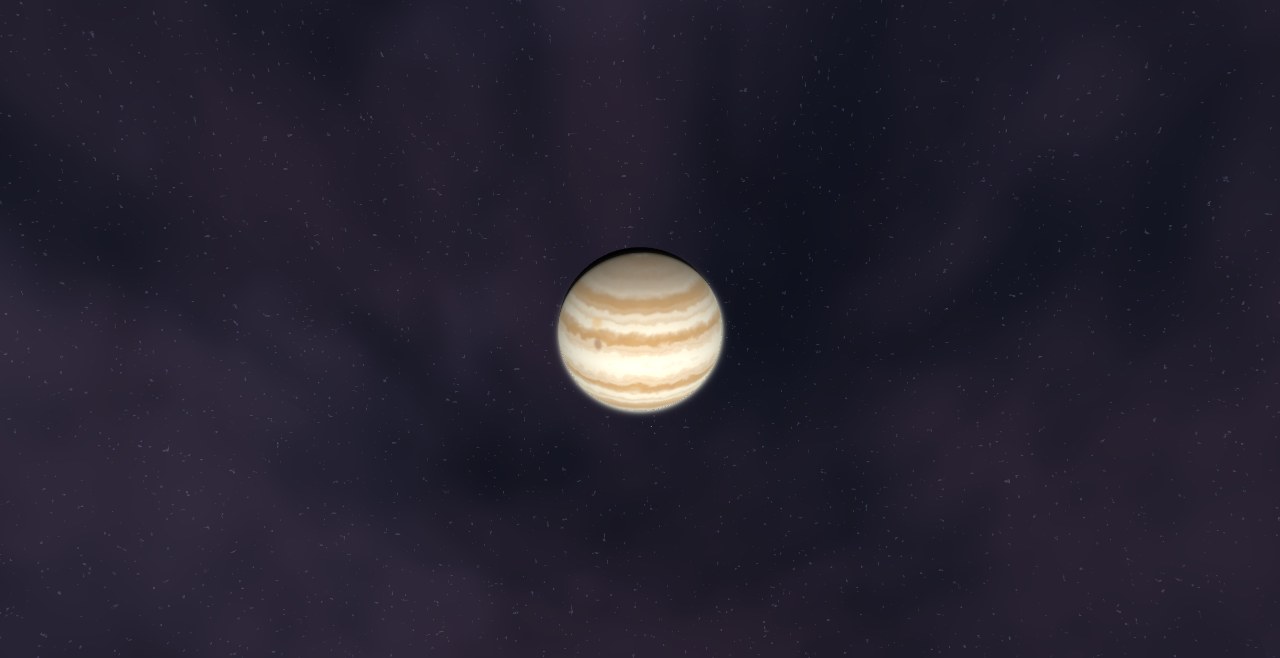
GJ 649, a cool M-dwarf of 0.51 solar masses, and GJ 649 b, a 0.26-Jupiter-mass companion, with an orbital period of 1.64 years, at 1.112 AU from its star, on an eccentric orbit (e ≈ 0.08).
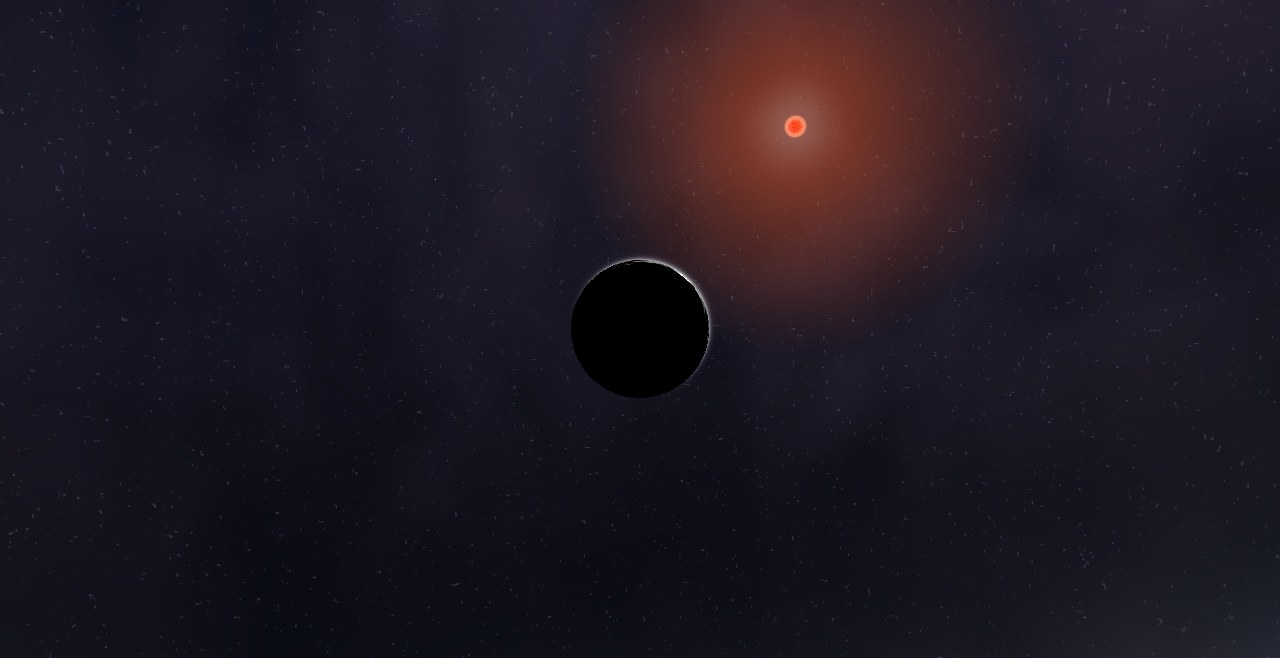
GJ 667 C, a cool M-dwarf of 0.33 solar masses, with its 5 planets on orbits from 28.1 days to 7.2 days.