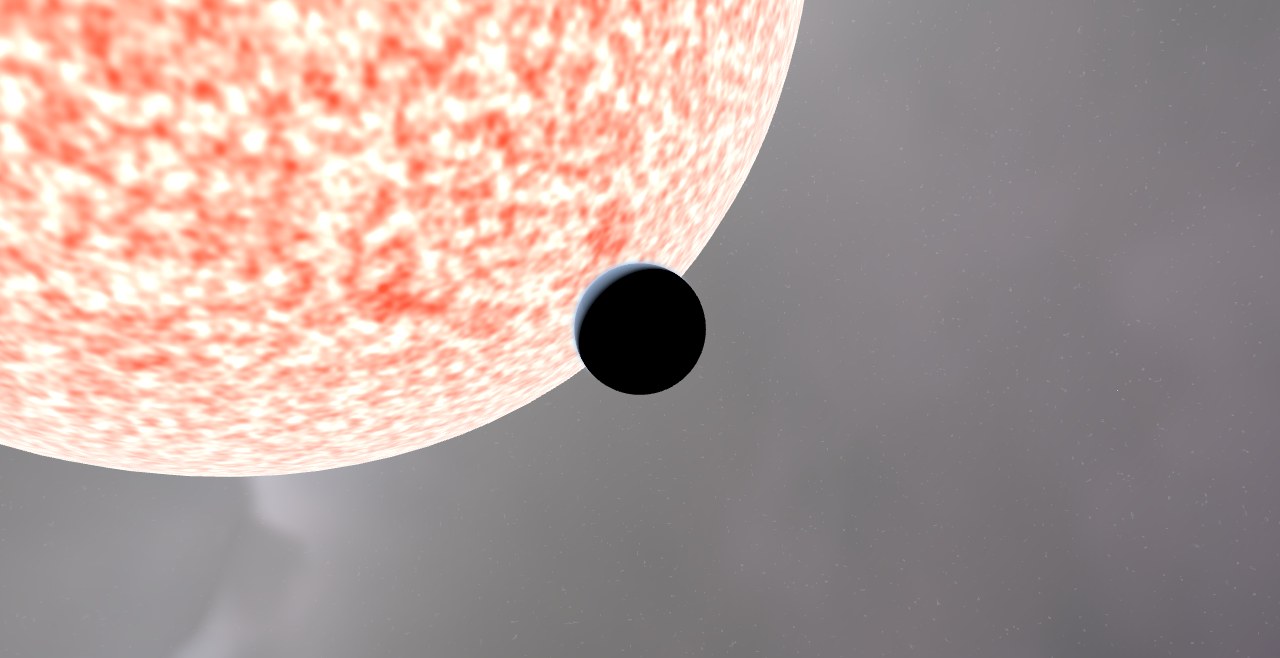
GJ 3222 - System
GJ 3222, a Sun-like G-type star of 0.89 solar masses, and GJ 3222 b, a 11.4-Earth-mass planet, with an orbital period of 10.7 days, at 0.091 AU from its star, on an eccentric orbit (e ≈ 0.93).
3D Space and Gravity Simulator. Simulate the solar system, exoplanets and even colliding galaxies. Add, delete and modify planets, and change the laws of physics.
Share
GJ 3222, a Sun-like G-type star of 0.89 solar masses, and GJ 3222 b, a 11.4-Earth-mass planet, with an orbital period of 10.7 days, at 0.091 AU from its star, on an eccentric orbit (e ≈ 0.93).
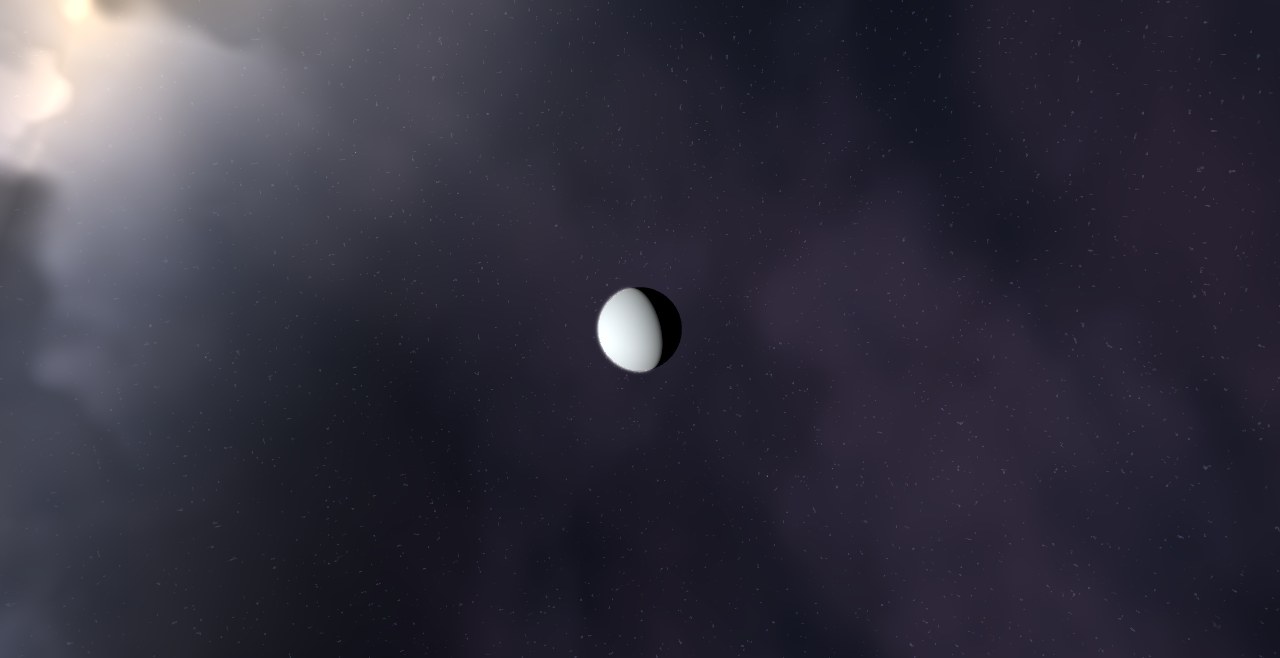
GJ 328, a cool M-dwarf of 0.65 solar masses, and GJ 328 c, a 0.07-Jupiter-mass companion, with an orbital period of 242 days, at 0.657 AU from its star.
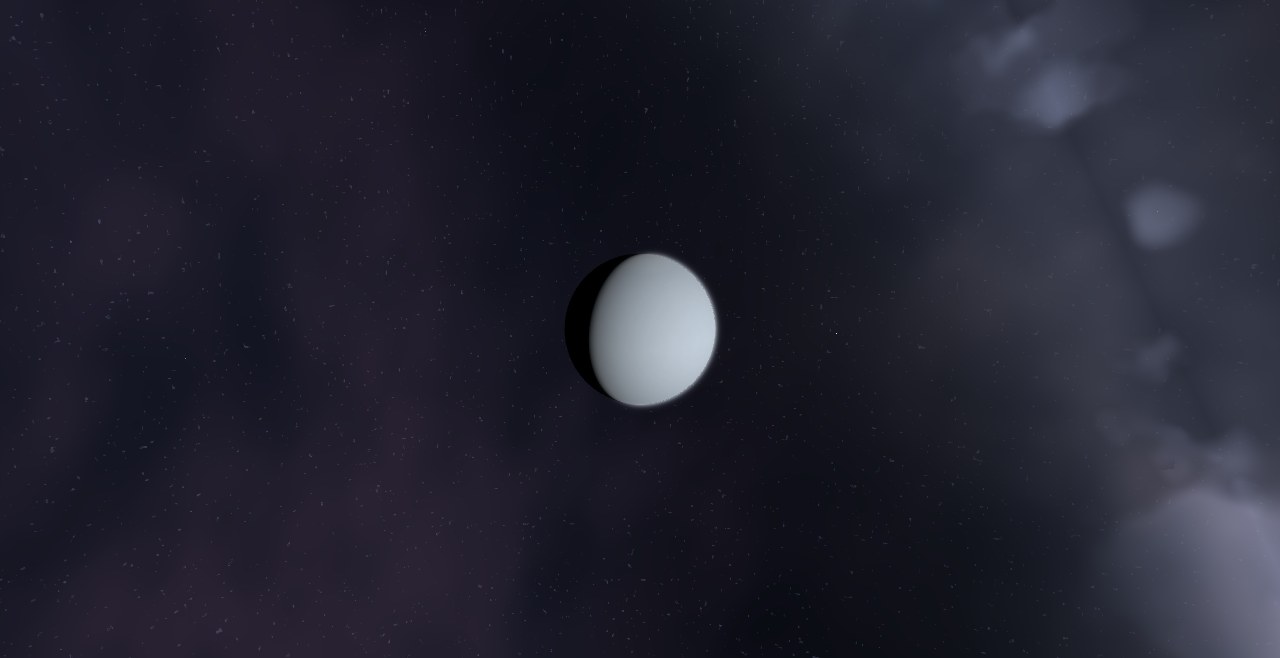
GJ 3293, a cool M-dwarf of 0.42 solar masses, and GJ 3293 e, a 3.3-Earth-mass planet, with an orbital period of 13.3 days, at 0.082 AU from its star, on an eccentric orbit (e ≈ 0.21).
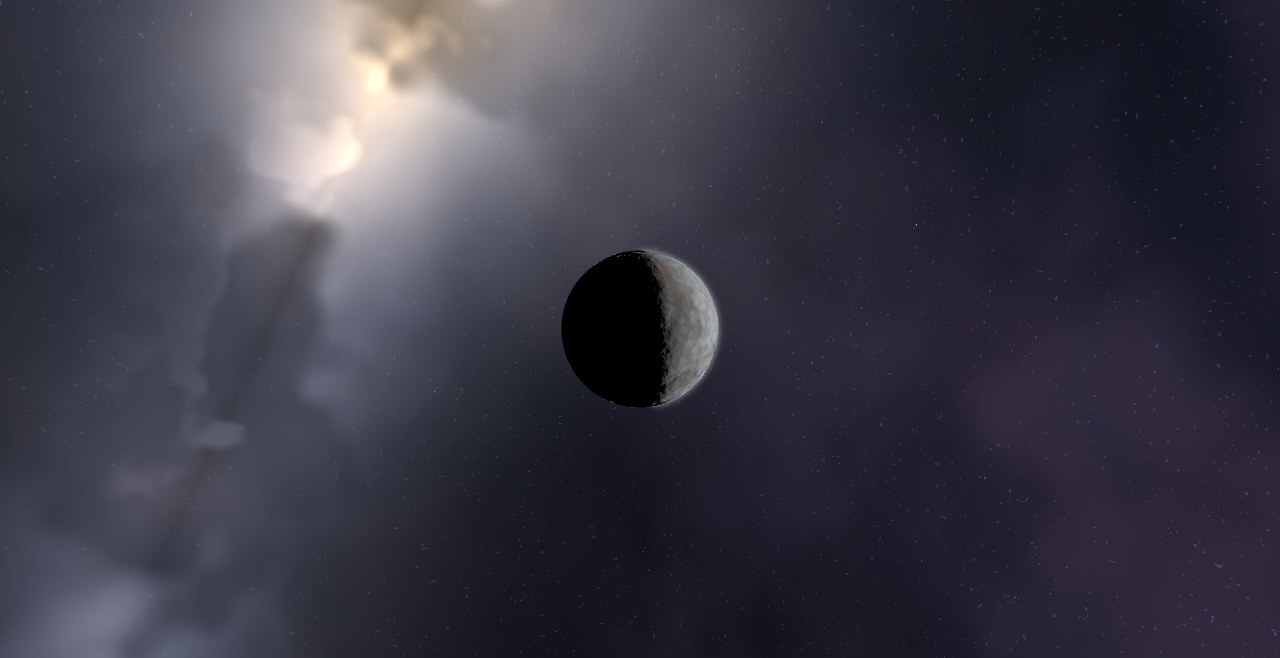
GJ 3323, a cool M-dwarf of 0.16 solar masses, and GJ 3323 b, a 2.0-Earth-mass planet, with an orbital period of 5.4 days, at 0.033 AU from its star, on an eccentric orbit (e ≈ 0.23).
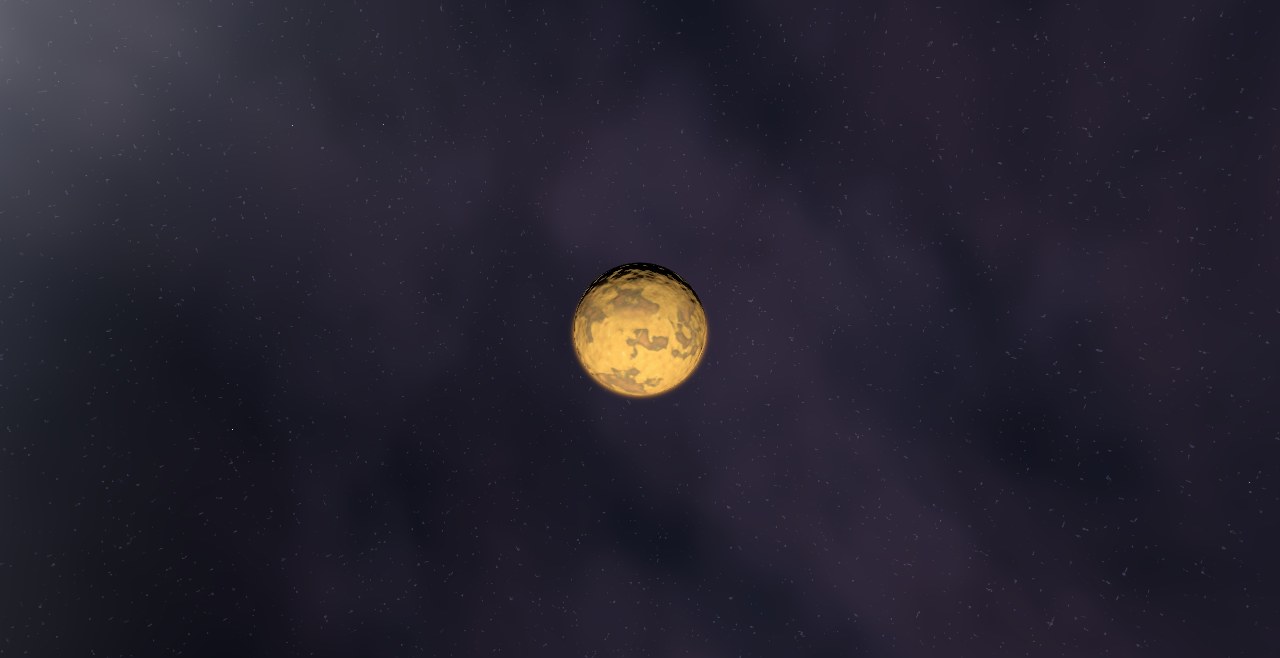
GJ 3341, a cool M-dwarf of 0.47 solar masses, and GJ 3341 b, a 6.6-Earth-mass planet, with an orbital period of 14.2 days, at 0.089 AU from its star, on an eccentric orbit (e ≈ 0.31).
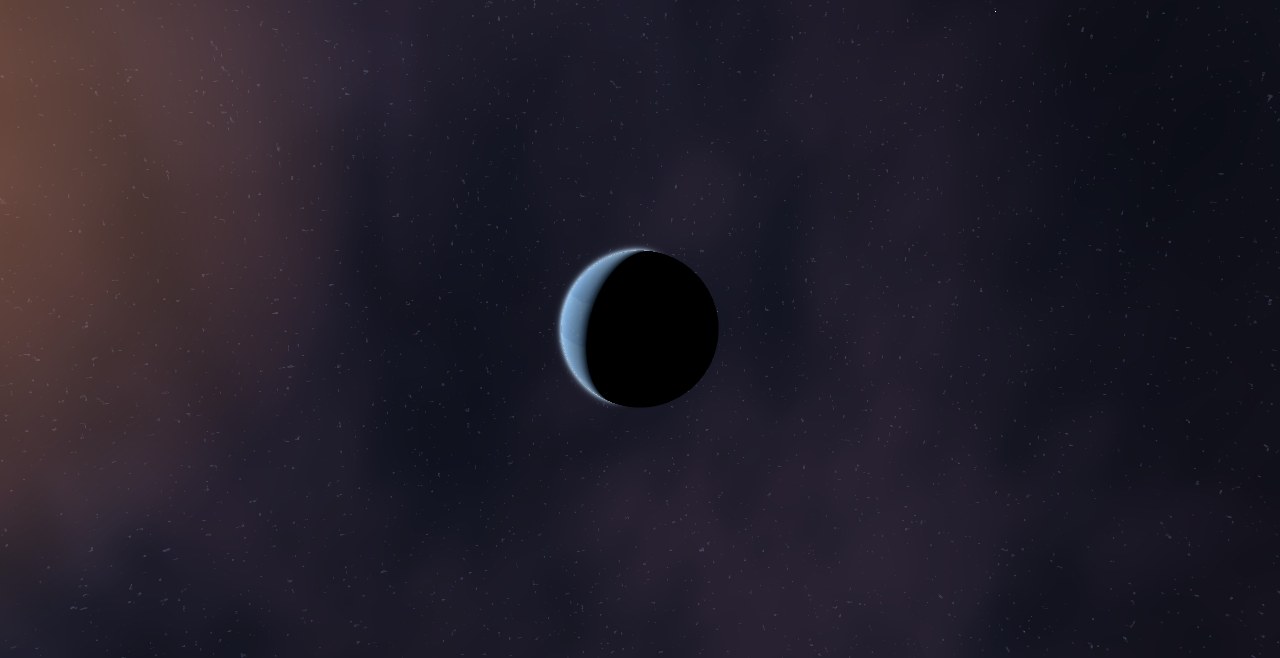
GJ 338 B, a cool M-dwarf of 0.64 solar masses, and GJ 338 B b, a 10.6-Earth-mass planet, with an orbital period of 24.4 days, at 0.142 AU from its star, on an eccentric orbit (e ≈ 0.11).
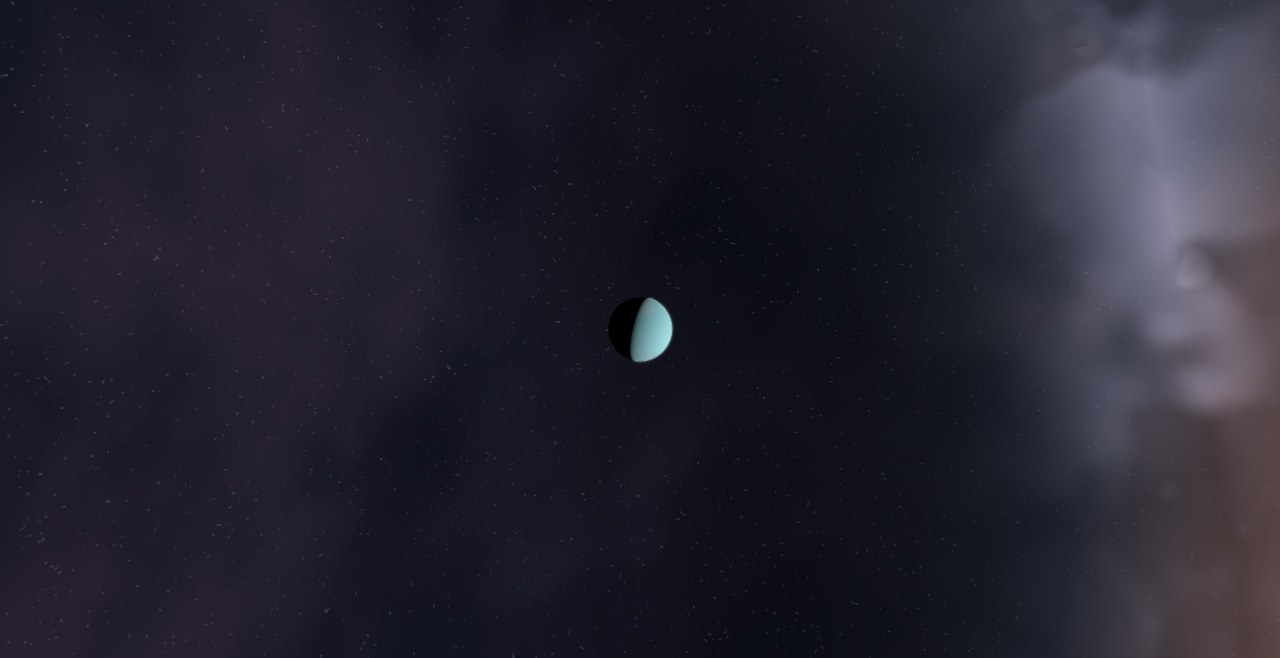
GJ 3470, a cool M-dwarf of 0.54 solar masses, and GJ 3470 b, a 13.9-Earth-mass planet, with an orbital period of 3.3 days, at 0.035 AU from its star, and an equilibrium temperature near 594 K.
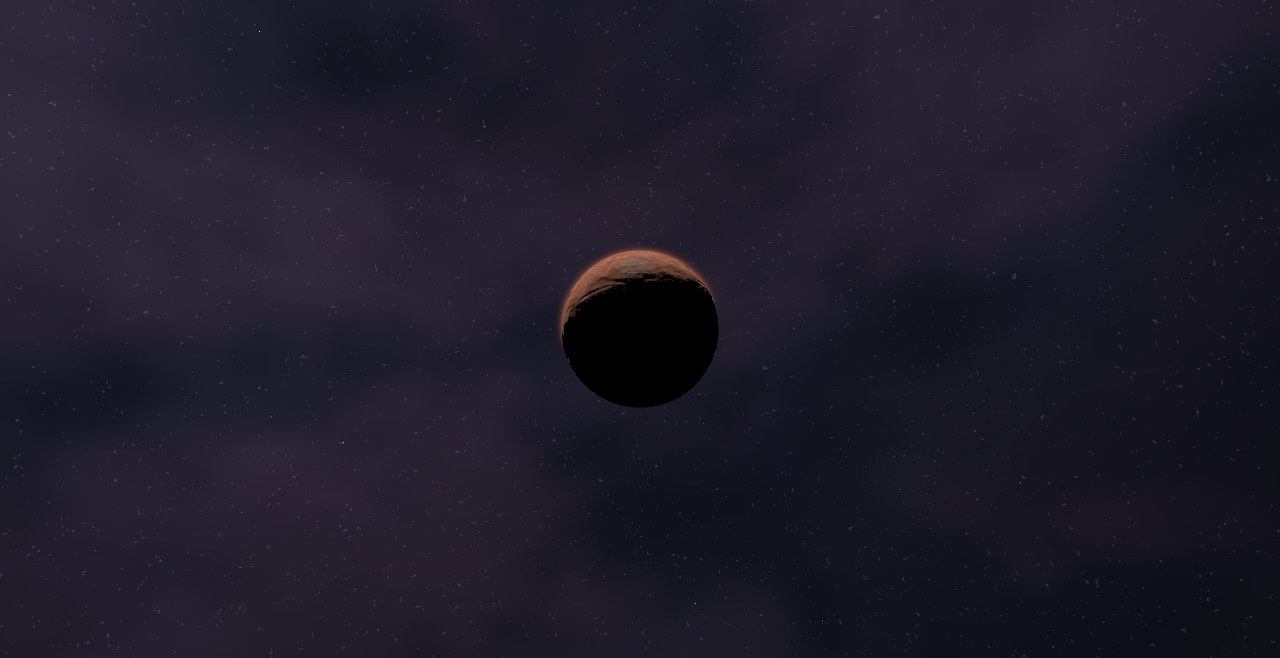
GJ 3473, a cool M-dwarf of 0.36 solar masses, and GJ 3473 b, a 1.9-Earth-mass planet, with an orbital period of 1.2 days, at 0.016 AU from its star, and an equilibrium temperature near 773 K.
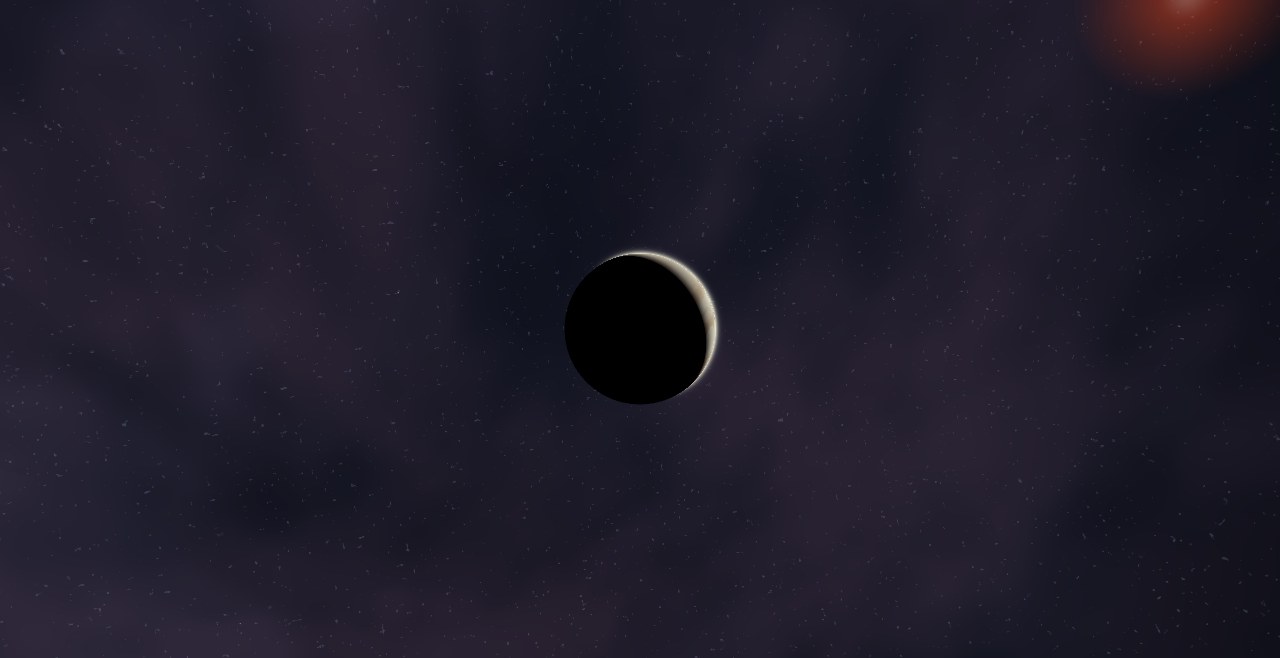
GJ 3512, a cool M-dwarf of 0.12 solar masses, and GJ 3512 b, a 0.46-Jupiter-mass companion, with an orbital period of 203 days, at 0.338 AU from its star, on an eccentric orbit (e ≈ 0.43).
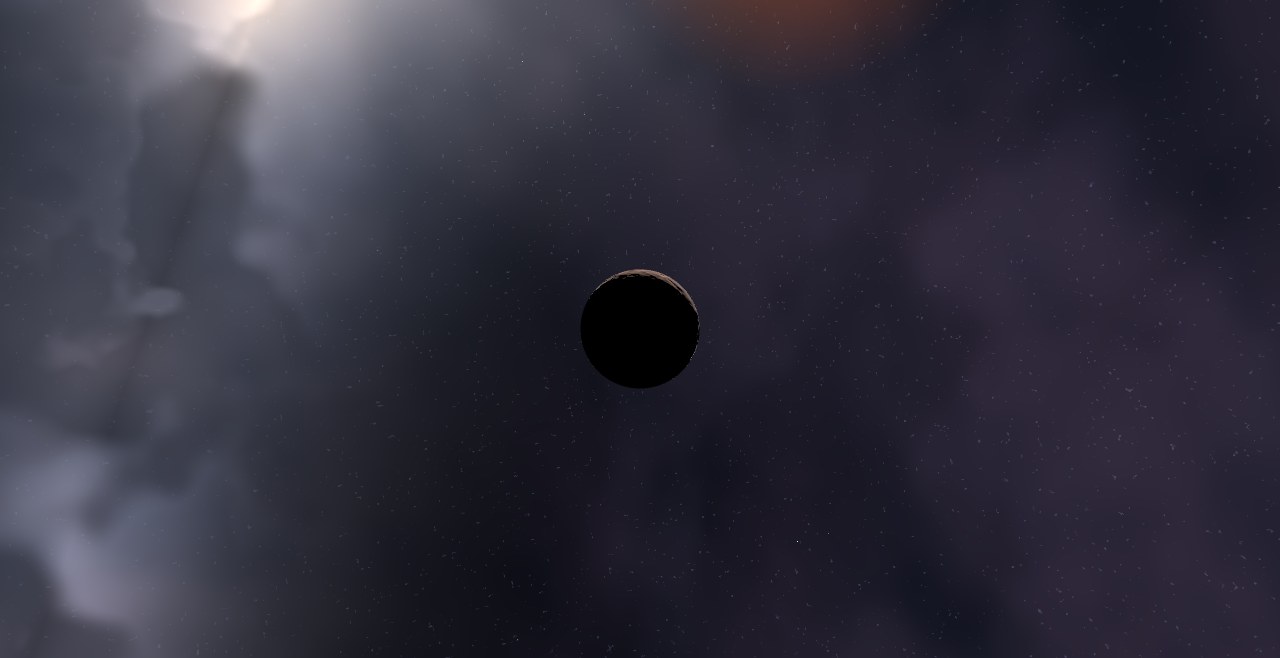
GJ 357, a nearby red dwarf with a transiting hot Earth and an outer habitable-zone planet. The outer world does not transit. The system is about 31 light-years from the Sun.
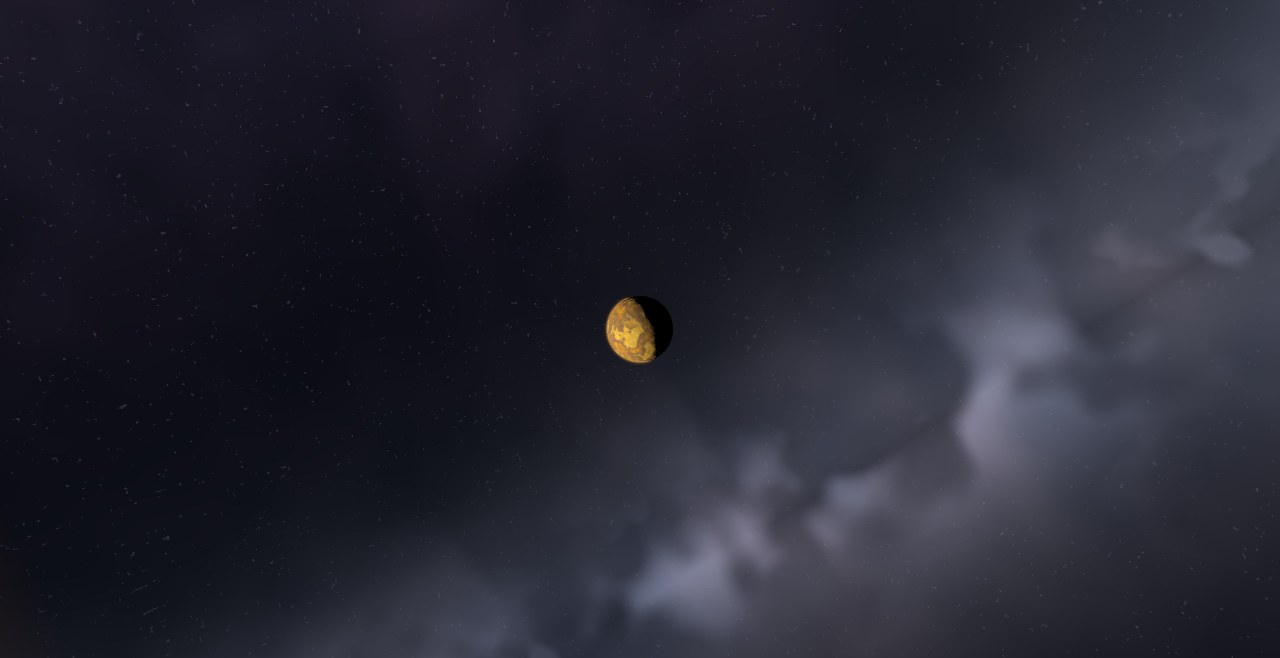
GJ 3634, a cool M-dwarf of 0.45 solar masses, and GJ 3634 b, a 8.4-Earth-mass planet, with an orbital period of 2.6 days, at 0.029 AU from its star, on an eccentric orbit (e ≈ 0.08).
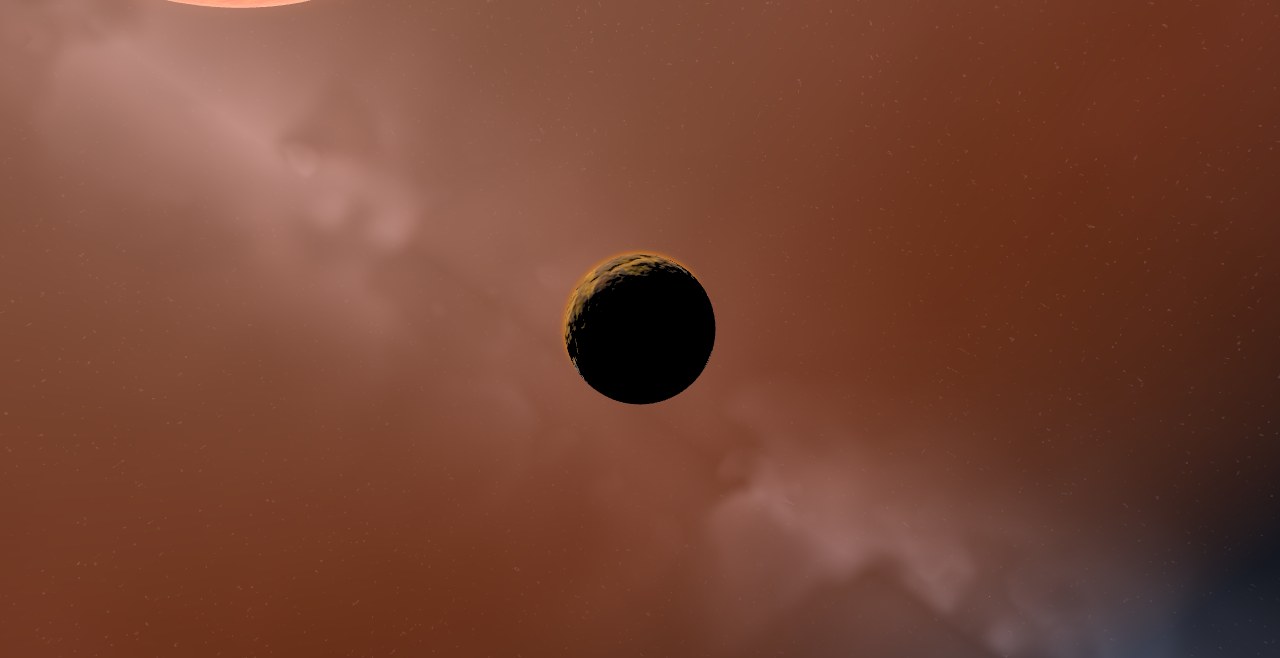
GJ 367 b, an iron-rich world on an ultra-short orbit. A year lasts about eight hours, and the high density points to an exposed iron core. The density is higher than Earth's.
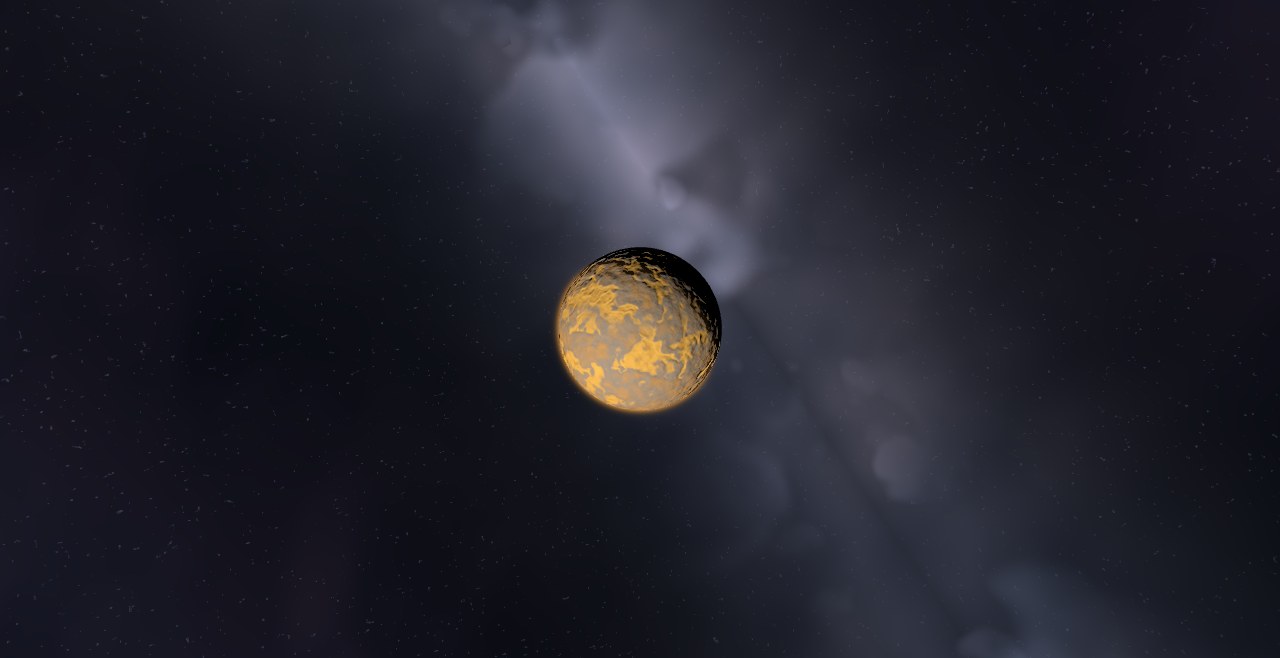
GJ 3779, a cool M-dwarf of 0.27 solar masses, and GJ 3779 b, a 8.0-Earth-mass planet, with an orbital period of 3.0 days, at 0.026 AU from its star, on an eccentric orbit (e ≈ 0.07).
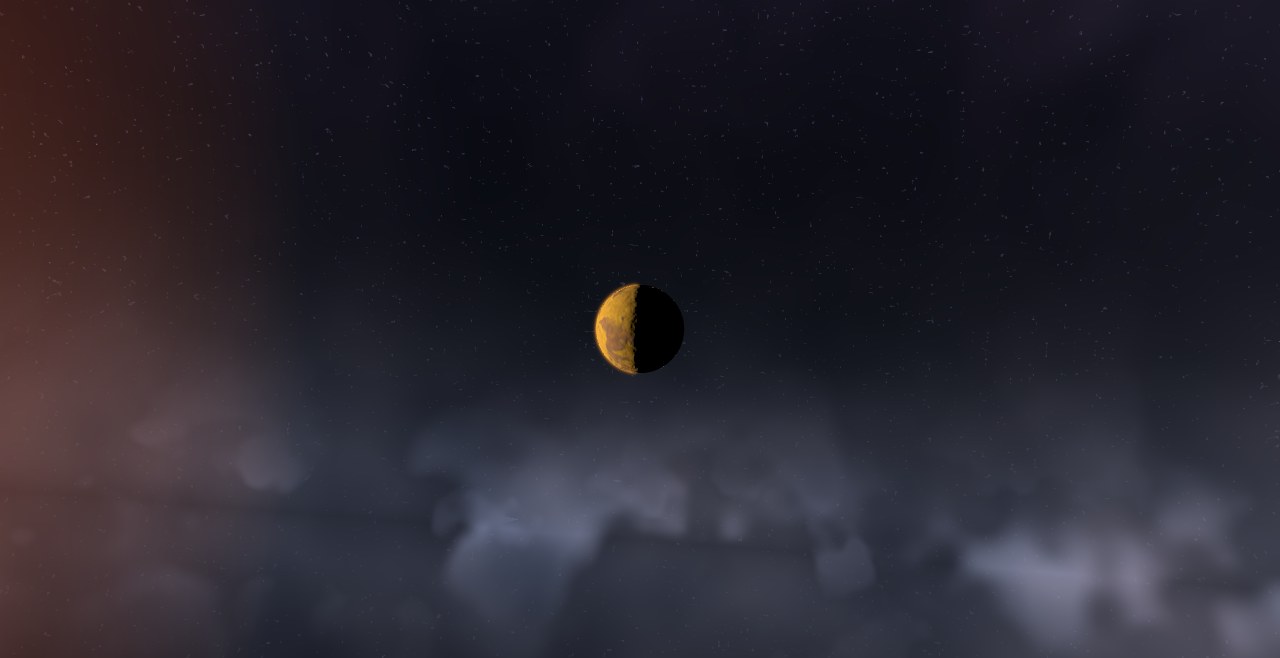
GJ 3929, a cool M-dwarf of 0.31 solar masses, and GJ 3929 b, a 1.8-Earth-mass planet, with an orbital period of 2.6 days, at 0.025 AU from its star, and an equilibrium temperature near 568 K.
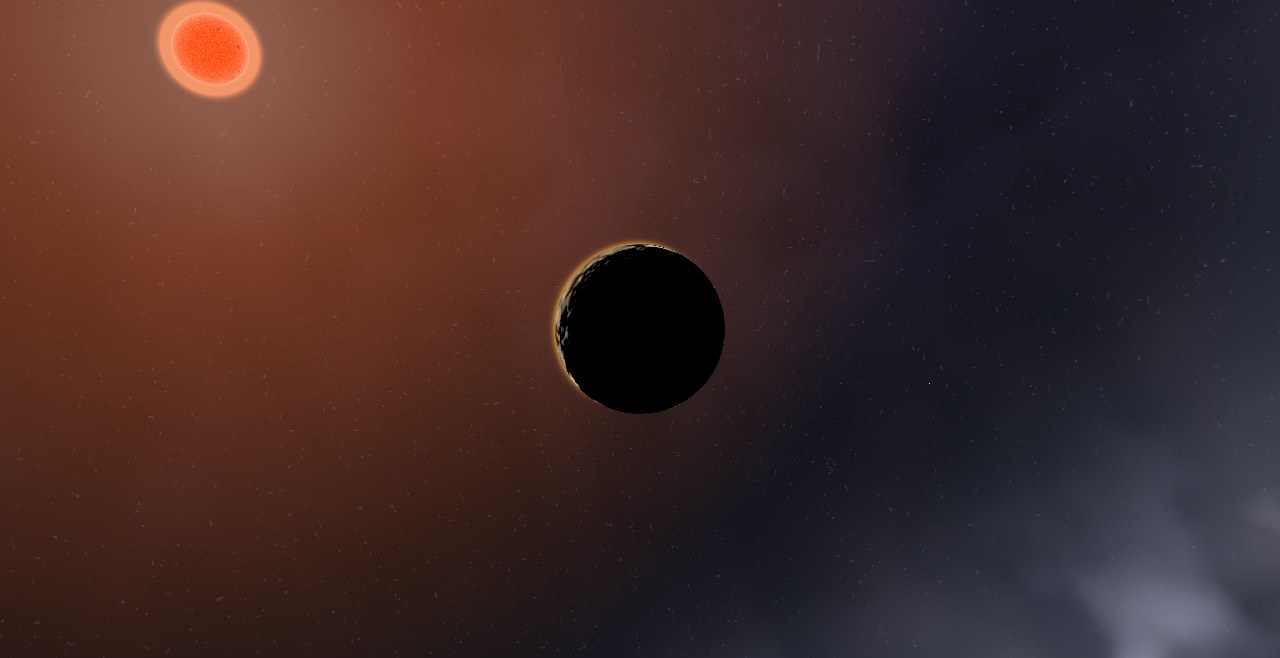
GJ 393, a cool M-dwarf of 0.43 solar masses, and GJ 393 b, a 1.7-Earth-mass planet, with an orbital period of 7.0 days, at 0.054 AU from its star, and an equilibrium temperature near 485 K.
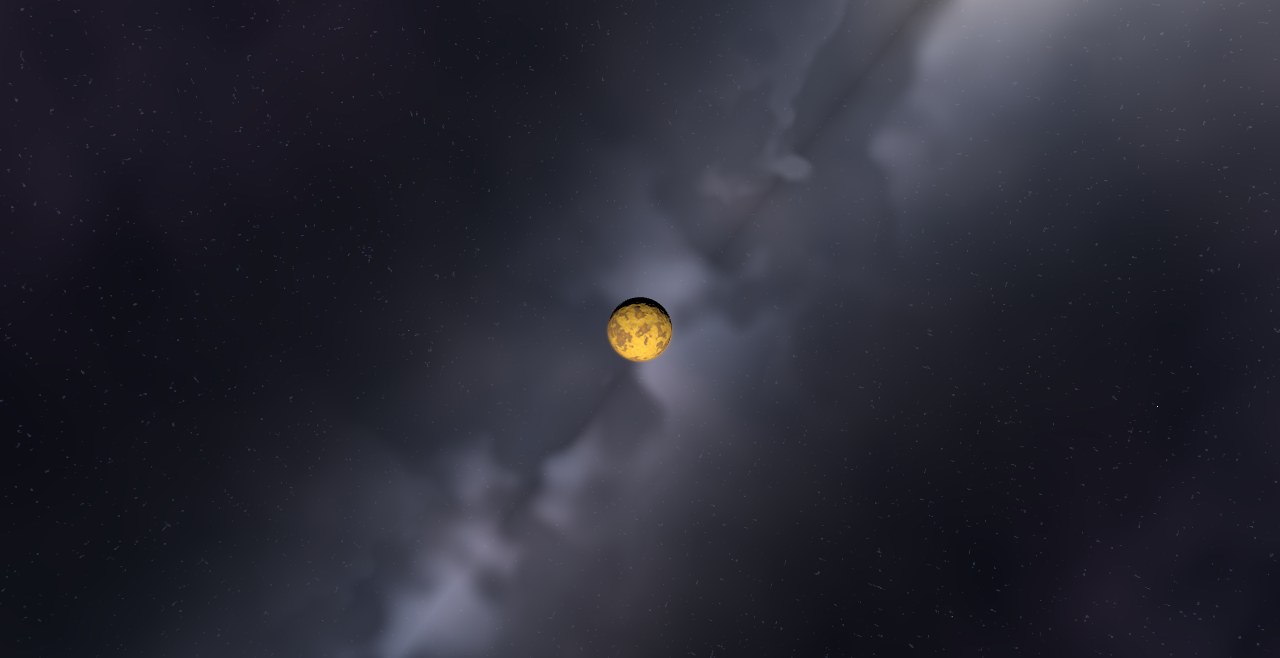
GJ 3942, a cool M-dwarf of 0.63 solar masses, and GJ 3942 b, a 7.1-Earth-mass planet, with an orbital period of 6.9 days, at 0.061 AU from its star, and an equilibrium temperature near 590 K, on an eccentric.
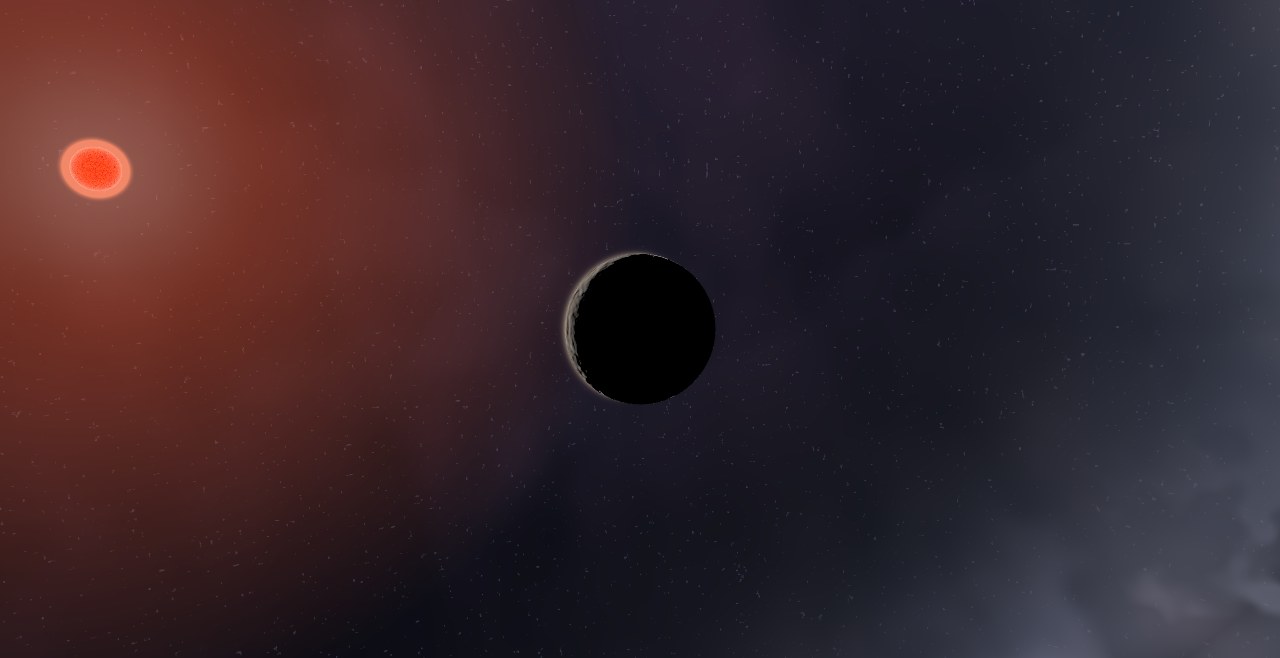
GJ 3988, a cool M-dwarf of 0.18 solar masses, and GJ 3988 b, a 3.7-Earth-mass planet, with an orbital period of 6.9 days, at 0.041 AU from its star, and an equilibrium temperature near 348 K.
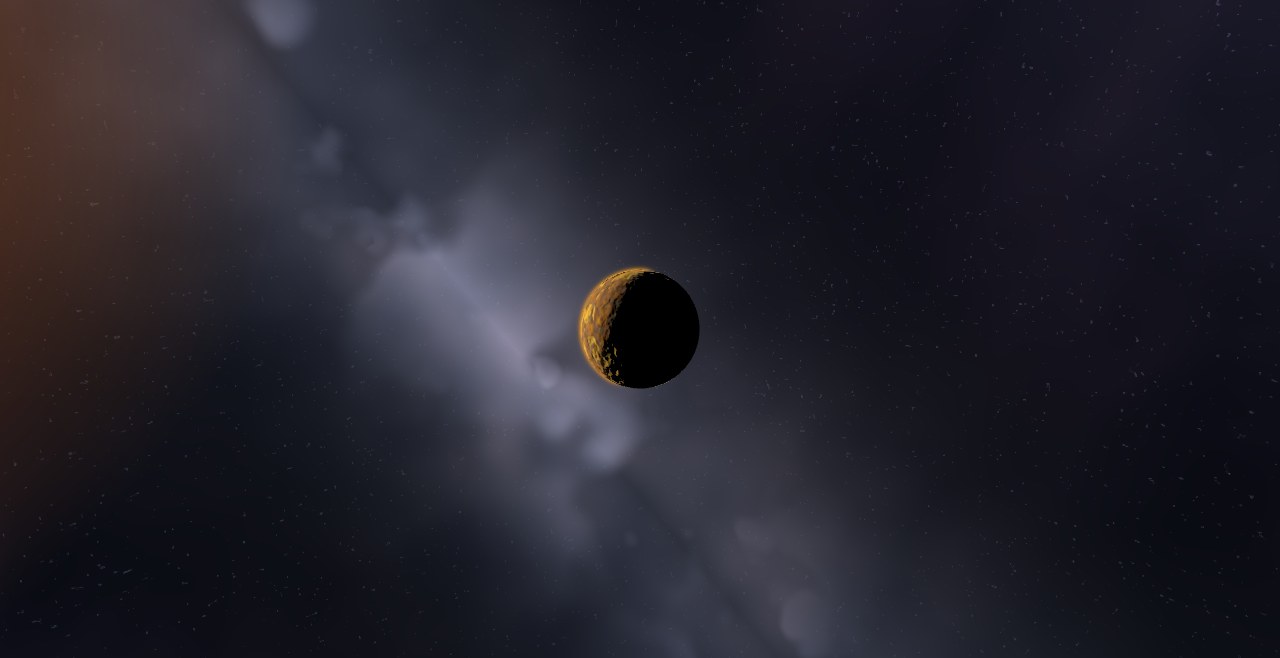
GJ 3998, an orange K-type dwarf of 0.52 solar masses, and GJ 3998 b, a 2.5-Earth-mass planet, with an orbital period of 2.7 days, at 0.030 AU from its star.