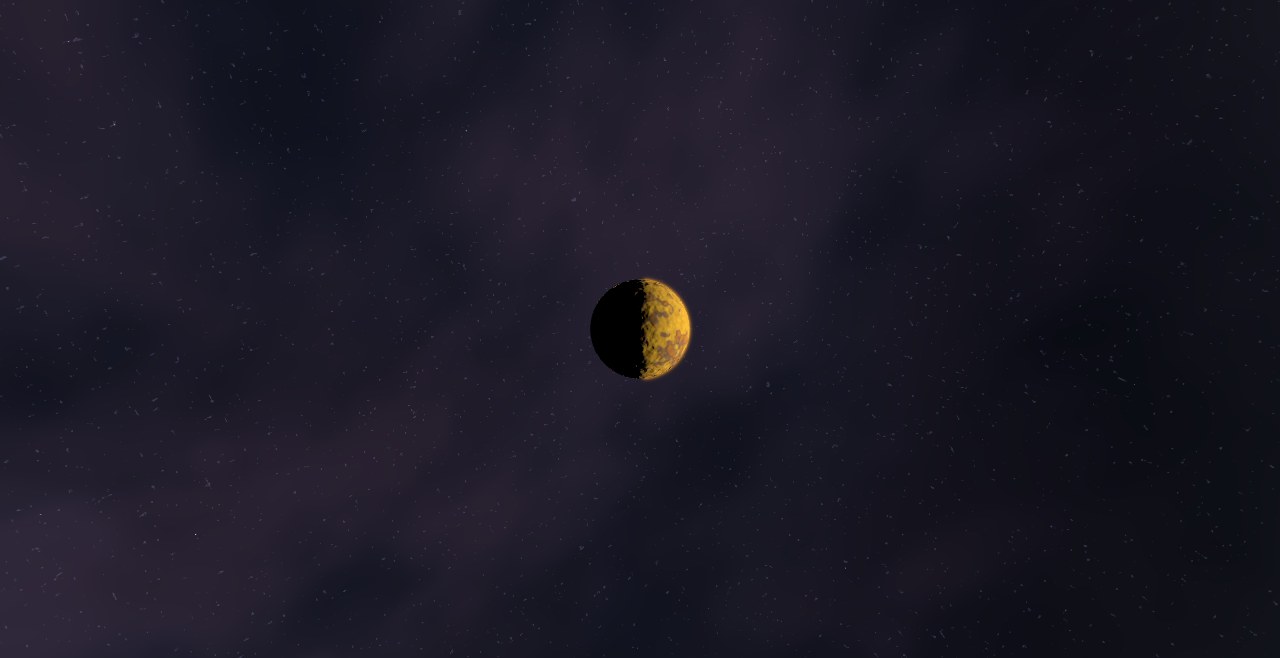
GJ 15 A - System
GJ 15 A, a cool M-dwarf of 0.38 solar masses, and GJ 15 A b, a 3.0-Earth-mass planet, with an orbital period of 11.4 days, at 0.072 AU from its star, on an eccentric orbit (e ≈ 0.09).
3D Space and Gravity Simulator. Simulate the solar system, exoplanets and even colliding galaxies. Add, delete and modify planets, and change the laws of physics.
Share
GJ 15 A, a cool M-dwarf of 0.38 solar masses, and GJ 15 A b, a 3.0-Earth-mass planet, with an orbital period of 11.4 days, at 0.072 AU from its star, on an eccentric orbit (e ≈ 0.09).
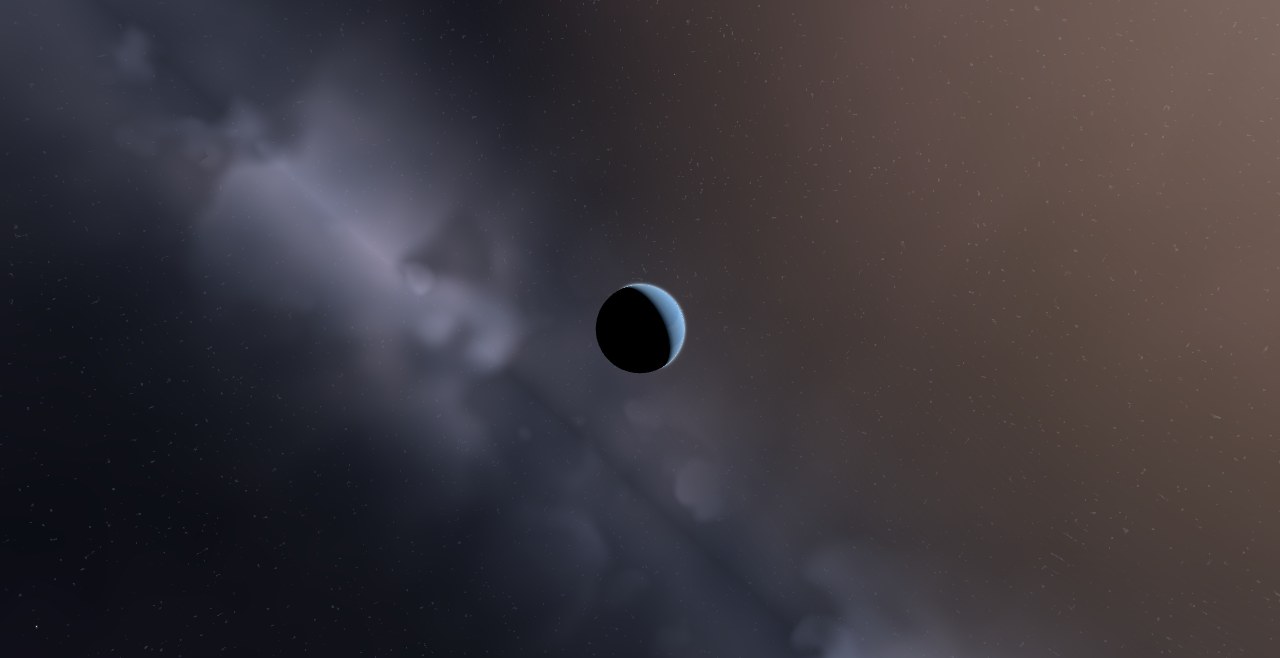
GJ 160.2, a cool M-dwarf of 0.69 solar masses, and GJ 160.2 b, a 10.2-Earth-mass planet, with an orbital period of 5.2 days, at 0.053 AU from its star, on an eccentric orbit (e ≈ 0.06).
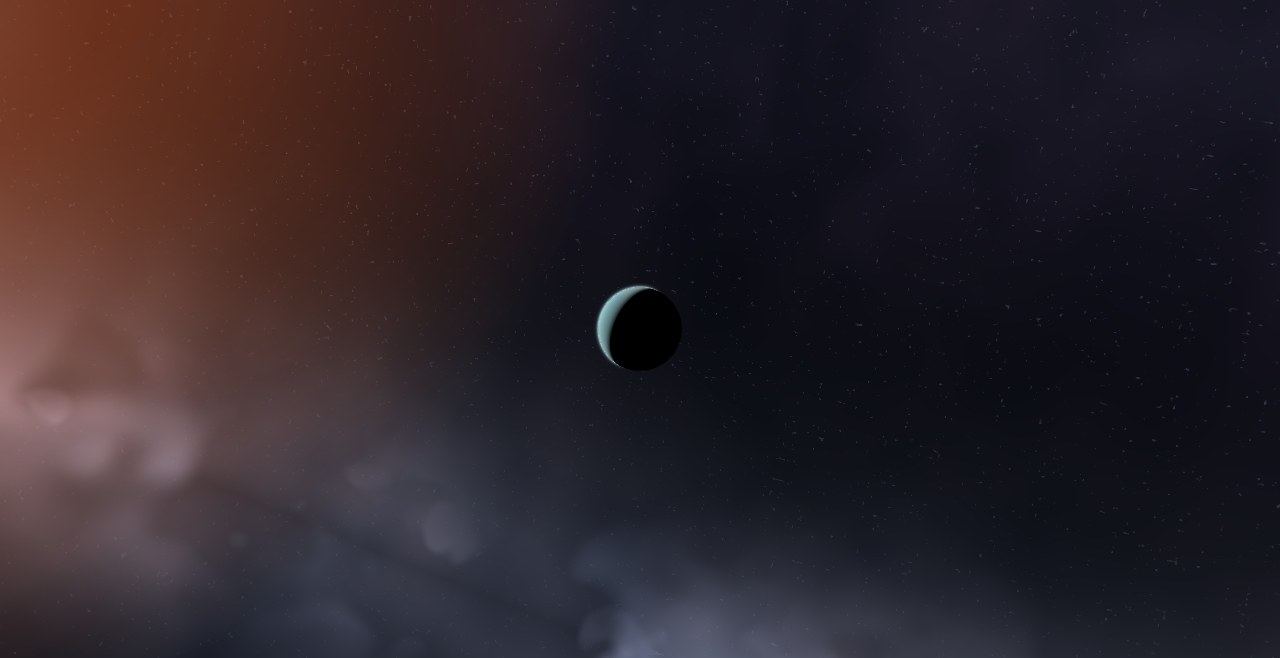
GJ 163, a cool M-dwarf of 0.40 solar masses, and GJ 163 b, a 10.6-Earth-mass planet, with an orbital period of 8.6 days, at 0.061 AU from its star, on an eccentric orbit (e ≈ 0.07).
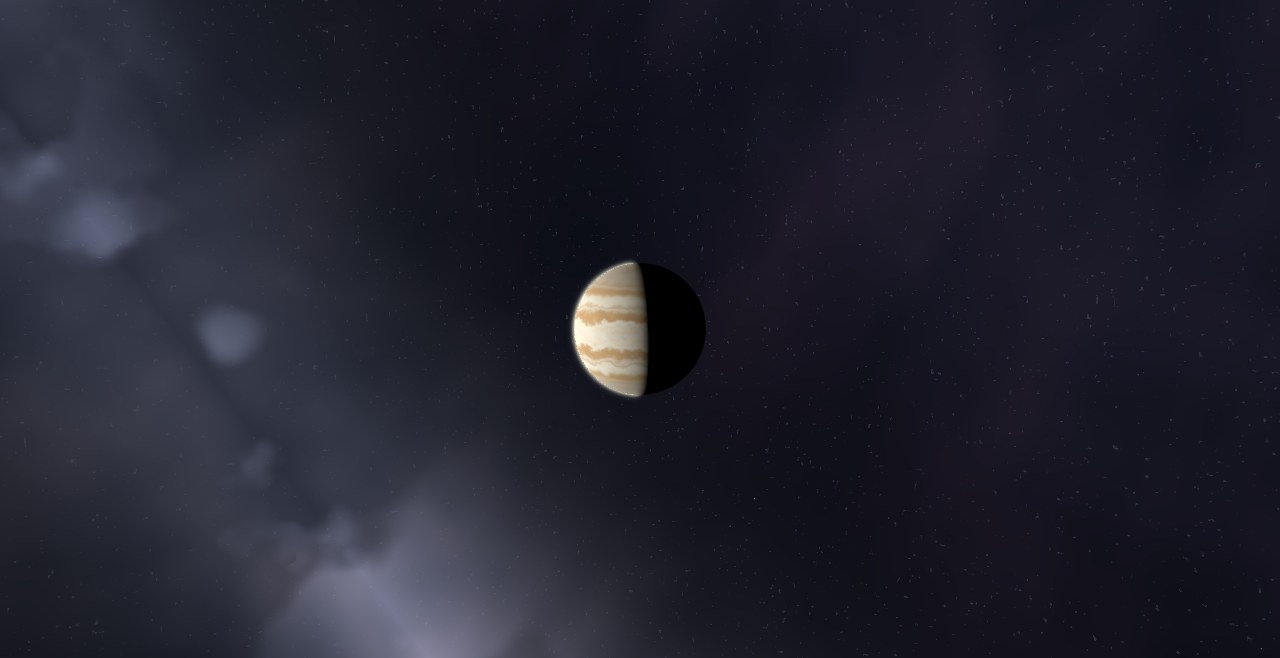
GJ 179, a cool M-dwarf of 0.36 solar masses, and GJ 179 b, a 0.82-Jupiter-mass companion, with an orbital period of 6.26 years, at 2.410 AU from its star, on an eccentric orbit (e ≈ 0.21).
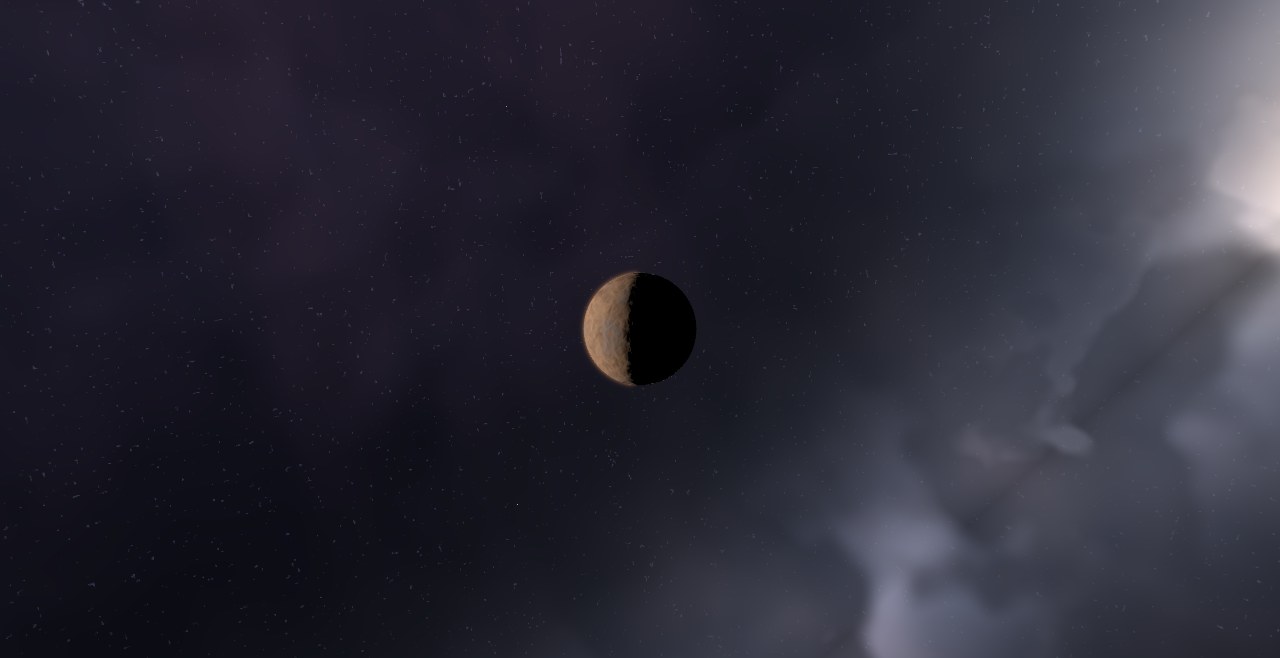
GJ 180, a cool M-dwarf of 0.43 solar masses, and GJ 180 b, a 6.5-Earth-mass planet, with an orbital period of 17.1 days, at 0.092 AU from its star, on an eccentric orbit (e ≈ 0.07).
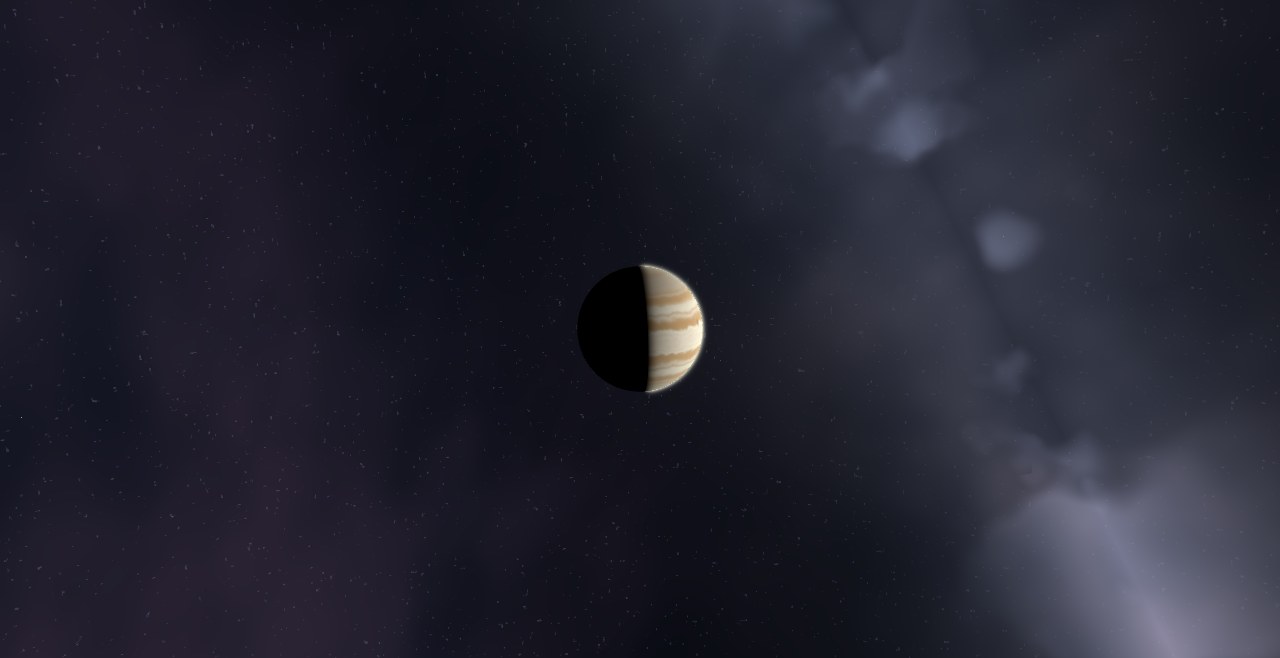
GJ 2030, a Sun-like G-type star of 0.96 solar masses, and GJ 2030 b, a 4.8-Earth-mass planet, with an orbital period of 2.4 days, at 0.034 AU from its star, on an eccentric orbit (e ≈ 0.24).
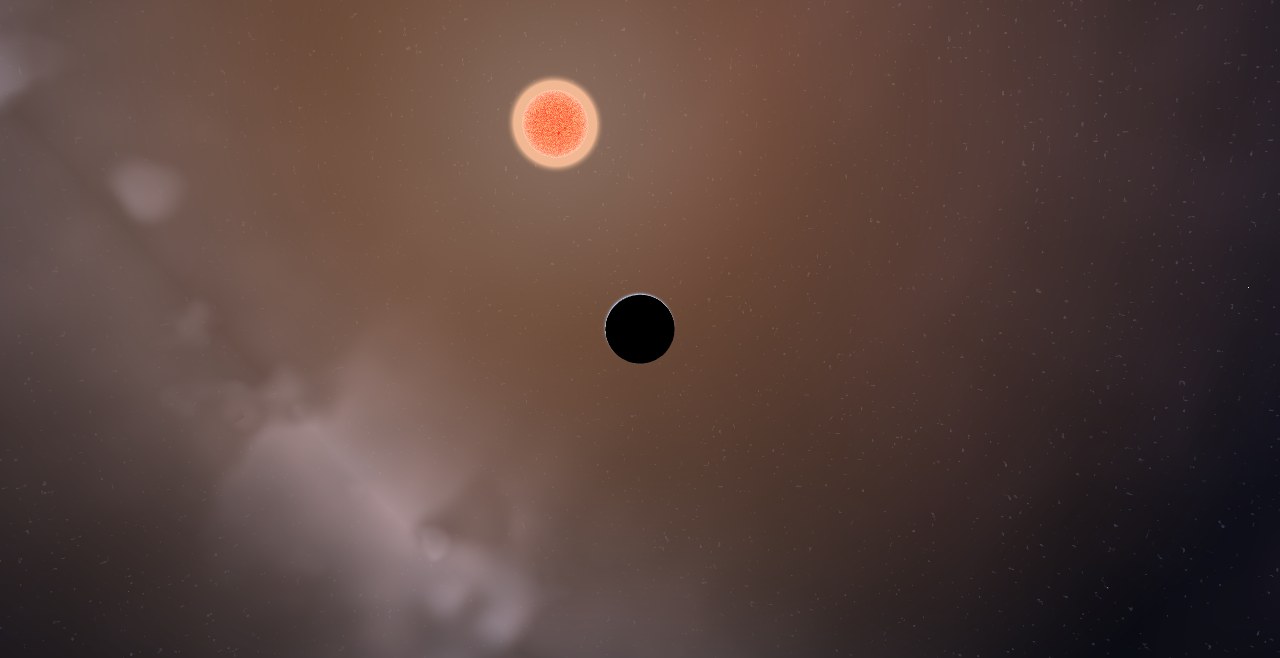
GJ 2056, an orange K-type dwarf of 0.62 solar masses, and GJ 2056 b, a 0.05-Jupiter-mass companion, with an orbital period of 70.0 days, at 0.283 AU from its star, on an eccentric orbit (e ≈ 0.72).
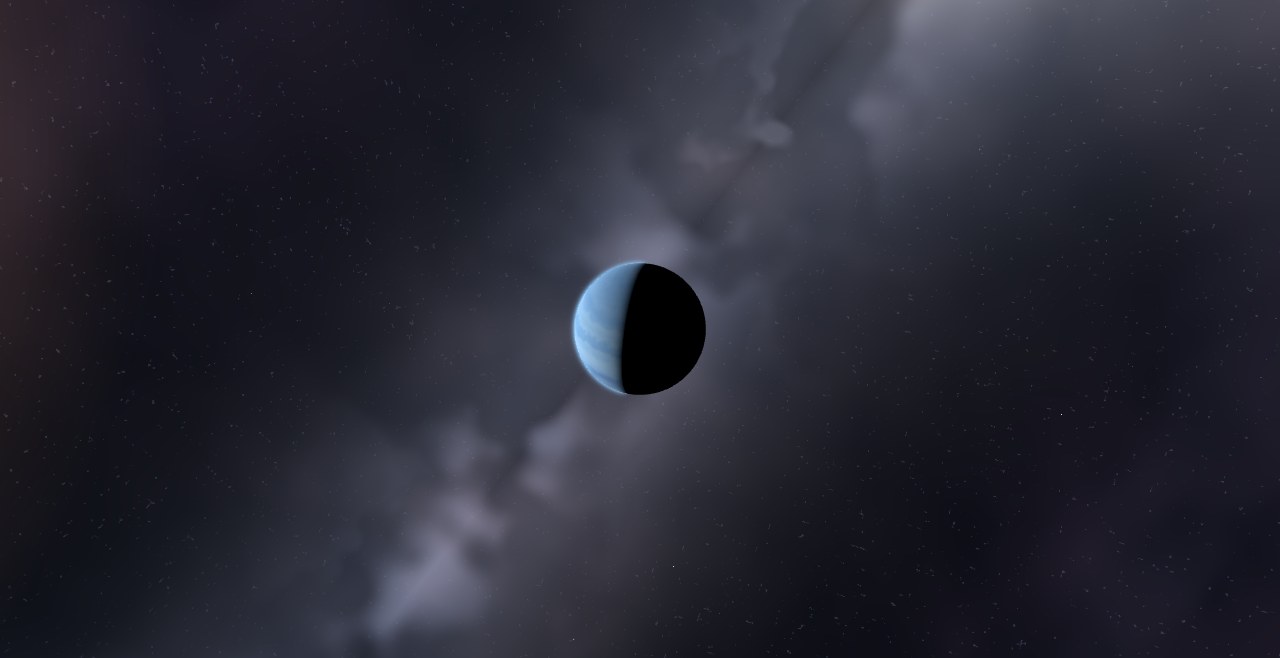
GJ 2126, a cool M-dwarf of 0.65 solar masses, and GJ 2126 b, a 1.30-Jupiter-mass companion, with an orbital period of 273 days, at 0.710 AU from its star, on an eccentric orbit (e ≈ 0.85).
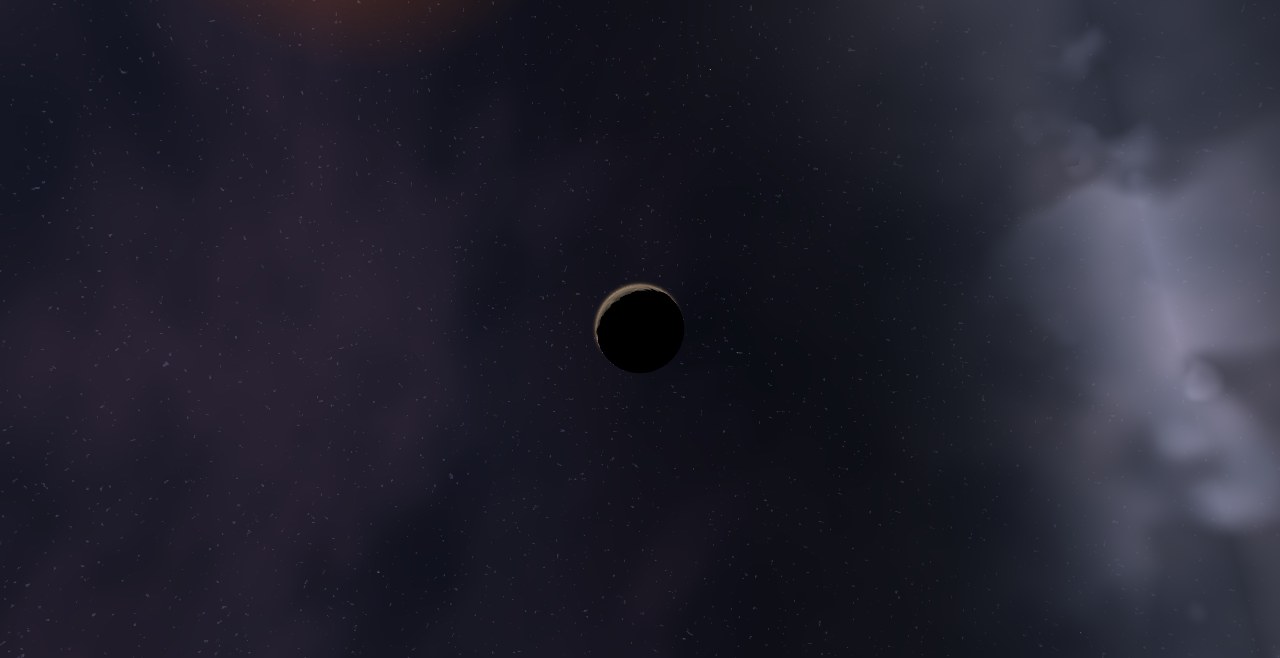
GJ 229, a cool M-dwarf of 0.51 solar masses, and GJ 229 A c, a 8.6-Earth-mass planet, with an orbital period of 122 days, at 0.384 AU from its star, on an eccentric orbit (e ≈ 0.37).
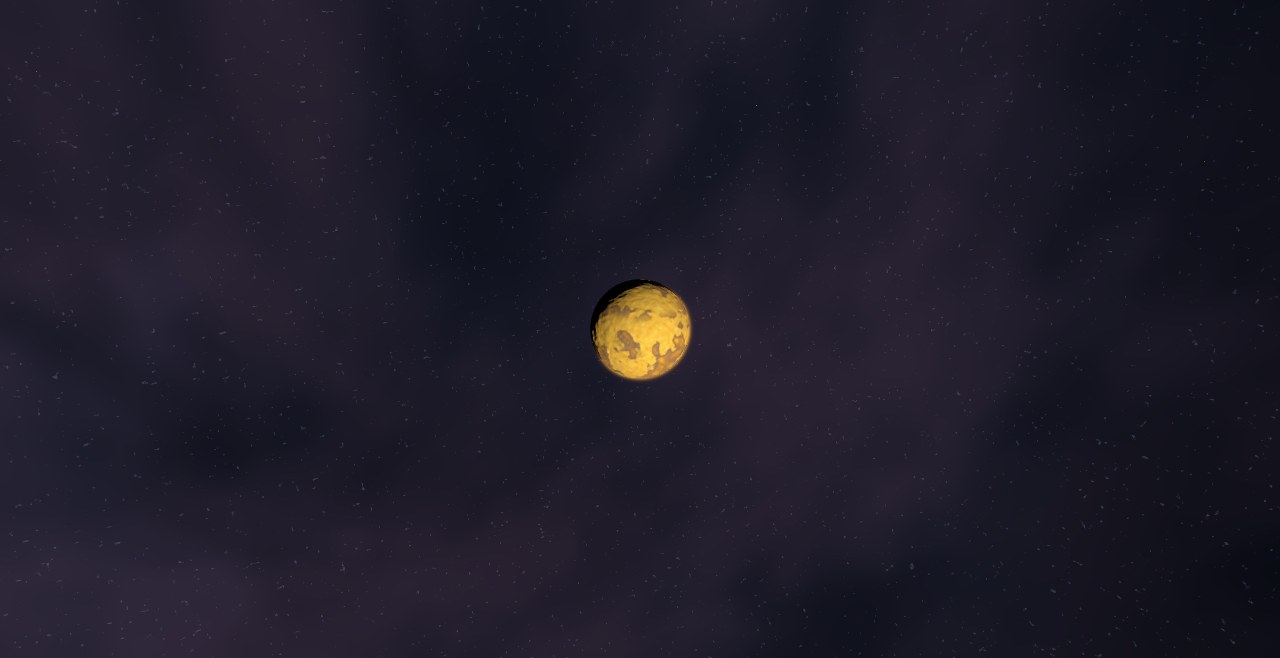
GJ 238, a cool M-dwarf of 0.42 solar masses, and GJ 238 b, a planet with 0.6 Earth radii, with an orbital period of 1.7 days, at 0.021 AU from its star, and an equilibrium temperature near 758 K.
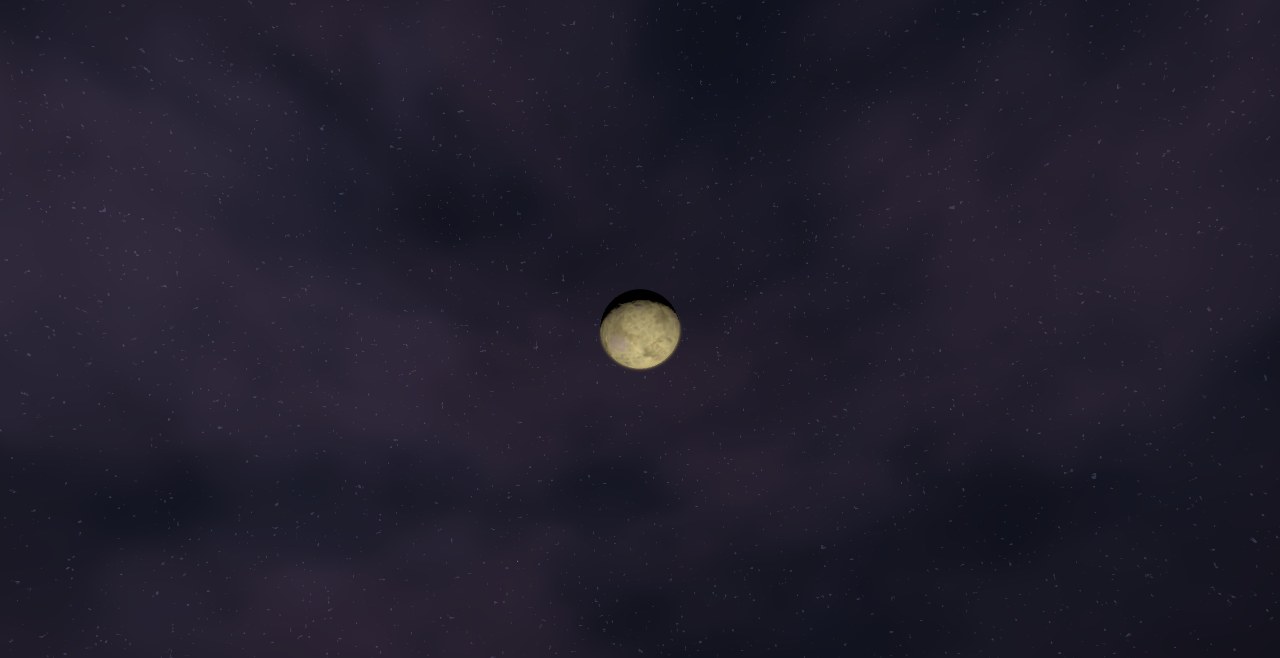
GJ 251, a cool M-dwarf of 0.35 solar masses, and GJ 251 b, a 3.9-Earth-mass planet, with an orbital period of 14.2 days, at 0.081 AU from its star, and an equilibrium temperature near 336 K.
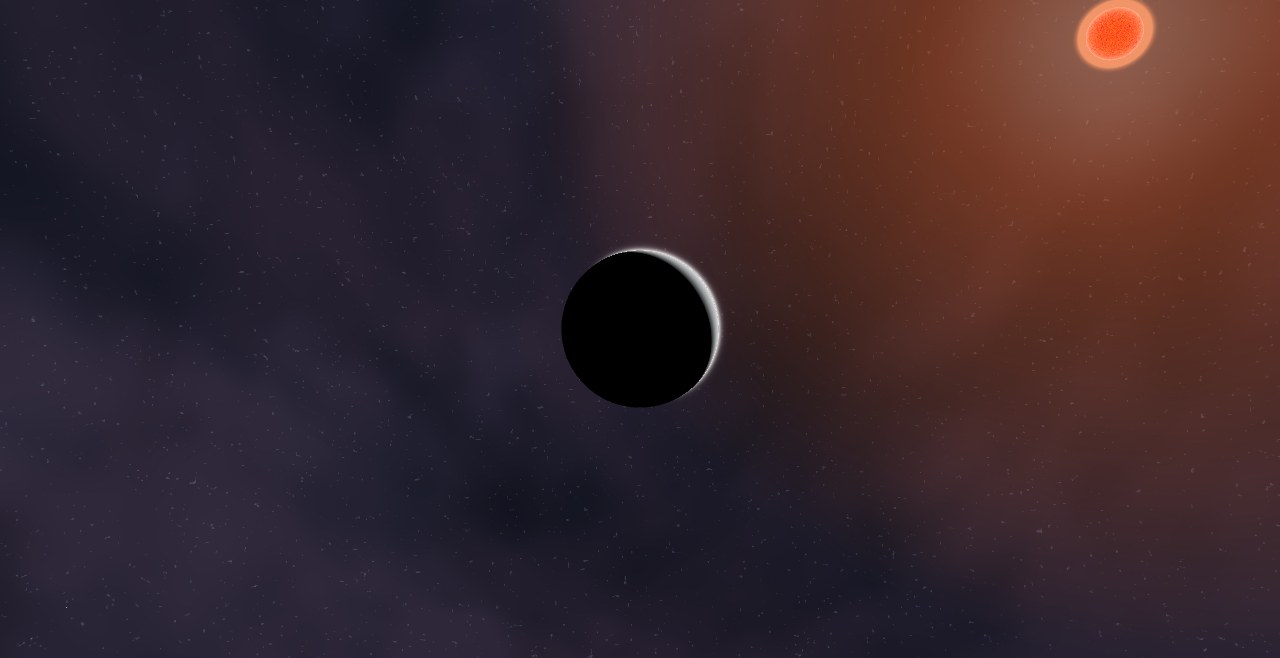
GJ 27.1, a cool M-dwarf of 0.53 solar masses, and GJ 27.1 b, a 13.0-Earth-mass planet, with an orbital period of 15.8 days, at 0.101 AU from its star, on an eccentric orbit (e ≈ 0.08).
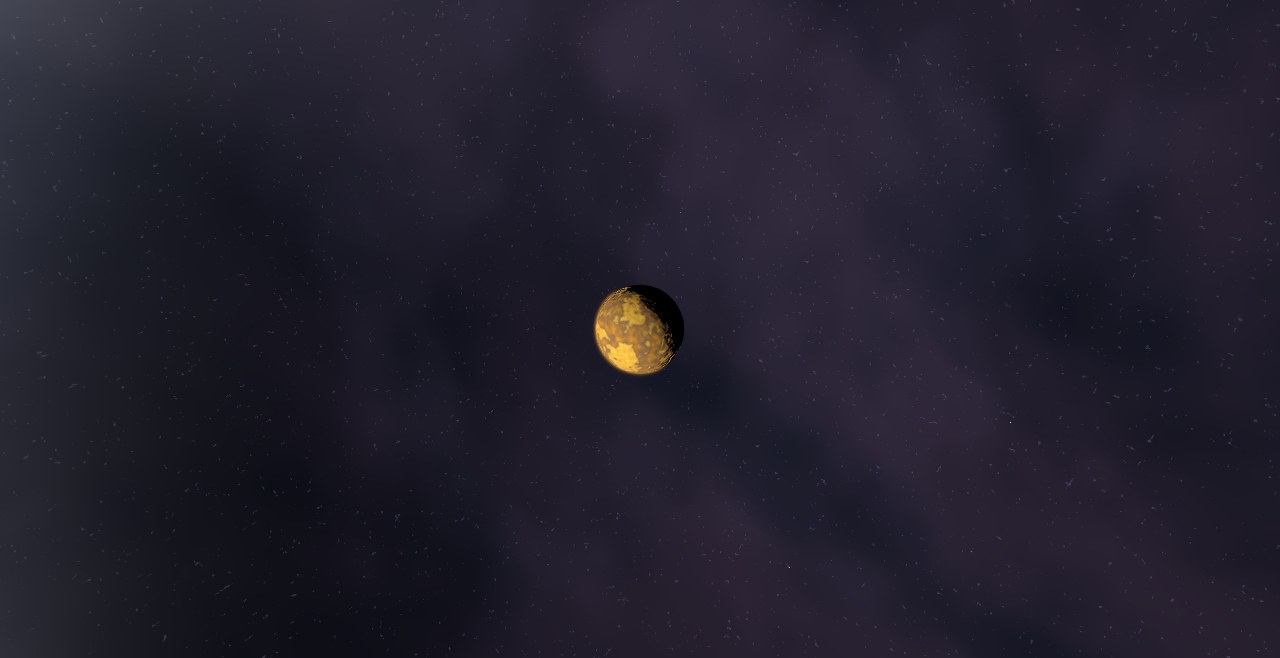
GJ 273, Luyten's Star, a nearby red dwarf only 12 light-years away. Its planets include a world near the inner edge of the habitable zone. Radial velocities revealed the planets.
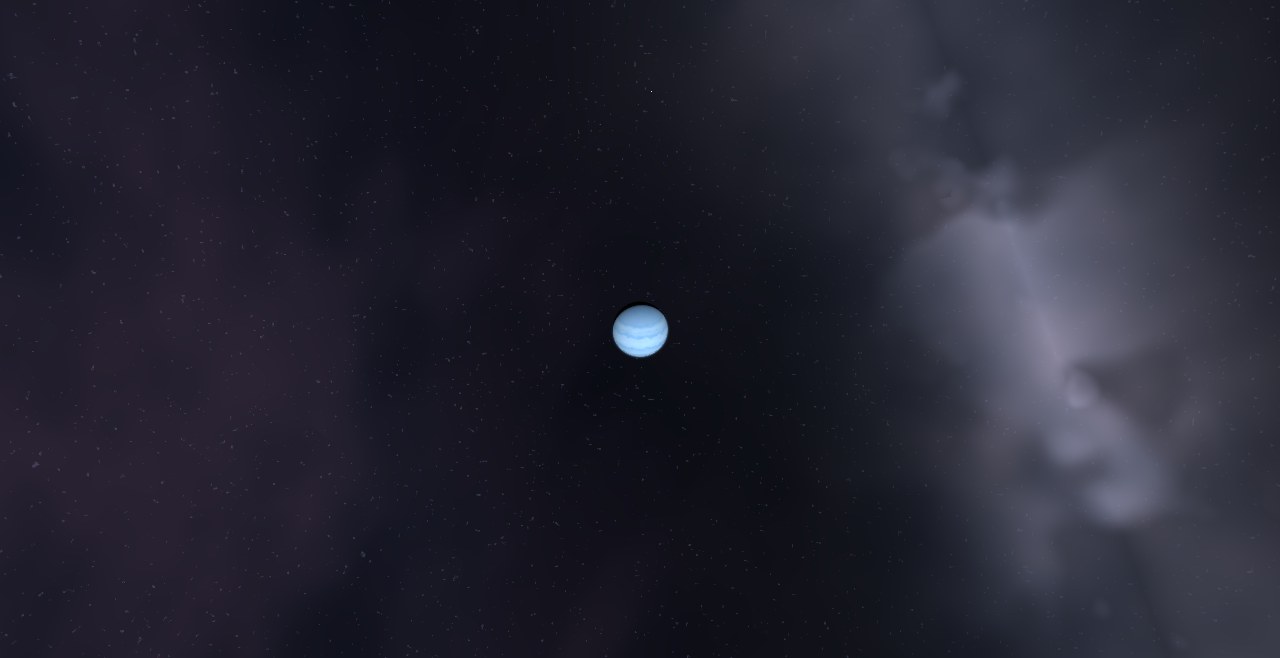
GJ 3021, a Sun-like G-type star of 0.90 solar masses, and GJ 3021 b, a 3.37-Jupiter-mass companion, with an orbital period of 134 days, at 0.490 AU from its star, and an equilibrium temperature near 350 K.
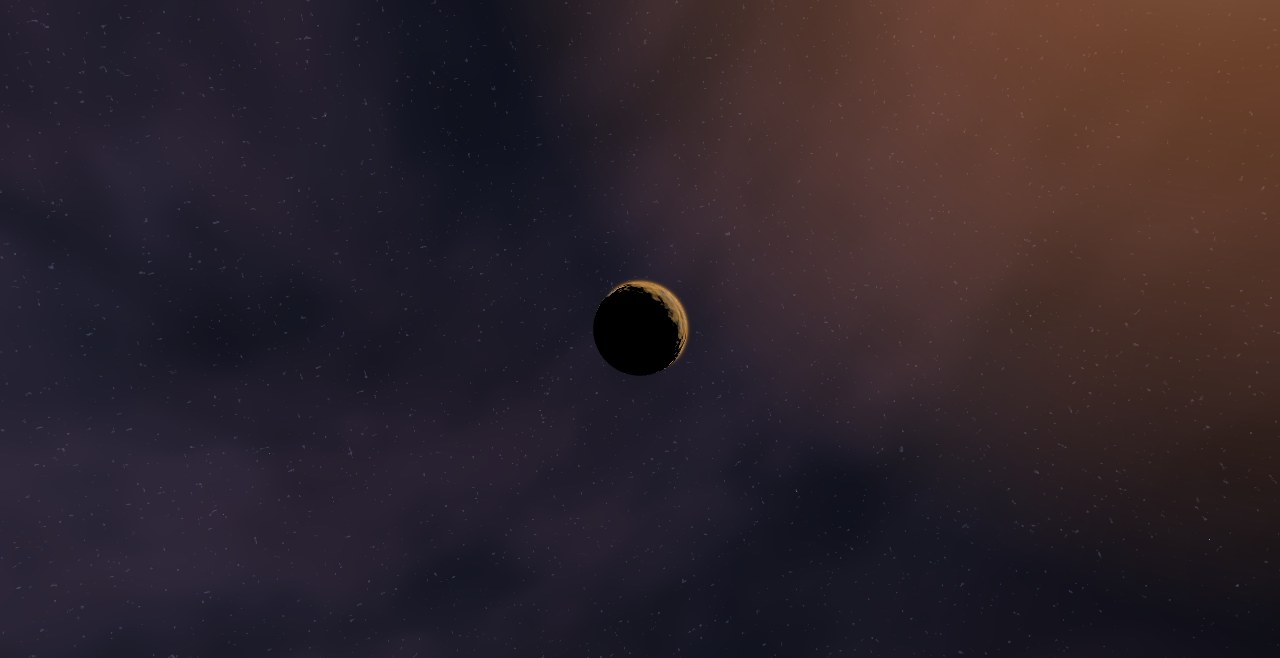
GJ 3082, an orange K-type dwarf of 0.47 solar masses, and GJ 3082 b, a 8.2-Earth-mass planet, with an orbital period of 11.9 days, at 0.079 AU from its star, on an eccentric orbit (e ≈ 0.22).
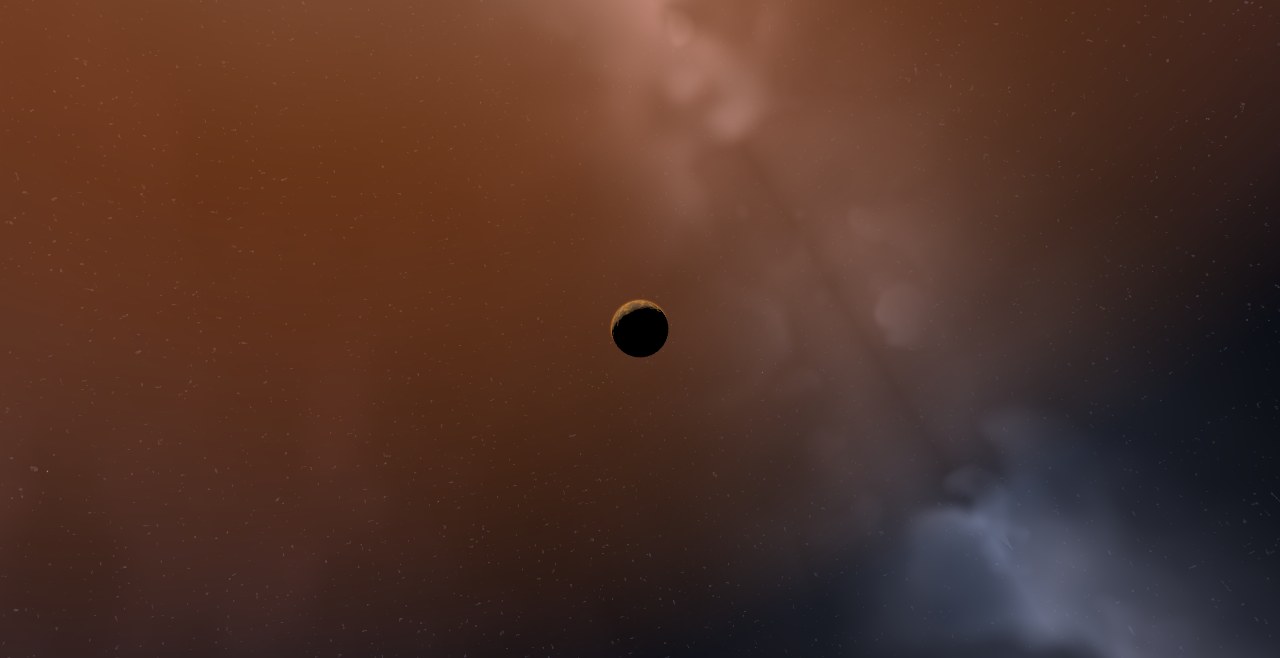
GJ 3090, a cool M-dwarf of 0.52 solar masses, and GJ 3090 b, a 4.5-Earth-mass planet, with an orbital period of 2.9 days, at 0.032 AU from its star, and an equilibrium temperature near 723 K, on an eccentric.
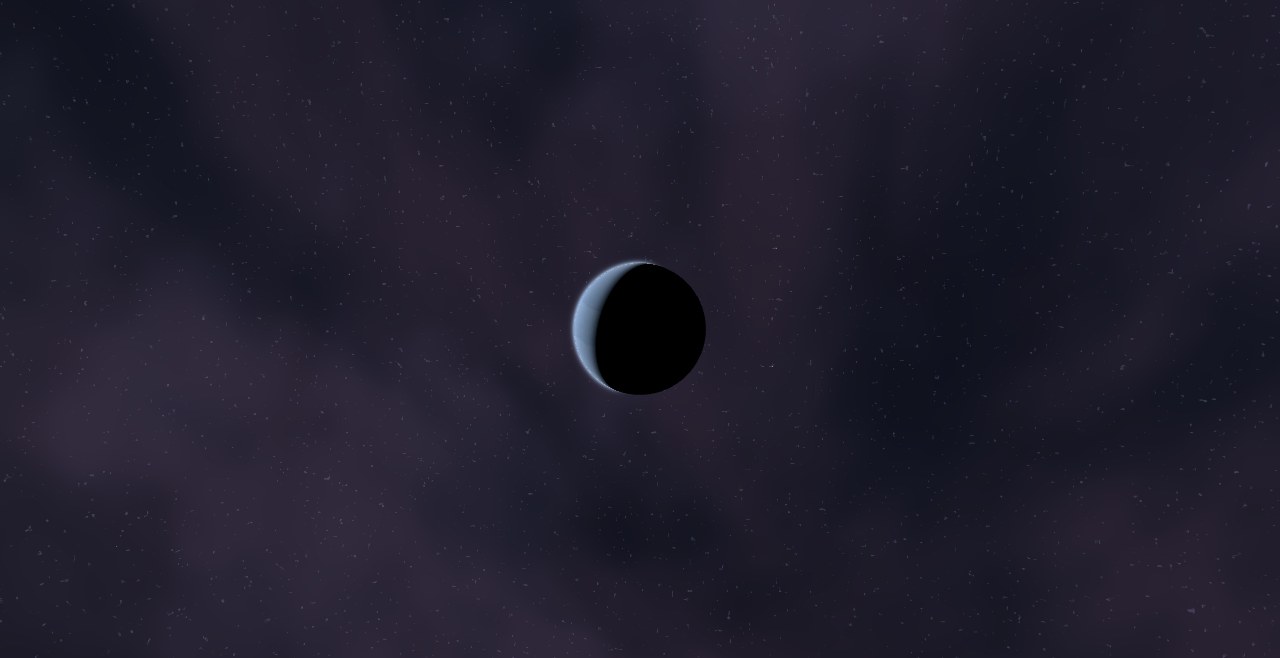
GJ 3138, a cool M-dwarf of 0.68 solar masses, and GJ 3138 b, a 1.8-Earth-mass planet, with an orbital period of 1.2 days, at 0.020 AU from its star, on an eccentric orbit (e ≈ 0.19).
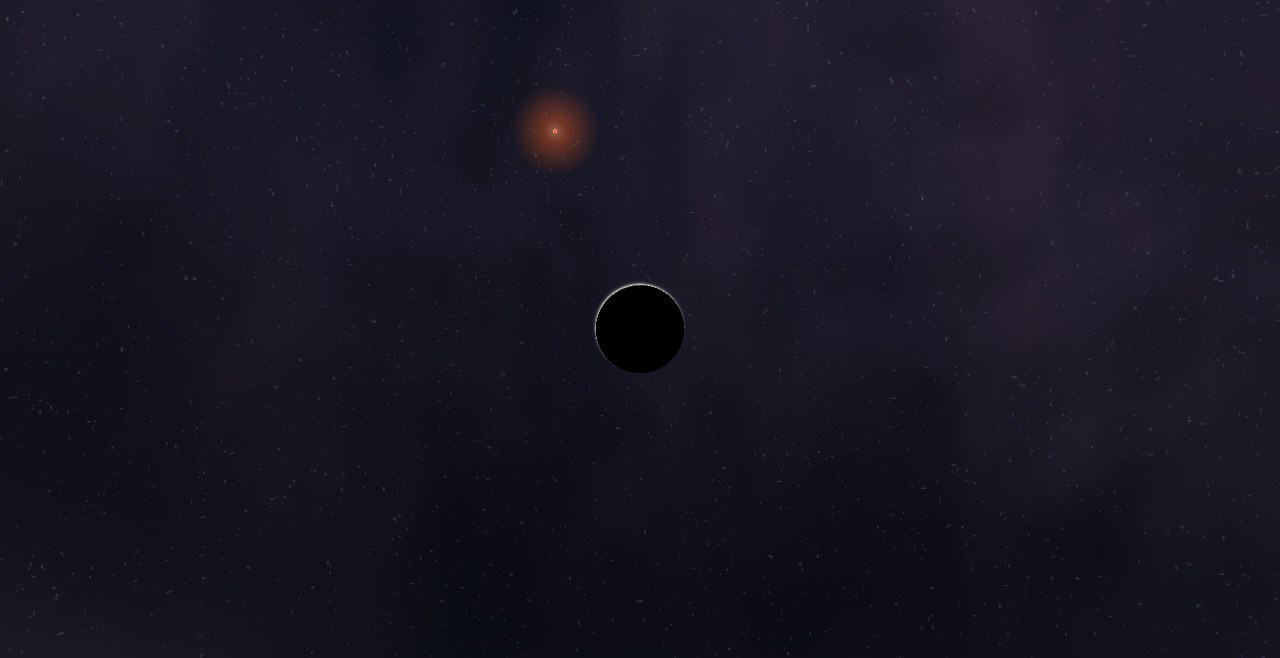
GJ 317, a cool M-dwarf of 0.40 solar masses, and GJ 317 b, a 1.69-Jupiter-mass companion, with an orbital period of 1.90 years, at 1.138 AU from its star, on an eccentric orbit (e ≈ 0.08).