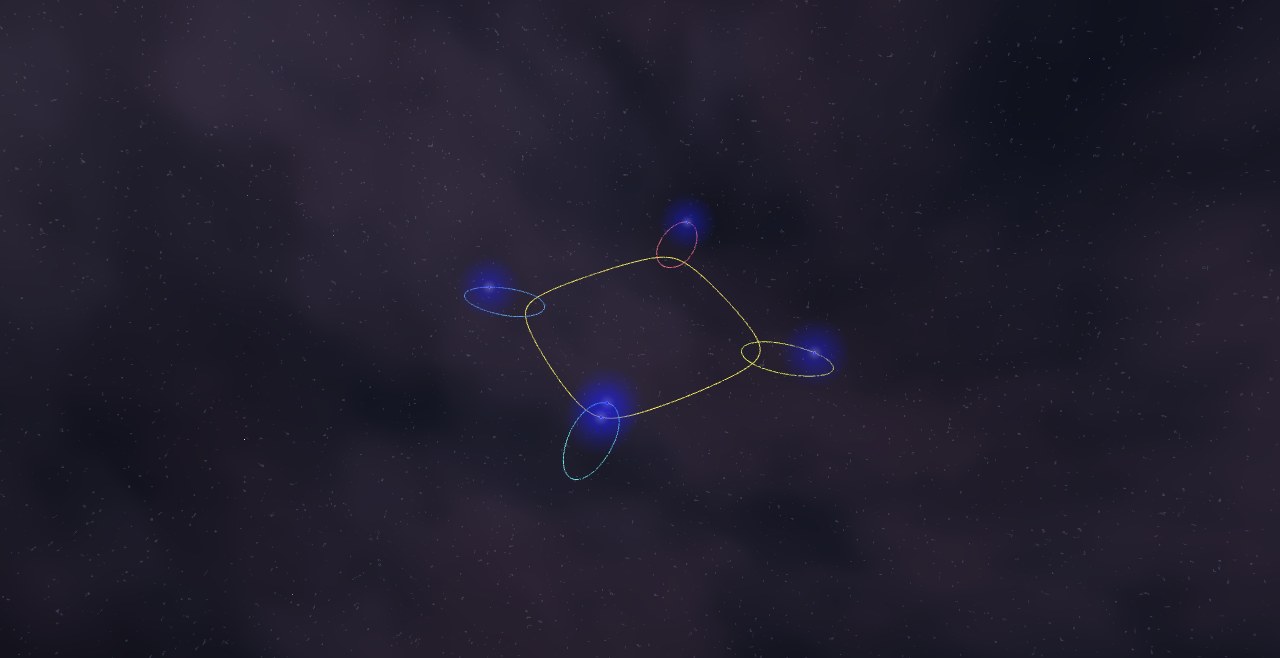
Four Corners
Discover the Four Corners choreography: four masses trace synchronized elliptical loops at the vertices of a square while a central fifth body anchors the periodic balance.
3D Space and Gravity Simulator. Simulate the solar system, exoplanets and even colliding galaxies. Add, delete and modify planets, and change the laws of physics.
Share
Discover the Four Corners choreography: four masses trace synchronized elliptical loops at the vertices of a square while a central fifth body anchors the periodic balance.
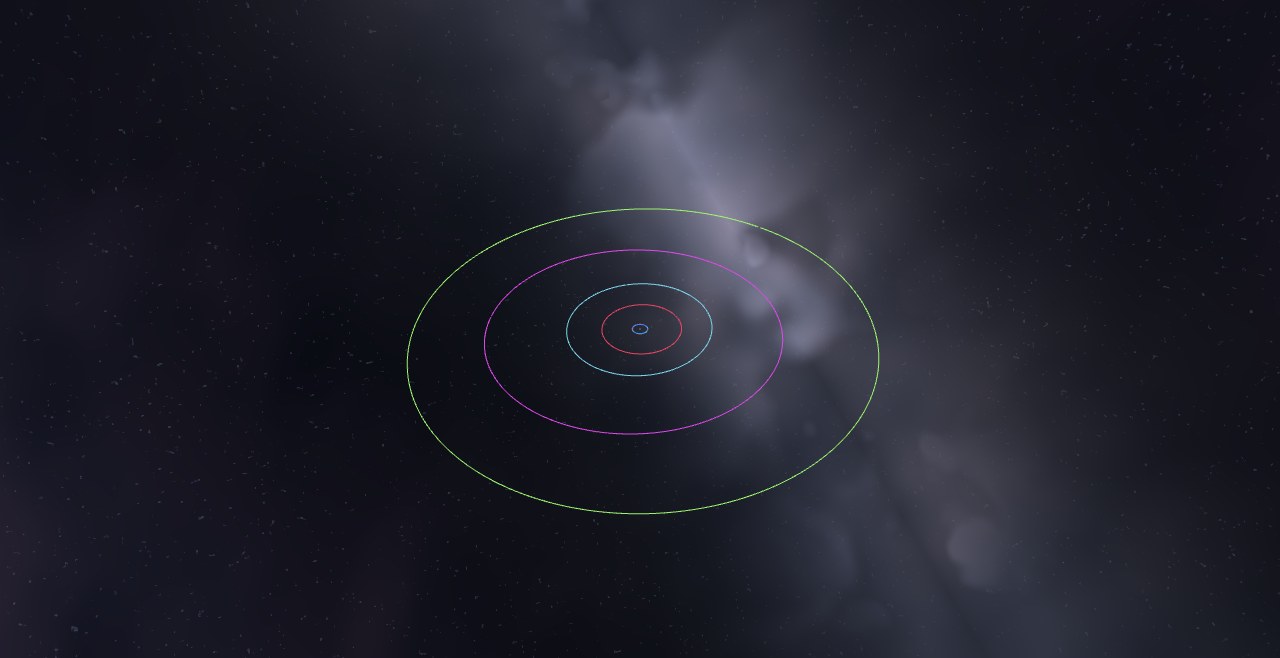
What if Mercury, Venus, Earth, and Mars shared one identical 1 AU orbit spaced 90 degrees apart? Test the gravitational stability of this co-orbital four-planet ring in 3D.
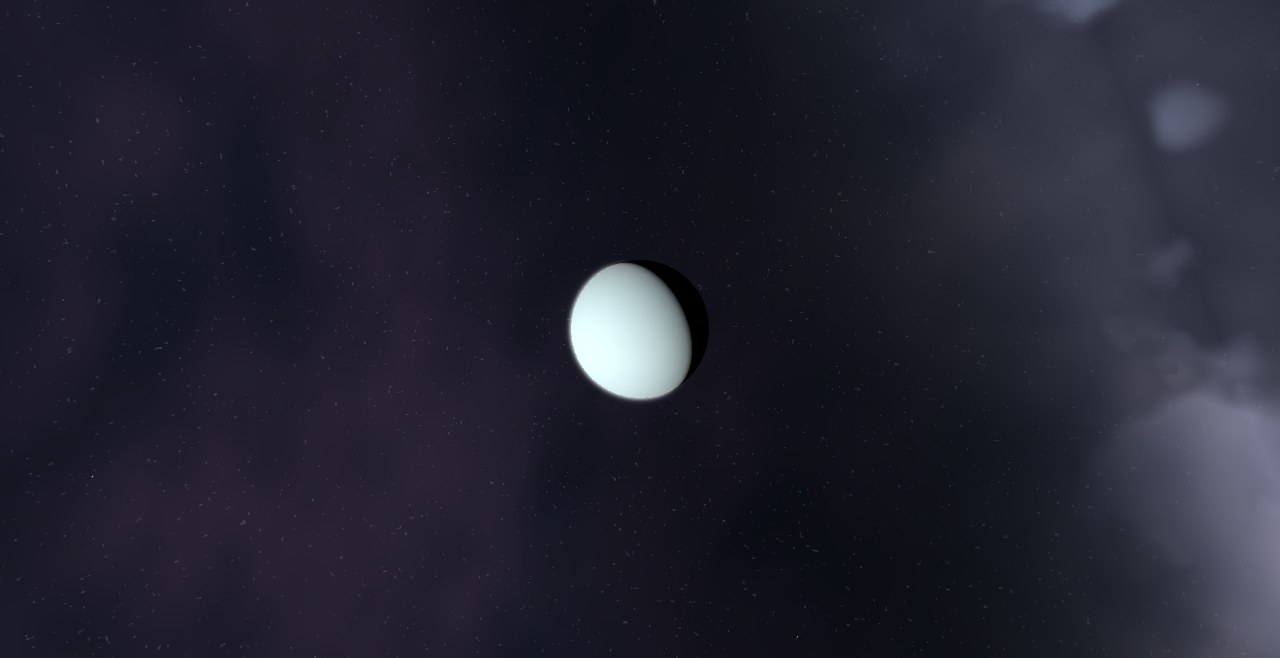
G 192-15, a cool M-dwarf of 0.13 solar masses, and G 192-15 b, a 1.0-Earth-mass planet, with an orbital period of 2.3 days, at 0.017 AU from its star, and an equilibrium temperature near 454 K.
G 196-3, a cool M-dwarf of 0.52 solar masses, and G 196-3 b, a 26.0-Jupiter-mass companion, at 350 AU from its star, and an equilibrium temperature near 1,670 K.
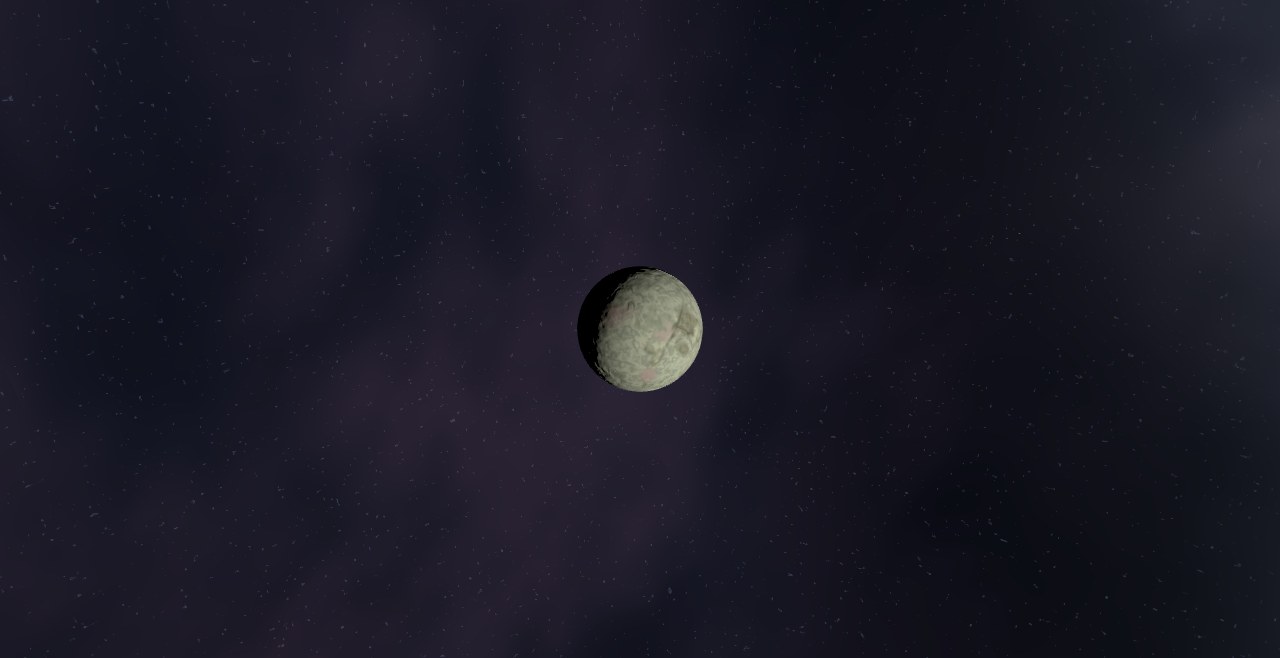
G 261-6, a cool M-dwarf of 0.12 solar masses, and G 261-6 b, a 1.4-Earth-mass planet, with an orbital period of 5.5 days, at 0.030 AU from its star, and an equilibrium temperature near 322 K.
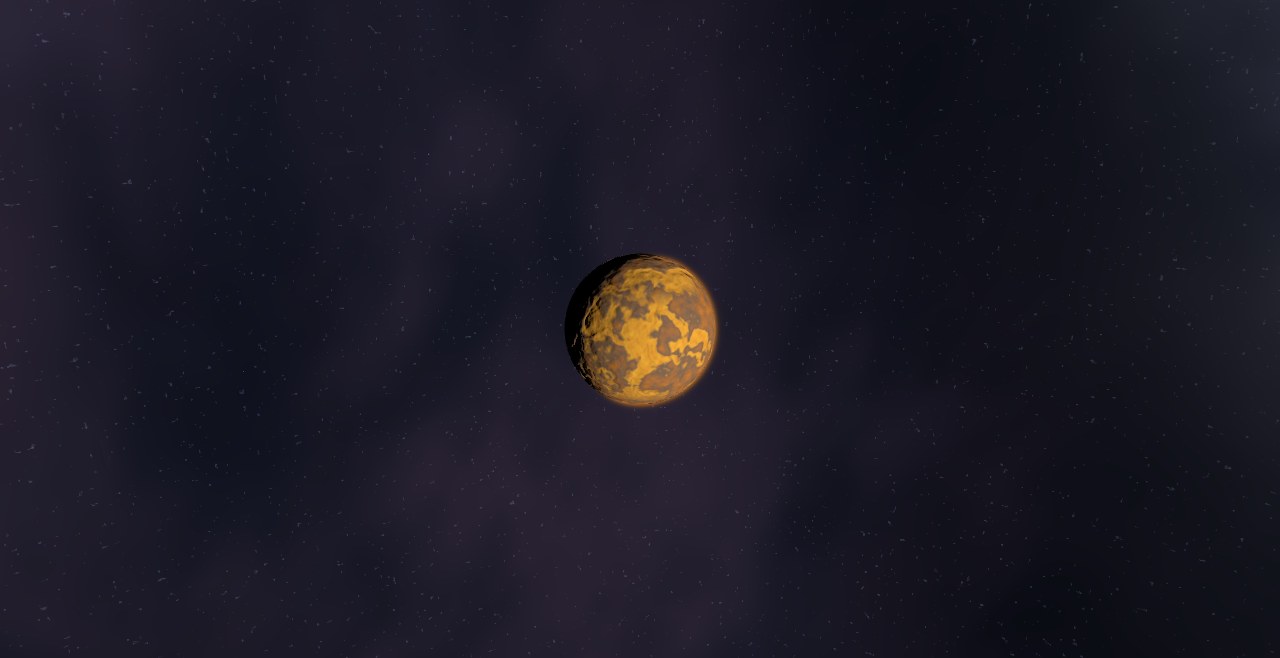
G 264-012, a cool M-dwarf of 0.30 solar masses, and G 264-012 b, a 2.5-Earth-mass planet, with an orbital period of 2.3 days, at 0.023 AU from its star, and an equilibrium temperature near 587 K.
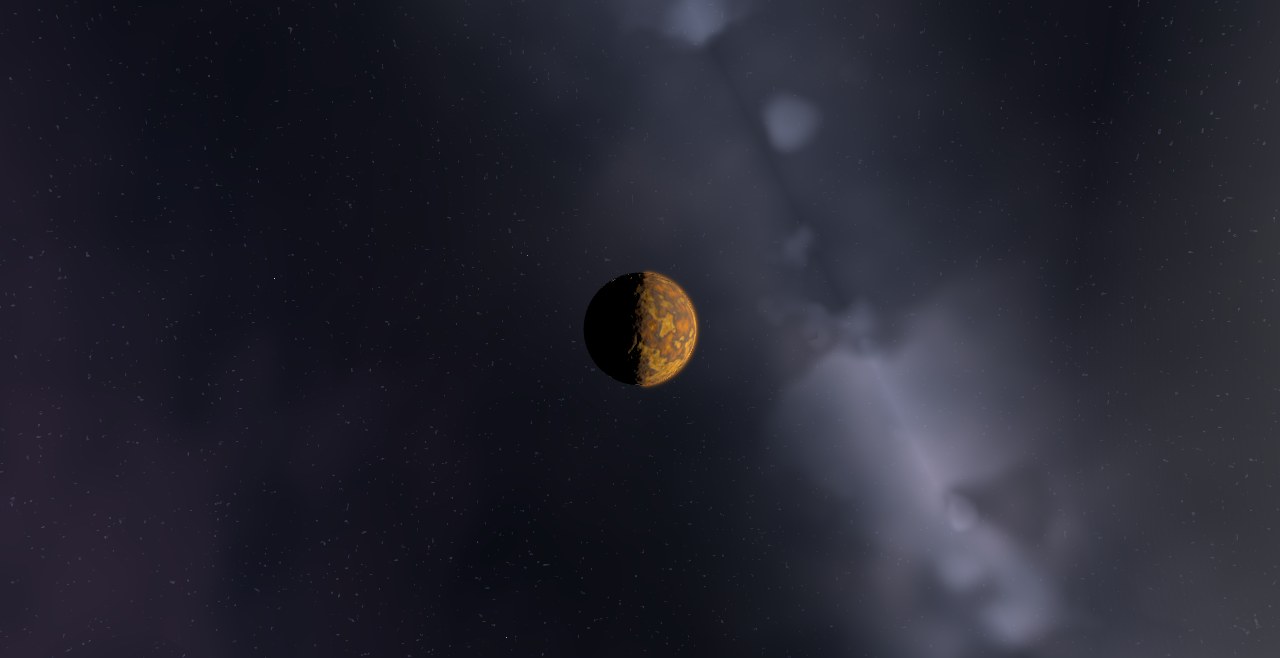
G 268-110, a cool M-dwarf of 0.14 solar masses, and G 268-110 b, a 1.5-Earth-mass planet, with an orbital period of 1.4 days, at 0.013 AU from its star, and an equilibrium temperature near 534 K.
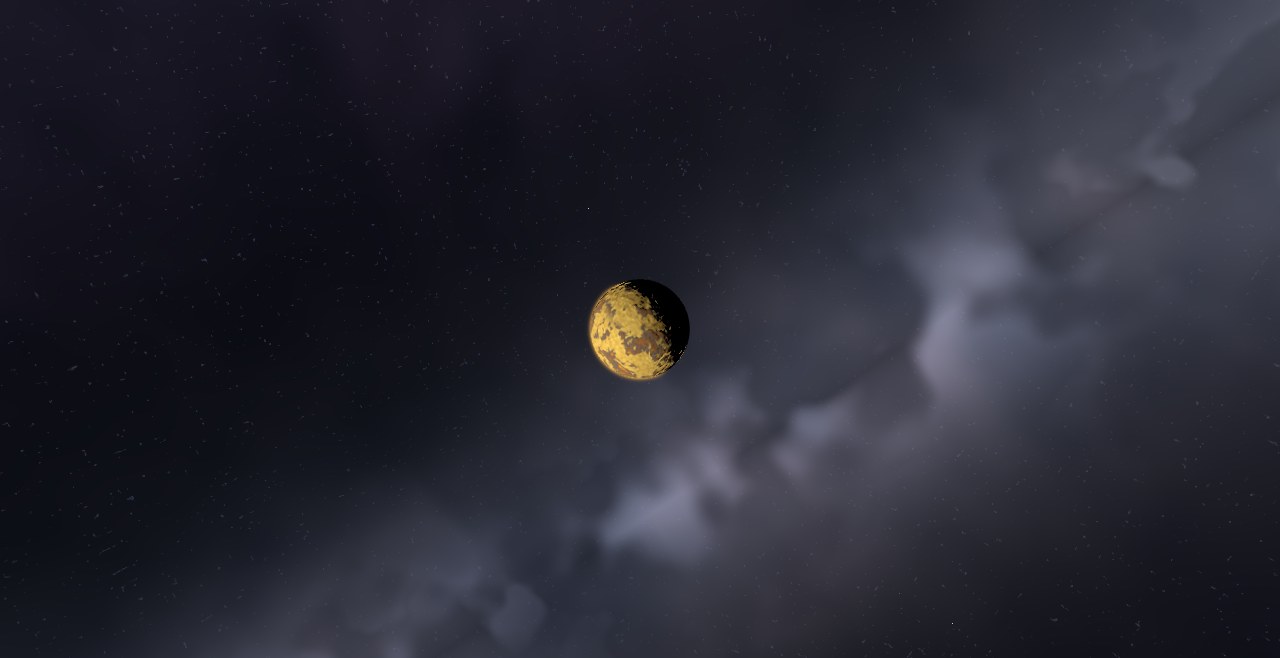
G 9-40, a cool M-dwarf of 0.30 solar masses, and G 9-40 b, a 4.0-Earth-mass planet, with an orbital period of 5.7 days, at 0.042 AU from its star, and an equilibrium temperature near 441 K.
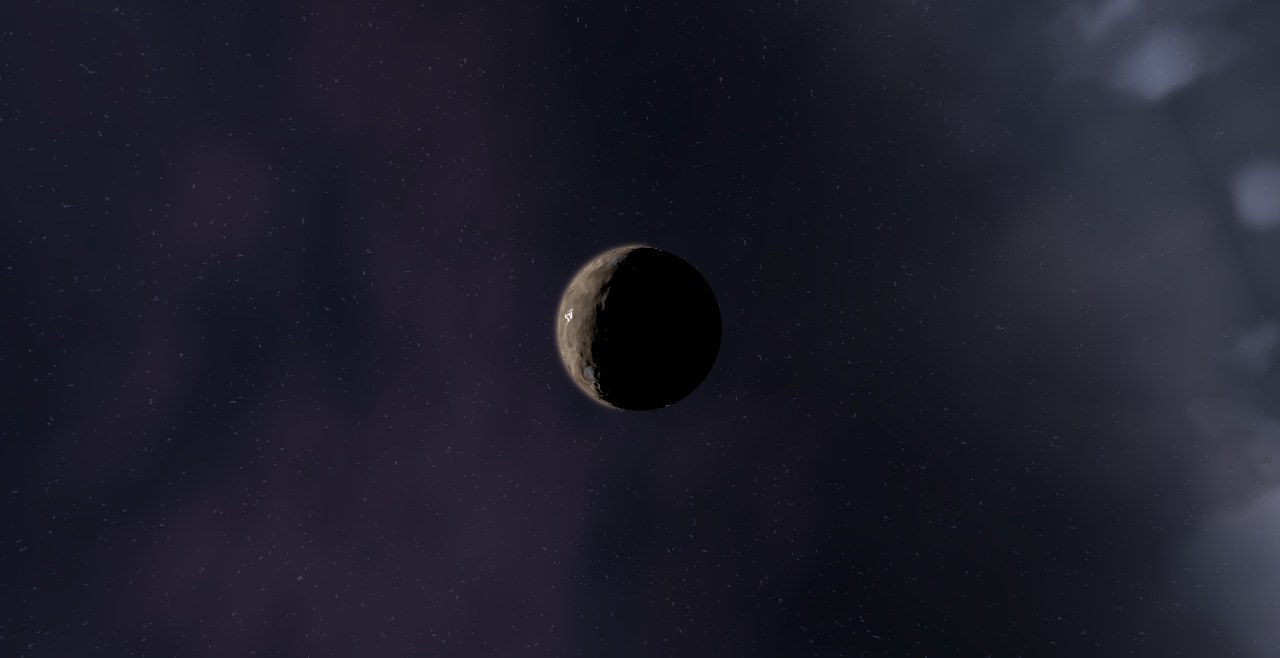
GJ 1002, a nearby quiet red dwarf with two Earth-mass planets in the habitable zone, among the closest temperate worlds known. Both planets were found by radial-velocity monitoring.
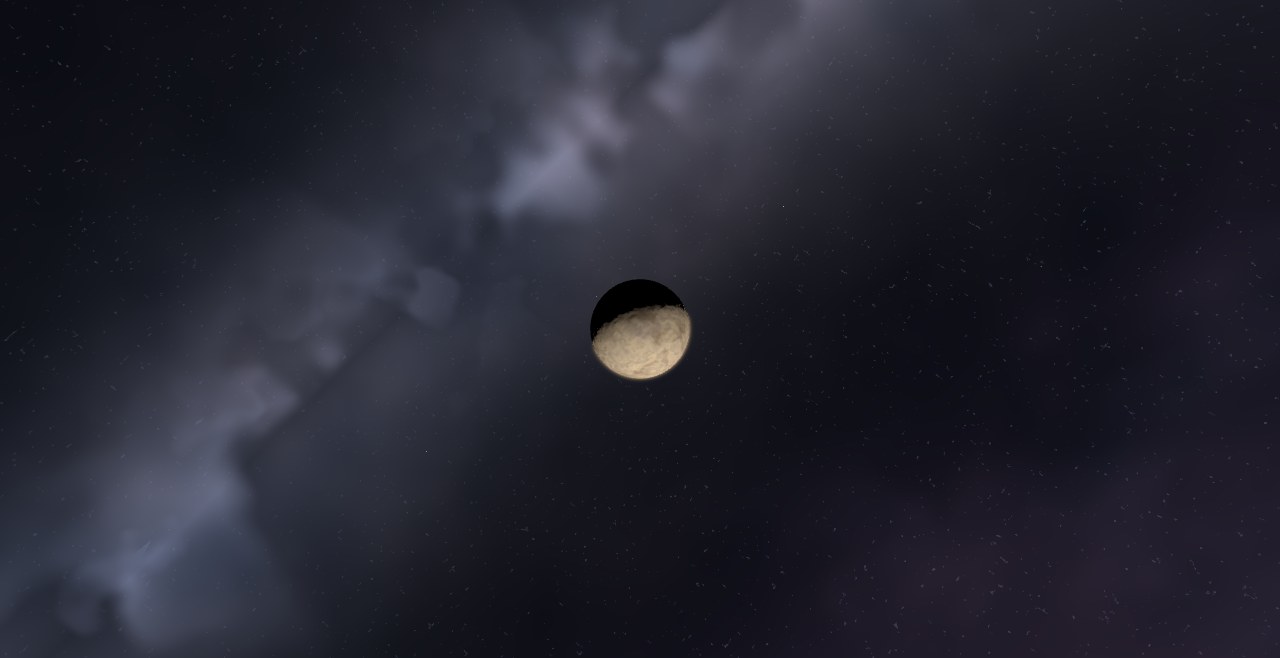
GJ 1061, a cool M-dwarf of 0.12 solar masses, and GJ 1061 b, a 1.1-Earth-mass planet, with an orbital period of 3.2 days, at 0.021 AU from its star.
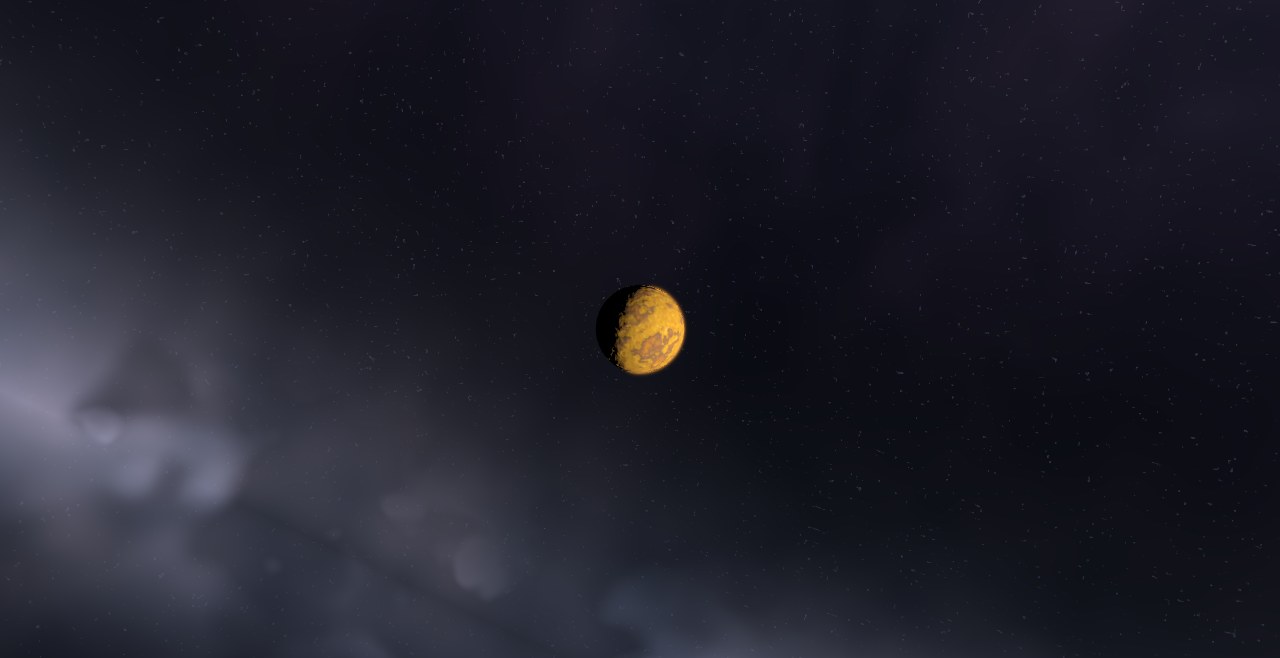
GJ 1132 b, a nearby rocky planet that may have lost and then rebuilt an atmosphere. It is a key JWST target for secondary atmospheres. The red dwarf is only about 41 light-years from the Sun.
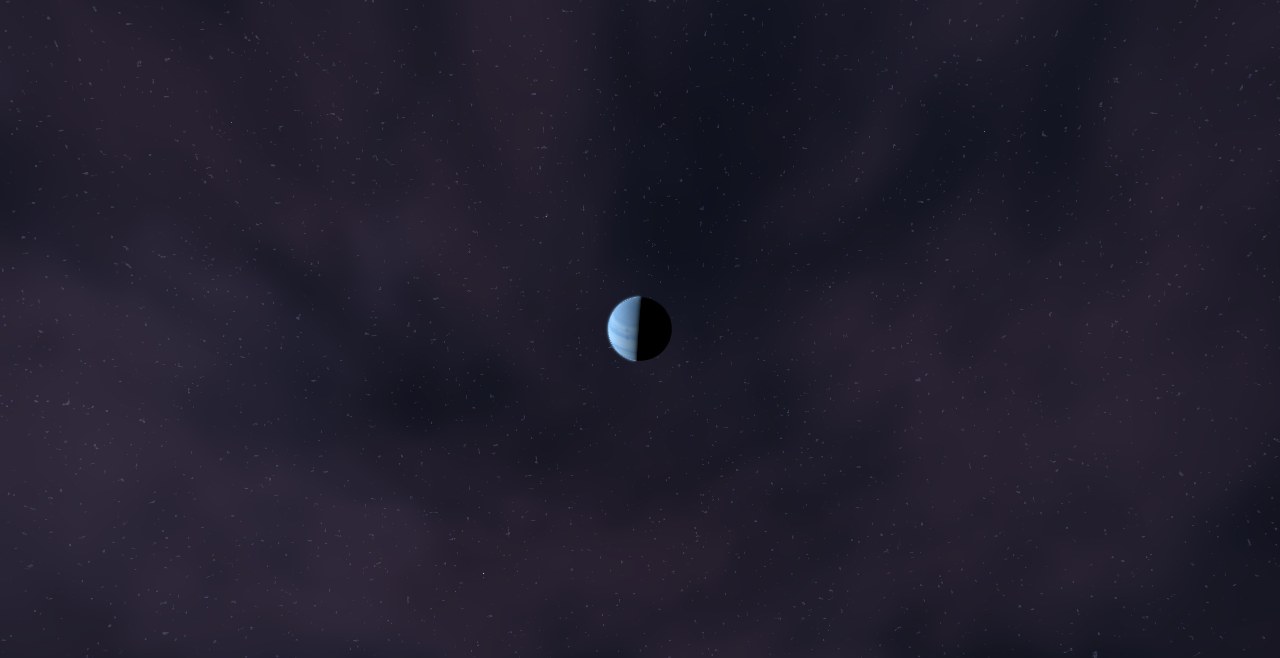
GJ 1148, a cool M-dwarf of 0.34 solar masses, and GJ 1148 b, a 0.30-Jupiter-mass companion, with an orbital period of 41.4 days, at 0.166 AU from its star, on an eccentric orbit (e ≈ 0.38).
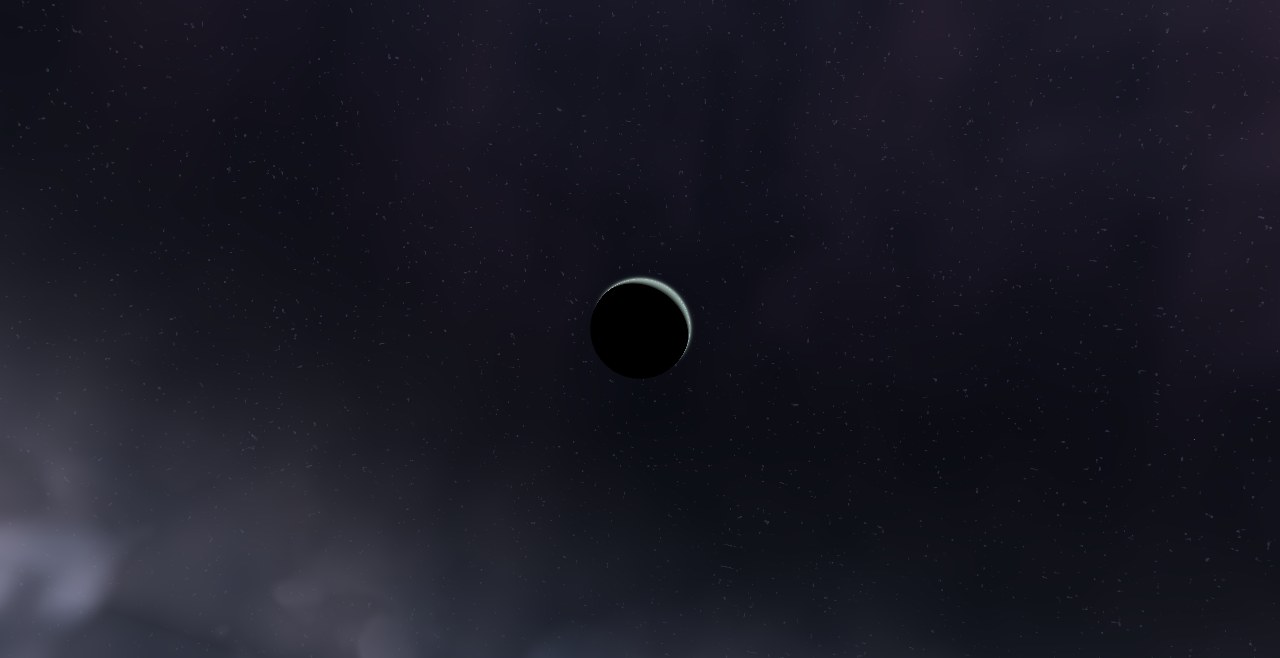
GJ 1151, a cool M-dwarf of 0.16 solar masses, and GJ 1151 c, a 10.6-Earth-mass planet, with an orbital period of 1.07 years, at 0.571 AU from its star.
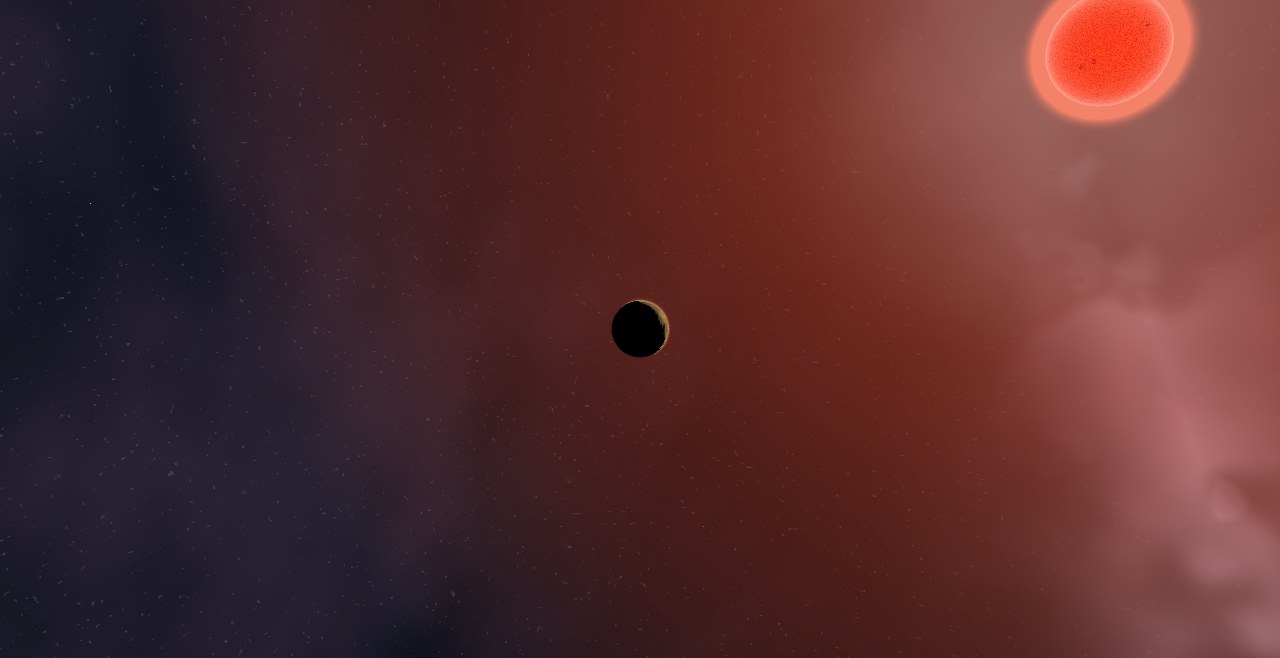
GJ 1214 b, the archetype sub-Neptune. This nearby mini-Neptune has a famously flat transmission spectrum, hiding water, haze, or both. The red-dwarf host is only about 48 light-years away.
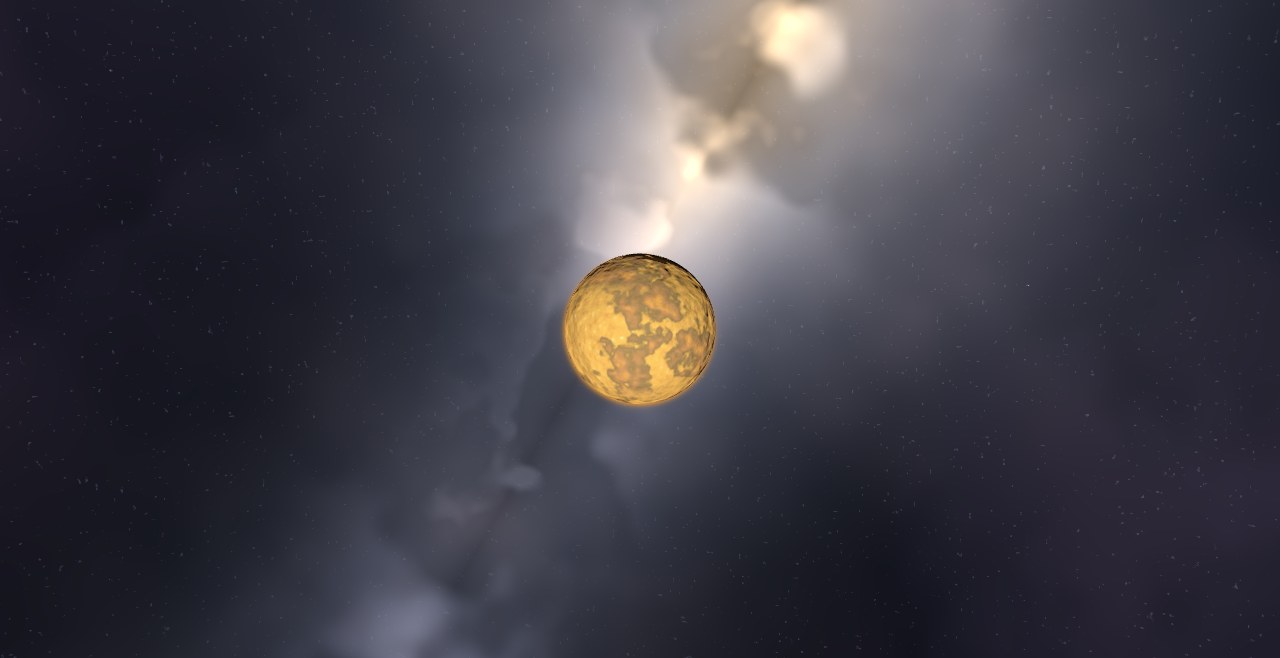
GJ 1252, a cool M-dwarf of 0.38 solar masses, and GJ 1252 b, a 1.3-Earth-mass planet, with an orbital period of 12.4 hours.
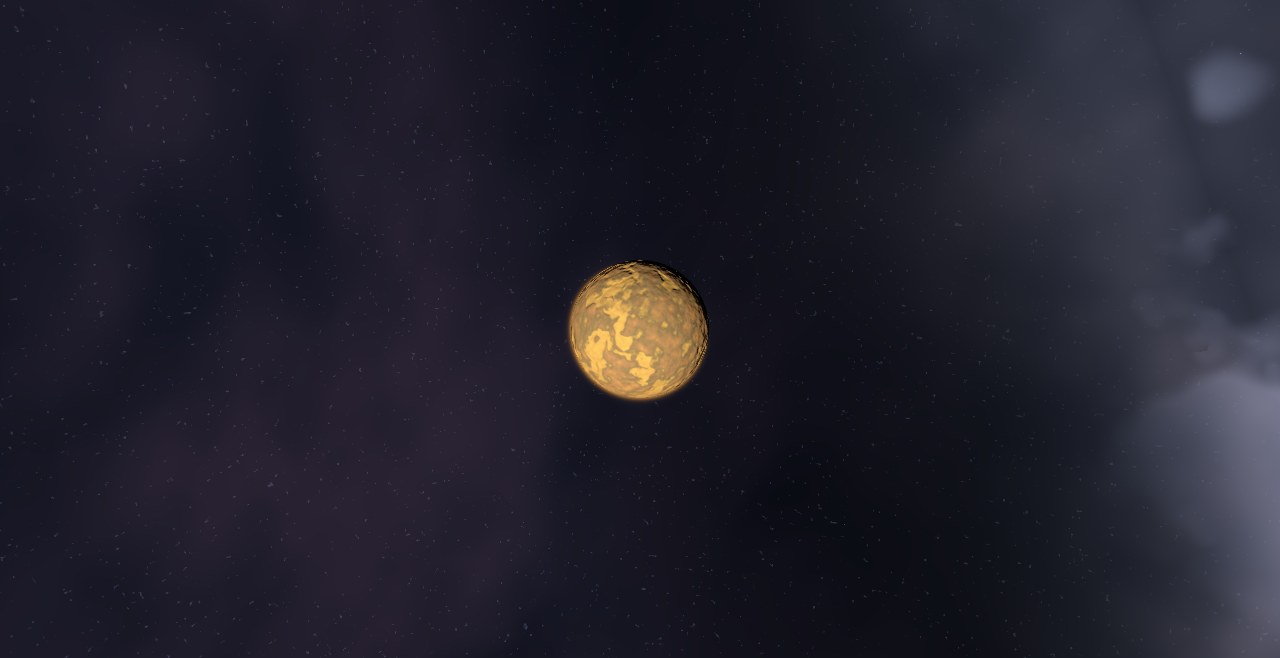
GJ 1265, a cool M-dwarf of 0.18 solar masses, and GJ 1265 b, a 7.4-Earth-mass planet, with an orbital period of 3.7 days, at 0.026 AU from its star.
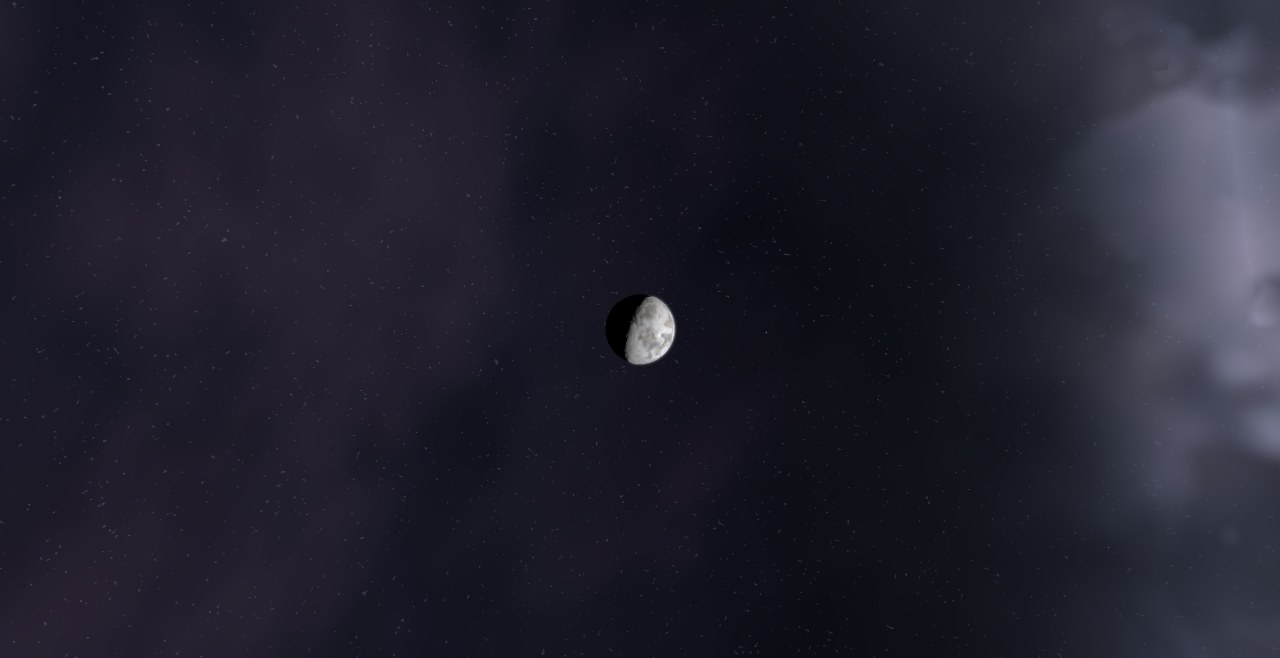
GJ 1289, a cool M-dwarf of 0.21 solar masses, and GJ 1289 b, a 6.3-Earth-mass planet, with an orbital period of 112 days, at 0.270 AU from its star, and an equilibrium temperature near 150 K.
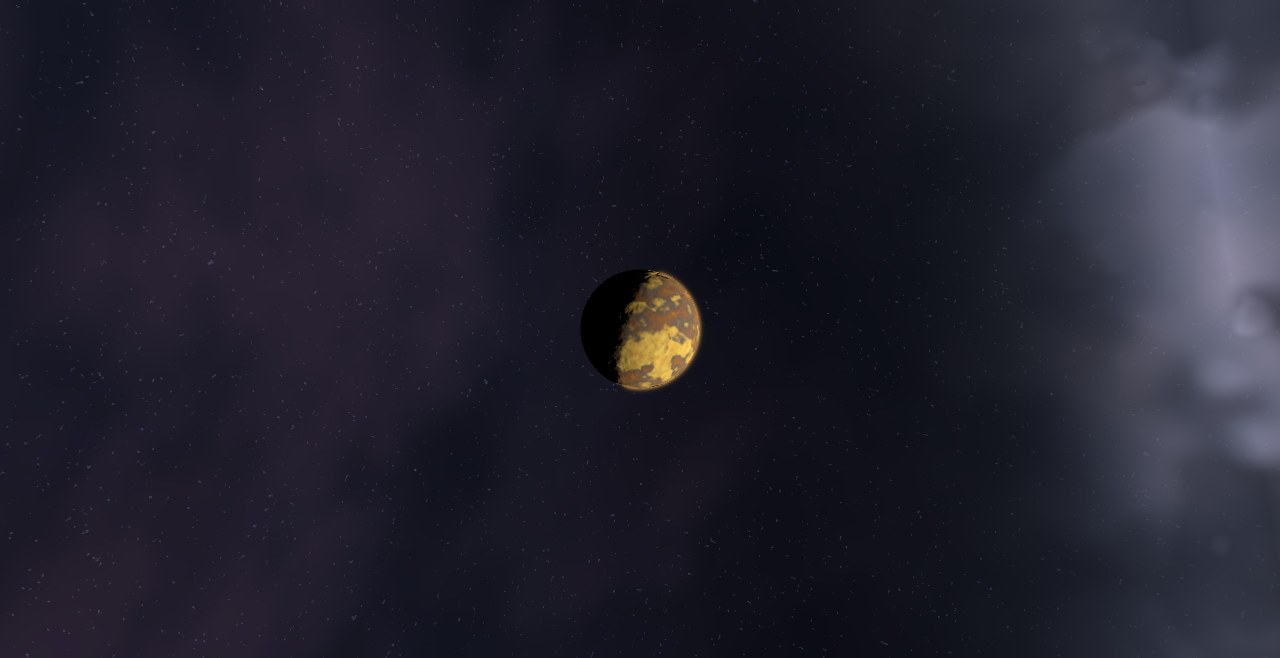
GJ 143, an orange K-type dwarf of 0.73 solar masses, and HD 21749 c, a 3.7-Earth-mass planet, with an orbital period of 7.8 days, at 0.070 AU from its star, and an equilibrium temperature near 701 K.