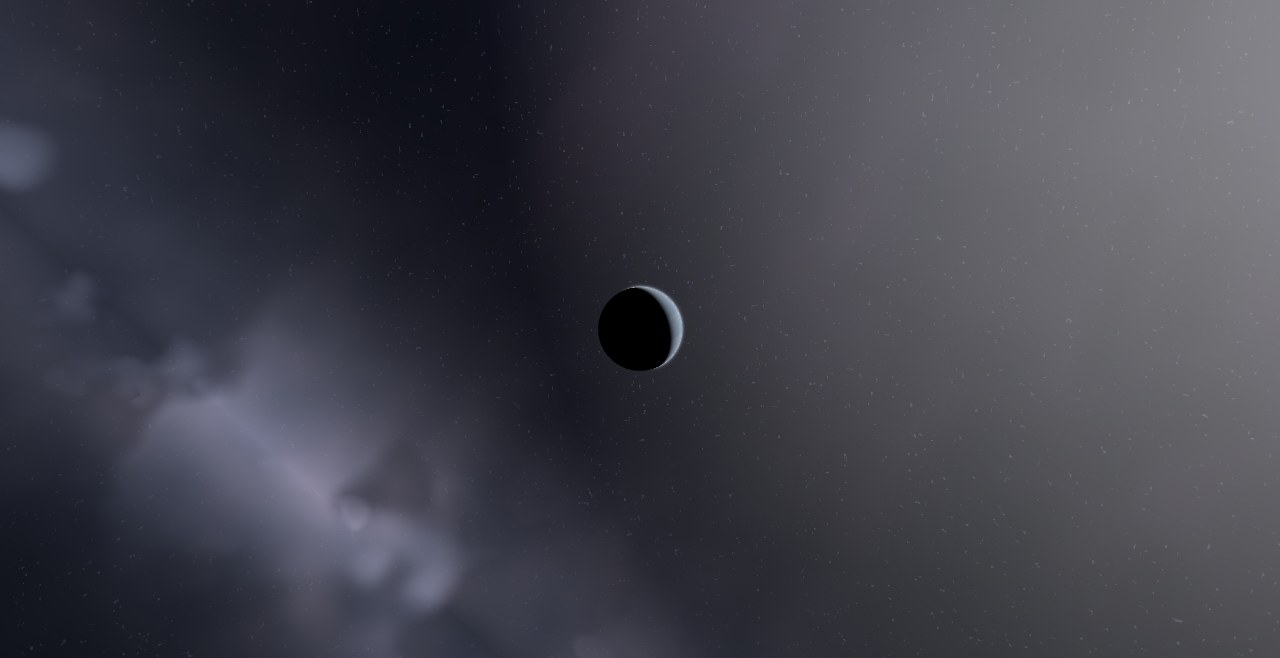
EPIC 229004835 - System
EPIC 229004835, a Sun-like G-type star of 0.97 solar masses, and EPIC 229004835 b, a 10.4-Earth-mass planet, with an orbital period of 16.1 days, at 0.124 AU from its star, and an equilibrium temperature near.
3D Space and Gravity Simulator. Simulate the solar system, exoplanets and even colliding galaxies. Add, delete and modify planets, and change the laws of physics.
Share
EPIC 229004835, a Sun-like G-type star of 0.97 solar masses, and EPIC 229004835 b, a 10.4-Earth-mass planet, with an orbital period of 16.1 days, at 0.124 AU from its star, and an equilibrium temperature near.
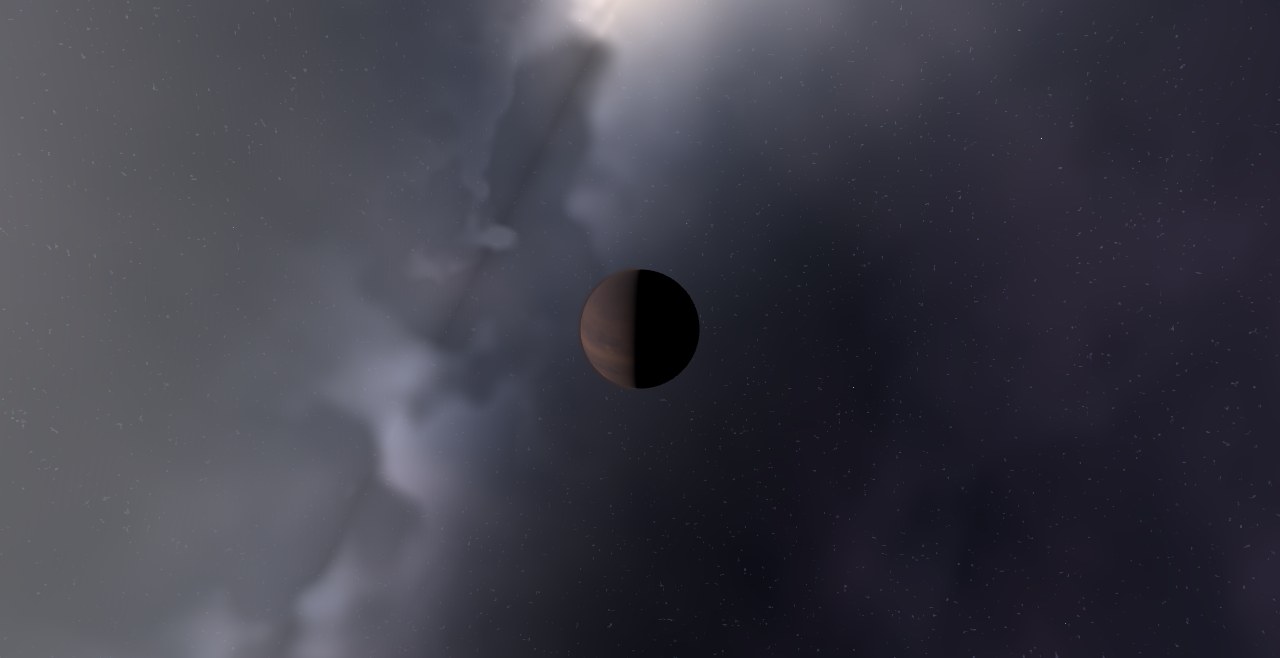
EPIC 246851721, a Sun-like F-type star of 1.32 solar masses, and EPIC 246851721 b, a 3.00-Jupiter-mass companion, with an orbital period of 6.2 days, at 0.072 AU from its star, and an equilibrium temperature.
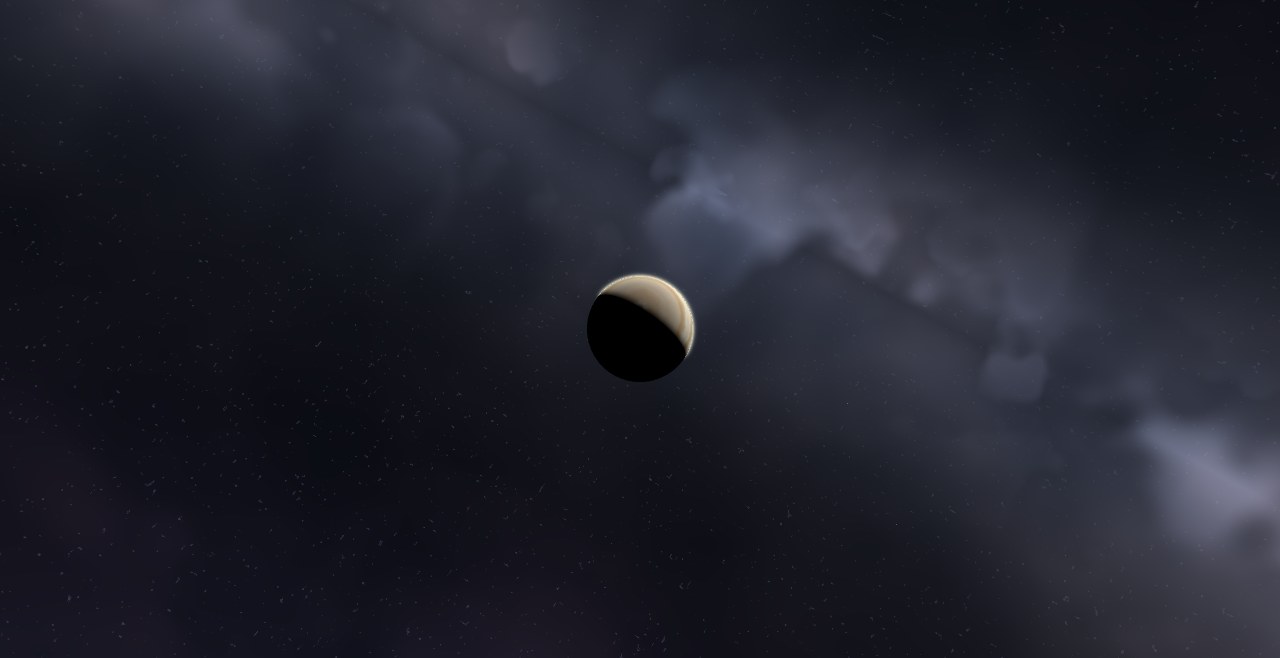
EPIC 248847494, an orange K-type dwarf of 0.90 solar masses, and EPIC 248847494 b, a 13.0-Jupiter-mass companion, with an orbital period of 9.99 years, at 4.500 AU from its star, and an equilibrium temperature.
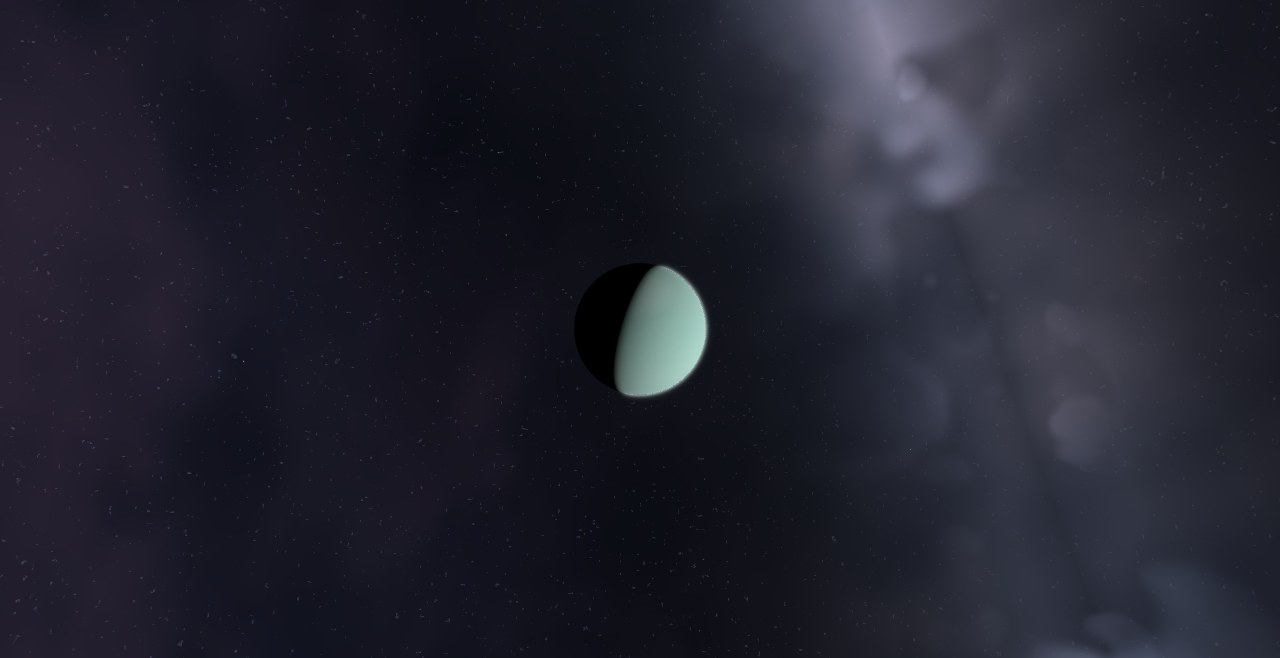
EPIC 249893012, a Sun-like G-type star of 1.05 solar masses, and EPIC 249893012 b, a 8.8-Earth-mass planet, with an orbital period of 3.6 days, at 0.047 AU from its star, and an equilibrium temperature near.
-2006-fv35.jpg)
Track quasi-moon (277810) 2006 FV35 as it shares Earth's orbit around the Sun. Experience the celestial mechanics of 1:1 co-orbital resonance in an interactive 3D simulation.
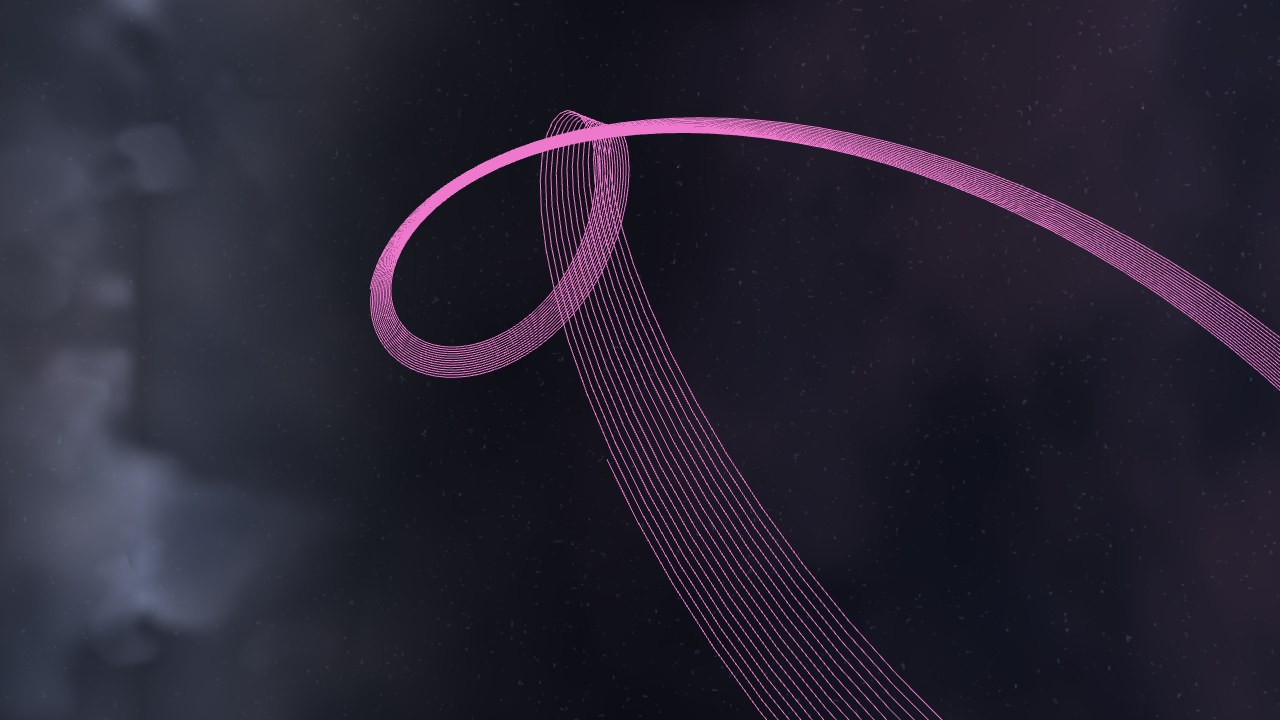
Track Earth quasi-satellite 2013 LX28 in interactive 3D. Trace its temporary 1:1 orbital resonance as it co-orbits the Sun alongside Earth on real JPL Horizons ephemerides.
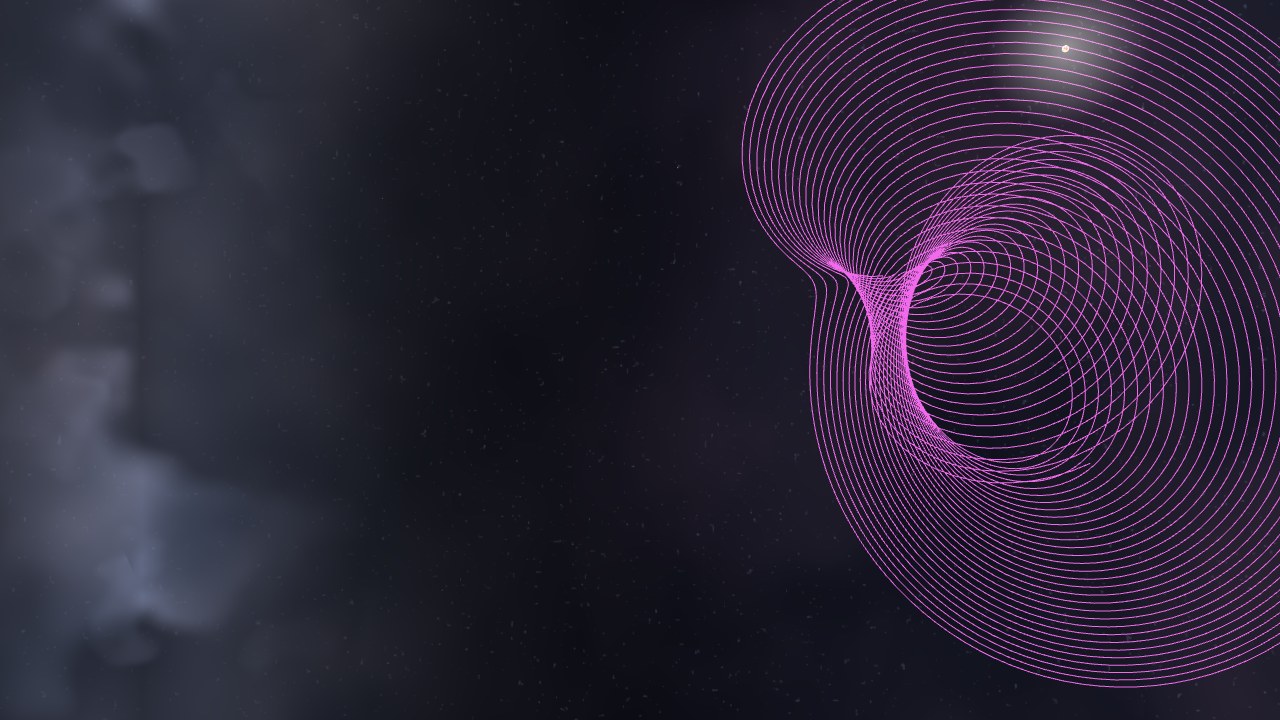
Observe quasi-moon 2014 OL339 dancing in 1:1 resonance with Earth. Follow its fascinating horseshoe-to-quasi-satellite orbital transition using high-precision JPL states in 3D.
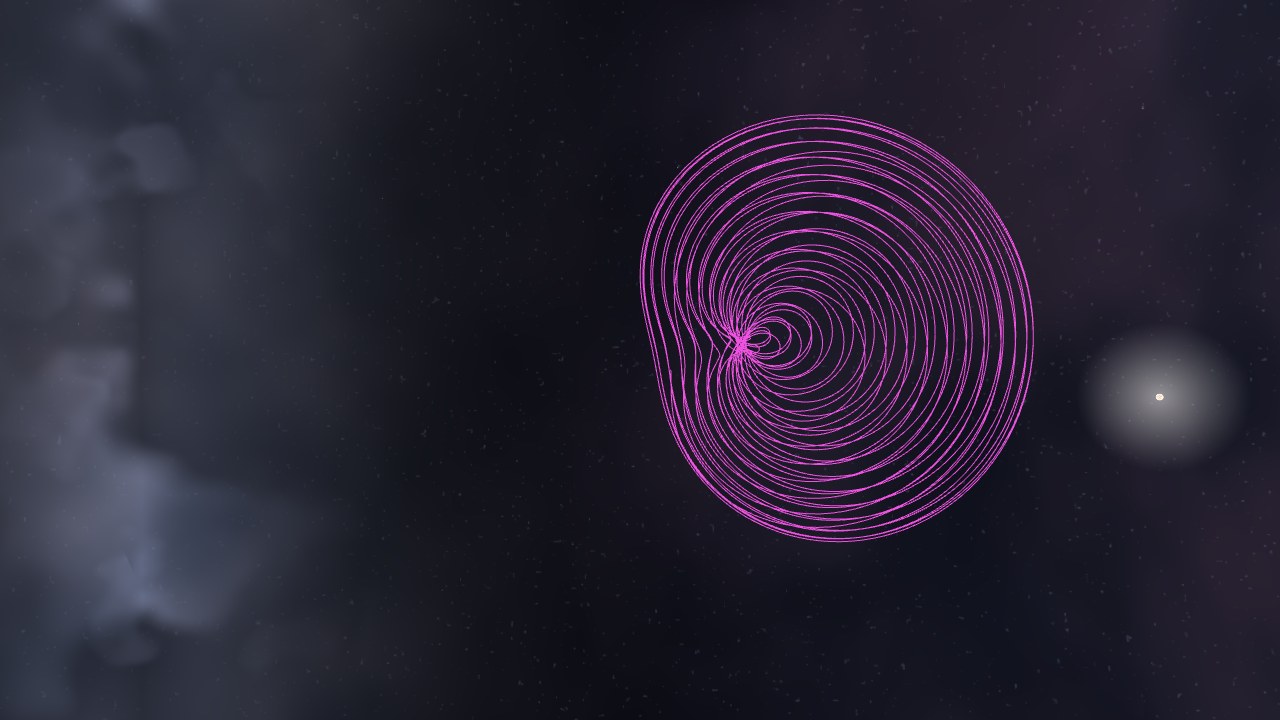
Simulate newly discovered quasi-moon 2022 YG. Watch this small asteroid maintain a delicate 1:1 orbital resonance with Earth, looping in a synchronized path around the Sun.
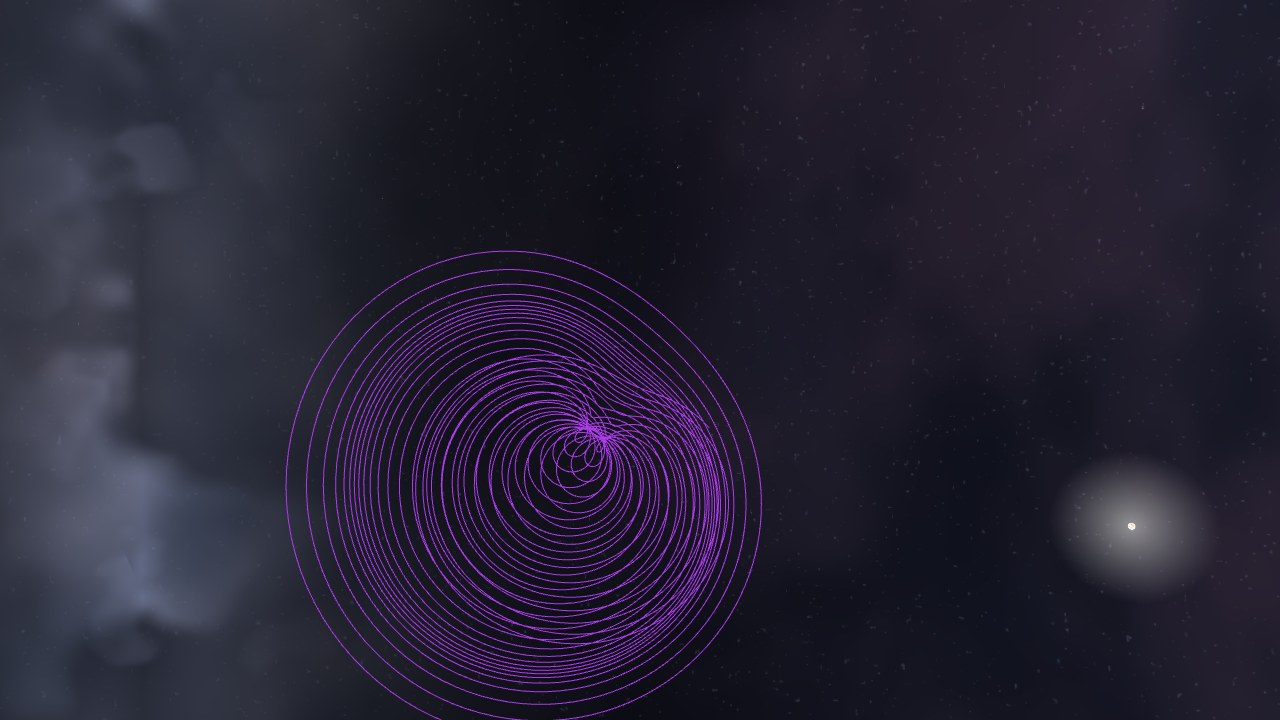
Explore quasi-satellite 2023 FW13, discovered by Pan-STARRS. Trace its stable centuries-long co-orbital loop near Earth in this interactive 3D gravitational simulation.
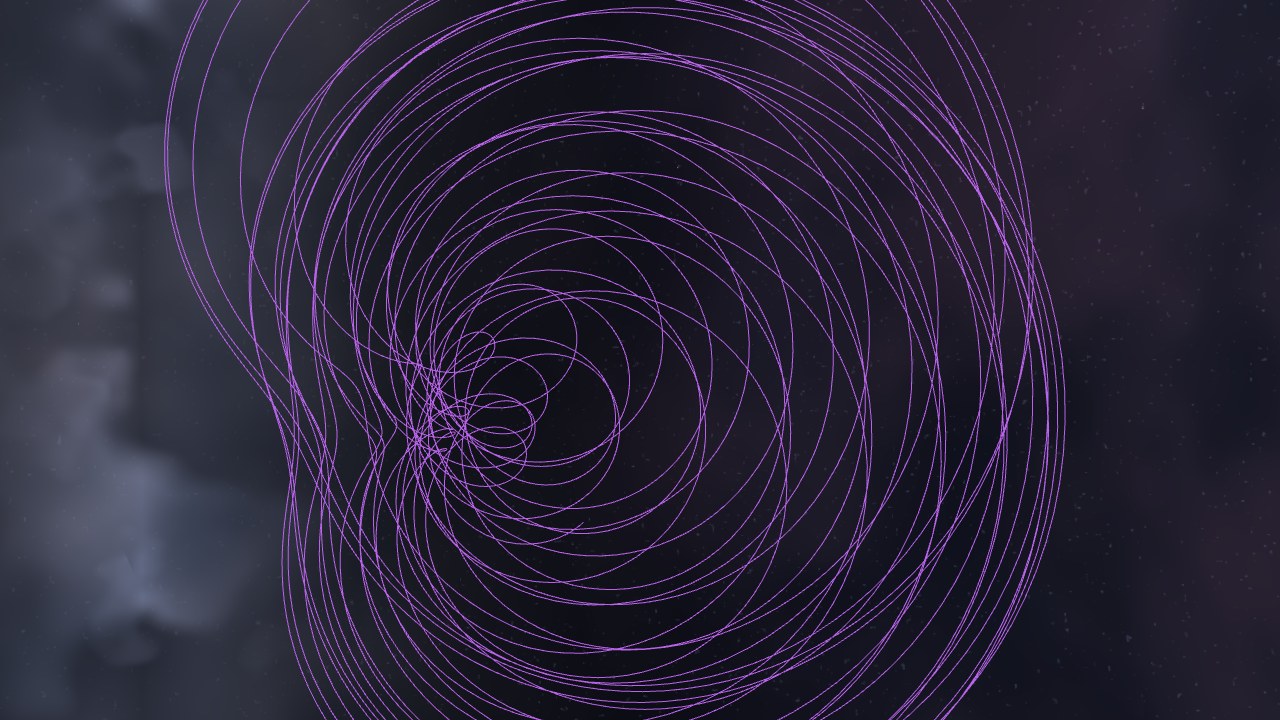
Discover 2025 PN7, one of Earth's latest recognized quasi-moons. Follow its resonant journey alongside our planet around the Sun based on official JPL Horizons orbital states.
.jpg)
Explore quasi-moon 164207 Cardea (2004 GU9). Watch this co-orbital asteroid execute synchronized loops around Earth while remaining gravitationally bound directly to the Sun.
.jpg)
Discover 3753 Cruithne, Earth's famous co-orbital companion. Watch this asteroid trace a sweeping horseshoe orbit relative to Earth in a 1:1 solar resonance using JPL data.
.jpg)
Simulate 469219 Kamoʻoalewa (2016 HO3), Earth's most stable quasi-satellite. Watch this possible lunar fragment orbit the Sun in locked harmony with Earth using JPL data.
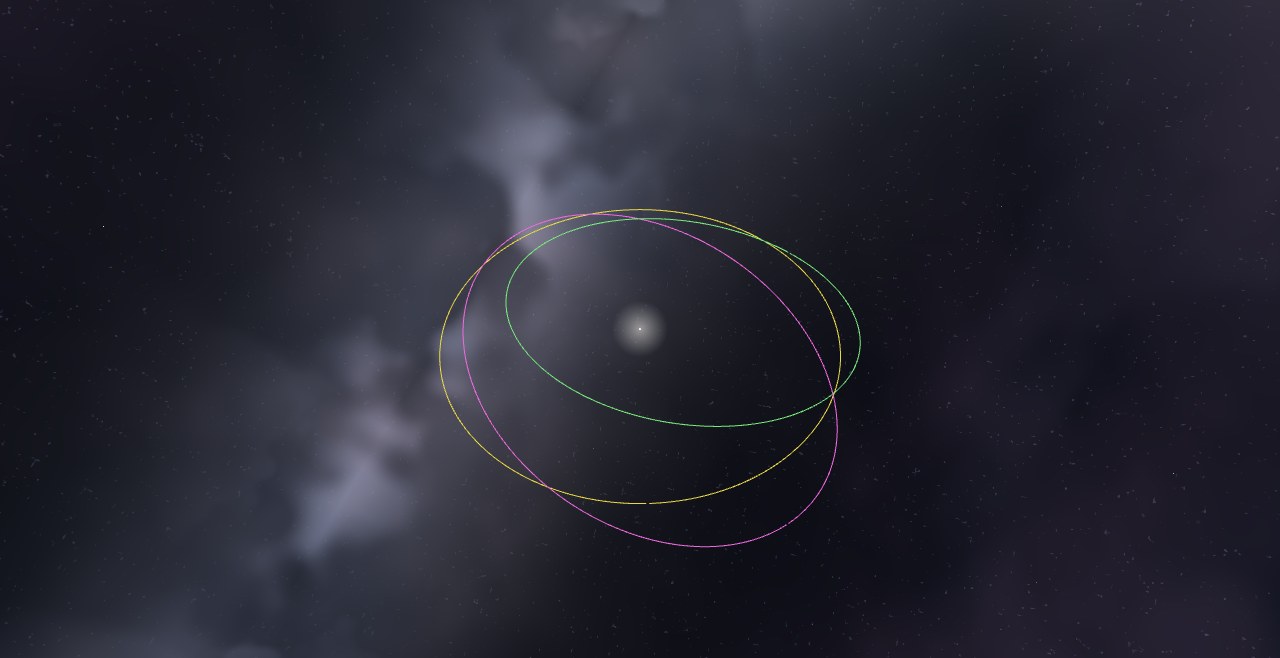
Explore Earth's known Trojan asteroids, 2010 TK7 and 2020 XL5. Watch them librate around the Sun-Earth L4 and L5 Lagrange points 60 degrees ahead of and behind our planet in 3D.
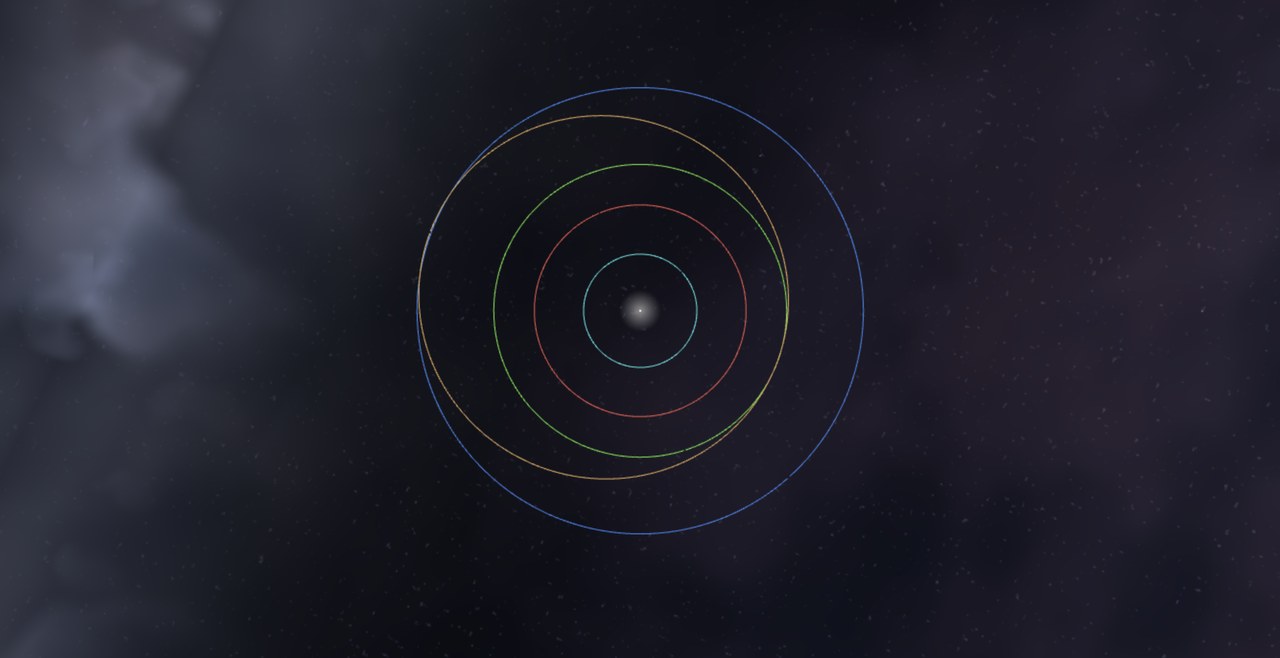
Simulate a fuel-efficient Hohmann transfer orbit from Earth to Mars. Follow the 241-day interplanetary elliptical coast tangent to both planetary orbits in interactive 3D.
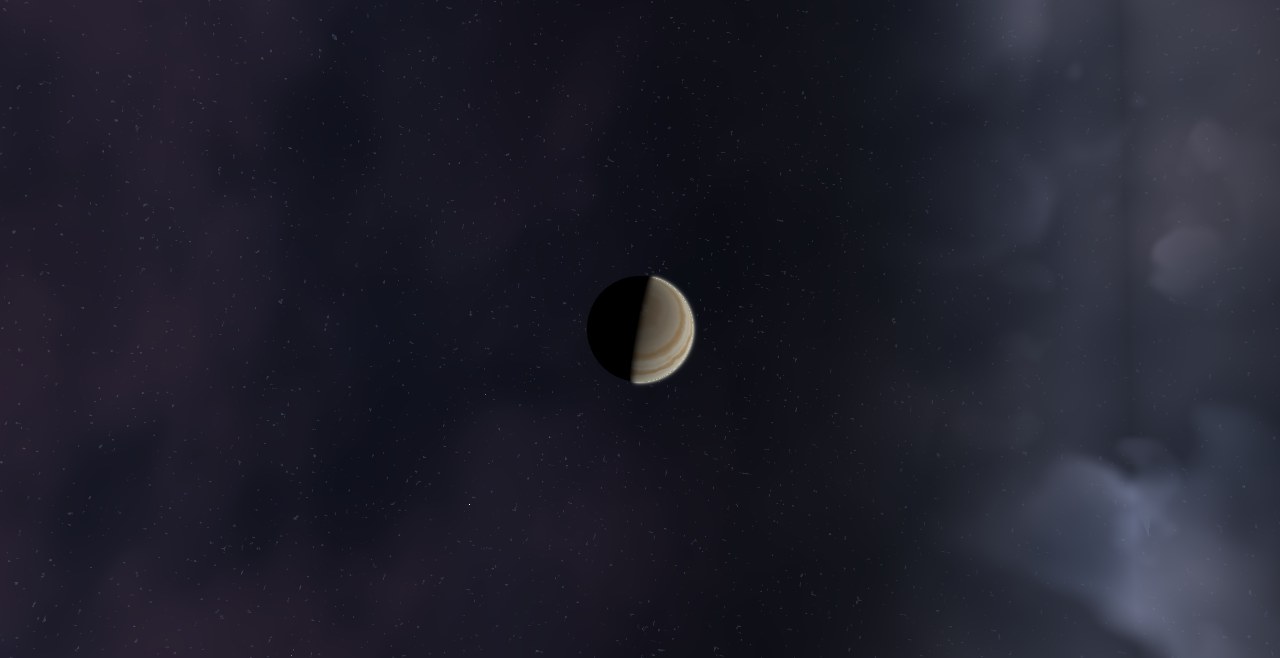
FU Tau, a cool M-dwarf of 0.05 solar masses, and FU Tau b, a 16.0-Jupiter-mass companion, at 800 AU from its star, and an equilibrium temperature near 2,375 K.
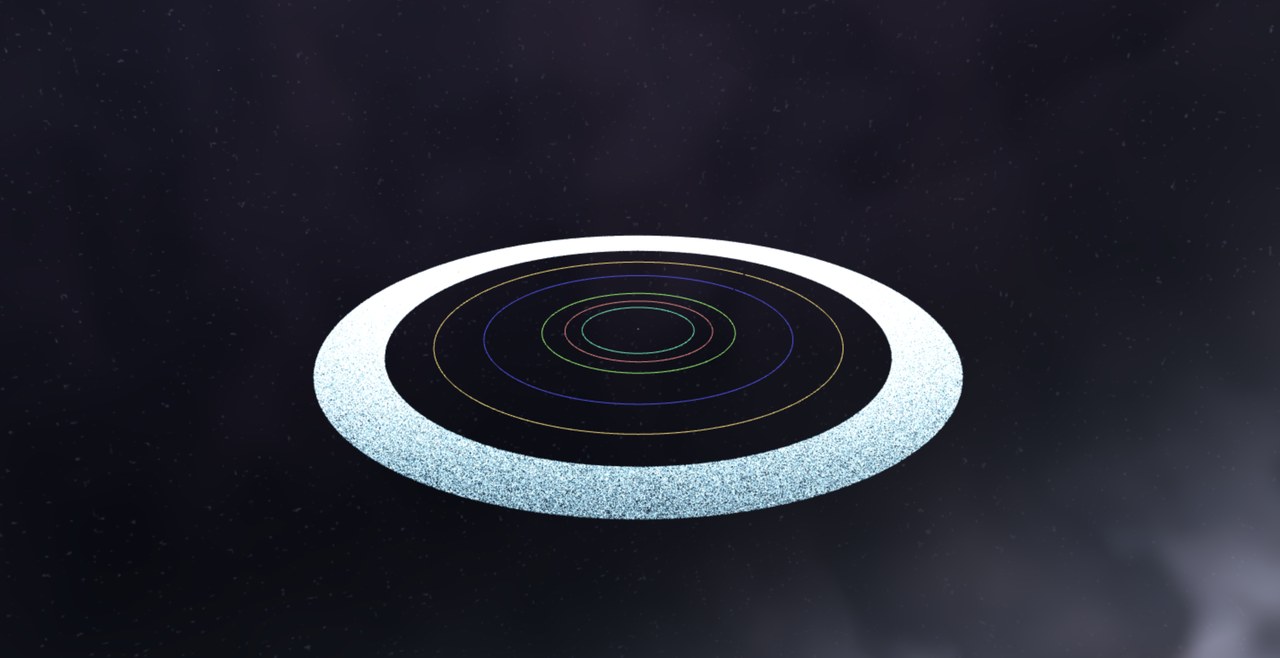
Explore the early Solar System through the Nice model: simulate Jupiter, Saturn, and three ice giants in a compact resonant chain surrounded by a massive primordial planetesimal disk.
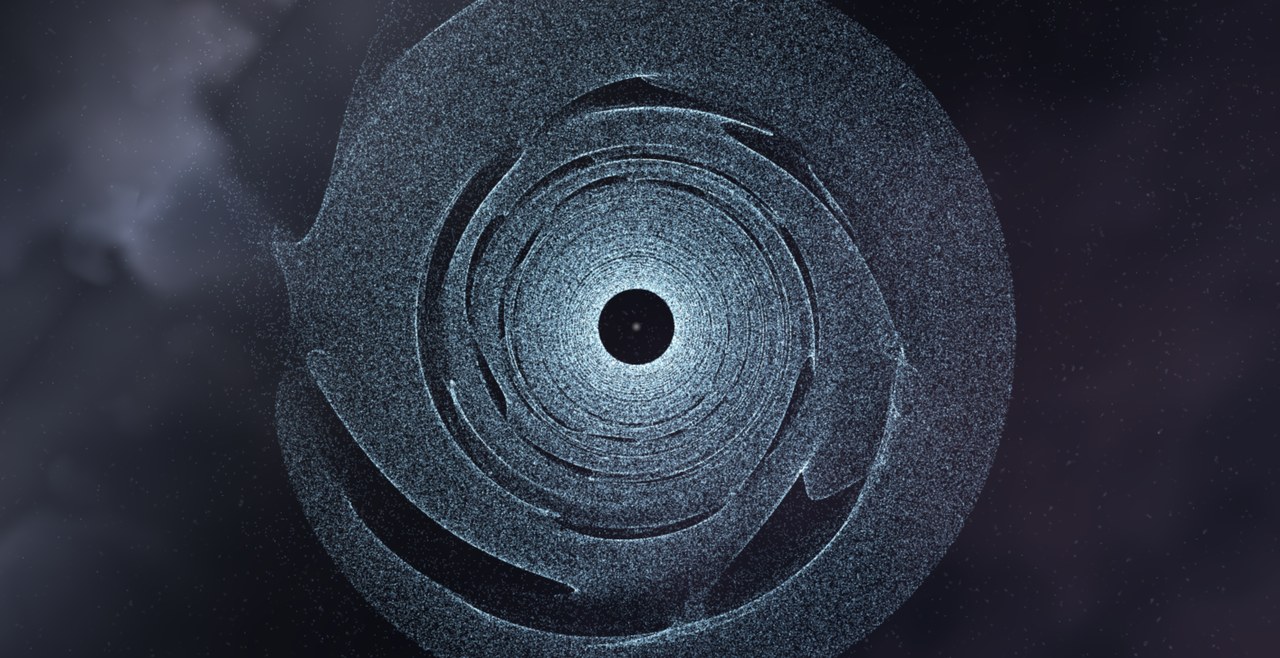
Simulate planetary oligarchic growth: watch twelve embryonic protoplanets collide, scatter, and accrete amid a dense disk of 400,000 debris particles around a newborn star in 3D.