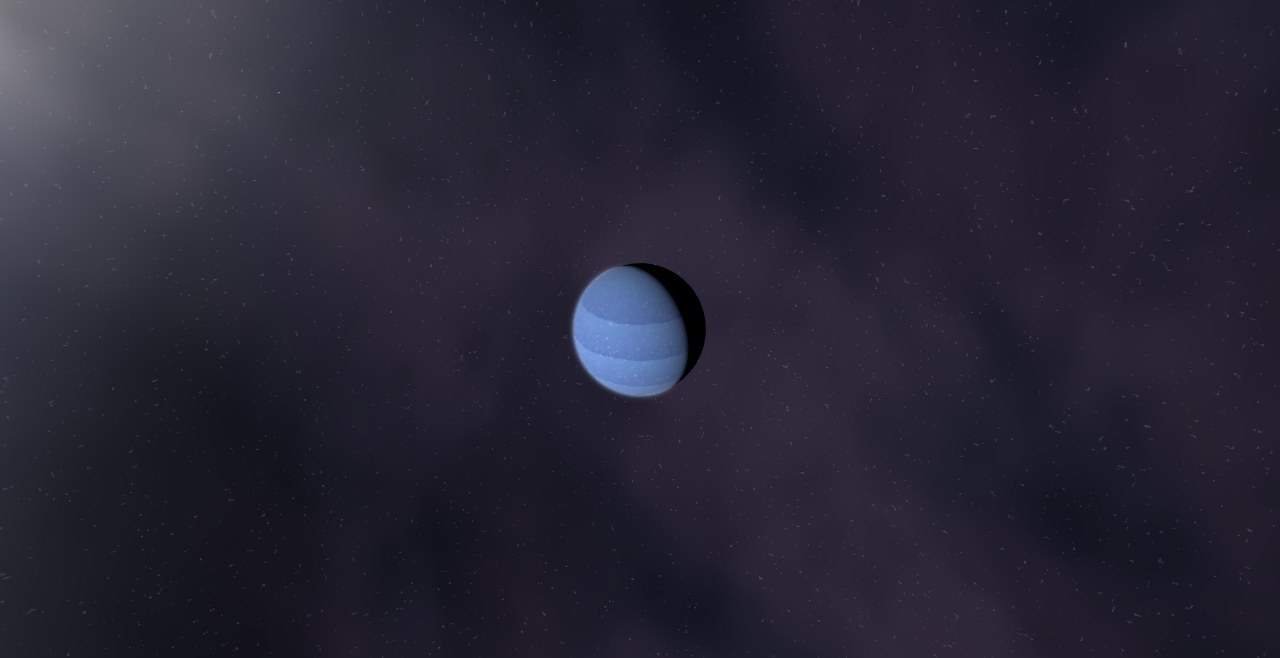
K2-138 - System
K2-138, a chain of six sub-Neptunes near resonance, found by citizen scientists. The planets form an even, peas-in-a-pod sequence. The star is a K dwarf, and the chain was found in K2 data.
Scenarios
Discover alien solar systems and explore worlds far beyond our own. Simulate extreme orbital environments, habitable zones, and tightly packed resonant chains discovered by modern astronomy, all mapped accurately from real exoplanetary discovery data.
Share
K2-138, a chain of six sub-Neptunes near resonance, found by citizen scientists. The planets form an even, peas-in-a-pod sequence. The star is a K dwarf, and the chain was found in K2 data.
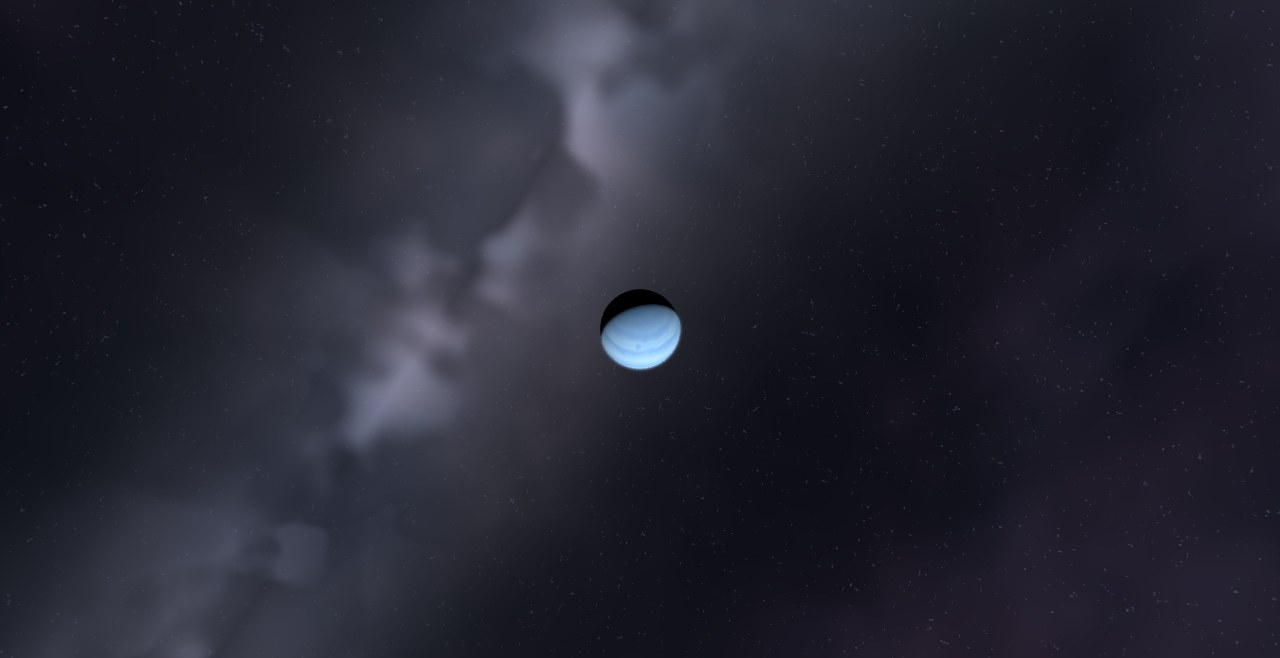
K2-139, a Sun-like G-type star of 0.96 solar masses, and K2-139 b, a planet with 9.1 Earth radii, with an orbital period of 28.4 days, at 0.180 AU from its star, and an equilibrium temperature near 524 K.
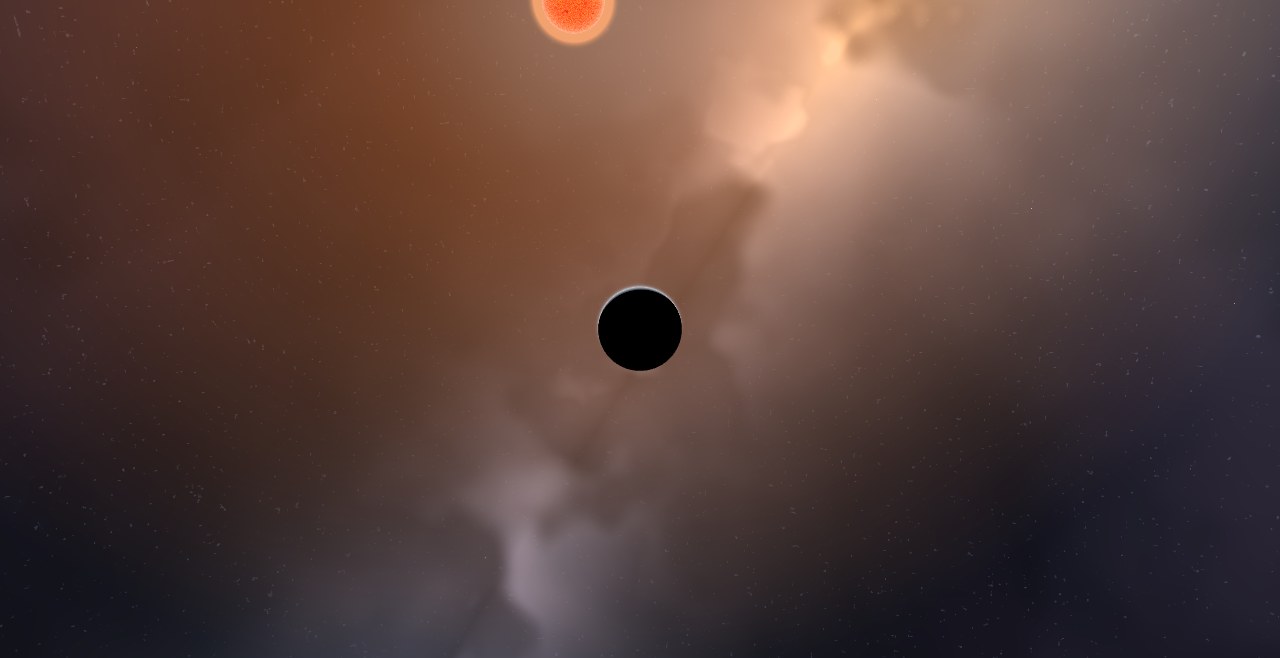
K2-14, an orange K-type dwarf of 0.47 solar masses, and K2-14 b, a planet with 4.8 Earth radii, with an orbital period of 8.4 days, at 0.063 AU from its star, and an equilibrium temperature near 488 K.
K2-140, a Sun-like G-type star of 0.96 solar masses, and K2-140 b, a 0.93-Jupiter-mass companion, with an orbital period of 6.6 days, at 0.068 AU from its star, and an equilibrium temperature near 962 K.
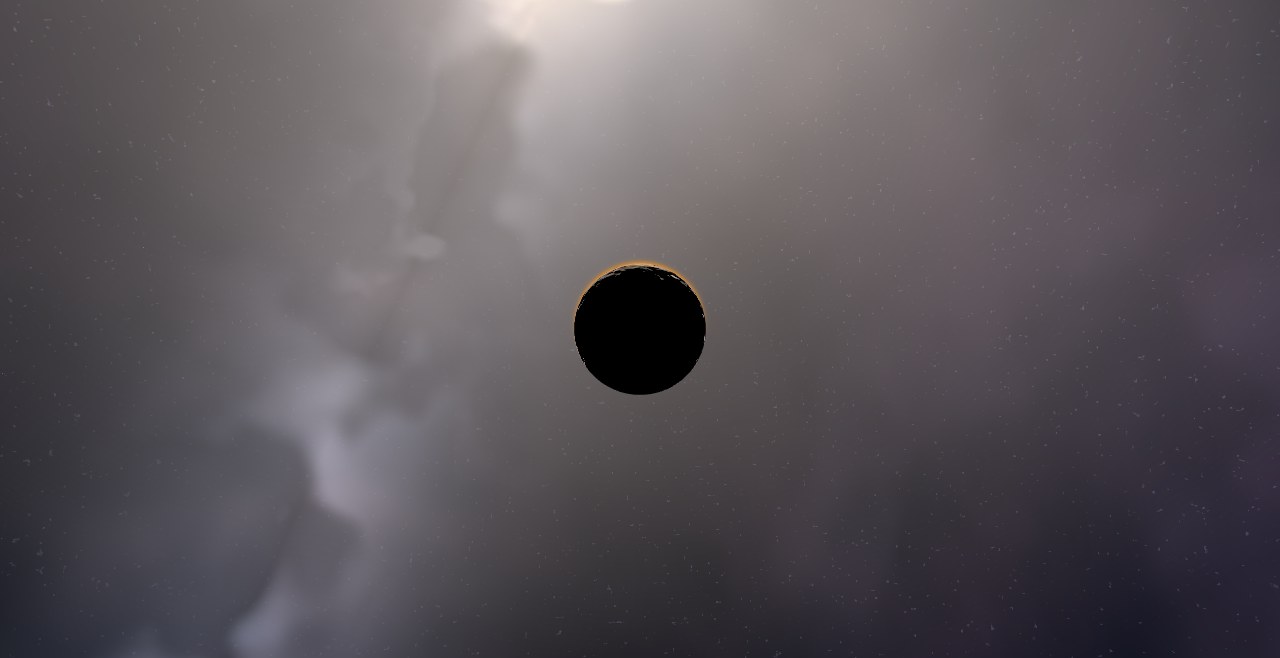
K2-141 b, a lava world on an ultra-short orbit. The dayside is hot enough for a rock-vapor atmosphere that may rain out as magma. A year on the lava world lasts only about 6.7 hours.
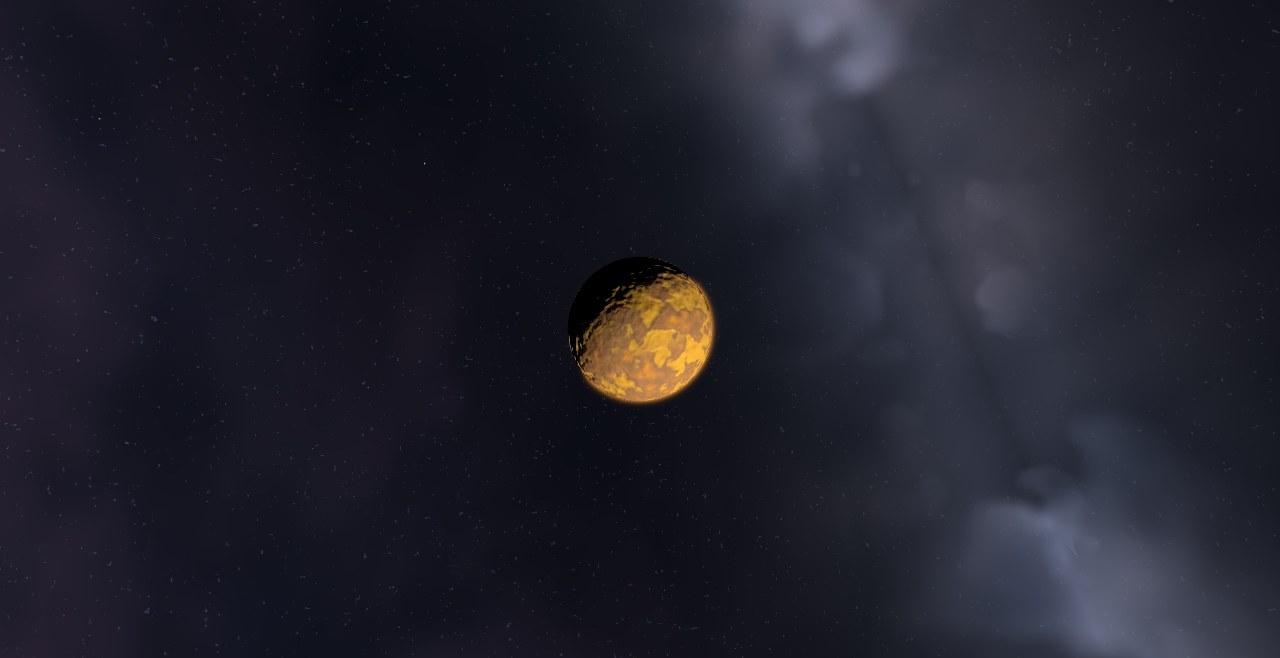
K2-146, a cool M-dwarf of 0.33 solar masses, and K2-146 b, a 5.8-Earth-mass planet, with an orbital period of 2.6 days, on an eccentric orbit (e ≈ 0.13).
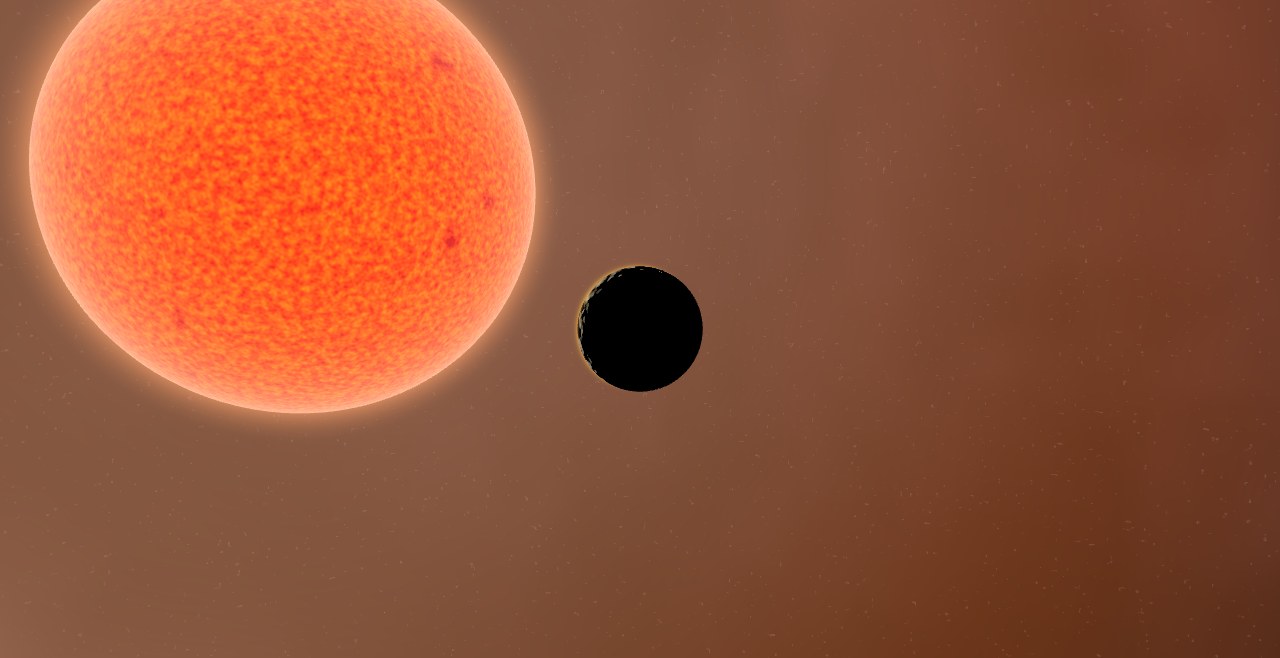
K2-147, a cool M-dwarf of 0.56 solar masses, and K2-147 b, a planet with 1.5 Earth radii, with an orbital period of 23.1 hours, at 0.016 AU from its star, and an equilibrium temperature near 1,077 K.
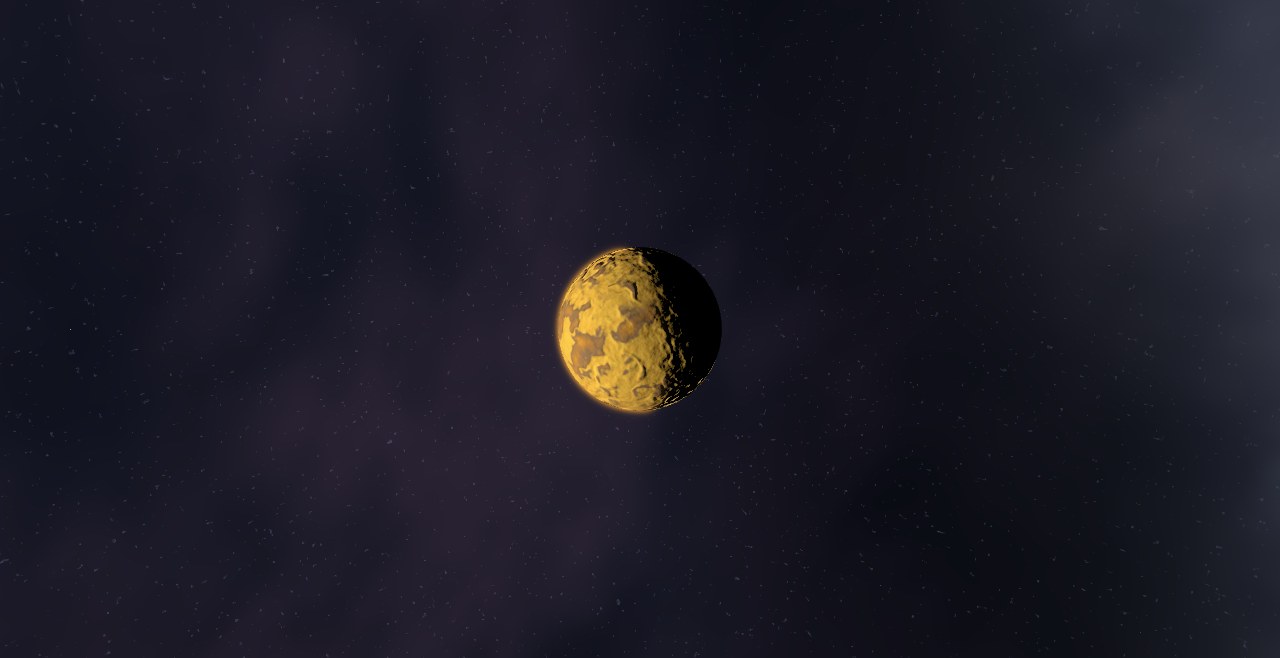
K2-148, an orange K-type dwarf of 0.65 solar masses, and K2-148 b, a planet with 1.3 Earth radii, with an orbital period of 4.4 days, at 0.045 AU from its star.
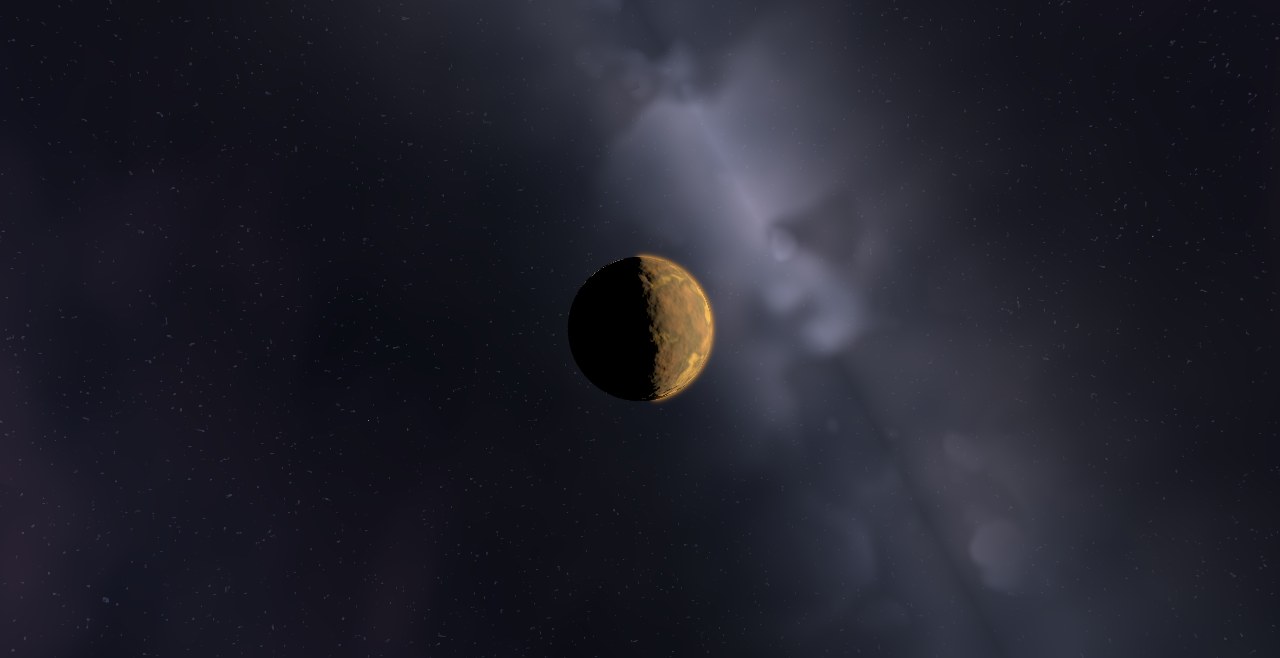
K2-149, a cool M-dwarf of 0.59 solar masses, and K2-149 b, a planet with 1.6 Earth radii, with an orbital period of 11.3 days, at 0.083 AU from its star.
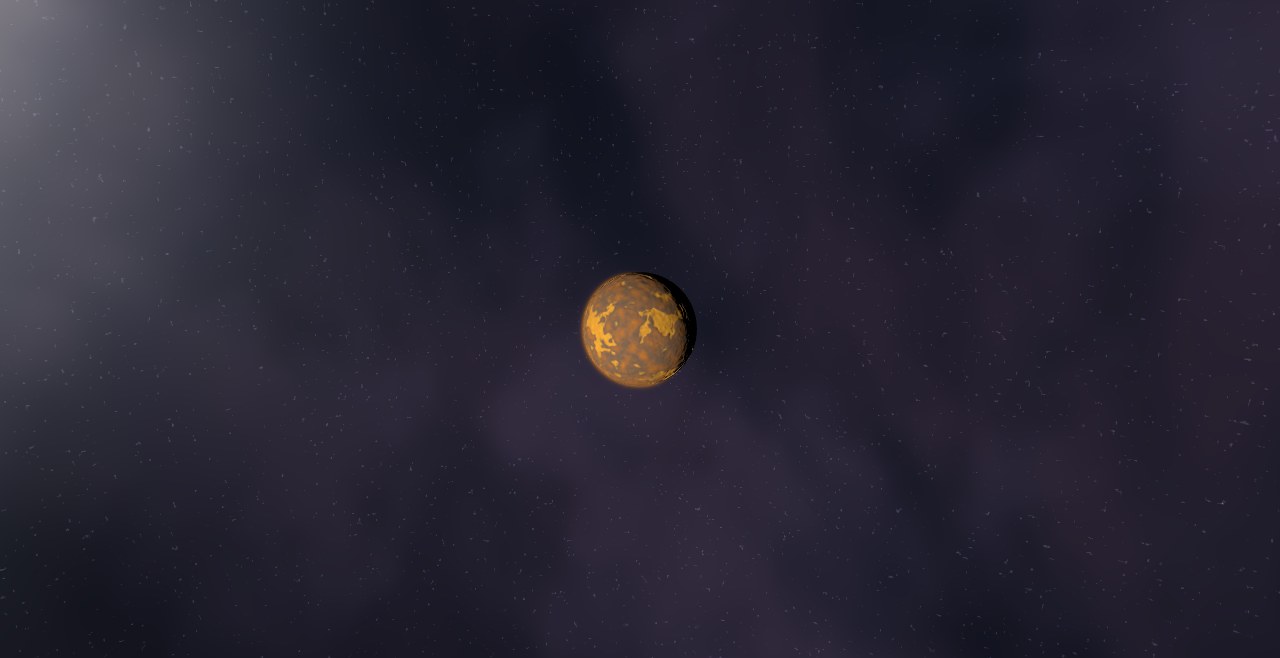
K2-15, an orange K-type dwarf of 0.72 solar masses, and K2-15 b, a planet with 2.5 Earth radii, with an orbital period of 11.8 days, at 0.091 AU from its star, and an equilibrium temperature near 676 K.
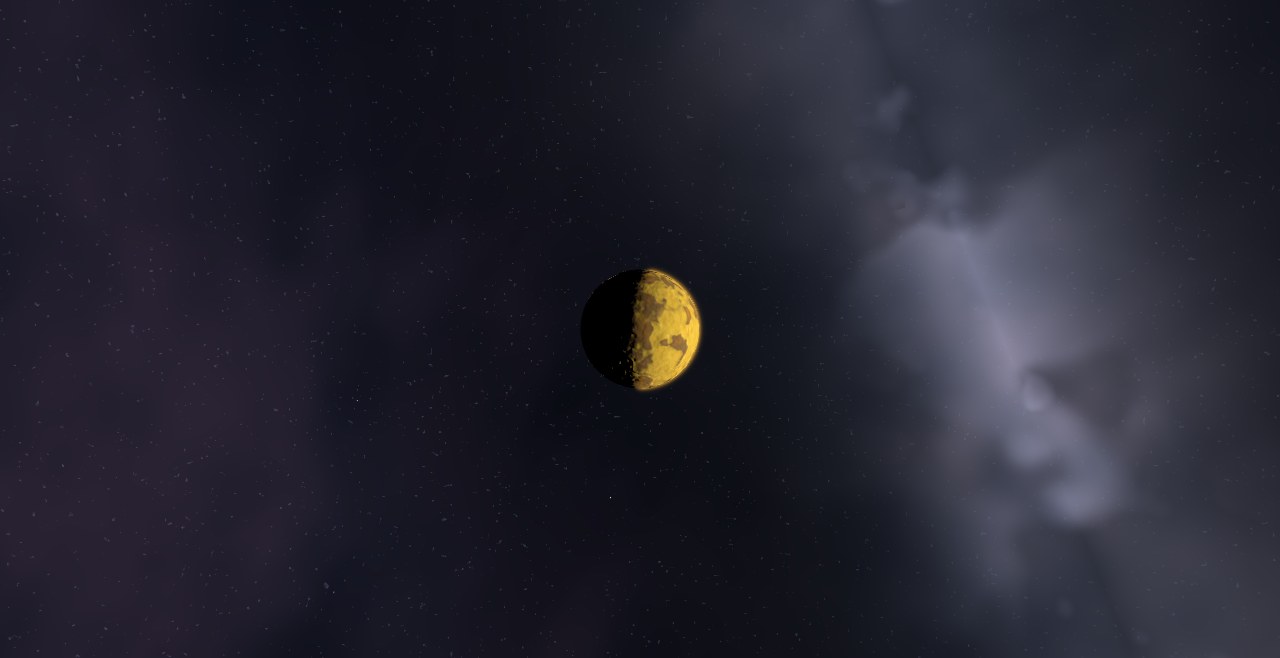
K2-150, a cool M-dwarf of 0.46 solar masses, and K2-150 b, a planet with 2.0 Earth radii, with an orbital period of 10.6 days, at 0.073 AU from its star.
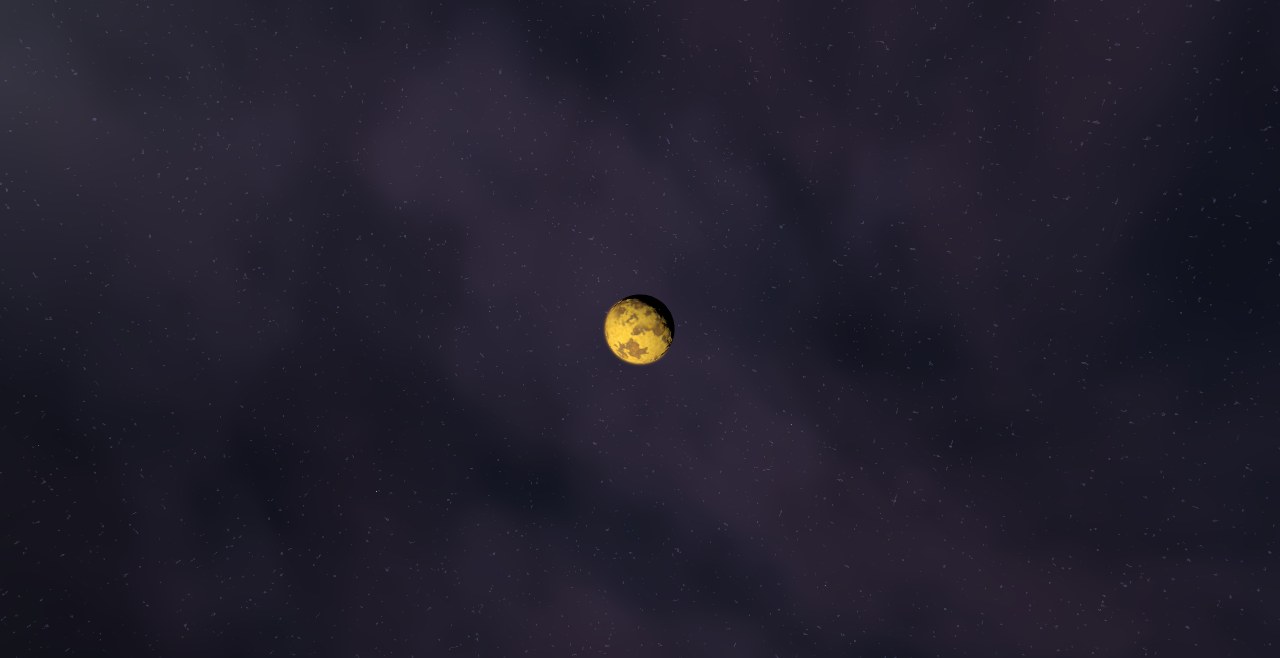
K2-151, a cool M-dwarf of 0.47 solar masses, and K2-151 b, a planet with 1.5 Earth radii, with an orbital period of 3.8 days, at 0.037 AU from its star, and an equilibrium temperature near 566 K.
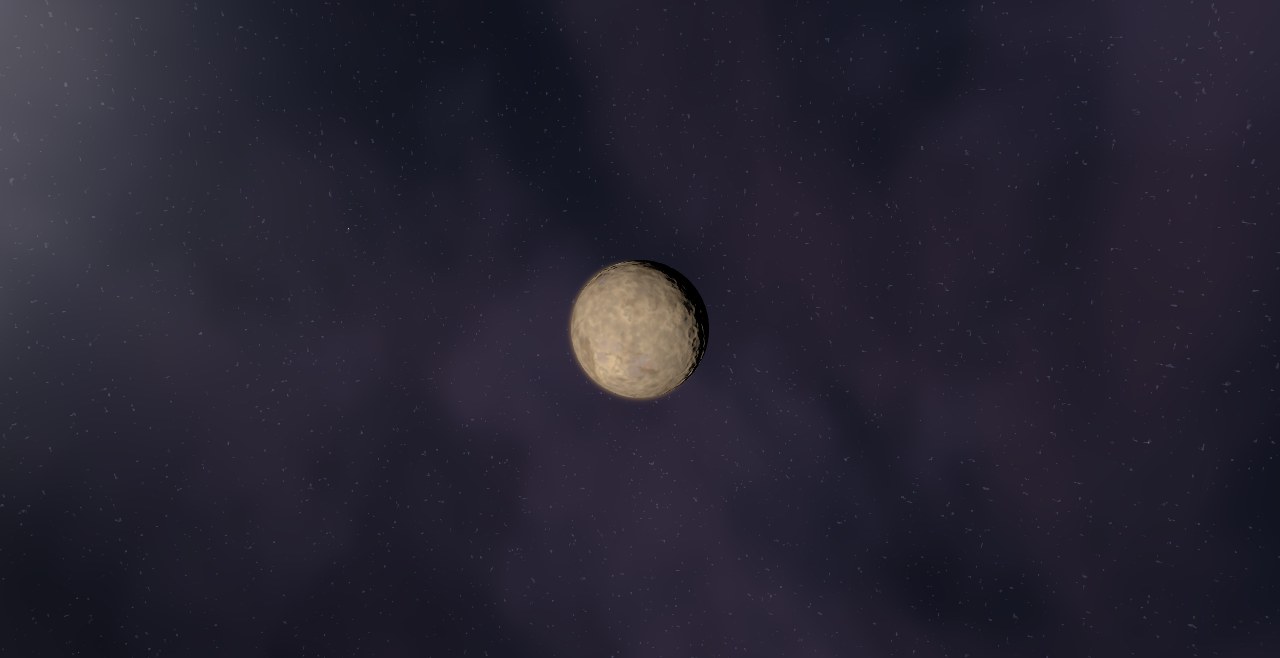
K2-152, an orange K-type dwarf of 0.63 solar masses, and K2-152 b, a planet with 2.3 Earth radii, with an orbital period of 32.6 days, at 0.172 AU from its star, and an equilibrium temperature near 337 K.
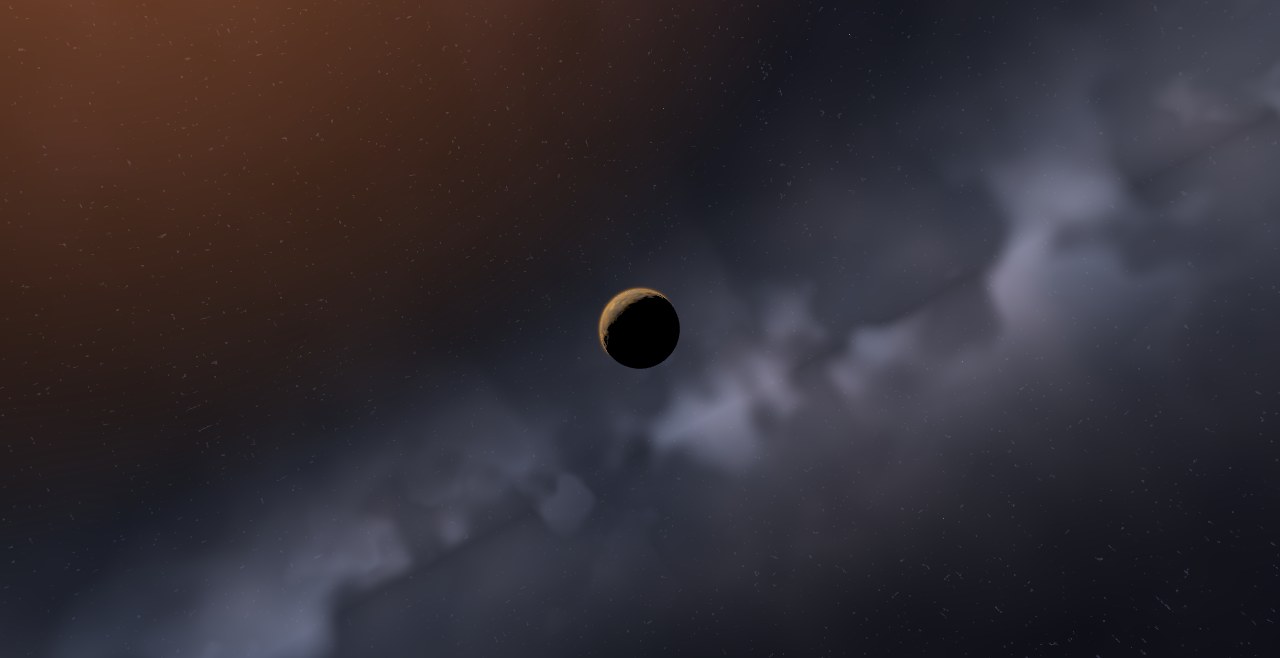
K2-153, an orange K-type dwarf of 0.55 solar masses, and K2-153 b, a planet with 2.0 Earth radii, with an orbital period of 7.5 days, at 0.061 AU from its star, and an equilibrium temperature near 497 K.
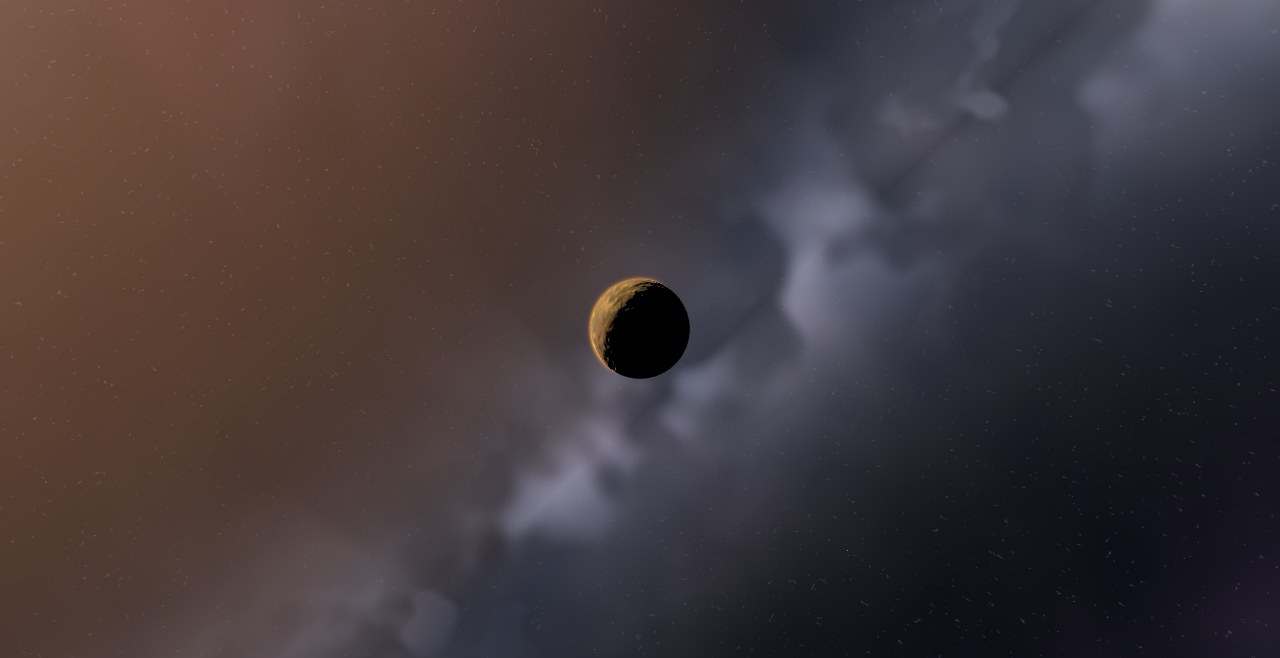
K2-154, an orange K-type dwarf of 0.65 solar masses, and K2-154 b, a planet with 2.0 Earth radii, with an orbital period of 3.7 days, at 0.041 AU from its star, and an equilibrium temperature near 715 K.
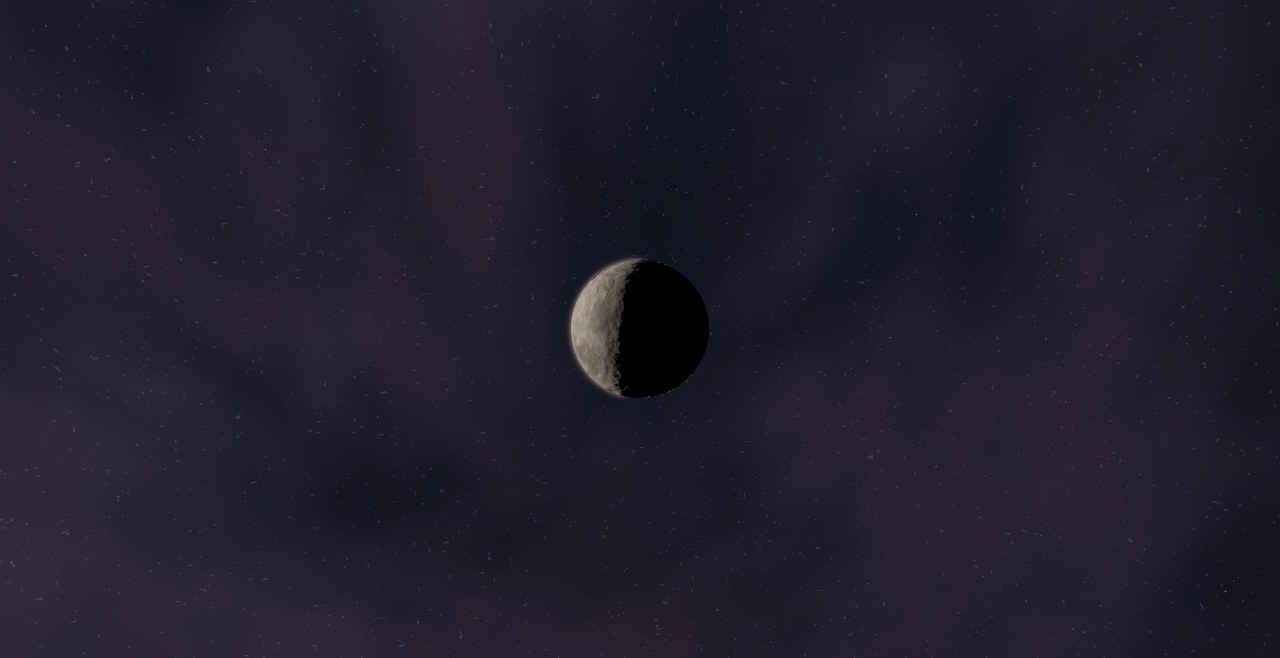
K2-155, an orange K-type dwarf of 0.65 solar masses, and K2-155 b, a planet with 1.8 Earth radii, with an orbital period of 6.3 days, at 0.056 AU from its star, and an equilibrium temperature near 708 K.
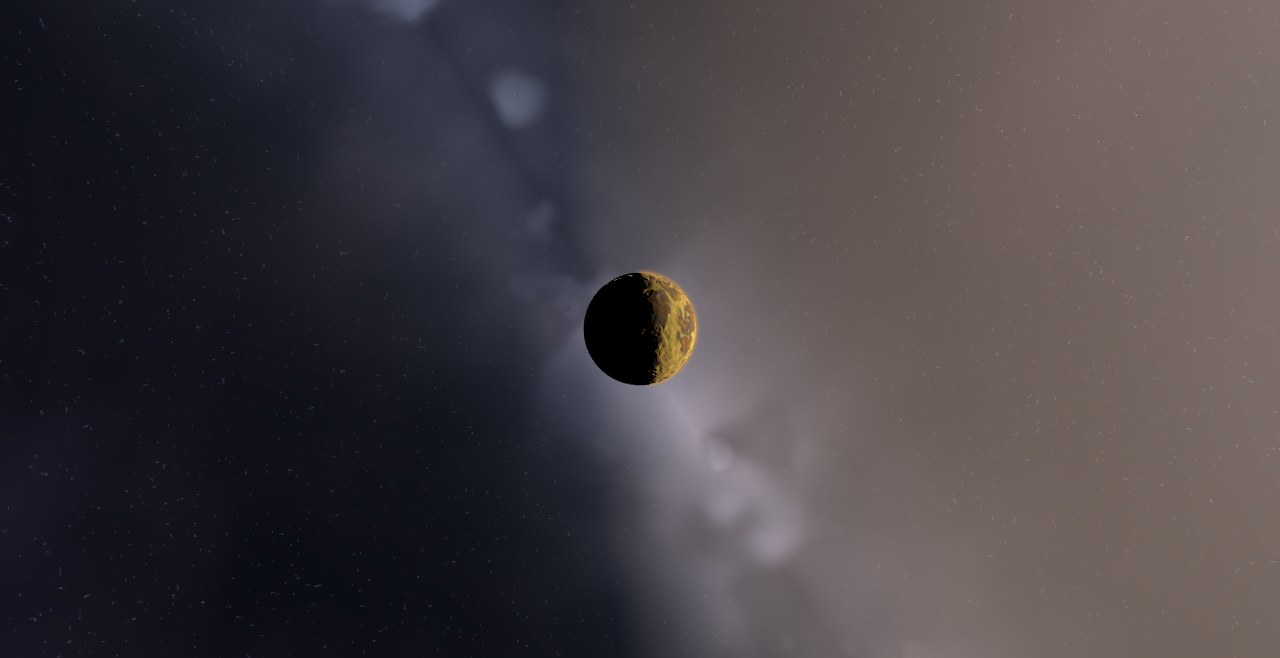
K2-156, an orange K-type dwarf of 0.66 solar masses, and K2-156 b, a planet with 1.1 Earth radii, with an orbital period of 19.5 hours.
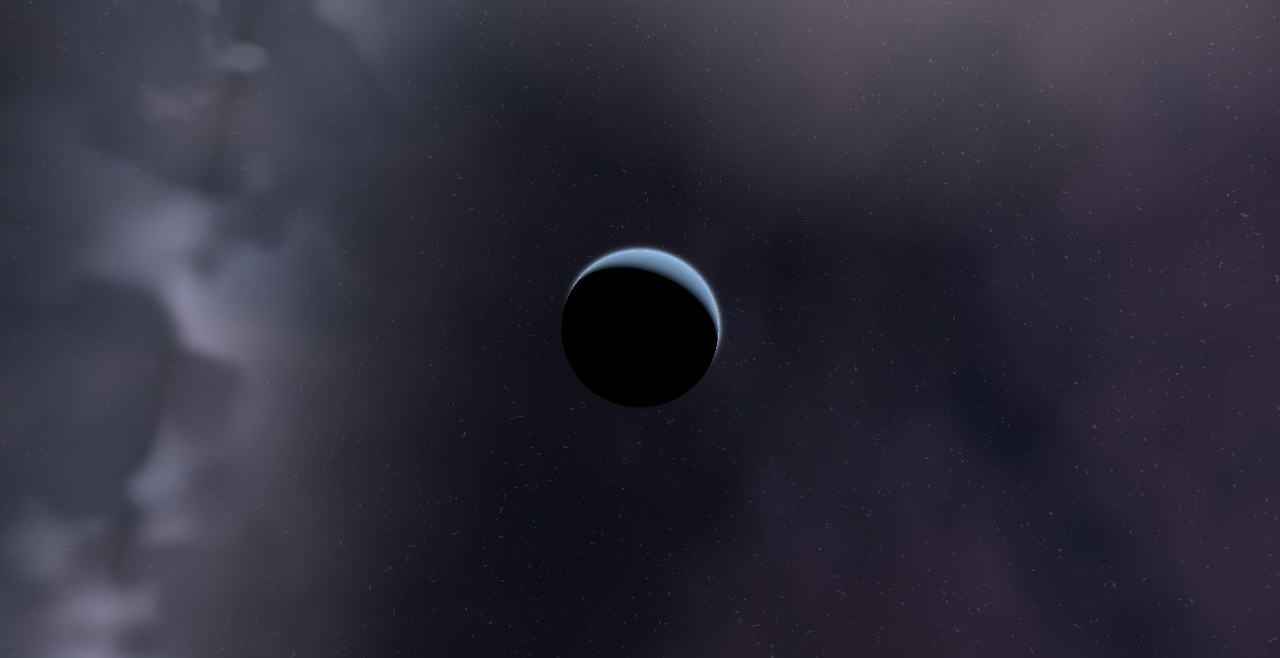
K2-157, a Sun-like G-type star of 0.89 solar masses, and K2-157 b, a 1.1-Earth-mass planet, with an orbital period of 8.8 hours, at 0.010 AU from its star, and an equilibrium temperature near 2,432 K.