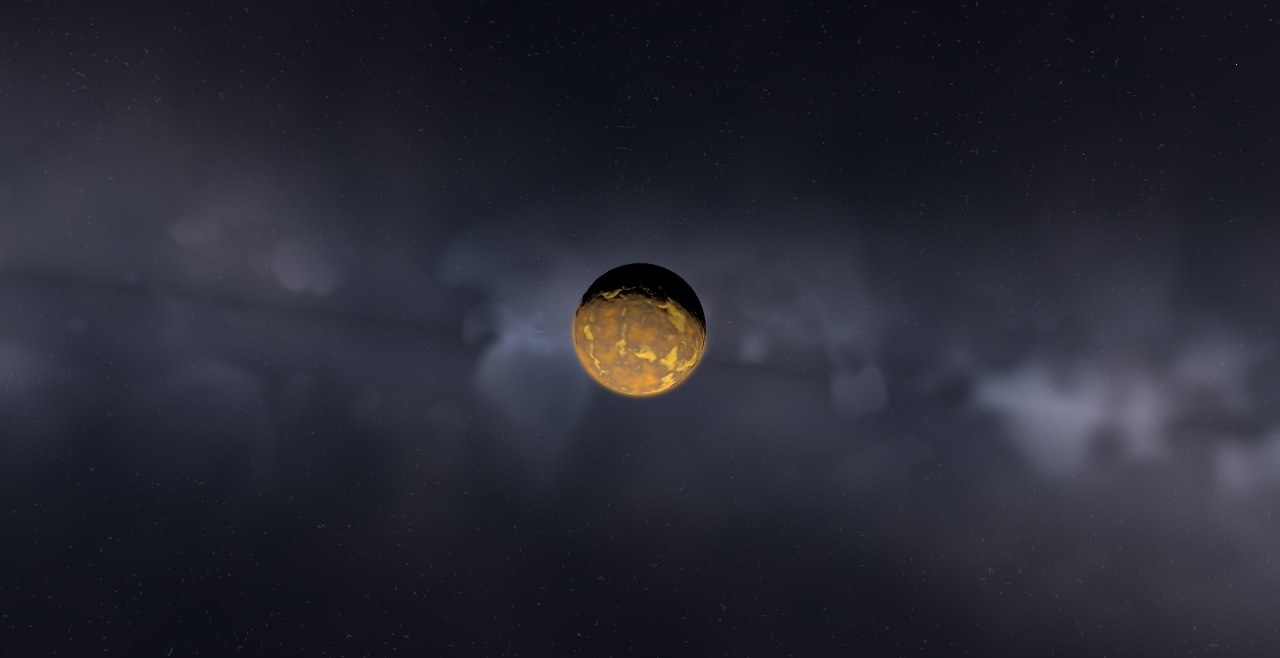
K2-158 - System
K2-158, a Sun-like G-type star of 0.92 solar masses, and K2-158 c, a planet with 1.3 Earth radii, with an orbital period of 5.9 days, at 0.062 AU from its star, and an equilibrium temperature near 948 K.
Scenarios
Discover alien solar systems and explore worlds far beyond our own. Simulate extreme orbital environments, habitable zones, and tightly packed resonant chains discovered by modern astronomy, all mapped accurately from real exoplanetary discovery data.
Share
K2-158, a Sun-like G-type star of 0.92 solar masses, and K2-158 c, a planet with 1.3 Earth radii, with an orbital period of 5.9 days, at 0.062 AU from its star, and an equilibrium temperature near 948 K.
K2-159, a Sun-like G-type star of 0.90 solar masses, and K2-159 b, a planet with 2.3 Earth radii, with an orbital period of 12.4 days, at 0.101 AU from its star, and an equilibrium temperature near 684 K.
K2-16, an orange K-type dwarf of 0.68 solar masses, and K2-16 b, a planet with 2.0 Earth radii, with an orbital period of 7.6 days, at 0.067 AU from its star, and an equilibrium temperature near 658 K.
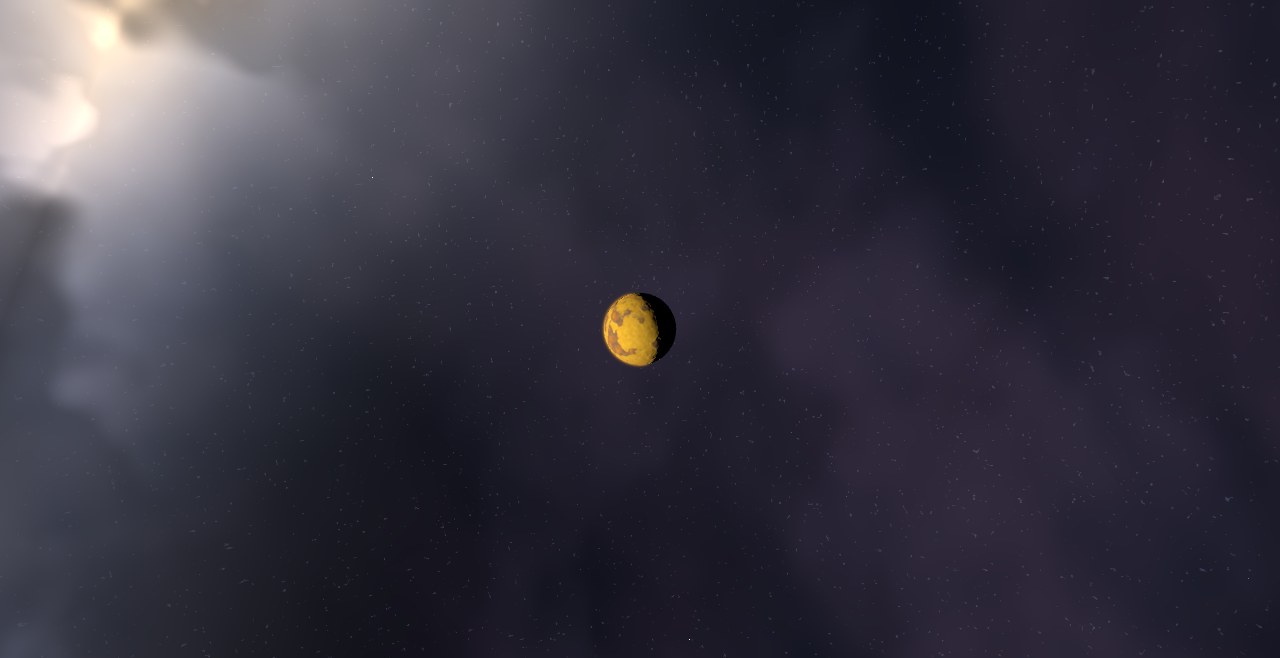
K2-162, an orange K-type dwarf of 0.75 solar masses, and K2-162 b, a planet with 1.4 Earth radii, with an orbital period of 9.5 days, at 0.080 AU from its star, and an equilibrium temperature near 631 K.
K2-166, a Sun-like G-type star of 1.16 solar masses, and K2-166 b, a planet with 2.2 Earth radii, with an orbital period of 8.5 days, at 0.086 AU from its star, and an equilibrium temperature near 1,140 K.
K2-167, a Sun-like F-type star of 1.08 solar masses, and K2-167 b, a planet with 2.4 Earth radii, with an orbital period of 10.0 days, at 0.093 AU from its star, and an equilibrium temperature near 1,220 K.
K2-17, an orange K-type dwarf of 0.71 solar masses, and K2-17 b, a planet with 2.2 Earth radii, with an orbital period of 18.0 days, at 0.119 AU from its star, and an equilibrium temperature near 487 K.
K2-174, an orange K-type dwarf of 0.70 solar masses, and K2-174 b, a planet with 2.6 Earth radii, with an orbital period of 19.6 days, at 0.126 AU from its star, and an equilibrium temperature near 455 K.
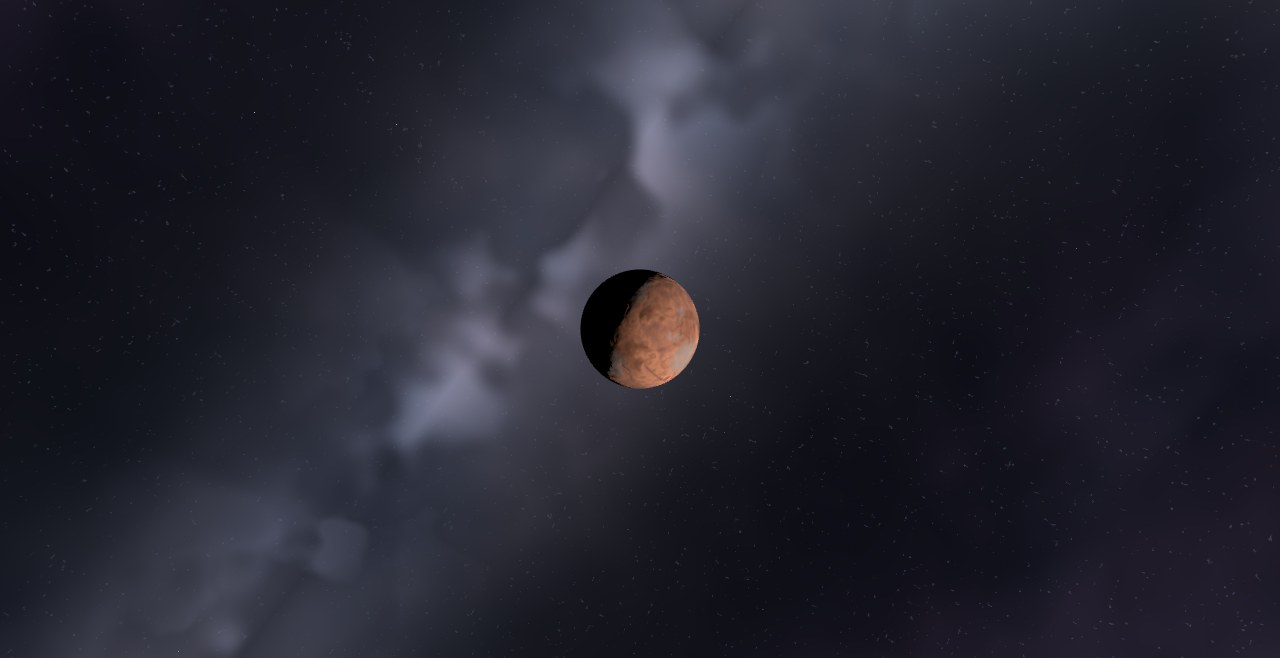
K2-18 b, a temperate sub-Neptune in the habitable zone of a red dwarf. It is one of JWST's most studied small-planet atmospheres. Hubble reported water vapor in its thick atmosphere.
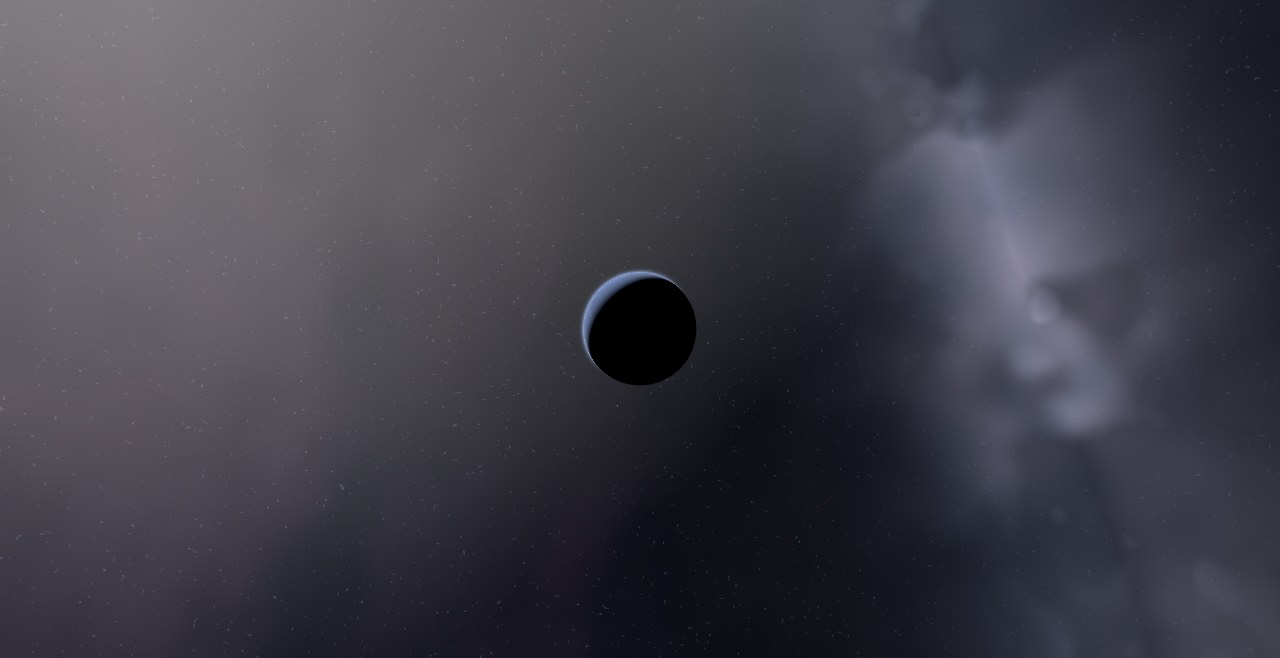
K2-180, a Sun-like G-type star of 0.73 solar masses, and K2-180 b, a 11.4-Earth-mass planet, with an orbital period of 8.9 days, at 0.076 AU from its star, and an equilibrium temperature near 798 K.
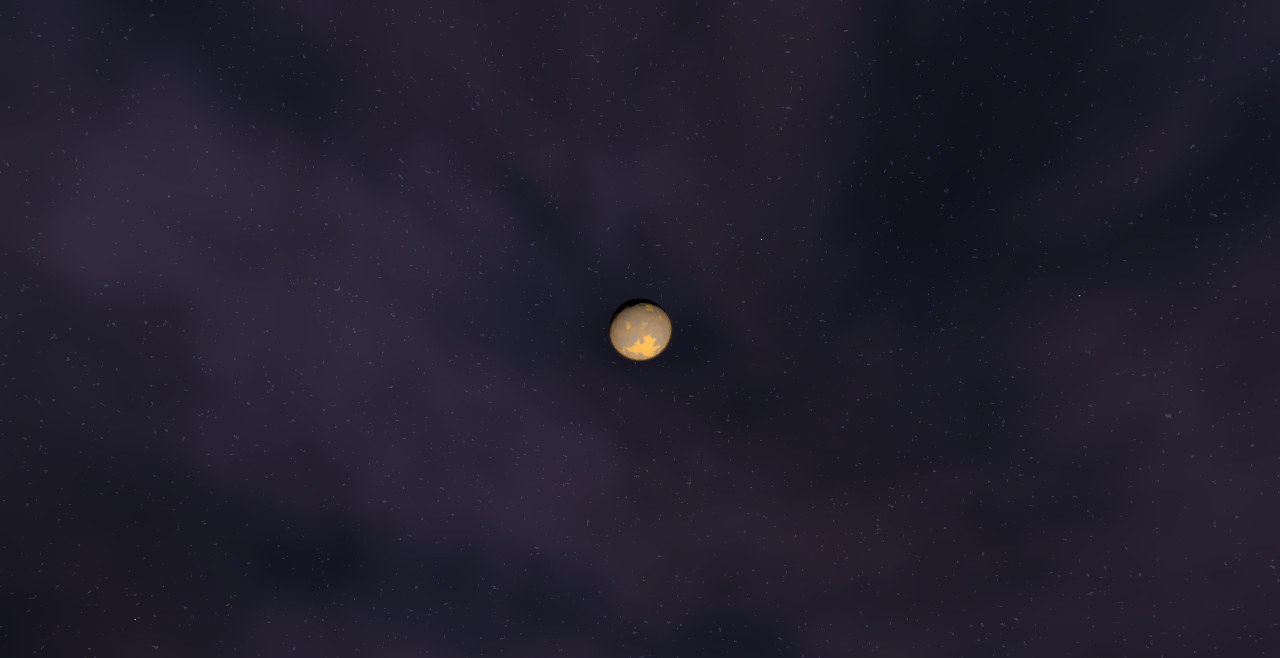
K2-181, a Sun-like G-type star of 0.96 solar masses, and K2-181 b, a planet with 2.7 Earth radii, with an orbital period of 6.9 days, and an equilibrium temperature near 949 K.
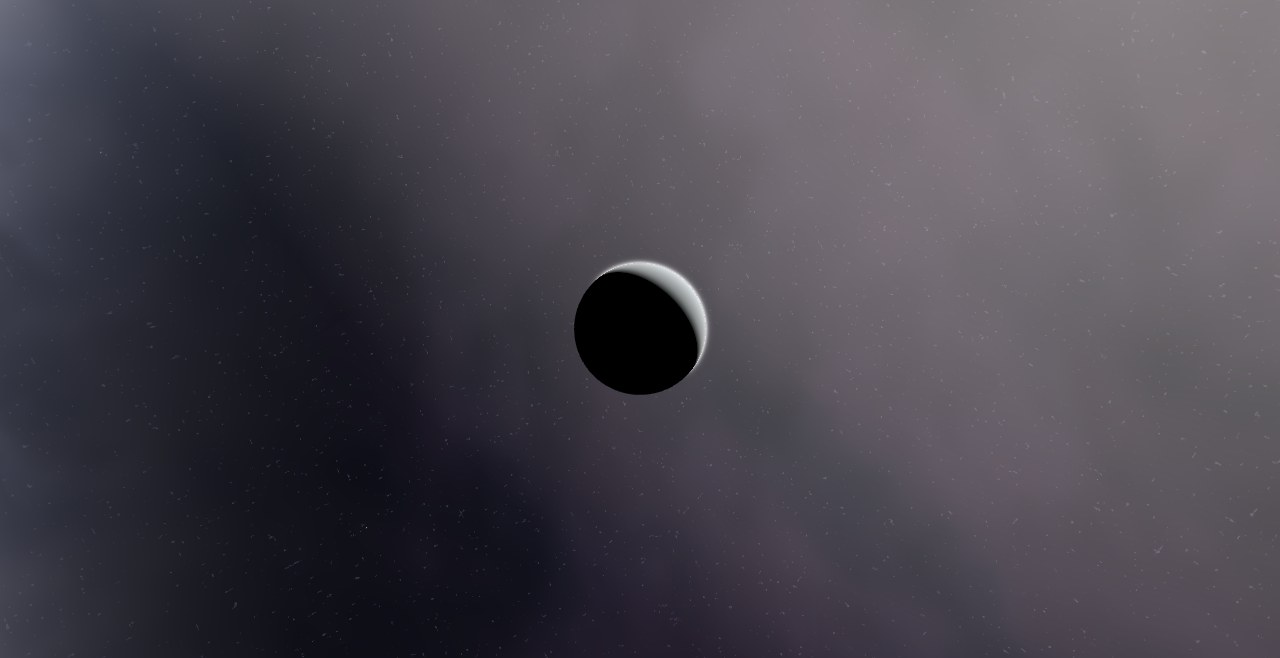
K2-182, an orange K-type dwarf of 0.82 solar masses, and K2-182 b, a 0.07-Jupiter-mass companion, with an orbital period of 4.7 days, at 0.052 AU from its star, and an equilibrium temperature near 966 K.
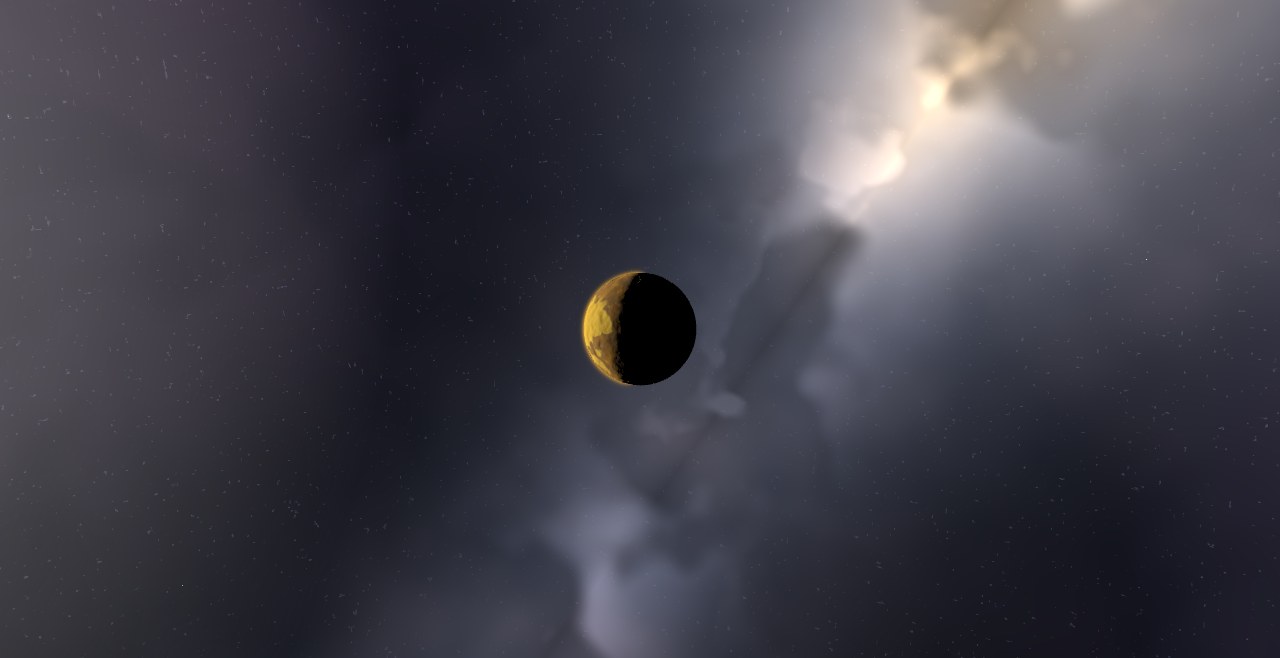
K2-183, a Sun-like G-type star of 0.94 solar masses, and K2-183 c, a planet with 2.3 Earth radii, with an orbital period of 10.8 days.
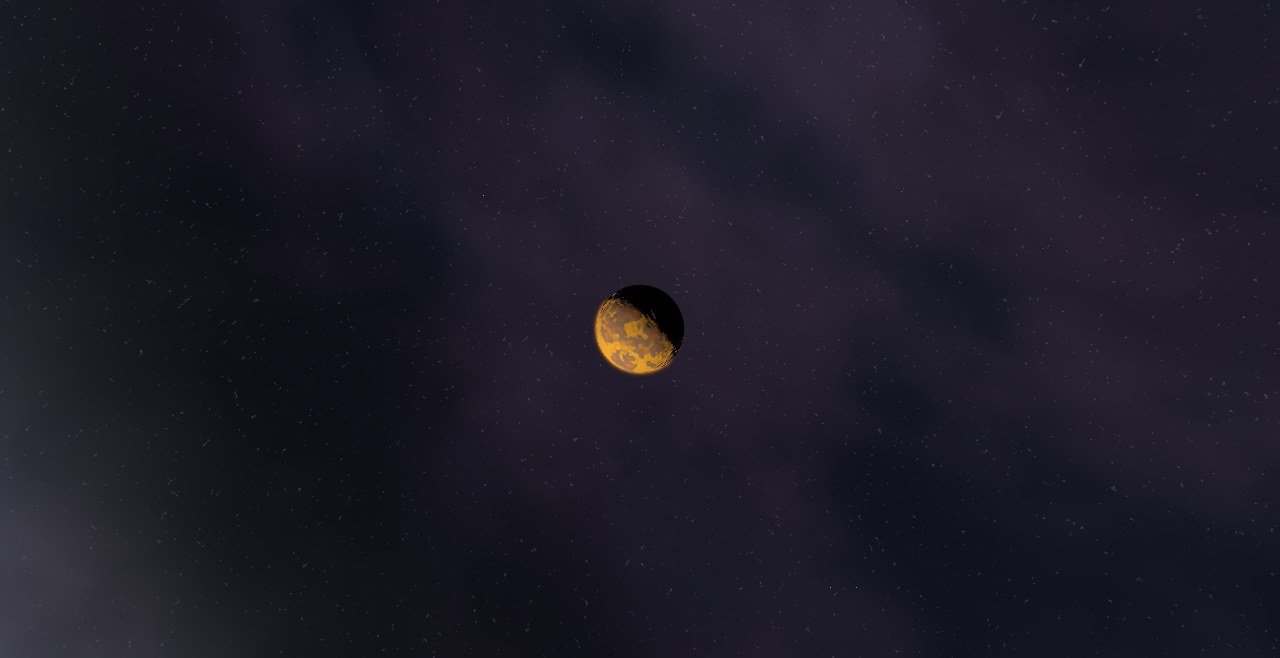
K2-184, a Sun-like G-type star of 0.84 solar masses, and K2-184 b, a planet with 1.5 Earth radii, with an orbital period of 17.0 days, at 0.169 AU from its star, and an equilibrium temperature near 533 K.
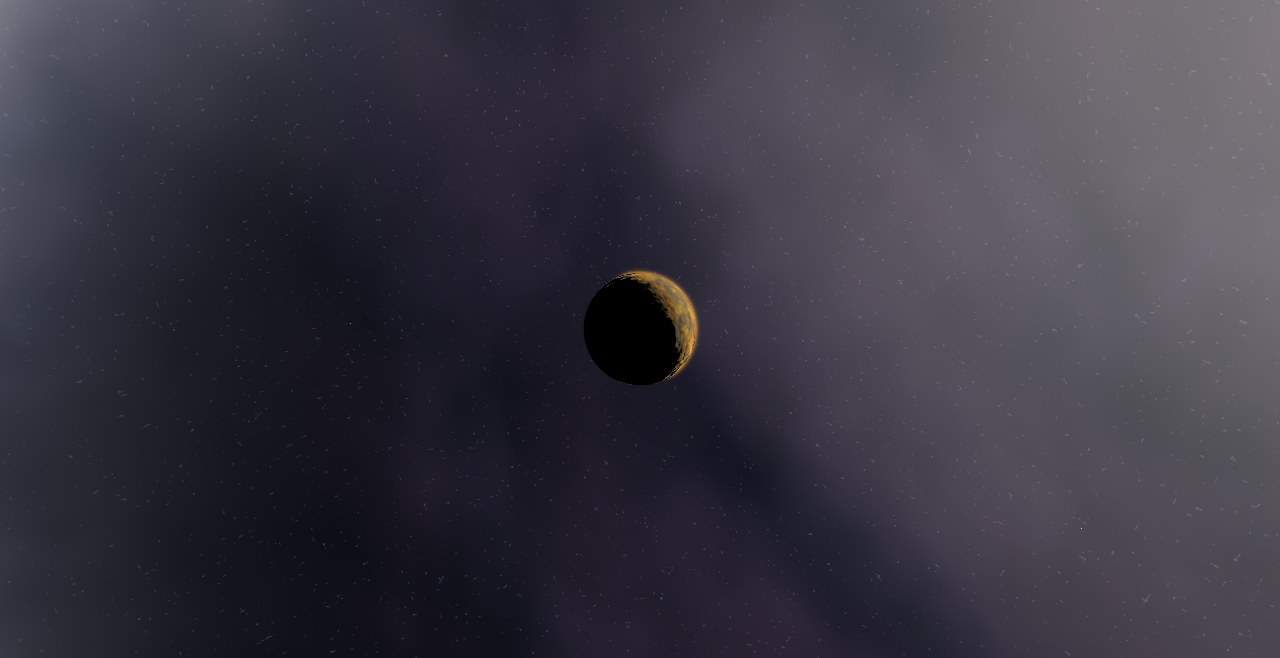
K2-187, a Sun-like G-type star of 0.97 solar masses, and K2-187 b, a planet with 1.2 Earth radii, with an orbital period of 18.6 hours.
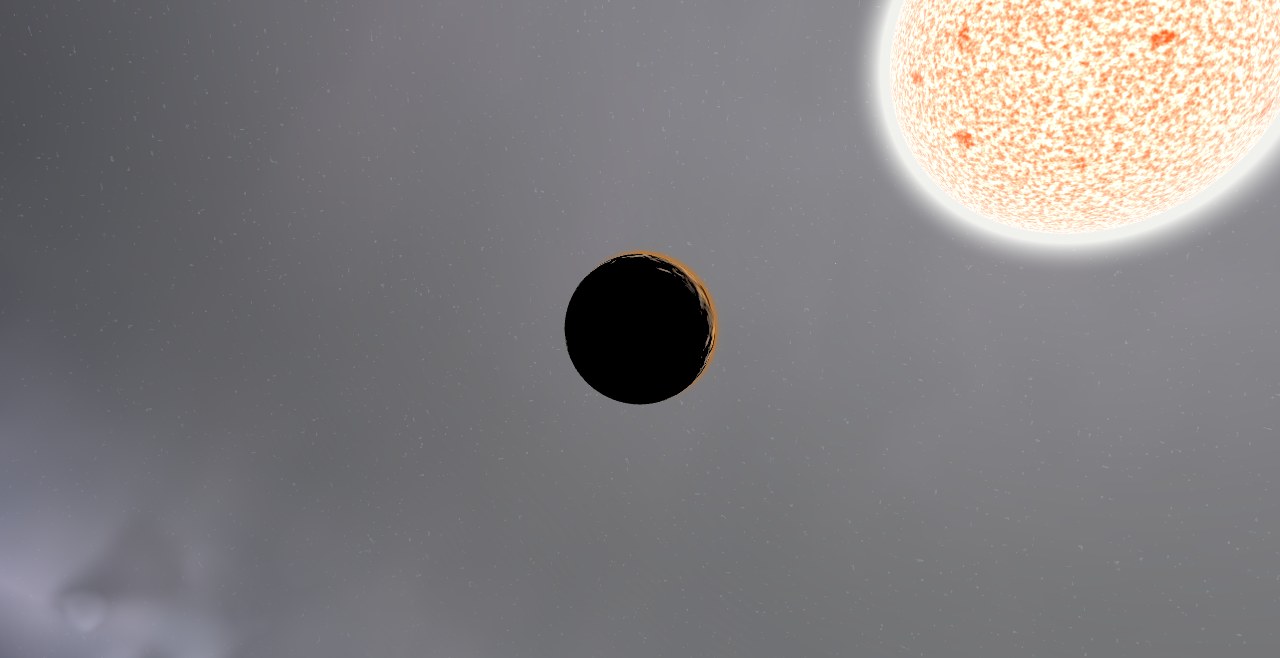
K2-188, a Sun-like G-type star of 1.06 solar masses, and K2-188 b, a planet with 1.4 Earth radii, with an orbital period of 1.7 days, at 0.029 AU from its star, and an equilibrium temperature near 1,692 K.
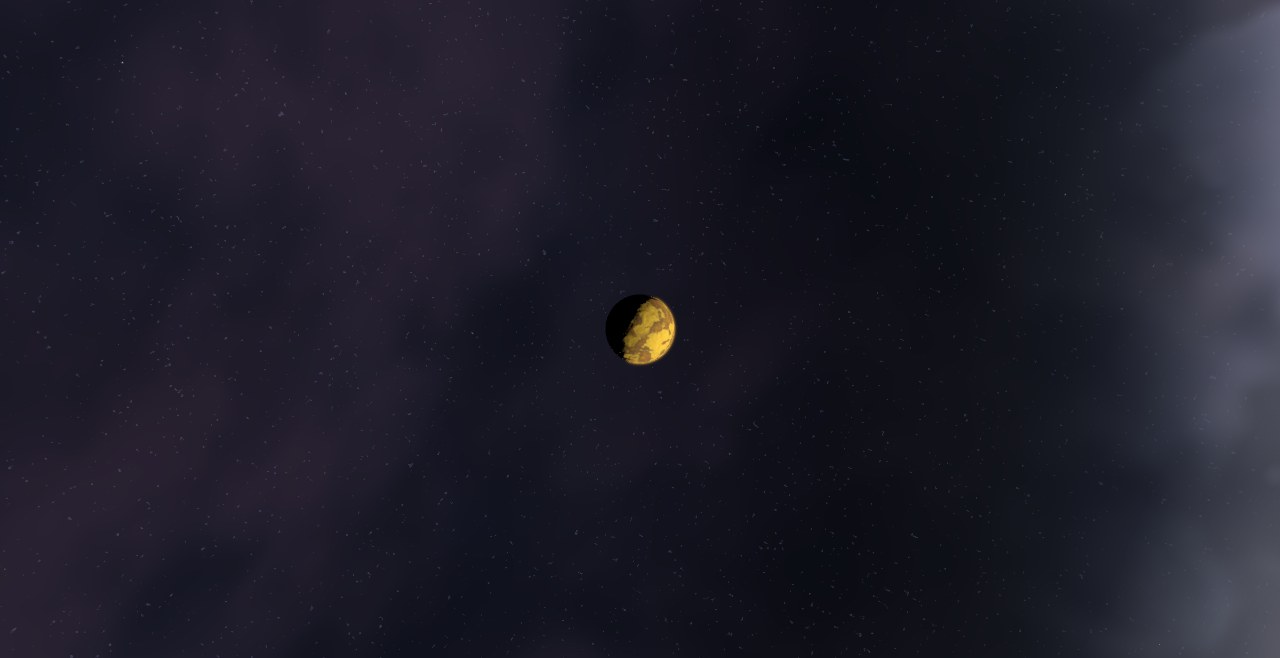
K2-189, a Sun-like G-type star of 0.85 solar masses, and K2-189 b, a planet with 1.4 Earth radii, with an orbital period of 2.6 days, and an equilibrium temperature near 1,203 K.
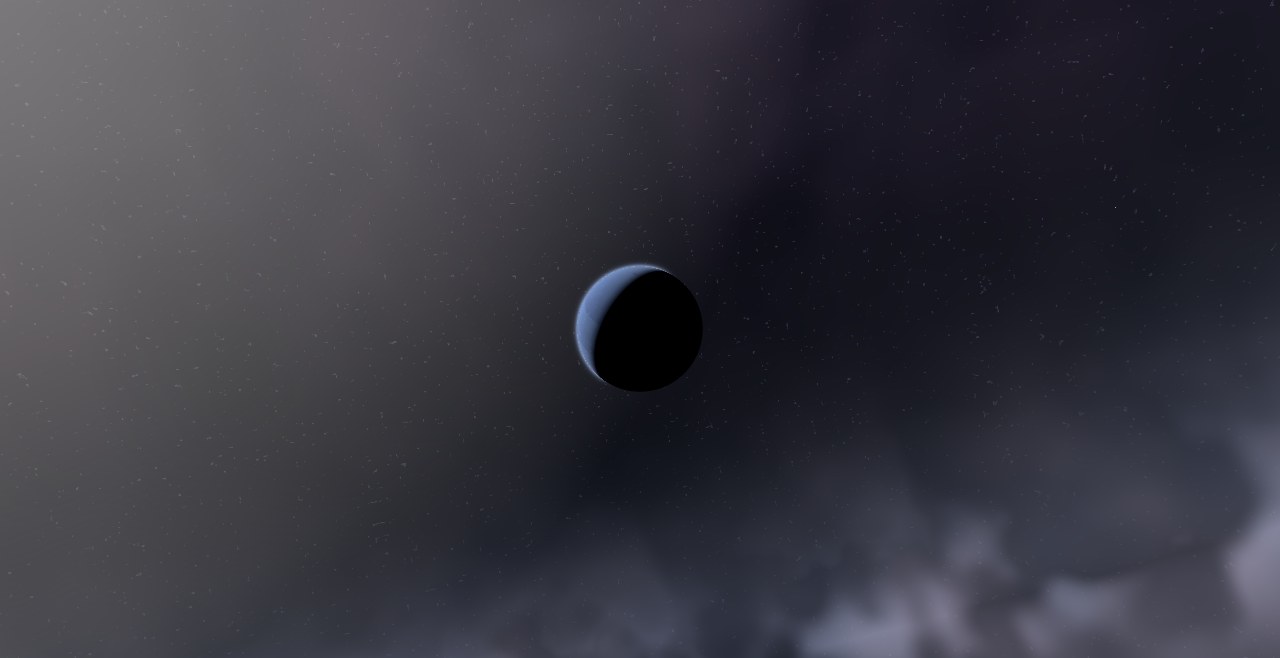
K2-19, a Sun-like G-type star of 0.89 solar masses, and K2-19 d, a 6.2-Earth-mass planet, with an orbital period of 2.5 days, at 0.035 AU from its star, and an equilibrium temperature near 1,258 K.