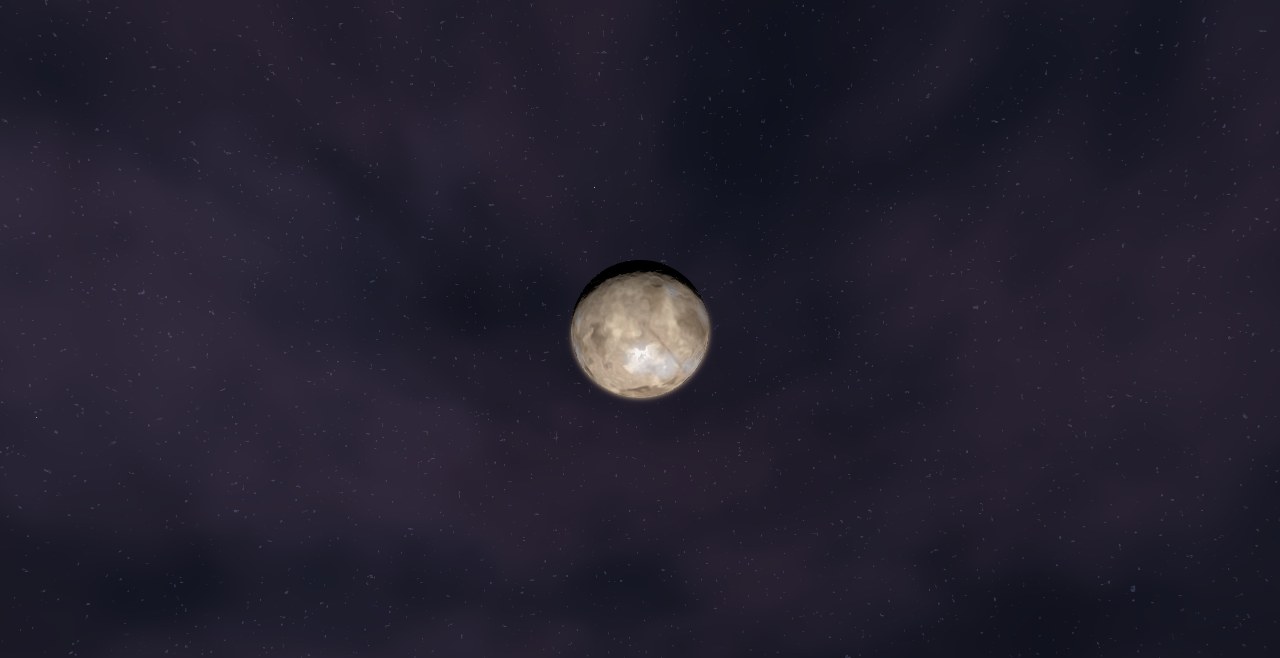
OGLE-2019-BLG-0960L - System
OGLE-2019-BLG-0960L, a Sun-like G-type star of 0.50 solar masses, and OGLE-2019-BLG-0960L b, a 2.5-Earth-mass planet, at 1.900 AU from its star.
Exoplanets
Analyze isolated alien worlds orbiting a singular host star to observe basic orbital parameters, tidal locks, and planetary eccentricities.
Share
OGLE-2019-BLG-0960L, a Sun-like G-type star of 0.50 solar masses, and OGLE-2019-BLG-0960L b, a 2.5-Earth-mass planet, at 1.900 AU from its star.
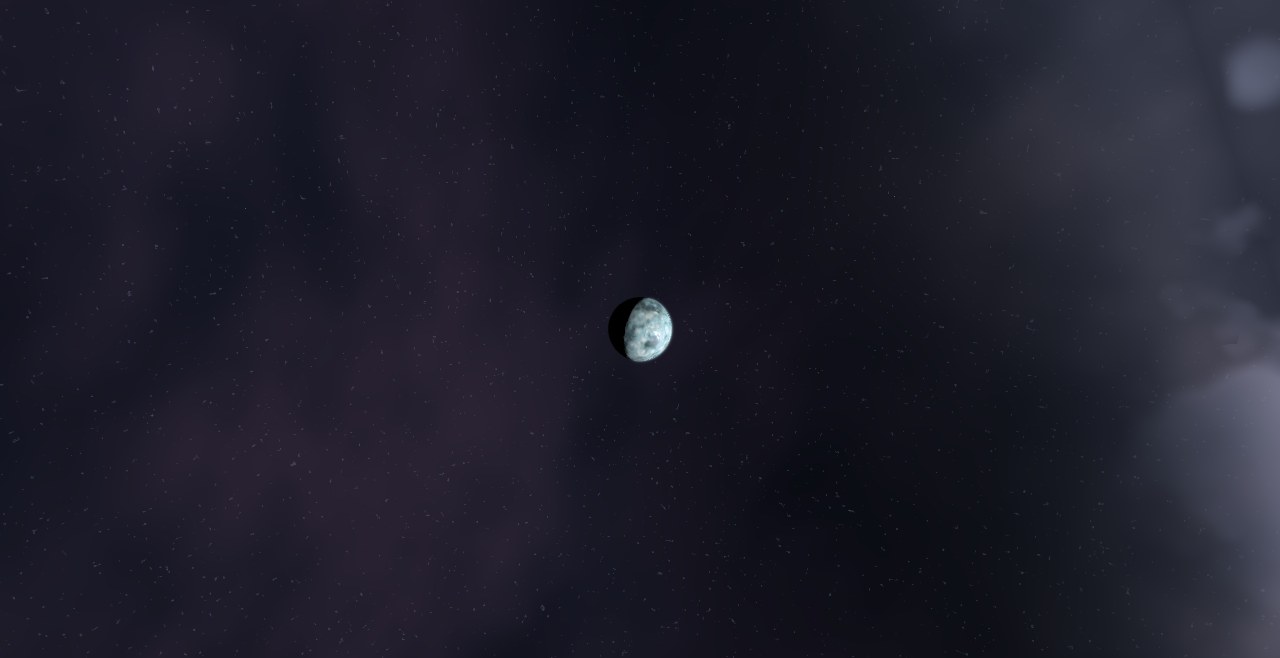
OGLE-2019-BLG-1053L, a Sun-like G-type star of 0.61 solar masses, and OGLE-2019-BLG-1053L b, a 2.5-Earth-mass planet, at 3.400 AU from its star.
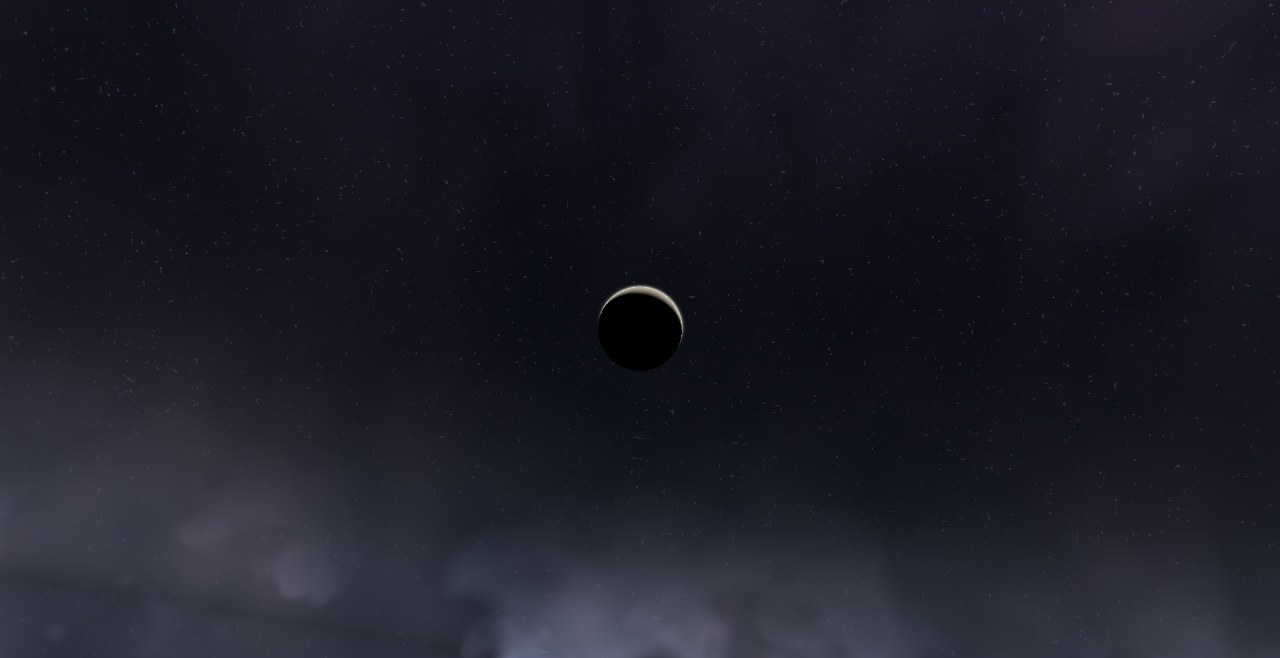
OGLE-2019-BLG-1180L, a Sun-like G-type star of 0.55 solar masses, and OGLE-2019-BLG-1180L b, a 1.75-Jupiter-mass companion, at 5.190 AU from its star.
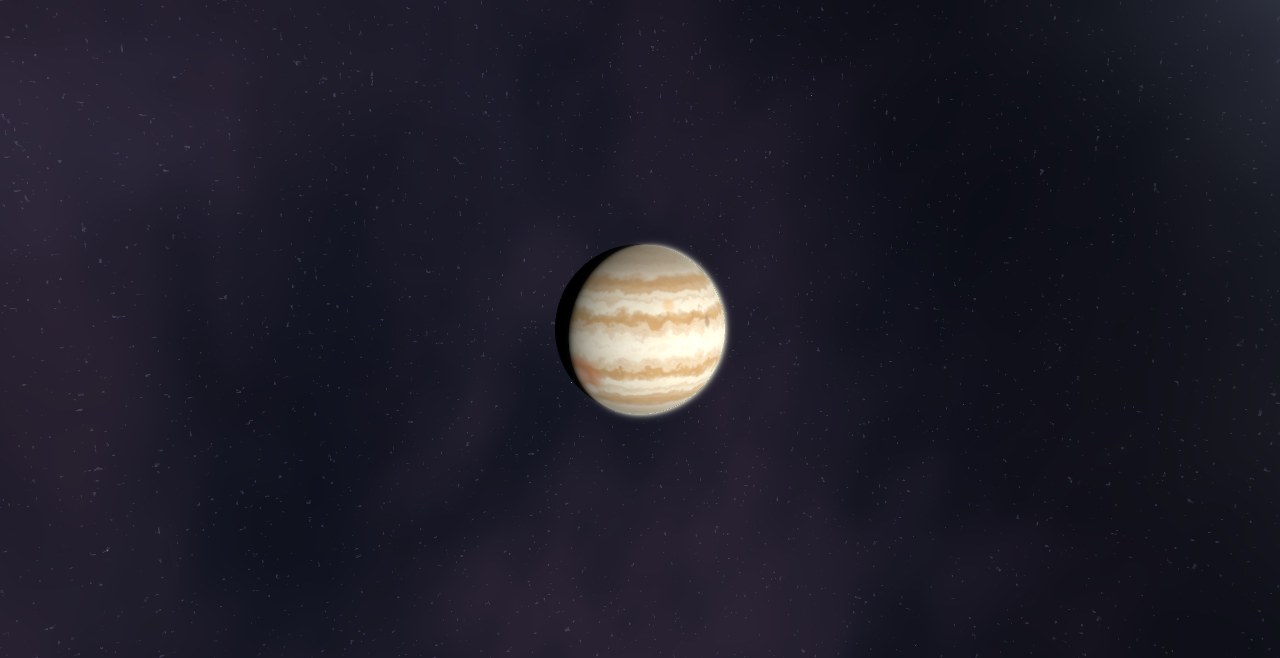
OGLE-2019-BLG-1470L A, a Sun-like G-type star of 0.57 solar masses, and OGLE-2019-BLG-1470L AB c, a 2.20-Jupiter-mass companion, at 3.200 AU from its star.
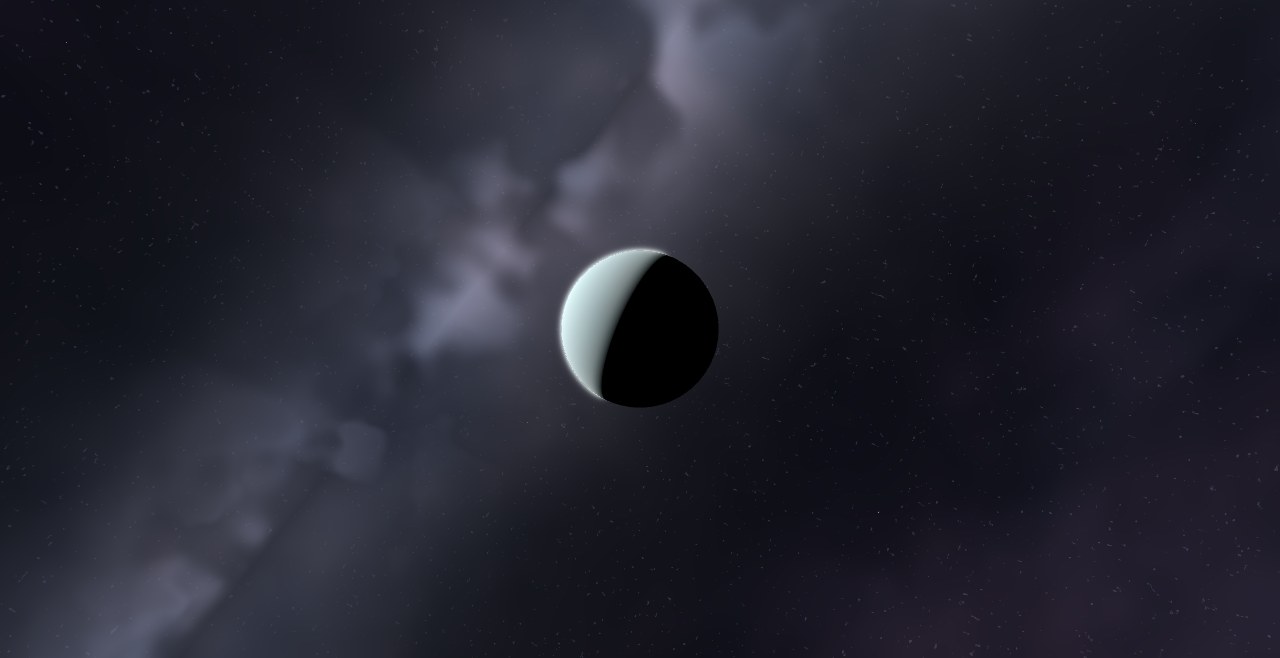
OGLE-2019-BLG-1492L, a Sun-like G-type star of 0.68 solar masses, and OGLE-2019-BLG-1492L b, a 0.12-Jupiter-mass companion, at 2.700 AU from its star.
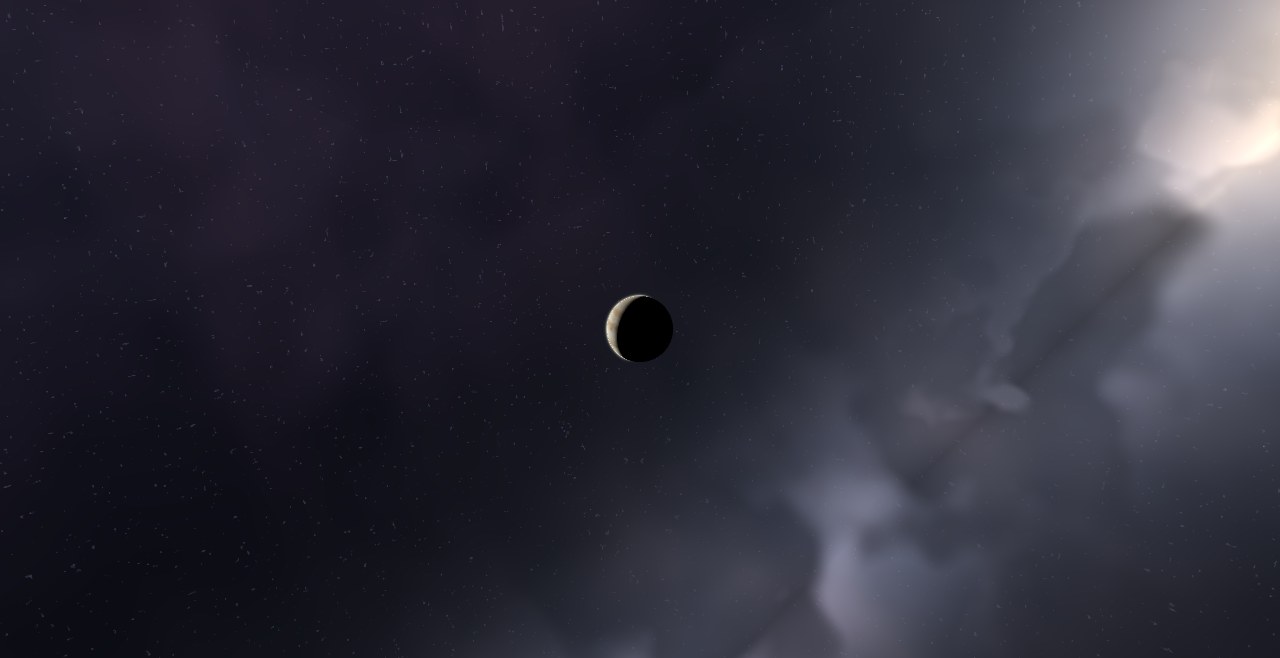
OGLE-2023-BLG-0836L, a Sun-like G-type star of 0.71 solar masses, and OGLE-2023-BLG-0836L b, a 4.36-Jupiter-mass companion, at 3.700 AU from its star.
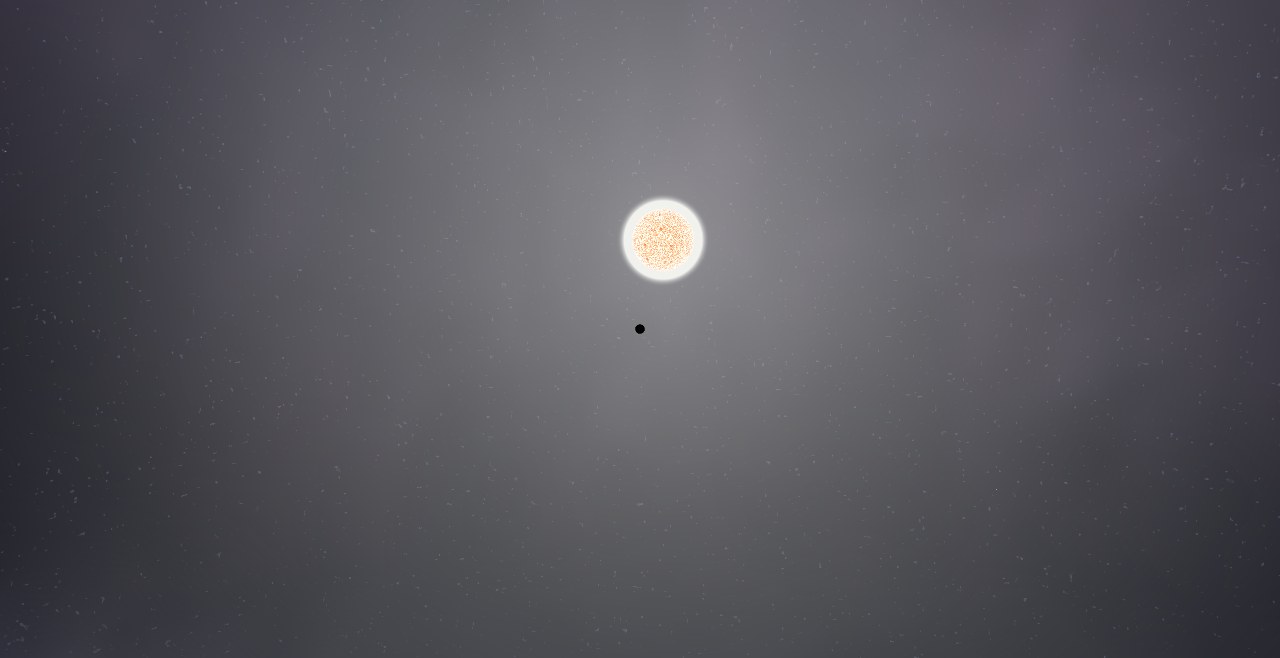
OGLE-TR-10, a Sun-like G-type star of 1.14 solar masses, and OGLE-TR-10 b, a 0.62-Jupiter-mass companion, with an orbital period of 3.1 days, at 0.043 AU from its star.
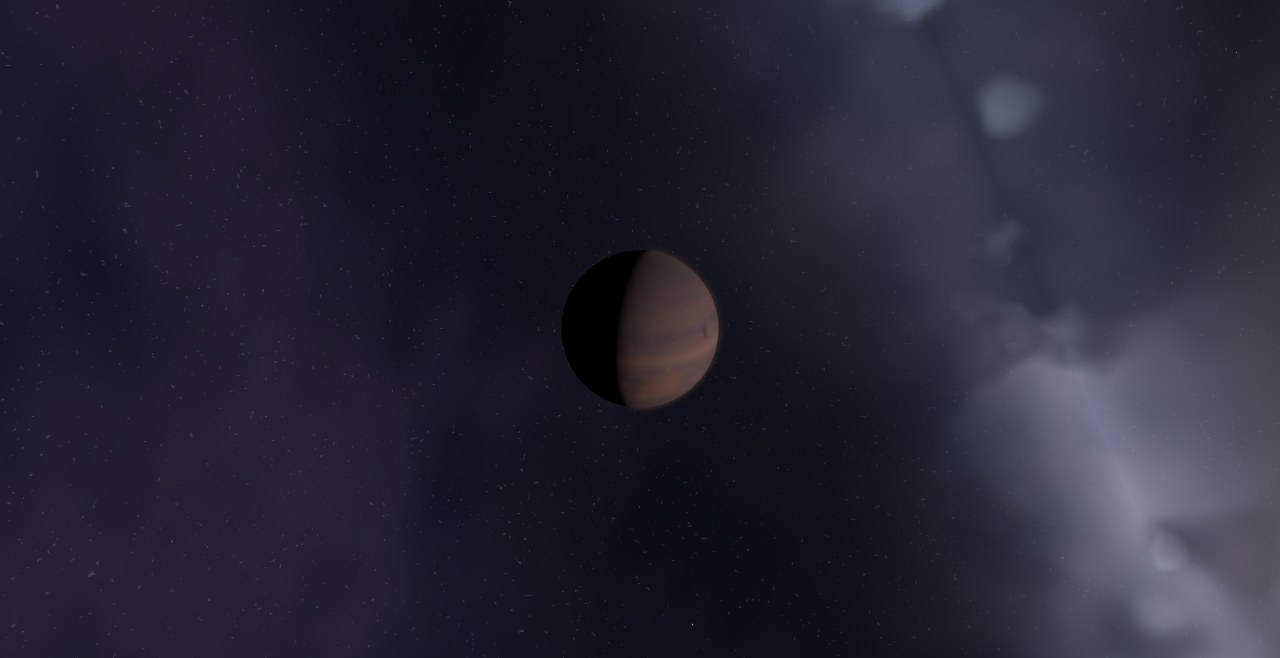
OGLE-TR-111, an orange K-type dwarf of 0.82 solar masses, and OGLE-TR-111 b, a planet with 11.4 Earth radii, with an orbital period of 4.0 days, at 0.047 AU from its star.
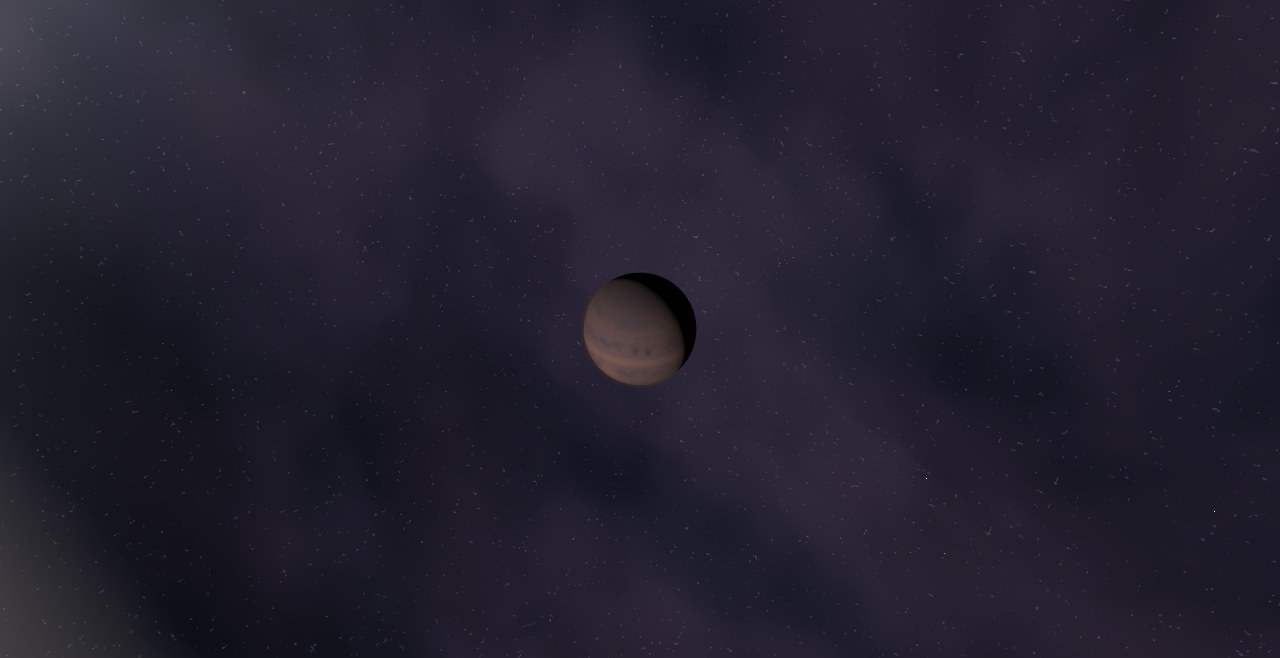
OGLE-TR-113, an orange K-type dwarf of 0.78 solar masses, and OGLE-TR-113 b, a 1.26-Jupiter-mass companion, with an orbital period of 1.4 days, at 0.023 AU from its star.
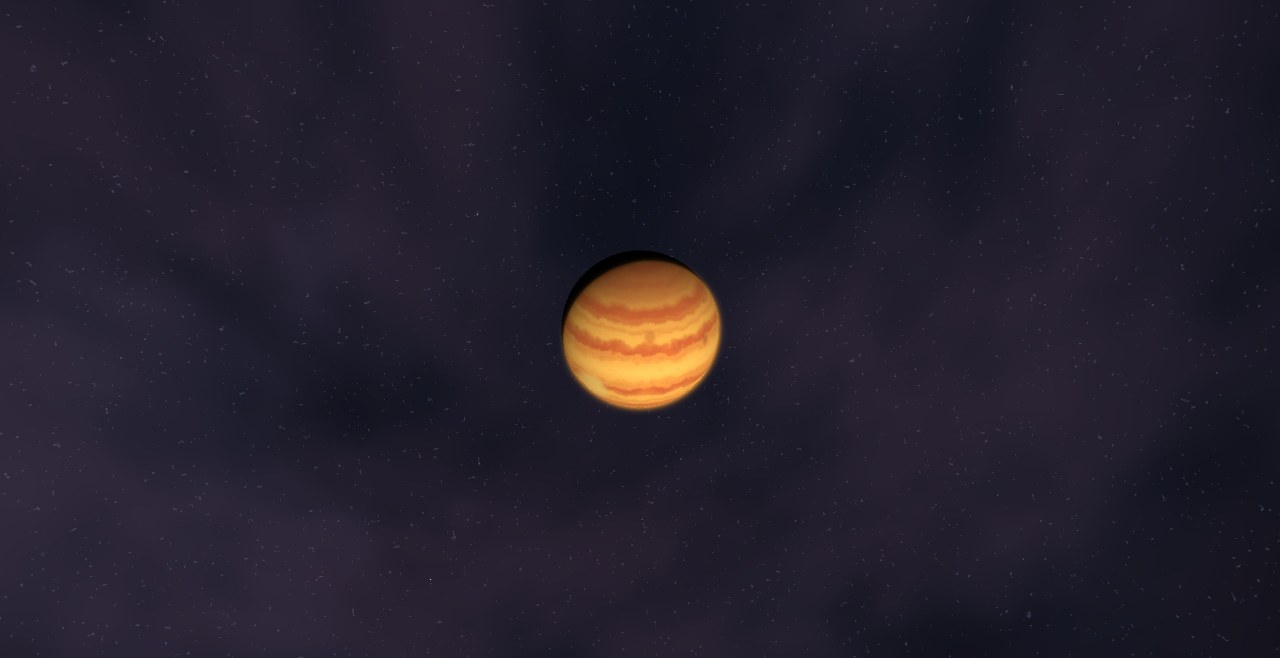
OGLE-TR-132, a Sun-like F-type star of 1.30 solar masses, and OGLE-TR-132 b, a 1.18-Jupiter-mass companion, with an orbital period of 1.7 days, at 0.030 AU from its star, and an equilibrium temperature near.
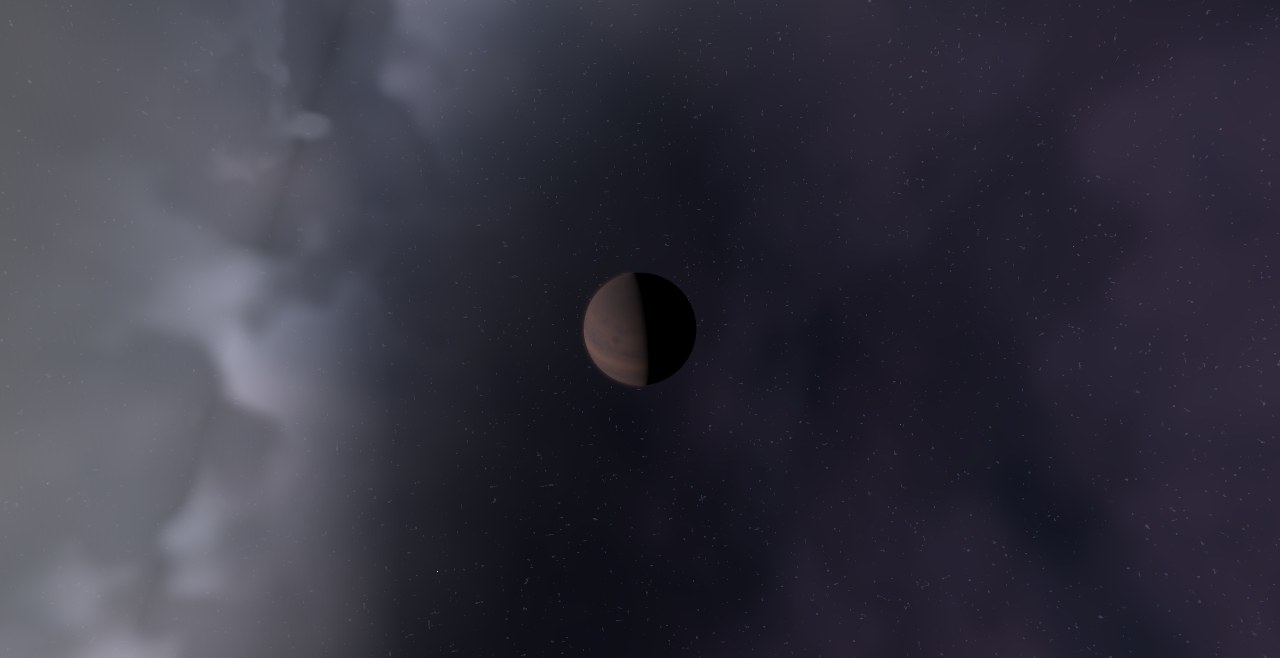
OGLE-TR-182, a Sun-like G-type star of 1.14 solar masses, and OGLE-TR-182 b, a 1.01-Jupiter-mass companion, with an orbital period of 4.0 days, at 0.051 AU from its star.
OGLE-TR-211, a Sun-like F-type star of 1.33 solar masses, and OGLE-TR-211 b, a 1.03-Jupiter-mass companion, with an orbital period of 3.7 days, at 0.051 AU from its star.
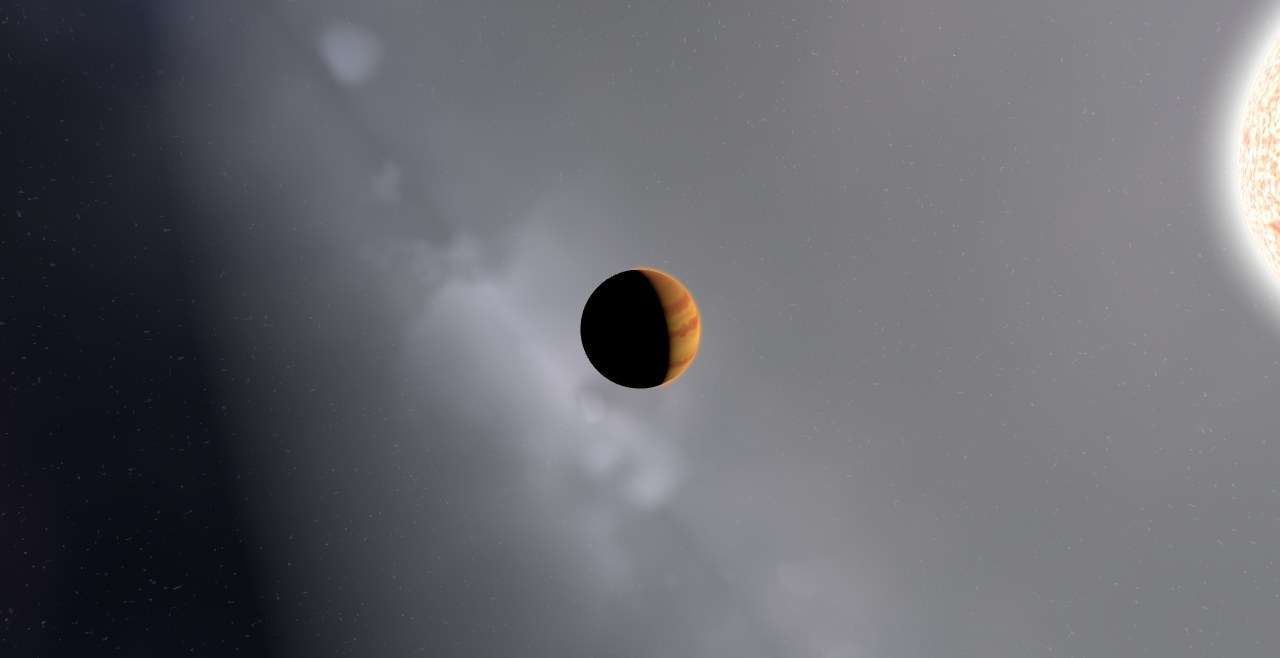
OGLE-TR-56 b, the first planet discovered by the transit method itself. Earlier transiting worlds had already been found by radial velocity.
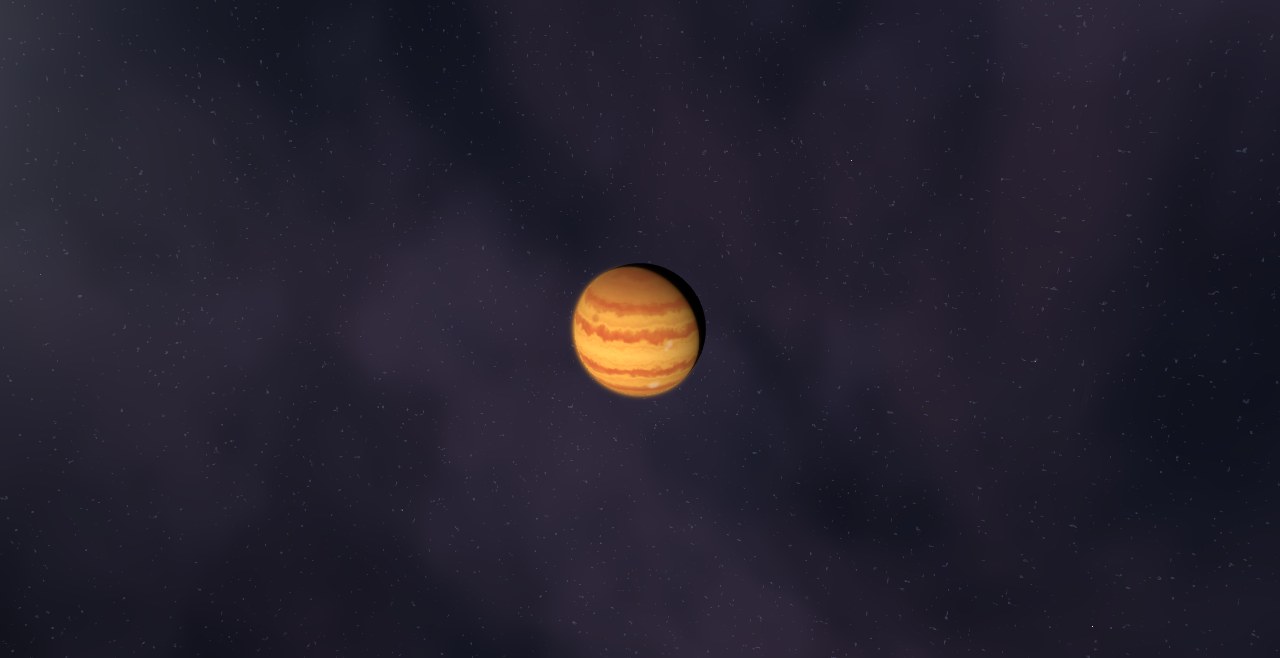
OGLE2-TR-L9, a Sun-like F-type star of 1.52 solar masses, and OGLE2-TR-L9 b, a 4.50-Jupiter-mass companion, with an orbital period of 2.5 days, at 0.031 AU from its star.
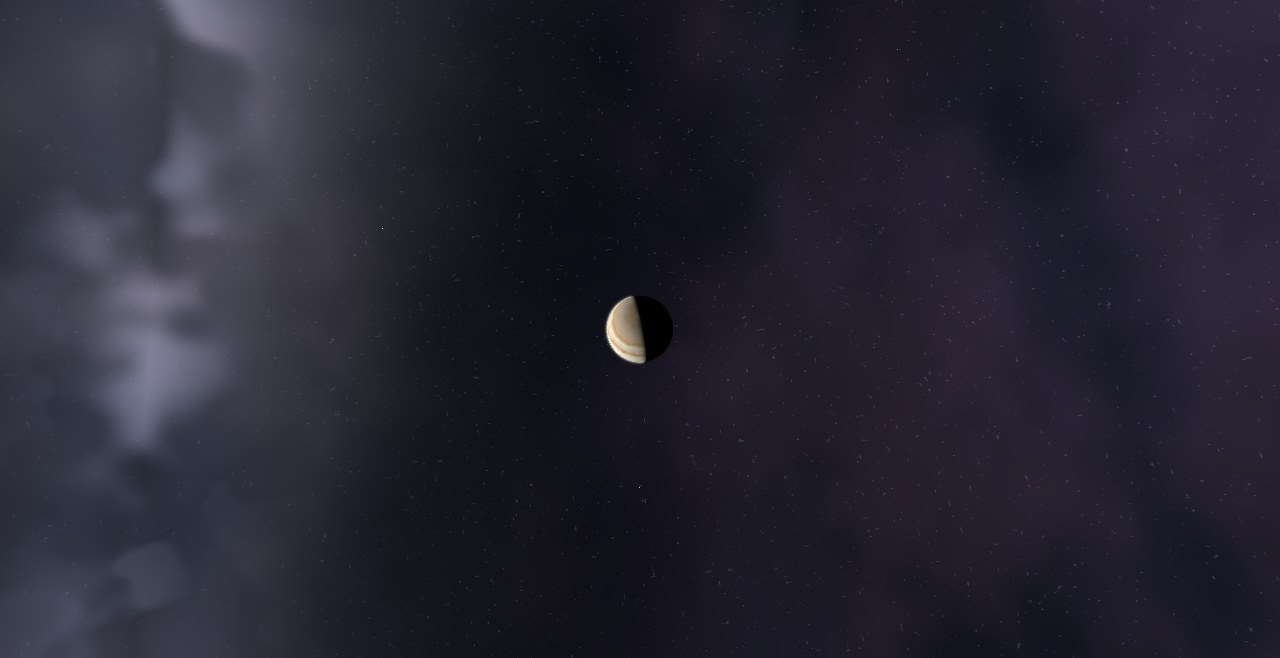
Oph 11, a cool M-dwarf of 0.02 solar masses, and Oph 11 b, a 14.0-Jupiter-mass companion, with an orbital period of 19,986 years, at 243 AU from its star, and an equilibrium temperature near 2,175 K.
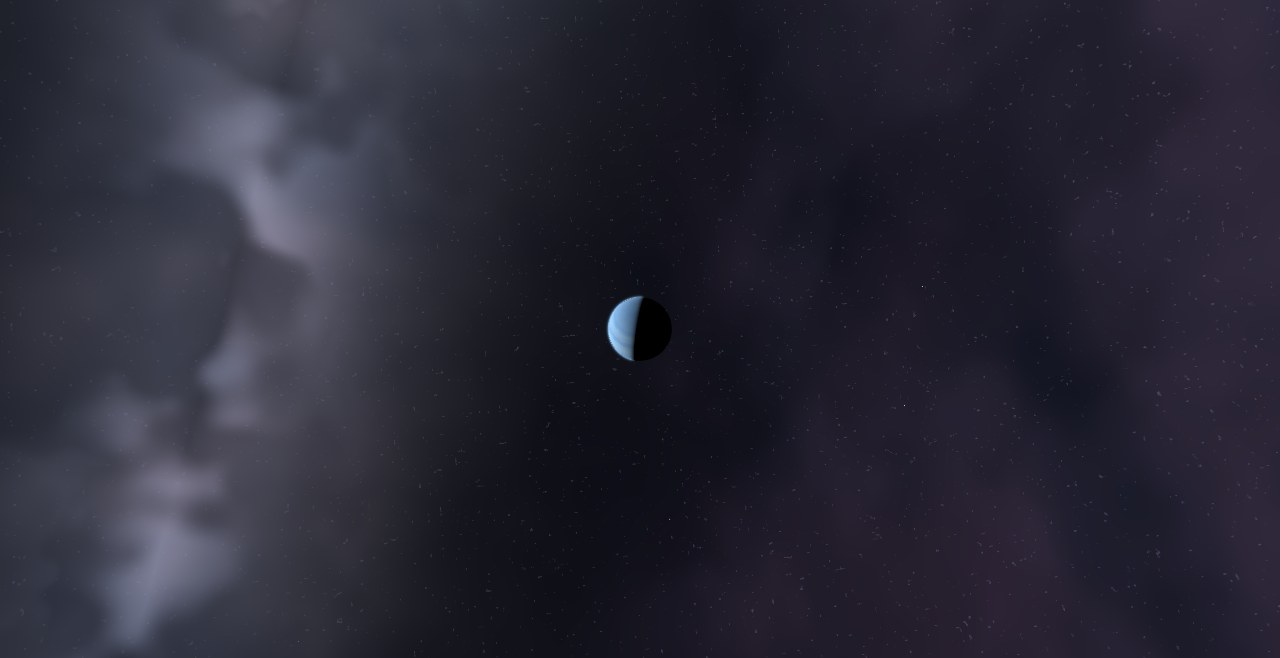
PH1, or Kepler-64 b, a planet in a quadruple star system. It orbits one stellar pair while a second binary shines in the distance. Volunteers in Planet Hunters spotted it in Kepler data.
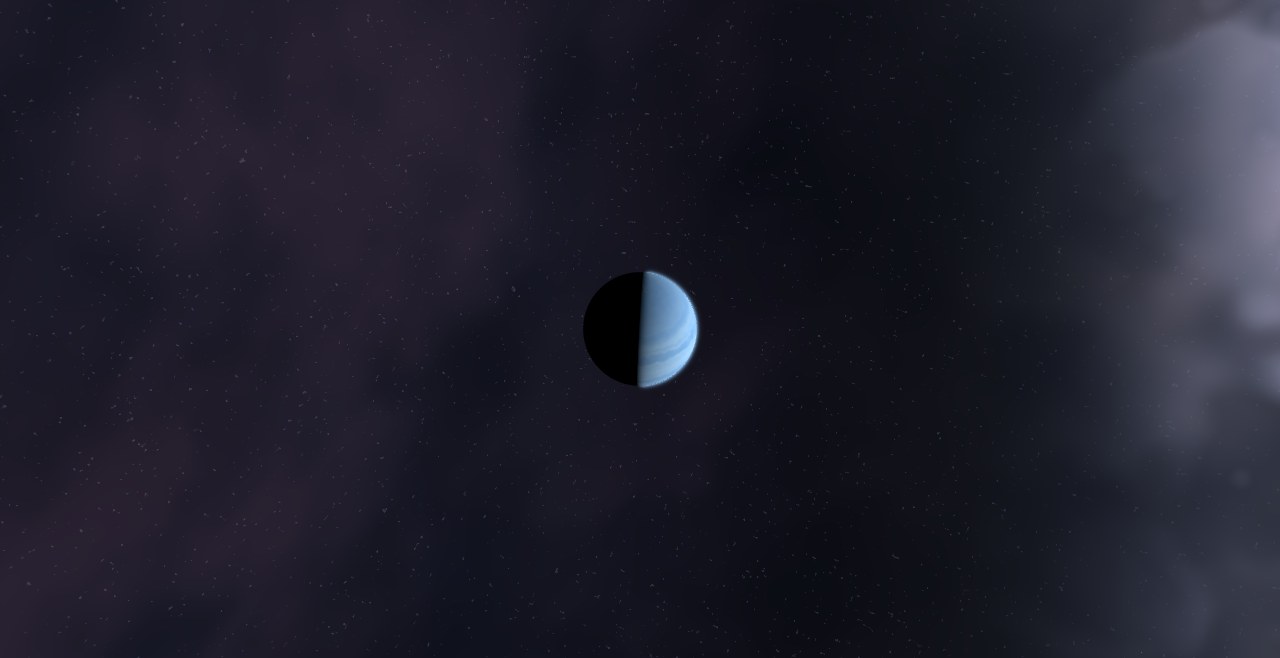
PH2, a Sun-like G-type star of 0.97 solar masses, and PH2 b, a 0.27-Jupiter-mass companion, with an orbital period of 283 days, at 0.833 AU from its star, and an equilibrium temperature near 295 K.
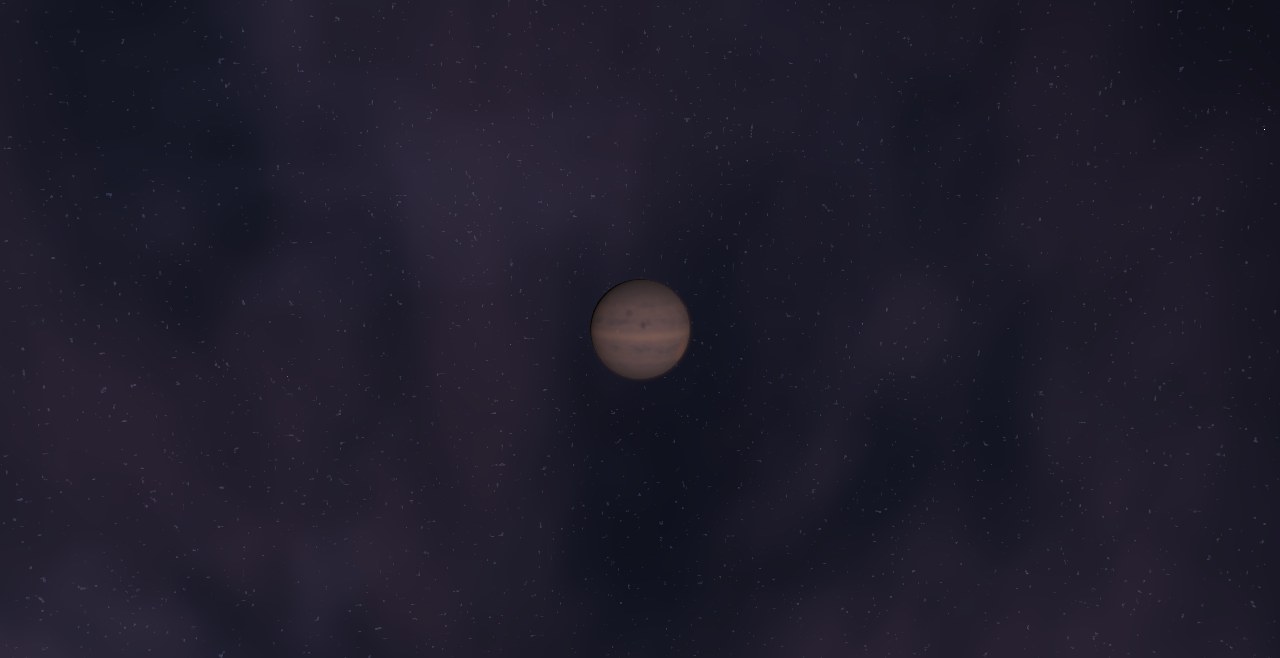
POTS-1, an orange K-type dwarf of 0.69 solar masses, and POTS-1 b, a 2.31-Jupiter-mass companion, with an orbital period of 3.2 days, at 0.037 AU from its star.