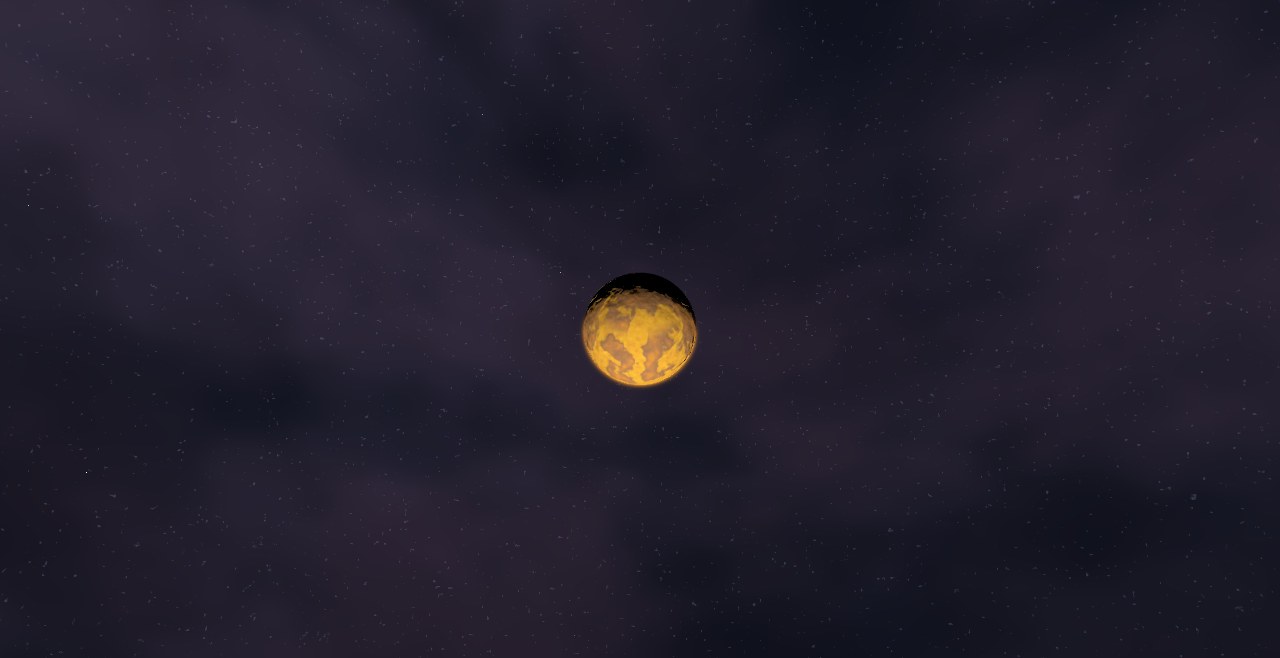
Kepler-995 - System
Kepler-995, a Sun-like G-type star of 0.83 solar masses, and Kepler-995 b, a planet with 2.7 Earth radii, with an orbital period of 28.3 days.
Exoplanets
Analyze isolated alien worlds orbiting a singular host star to observe basic orbital parameters, tidal locks, and planetary eccentricities.
Share
Kepler-995, a Sun-like G-type star of 0.83 solar masses, and Kepler-995 b, a planet with 2.7 Earth radii, with an orbital period of 28.3 days.
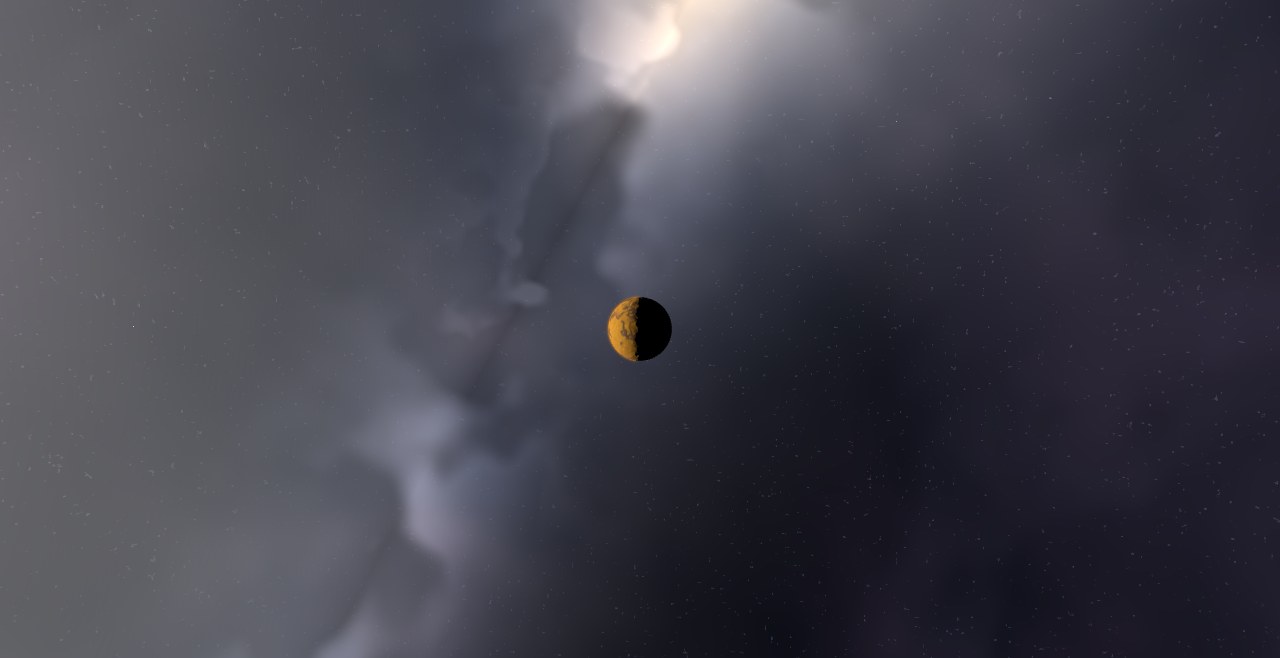
Kepler-996, a Sun-like F-type star of 1.09 solar masses, and Kepler-996 b, a planet with 2.0 Earth radii, with an orbital period of 3.8 days.
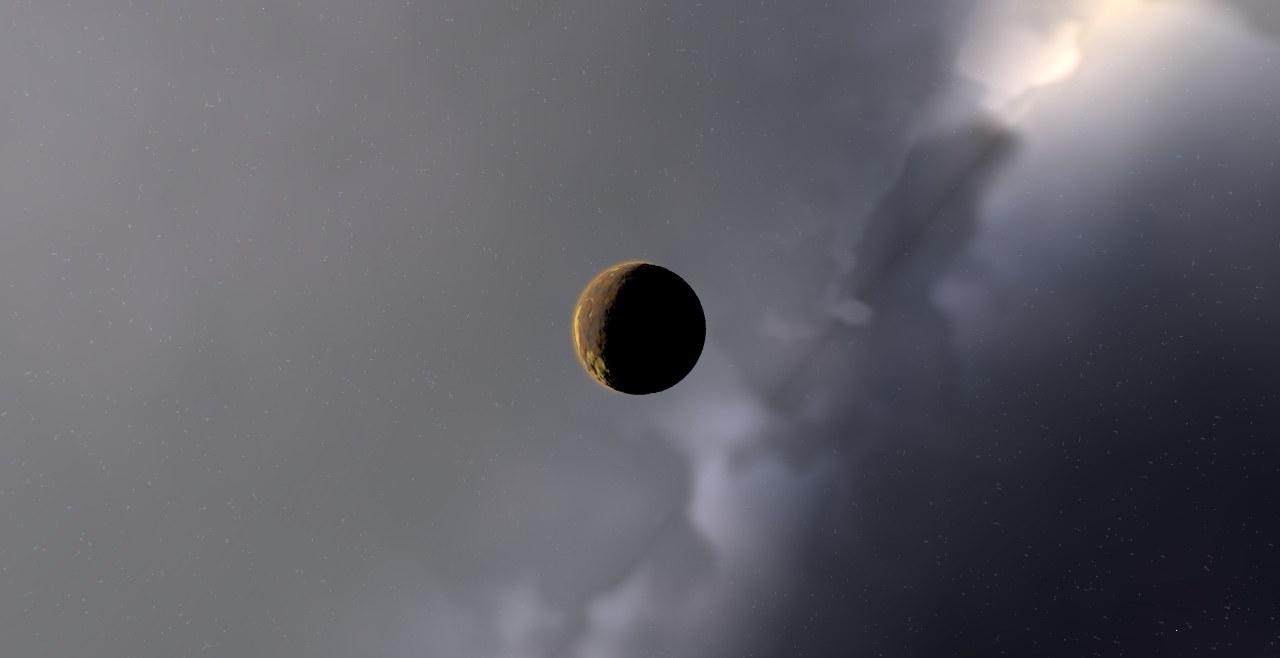
Kepler-997, a Sun-like F-type star of 1.22 solar masses, and Kepler-997 b, a planet with 1.4 Earth radii, with an orbital period of 2.7 days.
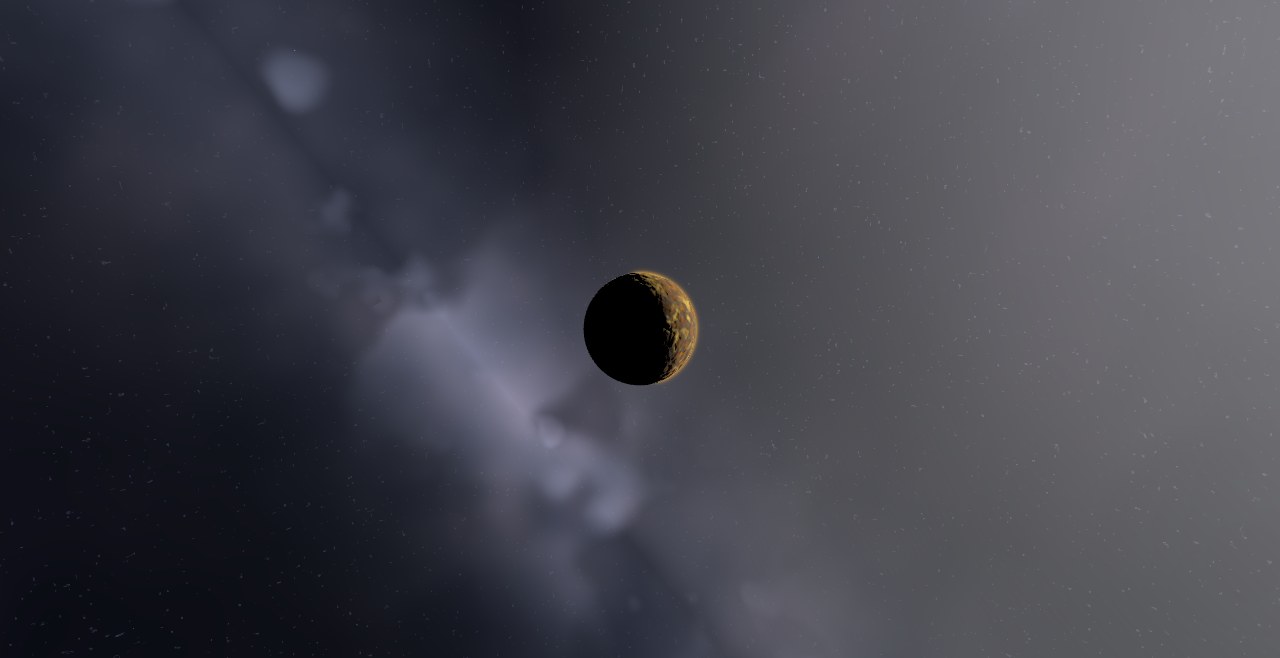
Kepler-998, a Sun-like F-type star of 1.12 solar masses, and Kepler-998 b, a planet with 2.3 Earth radii, with an orbital period of 5.7 days.
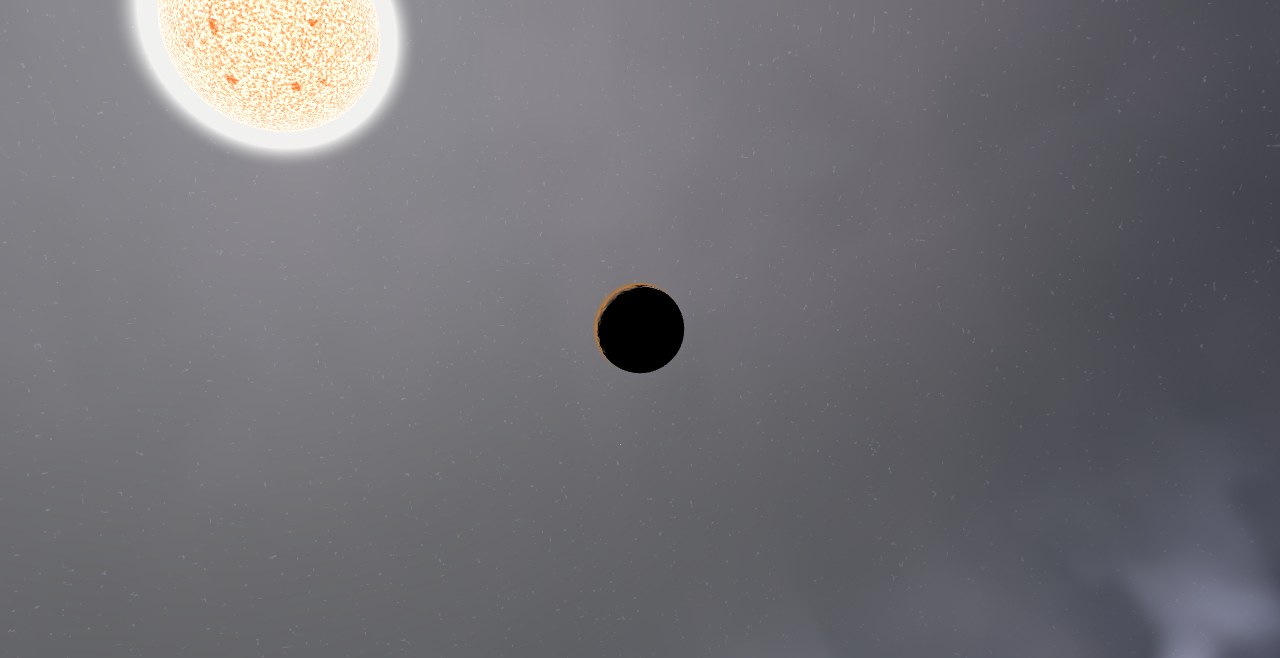
Kepler-999, a Sun-like F-type star of 1.29 solar masses, and Kepler-999 b, a planet with 2.3 Earth radii, with an orbital period of 6.0 days.
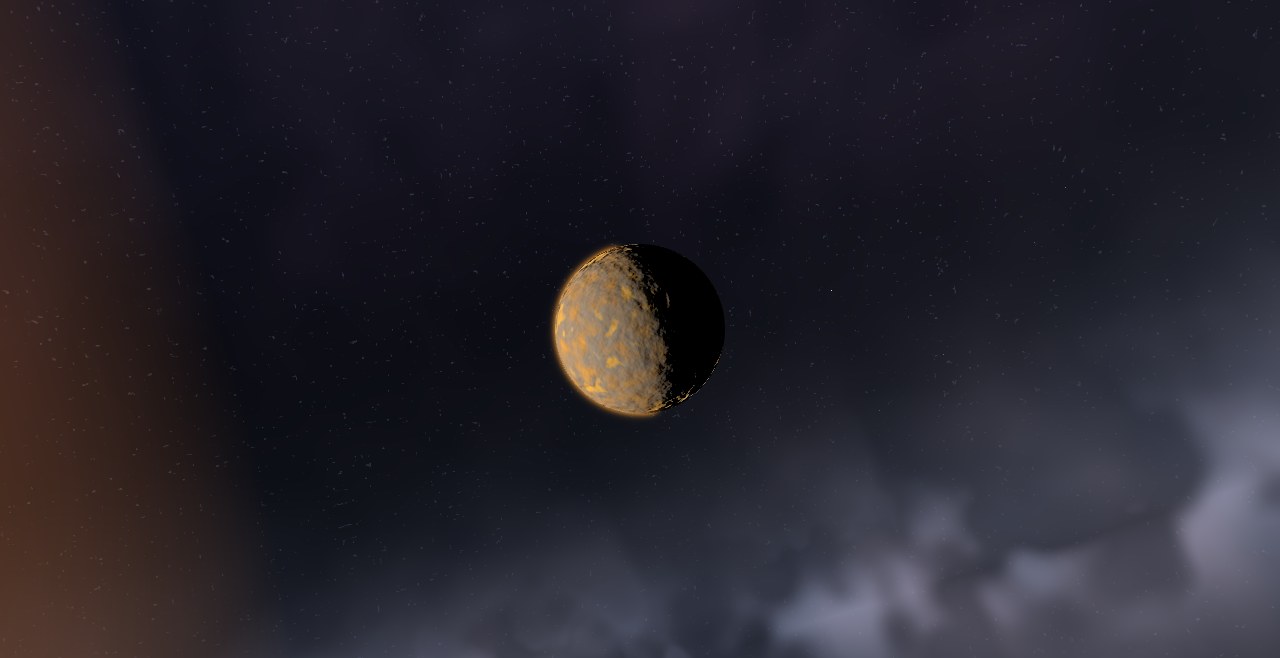
L 168-9, a cool M-dwarf of 0.61 solar masses, and L 168-9 b, a 4.1-Earth-mass planet, with an orbital period of 1.4 days, at 0.021 AU from its star, and an equilibrium temperature near 998 K.
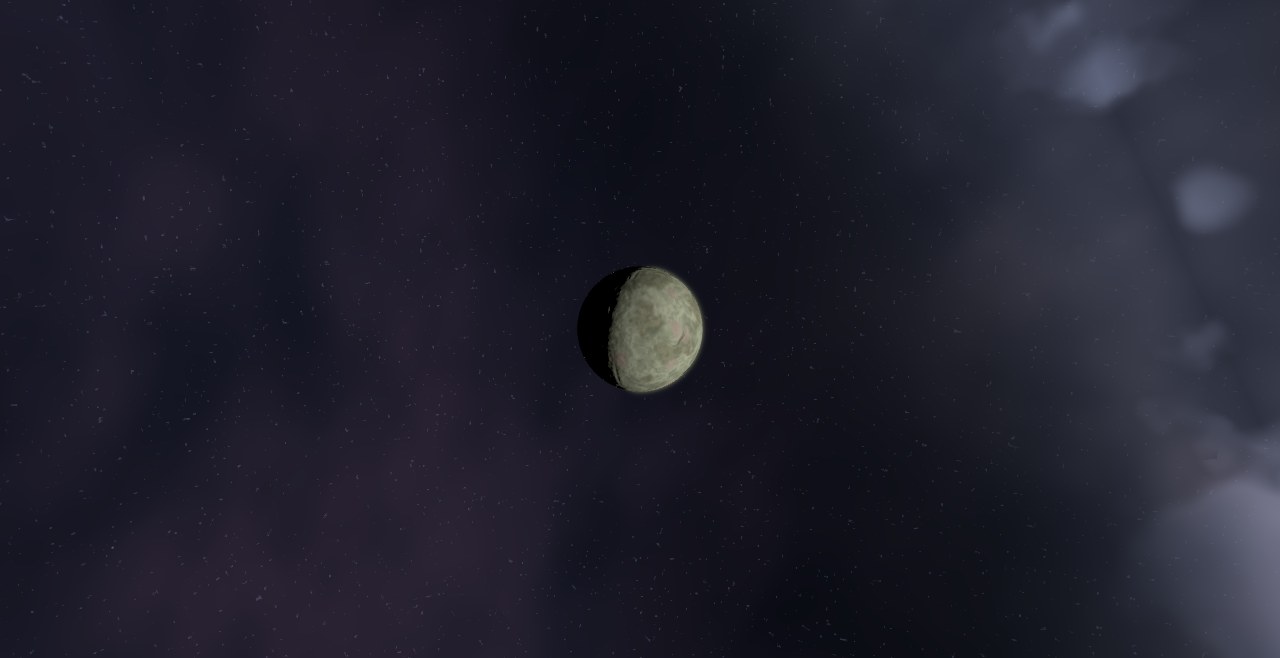
L 363-38, a cool M-dwarf of 0.21 solar masses, and L 363-38 b, a 4.7-Earth-mass planet, with an orbital period of 8.8 days, at 0.048 AU from its star, and an equilibrium temperature near 330 K.
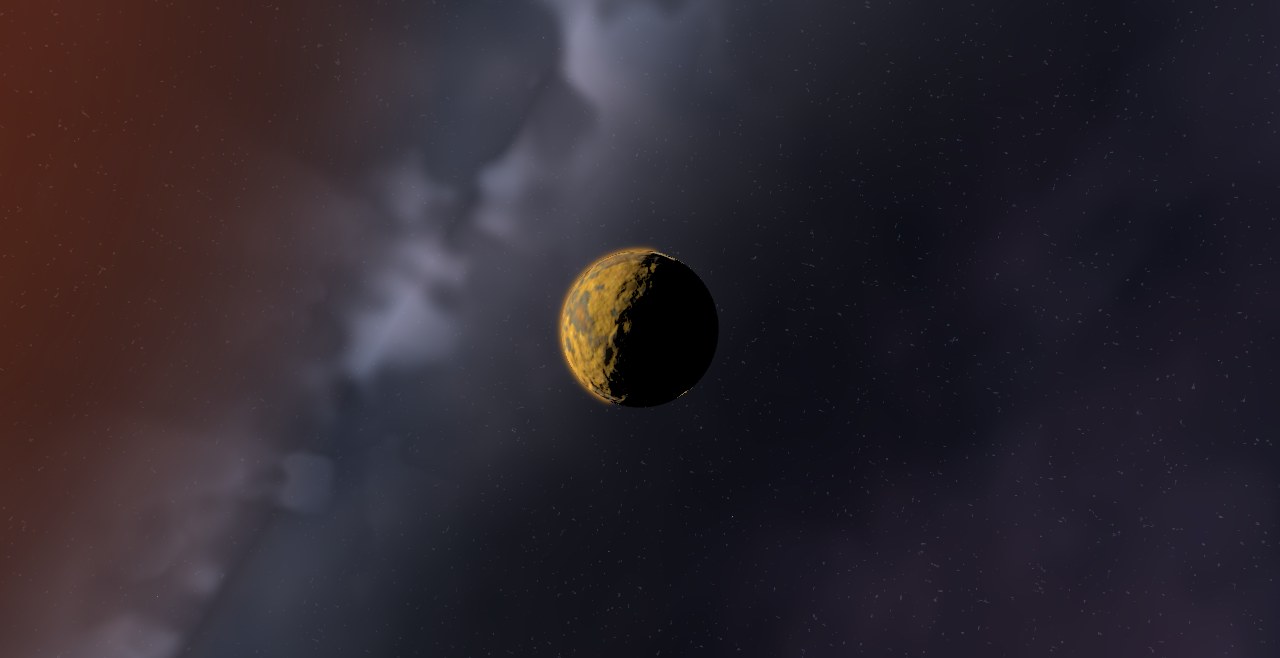
LHS 1478, a cool M-dwarf of 0.24 solar masses, and LHS 1478 b, a 2.3-Earth-mass planet, with an orbital period of 1.9 days, at 0.018 AU from its star, and an equilibrium temperature near 595 K.
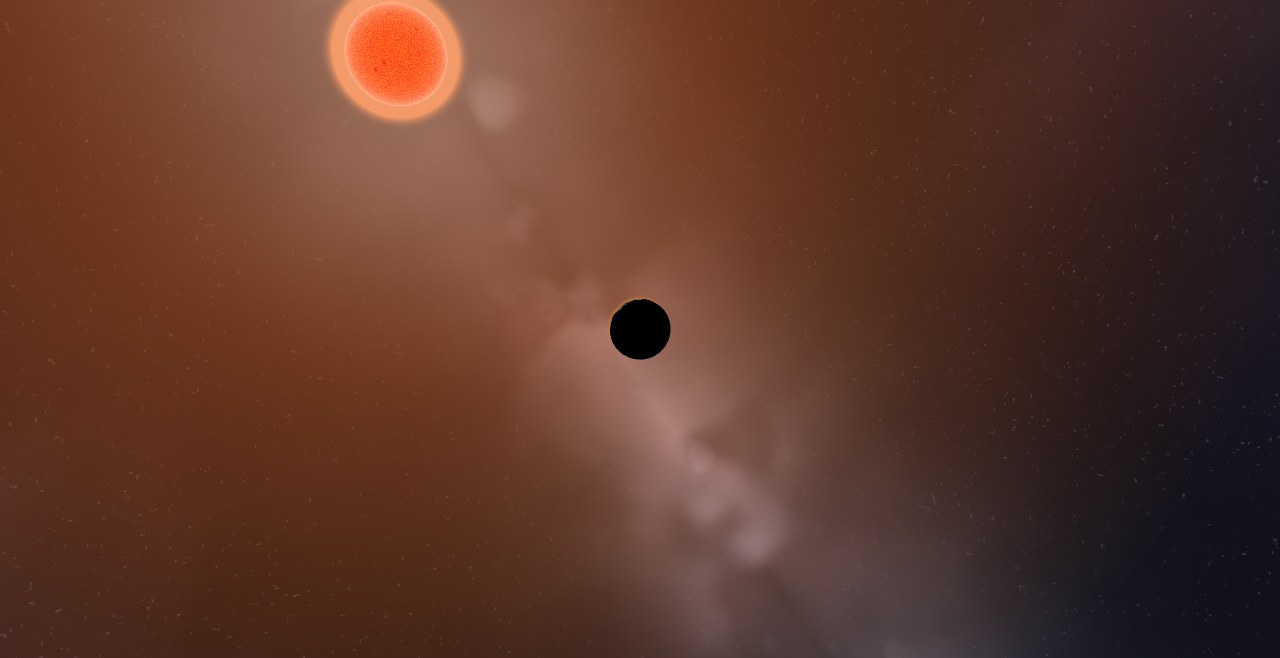
LHS 1815, a cool M-dwarf of 0.50 solar masses, and LHS 1815 b, a 1.6-Earth-mass planet, with an orbital period of 3.8 days.
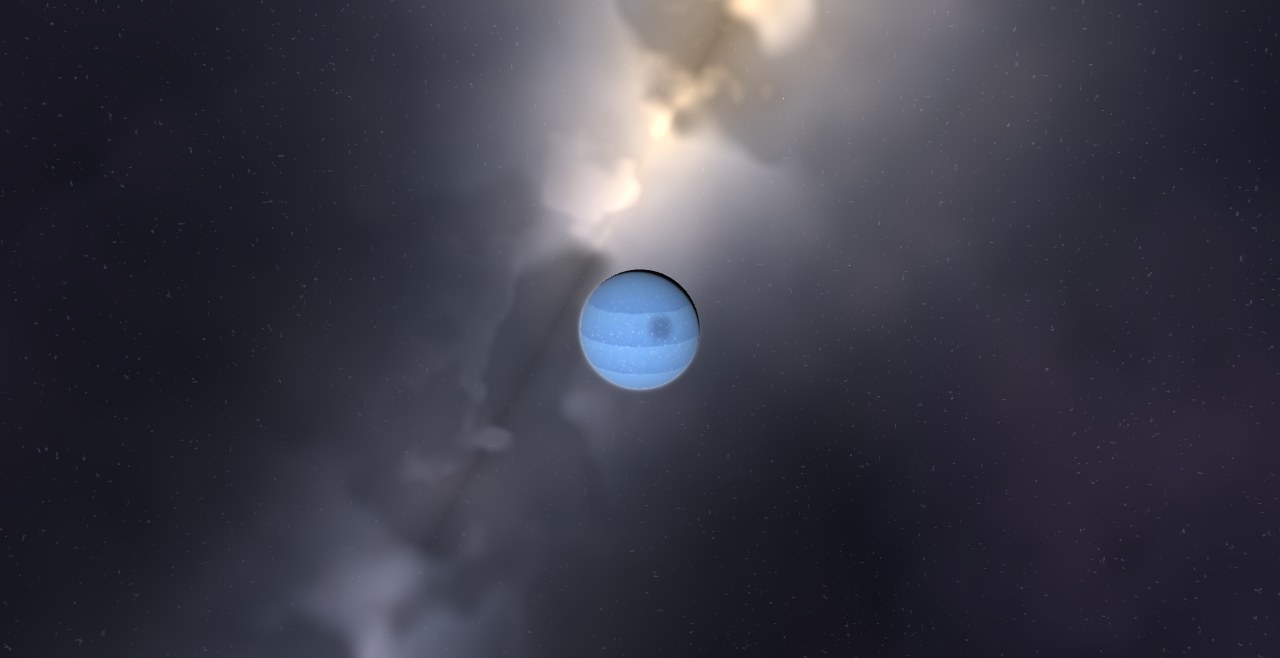
LHS 3154, a cool M-dwarf of 0.11 solar masses, and LHS 3154 b, a 13.2-Earth-mass planet, with an orbital period of 3.7 days, at 0.023 AU from its star, on an eccentric orbit (e ≈ 0.08).
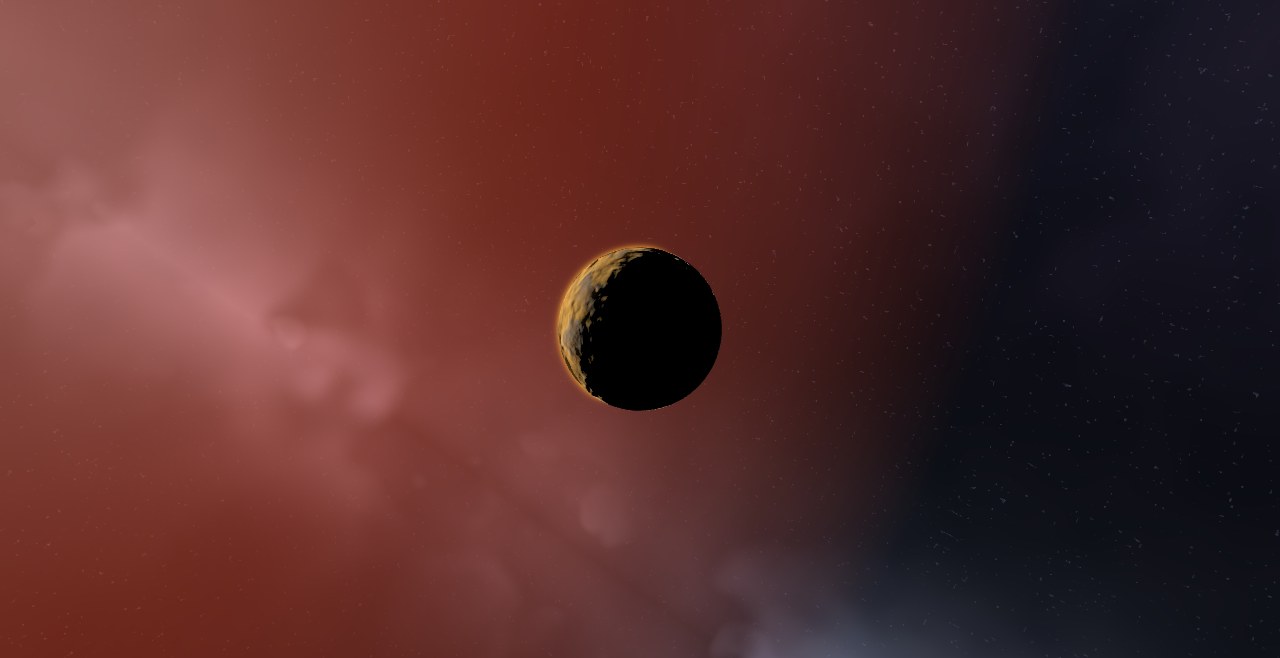
LHS 3844 b, a bare-rock planet with no detected atmosphere. Its dayside phase curve shows heat reradiated straight from the surface. The world orbits in only about 11 hours.
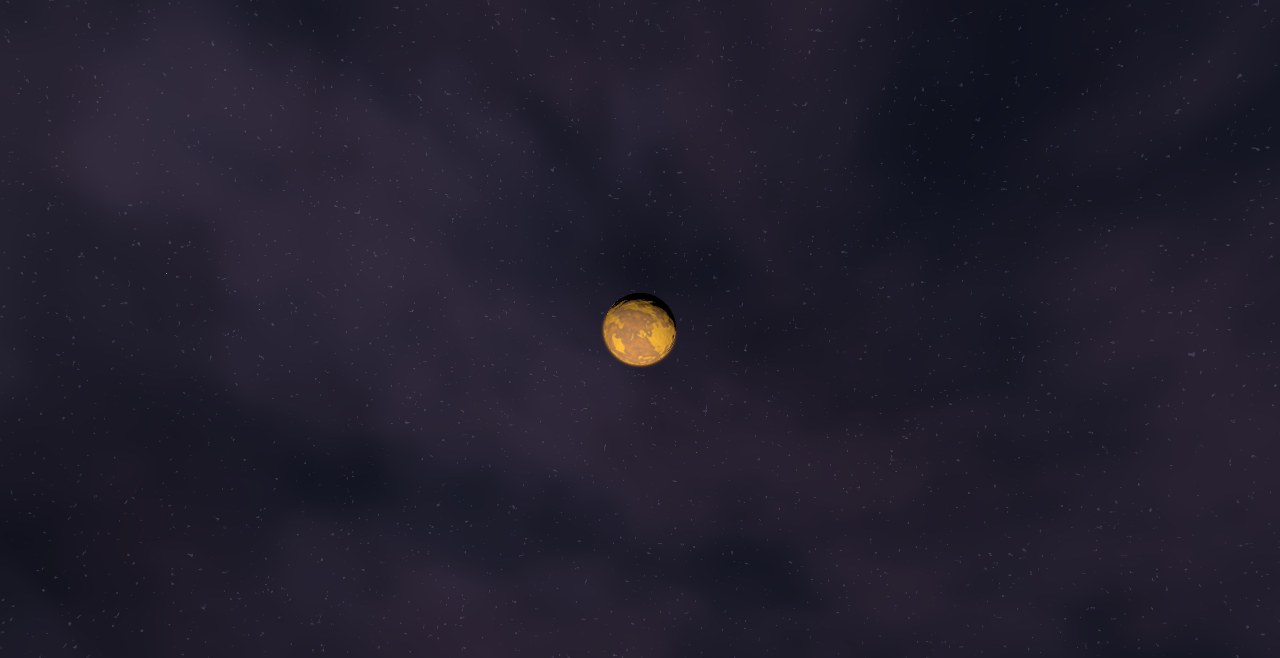
LHS 475, a cool M-dwarf of 0.26 solar masses, and LHS 475 b, a planet with 1.0 Earth radii, with an orbital period of 2.0 days, and an equilibrium temperature near 586 K.
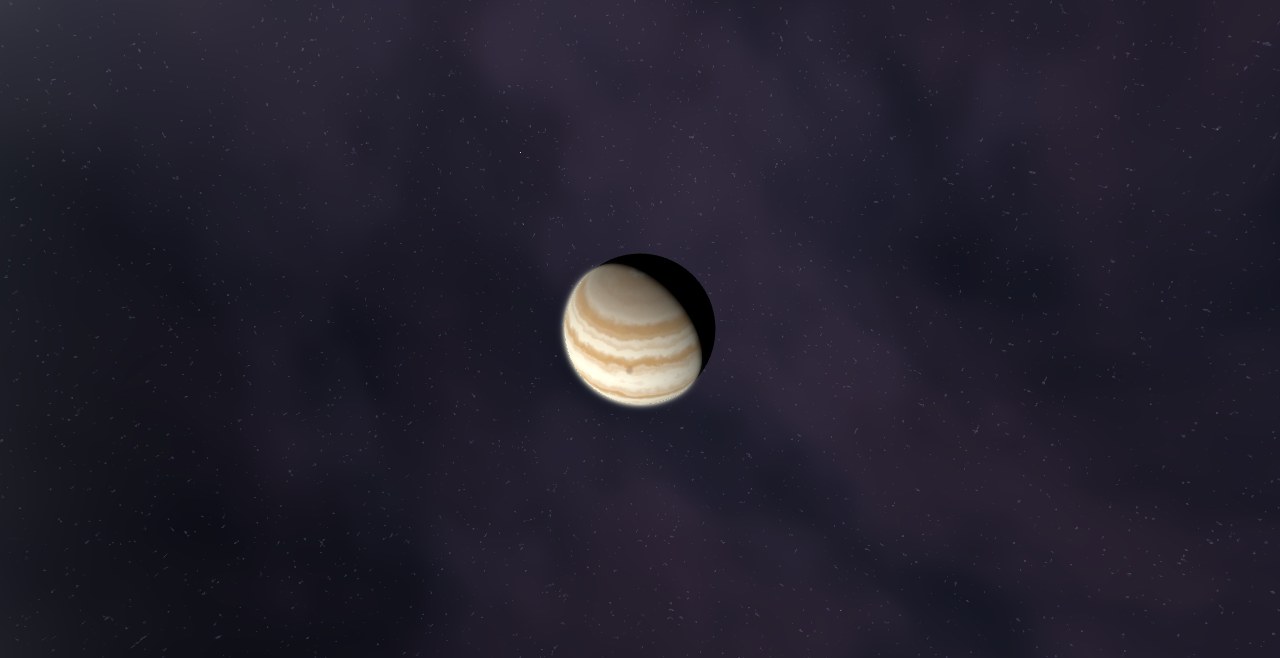
LP 261-75 A, a cool M-dwarf of 0.22 solar masses, and LP 261-75 b, a 21.0-Jupiter-mass companion, at 450 AU from its star, and an equilibrium temperature near 1,500 K.
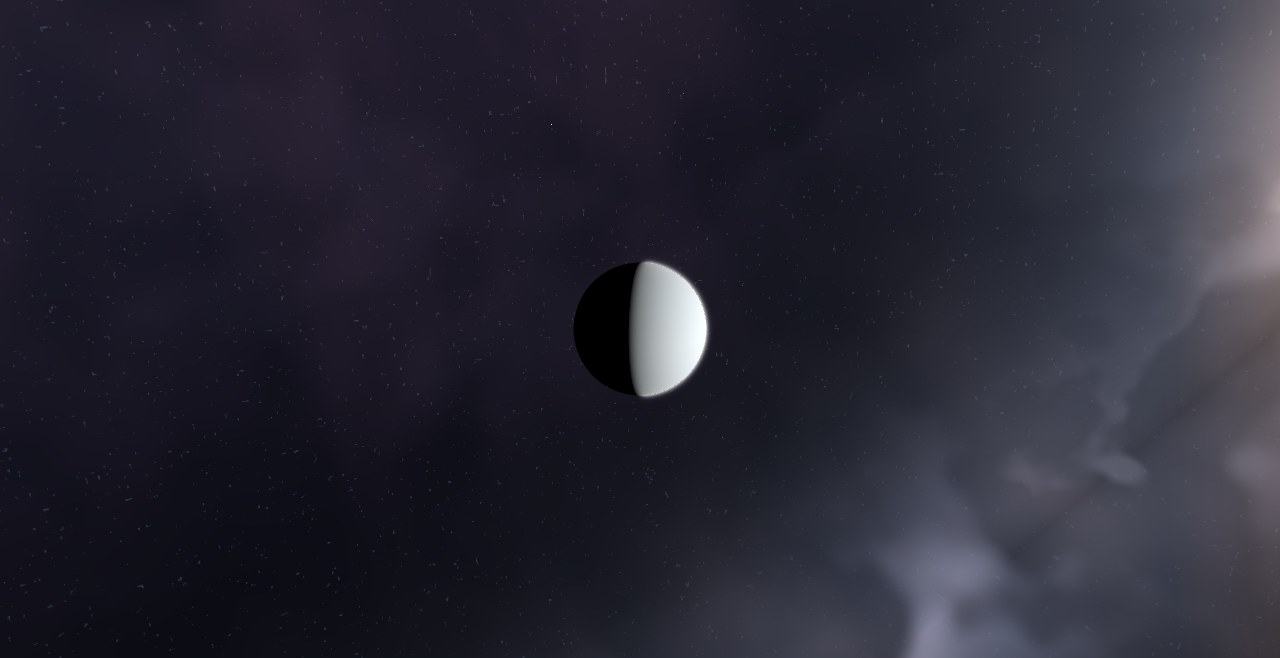
LP 714-47, a cool M-dwarf of 0.54 solar masses, and LP 714-47 b, a 0.09-Jupiter-mass companion, with an orbital period of 4.1 days, at 0.041 AU from its star, and an equilibrium temperature near 723 K.
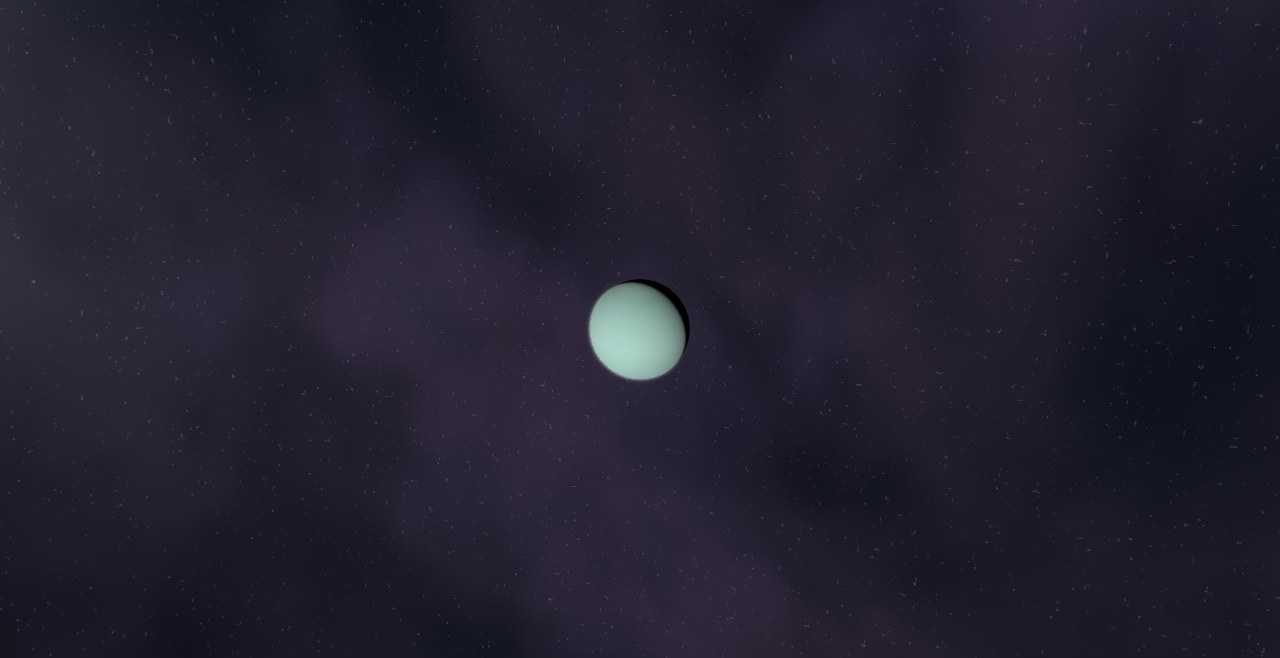
LSPM J2116+0234, a cool M-dwarf of 0.43 solar masses, and LSPM J2116+0234 b, a 13.3-Earth-mass planet, with an orbital period of 14.4 days, at 0.088 AU from its star, on an eccentric orbit (e ≈ 0.18).
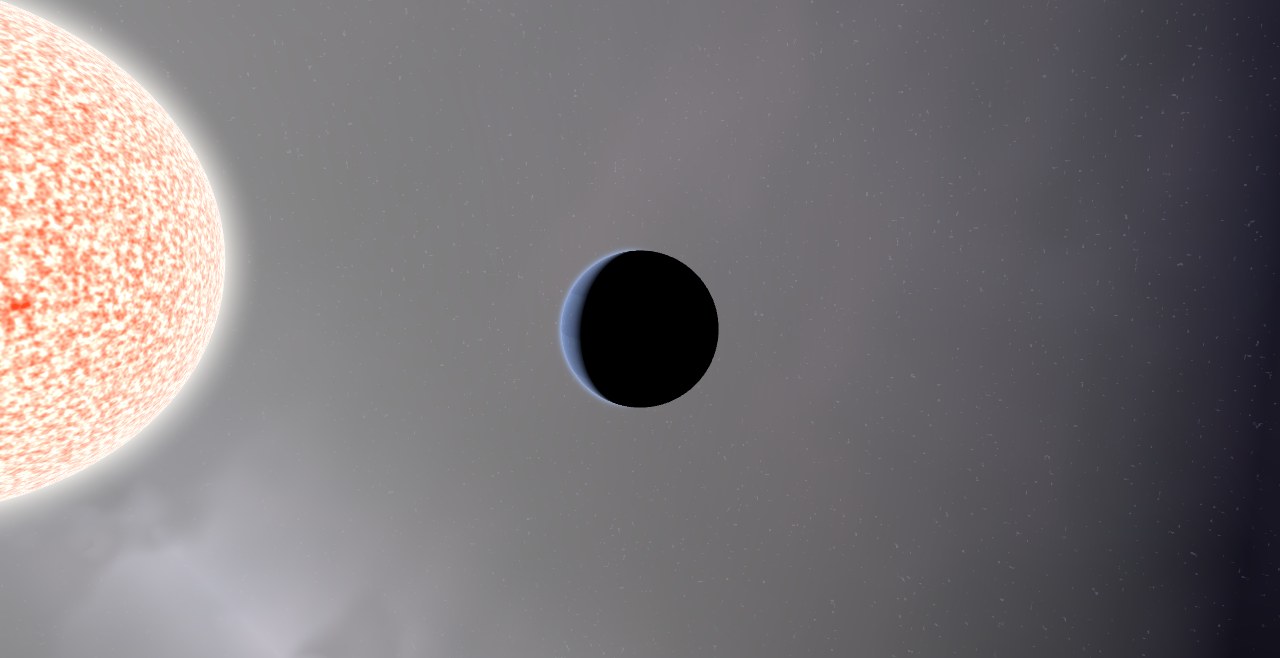
LTT 9779, a Sun-like G-type star of 1.02 solar masses, and LTT 9779 b, a 0.09-Jupiter-mass companion, with an orbital period of 19.0 hours, at 0.017 AU from its star, and an equilibrium temperature near 1,978 K.
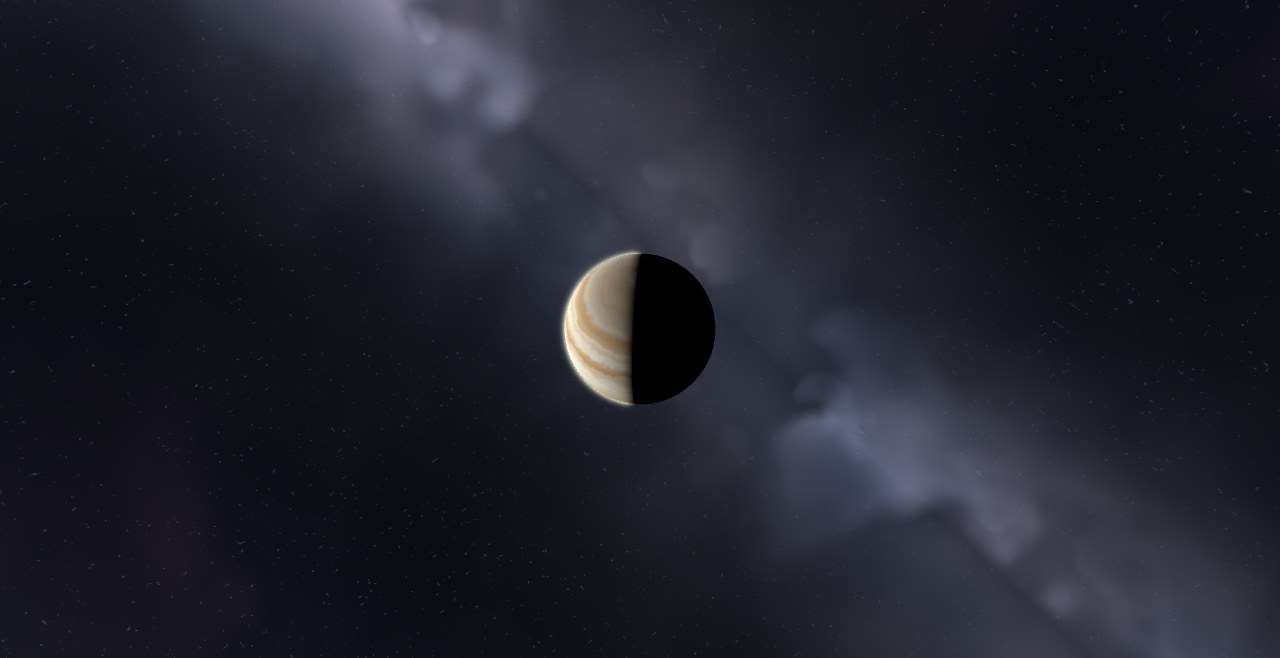
Luhman 16 A, a Sun-like G-type star of 0.03 solar masses, and Luhman 16 b, a 29.4-Jupiter-mass companion, with an orbital period of 26.5 years, at 3.520 AU from its star, on an eccentric orbit (e ≈ 0.34).
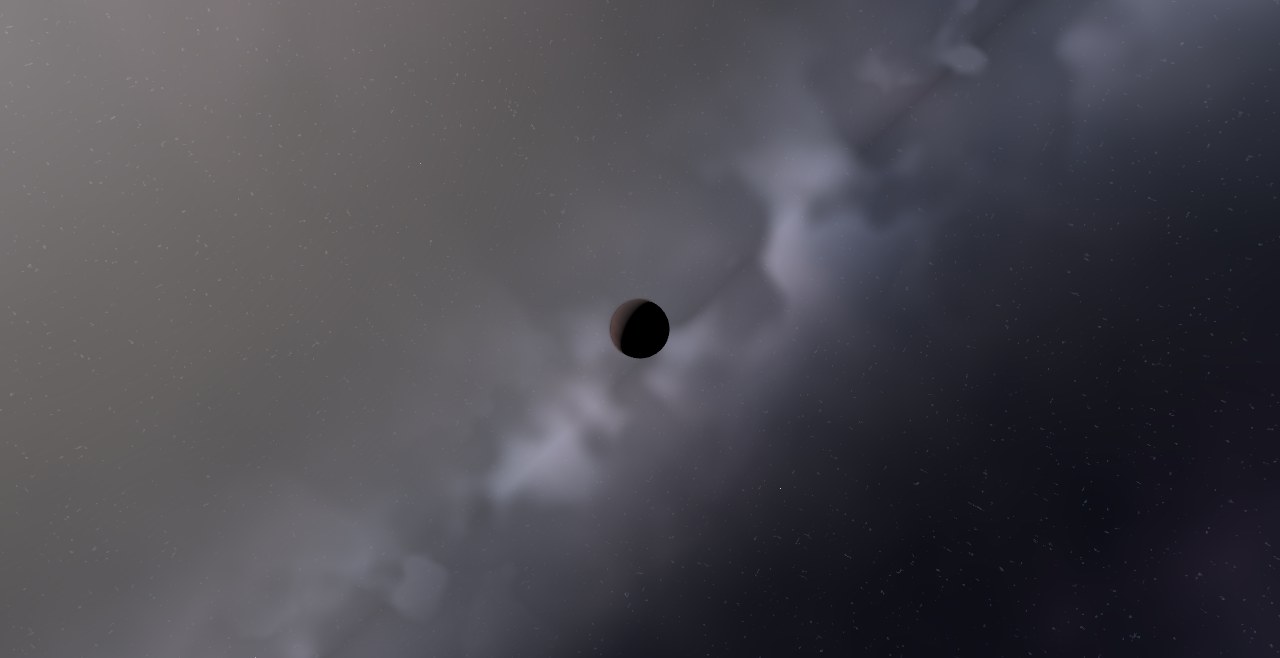
Lupus-TR-3, an orange K-type dwarf of 0.87 solar masses, and Lupus-TR-3 b, a 0.81-Jupiter-mass companion, with an orbital period of 3.9 days, at 0.046 AU from its star.