Kepler-957 - System
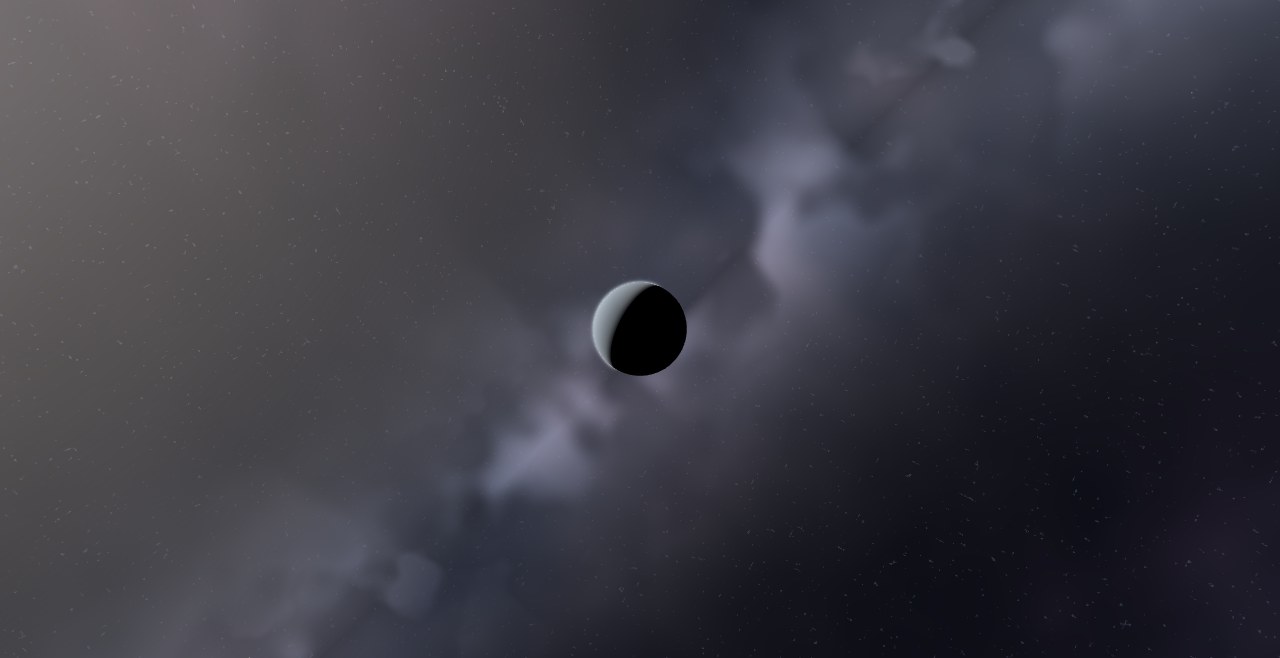
Kepler-957, an orange K-type dwarf of 0.81 solar masses, and Kepler-957 b, a planet with 5.5 Earth radii, with an orbital period of 5.9 days.
Exoplanets
Analyze isolated alien worlds orbiting a singular host star to observe basic orbital parameters, tidal locks, and planetary eccentricities.
Share
Kepler-957, an orange K-type dwarf of 0.81 solar masses, and Kepler-957 b, a planet with 5.5 Earth radii, with an orbital period of 5.9 days.
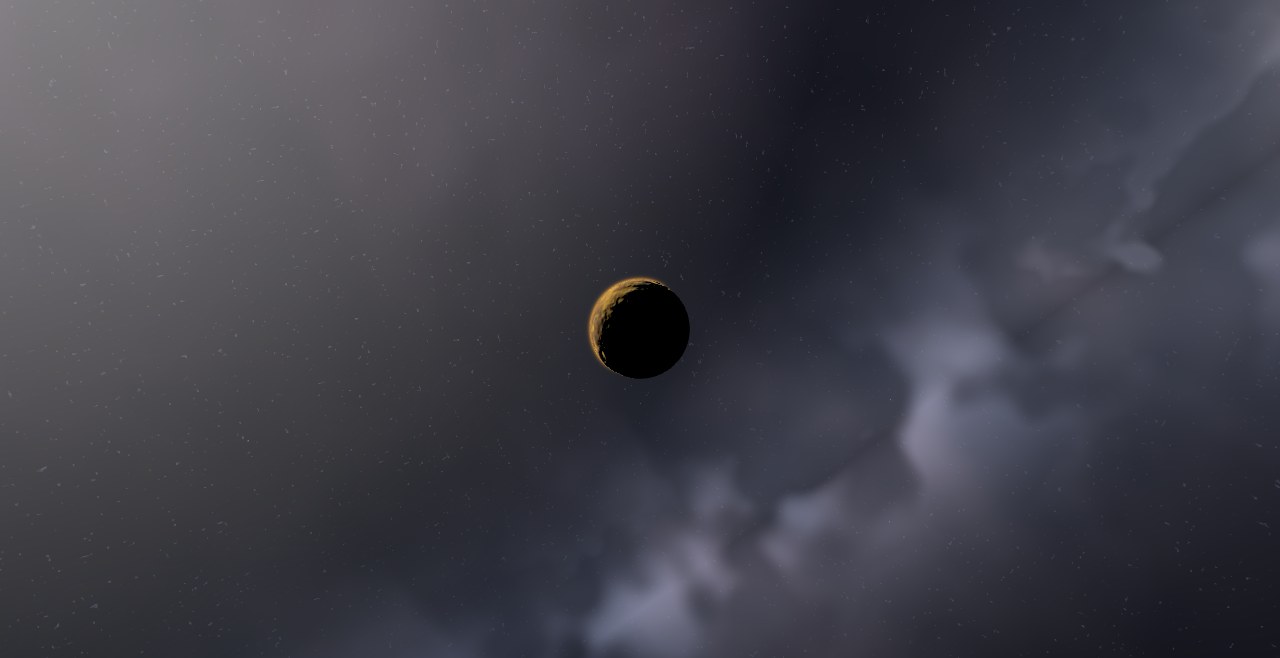
Kepler-958, a Sun-like G-type star of 0.91 solar masses, and Kepler-958 b, a planet with 2.1 Earth radii, with an orbital period of 9.8 days.
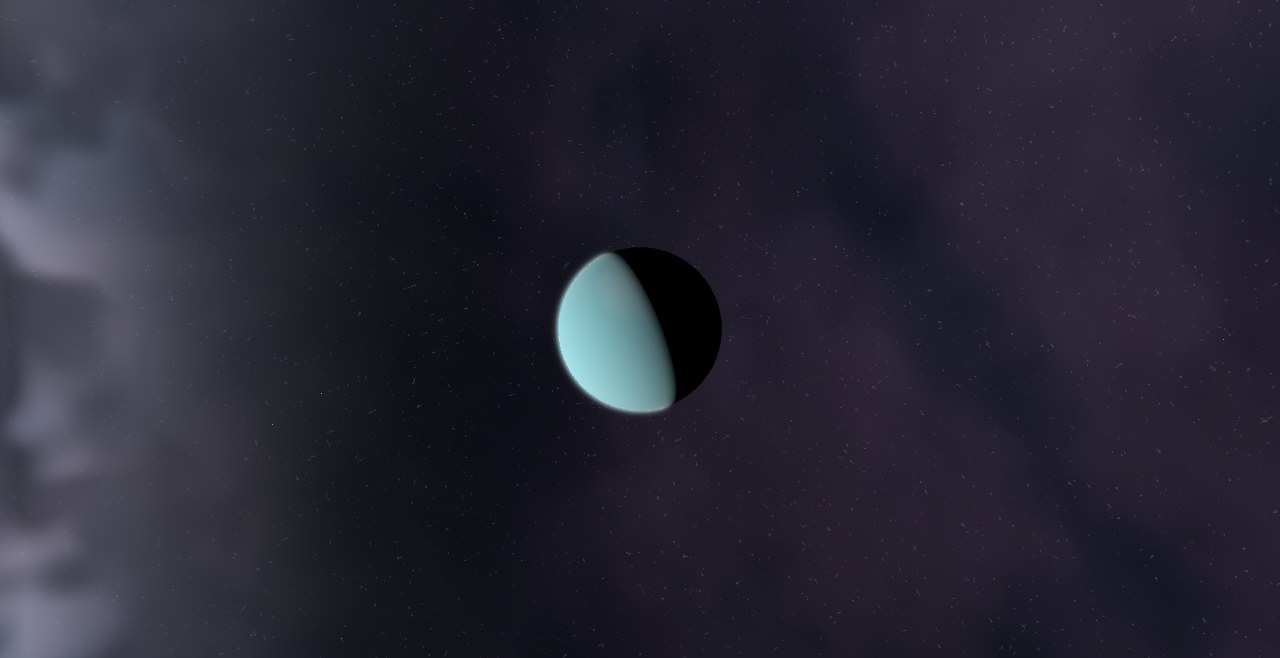
Kepler-959, a Sun-like F-type star of 1.60 solar masses, and Kepler-959 b, a planet with 4.4 Earth radii, with an orbital period of 14.8 days.
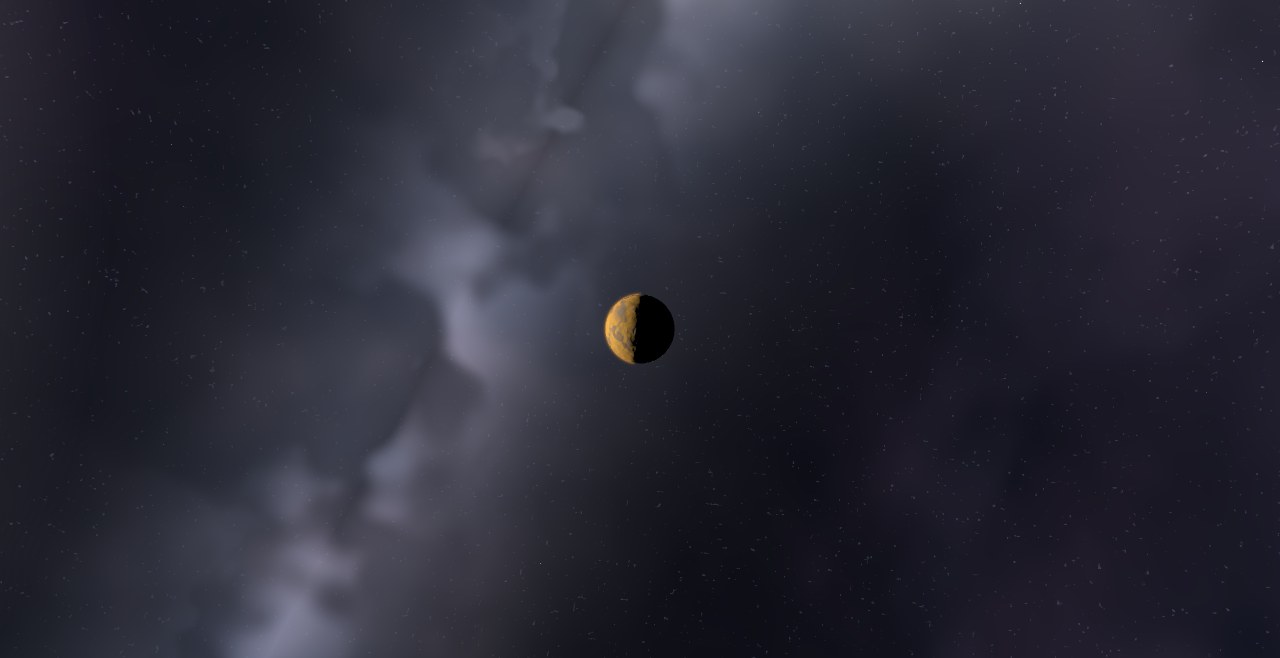
Kepler-96, a Sun-like G-type star of 1.00 solar masses, and Kepler-96 b, a 8.5-Earth-mass planet, with an orbital period of 16.2 days.
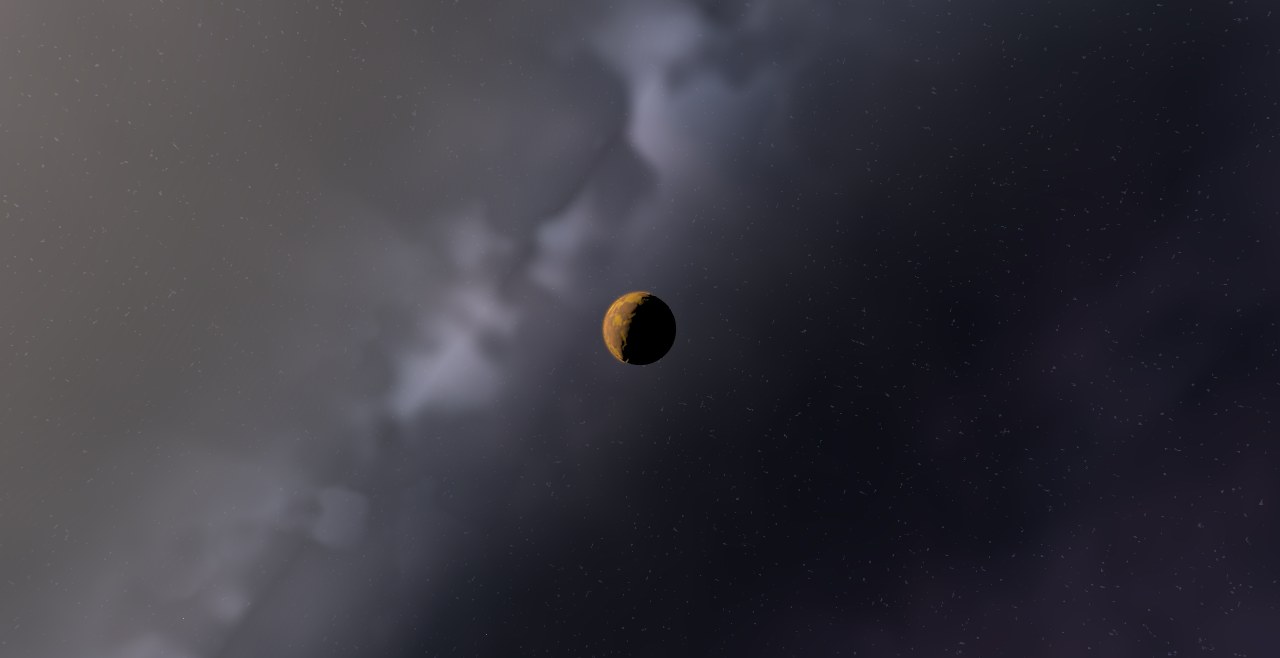
Kepler-960, an orange K-type dwarf of 0.77 solar masses, and Kepler-960 b, a planet with 2.3 Earth radii, with an orbital period of 3.1 days.
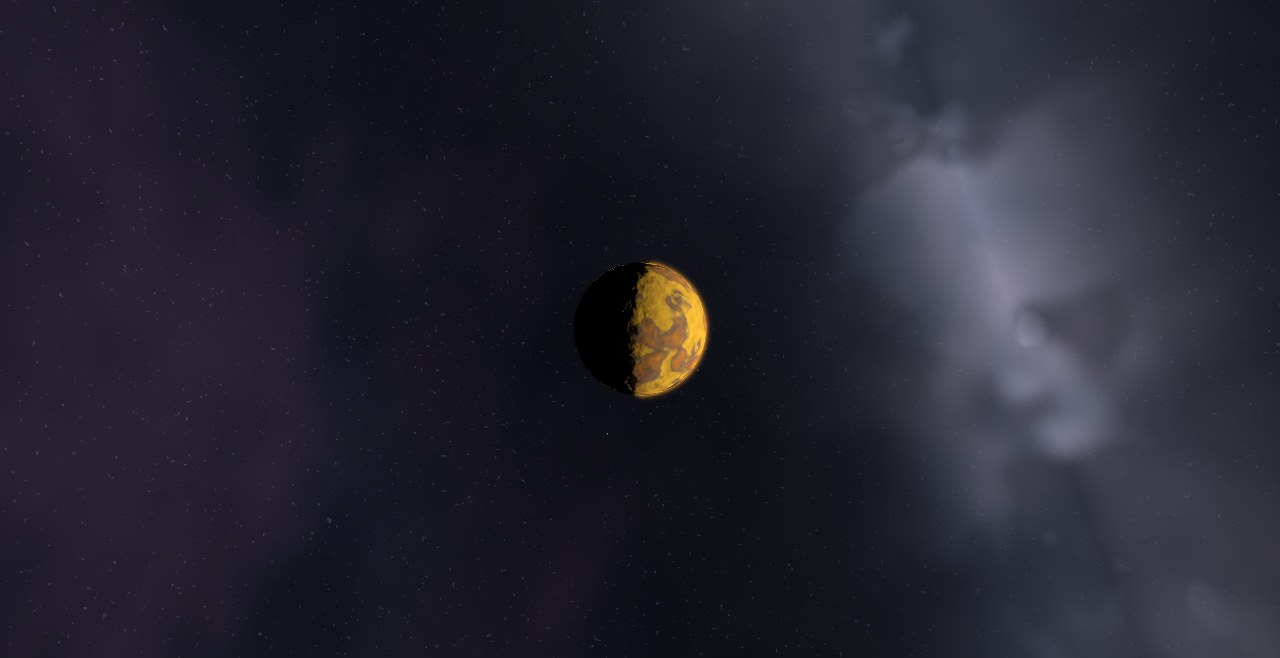
Kepler-961, a Sun-like G-type star of 0.96 solar masses, and Kepler-961 b, a planet with 2.5 Earth radii, with an orbital period of 16.9 days.
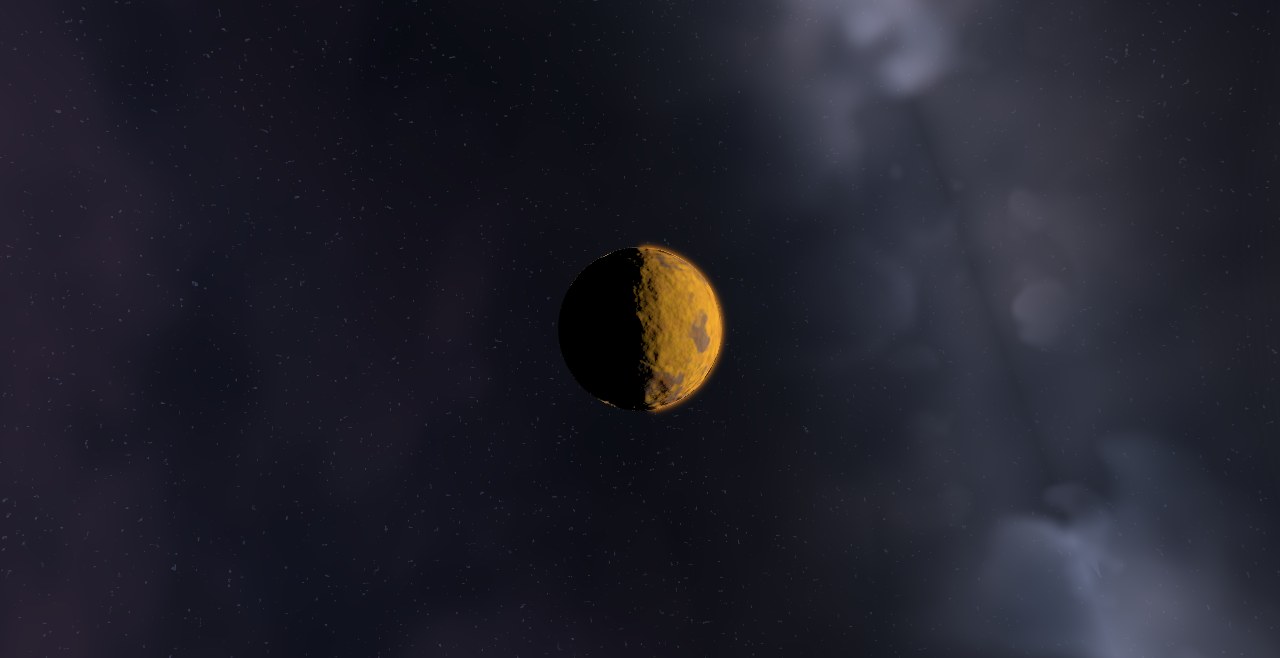
Kepler-962, a Sun-like G-type star of 0.93 solar masses, and Kepler-962 b, a planet with 2.0 Earth radii, with an orbital period of 12.1 days.
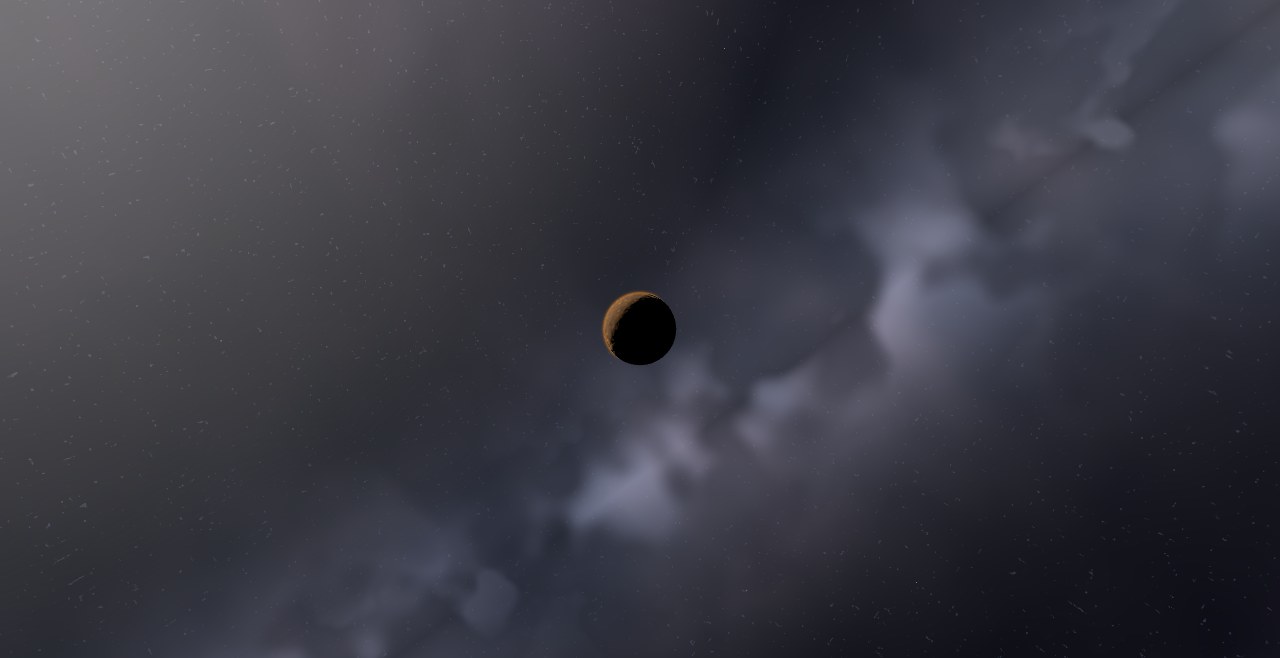
Kepler-963, a Sun-like G-type star of 0.82 solar masses, and Kepler-963 b, a planet with 2.7 Earth radii, with an orbital period of 10.0 days.
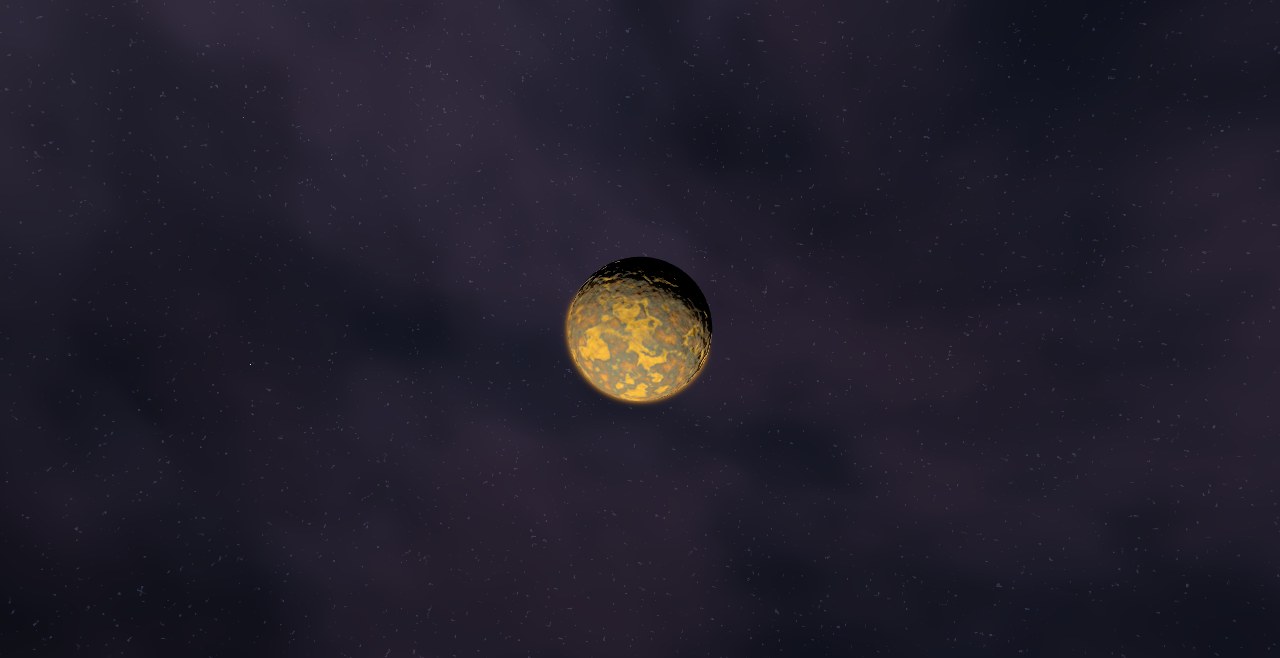
Kepler-964, a Sun-like G-type star of 0.93 solar masses, and Kepler-964 b, a planet with 2.1 Earth radii, with an orbital period of 13.5 days.
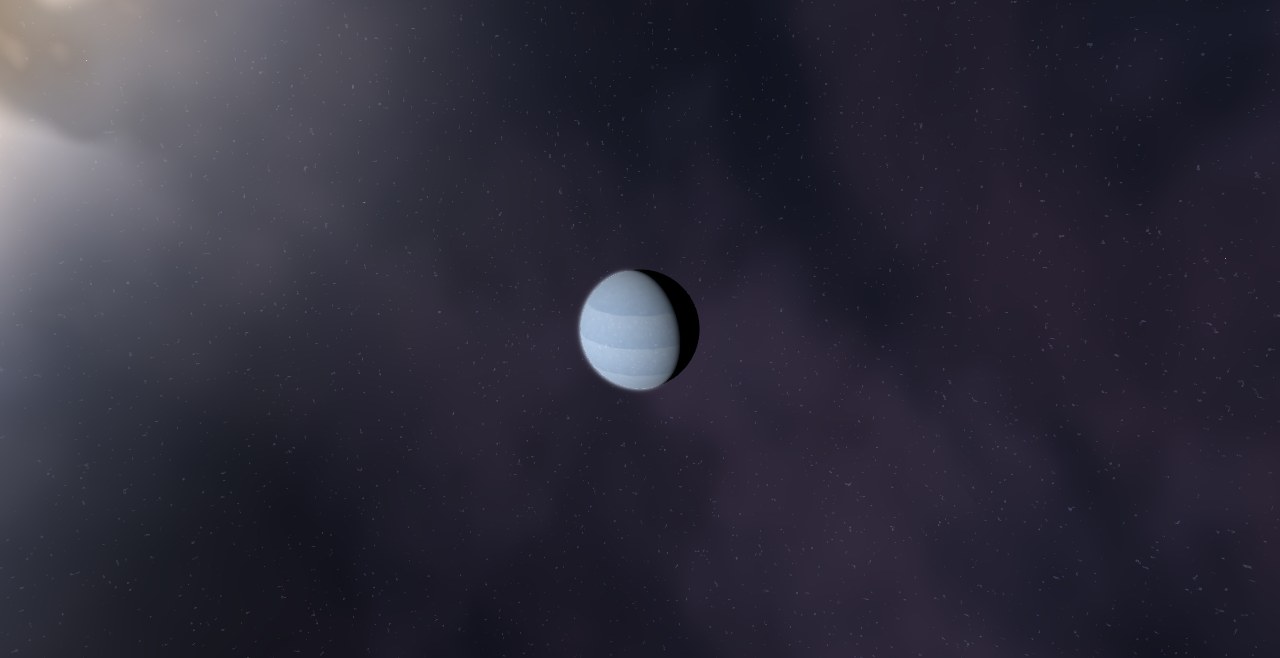
Kepler-965, a Sun-like G-type star of 1.05 solar masses, and Kepler-965 b, a planet with 3.4 Earth radii, with an orbital period of 134 days.
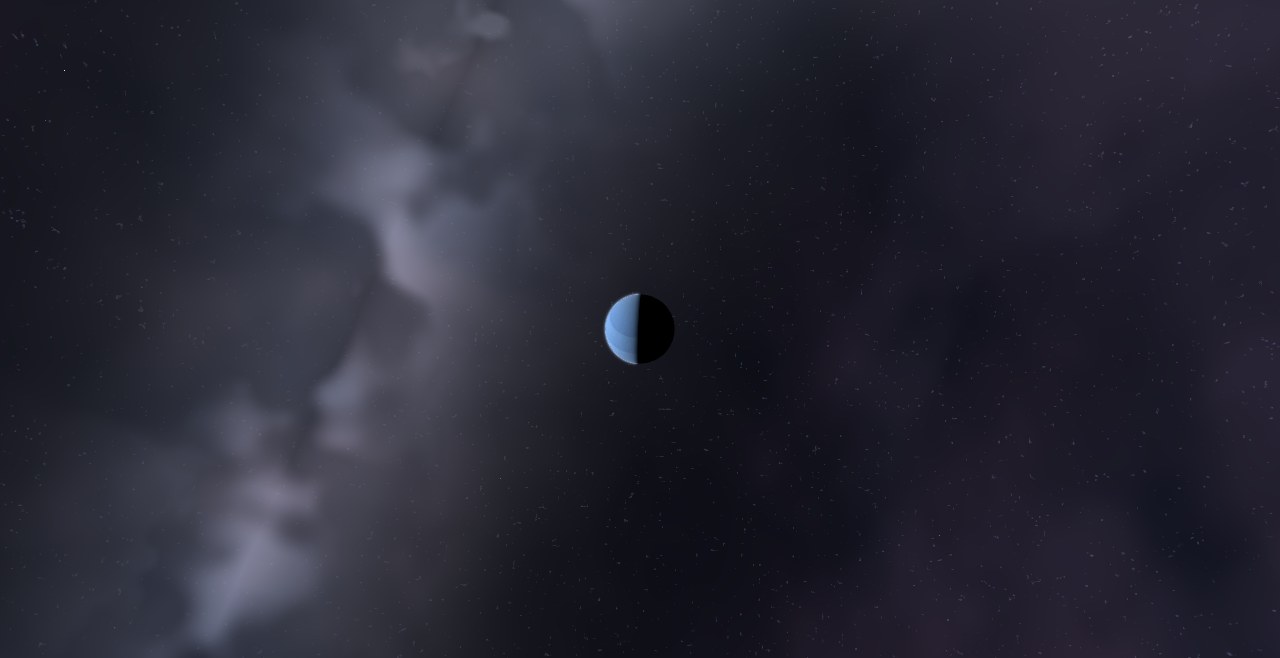
Kepler-966, a Sun-like G-type star of 1.02 solar masses, and Kepler-966 b, a planet with 4.1 Earth radii, with an orbital period of 99.7 days.
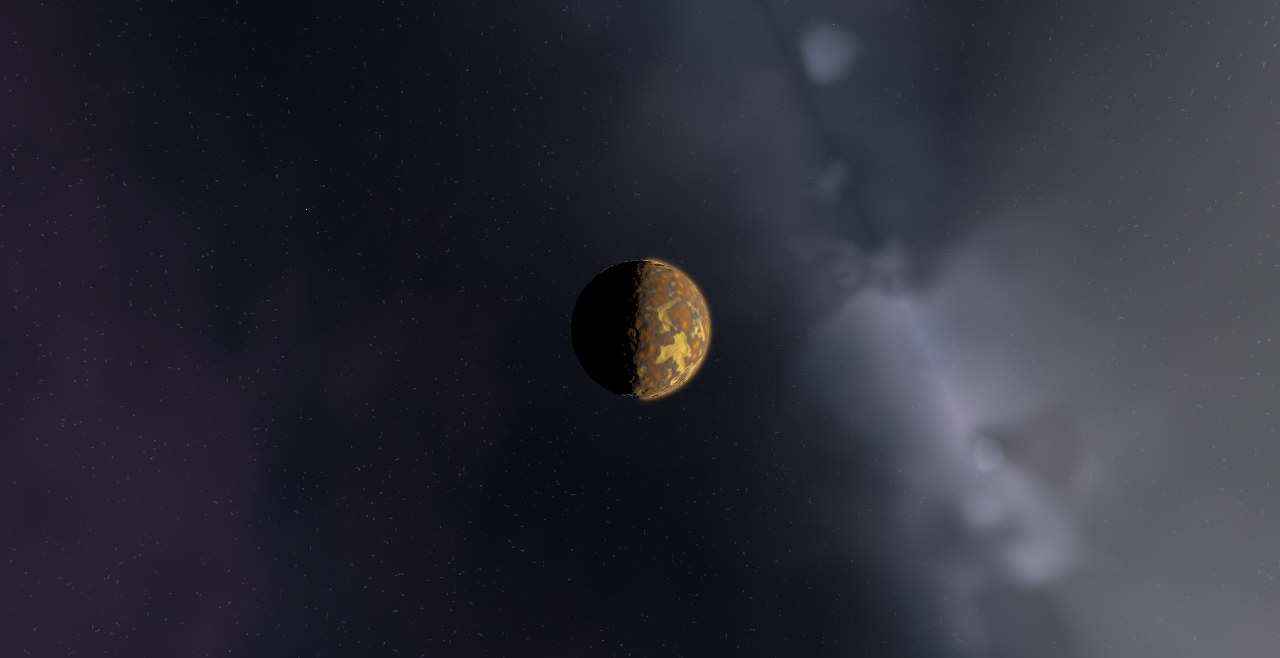
Kepler-97, a Sun-like G-type star of 0.94 solar masses, and Kepler-97 b, a 3.5-Earth-mass planet, with an orbital period of 2.6 days.
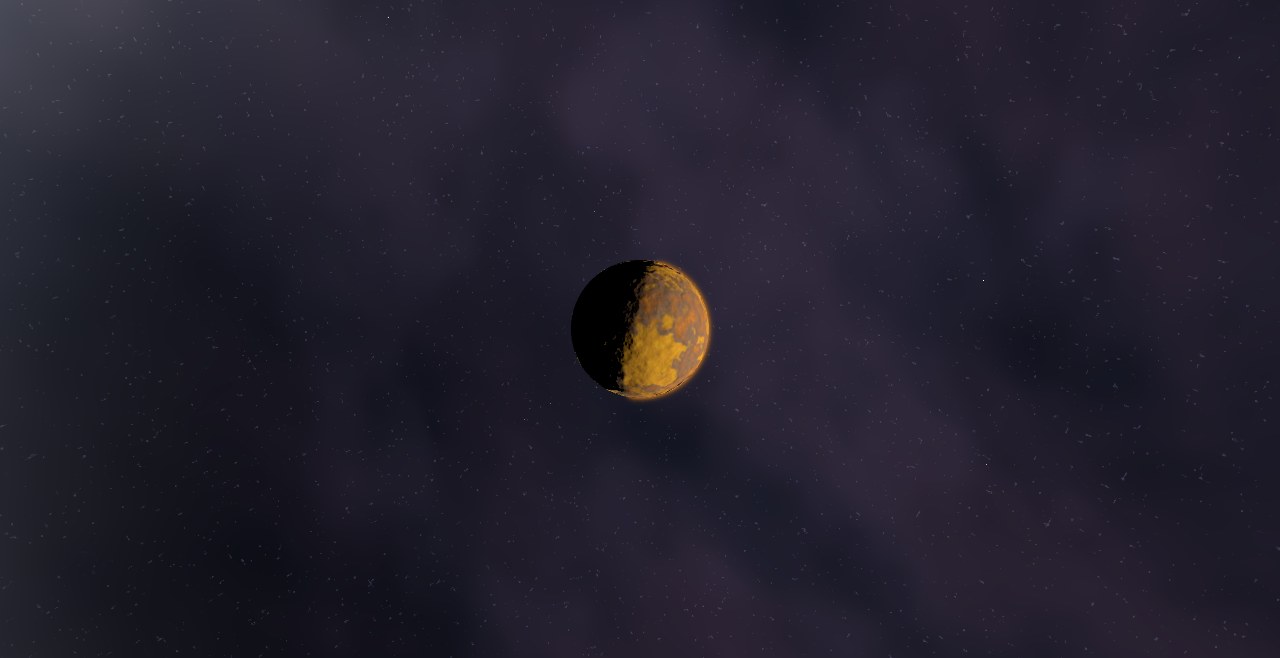
Kepler-970, an orange K-type dwarf of 0.67 solar masses, and Kepler-970 b, a planet with 2.6 Earth radii, with an orbital period of 16.7 days, at 0.139 AU from its star, on an eccentric orbit (e ≈ 0.34).
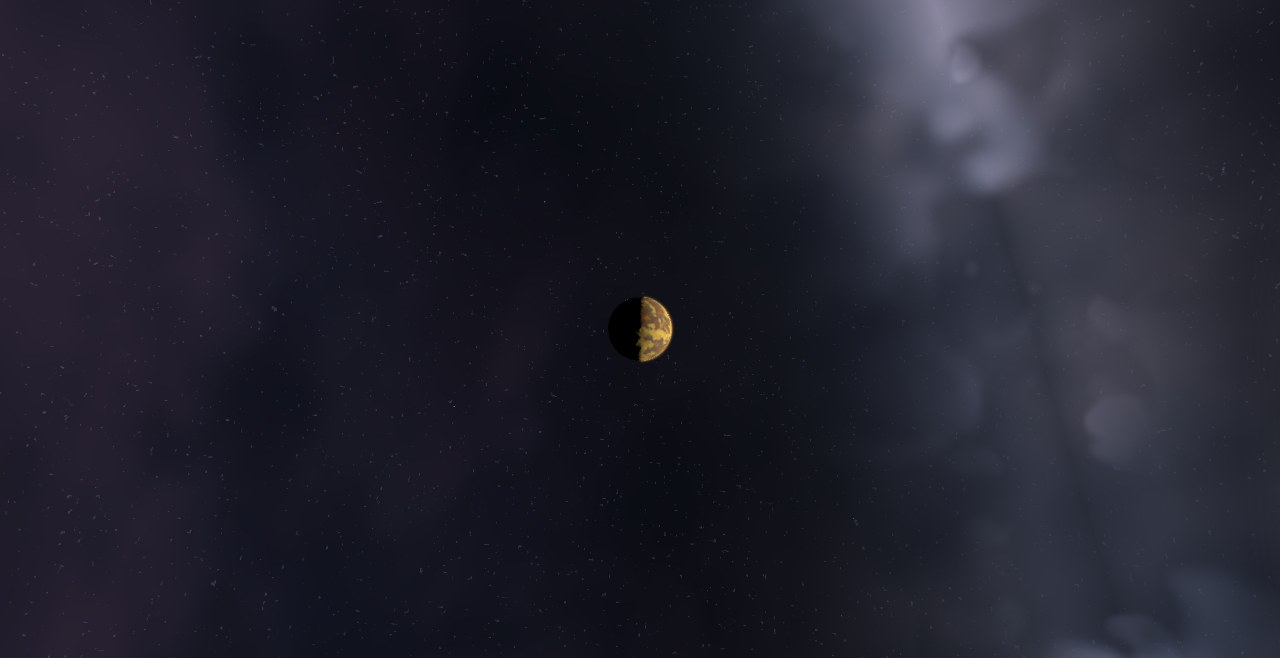
Kepler-971, a Sun-like G-type star of 0.88 solar masses, and Kepler-971 b, a planet with 2.1 Earth radii, with an orbital period of 9.6 days.
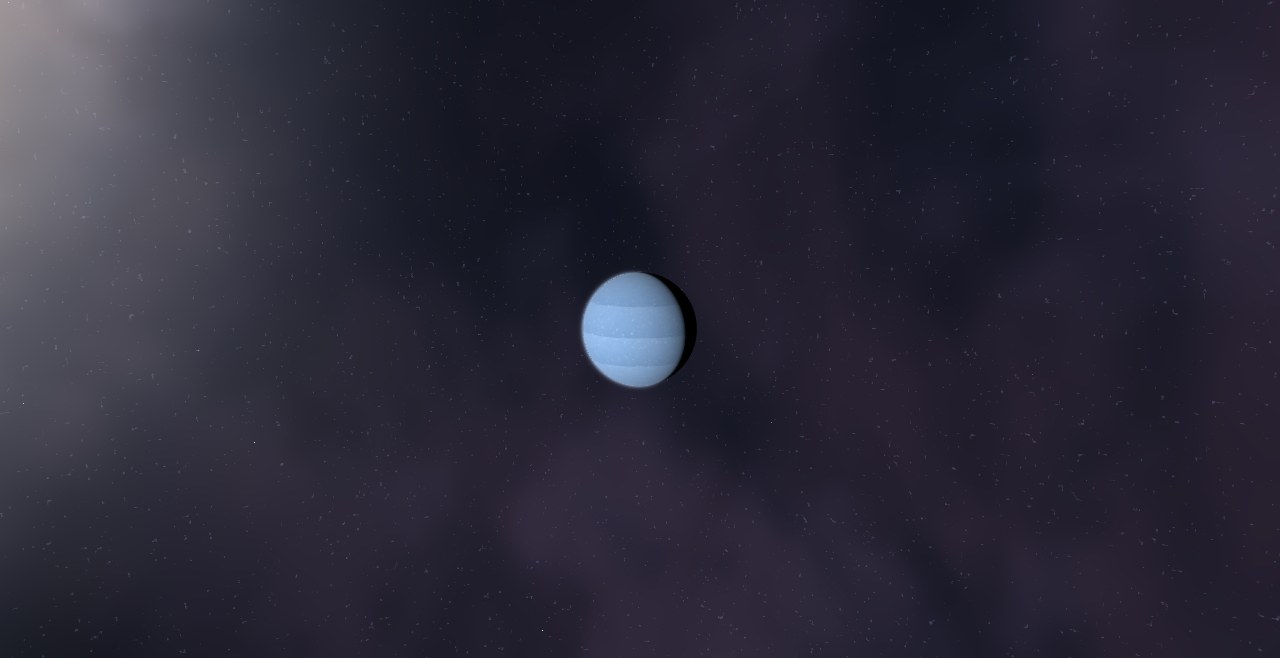
Kepler-972, a Sun-like F-type star of 1.15 solar masses, and Kepler-972 b, a planet with 4.7 Earth radii, with an orbital period of 7.0 days.
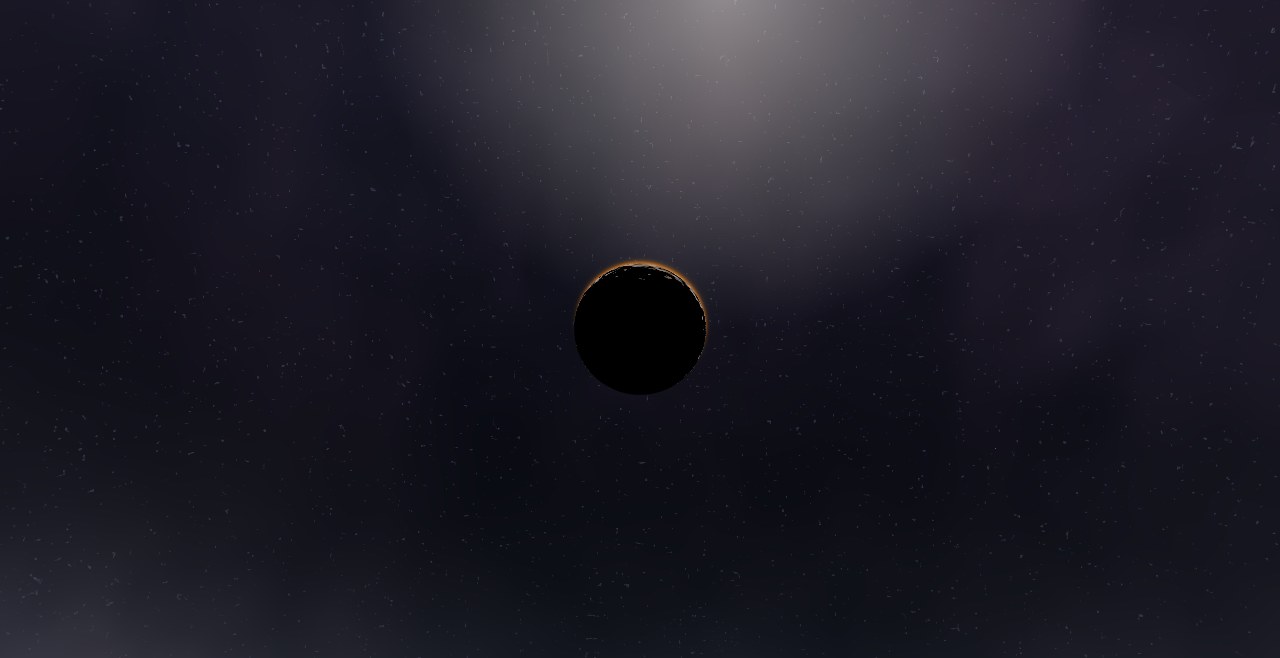
Kepler-973, a Sun-like G-type star of 0.86 solar masses, and Kepler-973 b, a planet with 2.0 Earth radii, with an orbital period of 49.6 days.
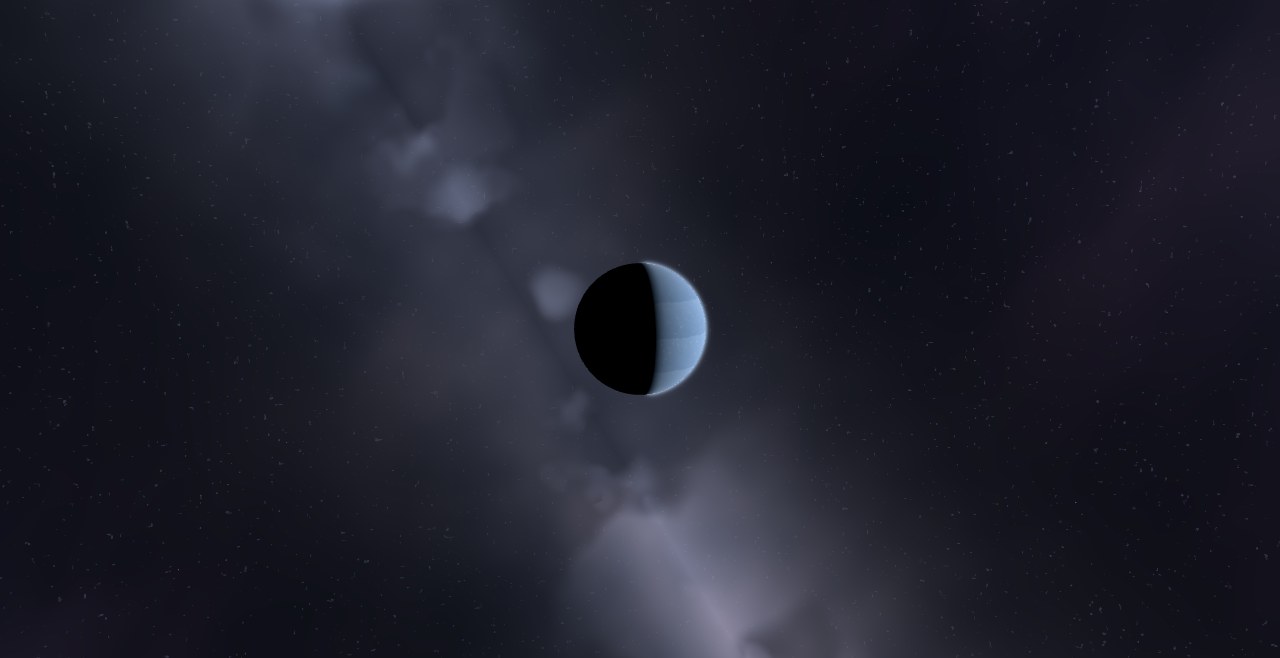
Kepler-976, a Sun-like G-type star of 0.87 solar masses, and Kepler-976 b, a planet with 4.0 Earth radii, with an orbital period of 106 days.
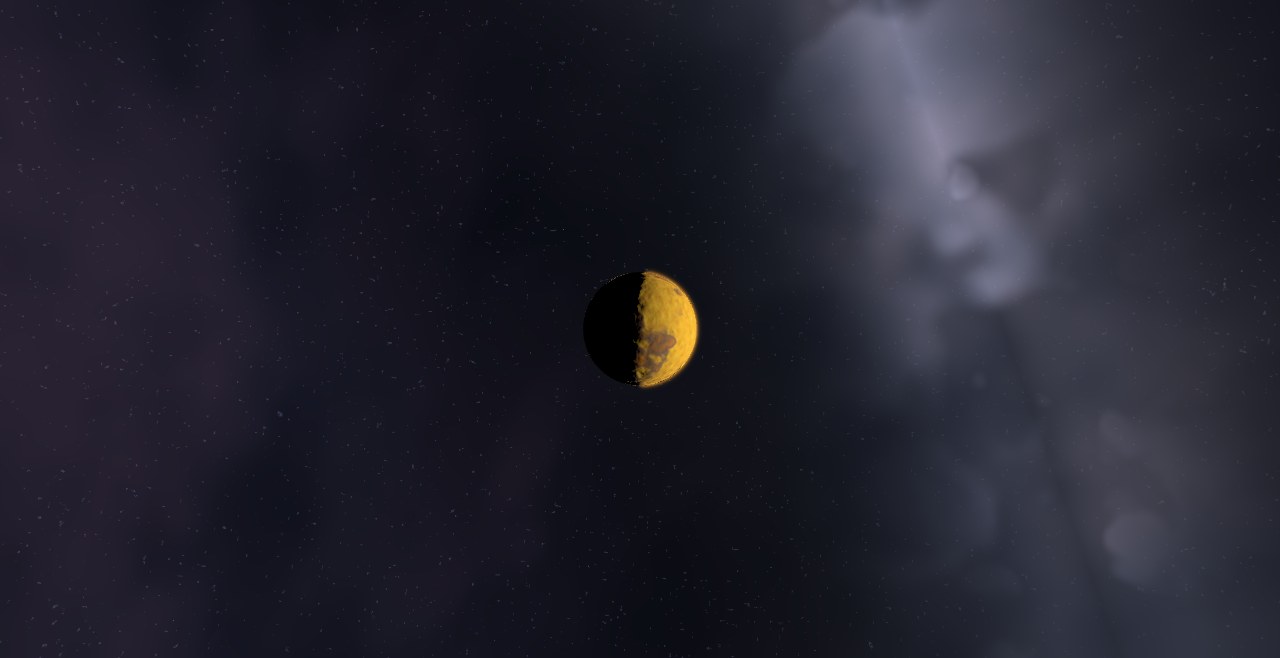
Kepler-977, a Sun-like G-type star of 0.87 solar masses, and Kepler-977 b, a planet with 2.6 Earth radii, with an orbital period of 26.9 days.