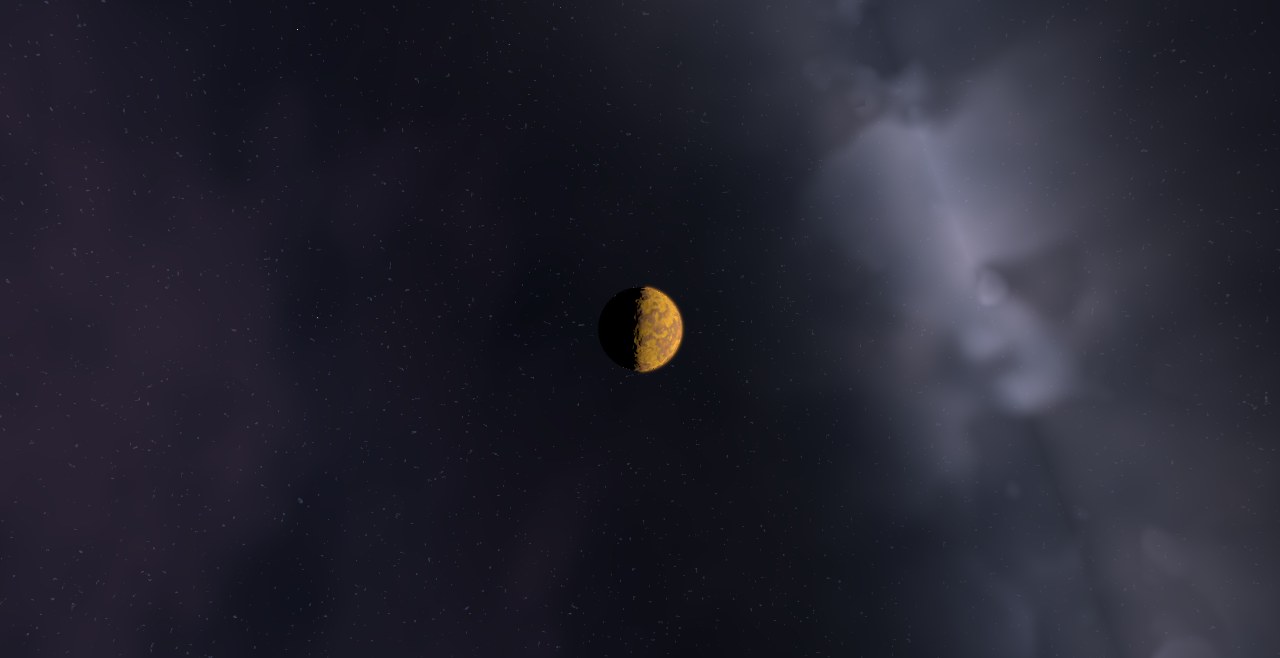
Kepler-1930 - System
Kepler-1930, an orange K-type dwarf of 0.84 solar masses, and Kepler-1930 b, a planet with 1.5 Earth radii, with an orbital period of 13.0 days.
Exoplanets
Analyze isolated alien worlds orbiting a singular host star to observe basic orbital parameters, tidal locks, and planetary eccentricities.
Share
Kepler-1930, an orange K-type dwarf of 0.84 solar masses, and Kepler-1930 b, a planet with 1.5 Earth radii, with an orbital period of 13.0 days.
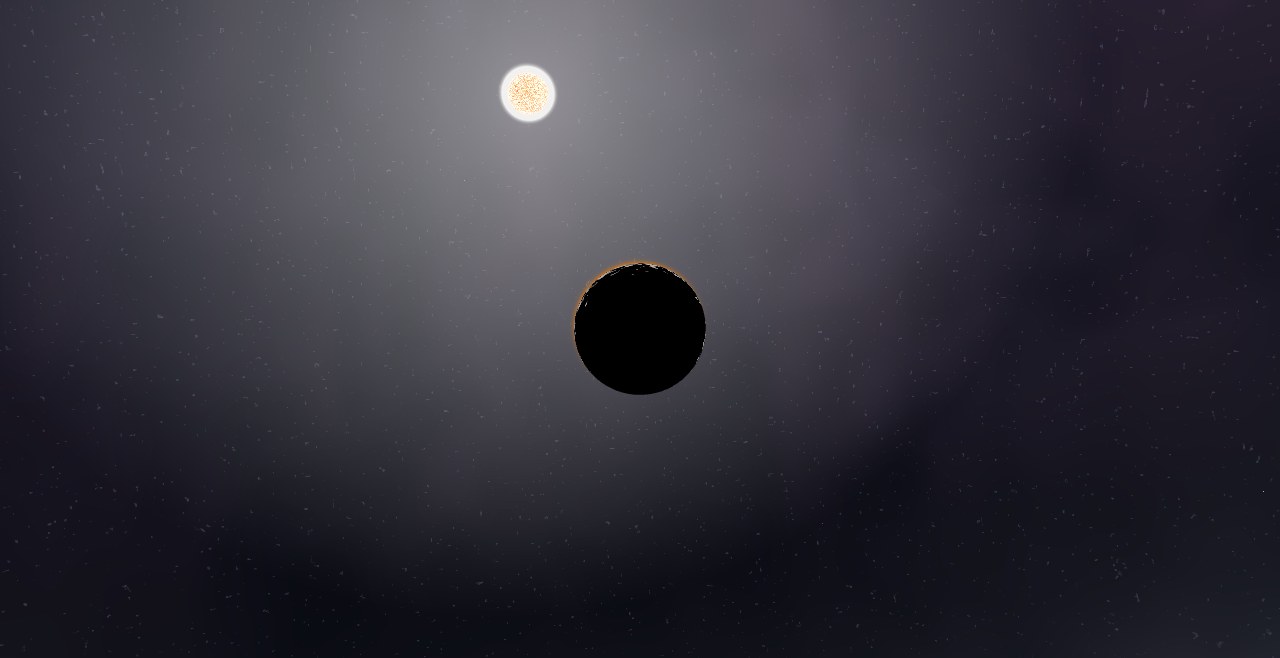
Kepler-1931, a Sun-like F-type star of 1.17 solar masses, and Kepler-1931 b, a planet with 2.7 Earth radii, with an orbital period of 38.6 days.
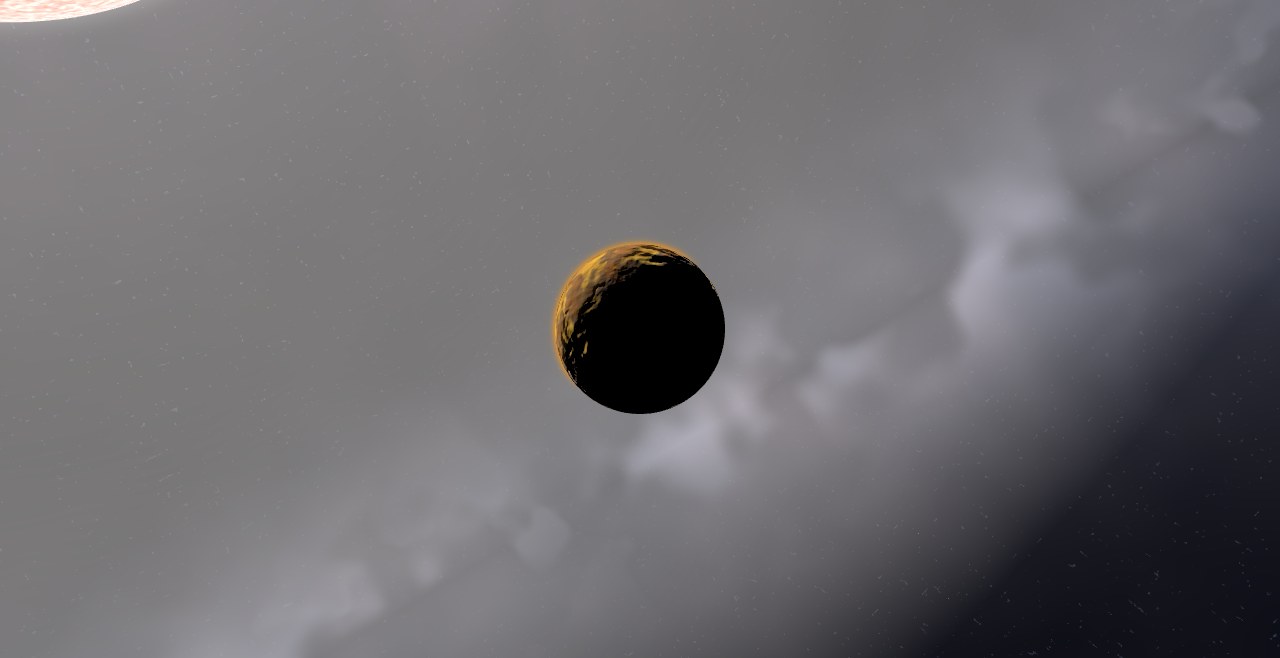
Kepler-1932, a Sun-like G-type star of 0.91 solar masses, and Kepler-1932 b, a planet with 1.5 Earth radii, with an orbital period of 12.6 hours.
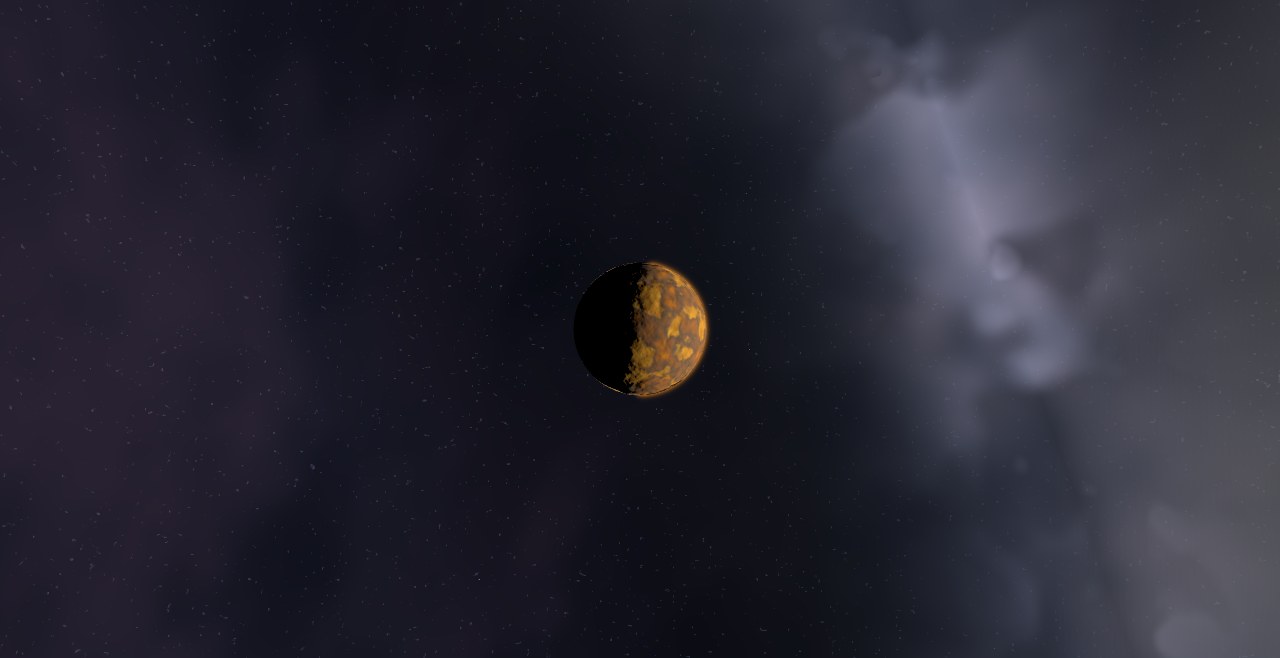
Kepler-1933, a Sun-like G-type star of 0.96 solar masses, and Kepler-1933 b, a planet with 1.2 Earth radii, with an orbital period of 4.9 days.
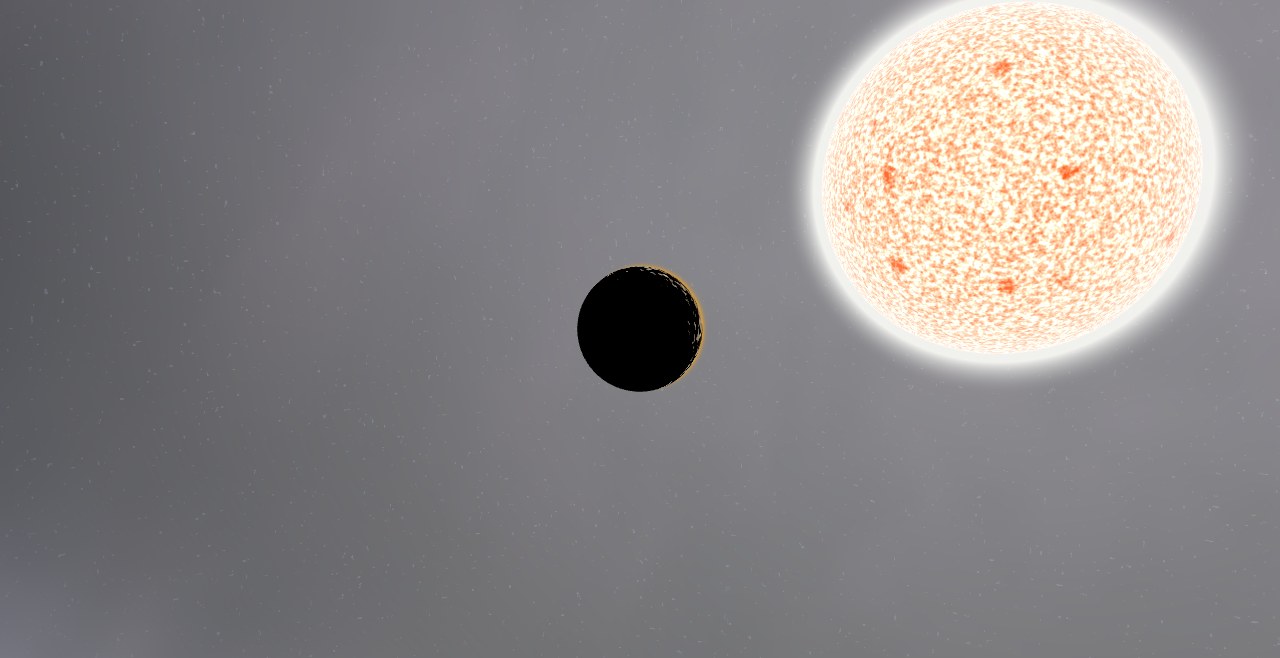
Kepler-1934, a Sun-like G-type star of 0.97 solar masses, and Kepler-1934 b, a planet with 0.9 Earth radii, with an orbital period of 1.4 days.
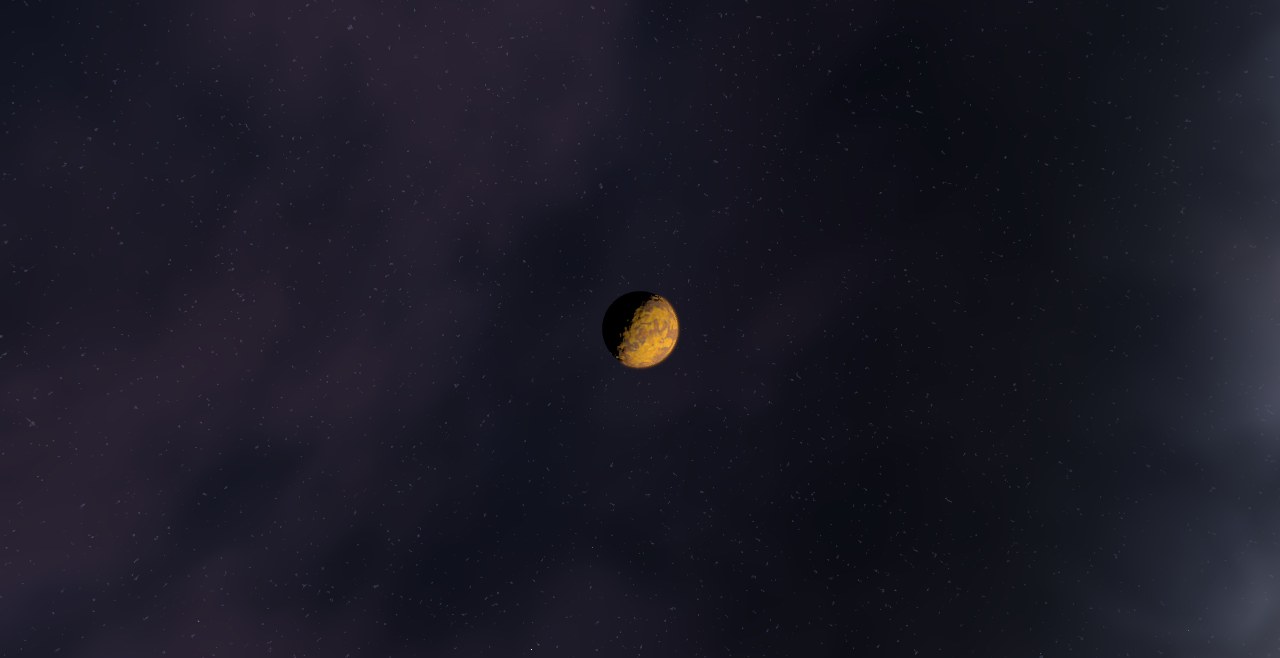
Kepler-1935, a Sun-like G-type star of 0.84 solar masses, and Kepler-1935 b, a planet with 2.5 Earth radii, with an orbital period of 4.0 days.
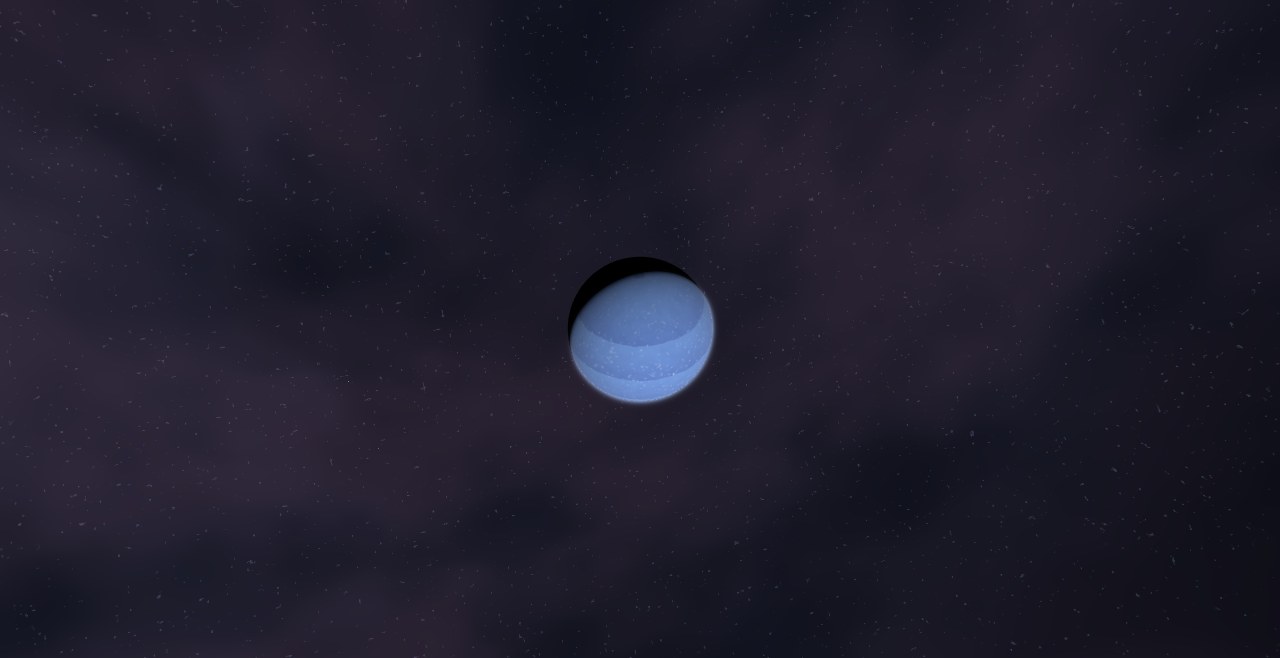
Kepler-1936, a Sun-like F-type star of 1.42 solar masses, and Kepler-1936 b, a planet with 3.2 Earth radii, with an orbital period of 127 days.
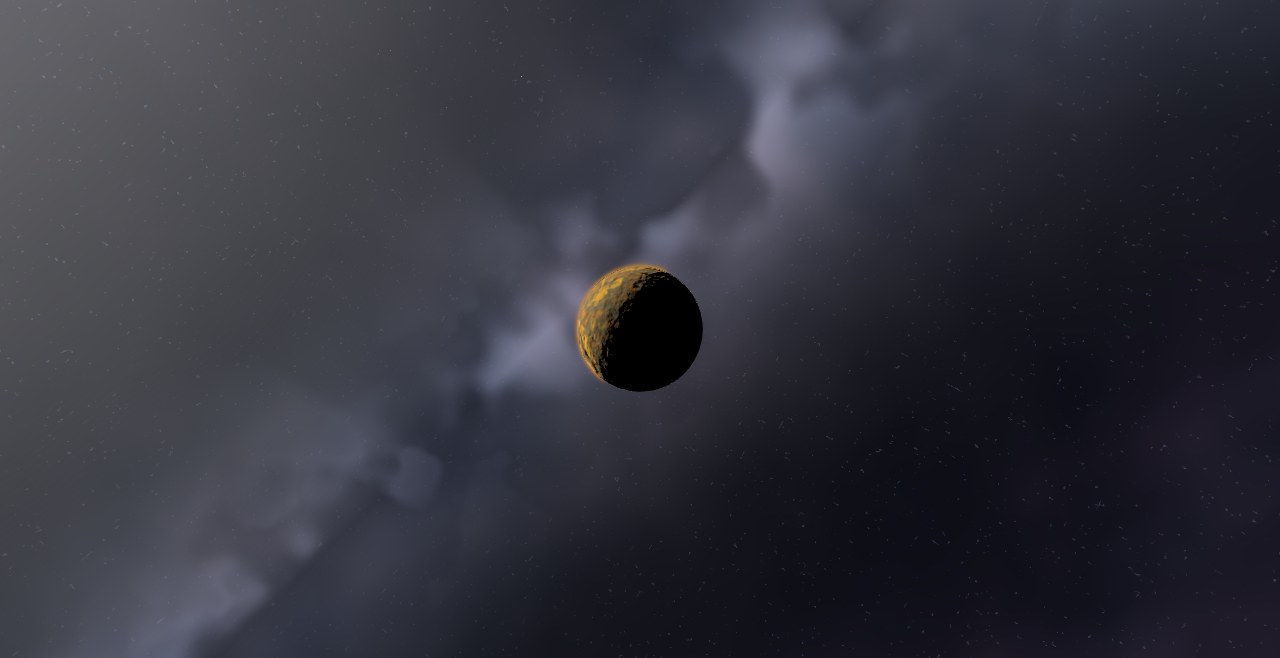
Kepler-1937, a Sun-like F-type star of 1.19 solar masses, and Kepler-1937 b, a planet with 3.0 Earth radii, with an orbital period of 9.7 days.
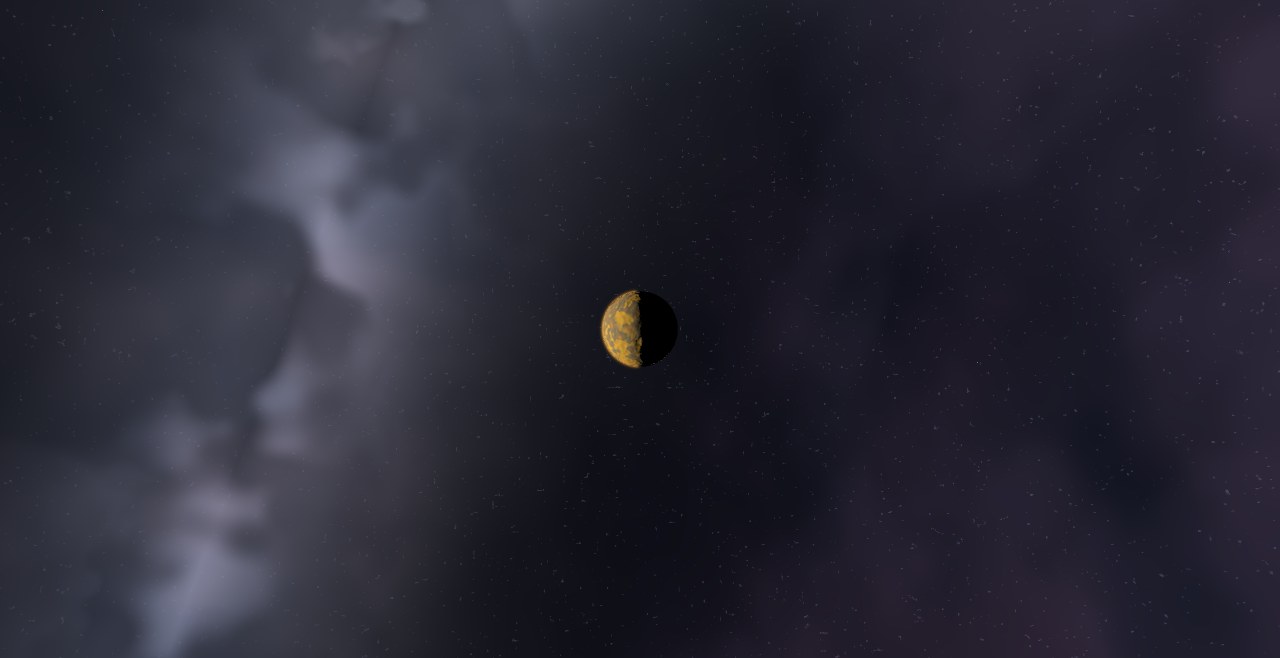
Kepler-1938, an orange K-type dwarf of 0.65 solar masses, and Kepler-1938 b, a planet with 1.8 Earth radii, with an orbital period of 13.1 days.
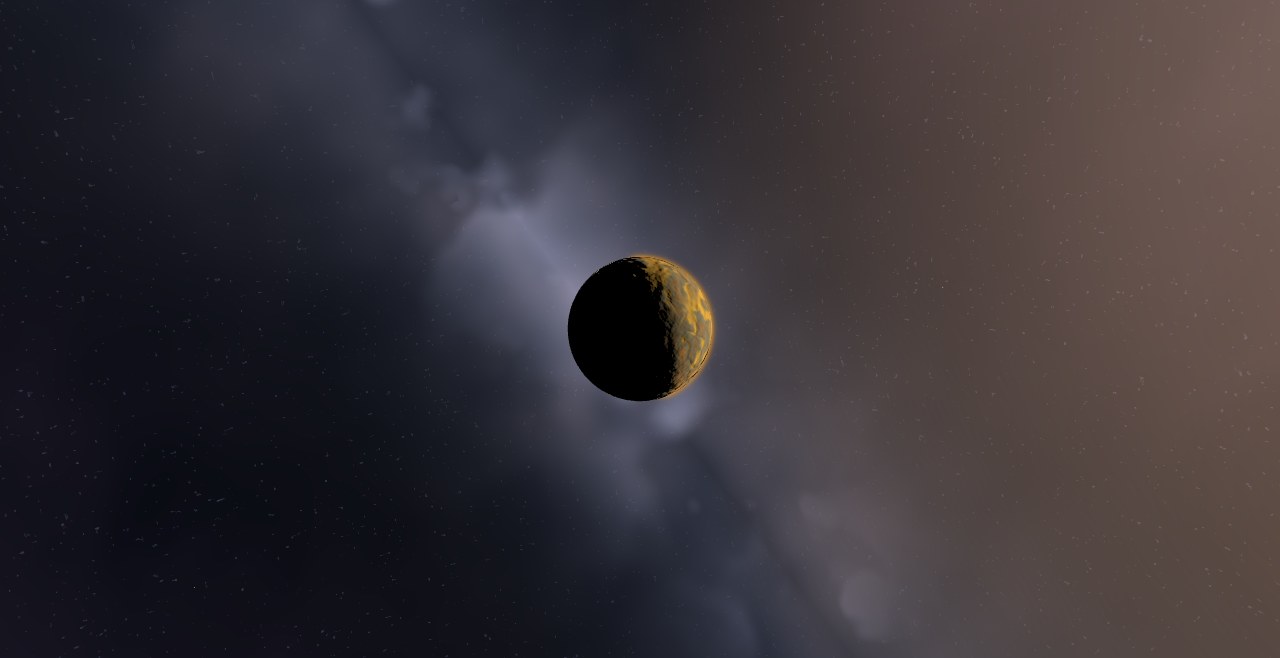
Kepler-1939, an orange K-type dwarf of 0.65 solar masses, and Kepler-1939 b, a planet with 1.2 Earth radii, with an orbital period of 2.8 days.
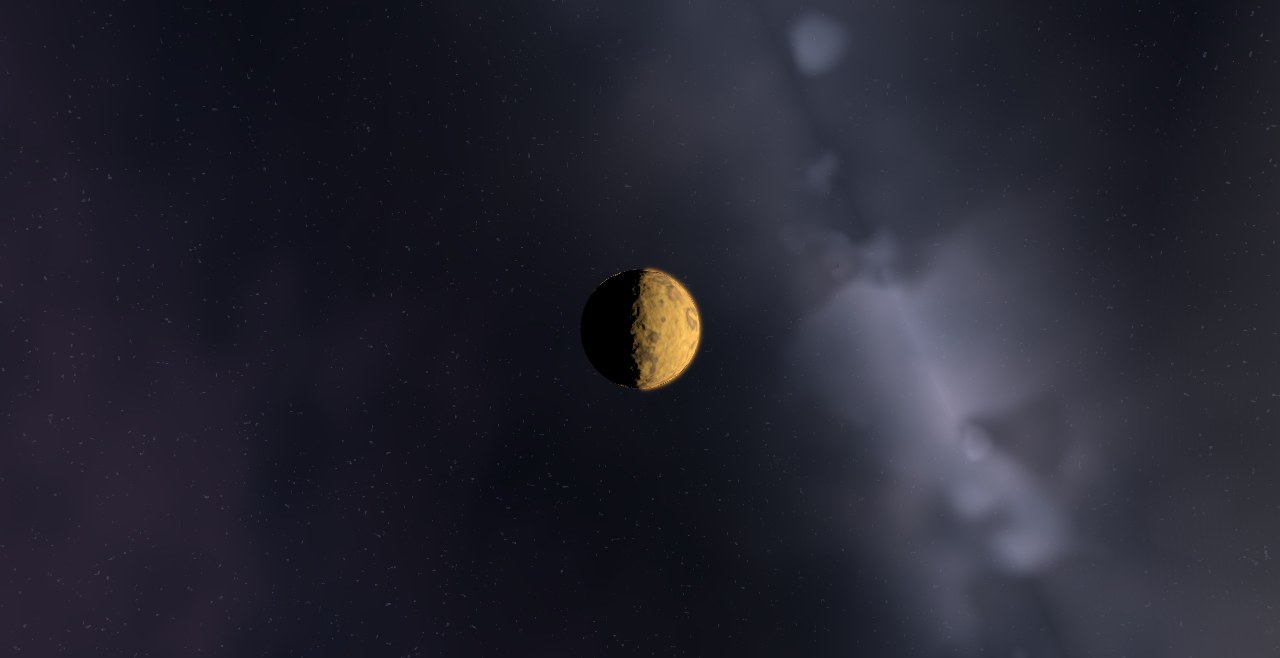
Kepler-1940, a Sun-like G-type star of 0.80 solar masses, and Kepler-1940 b, a planet with 1.5 Earth radii, with an orbital period of 5.0 days.
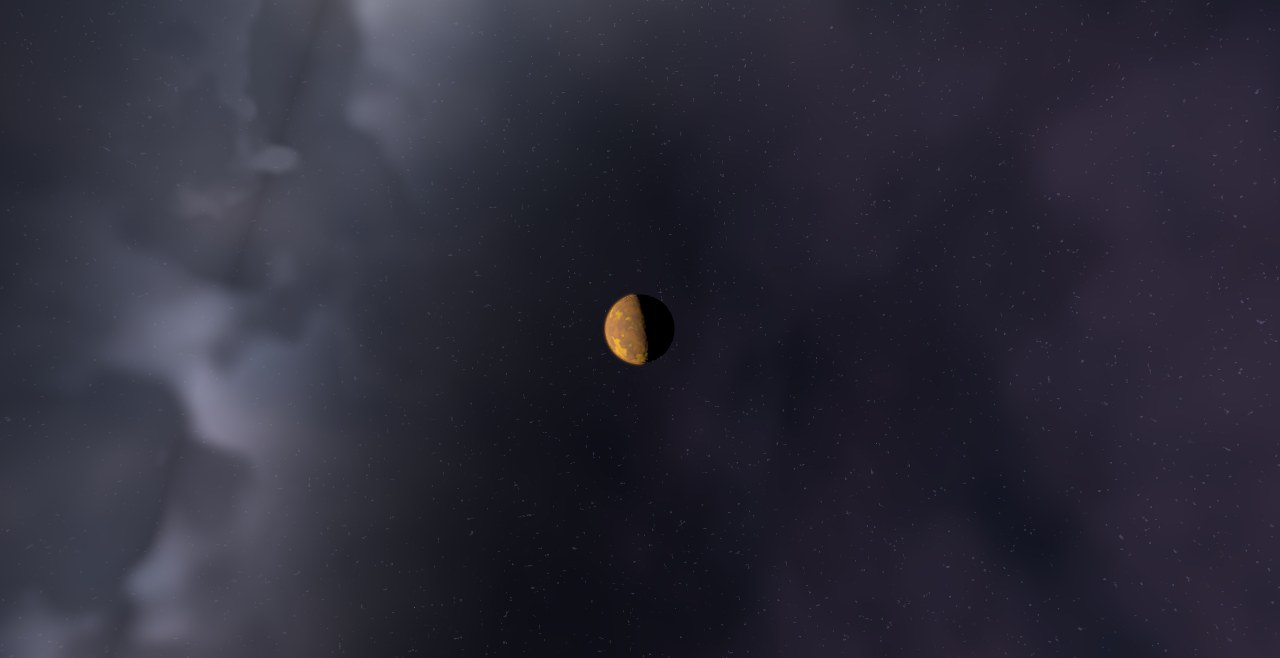
Kepler-1941, a Sun-like F-type star of 1.18 solar masses, and Kepler-1941 b, a planet with 2.6 Earth radii, with an orbital period of 31.3 days.
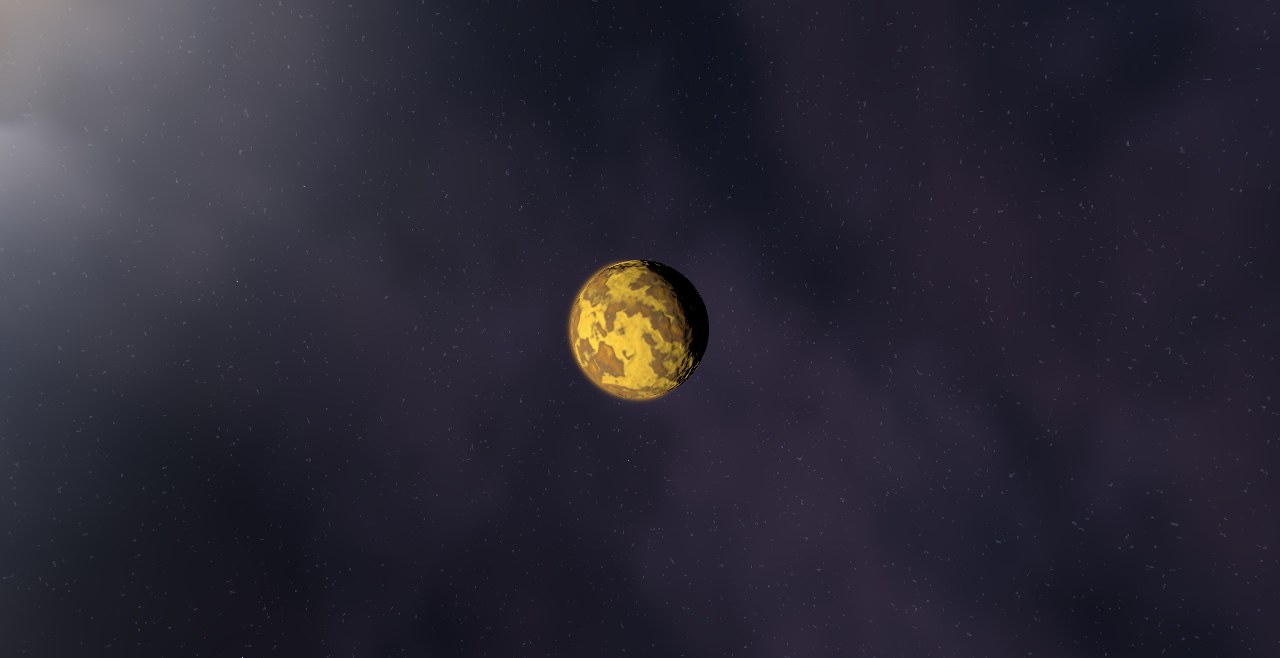
Kepler-1942, a Sun-like G-type star of 0.85 solar masses, and Kepler-1942 b, a planet with 2.1 Earth radii, with an orbital period of 4.6 days.
Kepler-1943, a Sun-like F-type star of 1.05 solar masses, and Kepler-1943 b, a planet with 1.5 Earth radii, with an orbital period of 4.9 days.
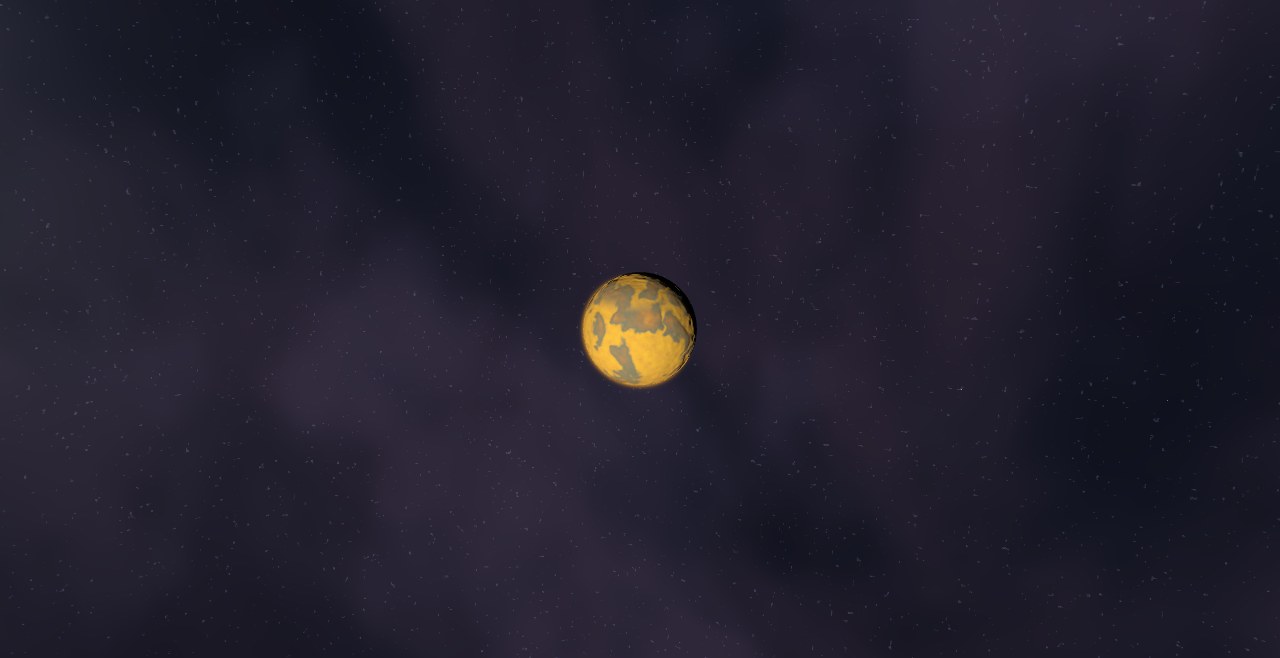
Kepler-1944, a Sun-like G-type star of 1.06 solar masses, and Kepler-1944 b, a planet with 2.8 Earth radii, with an orbital period of 9.8 days.
Kepler-1945, an orange K-type dwarf of 0.77 solar masses, and Kepler-1945 b, a planet with 1.3 Earth radii, with an orbital period of 6.1 days.
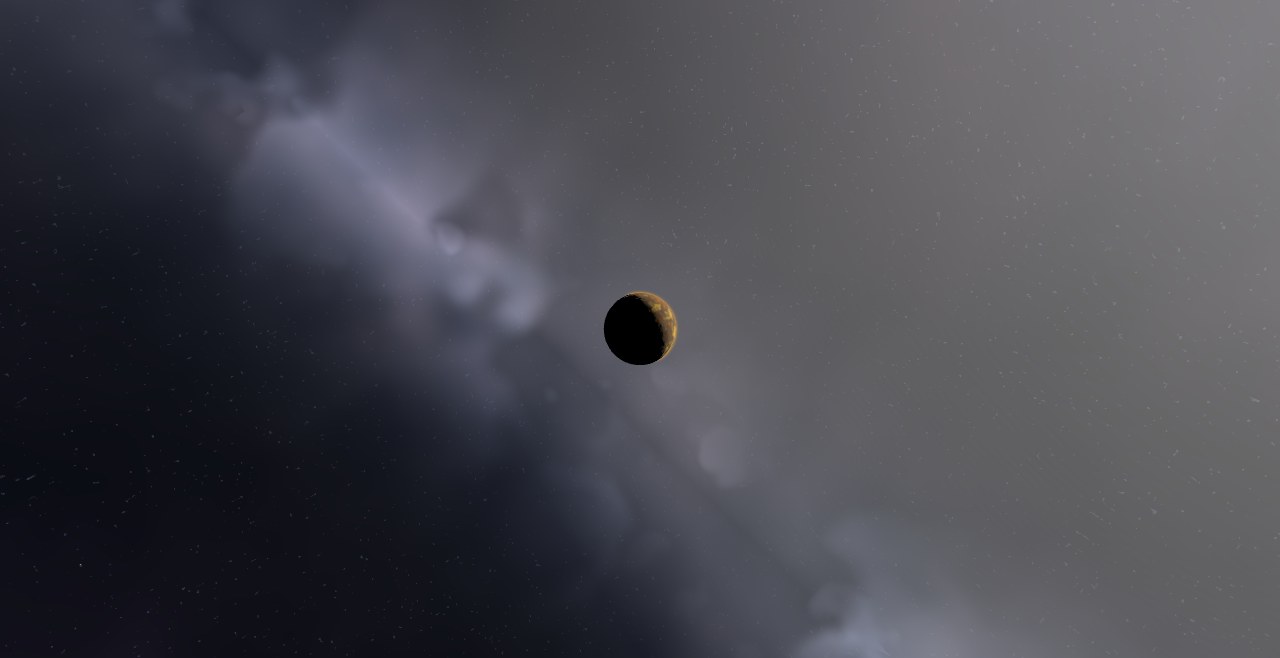
Kepler-1946, a Sun-like G-type star of 0.89 solar masses, and Kepler-1946 b, a planet with 2.5 Earth radii, with an orbital period of 3.0 days.
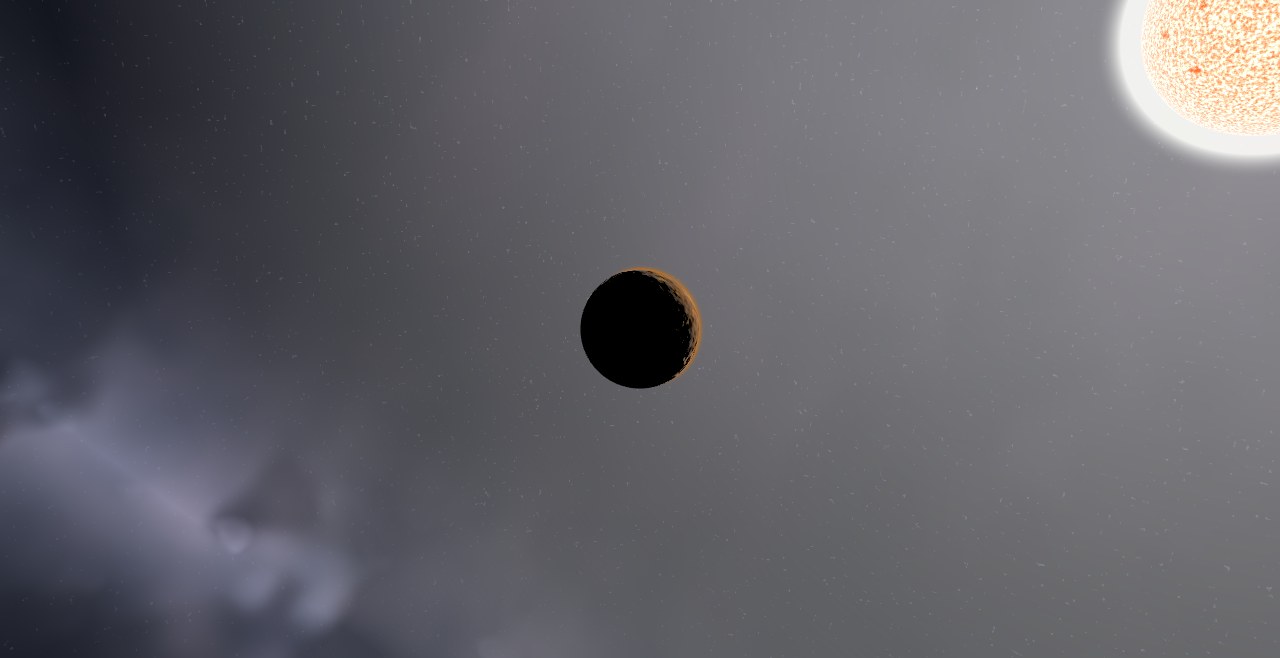
Kepler-1947, a Sun-like F-type star of 0.98 solar masses, and Kepler-1947 b, a planet with 1.0 Earth radii, with an orbital period of 7.0 days.