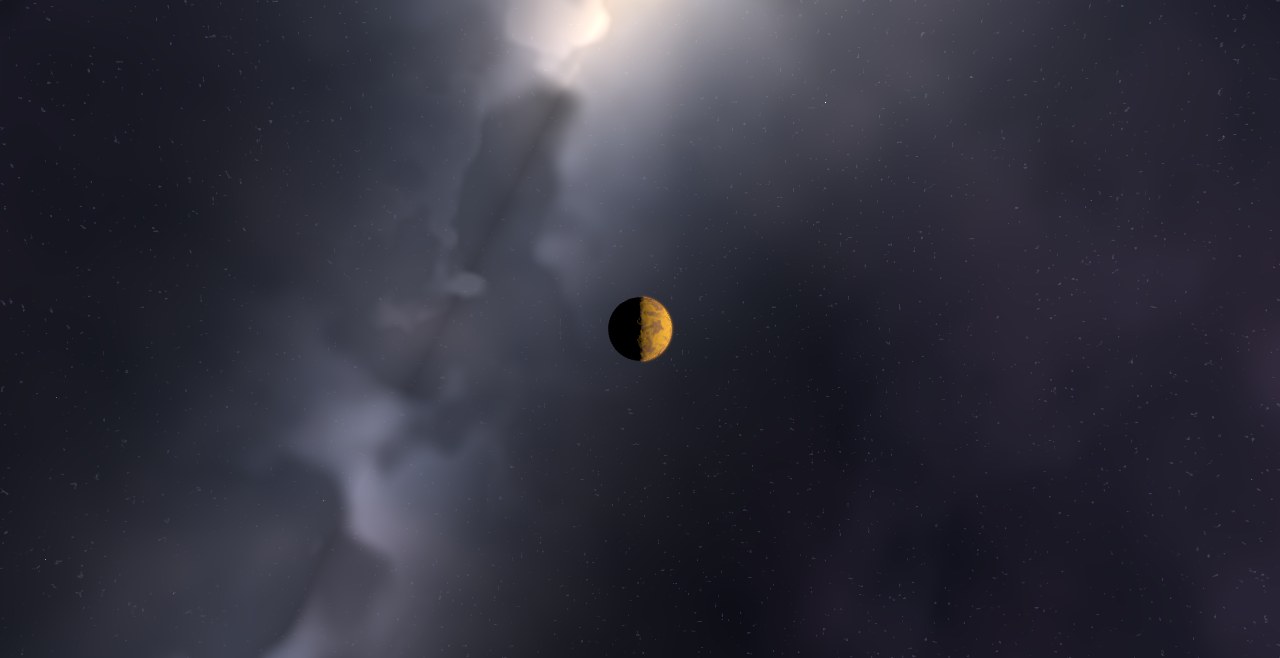
Kepler-449 - System
Kepler-449, a Sun-like G-type star of 1.02 solar masses, and Kepler-449 b, a planet with 2.1 Earth radii, with an orbital period of 12.6 days.
3D Space and Gravity Simulator. Simulate the solar system, exoplanets and even colliding galaxies. Add, delete and modify planets, and change the laws of physics.
Share
Kepler-449, a Sun-like G-type star of 1.02 solar masses, and Kepler-449 b, a planet with 2.1 Earth radii, with an orbital period of 12.6 days.
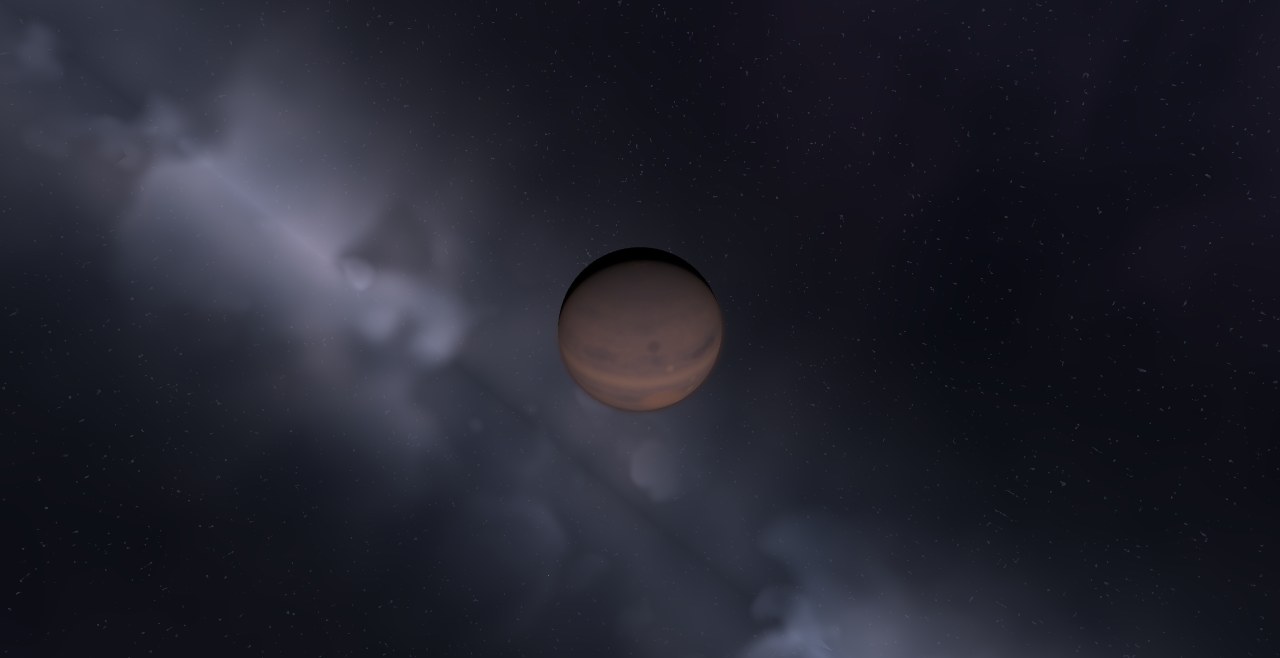
Kepler-45, a cool M-dwarf of 0.59 solar masses, and Kepler-45 b, a 0.51-Jupiter-mass companion, with an orbital period of 2.5 days, at 0.030 AU from its star, and an equilibrium temperature near 1,000 K.
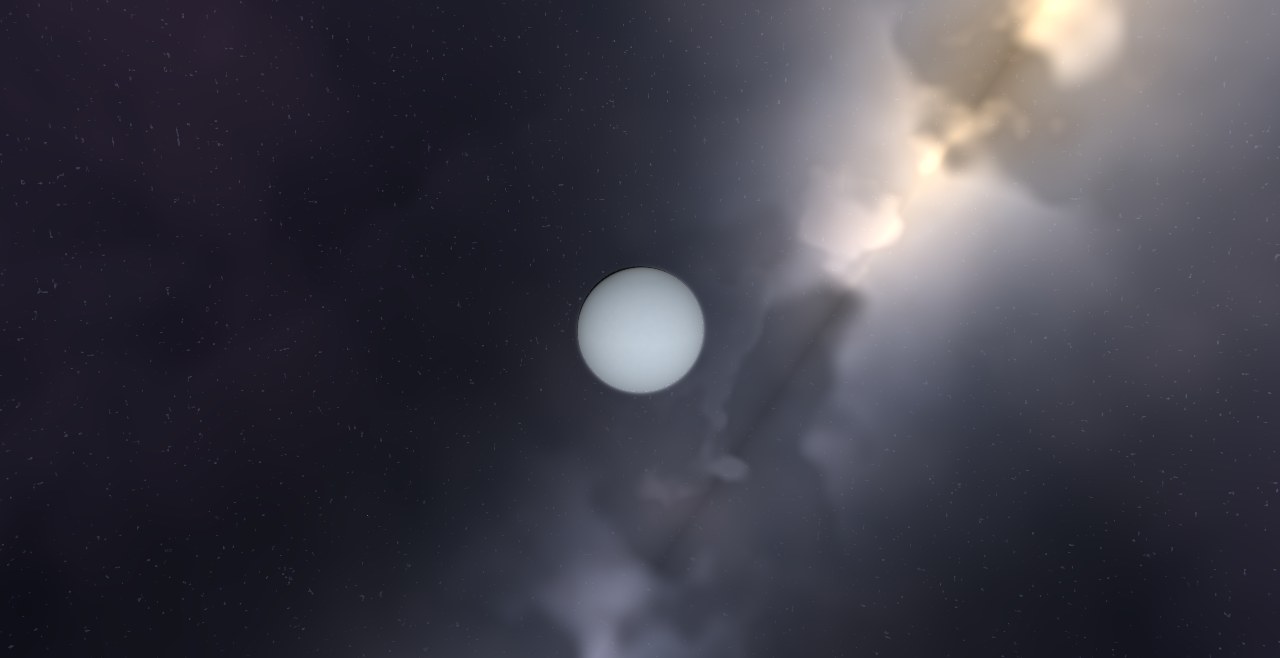
Kepler-450, a Sun-like F-type star of 1.19 solar masses, and Kepler-450 d, a planet with 0.8 Earth radii, with an orbital period of 7.5 days, on an eccentric orbit (e ≈ 0.14).
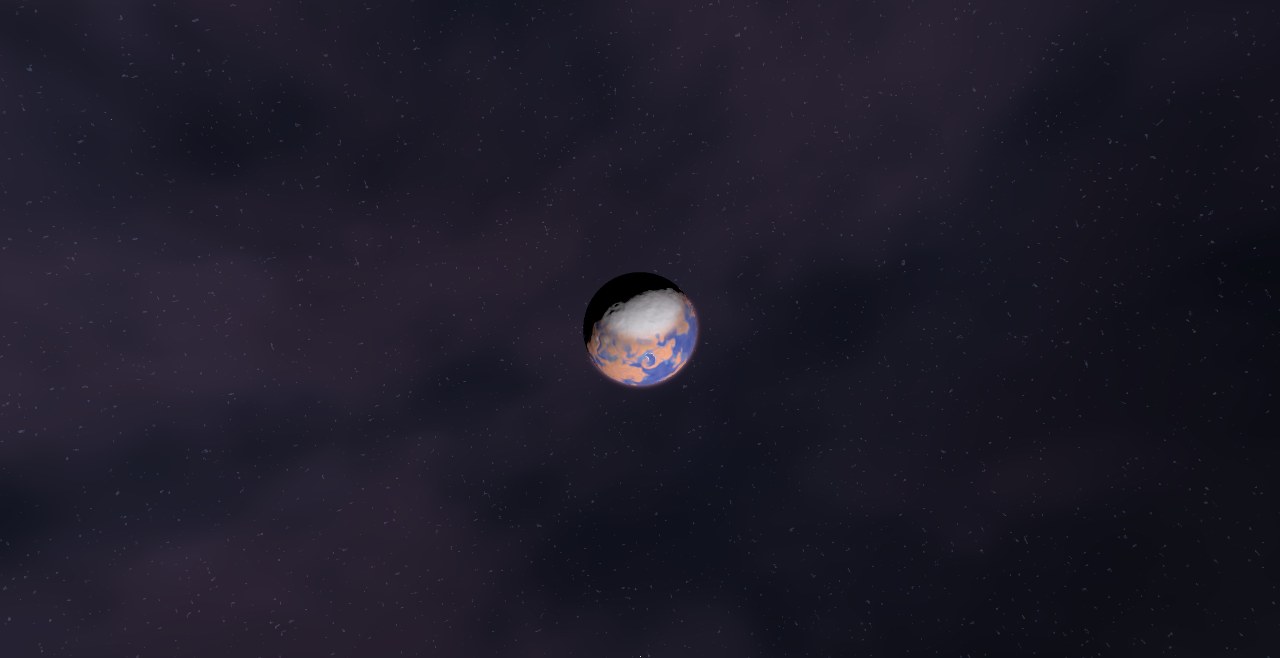
Kepler-452 b, called Earth's older cousin. It is a super-Earth in the habitable zone of a Sun-like star somewhat older than the Sun. It receives only modestly more starlight than Earth.
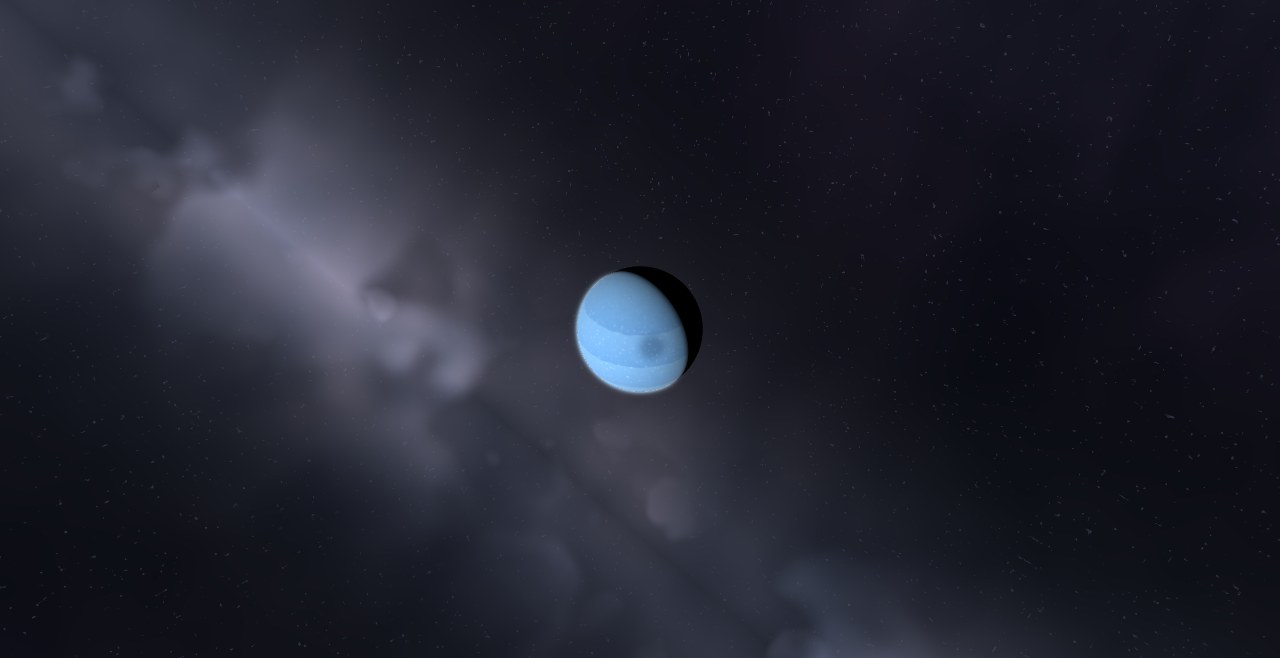
Kepler-453 b, a circumbinary giant that only transits about 9 percent of the time. Precession carries it in and out of our line of sight. Most seasons the planet misses the stars entirely.
Kepler-454, a Sun-like G-type star of 1.03 solar masses, and Kepler-454 b, a 5.4-Earth-mass planet, with an orbital period of 10.6 days, at 0.095 AU from its star, and an equilibrium temperature near 916 K.
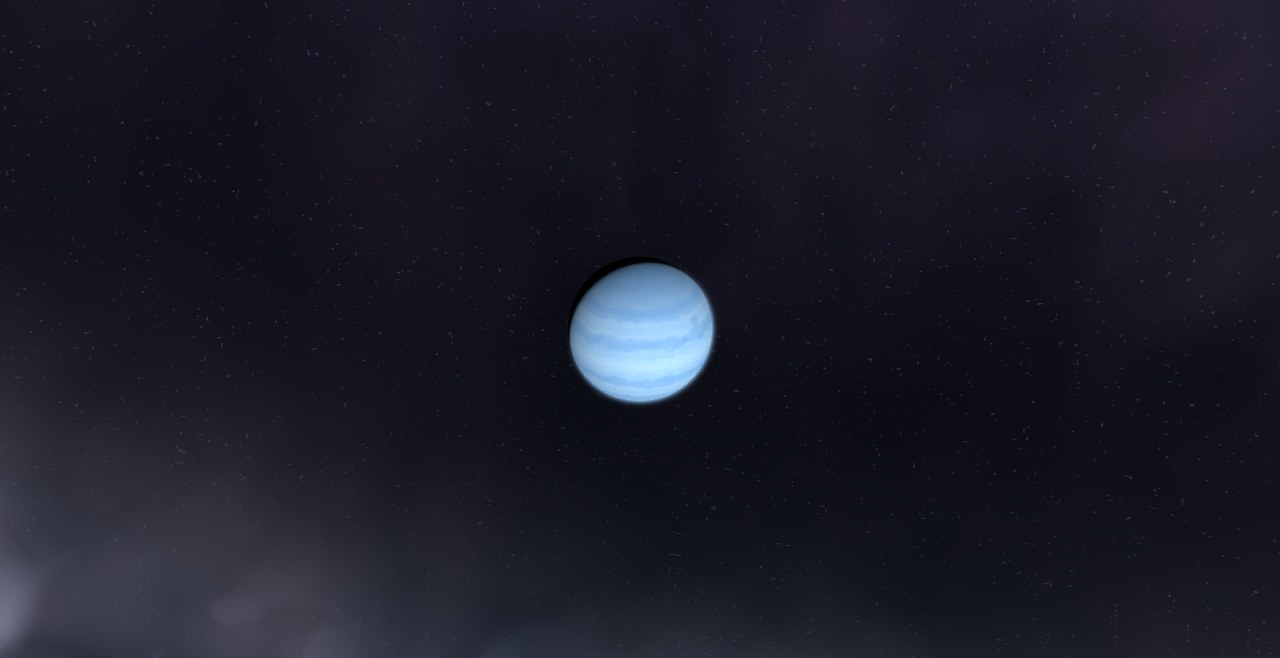
Kepler-46, an orange K-type dwarf of 0.90 solar masses, and Kepler-46 d, a planet with 1.6 Earth radii, with an orbital period of 6.8 days, at 0.067 AU from its star.
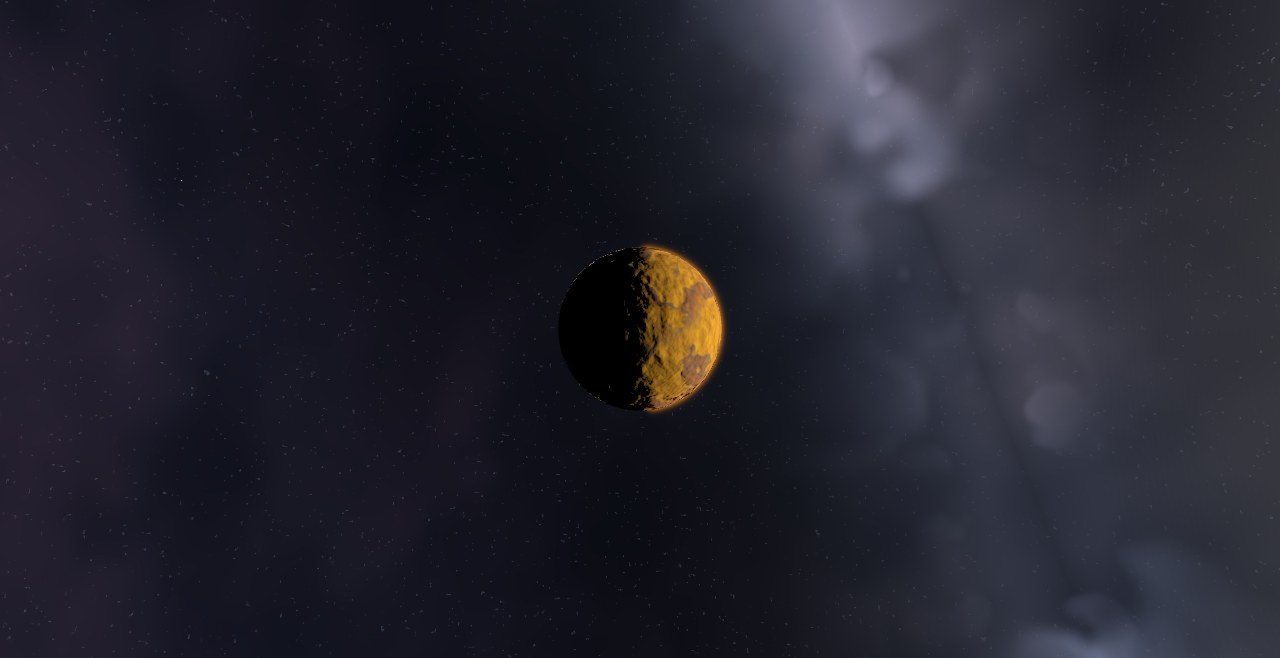
Kepler-461, a Sun-like G-type star of 0.98 solar masses, and Kepler-461 b, a planet with 2.6 Earth radii, with an orbital period of 8.3 days.
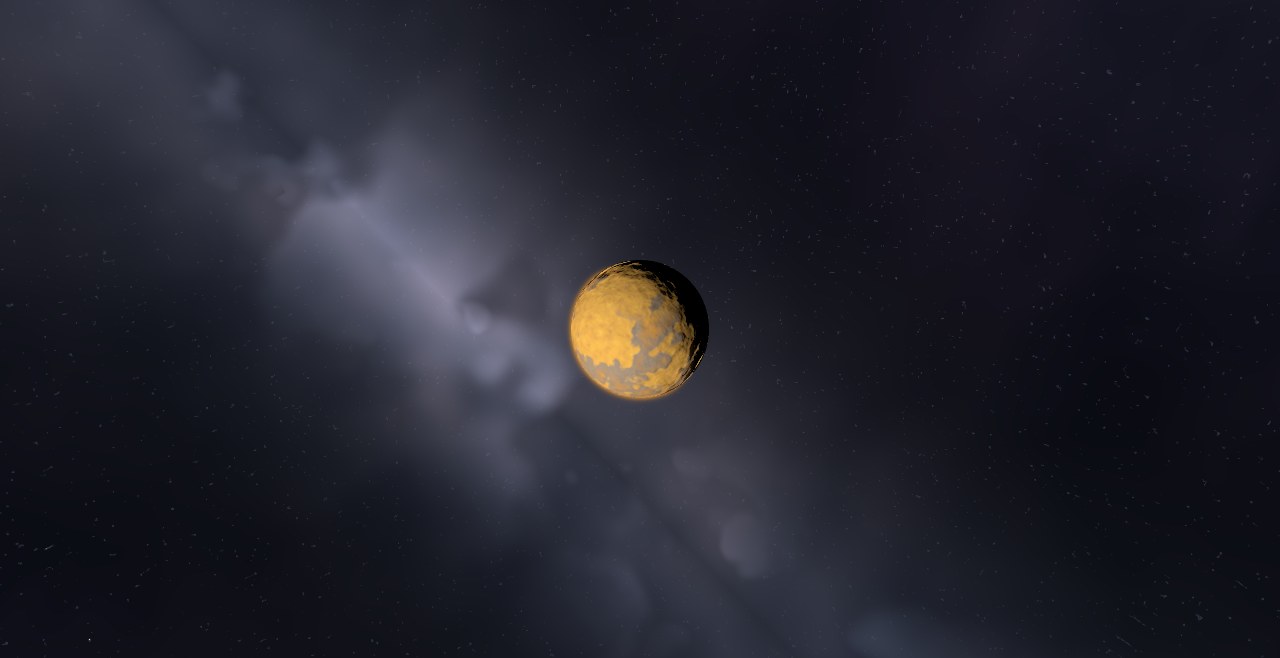
Kepler-462, and Kepler-462 b, a 0.17-Jupiter-mass companion, with an orbital period of 84.7 days.
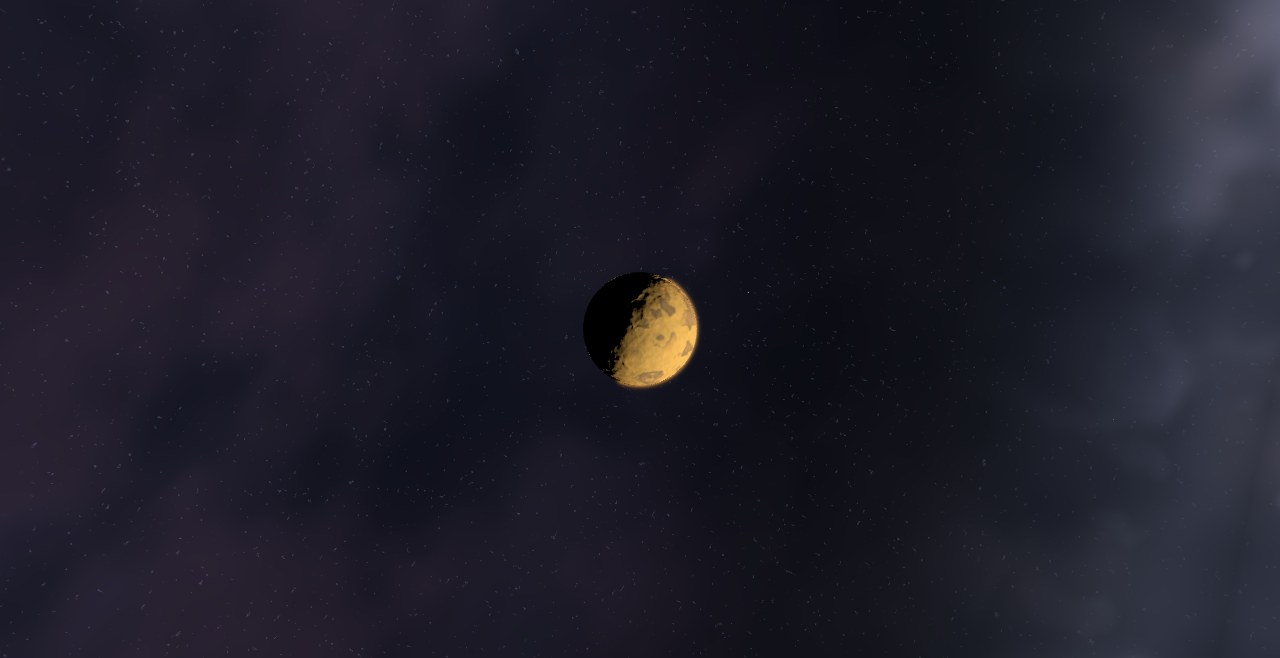
Kepler-463, a Sun-like G-type star of 0.87 solar masses, and Kepler-463 b, a planet with 3.0 Earth radii, with an orbital period of 9.0 days.
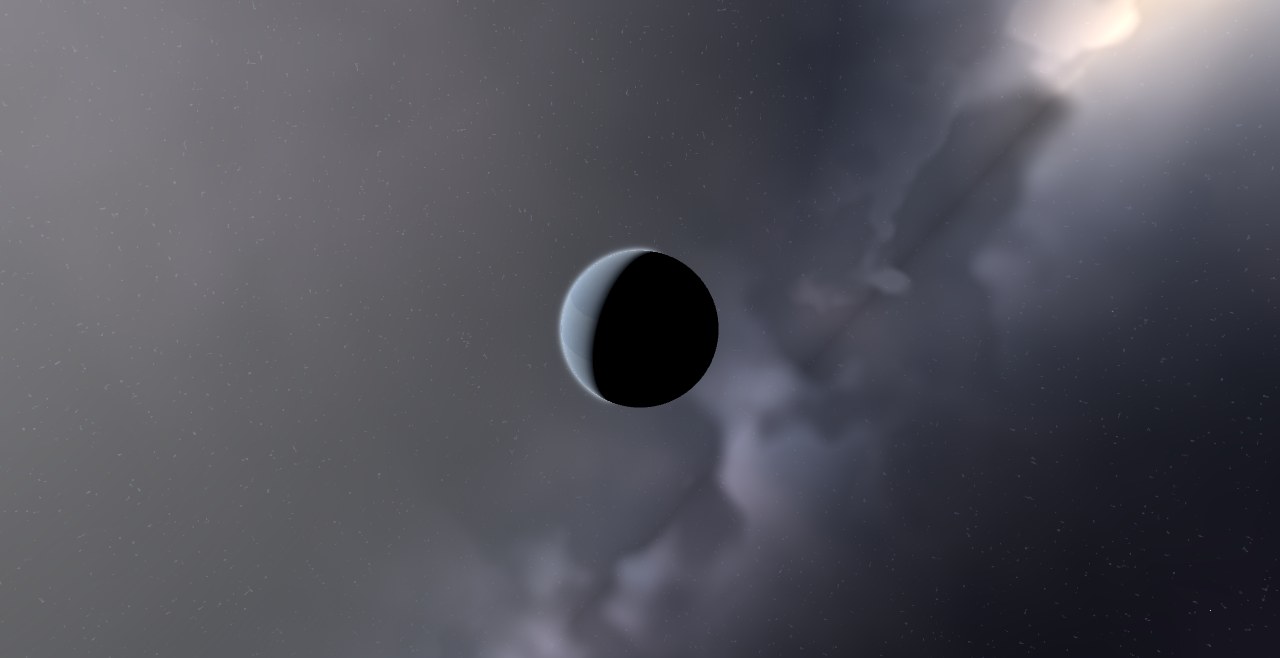
Kepler-464, a Sun-like G-type star of 1.21 solar masses, and Kepler-464 b, a planet with 3.3 Earth radii, with an orbital period of 7.3 days.
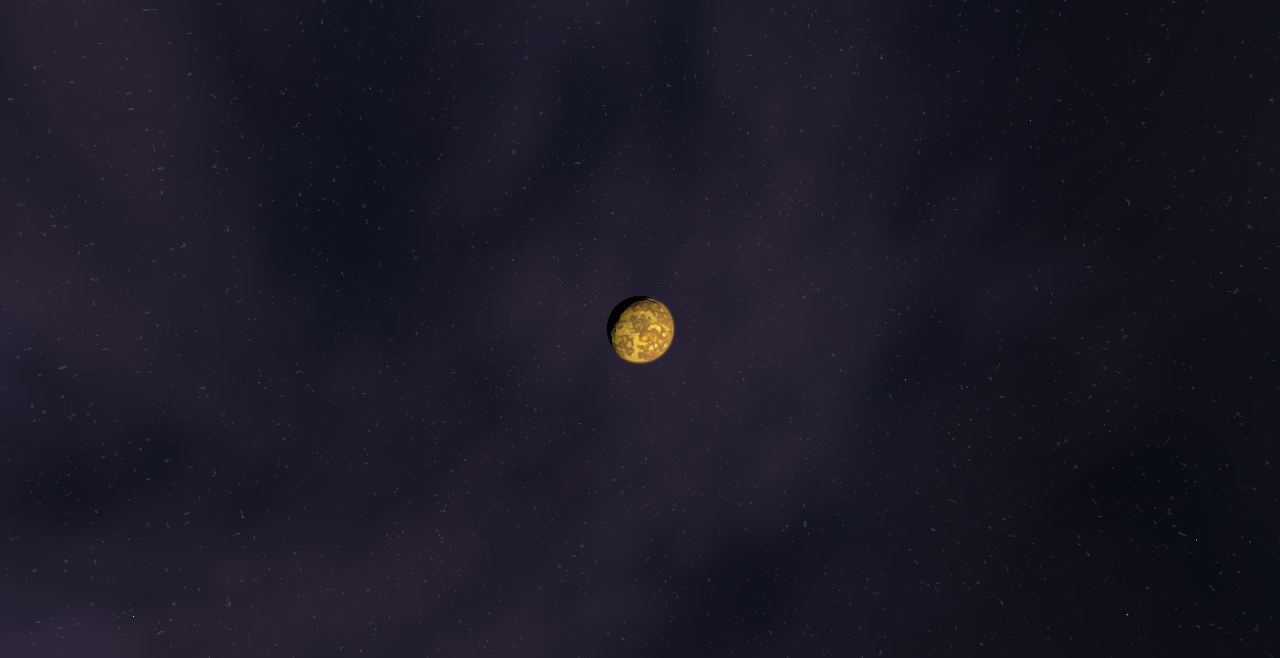
Kepler-465, a Sun-like F-type star of 1.23 solar masses, and Kepler-465 b, a planet with 3.0 Earth radii, with an orbital period of 9.9 days.
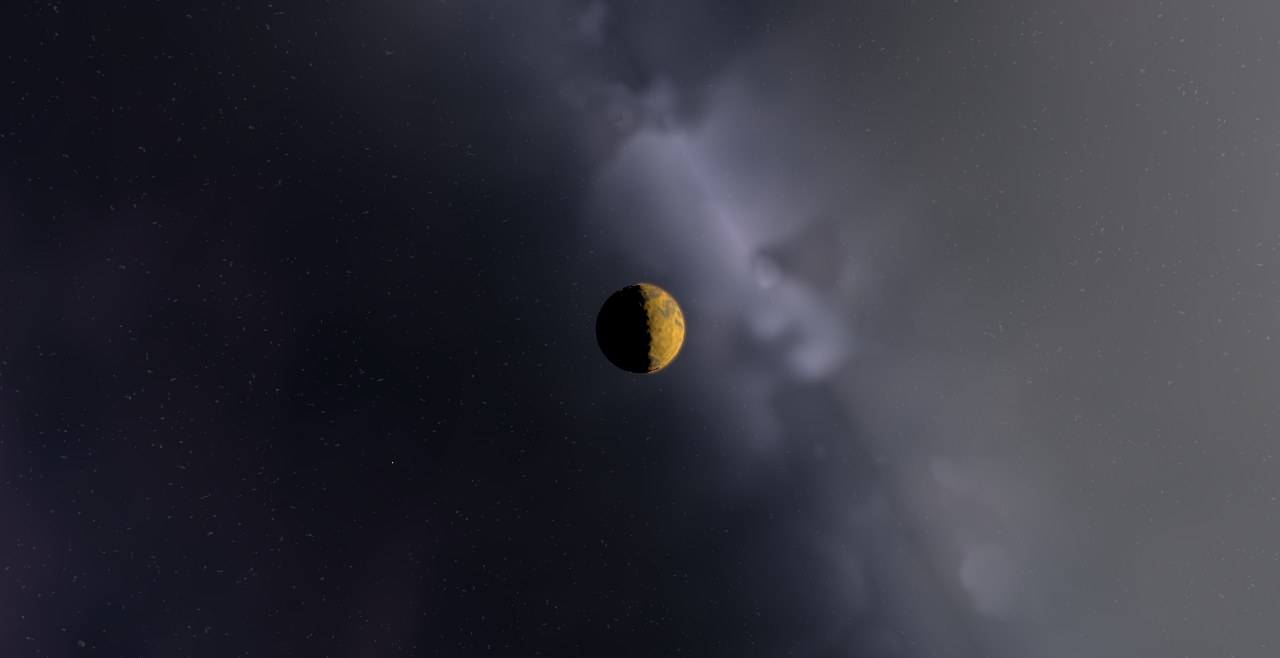
Kepler-466, a Sun-like G-type star of 1.04 solar masses, and Kepler-466 c, a planet with 1.3 Earth radii, with an orbital period of 3.7 days.
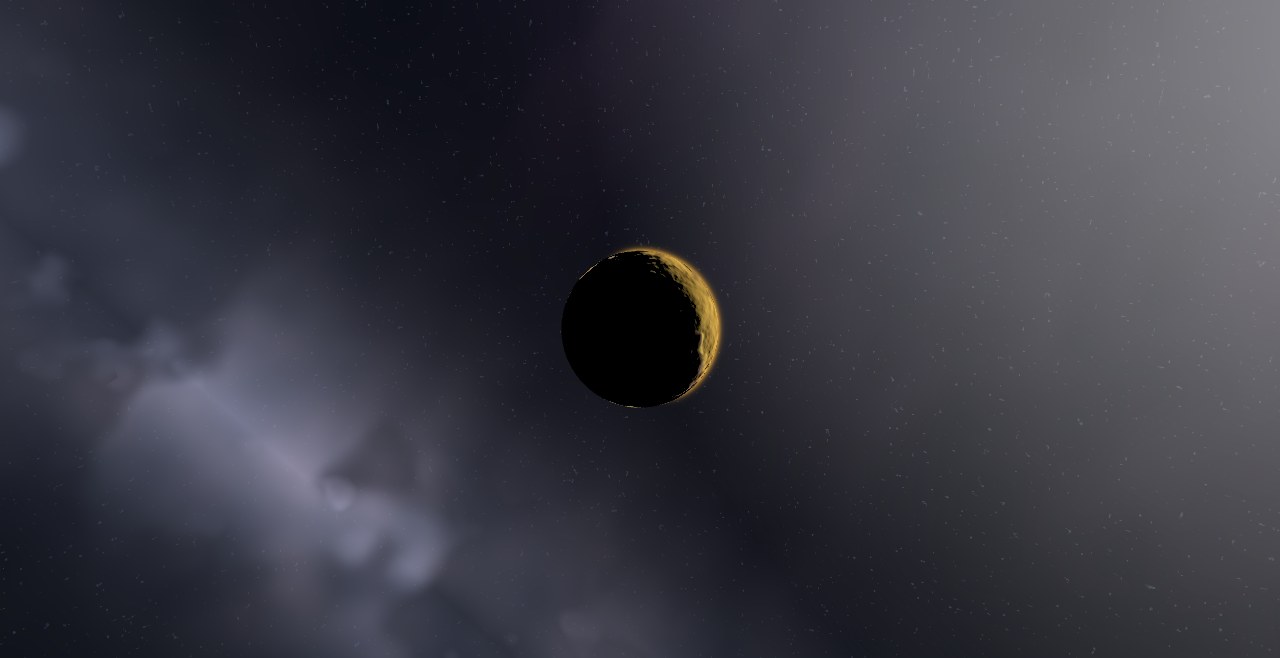
Kepler-467, a Sun-like G-type star of 1.05 solar masses, and Kepler-467 b, a planet with 2.3 Earth radii, with an orbital period of 25.0 days.
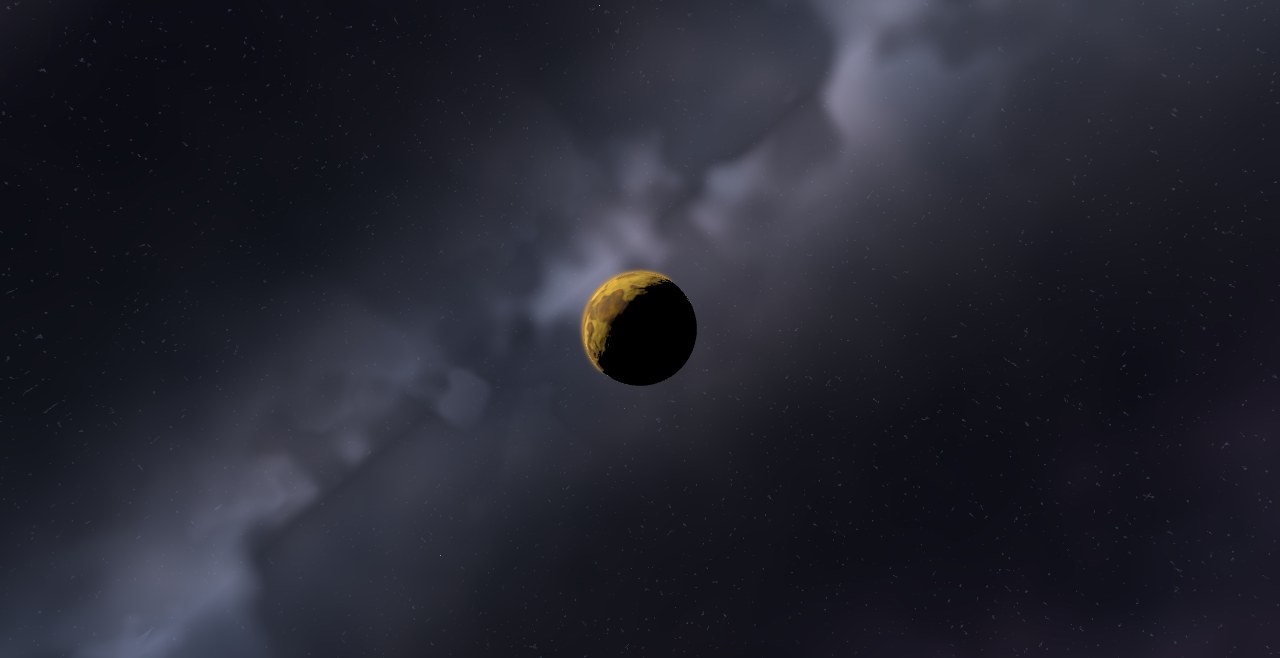
Kepler-468, a Sun-like G-type star of 0.96 solar masses, and Kepler-468 b, a planet with 13.3 Earth radii, with an orbital period of 38.5 days.
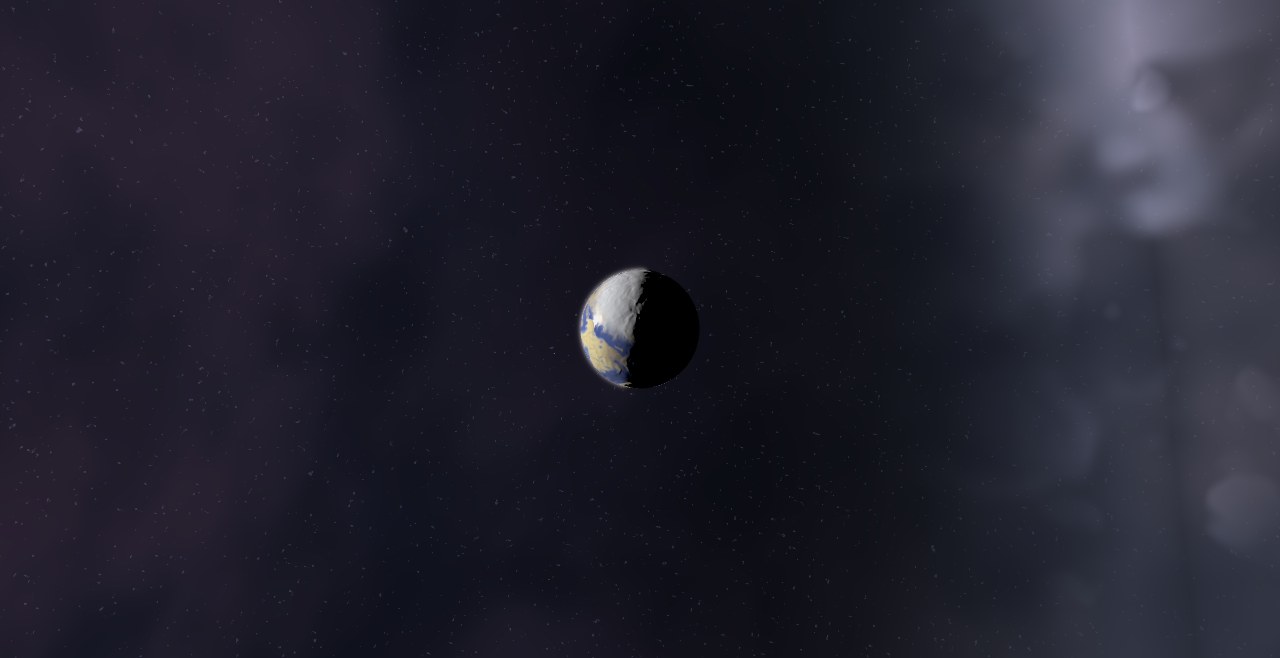
Kepler-47, the first multi-planet system around two stars. At least one of its circumbinary worlds sits near the binary's habitable zone. The stellar pair itself eclipses about every week.
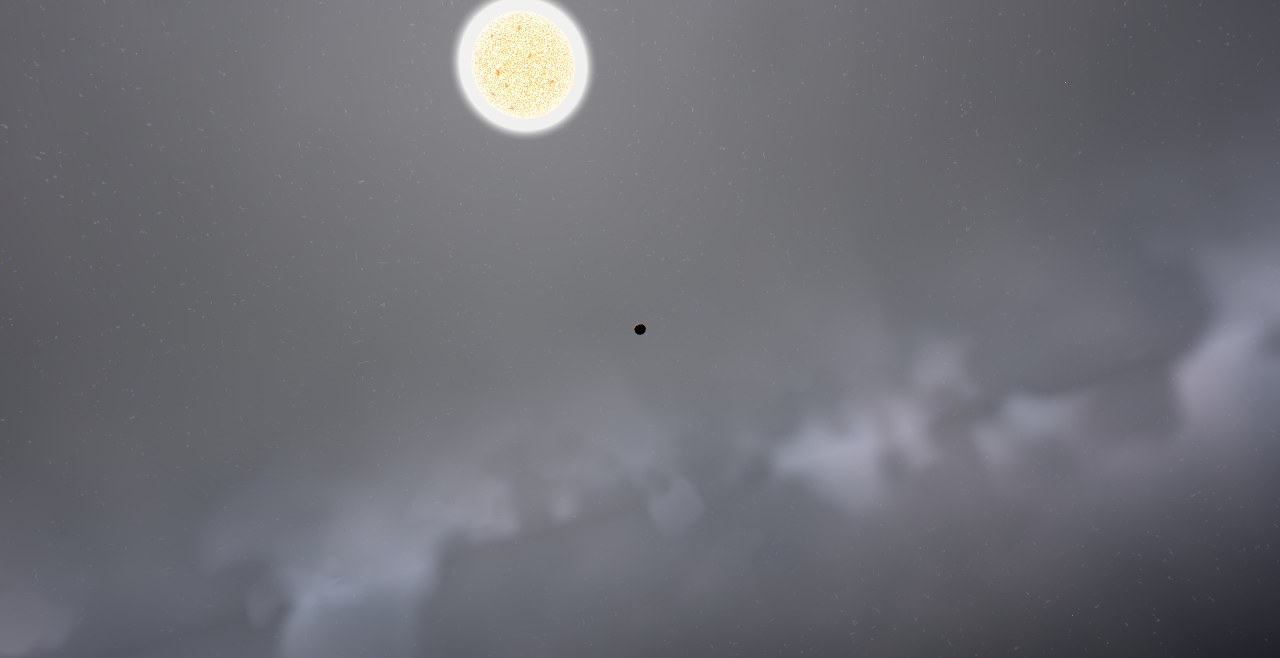
Kepler-471, a Sun-like F-type star of 1.49 solar masses, and Kepler-471 b, a planet with 15.0 Earth radii, with an orbital period of 5.0 days.
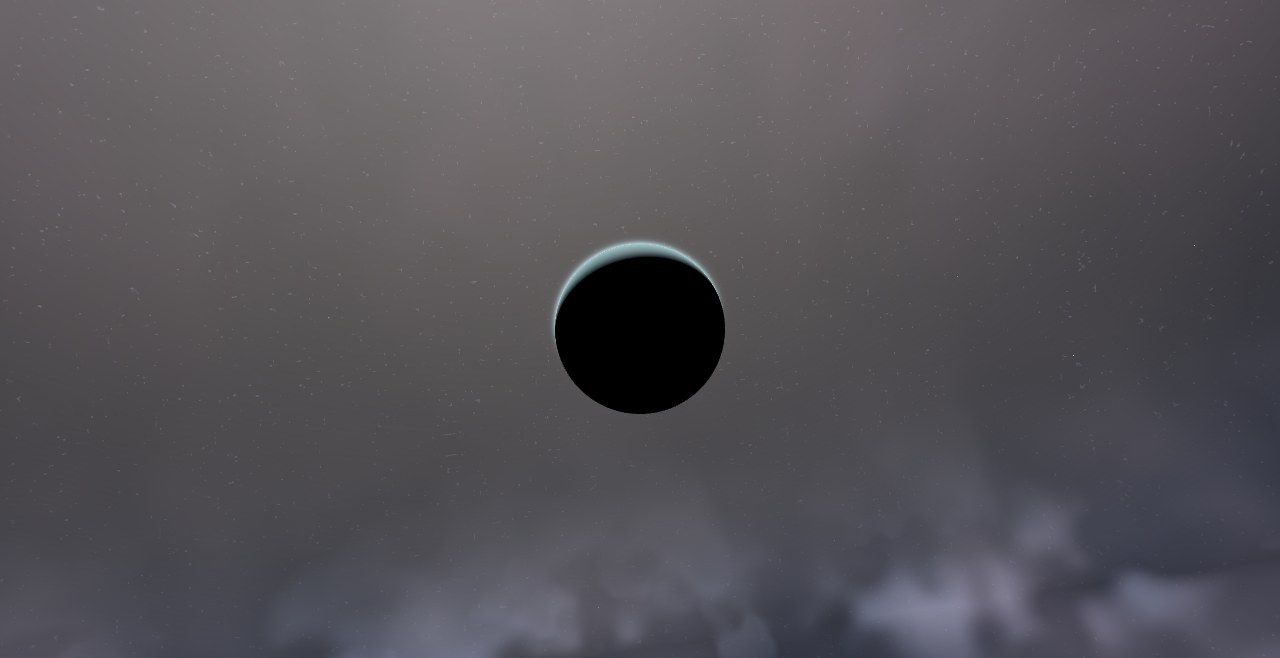
Kepler-472, an orange K-type dwarf of 0.85 solar masses, and Kepler-472 b, a planet with 3.2 Earth radii, with an orbital period of 4.2 days.