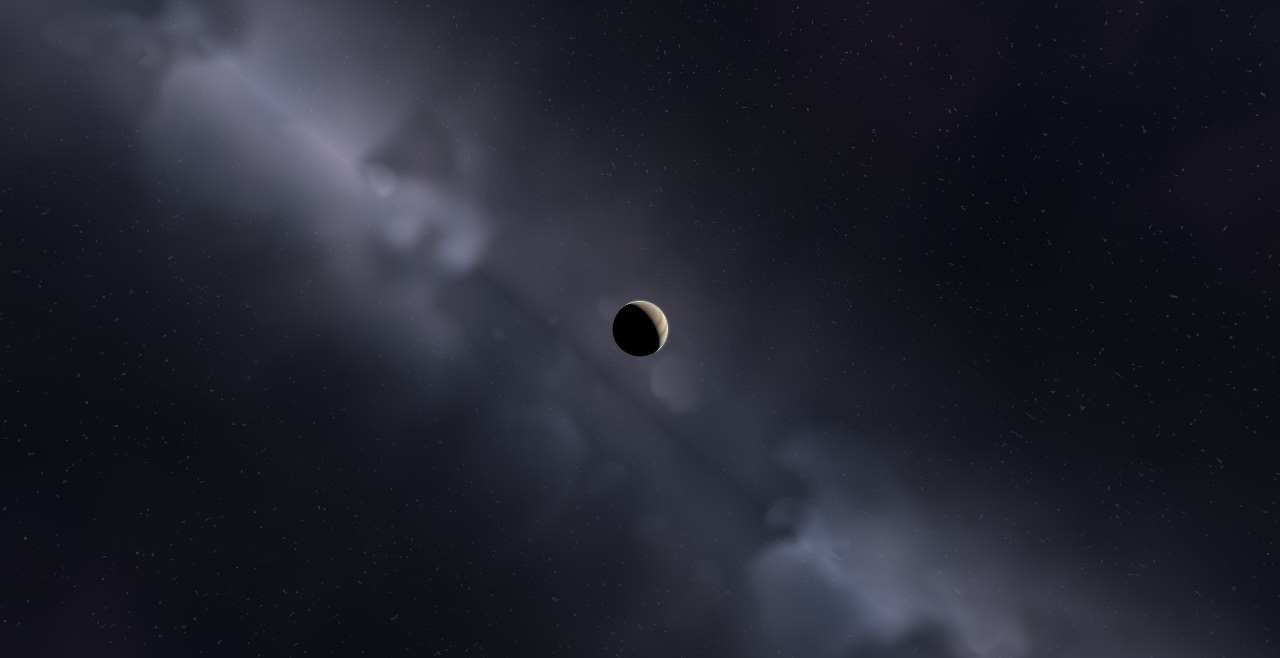
DH Tau - System
DH Tau, a cool M-dwarf of 0.33 solar masses, and DH Tau b, a 11.0-Jupiter-mass companion, at 330 AU from its star.
3D Space and Gravity Simulator. Simulate the solar system, exoplanets and even colliding galaxies. Add, delete and modify planets, and change the laws of physics.
Share
DH Tau, a cool M-dwarf of 0.33 solar masses, and DH Tau b, a 11.0-Jupiter-mass companion, at 330 AU from its star.
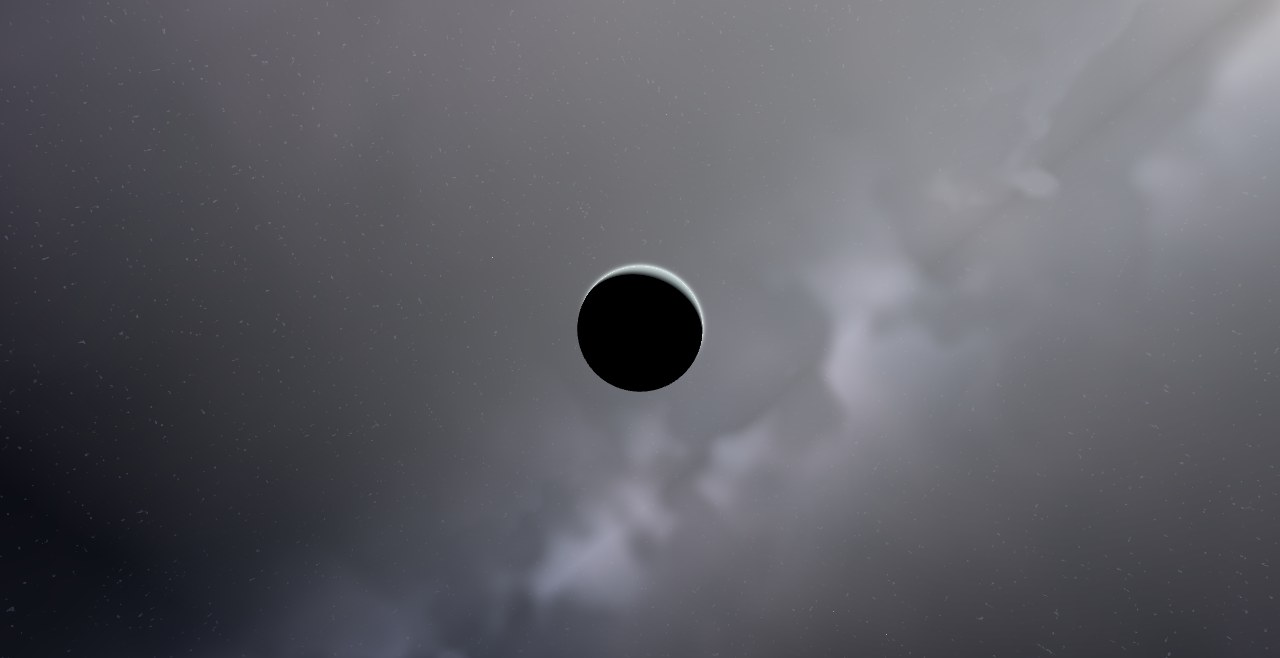
DMPP-1, a Sun-like F-type star of 1.21 solar masses, and DMPP-1 d, a 4.7-Earth-mass planet, with an orbital period of 3.1 days, at 0.045 AU from its star, on an eccentric orbit (e ≈ 0.36).
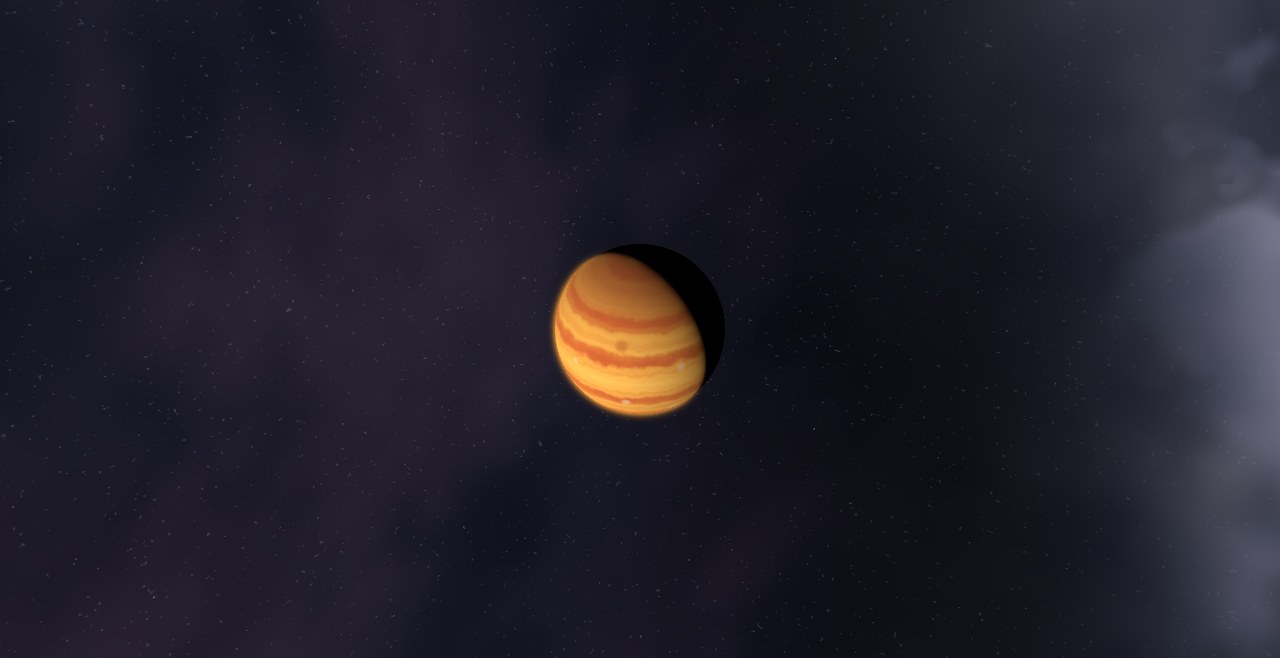
DMPP-2, a Sun-like F-type star of 1.41 solar masses, and DMPP-2 c, a 0.16-Jupiter-mass companion, with an orbital period of 3.2 days, at 0.048 AU from its star, on an eccentric orbit (e ≈ 0.28).
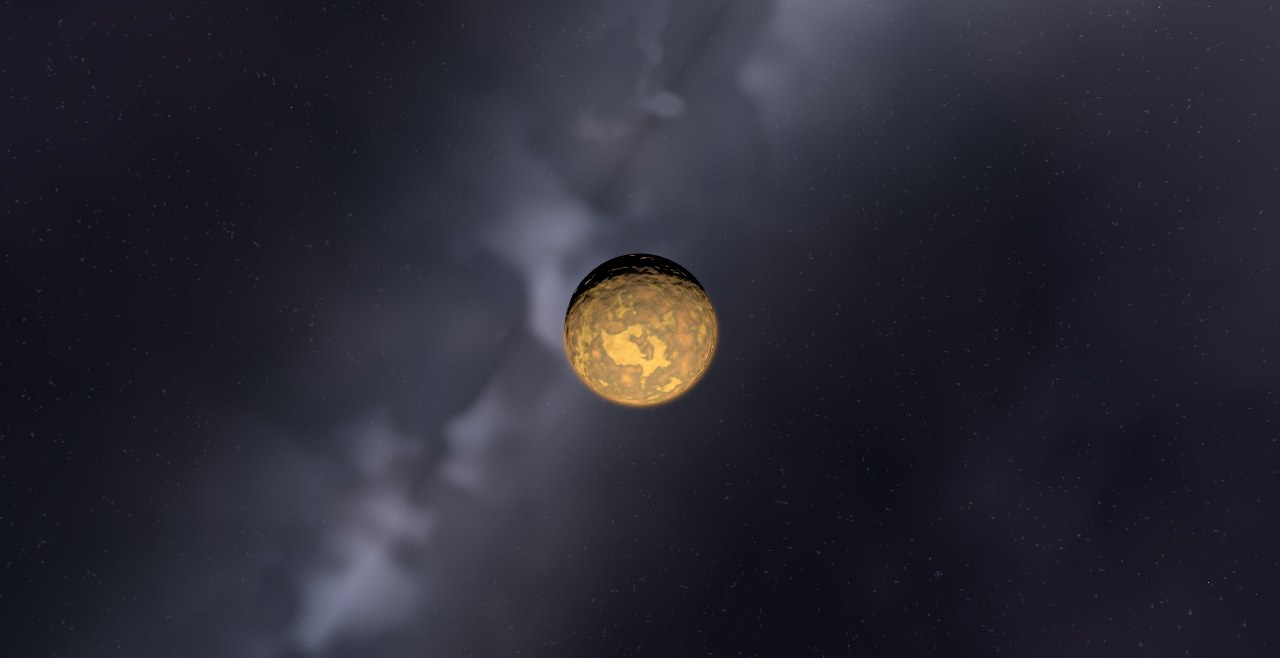
DMPP-3 A, an orange K-type dwarf of 0.90 solar masses, and DMPP-3 A b, a 2.7-Earth-mass planet, with an orbital period of 5.6 days, at 0.060 AU from its star, on an eccentric orbit (e ≈ 0.42).
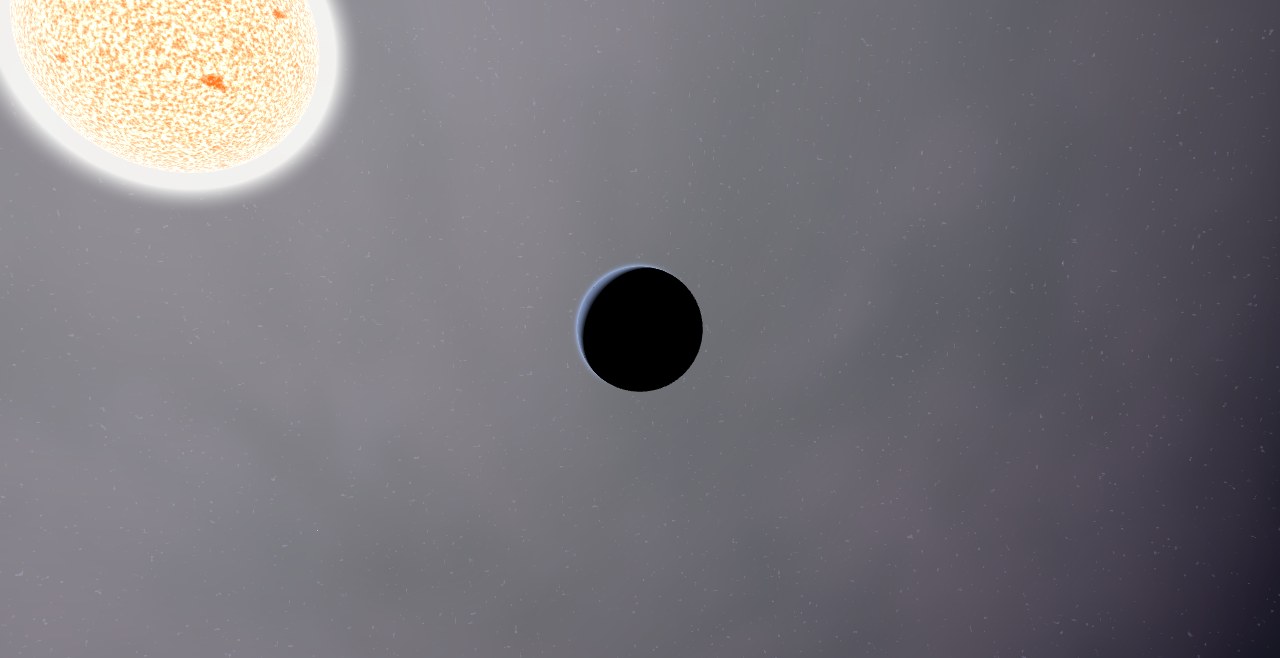
DMPP-4, a Sun-like F-type star of 1.25 solar masses, and DMPP-4 b, a 12.2-Earth-mass planet, with an orbital period of 3.5 days, at 0.049 AU from its star, on an eccentric orbit (e ≈ 0.06).
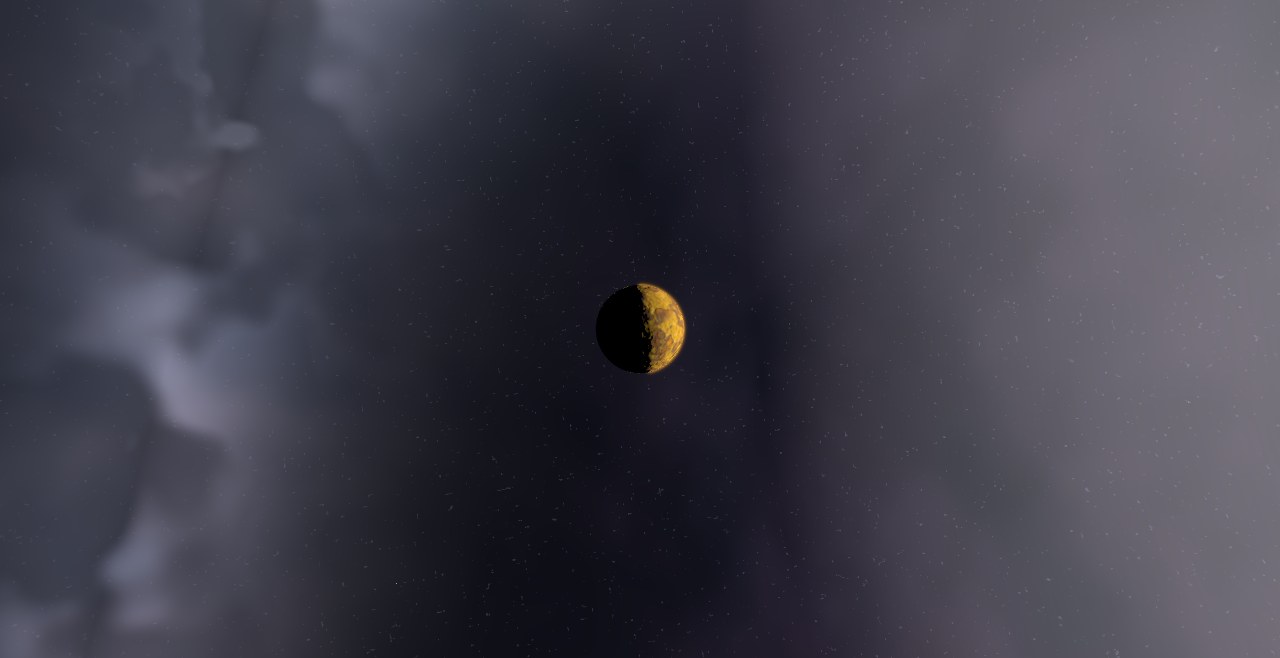
DMPP-6, a Sun-like F-type star of 1.08 solar masses, and DMPP-6 b, a 5.8-Earth-mass planet, with an orbital period of 7.6 days, at 0.078 AU from its star, on an eccentric orbit (e ≈ 0.34).
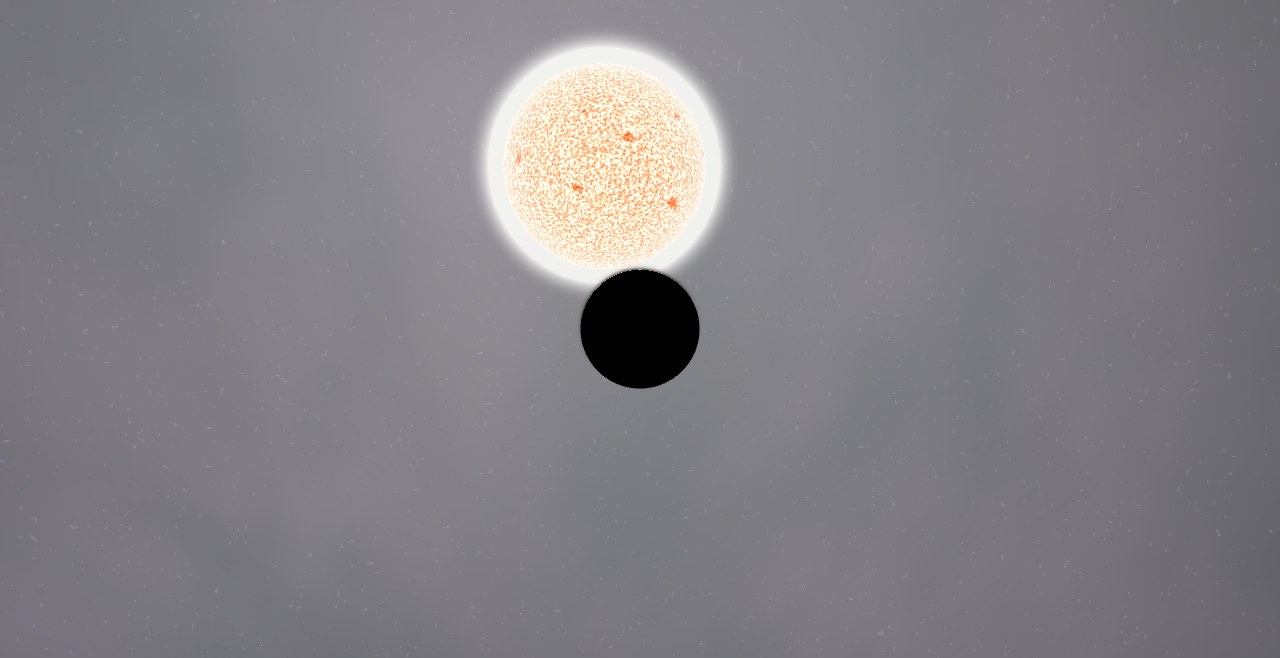
DMPP-7, a Sun-like G-type star of 1.09 solar masses, and DMPP-7 b, a 0.19-Jupiter-mass companion, with an orbital period of 5.0 days, at 0.059 AU from its star, on an eccentric orbit (e ≈ 0.10).
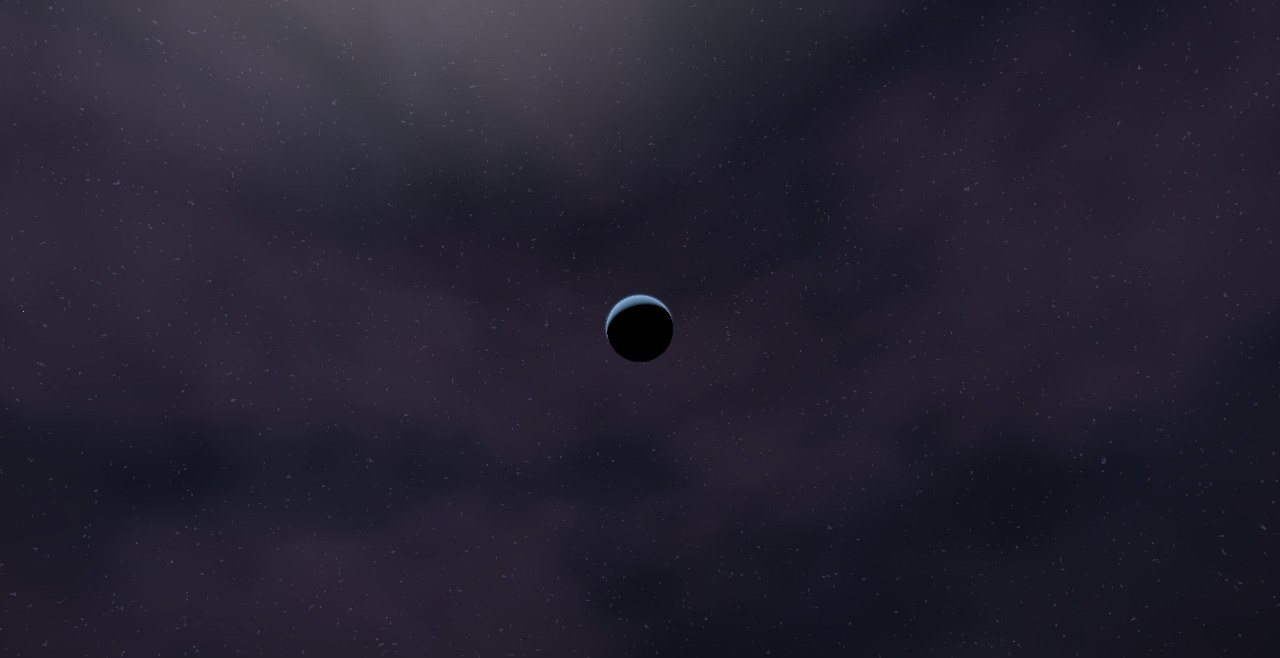
DMPP-8, a Sun-like F-type star of 0.99 solar masses, and DMPP-8 b, a 0.26-Jupiter-mass companion, with an orbital period of 62.9 days, at 0.310 AU from its star, on an eccentric orbit (e ≈ 0.28).
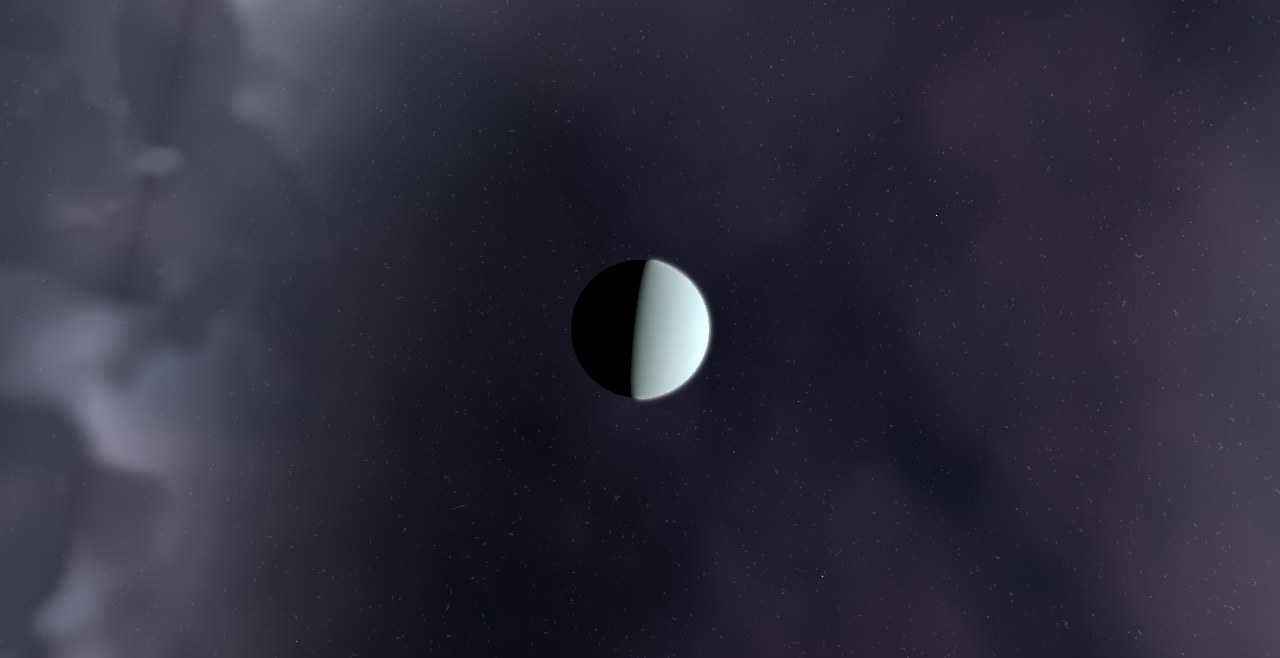
DMPP-9, a Sun-like F-type star of 1.10 solar masses, and DMPP-9 b, a 14.4-Earth-mass planet, with an orbital period of 12.7 days, at 0.110 AU from its star, on an eccentric orbit (e ≈ 0.25).
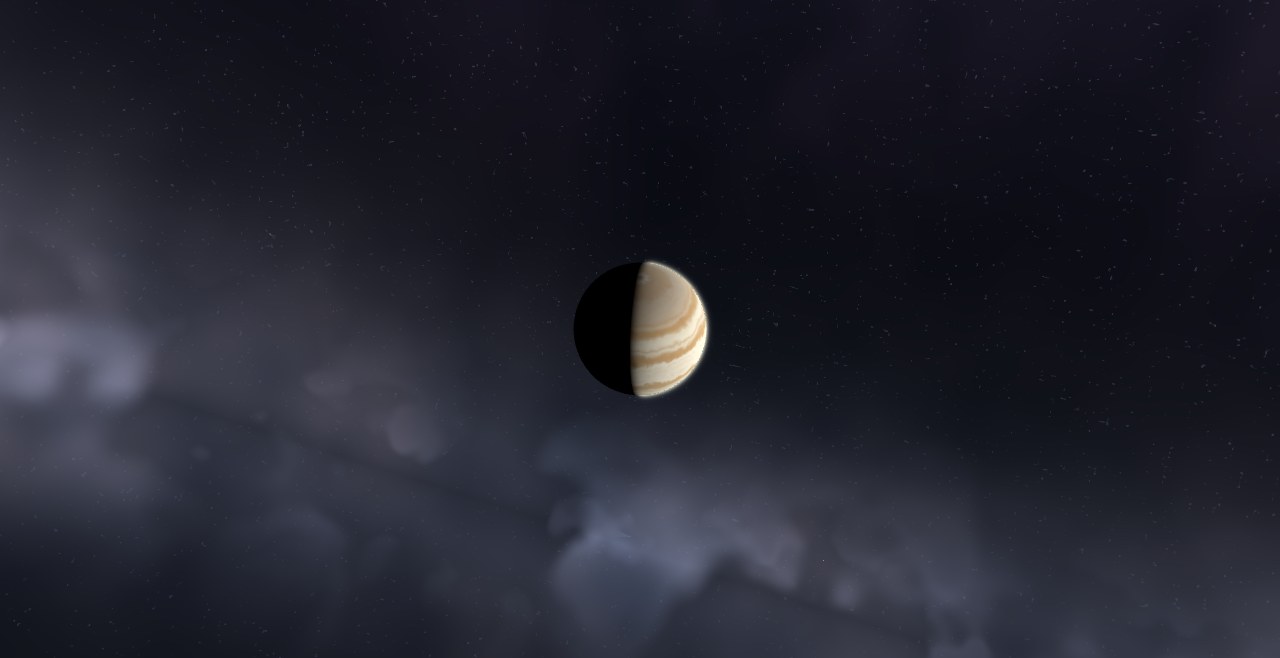
DP Leo, and DP Leo b, a 6.05-Jupiter-mass companion, with an orbital period of 28.0 years, at 8.190 AU from its star, on an eccentric orbit (e ≈ 0.39).
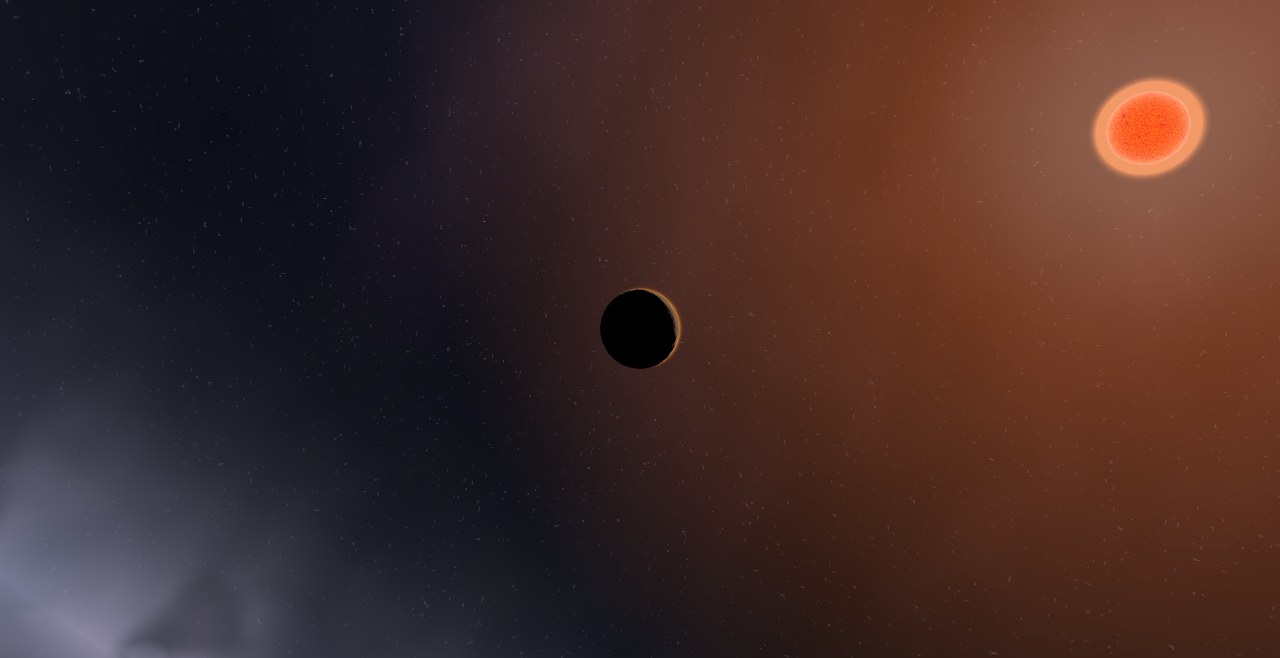
EPIC 201170410, a cool M-dwarf of 0.29 solar masses, and EPIC 201170410.02, a planet with 1.0 Earth radii, with an orbital period of 6.8 days, at 0.035 AU from its star.
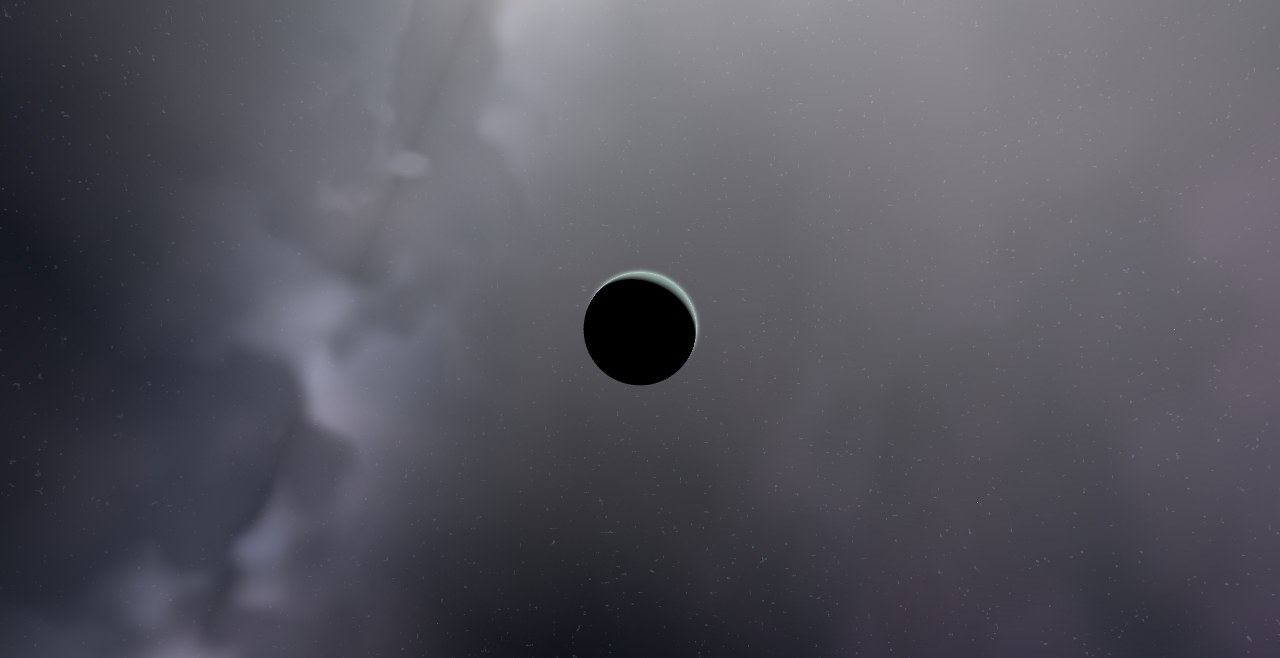
EPIC 201595106, a Sun-like G-type star of 0.96 solar masses, and EPIC 201595106 b, a 7.7-Earth-mass planet, with an orbital period of 21.1 hours, at 0.018 AU from its star, and an equilibrium temperature near.
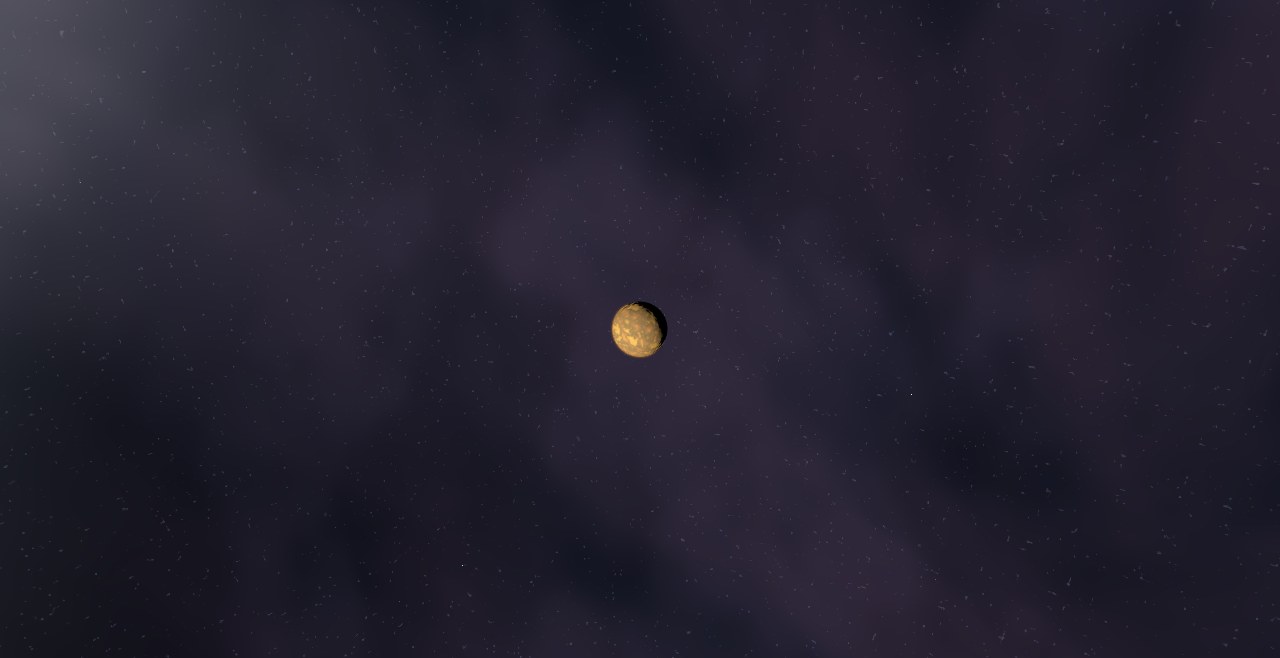
EPIC 201757695, an orange K-type dwarf of 0.73 solar masses, and EPIC 201757695.02, a planet with 0.9 Earth radii, with an orbital period of 2.0 days, at 0.030 AU from its star.
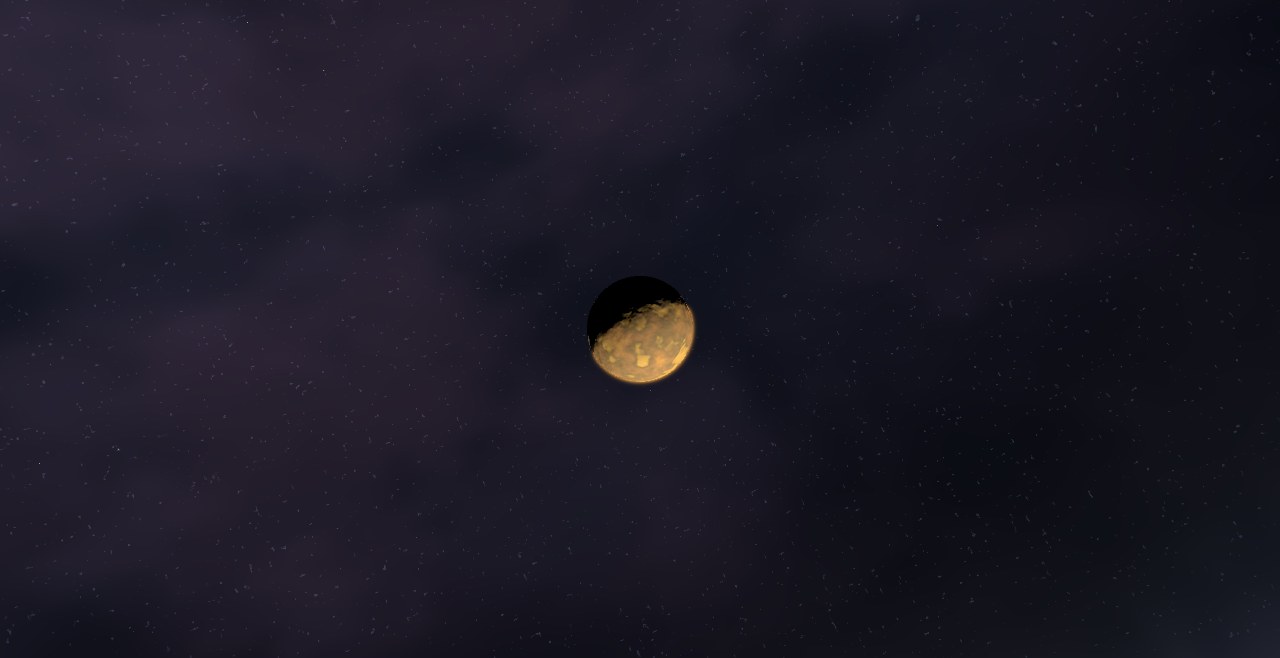
EPIC 201841433, an orange K-type dwarf of 0.80 solar masses, and EPIC 201841433 b, a planet with 1.0 Earth radii, with an orbital period of 4.2 days, at 0.035 AU from its star.
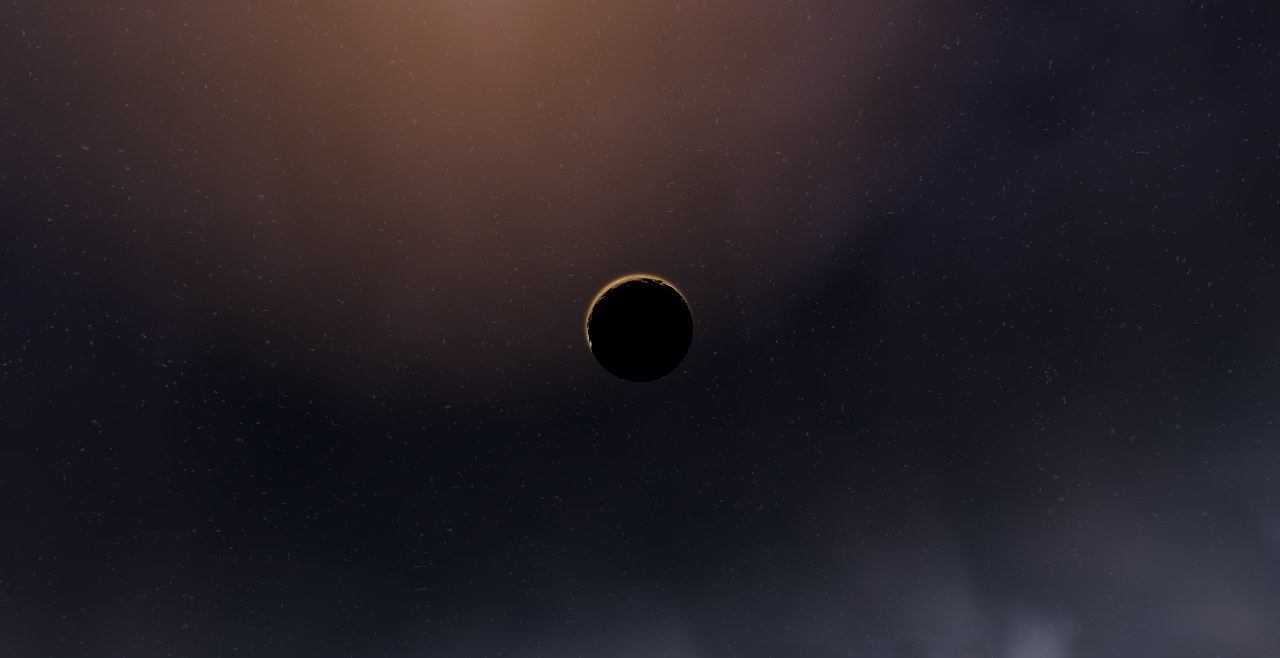
EPIC 211822797, an orange K-type dwarf of 0.62 solar masses, and EPIC 211822797 b, a planet with 1.9 Earth radii, with an orbital period of 21.2 days, at 0.119 AU from its star, and an equilibrium temperature.
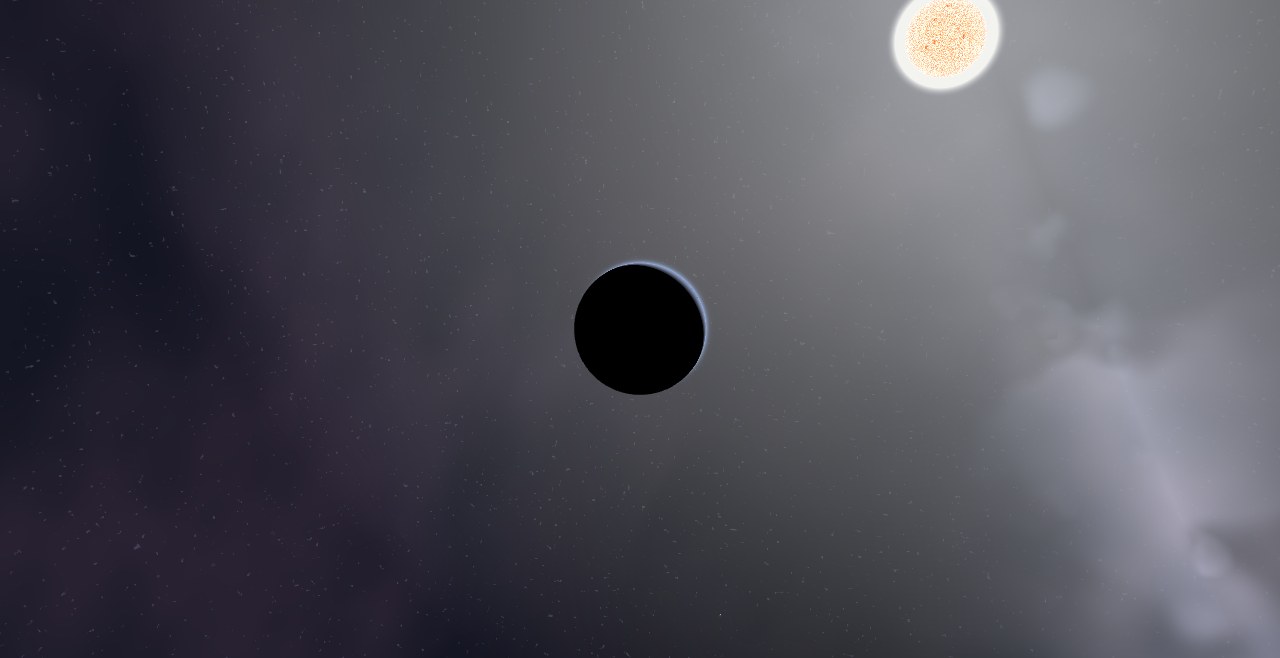
EPIC 211945201, a Sun-like F-type star of 1.17 solar masses, and EPIC 211945201 b, a planet with 5.8 Earth radii, with an orbital period of 19.5 days, at 0.149 AU from its star, and an equilibrium temperature.
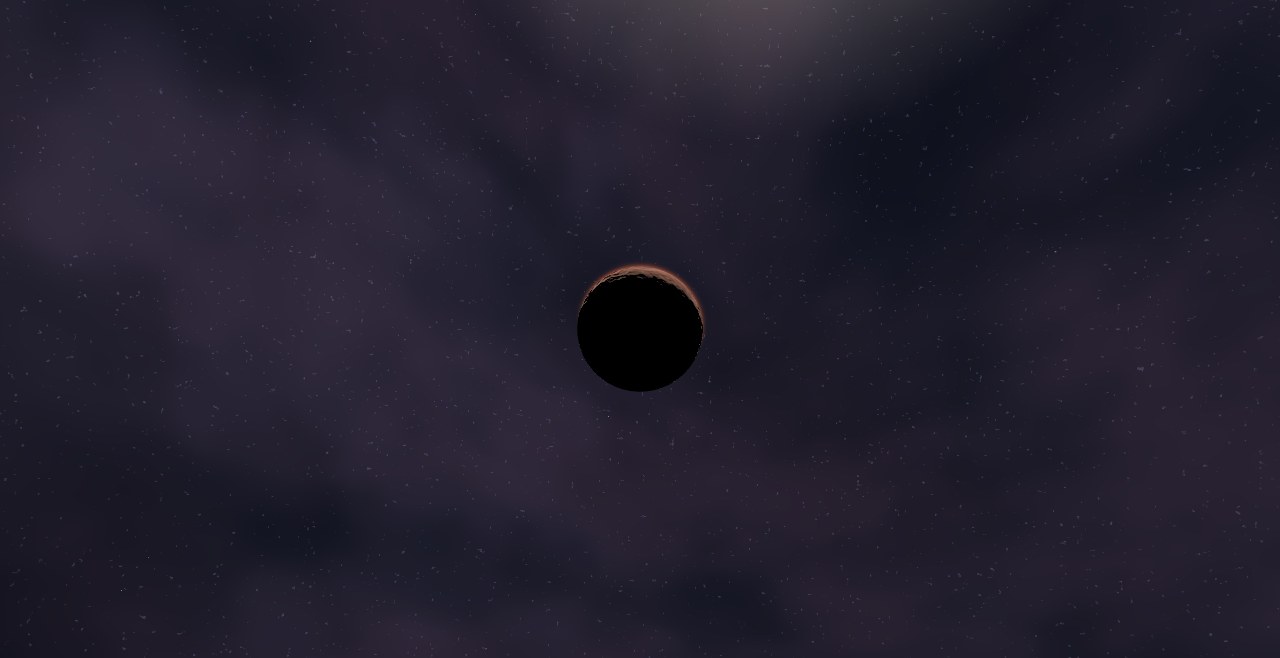
EPIC 212737443, an orange K-type dwarf of 0.69 solar masses, and EPIC 212737443 b, a planet with 2.6 Earth radii, with an orbital period of 13.6 days, at 0.098 AU from its star, and an equilibrium temperature.
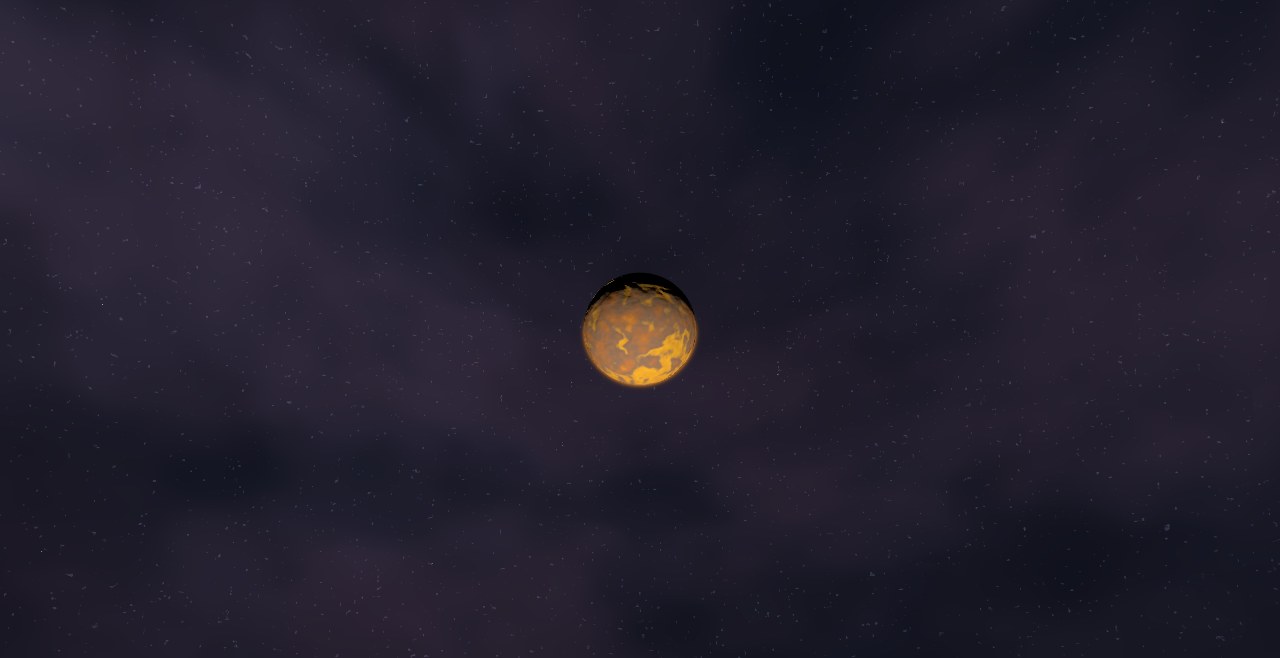
EPIC 220674823, a Sun-like G-type star of 0.91 solar masses, and EPIC 220674823 b, a 7.5-Earth-mass planet, with an orbital period of 13.7 hours, at 0.013 AU from its star, and an equilibrium temperature near.