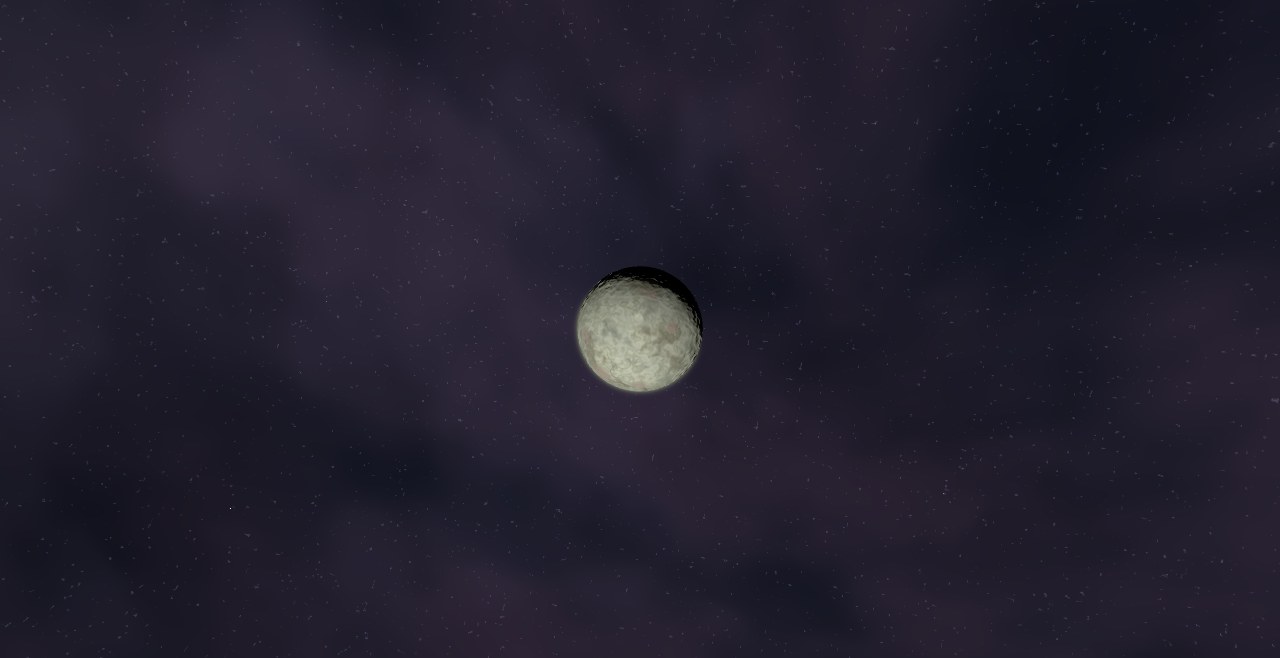
Kepler-1700 - System
Kepler-1700, a Sun-like F-type star of 1.12 solar masses, and Kepler-1700 b, a planet with 2.9 Earth radii, with an orbital period of 234 days.
Exoplanets
Analyze isolated alien worlds orbiting a singular host star to observe basic orbital parameters, tidal locks, and planetary eccentricities.
Share
Kepler-1700, a Sun-like F-type star of 1.12 solar masses, and Kepler-1700 b, a planet with 2.9 Earth radii, with an orbital period of 234 days.
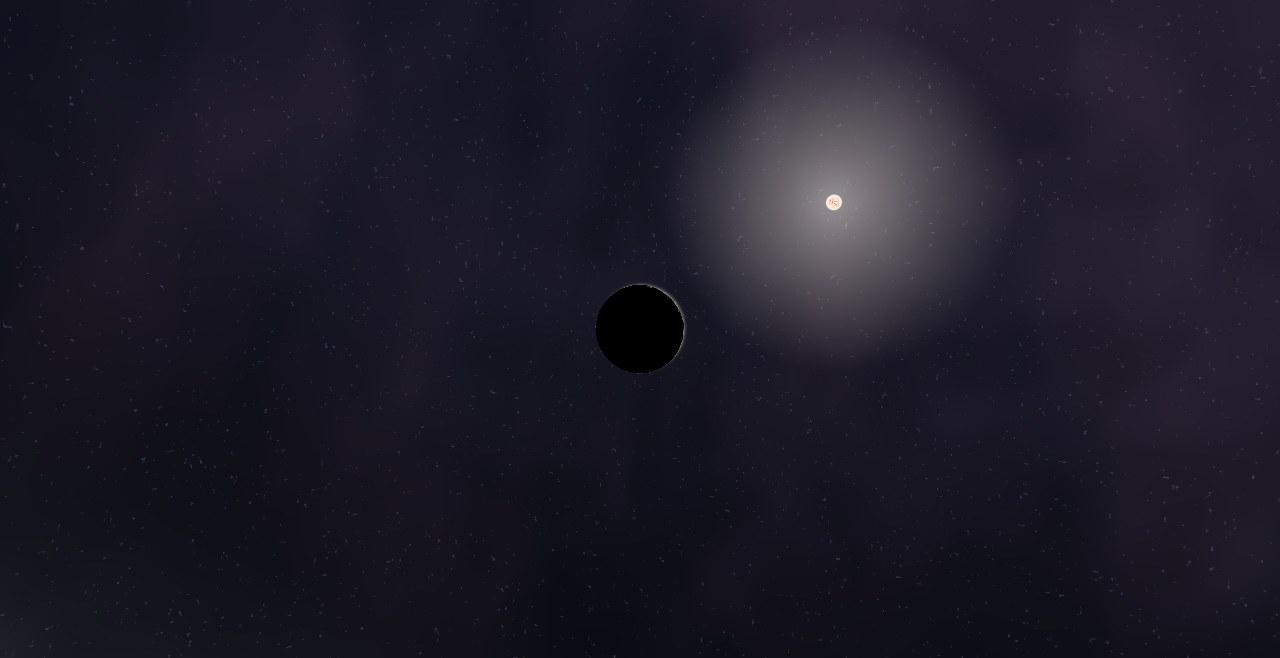
Kepler-1701, an orange K-type dwarf of 0.87 solar masses, and Kepler-1701 b, a planet with 2.2 Earth radii, with an orbital period of 169 days.
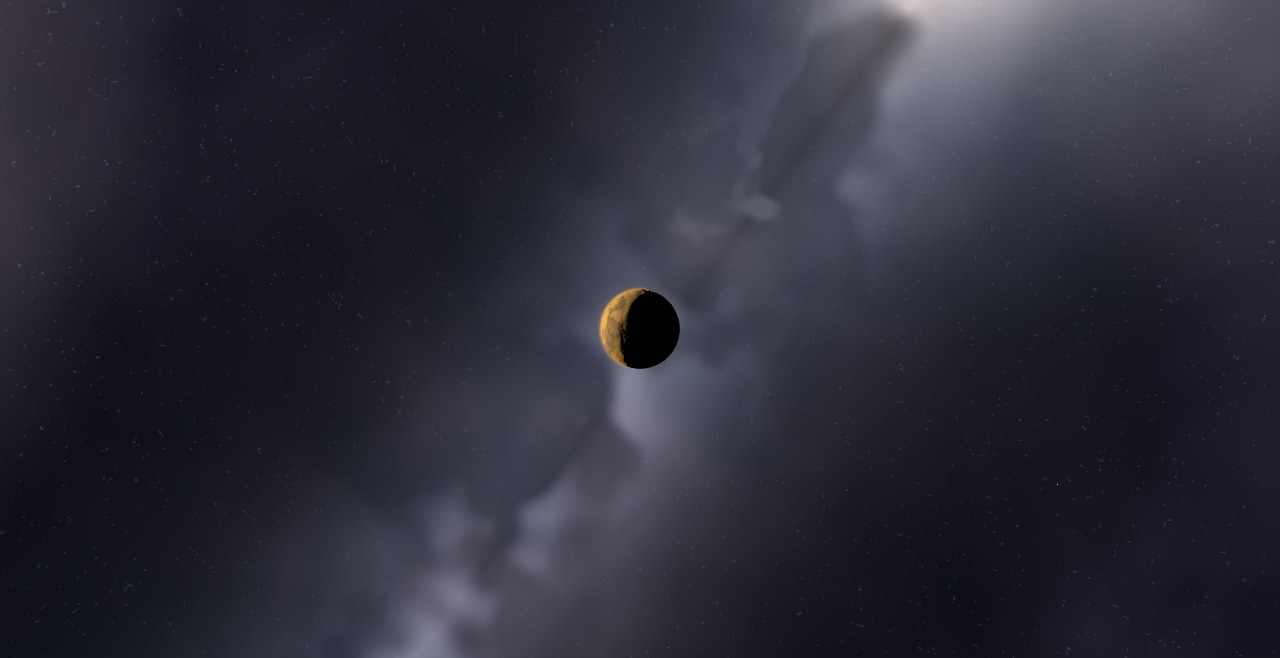
Kepler-1702, an orange K-type dwarf of 0.85 solar masses, and Kepler-1702 b, a planet with 1.6 Earth radii, with an orbital period of 18.5 days.
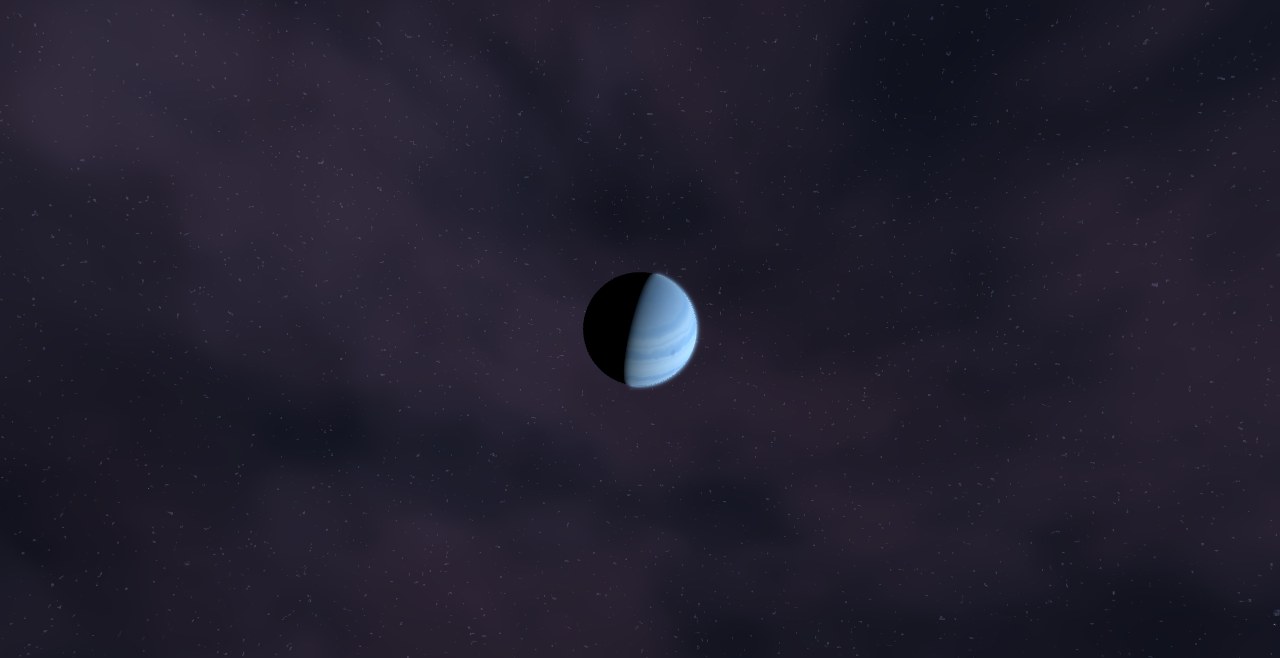
Kepler-1704, a Sun-like G-type star of 1.13 solar masses, and Kepler-1704 b, a 4.16-Jupiter-mass companion, with an orbital period of 2.71 years, at 2.027 AU from its star, and an equilibrium temperature near.
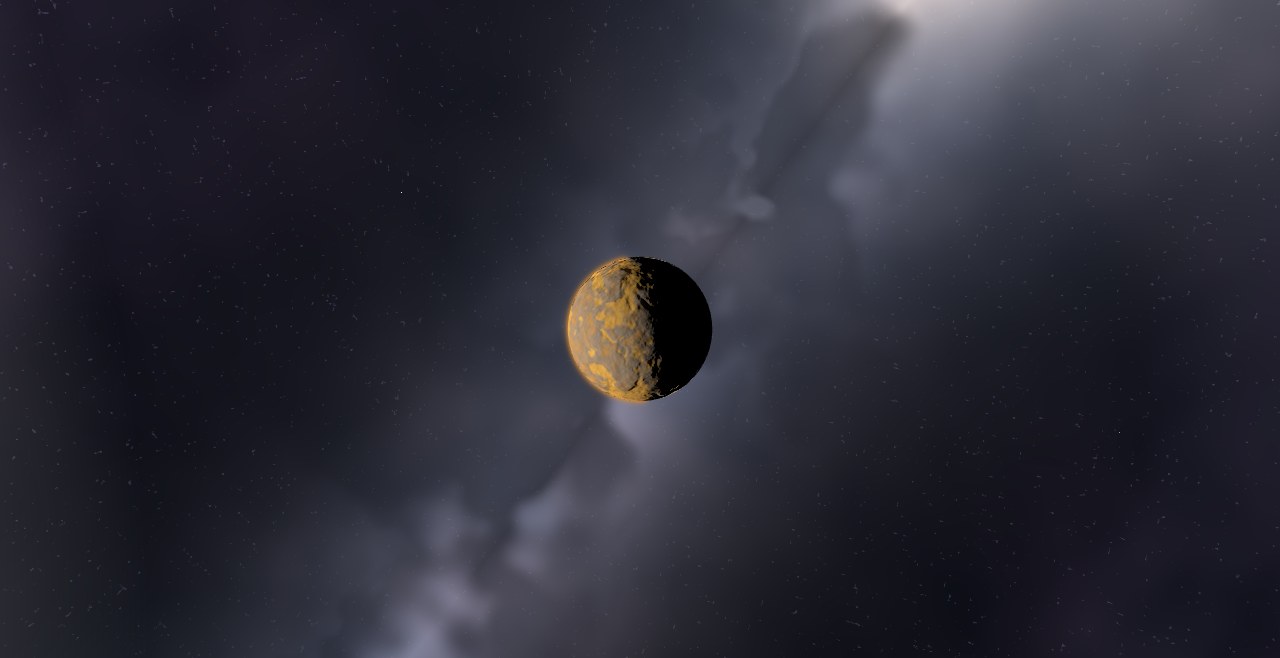
Kepler-1705, a Sun-like F-type star of 1.14 solar masses, and Kepler-1705 b, a 4.5-Earth-mass planet, with an orbital period of 9.0 days.
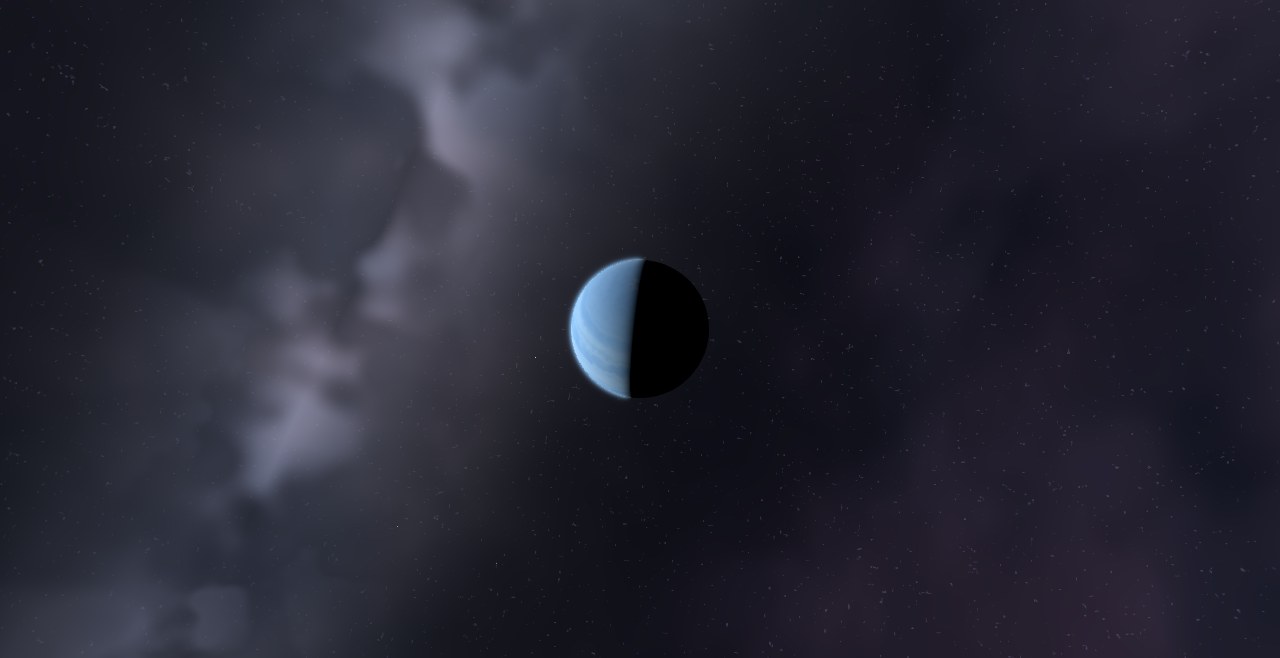
Kepler-1708, a Sun-like F-type star of 1.09 solar masses, and Kepler-1708 b, a 4.60-Jupiter-mass companion, with an orbital period of 2.02 years, at 1.640 AU from its star, on an eccentric orbit (e ≈ 0.40).
Kepler-1709, a Sun-like G-type star of 1.00 solar masses, and Kepler-1709 b, a planet with 3.1 Earth radii, with an orbital period of 65.7 days.
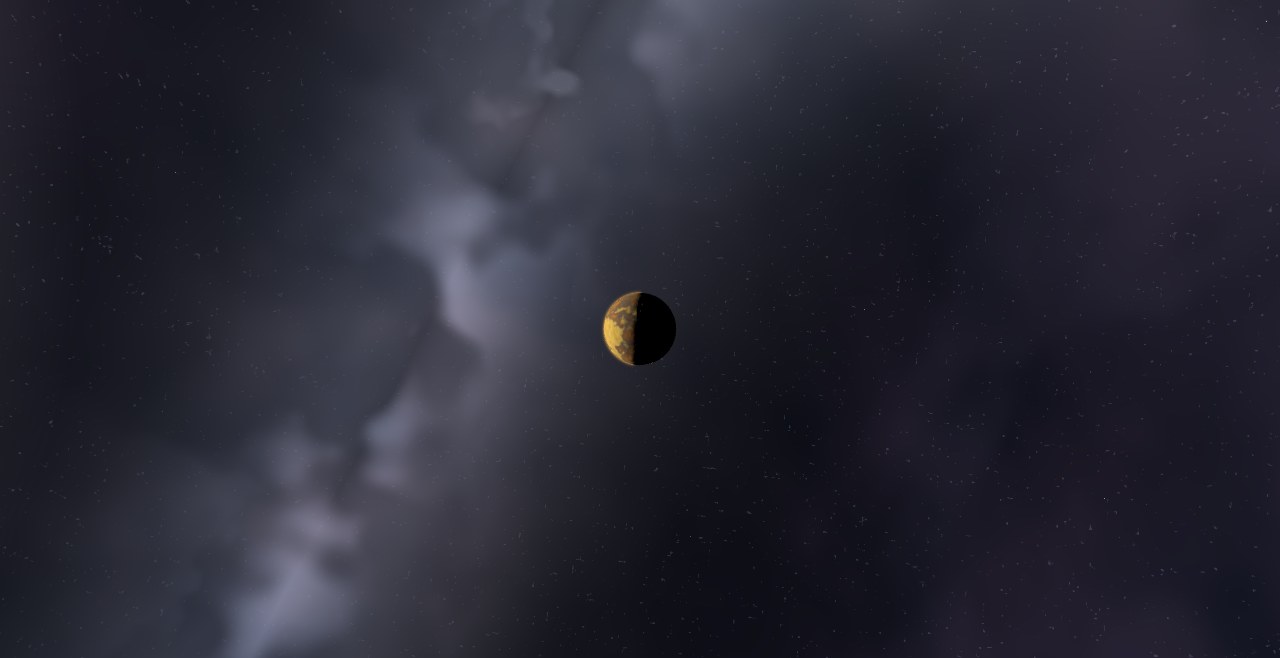
Kepler-1710, a Sun-like G-type star of 0.93 solar masses, and Kepler-1710 b, a planet with 3.2 Earth radii, with an orbital period of 14.9 days.
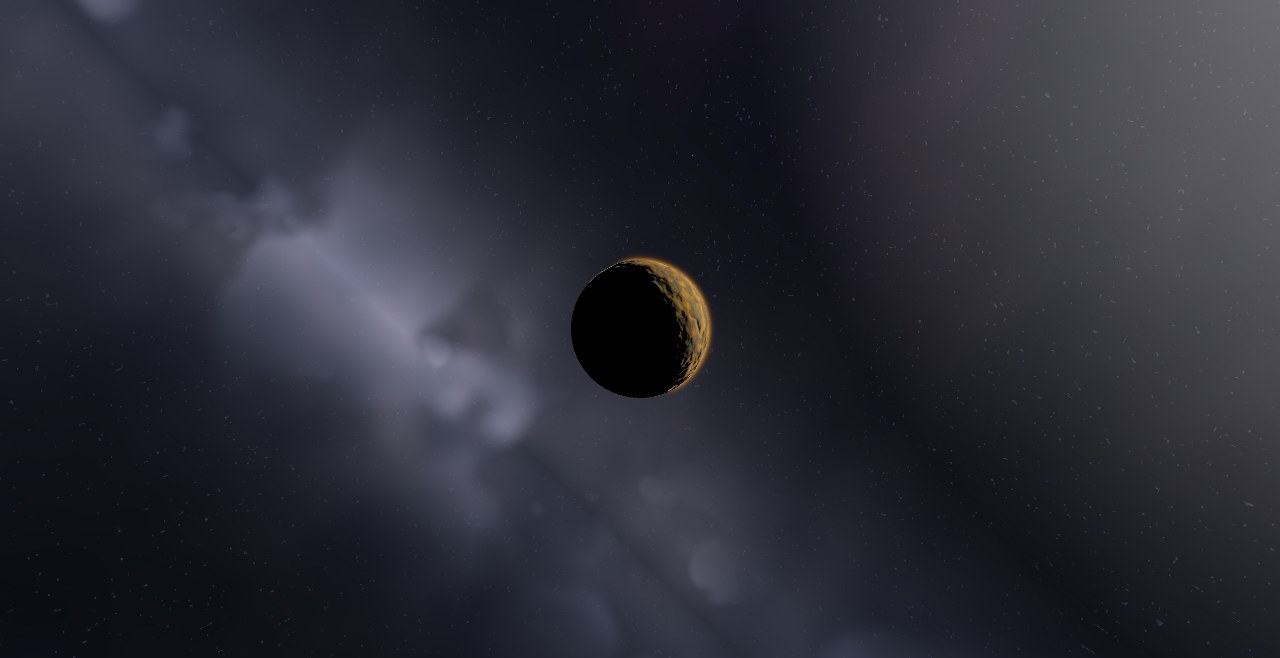
Kepler-1711, a Sun-like G-type star of 0.94 solar masses, and Kepler-1711 b, a planet with 1.9 Earth radii, with an orbital period of 21.1 days.
Kepler-1712, an orange K-type dwarf of 0.52 solar masses, and Kepler-1712 b, a planet with 2.3 Earth radii, with an orbital period of 13.8 days.
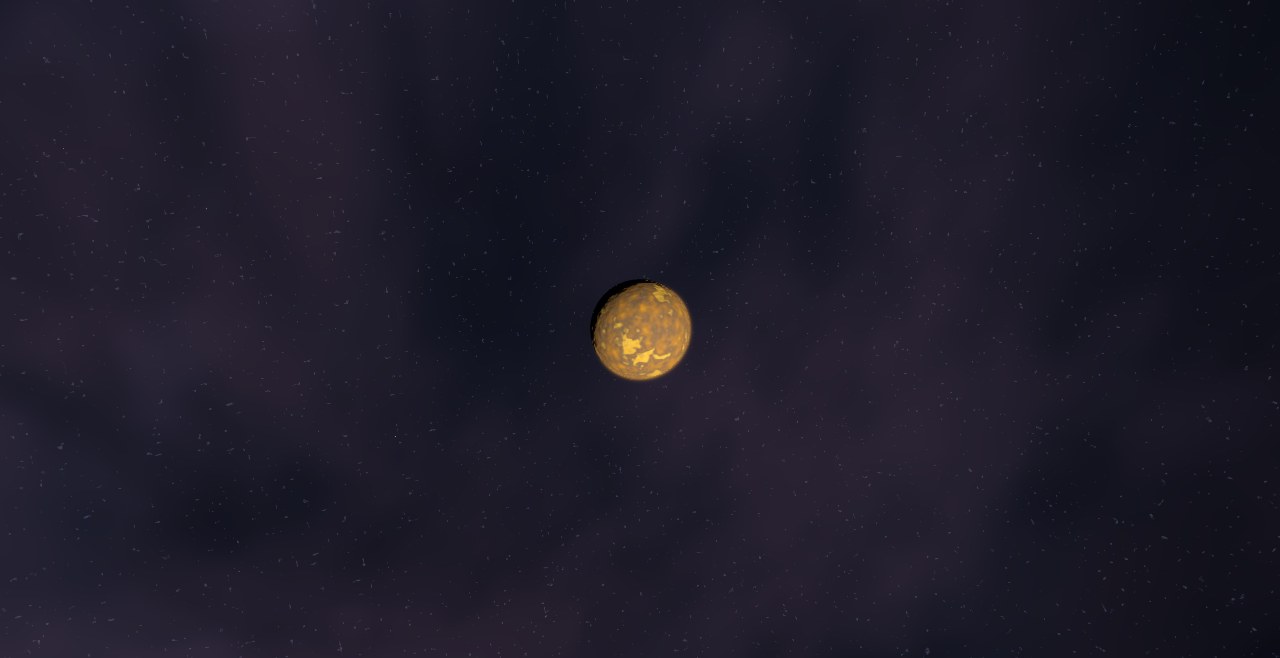
Kepler-1713, a Sun-like F-type star of 1.30 solar masses, and Kepler-1713 b, a planet with 1.7 Earth radii, with an orbital period of 18.0 days.
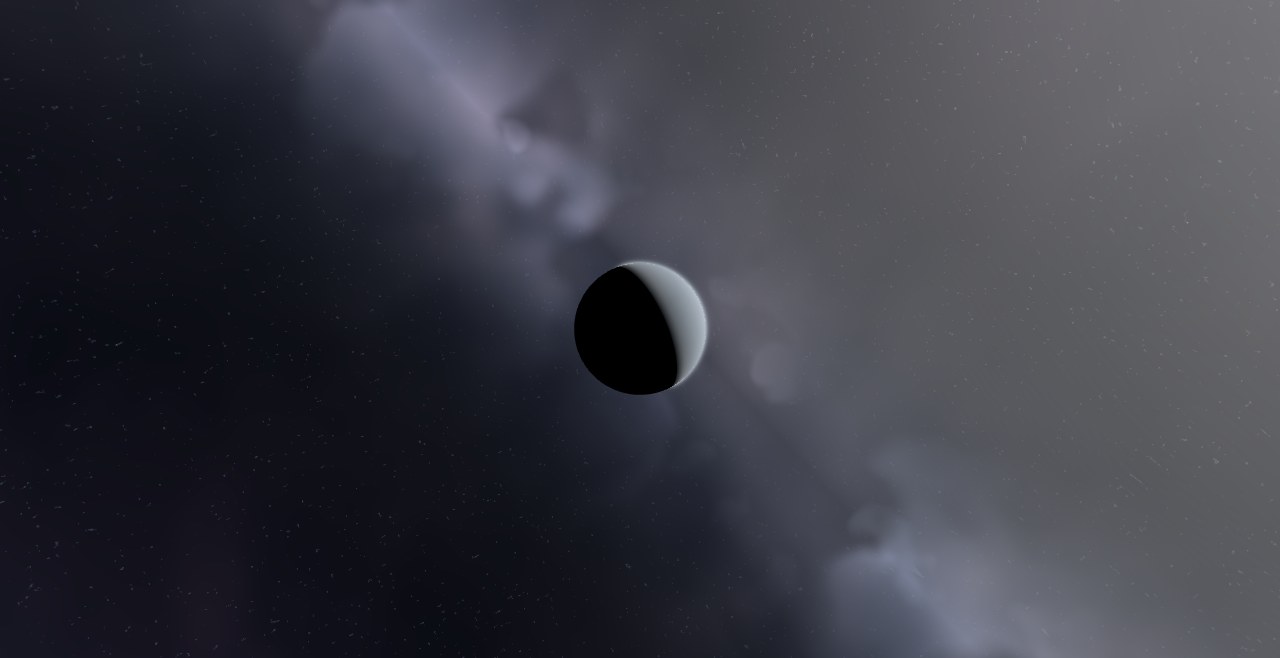
Kepler-1714, a Sun-like F-type star of 1.45 solar masses, and Kepler-1714 b, a planet with 3.3 Earth radii, with an orbital period of 10.3 days.
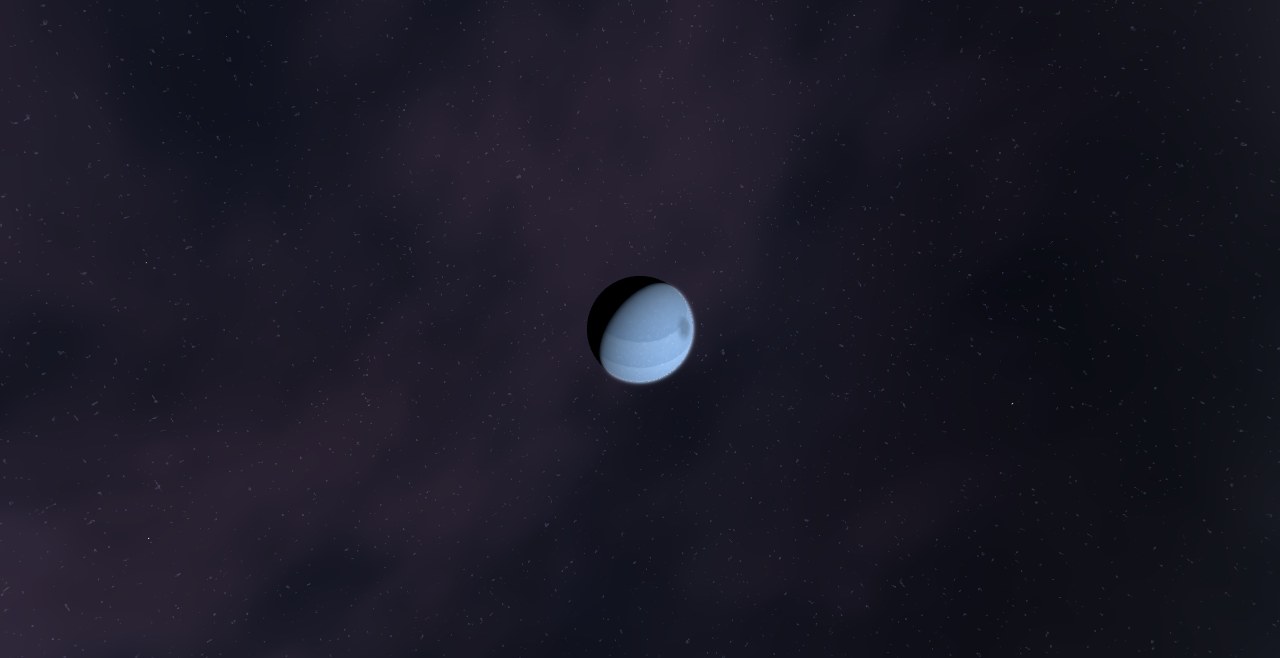
Kepler-1715, a Sun-like F-type star of 1.08 solar masses, and Kepler-1715 b, a planet with 4.1 Earth radii, with an orbital period of 35.6 days.
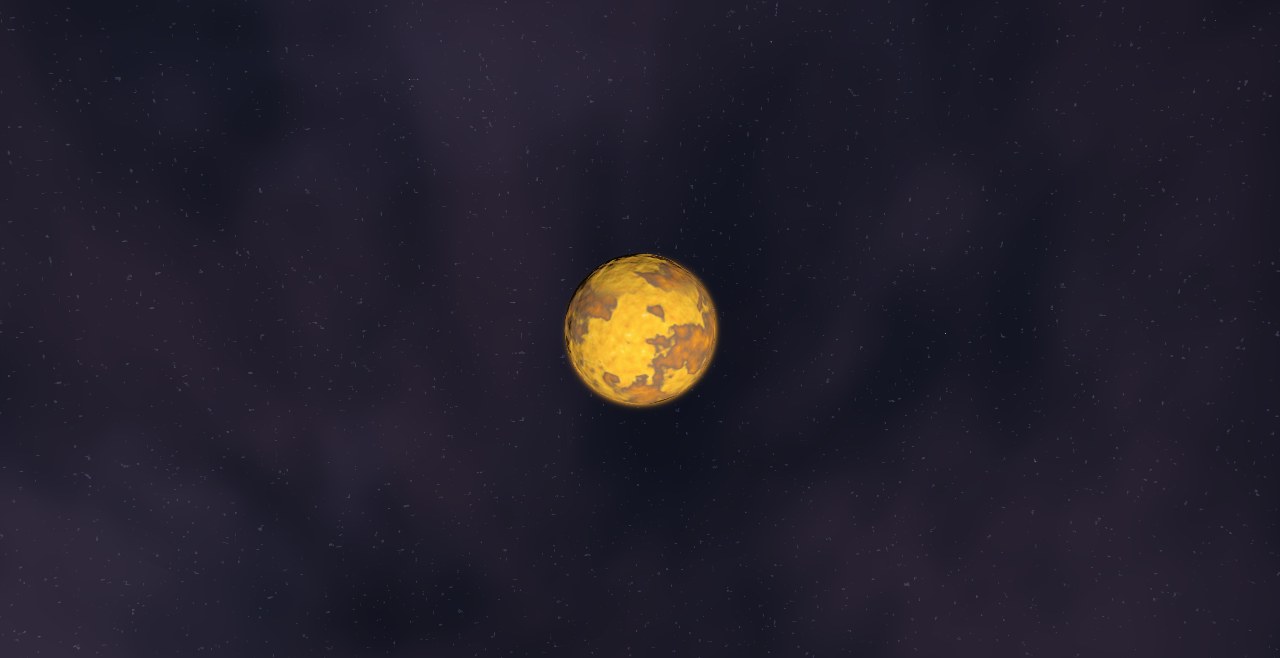
Kepler-1716, an orange K-type dwarf of 0.75 solar masses, and Kepler-1716 b, a planet with 2.4 Earth radii, with an orbital period of 35.6 days.
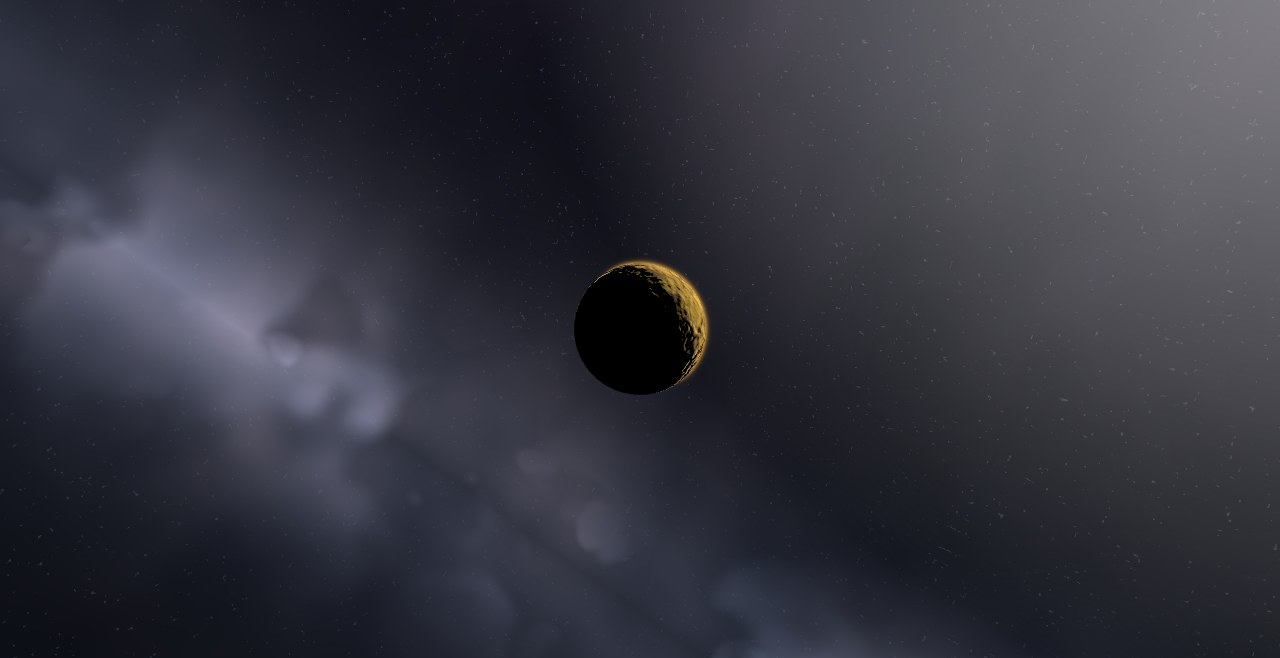
Kepler-1717, a Sun-like F-type star of 1.16 solar masses, and Kepler-1717 b, a planet with 3.0 Earth radii, with an orbital period of 30.7 days.
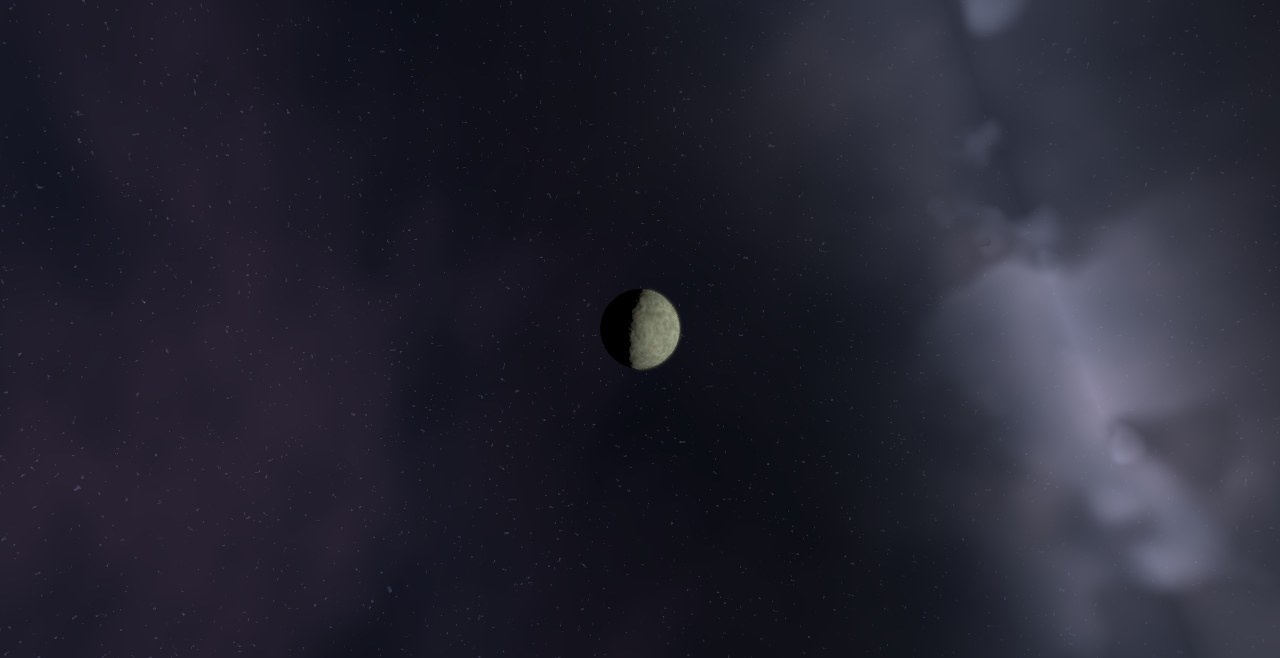
Kepler-1718, a Sun-like G-type star of 0.85 solar masses, and Kepler-1718 b, a planet with 2.6 Earth radii, with an orbital period of 135 days.
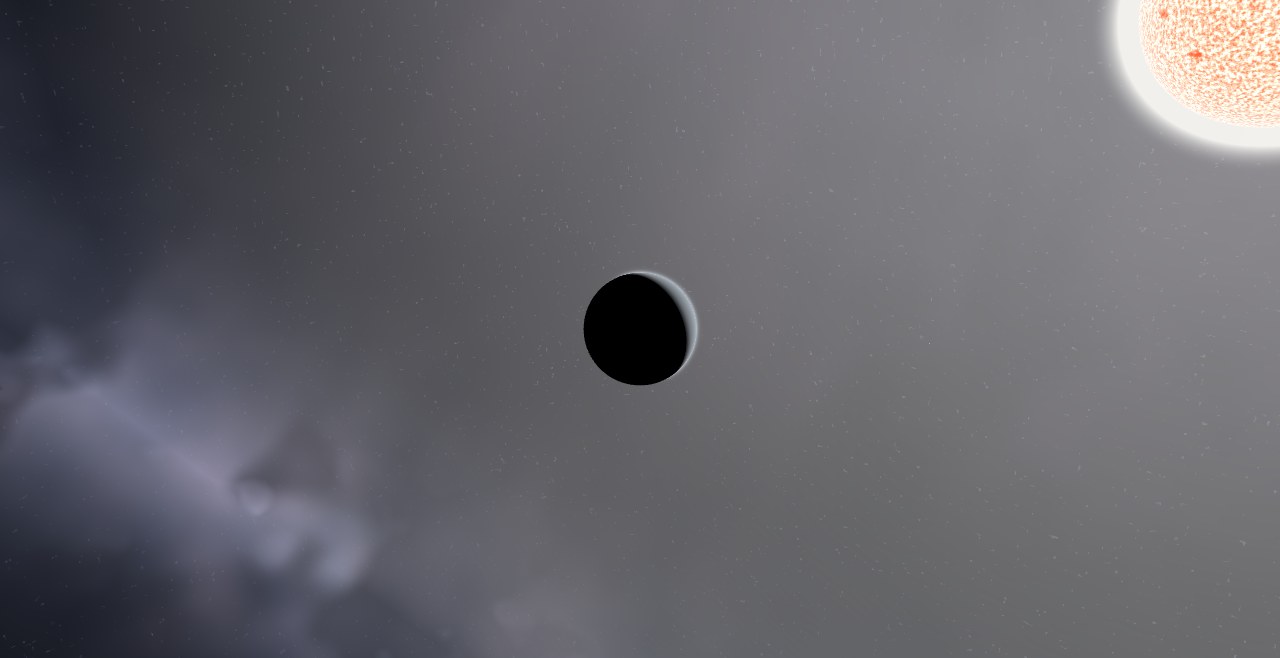
Kepler-1719, a Sun-like G-type star of 1.08 solar masses, and Kepler-1719 b, a planet with 4.0 Earth radii, with an orbital period of 6.1 days.
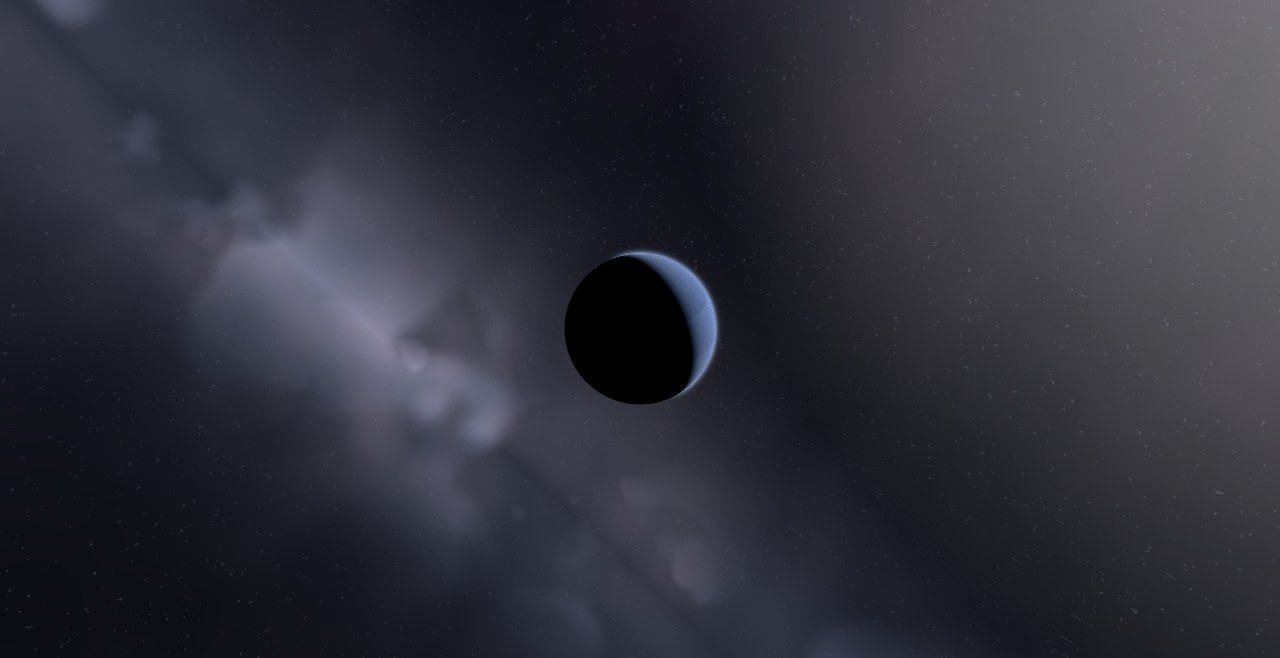
Kepler-1720, a Sun-like G-type star of 0.94 solar masses, and Kepler-1720 b, a planet with 3.2 Earth radii, with an orbital period of 12.7 days.