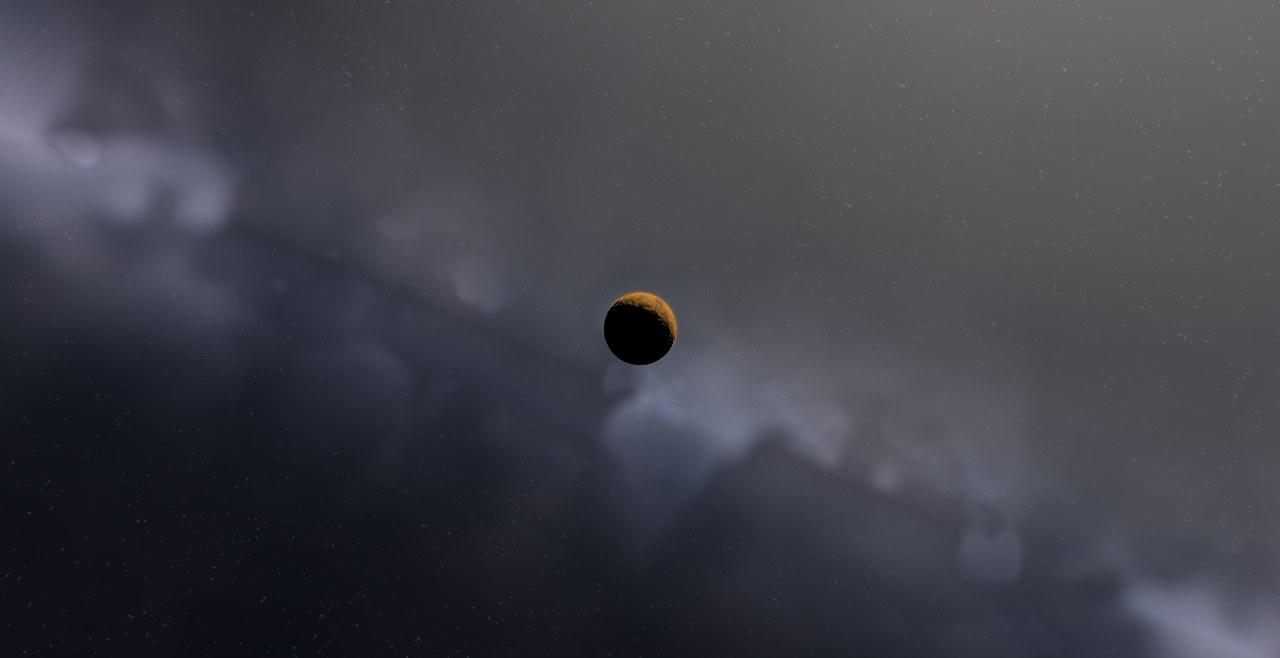
Kepler-1721 - System
Kepler-1721, a Sun-like G-type star of 0.89 solar masses, and Kepler-1721 b, a planet with 3.1 Earth radii, with an orbital period of 4.6 days.
Exoplanets
Analyze isolated alien worlds orbiting a singular host star to observe basic orbital parameters, tidal locks, and planetary eccentricities.
Share
Kepler-1721, a Sun-like G-type star of 0.89 solar masses, and Kepler-1721 b, a planet with 3.1 Earth radii, with an orbital period of 4.6 days.
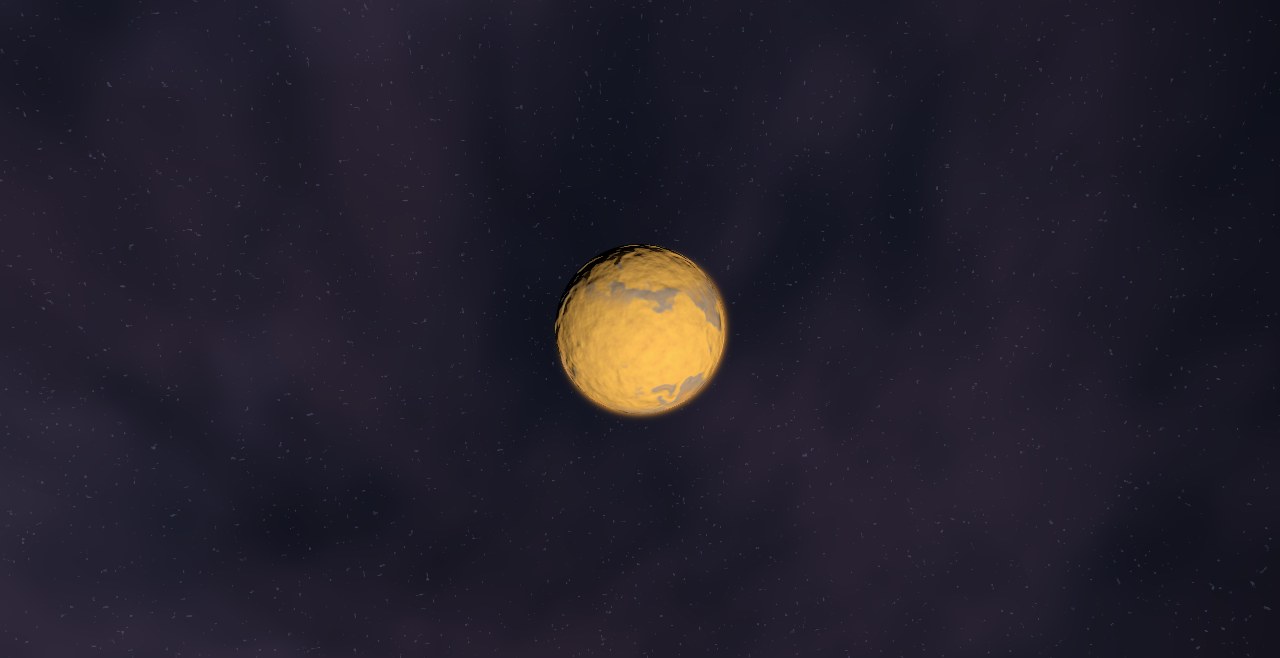
Kepler-1722, a Sun-like G-type star of 0.88 solar masses, and Kepler-1722 b, a planet with 2.9 Earth radii, with an orbital period of 9.2 days.
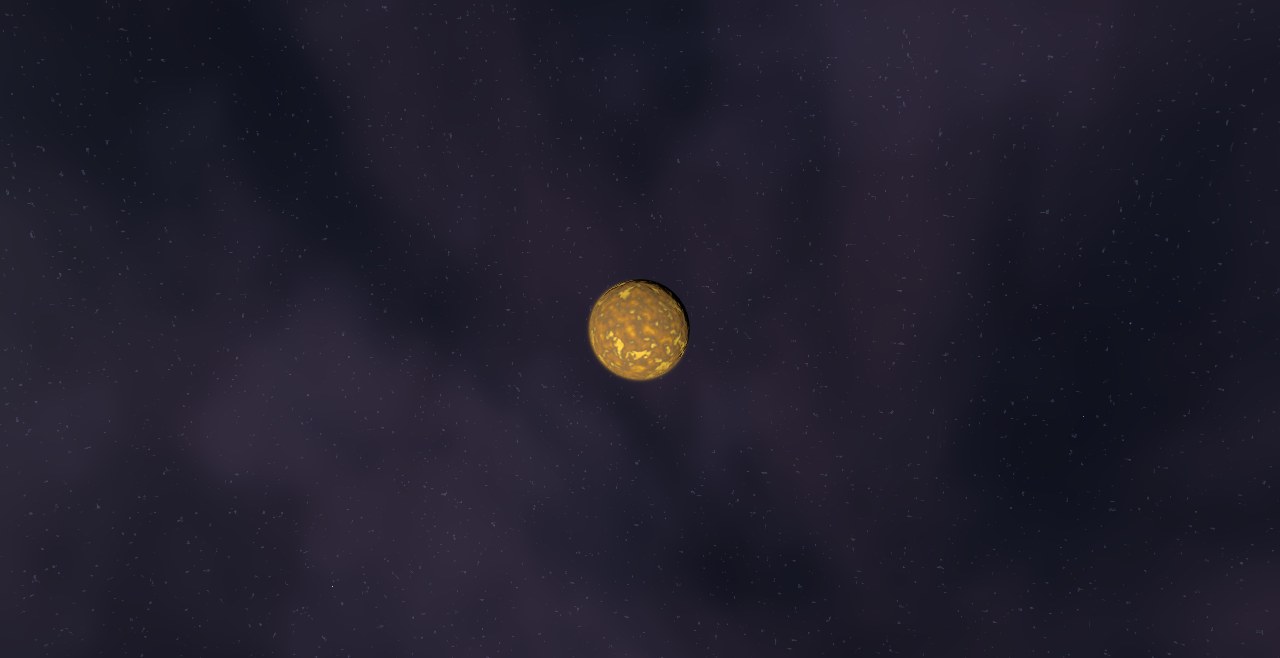
Kepler-1723, a Sun-like F-type star of 0.96 solar masses, and Kepler-1723 b, a planet with 2.9 Earth radii, with an orbital period of 39.8 days.
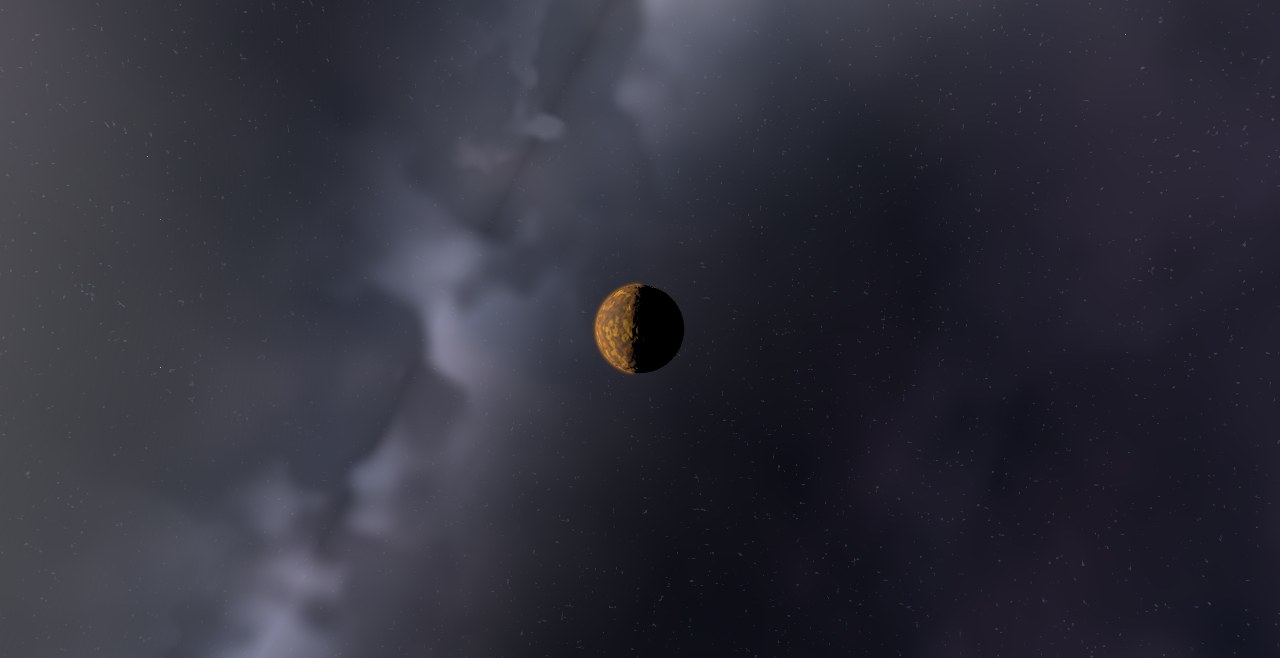
Kepler-1724, a Sun-like F-type star of 1.02 solar masses, and Kepler-1724 b, a planet with 2.8 Earth radii, with an orbital period of 6.5 days.
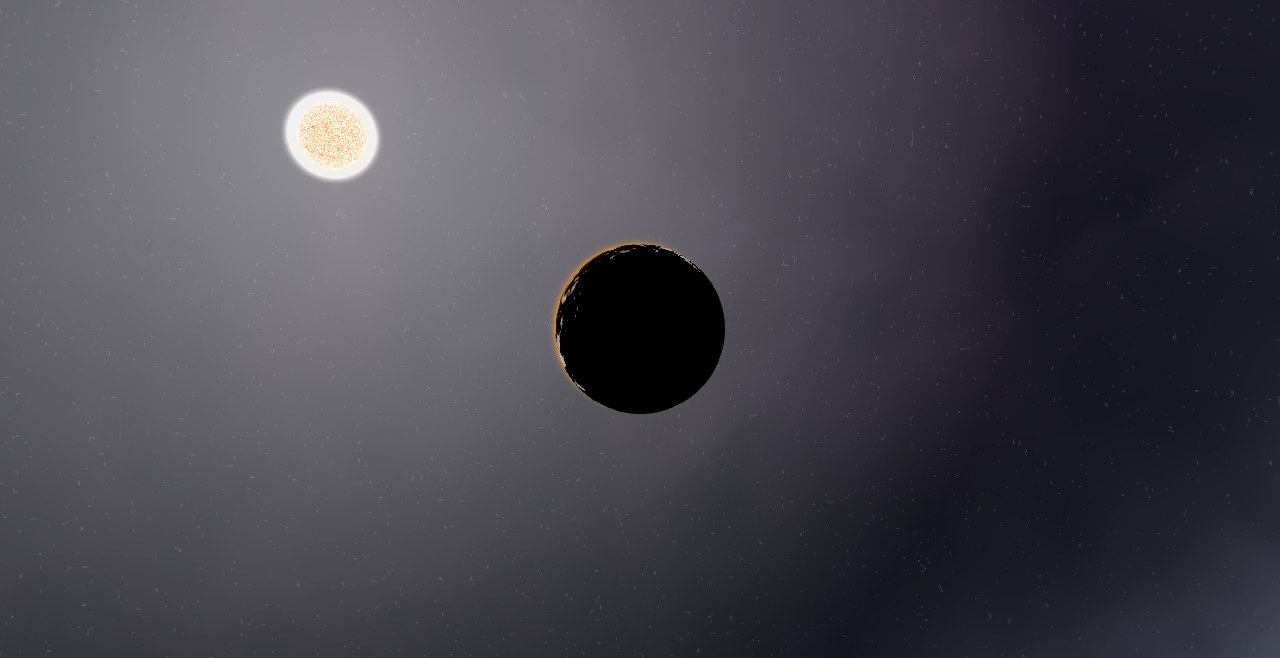
Kepler-1725, a Sun-like F-type star of 1.05 solar masses, and Kepler-1725 b, a planet with 2.8 Earth radii, with an orbital period of 16.7 days.
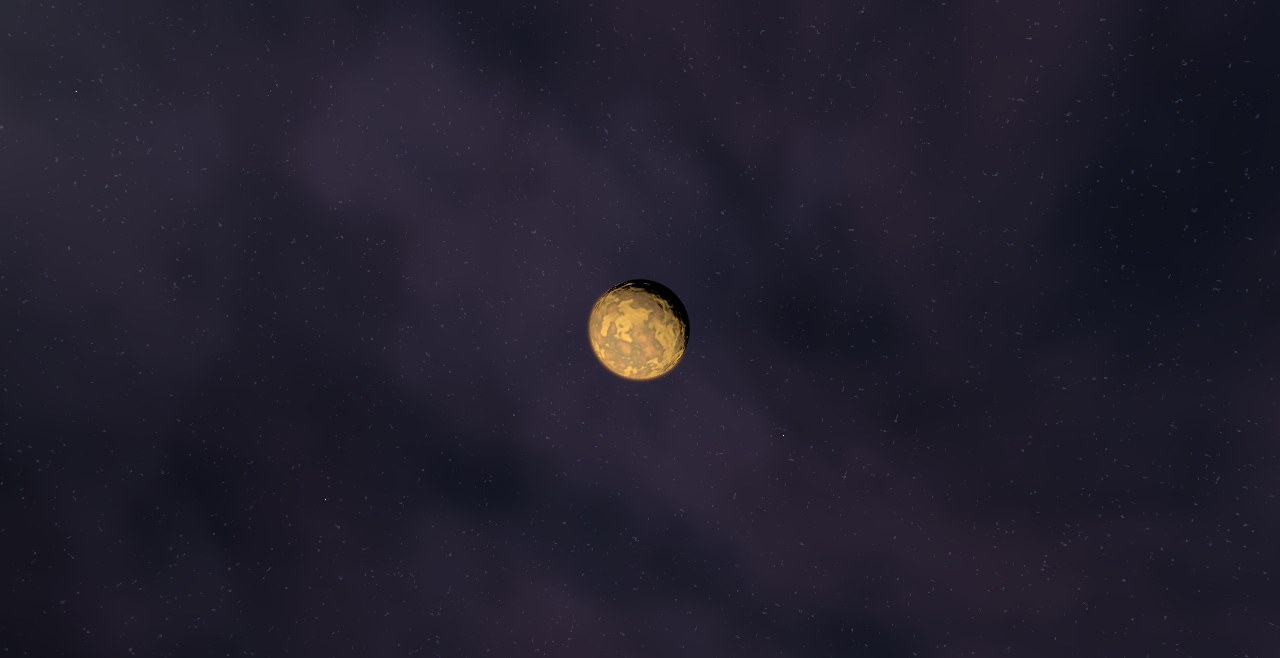
Kepler-1726, a Sun-like G-type star of 0.88 solar masses, and Kepler-1726 b, a planet with 2.5 Earth radii, with an orbital period of 18.4 days.
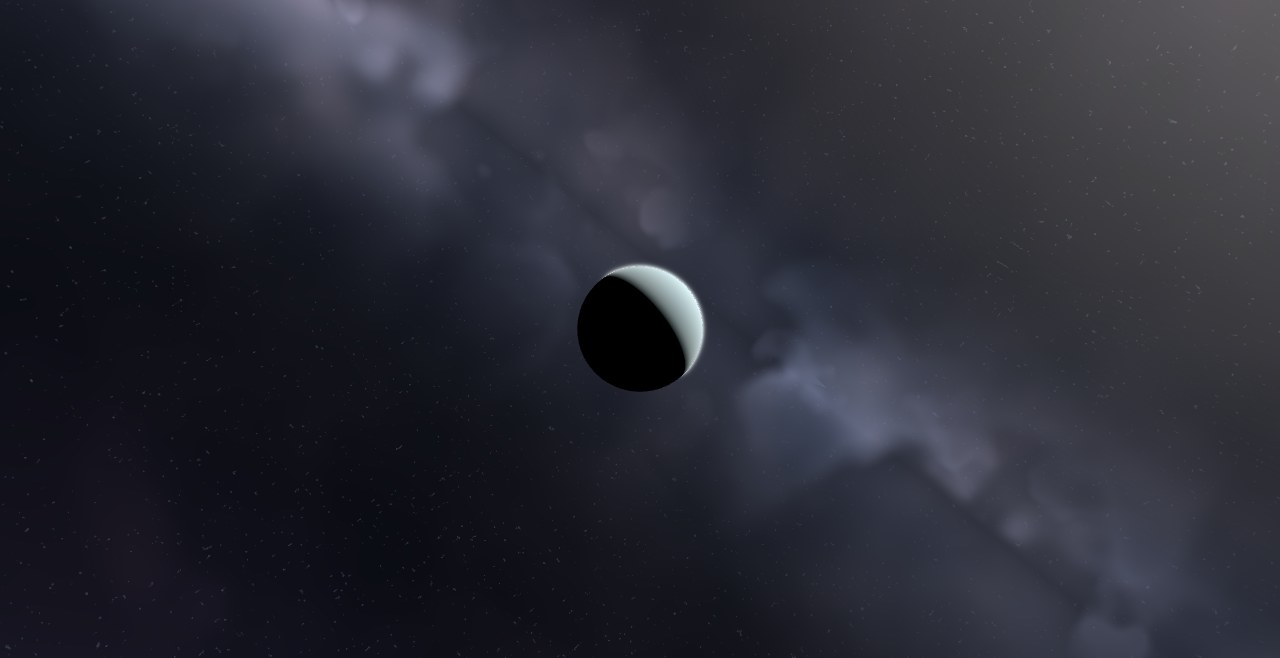
Kepler-1727, a Sun-like G-type star of 0.82 solar masses, and Kepler-1727 b, a planet with 3.2 Earth radii, with an orbital period of 9.0 days.
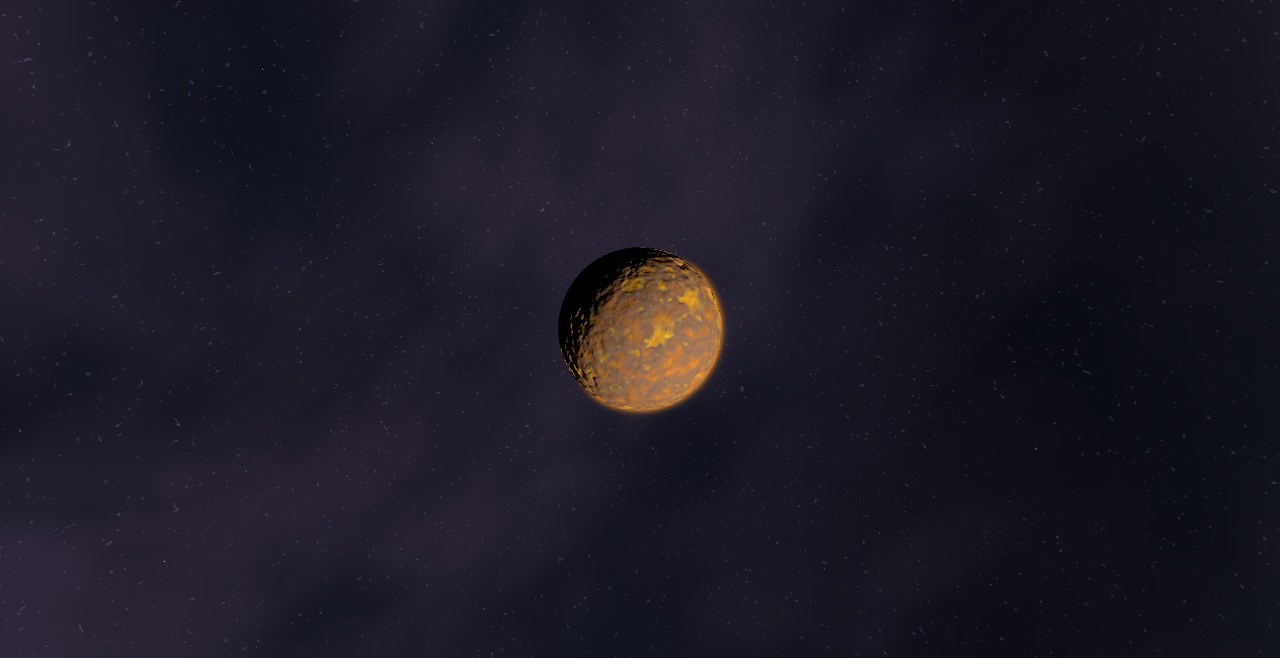
Kepler-1728, an orange K-type dwarf of 0.89 solar masses, and Kepler-1728 b, a planet with 3.0 Earth radii, with an orbital period of 4.8 days.
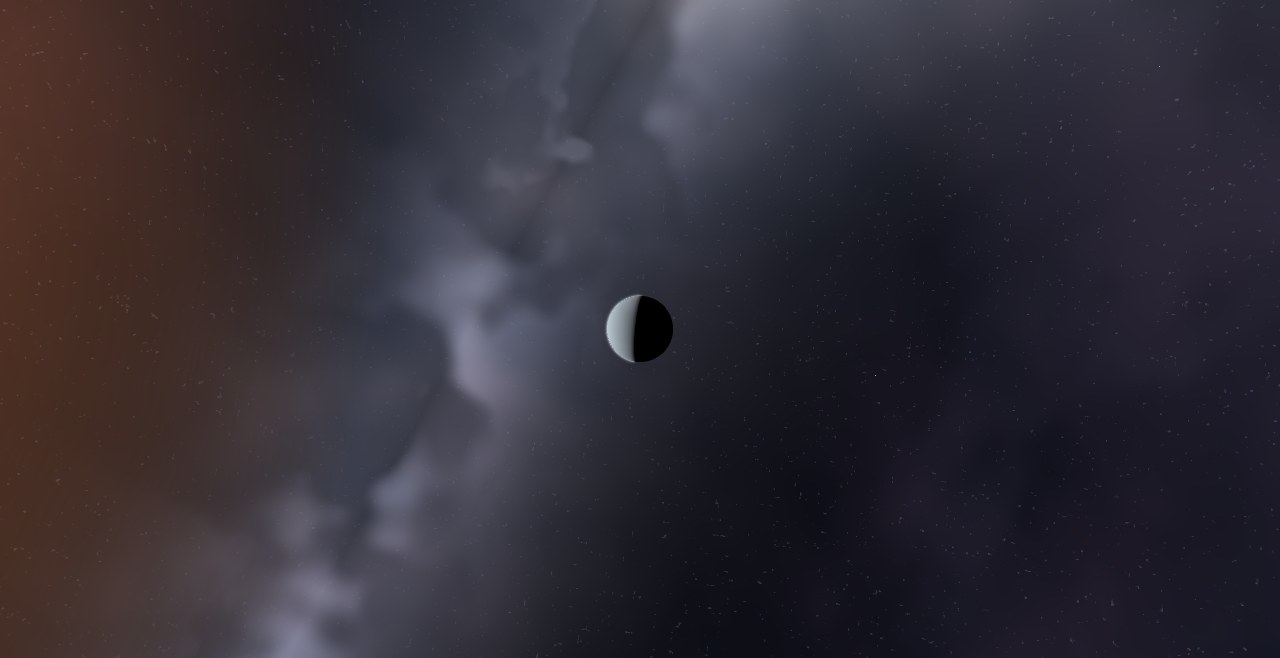
Kepler-1729, an orange K-type dwarf of 0.54 solar masses, and Kepler-1729 b, a planet with 3.9 Earth radii, with an orbital period of 4.2 days.
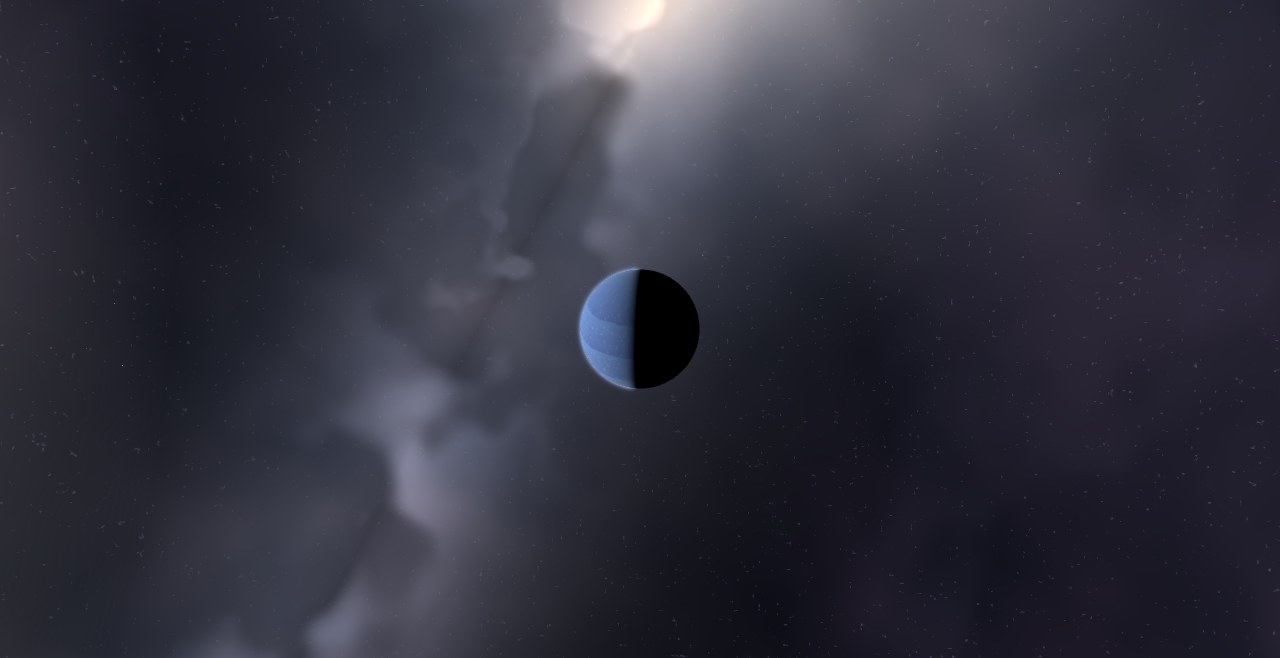
Kepler-1730, a Sun-like G-type star of 1.01 solar masses, and Kepler-1730 b, a planet with 4.5 Earth radii, with an orbital period of 13.8 days.
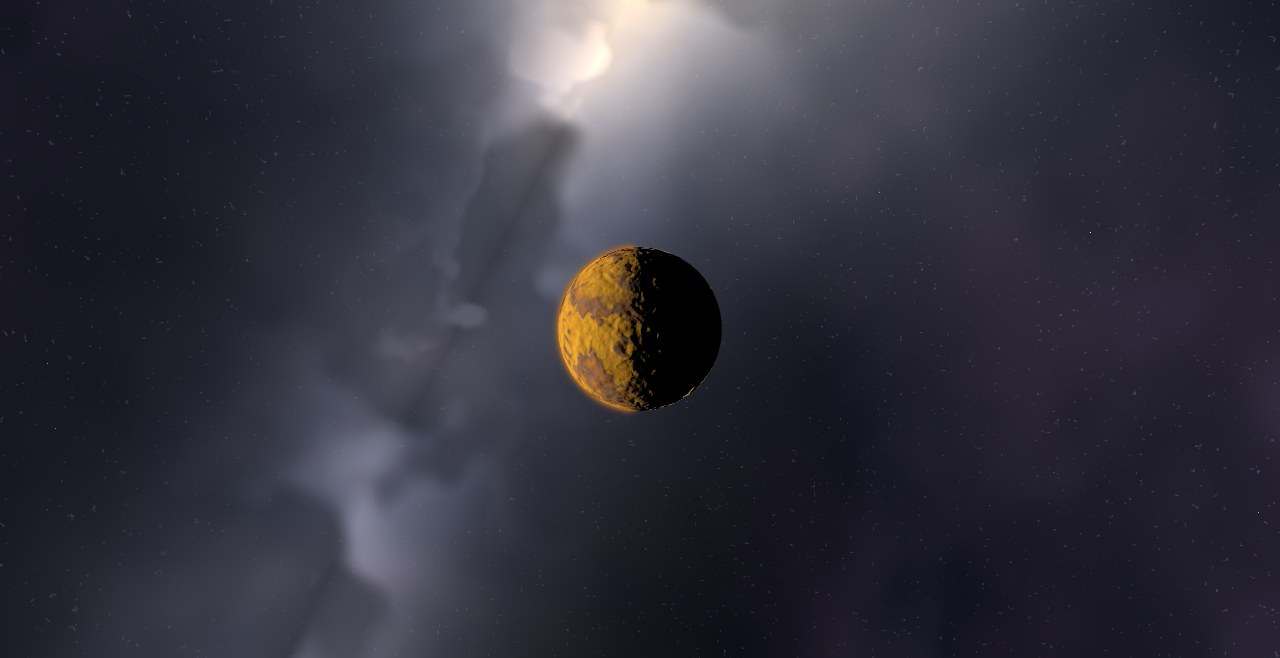
Kepler-1731, an orange K-type dwarf of 0.78 solar masses, and Kepler-1731 b, a planet with 2.9 Earth radii, with an orbital period of 21.8 days.
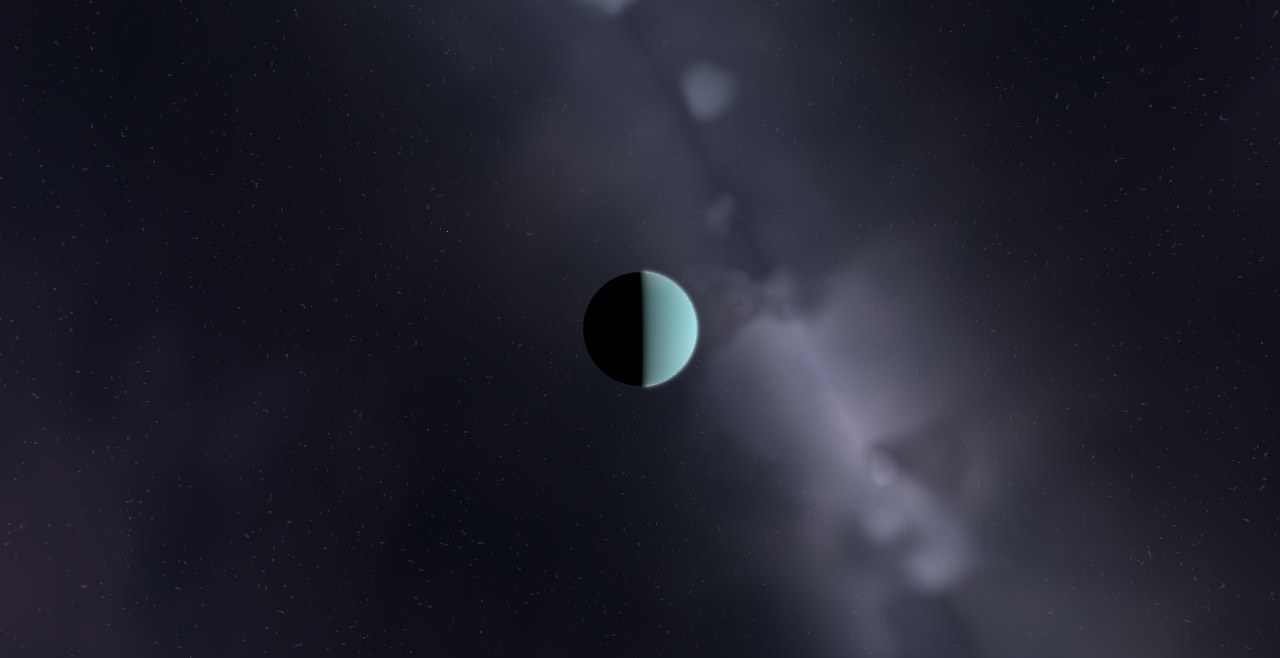
Kepler-1732, a Sun-like G-type star of 1.04 solar masses, and Kepler-1732 b, a planet with 4.1 Earth radii, with an orbital period of 32.3 days.
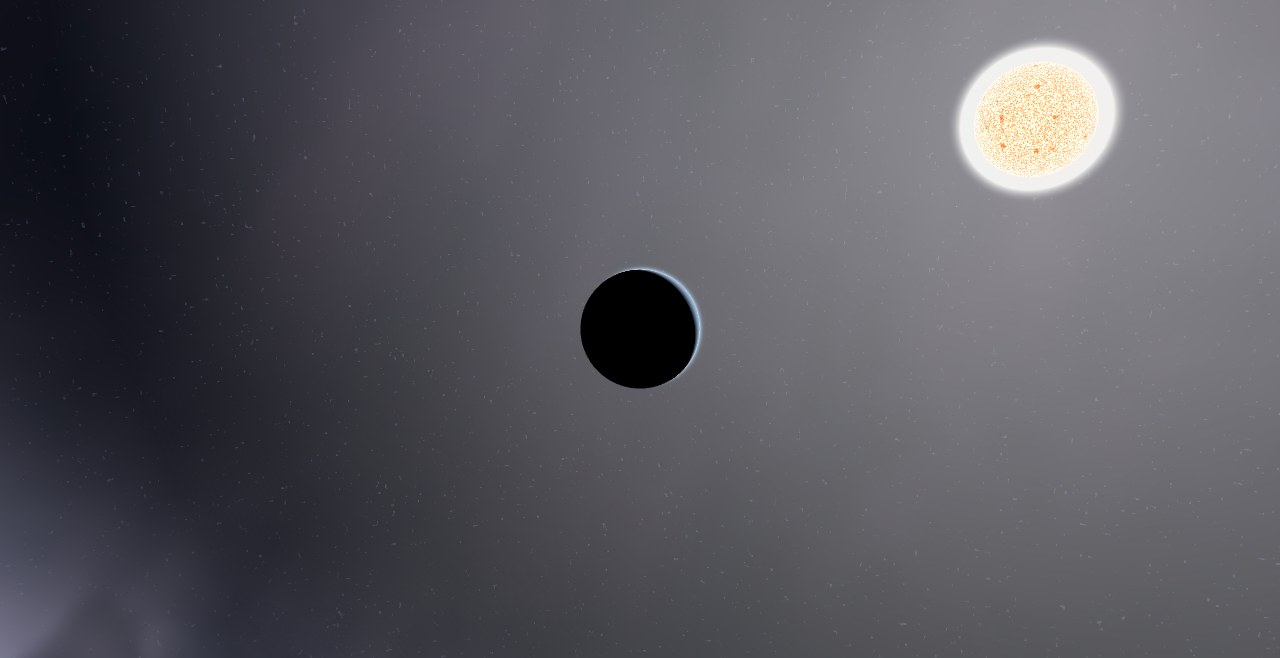
Kepler-1733, a Sun-like F-type star of 1.27 solar masses, and Kepler-1733 b, a planet with 3.6 Earth radii, with an orbital period of 9.2 days.
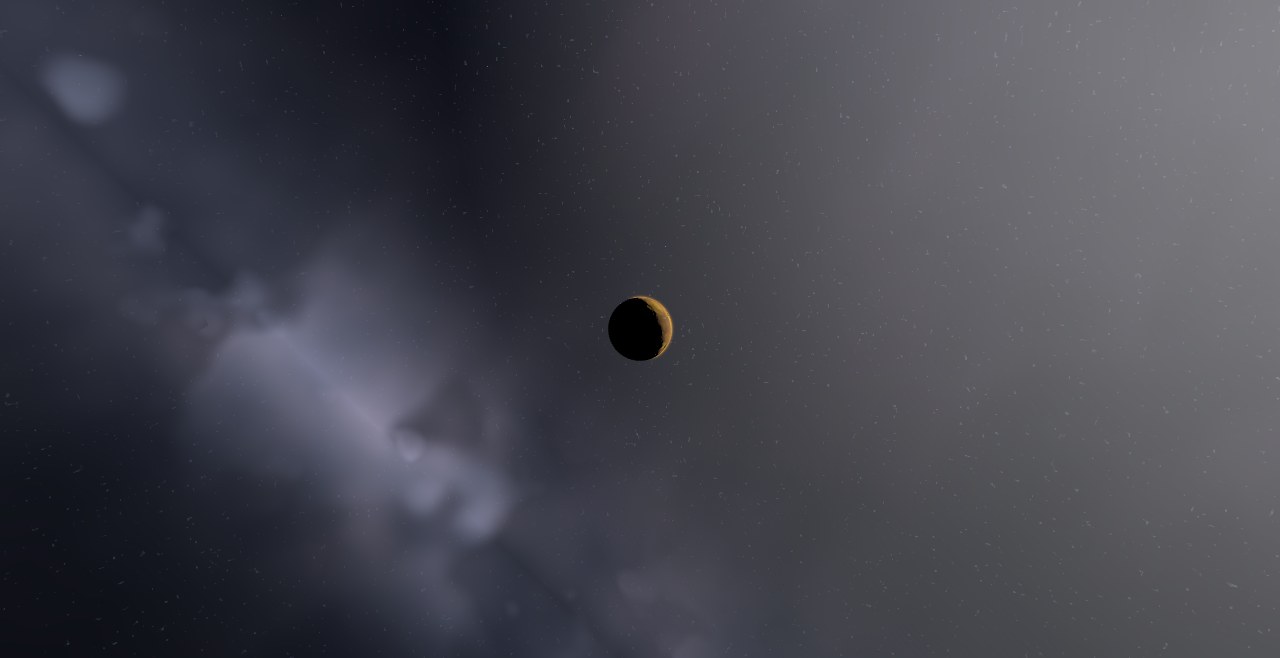
Kepler-1734, a Sun-like F-type star of 1.05 solar masses, and Kepler-1734 b, a planet with 3.1 Earth radii, with an orbital period of 6.8 days.
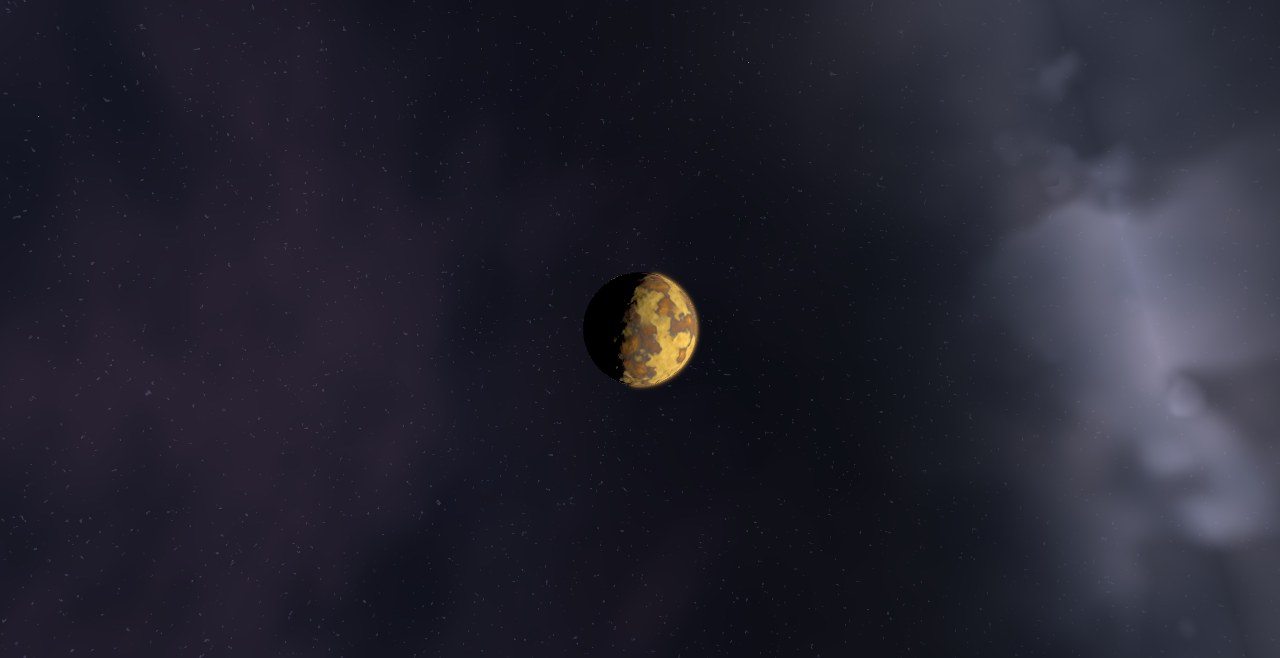
Kepler-1735, an orange K-type dwarf of 0.54 solar masses, and Kepler-1735 b, a planet with 1.2 Earth radii, with an orbital period of 7.7 days.
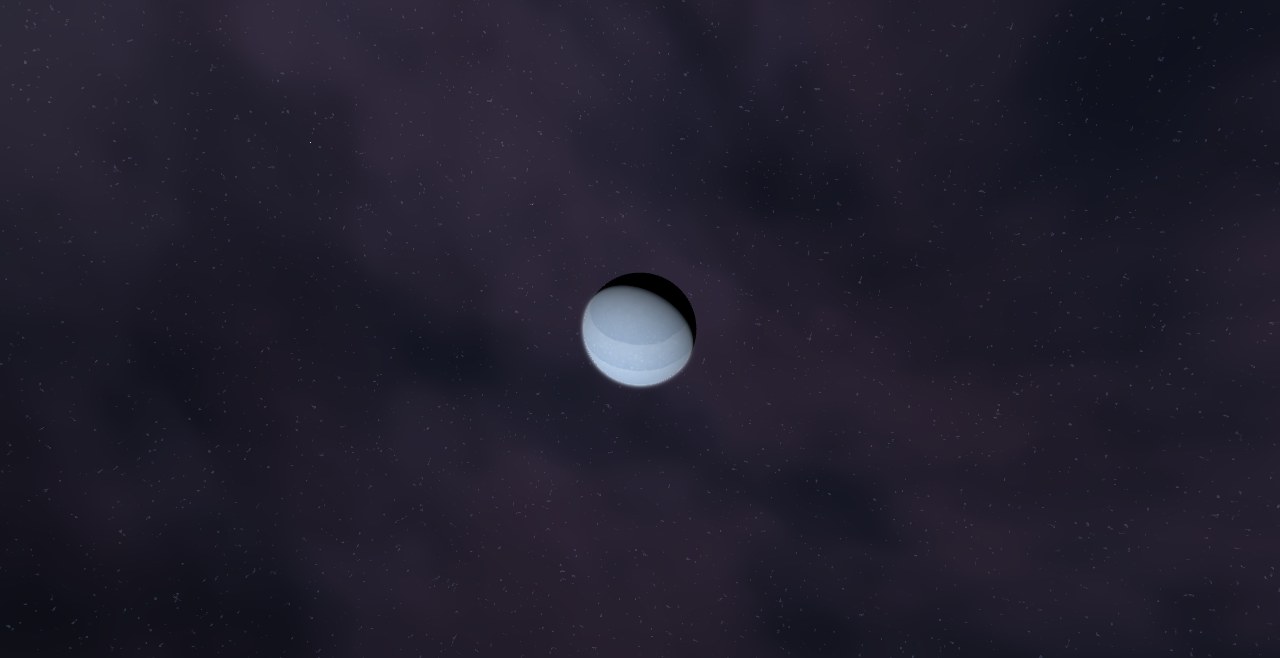
Kepler-1736, a Sun-like F-type star of 0.98 solar masses, and Kepler-1736 b, a planet with 3.9 Earth radii, with an orbital period of 37.8 days.
Kepler-1737, an orange K-type dwarf of 0.83 solar masses, and Kepler-1737 b, a planet with 5.4 Earth radii, with an orbital period of 64.6 days.
Kepler-1738, a Sun-like F-type star of 1.08 solar masses, and Kepler-1738 b, a planet with 2.8 Earth radii, with an orbital period of 7.7 days.