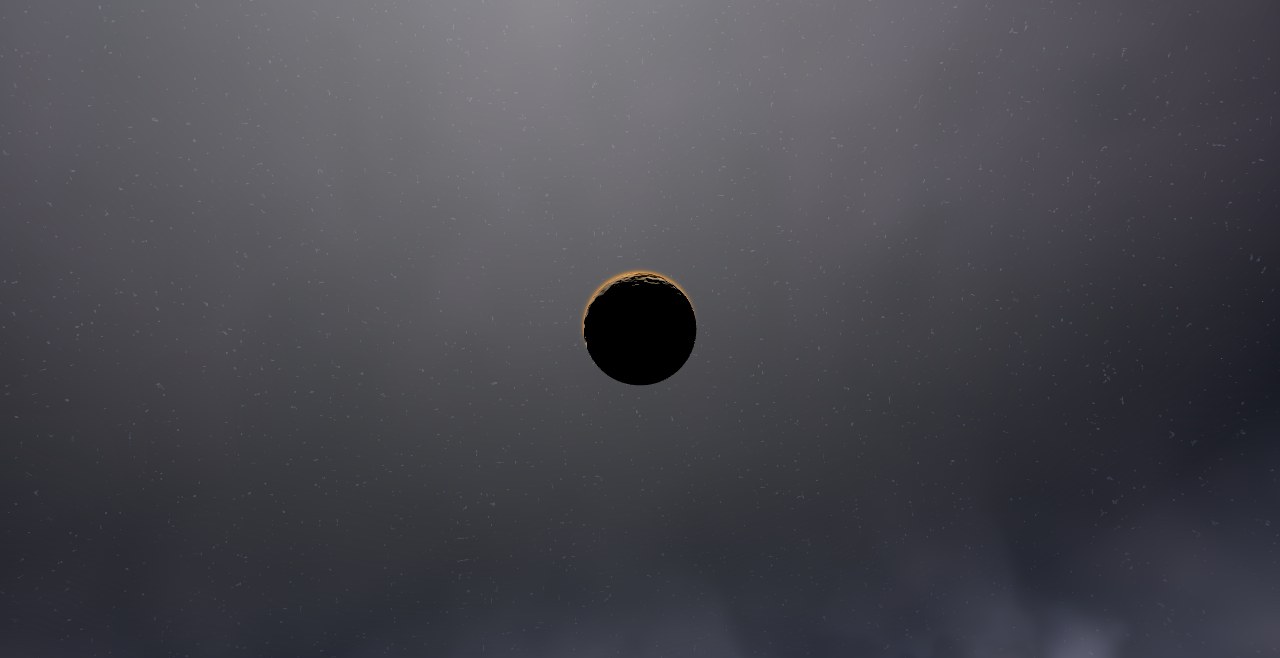
Kepler-1739 - System
Kepler-1739, a Sun-like G-type star of 0.86 solar masses, and Kepler-1739 b, a planet with 2.4 Earth radii, with an orbital period of 7.3 days.
Exoplanets
Analyze isolated alien worlds orbiting a singular host star to observe basic orbital parameters, tidal locks, and planetary eccentricities.
Share
Kepler-1739, a Sun-like G-type star of 0.86 solar masses, and Kepler-1739 b, a planet with 2.4 Earth radii, with an orbital period of 7.3 days.
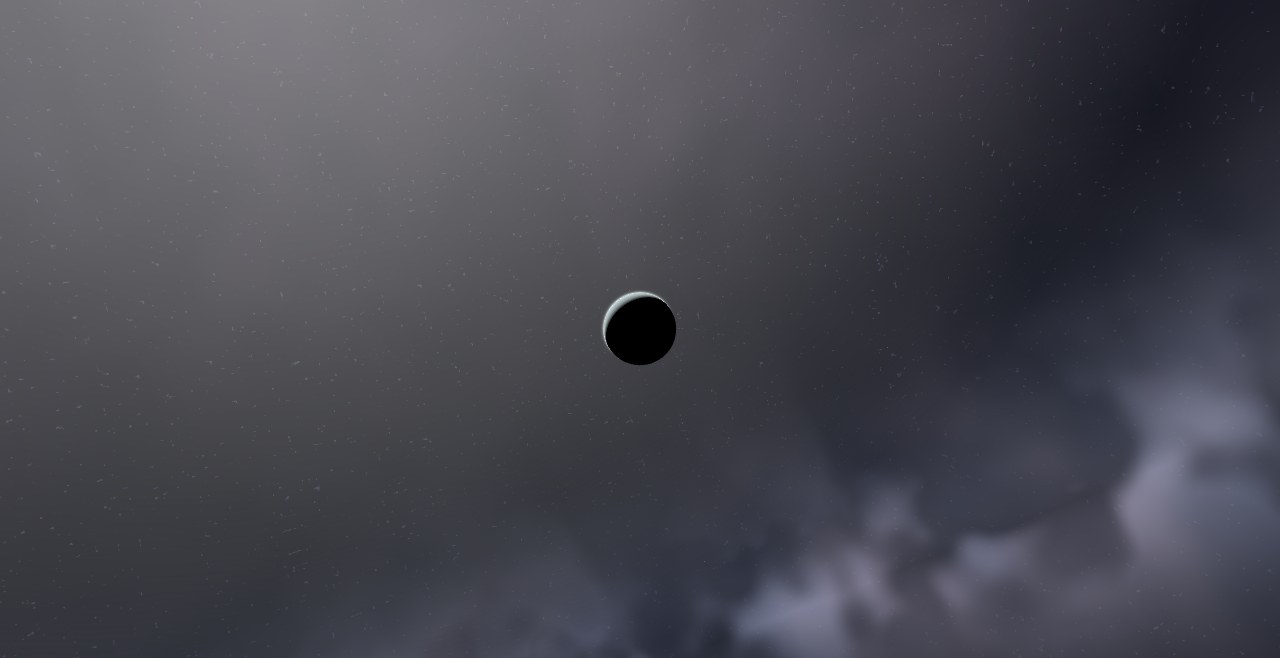
Kepler-1740, a Sun-like G-type star of 0.94 solar masses, and Kepler-1740 b, a planet with 3.3 Earth radii, with an orbital period of 8.2 days.
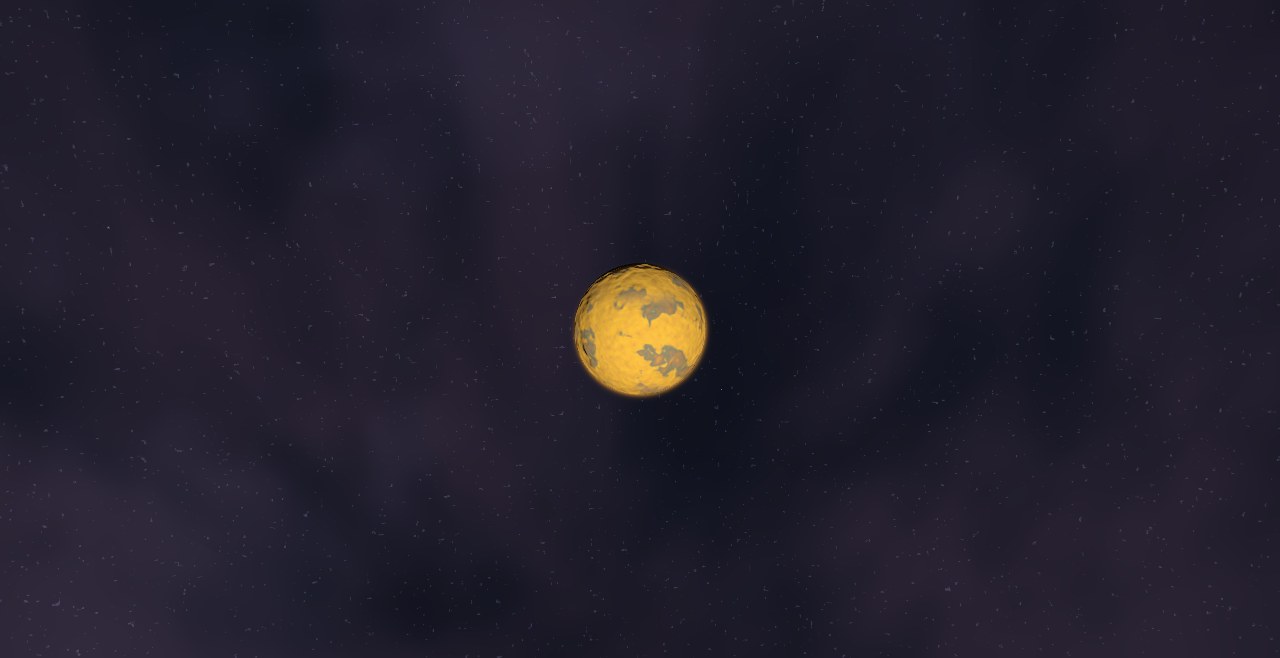
Kepler-1741, a cool M-dwarf of 0.45 solar masses, and Kepler-1741 b, a planet with 1.3 Earth radii, with an orbital period of 2.8 days.
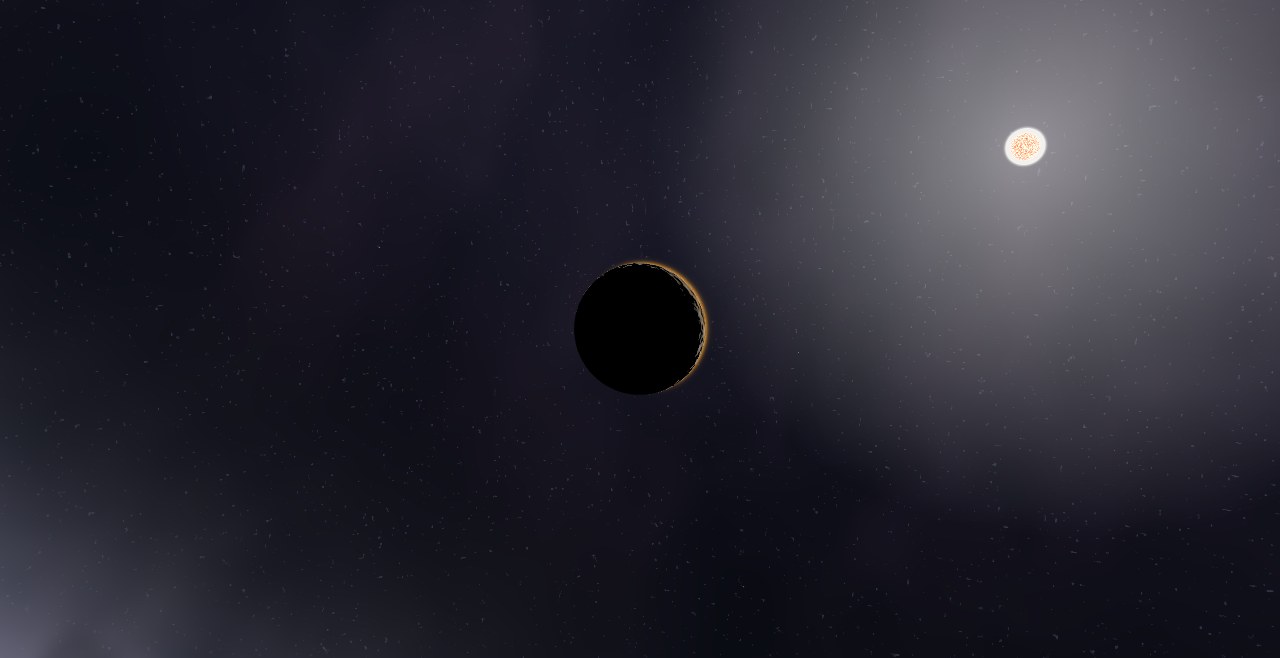
Kepler-1742, a Sun-like G-type star of 0.94 solar masses, and Kepler-1742 b, a planet with 2.2 Earth radii, with an orbital period of 49.5 days.
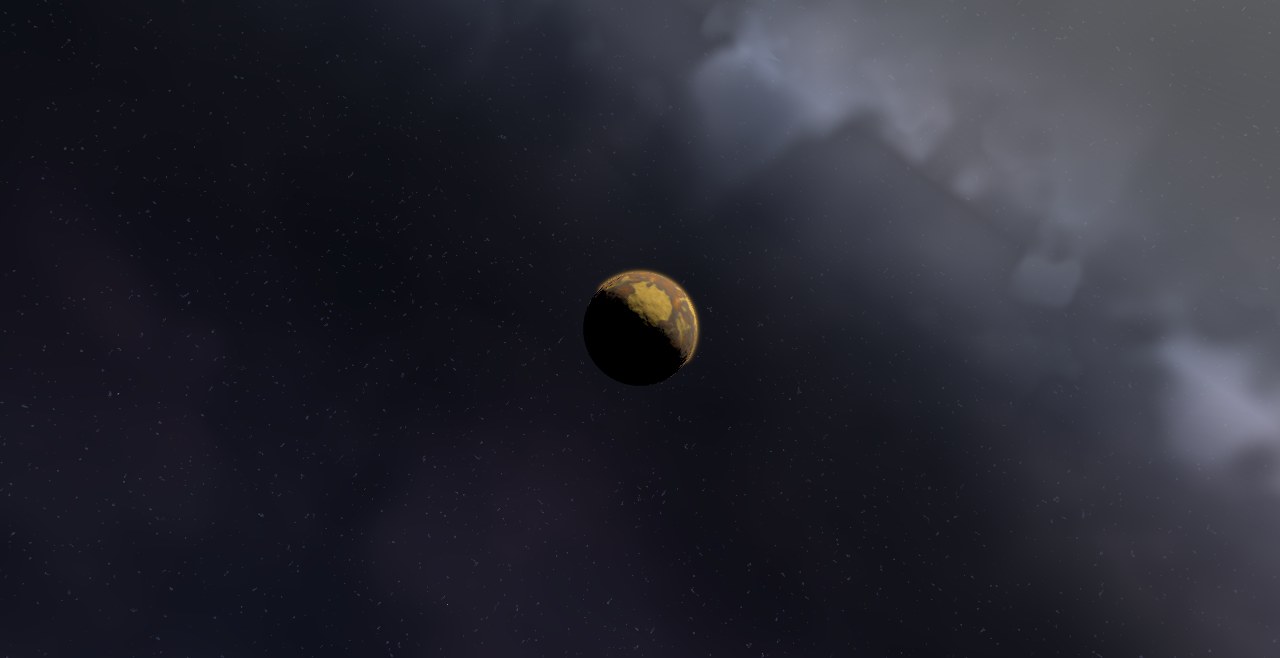
Kepler-1743, a Sun-like G-type star of 1.27 solar masses, and Kepler-1743 b, a planet with 1.6 Earth radii, with an orbital period of 7.6 days.
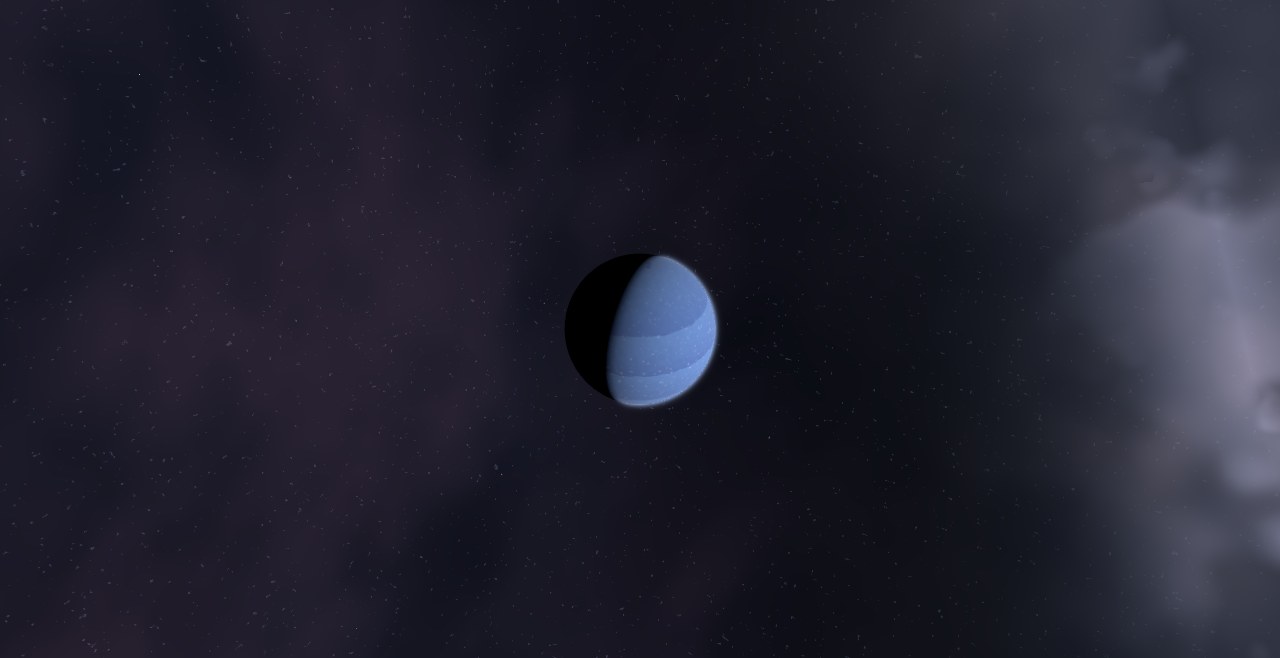
Kepler-1744, a Sun-like G-type star of 0.89 solar masses, and Kepler-1744 b, a planet with 3.8 Earth radii, with an orbital period of 37.1 days.
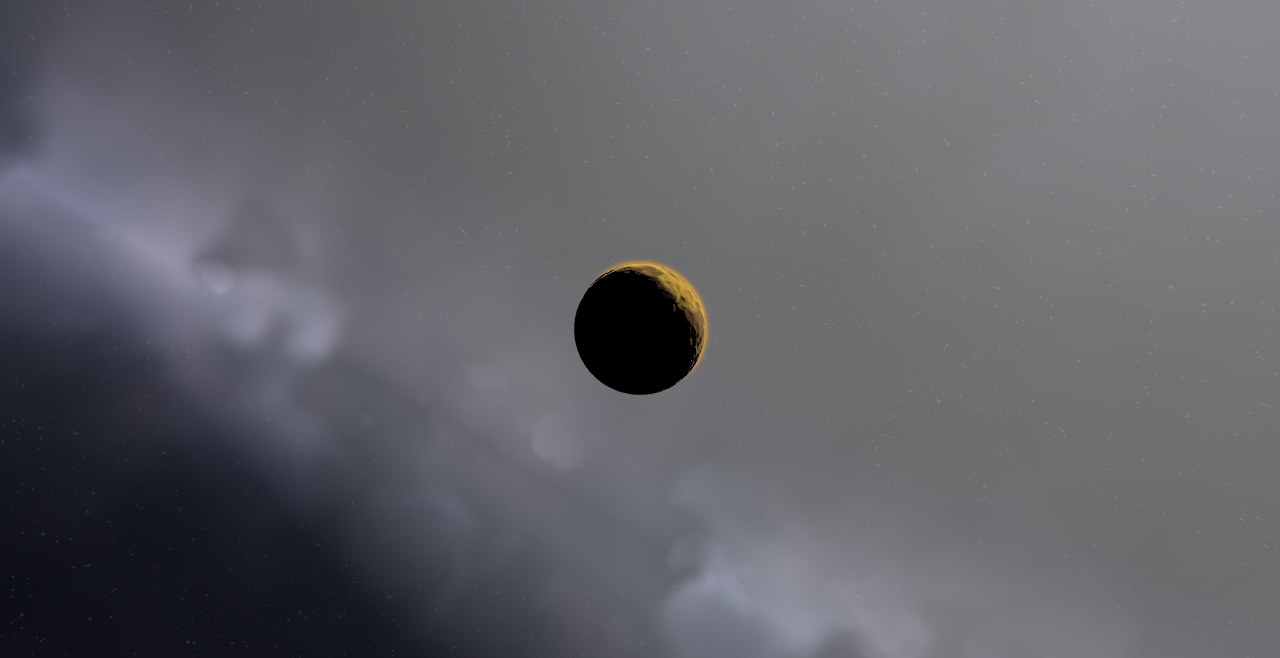
Kepler-1745, a Sun-like G-type star of 0.99 solar masses, and Kepler-1745 b, a planet with 1.9 Earth radii, with an orbital period of 3.0 days.
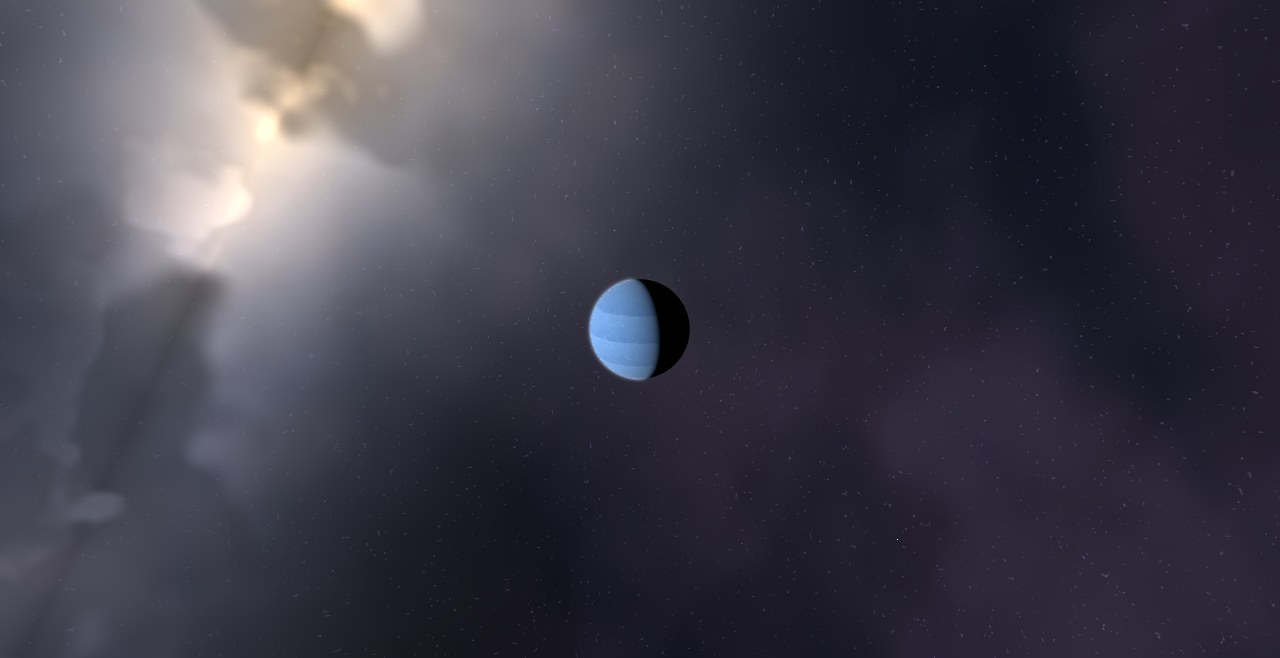
Kepler-1746, a Sun-like F-type star of 1.09 solar masses, and Kepler-1746 b, a planet with 8.9 Earth radii, with an orbital period of 321 days.
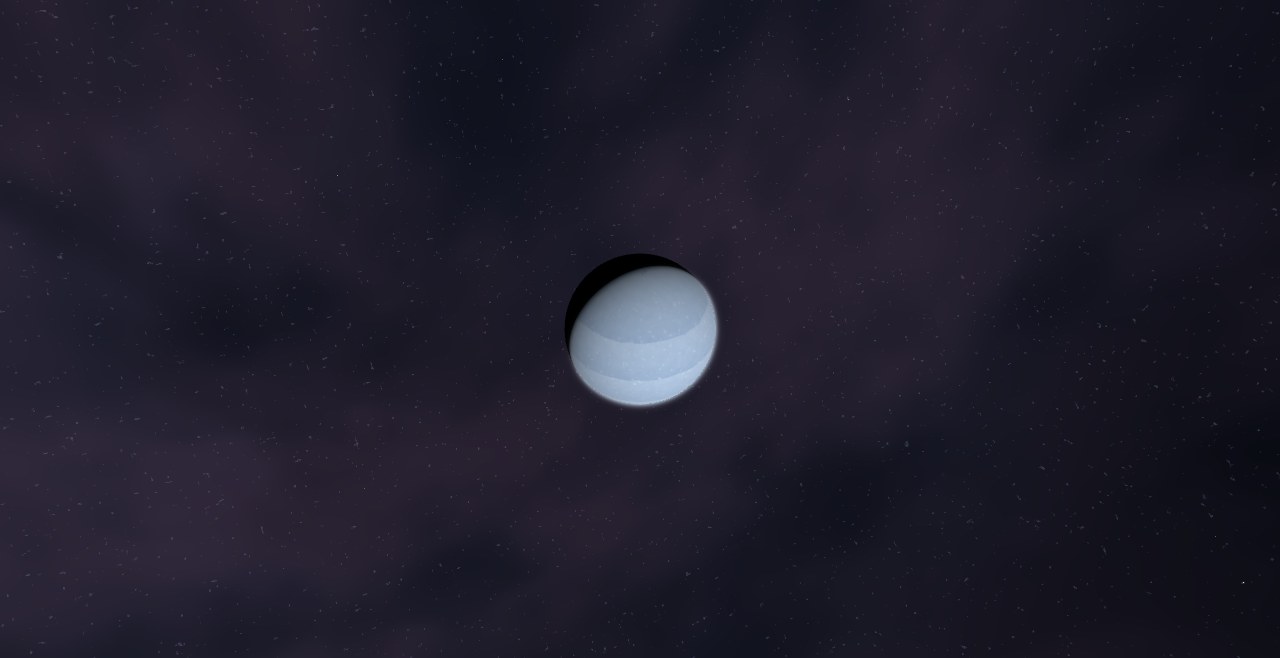
Kepler-1747, a Sun-like G-type star of 0.98 solar masses, and Kepler-1747 b, a planet with 4.3 Earth radii, with an orbital period of 6.2 days.
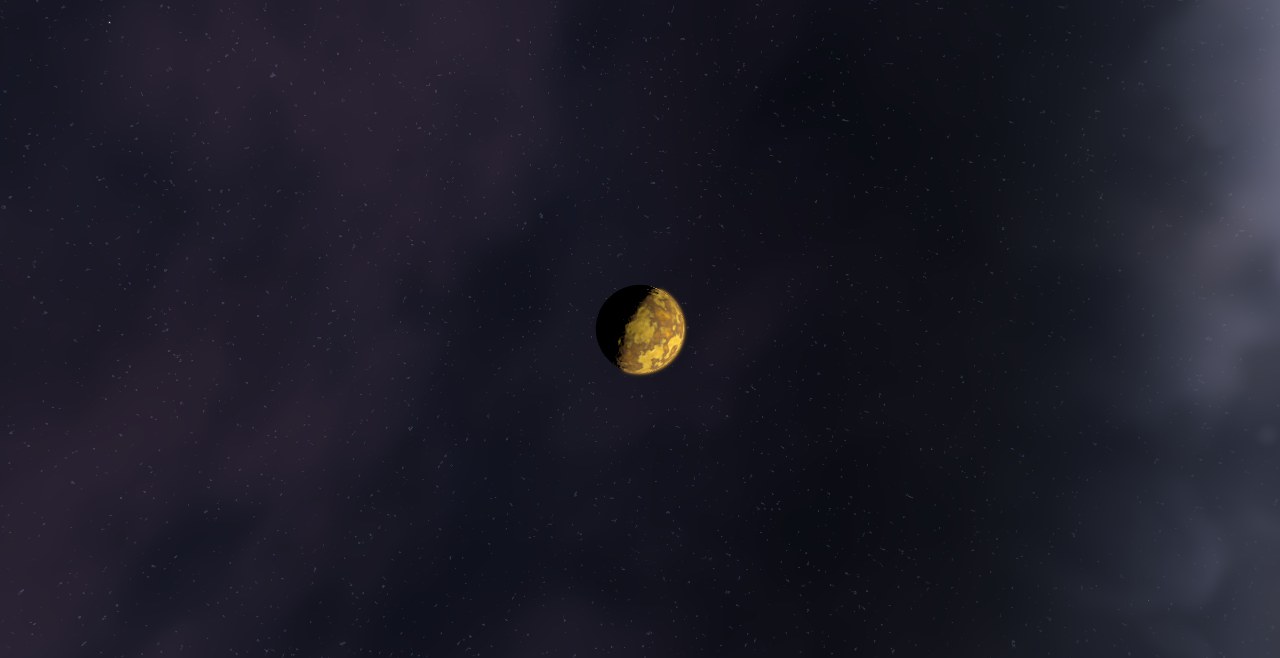
Kepler-1748, a Sun-like G-type star of 0.92 solar masses, and Kepler-1748 b, a planet with 2.7 Earth radii, with an orbital period of 5.8 days.
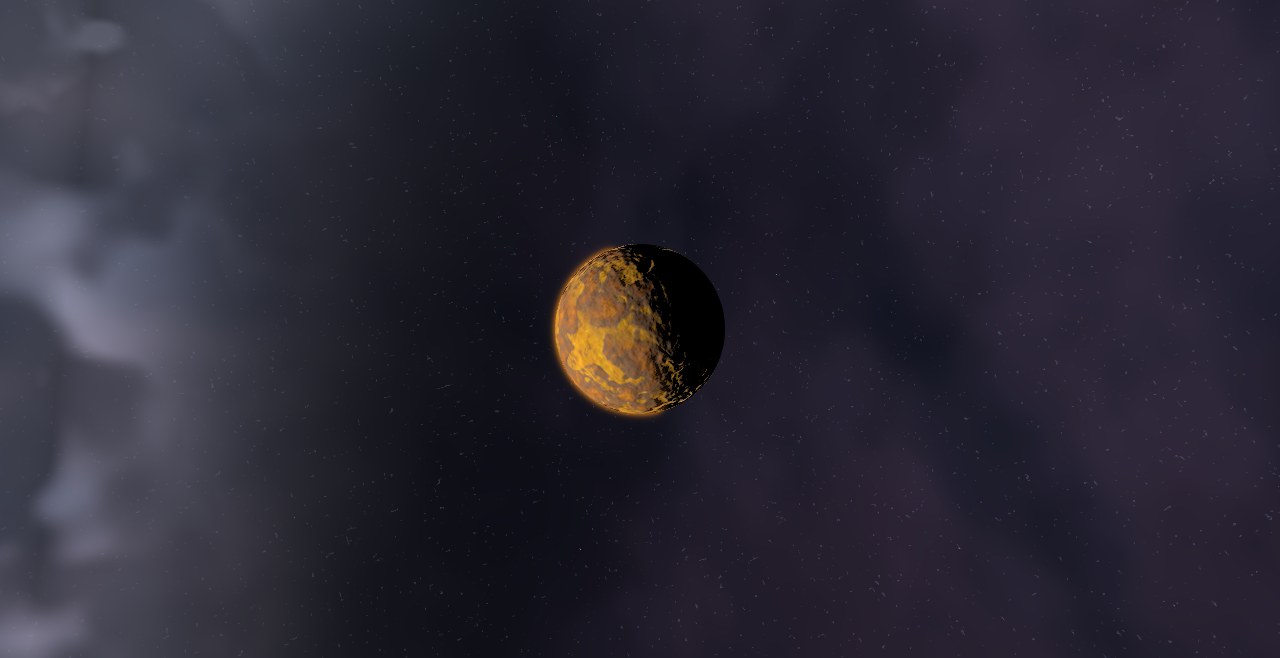
Kepler-1749, an orange K-type dwarf of 0.55 solar masses, and Kepler-1749 b, a planet with 1.6 Earth radii, with an orbital period of 14.5 days.
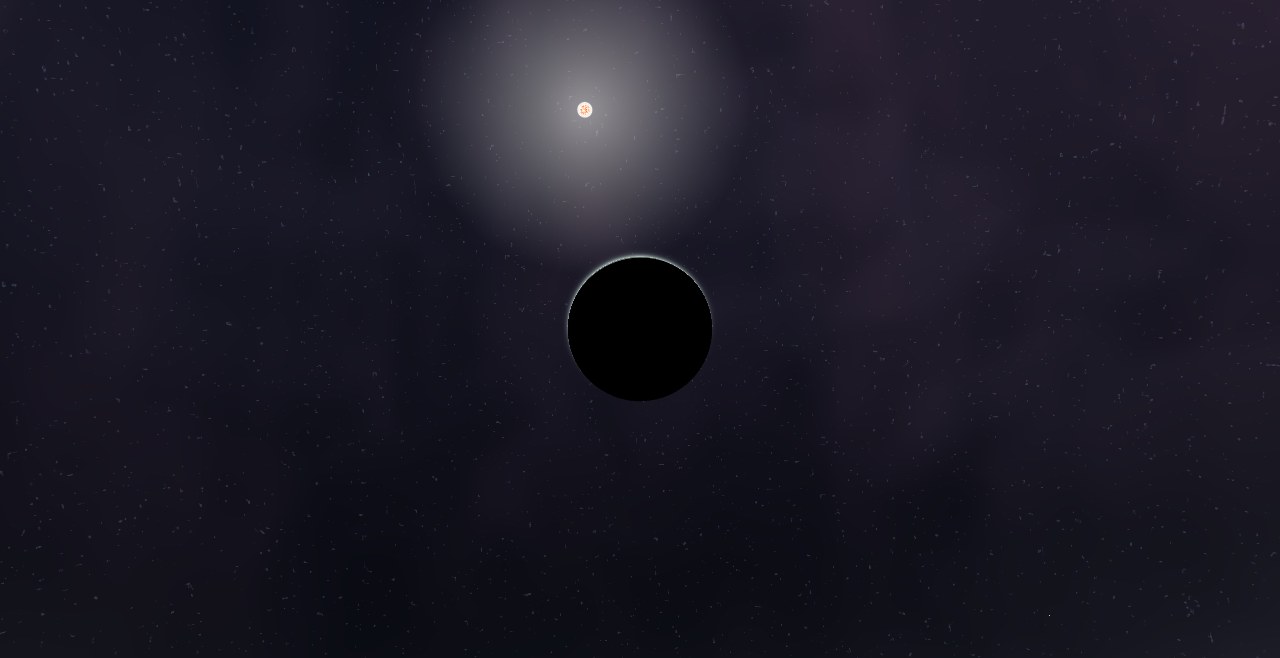
Kepler-1750, a Sun-like G-type star of 0.98 solar masses, and Kepler-1750 b, a planet with 6.0 Earth radii, with an orbital period of 206 days.
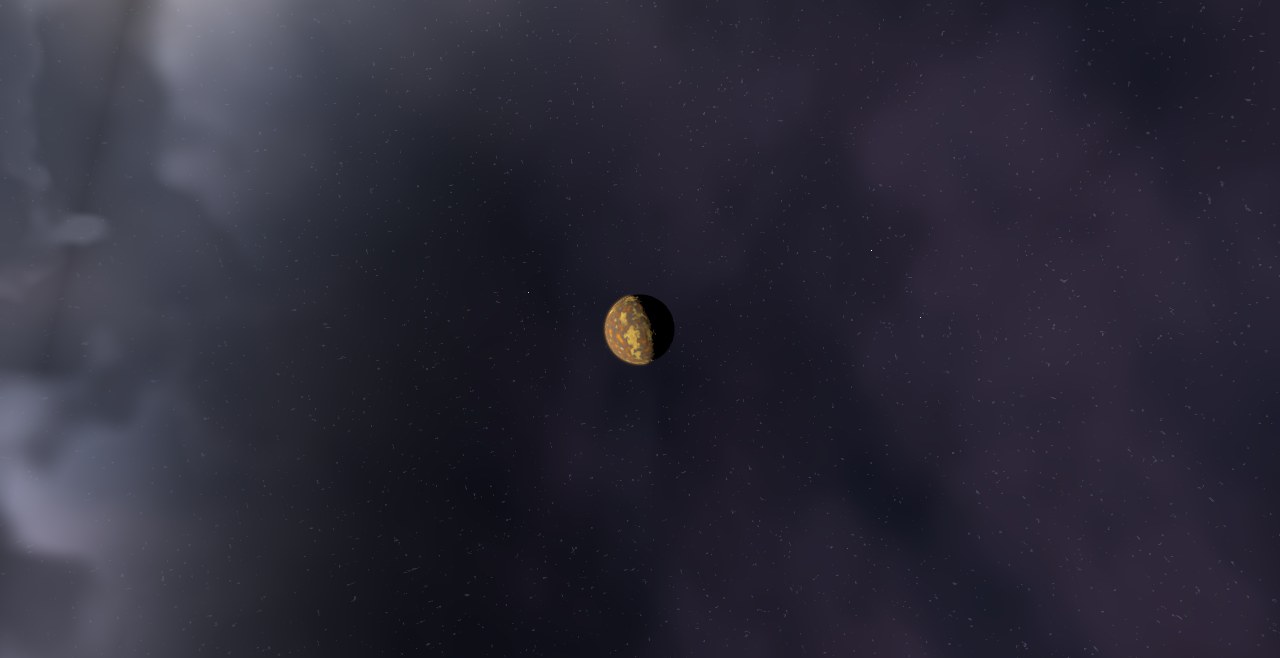
Kepler-1751, a Sun-like F-type star of 0.97 solar masses, and Kepler-1751 b, a planet with 1.8 Earth radii, with an orbital period of 7.0 days.
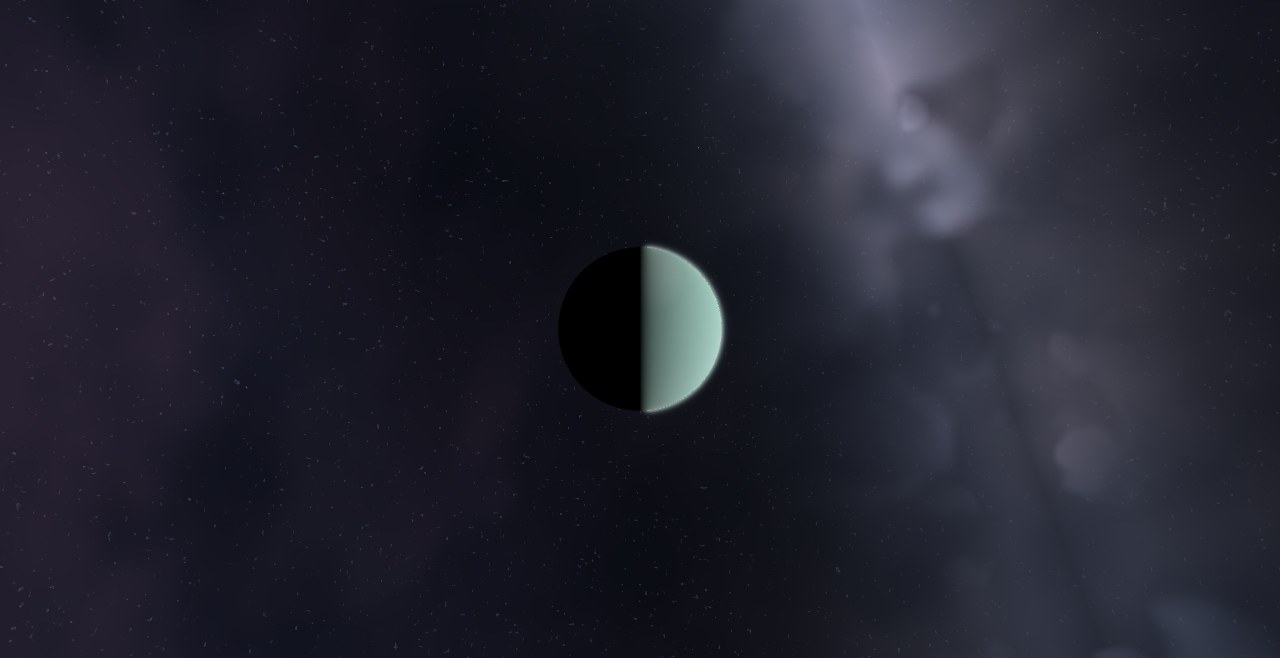
Kepler-1752, a Sun-like G-type star of 0.82 solar masses, and Kepler-1752 b, a planet with 4.5 Earth radii, with an orbital period of 56.4 days.
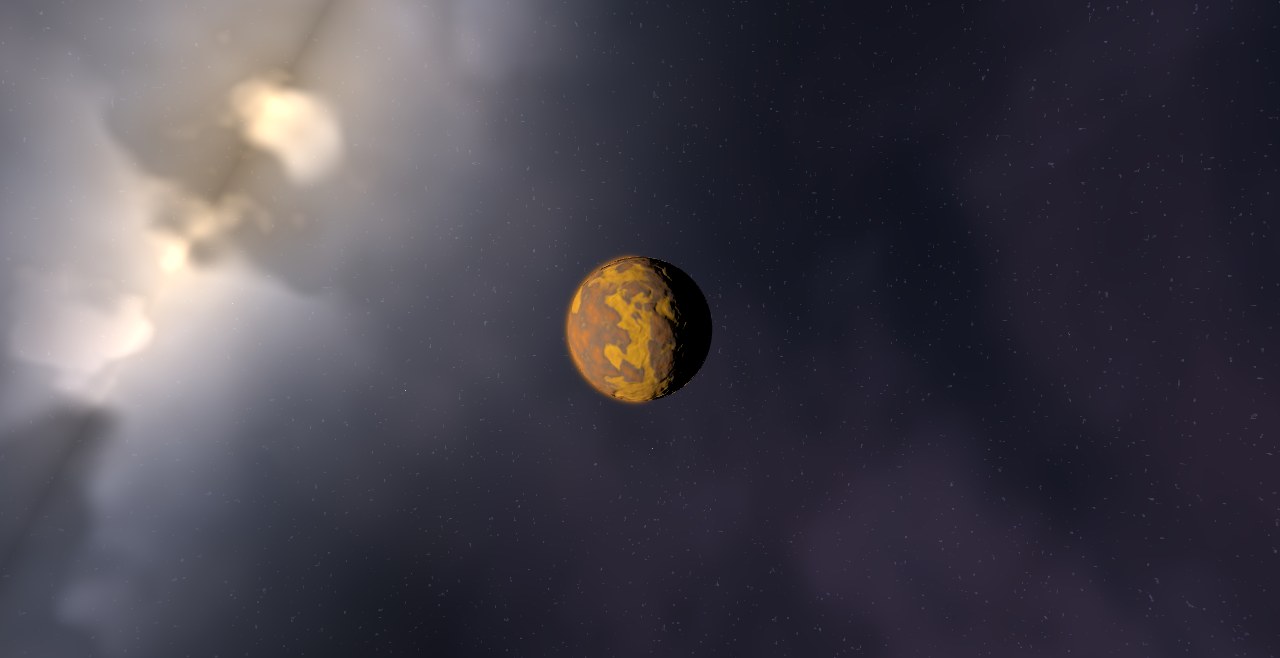
Kepler-1753, an orange K-type dwarf of 0.86 solar masses, and Kepler-1753 b, a planet with 2.2 Earth radii, with an orbital period of 16.0 days.
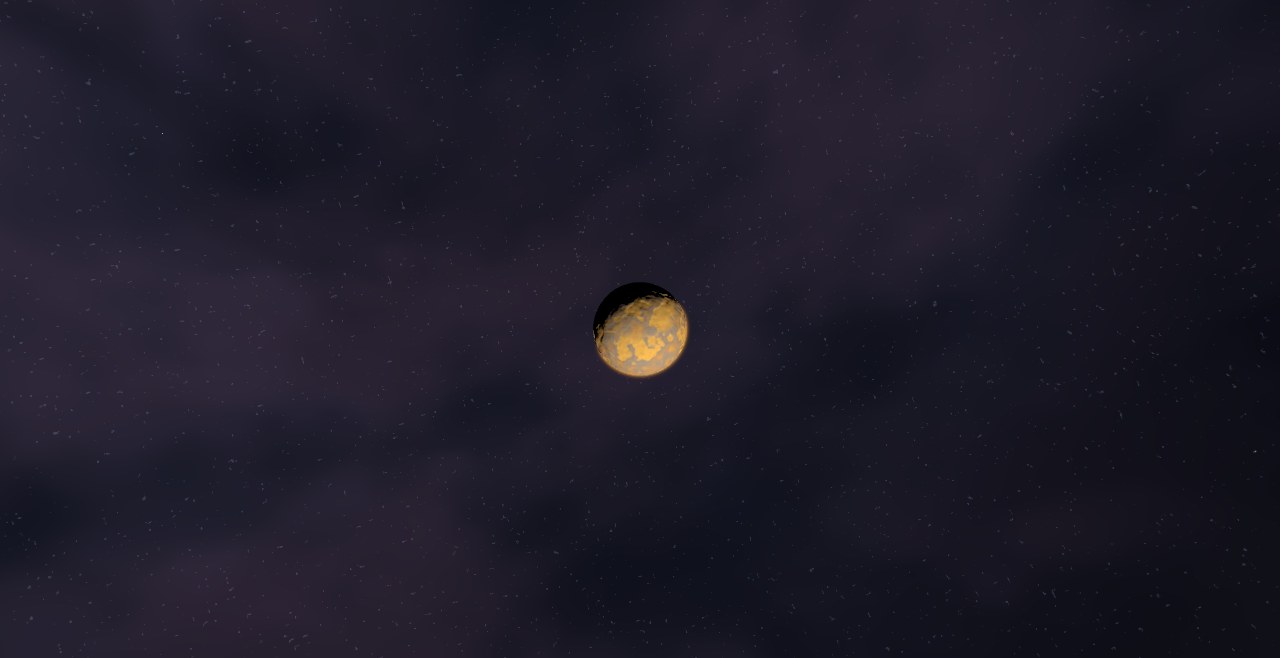
Kepler-1754, an orange K-type dwarf of 0.73 solar masses, and Kepler-1754 b, a planet with 2.4 Earth radii, with an orbital period of 8.2 days.
Kepler-1755, a Sun-like F-type star of 1.00 solar masses, and Kepler-1755 b, a planet with 5.9 Earth radii, with an orbital period of 24.8 days.
Kepler-1756, an orange K-type dwarf of 0.78 solar masses, and Kepler-1756 b, a planet with 1.5 Earth radii, with an orbital period of 2.4 days.