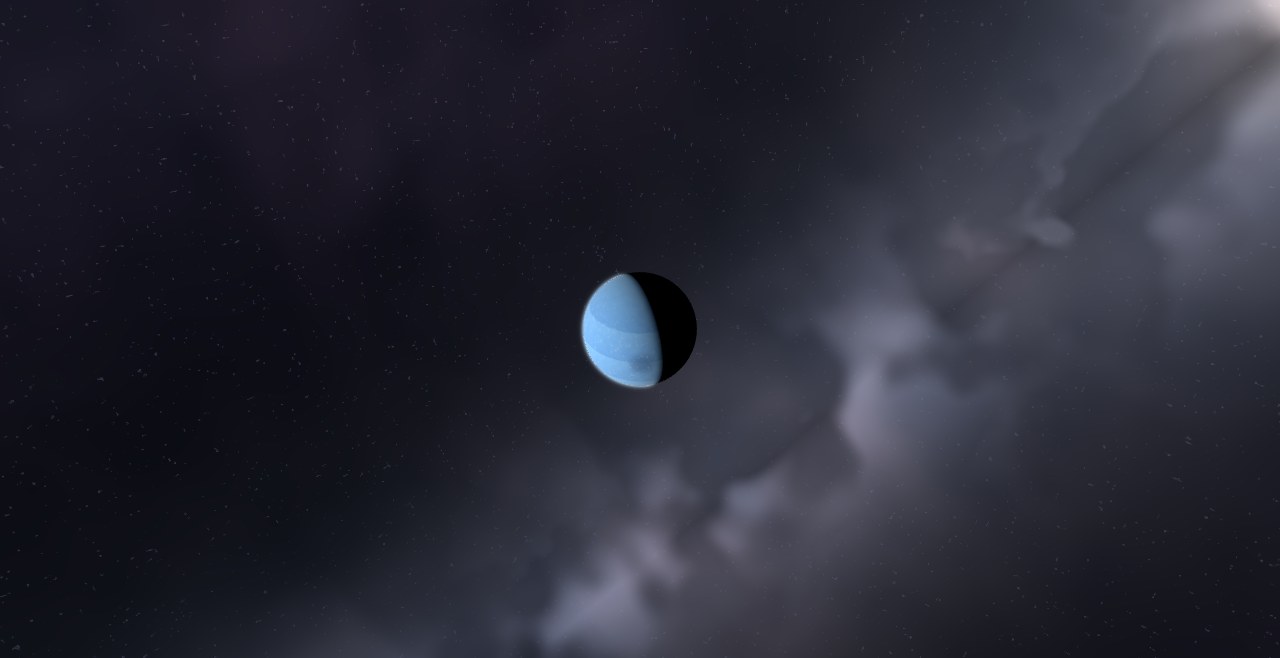
Kepler-1661 - System
Kepler-1661, an orange K-type dwarf of 0.84 solar masses, and Kepler-1661 b, a 0.05-Jupiter-mass companion, with an orbital period of 175 days, at 0.633 AU from its star, and an equilibrium temperature near.
Exoplanets
Analyze isolated alien worlds orbiting a singular host star to observe basic orbital parameters, tidal locks, and planetary eccentricities.
Share
Kepler-1661, an orange K-type dwarf of 0.84 solar masses, and Kepler-1661 b, a 0.05-Jupiter-mass companion, with an orbital period of 175 days, at 0.633 AU from its star, and an equilibrium temperature near.
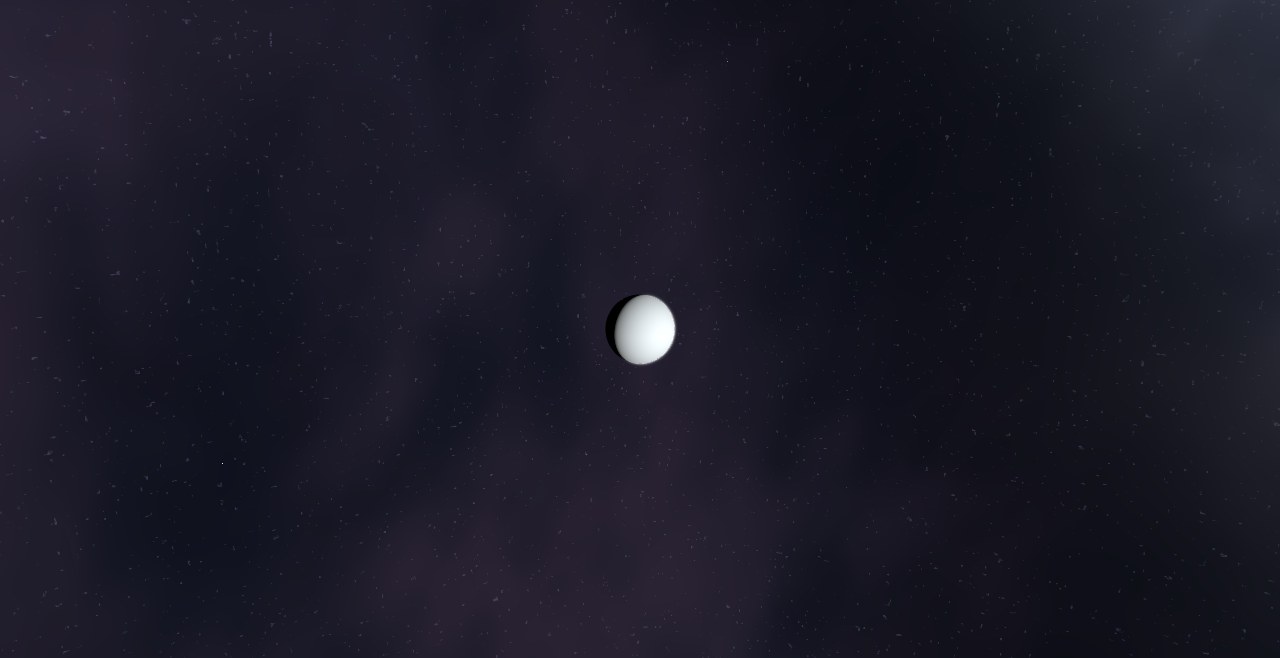
Kepler-1663, an orange K-type dwarf of 0.61 solar masses, and Kepler-1663 b, a planet with 3.3 Earth radii, with an orbital period of 17.6 days.
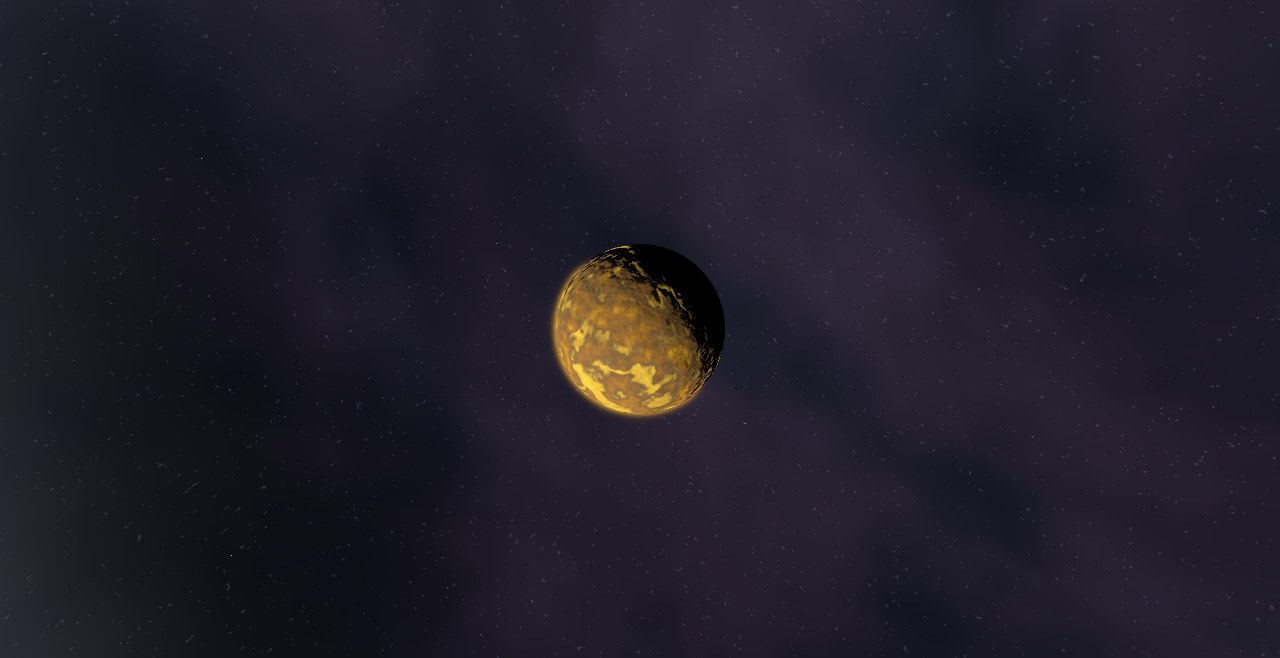
Kepler-1664, a Sun-like G-type star of 0.94 solar masses, and Kepler-1664 b, a planet with 3.0 Earth radii, with an orbital period of 14.4 days.
Kepler-1665, an orange K-type dwarf of 0.84 solar masses, and Kepler-1665 b, a planet with 2.8 Earth radii, with an orbital period of 12.0 days.
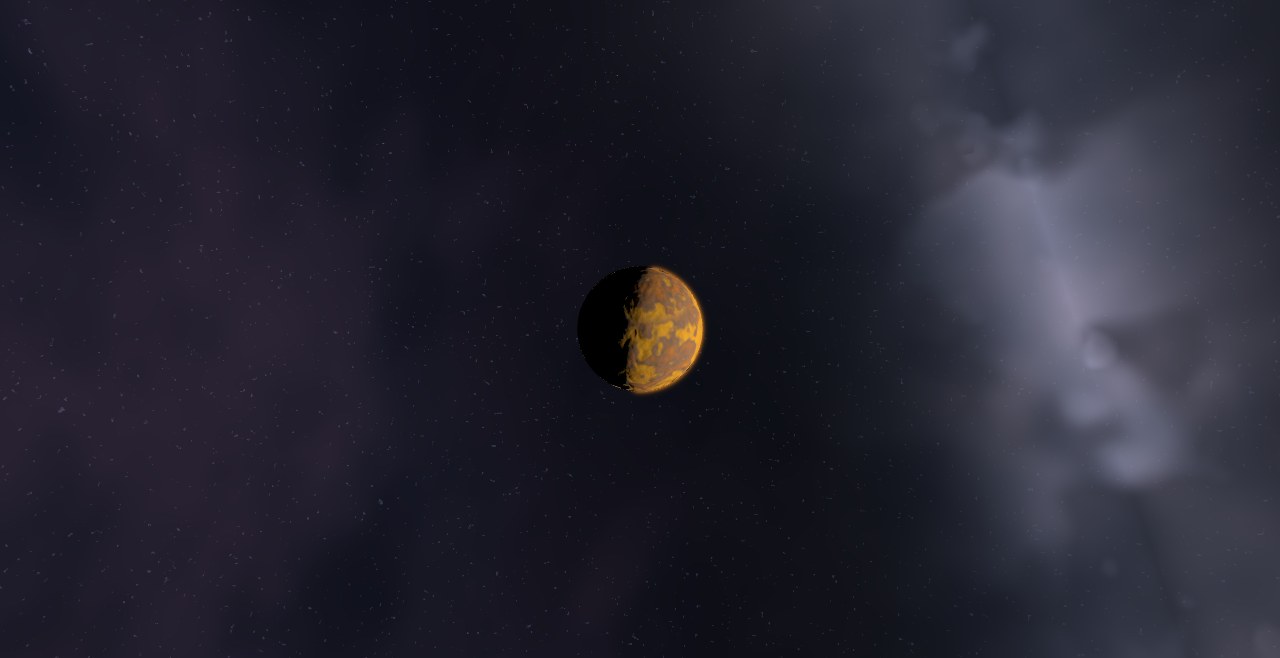
Kepler-1667, a Sun-like G-type star of 1.09 solar masses, and Kepler-1667 b, a planet with 3.0 Earth radii, with an orbital period of 83.6 days.
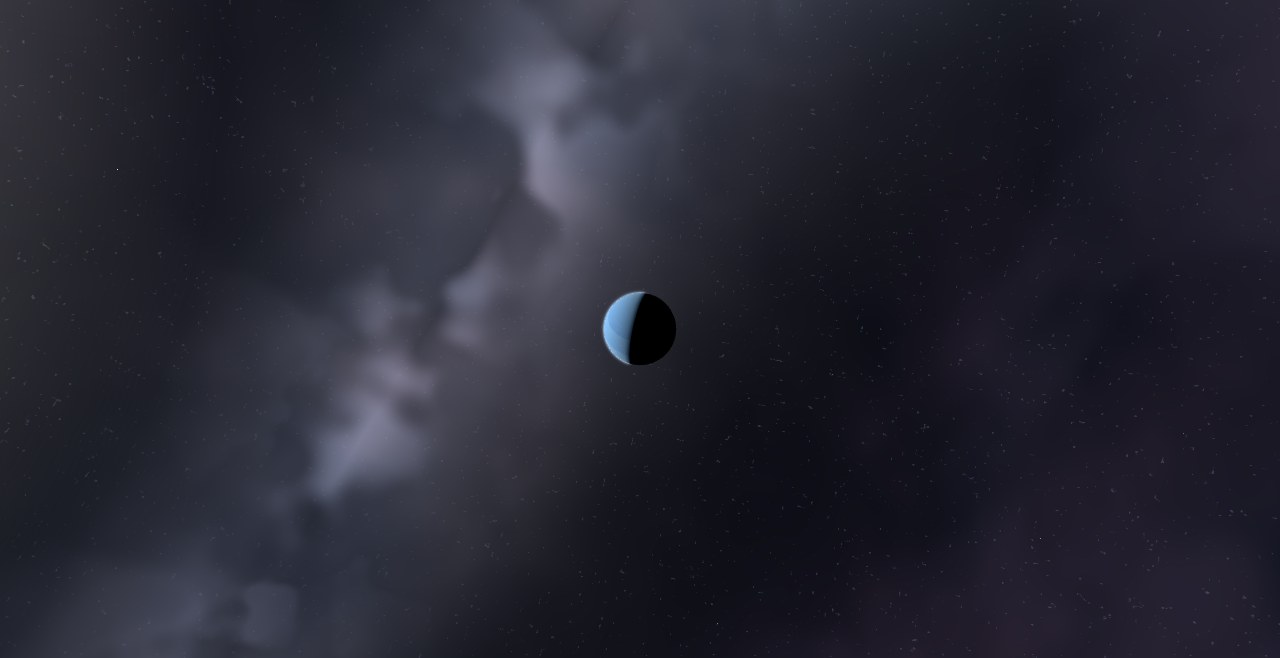
Kepler-1668, a Sun-like G-type star of 0.98 solar masses, and Kepler-1668 b, a planet with 4.3 Earth radii, with an orbital period of 15.4 days.
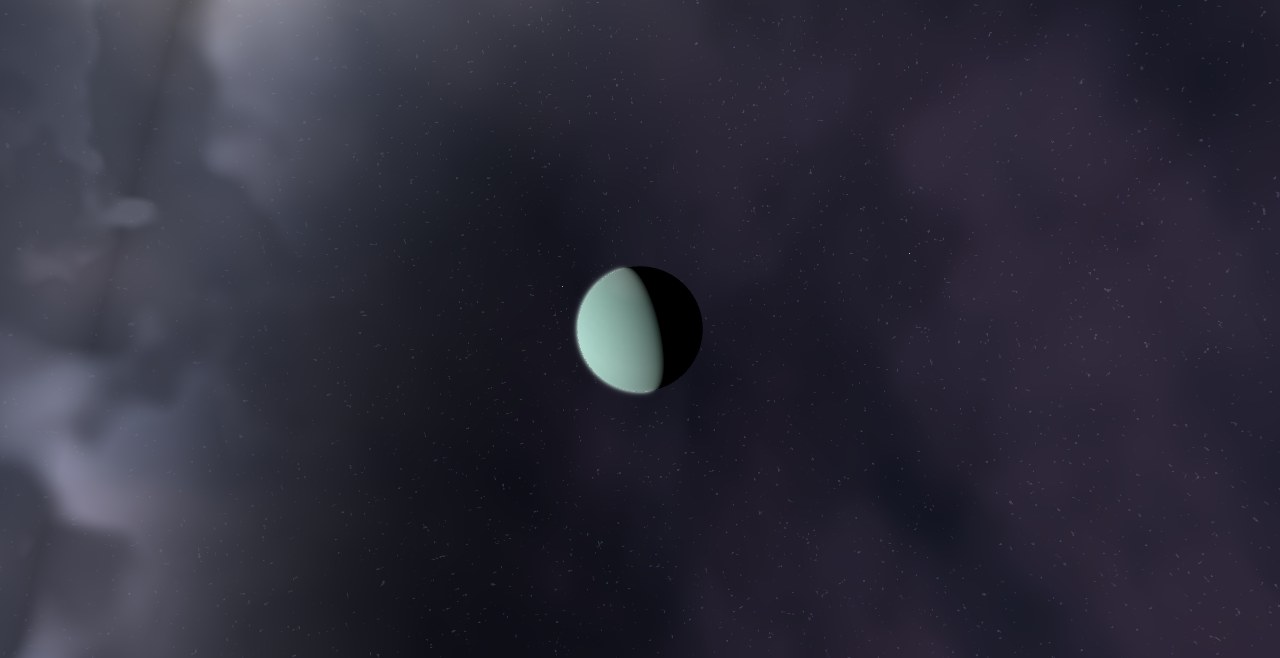
Kepler-1670, a Sun-like G-type star of 1.05 solar masses, and Kepler-1670 b, a planet with 3.4 Earth radii, with an orbital period of 20.5 days.
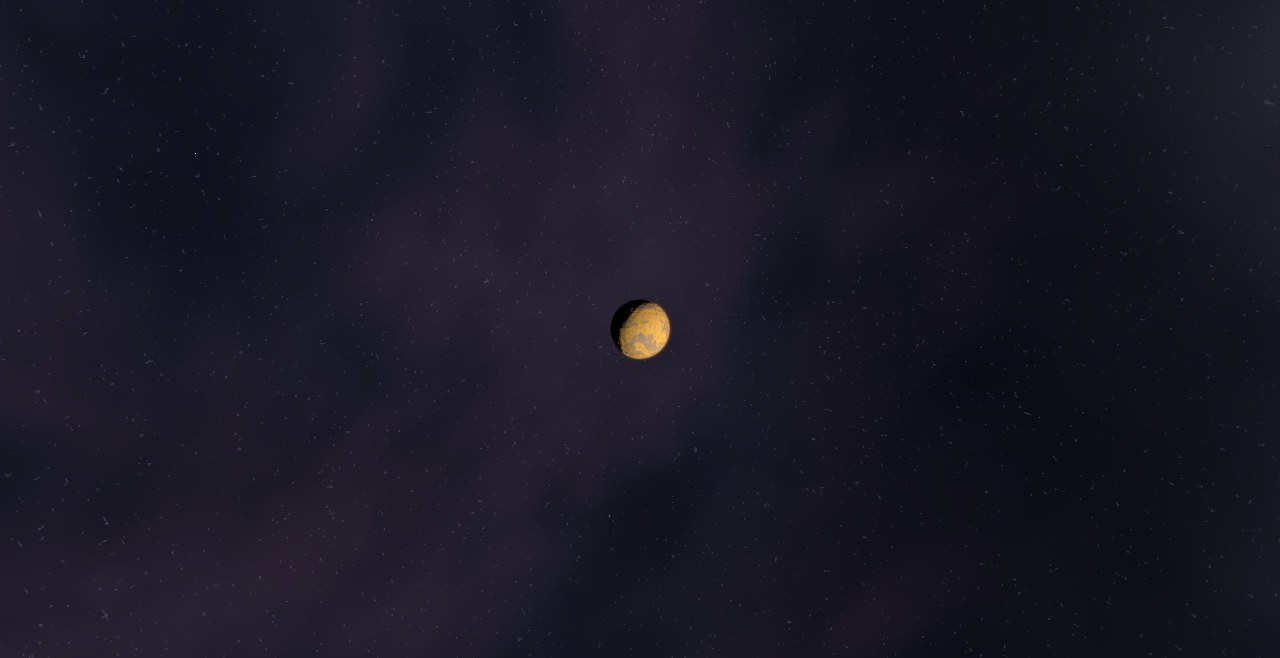
Kepler-1671, an orange K-type dwarf of 0.87 solar masses, and Kepler-1671 b, a planet with 1.3 Earth radii, with an orbital period of 4.2 days.
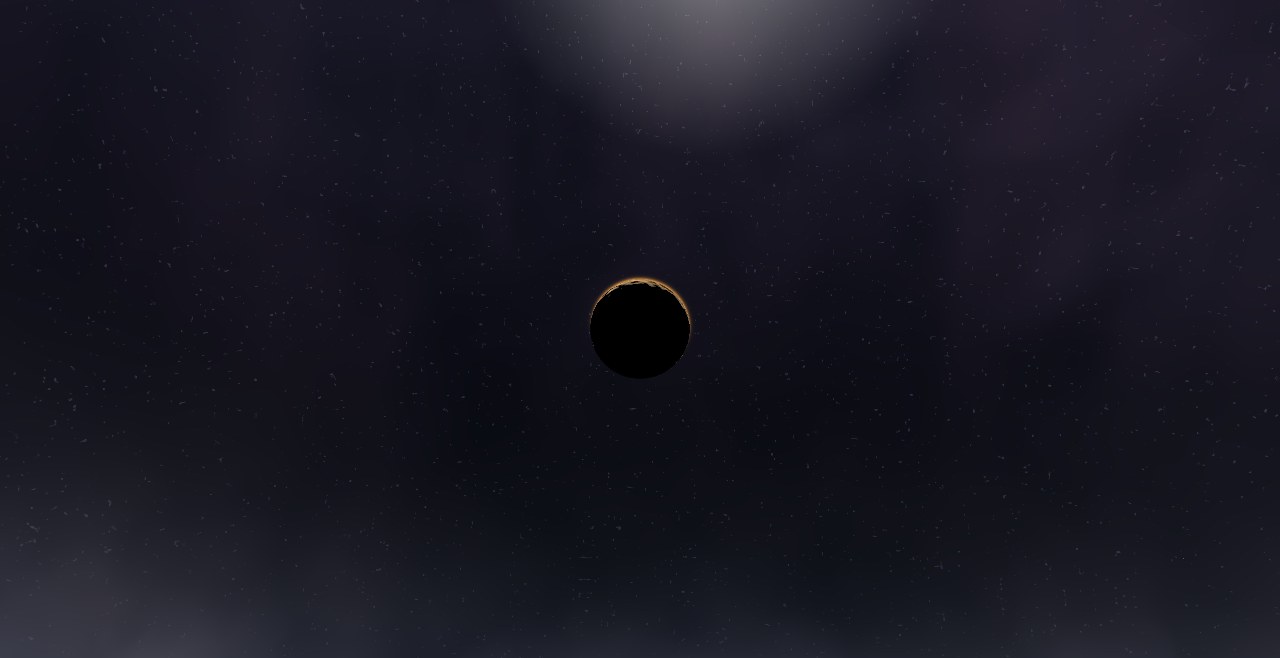
Kepler-1672, a Sun-like F-type star of 1.16 solar masses, and Kepler-1672 b, a planet with 3.0 Earth radii, with an orbital period of 151 days.
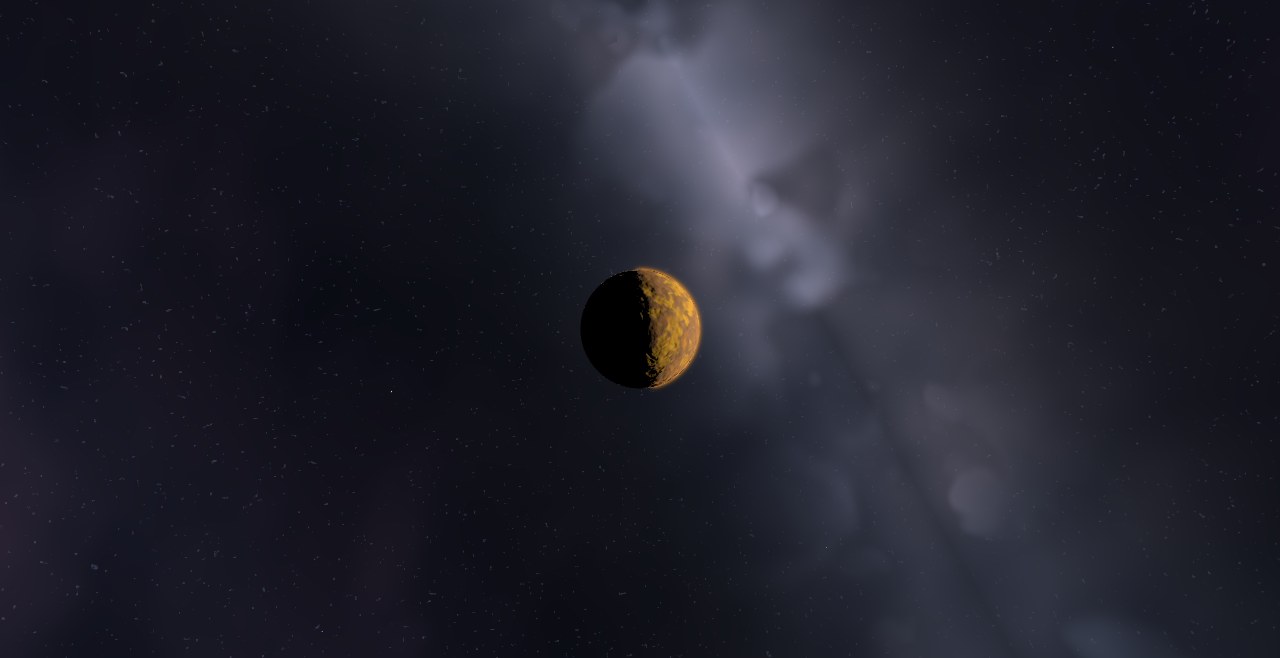
Kepler-1673, a Sun-like F-type star of 1.11 solar masses, and Kepler-1673 b, a planet with 2.9 Earth radii, with an orbital period of 33.8 days.
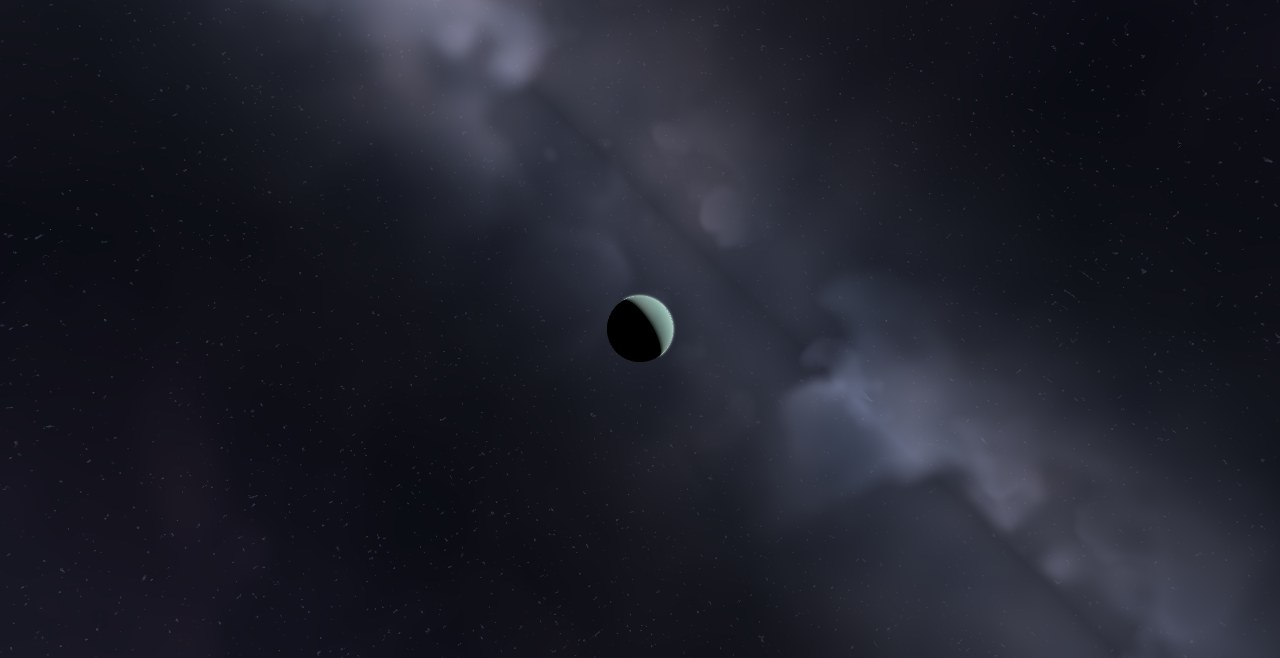
Kepler-1674, a Sun-like G-type star of 0.96 solar masses, and Kepler-1674 b, a planet with 3.2 Earth radii, with an orbital period of 62.6 days.
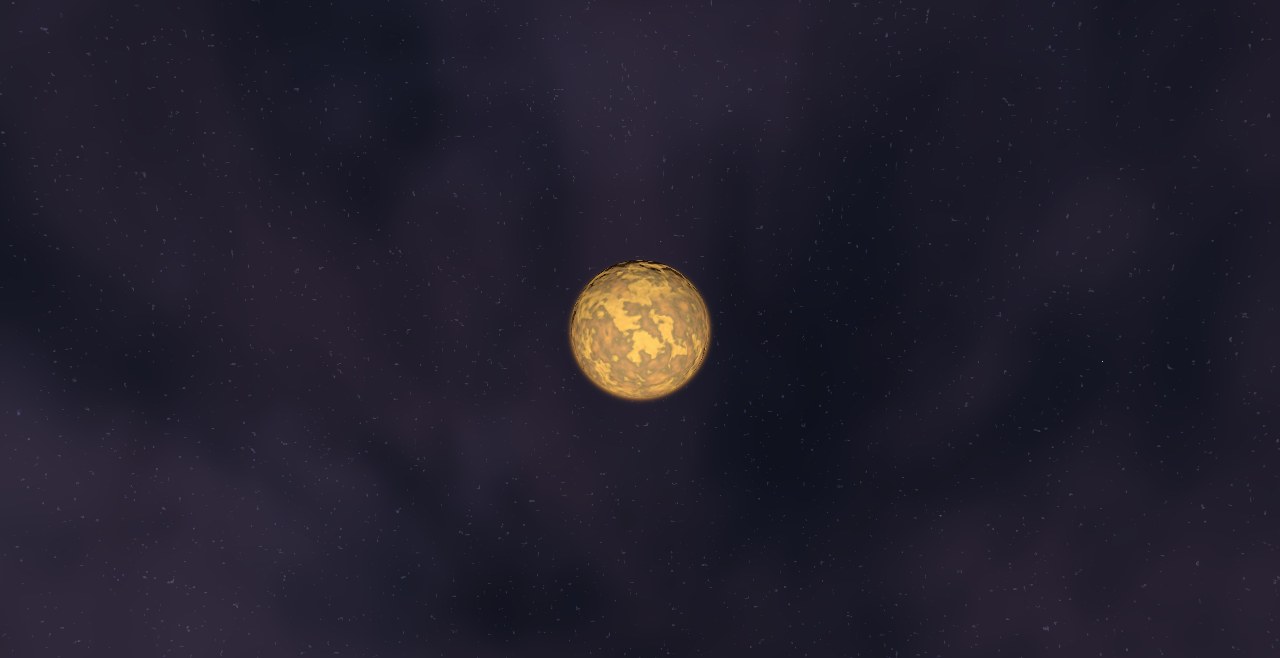
Kepler-1675, a Sun-like G-type star of 1.06 solar masses, and Kepler-1675 b, a planet with 3.1 Earth radii, with an orbital period of 63.0 days.
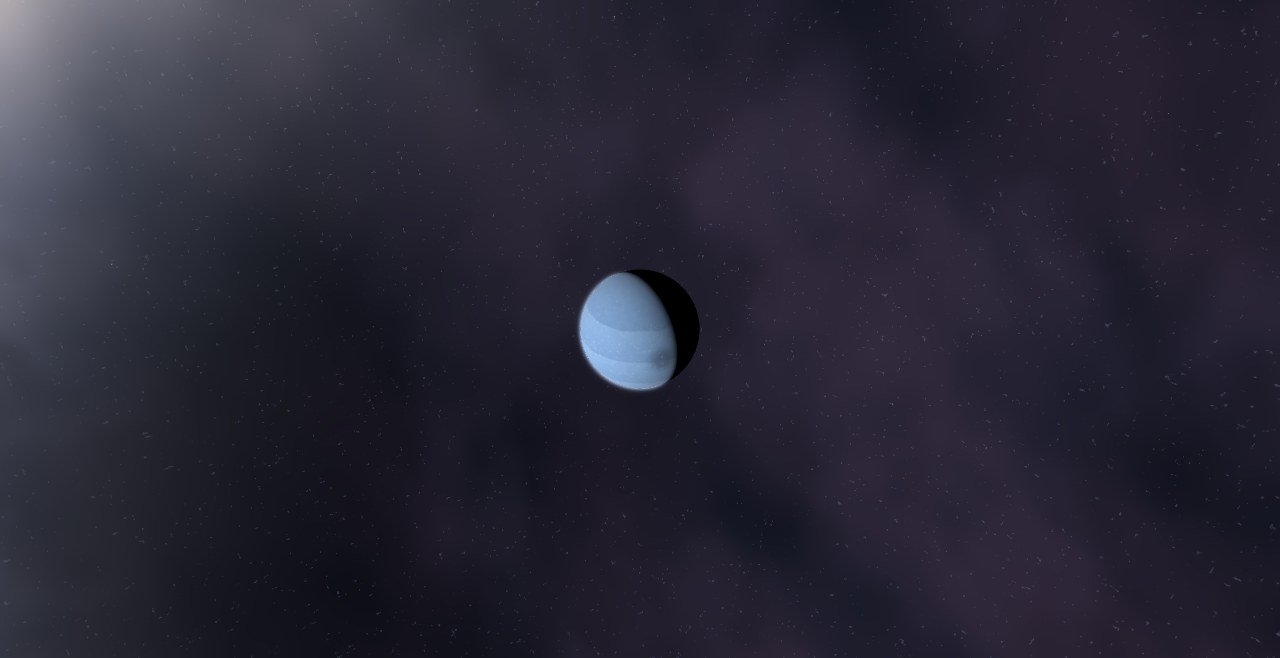
Kepler-1676, a Sun-like G-type star of 1.07 solar masses, and Kepler-1676 b, a planet with 3.4 Earth radii, with an orbital period of 29.9 days.
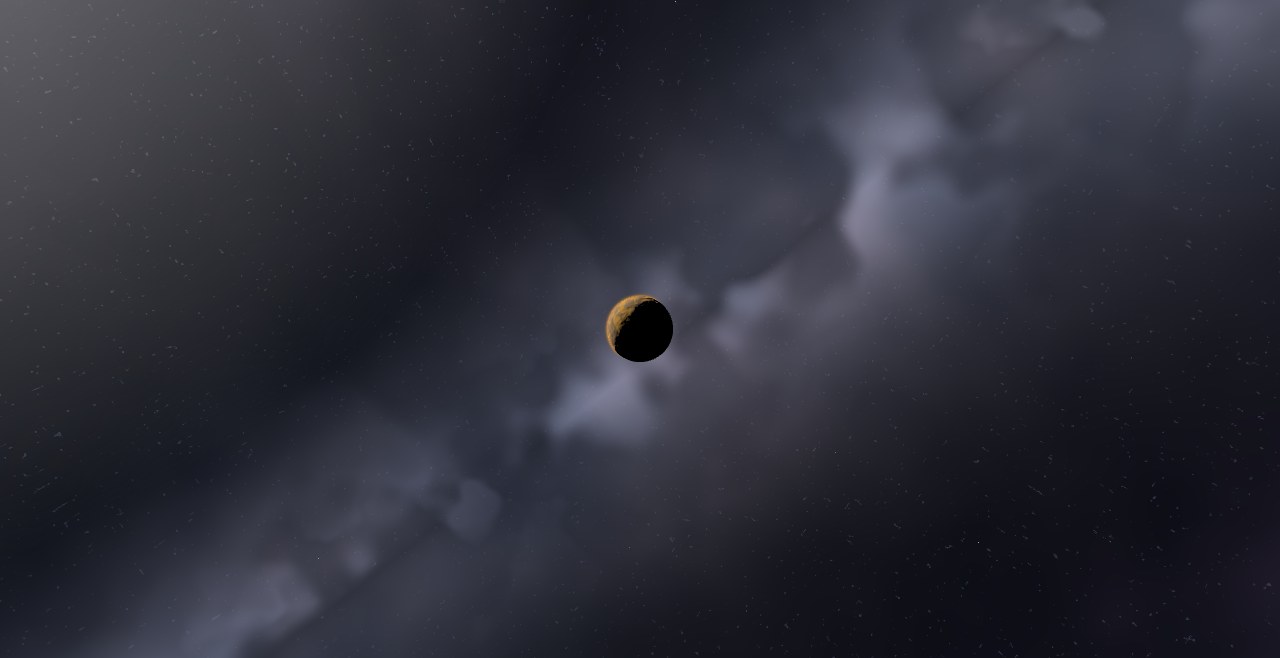
Kepler-1677, a Sun-like F-type star of 1.11 solar masses, and Kepler-1677 b, a planet with 2.7 Earth radii, with an orbital period of 22.1 days.
Kepler-1678, a Sun-like G-type star of 1.03 solar masses, and Kepler-1678 b, a planet with 3.3 Earth radii, with an orbital period of 148 days.
Kepler-1679, a Sun-like G-type star of 0.96 solar masses, and Kepler-1679 b, a planet with 2.1 Earth radii, with an orbital period of 9.8 days.
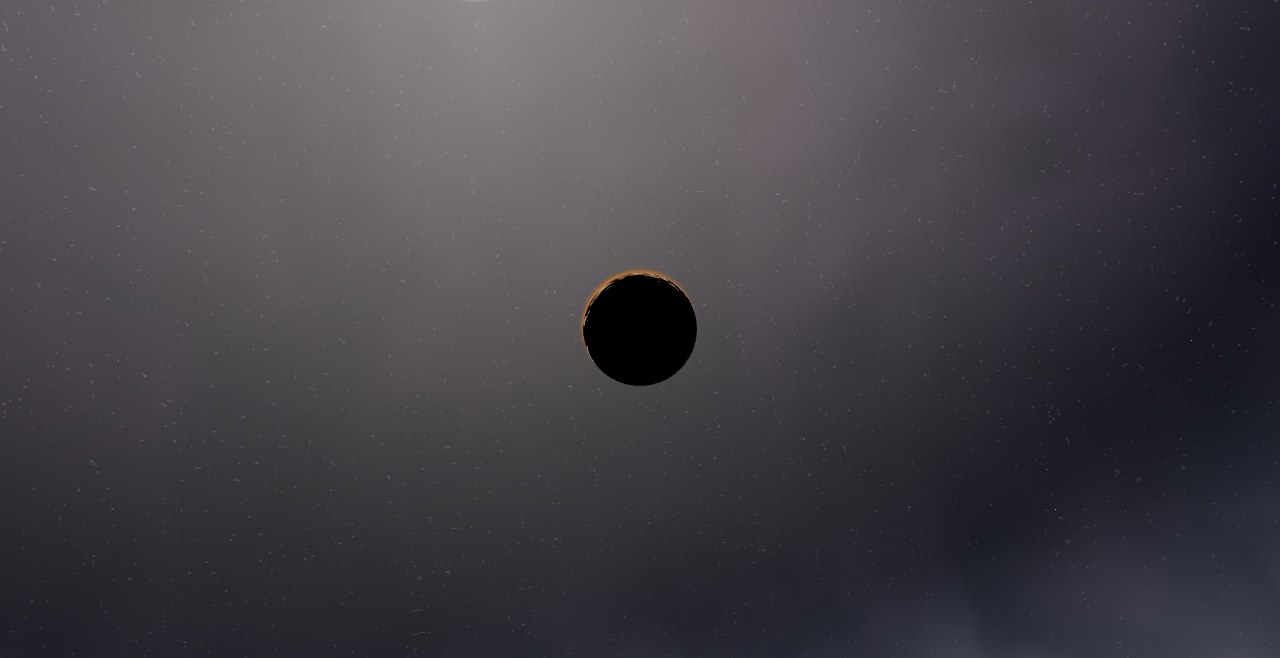
Kepler-1680, an orange K-type dwarf of 0.83 solar masses, and Kepler-1680 b, a planet with 1.4 Earth radii, with an orbital period of 8.8 days.
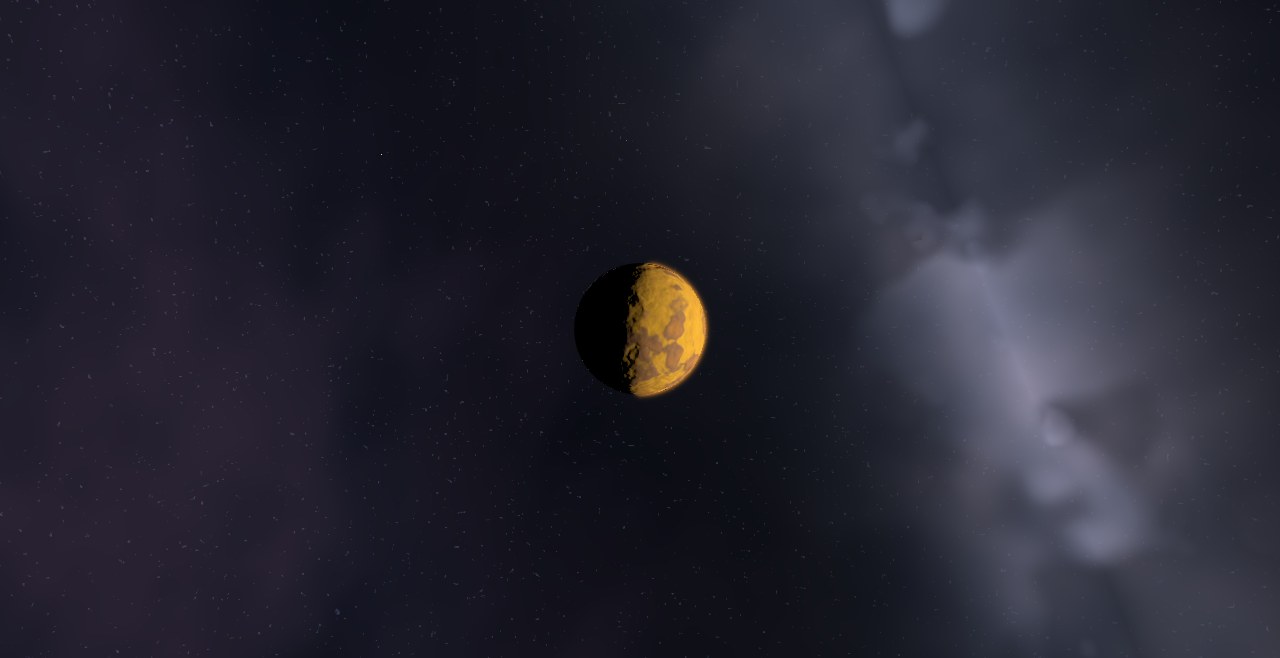
Kepler-1681, a Sun-like G-type star of 0.89 solar masses, and Kepler-1681 b, a planet with 2.6 Earth radii, with an orbital period of 69.9 days.