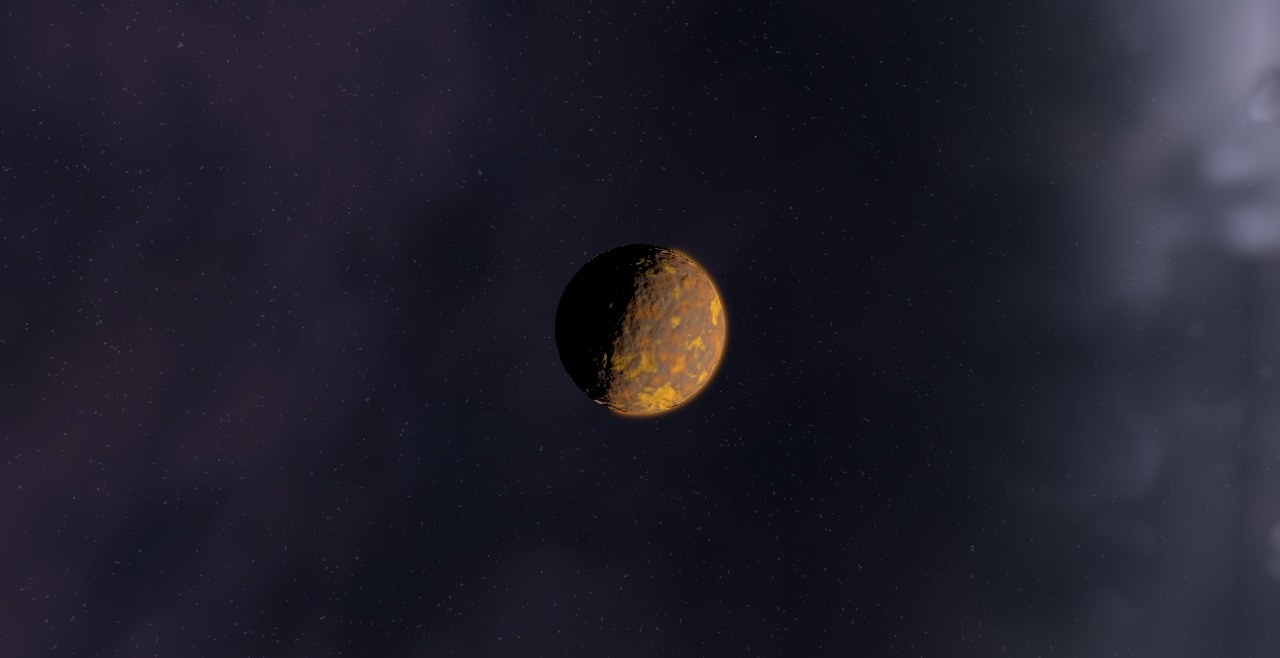
Kepler-1617 - System
Kepler-1617, a Sun-like F-type star of 1.15 solar masses, and Kepler-1617 b, a planet with 1.2 Earth radii, with an orbital period of 27.5 days.
Exoplanets
Analyze isolated alien worlds orbiting a singular host star to observe basic orbital parameters, tidal locks, and planetary eccentricities.
Share
Kepler-1617, a Sun-like F-type star of 1.15 solar masses, and Kepler-1617 b, a planet with 1.2 Earth radii, with an orbital period of 27.5 days.
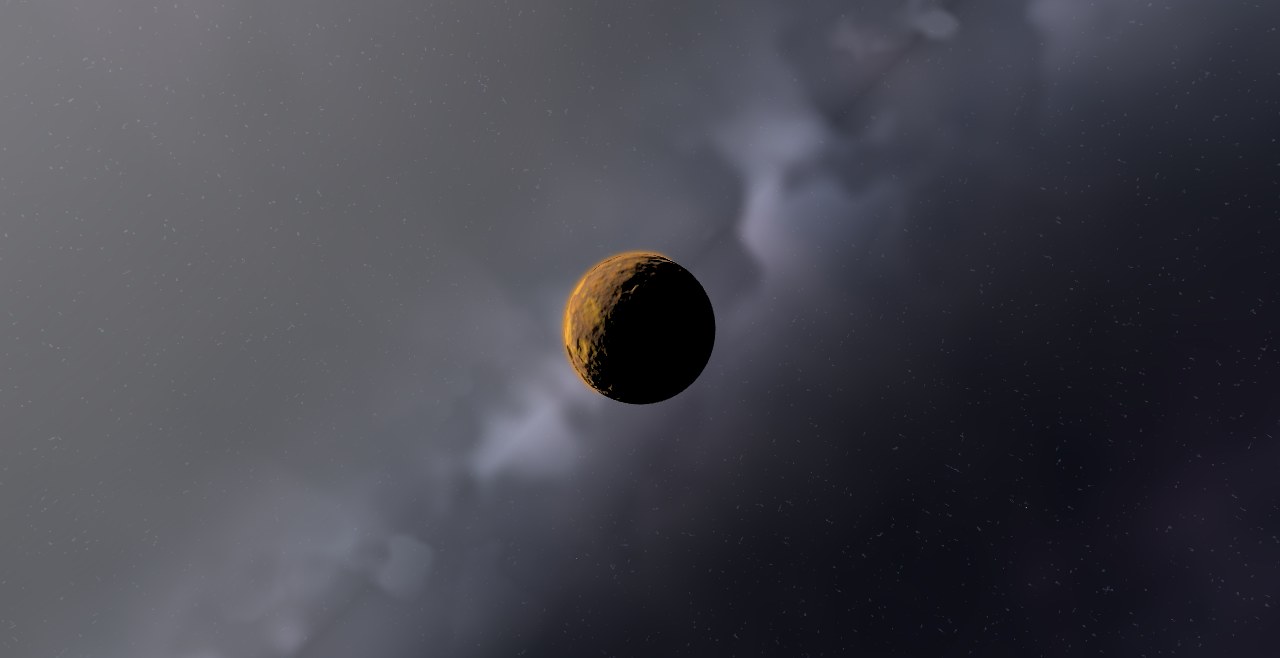
Kepler-1618, a Sun-like F-type star of 1.41 solar masses, and Kepler-1618 b, a planet with 1.3 Earth radii, with an orbital period of 6.1 days.
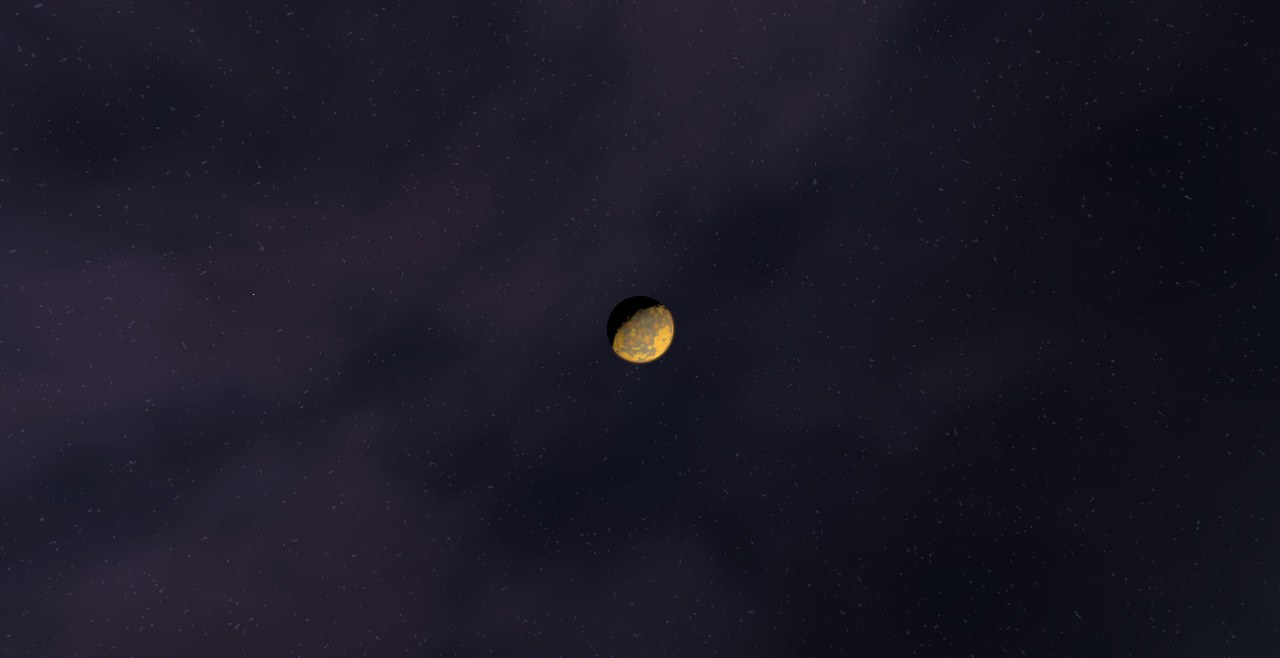
Kepler-1619, a Sun-like G-type star of 1.00 solar masses, and Kepler-1619 b, a planet with 0.8 Earth radii, with an orbital period of 23.6 days.
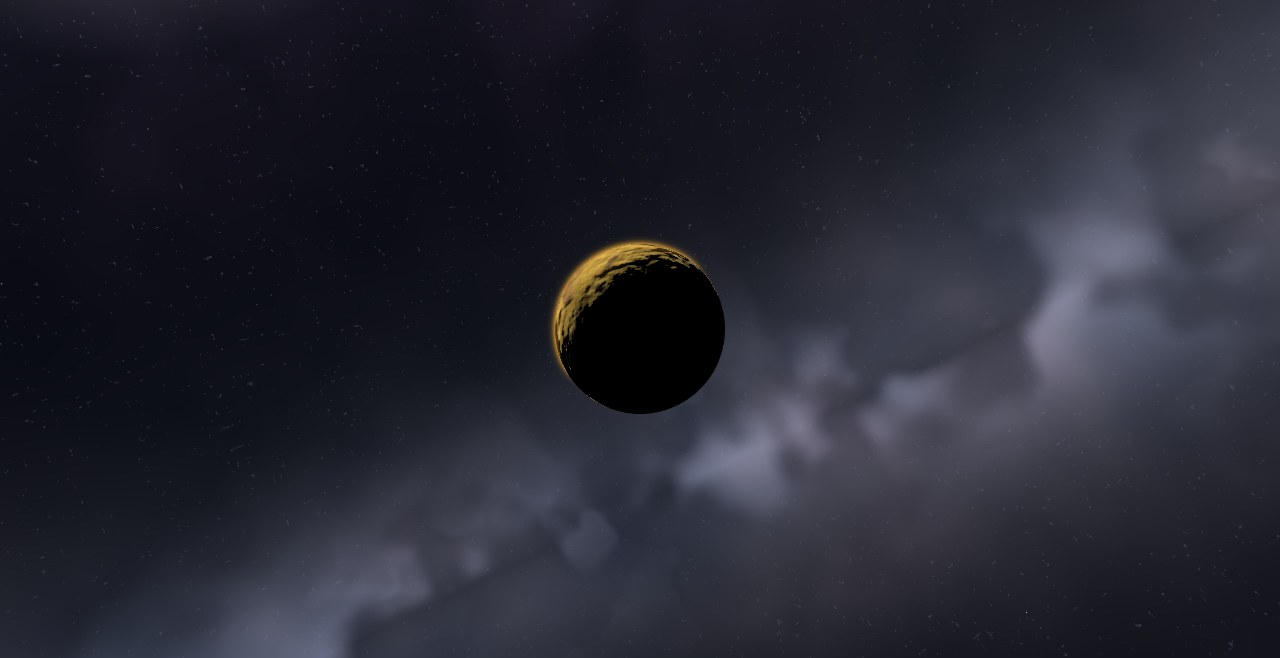
Kepler-1620, a Sun-like F-type star of 1.15 solar masses, and Kepler-1620 b, a planet with 1.6 Earth radii, with an orbital period of 102 days.
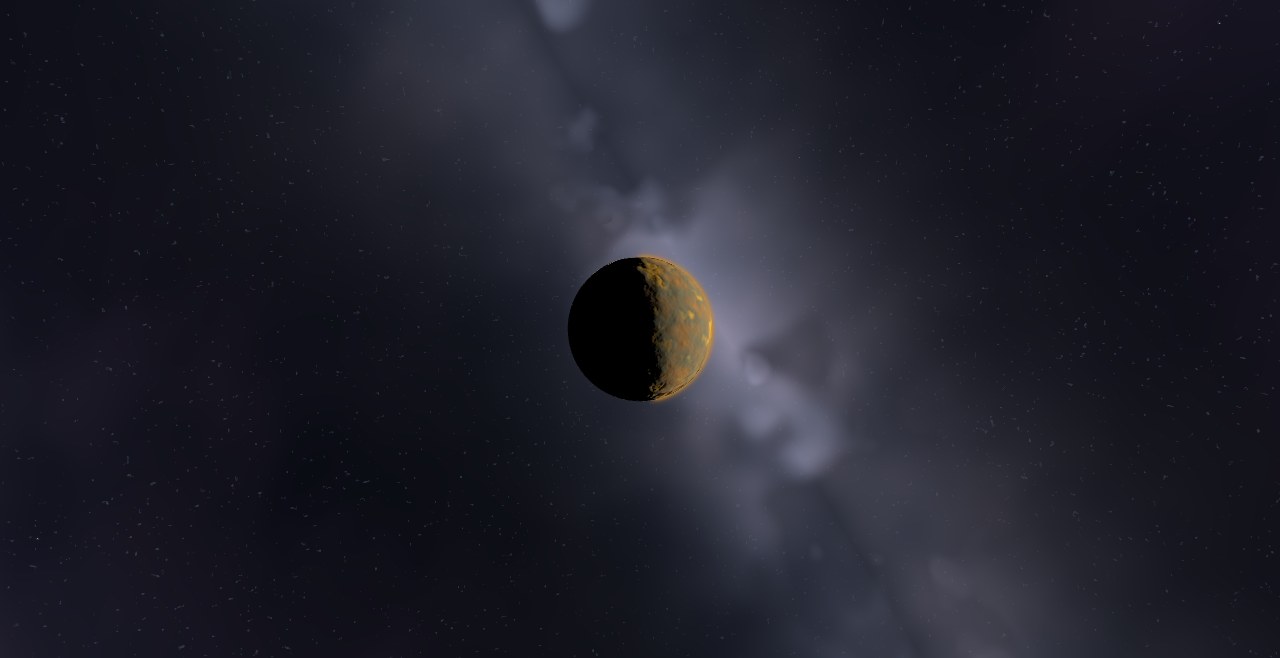
Kepler-1621, a Sun-like F-type star of 1.15 solar masses, and Kepler-1621 b, a planet with 2.2 Earth radii, with an orbital period of 92.3 days.
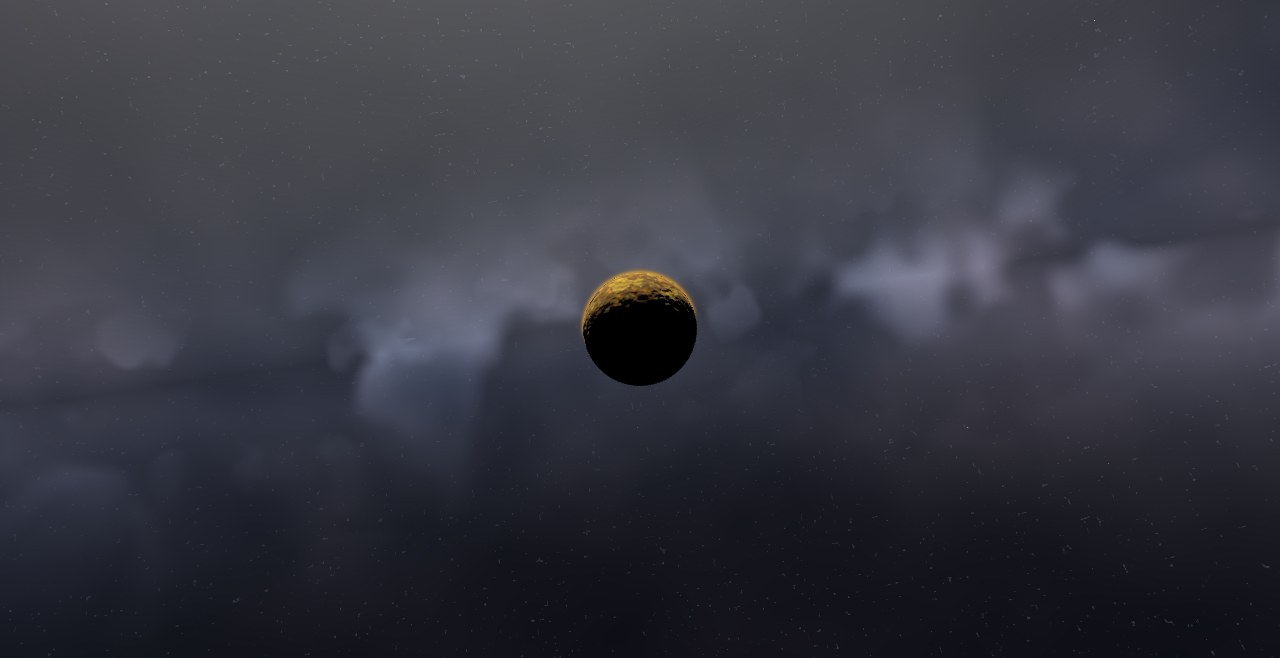
Kepler-1622, a Sun-like F-type star of 1.31 solar masses, and Kepler-1622 b, a planet with 1.5 Earth radii, with an orbital period of 10.8 days.
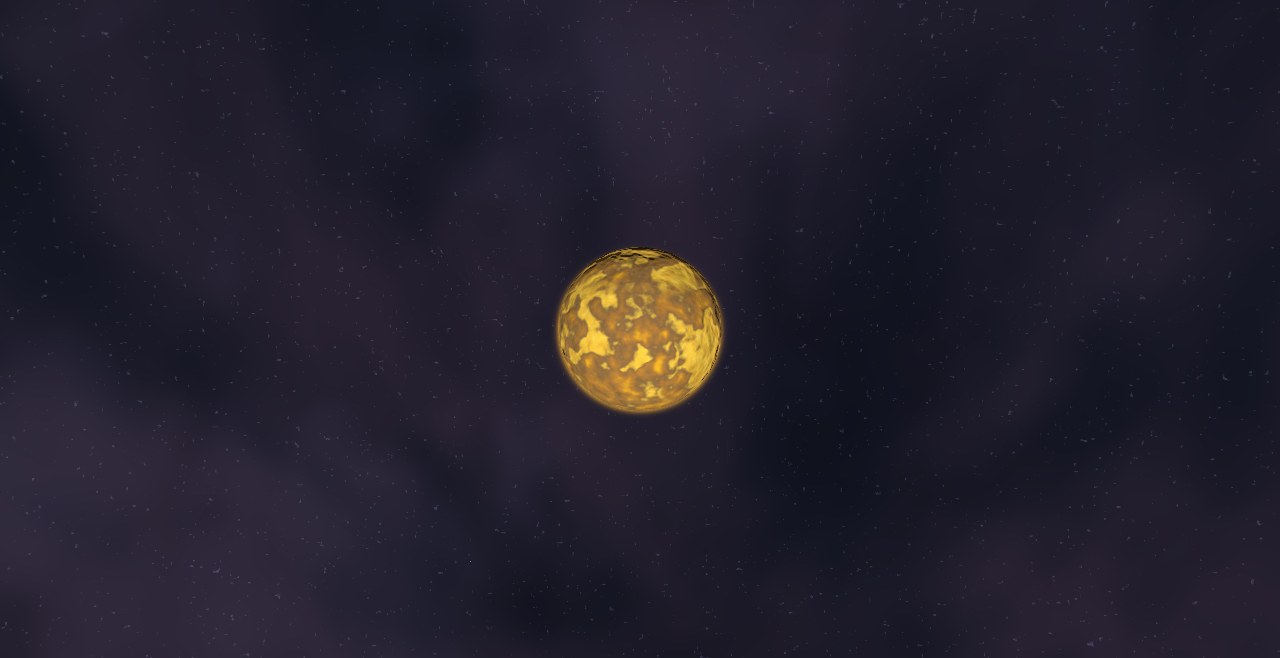
Kepler-1623, a Sun-like G-type star of 1.00 solar masses, and Kepler-1623 b, a planet with 1.3 Earth radii, with an orbital period of 4.4 days.
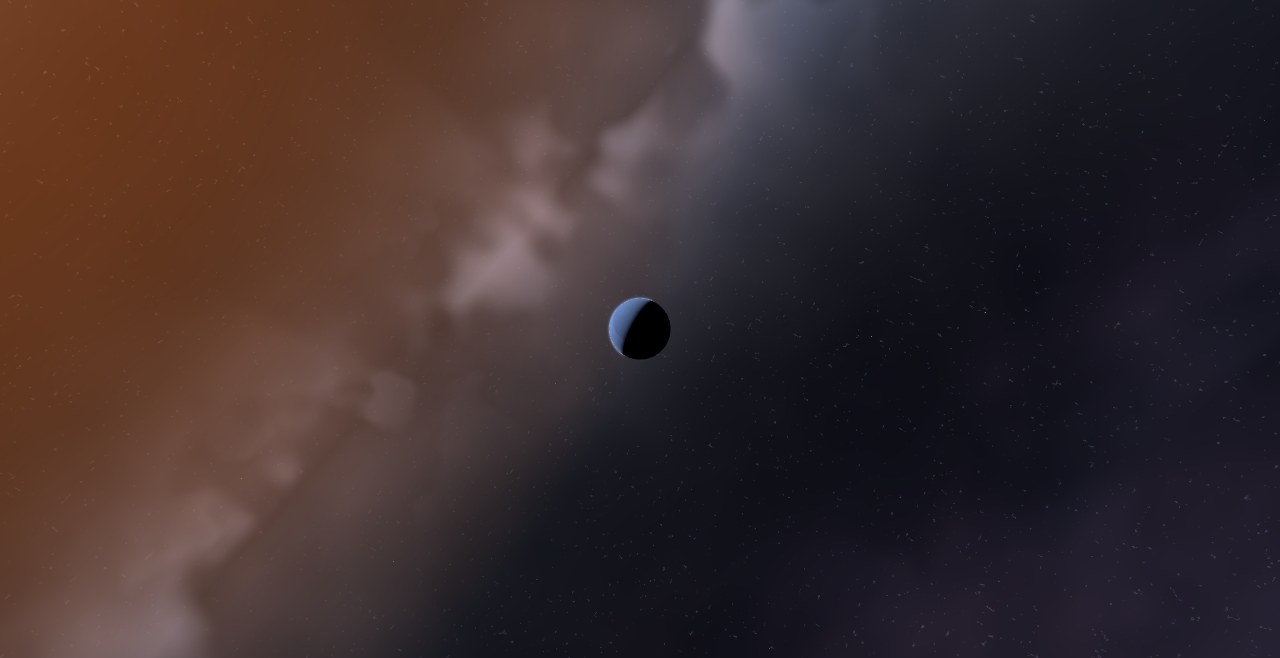
Kepler-1624, a cool M-dwarf of 0.54 solar masses, and Kepler-1624 b, a planet with 6.6 Earth radii, with an orbital period of 3.3 days.
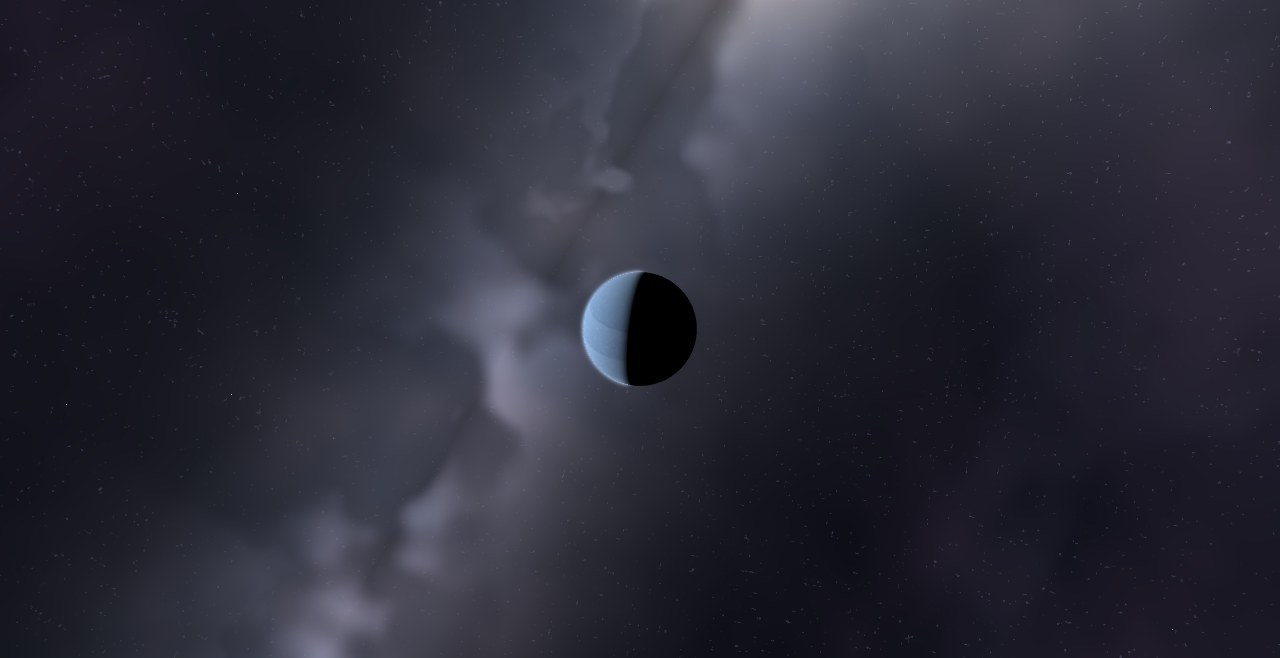
Kepler-1625 b, host of the strongest exomoon candidate yet claimed. A Neptune-sized moon has been proposed from Hubble transit residuals, still unconfirmed.
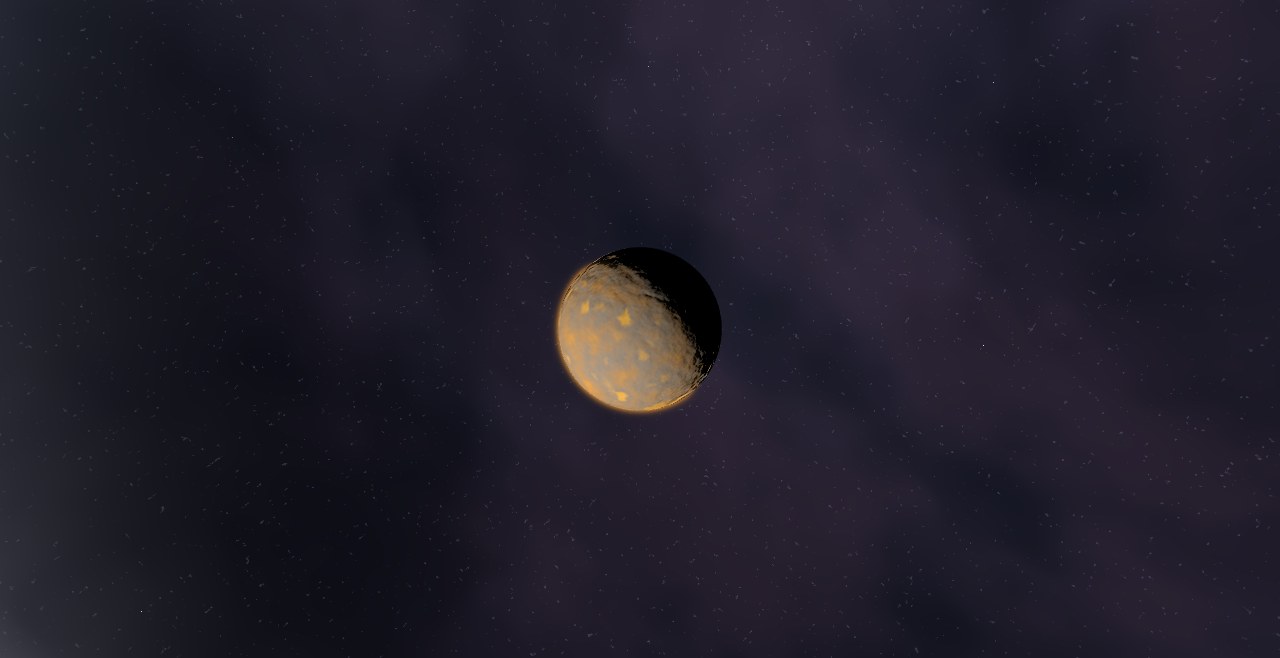
Kepler-1626, a Sun-like F-type star of 1.51 solar masses, and Kepler-1626 b, a planet with 2.0 Earth radii, with an orbital period of 4.1 days.
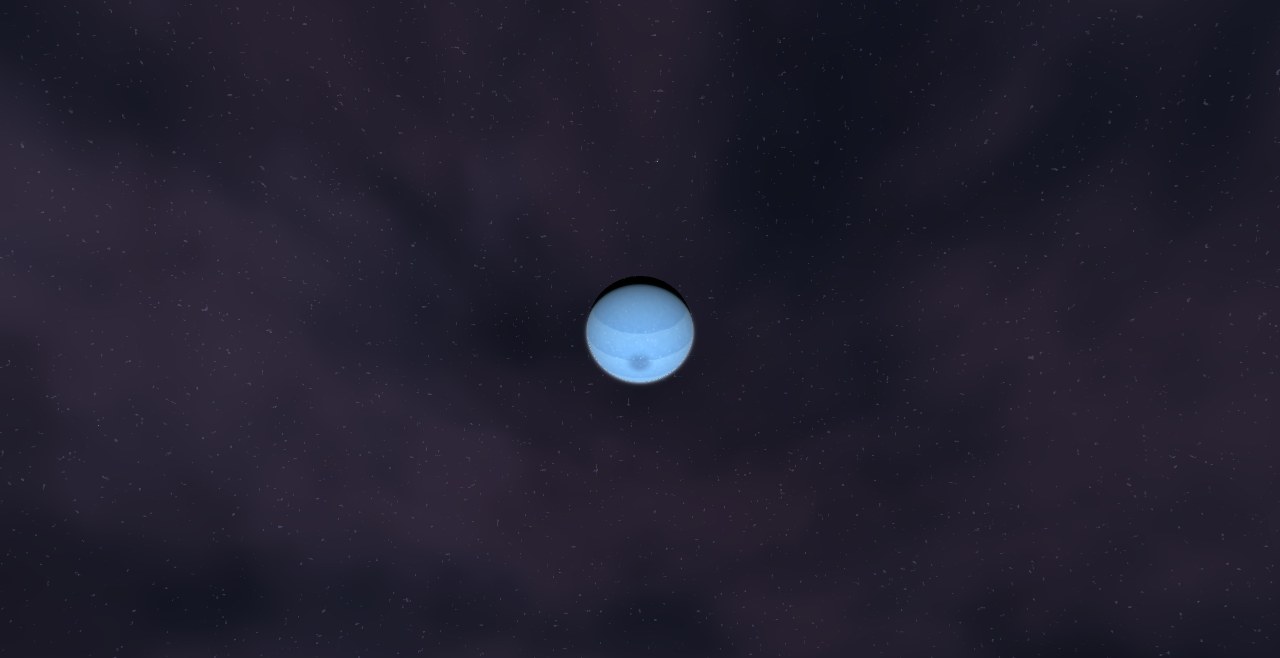
Kepler-1627, a Sun-like G-type star of 0.87 solar masses, and Kepler-1627 b, a planet with 3.7 Earth radii, with an orbital period of 7.2 days.
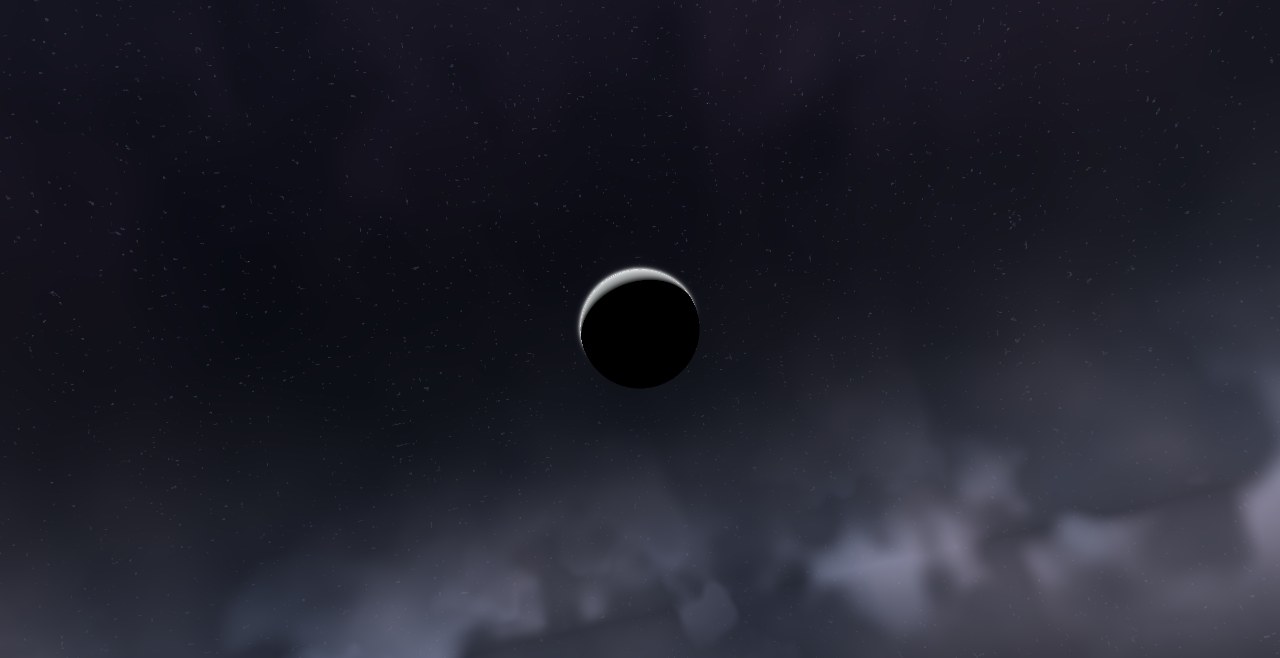
Kepler-1628, an orange K-type dwarf of 0.55 solar masses, and Kepler-1628 b, a planet with 6.4 Earth radii, with an orbital period of 76.4 days.
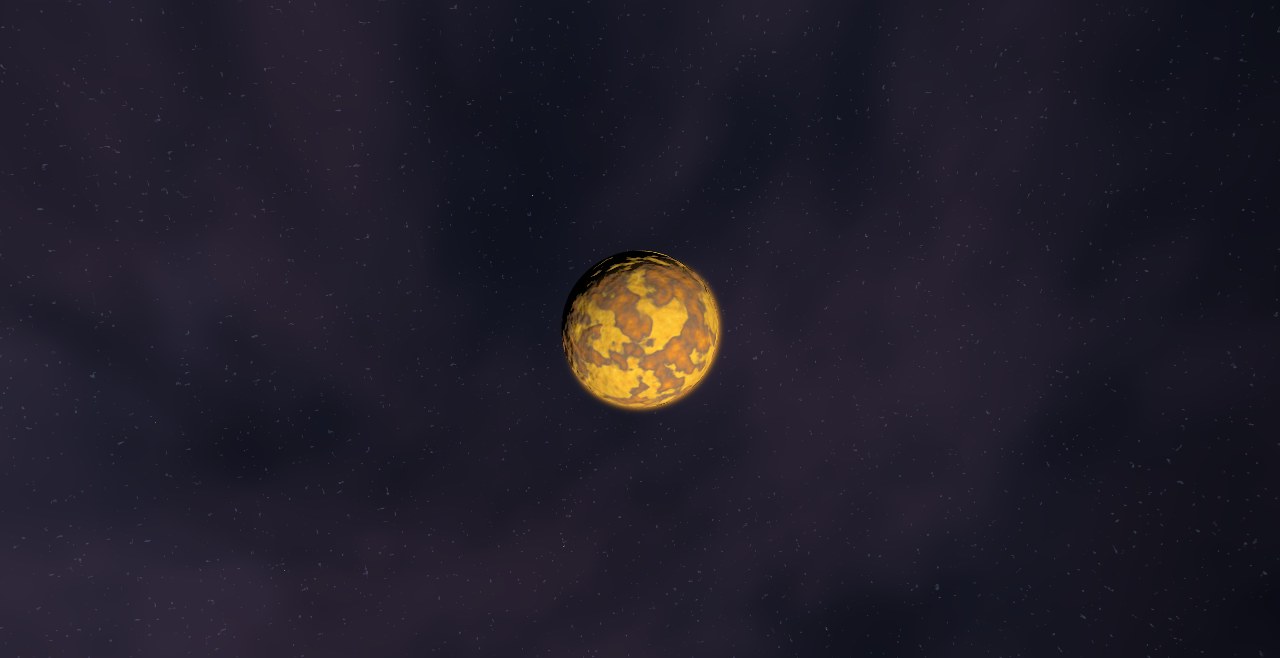
Kepler-1629, a Sun-like G-type star of 1.01 solar masses, and Kepler-1629 b, a planet with 0.8 Earth radii, with an orbital period of 3.9 days.
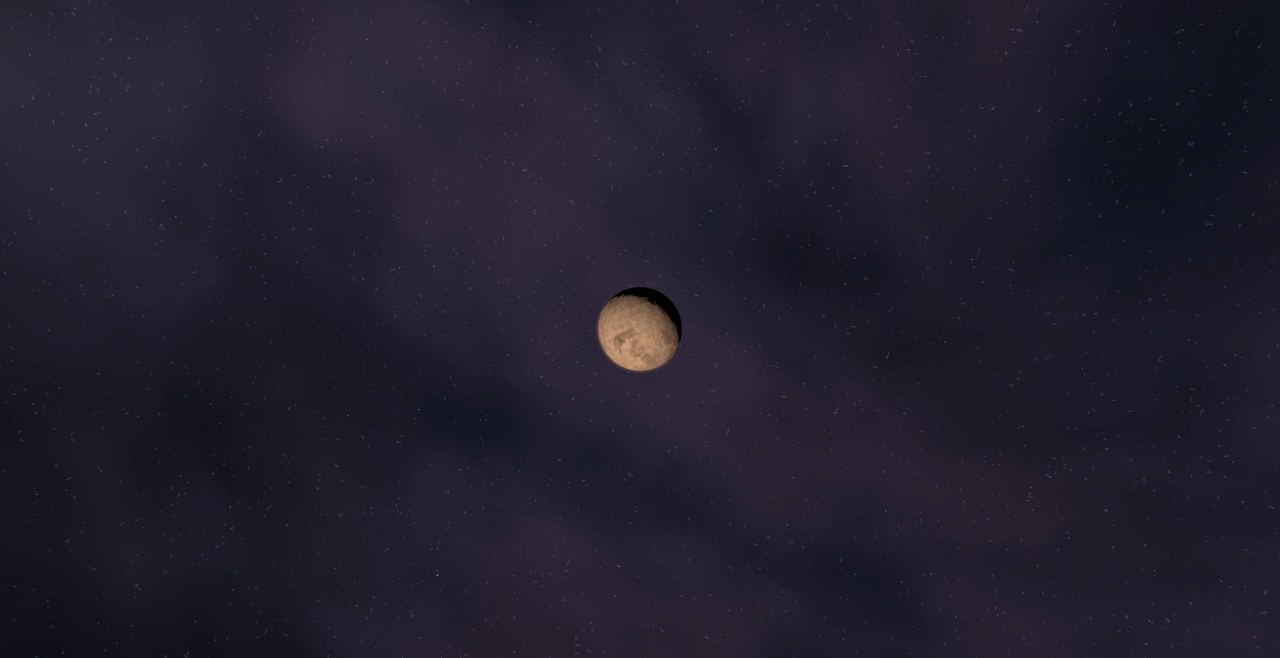
Kepler-1630, an orange K-type dwarf of 0.66 solar masses, and Kepler-1630 b, a planet with 2.2 Earth radii, with an orbital period of 1.40 years.
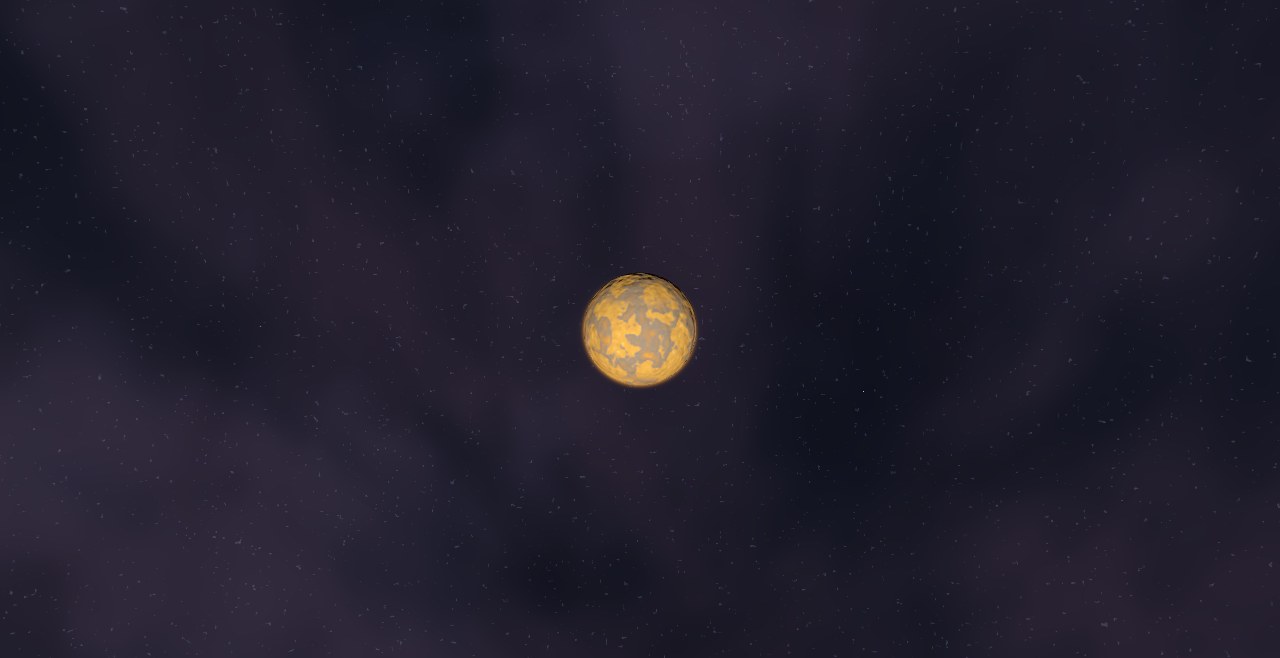
Kepler-1631, a Sun-like G-type star of 0.97 solar masses, and Kepler-1631 b, a planet with 1.4 Earth radii, with an orbital period of 4.1 days.
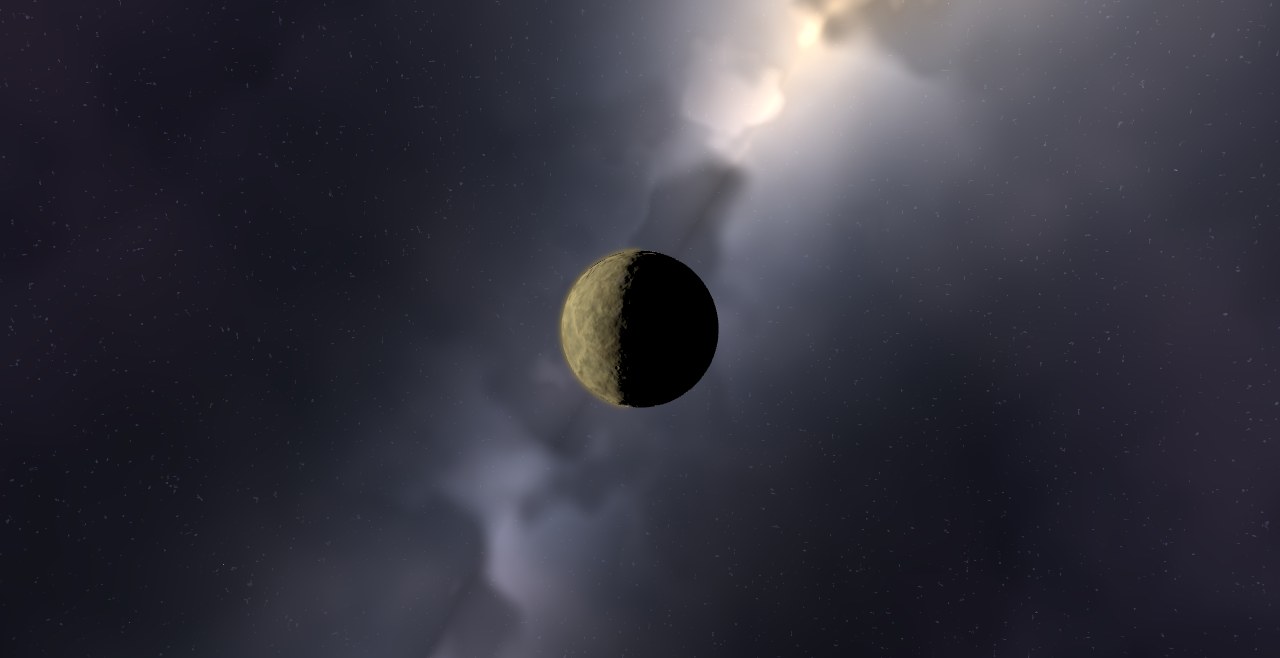
Kepler-1632, a Sun-like F-type star of 1.12 solar masses, and Kepler-1632 b, a planet with 2.5 Earth radii, with an orbital period of 1.23 years.
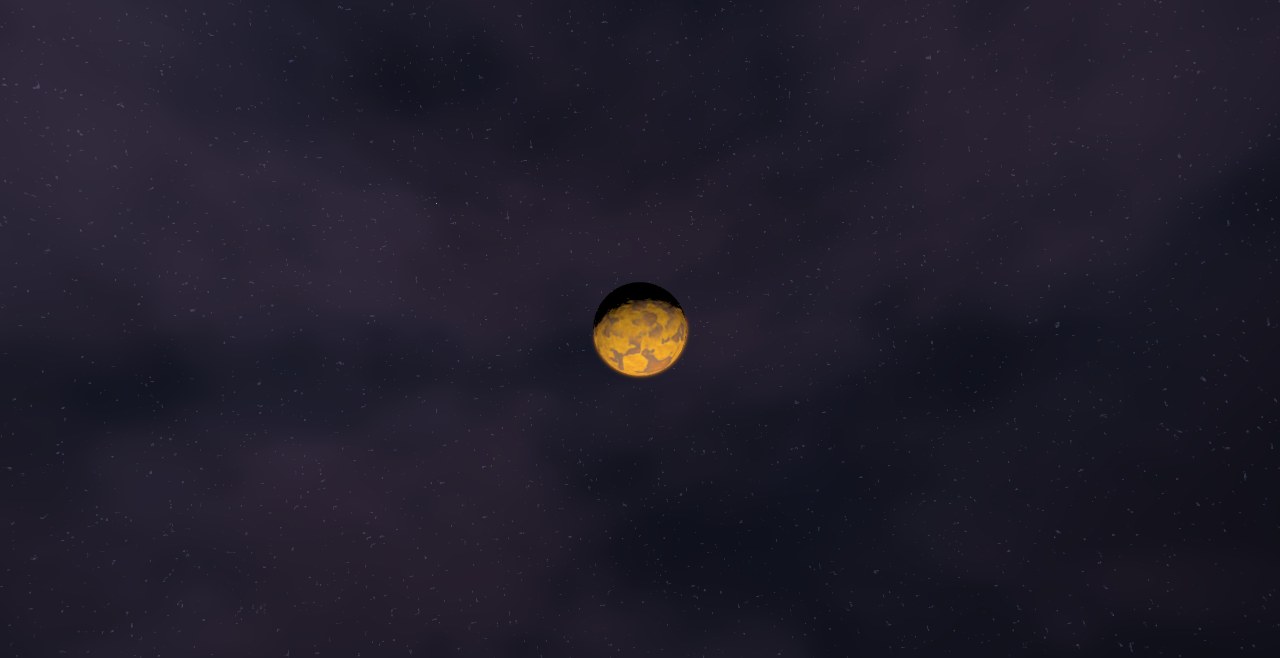
Kepler-1633, a Sun-like F-type star of 1.20 solar masses, and Kepler-1633 b, a planet with 1.6 Earth radii, with an orbital period of 186 days.
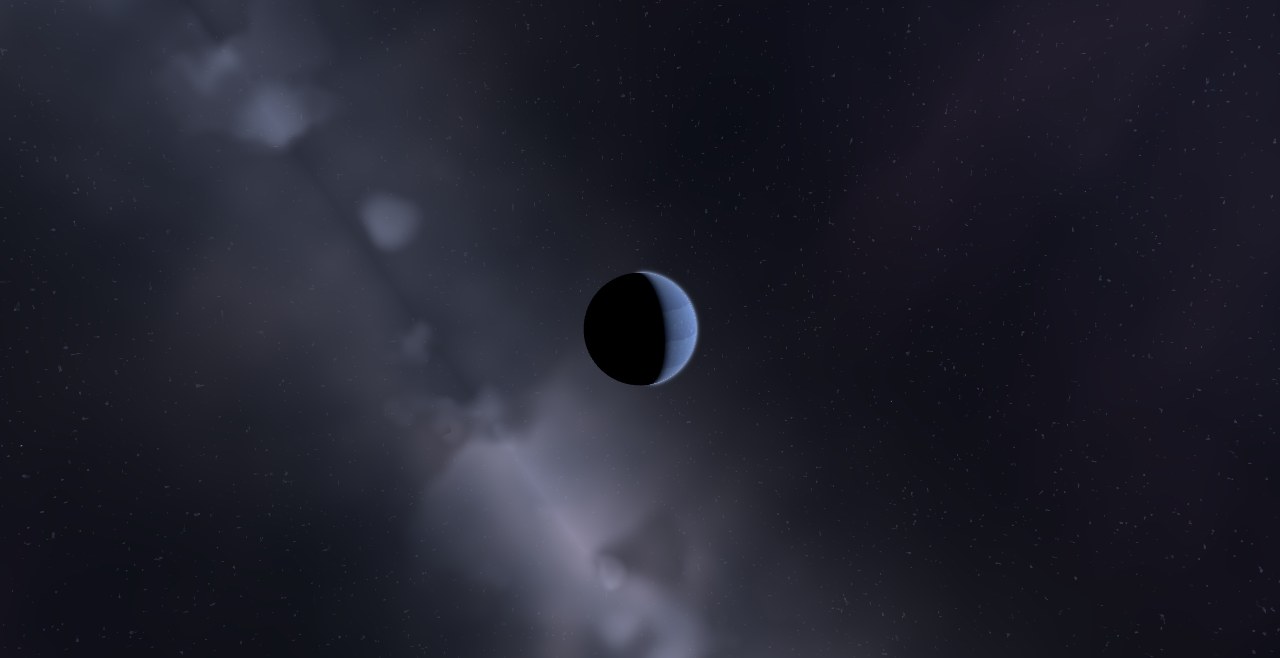
Kepler-1634, a Sun-like G-type star of 0.92 solar masses, and Kepler-1634 b, a planet with 3.2 Earth radii, with an orbital period of 1.03 years.