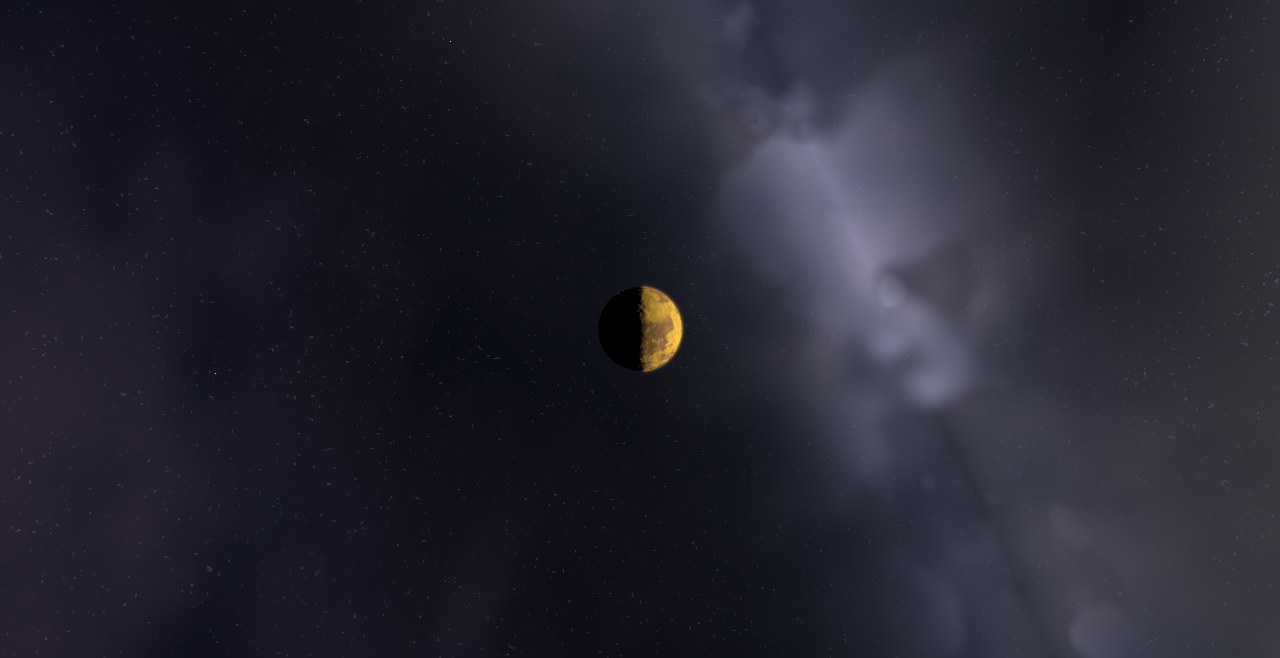
Kepler-1017 - System
Kepler-1017, a Sun-like G-type star of 0.93 solar masses, and Kepler-1017 b, a planet with 2.0 Earth radii, with an orbital period of 7.2 days.
Exoplanets
Analyze isolated alien worlds orbiting a singular host star to observe basic orbital parameters, tidal locks, and planetary eccentricities.
Share
Kepler-1017, a Sun-like G-type star of 0.93 solar masses, and Kepler-1017 b, a planet with 2.0 Earth radii, with an orbital period of 7.2 days.
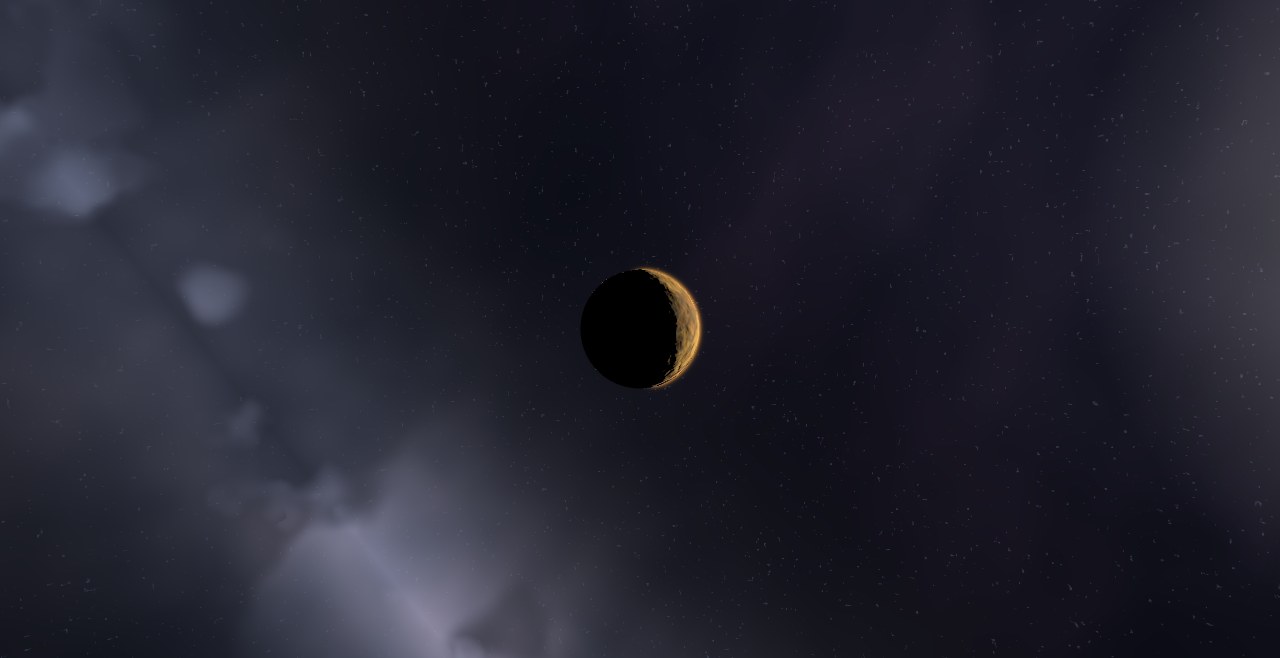
Kepler-1018, a Sun-like G-type star of 0.91 solar masses, and Kepler-1018 b, a planet with 2.6 Earth radii, with an orbital period of 49.1 days.
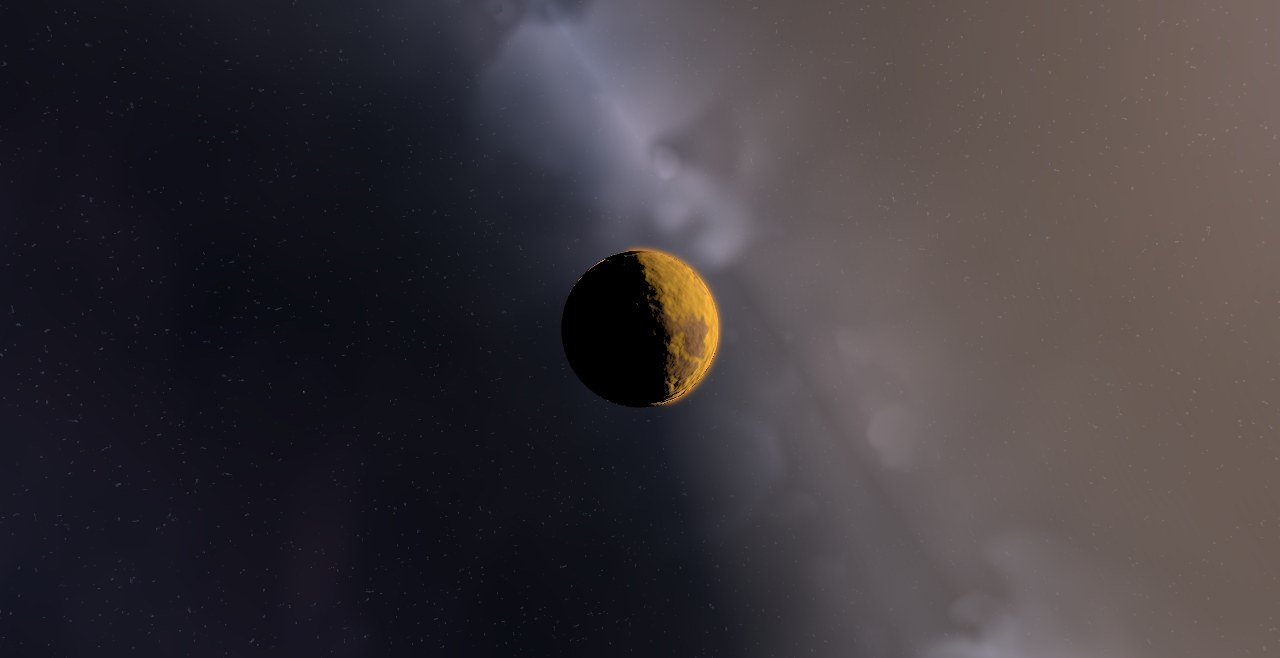
Kepler-1019, an orange K-type dwarf of 0.70 solar masses, and Kepler-1019 b, a planet with 1.5 Earth radii, with an orbital period of 1.4 days.
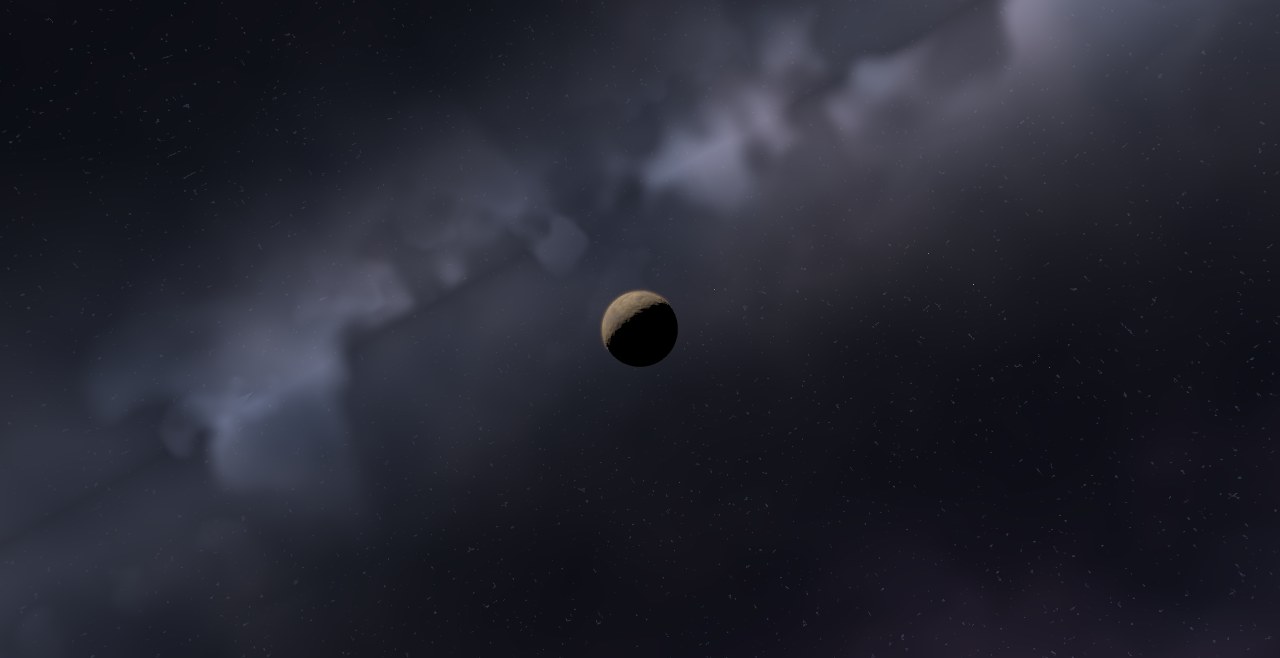
Kepler-1020, a Sun-like G-type star of 0.87 solar masses, and Kepler-1020 b, a planet with 2.3 Earth radii, with an orbital period of 96.9 days.
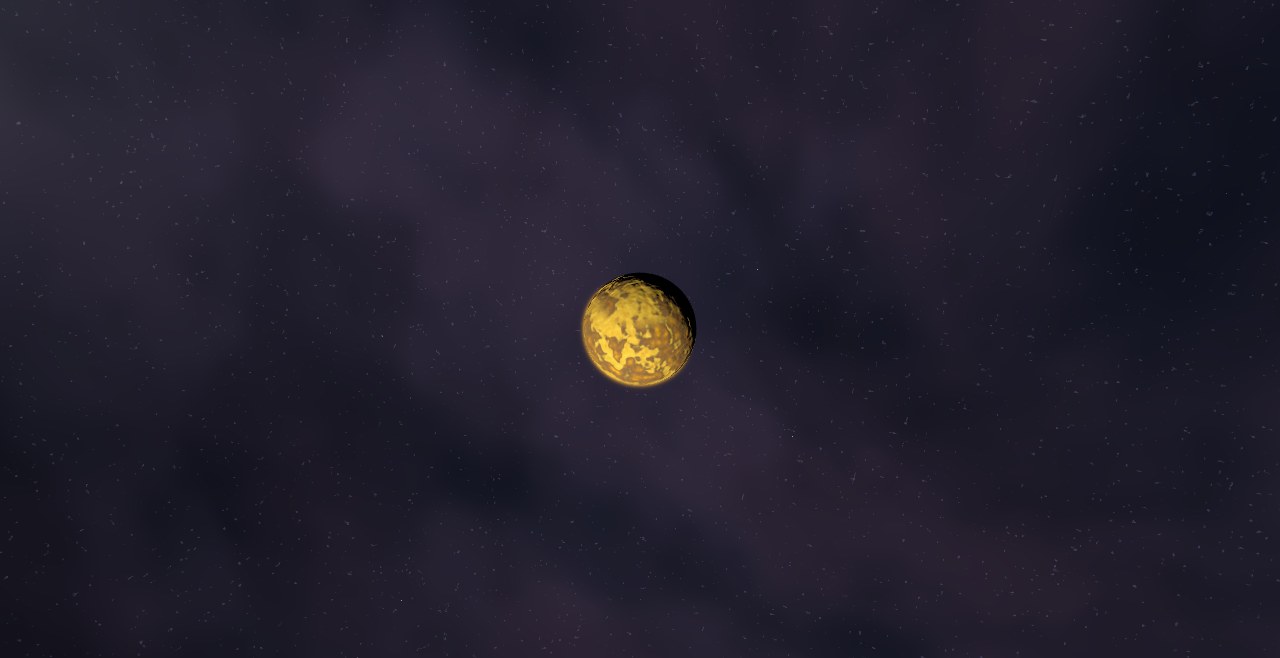
Kepler-1021, a Sun-like G-type star of 0.89 solar masses, and Kepler-1021 b, a planet with 2.3 Earth radii, with an orbital period of 13.5 days.
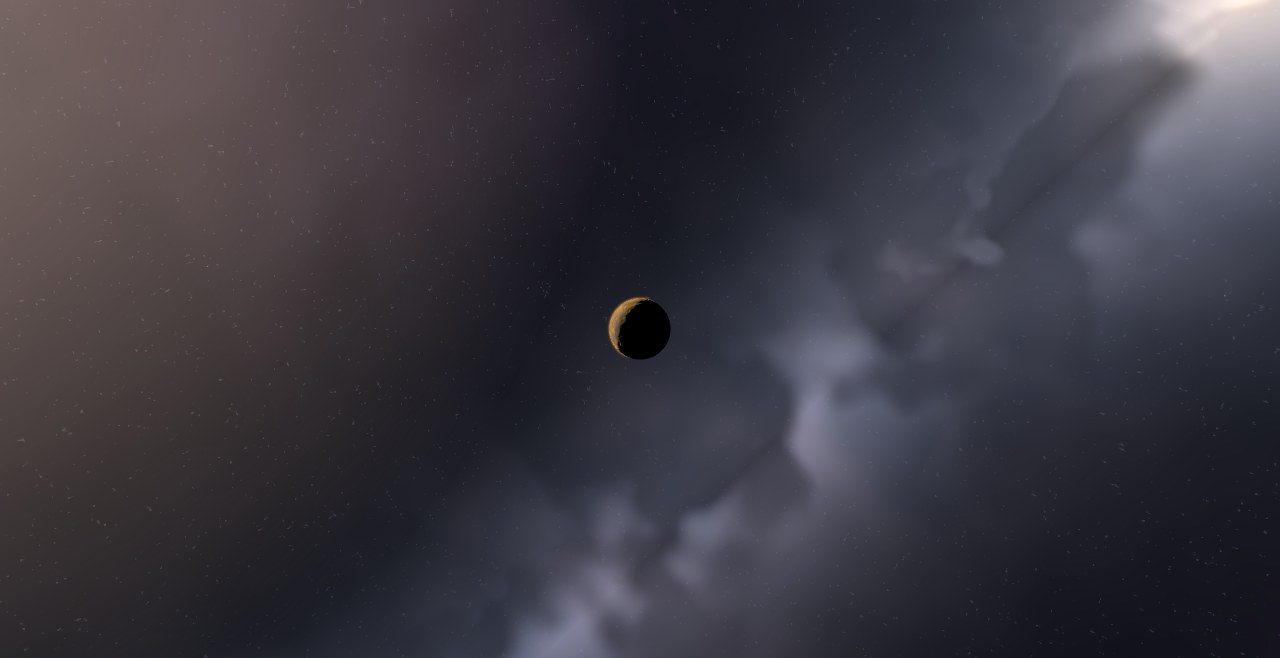
Kepler-1022, an orange K-type dwarf of 0.71 solar masses, and Kepler-1022 b, a planet with 2.4 Earth radii, with an orbital period of 11.0 days.
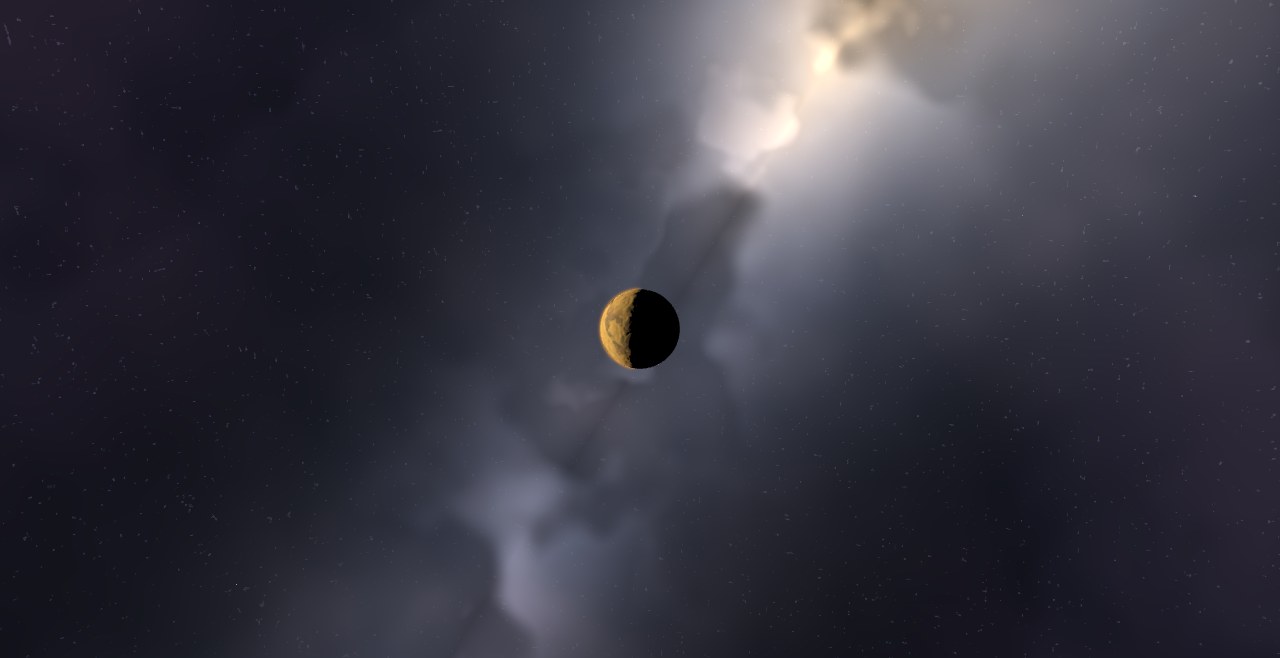
Kepler-1023, a Sun-like G-type star of 0.93 solar masses, and Kepler-1023 b, a planet with 2.6 Earth radii, with an orbital period of 62.1 days.
Kepler-1024, an orange K-type dwarf of 0.81 solar masses, and Kepler-1024 b, a planet with 3.9 Earth radii, with an orbital period of 66.4 days.
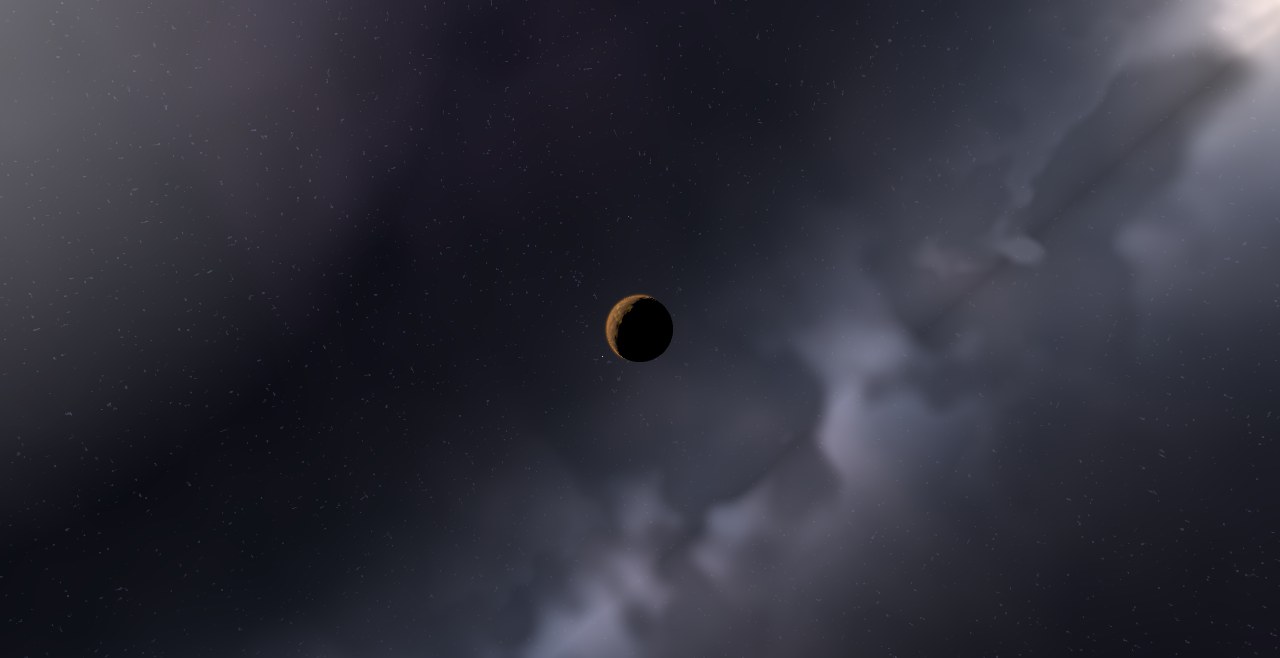
Kepler-1025, a Sun-like F-type star of 1.09 solar masses, and Kepler-1025 b, a planet with 2.0 Earth radii, with an orbital period of 37.3 days.
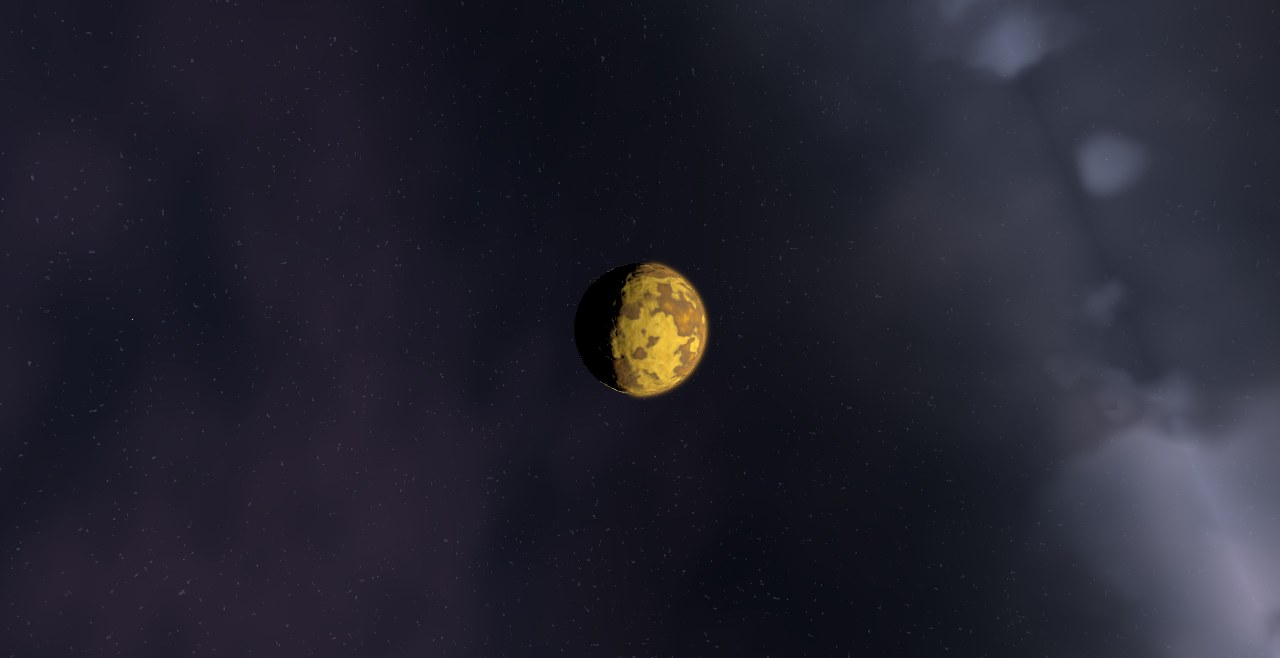
Kepler-1026, an orange K-type dwarf of 0.79 solar masses, and Kepler-1026 b, a planet with 2.2 Earth radii, with an orbital period of 36.5 days.
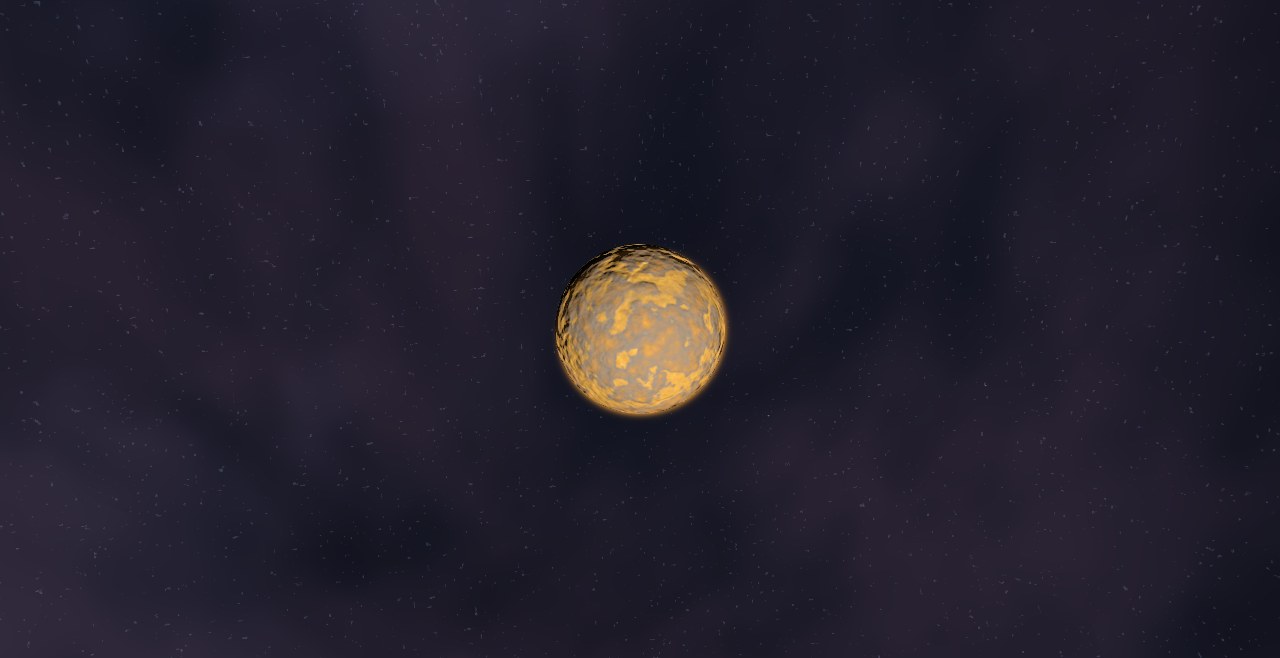
Kepler-1027, a Sun-like G-type star of 0.91 solar masses, and Kepler-1027 b, a planet with 0.9 Earth radii, with an orbital period of 1.9 days.
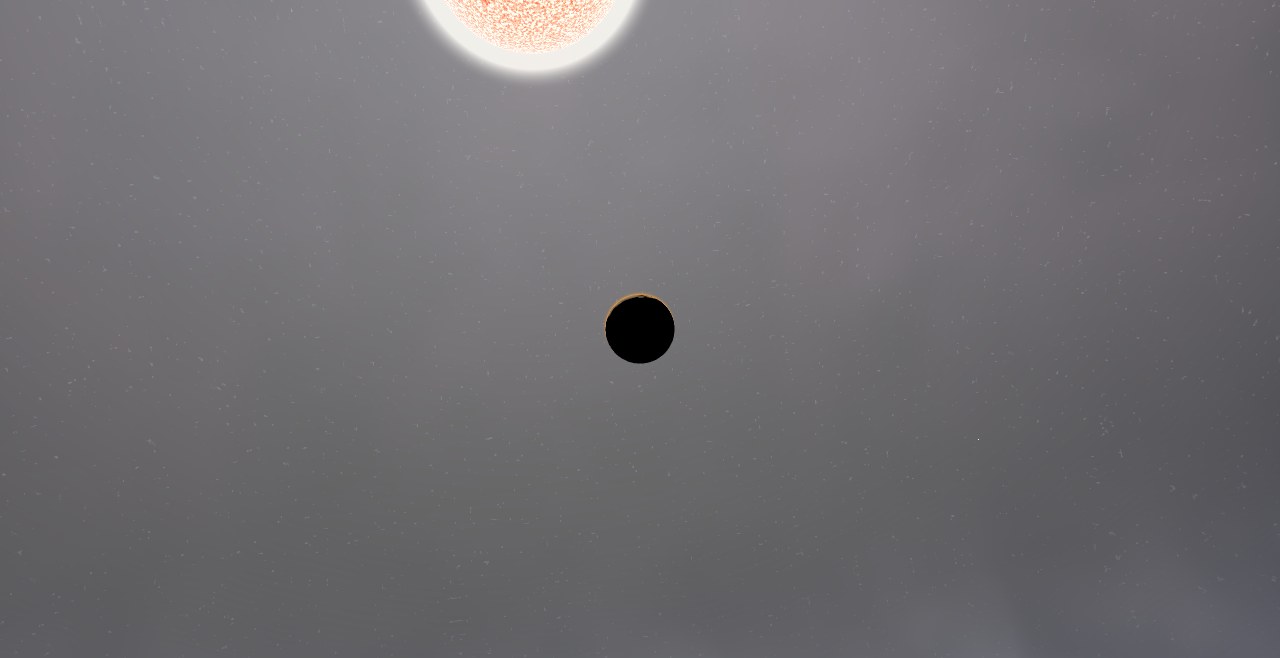
Kepler-1028, a Sun-like G-type star of 0.90 solar masses, and Kepler-1028 b, a planet with 1.3 Earth radii, with an orbital period of 2.5 days.
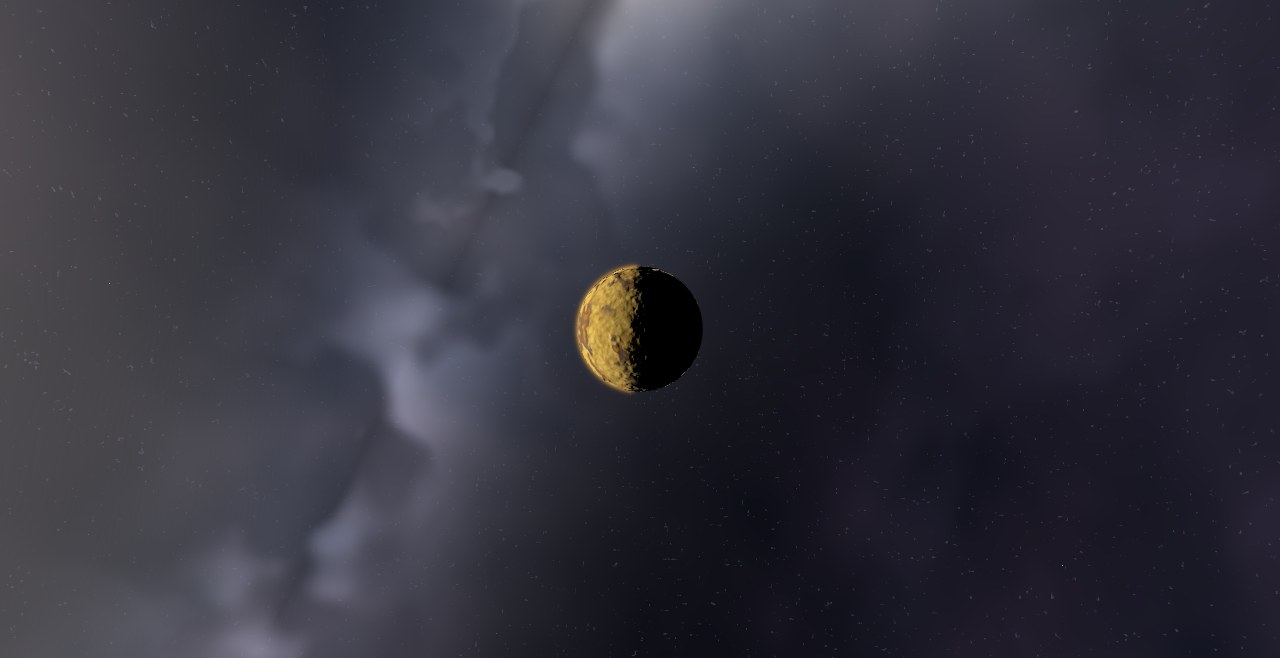
Kepler-1029, an orange K-type dwarf of 0.82 solar masses, and Kepler-1029 b, a planet with 1.3 Earth radii, with an orbital period of 4.4 days.
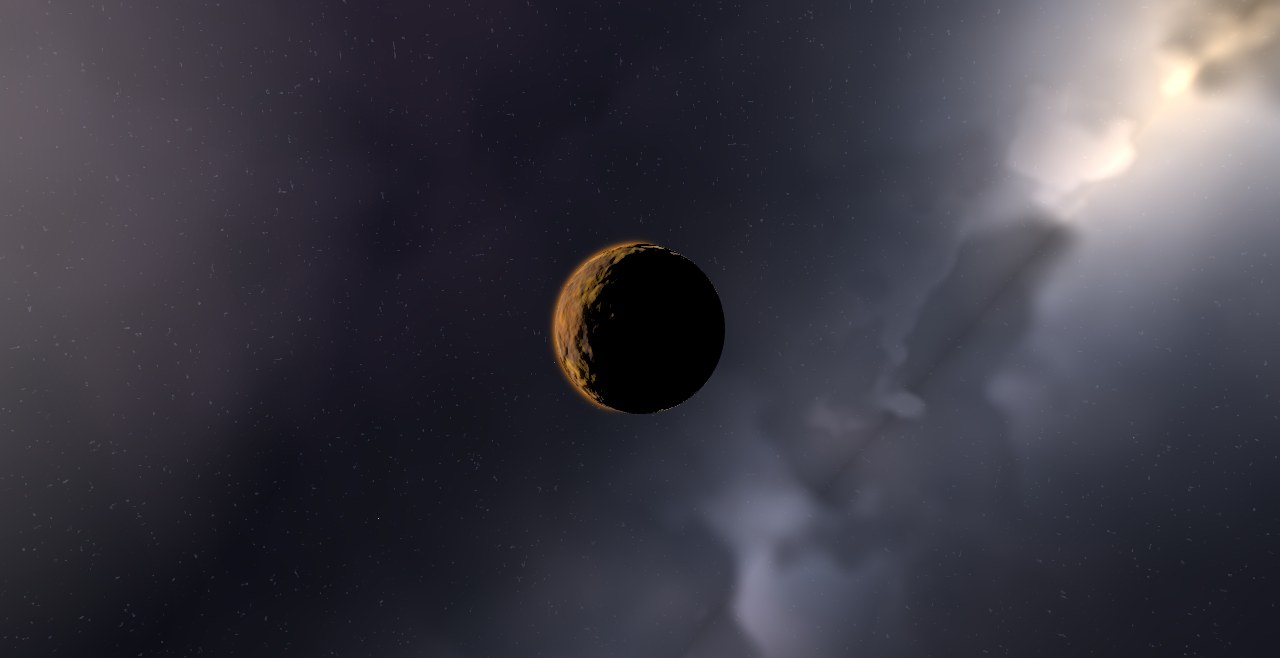
Kepler-1030, an orange K-type dwarf of 0.80 solar masses, and Kepler-1030 b, a planet with 2.5 Earth radii, with an orbital period of 19.3 days.
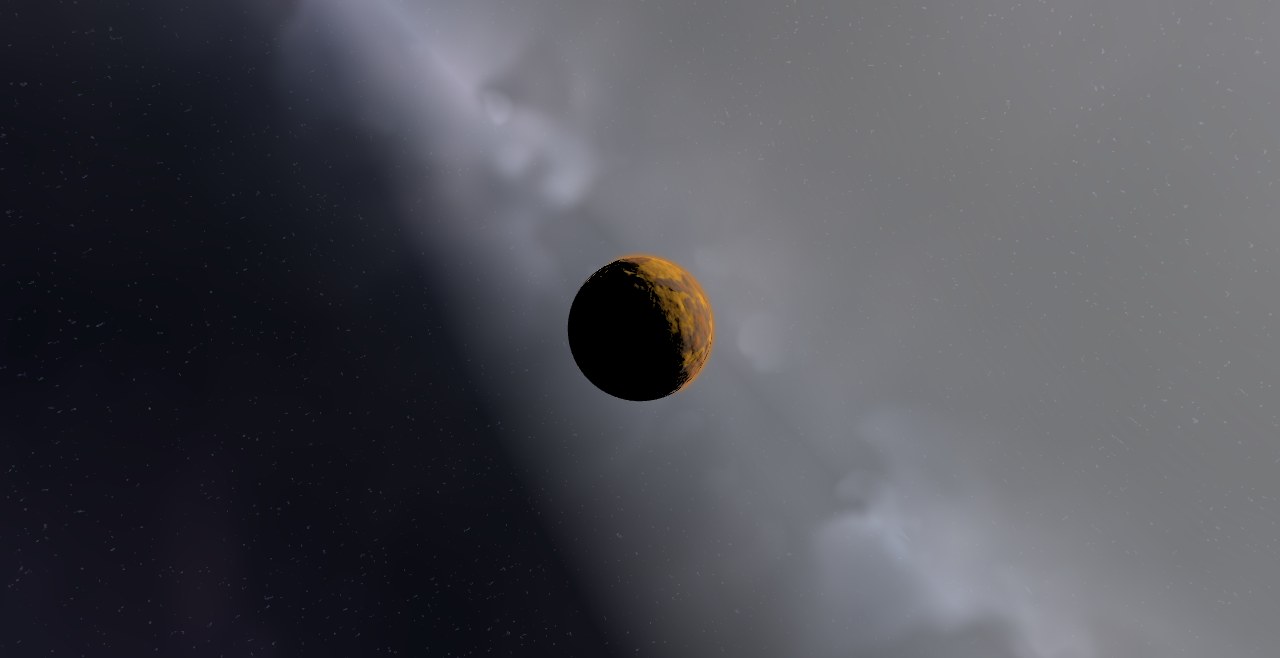
Kepler-1031, a Sun-like F-type star of 1.09 solar masses, and Kepler-1031 b, a planet with 0.9 Earth radii, with an orbital period of 1.2 days.
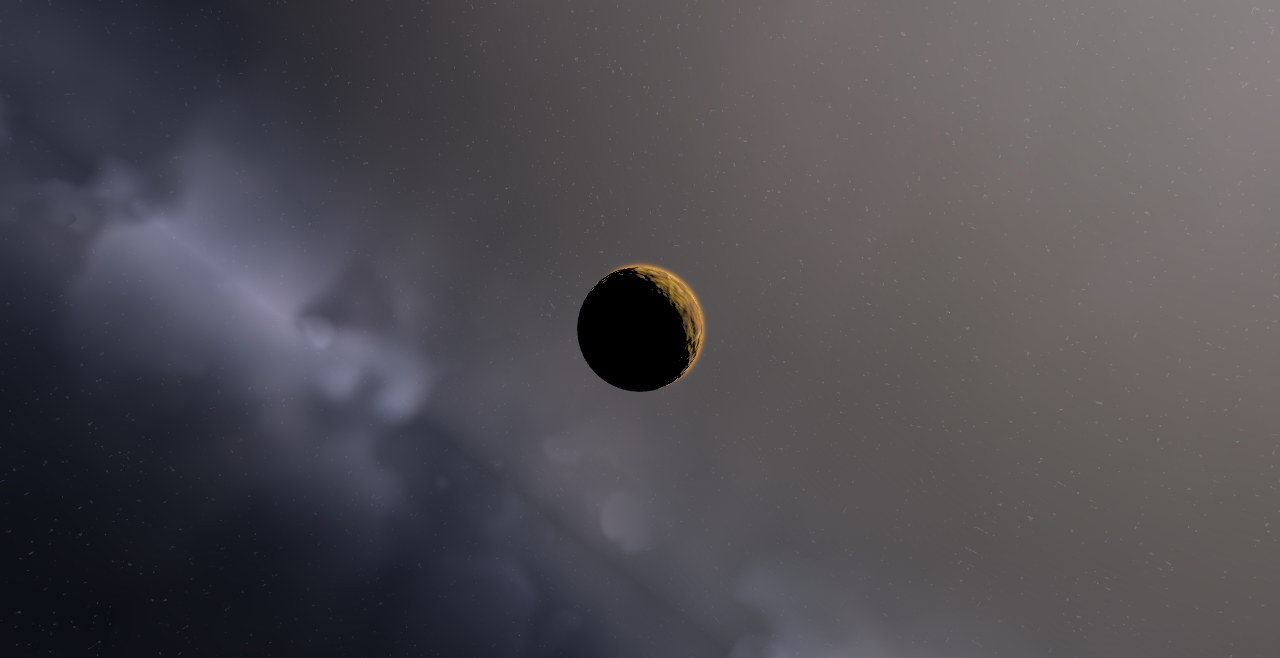
Kepler-1032, an orange K-type dwarf of 0.77 solar masses, and Kepler-1032 b, a planet with 1.9 Earth radii, with an orbital period of 3.3 days.
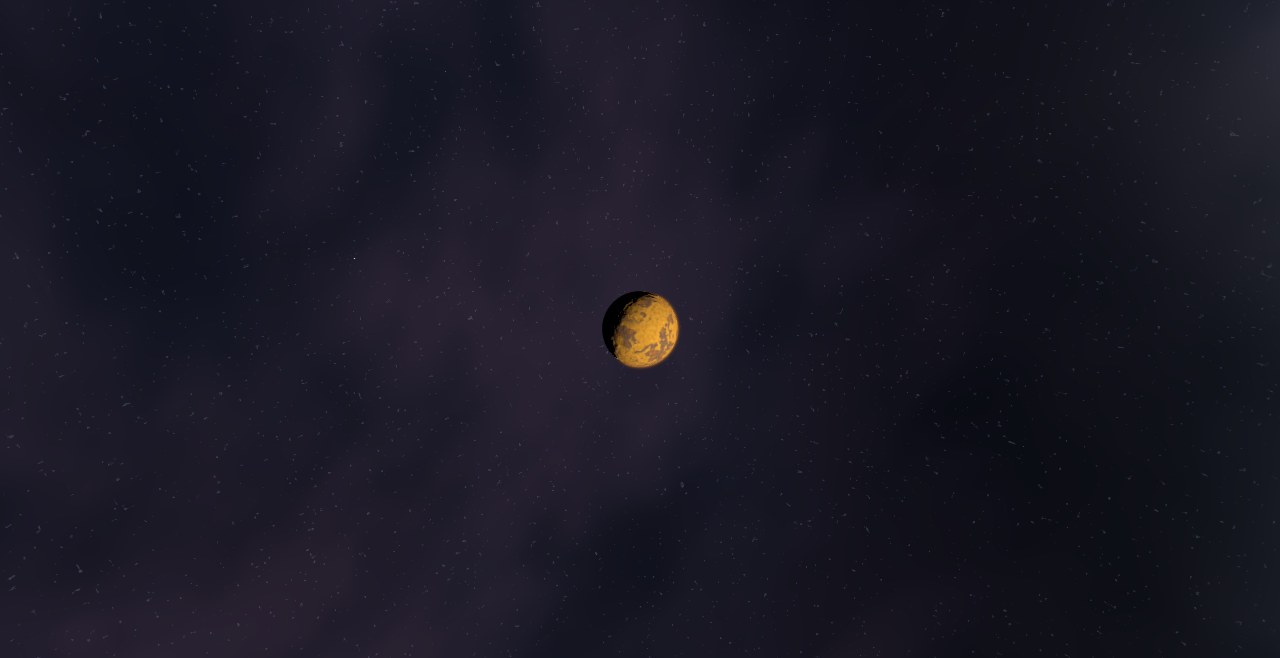
Kepler-1033, a Sun-like G-type star of 0.94 solar masses, and Kepler-1033 b, a planet with 2.5 Earth radii, with an orbital period of 7.6 days.
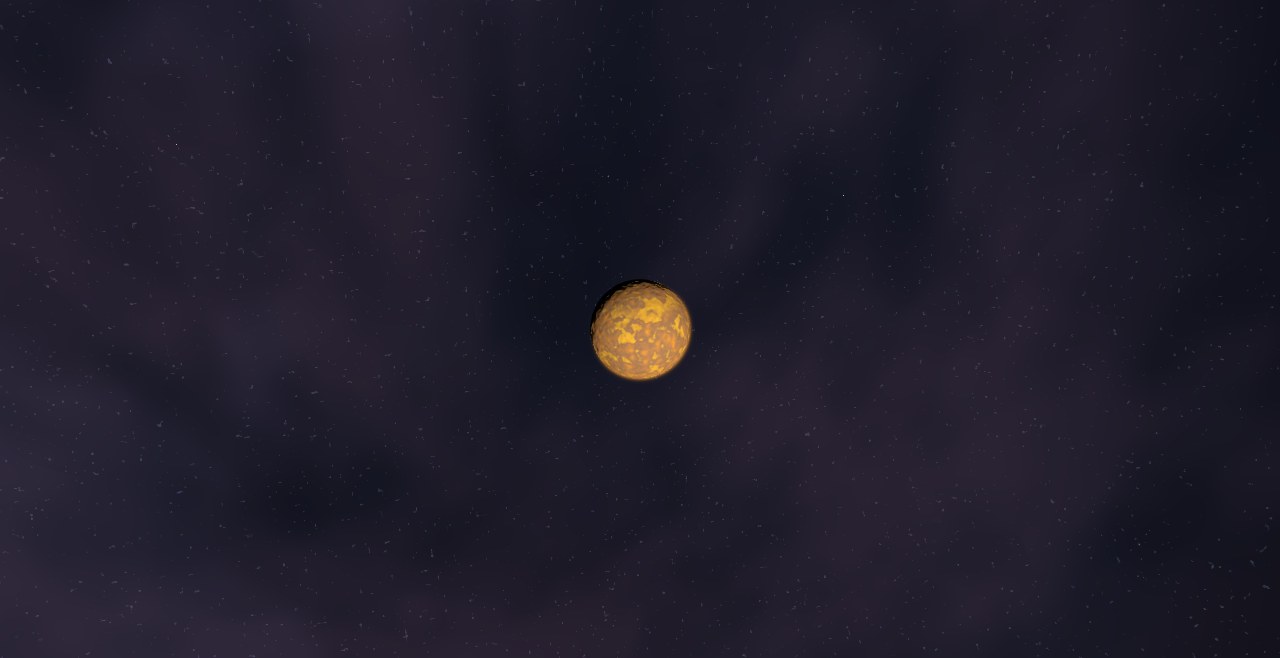
Kepler-1034, an orange K-type dwarf of 0.83 solar masses, and Kepler-1034 b, a planet with 2.3 Earth radii, with an orbital period of 12.1 days.