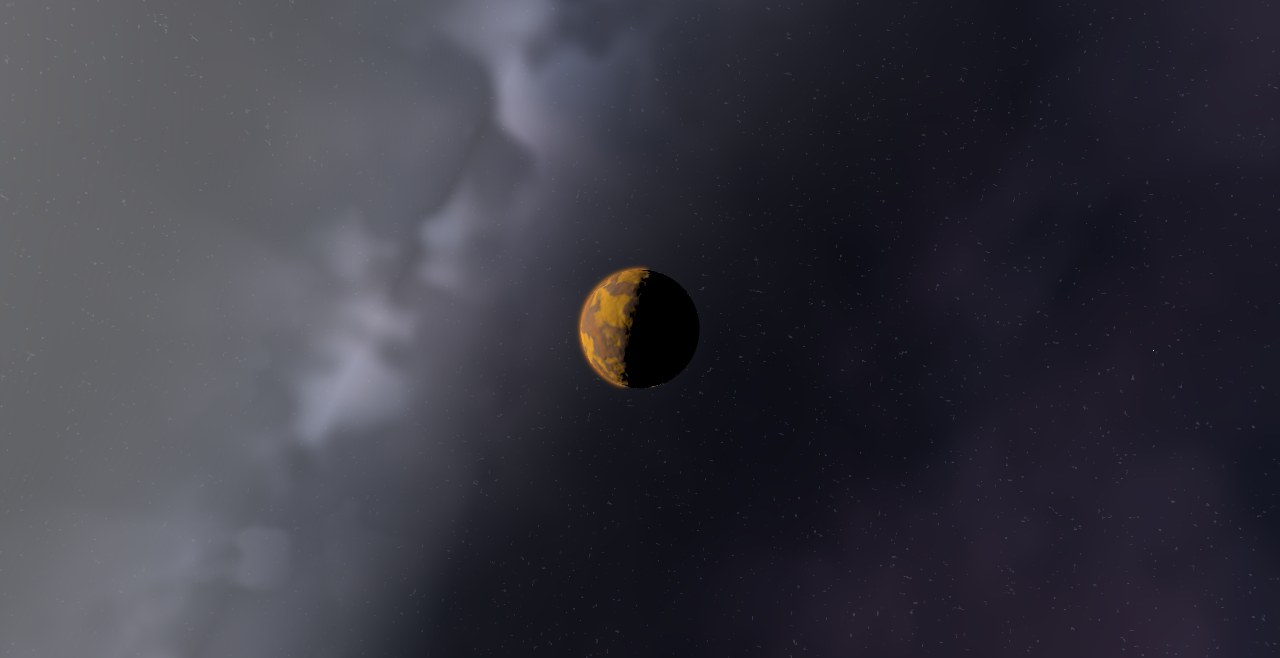
Kepler-1035 - System
Kepler-1035, a Sun-like G-type star of 0.98 solar masses, and Kepler-1035 b, a planet with 1.2 Earth radii, with an orbital period of 2.7 days.
Exoplanets
Analyze isolated alien worlds orbiting a singular host star to observe basic orbital parameters, tidal locks, and planetary eccentricities.
Share
Kepler-1035, a Sun-like G-type star of 0.98 solar masses, and Kepler-1035 b, a planet with 1.2 Earth radii, with an orbital period of 2.7 days.
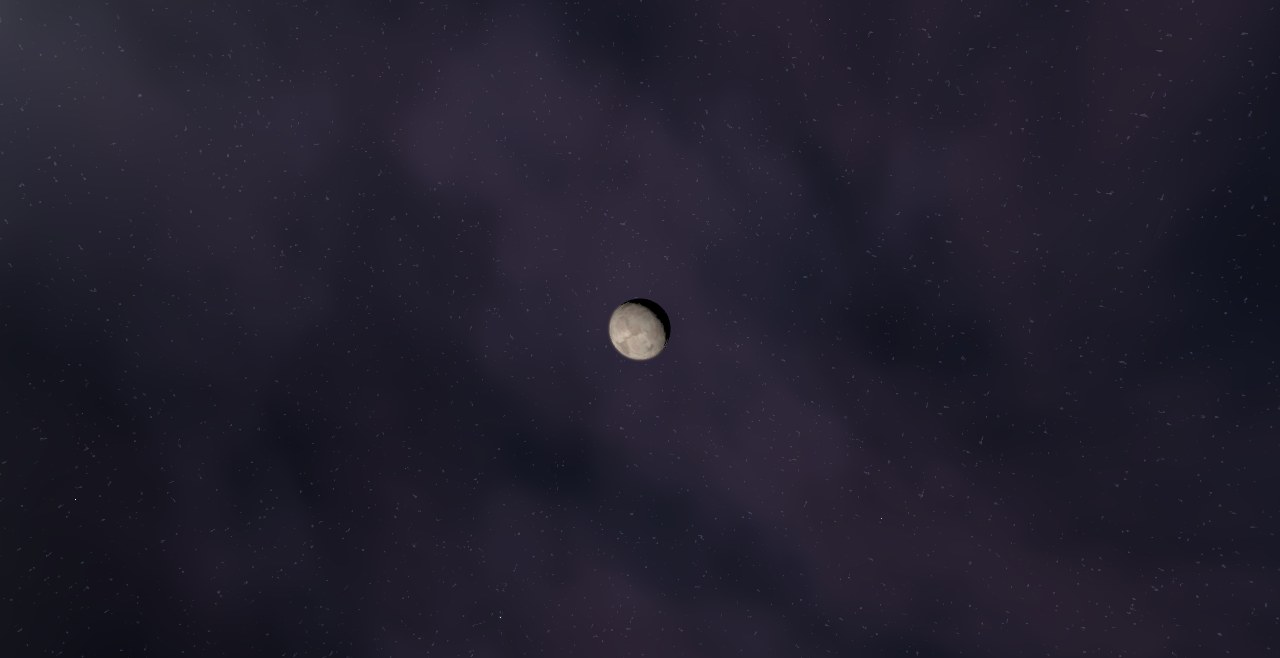
Kepler-1036, a Sun-like G-type star of 0.95 solar masses, and Kepler-1036 b, a planet with 3.0 Earth radii, with an orbital period of 123 days.
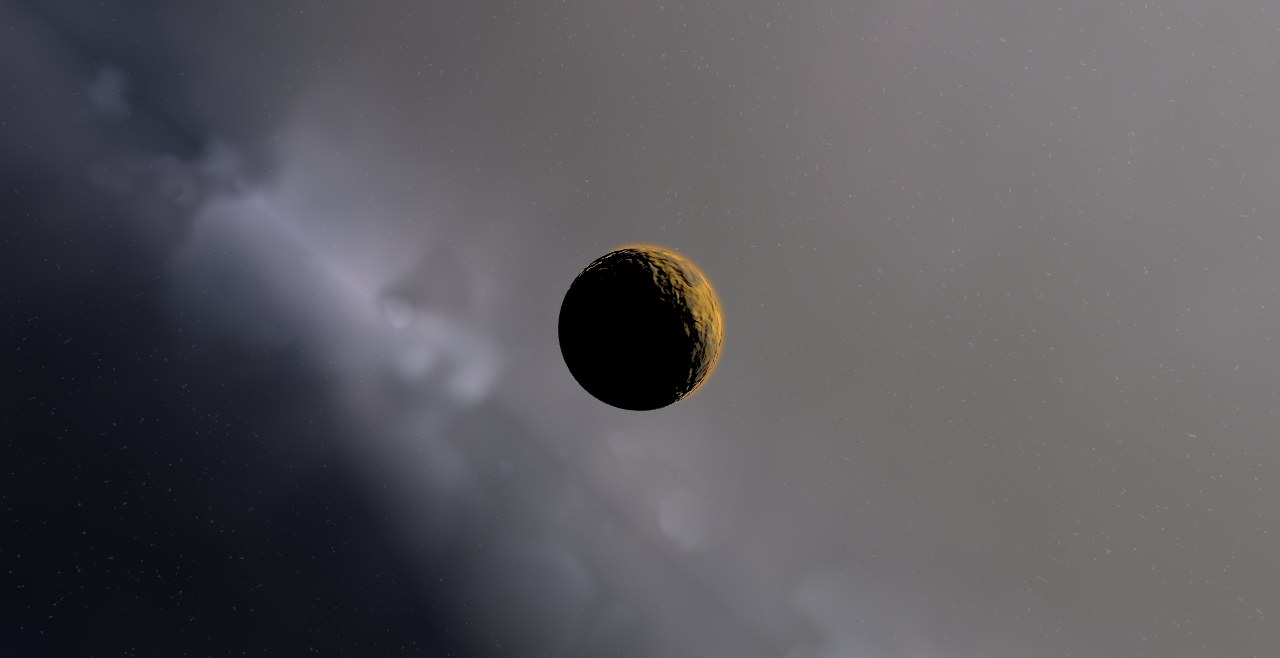
Kepler-1037, an orange K-type dwarf of 0.82 solar masses, and Kepler-1037 b, a planet with 1.3 Earth radii, with an orbital period of 1.1 days.
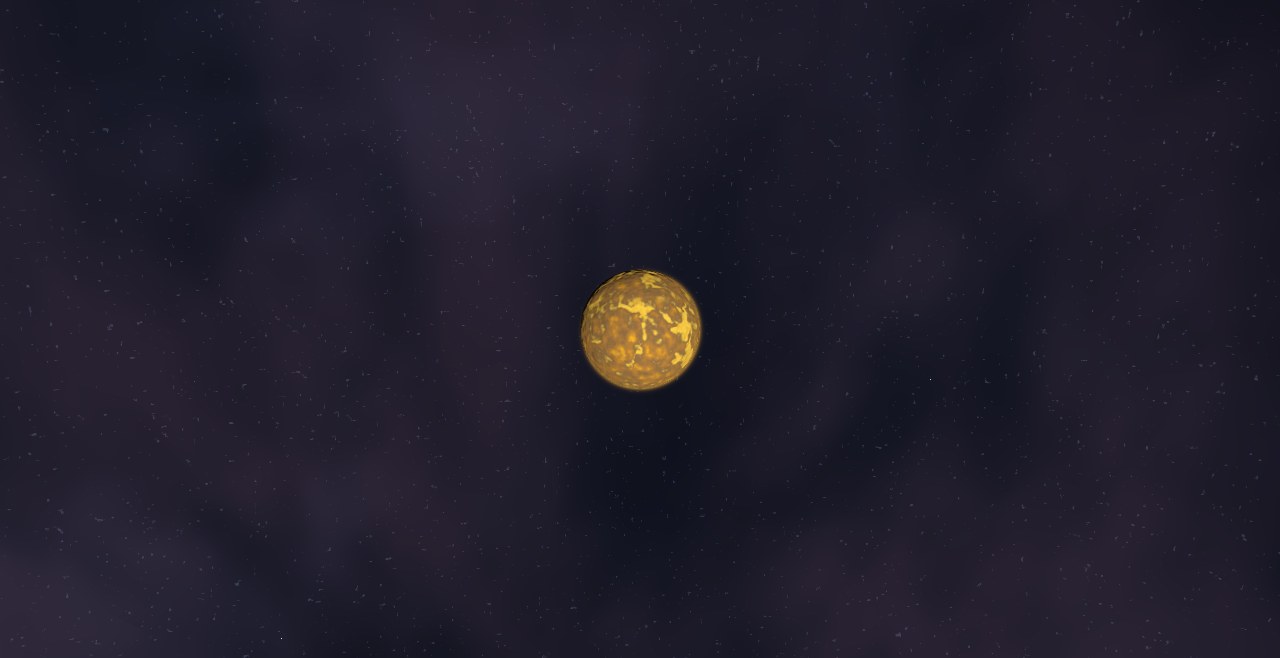
Kepler-1039, an orange K-type dwarf of 0.79 solar masses, and Kepler-1039 b, a planet with 1.5 Earth radii, with an orbital period of 22.4 hours.
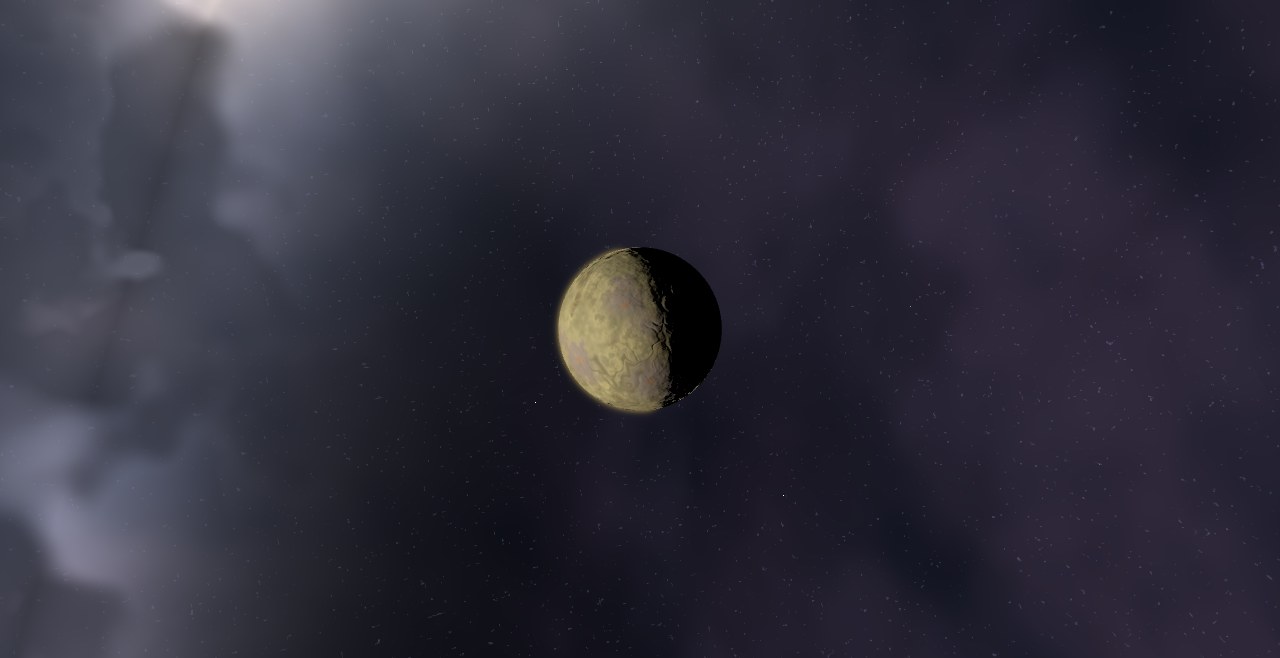
Kepler-1040, a Sun-like G-type star of 0.98 solar masses, and Kepler-1040 b, a planet with 2.1 Earth radii, with an orbital period of 201 days.
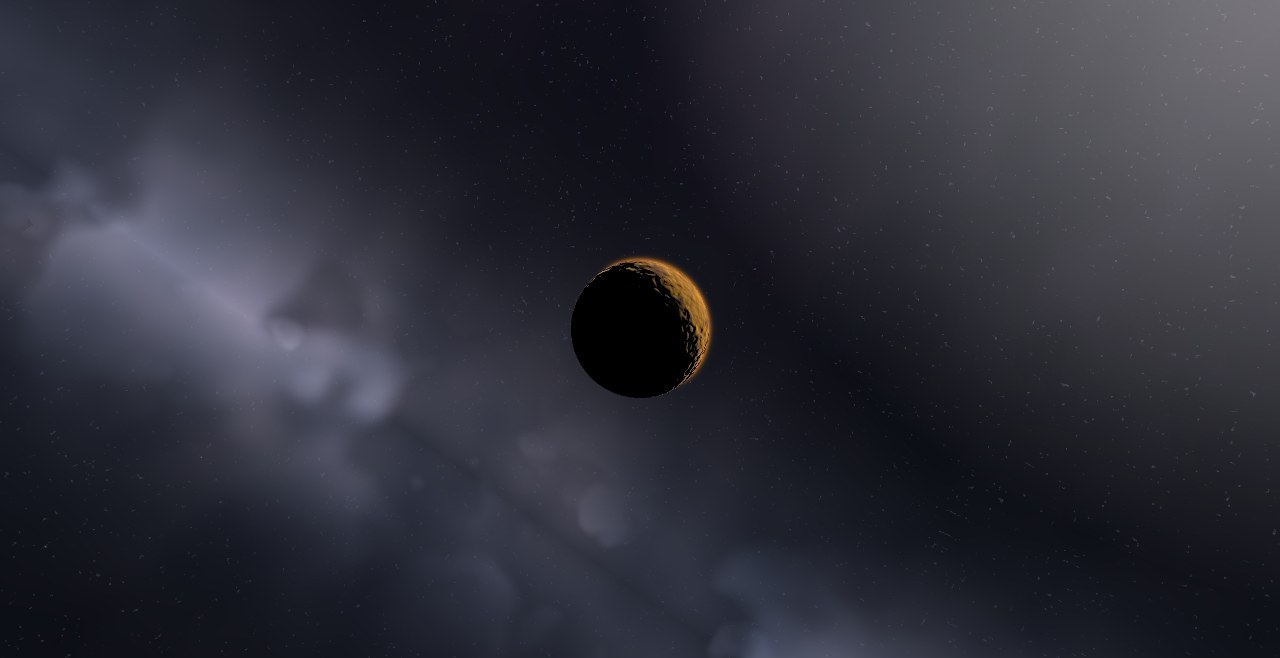
Kepler-1041, a Sun-like G-type star of 1.06 solar masses, and Kepler-1041 b, a planet with 2.9 Earth radii, with an orbital period of 24.8 days.
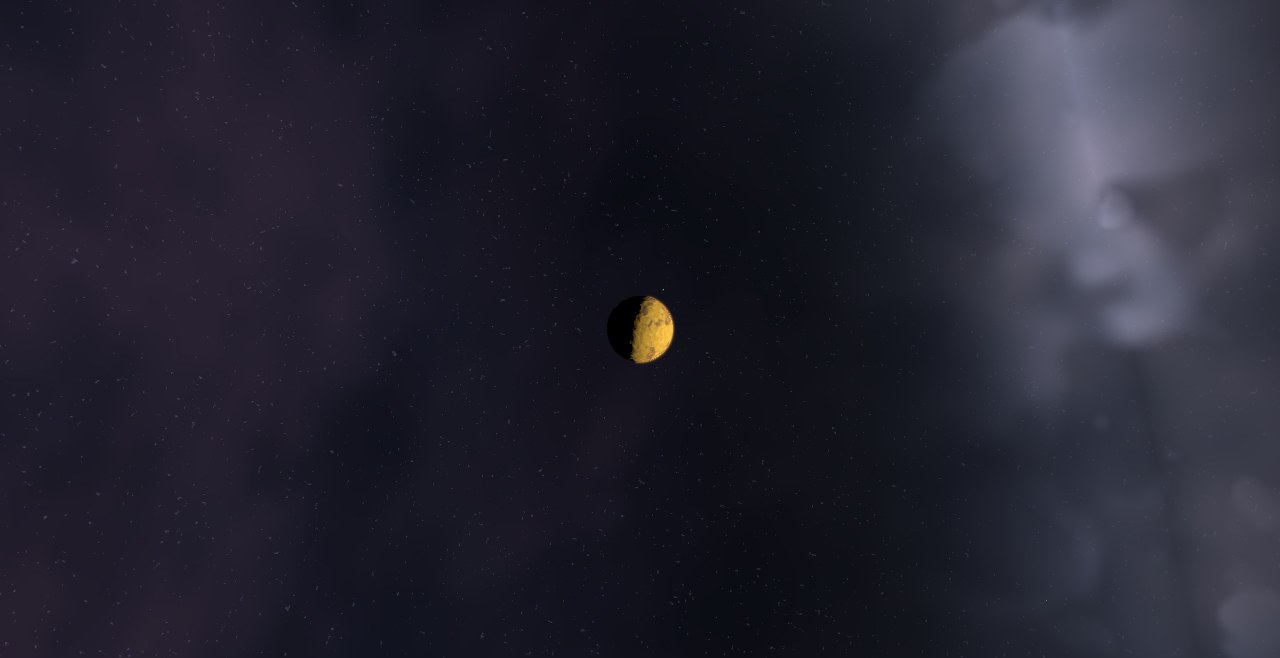
Kepler-1042, an orange K-type dwarf of 0.75 solar masses, and Kepler-1042 b, a planet with 2.2 Earth radii, with an orbital period of 10.1 days.
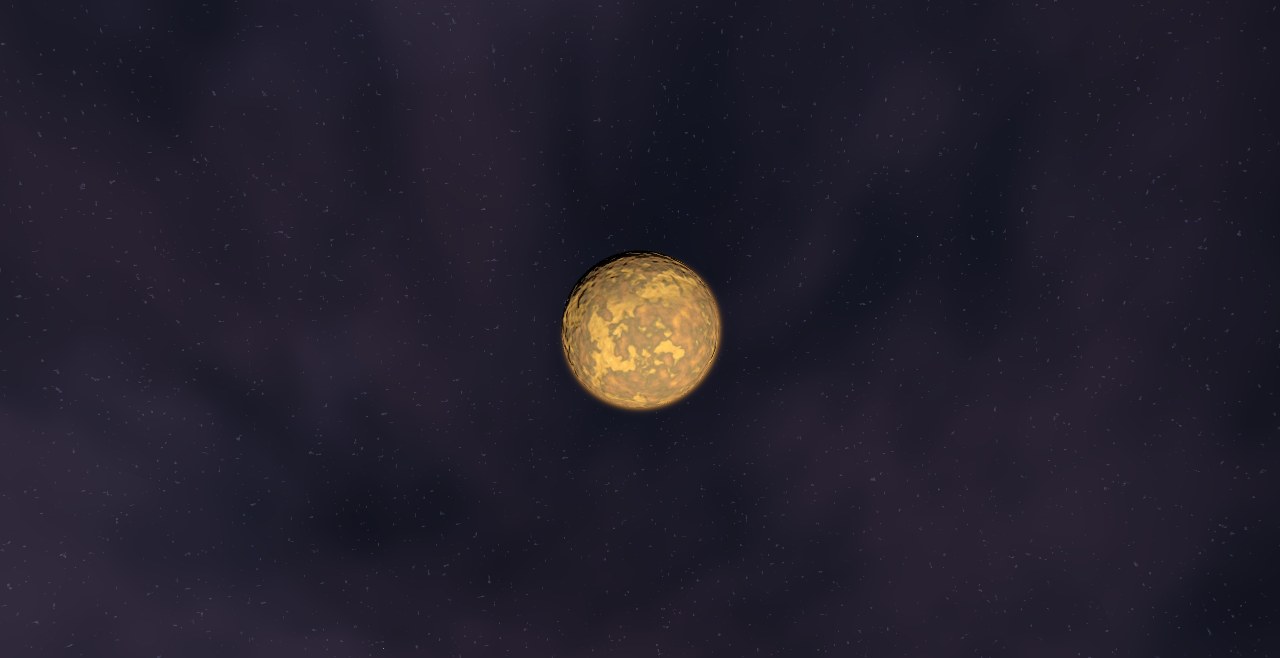
Kepler-1043, a Sun-like G-type star of 0.92 solar masses, and Kepler-1043 b, a planet with 2.5 Earth radii, with an orbital period of 38.5 days.
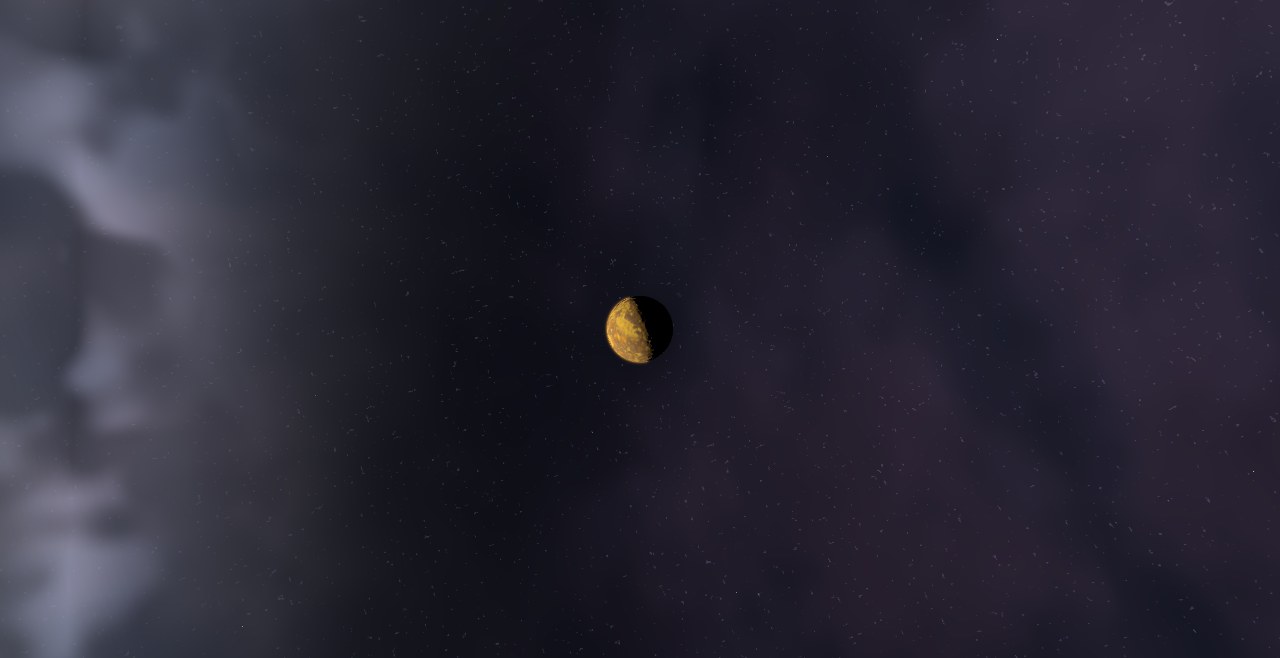
Kepler-1044, a Sun-like G-type star of 1.08 solar masses, and Kepler-1044 b, a planet with 2.7 Earth radii, with an orbital period of 6.8 days.
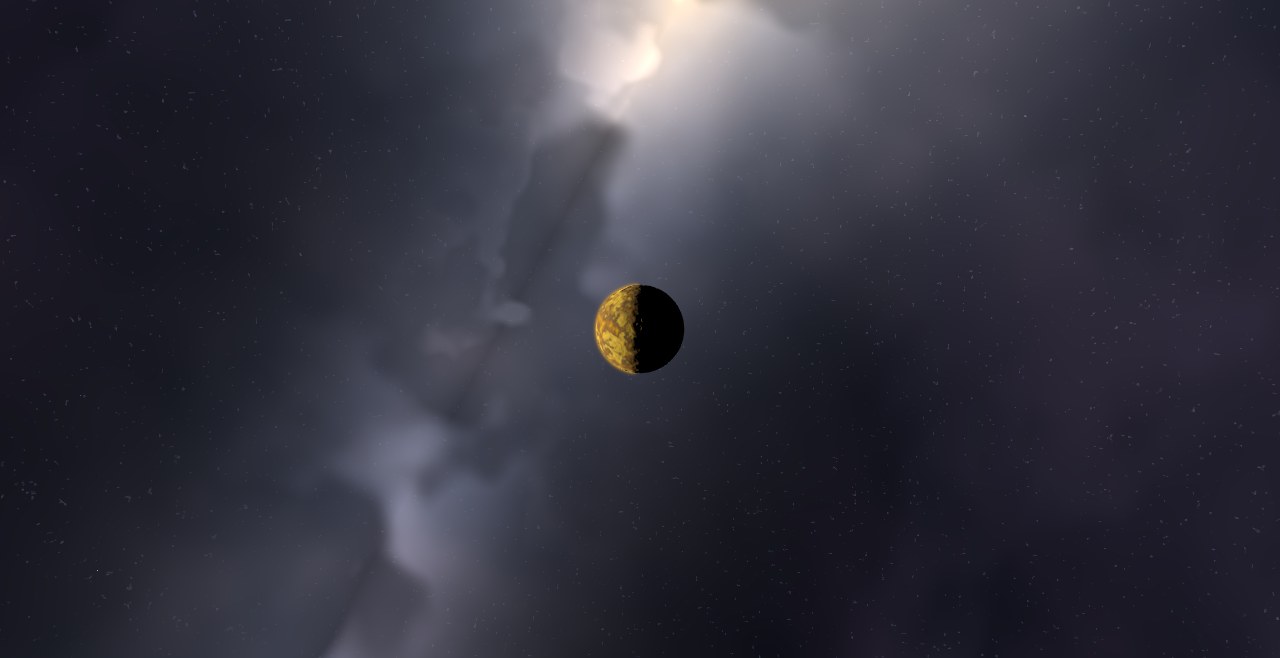
Kepler-1045, a Sun-like G-type star of 0.86 solar masses, and Kepler-1045 b, a planet with 2.7 Earth radii, with an orbital period of 26.4 days.
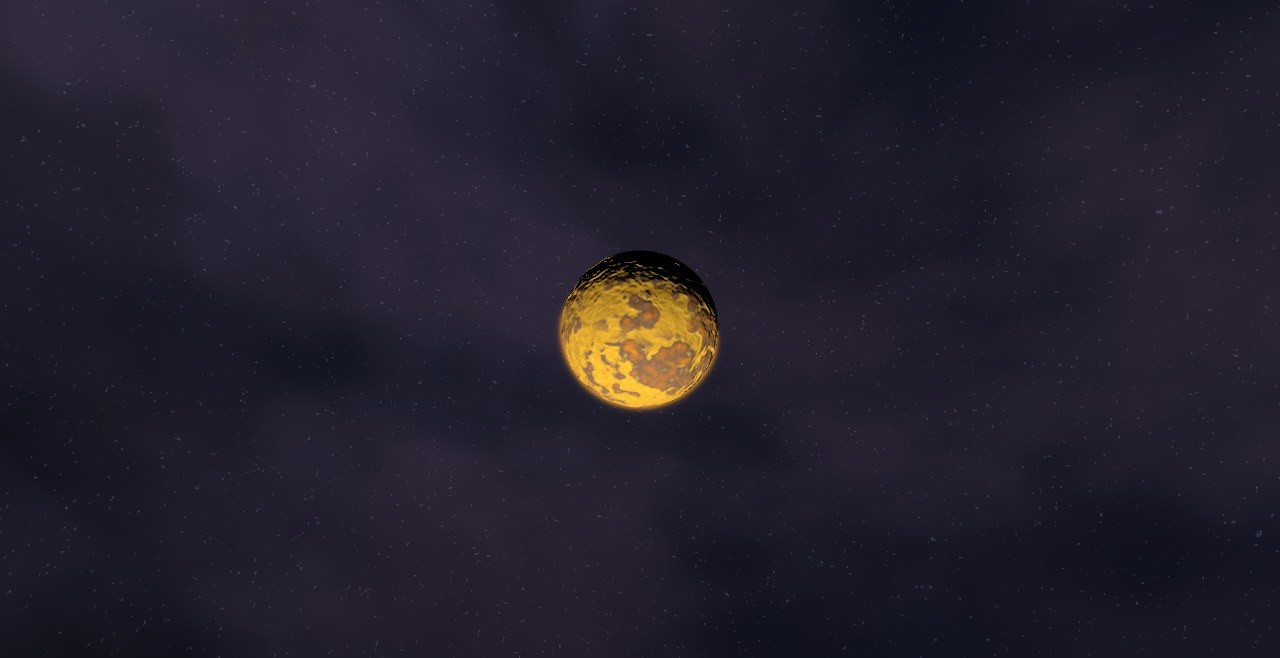
Kepler-1046, a Sun-like G-type star of 1.04 solar masses, and Kepler-1046 b, a planet with 1.7 Earth radii, with an orbital period of 14.4 days.
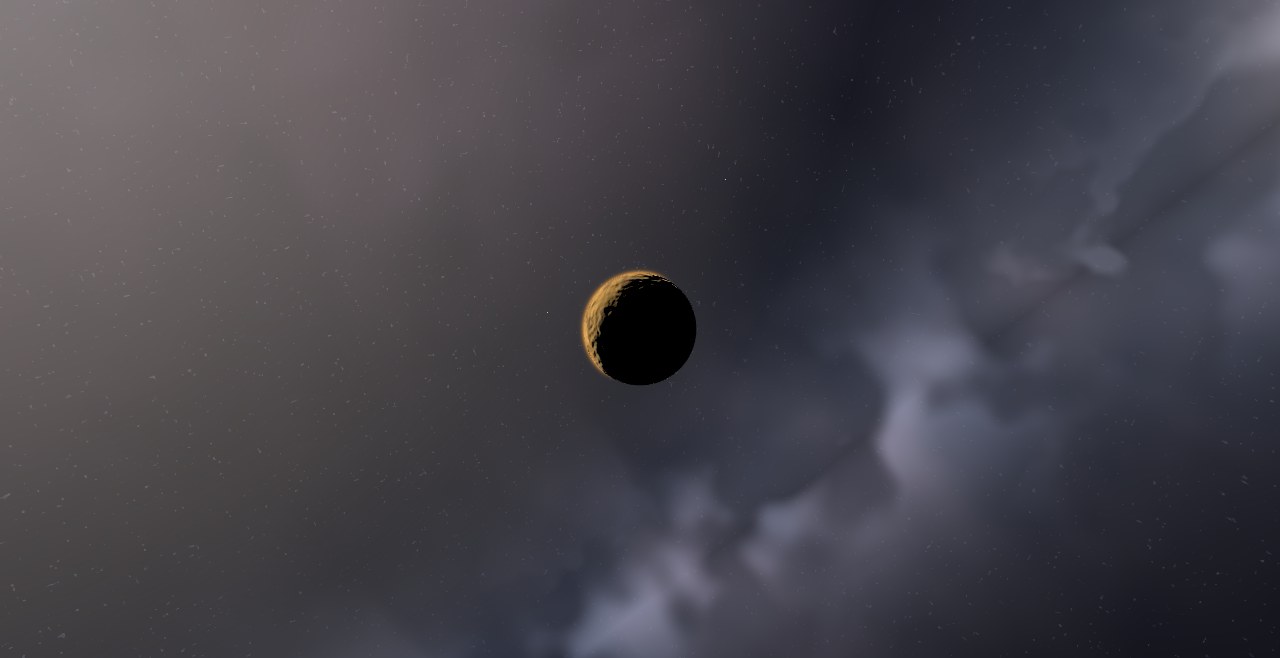
Kepler-1048, an orange K-type dwarf of 0.75 solar masses, and Kepler-1048 b, a planet with 1.6 Earth radii, with an orbital period of 6.9 days.
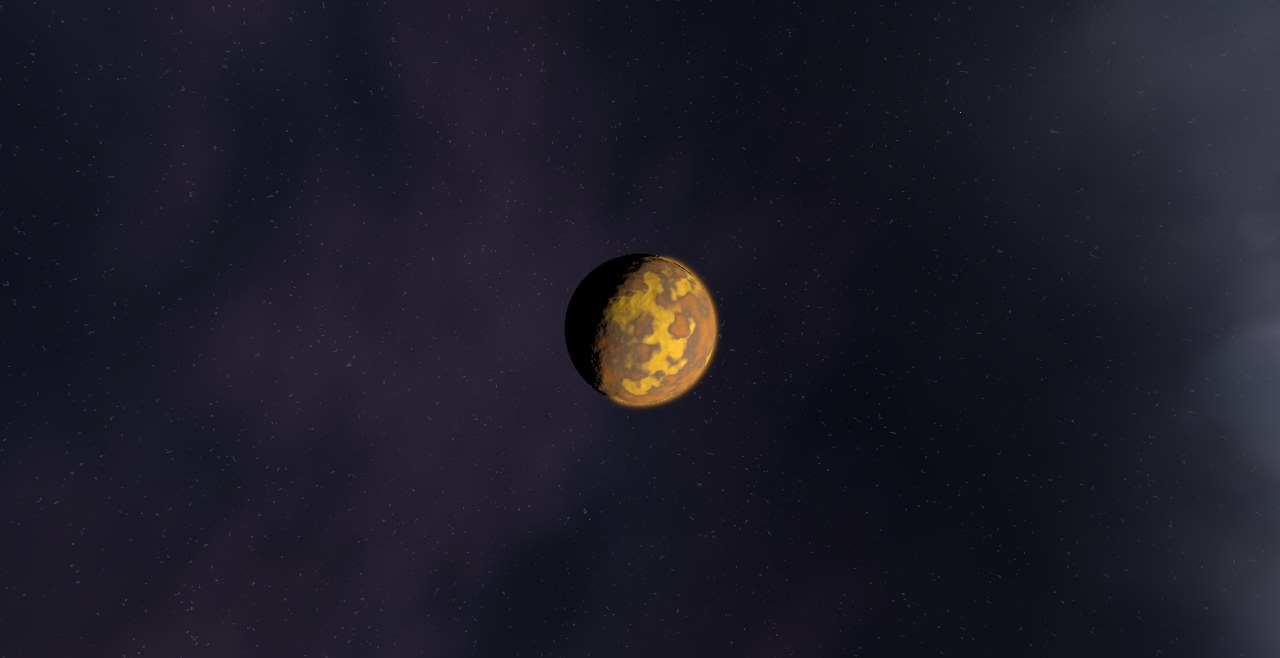
Kepler-1049, an orange K-type dwarf of 0.51 solar masses, and Kepler-1049 b, a planet with 0.9 Earth radii, with an orbital period of 3.3 days.
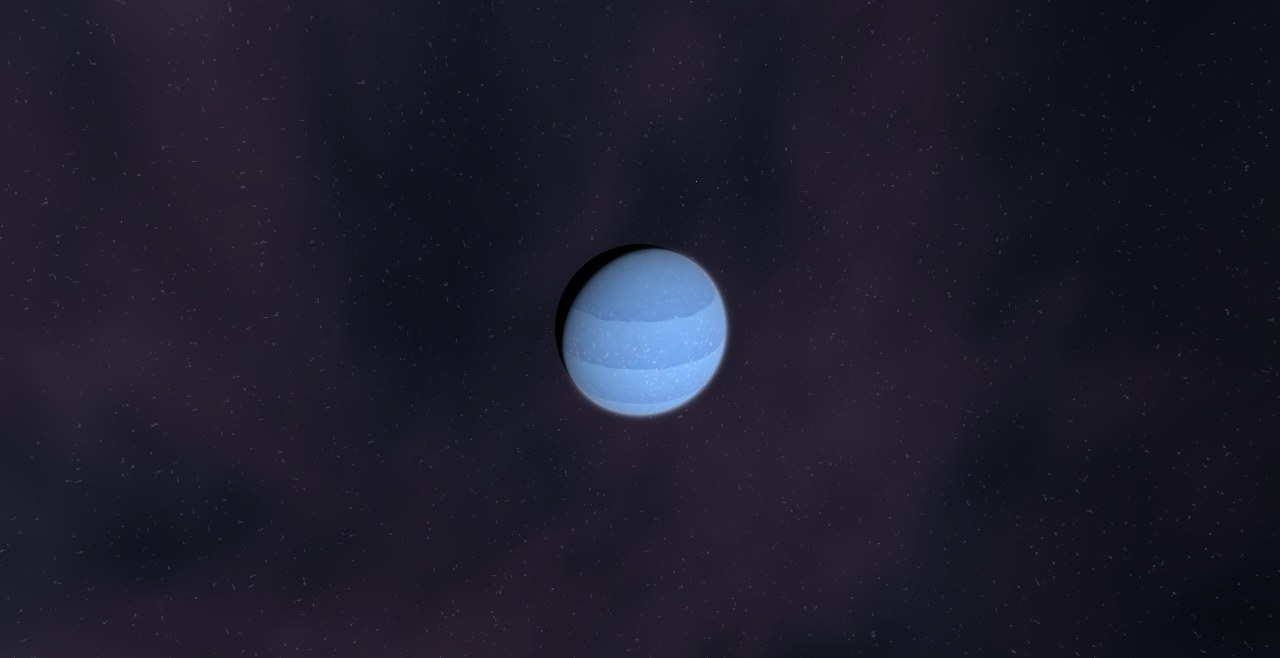
Kepler-1051, a Sun-like F-type star of 1.43 solar masses, and Kepler-1051 b, a planet with 3.4 Earth radii, with an orbital period of 26.0 days.
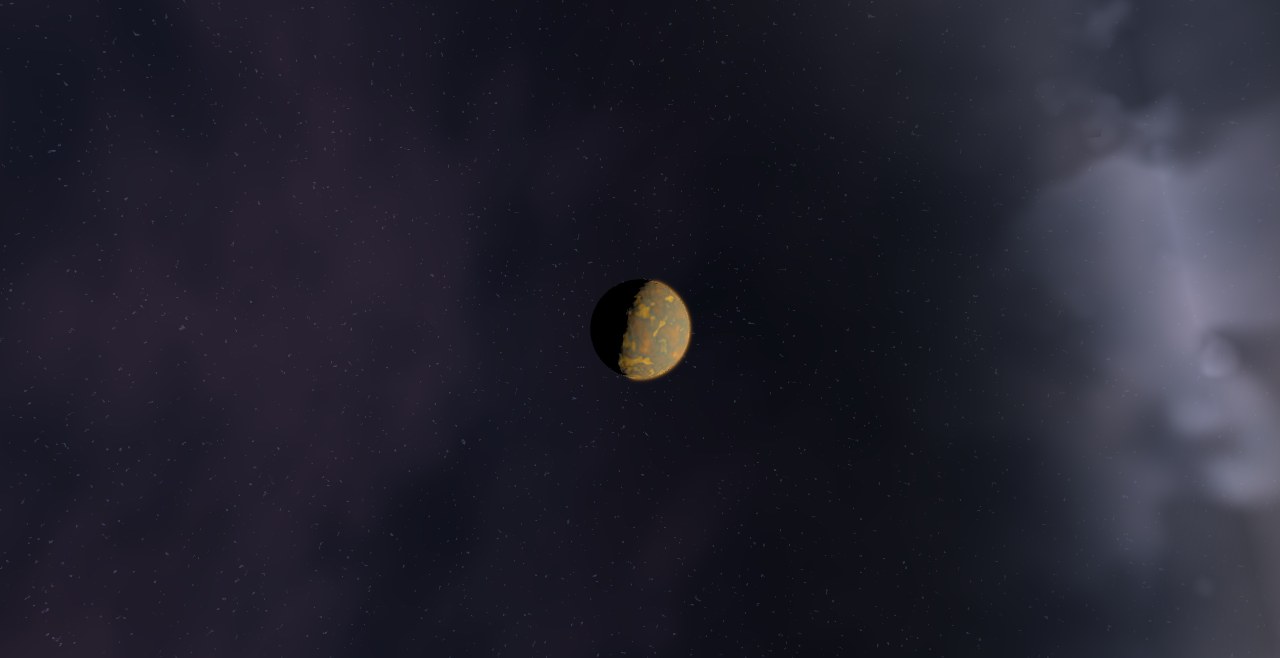
Kepler-1053, an orange K-type dwarf of 0.74 solar masses, and Kepler-1053 b, a planet with 1.0 Earth radii, with an orbital period of 2.4 days.
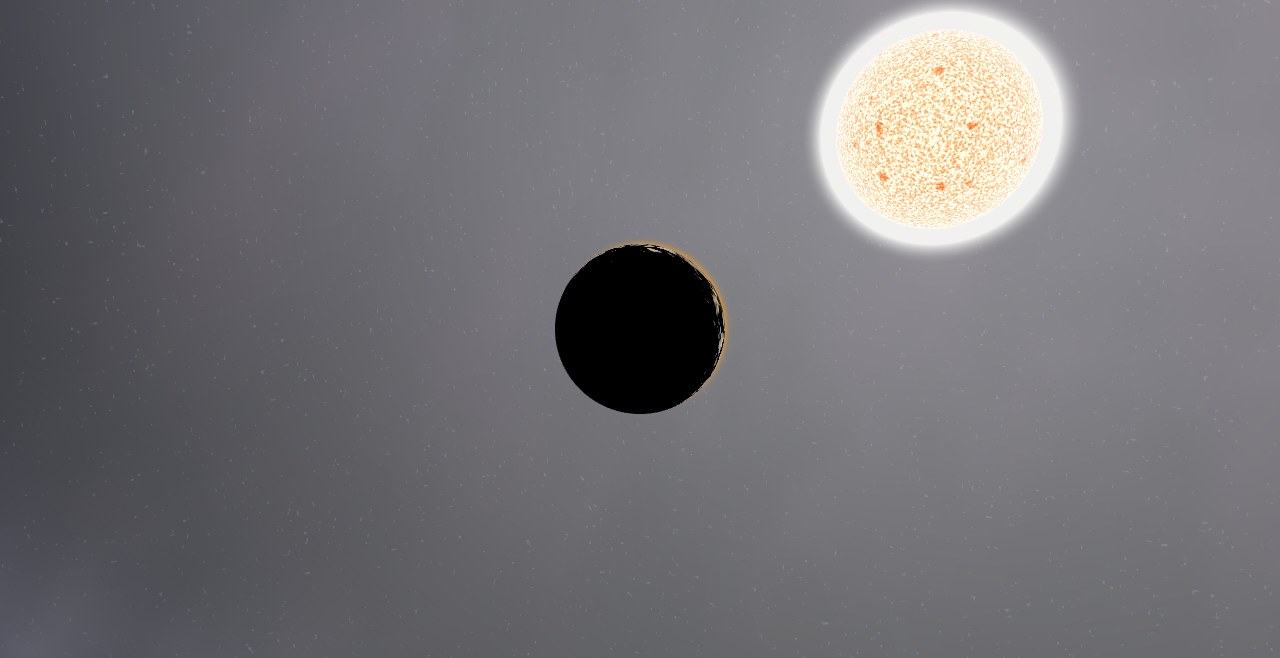
Kepler-1054, a Sun-like F-type star of 1.22 solar masses, and Kepler-1054 b, a planet with 2.6 Earth radii, with an orbital period of 4.3 days.
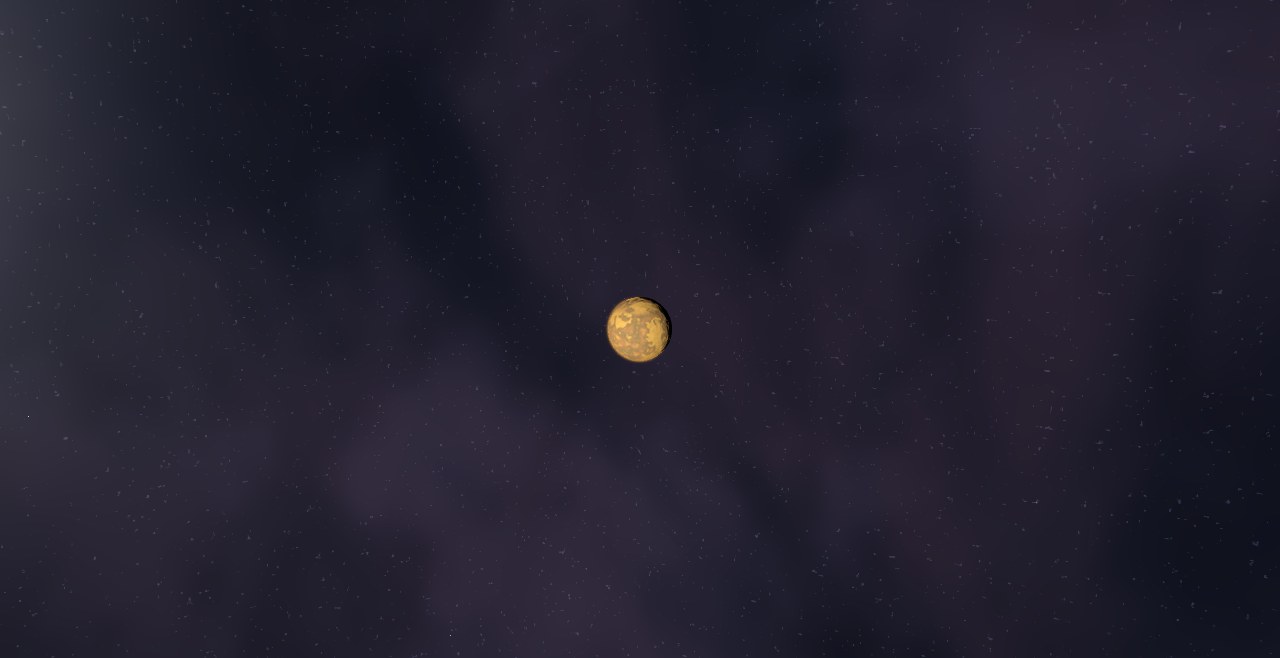
Kepler-1055, a Sun-like G-type star of 0.98 solar masses, and Kepler-1055 b, a planet with 1.2 Earth radii, with an orbital period of 2.3 days.
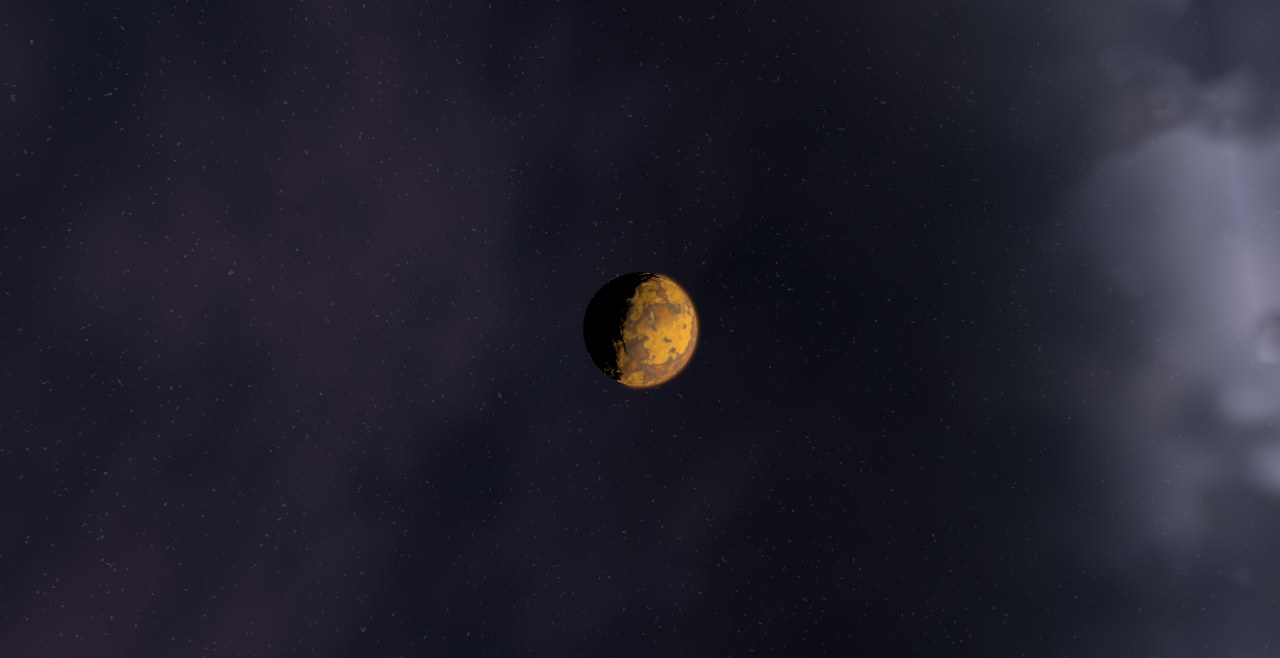
Kepler-1056, a Sun-like F-type star of 1.12 solar masses, and Kepler-1056 b, a planet with 3.0 Earth radii, with an orbital period of 27.5 days.