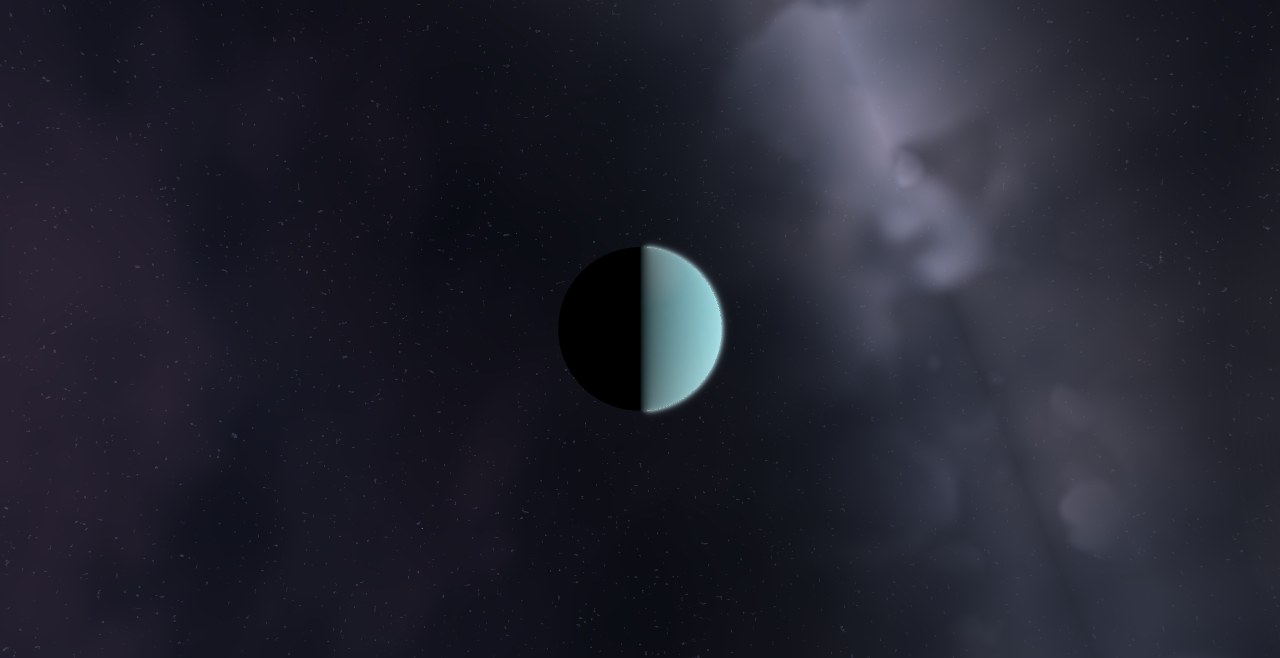
Kepler-1057 - System
Kepler-1057, a Sun-like G-type star of 1.07 solar masses, and Kepler-1057 b, a planet with 3.4 Earth radii, with an orbital period of 14.1 days.
Exoplanets
Analyze isolated alien worlds orbiting a singular host star to observe basic orbital parameters, tidal locks, and planetary eccentricities.
Share
Kepler-1057, a Sun-like G-type star of 1.07 solar masses, and Kepler-1057 b, a planet with 3.4 Earth radii, with an orbital period of 14.1 days.
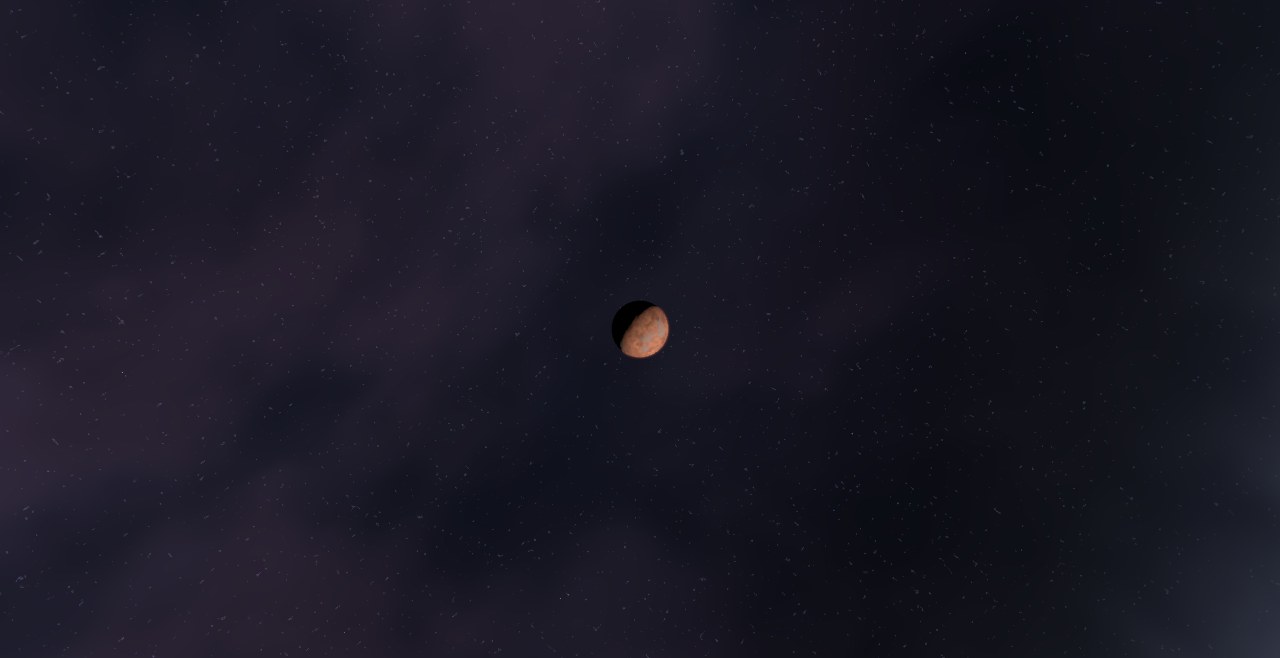
Kepler-1058, an orange K-type dwarf of 0.73 solar masses, and Kepler-1058 b, a planet with 2.7 Earth radii, with an orbital period of 111 days.
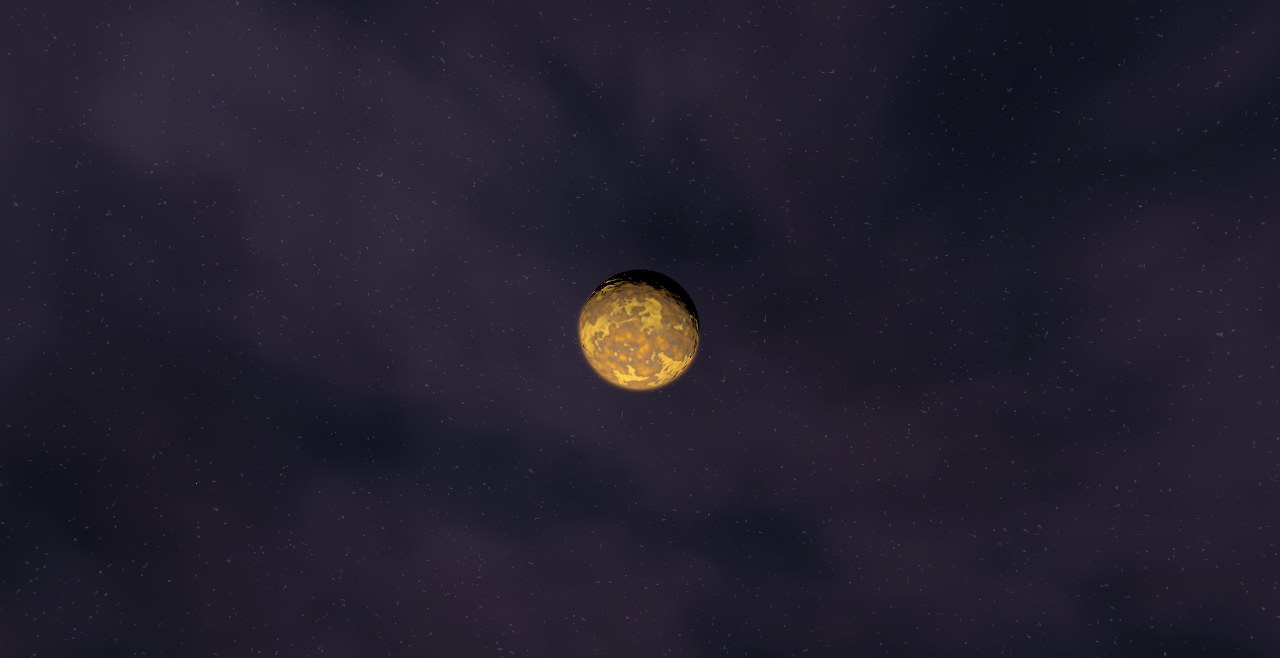
Kepler-1059, an orange K-type dwarf of 0.75 solar masses, and Kepler-1059 b, a planet with 1.7 Earth radii, with an orbital period of 3.8 days.
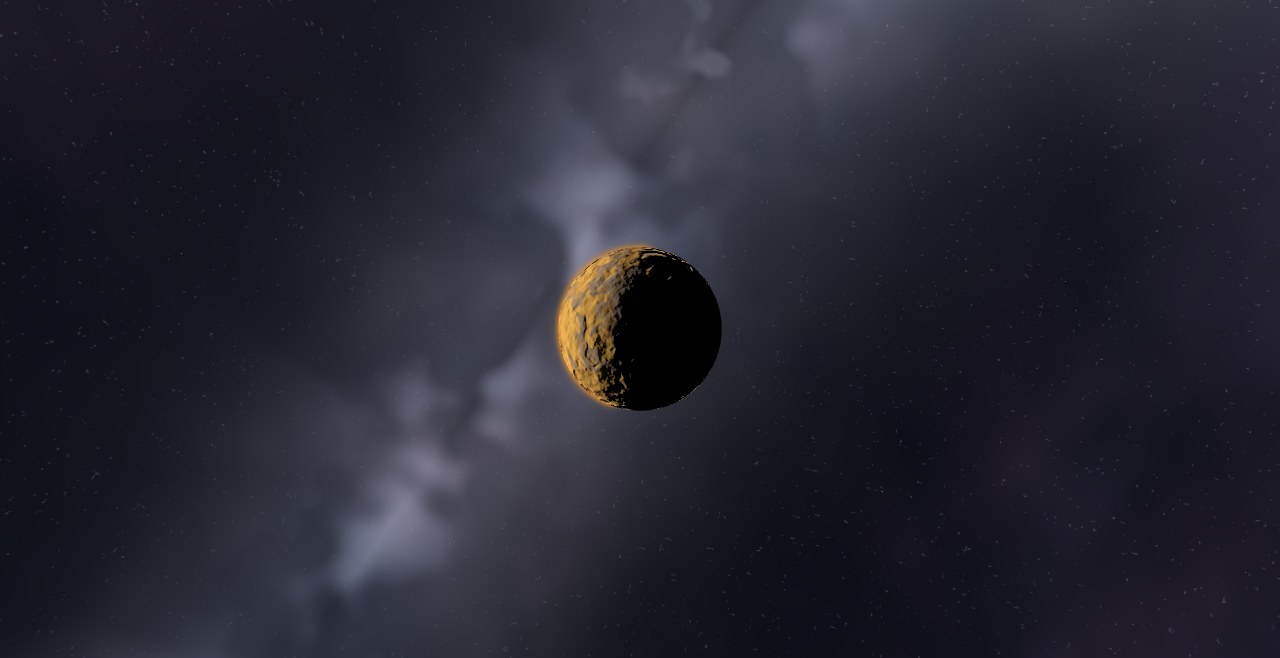
Kepler-1060, a Sun-like G-type star of 0.99 solar masses, and Kepler-1060 b, a planet with 2.4 Earth radii, with an orbital period of 46.9 days.
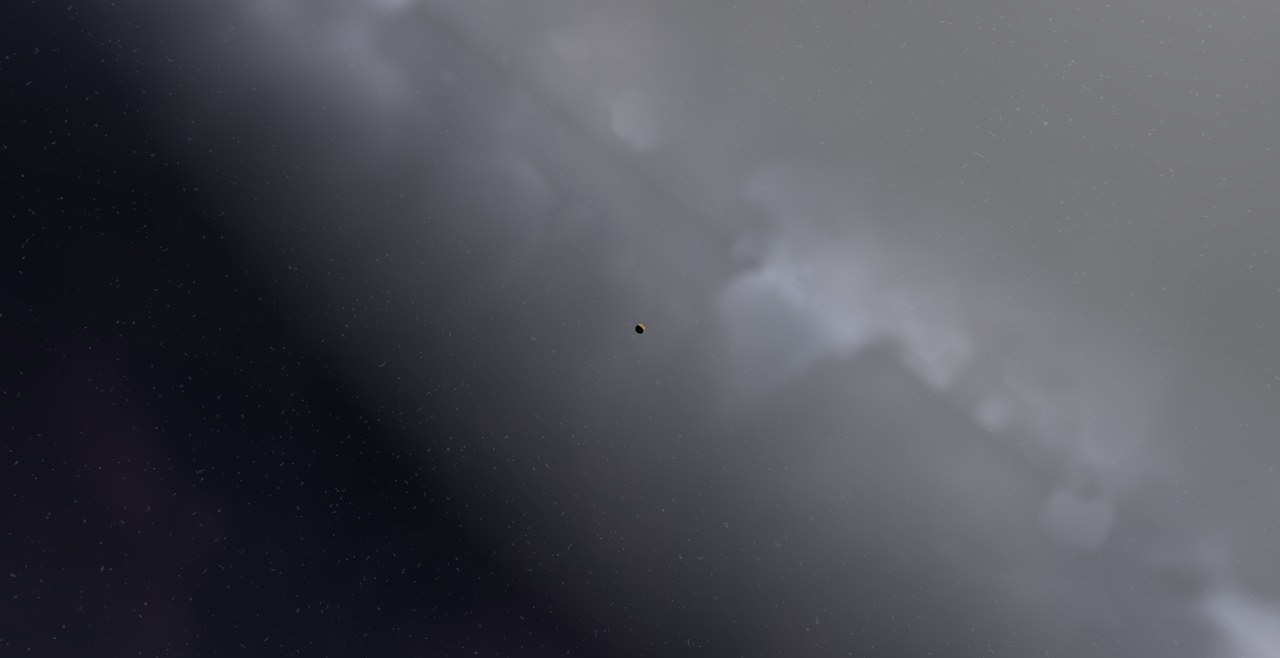
Kepler-1061, a Sun-like F-type star of 1.09 solar masses, and Kepler-1061 b, a planet with 2.0 Earth radii, with an orbital period of 2.8 days.
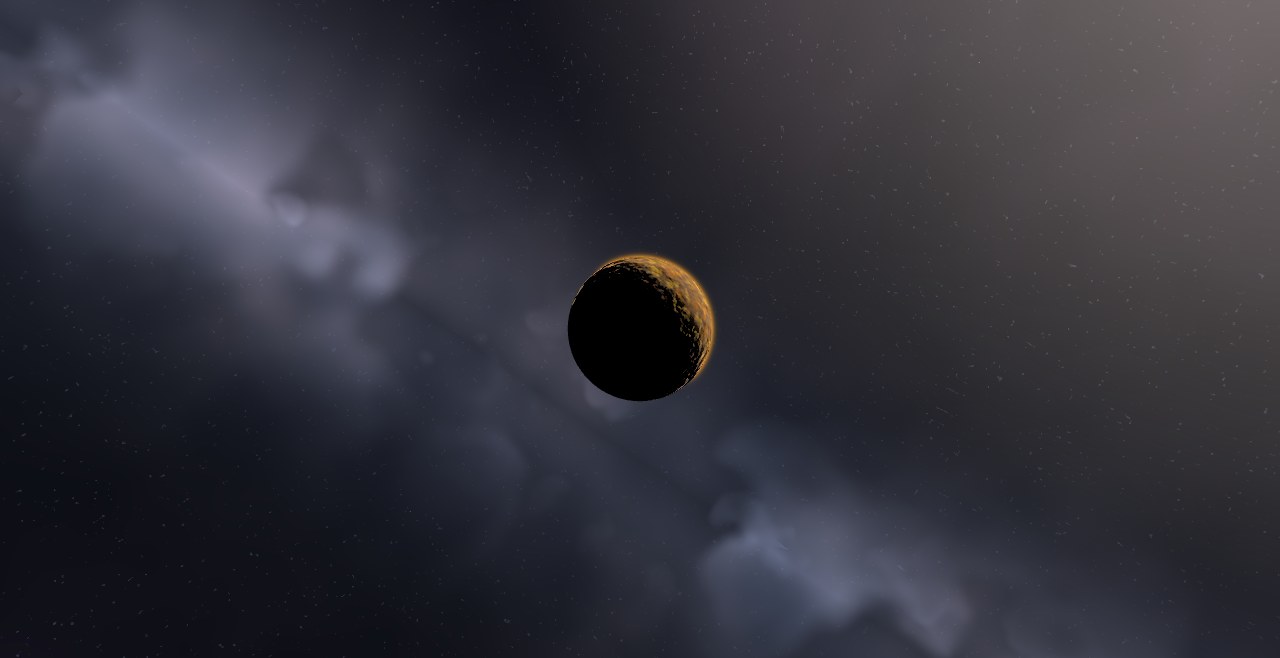
Kepler-1062, an orange K-type dwarf of 0.75 solar masses, and Kepler-1062 b, a planet with 1.8 Earth radii, with an orbital period of 9.3 days.
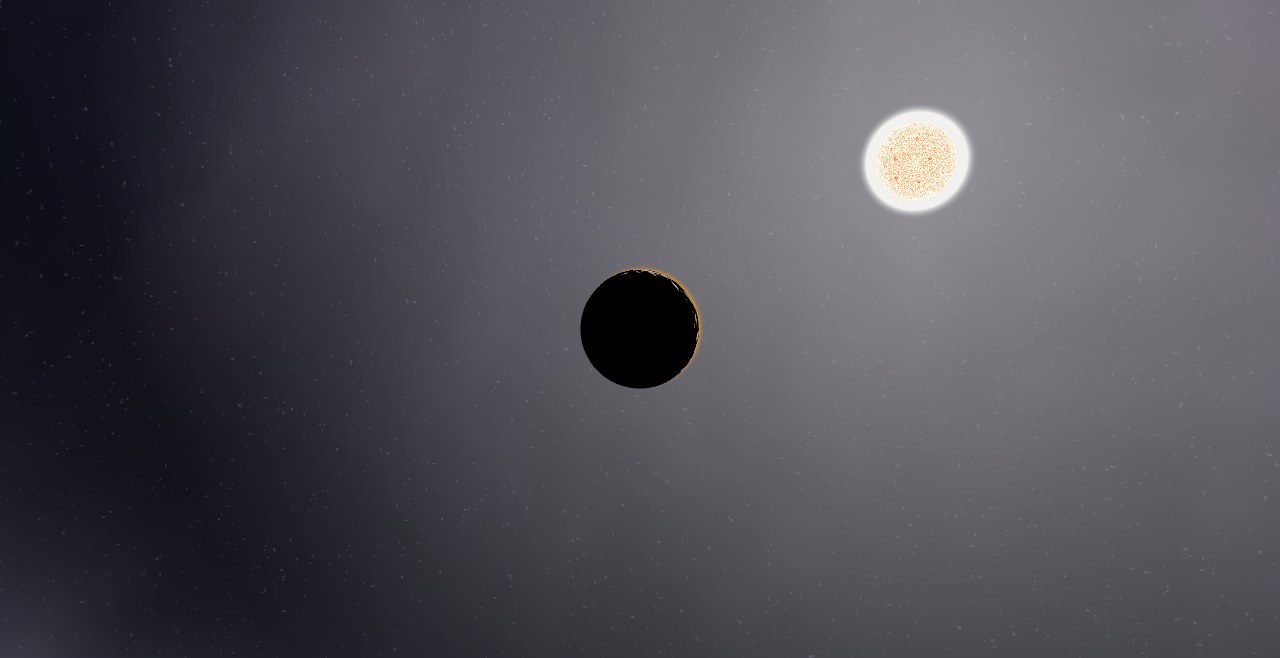
Kepler-1063, a Sun-like G-type star of 1.09 solar masses, and Kepler-1063 b, a planet with 1.5 Earth radii, with an orbital period of 14.1 days.
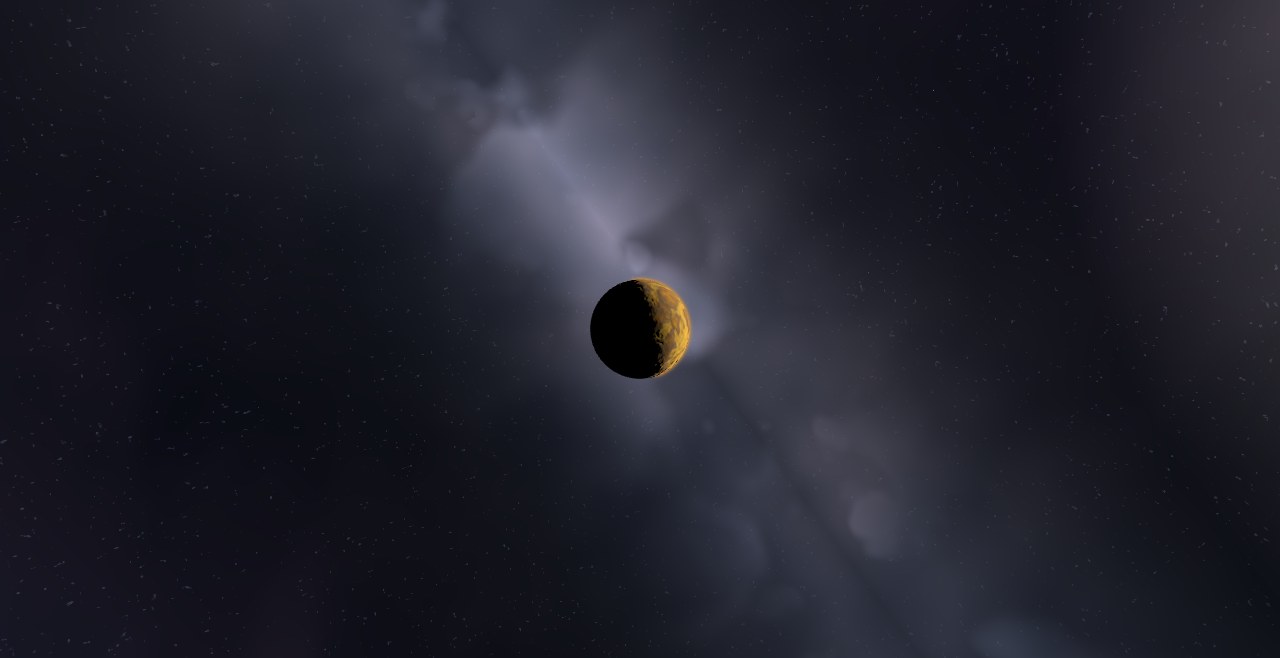
Kepler-1064, an orange K-type dwarf of 0.85 solar masses, and Kepler-1064 b, a planet with 1.6 Earth radii, with an orbital period of 16.5 days.
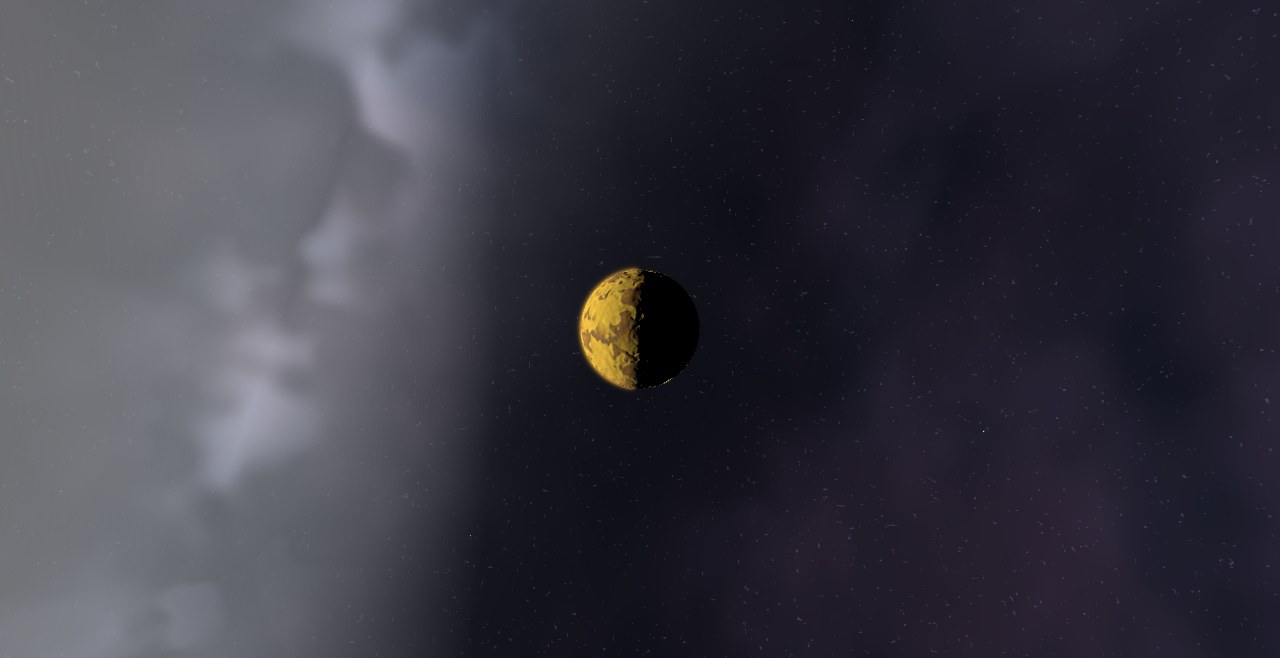
Kepler-1066, a Sun-like G-type star of 0.98 solar masses, and Kepler-1066 b, a planet with 2.4 Earth radii, with an orbital period of 1.9 days.
Kepler-1068, a Sun-like G-type star of 1.01 solar masses, and Kepler-1068 b, a planet with 3.6 Earth radii, with an orbital period of 16.9 days.
Kepler-1069, a Sun-like G-type star of 0.99 solar masses, and Kepler-1069 b, a planet with 1.6 Earth radii, with an orbital period of 23.9 days.
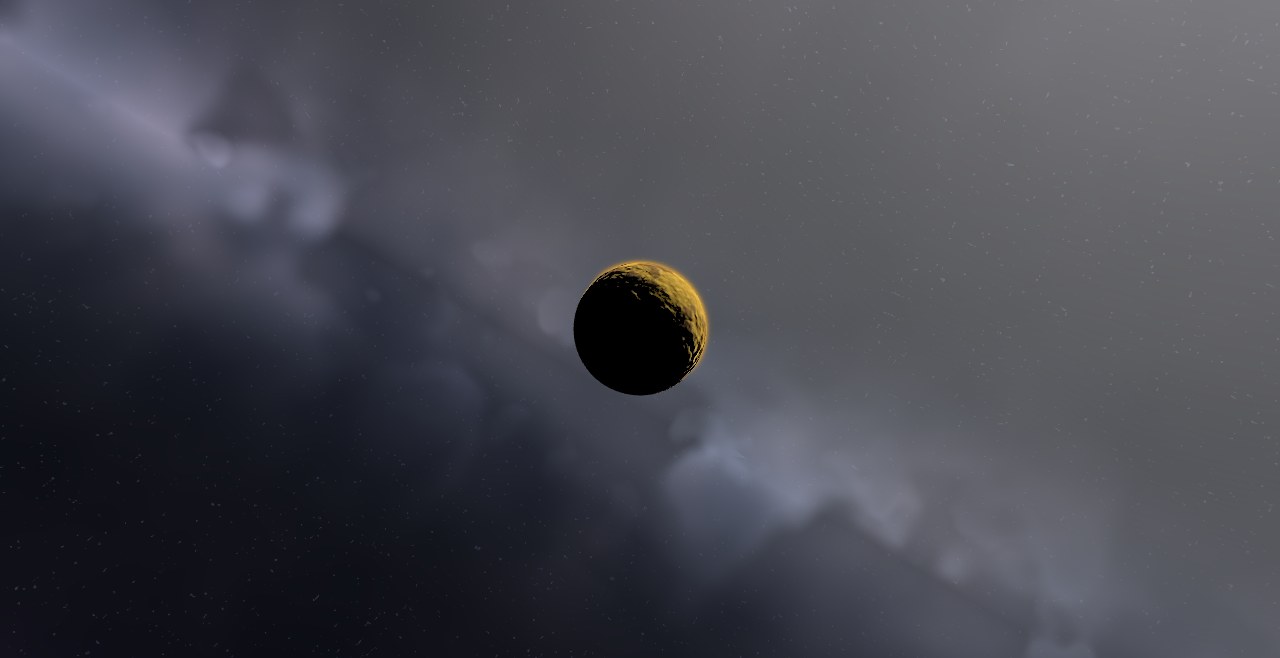
Kepler-1070, a Sun-like F-type star of 1.21 solar masses, and Kepler-1070 b, a planet with 1.7 Earth radii, with an orbital period of 6.2 days.
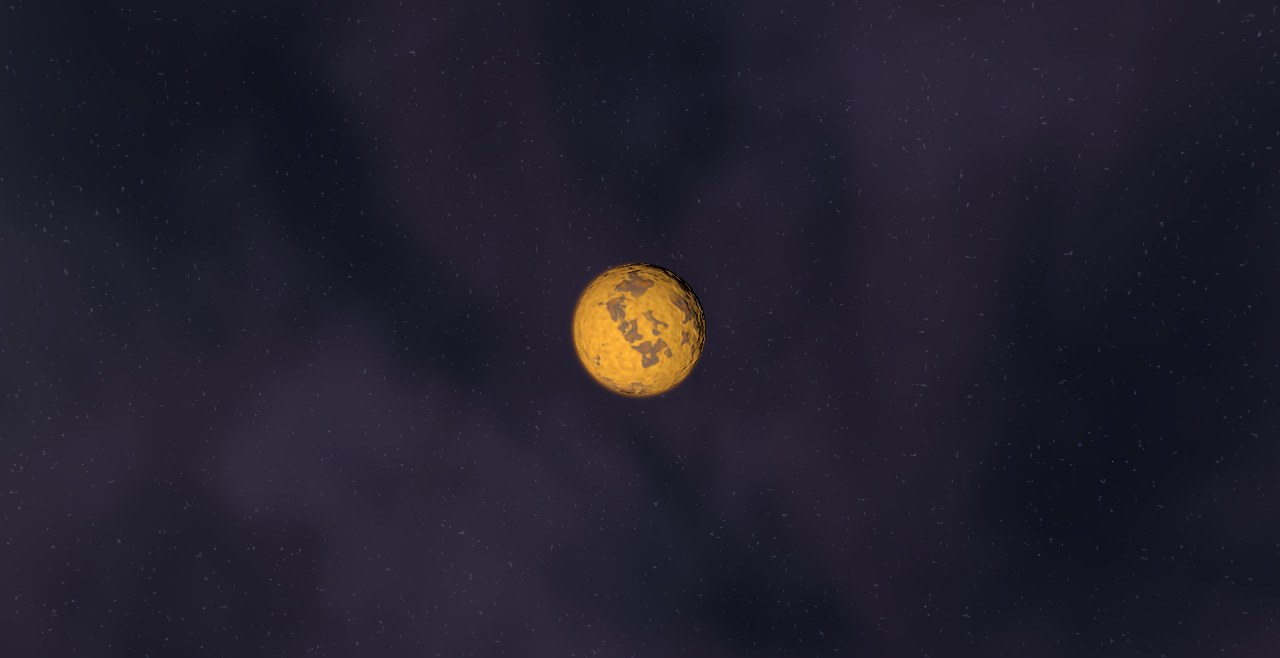
Kepler-1071, a Sun-like G-type star of 0.86 solar masses, and Kepler-1071 b, a planet with 2.4 Earth radii, with an orbital period of 6.2 days.
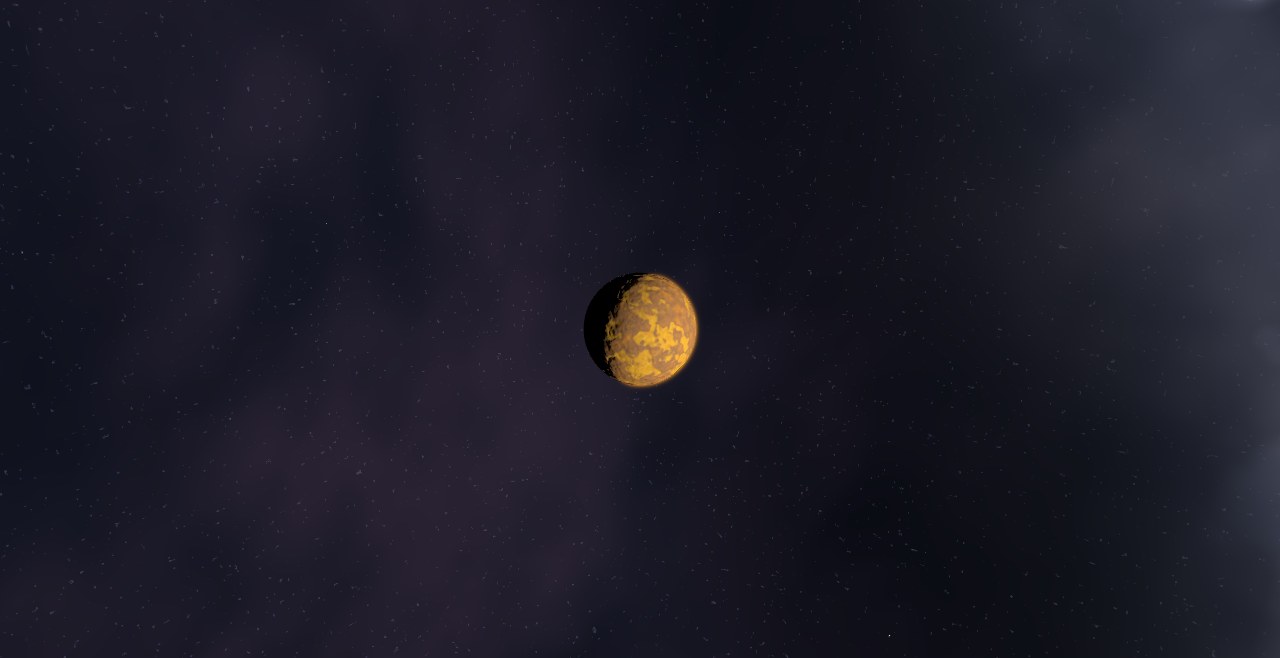
Kepler-1072, a Sun-like F-type star of 1.20 solar masses, and Kepler-1072 b, a planet with 1.6 Earth radii, with an orbital period of 1.6 days.
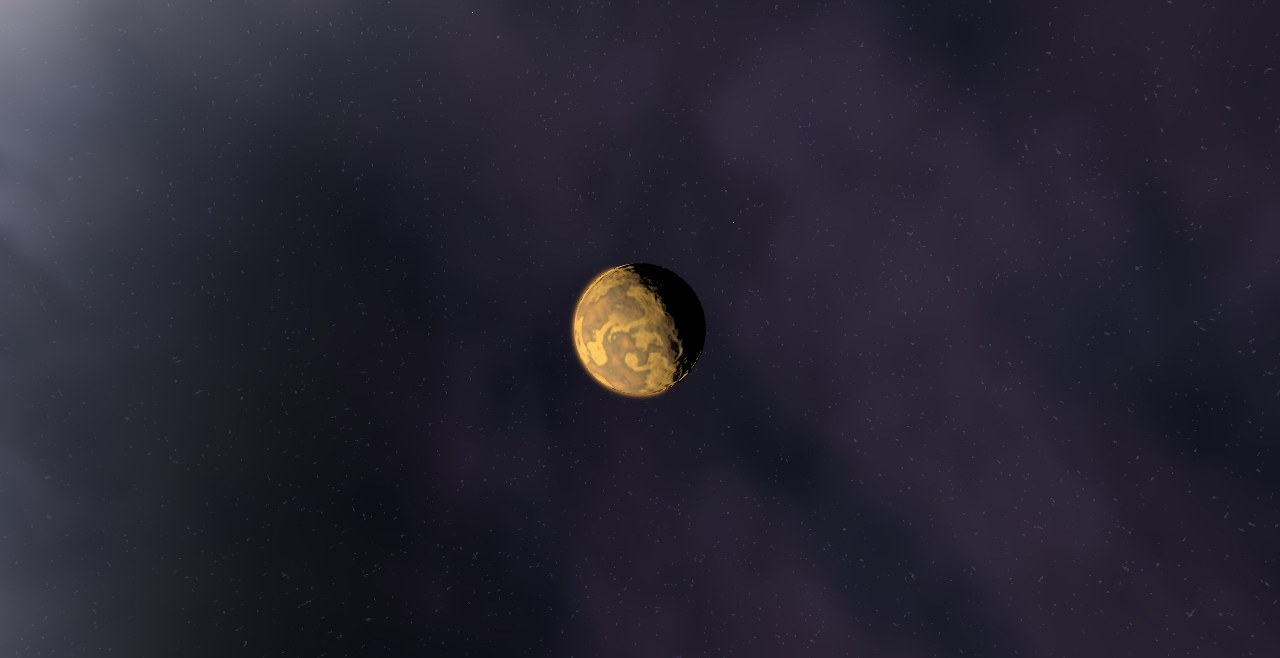
Kepler-1074, an orange K-type dwarf of 0.60 solar masses, and Kepler-1074 b, a planet with 1.3 Earth radii, with an orbital period of 5.9 days.
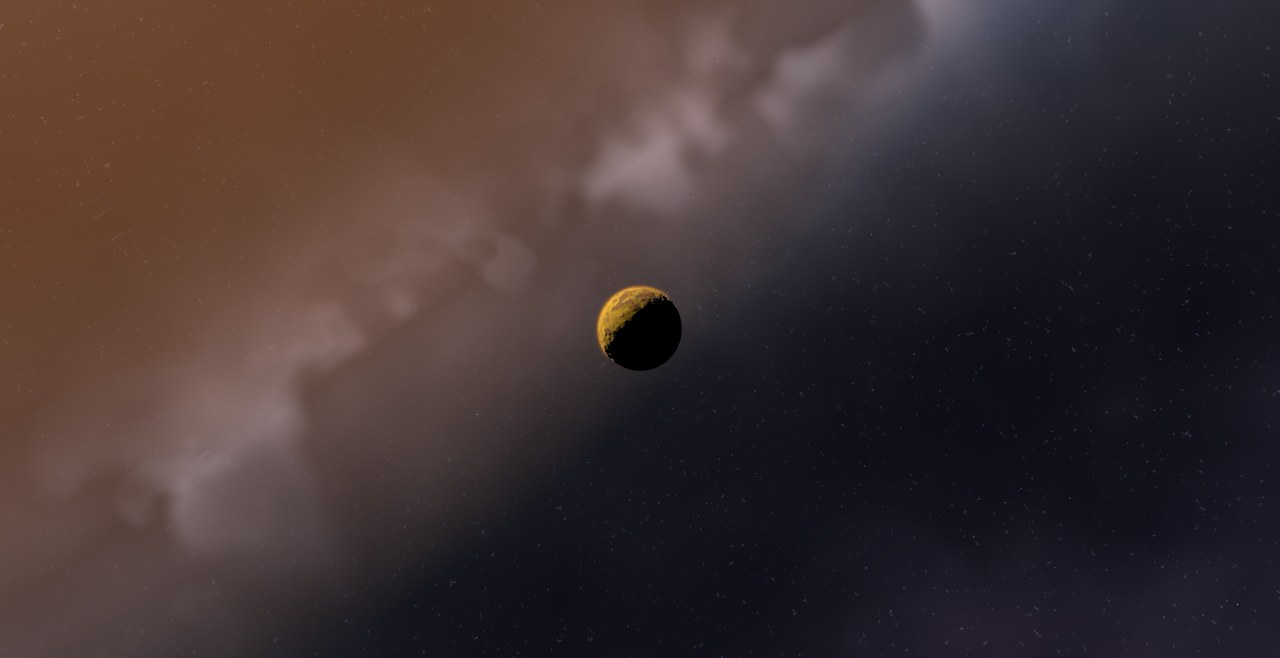
Kepler-1075, an orange K-type dwarf of 0.56 solar masses, and Kepler-1075 b, a planet with 1.4 Earth radii, with an orbital period of 1.5 days.
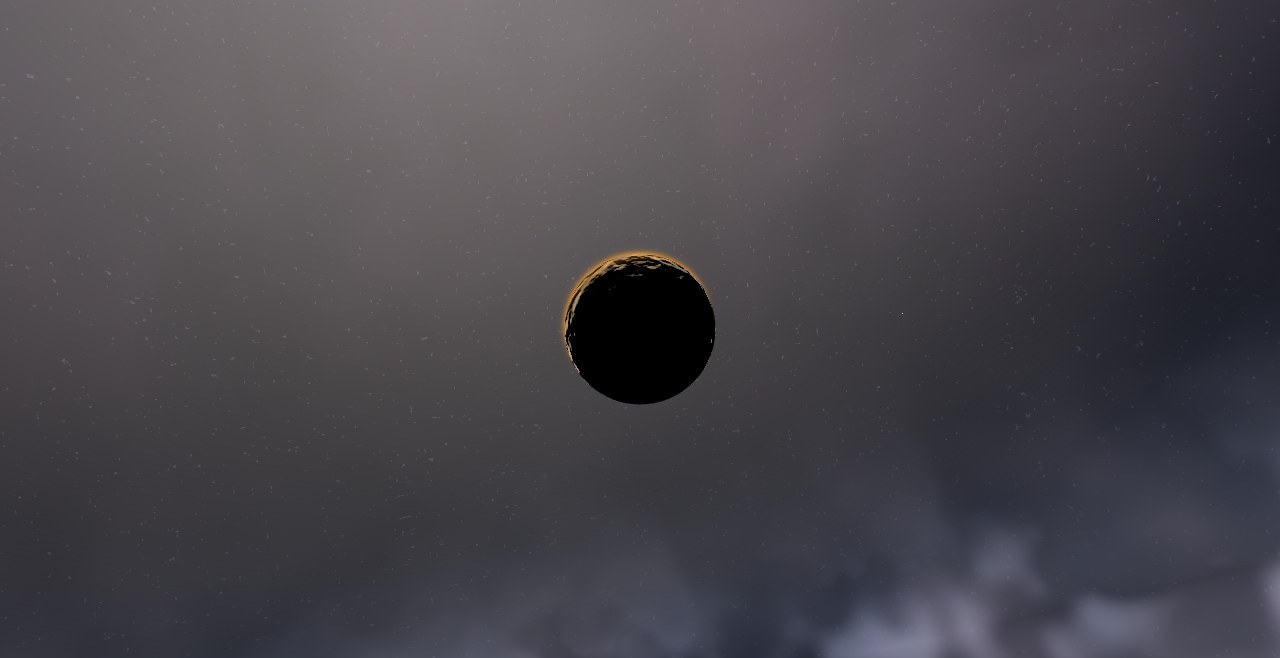
Kepler-1076, an orange K-type dwarf of 0.79 solar masses, and Kepler-1076 b, a planet with 0.8 Earth radii, with an orbital period of 6.1 days.
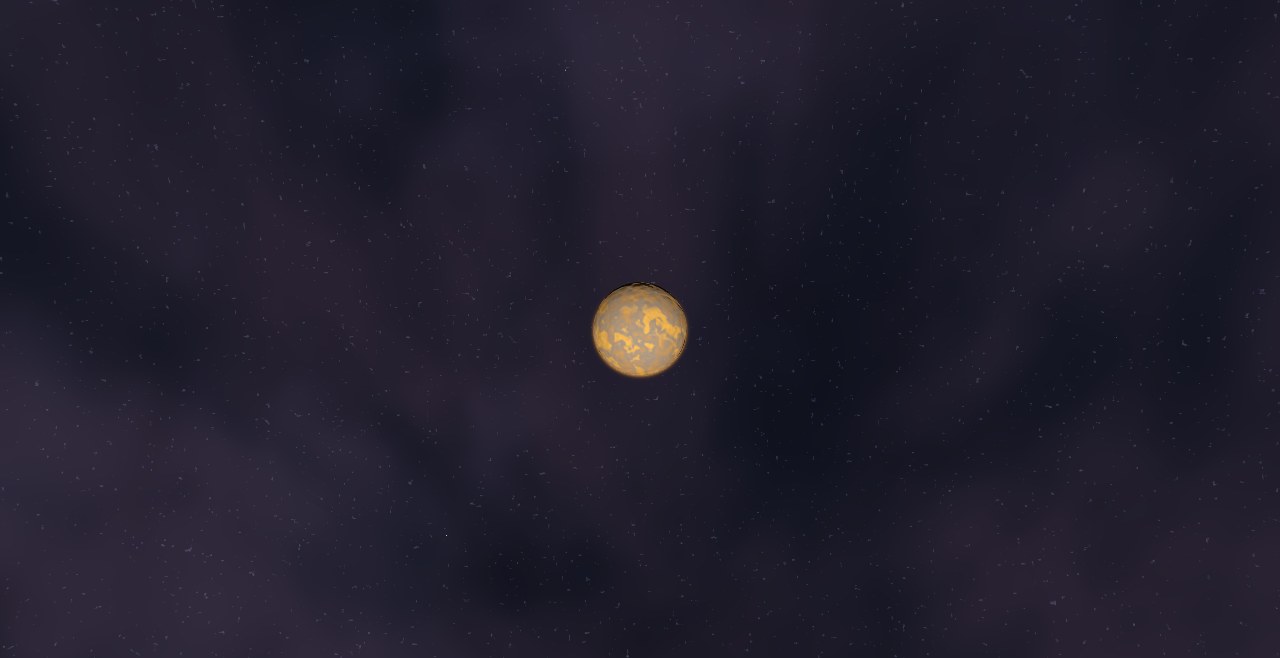
Kepler-1077, a Sun-like G-type star of 1.02 solar masses, and Kepler-1077 b, a planet with 2.8 Earth radii, with an orbital period of 34.4 days.