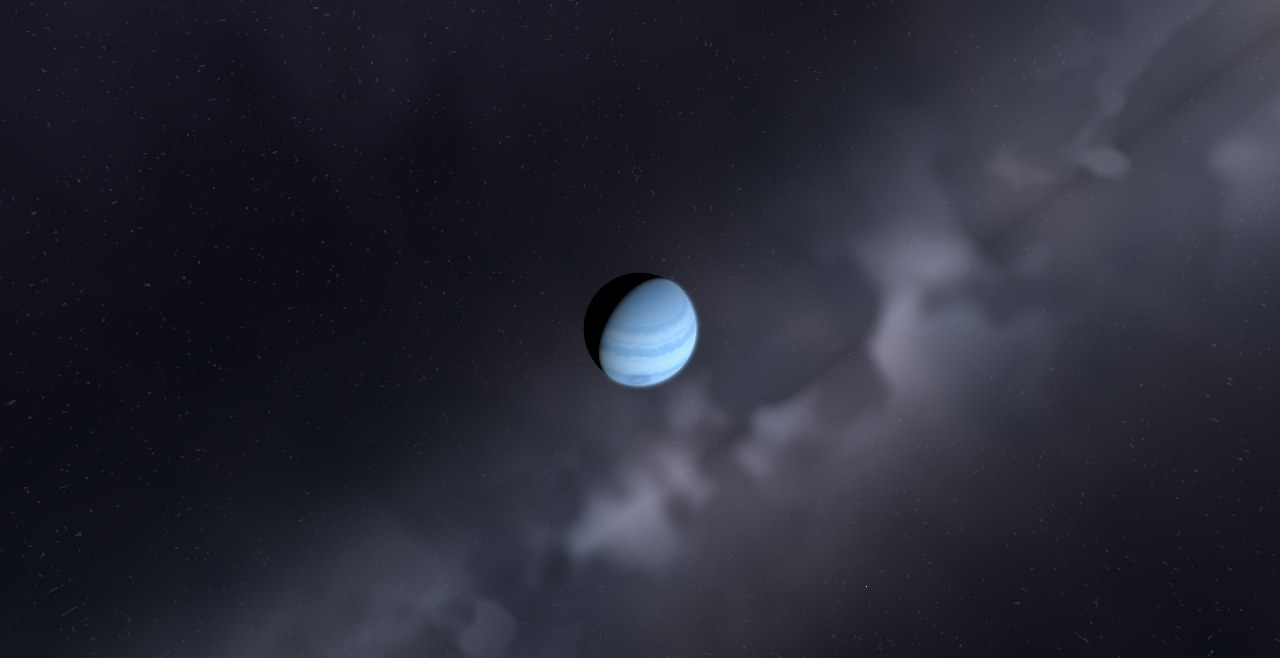
HD 102329 - System
HD 102329, an orange K-type dwarf of 3.21 solar masses, and HD 102329 b, a 8.16-Jupiter-mass companion, with an orbital period of 2.13 years, at 1.810 AU from its star, on an eccentric orbit (e ≈ 0.21).
Exoplanets
Analyze isolated alien worlds orbiting a singular host star to observe basic orbital parameters, tidal locks, and planetary eccentricities.
Share
HD 102329, an orange K-type dwarf of 3.21 solar masses, and HD 102329 b, a 8.16-Jupiter-mass companion, with an orbital period of 2.13 years, at 1.810 AU from its star, on an eccentric orbit (e ≈ 0.21).
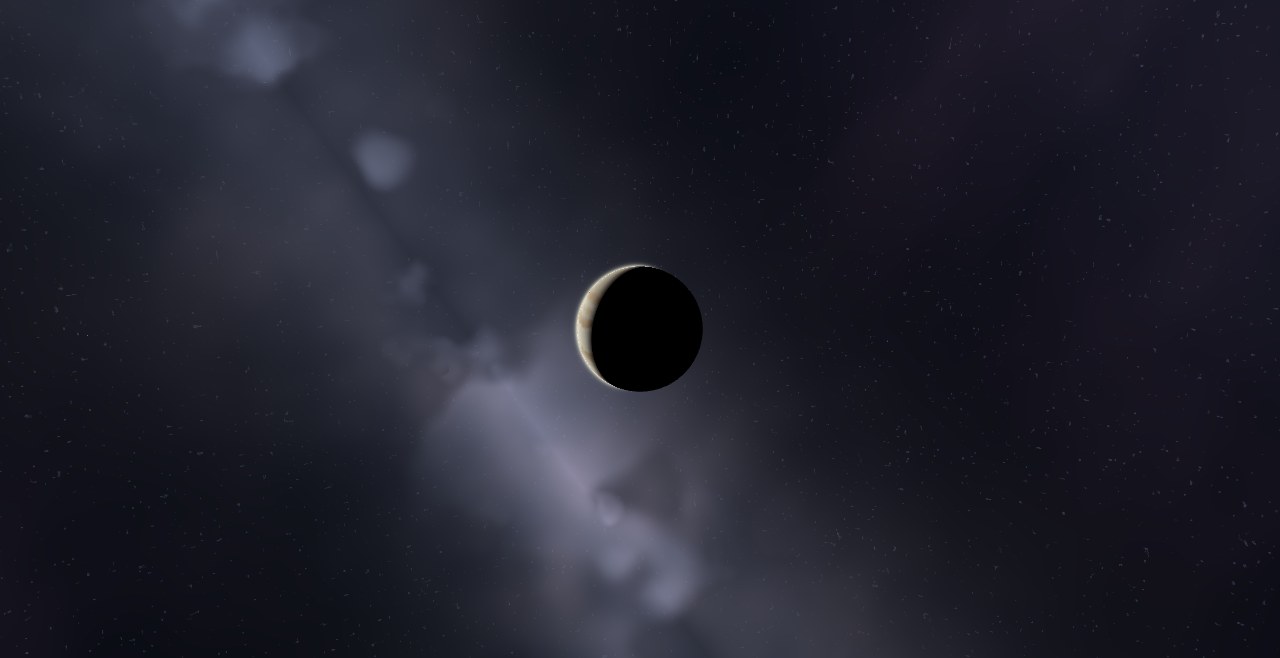
HD 102843, an orange K-type dwarf of 0.95 solar masses, and HD 102843 b, a 0.36-Jupiter-mass companion, with an orbital period of 8.46 years, at 4.074 AU from its star, on an eccentric orbit (e ≈ 0.11).
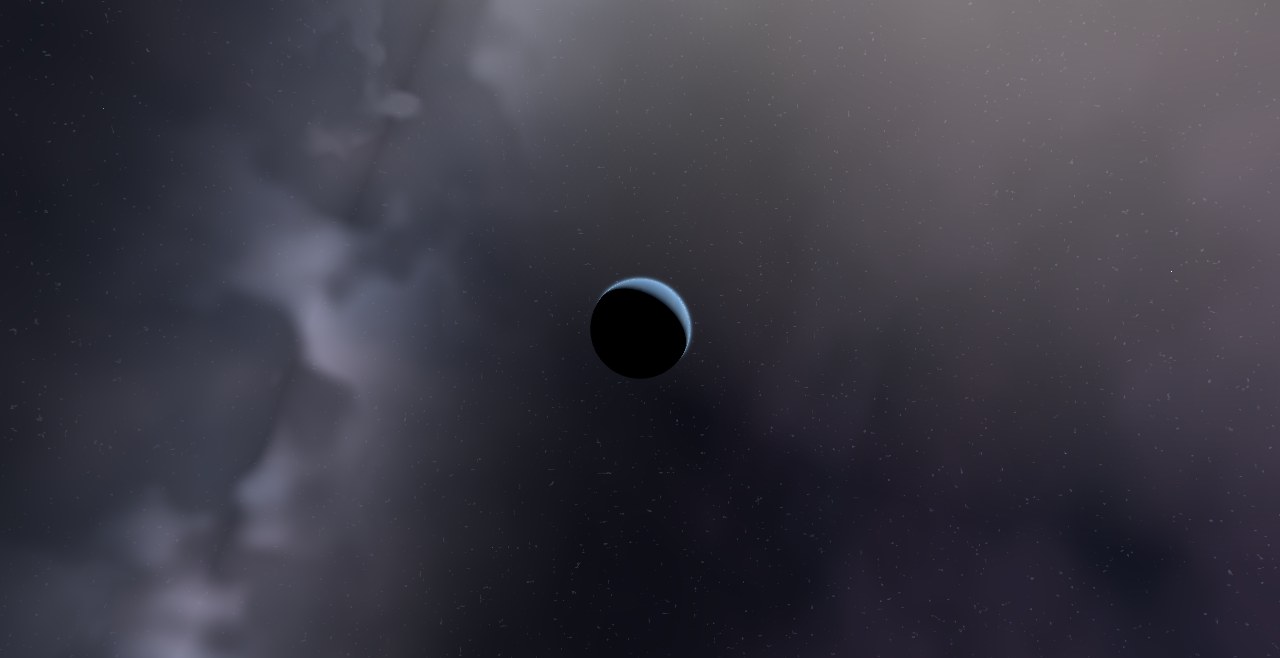
HD 102888, a Sun-like G-type star of 2.42 solar masses, and HD 102888 b, a 5.69-Jupiter-mass companion, with an orbital period of 252 days, at 1.050 AU from its star, on an eccentric orbit (e ≈ 0.11).
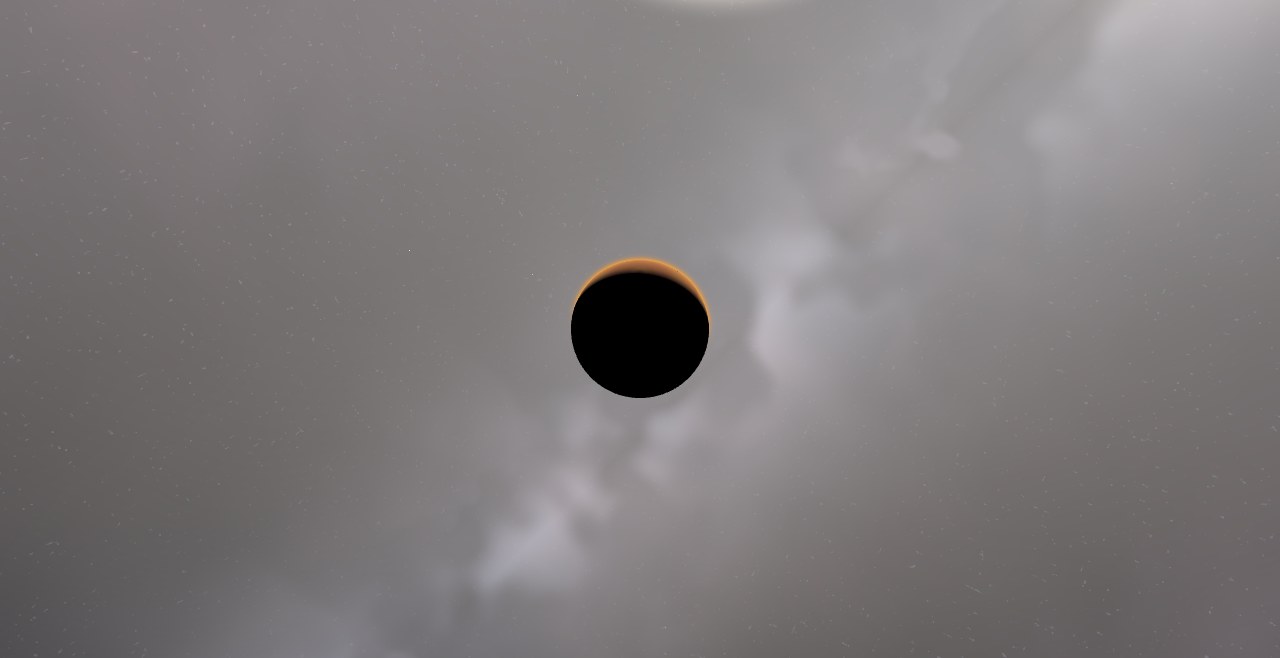
HD 102956, an orange K-type dwarf of 1.66 solar masses, and HD 102956 b, a 0.96-Jupiter-mass companion, with an orbital period of 6.5 days, at 0.081 AU from its star.
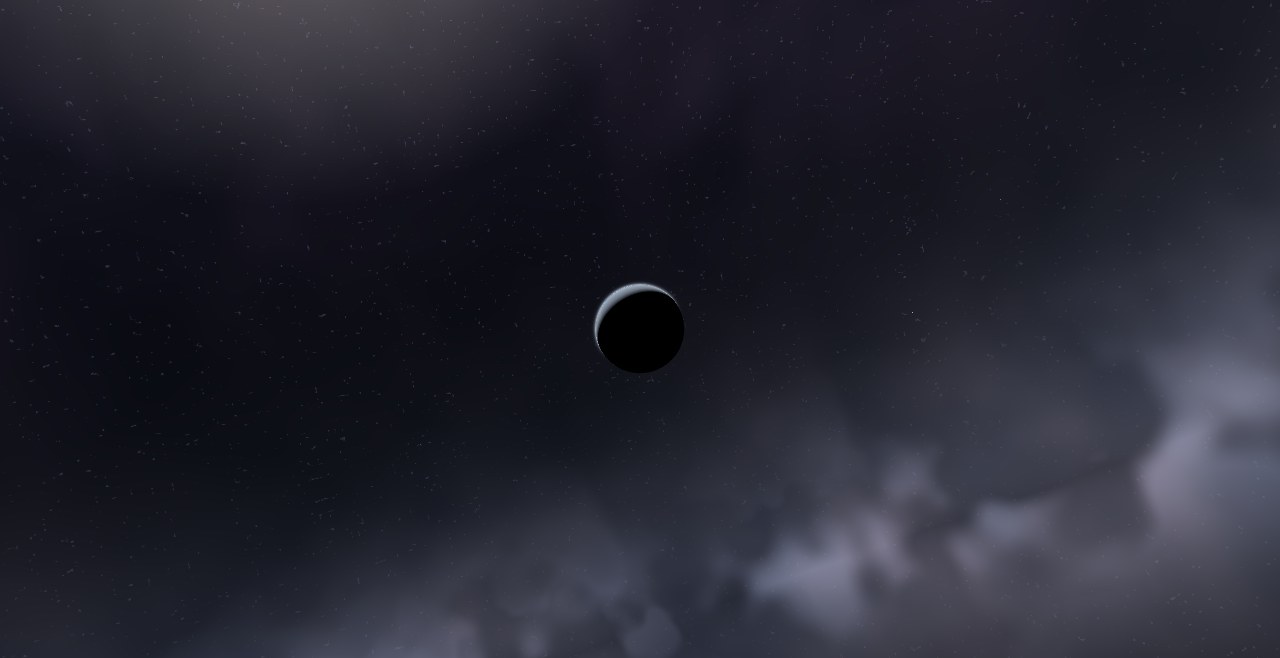
HD 103197, a Sun-like G-type star of 0.80 solar masses, and HD 103197 b, a 0.09-Jupiter-mass companion, with an orbital period of 47.8 days, at 0.250 AU from its star.
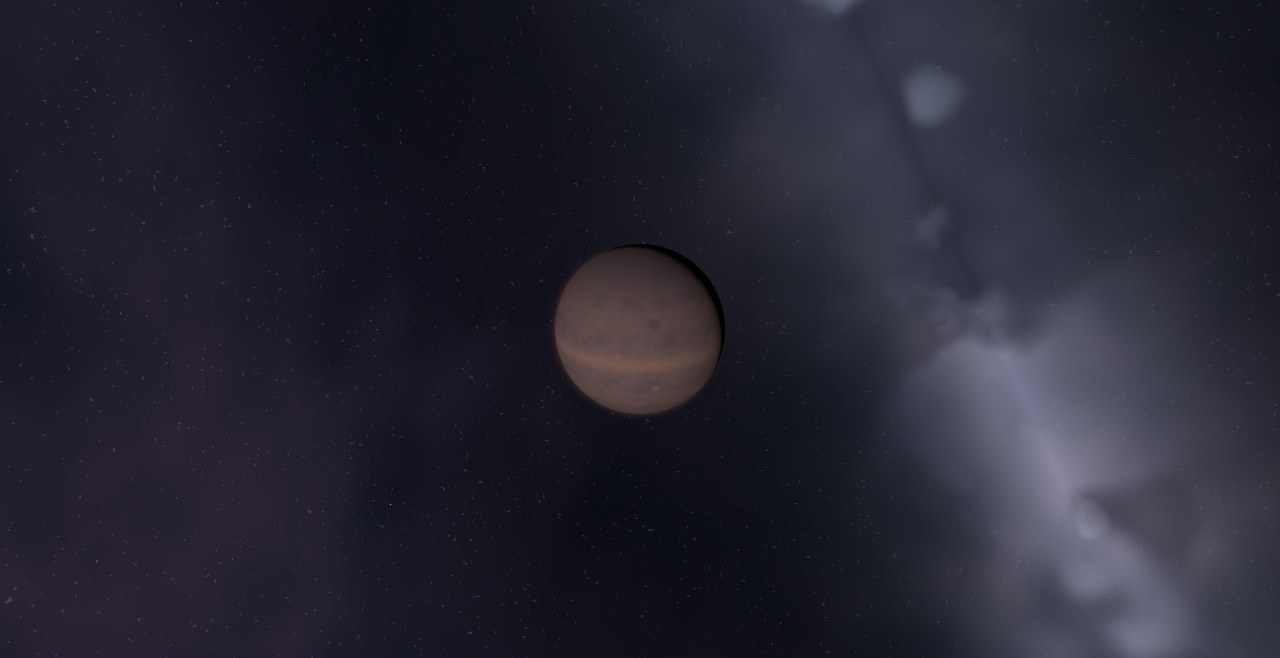
HD 103720, an orange K-type dwarf of 0.79 solar masses, and HD 103720 b, a 0.62-Jupiter-mass companion, with an orbital period of 4.6 days, at 0.050 AU from its star, on an eccentric orbit (e ≈ 0.09).
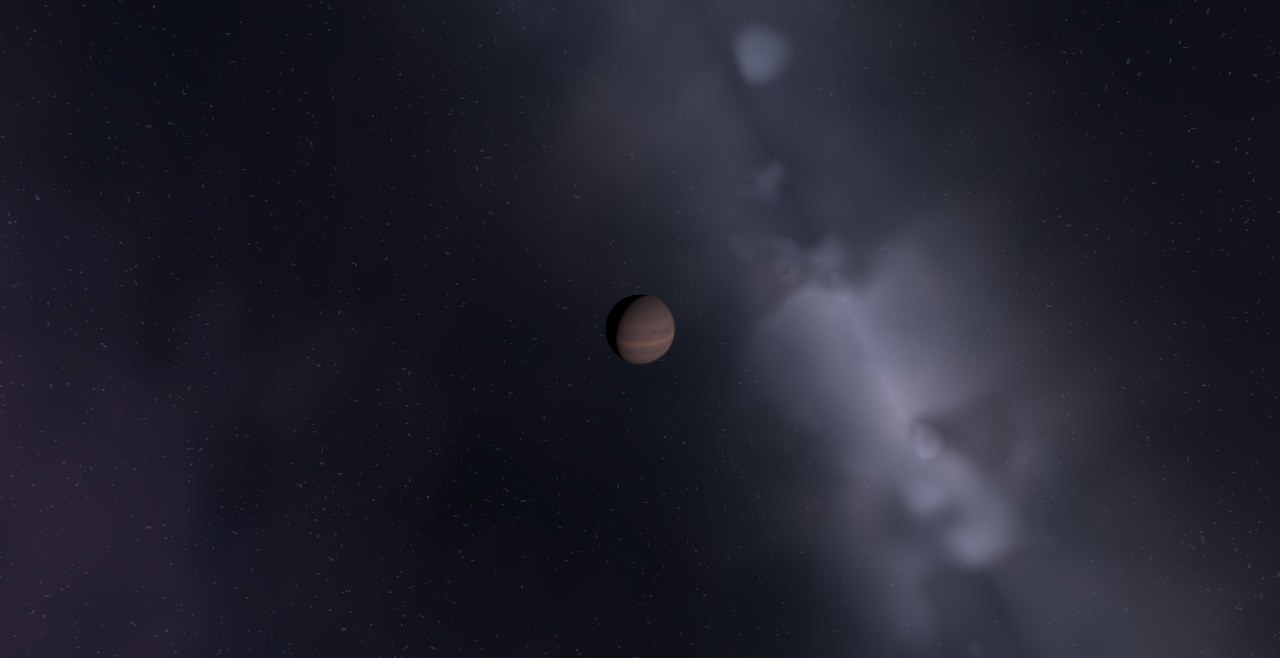
HD 103774, a Sun-like F-type star of 1.33 solar masses, and HD 103774 b, a 0.37-Jupiter-mass companion, with an orbital period of 5.9 days, at 0.070 AU from its star, on an eccentric orbit (e ≈ 0.09).
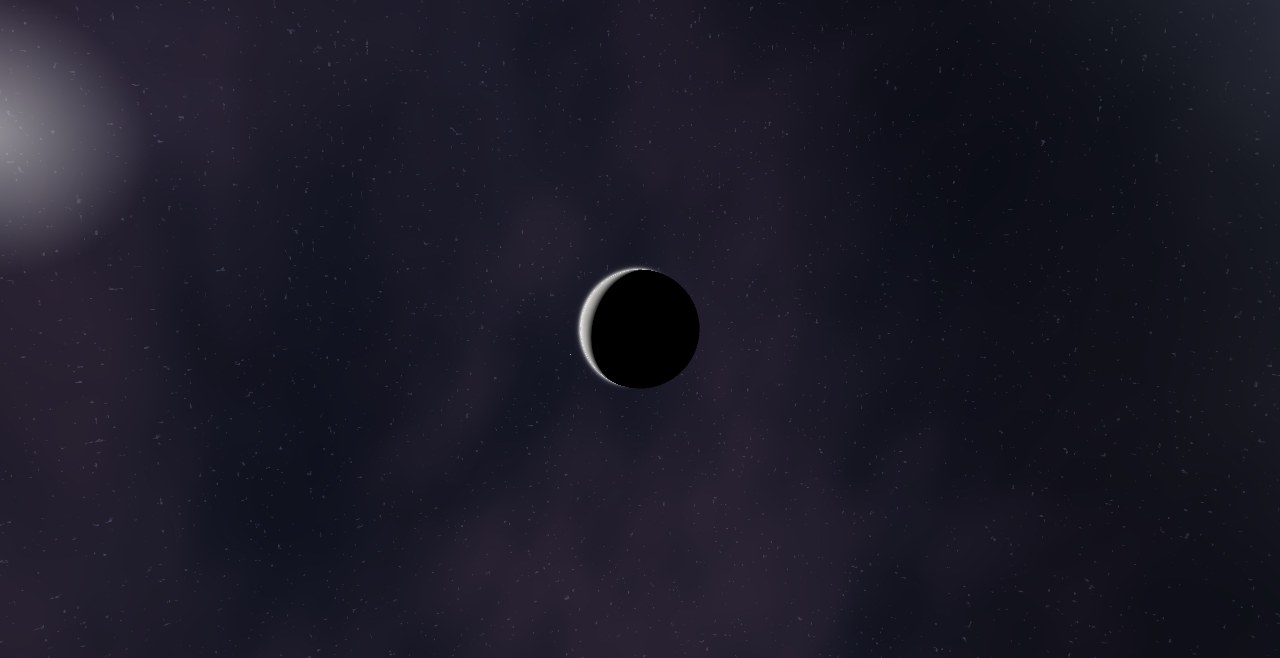
HD 103891, a Sun-like F-type star of 1.28 solar masses, and HD 103891 b, a 1.44-Jupiter-mass companion, with an orbital period of 5.25 years, at 3.270 AU from its star, on an eccentric orbit (e ≈ 0.31).
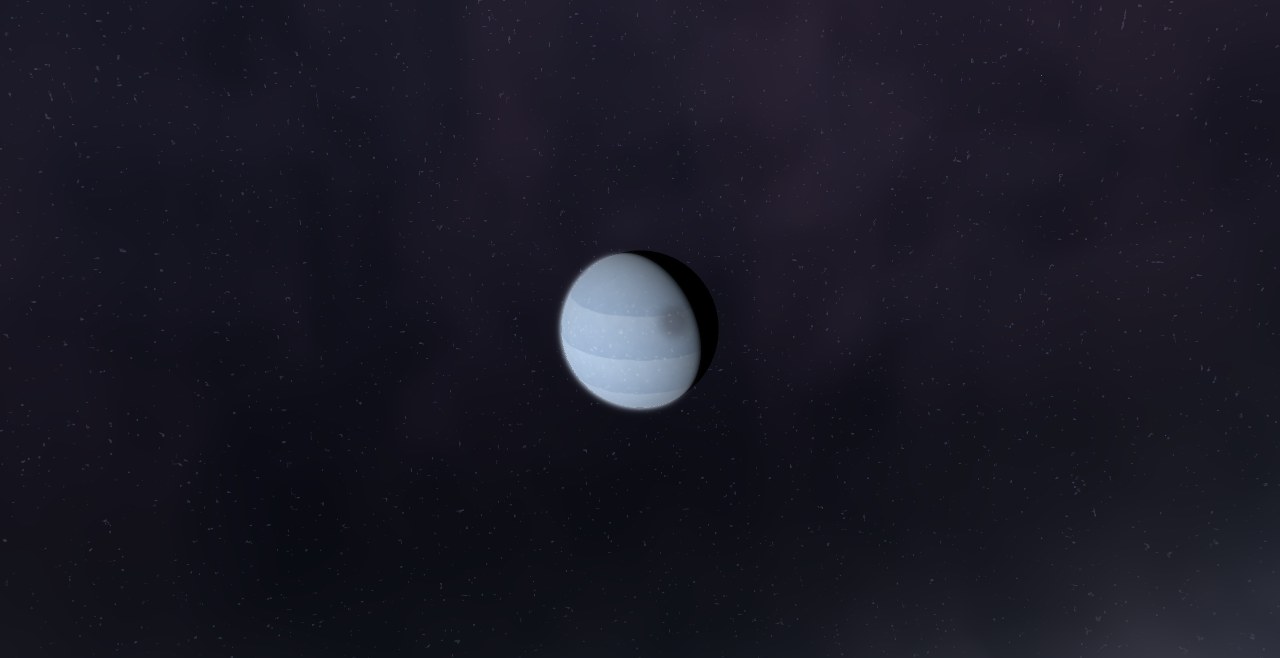
HD 103949, an orange K-type dwarf of 0.77 solar masses, and HD 103949 b, a 11.2-Earth-mass planet, with an orbital period of 121 days, at 0.439 AU from its star, on an eccentric orbit (e ≈ 0.19).
HD 10442, an orange K-type dwarf of 1.01 solar masses, and HD 10442 b, a 1.49-Jupiter-mass companion, with an orbital period of 2.83 years, at 2.010 AU from its star, on an eccentric orbit (e ≈ 0.13).
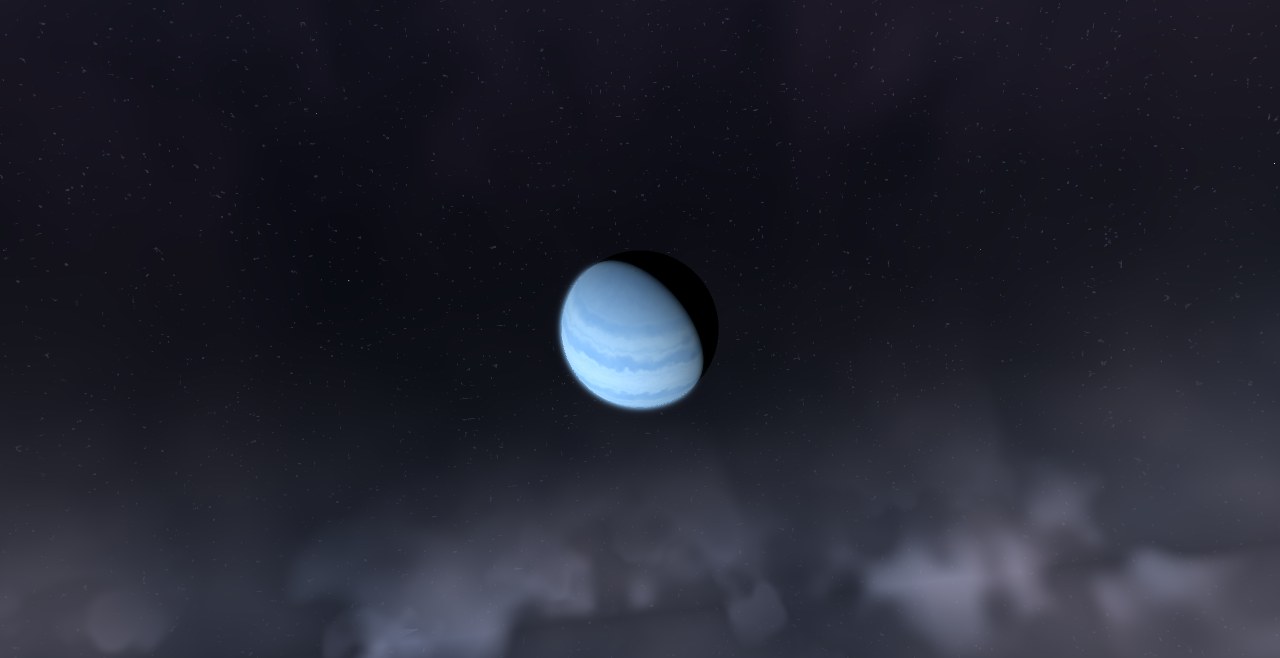
HD 104985, a Sun-like G-type star of 1.22 solar masses, and HD 104985 b, a 5.56-Jupiter-mass companion, with an orbital period of 200 days, at 0.715 AU from its star.
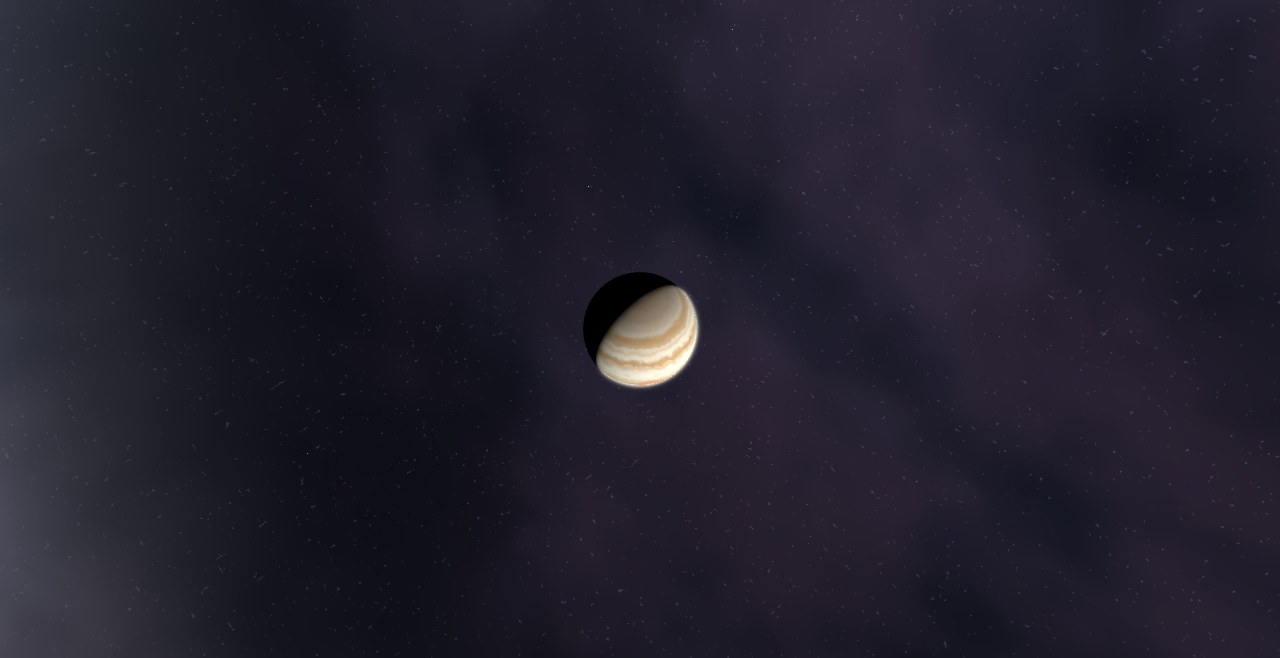
HD 105779, a Sun-like G-type star of 0.89 solar masses, and HD 105779 b, a 0.64-Jupiter-mass companion, with an orbital period of 6.60 years, at 3.380 AU from its star.
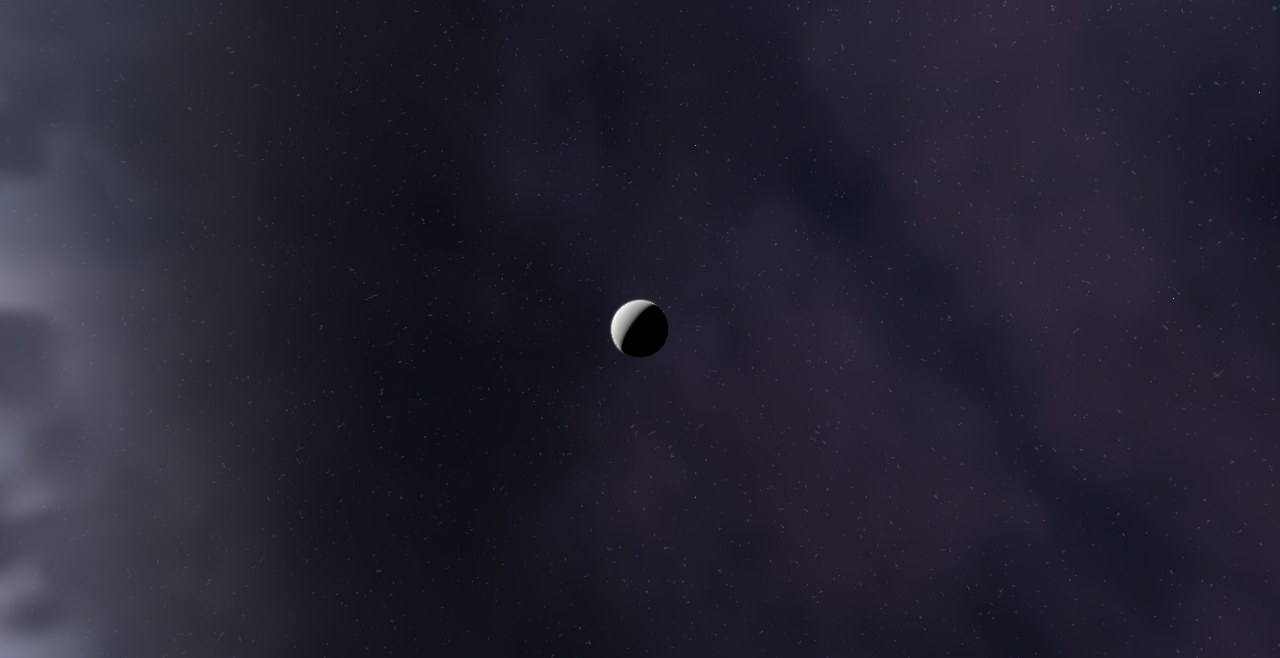
HD 106252, a Sun-like G-type star of 1.05 solar masses, and HD 106252 b, a 10.0-Jupiter-mass companion, with an orbital period of 4.20 years, at 2.655 AU from its star, on an eccentric orbit (e ≈ 0.48).
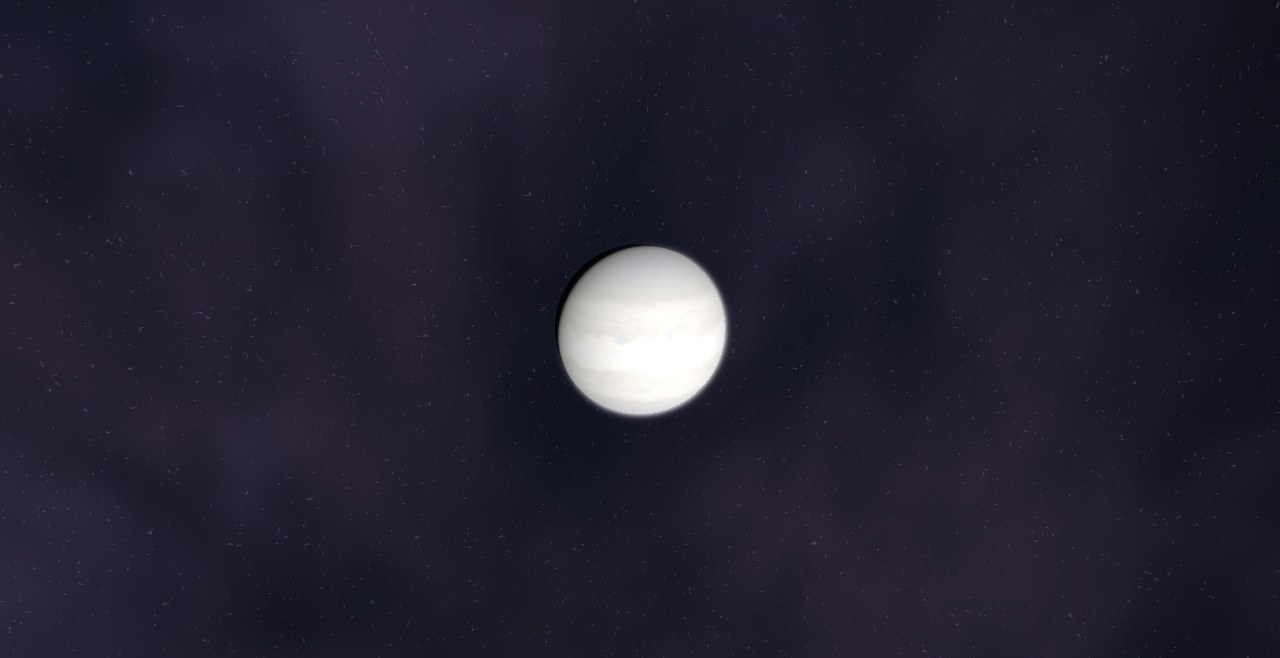
HD 106270, a Sun-like G-type star of 1.39 solar masses, and HD 106270 b, a 10.1-Jupiter-mass companion, with an orbital period of 5.17 years, at 3.340 AU from its star, on an eccentric orbit (e ≈ 0.18).
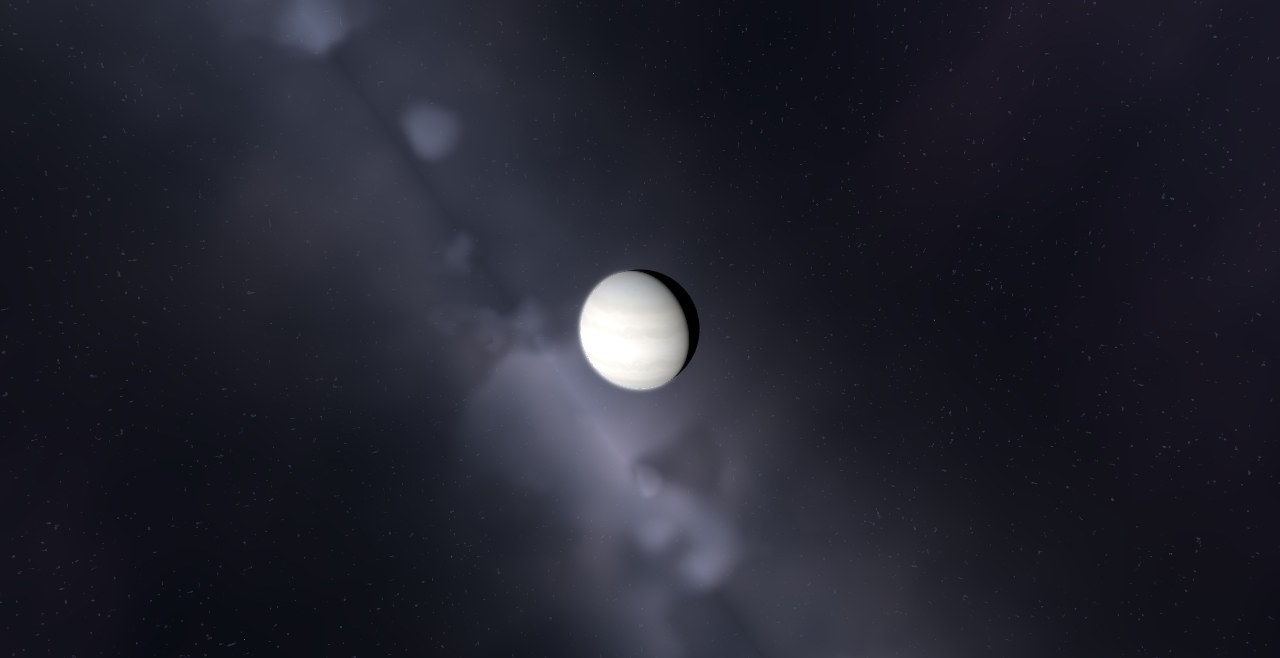
HD 10647, a Sun-like F-type star of 1.11 solar masses, and HD 10647 b, a 0.94-Jupiter-mass companion, with an orbital period of 2.71 years, at 2.015 AU from its star, on an eccentric orbit (e ≈ 0.15).
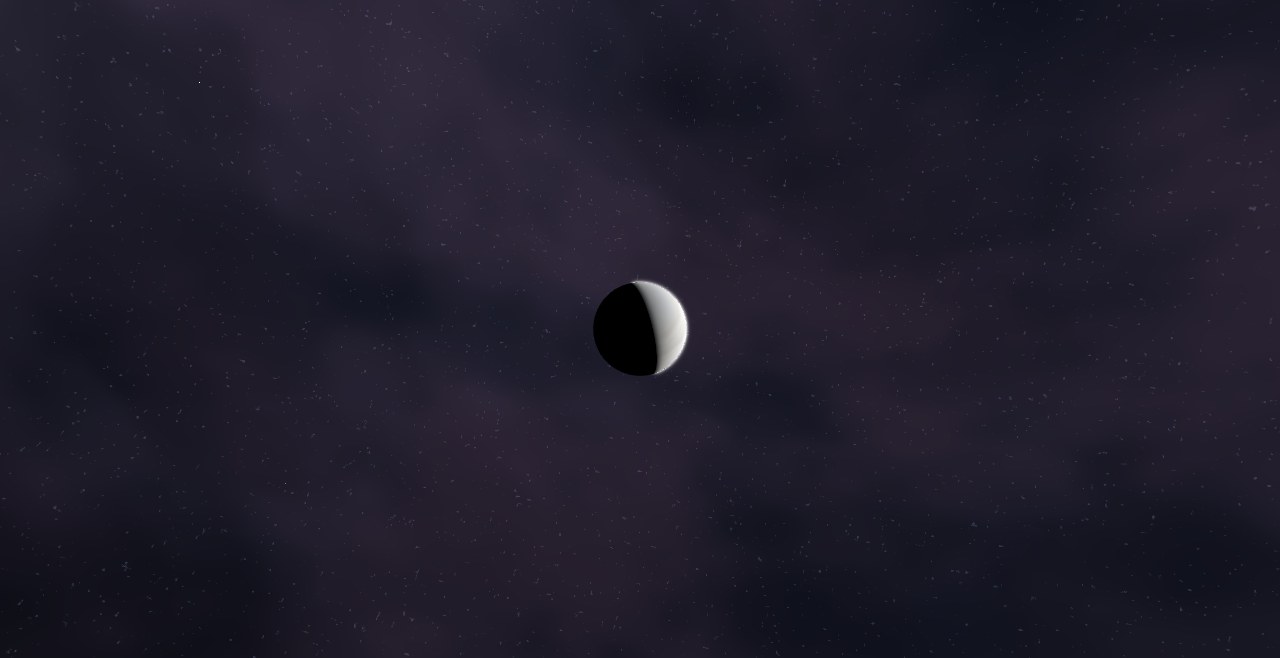
HD 106515 A, a Sun-like G-type star of 0.89 solar masses, and HD 106515 A b, a 18.9-Jupiter-mass companion, with an orbital period of 9.93 years, at 4.480 AU from its star, on an eccentric orbit (e ≈ 0.57).
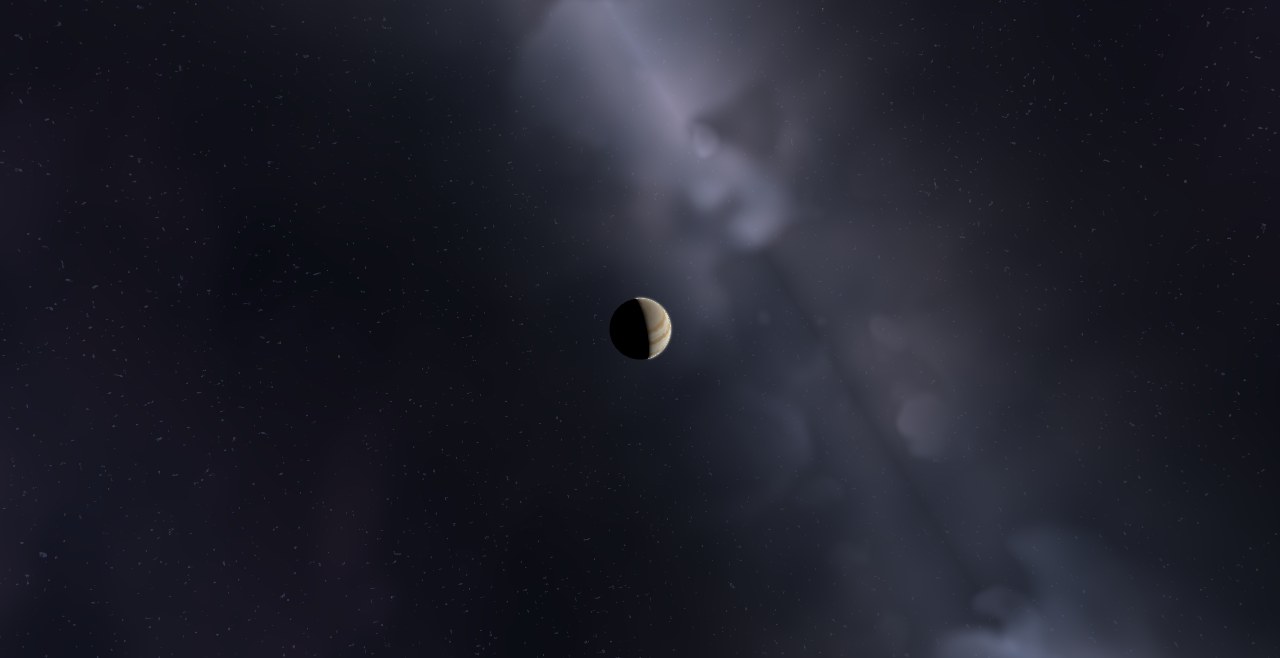
HD 106906 b, a giant planet imaged at hundreds of AU. It orbits far above a debris disk, a clue to scattering or a stellar flyby. The planet's separation is hundreds of astronomical units.
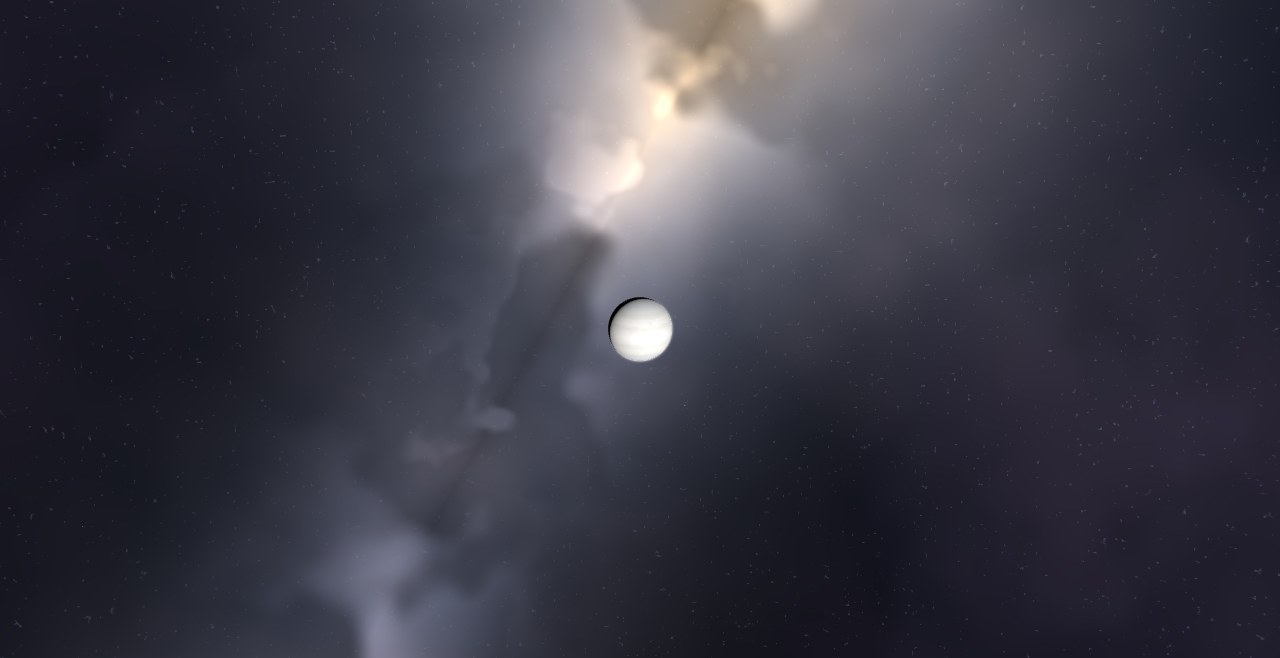
HD 10697, a Sun-like G-type star of 0.99 solar masses, and HD 10697 b, a 5.74-Jupiter-mass companion, with an orbital period of 2.94 years, at 2.051 AU from its star, on an eccentric orbit (e ≈ 0.10).