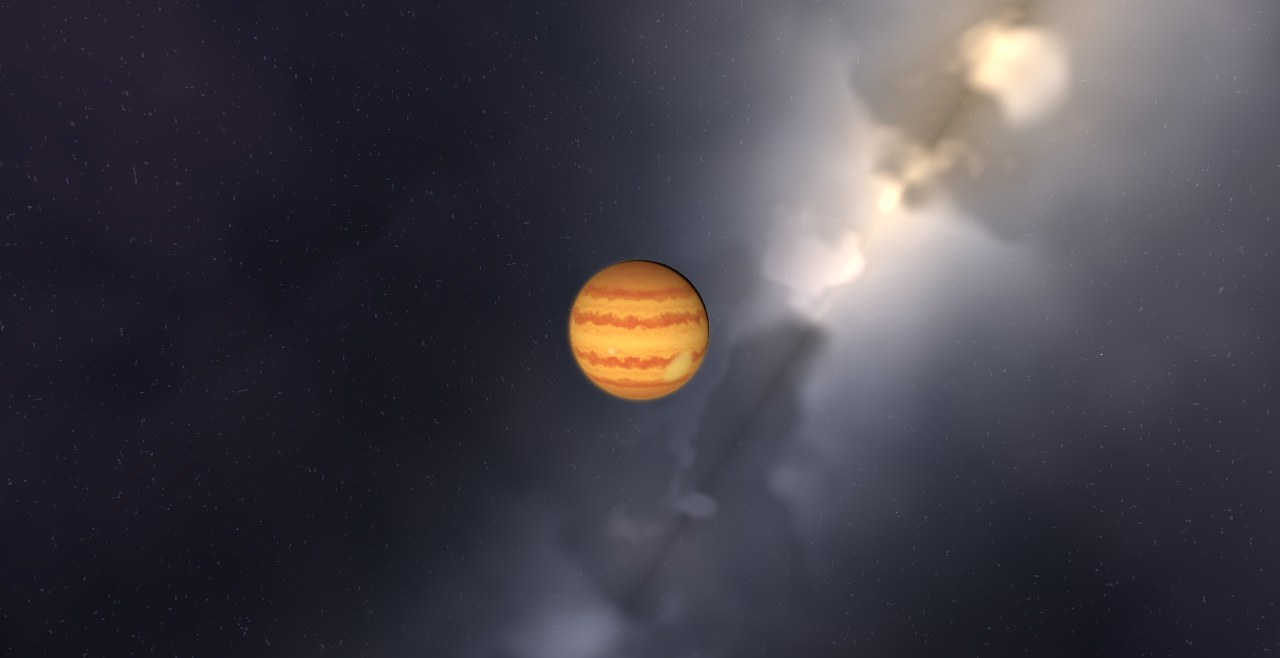
WASP-16 - System
WASP-16, a Sun-like G-type star of 1.78 solar masses, and WASP-16 b, a 1.24-Jupiter-mass companion, with an orbital period of 3.1 days.
Exoplanets
Analyze isolated alien worlds orbiting a singular host star to observe basic orbital parameters, tidal locks, and planetary eccentricities.
Share
WASP-16, a Sun-like G-type star of 1.78 solar masses, and WASP-16 b, a 1.24-Jupiter-mass companion, with an orbital period of 3.1 days.
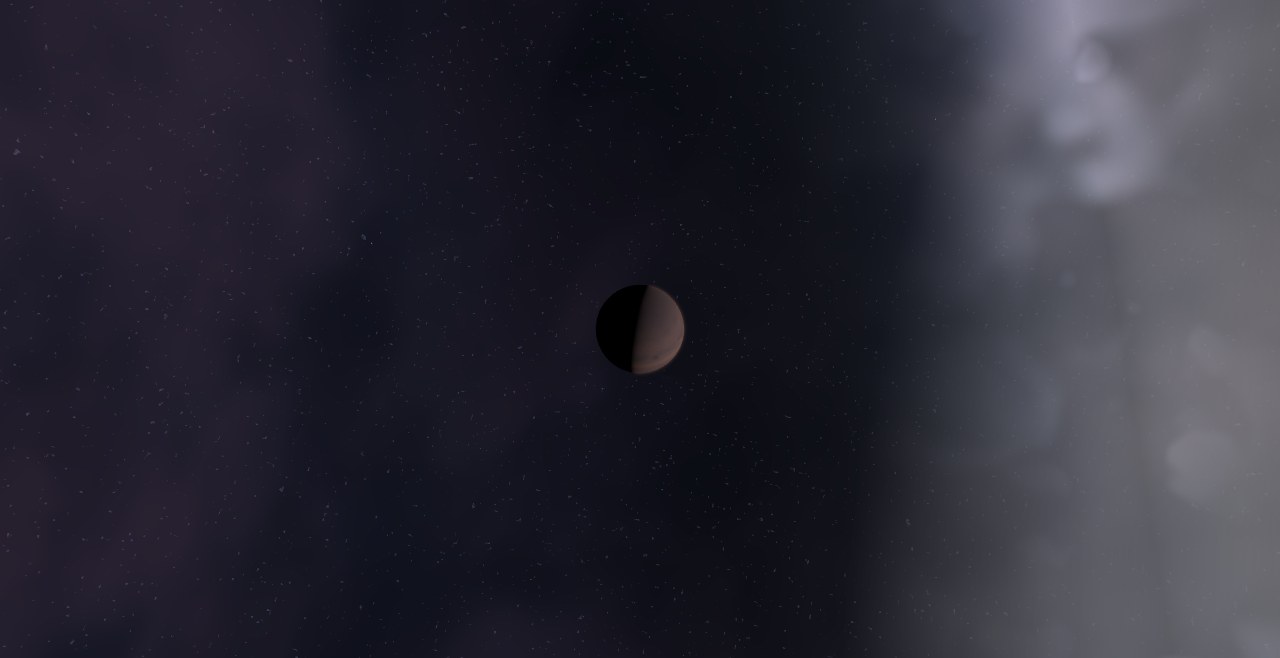
WASP-160 B, an orange K-type dwarf of 0.87 solar masses, and WASP-160 B b, a 0.28-Jupiter-mass companion, with an orbital period of 3.8 days, at 0.045 AU from its star, and an equilibrium temperature near.
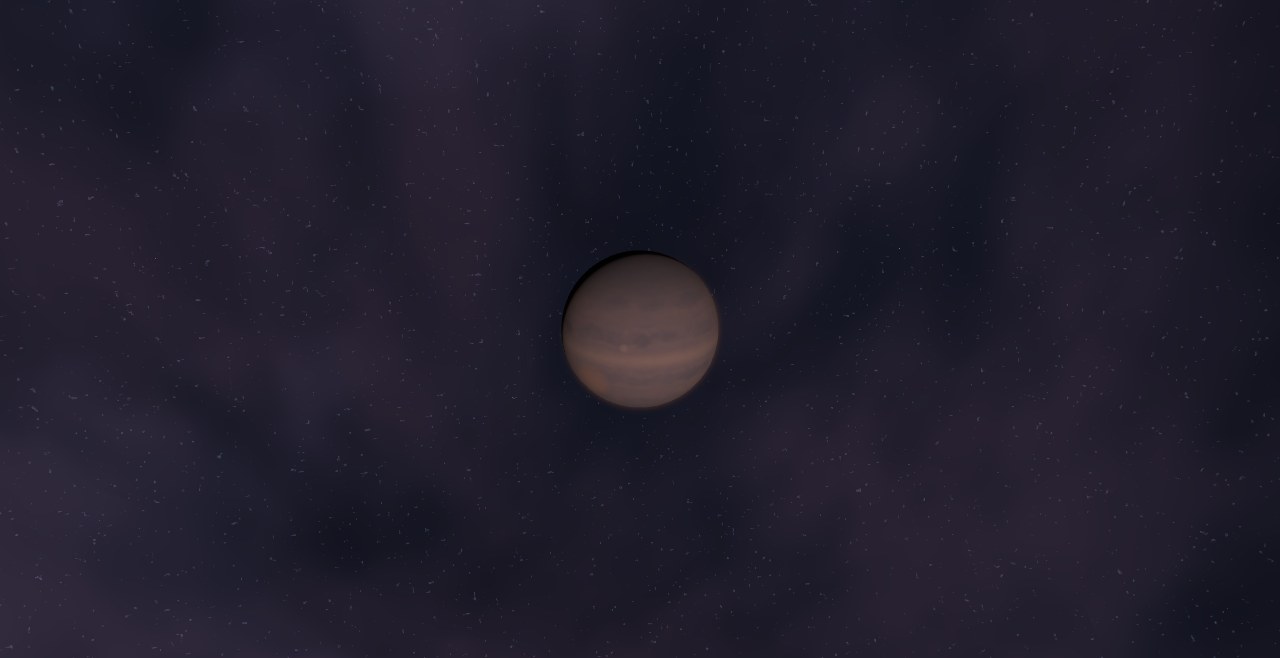
WASP-161, a Sun-like F-type star of 1.39 solar masses, and WASP-161 b, a 2.49-Jupiter-mass companion, with an orbital period of 5.4 days, at 0.067 AU from its star, and an equilibrium temperature near 1,557 K.
WASP-162, an orange K-type dwarf of 0.95 solar masses, and WASP-162 b, a 5.20-Jupiter-mass companion, with an orbital period of 9.6 days, at 0.087 AU from its star, and an equilibrium temperature near 910 K.
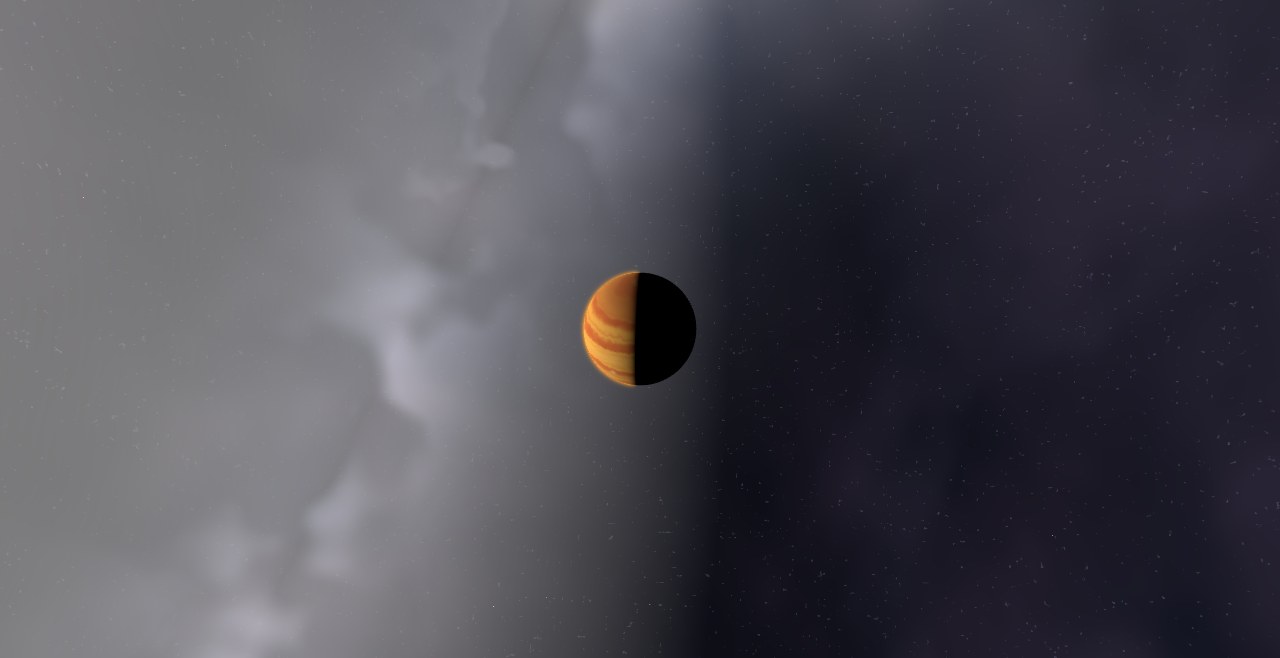
WASP-163, a Sun-like G-type star of 0.97 solar masses, and WASP-163 b, a 1.87-Jupiter-mass companion, with an orbital period of 1.6 days, at 0.027 AU from its star, and an equilibrium temperature near 1,638 K.
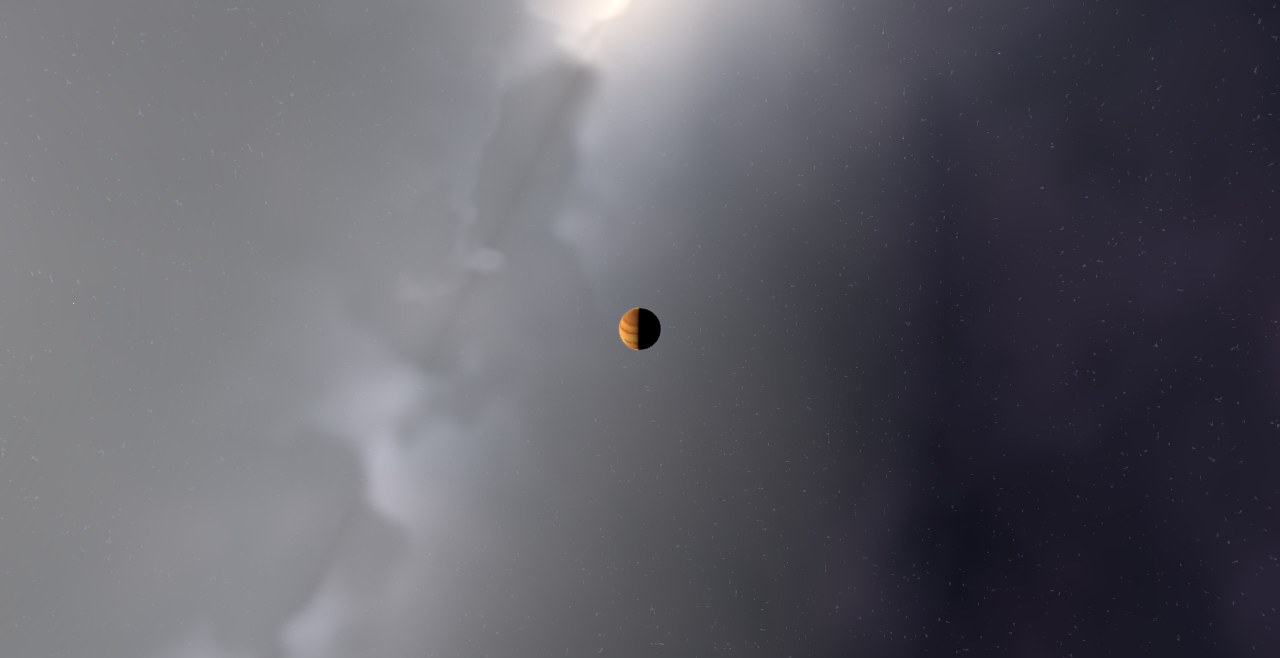
WASP-164, a Sun-like G-type star of 0.95 solar masses, and WASP-164 b, a 2.13-Jupiter-mass companion, with an orbital period of 1.8 days, at 0.028 AU from its star, and an equilibrium temperature near 1,610 K.
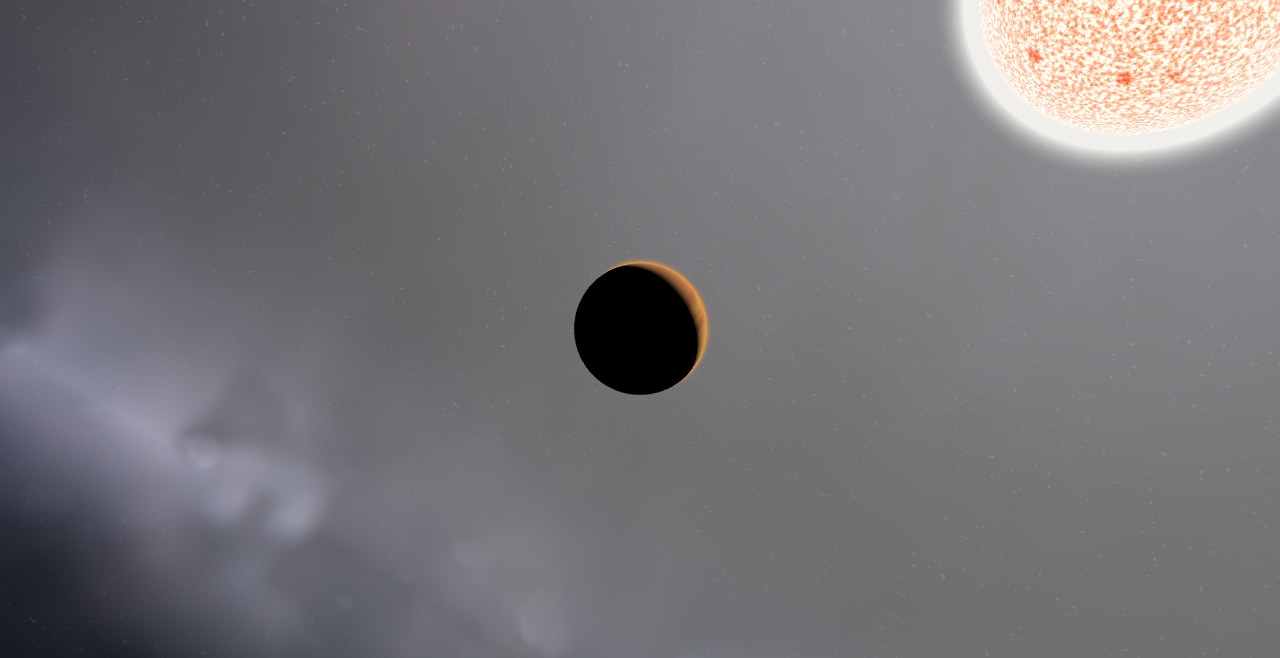
WASP-165, a Sun-like G-type star of 1.25 solar masses, and WASP-165 b, a 0.66-Jupiter-mass companion, with an orbital period of 3.5 days, at 0.048 AU from its star, and an equilibrium temperature near 1,624 K.
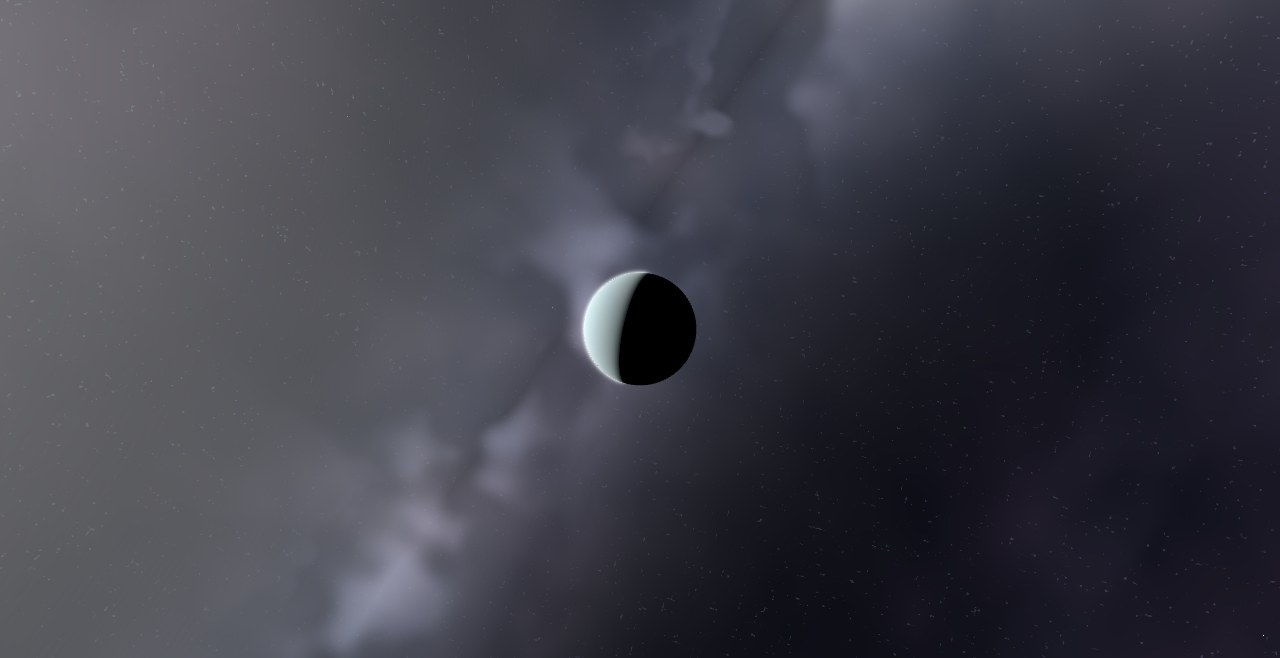
WASP-166, a Sun-like F-type star of 1.19 solar masses, and WASP-166 b, a 0.10-Jupiter-mass companion, with an orbital period of 5.4 days, at 0.064 AU from its star, and an equilibrium temperature near 1,270 K.
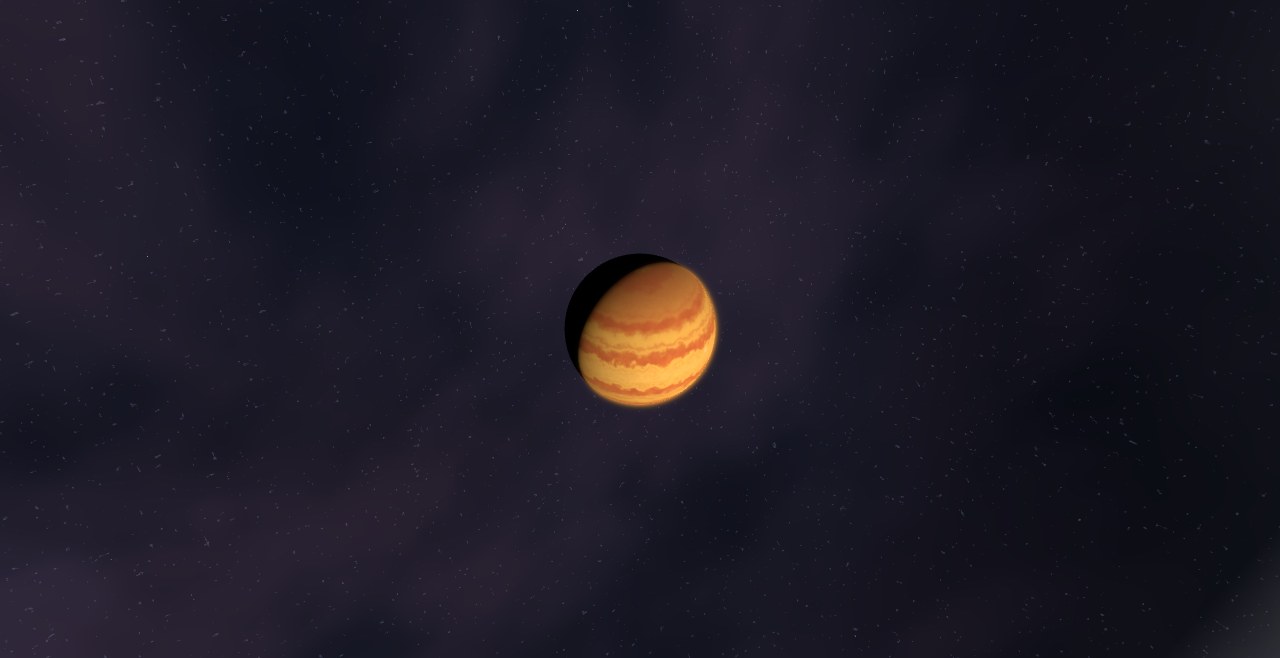
WASP-167, a Sun-like F-type star of 1.59 solar masses, and WASP-167 b, a 8.00-Jupiter-mass companion, with an orbital period of 2.0 days, at 0.036 AU from its star, and an equilibrium temperature near 2,329 K.
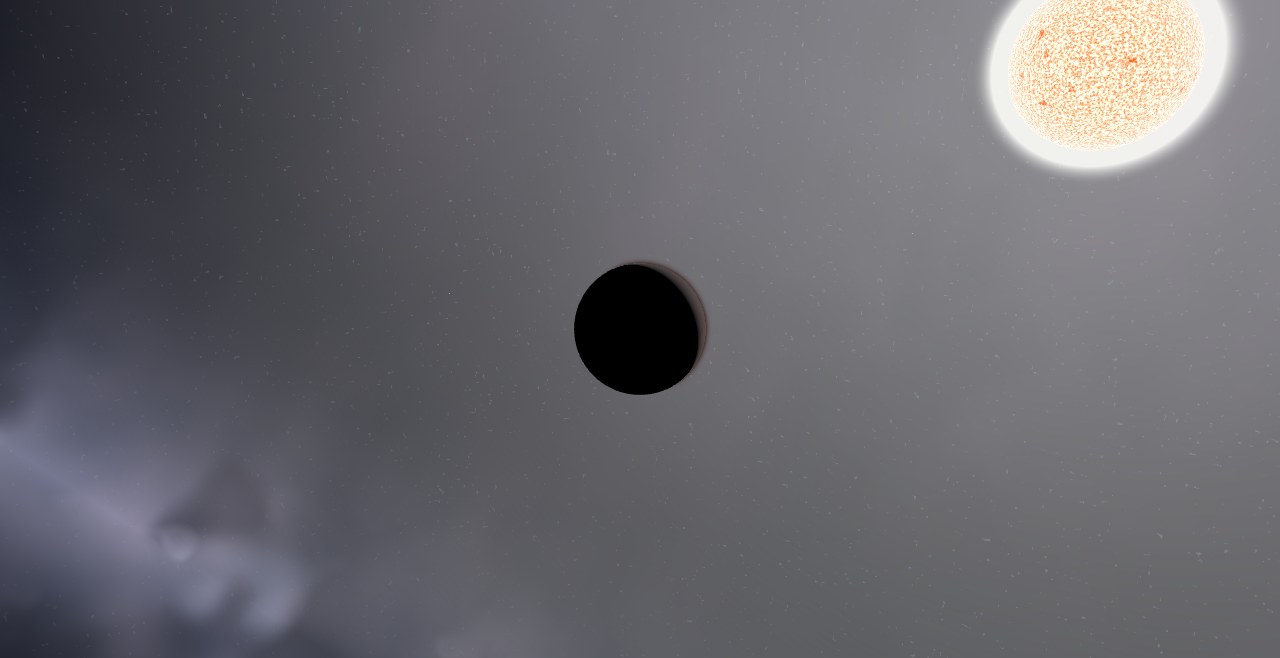
WASP-168, a Sun-like F-type star of 1.08 solar masses, and WASP-168 b, a 0.42-Jupiter-mass companion, with an orbital period of 4.2 days, at 0.052 AU from its star, and an equilibrium temperature near 1,340 K.
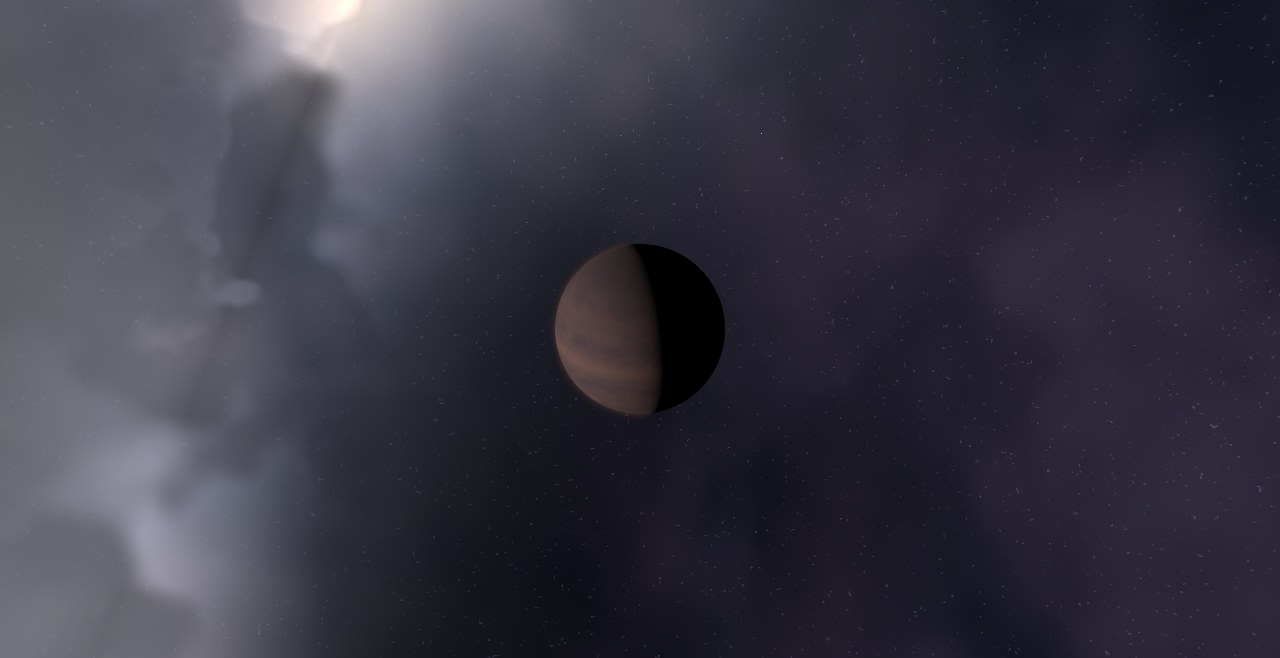
WASP-169, a Sun-like F-type star of 1.34 solar masses, and WASP-169 b, a 0.56-Jupiter-mass companion, with an orbital period of 5.6 days, at 0.068 AU from its star, and an equilibrium temperature near 1,604 K.
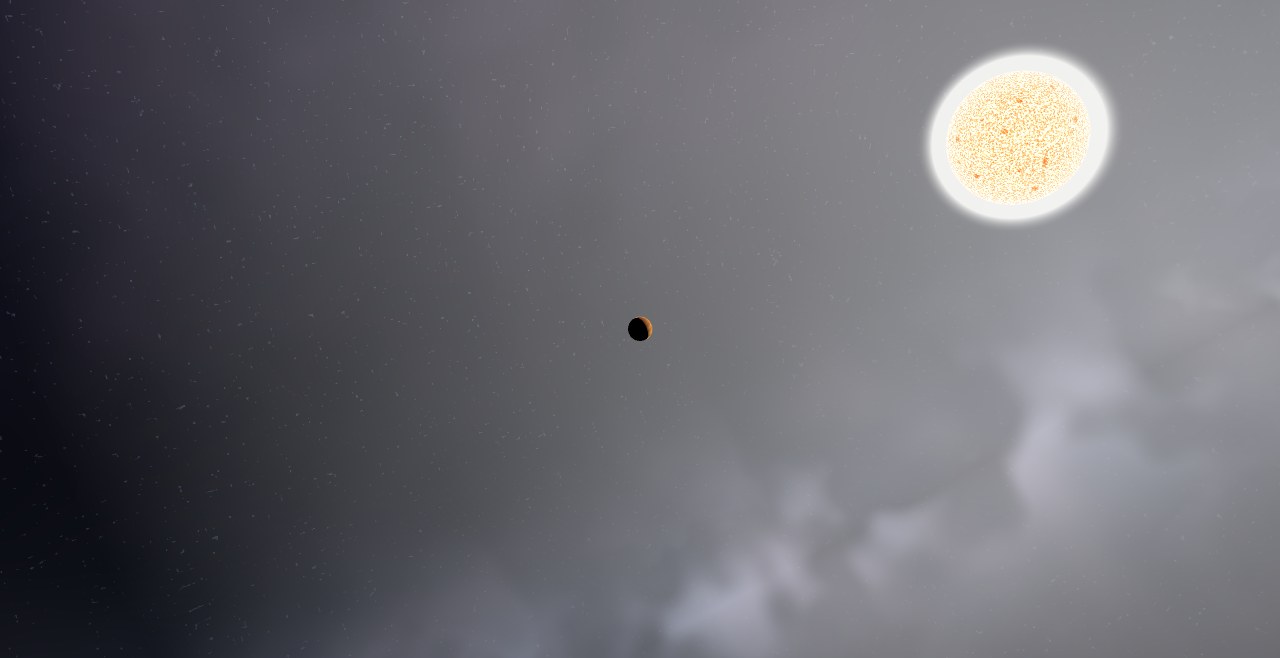
WASP-17 b, the first planet found on a retrograde orbit. This bloated hot Jupiter circles opposite its star's spin and is larger than Jupiter.
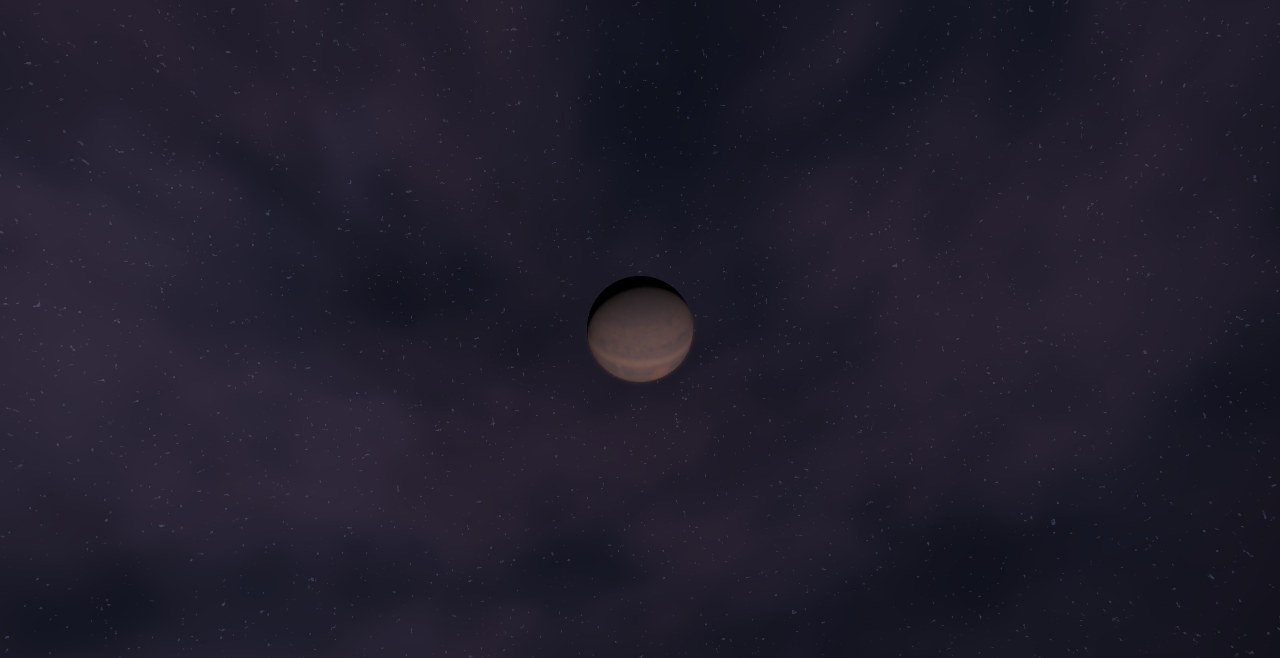
WASP-170, a Sun-like G-type star of 0.93 solar masses, and WASP-170 b, a 1.60-Jupiter-mass companion, with an orbital period of 2.3 days, at 0.034 AU from its star, and an equilibrium temperature near 1,422 K.
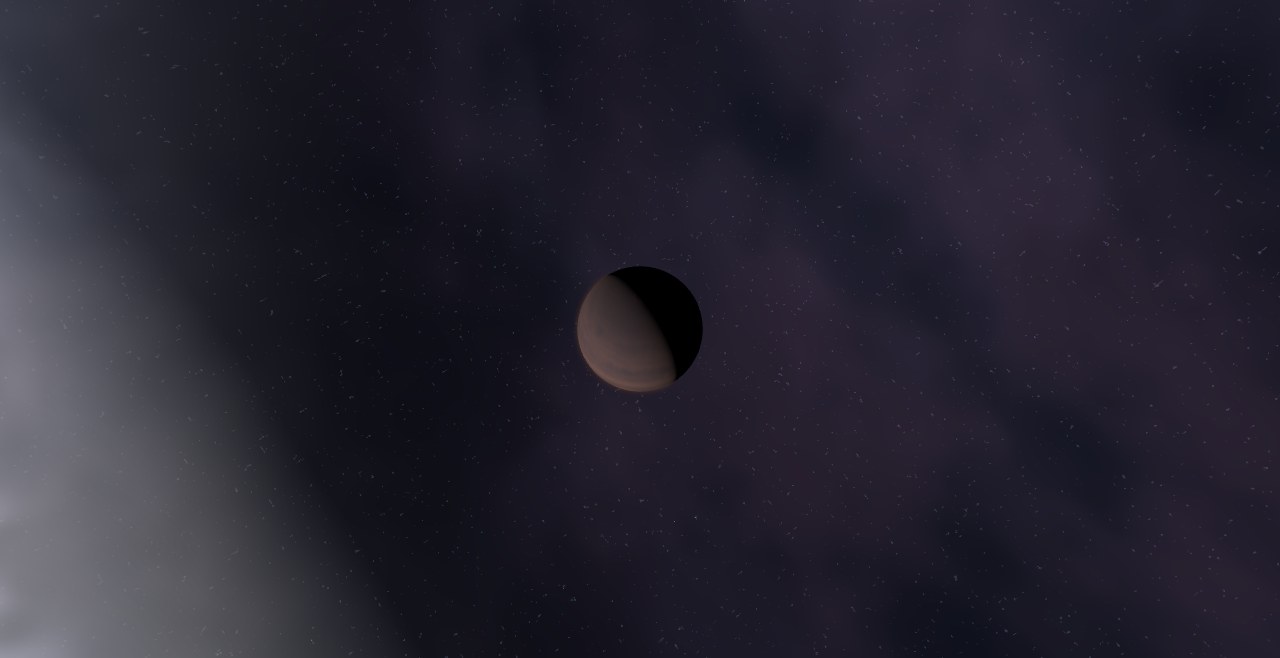
WASP-171, a Sun-like G-type star of 1.17 solar masses, and WASP-171 b, a 1.08-Jupiter-mass companion, with an orbital period of 3.8 days, at 0.050 AU from its star, and an equilibrium temperature near 1,642 K.
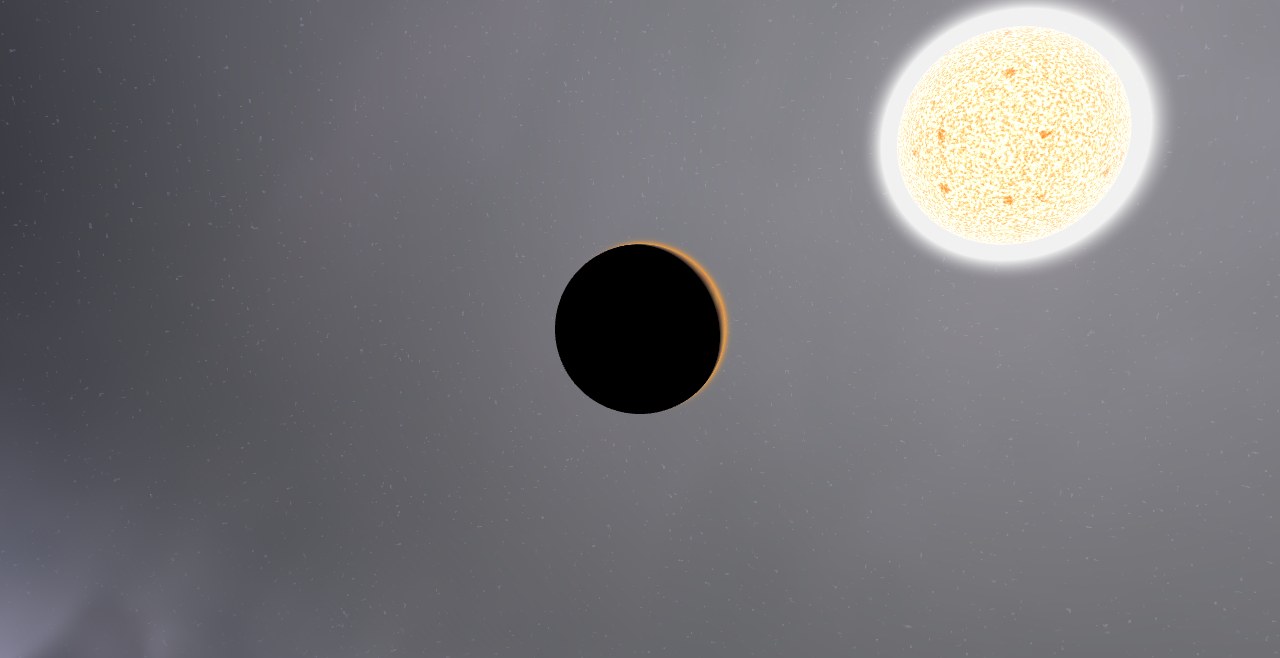
WASP-172, a Sun-like F-type star of 1.49 solar masses, and WASP-172 b, a 0.47-Jupiter-mass companion, with an orbital period of 5.5 days, at 0.069 AU from its star, and an equilibrium temperature near 1,740 K.
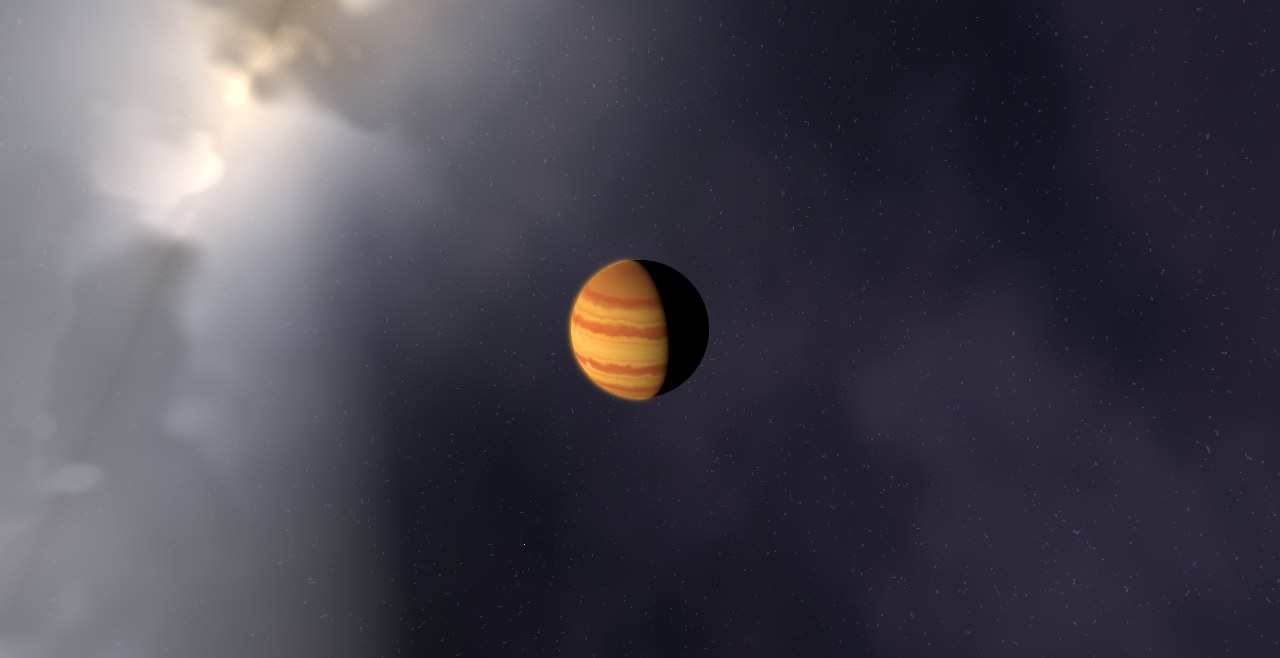
WASP-173 A, a Sun-like G-type star of 1.05 solar masses, and WASP-173 A b, a 3.69-Jupiter-mass companion, with an orbital period of 1.4 days, at 0.025 AU from its star, and an equilibrium temperature near.
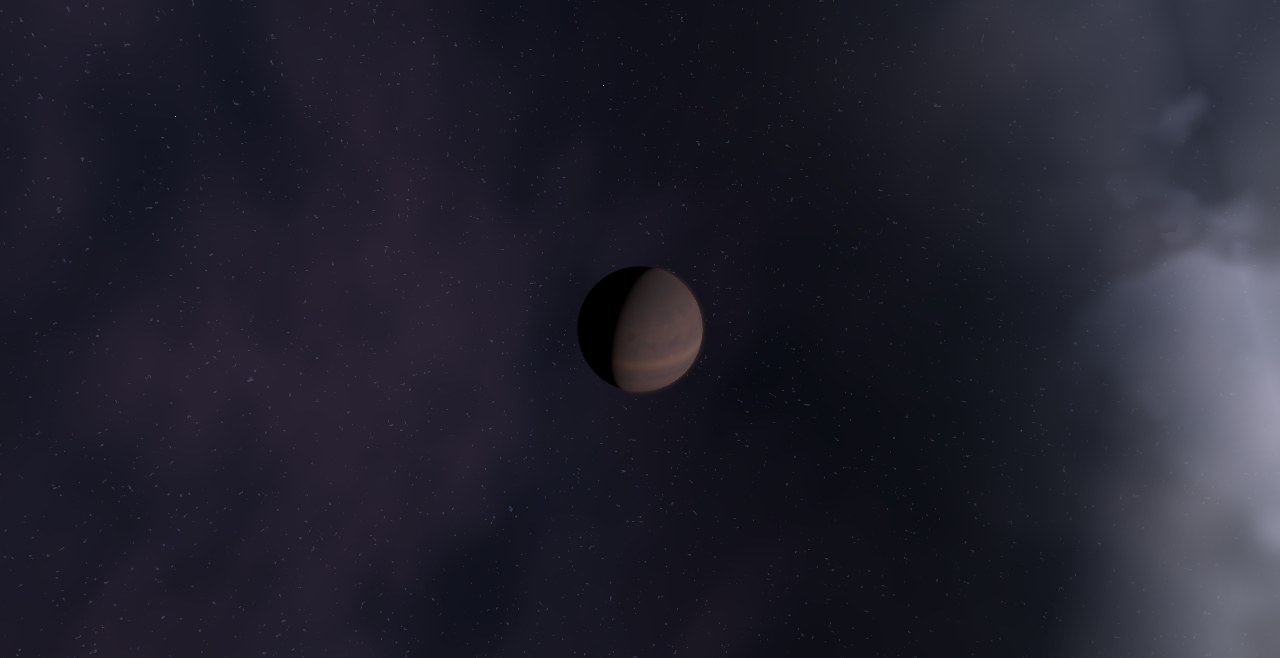
WASP-174, a Sun-like F-type star of 1.24 solar masses, and WASP-174 b, a 0.33-Jupiter-mass companion, with an orbital period of 4.2 days, at 0.055 AU from its star, and an equilibrium temperature near 1,528 K.
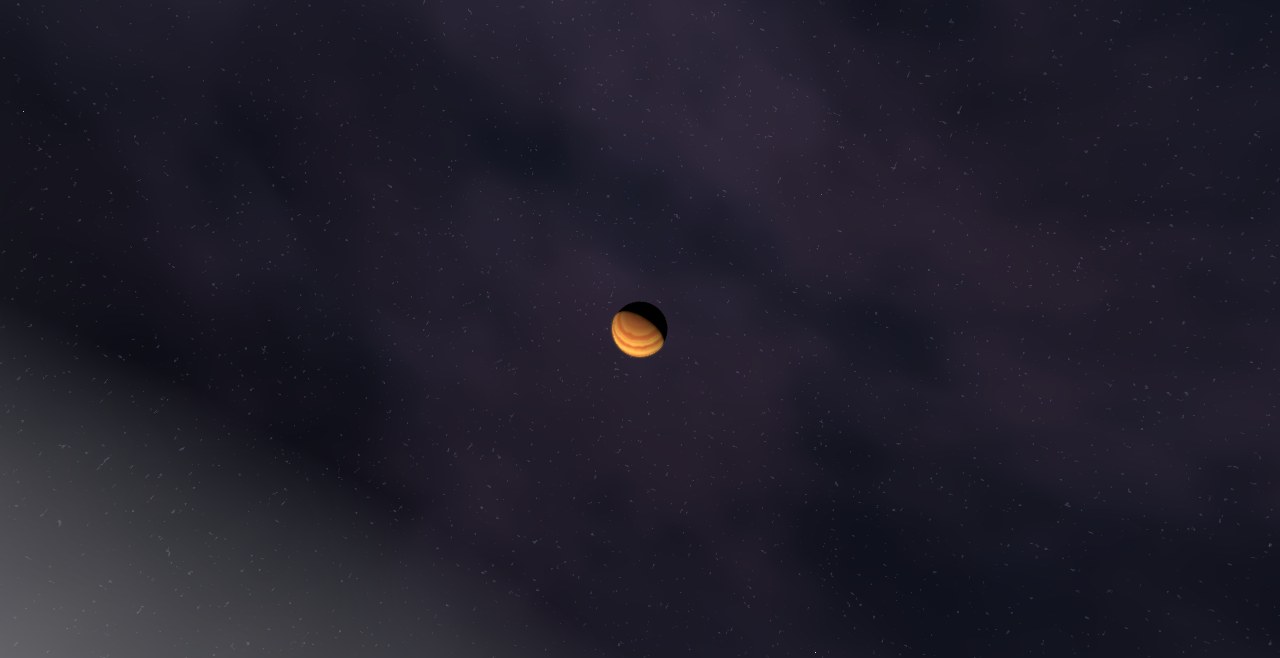
WASP-175, a Sun-like F-type star of 1.21 solar masses, and WASP-175 b, a 0.99-Jupiter-mass companion, with an orbital period of 3.1 days, at 0.044 AU from its star, and an equilibrium temperature near 1,571 K.