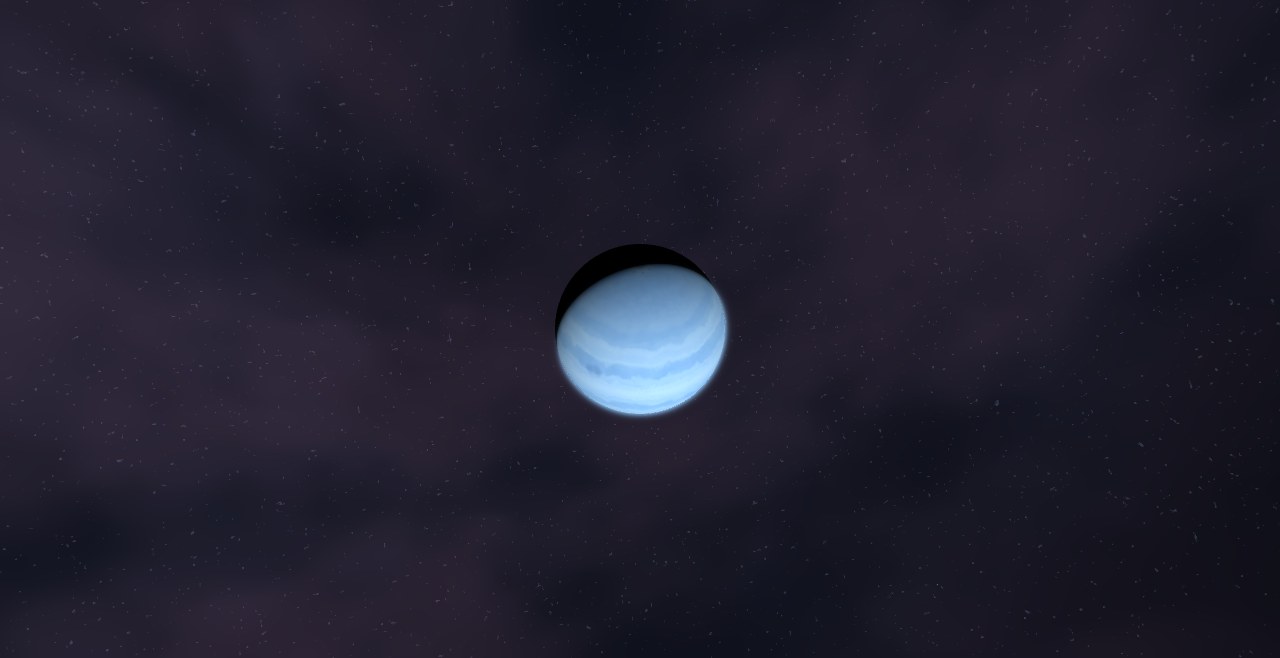
MXB 1658-298 - System
MXB 1658-298, a Sun-like G-type star of 1.98 solar masses, and MXB 1658-298 b, a 23.7-Jupiter-mass companion, with an orbital period of 2.08 years, at 1.613 AU from its star.
Exoplanets
Analyze isolated alien worlds orbiting a singular host star to observe basic orbital parameters, tidal locks, and planetary eccentricities.
Share
MXB 1658-298, a Sun-like G-type star of 1.98 solar masses, and MXB 1658-298 b, a 23.7-Jupiter-mass companion, with an orbital period of 2.08 years, at 1.613 AU from its star.
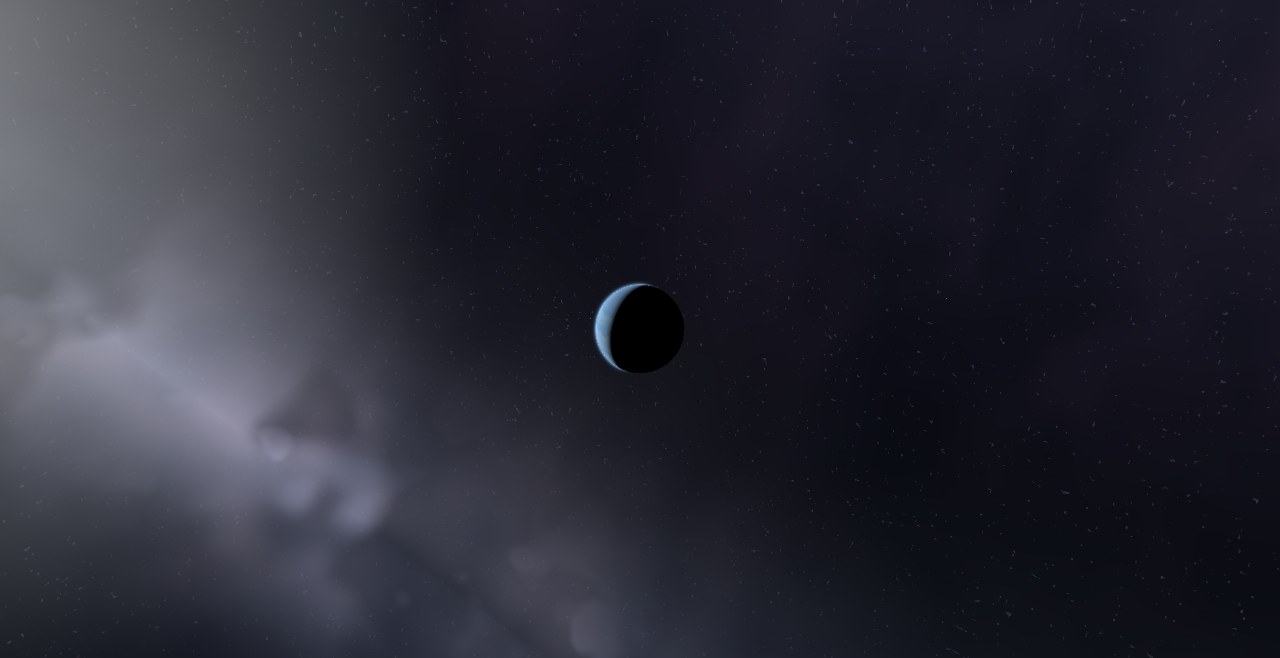
NGC 2682 Sand 1429, a Sun-like F-type star of 1.26 solar masses, and NGC 2682 Sand 1429 b, a 1.80-Jupiter-mass companion, with an orbital period of 77.5 days, at 0.384 AU from its star, and an equilibrium.
NGTS-1, a cool M-dwarf of 0.62 solar masses, and NGTS-1 b, a 0.81-Jupiter-mass companion, with an orbital period of 2.6 days, at 0.033 AU from its star, and an equilibrium temperature near 790 K.
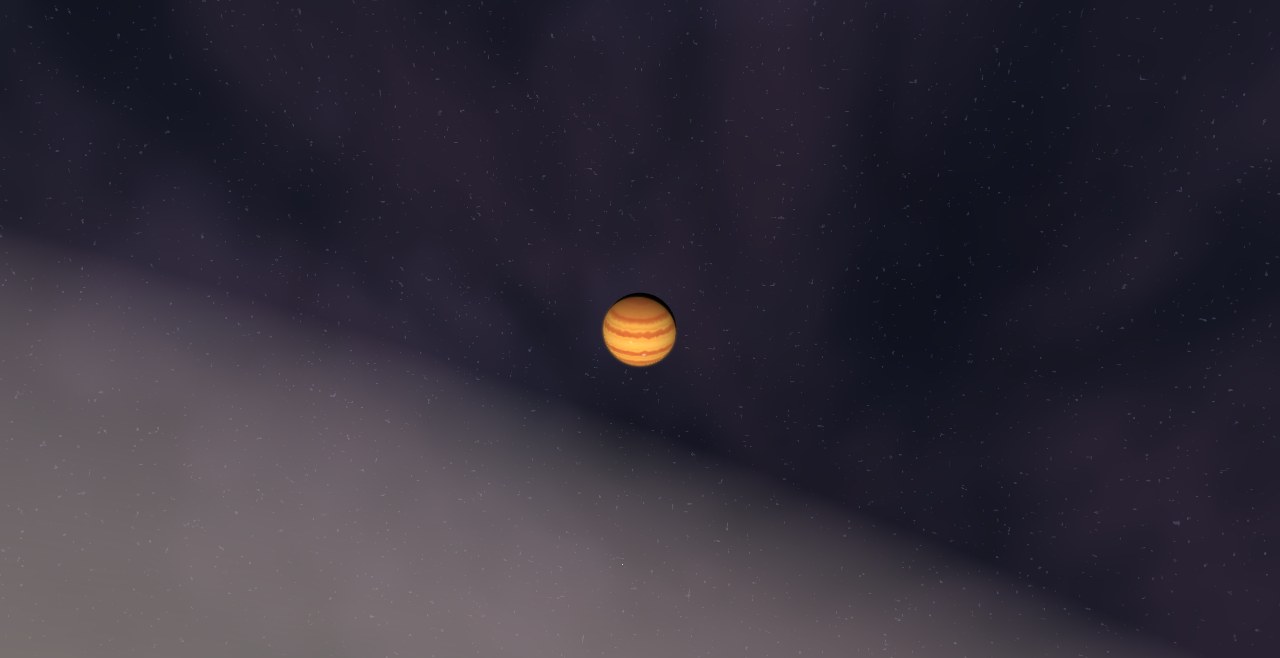
NGTS-10 b, an ultra-short-period hot Jupiter orbiting in about 18 hours. Tides are expected to drag this already-close planet inward. It was found by the Next-Generation Transit Survey.
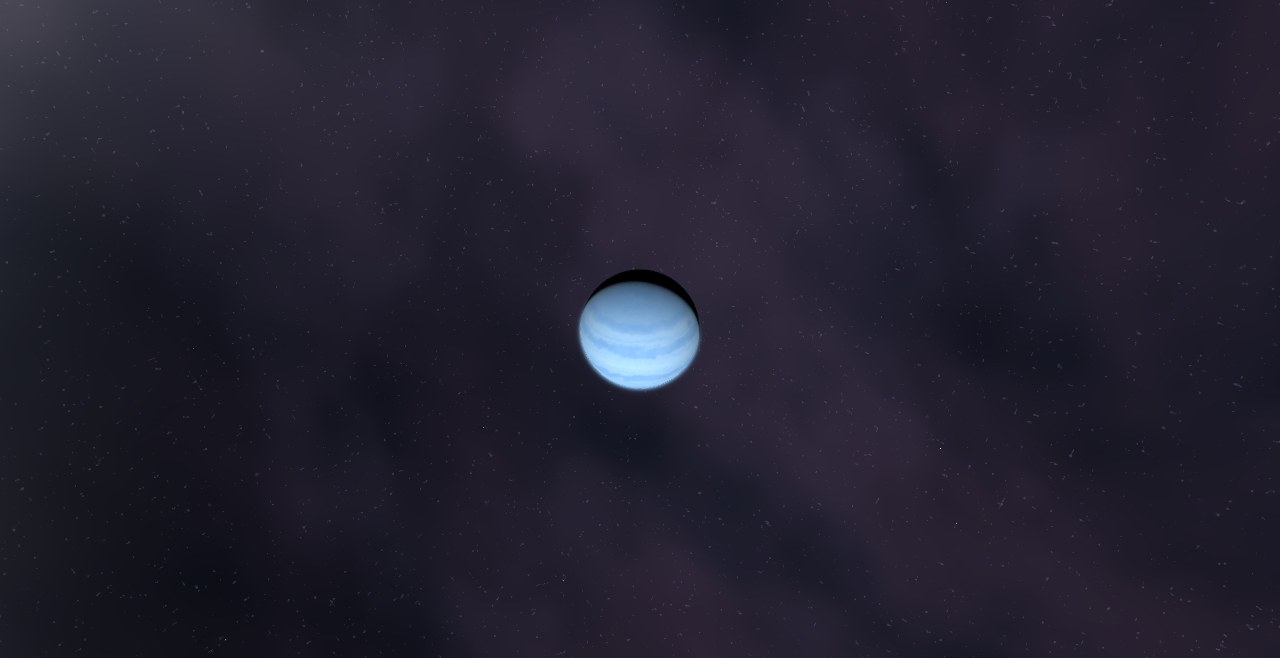
NGTS-11, an orange K-type dwarf of 0.86 solar masses, and NGTS-11 b, a 0.34-Jupiter-mass companion, with an orbital period of 35.5 days, at 0.201 AU from its star, and an equilibrium temperature near 435 K.
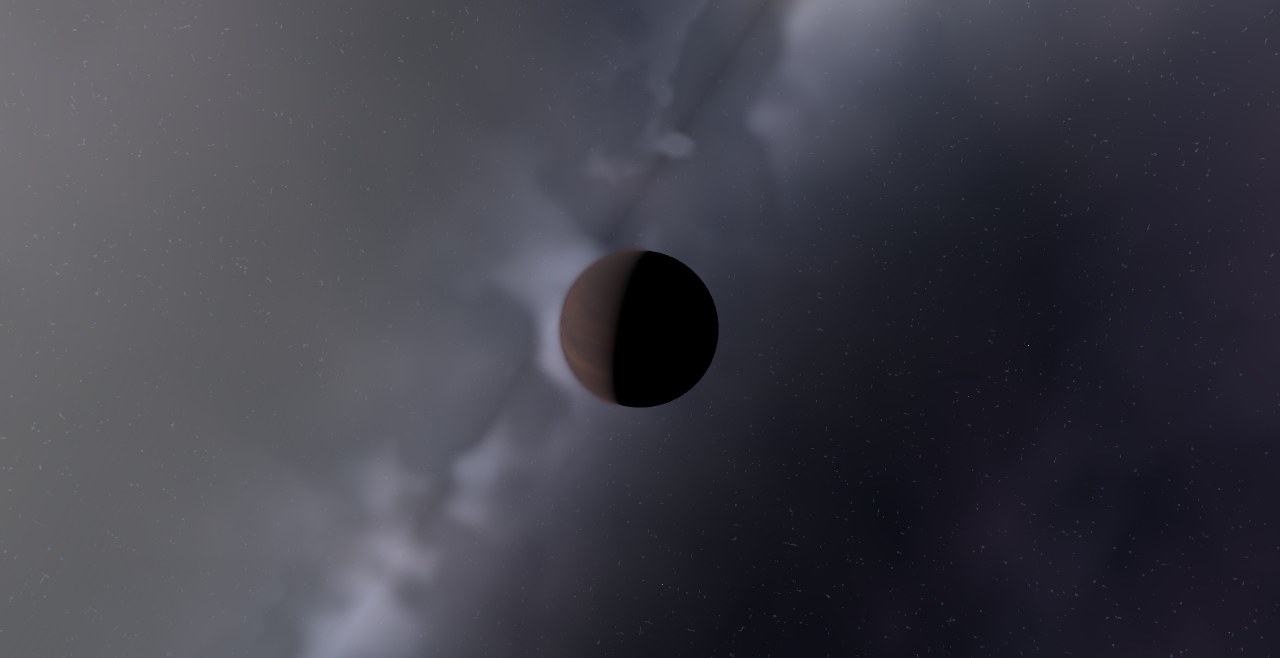
NGTS-12, a Sun-like G-type star of 1.02 solar masses, and NGTS-12 b, a 0.21-Jupiter-mass companion, with an orbital period of 7.5 days, at 0.076 AU from its star, and an equilibrium temperature near 1,257 K.
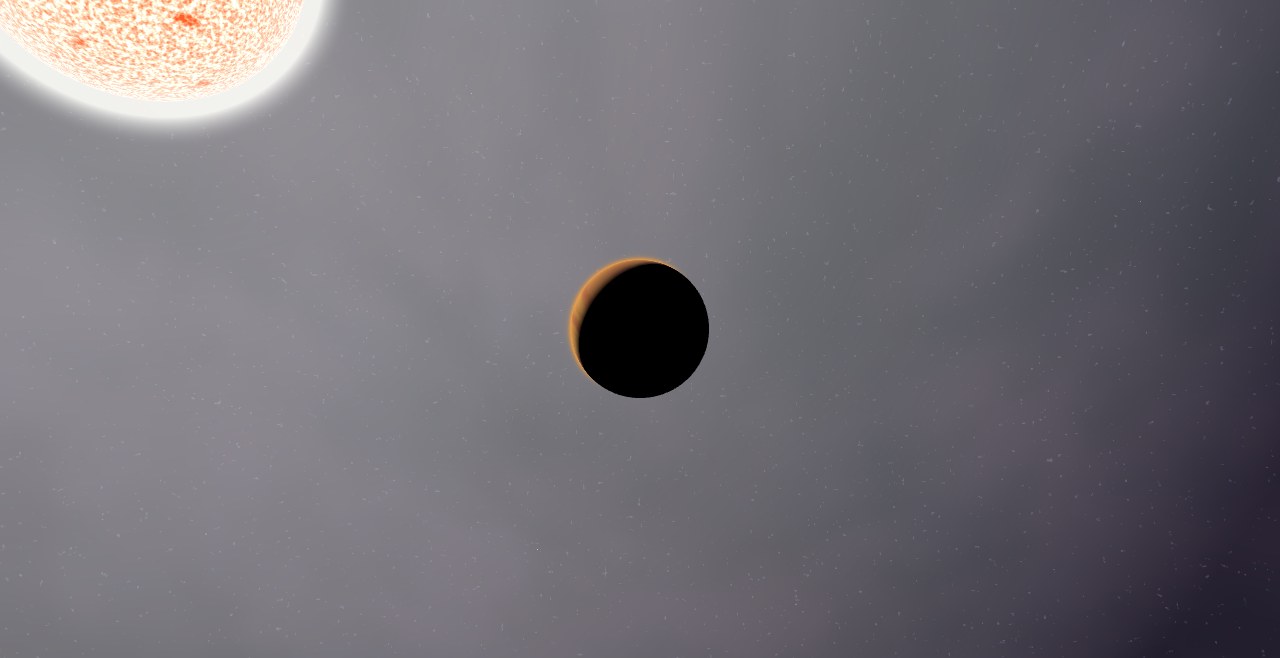
NGTS-13, a Sun-like G-type star of 1.30 solar masses, and NGTS-13 b, a 4.84-Jupiter-mass companion, with an orbital period of 4.1 days, at 0.055 AU from its star, and an equilibrium temperature near 1,605 K.
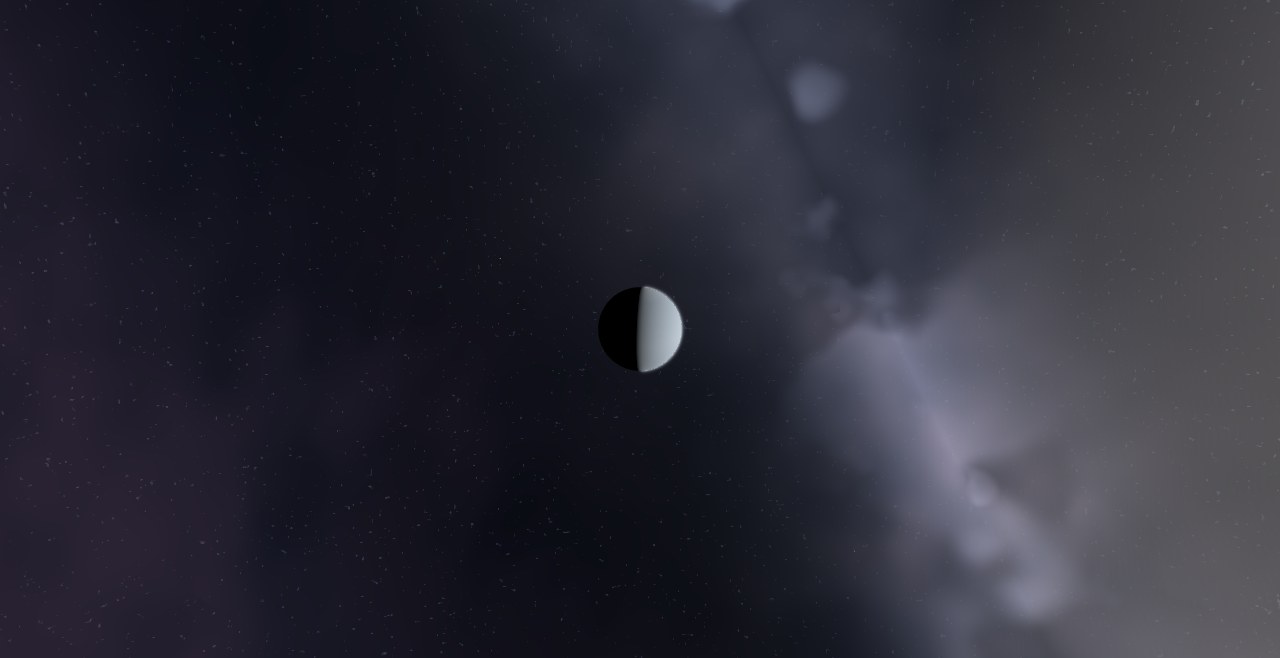
NGTS-14 A, an orange K-type dwarf of 0.90 solar masses, and NGTS-14 A b, a 0.09-Jupiter-mass companion, with an orbital period of 3.5 days, at 0.040 AU from its star, and an equilibrium temperature near 1,143 K.
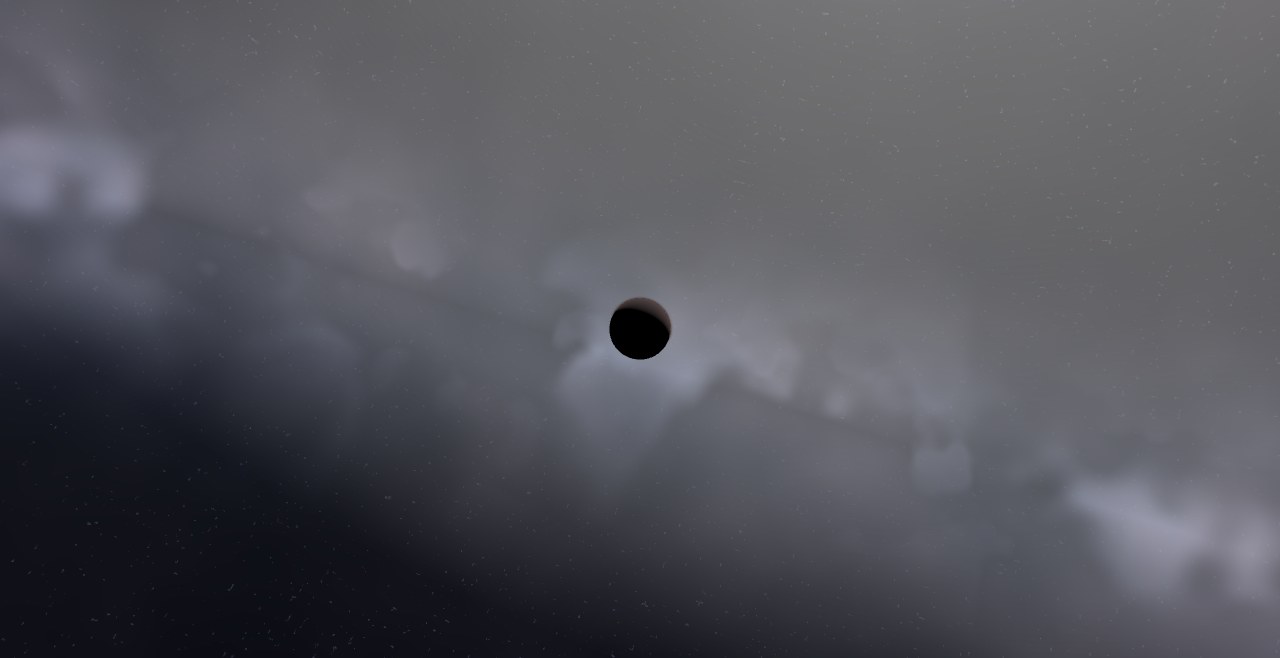
NGTS-15, a Sun-like G-type star of 0.99 solar masses, and NGTS-15 b, a 0.75-Jupiter-mass companion, with an orbital period of 3.3 days, at 0.044 AU from its star, and an equilibrium temperature near 1,146 K.
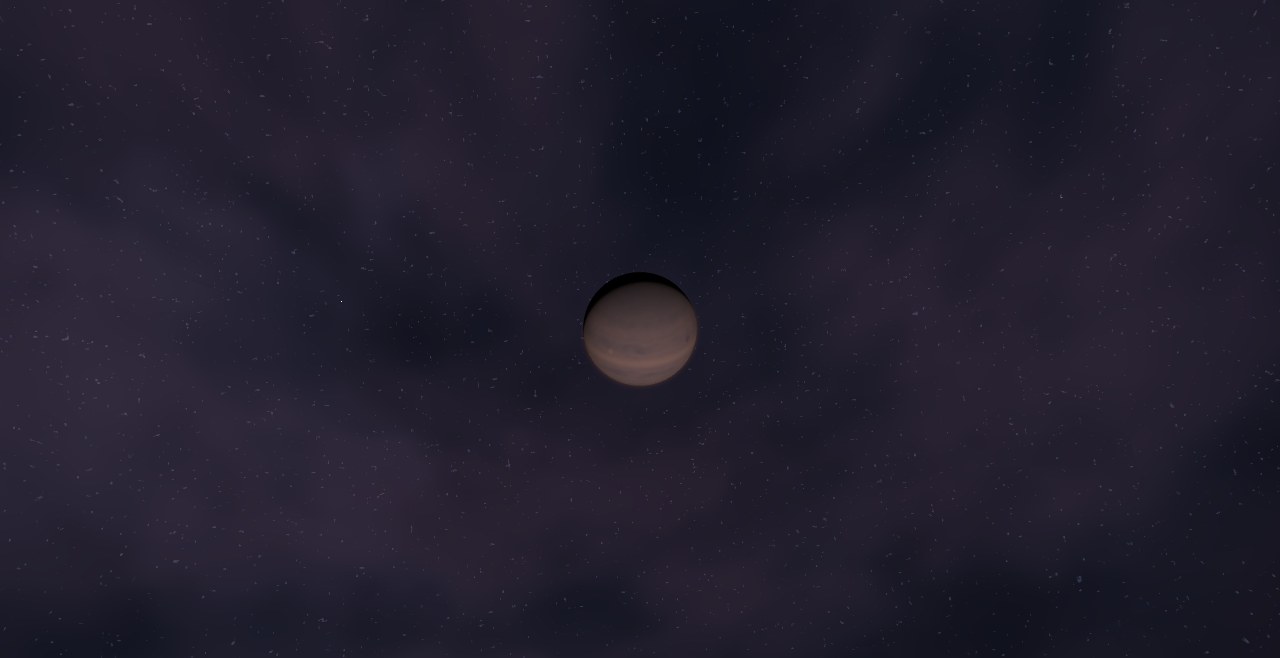
NGTS-16, a Sun-like G-type star of 1.00 solar masses, and NGTS-16 b, a 0.67-Jupiter-mass companion, with an orbital period of 4.8 days, at 0.052 AU from its star, and an equilibrium temperature near 1,177 K.
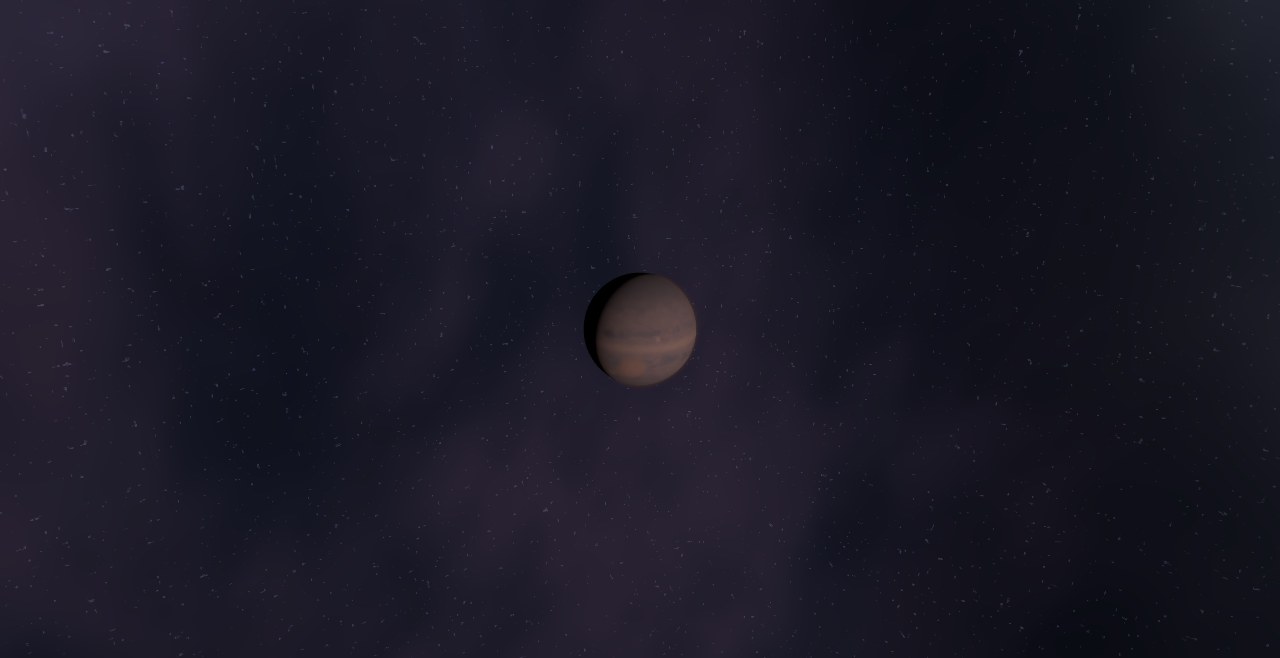
NGTS-17, a Sun-like G-type star of 1.02 solar masses, and NGTS-17 b, a 0.76-Jupiter-mass companion, with an orbital period of 3.2 days, at 0.039 AU from its star, and an equilibrium temperature near 1,457 K.
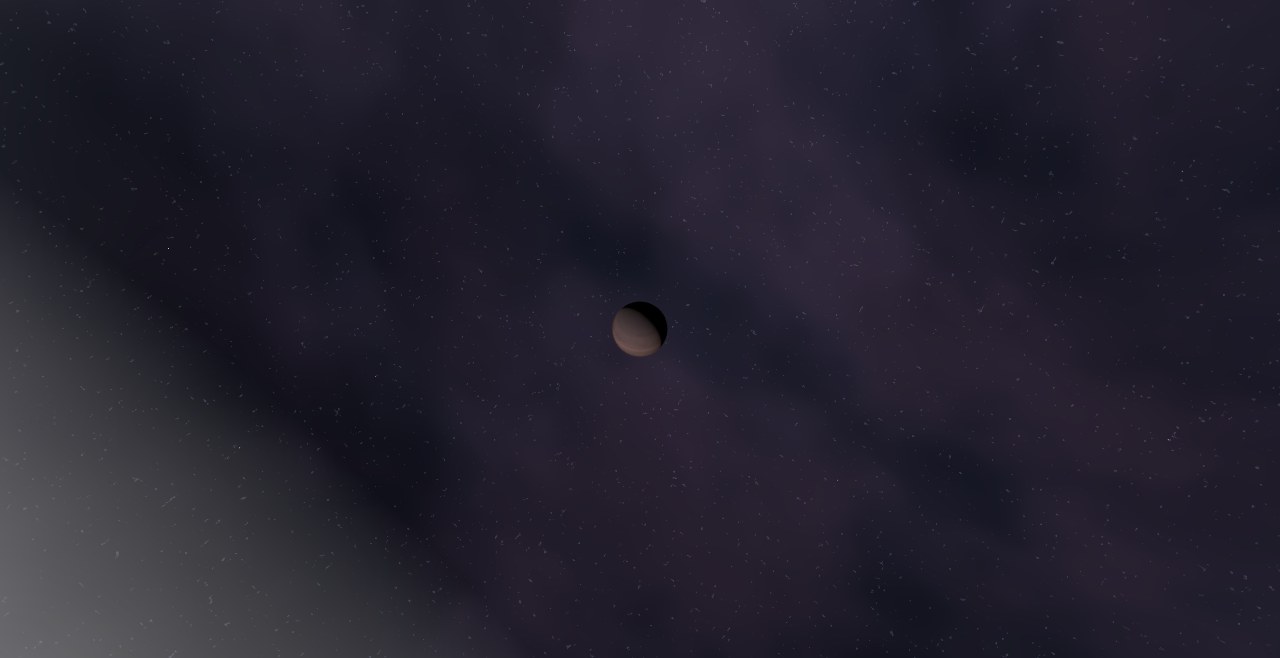
NGTS-18, a Sun-like G-type star of 1.00 solar masses, and NGTS-18 b, a 0.41-Jupiter-mass companion, with an orbital period of 3.1 days, at 0.045 AU from its star, and an equilibrium temperature near 1,381 K.
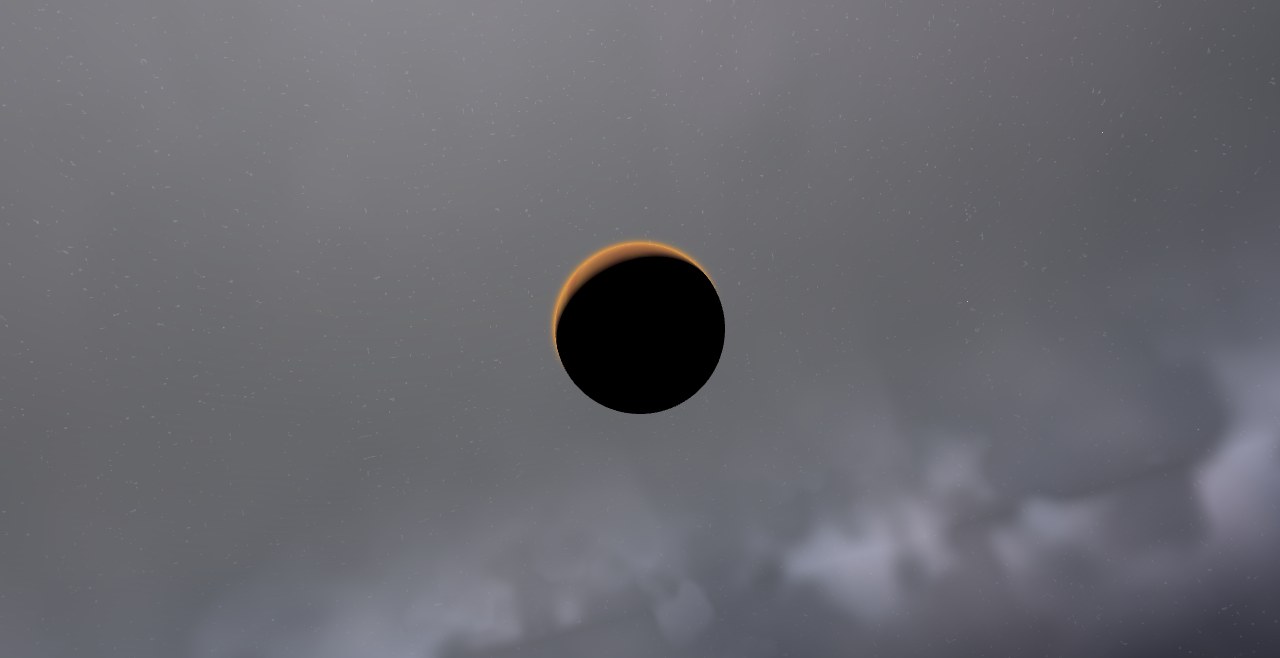
NGTS-2, a Sun-like F-type star of 1.64 solar masses, and NGTS-2 b, a 0.74-Jupiter-mass companion, with an orbital period of 4.5 days, at 0.063 AU from its star, and an equilibrium temperature near 1,468 K.
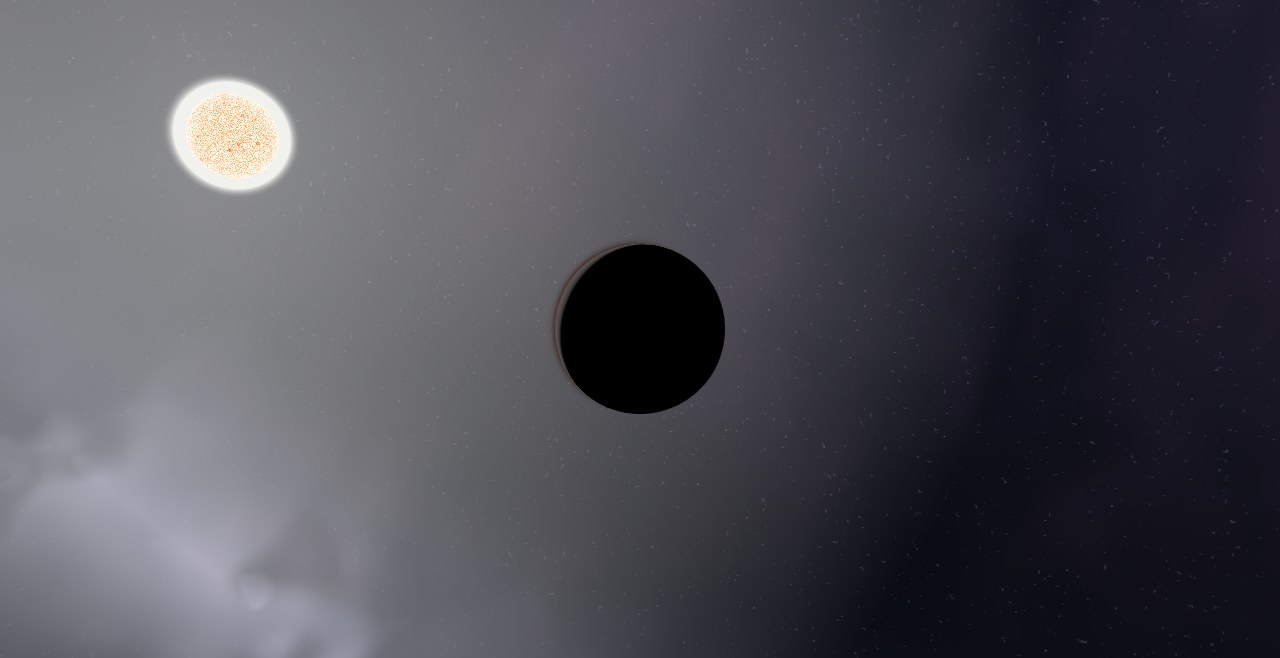
NGTS-20, a Sun-like G-type star of 1.47 solar masses, and NGTS-20 b, a 2.98-Jupiter-mass companion, with an orbital period of 54.2 days, at 0.313 AU from its star, and an equilibrium temperature near 688 K.
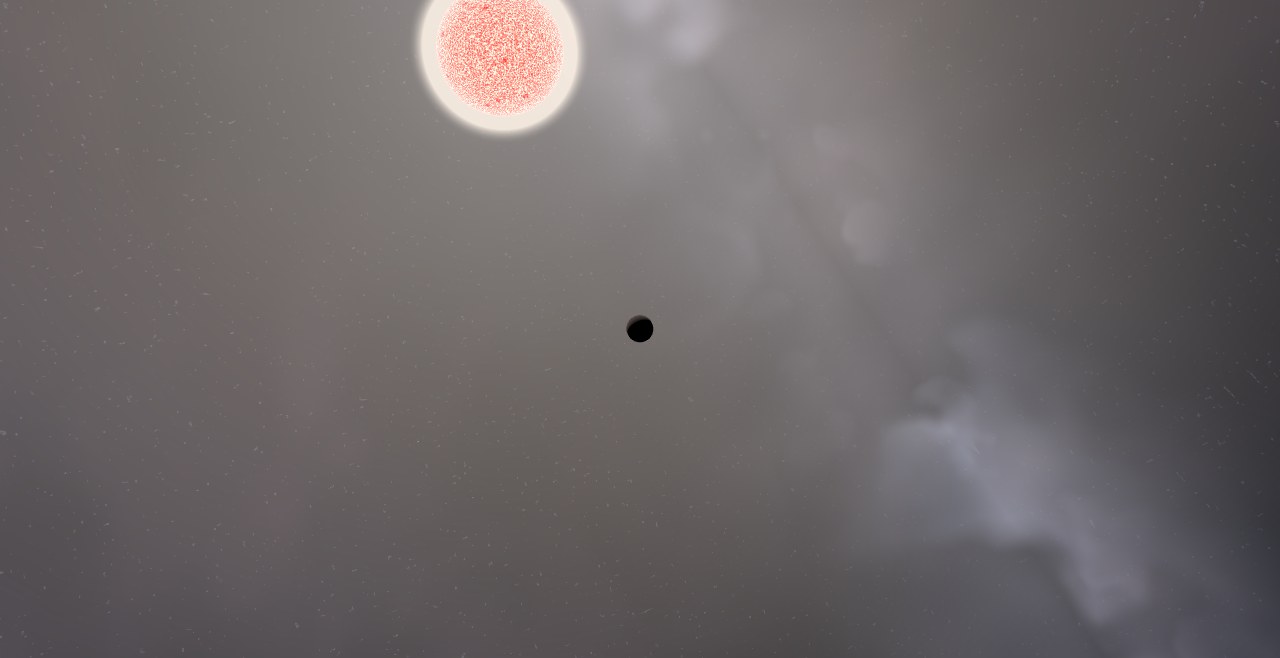
NGTS-21, an orange K-type dwarf of 0.72 solar masses, and NGTS-21 b, a 2.36-Jupiter-mass companion, with an orbital period of 1.5 days, at 0.024 AU from its star, and an equilibrium temperature near 1,357 K.
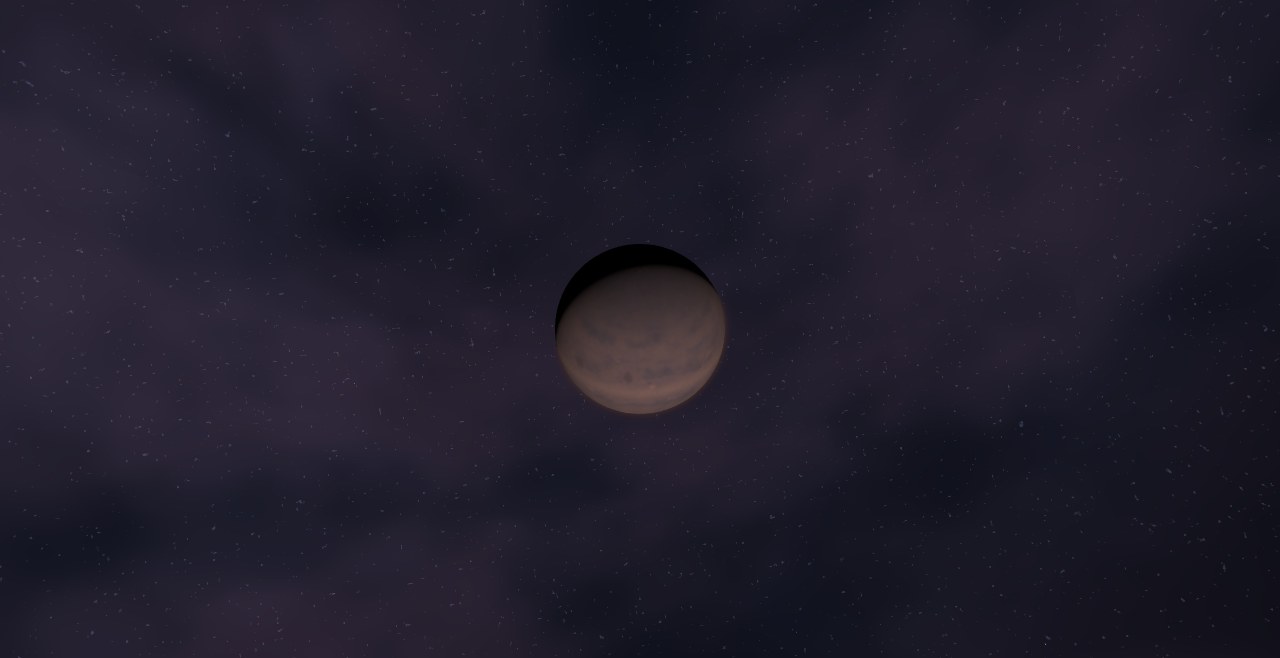
NGTS-23, a Sun-like F-type star of 1.01 solar masses, and NGTS-23 b, a 0.61-Jupiter-mass companion, with an orbital period of 4.1 days, at 0.050 AU from its star, and an equilibrium temperature near 1,327 K.
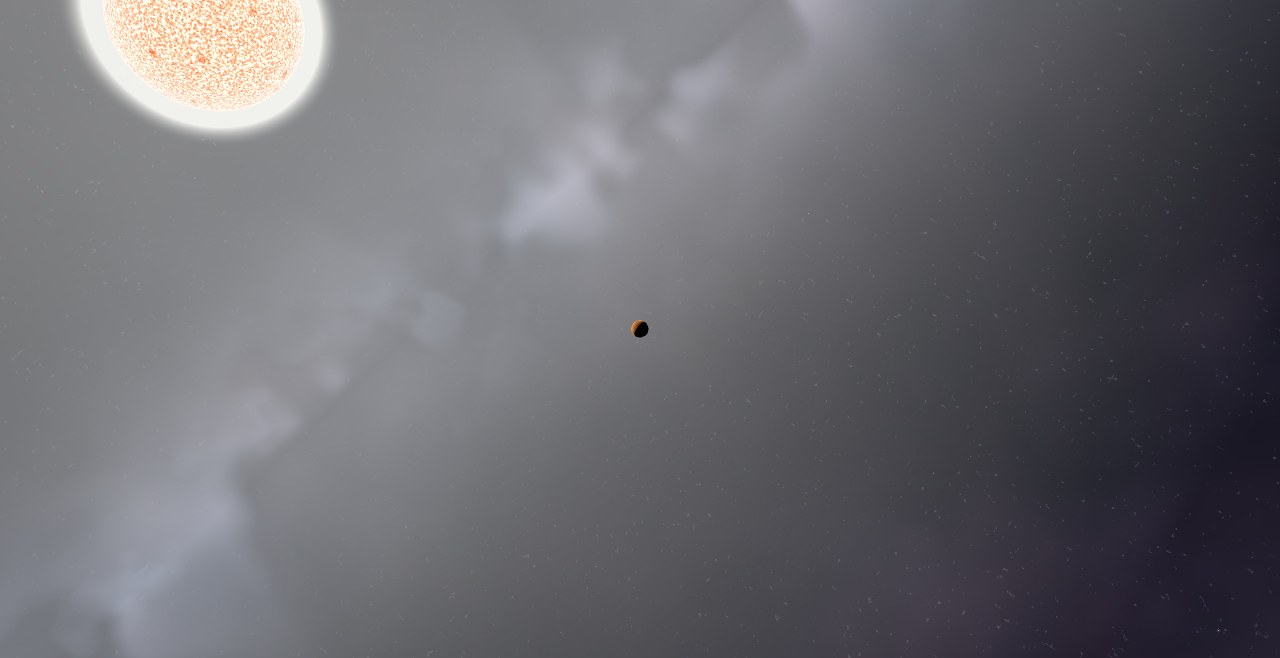
NGTS-24, a Sun-like G-type star of 1.26 solar masses, and NGTS-24 b, a 0.52-Jupiter-mass companion, with an orbital period of 3.5 days, at 0.048 AU from its star, and an equilibrium temperature near 1,499 K.
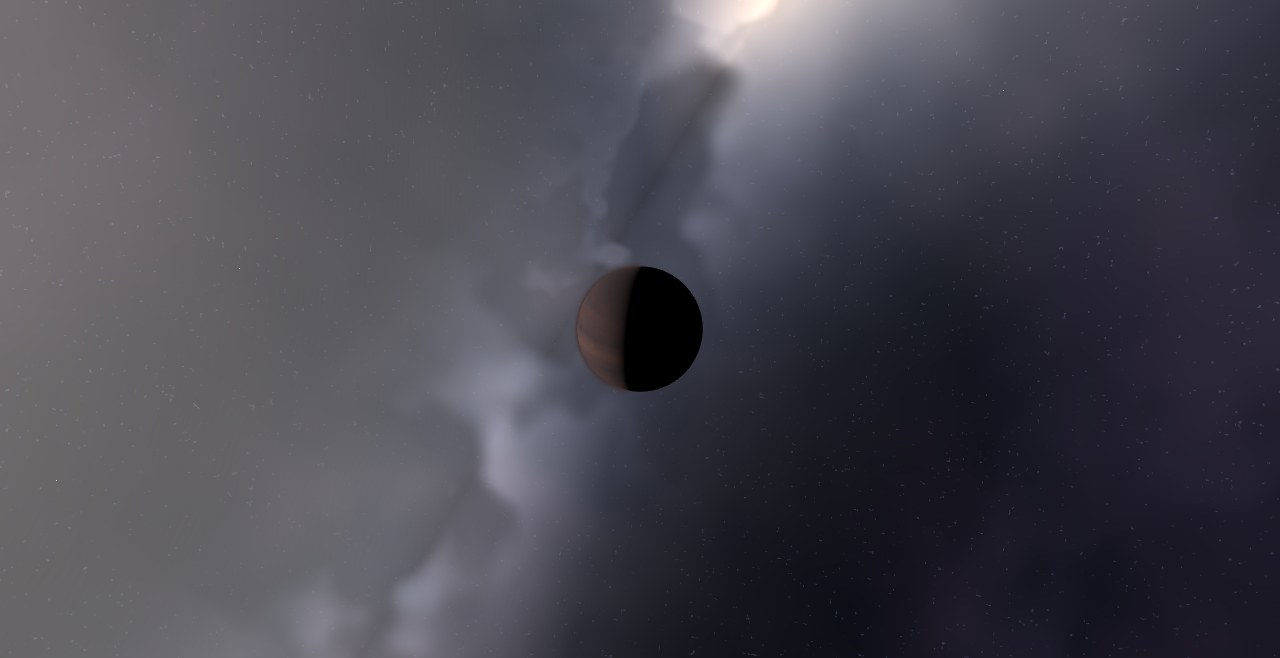
NGTS-25, an orange K-type dwarf of 0.91 solar masses, and NGTS-25 b, a 0.64-Jupiter-mass companion, with an orbital period of 2.8 days, at 0.039 AU from its star, and an equilibrium temperature near 1,101 K.