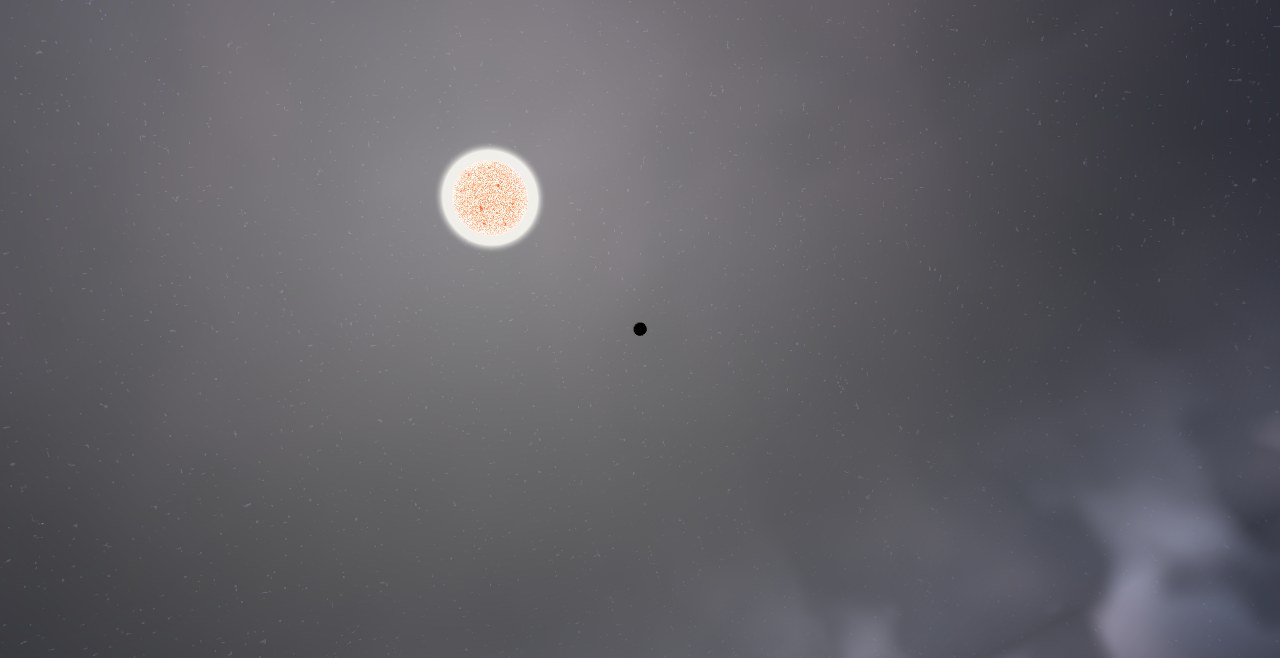
NGTS-26 - System
NGTS-26, a Sun-like G-type star of 0.96 solar masses, and NGTS-26 b, a 0.29-Jupiter-mass companion, with an orbital period of 4.5 days, at 0.049 AU from its star, and an equilibrium temperature near 1,331 K.
Exoplanets
Analyze isolated alien worlds orbiting a singular host star to observe basic orbital parameters, tidal locks, and planetary eccentricities.
Share
NGTS-26, a Sun-like G-type star of 0.96 solar masses, and NGTS-26 b, a 0.29-Jupiter-mass companion, with an orbital period of 4.5 days, at 0.049 AU from its star, and an equilibrium temperature near 1,331 K.
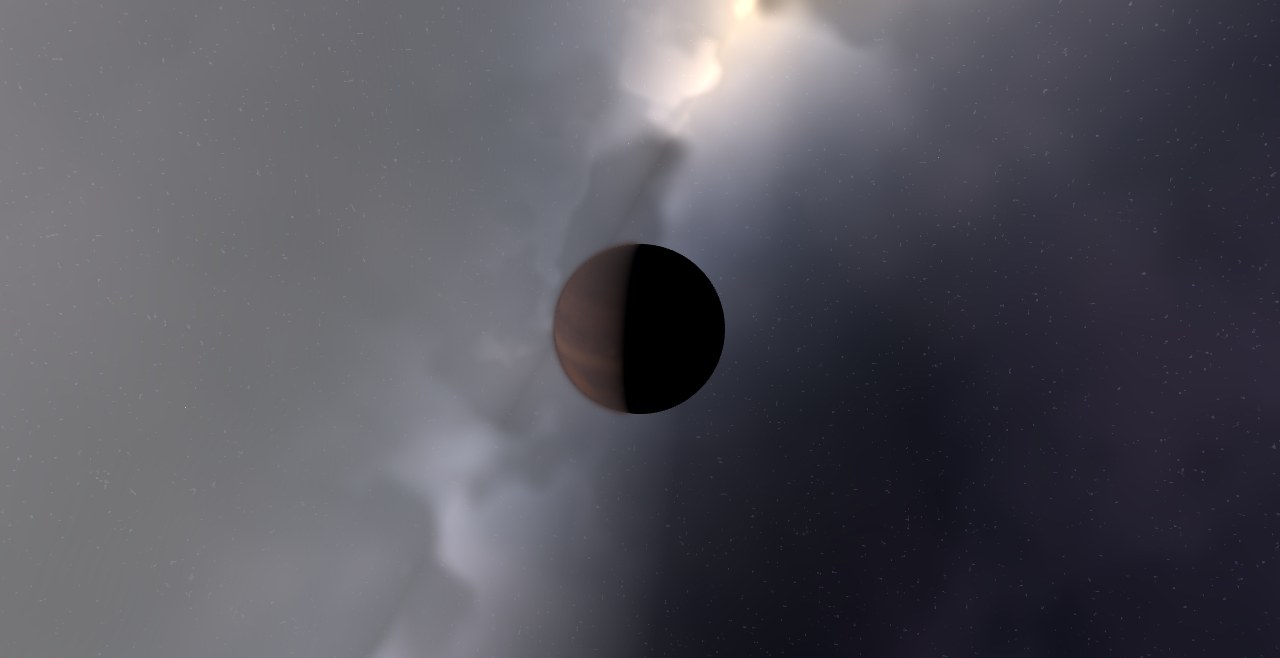
NGTS-27, a Sun-like G-type star of 1.07 solar masses, and NGTS-27 b, a 0.59-Jupiter-mass companion, with an orbital period of 3.4 days, at 0.045 AU from its star, and an equilibrium temperature near 1,783 K.
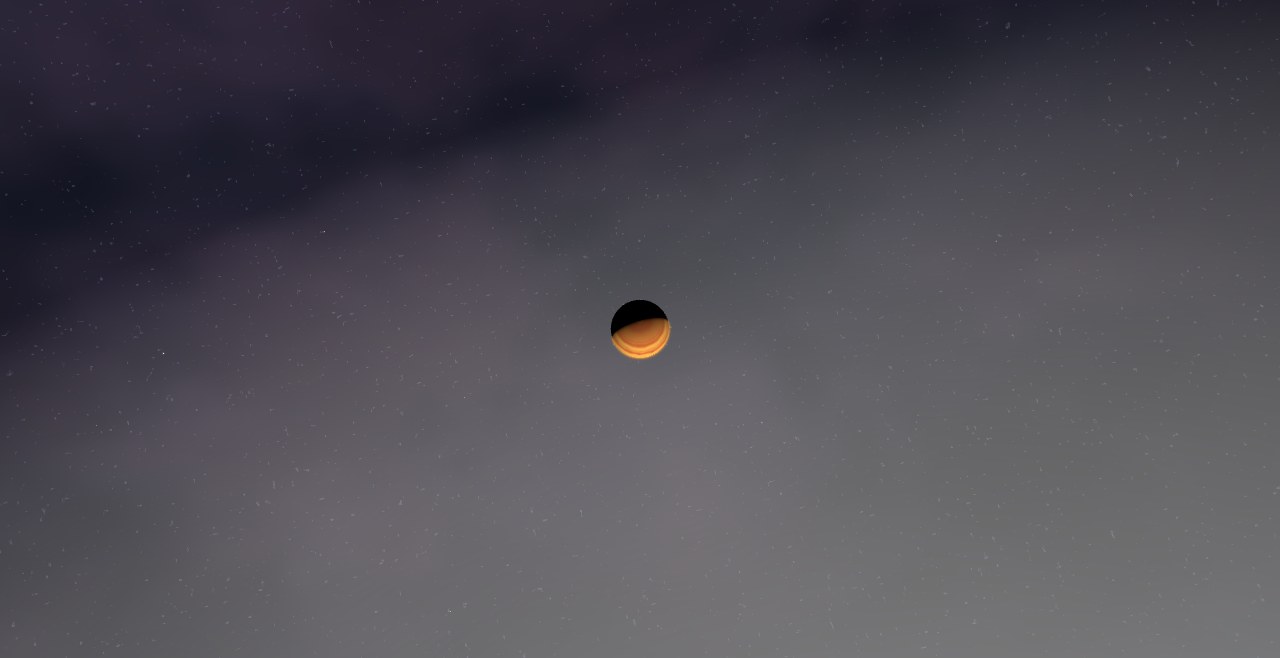
NGTS-3 A, a Sun-like G-type star of 1.02 solar masses, and NGTS-3 A b, a 2.38-Jupiter-mass companion, with an orbital period of 1.7 days, at 0.023 AU from its star.
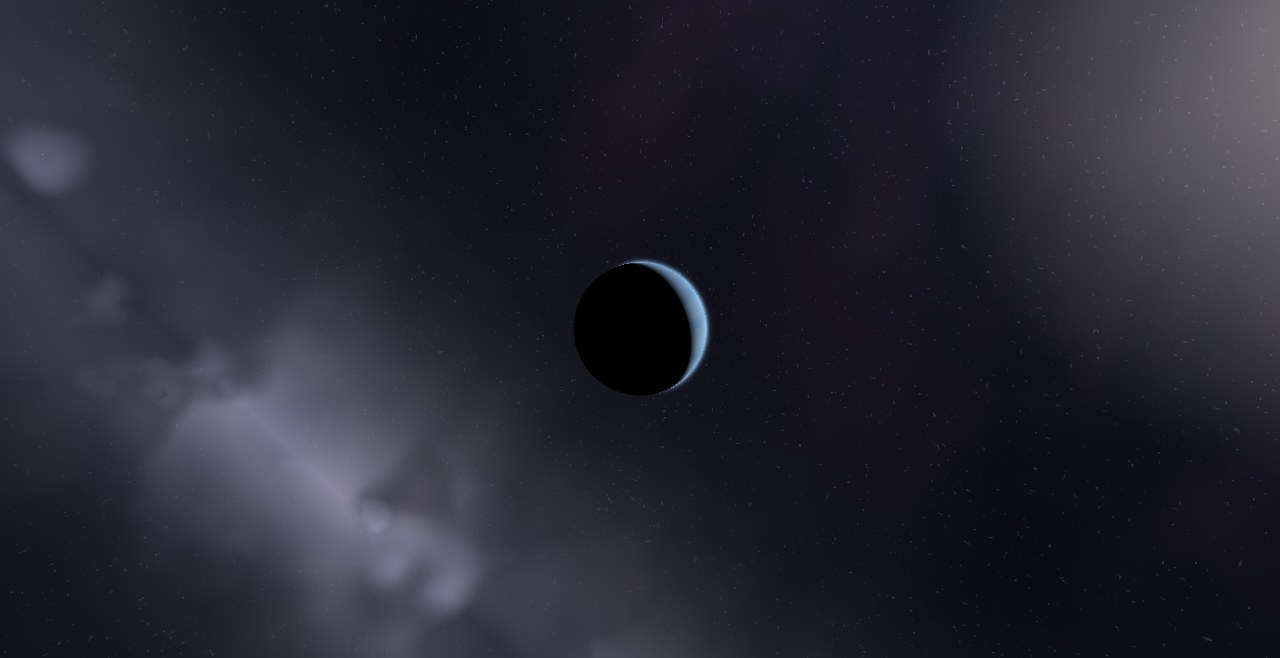
NGTS-30, a Sun-like G-type star of 0.94 solar masses, and NGTS-30 b, a 0.96-Jupiter-mass companion, with an orbital period of 98.3 days, at 0.408 AU from its star, and an equilibrium temperature near 500 K.
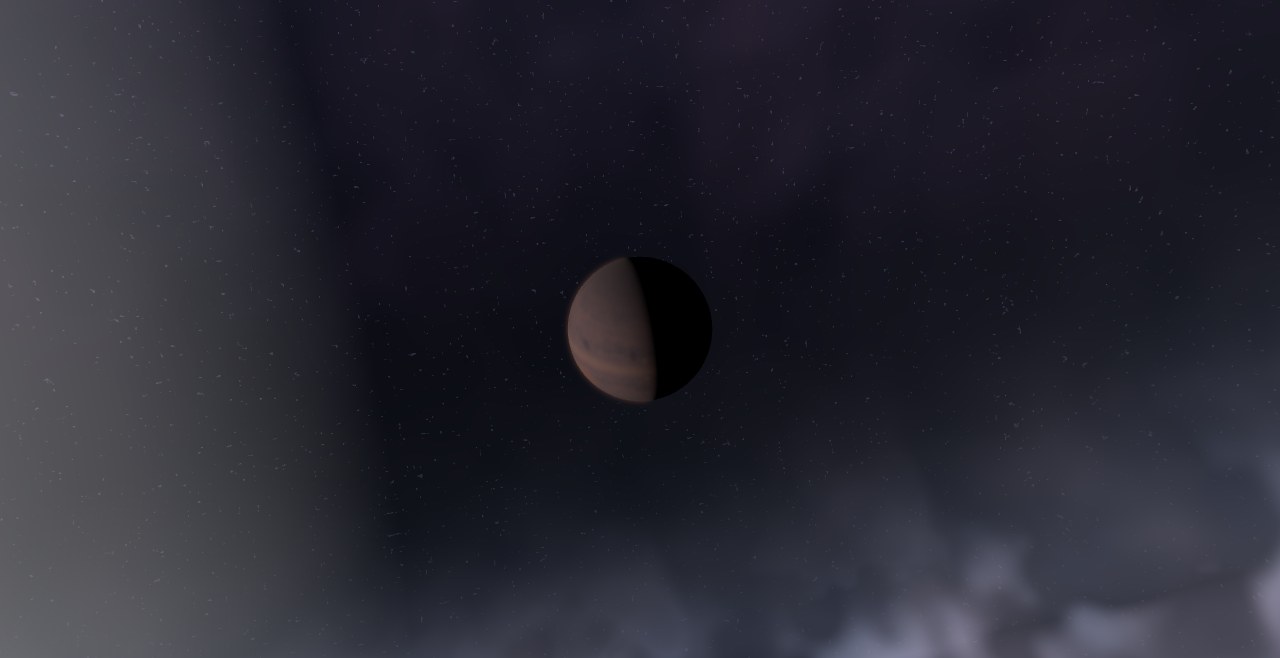
NGTS-31, a Sun-like G-type star of 0.96 solar masses, and NGTS-31 b, a 1.12-Jupiter-mass companion, with an orbital period of 4.2 days, at 0.064 AU from its star, and an equilibrium temperature near 1,410 K.
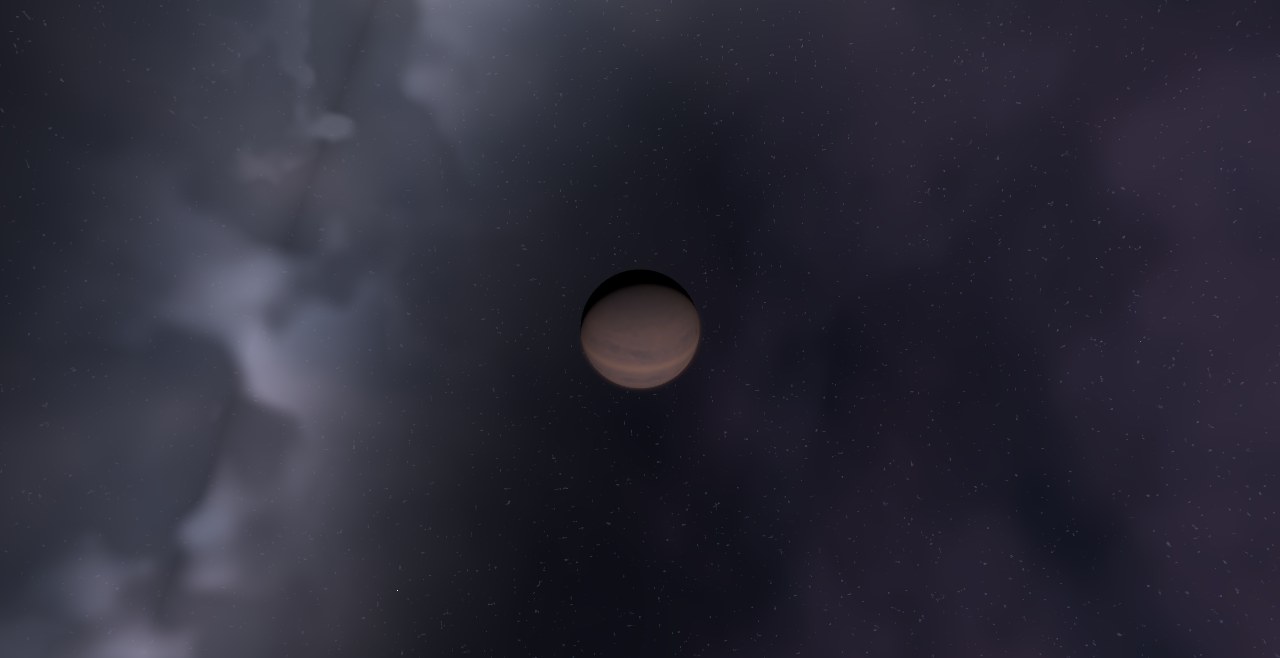
NGTS-32, a Sun-like G-type star of 1.07 solar masses, and NGTS-32 b, a 0.57-Jupiter-mass companion, with an orbital period of 3.3 days, at 0.044 AU from its star, and an equilibrium temperature near 1,750 K.
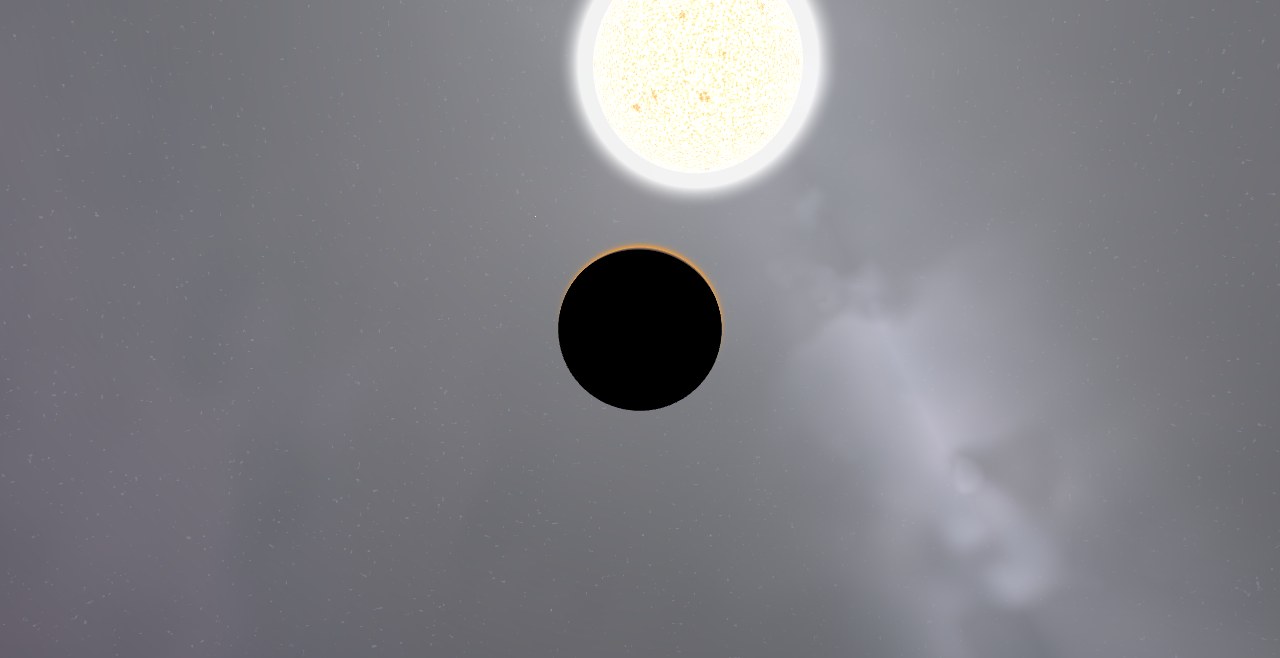
NGTS-33, a Sun-like F-type star of 1.60 solar masses, and NGTS-33 b, a 3.63-Jupiter-mass companion, with an orbital period of 2.8 days, at 0.048 AU from its star, and an equilibrium temperature near 1,991 K.
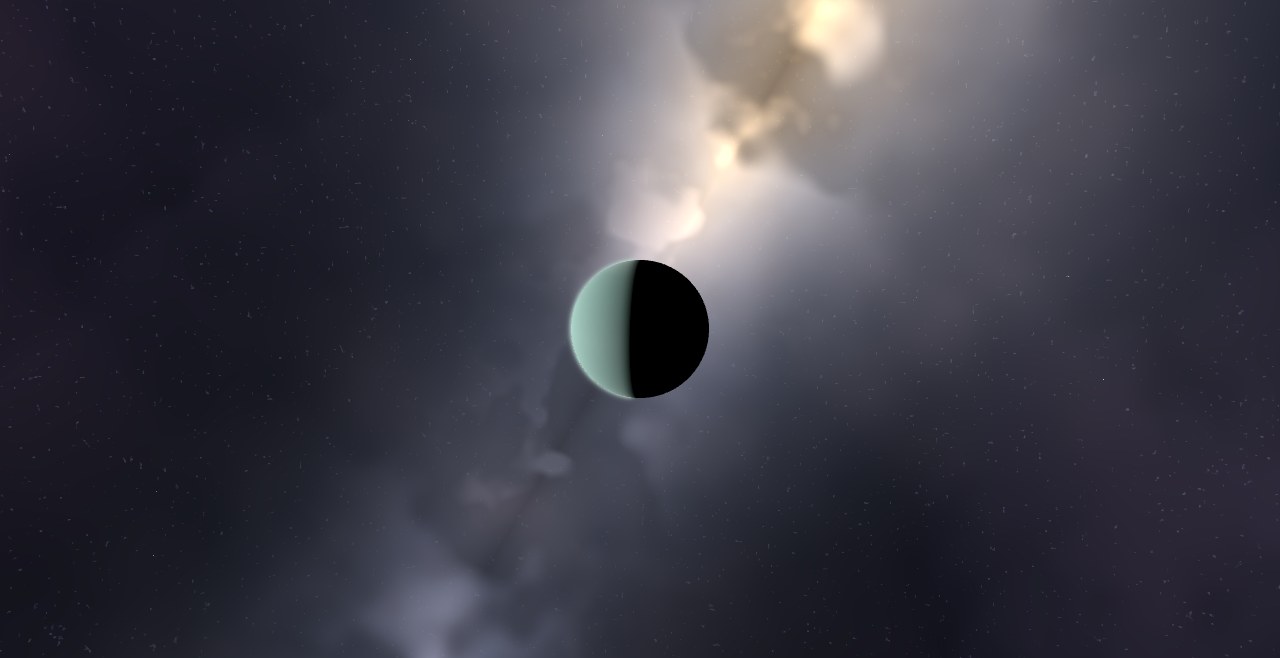
NGTS-34, a Sun-like F-type star of 1.27 solar masses, and NGTS-34 b, a 0.06-Jupiter-mass companion, with an orbital period of 43.1 days, at 0.257 AU from its star, and an equilibrium temperature near 624 K.
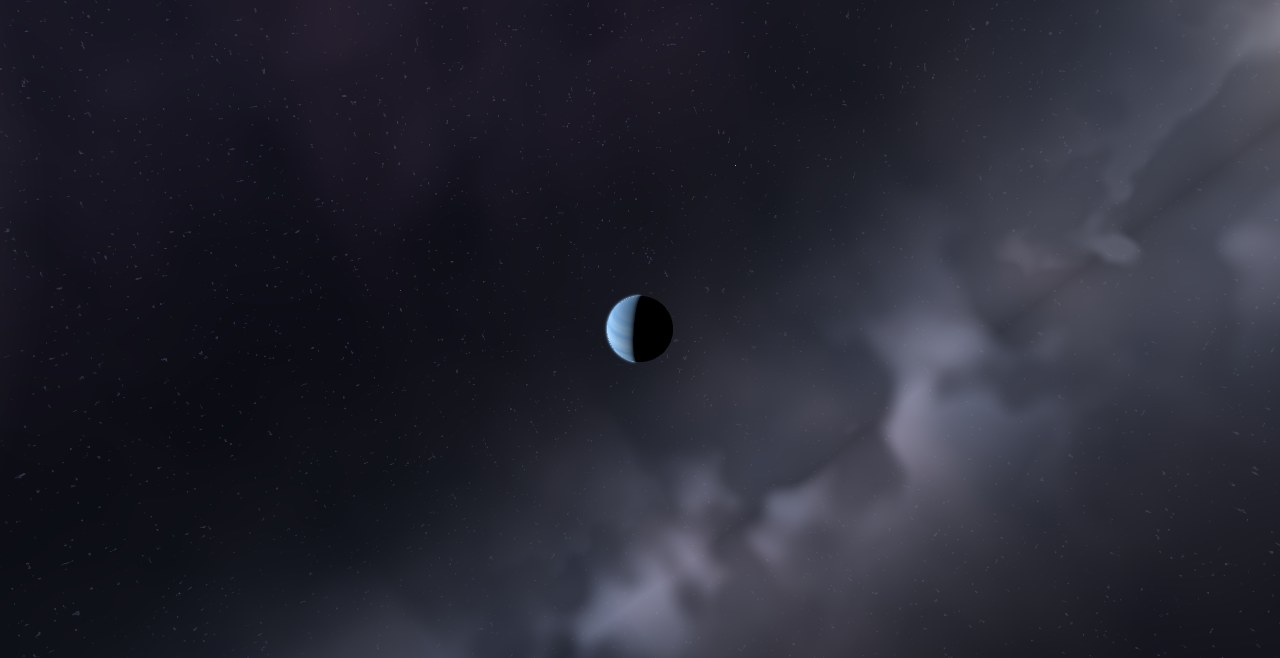
NGTS-35, an orange K-type dwarf of 0.79 solar masses, and NGTS-35 b, a 0.48-Jupiter-mass companion, with an orbital period of 25.2 days, at 0.160 AU from its star, and an equilibrium temperature near 451 K.
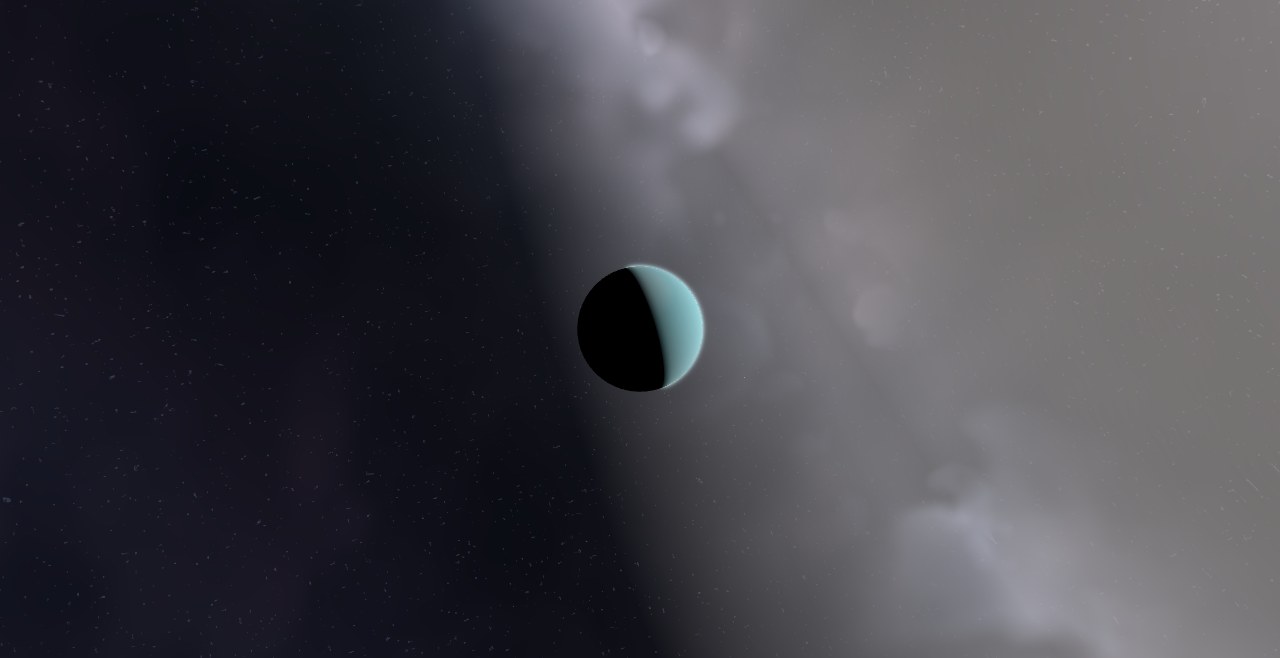
NGTS-4, an orange K-type dwarf of 0.75 solar masses, and NGTS-4 b, a 0.06-Jupiter-mass companion, with an orbital period of 1.3 days, at 0.019 AU from its star, and an equilibrium temperature near 1,650 K.
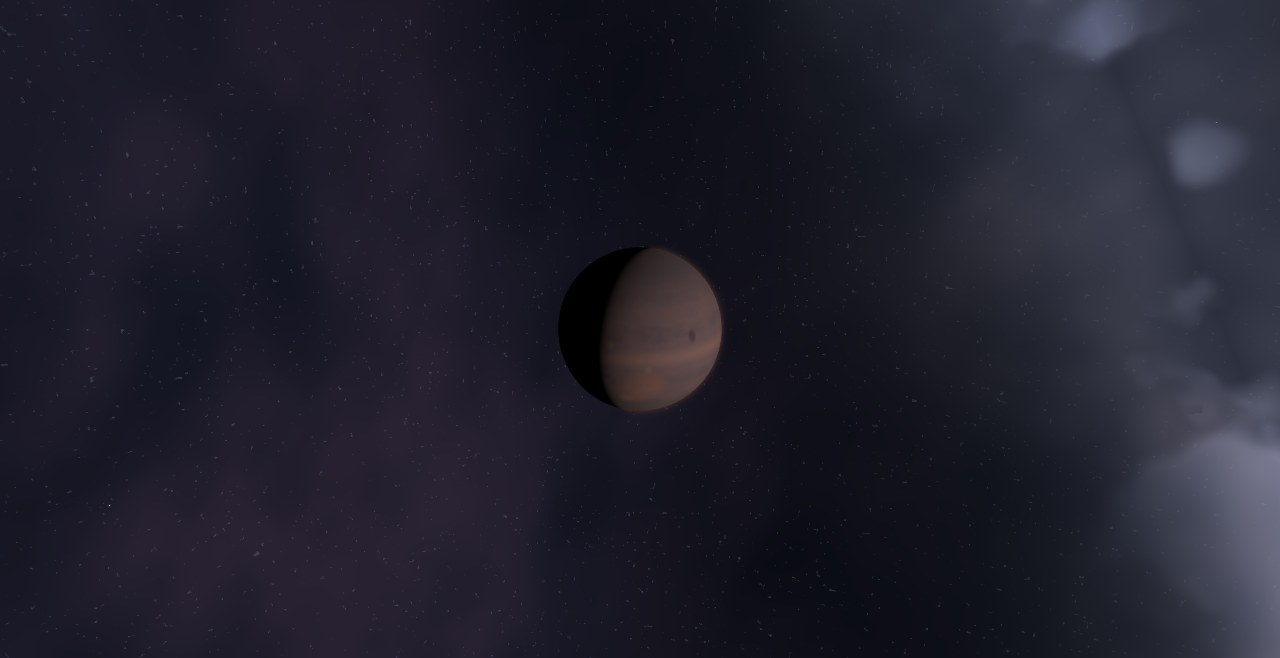
NGTS-5, an orange K-type dwarf of 0.66 solar masses, and NGTS-5 b, a 0.23-Jupiter-mass companion, with an orbital period of 3.4 days, at 0.038 AU from its star, and an equilibrium temperature near 952 K.
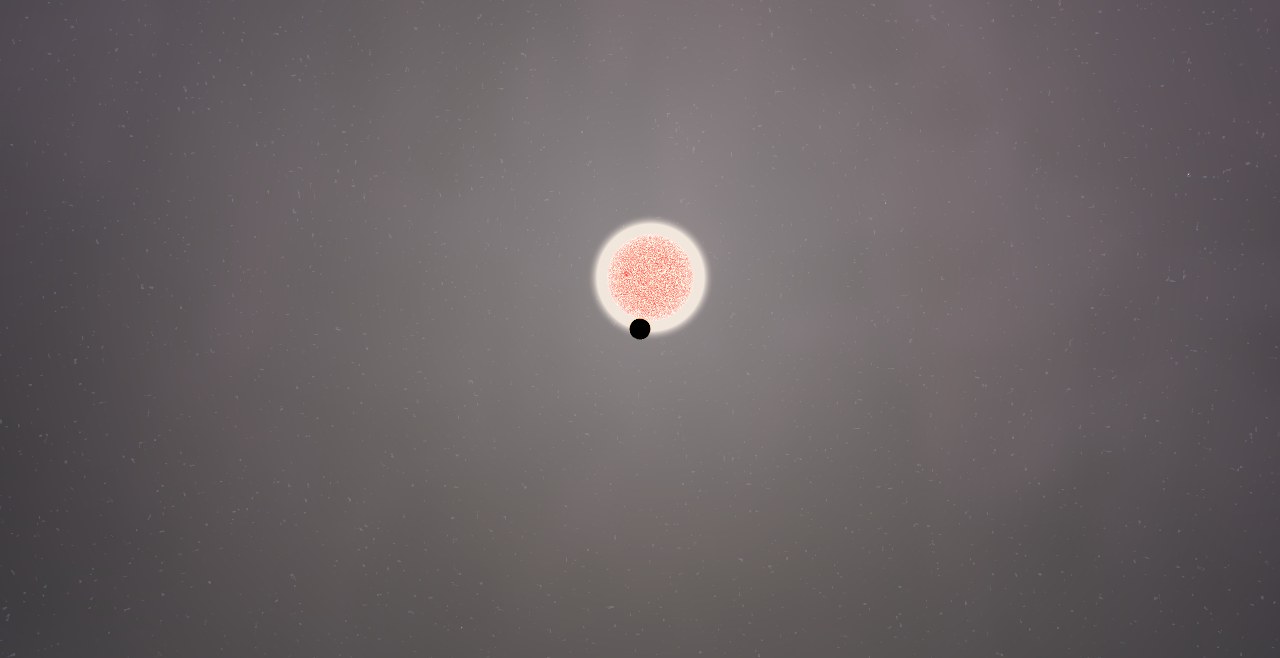
NGTS-6, an orange K-type dwarf of 0.77 solar masses, and NGTS-6 b, a 1.34-Jupiter-mass companion, with an orbital period of 21.2 hours, at 0.017 AU from its star, and an equilibrium temperature near 1,284 K.
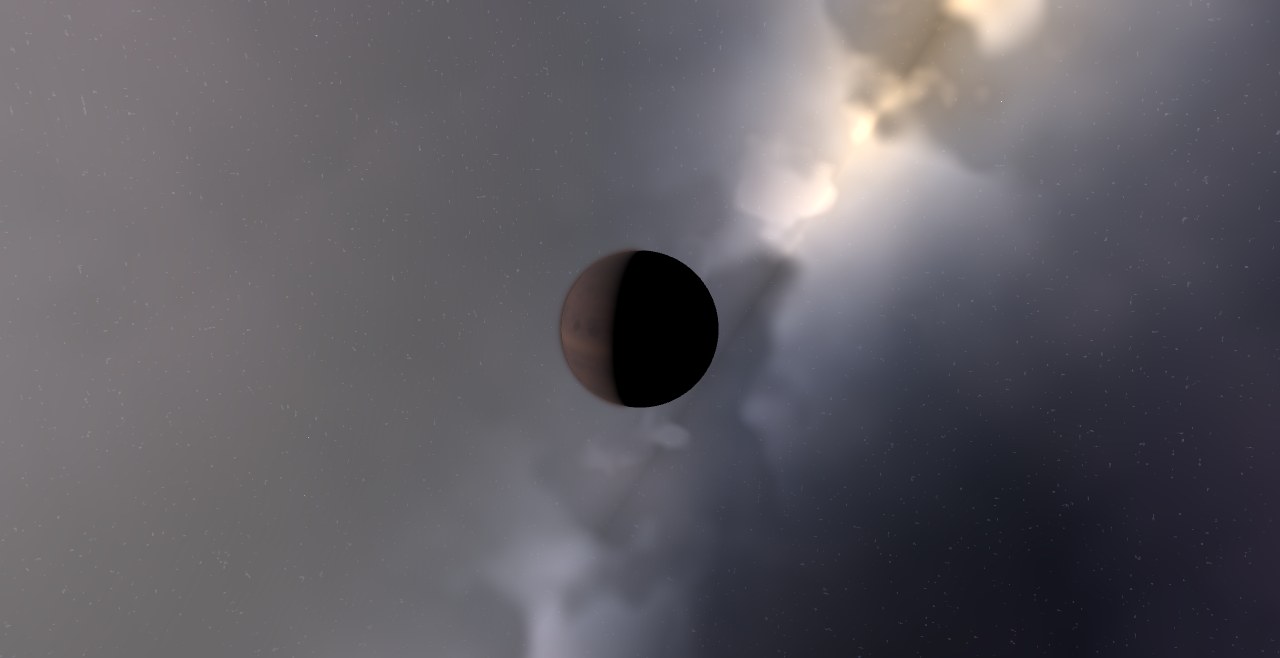
NGTS-8, an orange K-type dwarf of 0.89 solar masses, and NGTS-8 b, a 0.93-Jupiter-mass companion, with an orbital period of 2.5 days, at 0.035 AU from its star, and an equilibrium temperature near 1,345 K.
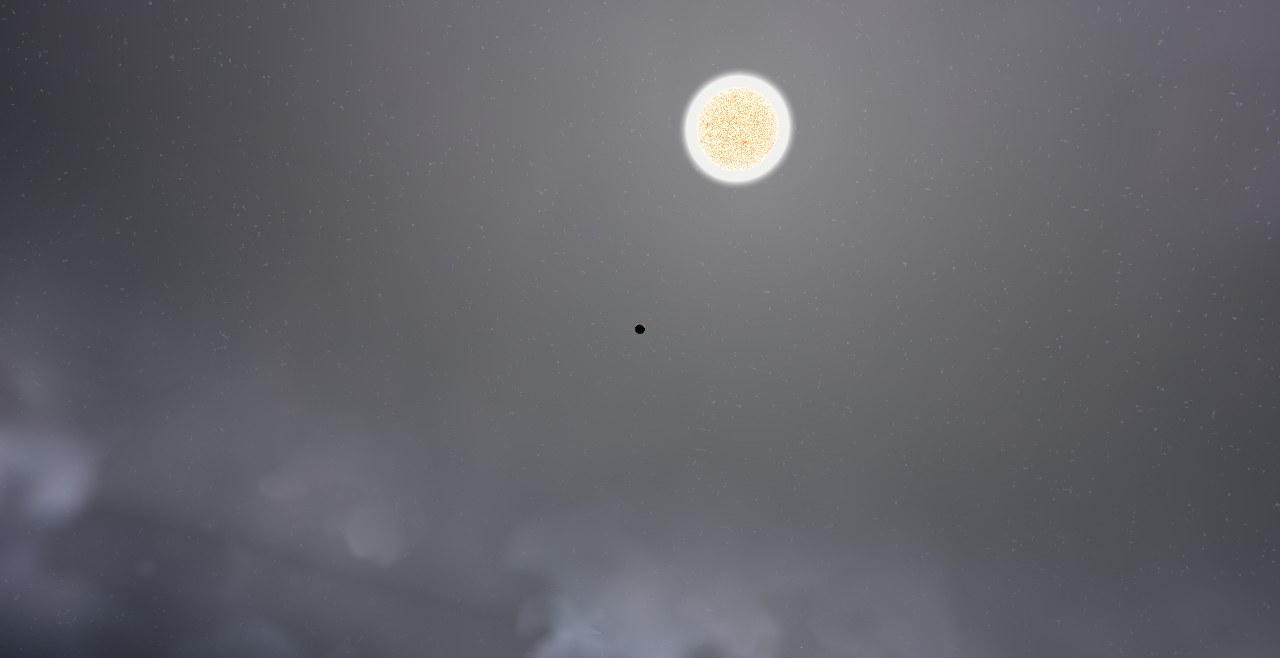
NGTS-9, a Sun-like F-type star of 1.34 solar masses, and NGTS-9 b, a 2.90-Jupiter-mass companion, with an orbital period of 4.4 days, at 0.058 AU from its star, and an equilibrium temperature near 1,448 K.
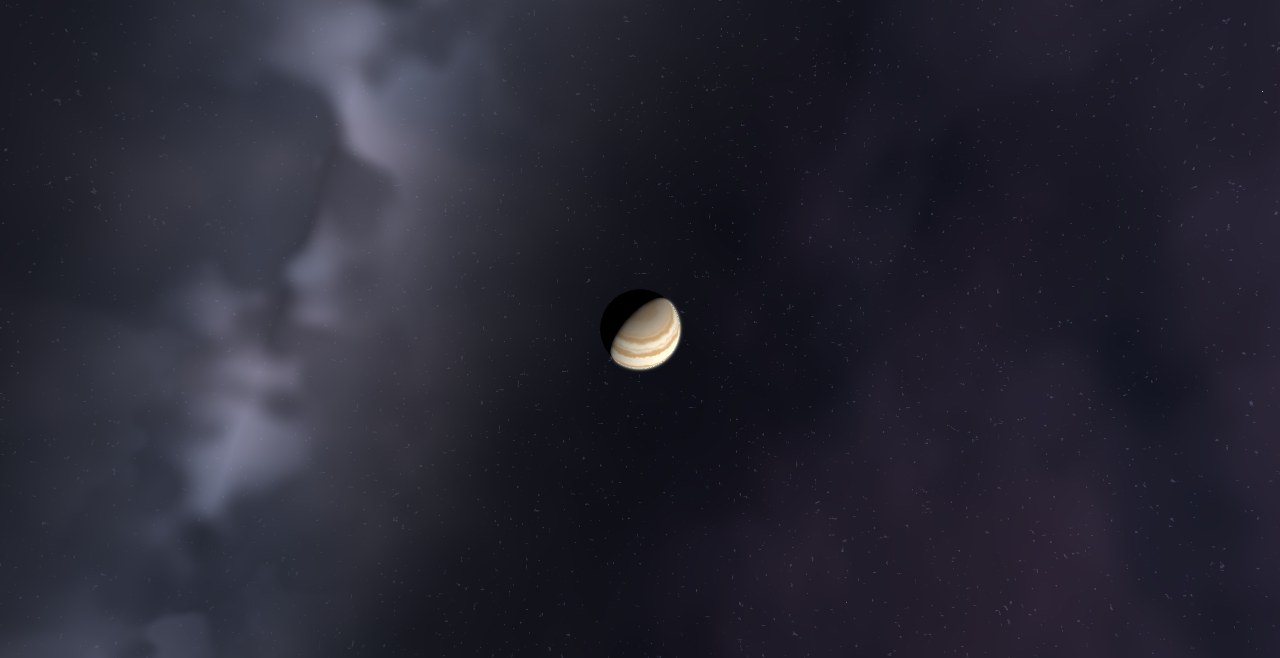
NSVS 14256825, and NSVS 14256825 b, a 14.2-Jupiter-mass companion, with an orbital period of 8.83 years, at 3.120 AU from its star, on an eccentric orbit (e ≈ 0.12).
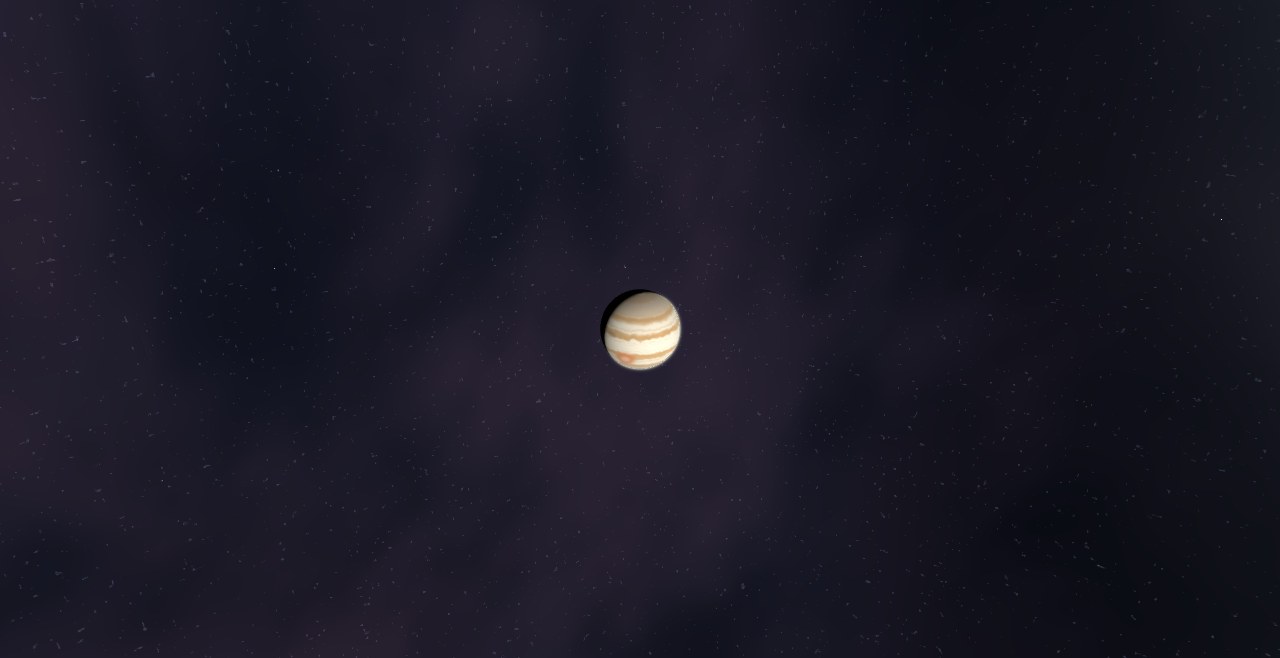
NY Vir, and NY Vir b, a 2.66-Jupiter-mass companion, with an orbital period of 8.65 years, on an eccentric orbit (e ≈ 0.15).
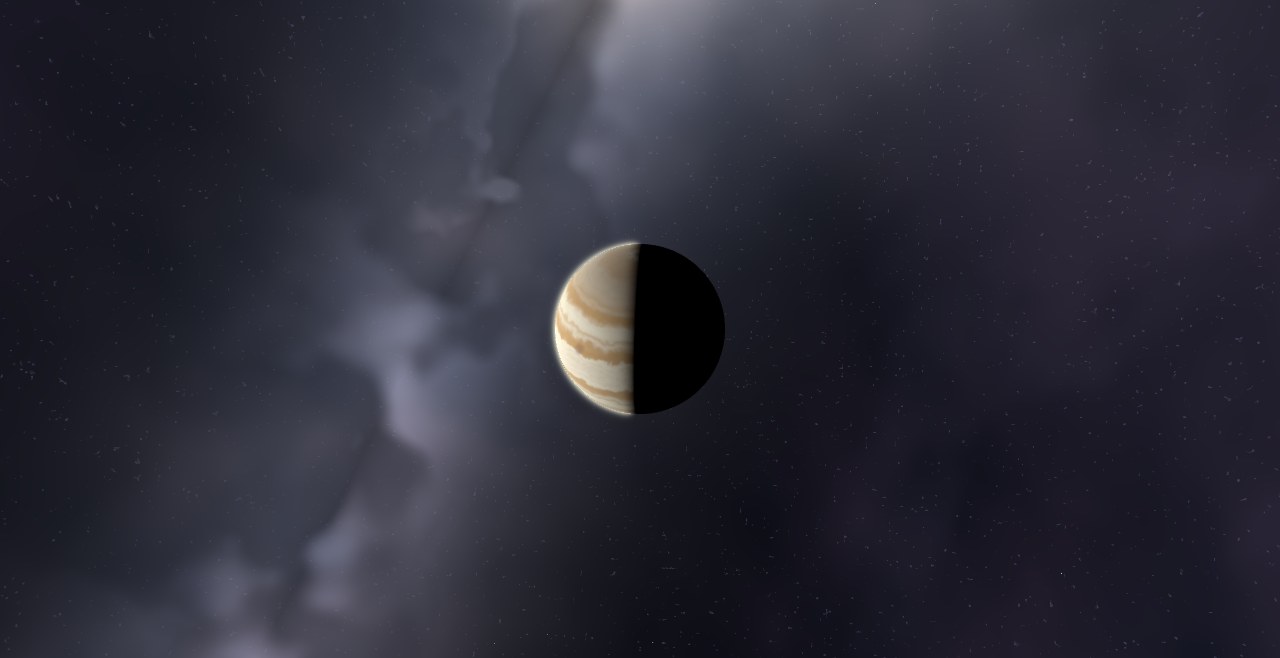
OGLE-2003-BLG-235L, an orange K-type dwarf of 0.63 solar masses, and OGLE-2003-BLG-235L b, a 2.60-Jupiter-mass companion, at 4.300 AU from its star.
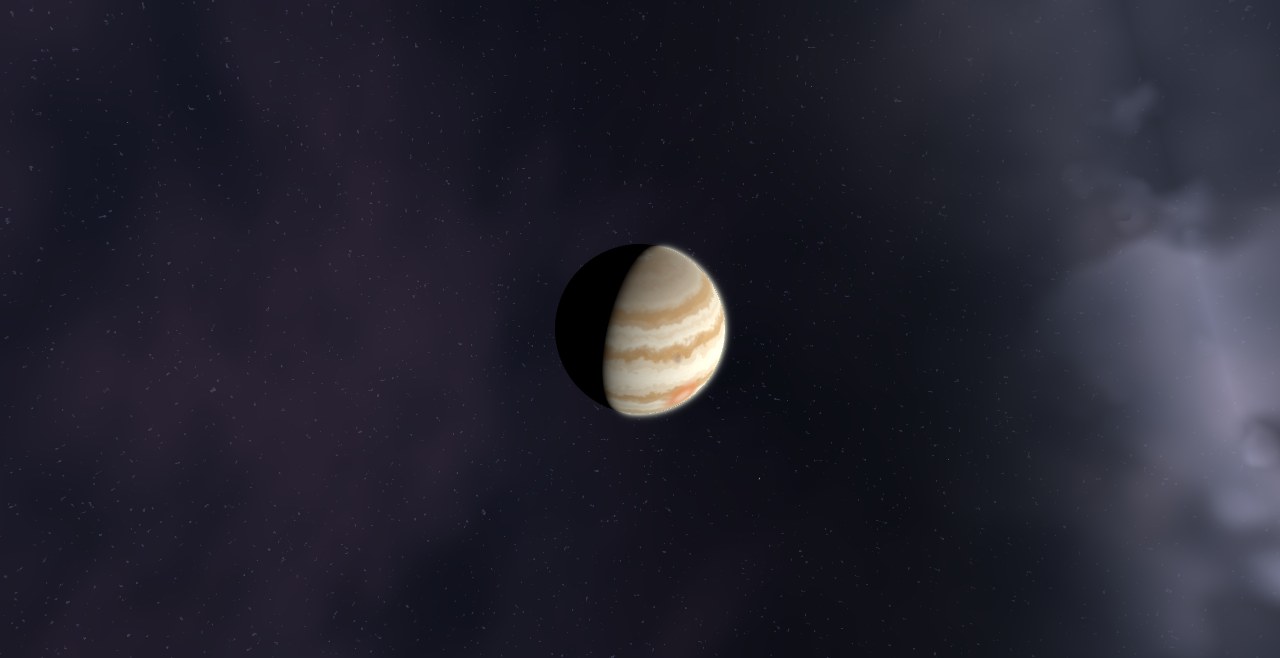
OGLE-2005-BLG-071L, a Sun-like G-type star of 0.46 solar masses, and OGLE-2005-BLG-071L b, a 3.80-Jupiter-mass companion, at 3.600 AU from its star, and an equilibrium temperature near 55.0 K.