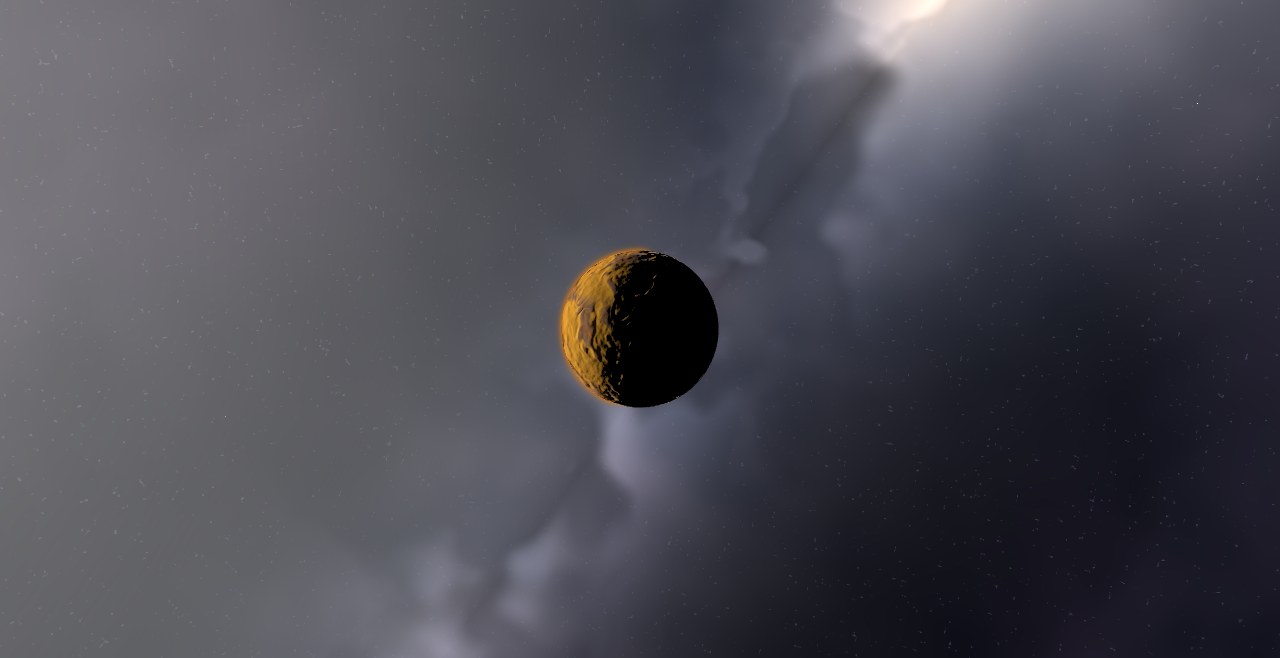
Kepler-1890 - System
Kepler-1890, a Sun-like F-type star of 1.02 solar masses, and Kepler-1890 b, a planet with 0.9 Earth radii, with an orbital period of 4.8 days.
Exoplanets
Analyze isolated alien worlds orbiting a singular host star to observe basic orbital parameters, tidal locks, and planetary eccentricities.
Share
Kepler-1890, a Sun-like F-type star of 1.02 solar masses, and Kepler-1890 b, a planet with 0.9 Earth radii, with an orbital period of 4.8 days.
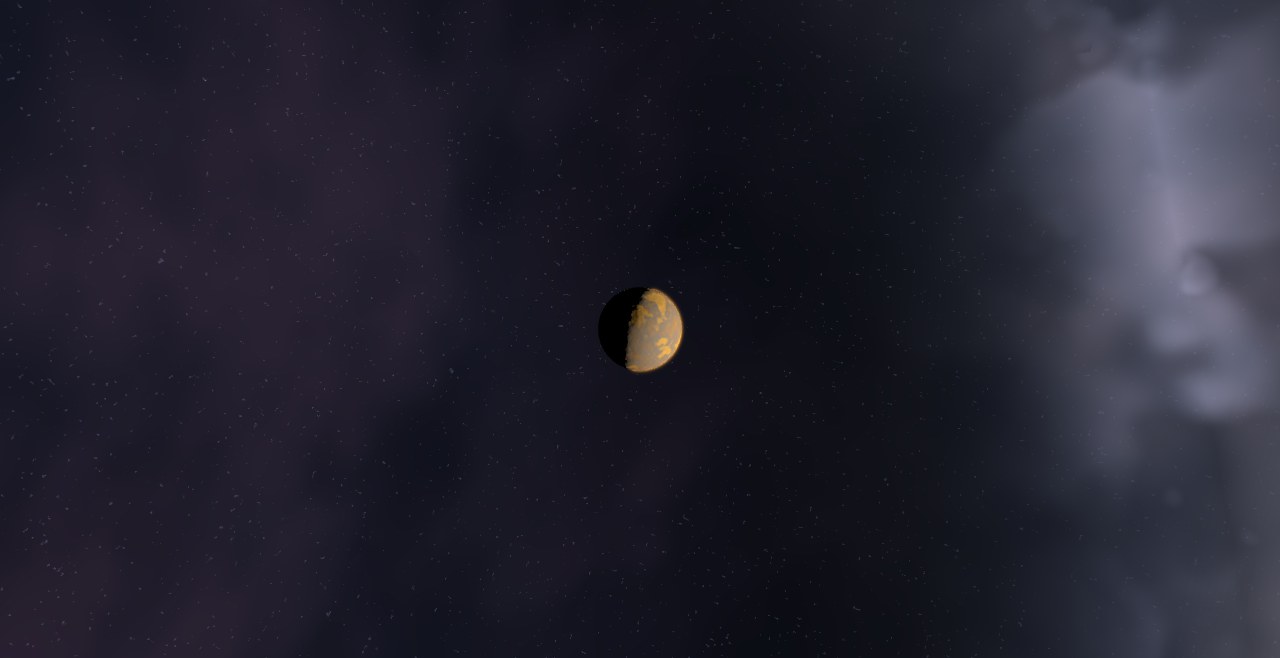
Kepler-1891, a Sun-like G-type star of 0.87 solar masses, and Kepler-1891 b, a planet with 1.5 Earth radii, with an orbital period of 4.0 days.
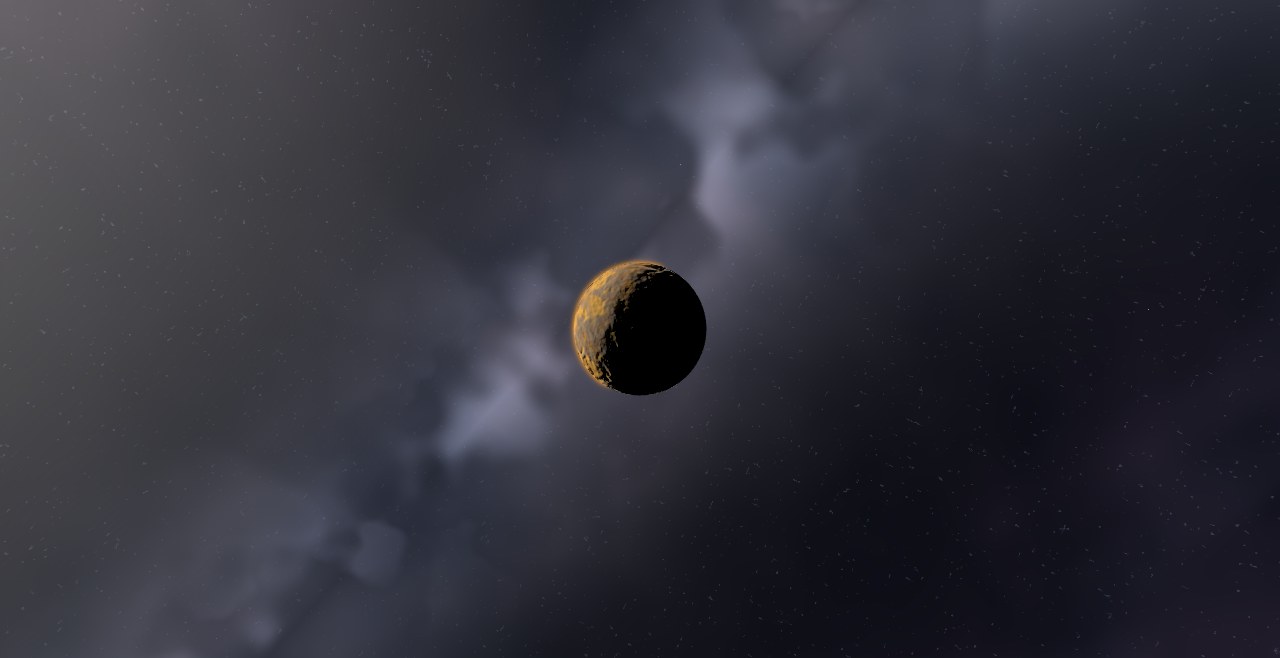
Kepler-1892, a Sun-like G-type star of 0.85 solar masses, and Kepler-1892 b, a planet with 1.8 Earth radii, with an orbital period of 6.3 days.
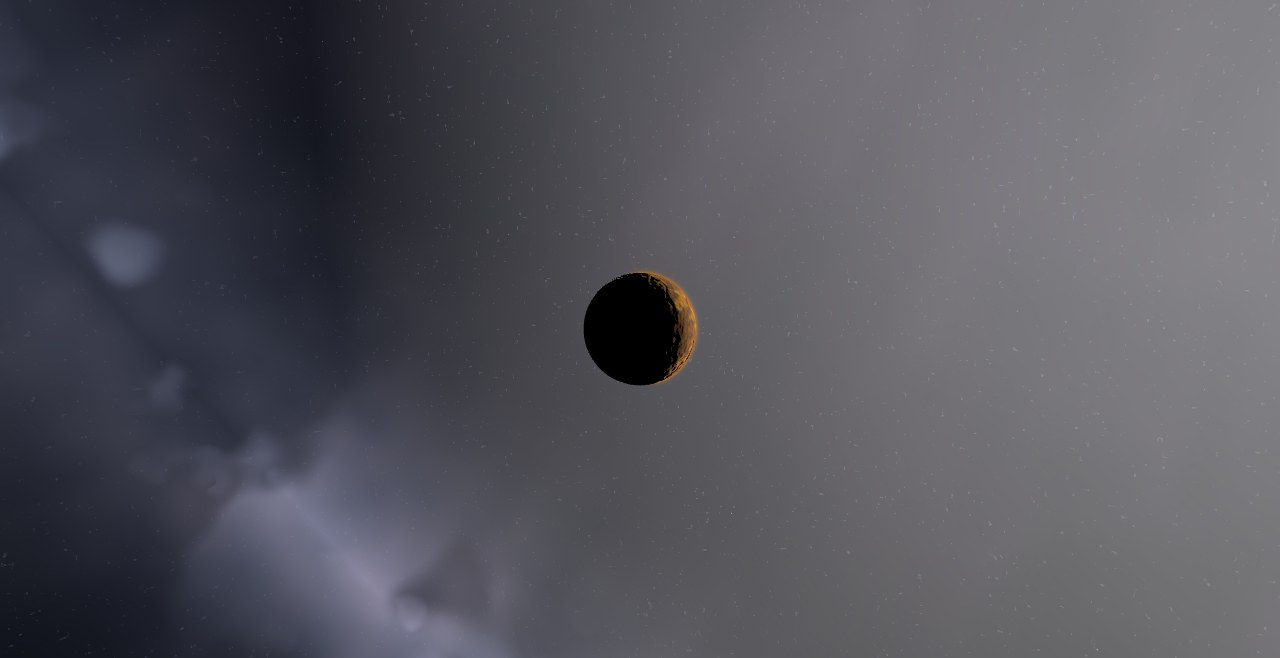
Kepler-1893, a Sun-like G-type star of 0.97 solar masses, and Kepler-1893 b, a planet with 1.7 Earth radii, with an orbital period of 4.2 days.
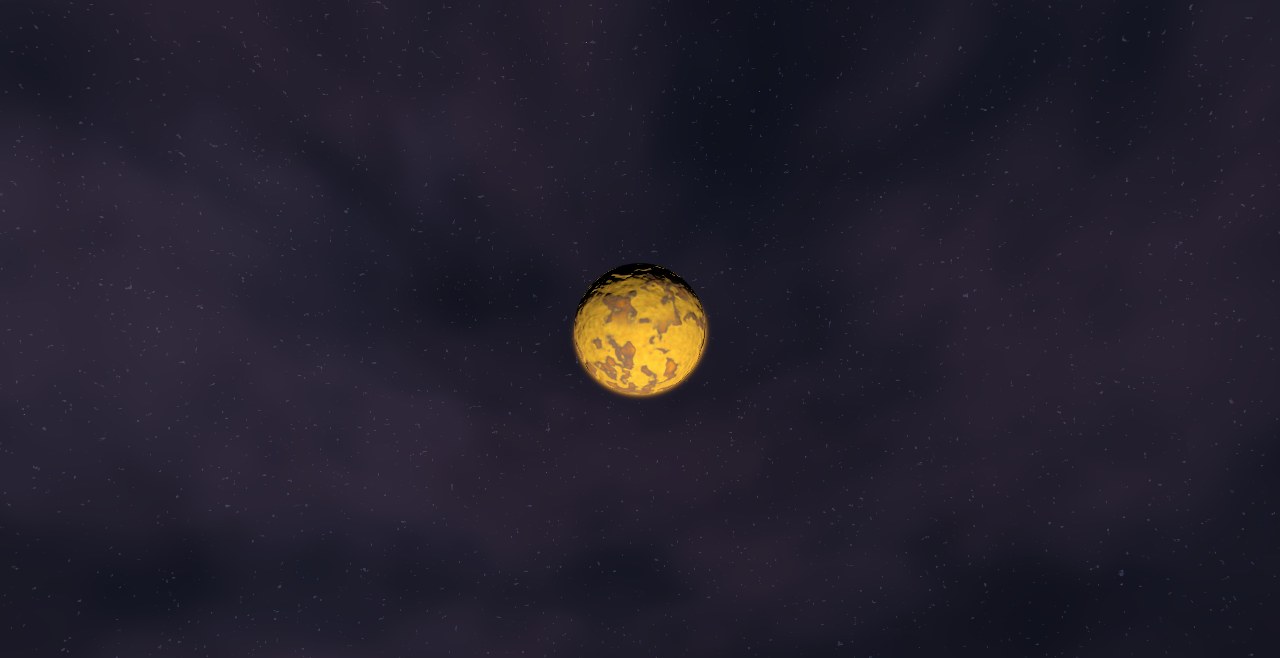
Kepler-1895, an orange K-type dwarf of 0.86 solar masses, and Kepler-1895 b, a planet with 2.1 Earth radii, with an orbital period of 6.1 days.
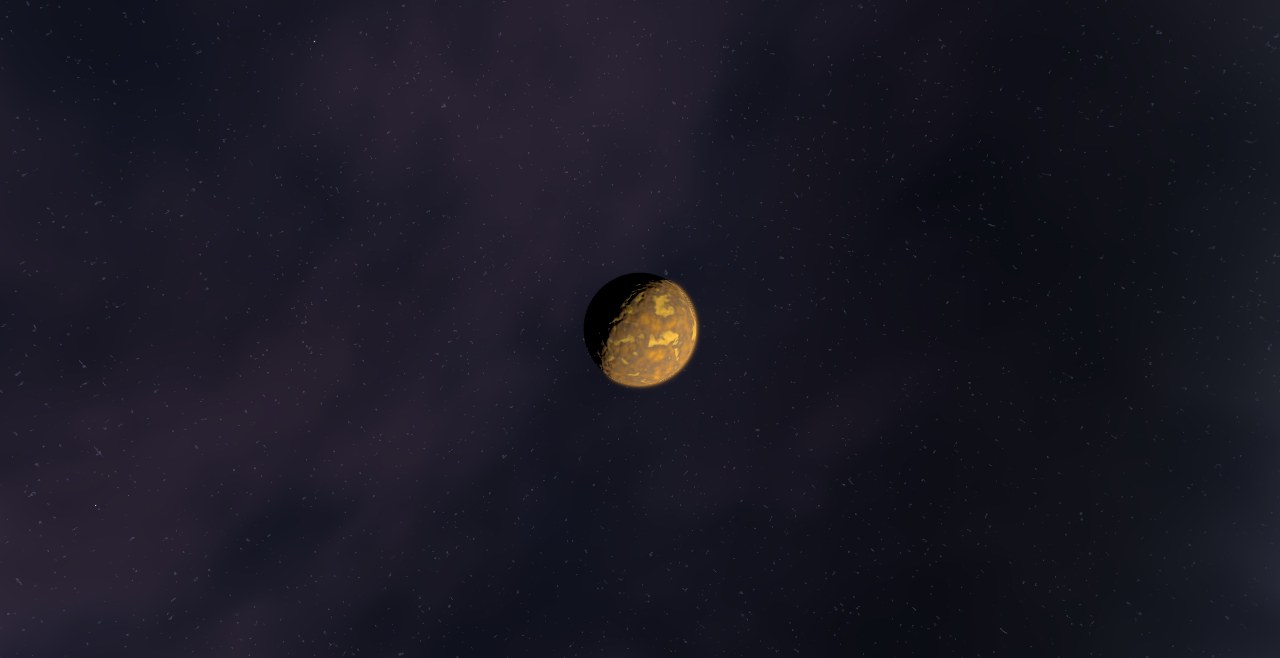
Kepler-1896, a Sun-like F-type star of 1.07 solar masses, and Kepler-1896 b, a planet with 3.1 Earth radii, with an orbital period of 44.9 days.
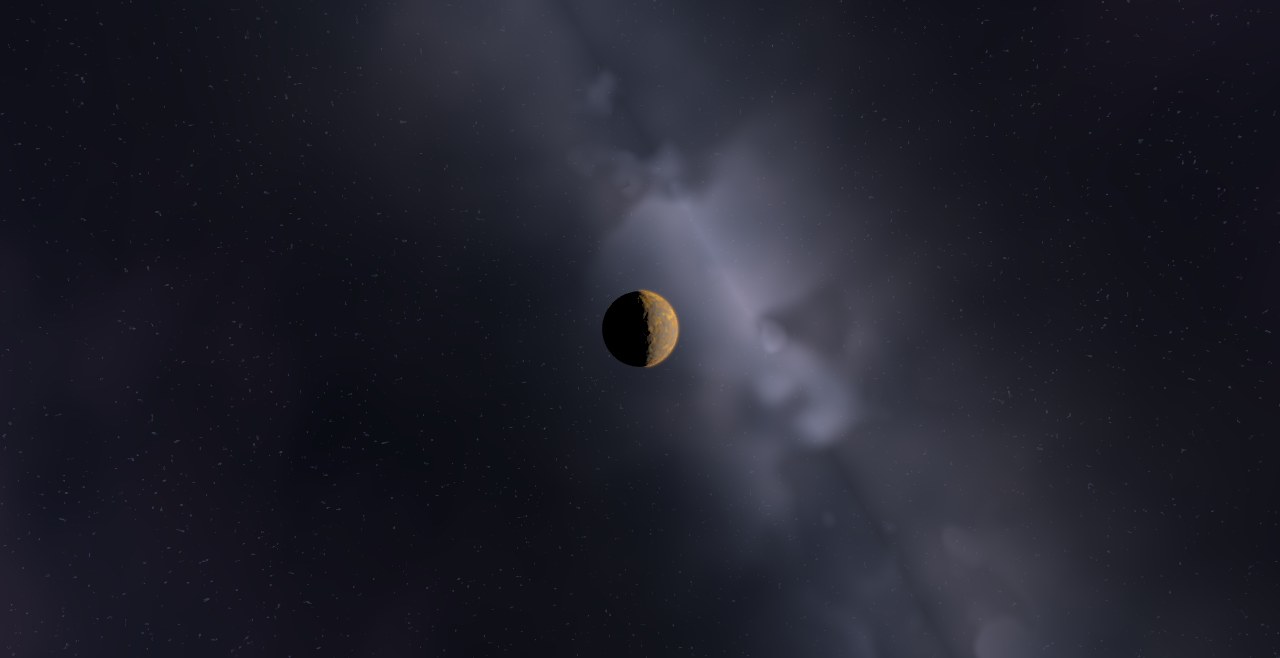
Kepler-1897, an orange K-type dwarf of 0.86 solar masses, and Kepler-1897 b, a planet with 2.8 Earth radii, with an orbital period of 24.2 days.
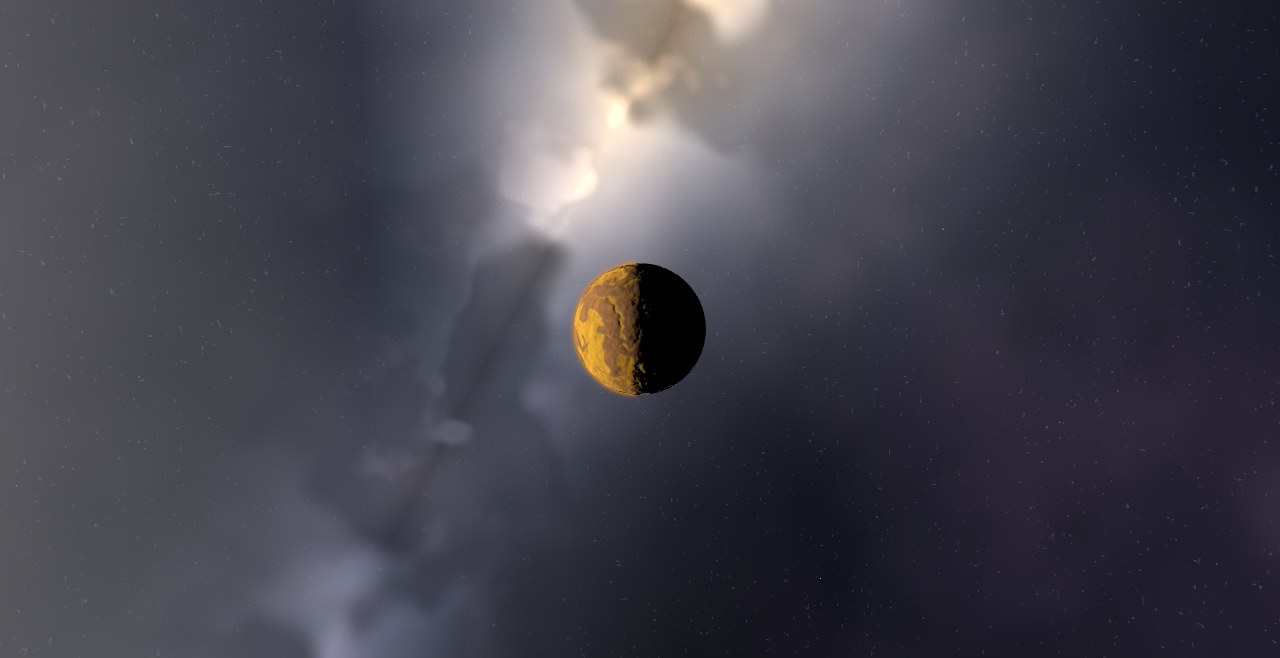
Kepler-1898, a Sun-like G-type star of 0.84 solar masses, and Kepler-1898 b, a planet with 0.9 Earth radii, with an orbital period of 4.8 days.
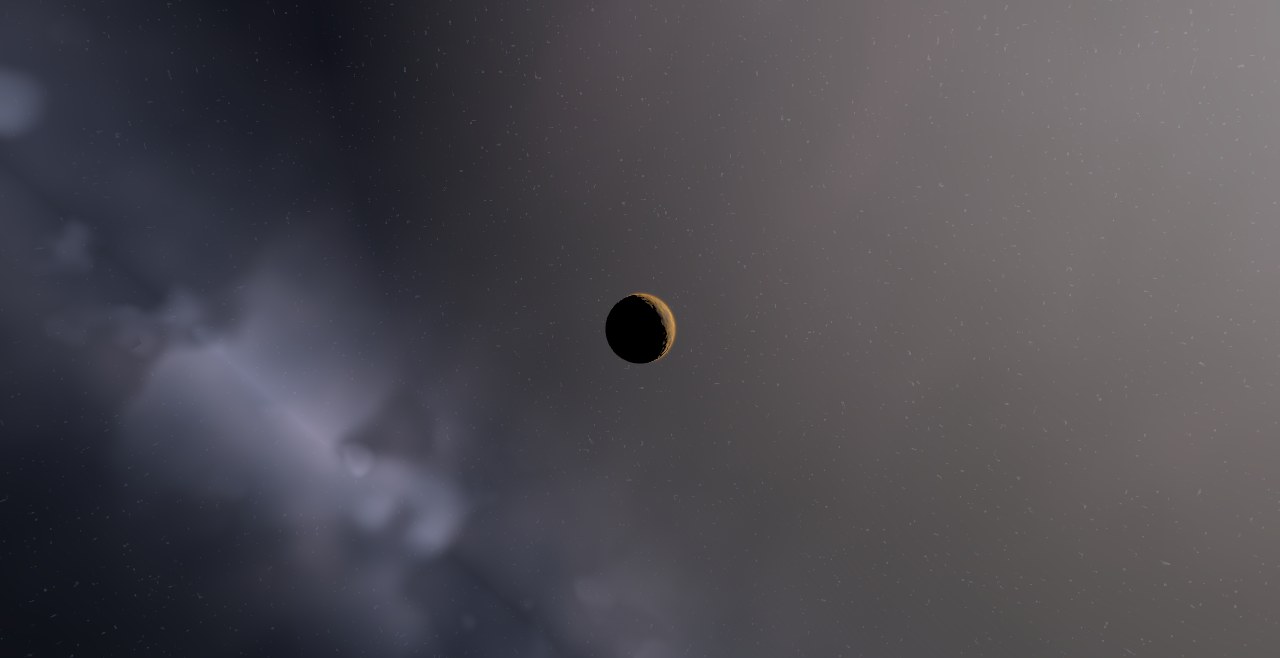
Kepler-1899, an orange K-type dwarf of 0.76 solar masses, and Kepler-1899 b, a planet with 1.6 Earth radii, with an orbital period of 4.1 days.
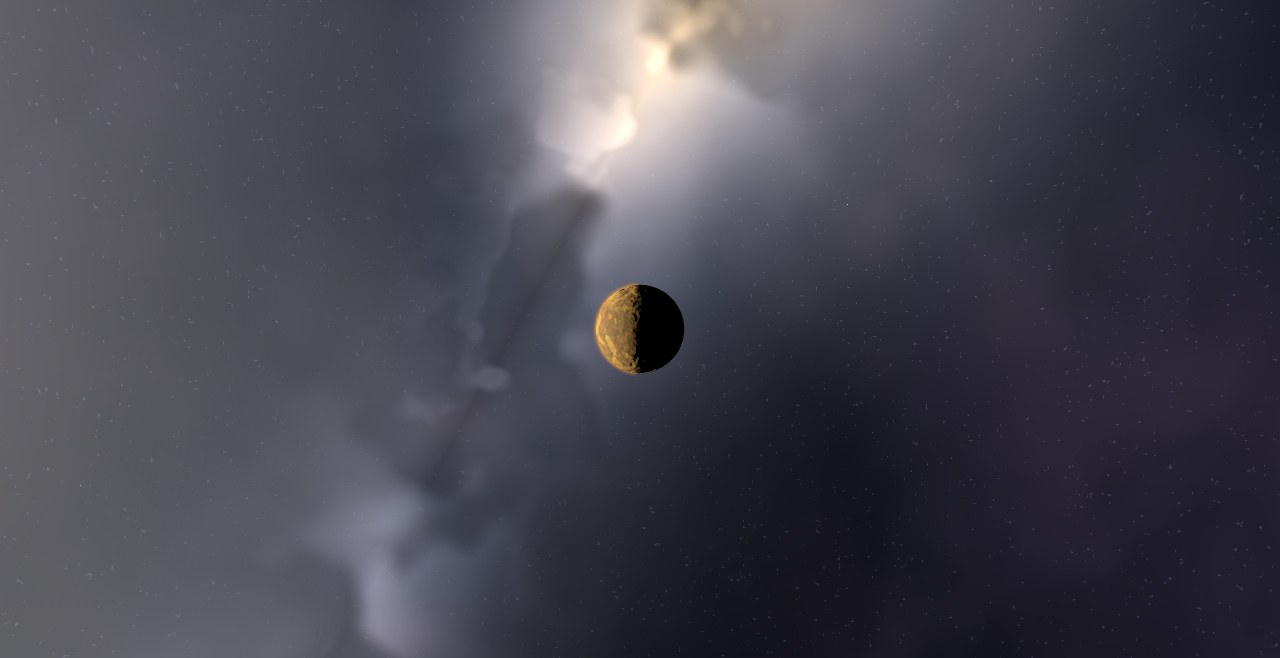
Kepler-1900, a Sun-like F-type star of 1.10 solar masses, and Kepler-1900 b, a planet with 1.6 Earth radii, with an orbital period of 3.0 days.
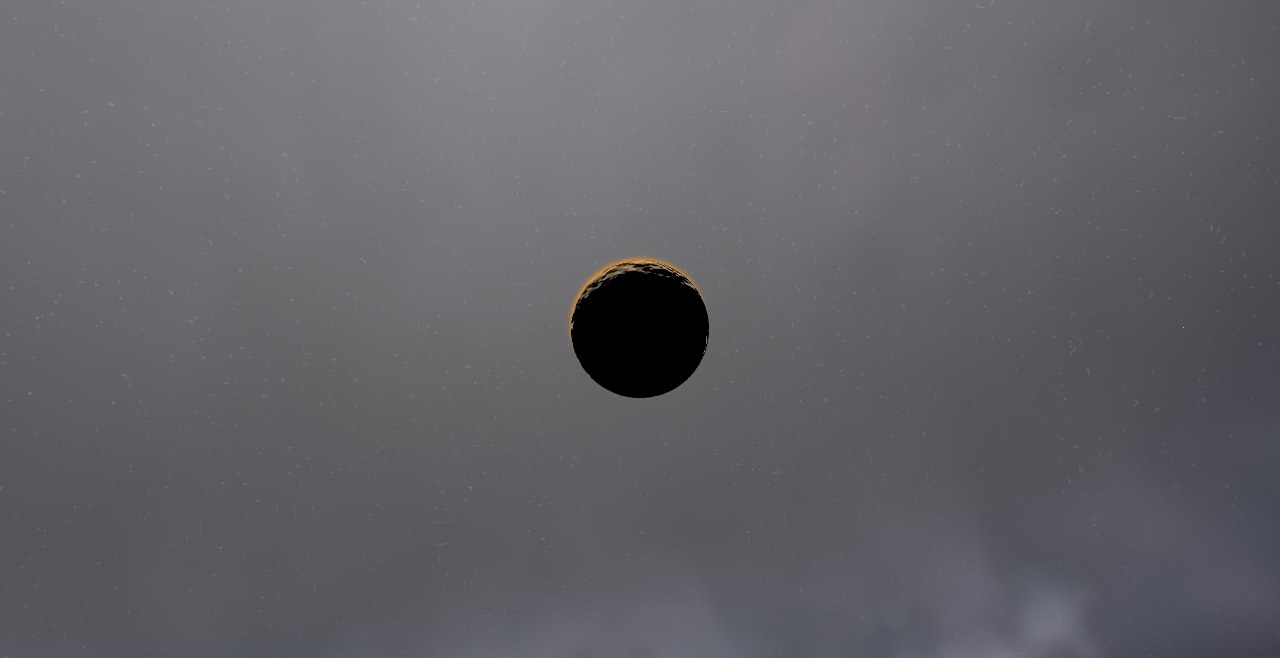
Kepler-1901, a Sun-like G-type star of 1.02 solar masses, and Kepler-1901 b, a planet with 1.5 Earth radii, with an orbital period of 3.5 days.
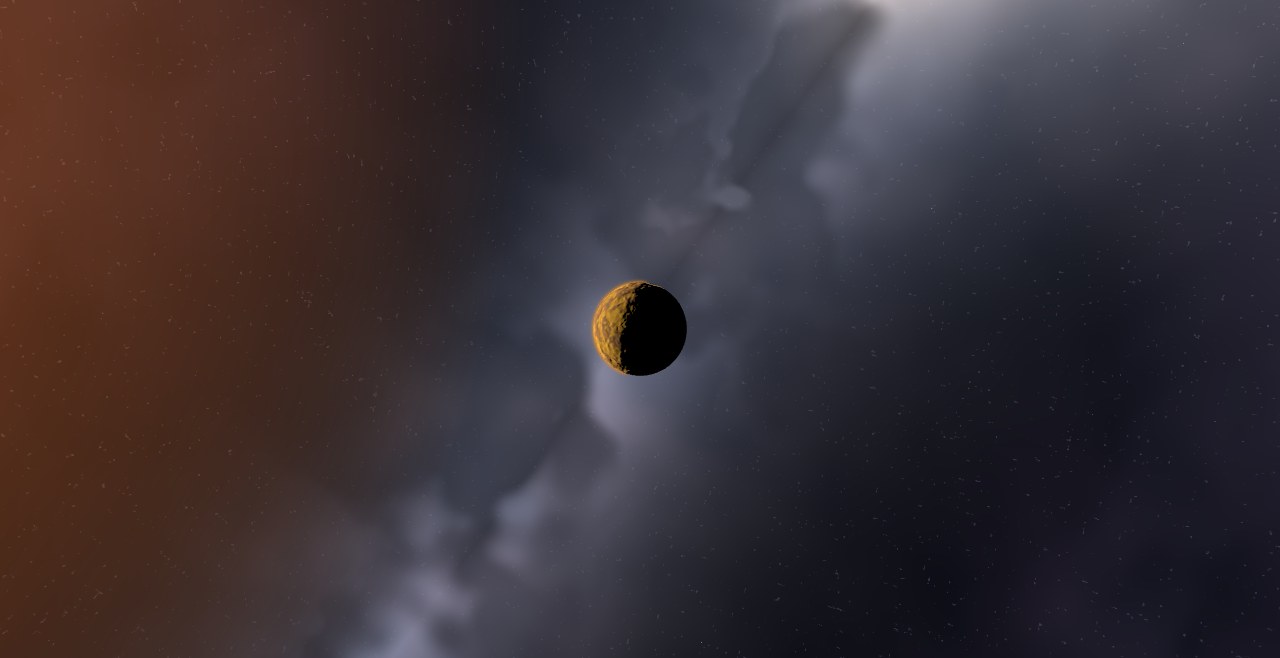
Kepler-1902, an orange K-type dwarf of 0.52 solar masses, and Kepler-1902 b, a planet with 1.2 Earth radii, with an orbital period of 3.8 days.
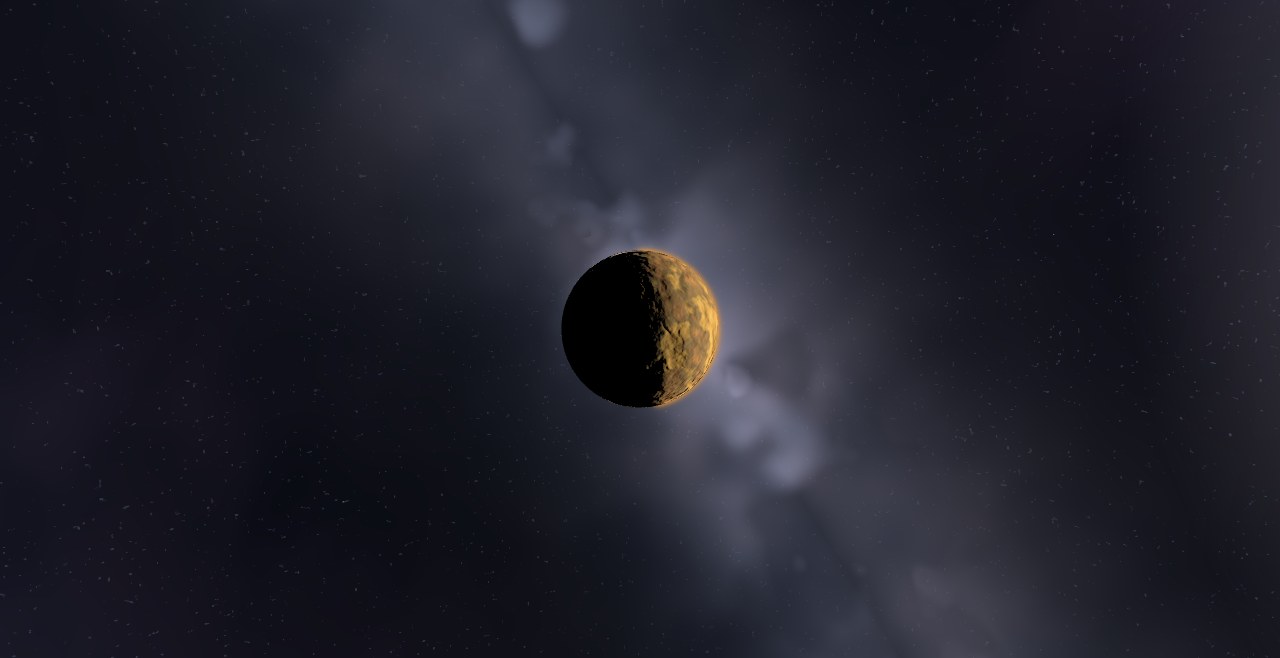
Kepler-1903, a Sun-like F-type star of 1.05 solar masses, and Kepler-1903 b, a planet with 2.3 Earth radii, with an orbital period of 17.1 days.
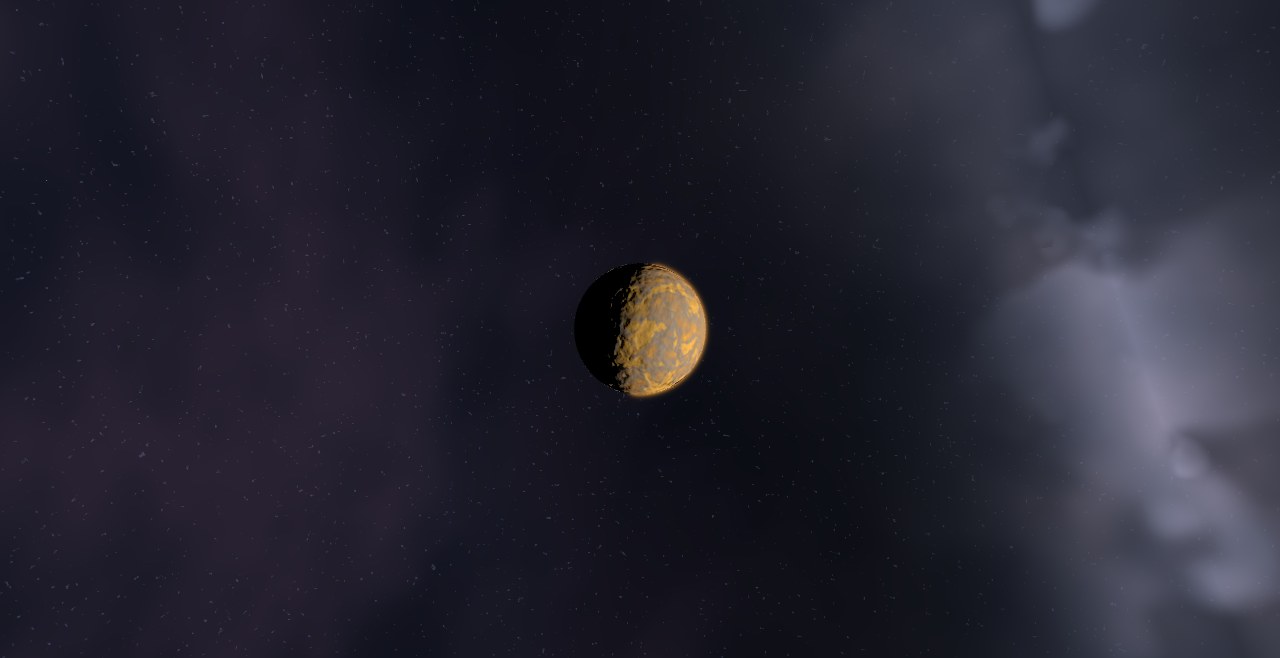
Kepler-1904, an orange K-type dwarf of 0.53 solar masses, and Kepler-1904 b, a planet with 1.4 Earth radii, with an orbital period of 4.6 days.
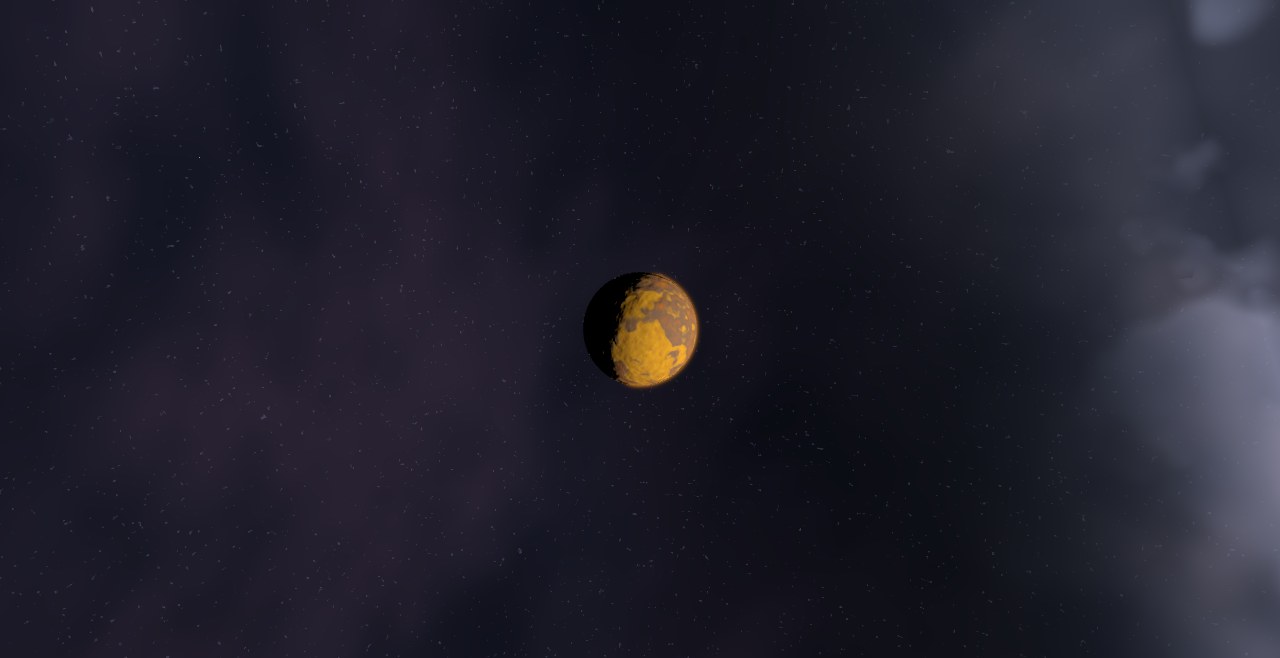
Kepler-1905, a Sun-like G-type star of 1.04 solar masses, and Kepler-1905 b, a planet with 1.4 Earth radii, with an orbital period of 3.4 days.
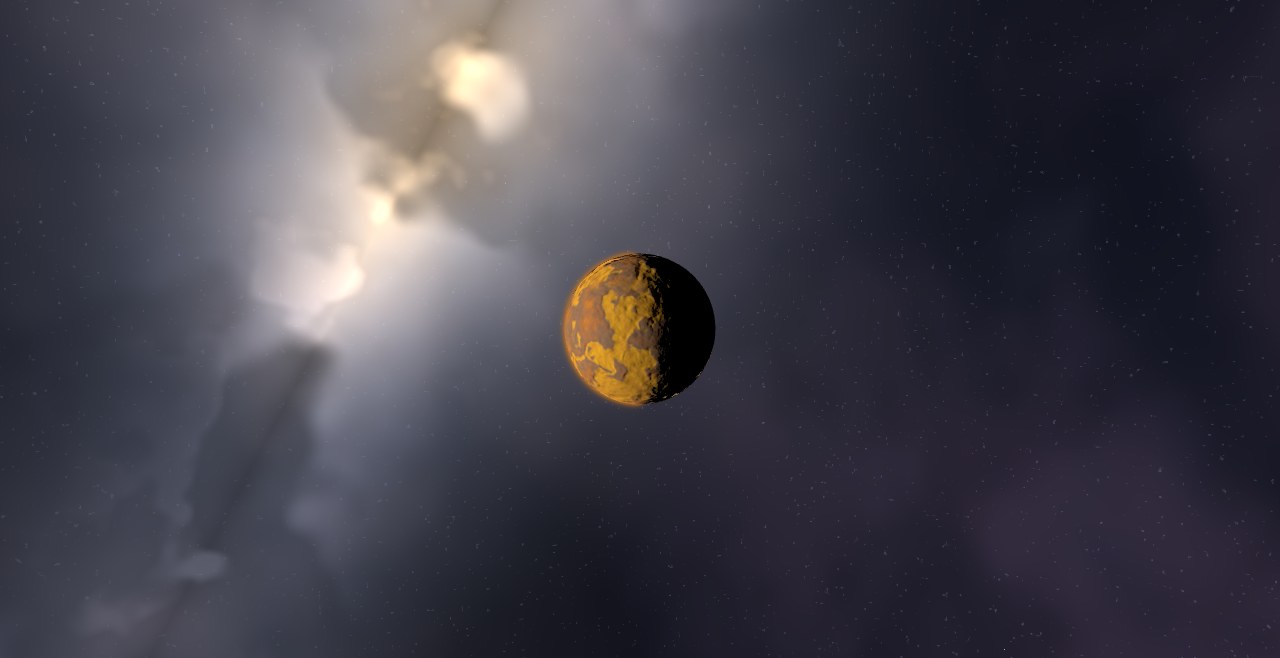
Kepler-1906, a Sun-like G-type star of 0.99 solar masses, and Kepler-1906 b, a planet with 2.8 Earth radii, with an orbital period of 7.4 days.
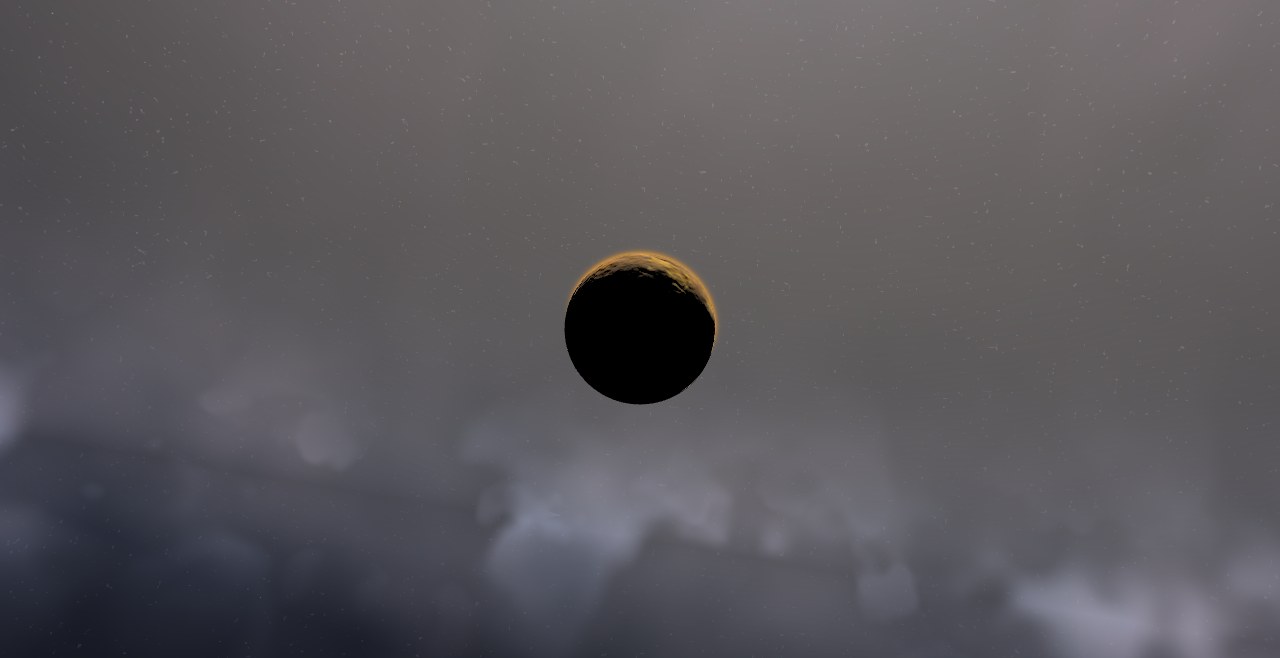
Kepler-1909, an orange K-type dwarf of 0.66 solar masses, and Kepler-1909 b, a planet with 1.1 Earth radii, with an orbital period of 2.4 days.
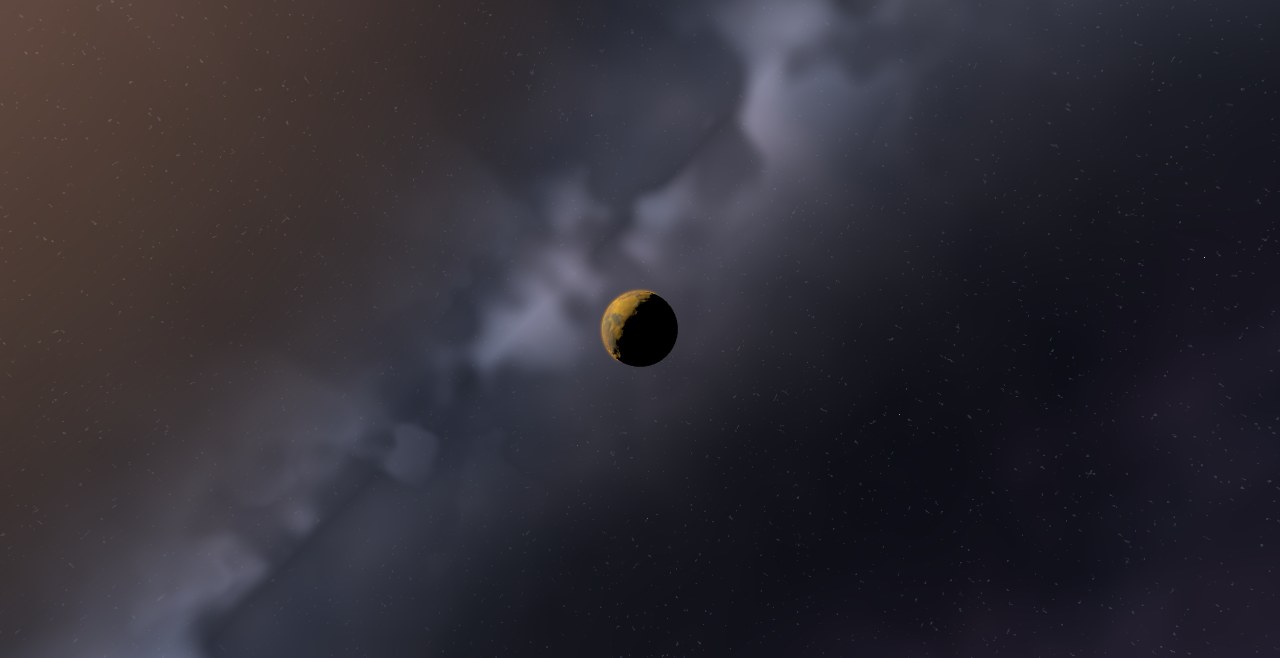
Kepler-1910, an orange K-type dwarf of 0.64 solar masses, and Kepler-1910 b, a planet with 1.2 Earth radii, with an orbital period of 5.7 days.