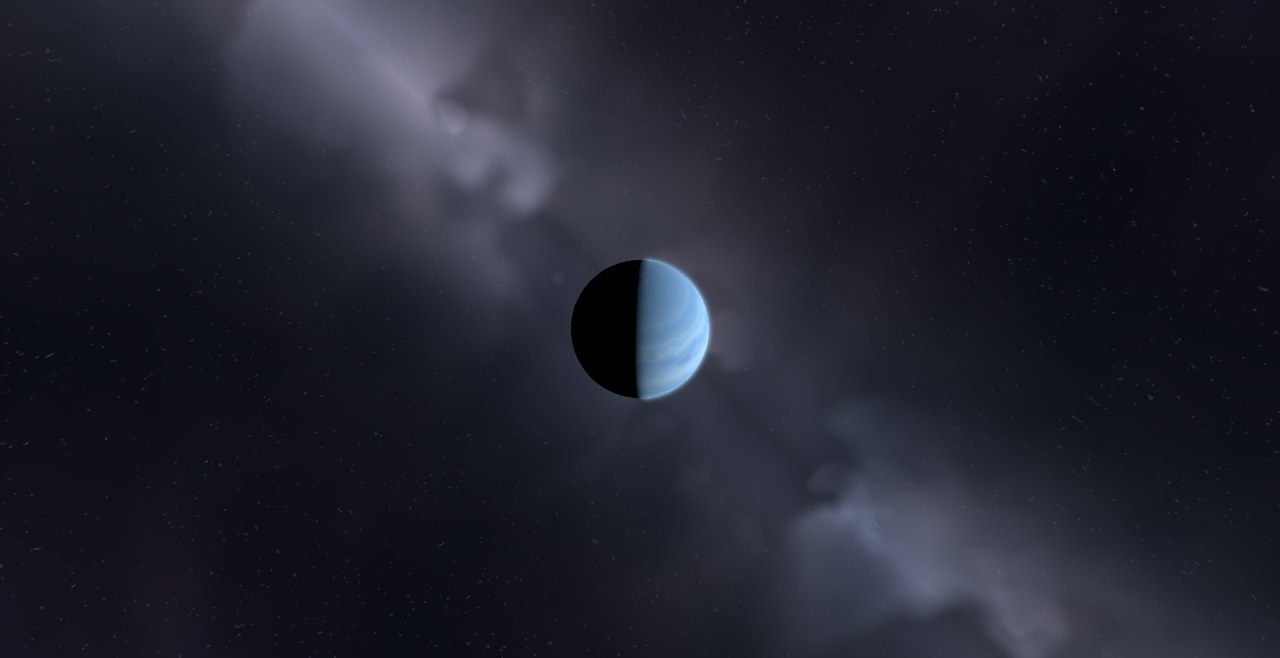
HD 4113 - System
HD 4113, a Sun-like G-type star of 1.01 solar masses, and HD 4113 b, a 1.70-Jupiter-mass companion, with an orbital period of 1.44 years, at 1.280 AU from its star, on an eccentric orbit (e ≈ 0.90).
3D Space and Gravity Simulator. Simulate the solar system, exoplanets and even colliding galaxies. Add, delete and modify planets, and change the laws of physics.
Share
HD 4113, a Sun-like G-type star of 1.01 solar masses, and HD 4113 b, a 1.70-Jupiter-mass companion, with an orbital period of 1.44 years, at 1.280 AU from its star, on an eccentric orbit (e ≈ 0.90).
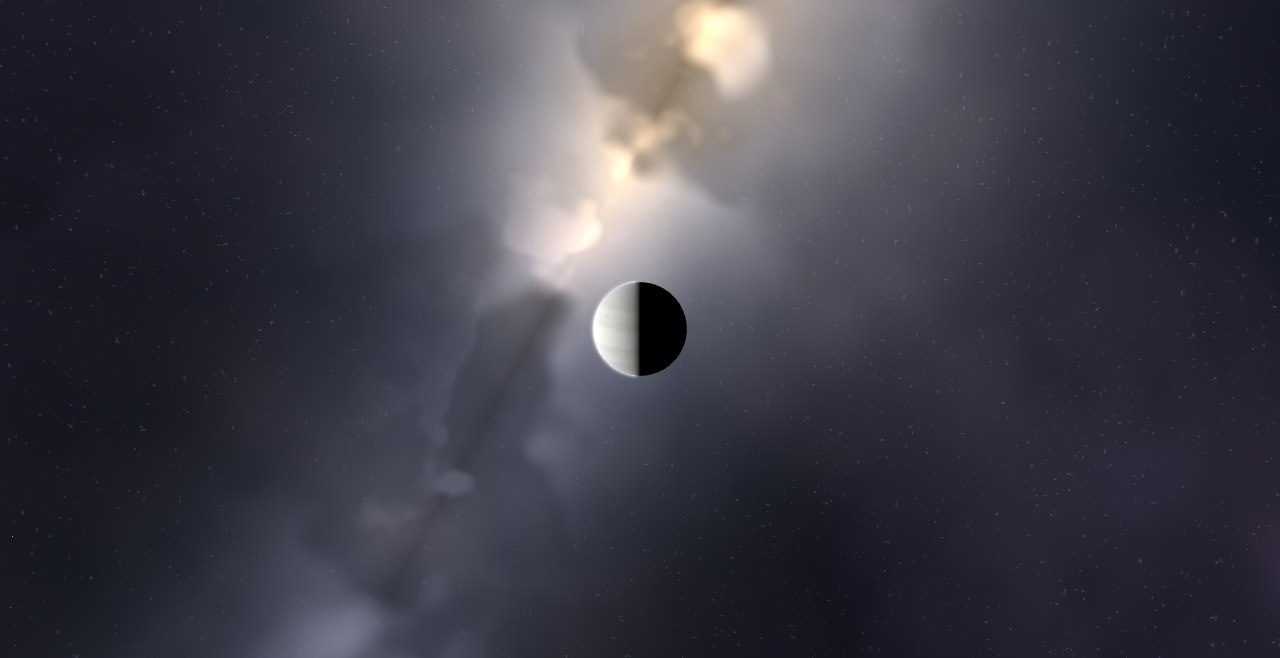
HD 42012, an orange K-type dwarf of 0.83 solar masses, and HD 42012 b, a 1.60-Jupiter-mass companion, with an orbital period of 2.35 years, at 1.670 AU from its star, on an eccentric orbit (e ≈ 0.20).
HD 4203, a Sun-like G-type star of 1.25 solar masses, and HD 4203 b, a 2.23-Jupiter-mass companion, with an orbital period of 1.18 years, at 1.170 AU from its star, on an eccentric orbit (e ≈ 0.52).
HD 4208, a Sun-like G-type star of 0.88 solar masses, and HD 4208 b, a 0.81-Jupiter-mass companion, with an orbital period of 2.28 years, at 1.662 AU from its star.
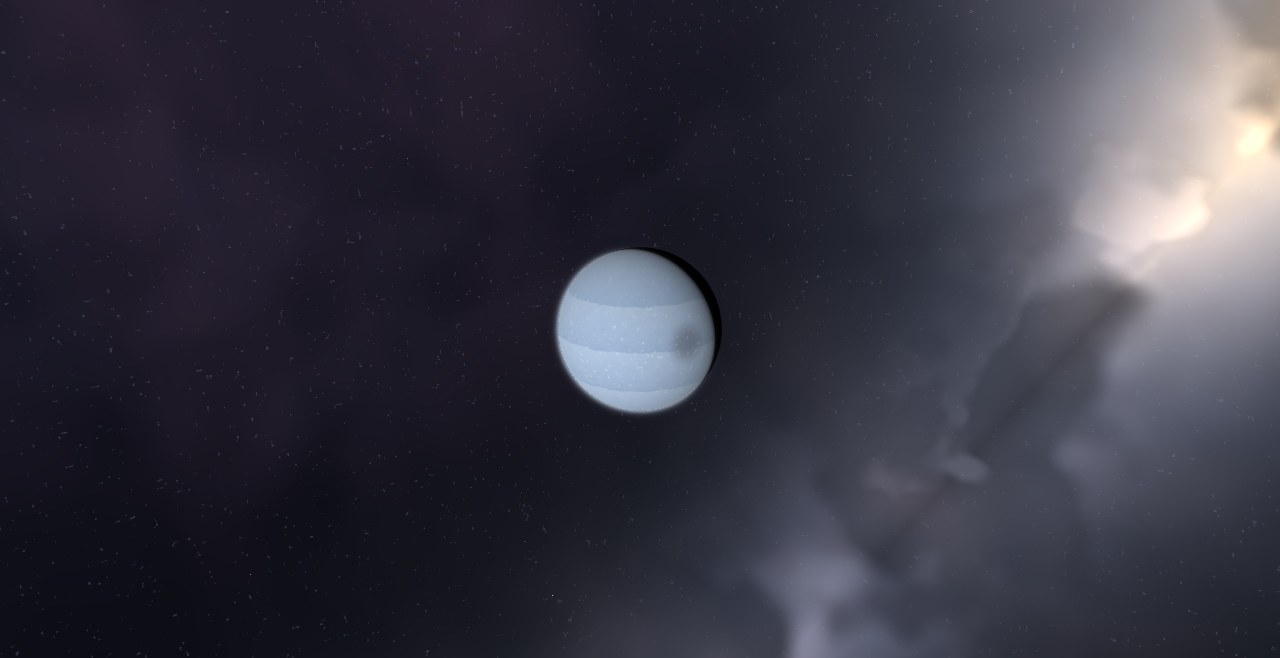
HD 42618, a Sun-like G-type star of 1.01 solar masses, and HD 42618 b, a 14.4-Earth-mass planet, with an orbital period of 150 days, at 0.554 AU from its star, and an equilibrium temperature near 337 K.
HD 4308, a Sun-like G-type star of 0.93 solar masses, and HD 4308 b, a 0.05-Jupiter-mass companion, with an orbital period of 15.6 days, at 0.120 AU from its star.
HD 4313, an orange K-type dwarf of 1.63 solar masses, and HD 4313 b, a 1.93-Jupiter-mass companion, with an orbital period of 356 days, at 1.157 AU from its star, on an eccentric orbit (e ≈ 0.15).
HD 43197, a Sun-like G-type star of 0.96 solar masses, and HD 43197 b, a 0.55-Jupiter-mass companion, with an orbital period of 309 days, at 0.882 AU from its star, on an eccentric orbit (e ≈ 0.74).
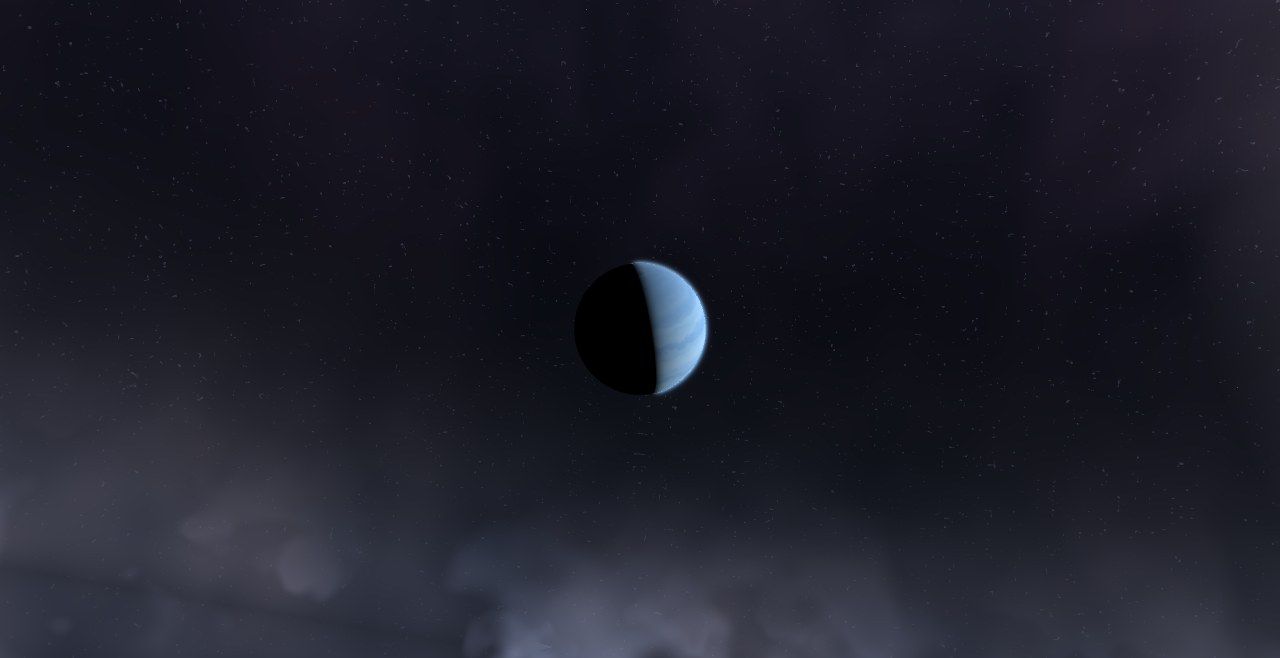
HD 43691, a Sun-like G-type star of 1.32 solar masses, and HD 43691 b, a 2.55-Jupiter-mass companion, with an orbital period of 37.0 days, at 0.238 AU from its star, on an eccentric orbit (e ≈ 0.08).
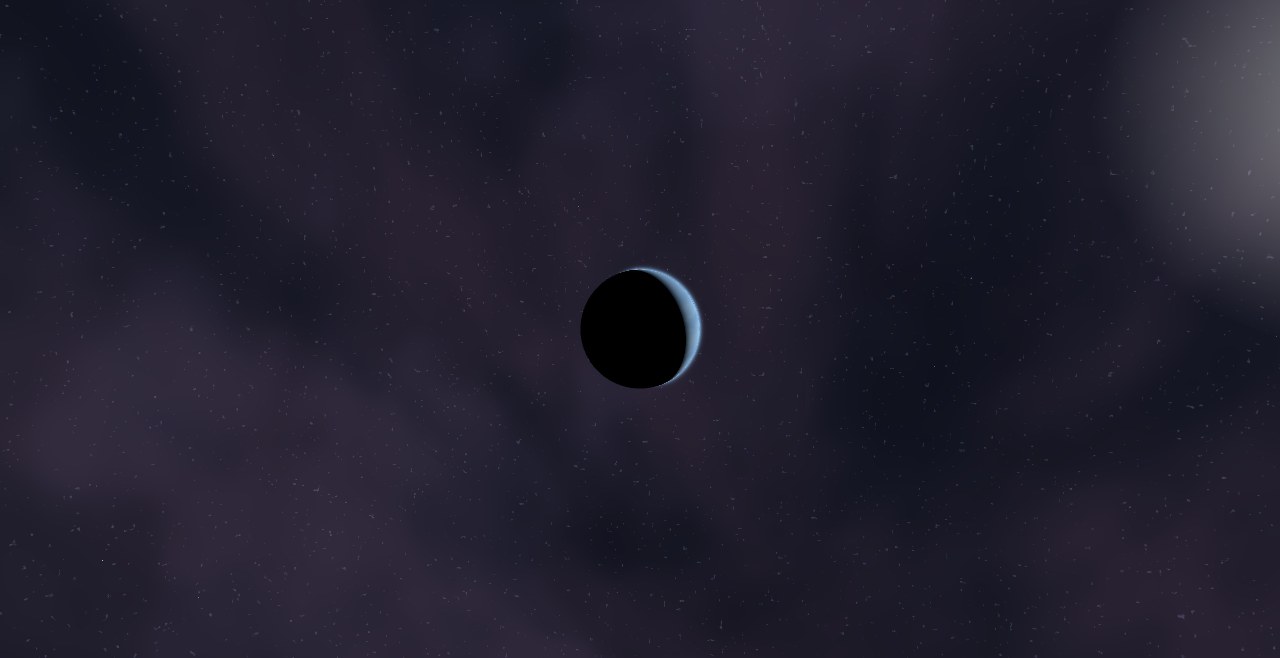
HD 44219, a Sun-like G-type star of 1.20 solar masses, and HD 44219 b, a 0.58-Jupiter-mass companion, with an orbital period of 1.29 years, at 1.260 AU from its star, on an eccentric orbit (e ≈ 0.41).
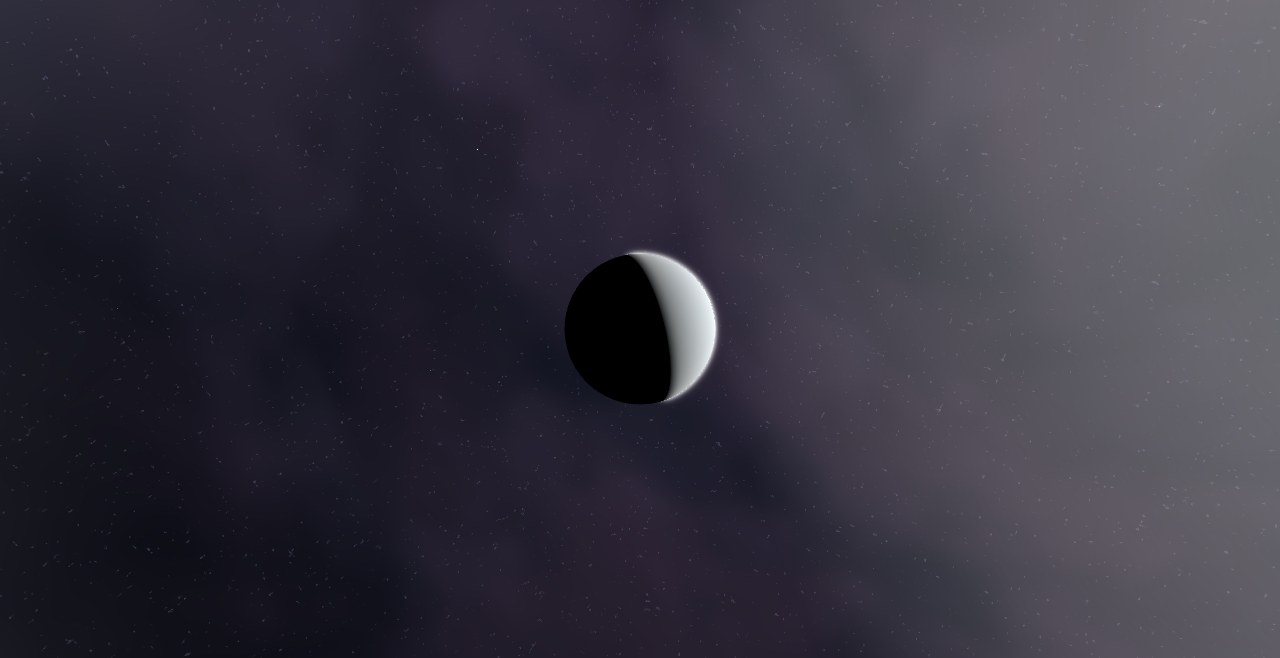
HD 45184, a Sun-like G-type star of 1.03 solar masses, and HD 45184 b, a 12.2-Earth-mass planet, with an orbital period of 5.9 days, at 0.064 AU from its star, on an eccentric orbit (e ≈ 0.07).
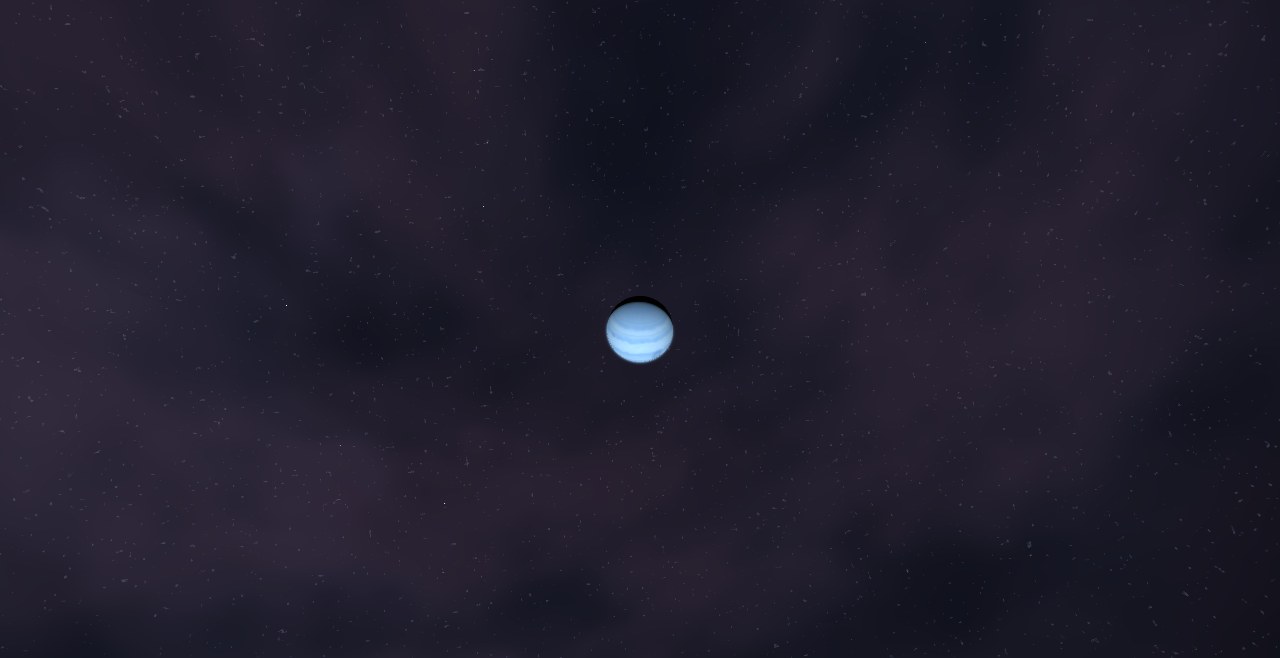
HD 45350, a Sun-like G-type star of 0.98 solar masses, and HD 45350 b, a 1.79-Jupiter-mass companion, with an orbital period of 2.64 years, at 1.920 AU from its star, on an eccentric orbit (e ≈ 0.78).
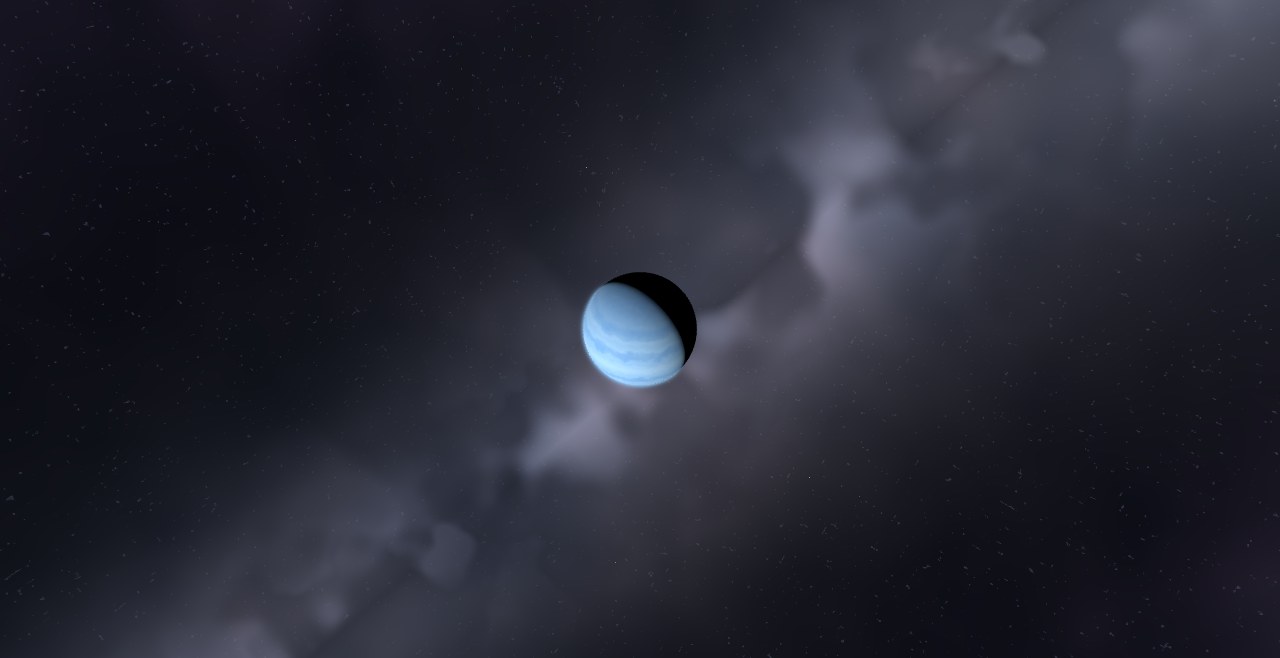
HD 45364, two giant planets locked in a 3:2 mean-motion resonance. They were likely captured into that rhythm while migrating through the disk.
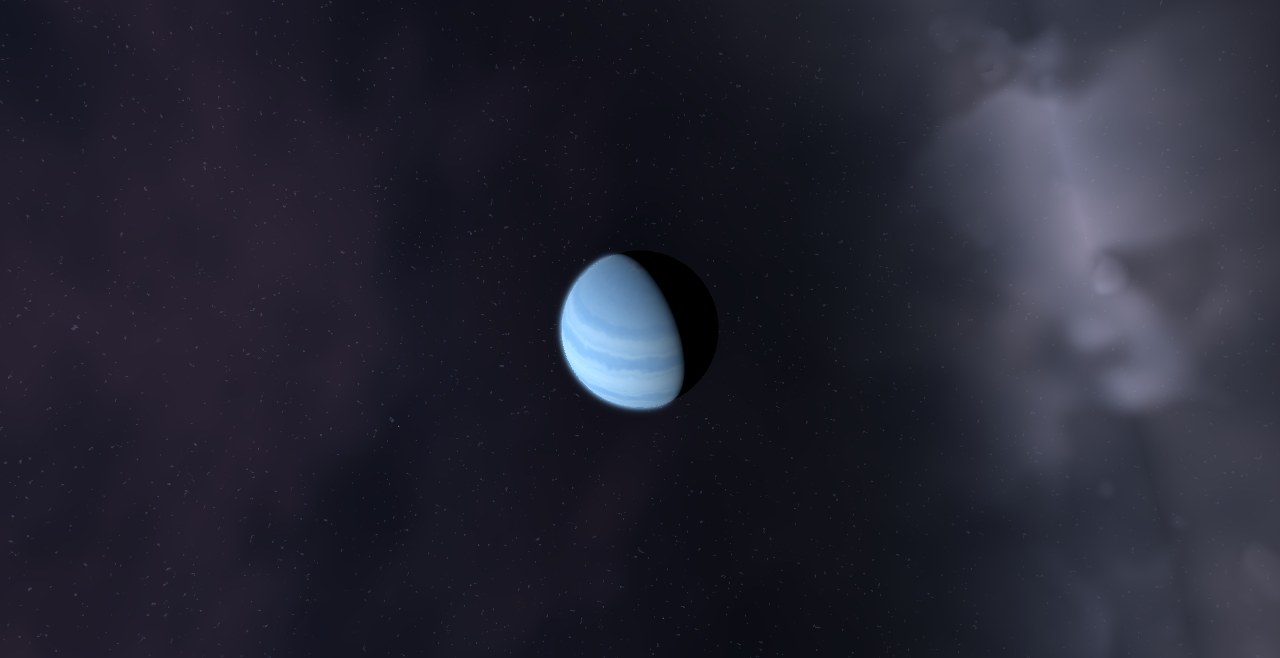
HD 45652, a Sun-like G-type star of 0.92 solar masses, and HD 45652 b, a 0.43-Jupiter-mass companion, with an orbital period of 44.1 days, at 0.237 AU from its star, on an eccentric orbit (e ≈ 0.61).
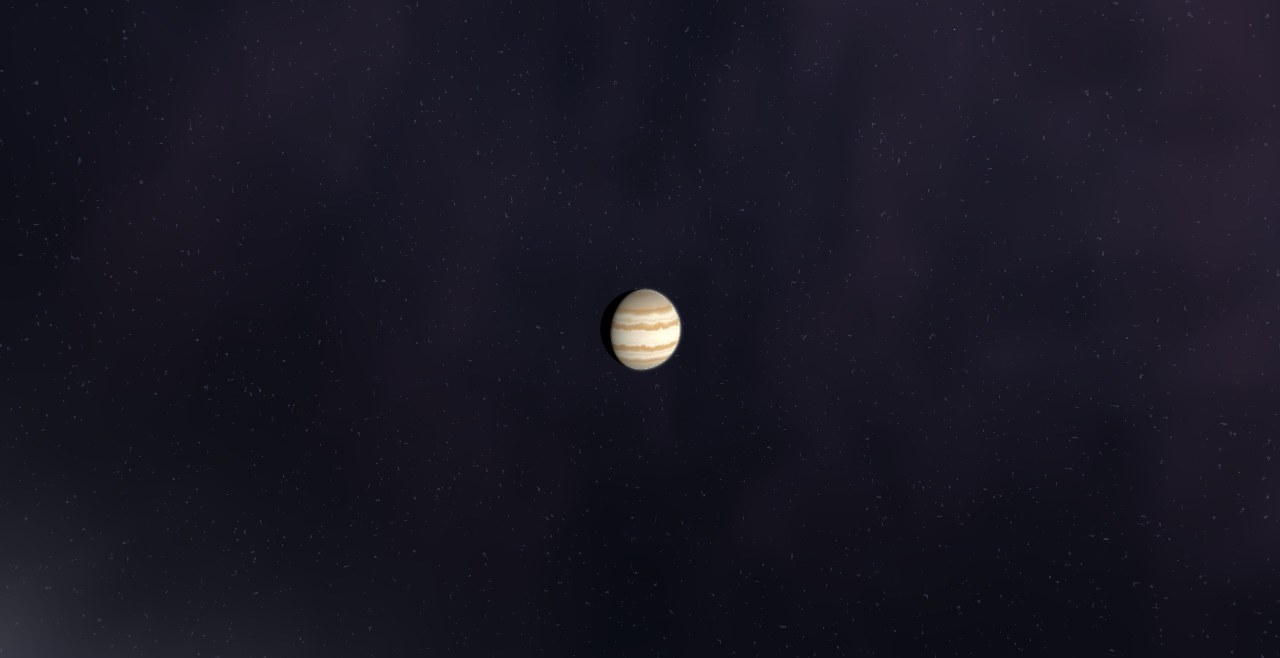
HD 457, a Sun-like F-type star of 1.15 solar masses, and HD 457 b, a 26.6-Jupiter-mass companion, with an orbital period of 55.6 years, at 15.4 AU from its star, on an eccentric orbit (e ≈ 0.56).
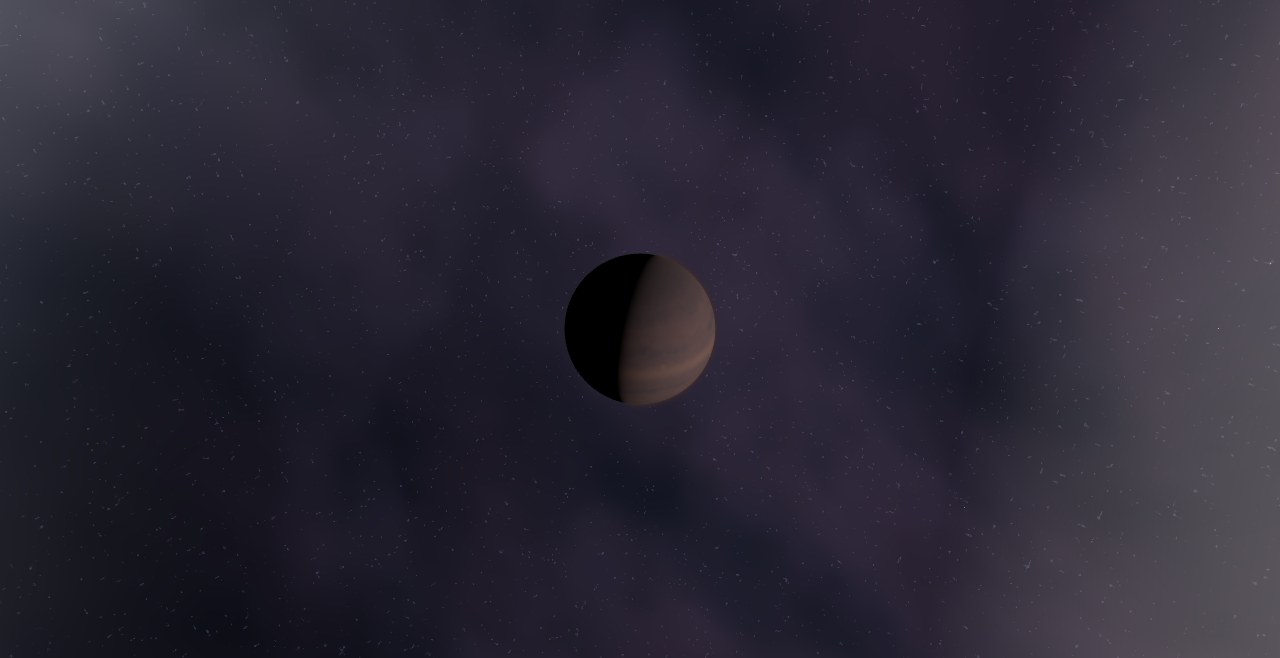
HD 46375, a Sun-like G-type star of 0.92 solar masses, and HD 46375 b, a 0.23-Jupiter-mass companion, with an orbital period of 3.0 days, at 0.040 AU from its star, on an eccentric orbit (e ≈ 0.06).
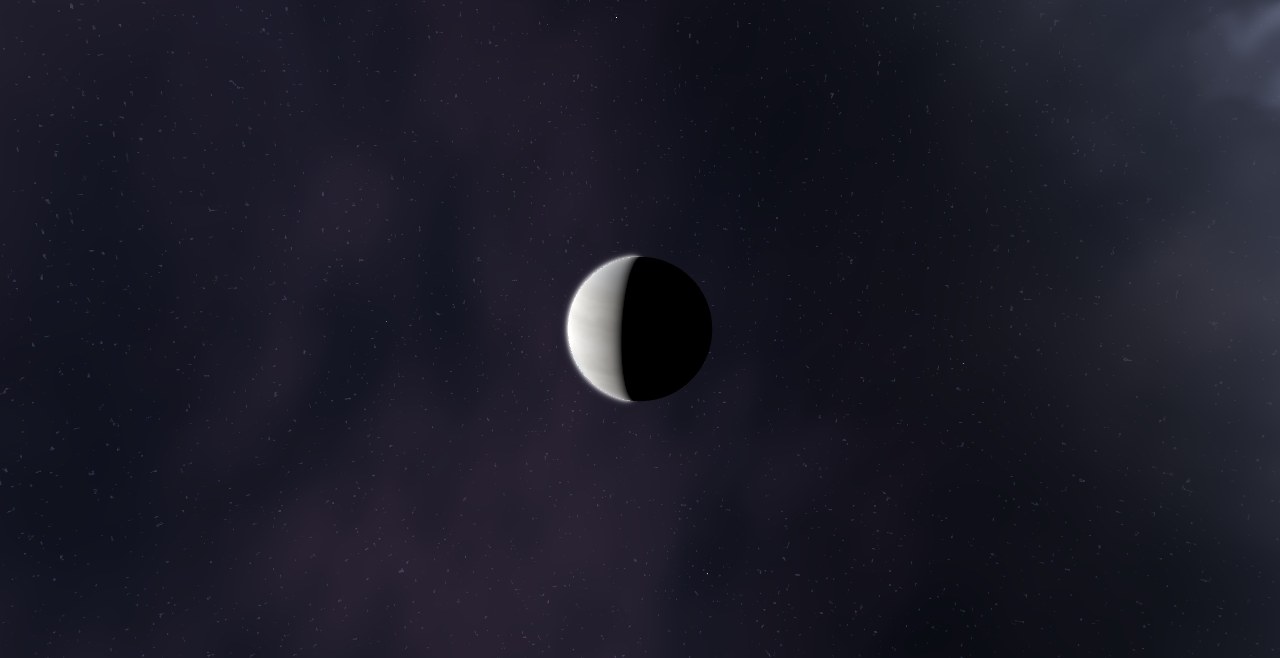
HD 47186, a Sun-like G-type star of 0.96 solar masses, and HD 47186 b, a 0.07-Jupiter-mass companion, with an orbital period of 4.1 days, at 0.050 AU from its star.
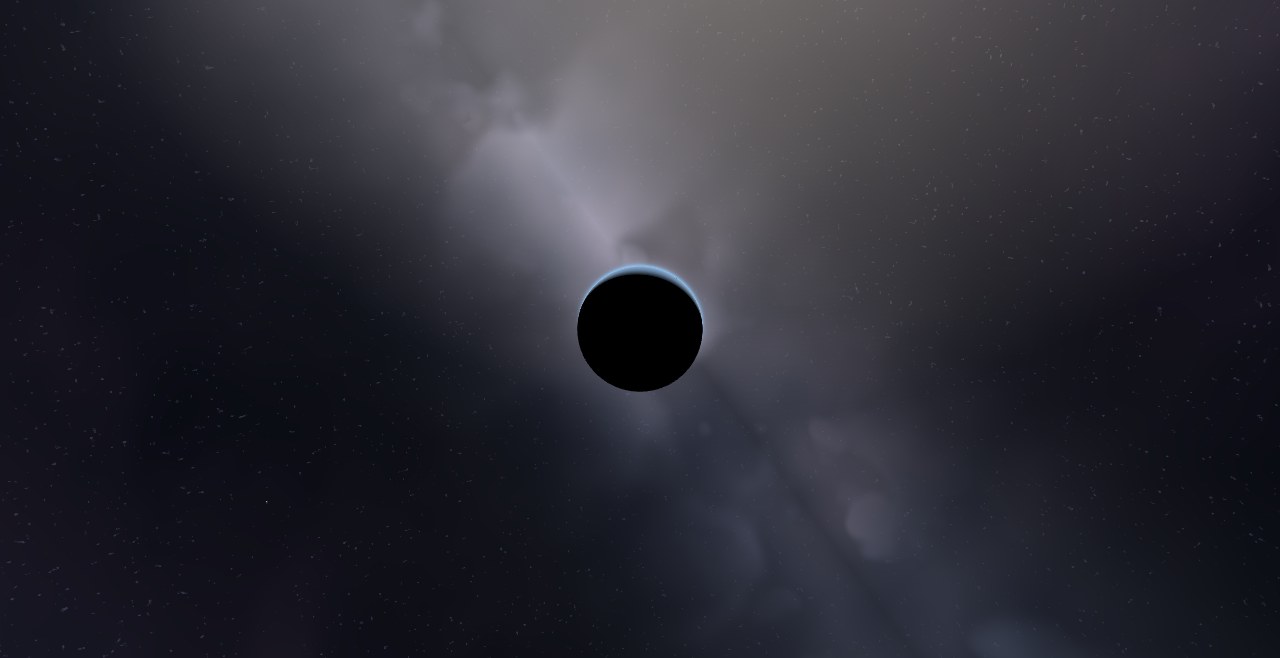
HD 4732, an orange K-type dwarf of 1.39 solar masses, and HD 4732 b, a 1.99-Jupiter-mass companion, with an orbital period of 1.02 years, at 1.129 AU from its star, on an eccentric orbit (e ≈ 0.27).