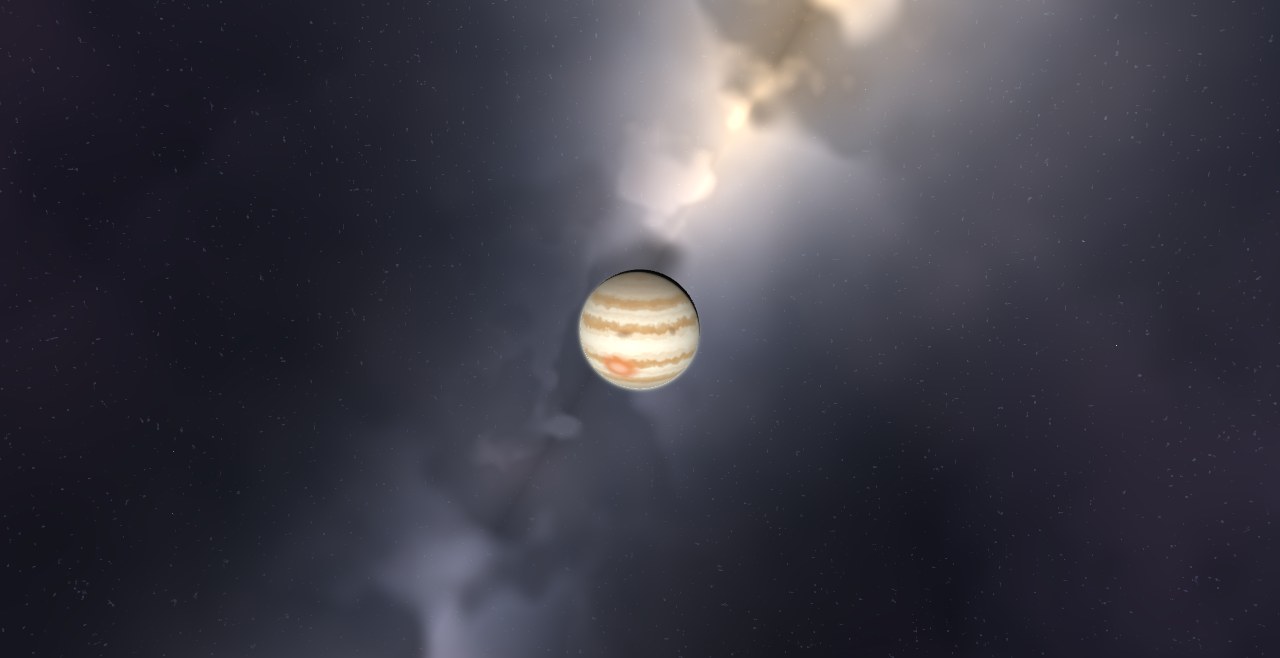
HD 29985 - System
HD 29985, an orange K-type dwarf of 0.75 solar masses, and HD 29985 b, a 5.47-Jupiter-mass companion, with an orbital period of 56.4 years, at 13.4 AU from its star, on an eccentric orbit (e ≈ 0.26).
3D Space and Gravity Simulator. Simulate the solar system, exoplanets and even colliding galaxies. Add, delete and modify planets, and change the laws of physics.
Share
HD 29985, an orange K-type dwarf of 0.75 solar masses, and HD 29985 b, a 5.47-Jupiter-mass companion, with an orbital period of 56.4 years, at 13.4 AU from its star, on an eccentric orbit (e ≈ 0.26).
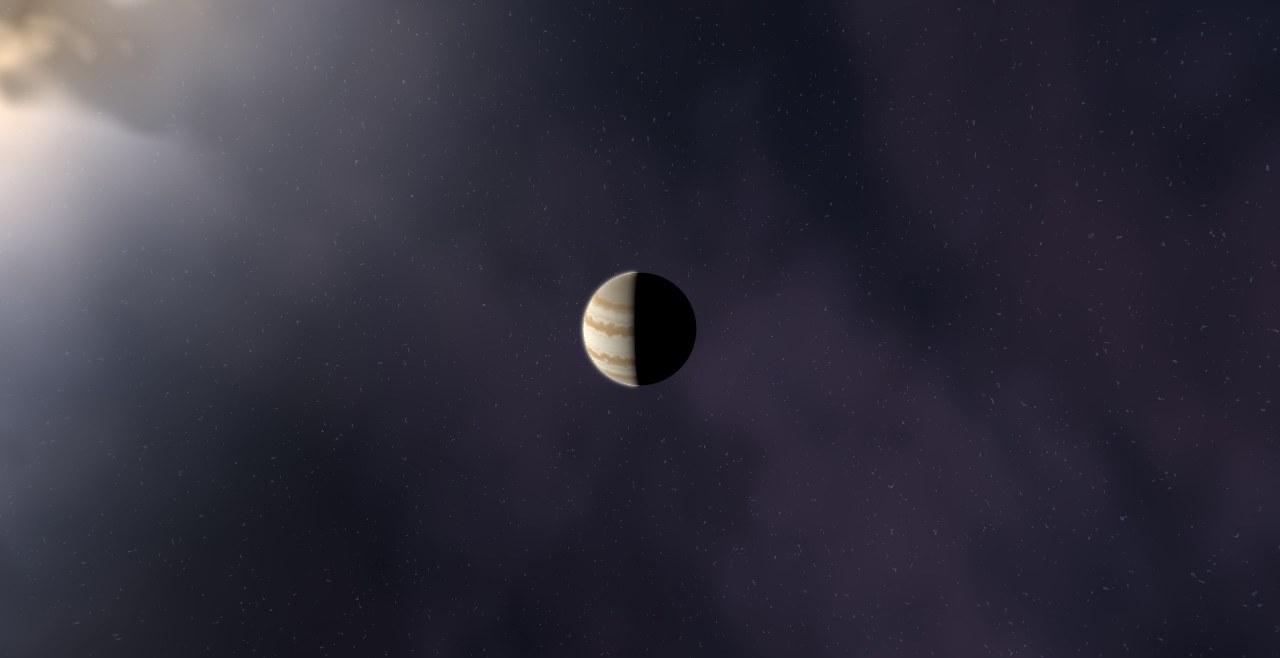
HD 30177, a Sun-like G-type star of 0.98 solar masses, and HD 30177 b, a 8.25-Jupiter-mass companion, with an orbital period of 6.95 years, at 3.490 AU from its star, on an eccentric orbit (e ≈ 0.19).
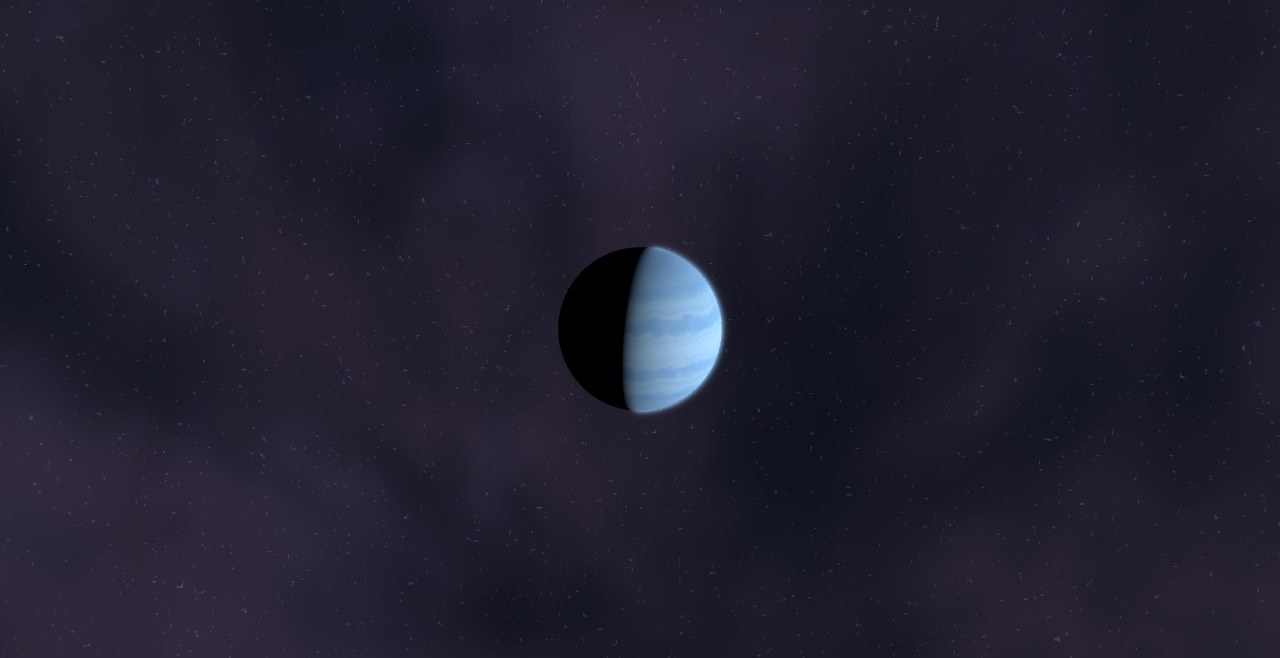
HD 30562, a Sun-like G-type star of 1.12 solar masses, and HD 30562 b, a 1.22-Jupiter-mass companion, with an orbital period of 3.17 years, at 2.340 AU from its star, on an eccentric orbit (e ≈ 0.76).
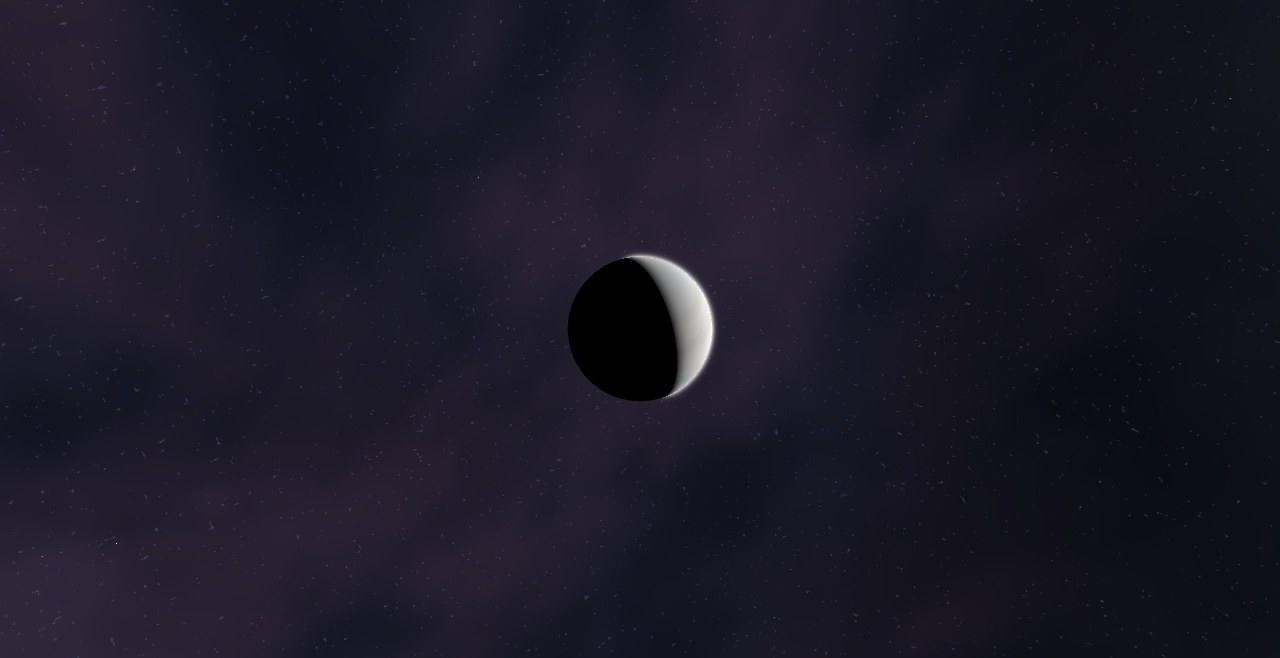
HD 30669, a Sun-like G-type star of 0.92 solar masses, and HD 30669 b, a 0.47-Jupiter-mass companion, with an orbital period of 4.61 years, at 2.690 AU from its star, on an eccentric orbit (e ≈ 0.18).
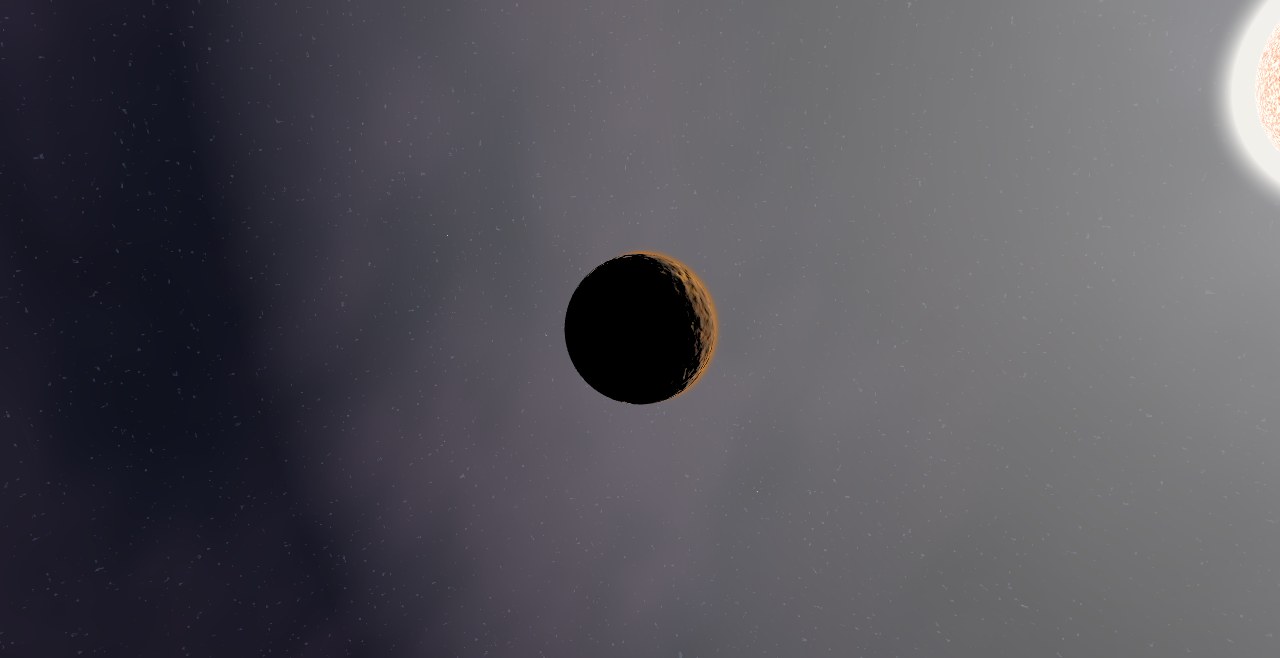
HD 307842, a Sun-like G-type star of 0.91 solar masses, and TOI-784 b, a 9.7-Earth-mass planet, with an orbital period of 2.8 days, at 0.038 AU from its star.
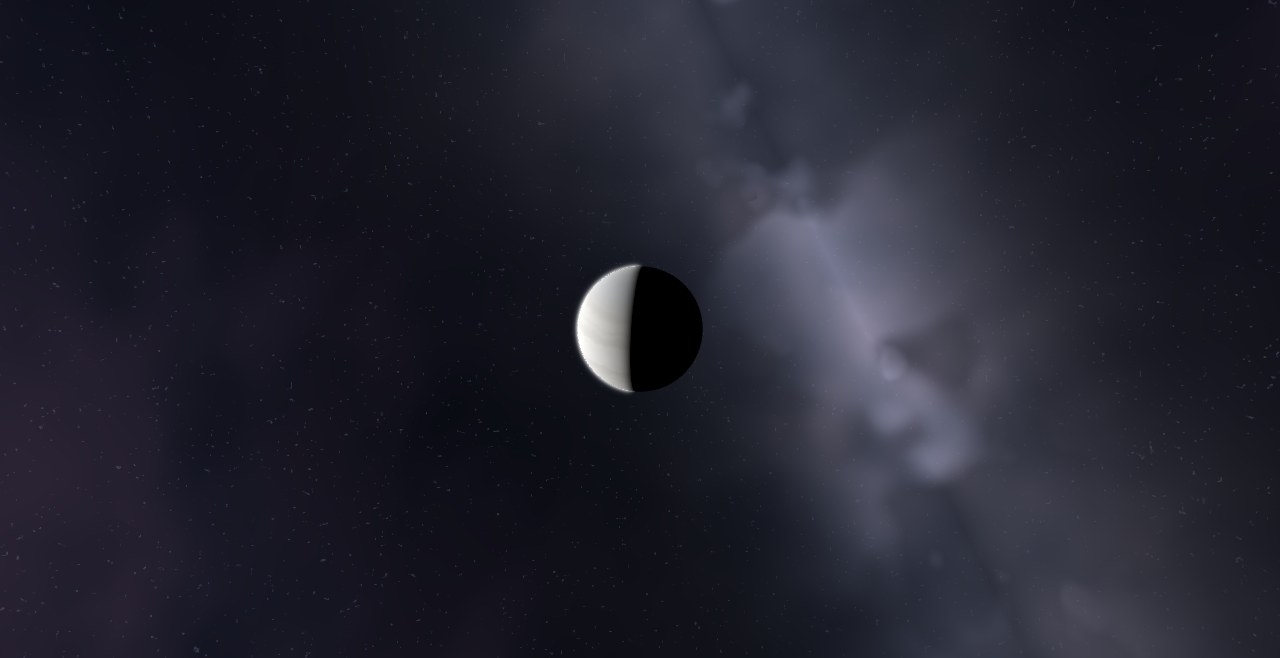
HD 30856, an orange K-type dwarf of 1.17 solar masses, and HD 30856 b, a 1.55-Jupiter-mass companion, with an orbital period of 2.32 years, at 1.850 AU from its star, on an eccentric orbit (e ≈ 0.06).
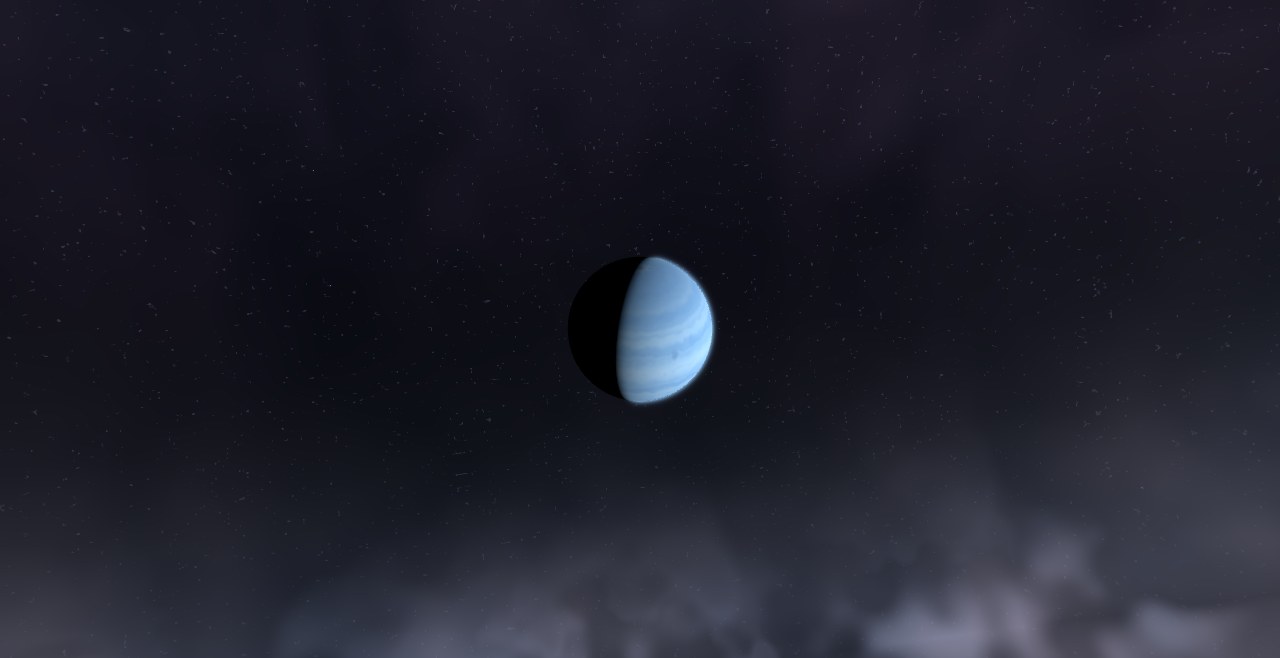
HD 31253, a Sun-like F-type star of 1.70 solar masses, and HD 31253 b, a 0.62-Jupiter-mass companion, with an orbital period of 1.28 years, at 1.260 AU from its star, on an eccentric orbit (e ≈ 0.30).
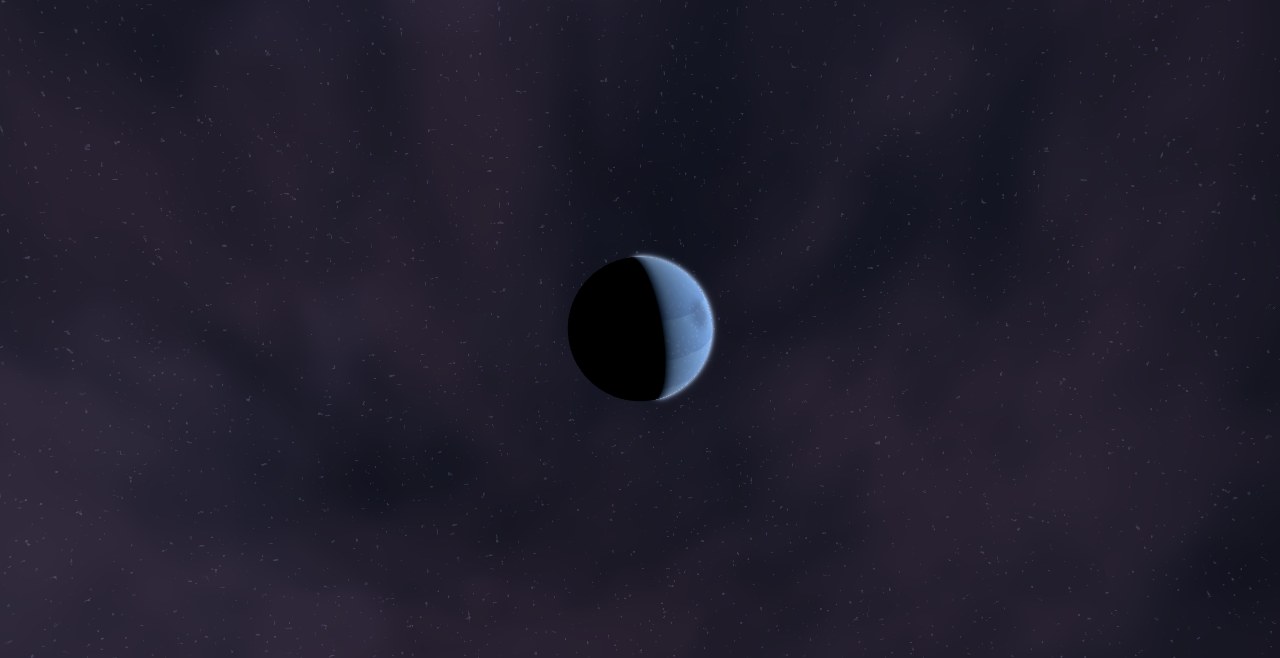
HD 31527, a Sun-like G-type star of 0.96 solar masses, and HD 31527 b, a 10.5-Earth-mass planet, with an orbital period of 16.6 days, at 0.125 AU from its star, on an eccentric orbit (e ≈ 0.10).
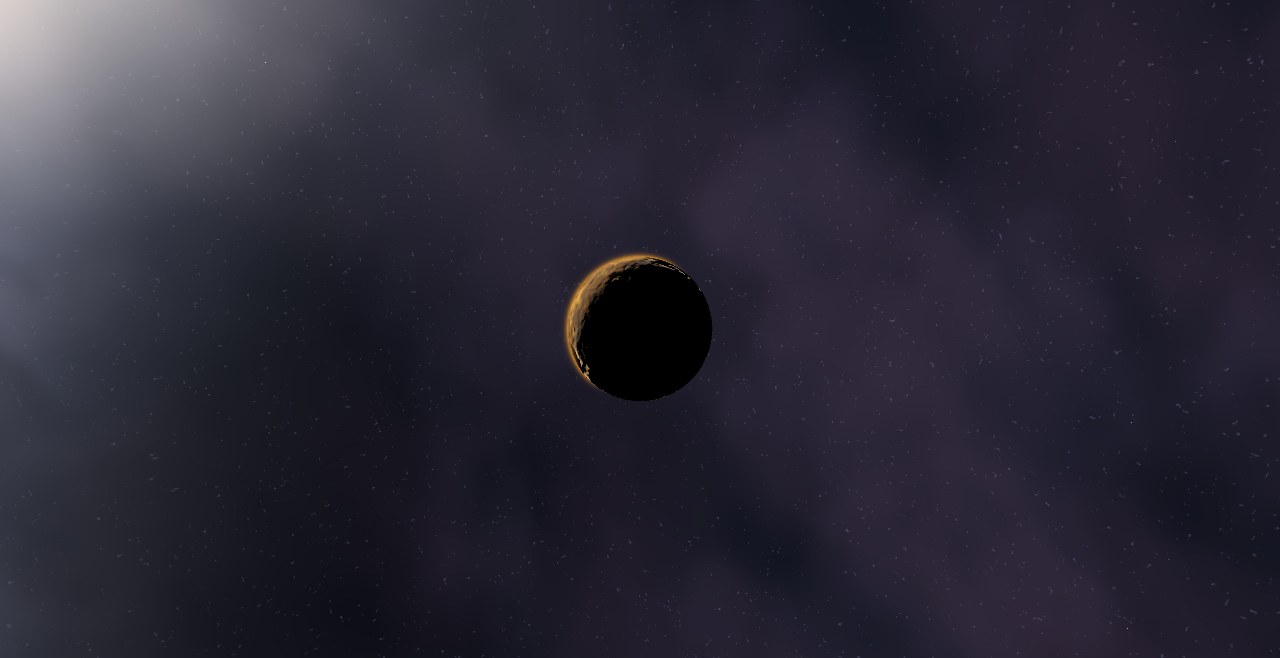
HD 3167, a multi-planet system with perpendicular orbits. The inner transiting world is tipped about 90 degrees from the outer planets. A polar inner orbit is rare among compact multiplanet systems.
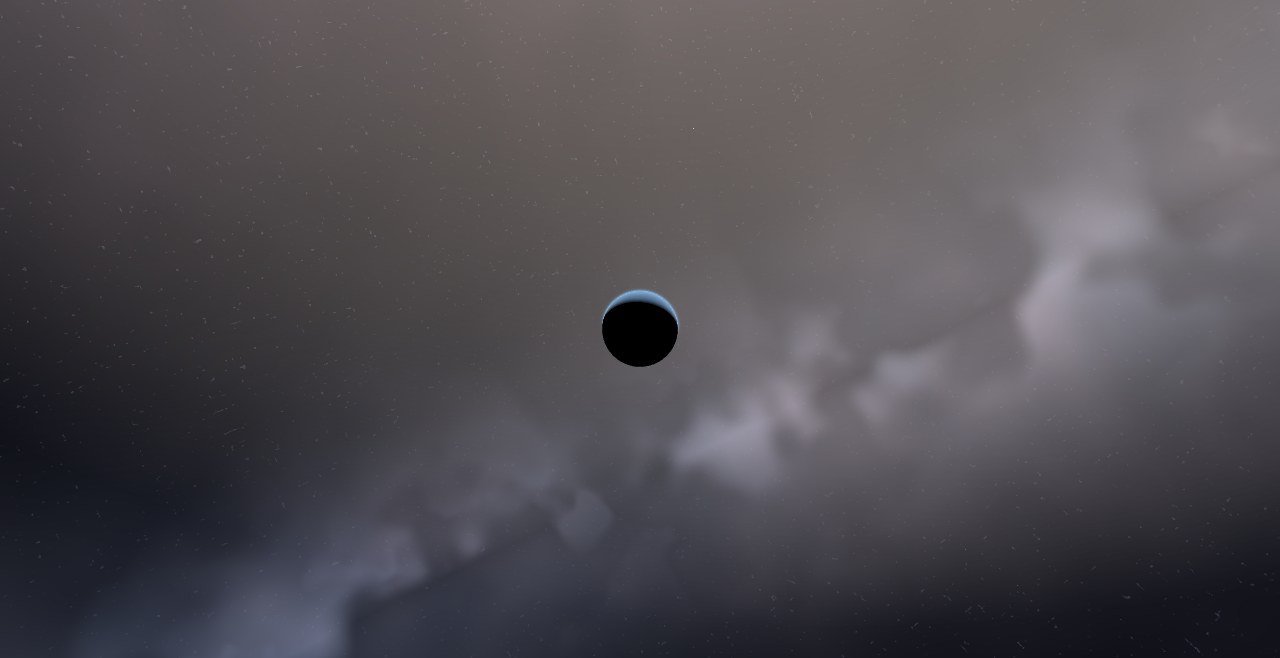
HD 32518, an orange K-type dwarf of 1.13 solar masses, and HD 32518 b, a 2.85-Jupiter-mass companion, with an orbital period of 157 days, at 0.594 AU from its star.
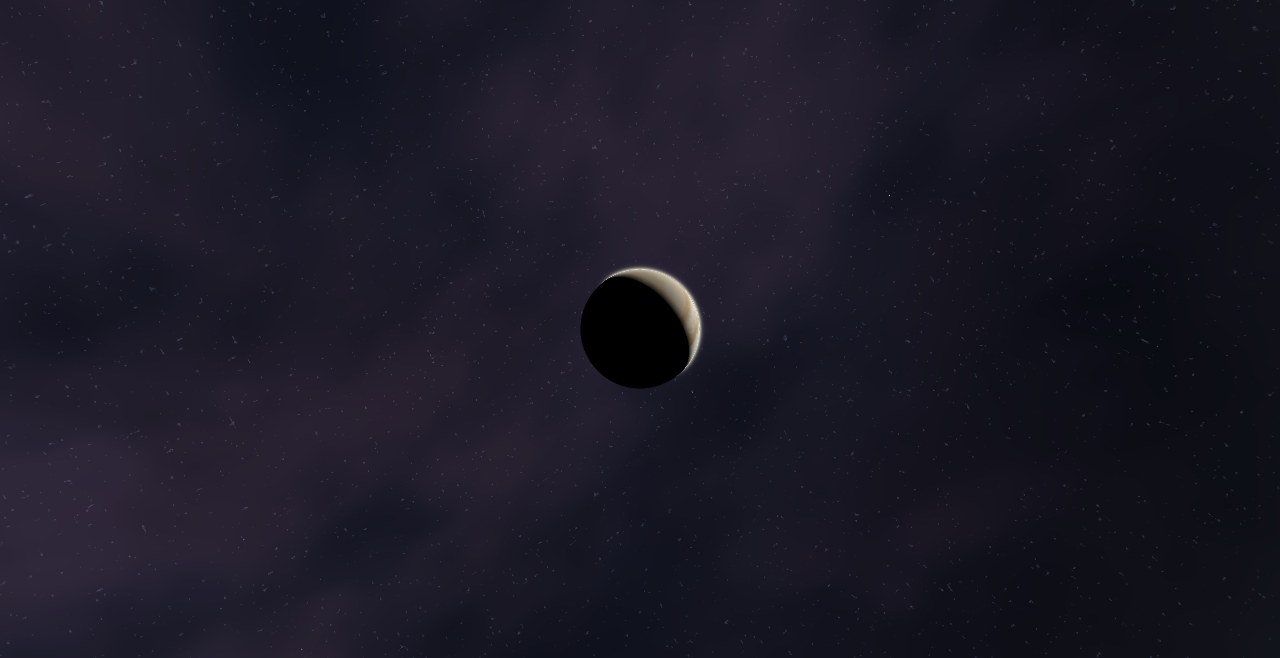
HD 32963, a Sun-like G-type star of 0.94 solar masses, and HD 32963 b, a 0.70-Jupiter-mass companion, with an orbital period of 6.49 years, at 3.410 AU from its star, on an eccentric orbit (e ≈ 0.07).
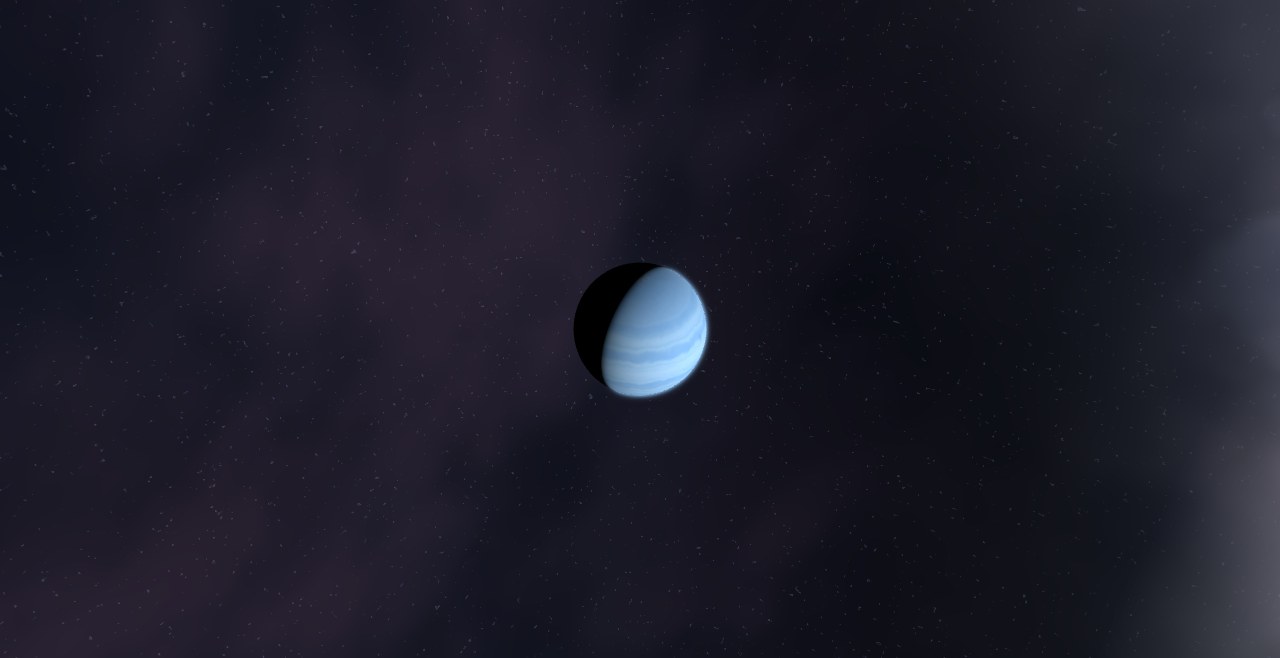
HD 330075, an orange K-type dwarf of 0.47 solar masses, and HD 330075 b, a 0.48-Jupiter-mass companion, with an orbital period of 3.4 days, at 0.040 AU from its star.
HD 331093, an orange K-type dwarf of 1.03 solar masses, and HD 331093 b, a 1.50-Jupiter-mass companion, with an orbital period of 1.70 years, at 1.440 AU from its star, on an eccentric orbit (e ≈ 0.59).
HD 33142, an orange K-type dwarf of 1.52 solar masses, and HD 33142 d, a 0.20-Jupiter-mass companion, with an orbital period of 89.9 days, at 0.452 AU from its star, on an eccentric orbit (e ≈ 0.19).
HD 332231, a Sun-like F-type star of 1.16 solar masses, and HD 332231 b, a 0.23-Jupiter-mass companion, with an orbital period of 18.7 days, at 0.145 AU from its star, and an equilibrium temperature near 798 K.
HD 33283, a Sun-like G-type star of 1.38 solar masses, and HD 33283 b, a 0.33-Jupiter-mass companion, with an orbital period of 18.2 days, at 0.151 AU from its star, on an eccentric orbit (e ≈ 0.40).
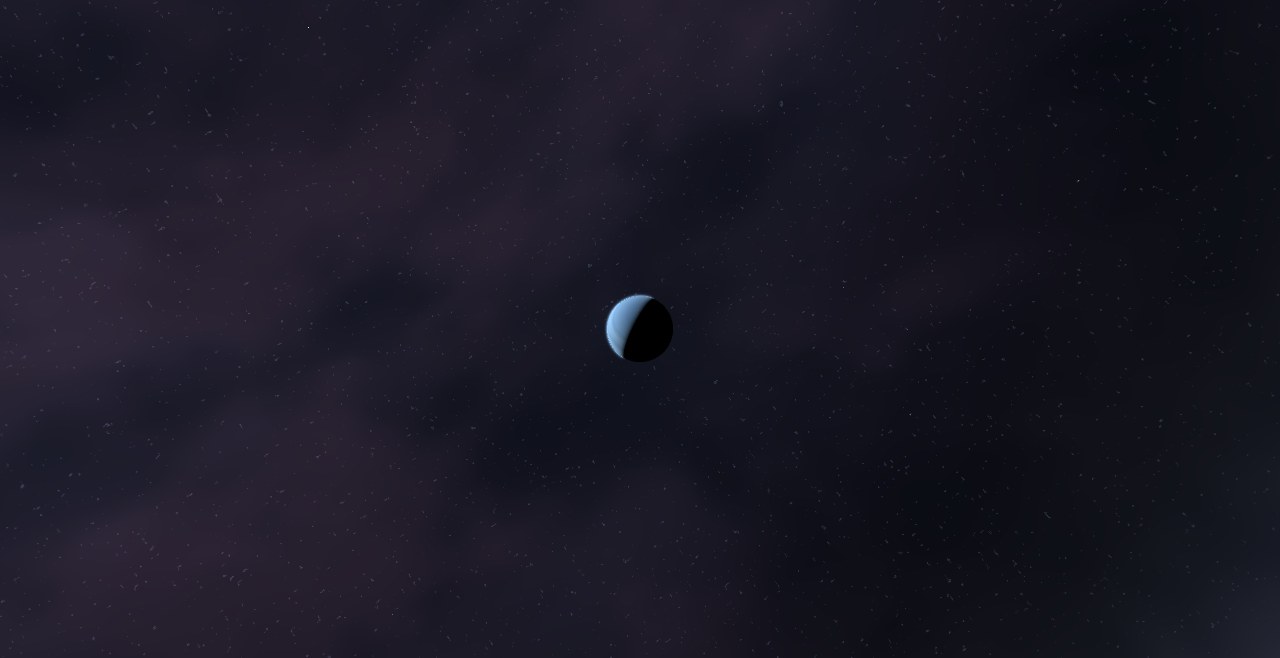
HD 33564, a Sun-like F-type star of 1.25 solar masses, and HD 33564 b, a 9.10-Jupiter-mass companion, with an orbital period of 1.06 years, at 1.100 AU from its star, on an eccentric orbit (e ≈ 0.34).
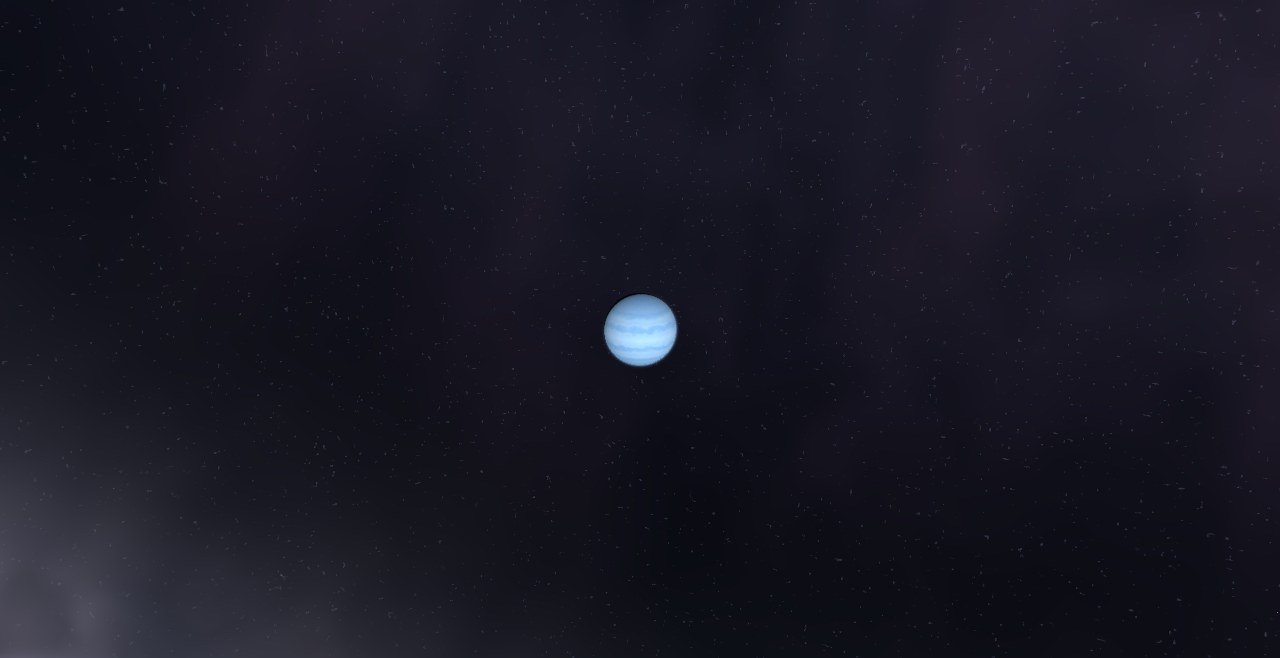
HD 33844, an orange K-type dwarf of 1.78 solar masses, and HD 33844 b, a 2.01-Jupiter-mass companion, with an orbital period of 1.51 years, at 1.600 AU from its star, on an eccentric orbit (e ≈ 0.15).