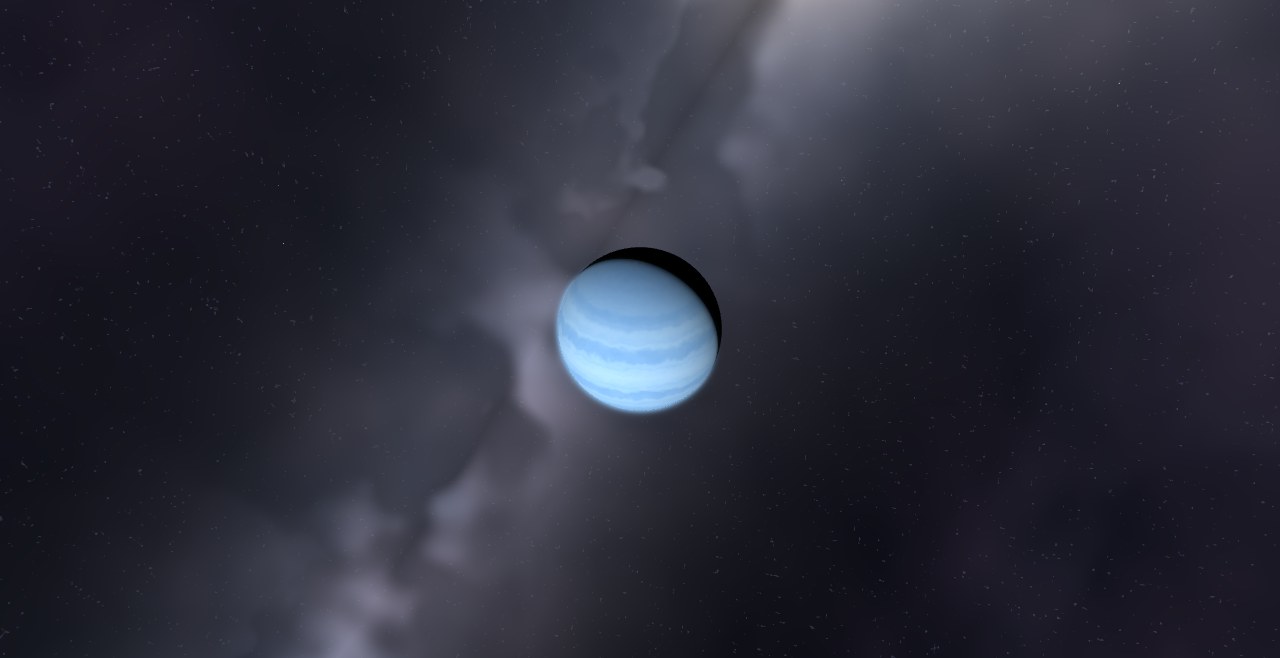
HD 60292 - System
Simulates HD 60292, an orange K-type dwarf of 1.70 solar masses, and HD 60292 b, a 6.50-Jupiter-mass companion, with an orbital period of 1.36 years, at 1.500 AU from its star, on an eccentric orbit (e ≈ 0.27).
3D Space and Gravity Simulator. Simulate the solar system, exoplanets and even colliding galaxies. Add, delete and modify planets, and change the laws of physics.
Simulates HD 60292, an orange K-type dwarf of 1.70 solar masses, and HD 60292 b, a 6.50-Jupiter-mass companion, with an orbital period of 1.36 years, at 1.500 AU from its star, on an eccentric orbit (e ≈ 0.27).
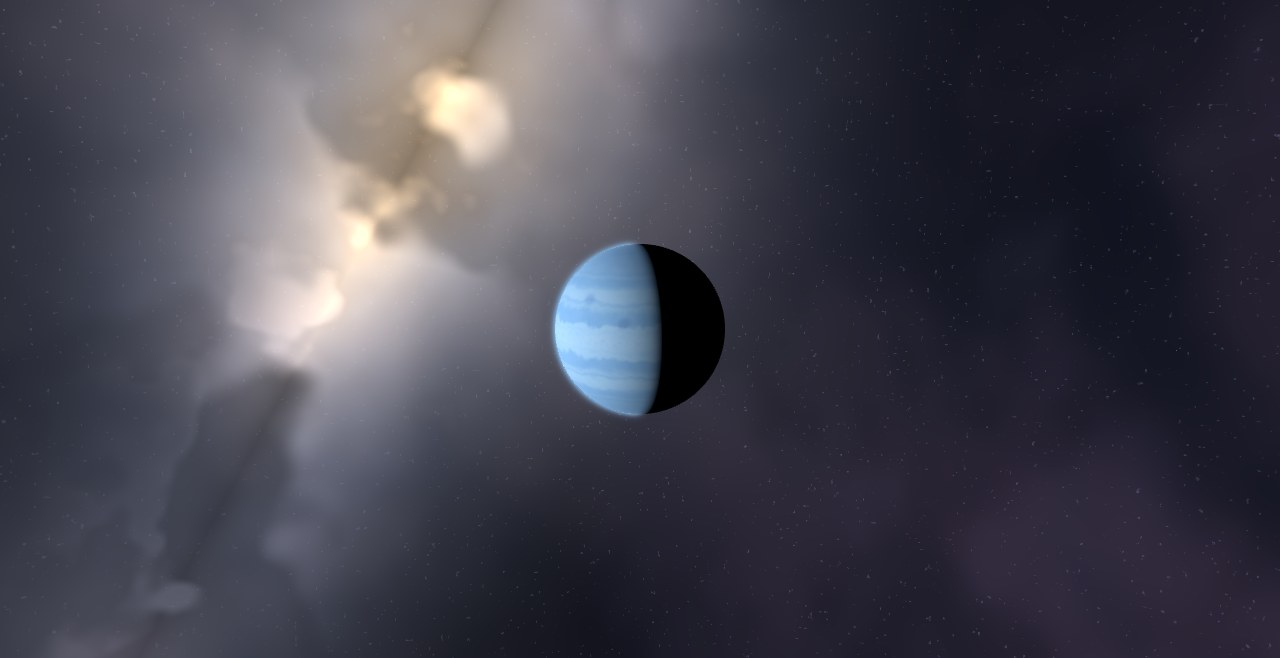
Simulates HD 60532, a Sun-like F-type star of 1.50 solar masses, and HD 60532 b, a 1.06-Jupiter-mass companion, with an orbital period of 202 days, at 0.770 AU from its star, on an eccentric orbit (e ≈ 0.26).
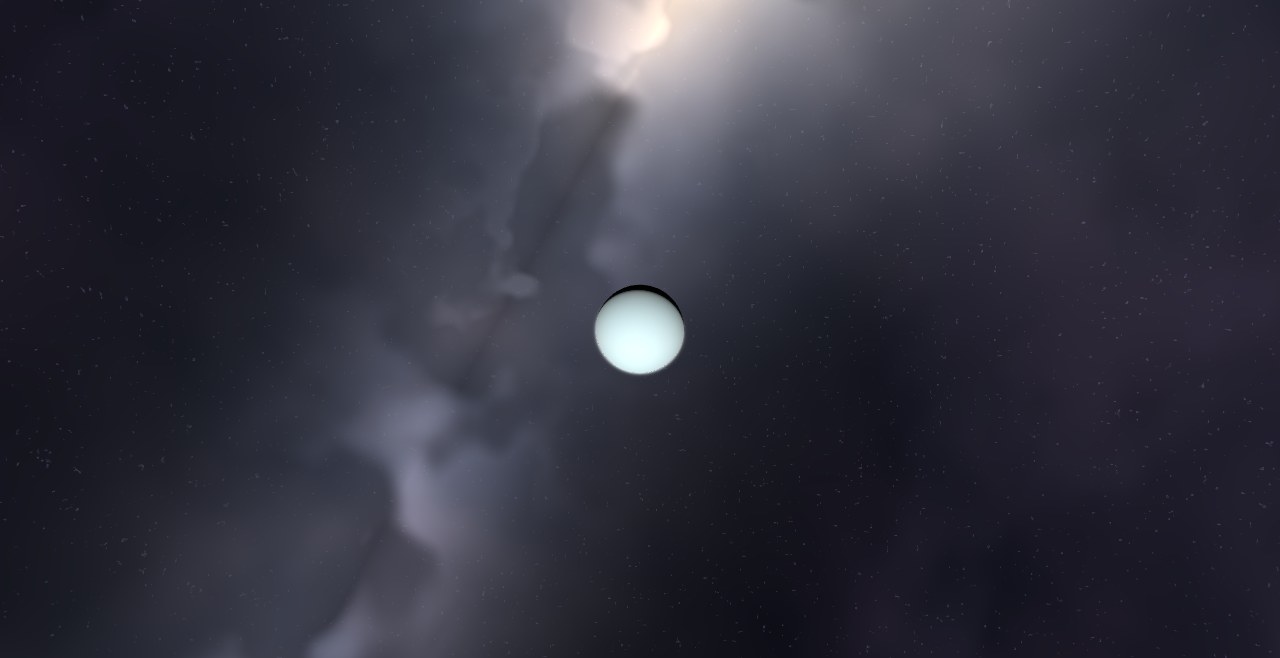
Simulates HD 6061, a Sun-like G-type star of 1.03 solar masses, and HD 6061 b, a 10.0-Earth-mass planet, with an orbital period of 5.3 days, at 0.060 AU from its star, and an equilibrium temperature near 1,075 K.
Simulates HD 62364, a Sun-like F-type star of 1.16 solar masses, and HD 62364 b, a 18.8-Jupiter-mass companion, with an orbital period of 14.1 years, at 6.150 AU from its star, on an eccentric orbit (e ≈ 0.61).
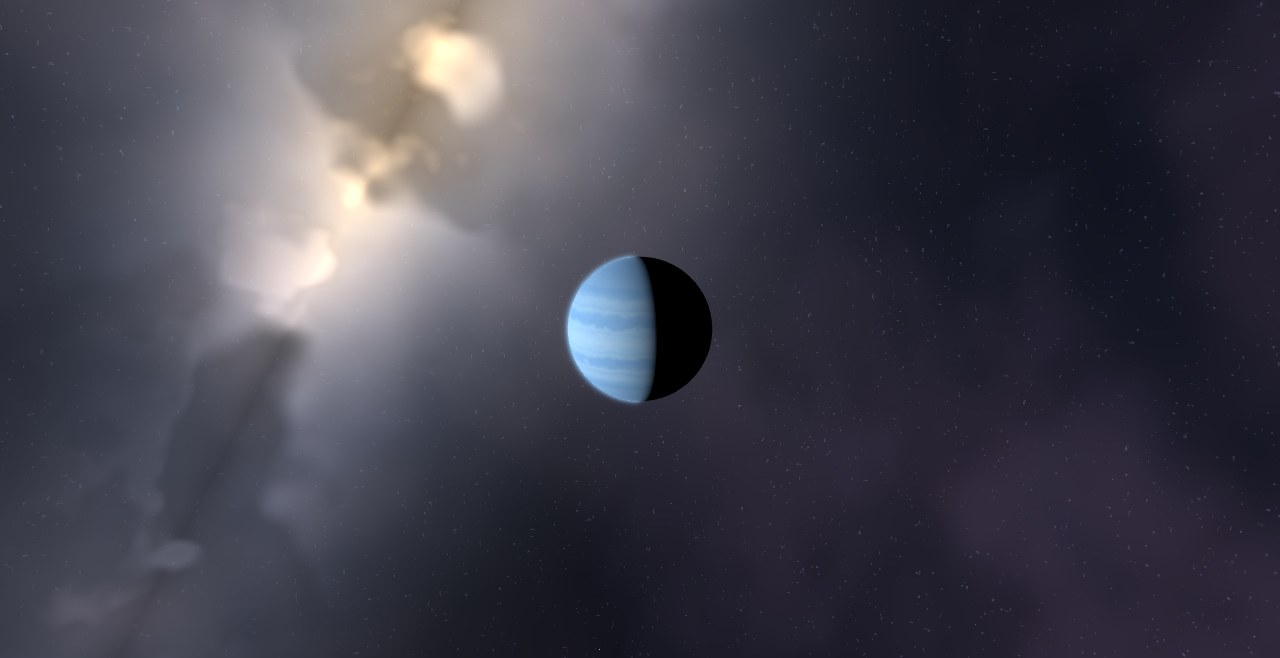
Simulates HD 62509, an orange K-type dwarf of 2.00 solar masses, and HD 62509 b, a 2.30-Jupiter-mass companion, with an orbital period of 1.61 years, at 1.640 AU from its star.
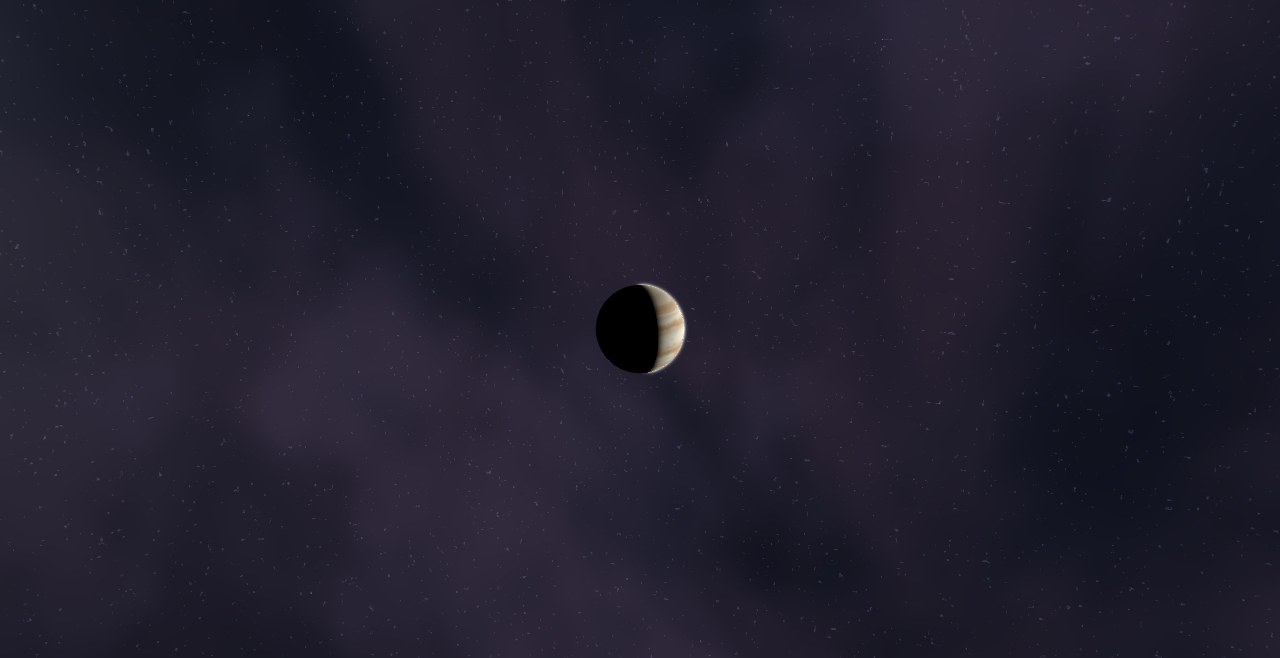
Simulates HD 62549, a Sun-like G-type star of 1.08 solar masses, and HD 62549 b, a 8.52-Jupiter-mass companion, with an orbital period of 39.2 years, at 11.8 AU from its star, on an eccentric orbit (e ≈ 0.15).
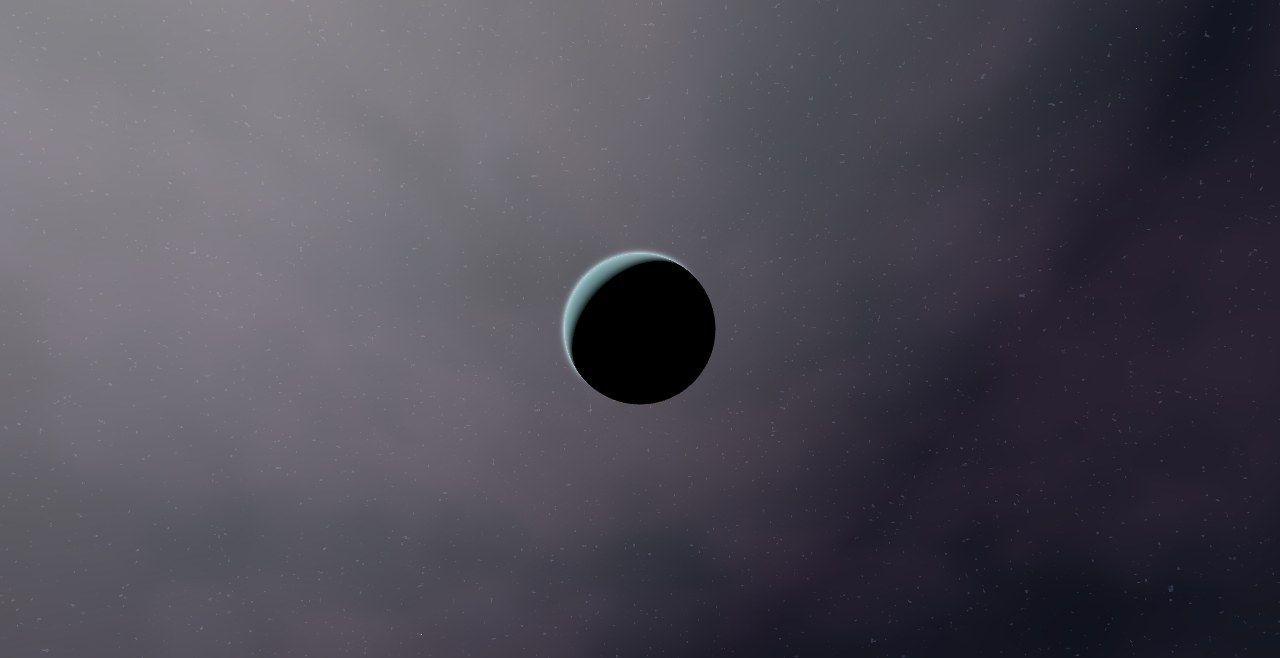
Simulates HD 63433, a Sun-like G-type star of 0.96 solar masses, and HD 63433 d, a planet with 1.1 Earth radii, with an orbital period of 4.2 days, at 0.050 AU from its star, and an equilibrium temperature near 1,040 K.
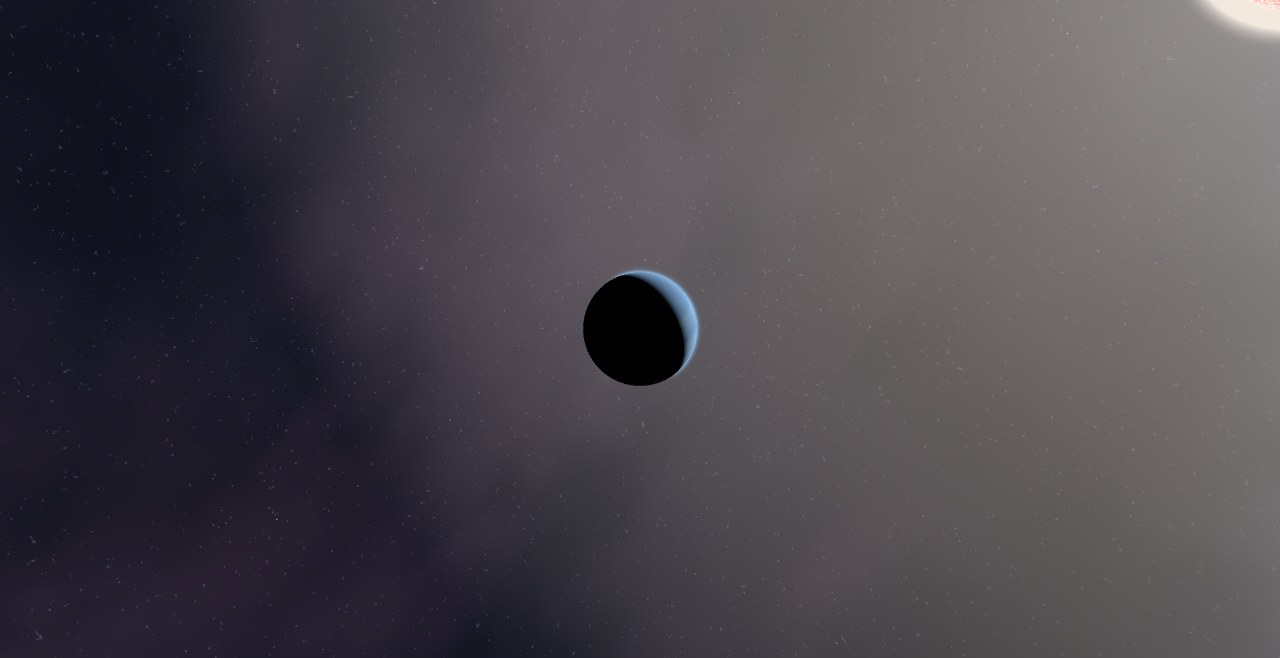
Simulates HD 63454, an orange K-type dwarf of 0.42 solar masses, and HD 63454 b, a 0.25-Jupiter-mass companion, with an orbital period of 2.8 days, at 0.040 AU from its star.
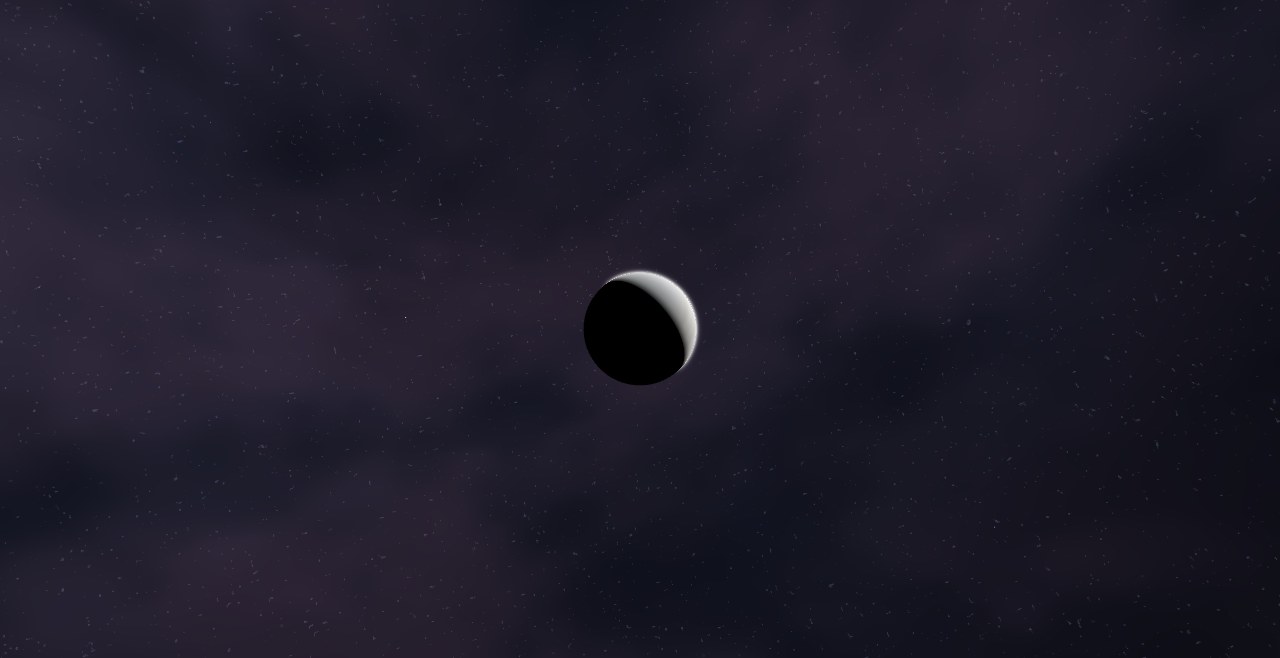
Simulates HD 63765, a Sun-like G-type star of 0.65 solar masses, and HD 63765 b, a 0.53-Jupiter-mass companion, with an orbital period of 358 days, at 0.940 AU from its star, on an eccentric orbit (e ≈ 0.24).
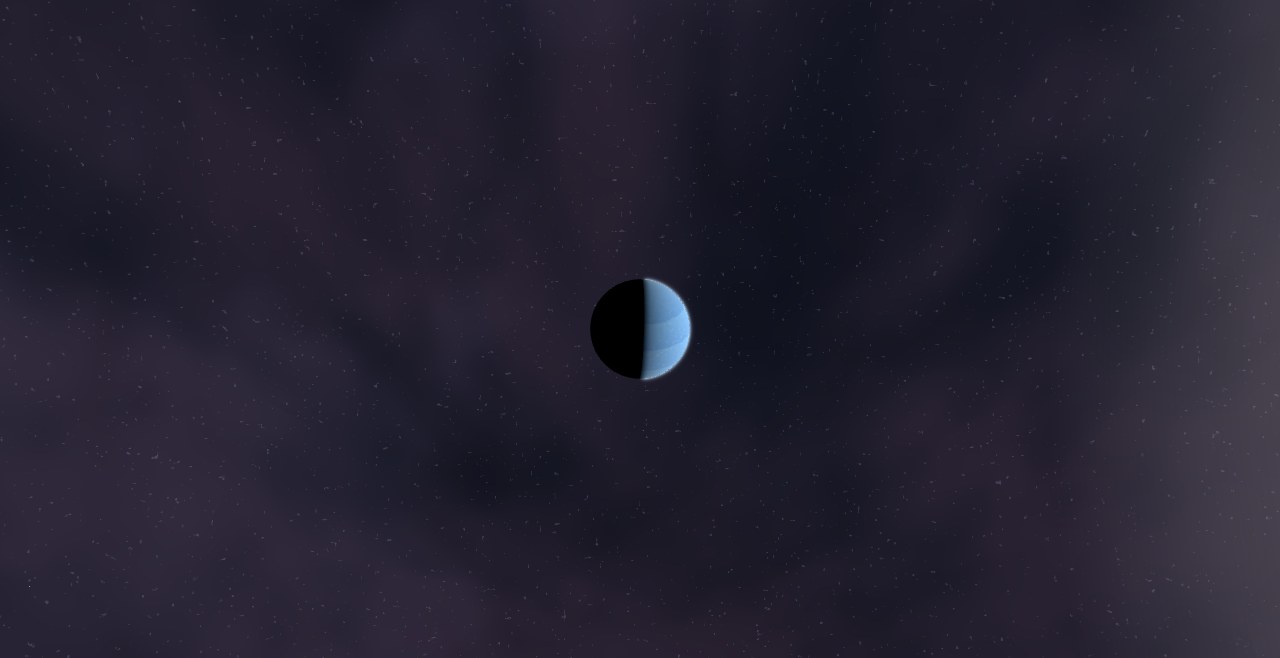
Simulates HD 63935, a Sun-like G-type star of 0.94 solar masses, and HD 63935 b, a 10.5-Earth-mass planet, with an orbital period of 9.1 days, at 0.083 AU from its star, and an equilibrium temperature near 825 K.
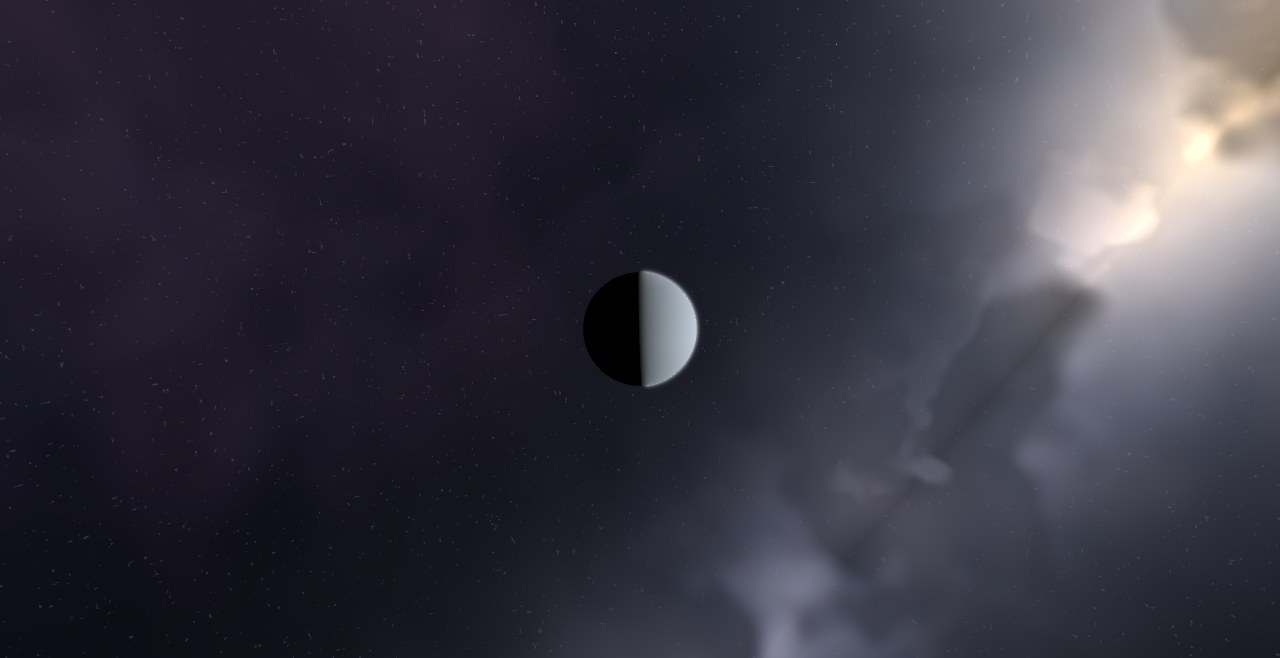
Simulates HD 64114, a Sun-like G-type star of 0.95 solar masses, and HD 64114 b, a 0.06-Jupiter-mass companion, with an orbital period of 45.8 days, at 0.246 AU from its star, on an eccentric orbit (e ≈ 0.12).
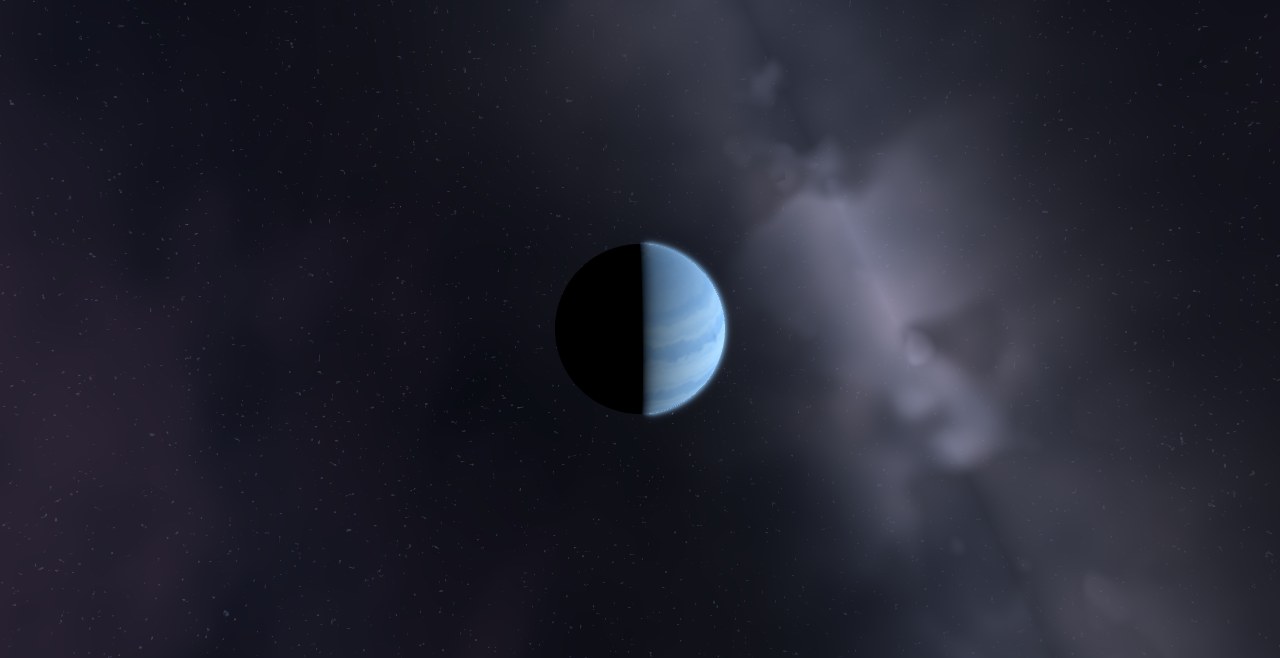
Simulates HD 64121, a Sun-like G-type star of 1.64 solar masses, and HD 64121 b, a 2.56-Jupiter-mass companion, with an orbital period of 1.71 years, at 1.510 AU from its star, on an eccentric orbit (e ≈ 0.11).
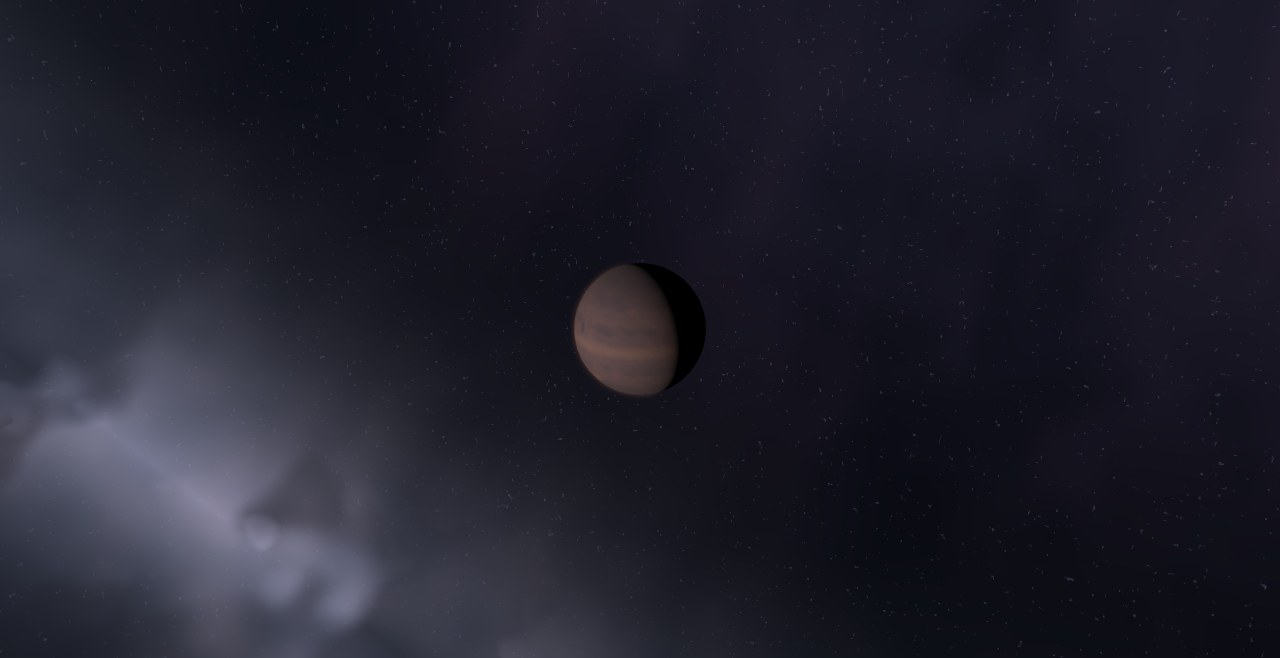
Simulates HD 6434, a Sun-like G-type star of 1.10 solar masses, and HD 6434 b, a 0.49-Jupiter-mass companion, with an orbital period of 22.0 days, at 0.140 AU from its star, on an eccentric orbit (e ≈ 0.17).
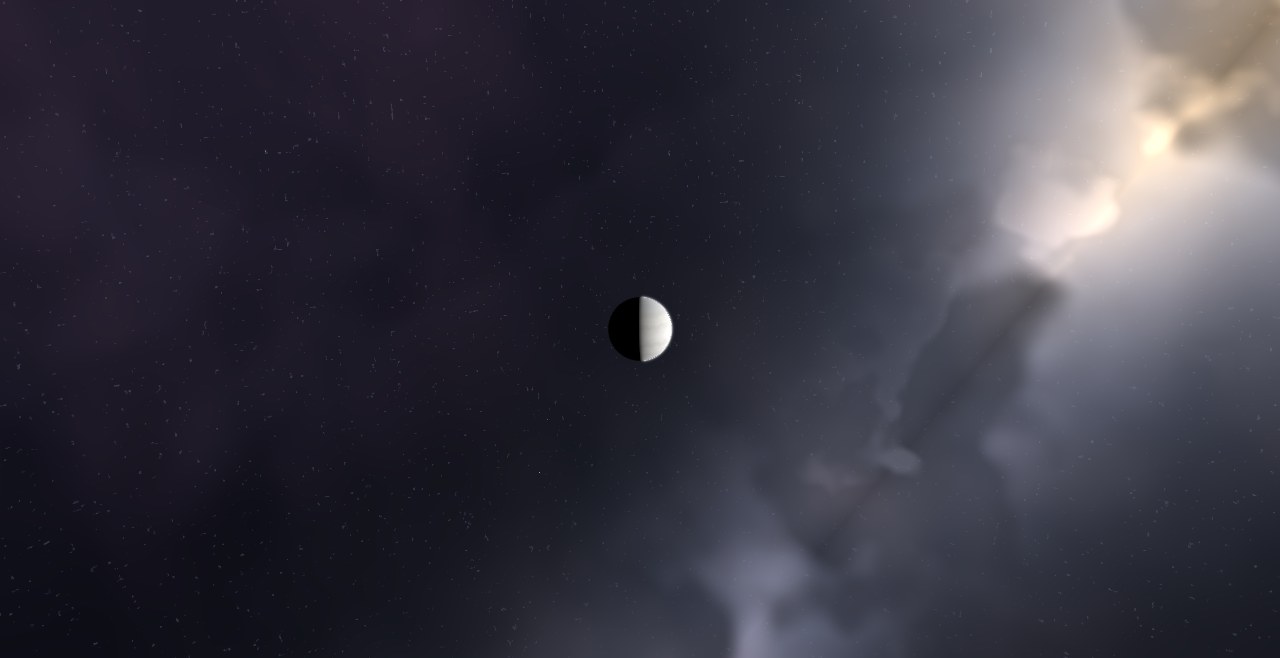
Simulates HD 65216, a Sun-like G-type star of 0.87 solar masses, and HD 65216 b, a 1.29-Jupiter-mass companion, with an orbital period of 1.58 years, at 1.301 AU from its star, on an eccentric orbit (e ≈ 0.27).
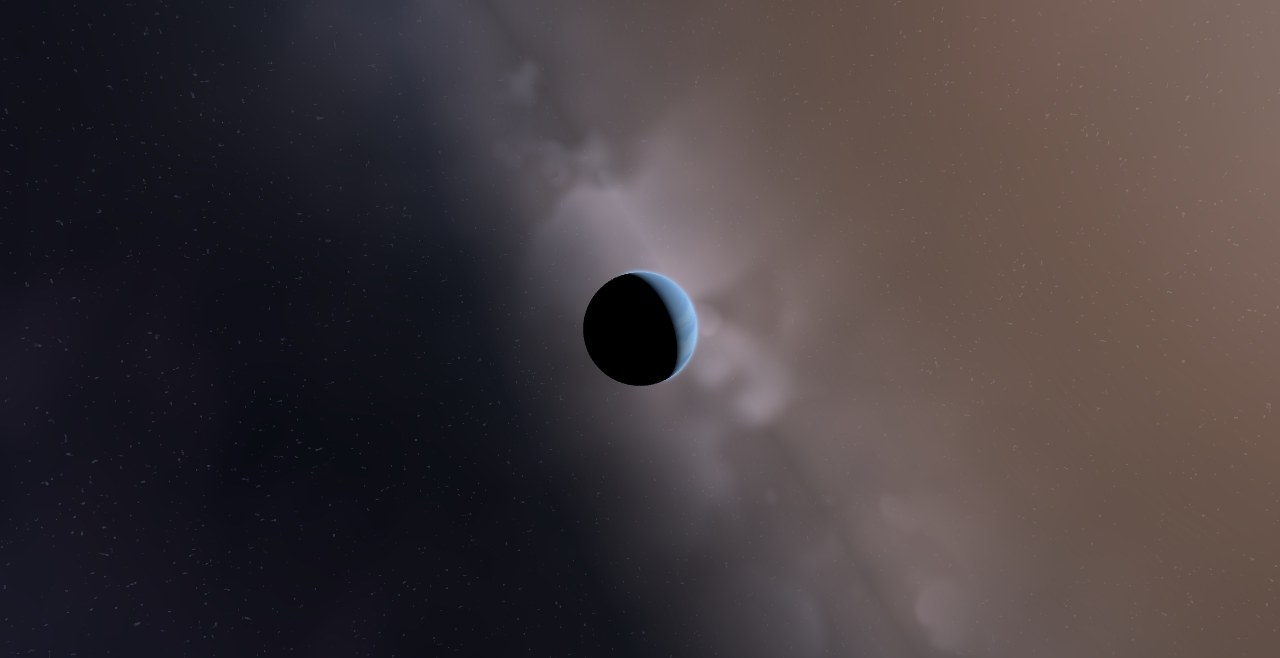
Simulates HD 66141, an orange K-type dwarf of 1.10 solar masses, and HD 66141 b, a 6.00-Jupiter-mass companion, with an orbital period of 1.32 years, at 1.200 AU from its star, on an eccentric orbit (e ≈ 0.07).
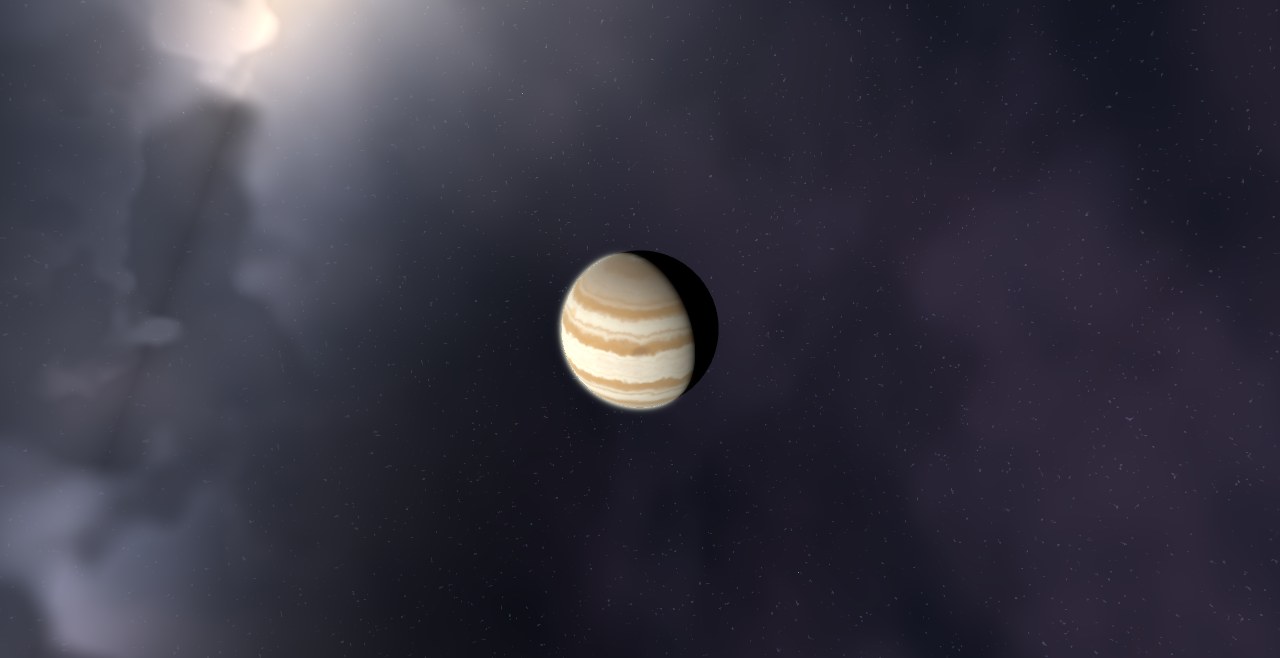
Simulates HD 66428, a Sun-like G-type star of 1.01 solar masses, and HD 66428 b, a 10.9-Jupiter-mass companion, with an orbital period of 6.21 years, at 3.395 AU from its star, on an eccentric orbit (e ≈ 0.47).
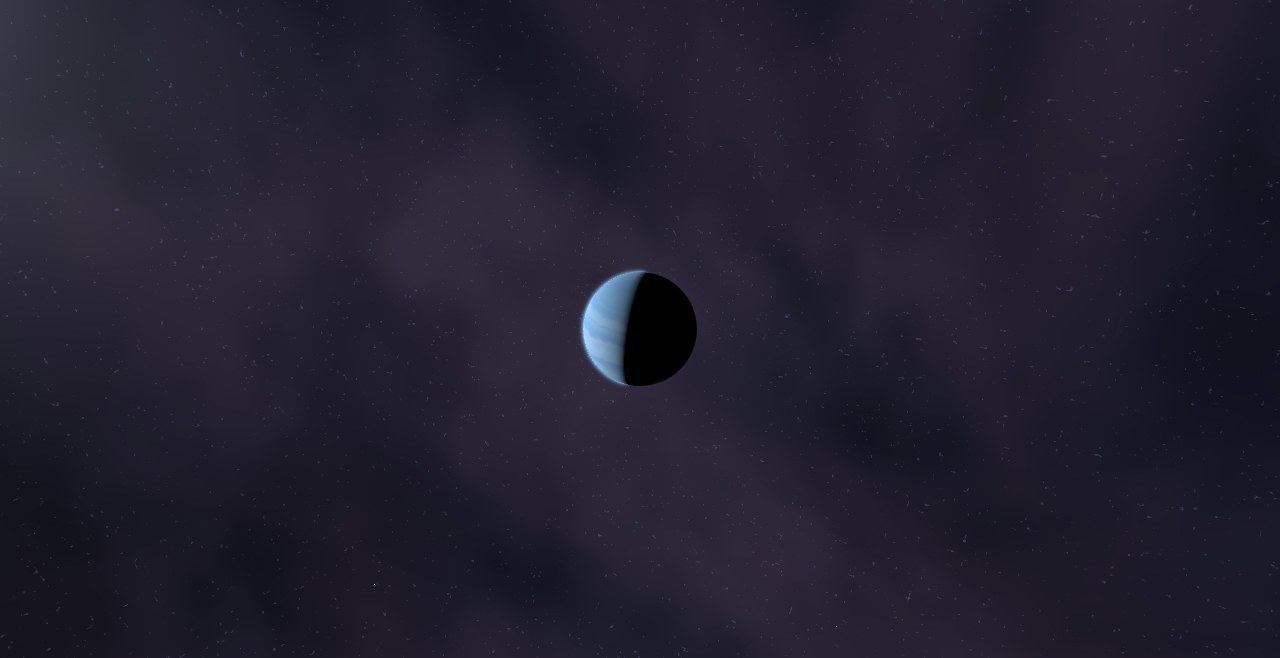
Simulates HD 67087, a Sun-like F-type star of 1.36 solar masses, and HD 67087 b, a 3.06-Jupiter-mass companion, with an orbital period of 352 days, at 1.080 AU from its star, on an eccentric orbit (e ≈ 0.17).
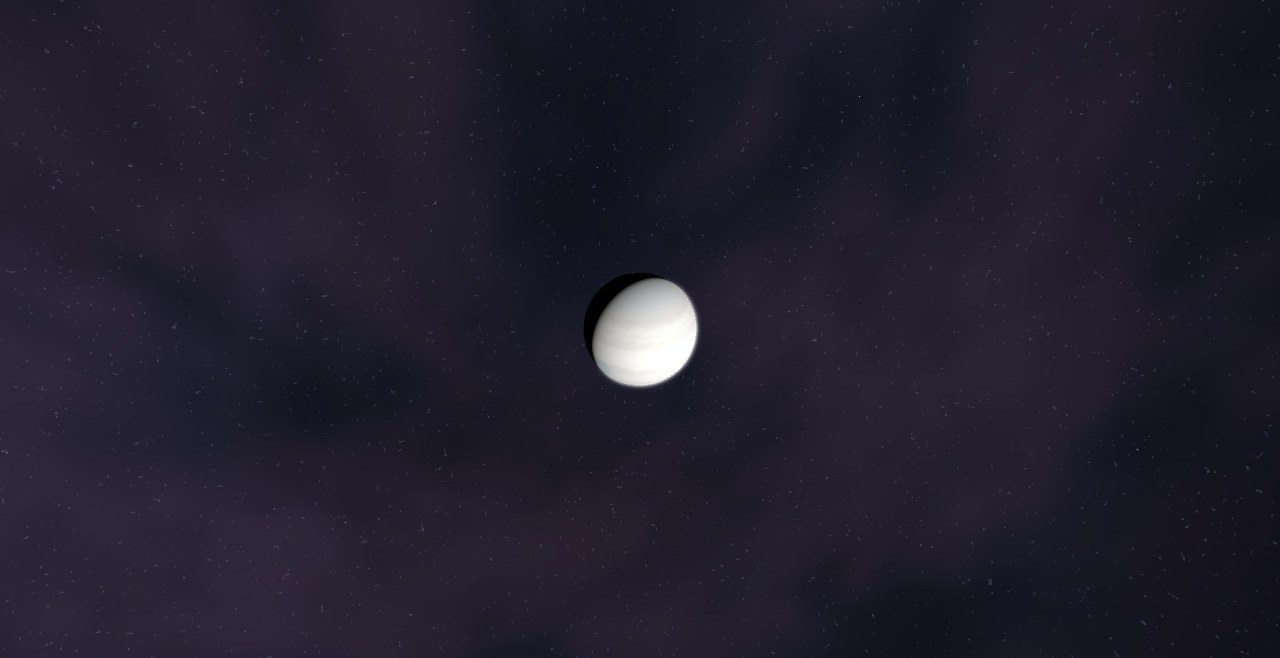
Simulates HD 68402, a Sun-like G-type star of 1.12 solar masses, and HD 68402 b, a 3.07-Jupiter-mass companion, with an orbital period of 3.02 years, at 2.180 AU from its star.