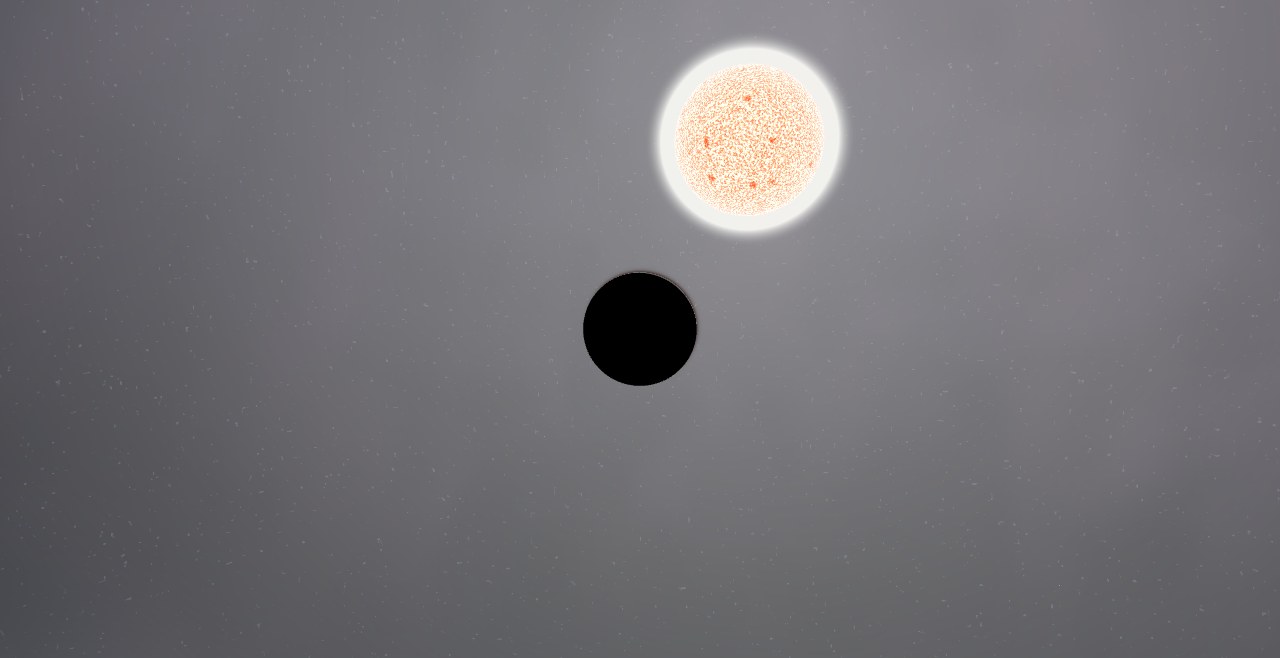
WASP-37 - System
WASP-37, a Sun-like G-type star of 0.93 solar masses, and WASP-37 b, a 1.80-Jupiter-mass companion, with an orbital period of 3.6 days, at 0.045 AU from its star.
3D Space and Gravity Simulator. Simulate the solar system, exoplanets and even colliding galaxies. Add, delete and modify planets, and change the laws of physics.
Share
WASP-37, a Sun-like G-type star of 0.93 solar masses, and WASP-37 b, a 1.80-Jupiter-mass companion, with an orbital period of 3.6 days, at 0.045 AU from its star.
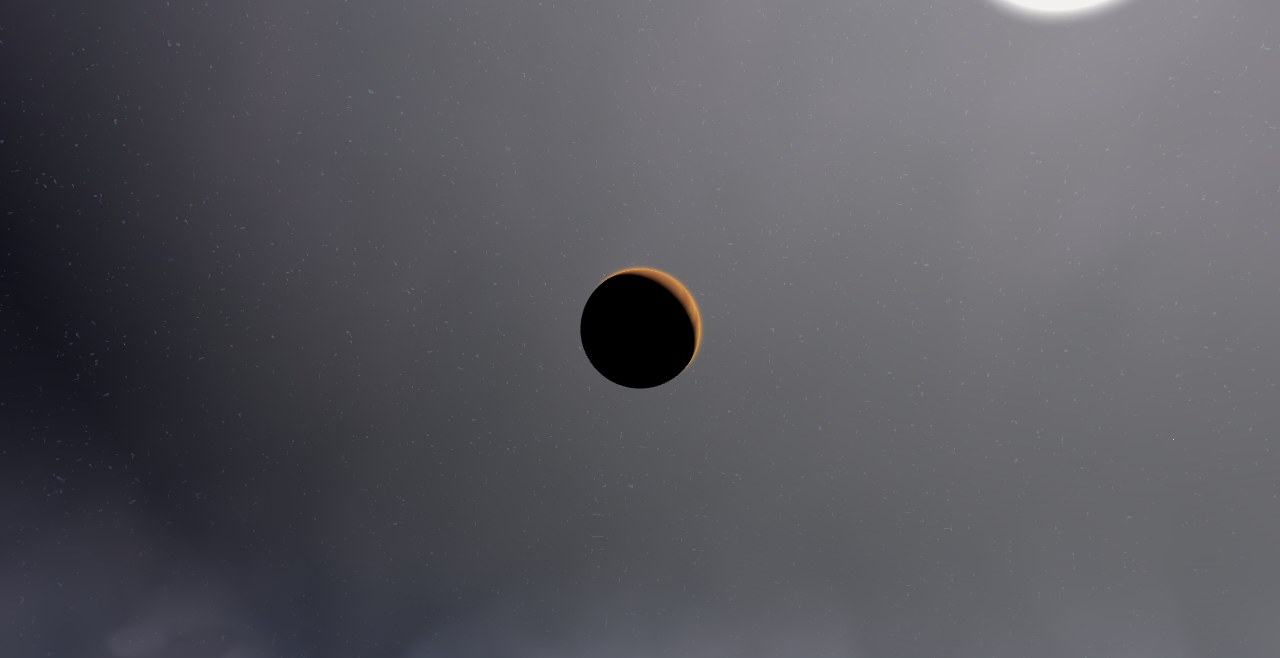
WASP-38, a Sun-like F-type star of 1.76 solar masses, and WASP-38 b, a 3.44-Jupiter-mass companion, with an orbital period of 6.9 days.
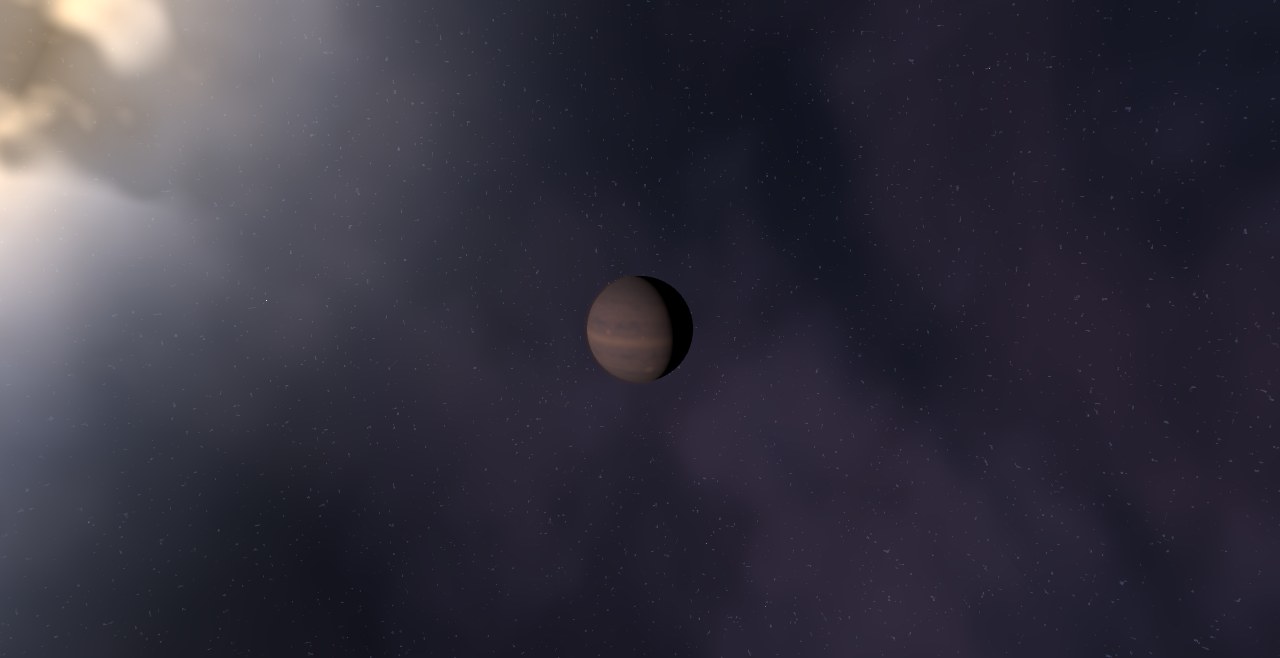
WASP-39 b, the benchmark planet of JWST's first exoplanet results. Its puffy atmosphere revealed water, carbon dioxide, and photochemical sulfur dioxide.
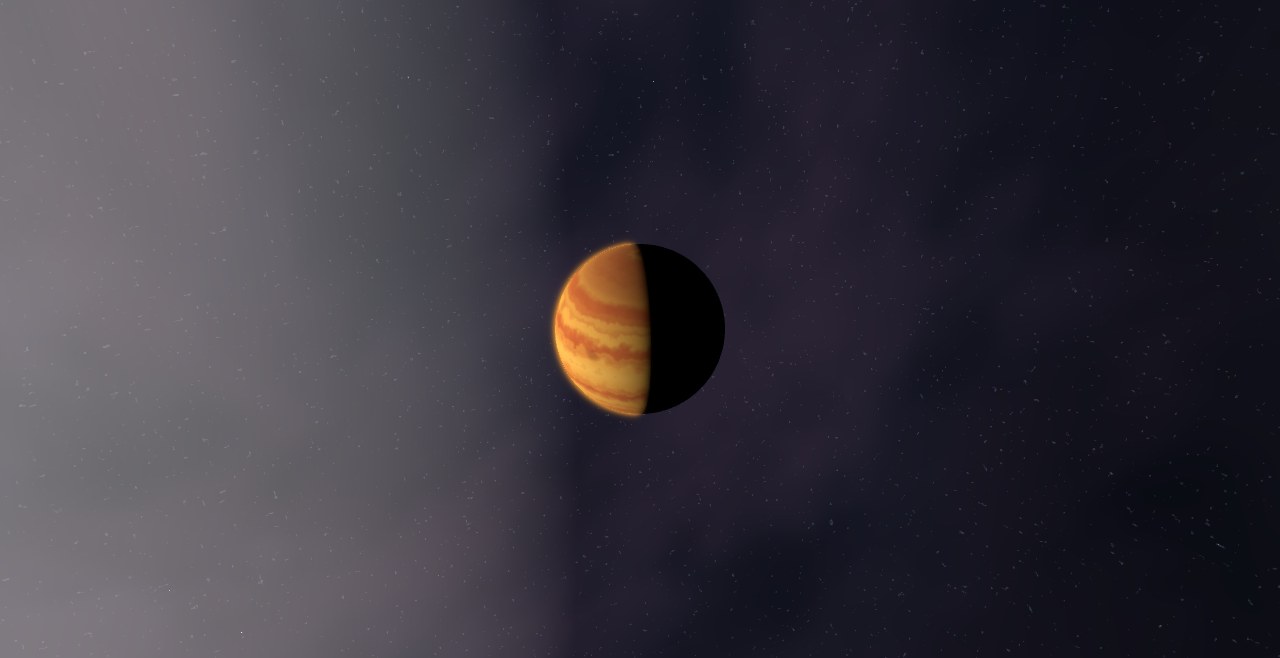
WASP-4, a Sun-like G-type star of 0.90 solar masses, and WASP-4 b, a 1.20-Jupiter-mass companion, with an orbital period of 1.3 days, at 0.023 AU from its star, and an equilibrium temperature near 1,653 K.
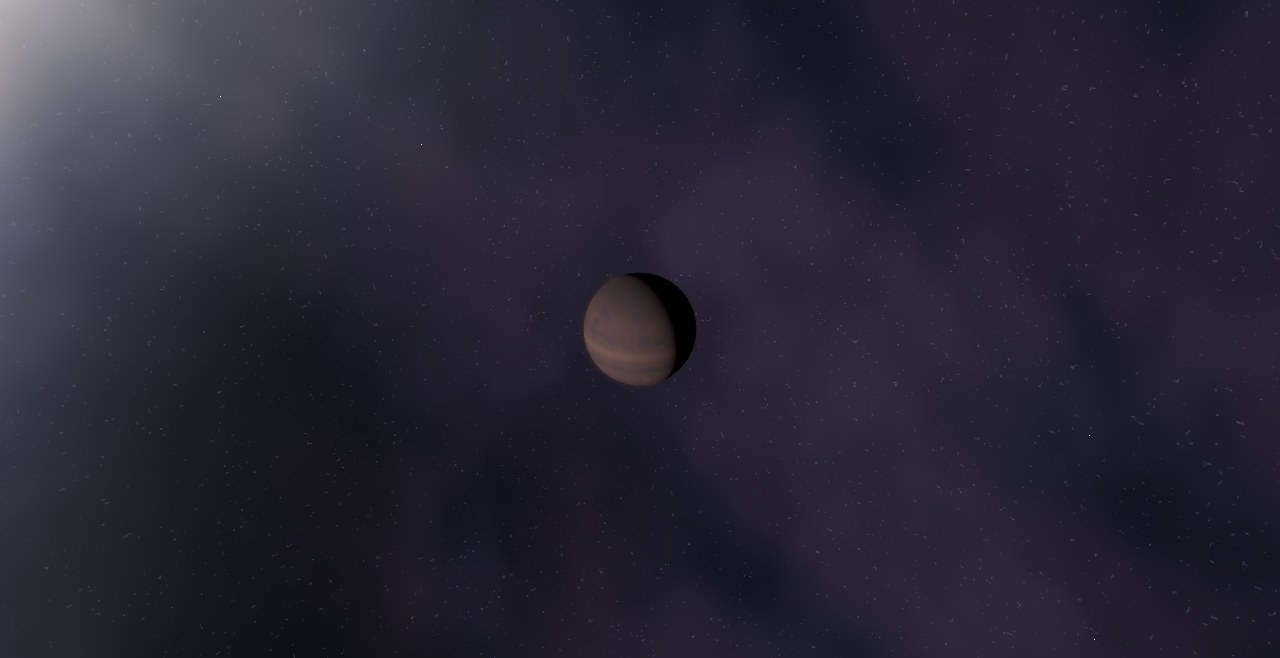
WASP-41, a Sun-like G-type star of 0.81 solar masses, and WASP-41 c, a 3.18-Jupiter-mass companion, with an orbital period of 1.15 years, at 1.070 AU from its star, and an equilibrium temperature near 241 K.
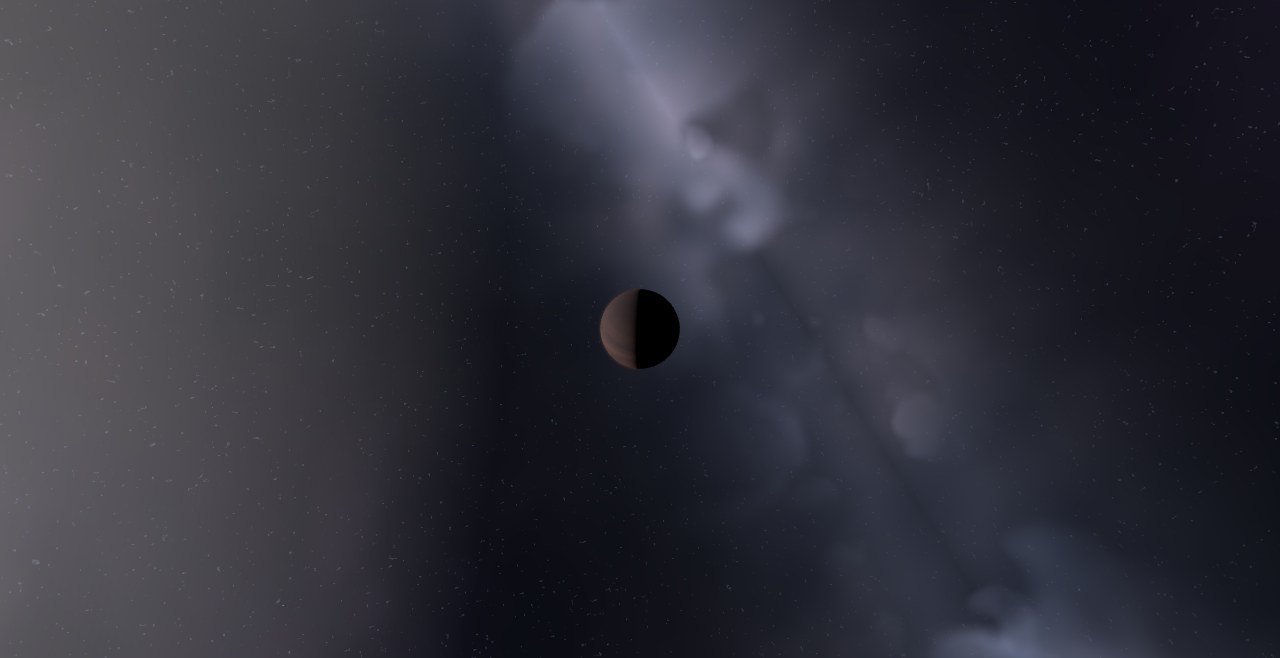
WASP-42, a Sun-like G-type star of 0.95 solar masses, and WASP-42 b, a 0.53-Jupiter-mass companion, with an orbital period of 5.0 days, at 0.056 AU from its star, and an equilibrium temperature near 1,021 K.
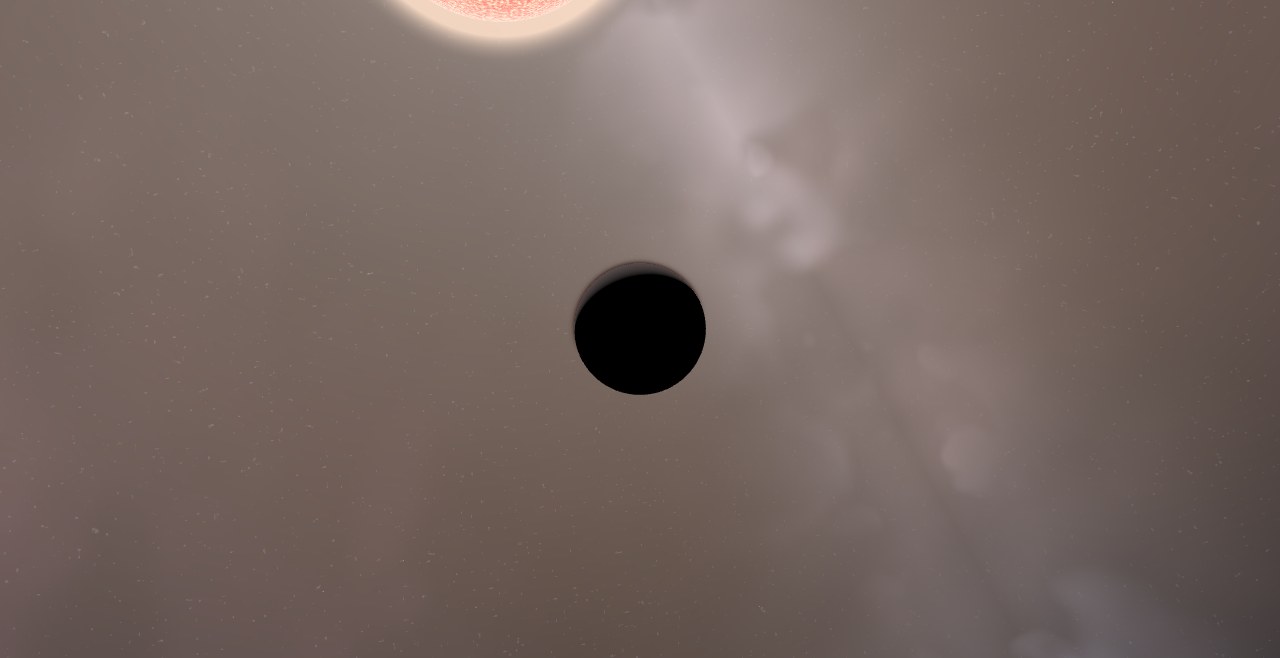
WASP-43 b, a benchmark hot Jupiter for phase curves. Hubble and JWST have mapped how heat flows from its permanent dayside to the night. A year lasts about 19.5 hours around a K dwarf.
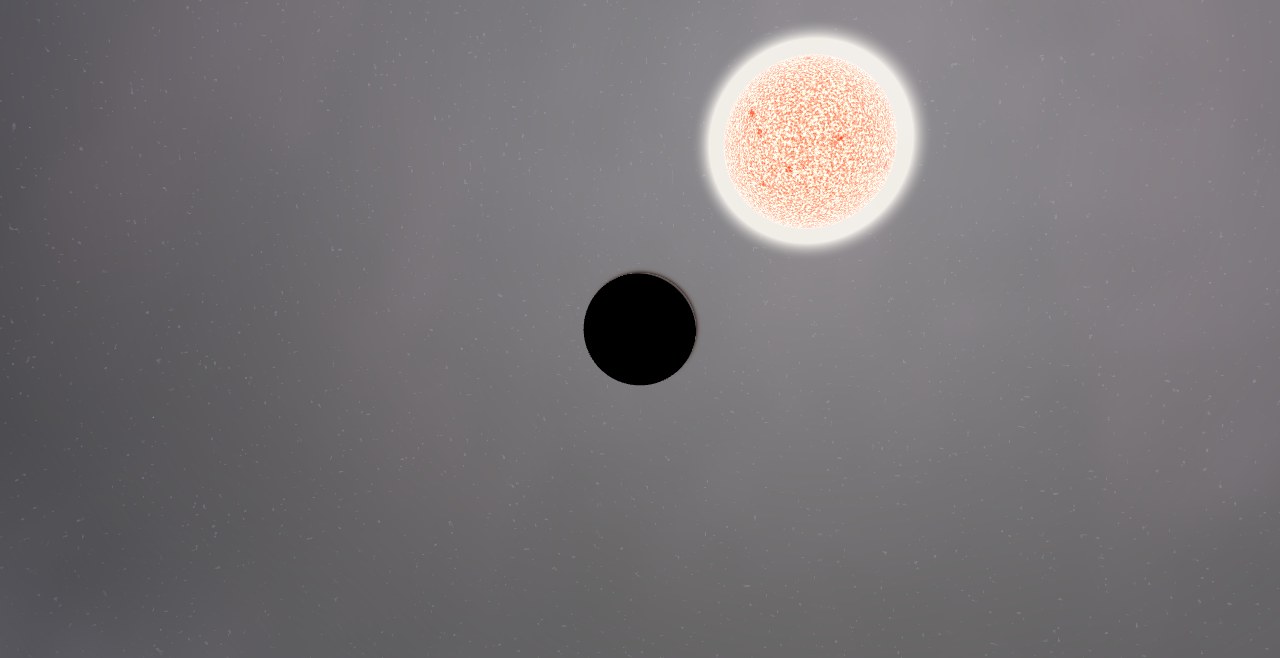
WASP-44, a Sun-like G-type star of 0.94 solar masses, and WASP-44 b, a 0.87-Jupiter-mass companion, with an orbital period of 2.4 days, at 0.035 AU from its star, and an equilibrium temperature near 1,337 K.
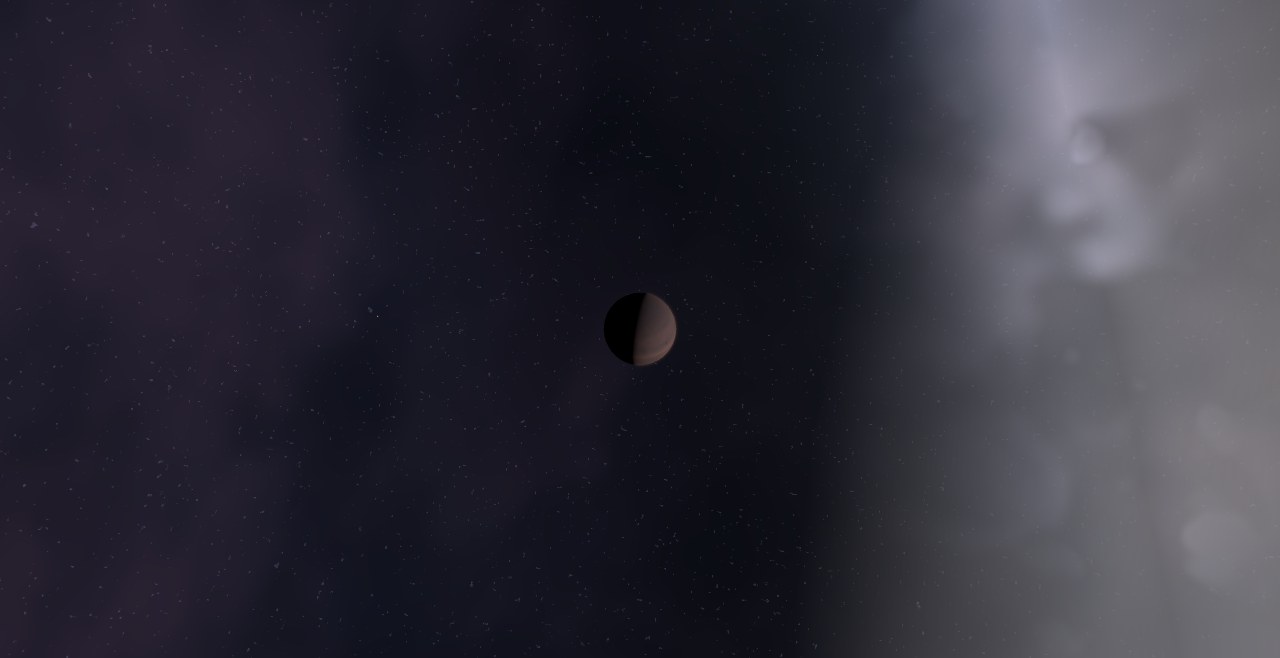
WASP-45, an orange K-type dwarf of 0.85 solar masses, and WASP-45 b, a 0.96-Jupiter-mass companion, with an orbital period of 3.1 days, at 0.040 AU from its star, and an equilibrium temperature near 1,153 K.
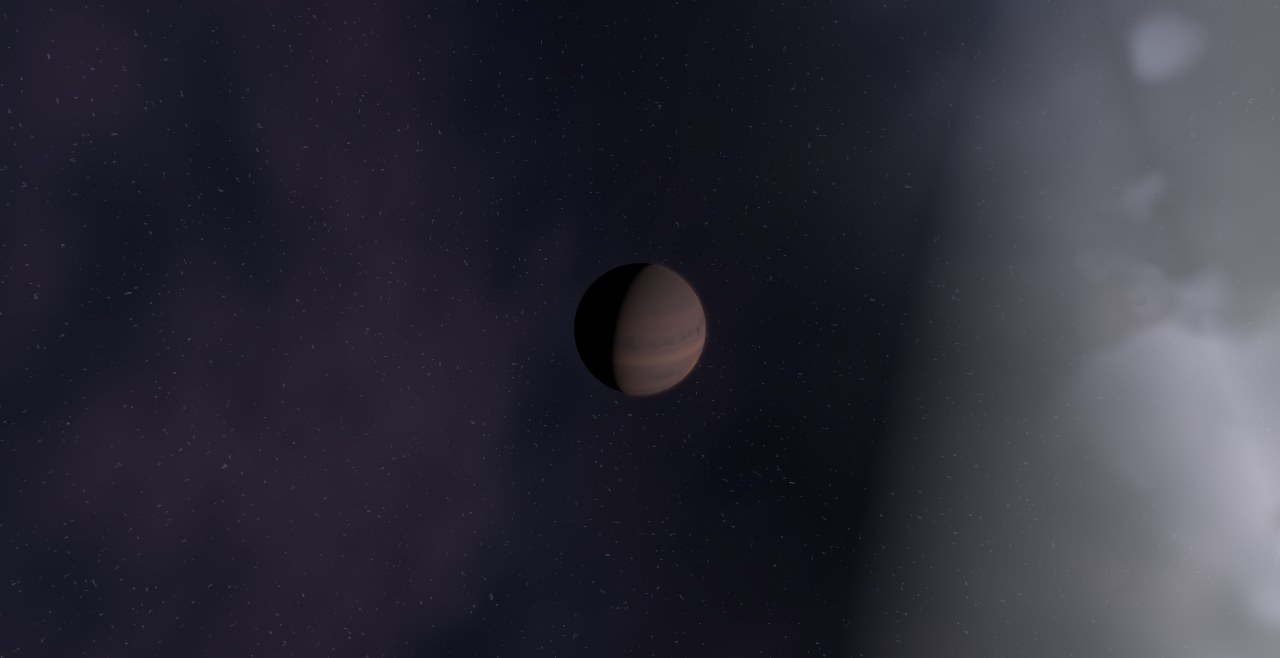
WASP-46, a Sun-like G-type star of 0.83 solar masses, and WASP-46 b, a 1.91-Jupiter-mass companion, with an orbital period of 1.4 days, at 0.023 AU from its star, and an equilibrium temperature near 1,636 K.
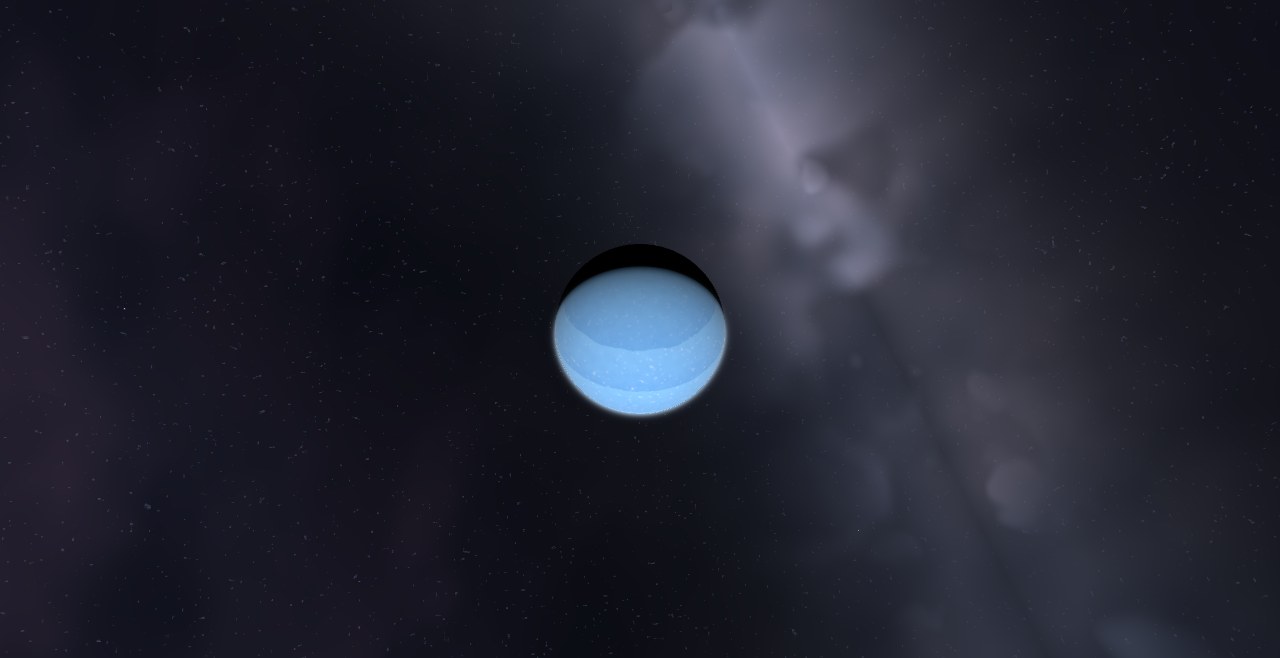
WASP-47, a rare hot Jupiter with nearby sibling planets. An inner super-Earth and an outer Neptune show the giant did not clear the system. Hot Jupiters almost never keep such close neighbors.
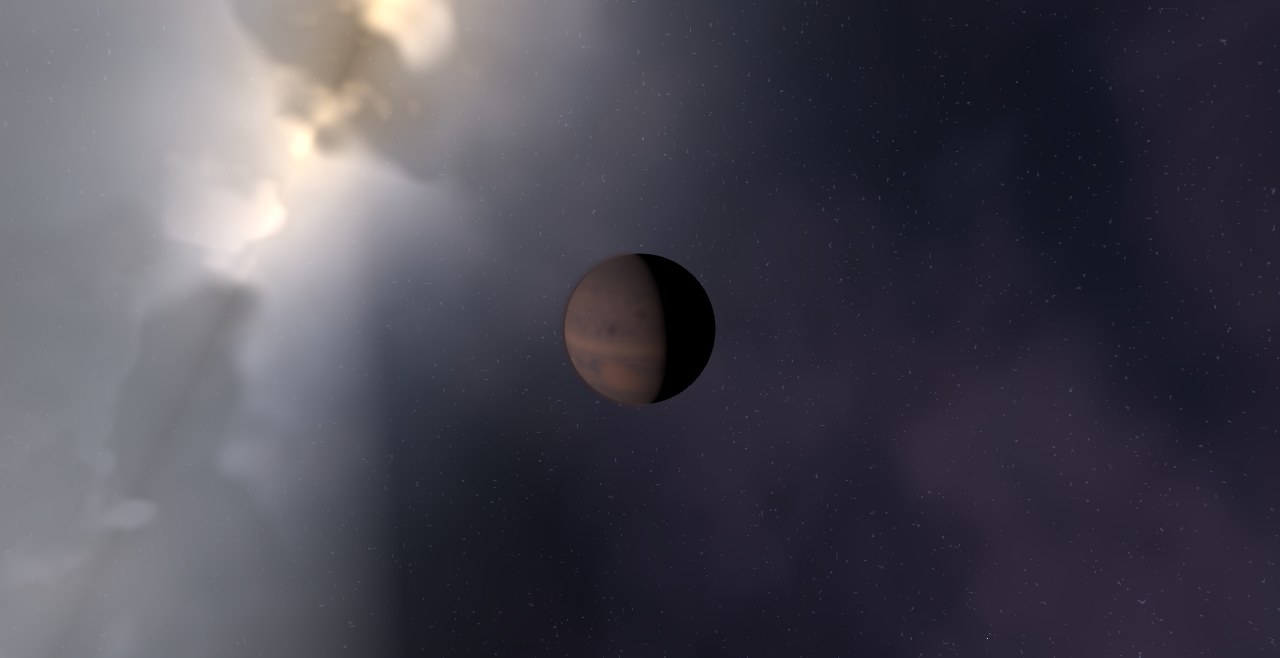
WASP-48, a Sun-like G-type star of 0.88 solar masses, and WASP-48 b, a 0.80-Jupiter-mass companion, with an orbital period of 2.1 days.
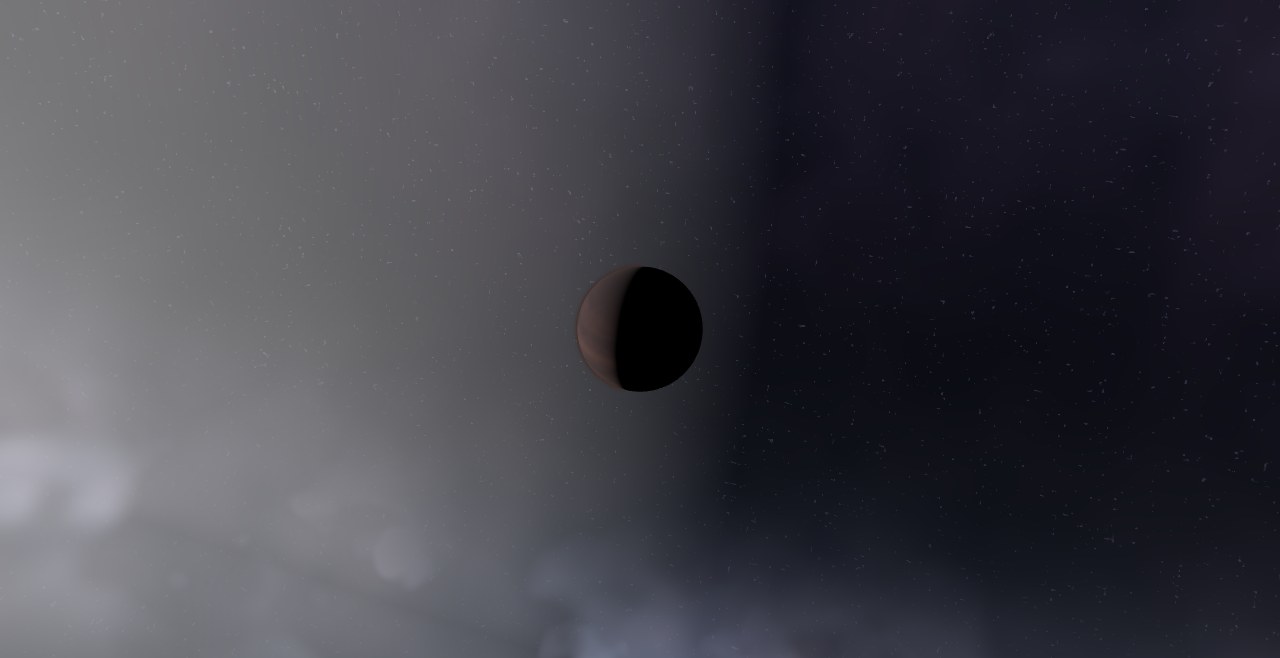
WASP-49, a Sun-like G-type star of 0.92 solar masses, and WASP-49 b, a 0.37-Jupiter-mass companion, with an orbital period of 2.8 days.
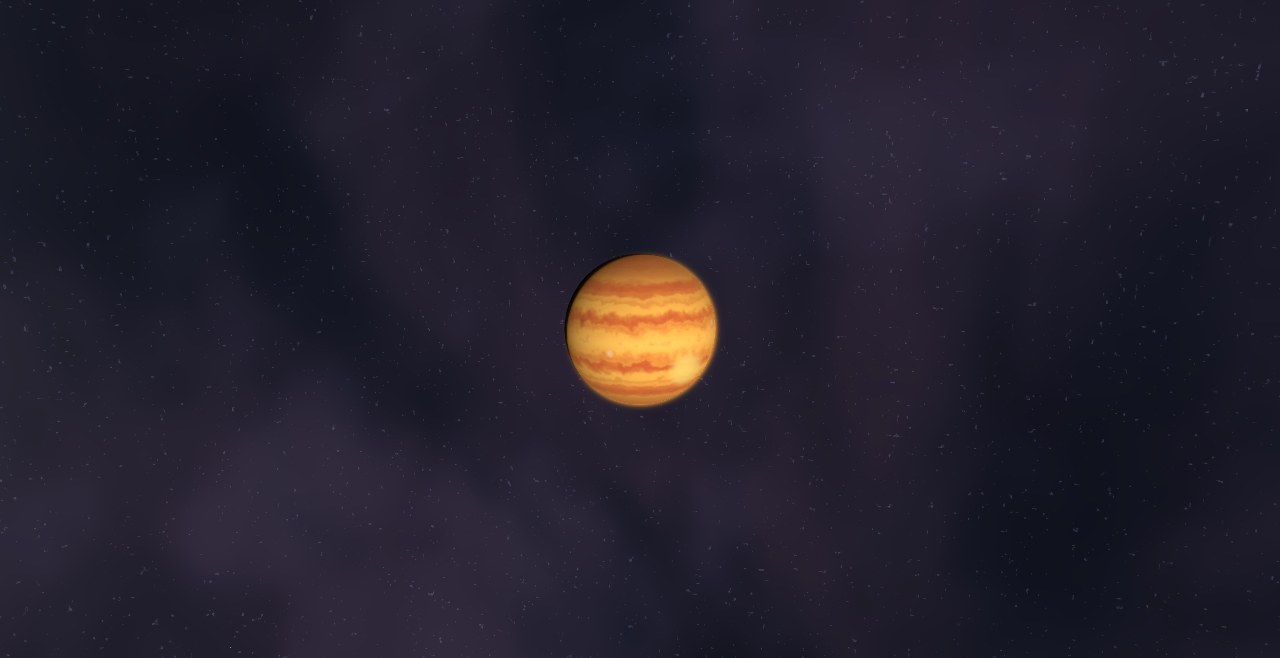
WASP-5, a Sun-like G-type star of 0.96 solar masses, and WASP-5 b, a 1.58-Jupiter-mass companion, with an orbital period of 1.6 days, at 0.027 AU from its star, and an equilibrium temperature near 1,706 K.
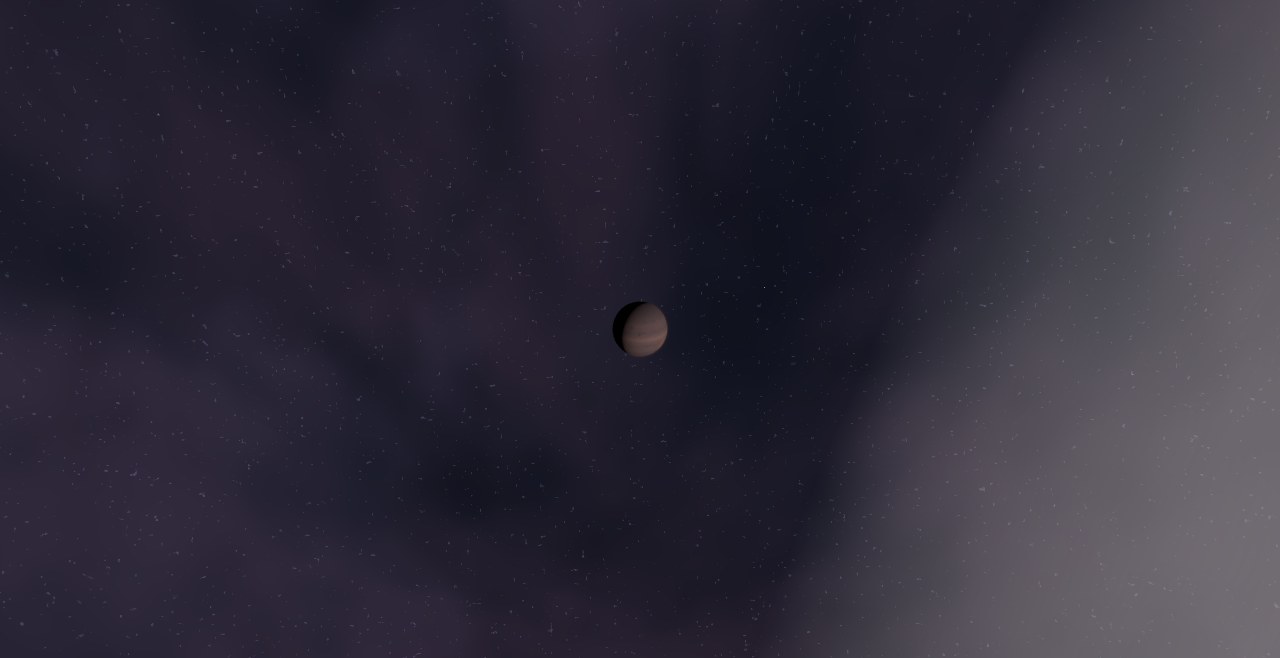
WASP-50, a Sun-like G-type star of 0.89 solar masses, and WASP-50 b, a 1.47-Jupiter-mass companion, with an orbital period of 2.0 days, at 0.029 AU from its star, and an equilibrium temperature near 1,395 K.
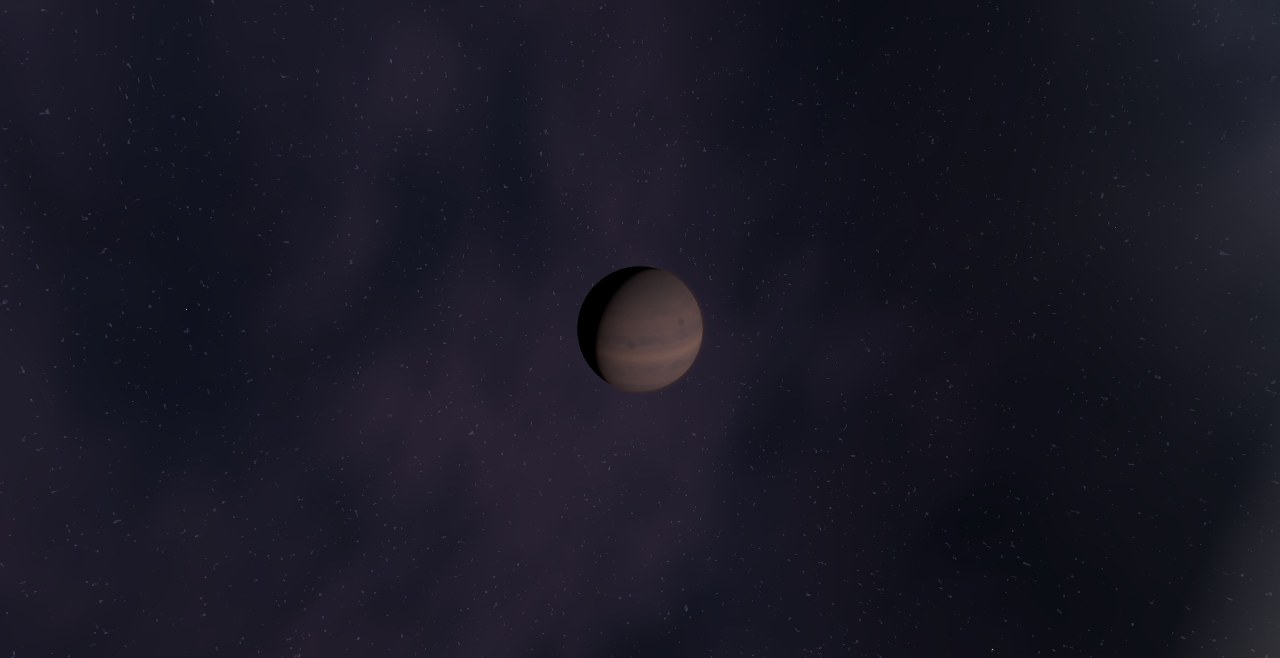
WASP-52, an orange K-type dwarf of 0.87 solar masses, and WASP-52 b, a 0.46-Jupiter-mass companion, with an orbital period of 1.7 days, at 0.027 AU from its star, and an equilibrium temperature near 1,315 K.
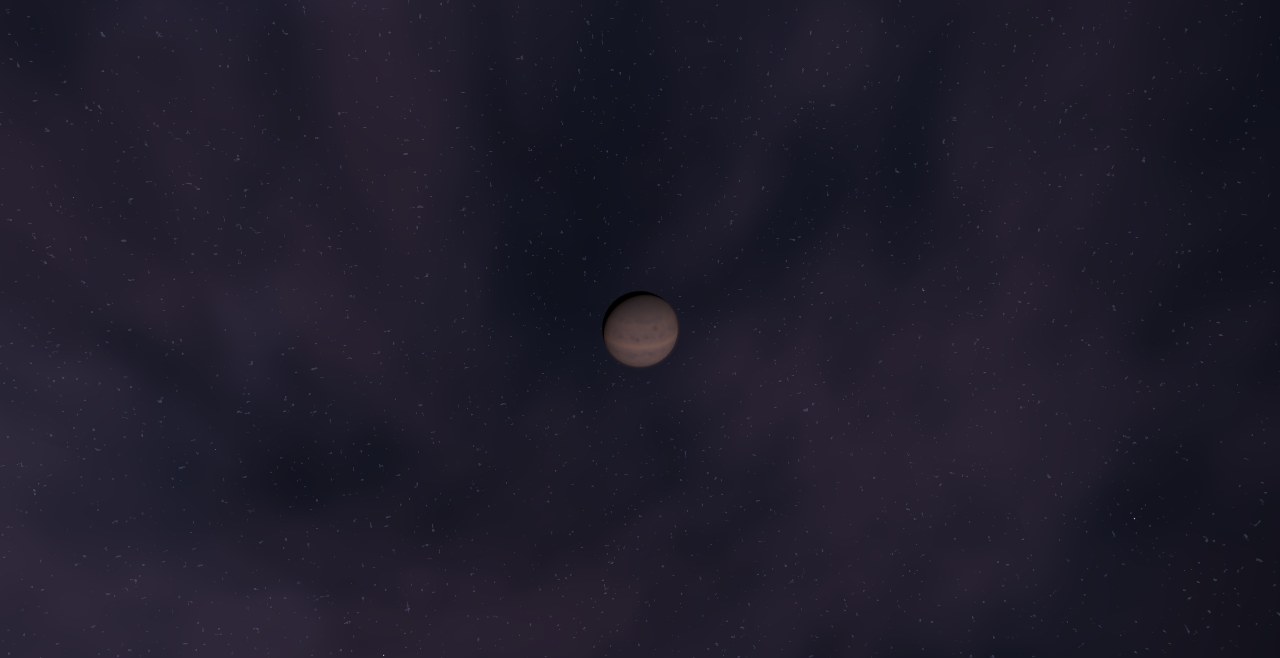
WASP-53, an orange K-type dwarf of 0.84 solar masses, and WASP-53 b, a 2.13-Jupiter-mass companion, with an orbital period of 3.3 days, at 0.041 AU from its star, and an equilibrium temperature near 1,053 K.
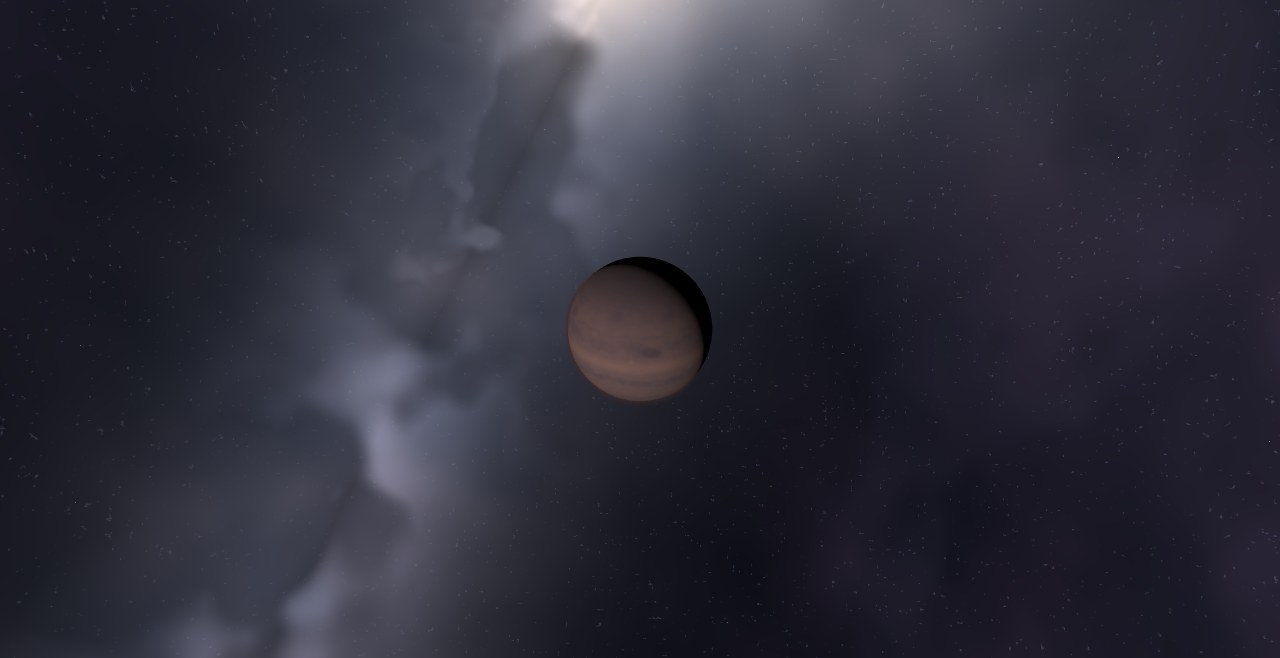
WASP-54, a Sun-like F-type star of 1.08 solar masses, and WASP-54 b, a 0.59-Jupiter-mass companion, with an orbital period of 3.7 days, on an eccentric orbit (e ≈ 0.07).