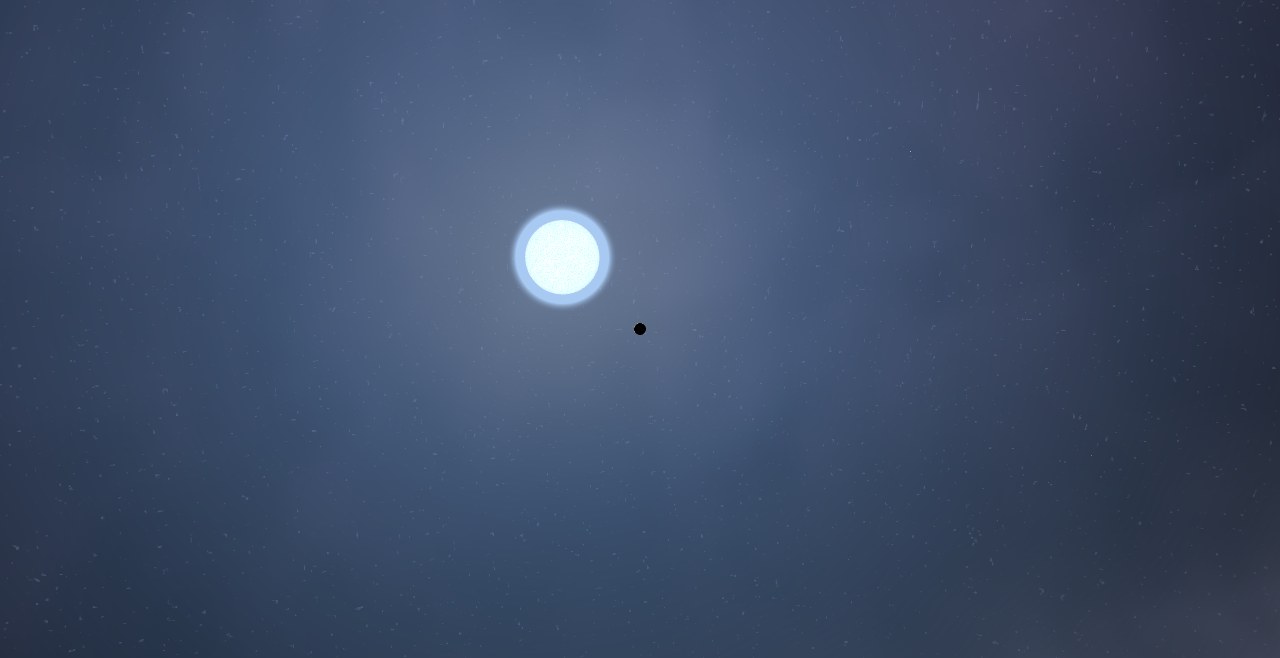
WASP-178 - System
WASP-178, and WASP-178 b, a 1.66-Jupiter-mass companion, with an orbital period of 3.3 days, at 0.056 AU from its star, and an equilibrium temperature near 2,470 K.
3D Space and Gravity Simulator. Simulate the solar system, exoplanets and even colliding galaxies. Add, delete and modify planets, and change the laws of physics.
Share
WASP-178, and WASP-178 b, a 1.66-Jupiter-mass companion, with an orbital period of 3.3 days, at 0.056 AU from its star, and an equilibrium temperature near 2,470 K.
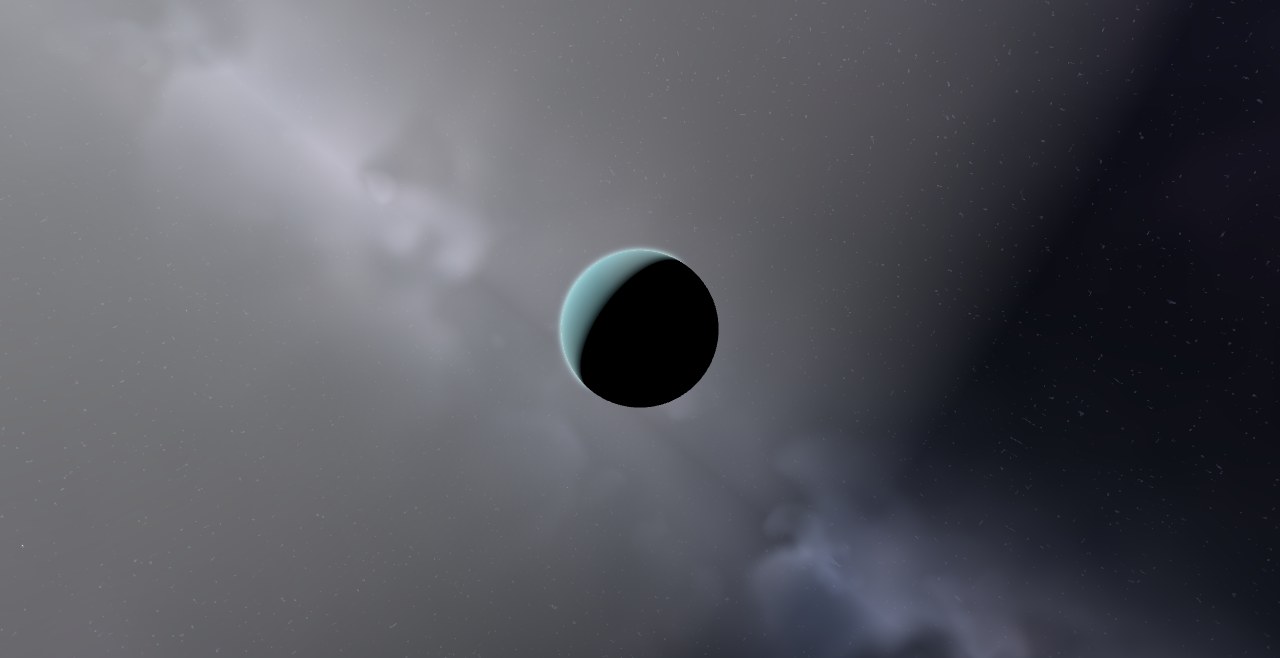
WASP-18 b, a massive hot Jupiter ten times Jupiter's mass. It is a key target for measuring whether tides are pulling it into the star. It is one of the most massive hot Jupiters known.
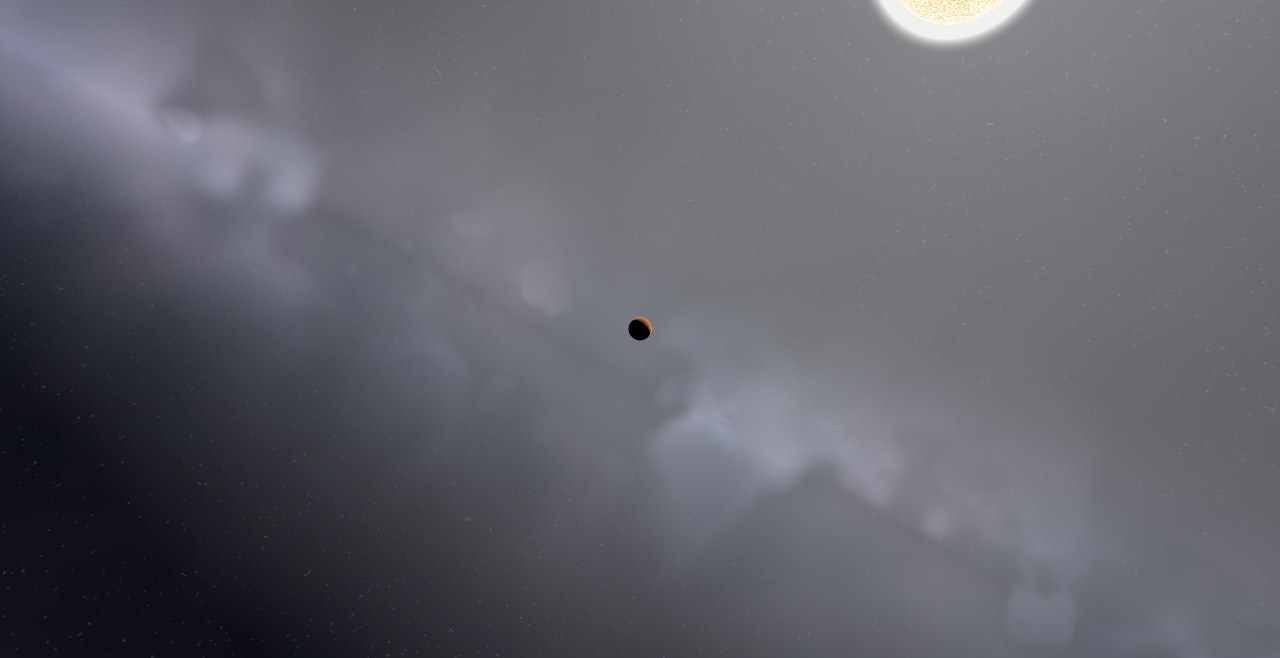
WASP-180 A, a Sun-like F-type star of 1.30 solar masses, and WASP-180 A b, a 0.90-Jupiter-mass companion, with an orbital period of 3.4 days, at 0.048 AU from its star, and an equilibrium temperature near.
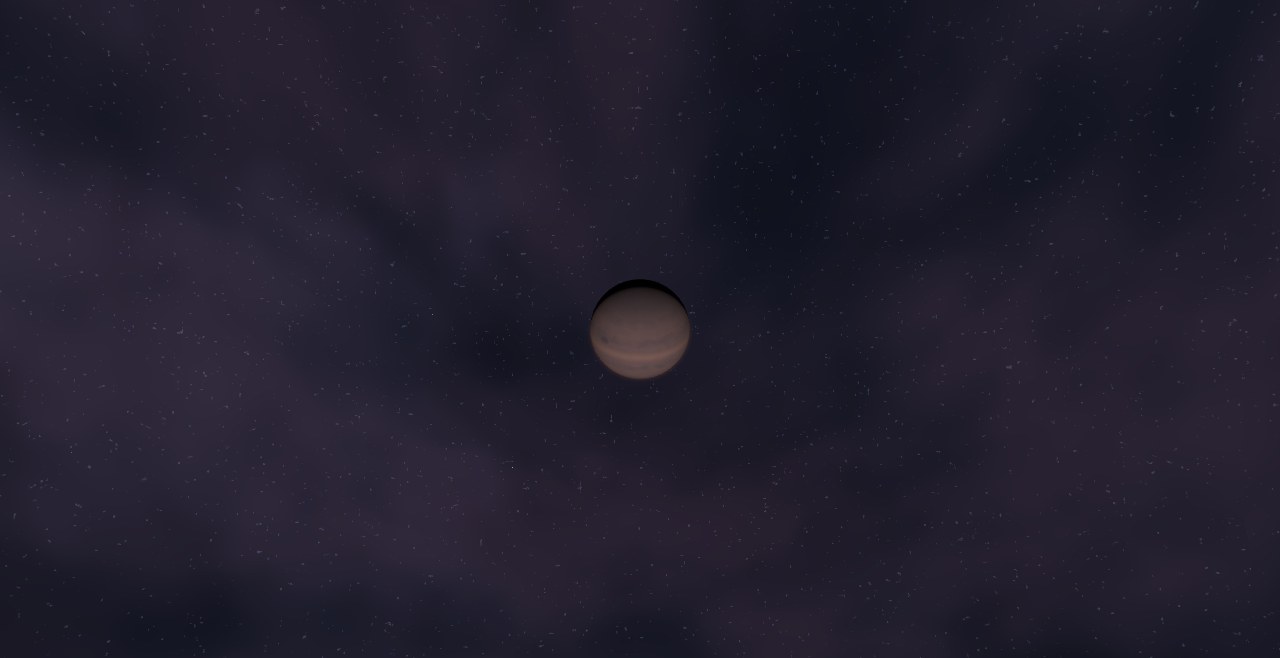
WASP-181, a Sun-like G-type star of 1.04 solar masses, and WASP-181 b, a 0.30-Jupiter-mass companion, with an orbital period of 4.5 days, at 0.054 AU from its star, and an equilibrium temperature near 1,186 K.
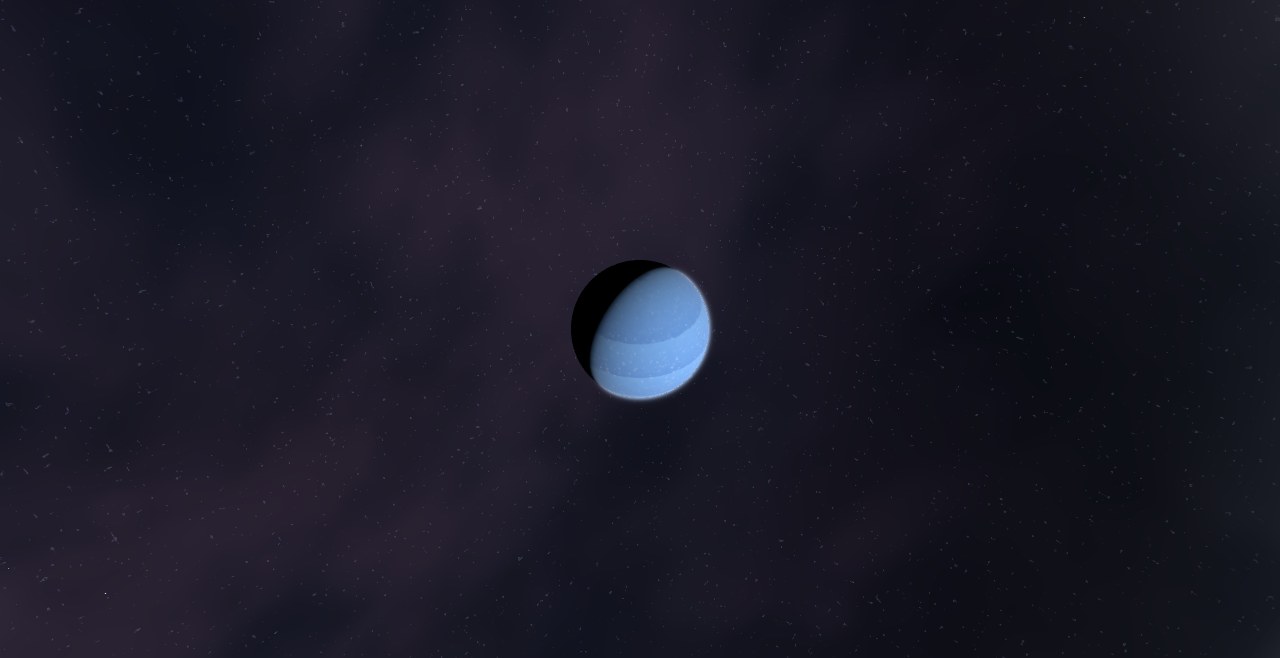
WASP-182, a Sun-like G-type star of 1.08 solar masses, and WASP-182 b, a 0.15-Jupiter-mass companion, with an orbital period of 3.4 days, at 0.045 AU from its star, and an equilibrium temperature near 1,479 K.
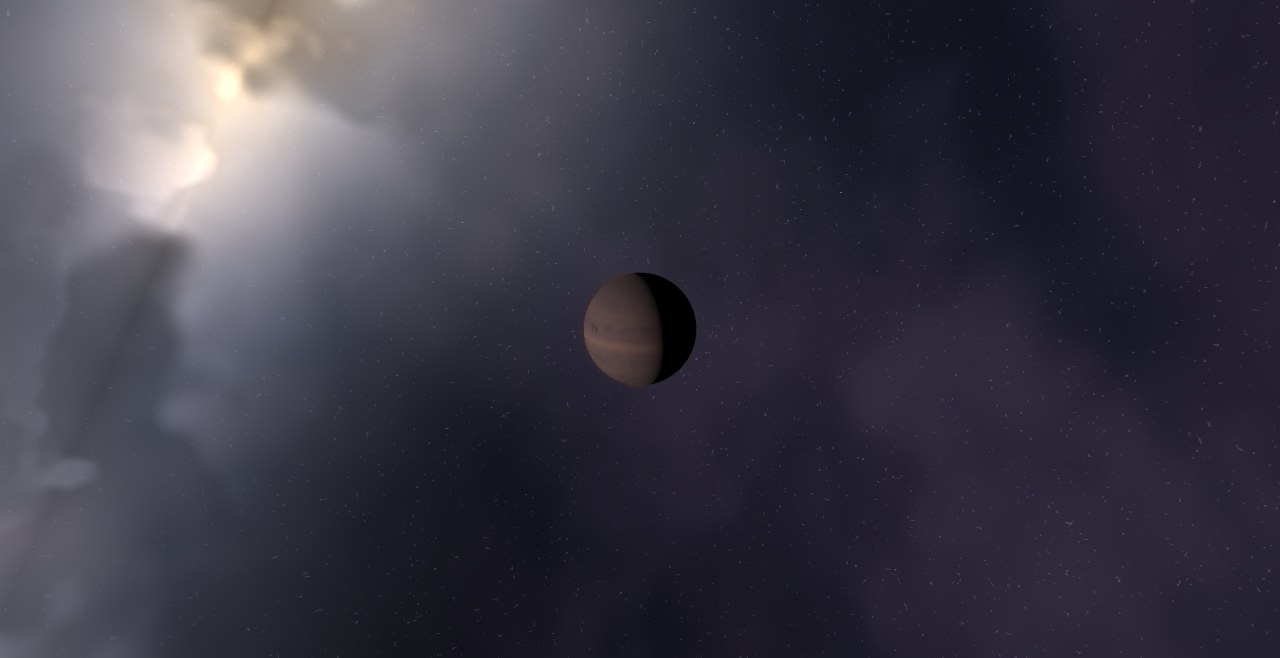
WASP-183, a Sun-like G-type star of 0.78 solar masses, and WASP-183 b, a 0.50-Jupiter-mass companion, with an orbital period of 4.1 days, at 0.046 AU from its star, and an equilibrium temperature near 1,111 K.
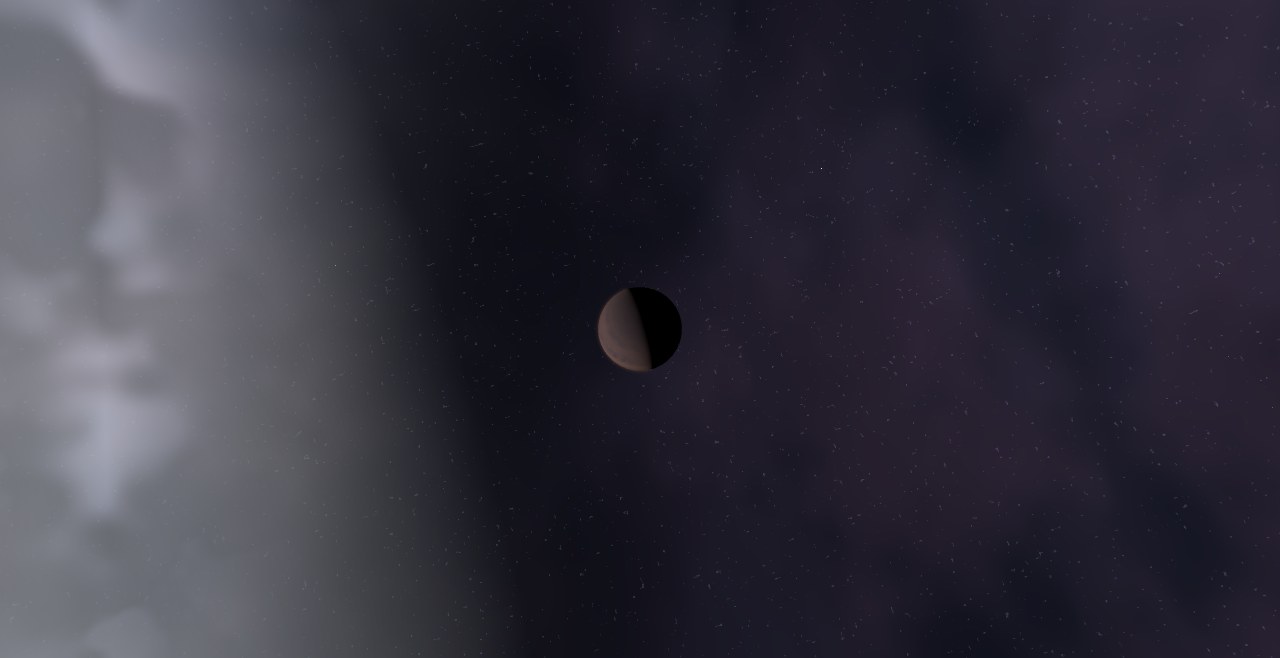
WASP-184, a Sun-like G-type star of 1.23 solar masses, and WASP-184 b, a 0.57-Jupiter-mass companion, with an orbital period of 5.2 days, at 0.063 AU from its star, and an equilibrium temperature near 1,480 K.
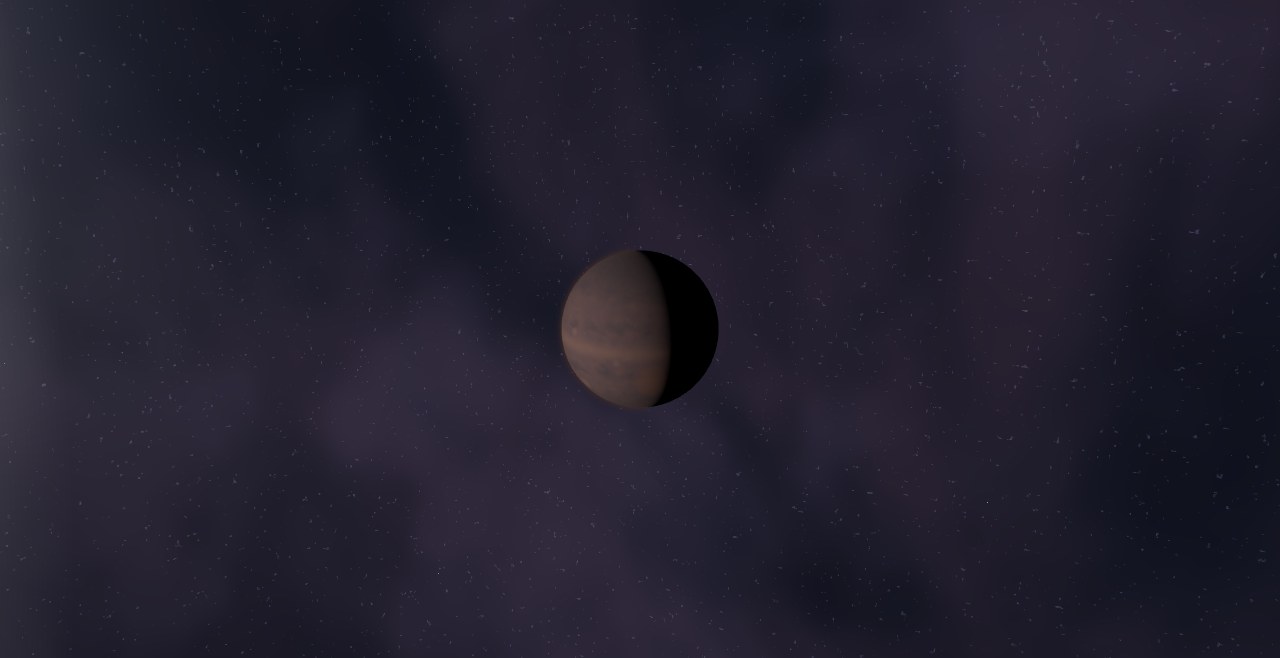
WASP-185, a Sun-like G-type star of 1.12 solar masses, and WASP-185 b, a 0.98-Jupiter-mass companion, with an orbital period of 9.4 days, at 0.090 AU from its star, and an equilibrium temperature near 1,160 K.
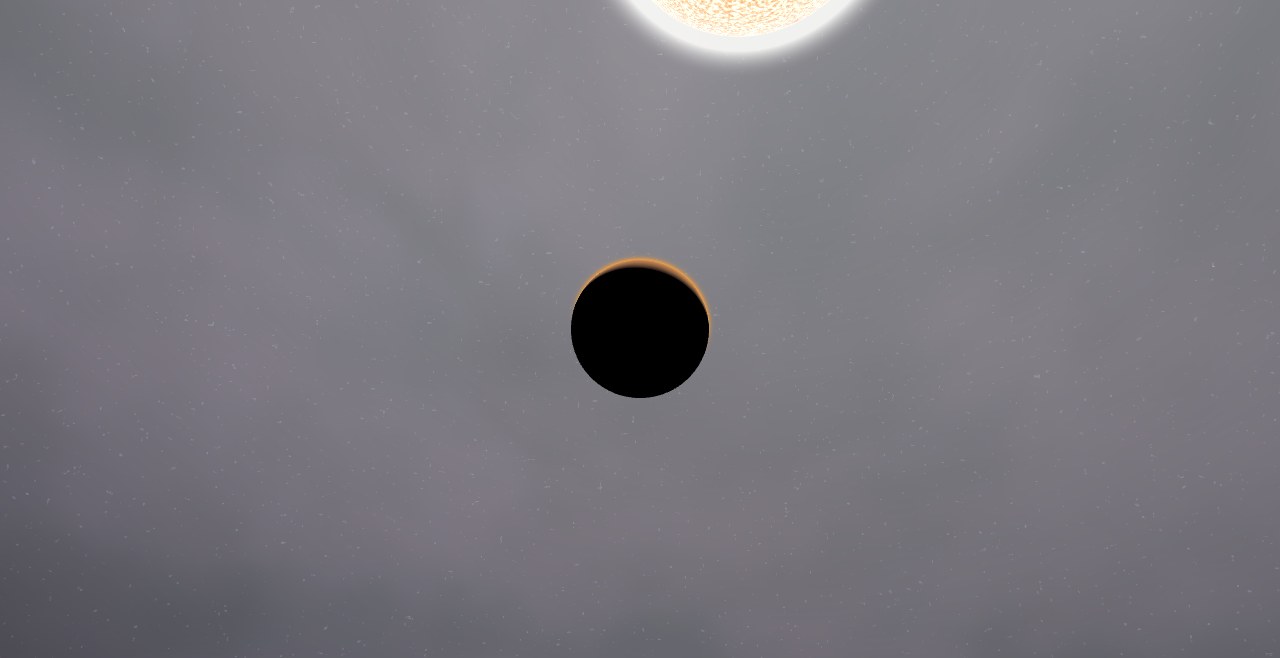
WASP-186, a Sun-like F-type star of 1.22 solar masses, and WASP-186 b, a 4.22-Jupiter-mass companion, with an orbital period of 5.0 days, at 0.060 AU from its star, on an eccentric orbit (e ≈ 0.33).
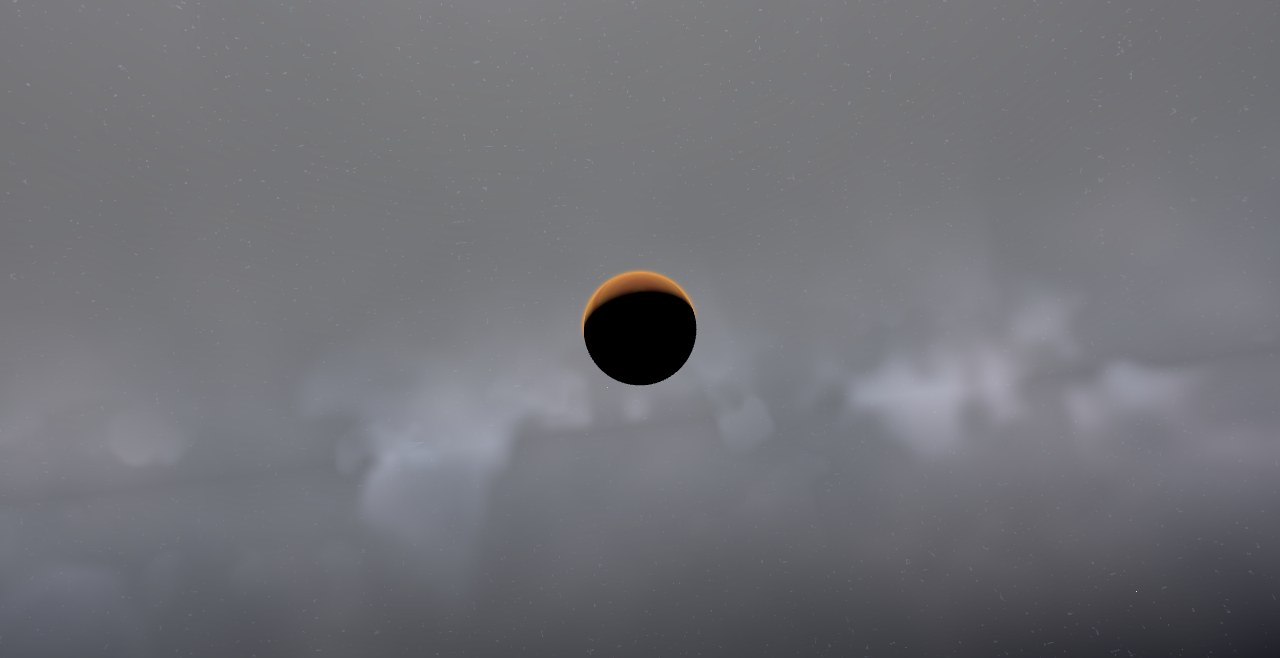
WASP-187, a Sun-like F-type star of 1.54 solar masses, and WASP-187 b, a 0.80-Jupiter-mass companion, with an orbital period of 5.1 days, at 0.065 AU from its star.
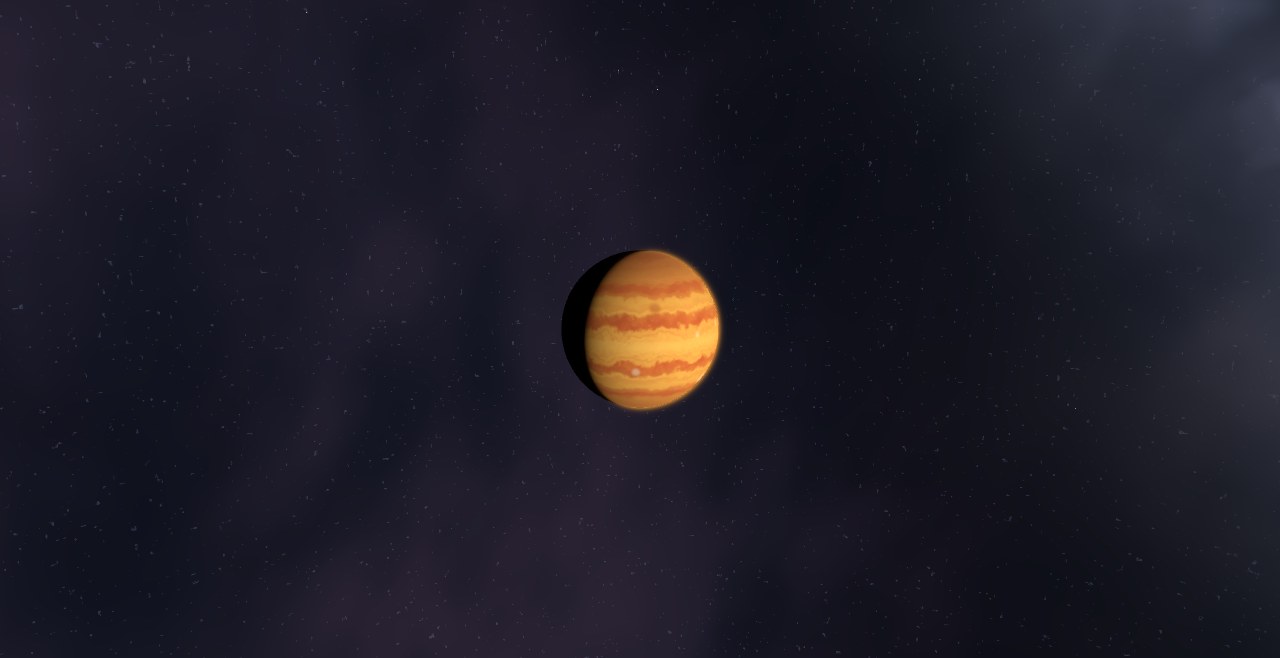
WASP-188, a Sun-like F-type star of 1.50 solar masses, and WASP-188 b, a 1.44-Jupiter-mass companion, with an orbital period of 5.7 days, at 0.072 AU from its star, and an equilibrium temperature near 1,666 K.
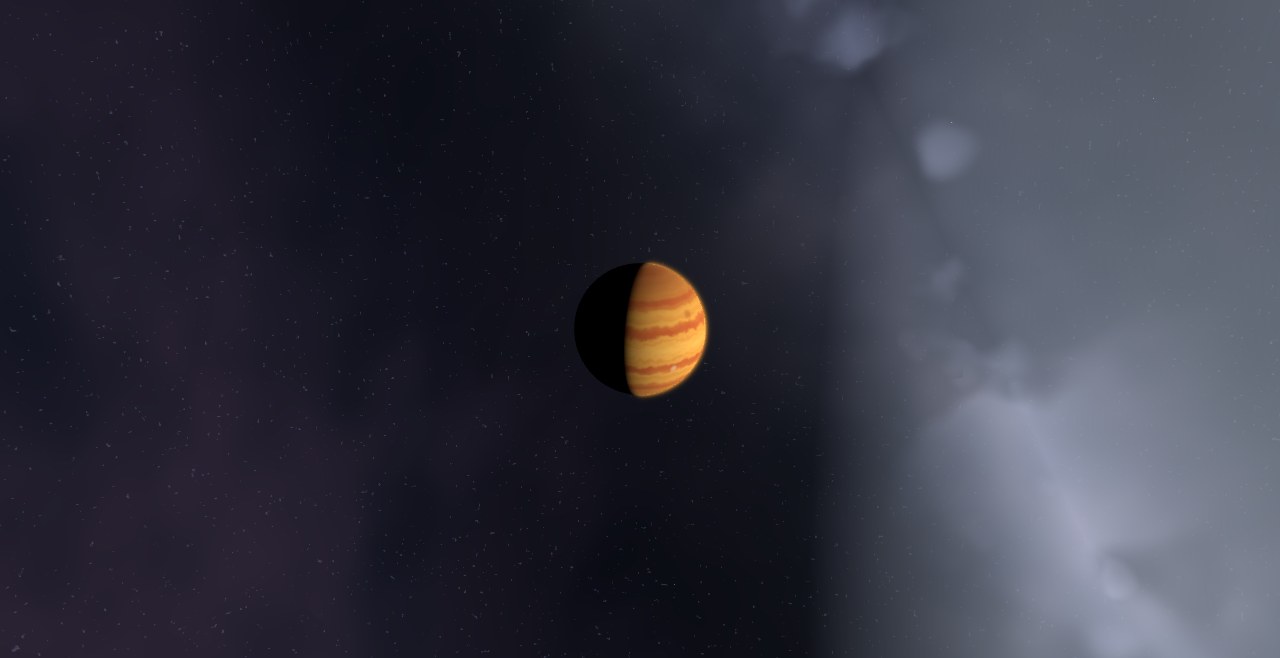
WASP-189, and WASP-189 b, a 1.99-Jupiter-mass companion, with an orbital period of 2.7 days, at 0.051 AU from its star, and an equilibrium temperature near 3,353 K.
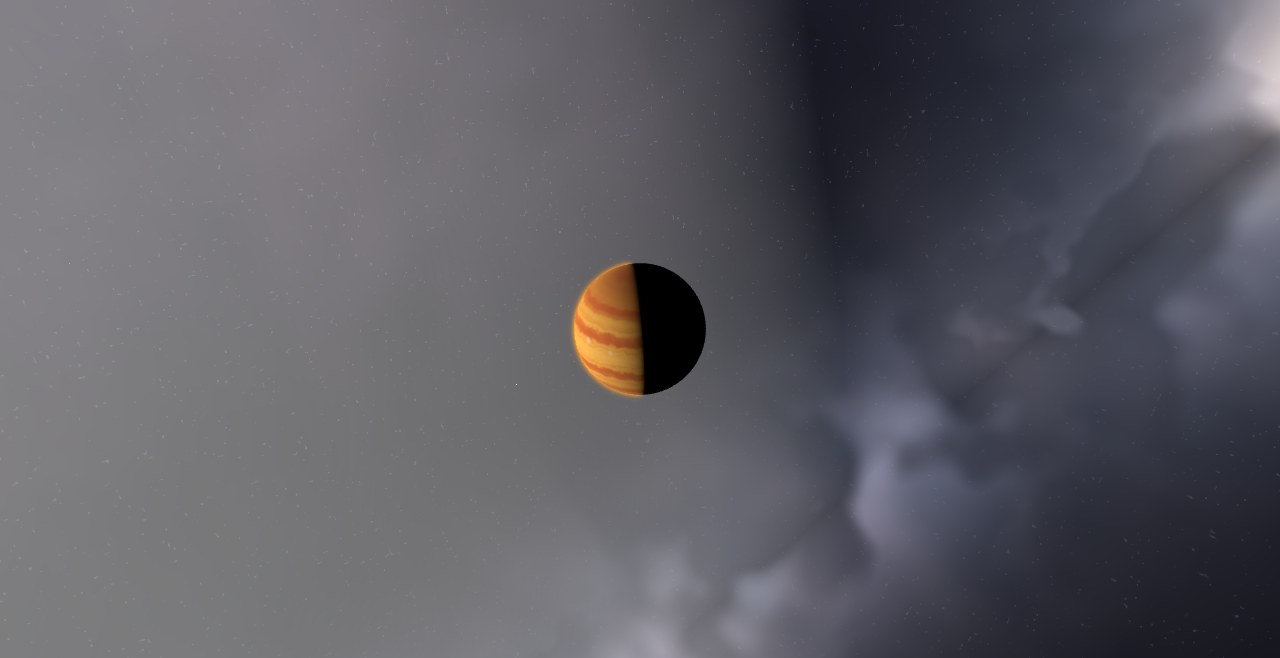
WASP-19 b, an ultra-short-period hot Jupiter on a decaying orbit. A year lasts about 19 hours, and tides are dragging the planet inward. The period is only about 0.79 days and still shrinking.
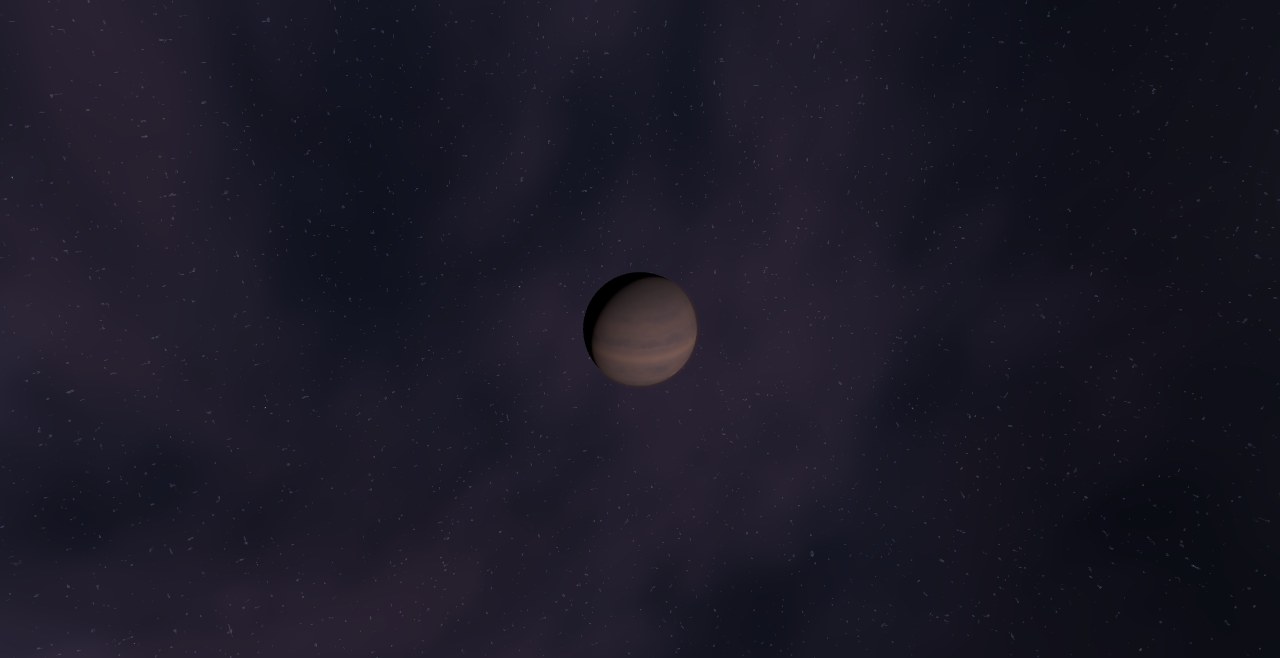
WASP-190, a Sun-like F-type star of 1.35 solar masses, and WASP-190 b, a 1.00-Jupiter-mass companion, with an orbital period of 5.4 days, at 0.066 AU from its star, and an equilibrium temperature near 1,500 K.
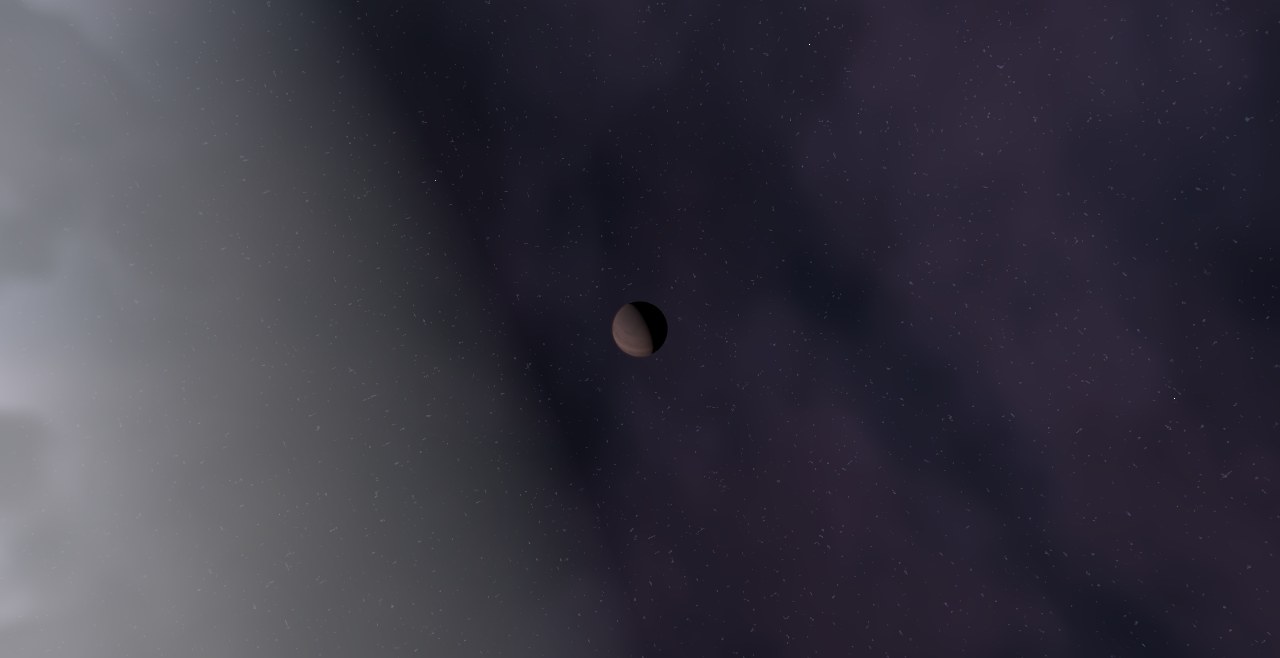
WASP-192, a Sun-like G-type star of 1.09 solar masses, and WASP-192 b, a 2.30-Jupiter-mass companion, with an orbital period of 2.9 days, at 0.041 AU from its star, and an equilibrium temperature near 1,620 K.
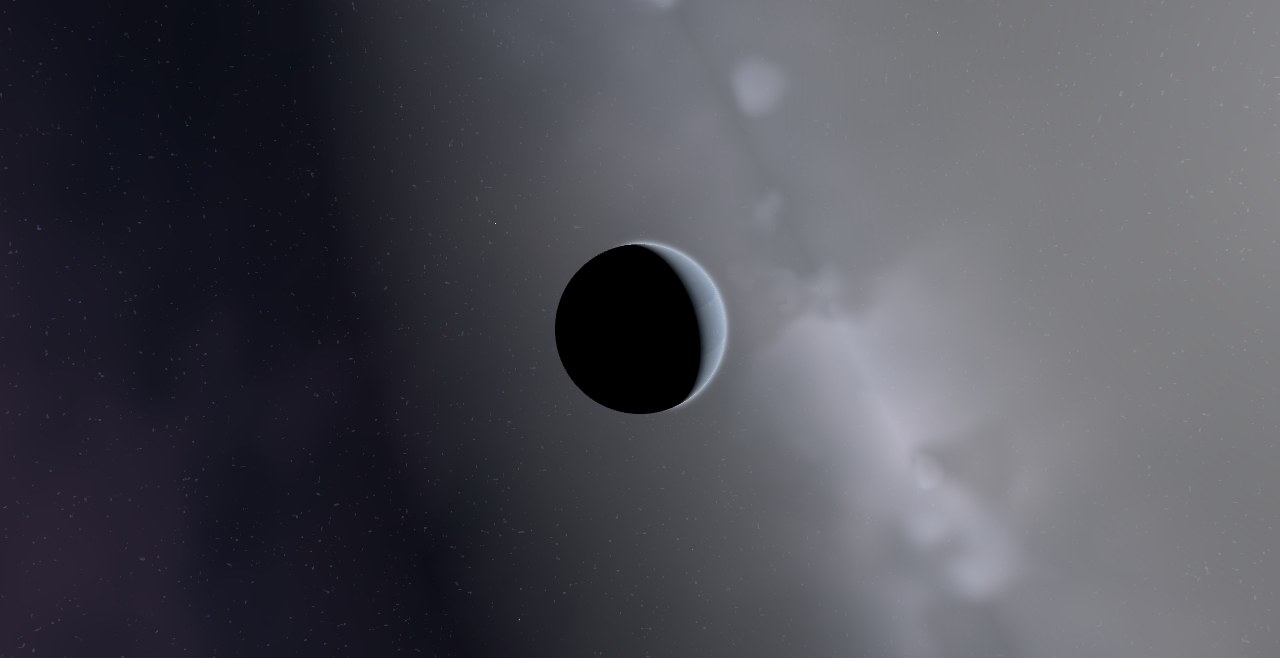
WASP-193, a Sun-like F-type star of 1.02 solar masses, and WASP-193 b, a 0.11-Jupiter-mass companion, with an orbital period of 6.2 days, at 0.067 AU from its star, and an equilibrium temperature near 1,250 K.
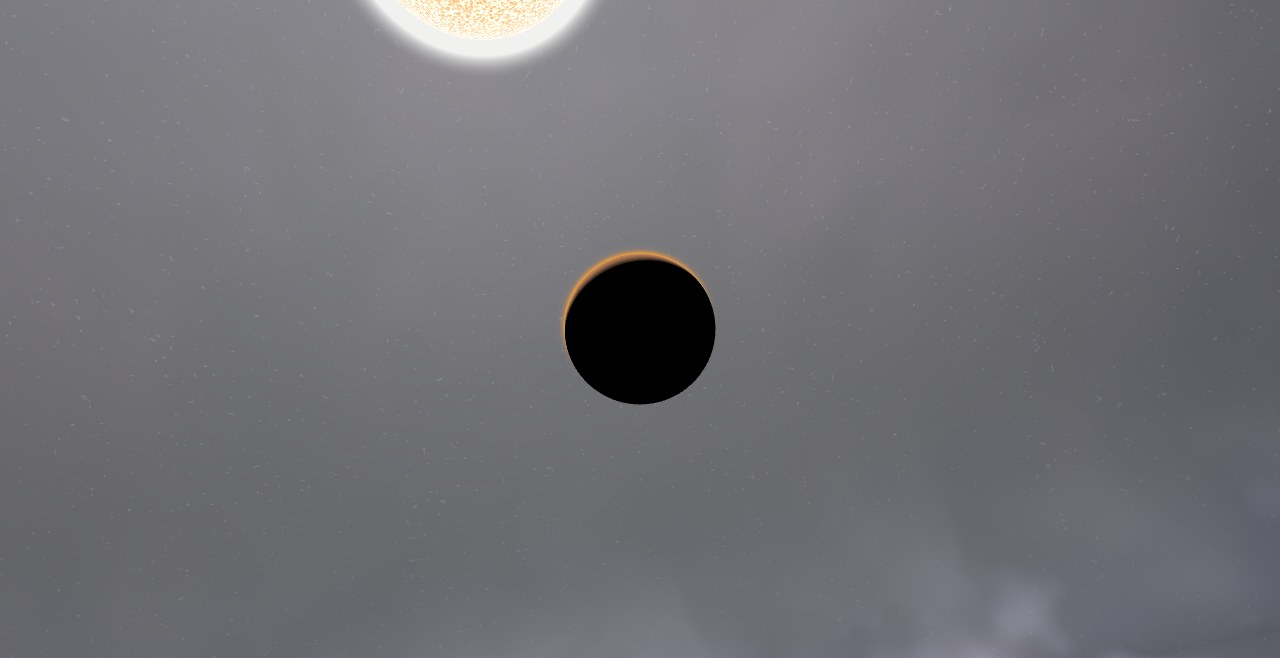
WASP-194, a Sun-like F-type star of 1.29 solar masses, and WASP-194 b, a 1.17-Jupiter-mass companion, with an orbital period of 3.2 days, at 0.047 AU from its star, and an equilibrium temperature near 1,693 K.
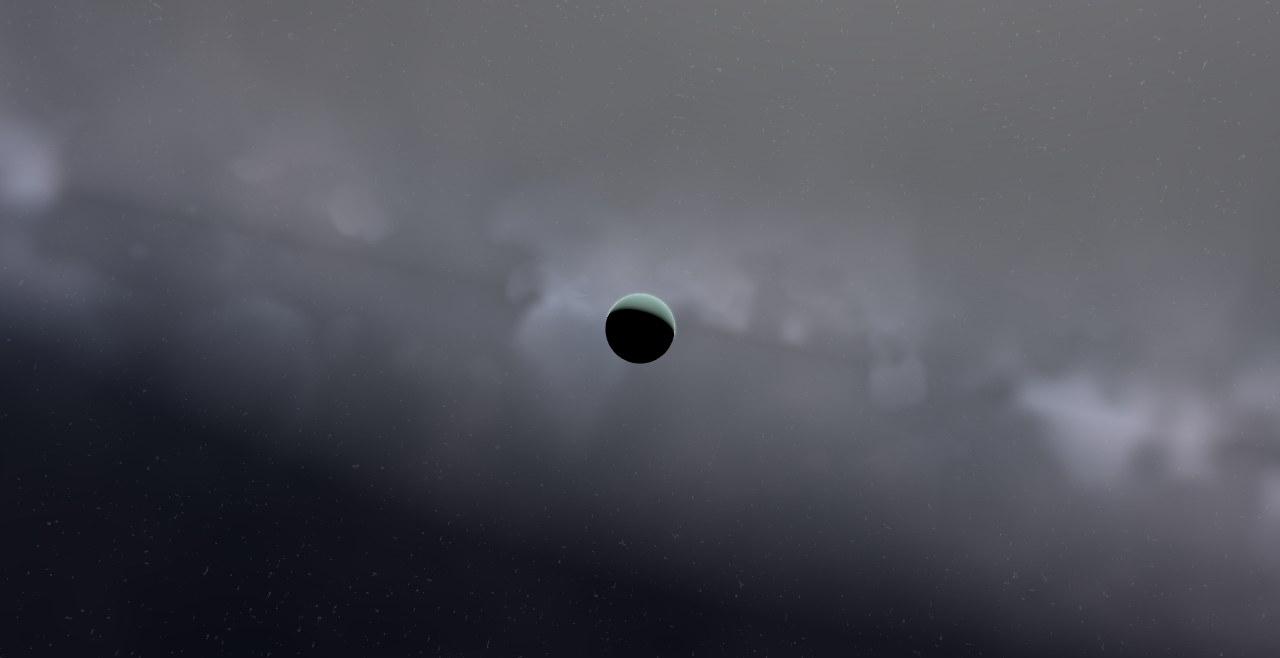
WASP-195, a Sun-like F-type star of 1.30 solar masses, and WASP-195 b, a 0.10-Jupiter-mass companion, with an orbital period of 5.1 days, at 0.063 AU from its star, and an equilibrium temperature near 1,522 K.