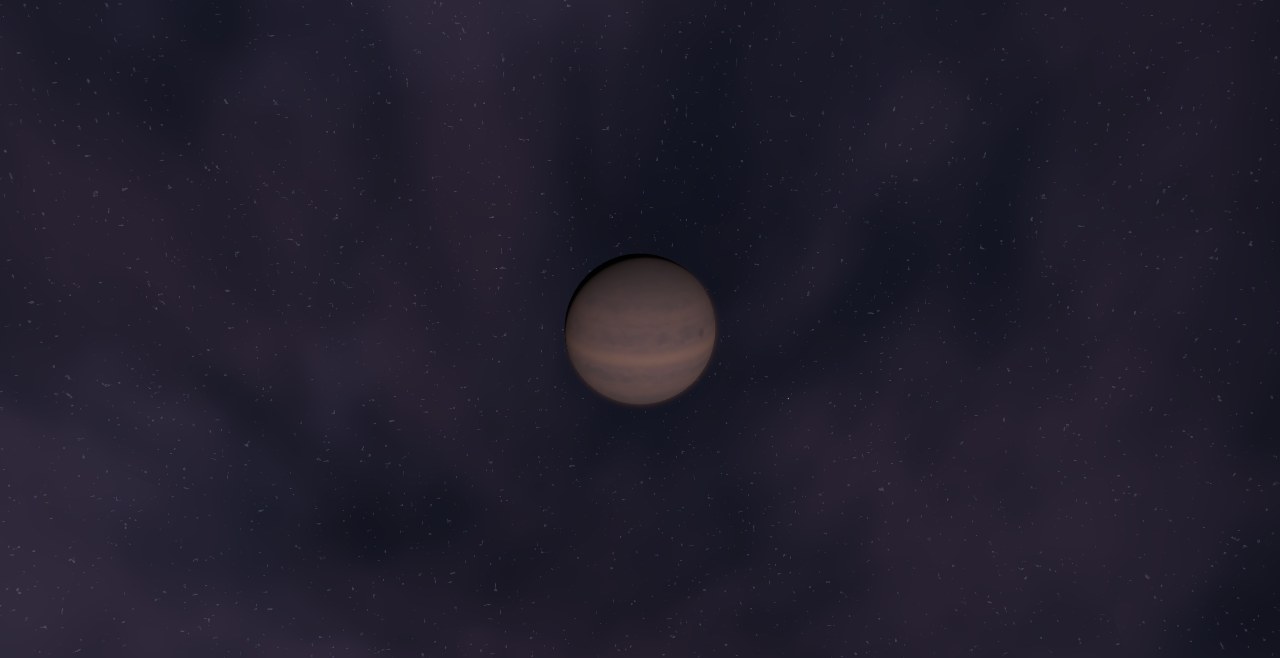
WASP-21 - System
Simulates WASP-21, a Sun-like G-type star of 1.01 solar masses, and WASP-21 b, a 0.30-Jupiter-mass companion, with an orbital period of 4.3 days, at 0.052 AU from its star.
3D Space and Gravity Simulator. Simulate the solar system, exoplanets and even colliding galaxies. Add, delete and modify planets, and change the laws of physics.
Simulates WASP-21, a Sun-like G-type star of 1.01 solar masses, and WASP-21 b, a 0.30-Jupiter-mass companion, with an orbital period of 4.3 days, at 0.052 AU from its star.
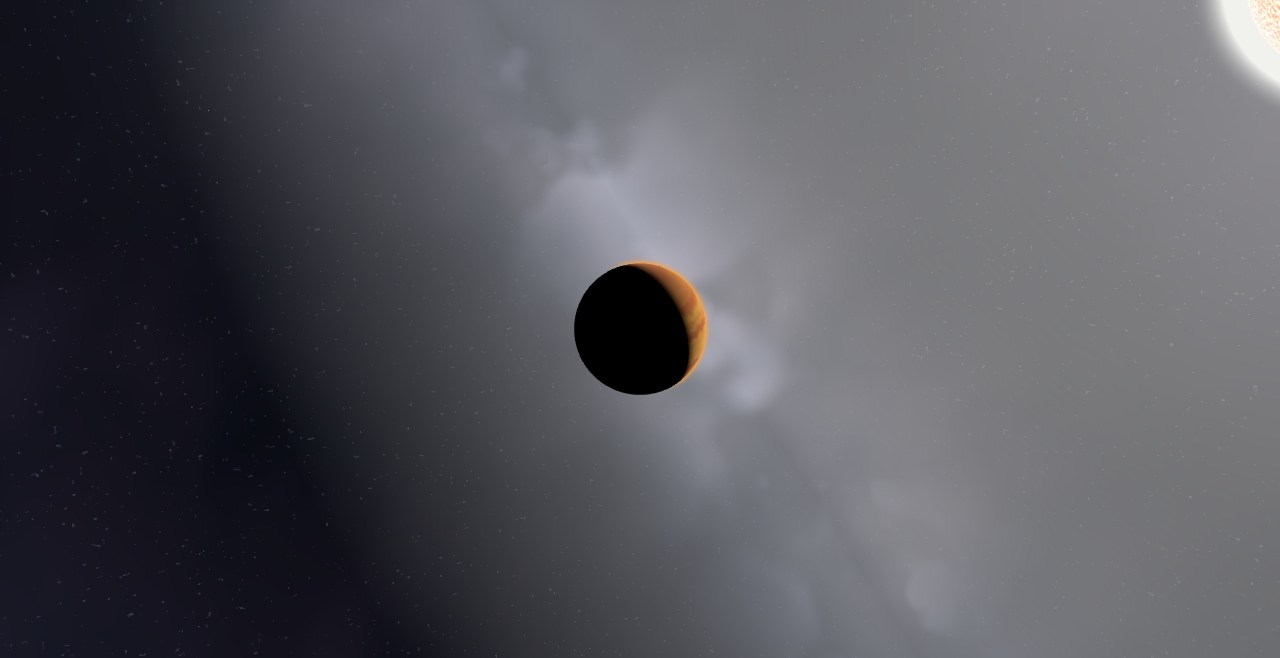
Simulates WASP-22, a Sun-like F-type star of 1.46 solar masses, and WASP-22 b, a 0.67-Jupiter-mass companion, with an orbital period of 3.5 days.
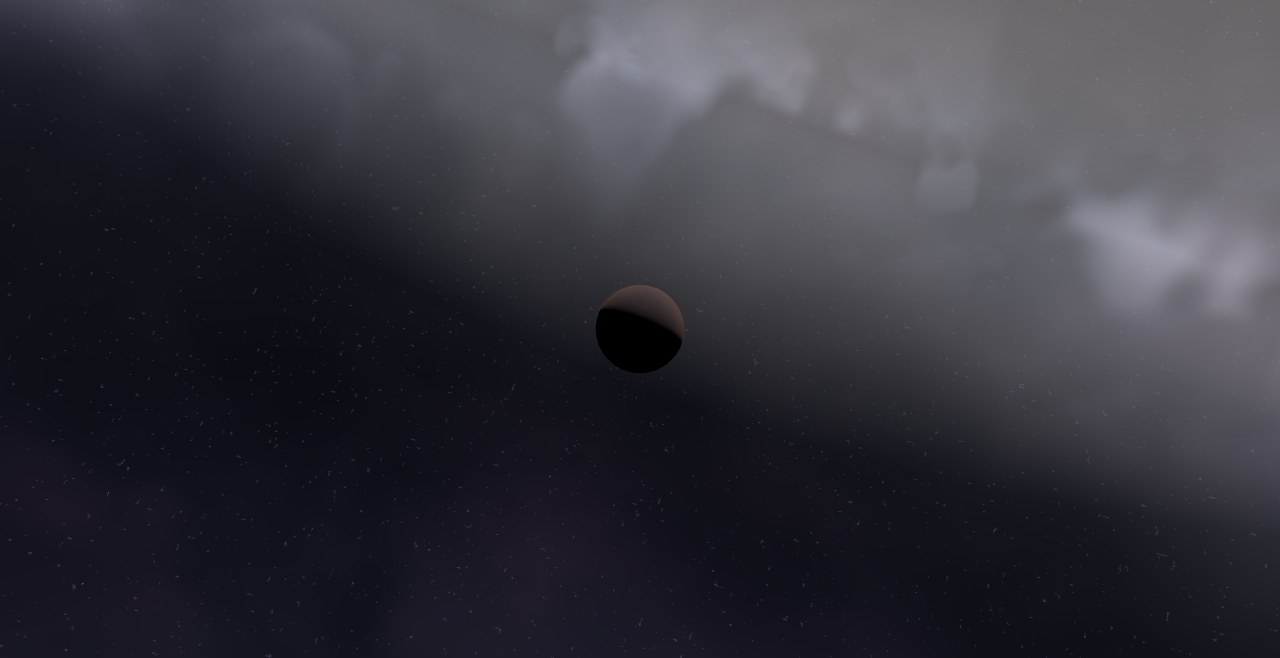
Simulates WASP-23, an orange K-type dwarf of 0.78 solar masses, and WASP-23 b, a 0.88-Jupiter-mass companion, with an orbital period of 2.9 days, at 0.038 AU from its star, on an eccentric orbit (e ≈ 0.06).
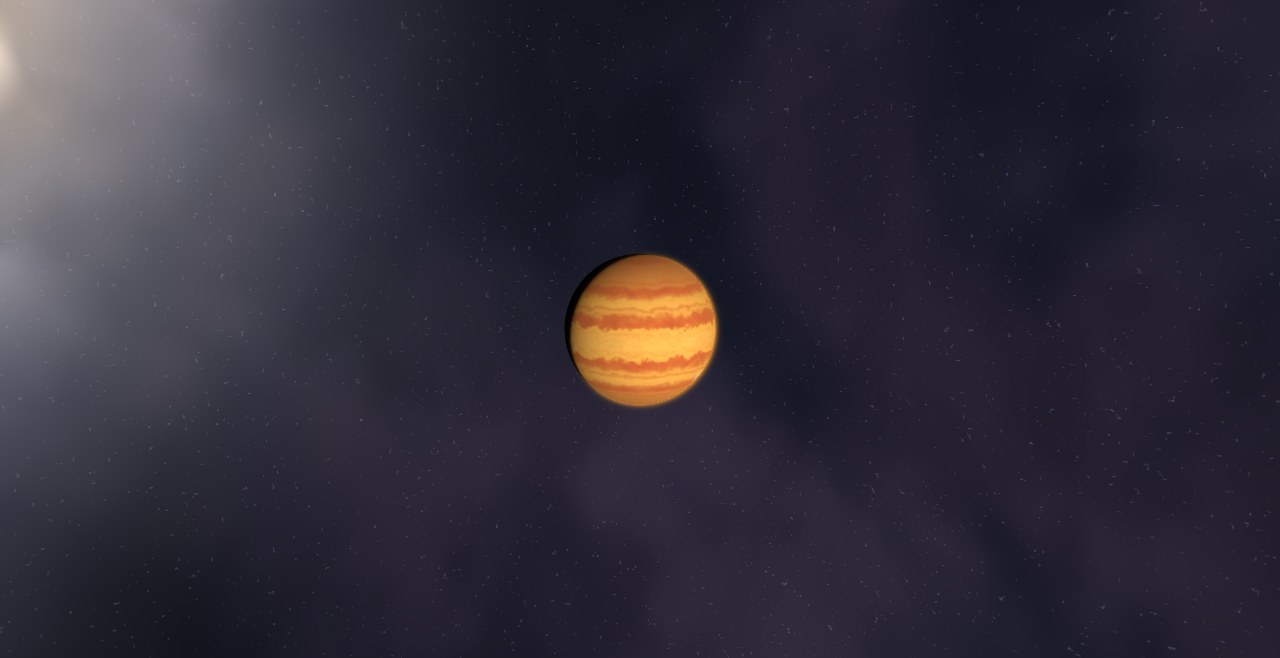
Simulates WASP-24, a Sun-like F-type star of 1.43 solar masses, and WASP-24 b, a 1.24-Jupiter-mass companion, with an orbital period of 2.3 days.
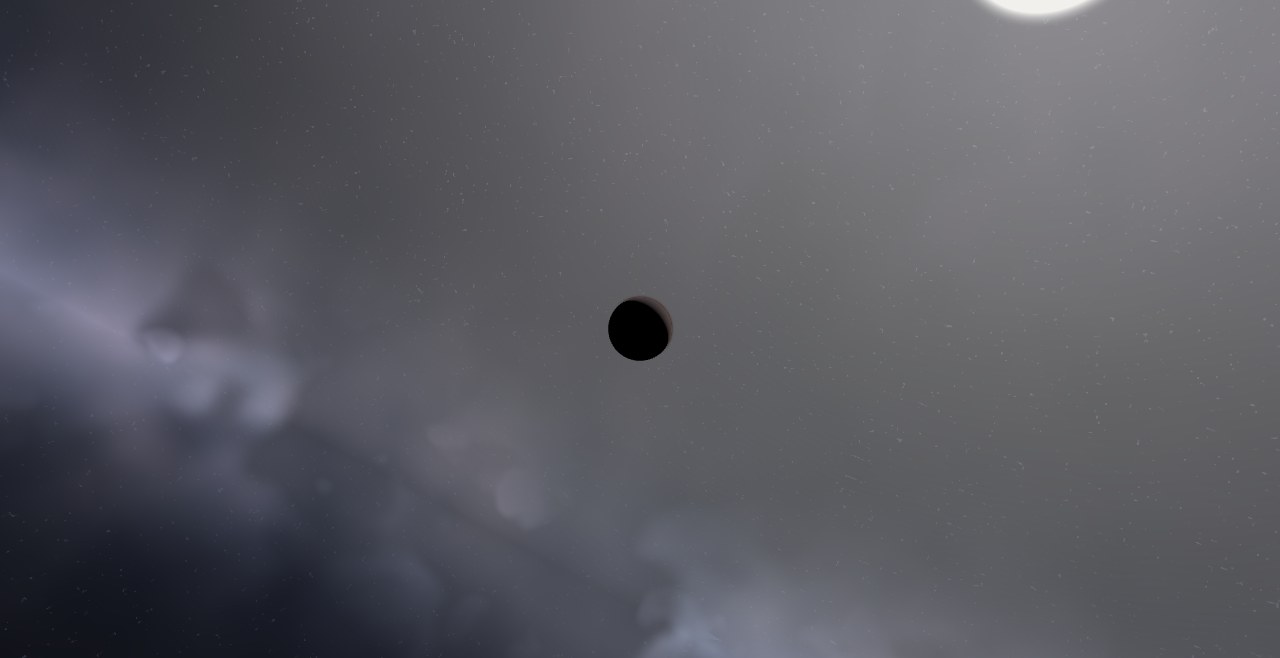
Simulates WASP-25, a Sun-like G-type star of 0.96 solar masses, and WASP-25 b, a 0.56-Jupiter-mass companion, with an orbital period of 3.8 days, and an equilibrium temperature near 1,217 K.
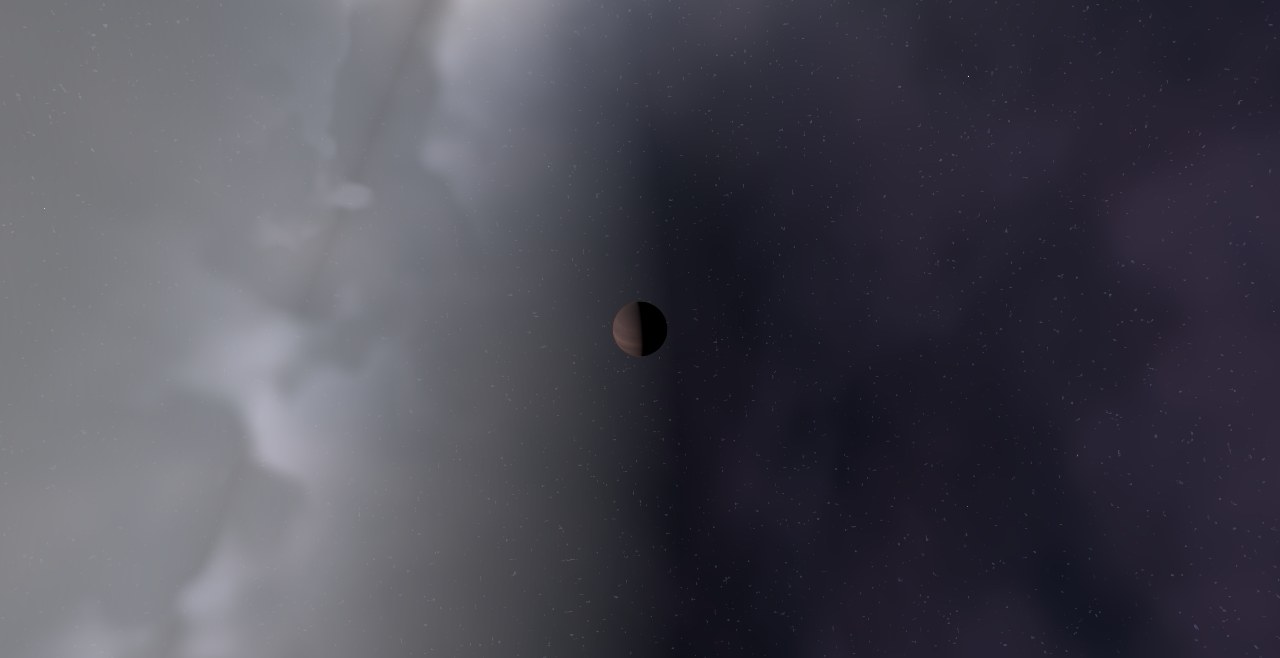
Simulates WASP-26, a Sun-like F-type star of 0.86 solar masses, and WASP-26 b, a 0.85-Jupiter-mass companion, with an orbital period of 2.8 days.
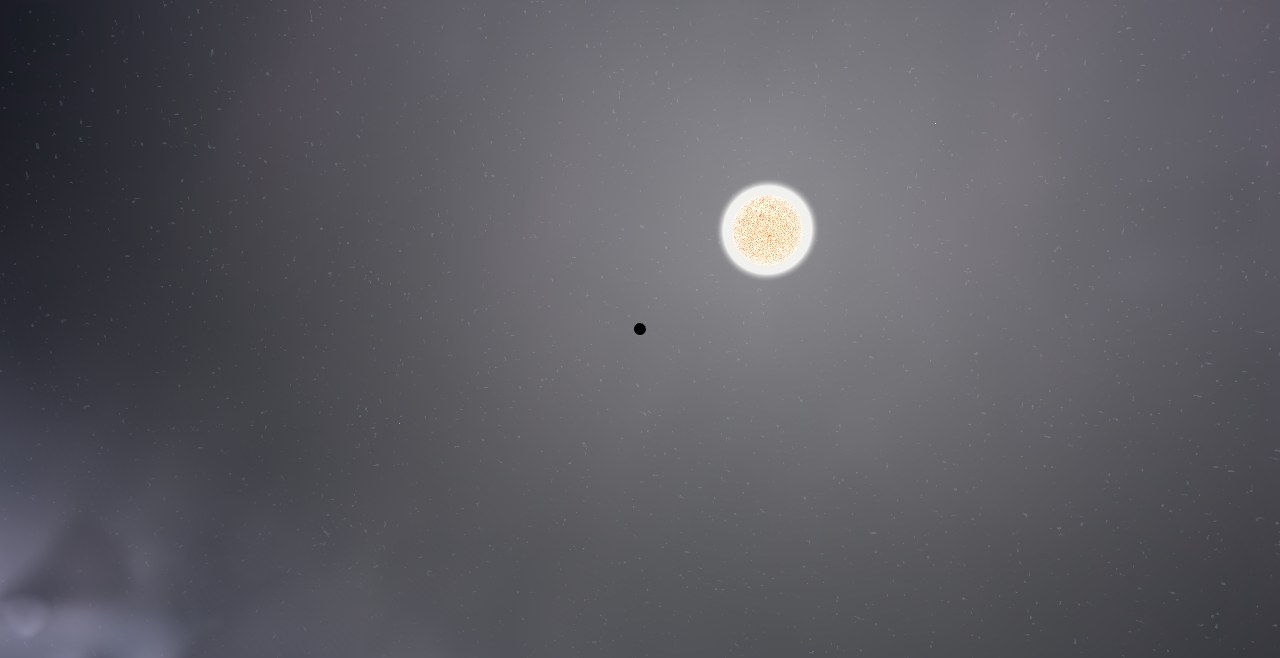
Simulates WASP-28, a Sun-like F-type star of 0.99 solar masses, and WASP-28 b, a 0.89-Jupiter-mass companion, with an orbital period of 3.4 days, at 0.044 AU from its star, and an equilibrium temperature near 1,456 K.
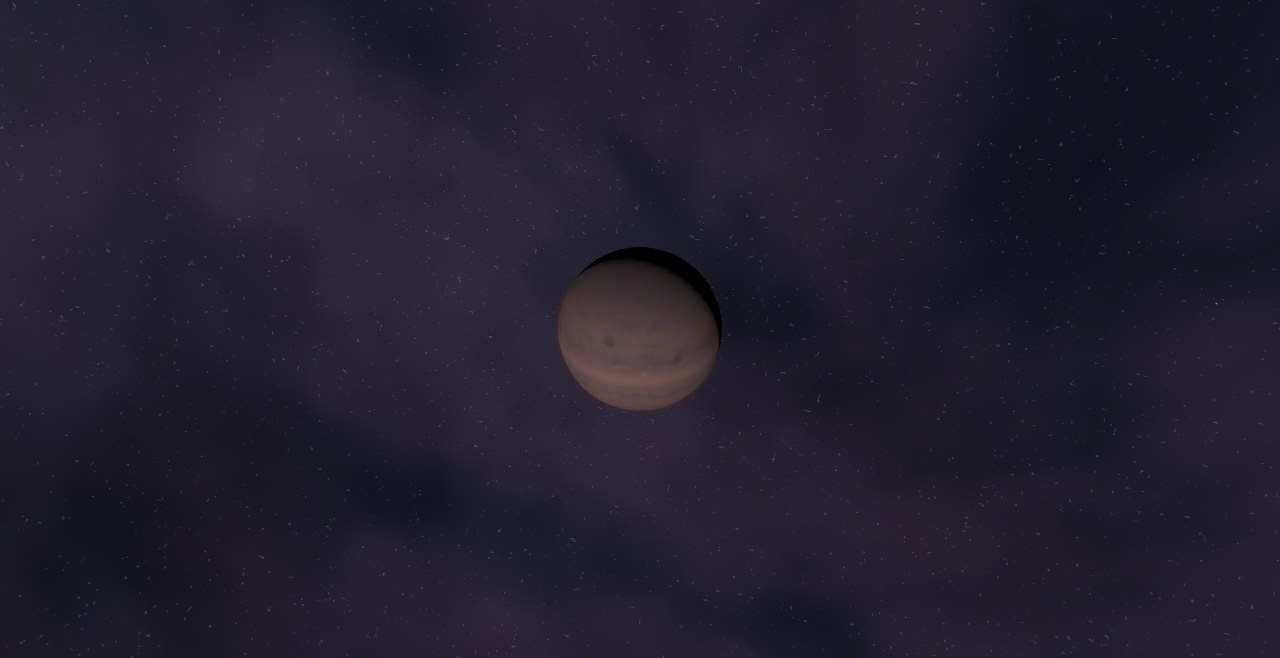
Simulates WASP-29, an orange K-type dwarf of 0.77 solar masses, and WASP-29 b, a 0.23-Jupiter-mass companion, with an orbital period of 3.9 days.
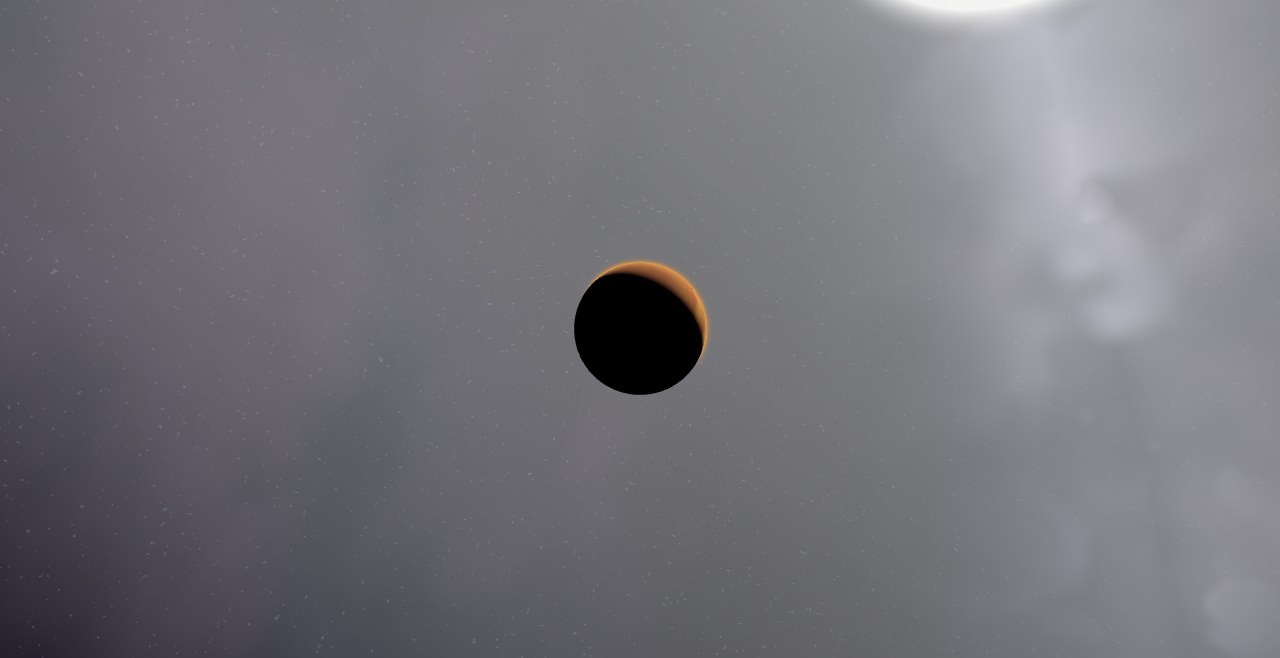
Simulates WASP-3, a Sun-like F-type star of 1.62 solar masses, and WASP-3 b, a 2.43-Jupiter-mass companion, with an orbital period of 1.8 days.
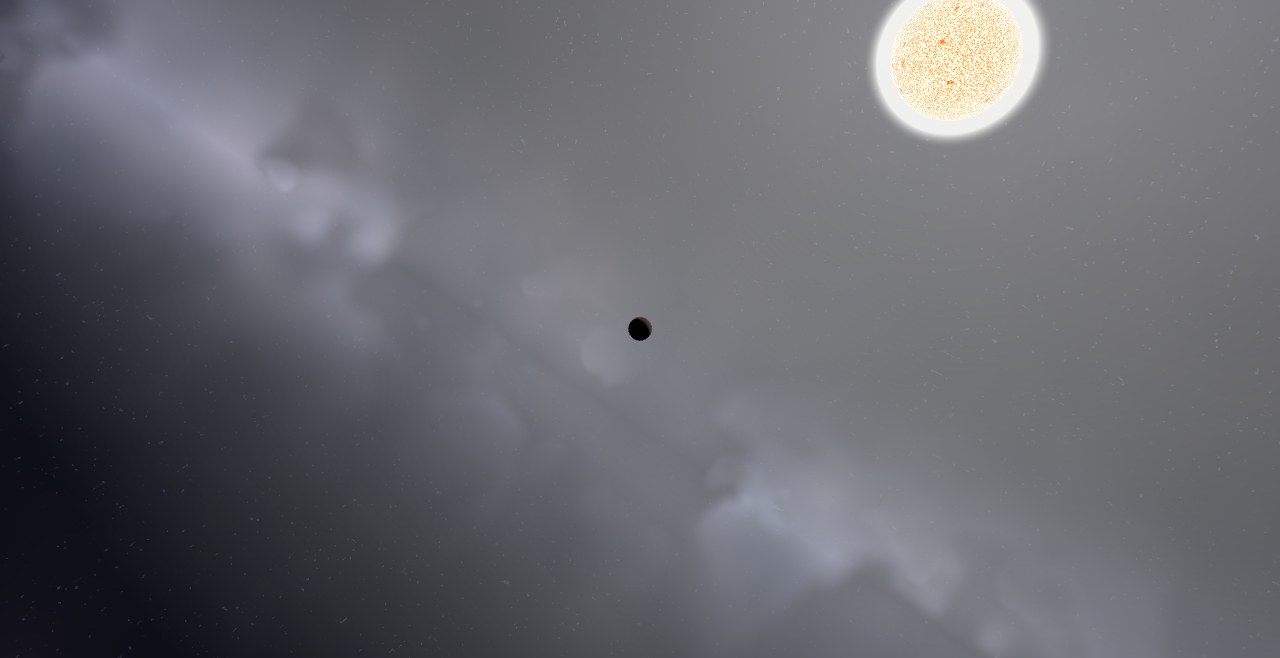
Simulates WASP-31, a Sun-like F-type star of 1.16 solar masses, and WASP-31 b, a 0.48-Jupiter-mass companion, with an orbital period of 3.4 days, at 0.047 AU from its star.
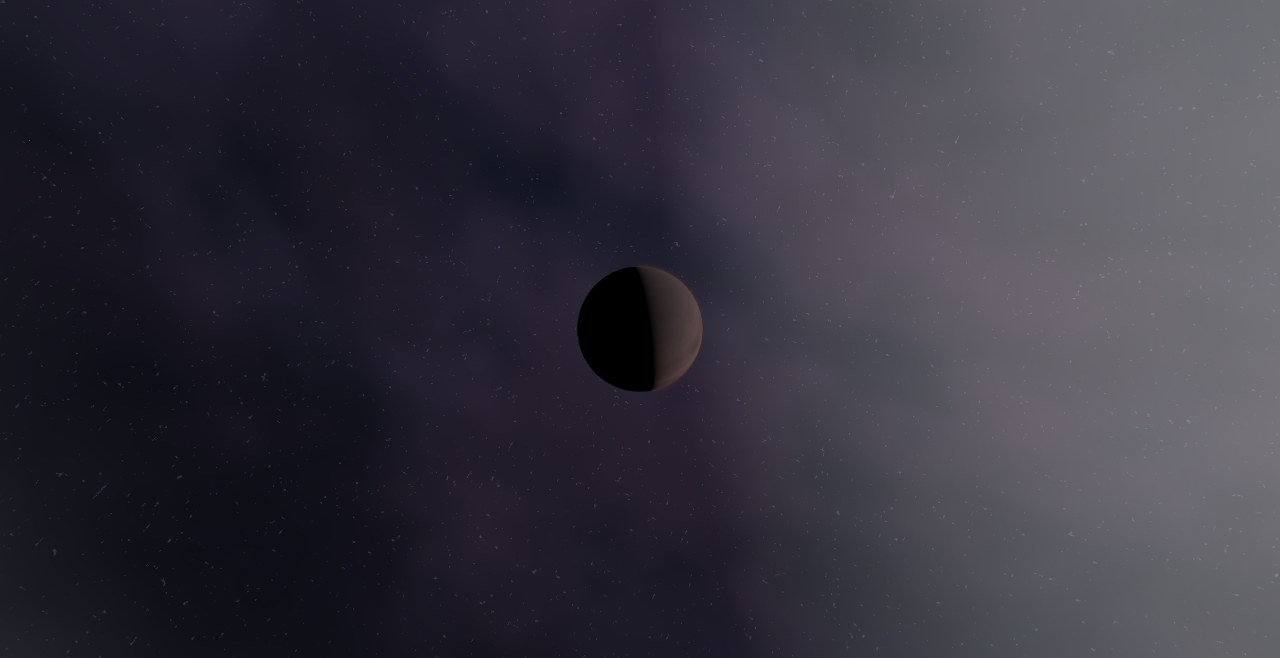
Simulates WASP-32, a Sun-like F-type star of 0.72 solar masses, and WASP-32 b, a 2.63-Jupiter-mass companion, with an orbital period of 2.7 days.
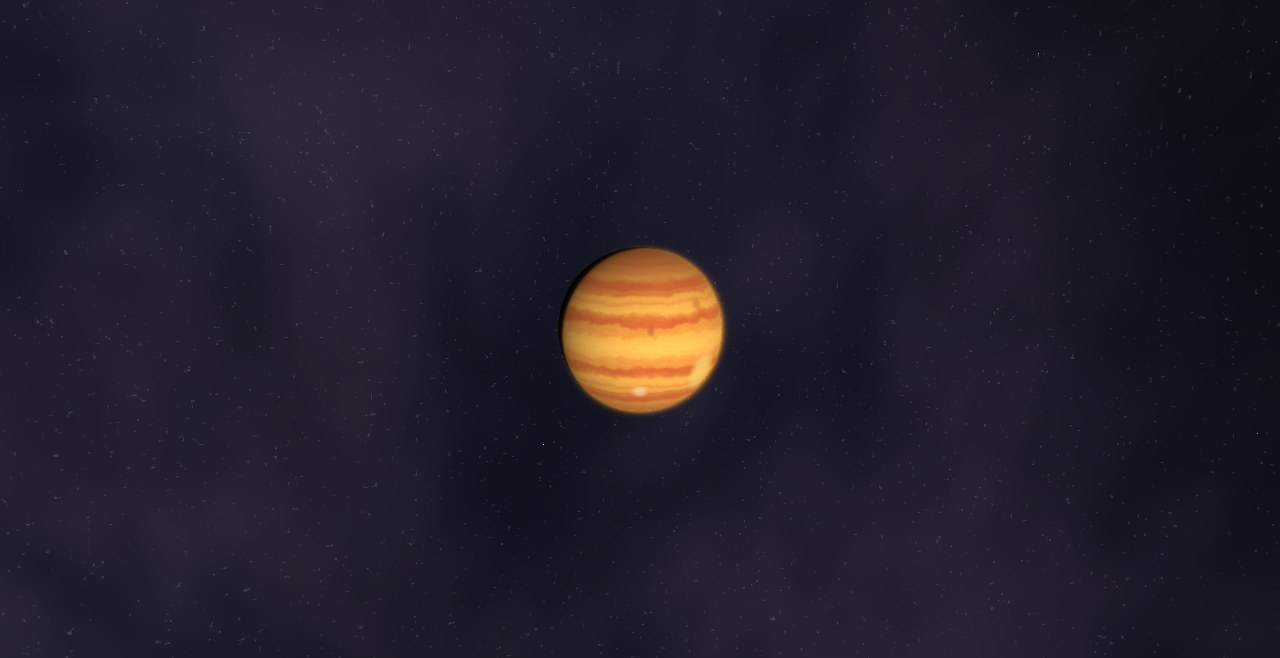
Simulates WASP-33 b, a retrograde hot Jupiter around a pulsating A-type star. The planet and the star's vibrations perturb each other every orbit. The orbit is retrograde relative to the star's spin.
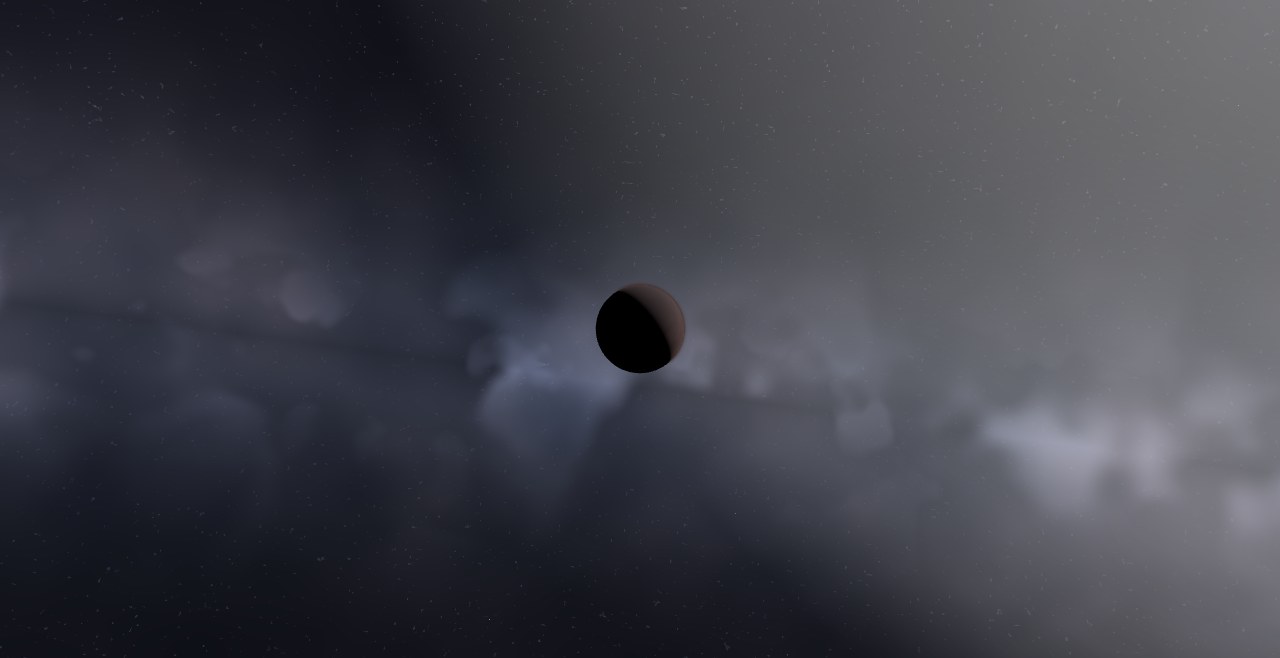
Simulates WASP-34, a Sun-like G-type star of 0.96 solar masses, and WASP-34 b, a 0.56-Jupiter-mass companion, with an orbital period of 4.3 days.
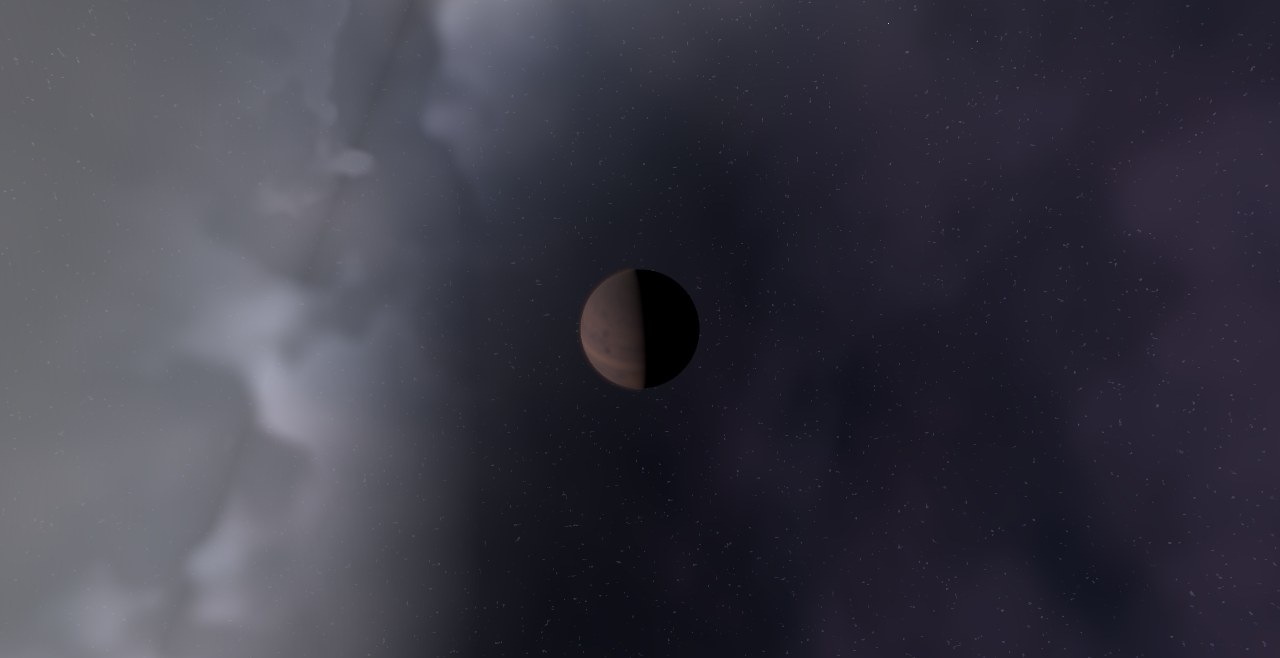
Simulates WASP-35, a Sun-like G-type star of 1.05 solar masses, and WASP-35 b, a 0.71-Jupiter-mass companion, with an orbital period of 3.2 days.
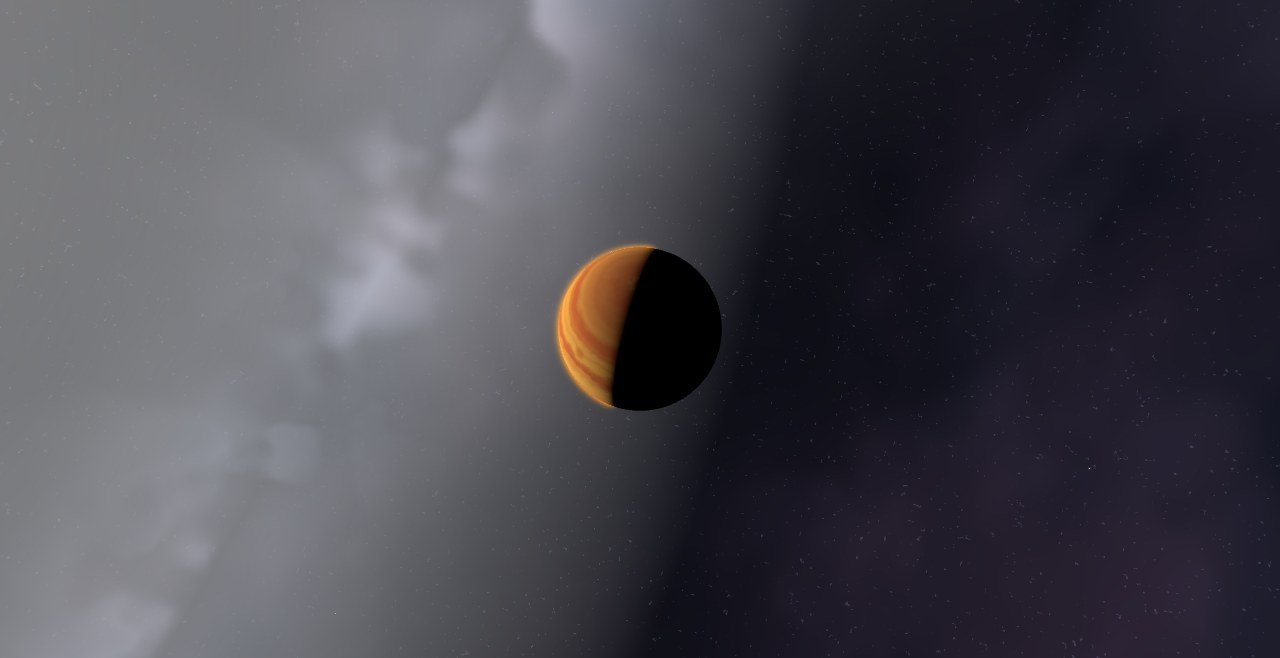
Simulates WASP-36, a Sun-like G-type star of 1.08 solar masses, and WASP-36 b, a 2.36-Jupiter-mass companion, with an orbital period of 1.5 days, at 0.027 AU from its star, and an equilibrium temperature near 1,733 K.
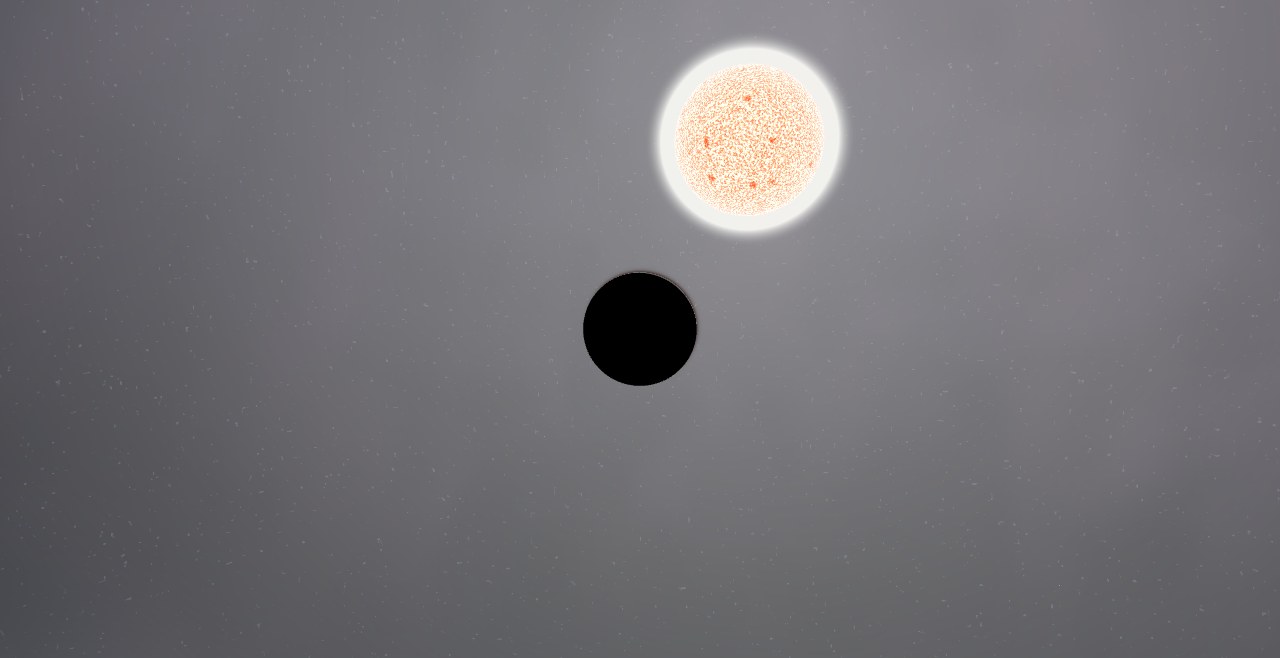
Simulates WASP-37, a Sun-like G-type star of 0.93 solar masses, and WASP-37 b, a 1.80-Jupiter-mass companion, with an orbital period of 3.6 days, at 0.045 AU from its star.
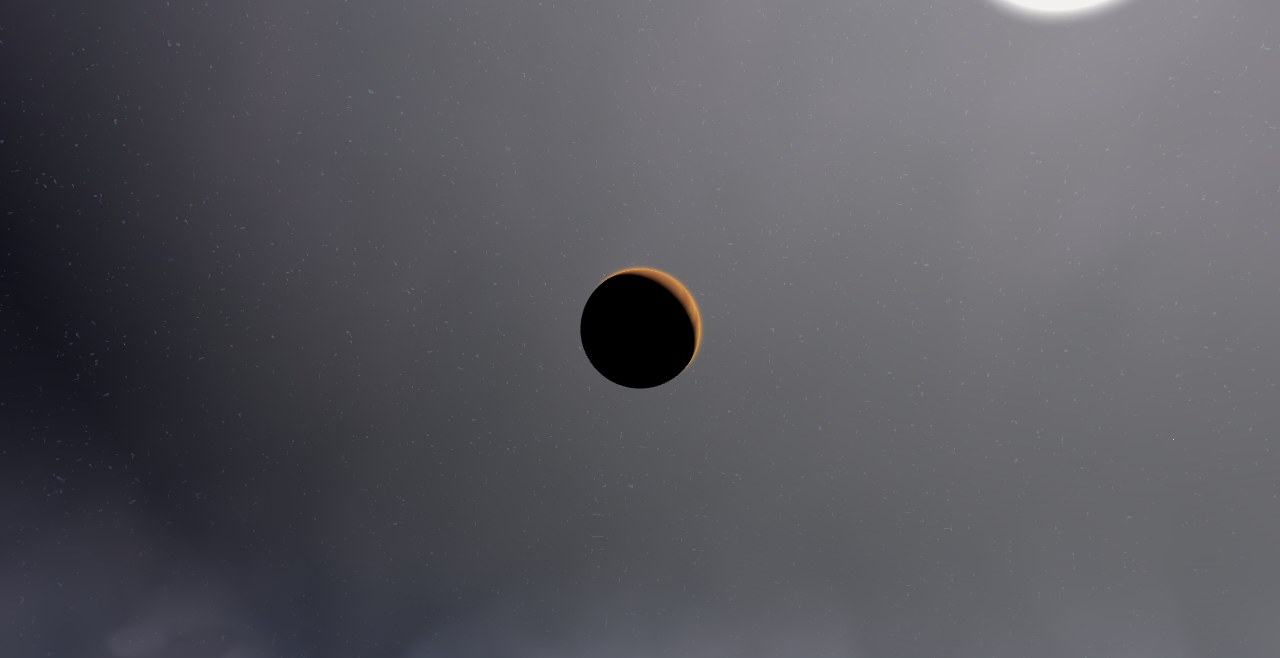
Simulates WASP-38, a Sun-like F-type star of 1.76 solar masses, and WASP-38 b, a 3.44-Jupiter-mass companion, with an orbital period of 6.9 days.
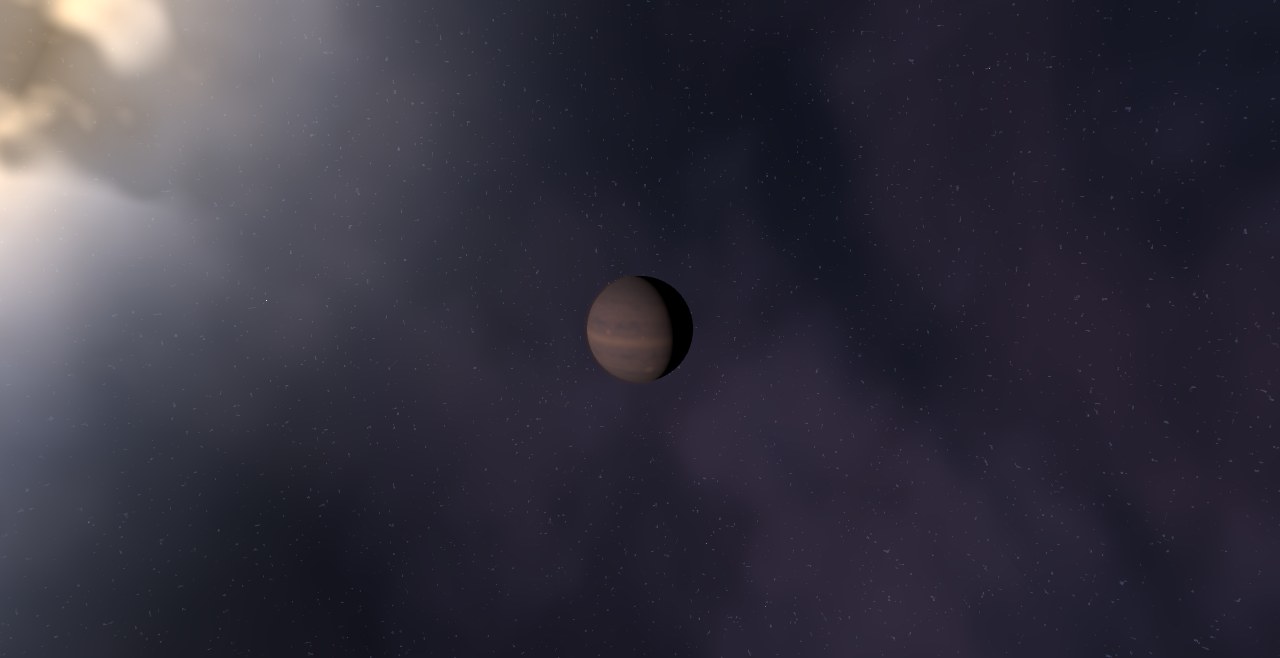
Simulates WASP-39 b, the benchmark planet of JWST's first exoplanet results. Its puffy atmosphere revealed water, carbon dioxide, and photochemical sulfur dioxide.