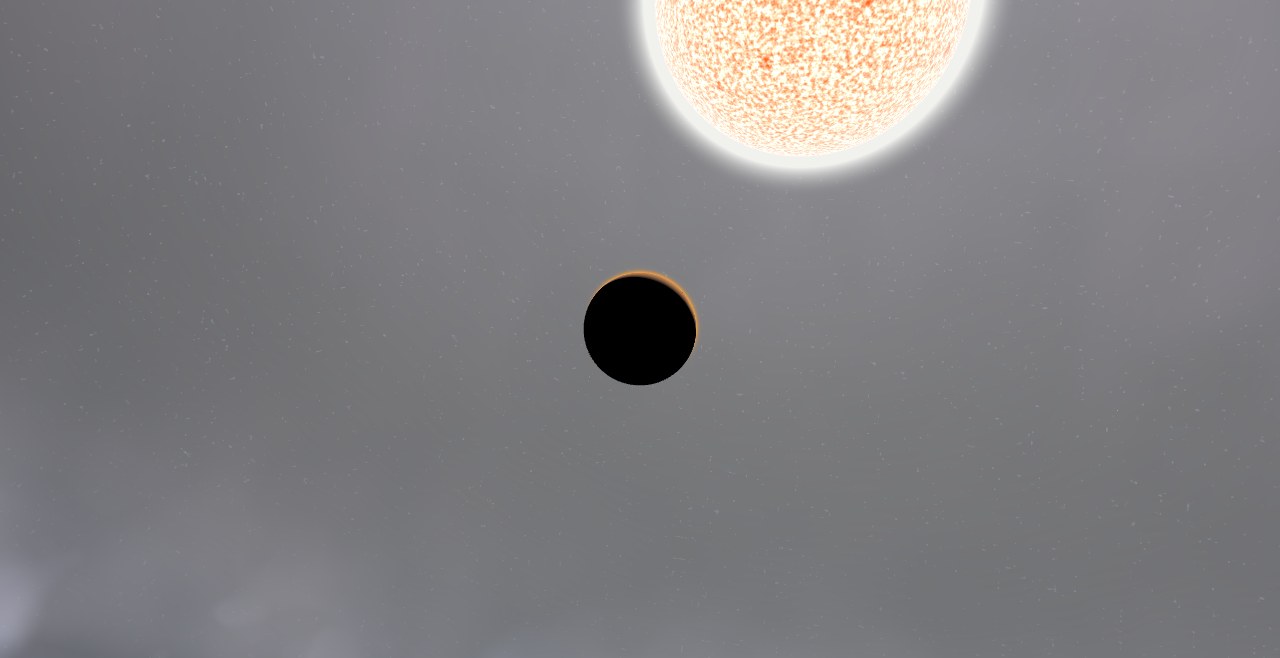
WASP-142 - System
WASP-142, a Sun-like F-type star of 1.33 solar masses, and WASP-142 b, a 0.84-Jupiter-mass companion, with an orbital period of 2.1 days, at 0.035 AU from its star, and an equilibrium temperature near 2,000 K.
3D Space and Gravity Simulator. Simulate the solar system, exoplanets and even colliding galaxies. Add, delete and modify planets, and change the laws of physics.
Share
WASP-142, a Sun-like F-type star of 1.33 solar masses, and WASP-142 b, a 0.84-Jupiter-mass companion, with an orbital period of 2.1 days, at 0.035 AU from its star, and an equilibrium temperature near 2,000 K.
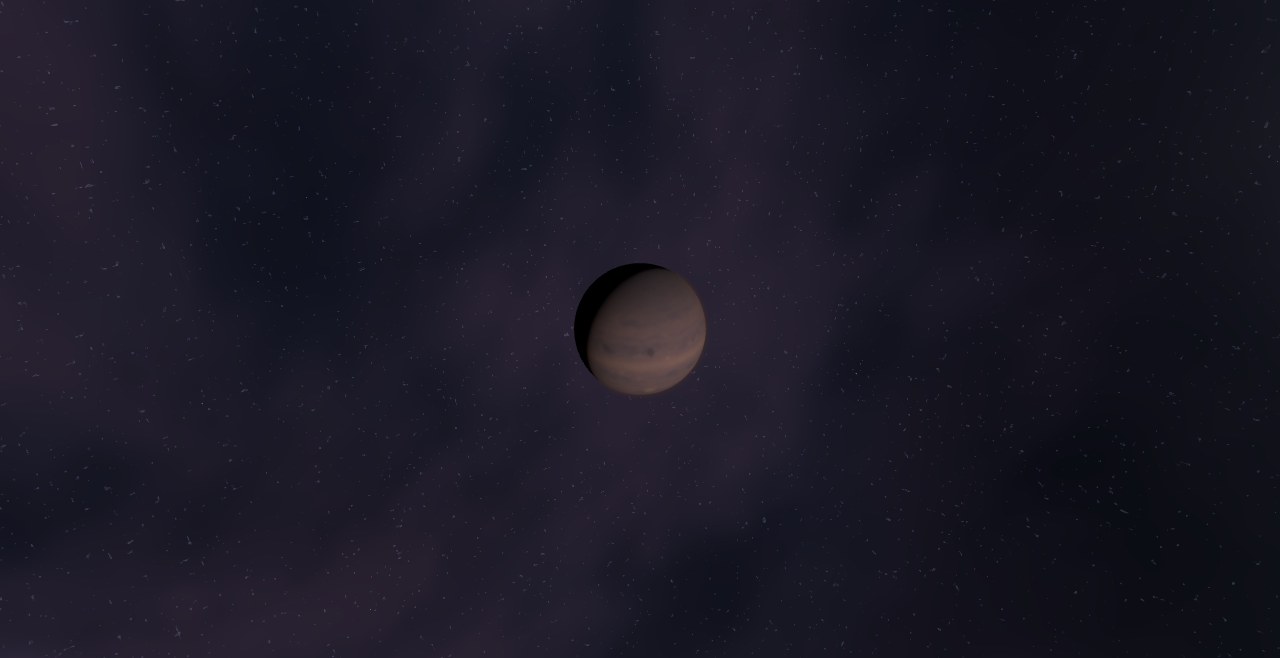
WASP-144, an orange K-type dwarf of 0.81 solar masses, and WASP-144 b, a 0.44-Jupiter-mass companion, with an orbital period of 2.3 days, at 0.032 AU from its star, and an equilibrium temperature near 1,260 K.
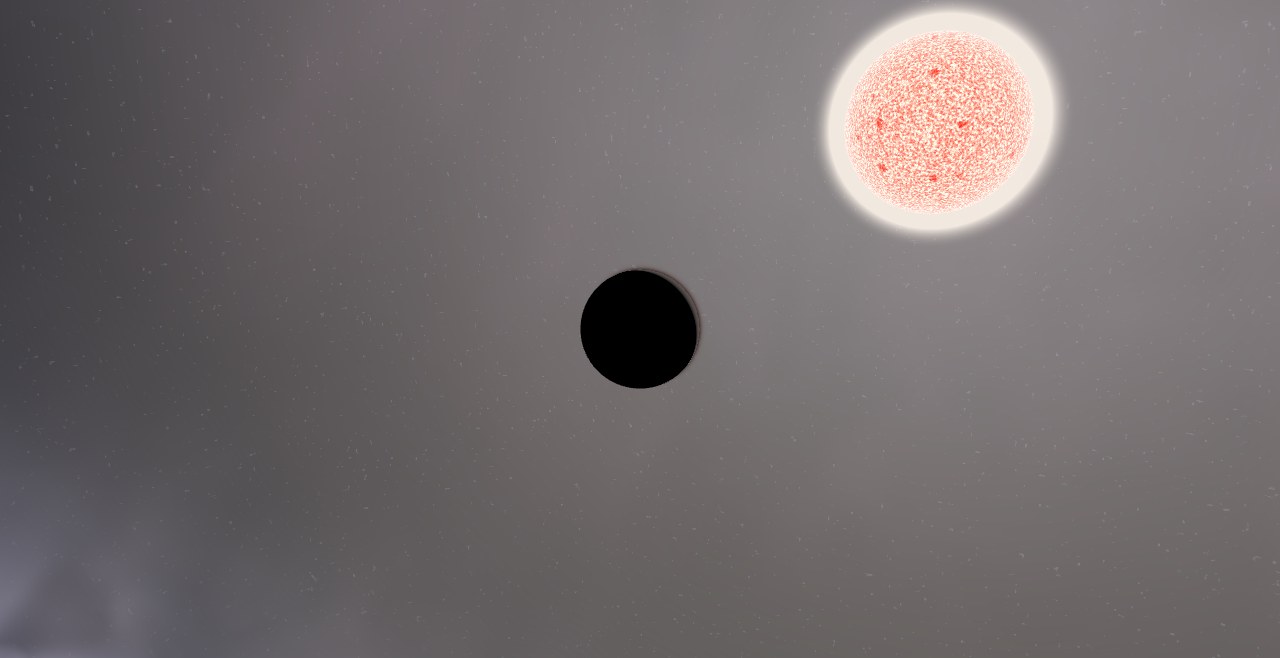
WASP-145 A, an orange K-type dwarf of 0.76 solar masses, and WASP-145 A b, a 0.89-Jupiter-mass companion, with an orbital period of 1.8 days, at 0.026 AU from its star, and an equilibrium temperature near.
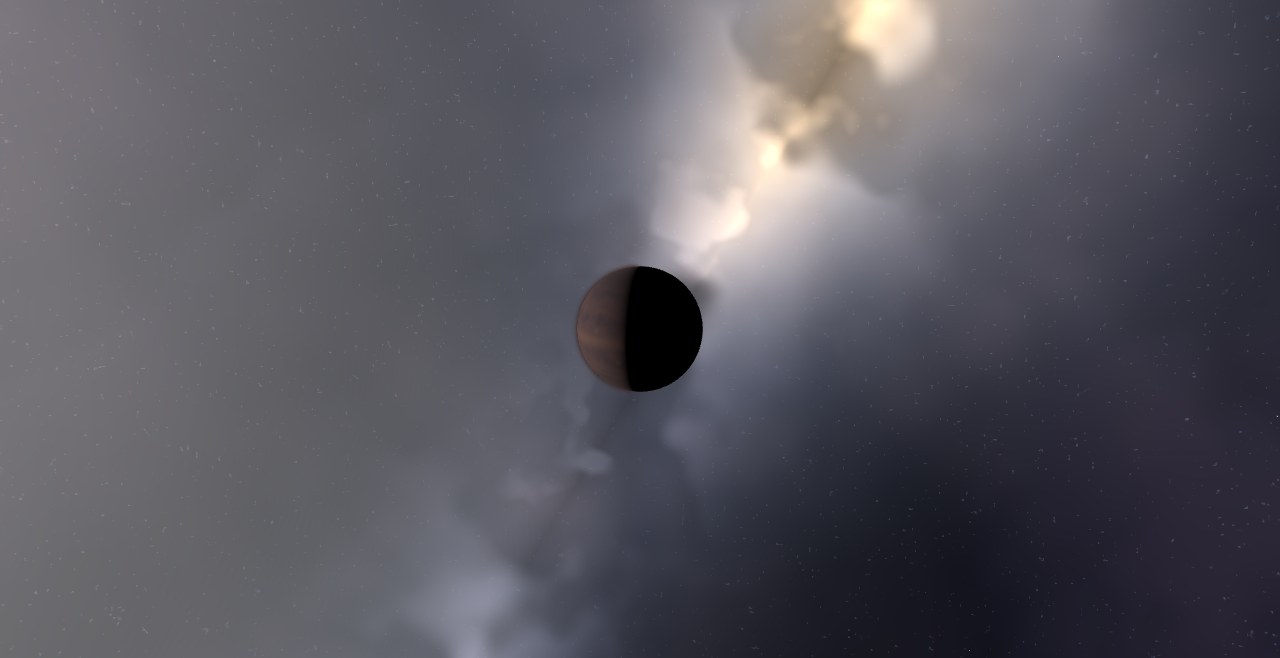
WASP-147, a Sun-like G-type star of 1.04 solar masses, and WASP-147 b, a 0.28-Jupiter-mass companion, with an orbital period of 4.6 days, at 0.055 AU from its star, and an equilibrium temperature near 1,404 K.
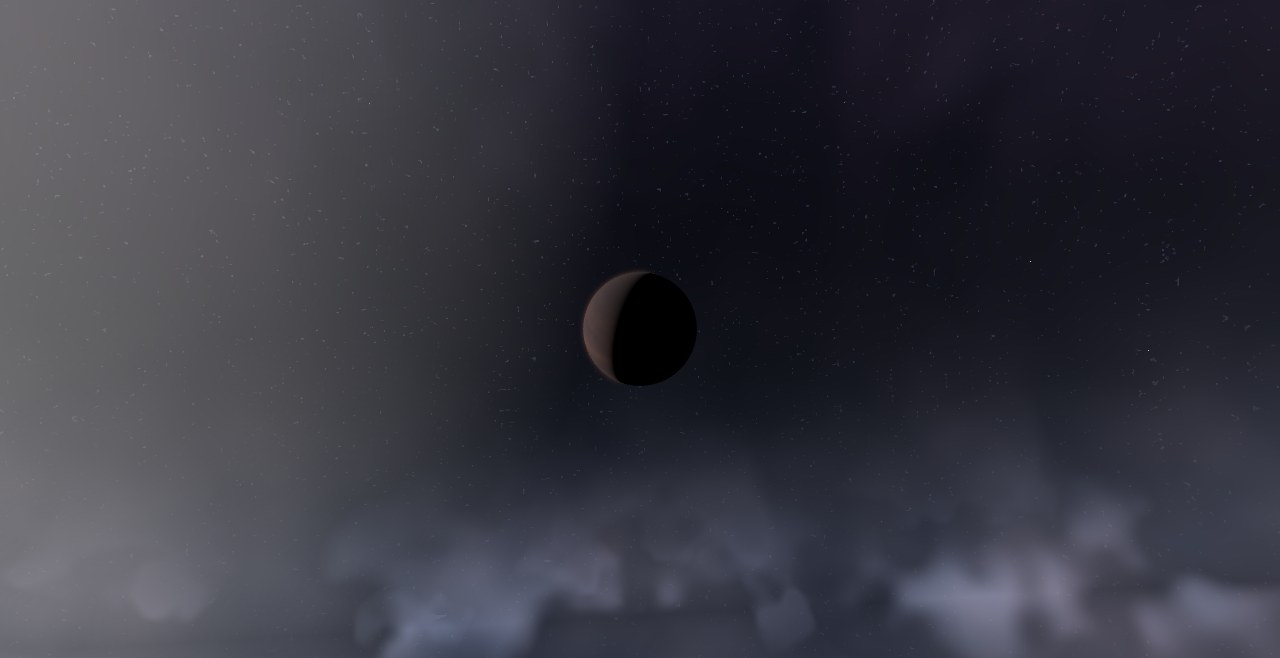
WASP-148, a Sun-like G-type star of 0.95 solar masses, and WASP-148 b, a 0.29-Jupiter-mass companion, with an orbital period of 8.8 days, at 0.082 AU from its star, on an eccentric orbit (e ≈ 0.21).
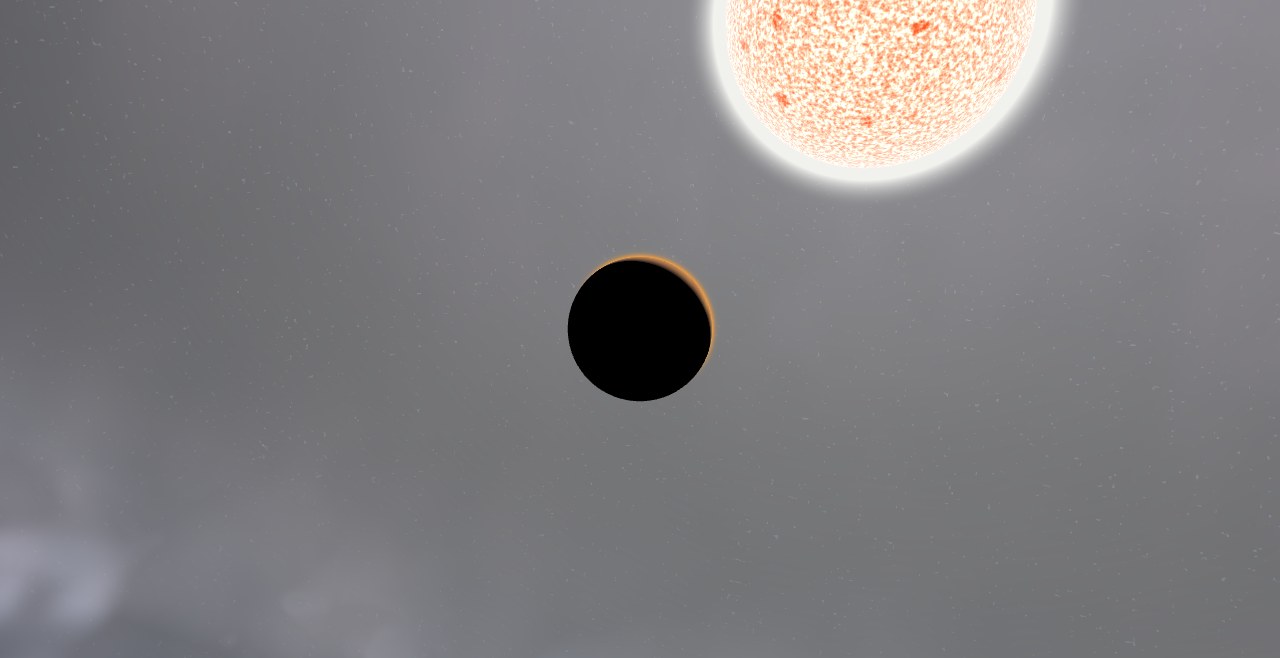
WASP-149, a Sun-like G-type star of 1.05 solar masses, and WASP-149 b, a 0.99-Jupiter-mass companion, with an orbital period of 1.3 days, at 0.024 AU from its star, and an equilibrium temperature near 1,855 K.
WASP-15, a Sun-like F-type star of 1.18 solar masses, and WASP-15 b, a 0.54-Jupiter-mass companion, with an orbital period of 3.8 days.
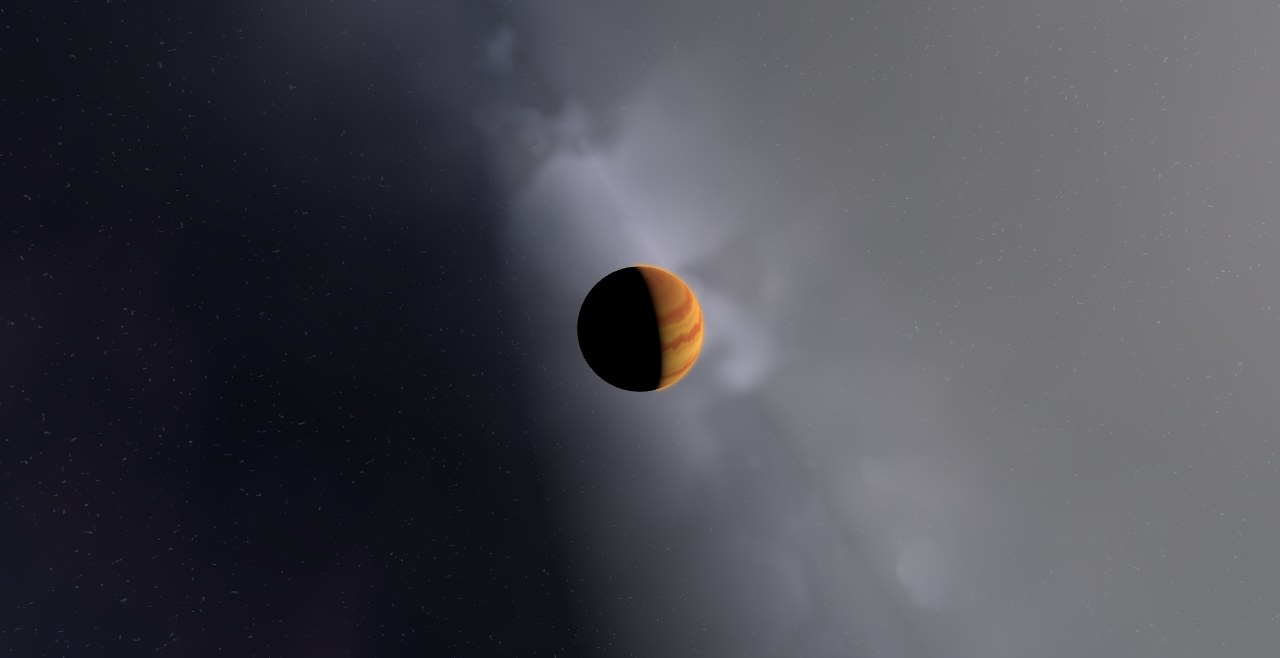
WASP-150, a Sun-like F-type star of 1.39 solar masses, and WASP-150 b, a 8.46-Jupiter-mass companion, with an orbital period of 5.6 days, at 0.069 AU from its star, and an equilibrium temperature near 1,460 K.
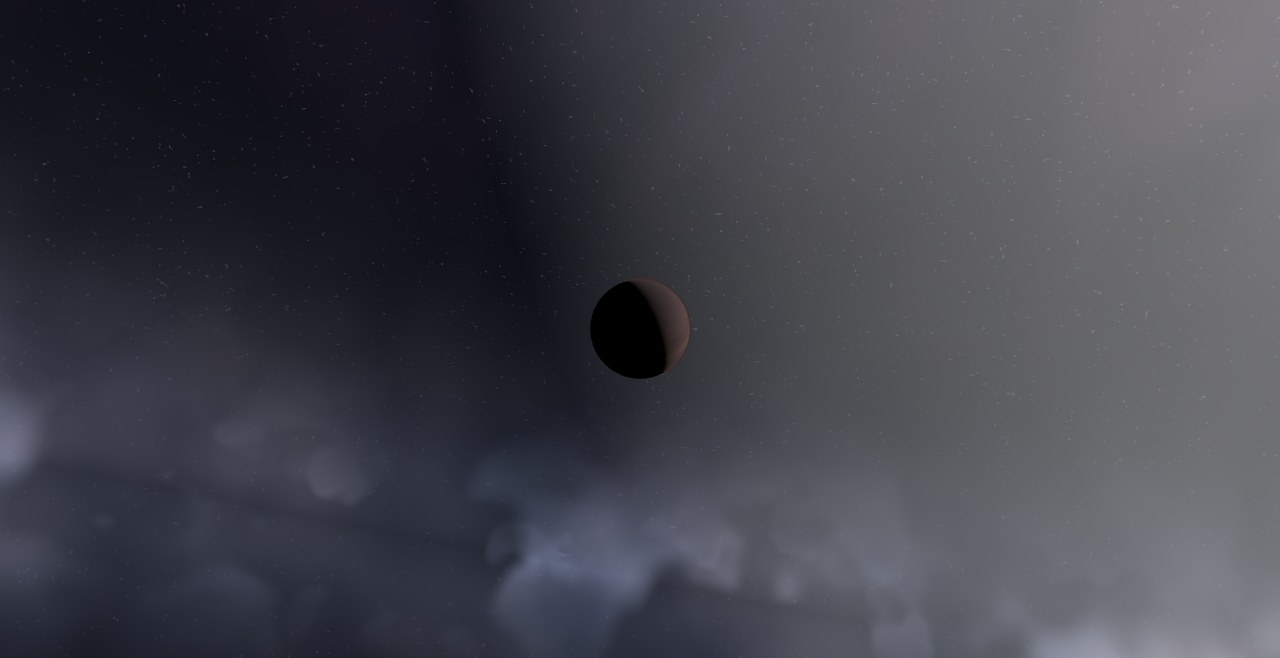
WASP-151, a Sun-like G-type star of 1.08 solar masses, and WASP-151 b, a 0.32-Jupiter-mass companion, with an orbital period of 4.5 days, at 0.055 AU from its star, and an equilibrium temperature near 1,312 K.
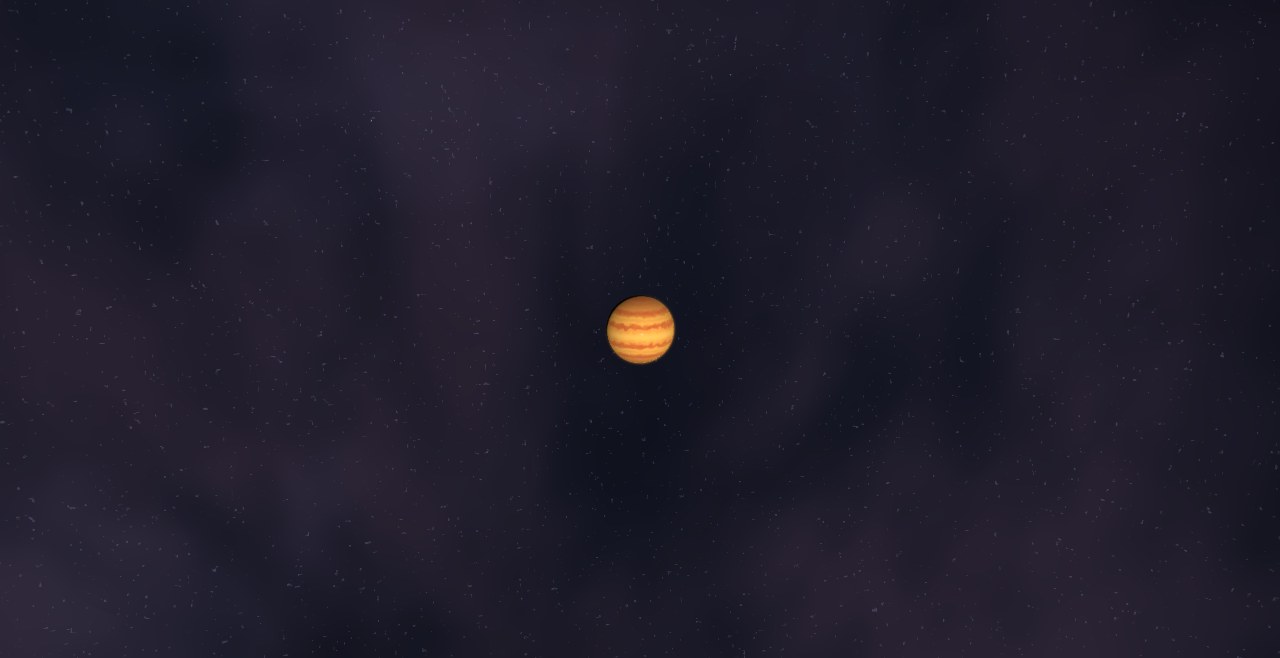
WASP-153, a Sun-like G-type star of 1.34 solar masses, and WASP-153 b, a 0.39-Jupiter-mass companion, with an orbital period of 3.3 days, at 0.048 AU from its star, and an equilibrium temperature near 1,700 K.
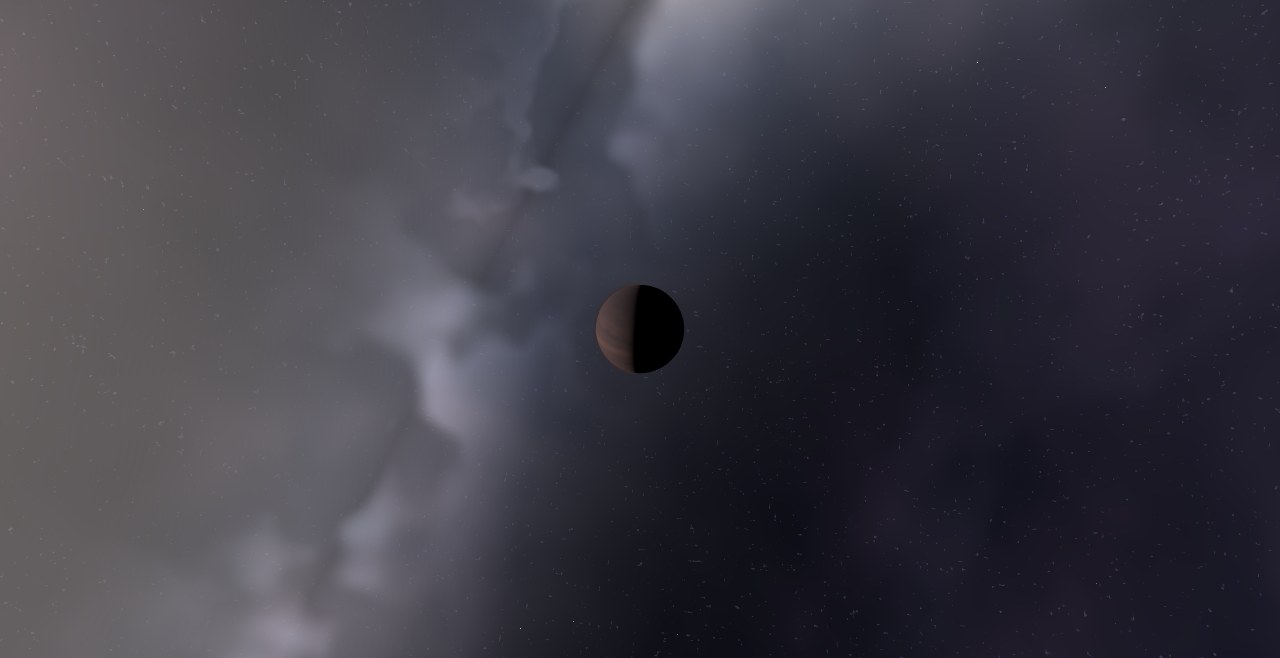
WASP-154, an orange K-type dwarf of 0.80 solar masses, and WASP-154 b, a 0.63-Jupiter-mass companion, with an orbital period of 3.8 days, at 0.044 AU from its star, and an equilibrium temperature near 994 K.
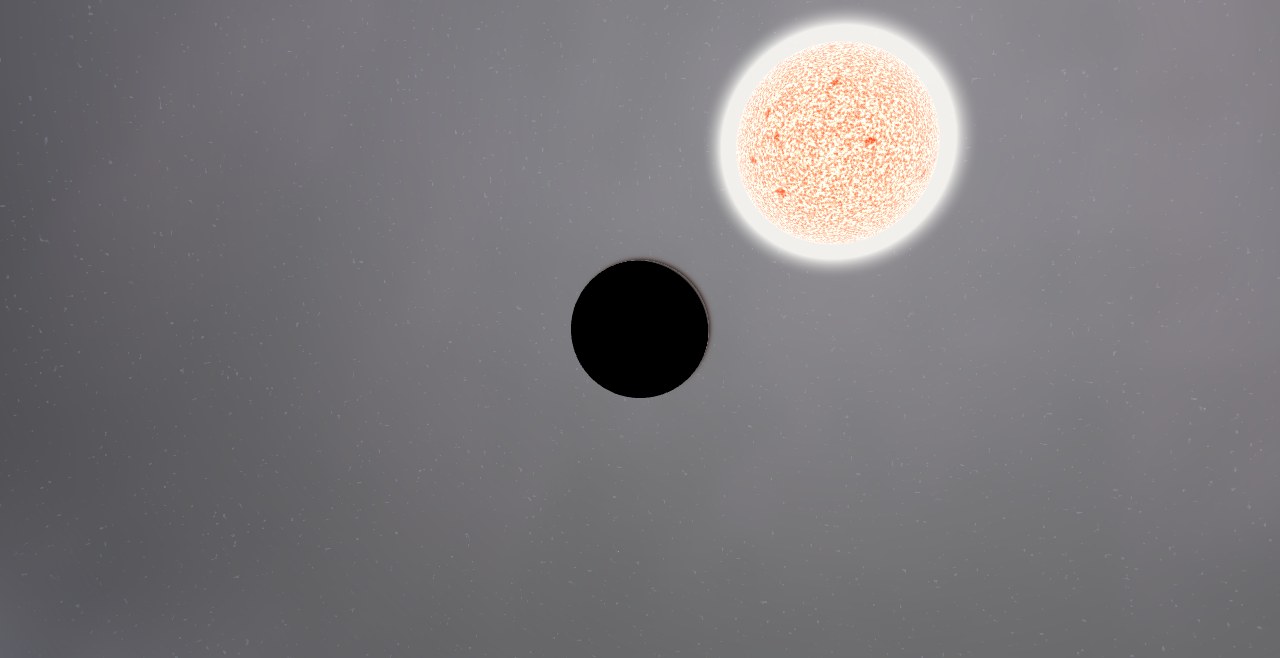
WASP-155, a Sun-like G-type star of 1.09 solar masses, and WASP-155 b, a 0.87-Jupiter-mass companion, with an orbital period of 3.1 days, at 0.043 AU from its star, and an equilibrium temperature near 1,468 K.
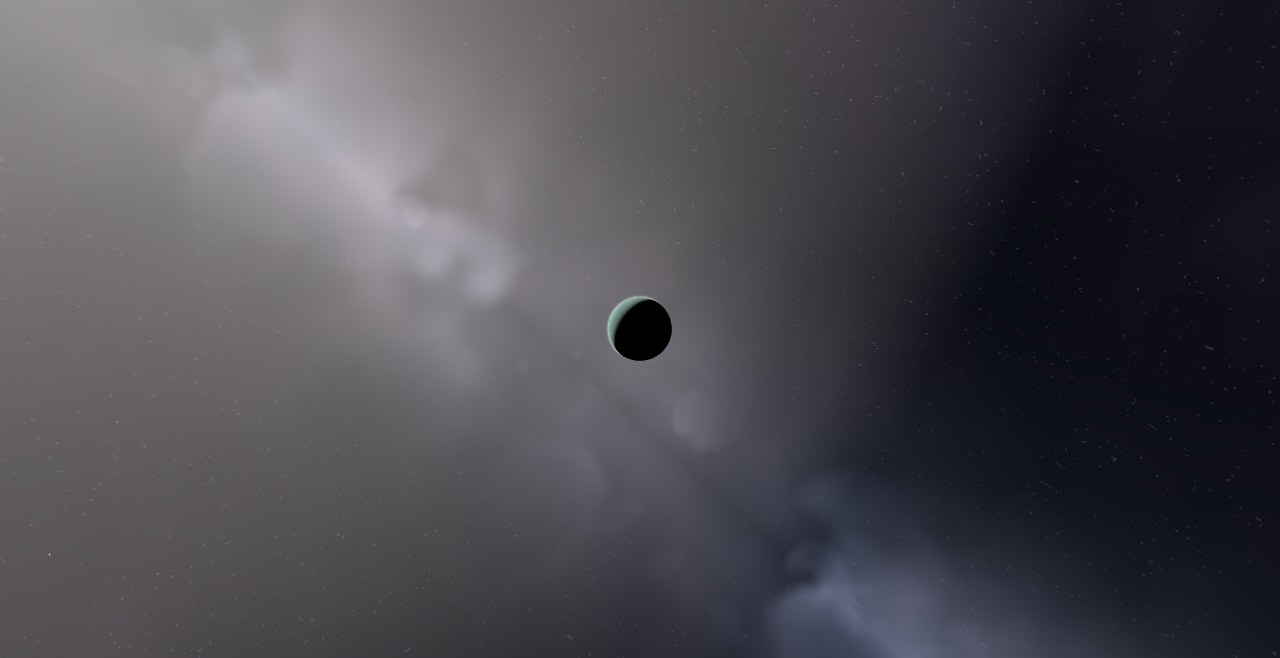
WASP-156, an orange K-type dwarf of 0.87 solar masses, and WASP-156 b, a 0.13-Jupiter-mass companion, with an orbital period of 3.8 days, at 0.046 AU from its star, on an eccentric orbit (e ≈ 0.16).
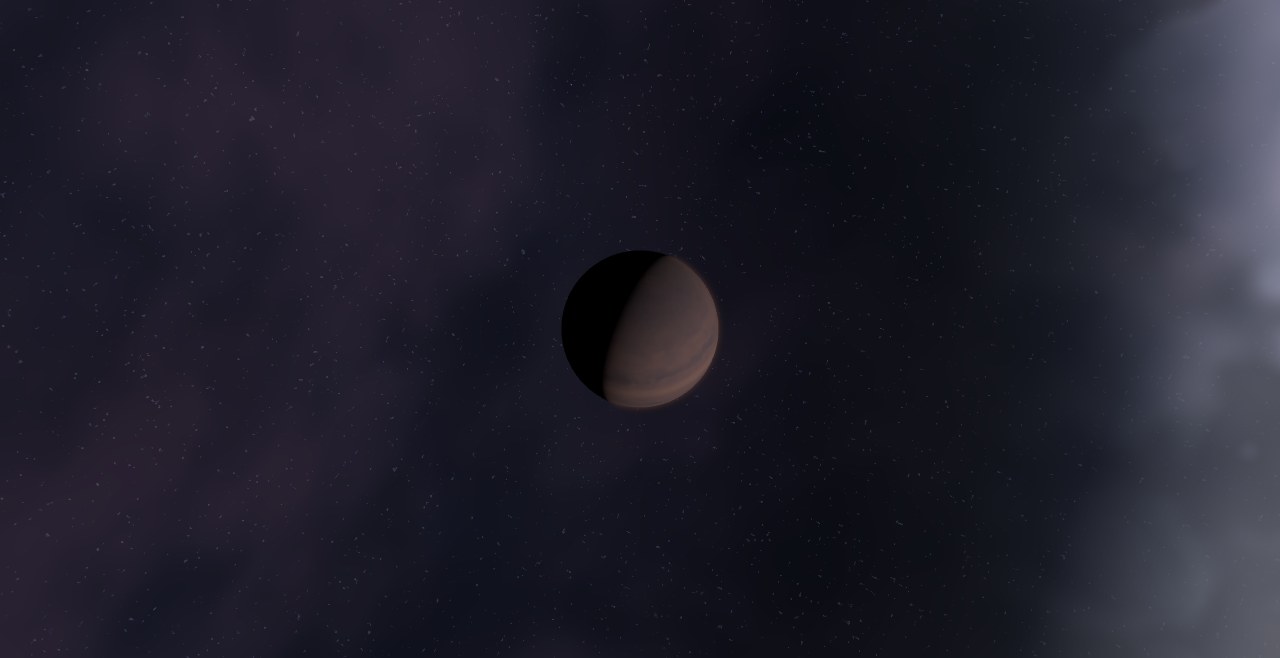
WASP-157, a Sun-like G-type star of 1.06 solar masses, and WASP-157 b, a planet with 11.2 Earth radii, with an orbital period of 4.0 days, at 0.050 AU from its star, and an equilibrium temperature near 1,193 K.
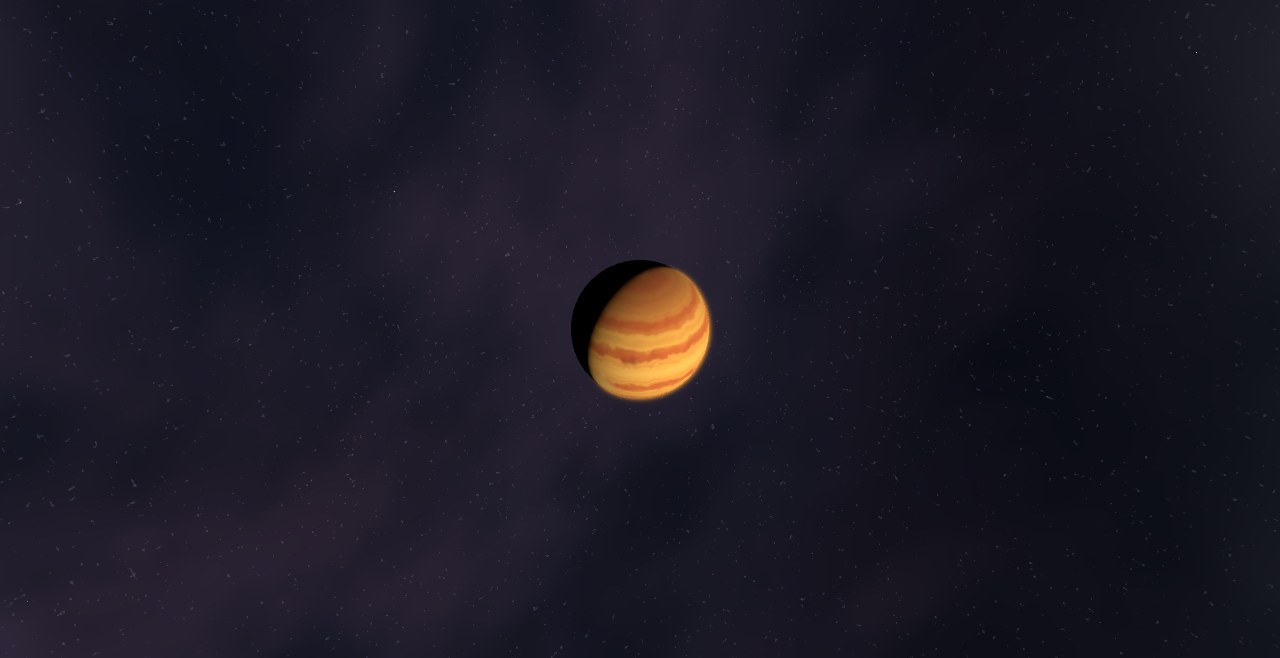
WASP-158, a Sun-like F-type star of 1.38 solar masses, and WASP-158 b, a 2.79-Jupiter-mass companion, with an orbital period of 3.7 days, at 0.052 AU from its star, and an equilibrium temperature near 1,590 K.
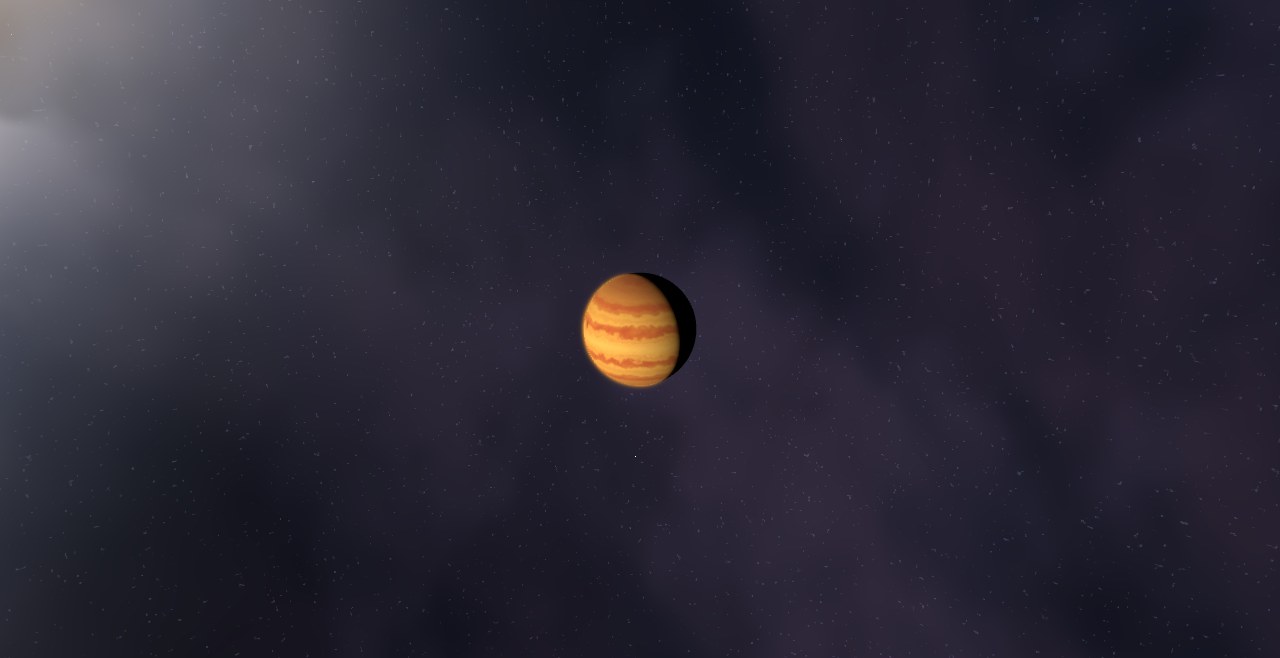
WASP-159, a Sun-like F-type star of 1.41 solar masses, and WASP-159 b, a 0.55-Jupiter-mass companion, with an orbital period of 3.8 days, at 0.054 AU from its star, and an equilibrium temperature near 1,850 K.
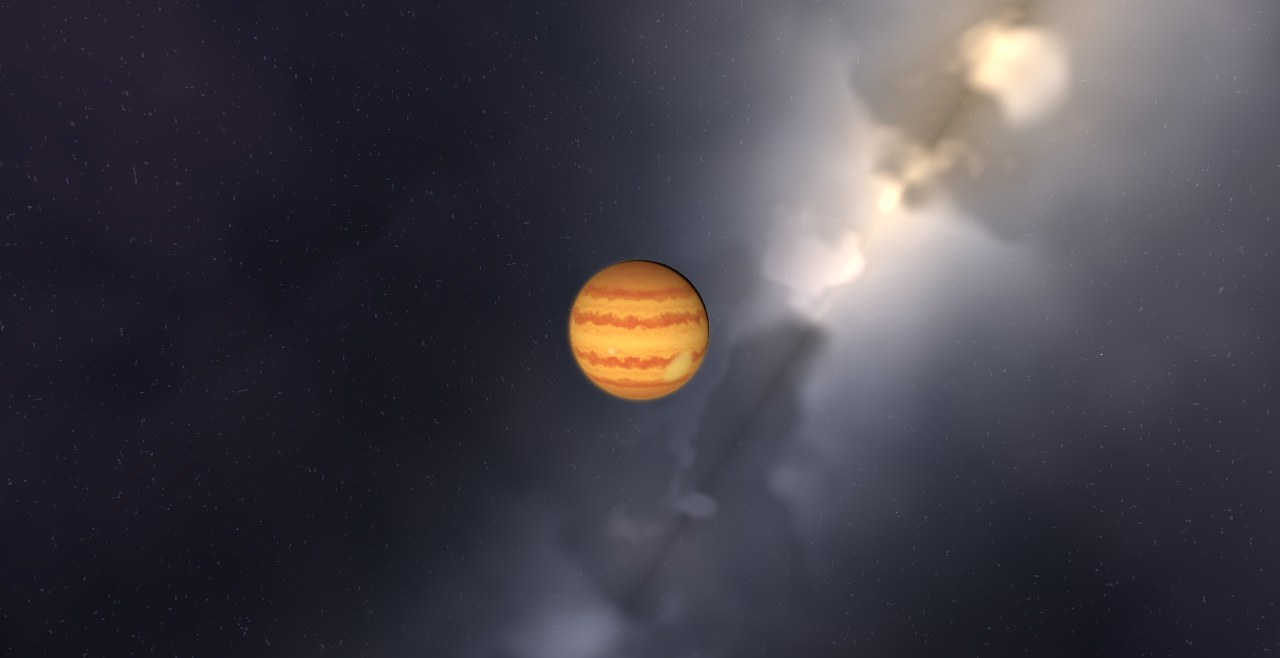
WASP-16, a Sun-like G-type star of 1.78 solar masses, and WASP-16 b, a 1.24-Jupiter-mass companion, with an orbital period of 3.1 days.
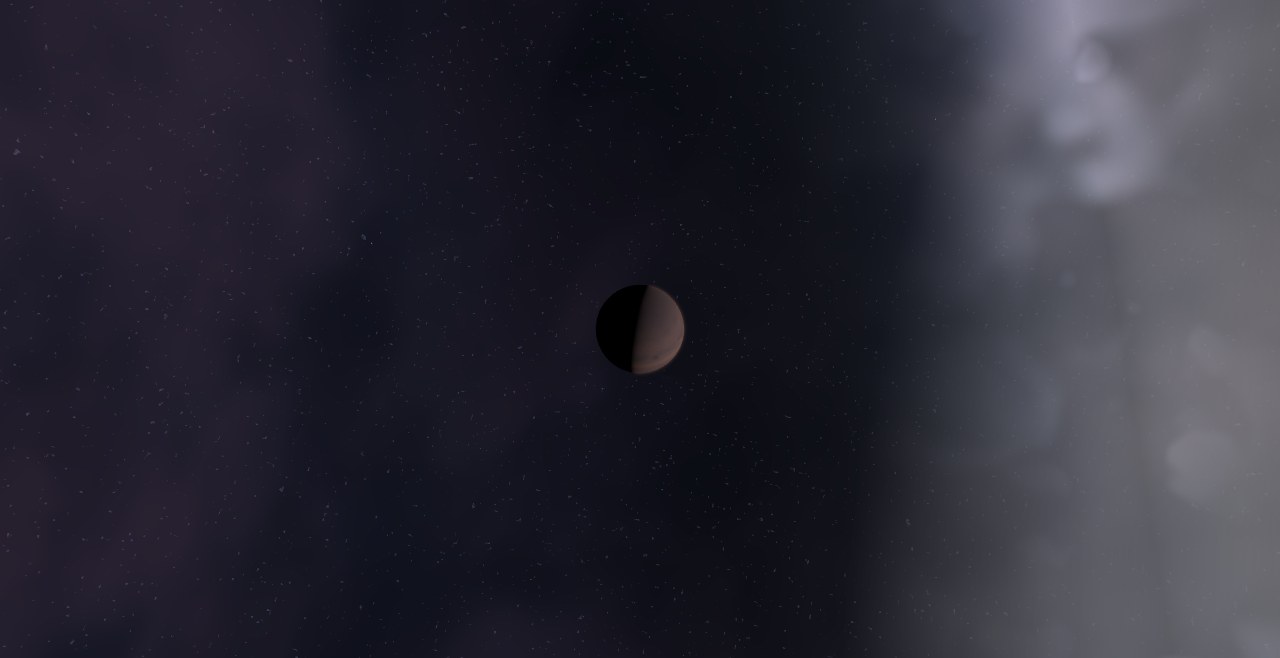
WASP-160 B, an orange K-type dwarf of 0.87 solar masses, and WASP-160 B b, a 0.28-Jupiter-mass companion, with an orbital period of 3.8 days, at 0.045 AU from its star, and an equilibrium temperature near.