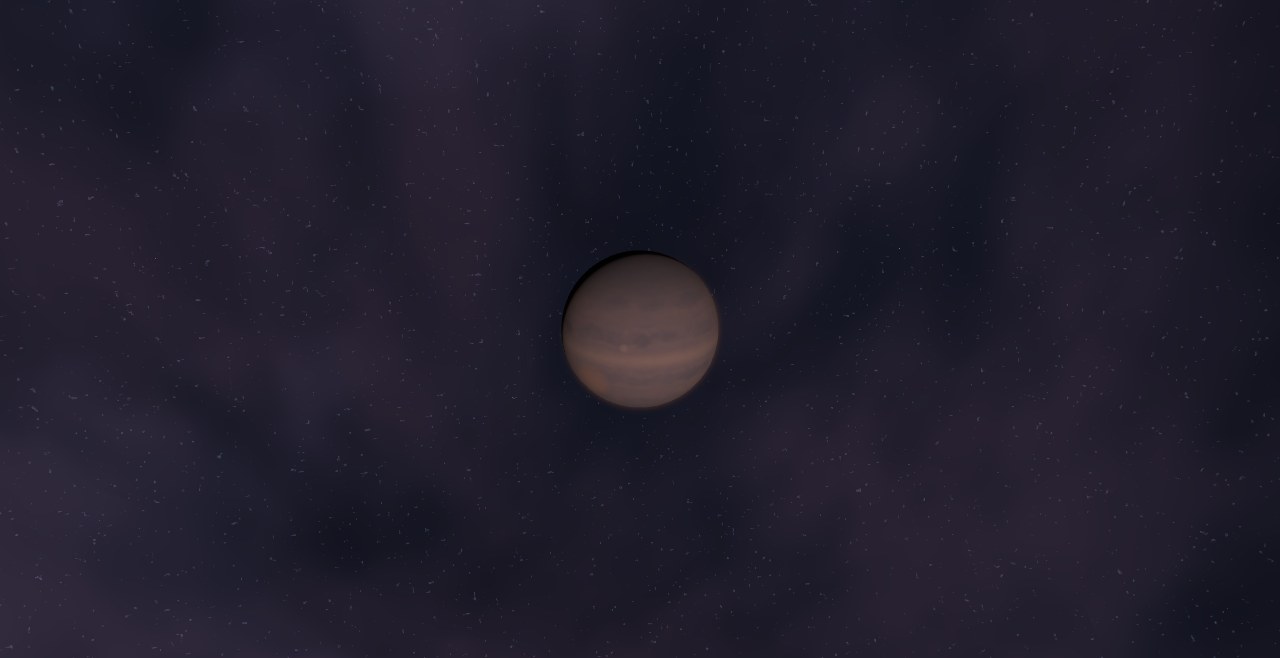
WASP-161 - System
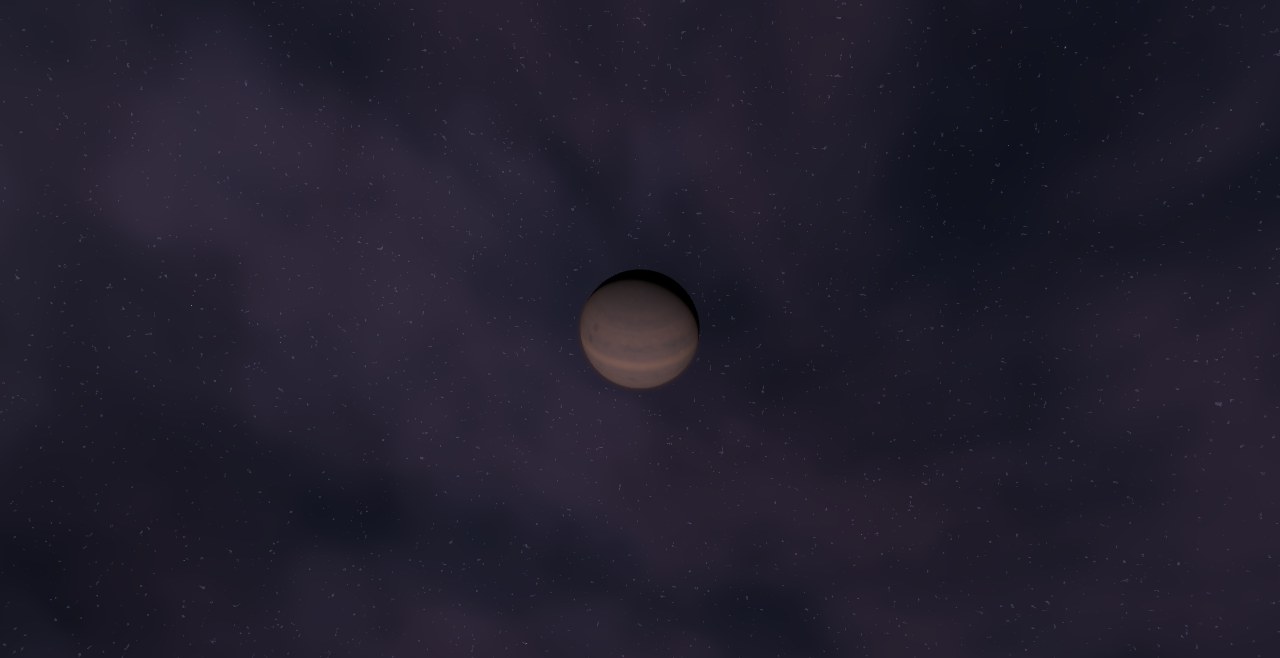
WASP-161, a Sun-like F-type star of 1.39 solar masses, and WASP-161 b, a 2.49-Jupiter-mass companion, with an orbital period of 5.4 days, at 0.067 AU from its star, and an equilibrium temperature near 1,557 K.
3D Space and Gravity Simulator. Simulate the solar system, exoplanets and even colliding galaxies. Add, delete and modify planets, and change the laws of physics.
Share
WASP-161, a Sun-like F-type star of 1.39 solar masses, and WASP-161 b, a 2.49-Jupiter-mass companion, with an orbital period of 5.4 days, at 0.067 AU from its star, and an equilibrium temperature near 1,557 K.

WASP-162, an orange K-type dwarf of 0.95 solar masses, and WASP-162 b, a 5.20-Jupiter-mass companion, with an orbital period of 9.6 days, at 0.087 AU from its star, and an equilibrium temperature near 910 K.
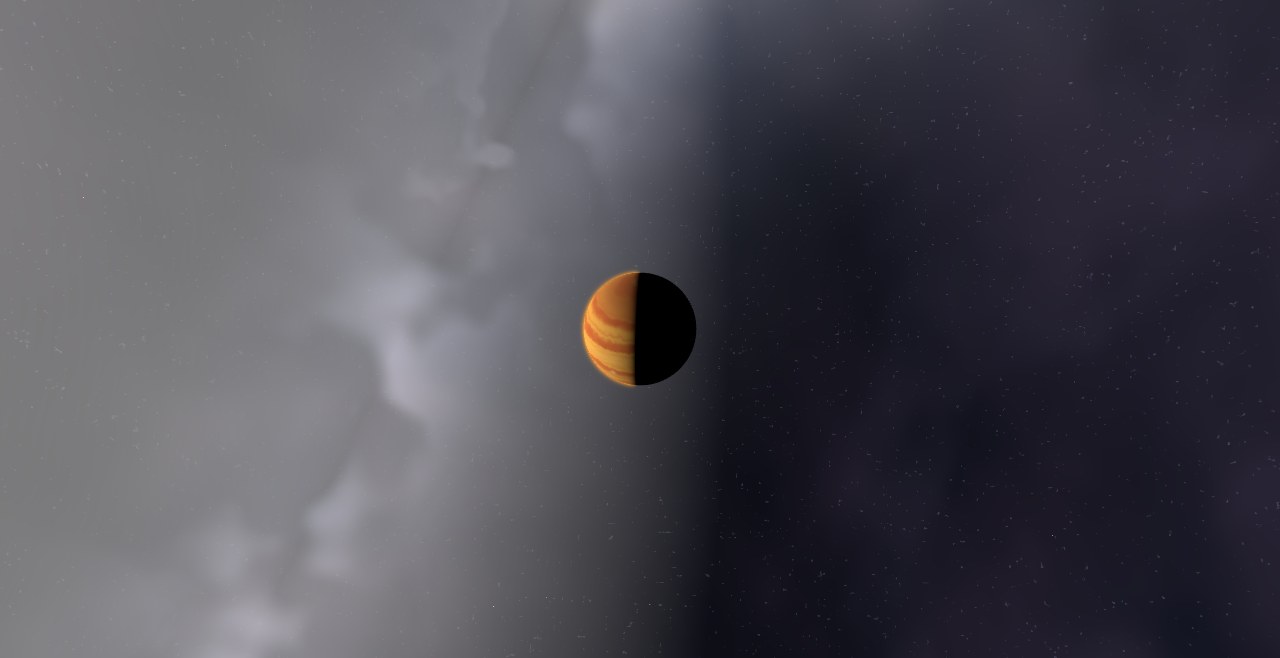
WASP-163, a Sun-like G-type star of 0.97 solar masses, and WASP-163 b, a 1.87-Jupiter-mass companion, with an orbital period of 1.6 days, at 0.027 AU from its star, and an equilibrium temperature near 1,638 K.
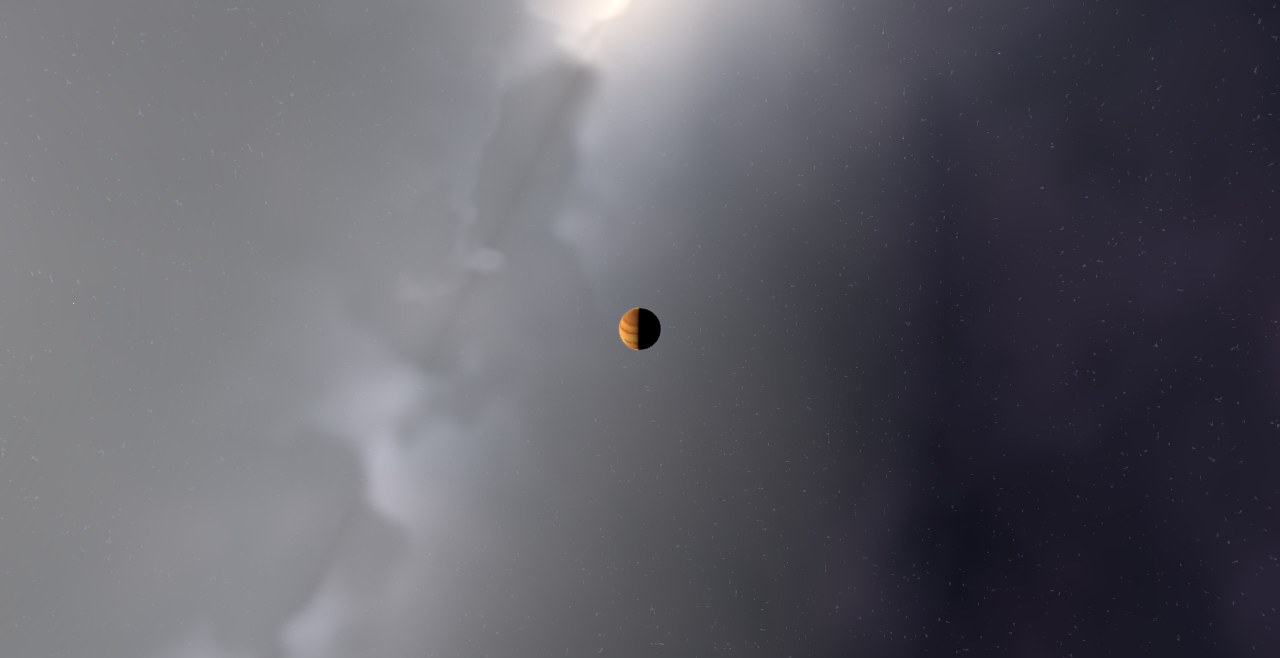
WASP-164, a Sun-like G-type star of 0.95 solar masses, and WASP-164 b, a 2.13-Jupiter-mass companion, with an orbital period of 1.8 days, at 0.028 AU from its star, and an equilibrium temperature near 1,610 K.
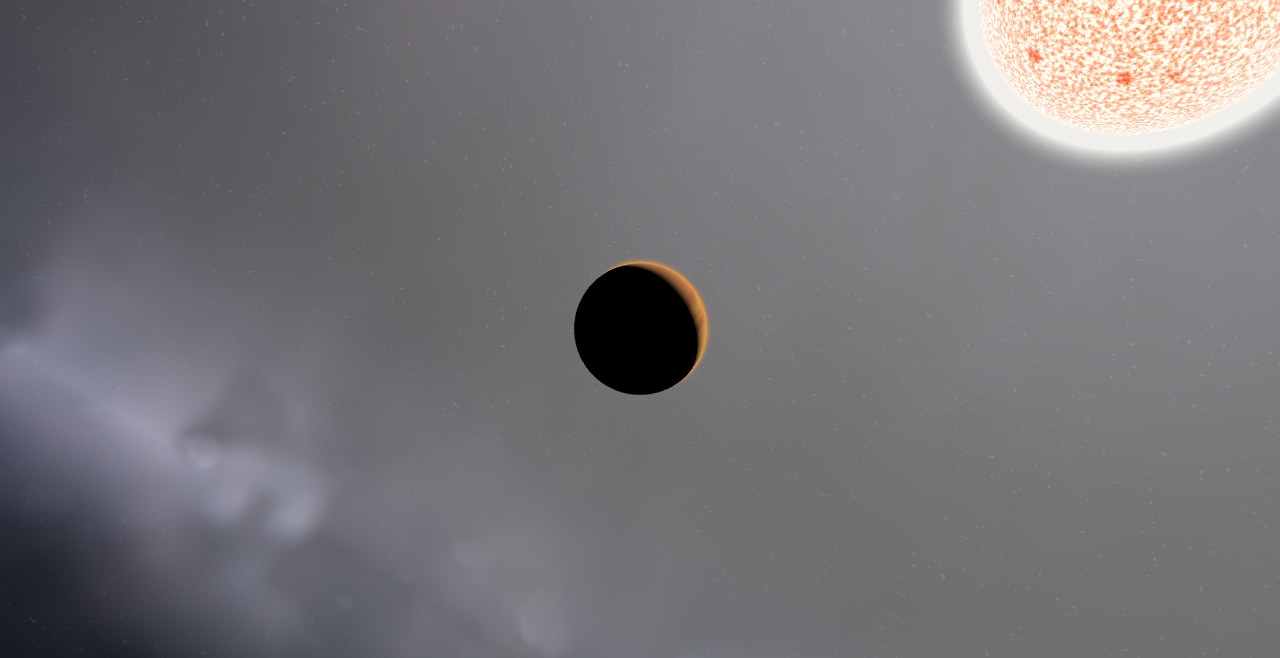
WASP-165, a Sun-like G-type star of 1.25 solar masses, and WASP-165 b, a 0.66-Jupiter-mass companion, with an orbital period of 3.5 days, at 0.048 AU from its star, and an equilibrium temperature near 1,624 K.
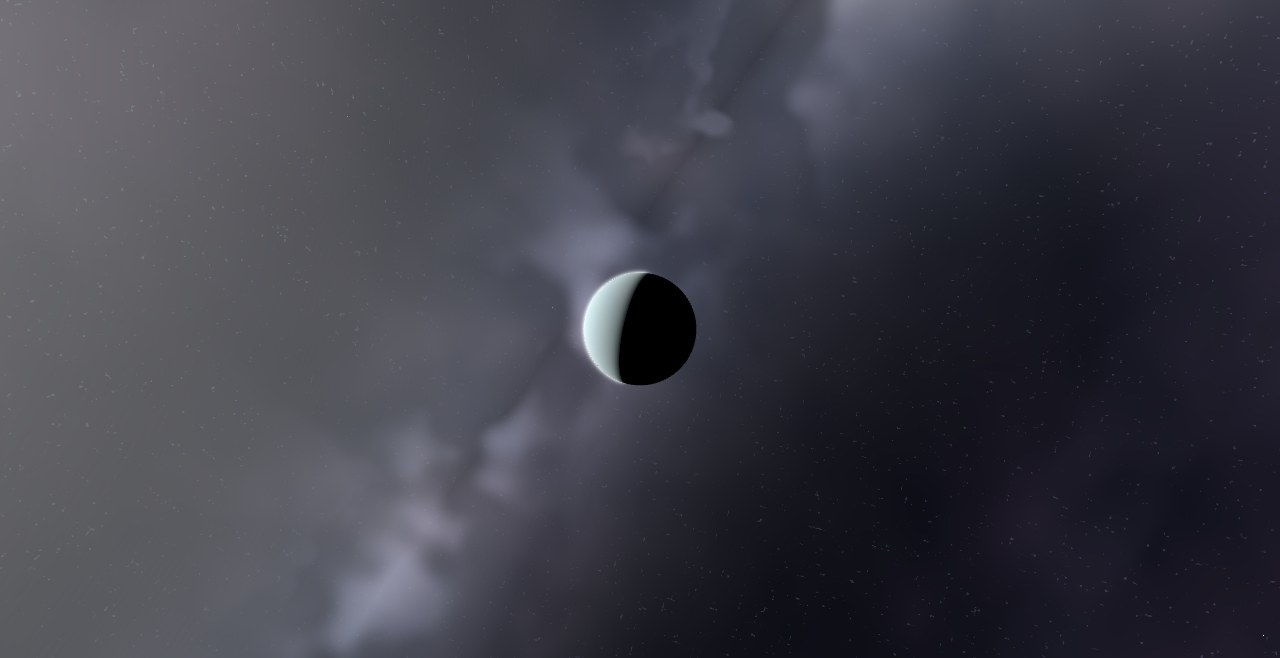
WASP-166, a Sun-like F-type star of 1.19 solar masses, and WASP-166 b, a 0.10-Jupiter-mass companion, with an orbital period of 5.4 days, at 0.064 AU from its star, and an equilibrium temperature near 1,270 K.
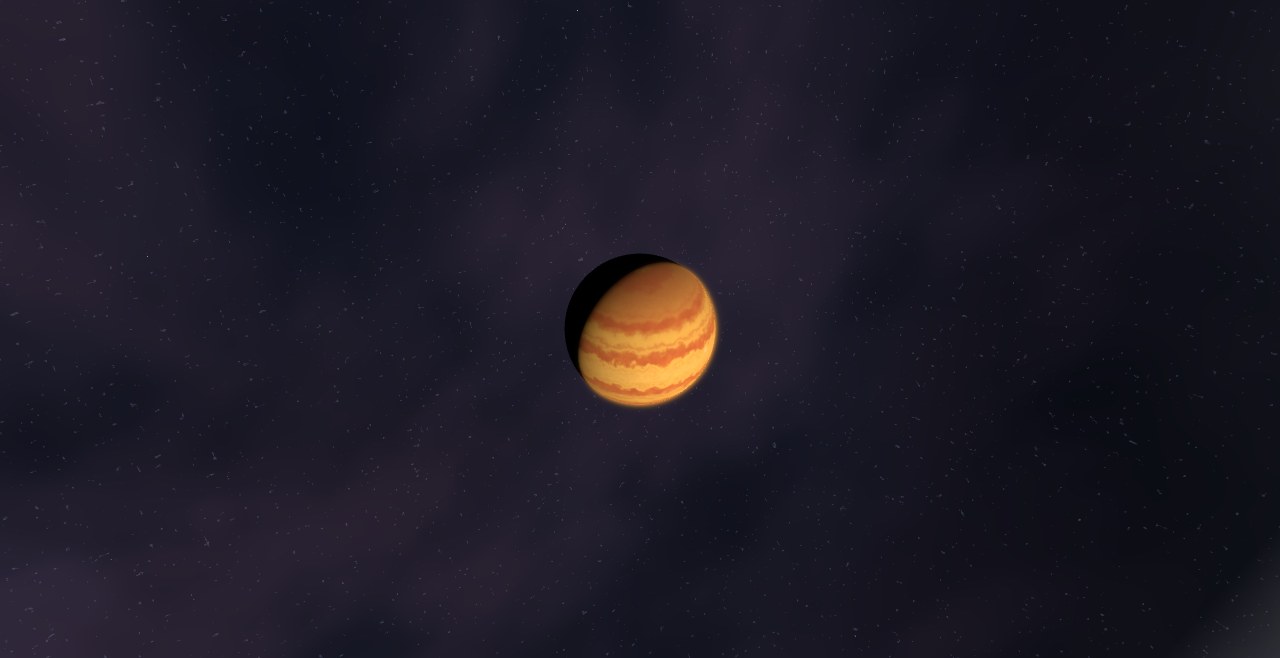
WASP-167, a Sun-like F-type star of 1.59 solar masses, and WASP-167 b, a 8.00-Jupiter-mass companion, with an orbital period of 2.0 days, at 0.036 AU from its star, and an equilibrium temperature near 2,329 K.
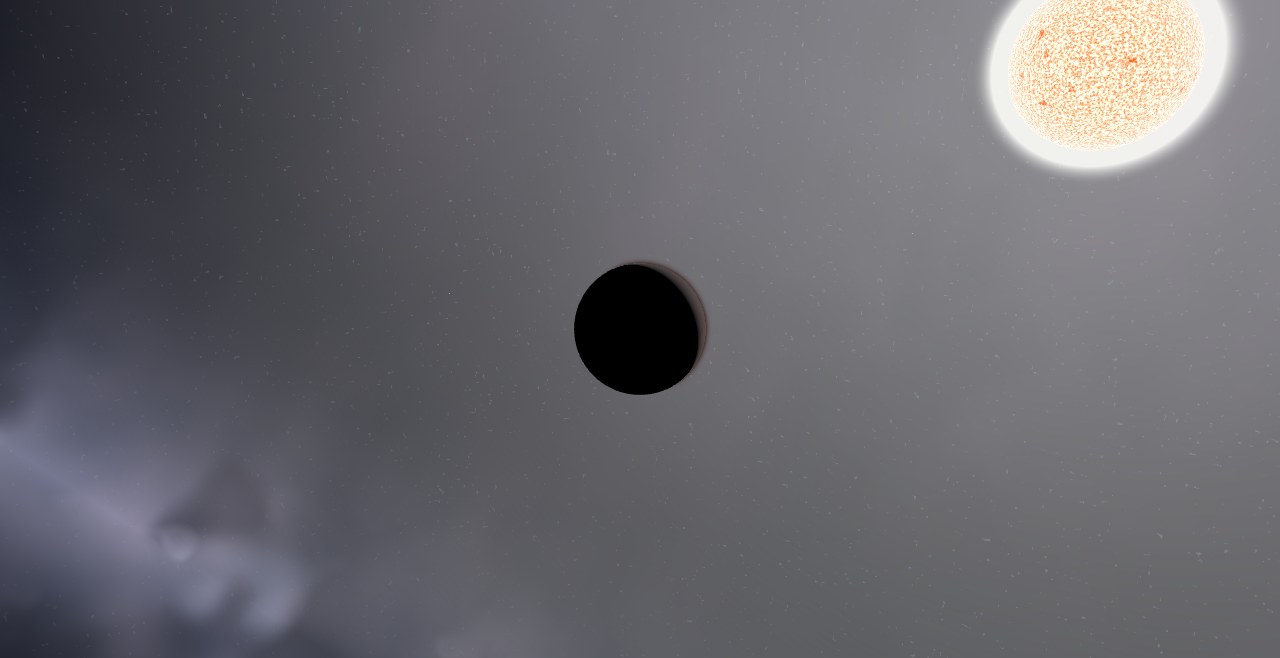
WASP-168, a Sun-like F-type star of 1.08 solar masses, and WASP-168 b, a 0.42-Jupiter-mass companion, with an orbital period of 4.2 days, at 0.052 AU from its star, and an equilibrium temperature near 1,340 K.
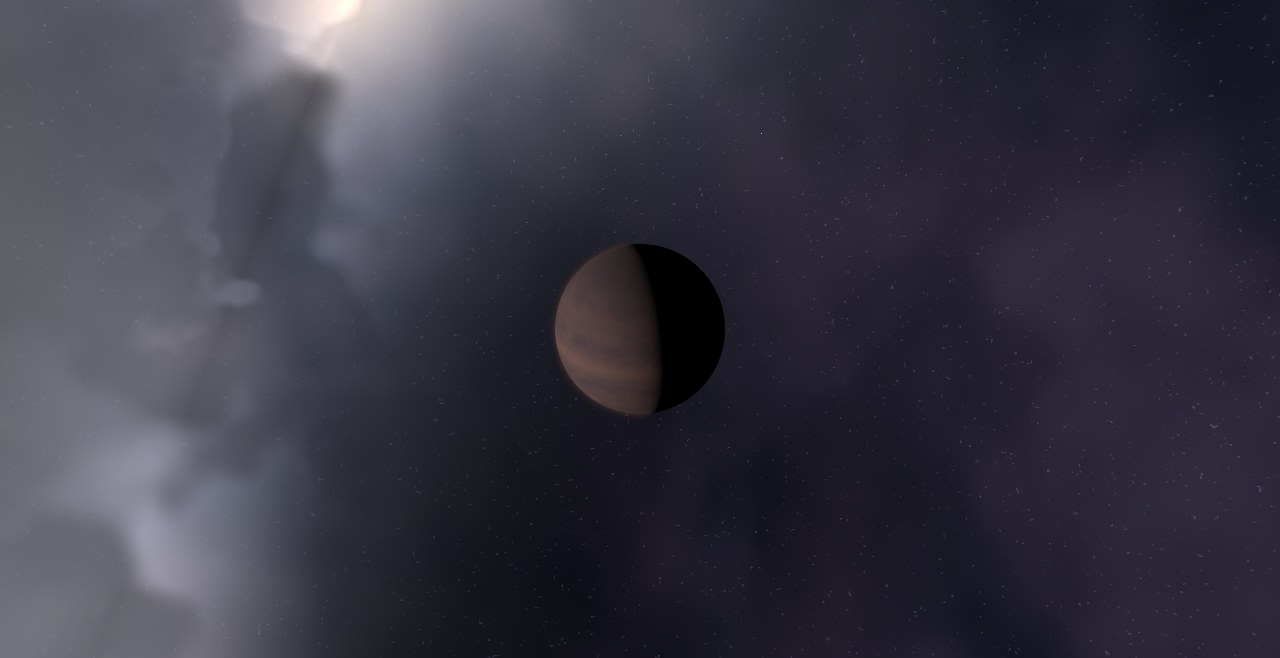
WASP-169, a Sun-like F-type star of 1.34 solar masses, and WASP-169 b, a 0.56-Jupiter-mass companion, with an orbital period of 5.6 days, at 0.068 AU from its star, and an equilibrium temperature near 1,604 K.
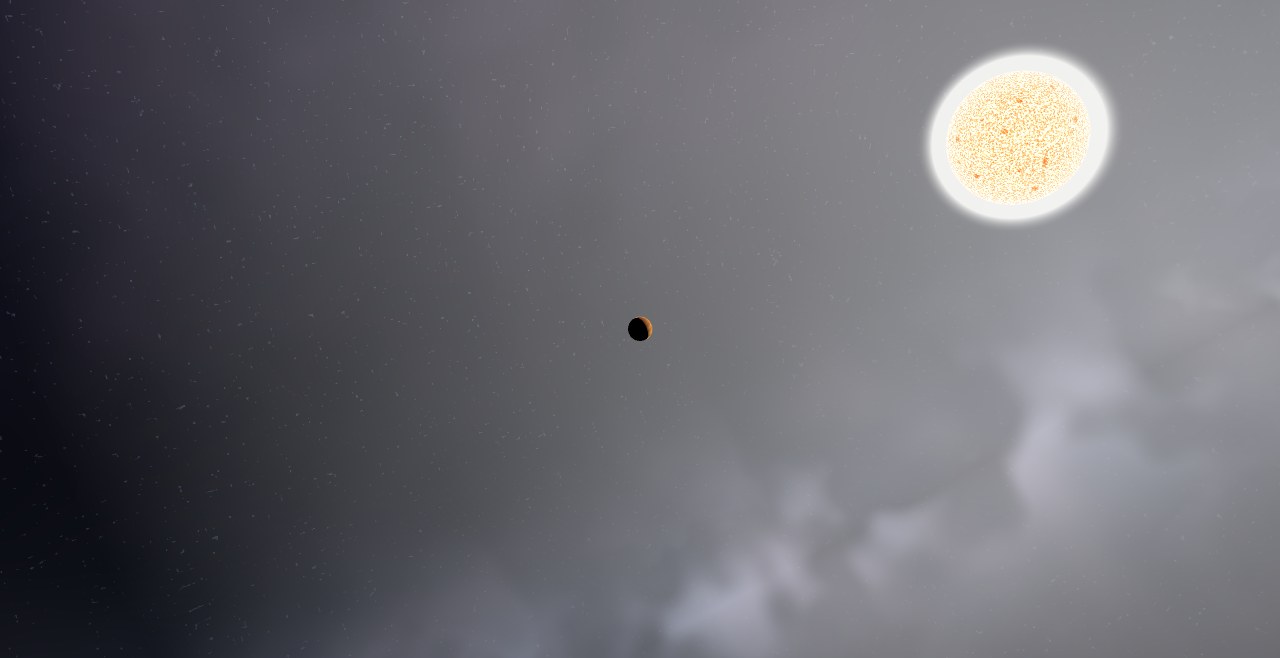
WASP-17 b, the first planet found on a retrograde orbit. This bloated hot Jupiter circles opposite its star's spin and is larger than Jupiter.
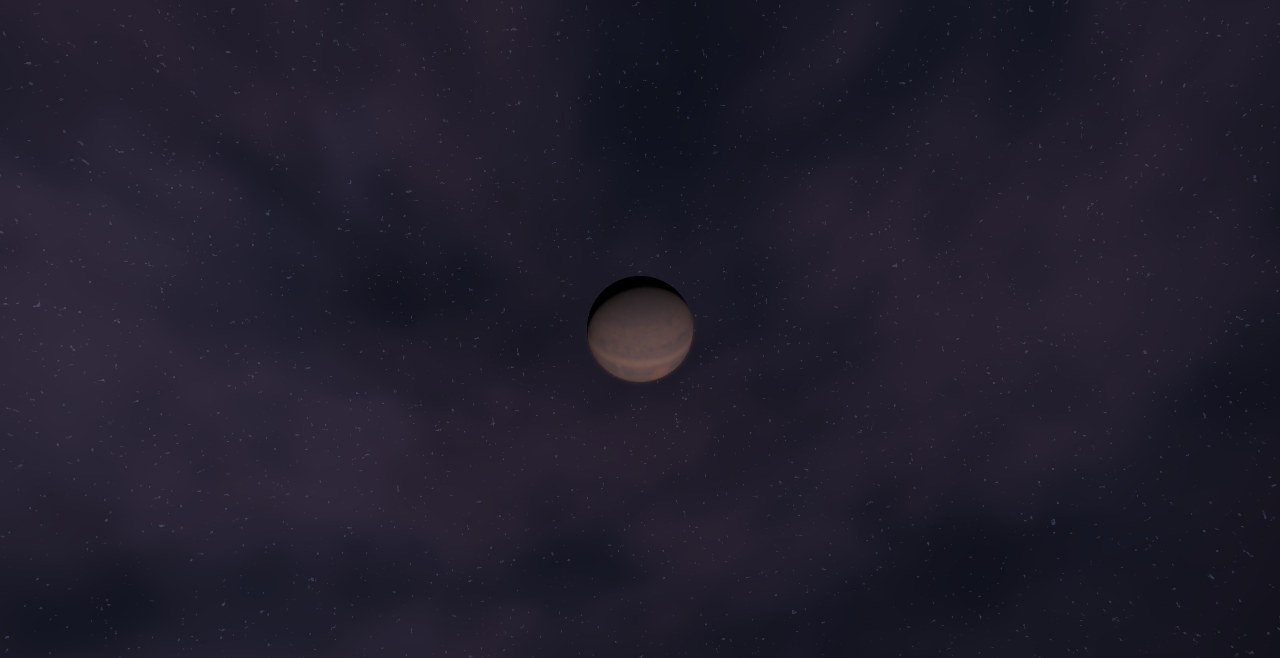
WASP-170, a Sun-like G-type star of 0.93 solar masses, and WASP-170 b, a 1.60-Jupiter-mass companion, with an orbital period of 2.3 days, at 0.034 AU from its star, and an equilibrium temperature near 1,422 K.
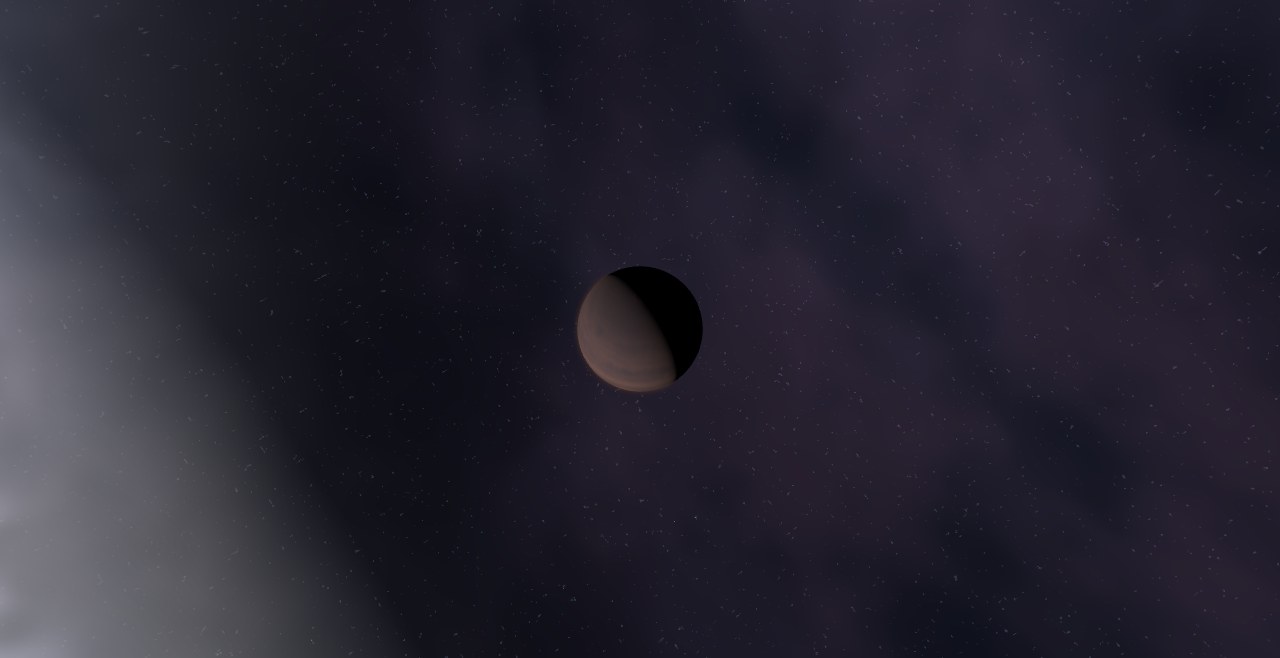
WASP-171, a Sun-like G-type star of 1.17 solar masses, and WASP-171 b, a 1.08-Jupiter-mass companion, with an orbital period of 3.8 days, at 0.050 AU from its star, and an equilibrium temperature near 1,642 K.
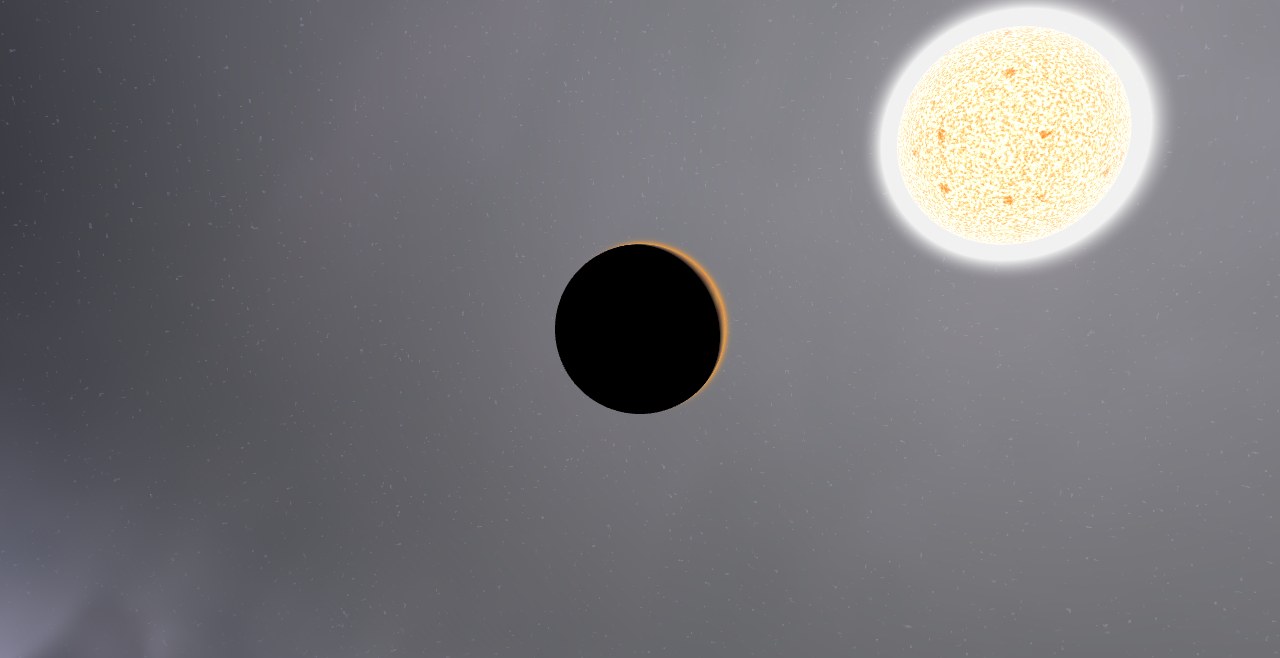
WASP-172, a Sun-like F-type star of 1.49 solar masses, and WASP-172 b, a 0.47-Jupiter-mass companion, with an orbital period of 5.5 days, at 0.069 AU from its star, and an equilibrium temperature near 1,740 K.
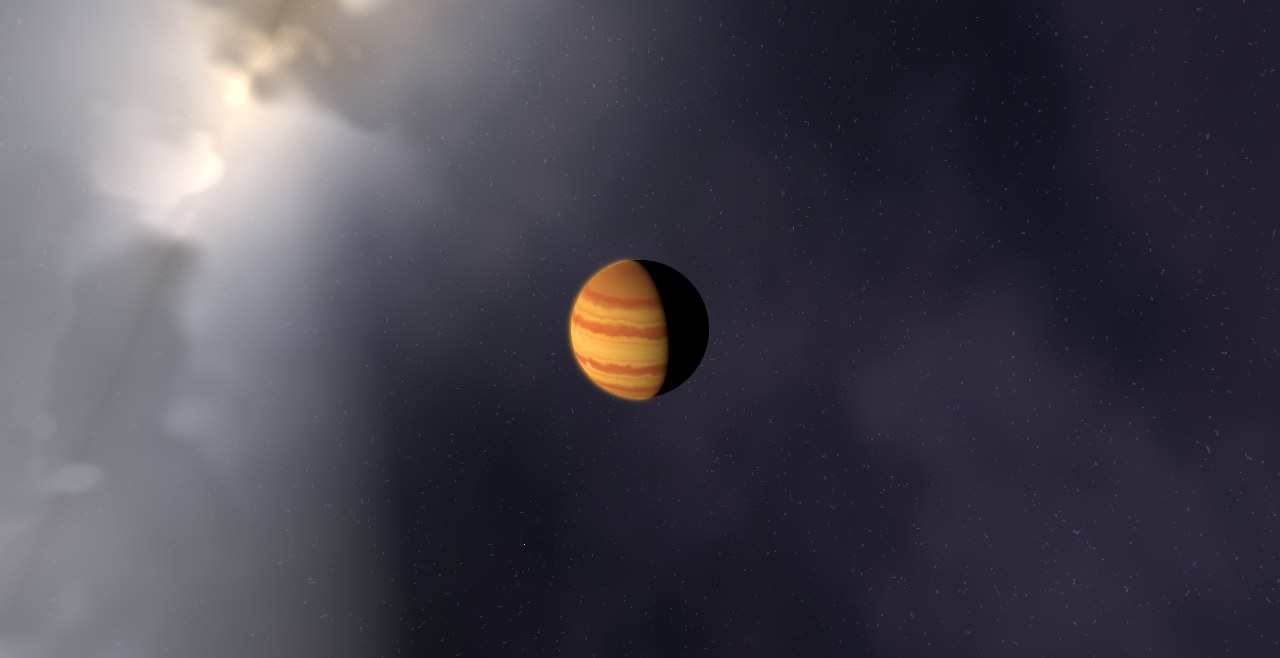
WASP-173 A, a Sun-like G-type star of 1.05 solar masses, and WASP-173 A b, a 3.69-Jupiter-mass companion, with an orbital period of 1.4 days, at 0.025 AU from its star, and an equilibrium temperature near.
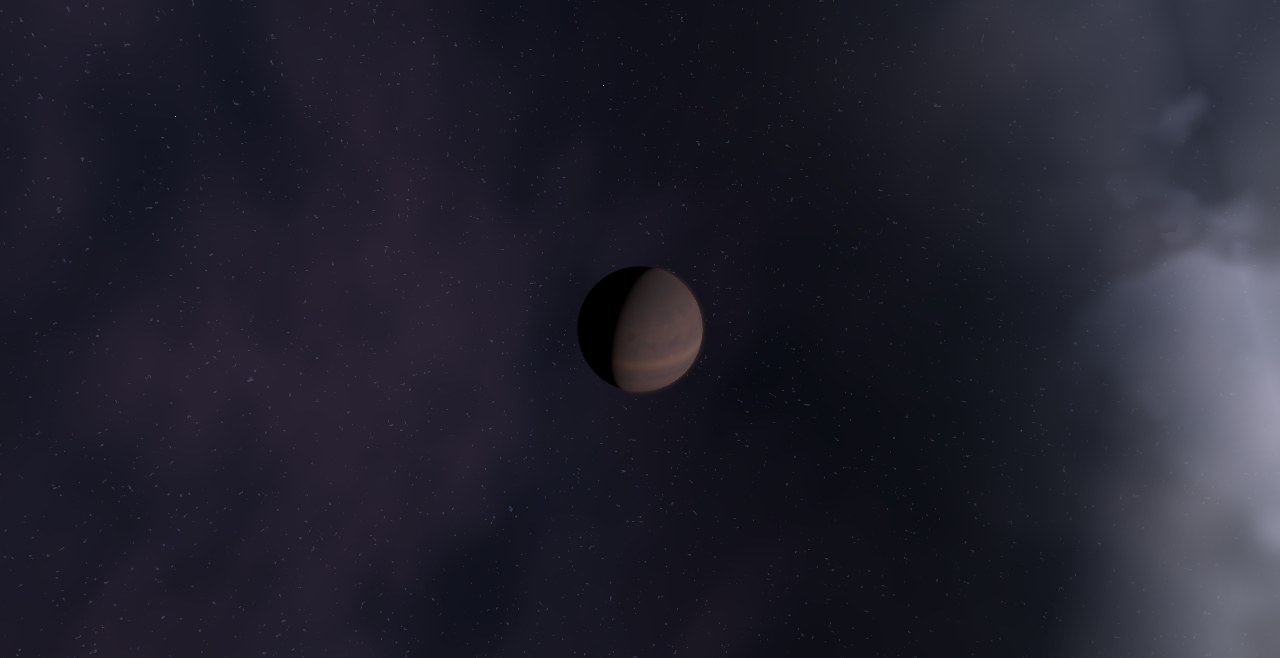
WASP-174, a Sun-like F-type star of 1.24 solar masses, and WASP-174 b, a 0.33-Jupiter-mass companion, with an orbital period of 4.2 days, at 0.055 AU from its star, and an equilibrium temperature near 1,528 K.
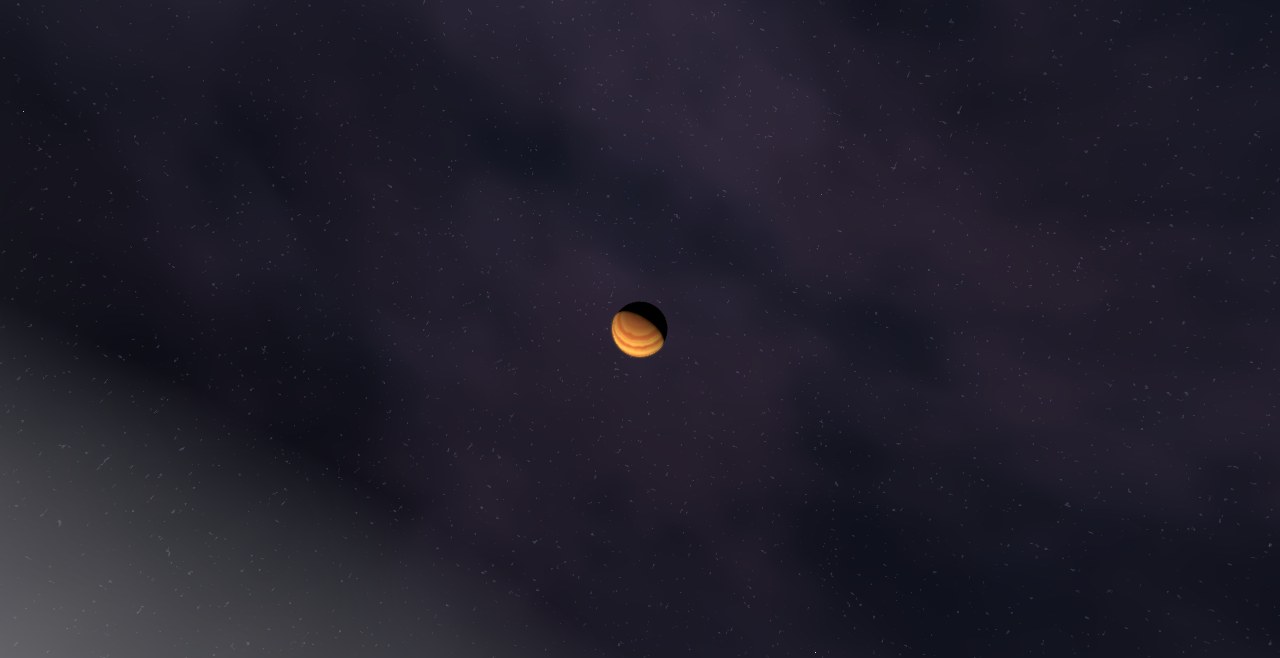
WASP-175, a Sun-like F-type star of 1.21 solar masses, and WASP-175 b, a 0.99-Jupiter-mass companion, with an orbital period of 3.1 days, at 0.044 AU from its star, and an equilibrium temperature near 1,571 K.
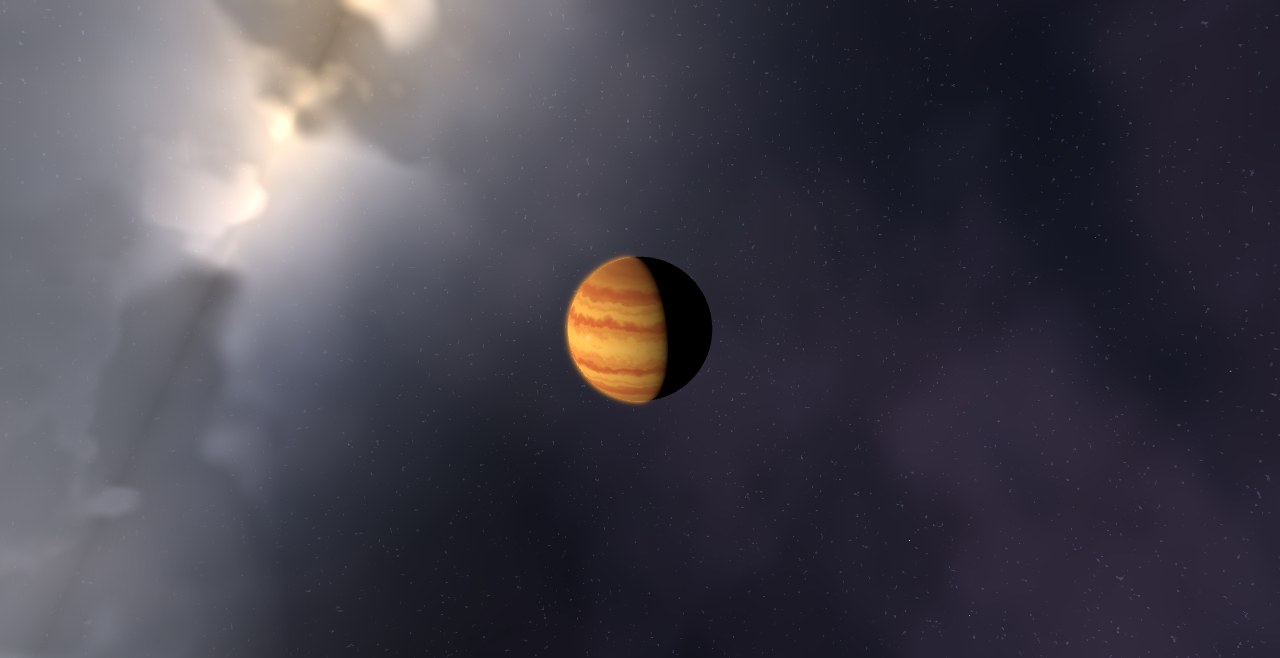
WASP-176, a Sun-like F-type star of 1.34 solar masses, and WASP-176 b, a 0.85-Jupiter-mass companion, with an orbital period of 3.9 days, at 0.053 AU from its star, and an equilibrium temperature near 1,721 K.
WASP-177, an orange K-type dwarf of 0.88 solar masses, and WASP-177 b, a 0.51-Jupiter-mass companion, with an orbital period of 3.1 days, at 0.040 AU from its star, and an equilibrium temperature near 1,142 K.