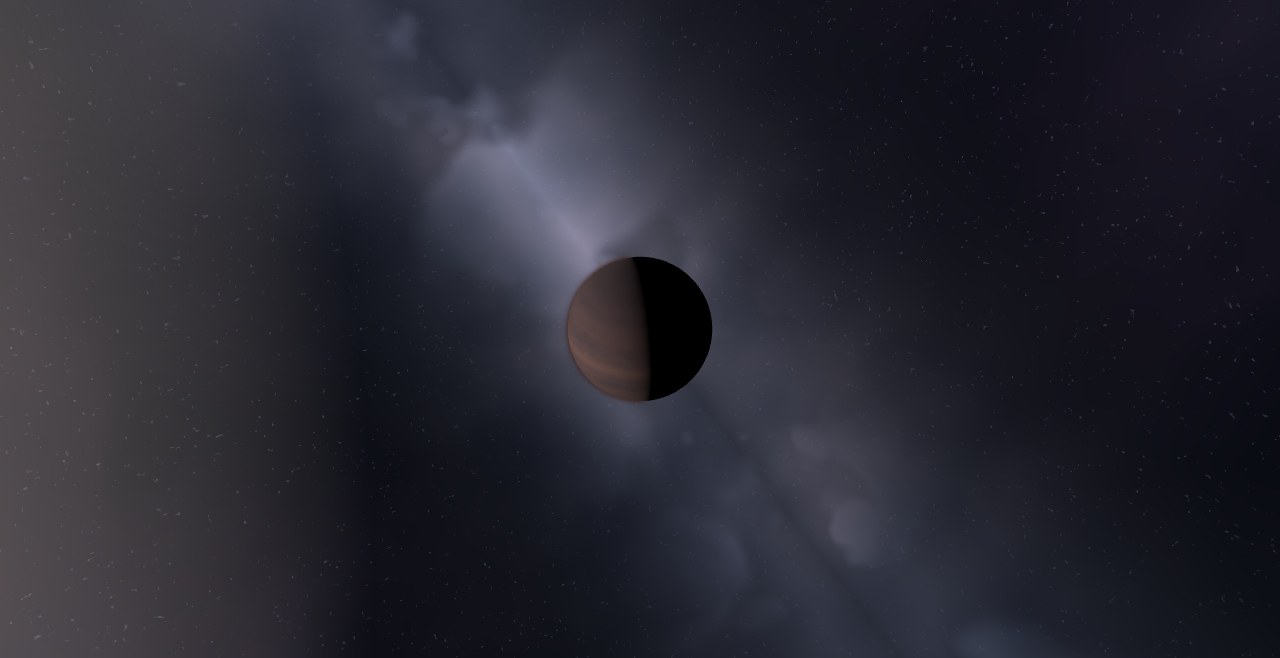
WASP-10 - System
WASP-10, an orange K-type dwarf of 0.75 solar masses, and WASP-10 b, a 3.15-Jupiter-mass companion, with an orbital period of 3.1 days, at 0.038 AU from its star, and an equilibrium temperature near 1,370 K.
3D Space and Gravity Simulator. Simulate the solar system, exoplanets and even colliding galaxies. Add, delete and modify planets, and change the laws of physics.
Share
WASP-10, an orange K-type dwarf of 0.75 solar masses, and WASP-10 b, a 3.15-Jupiter-mass companion, with an orbital period of 3.1 days, at 0.038 AU from its star, and an equilibrium temperature near 1,370 K.
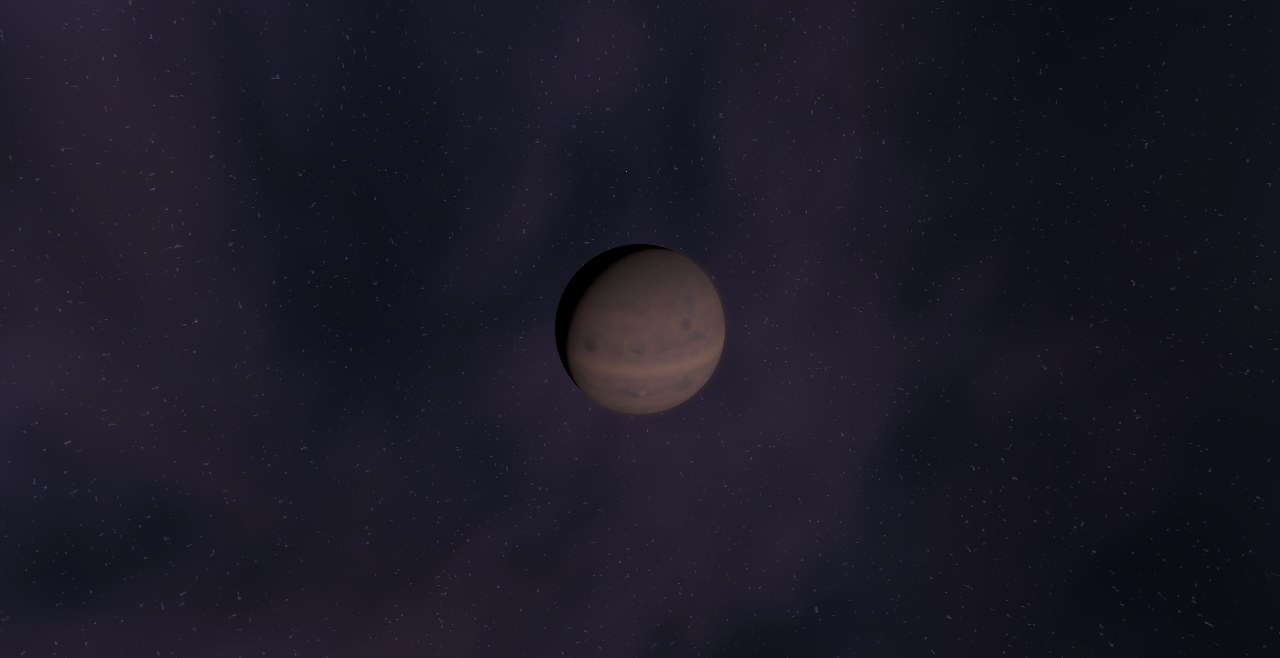
WASP-100, a Sun-like F-type star of 0.77 solar masses, and WASP-100 b, a 1.26-Jupiter-mass companion, with an orbital period of 2.8 days.
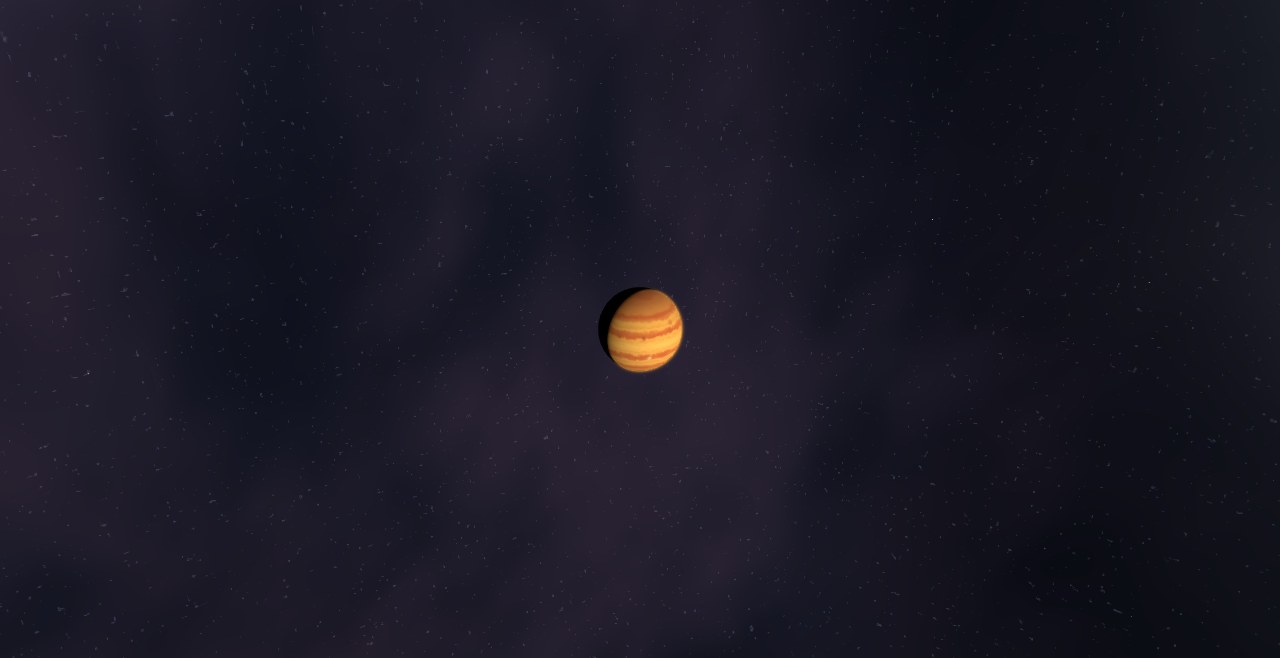
WASP-101, a Sun-like F-type star of 1.41 solar masses, and WASP-101 b, a 0.51-Jupiter-mass companion, with an orbital period of 3.6 days.
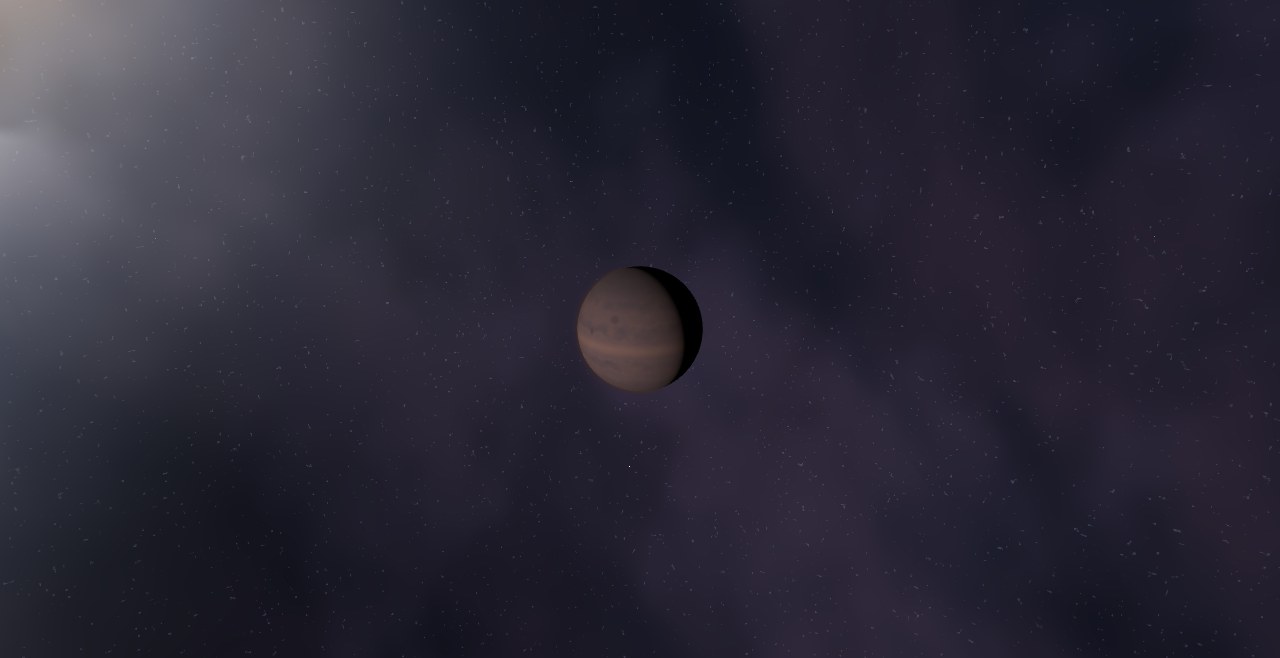
WASP-102, a Sun-like G-type star of 1.08 solar masses, and WASP-102 b, a 0.62-Jupiter-mass companion, with an orbital period of 2.7 days, at 0.041 AU from its star, and an equilibrium temperature near 1,671 K.
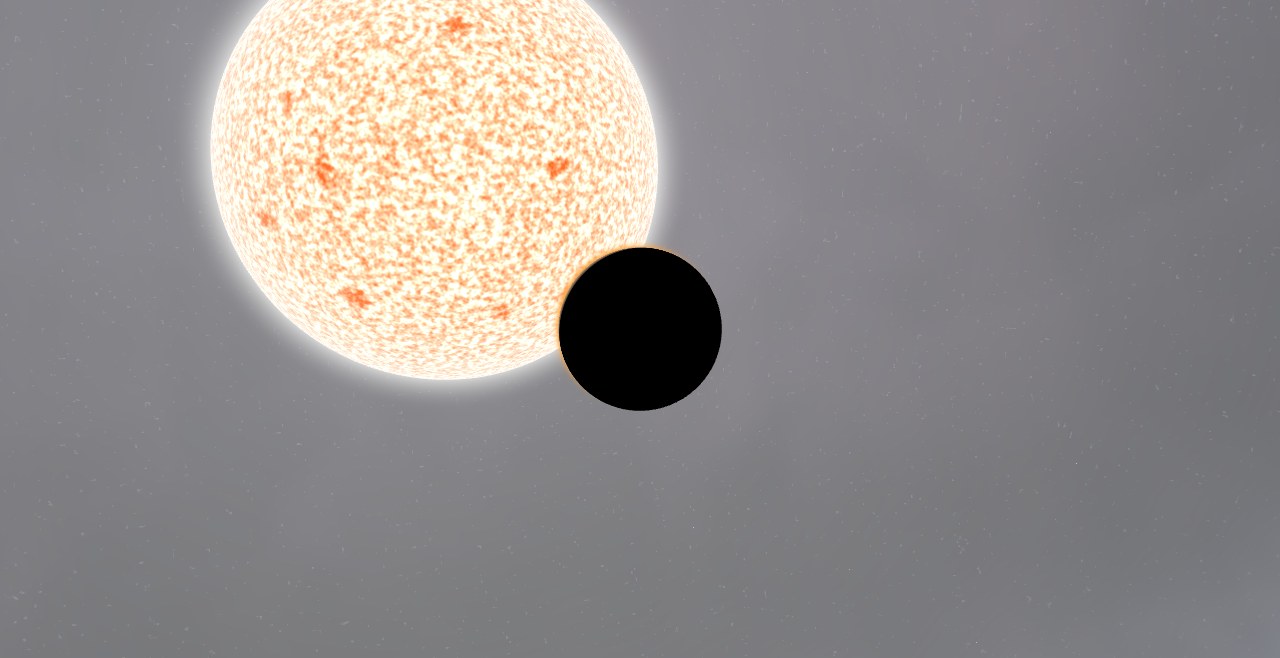
WASP-103 b, the first planet whose tidal bulge was measured. CHEOPS detected the deformation as this hot Jupiter is stretched by its star. The planet is one of the closest, hottest Jupiters known.
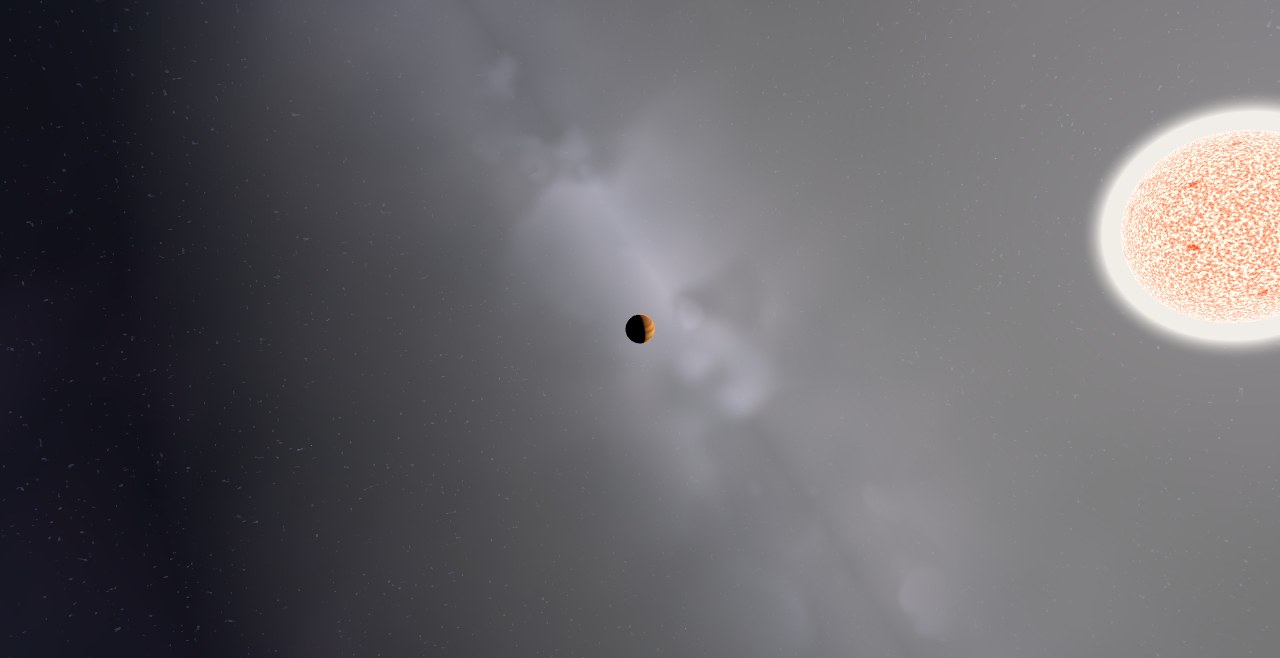
WASP-104, a Sun-like G-type star of 1.08 solar masses, and WASP-104 b, a 1.27-Jupiter-mass companion, with an orbital period of 1.8 days, at 0.029 AU from its star, and an equilibrium temperature near 1,516 K.
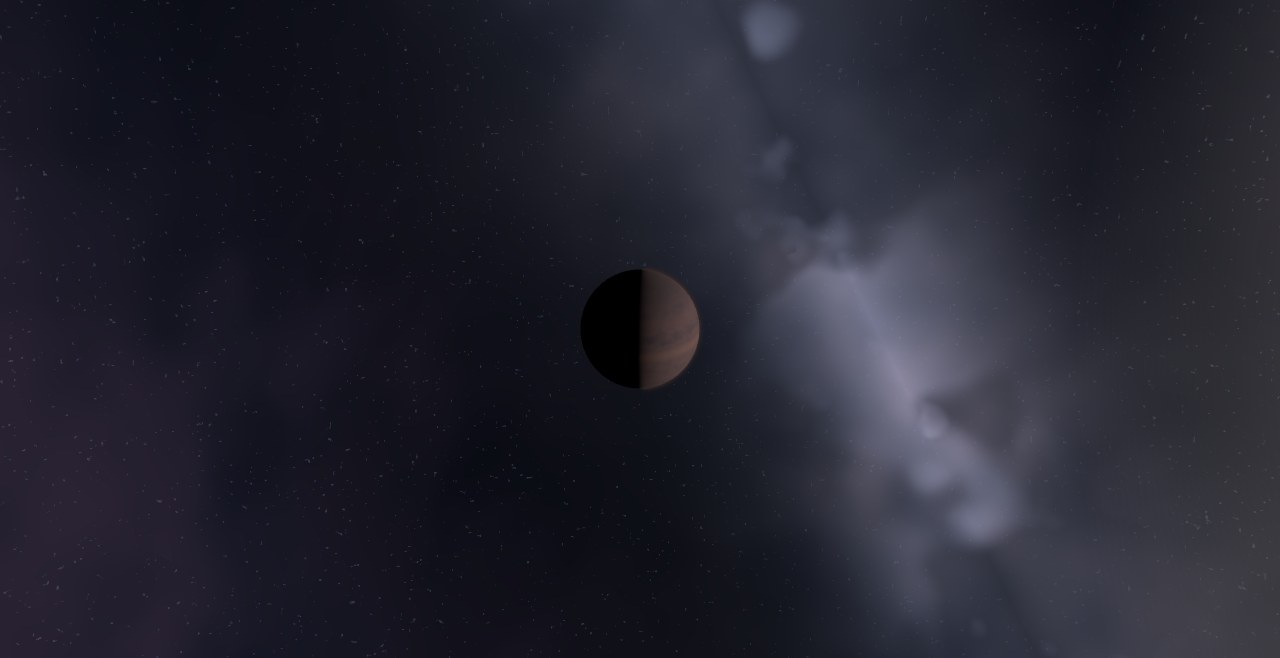
WASP-105, an orange K-type dwarf of 0.89 solar masses, and WASP-105 b, a 1.80-Jupiter-mass companion, with an orbital period of 7.9 days, at 0.075 AU from its star, and an equilibrium temperature near 900 K.
WASP-106, a Sun-like F-type star of 1.18 solar masses, and WASP-106 b, a 1.93-Jupiter-mass companion, with an orbital period of 9.3 days, at 0.090 AU from its star.
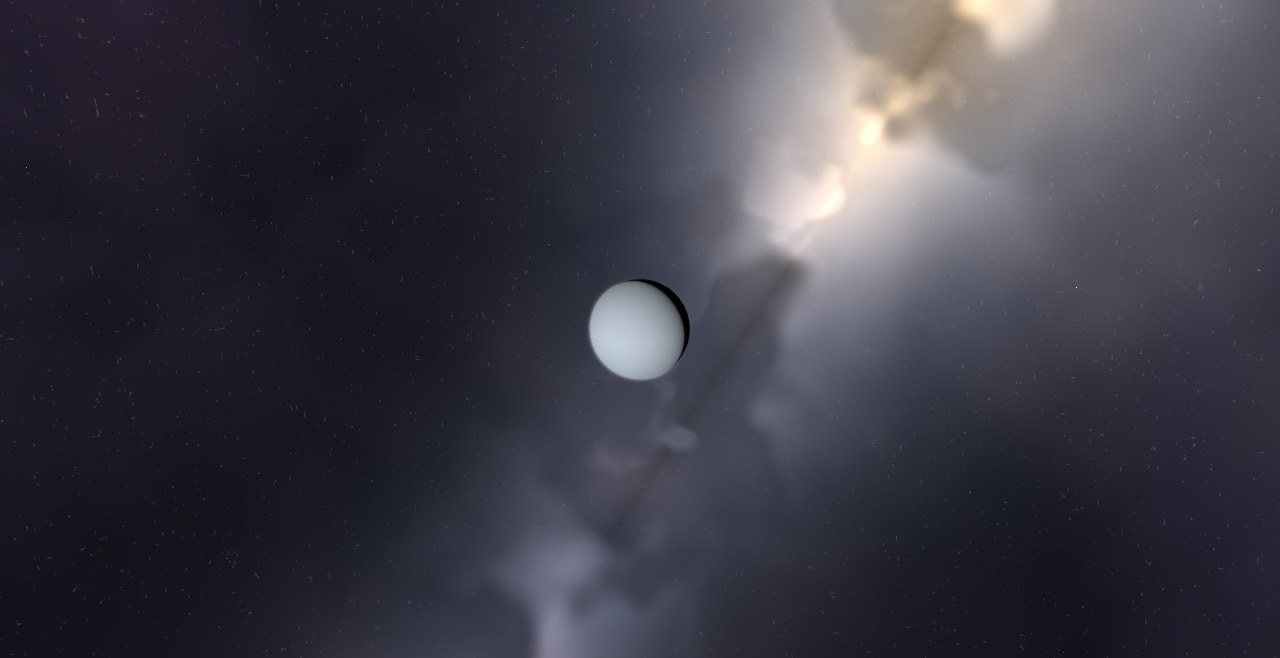
WASP-107 b, a super-puff Neptune with a helium tail. It is almost Jupiter-sized but only about 30 Earth masses, and its atmosphere is leaking.
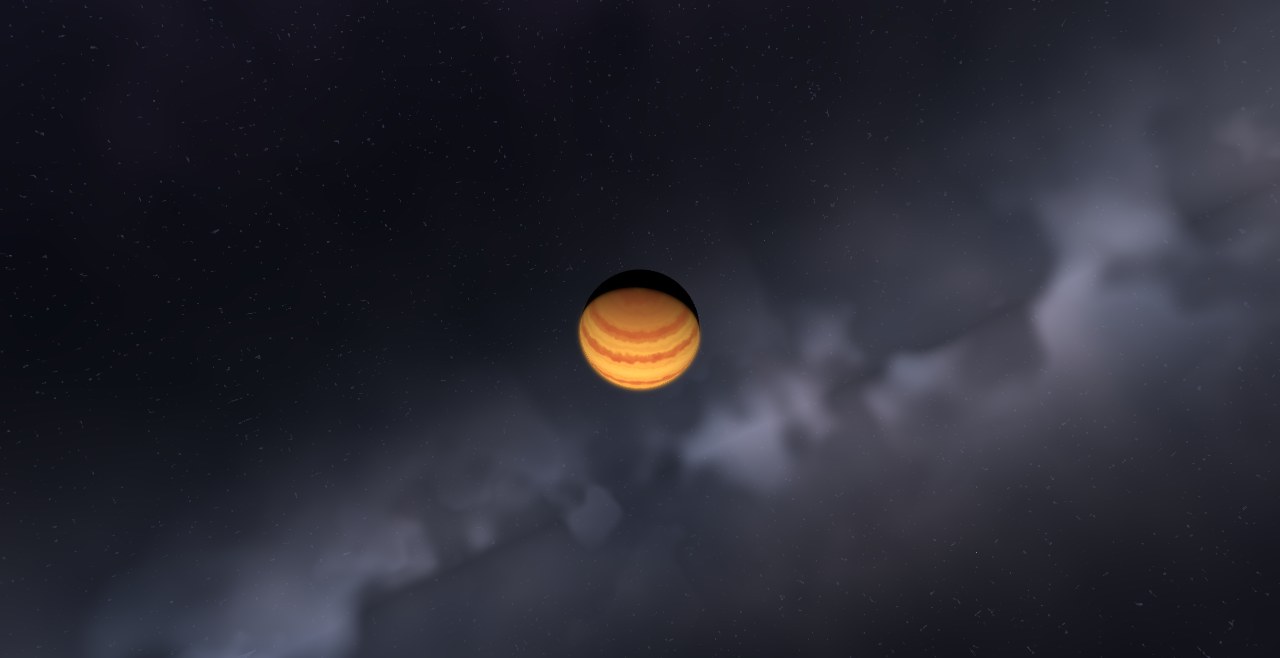
WASP-11, an orange K-type dwarf of 1.42 solar masses, and WASP-11 b, a 0.79-Jupiter-mass companion, with an orbital period of 3.7 days.
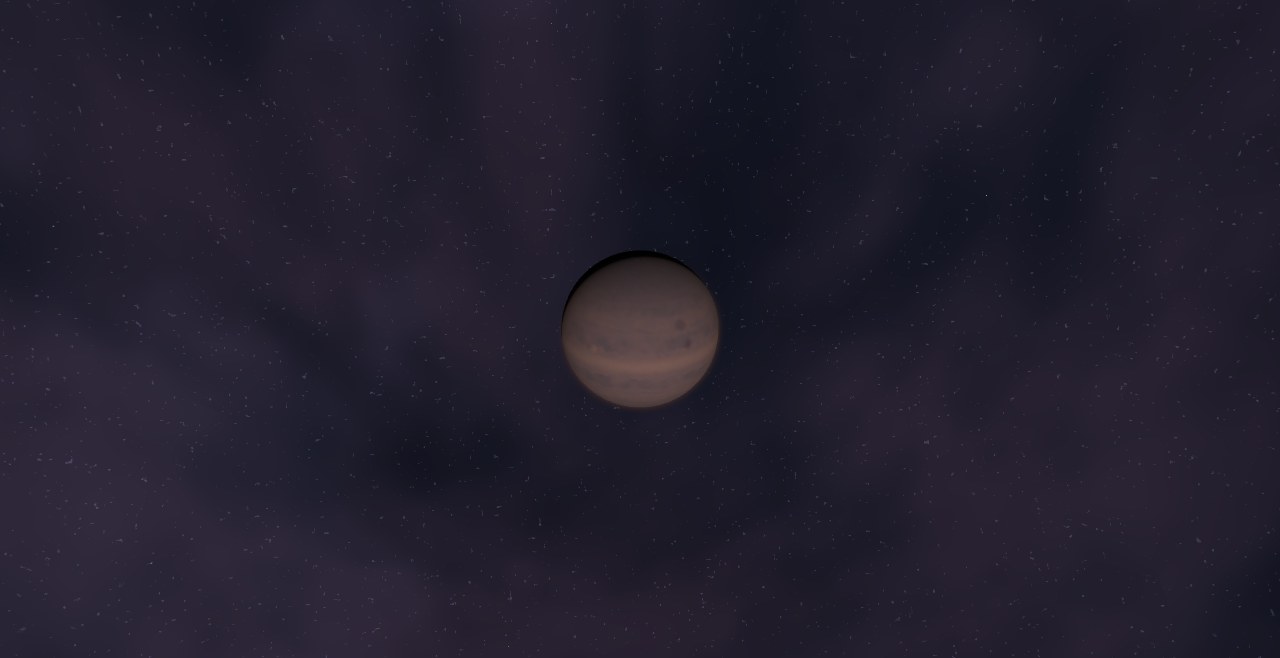
WASP-113, a Sun-like G-type star of 1.32 solar masses, and WASP-113 b, a 0.47-Jupiter-mass companion, with an orbital period of 4.5 days, at 0.059 AU from its star, and an equilibrium temperature near 1,496 K.
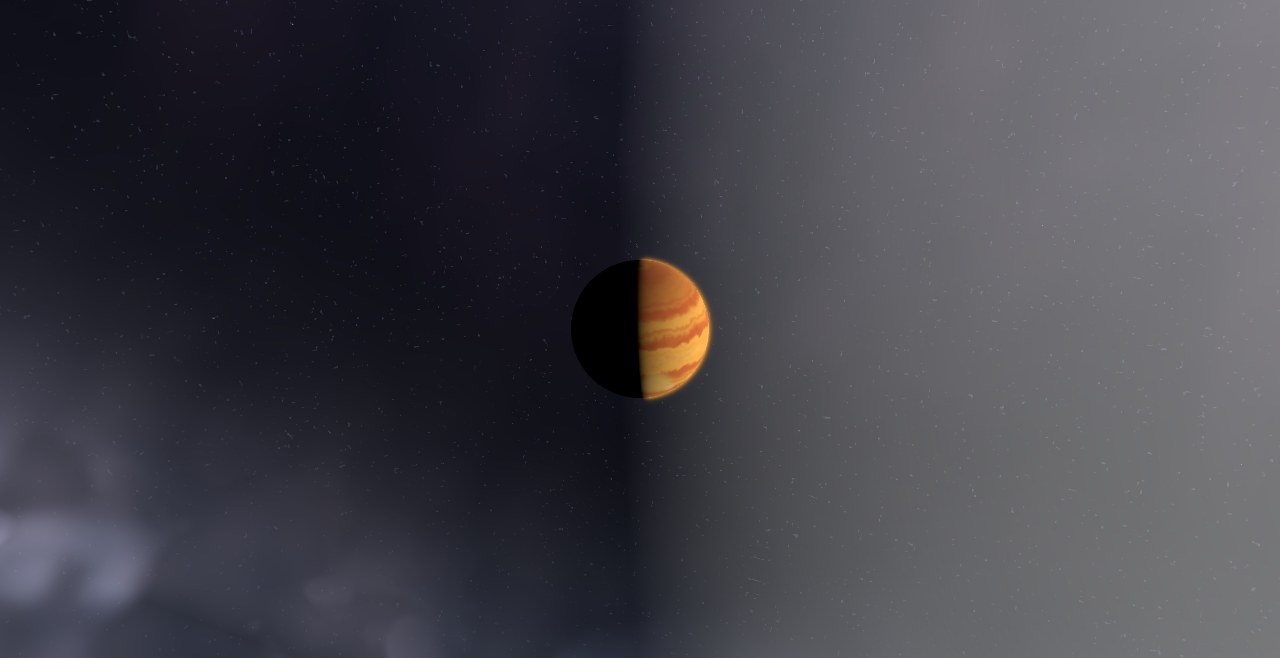
WASP-114, a Sun-like G-type star of 1.29 solar masses, and WASP-114 b, a 1.77-Jupiter-mass companion, with an orbital period of 1.5 days, at 0.029 AU from its star, and an equilibrium temperature near 2,043 K.
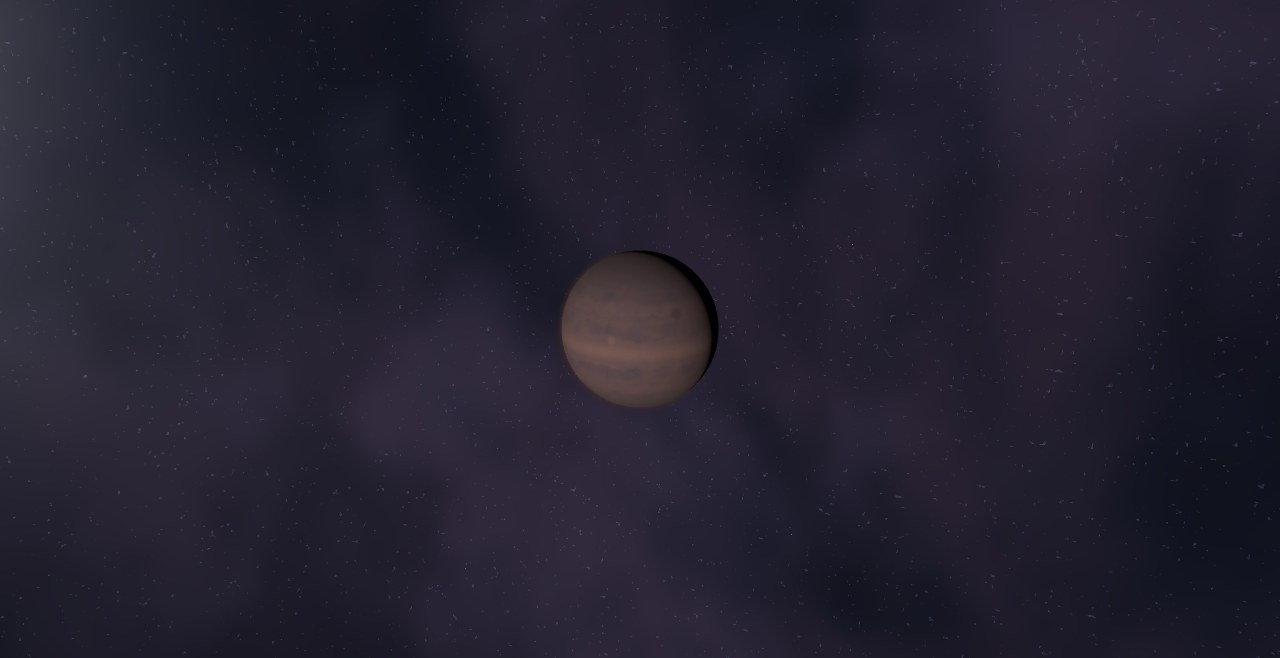
WASP-116, a Sun-like F-type star of 1.25 solar masses, and WASP-116 b, a 0.64-Jupiter-mass companion, with an orbital period of 6.6 days, at 0.065 AU from its star, and an equilibrium temperature near 1,414 K.
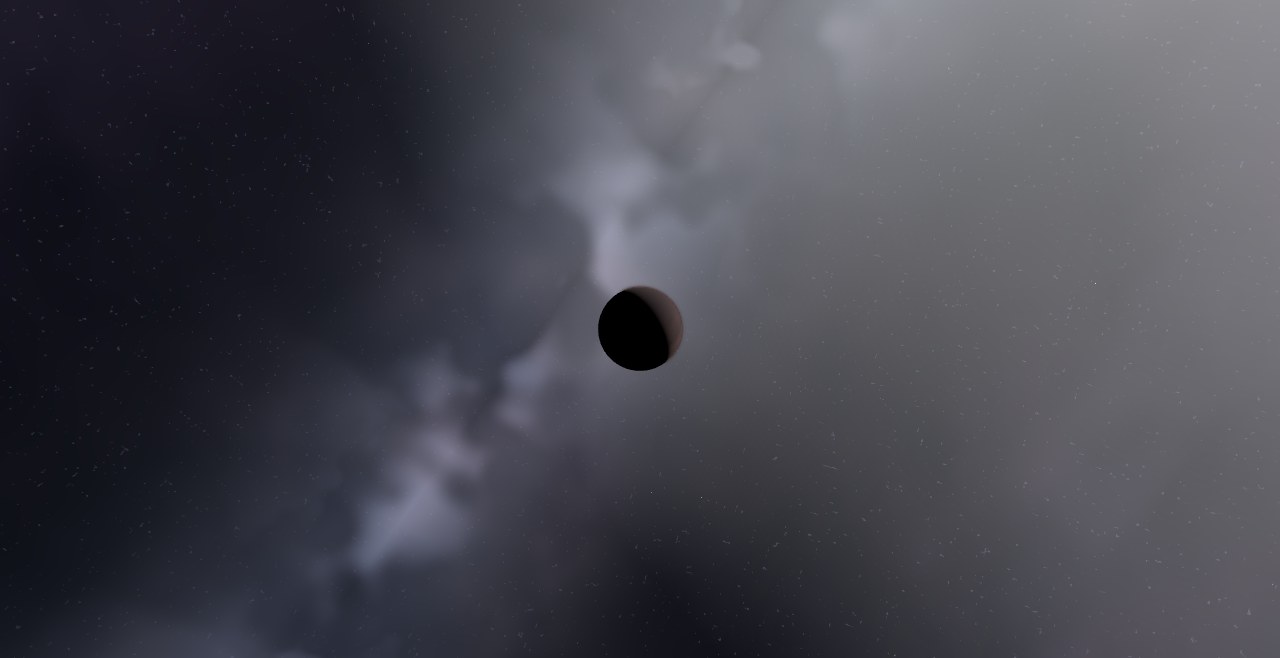
WASP-117, a Sun-like F-type star of 1.29 solar masses, and WASP-117 b, a 0.30-Jupiter-mass companion, with an orbital period of 10.0 days, on an eccentric orbit (e ≈ 0.30).
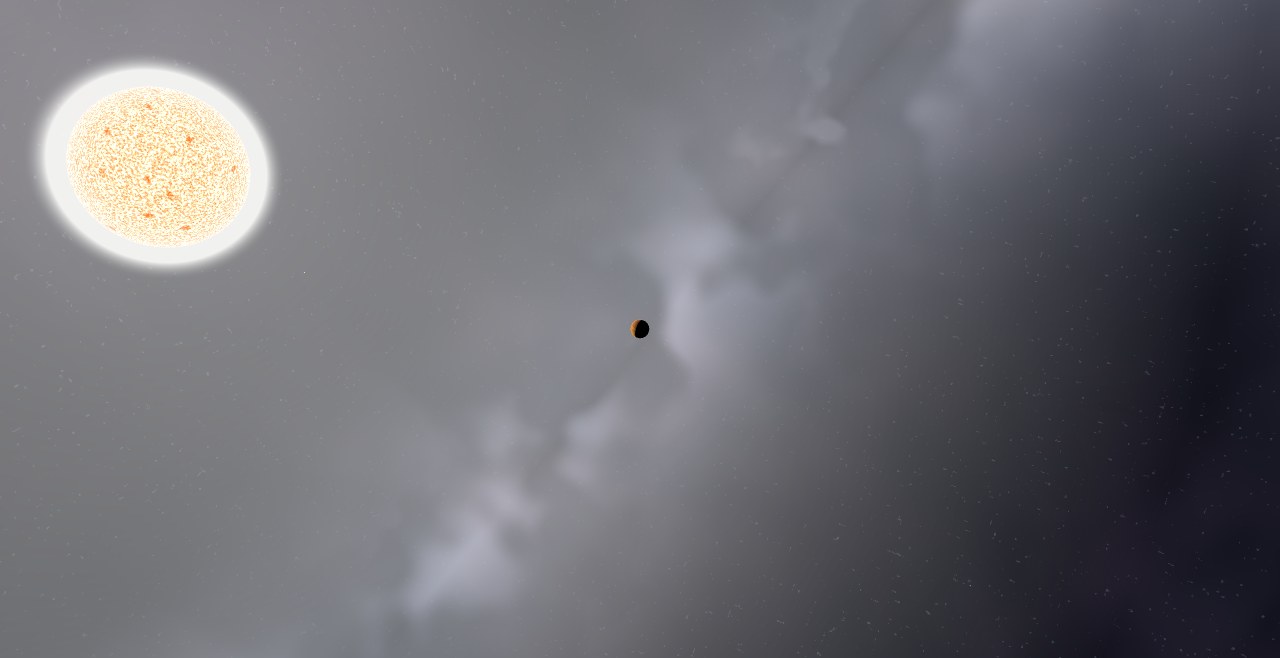
WASP-118, a Sun-like F-type star of 1.32 solar masses, and WASP-118 b, a 0.51-Jupiter-mass companion, with an orbital period of 4.0 days, at 0.055 AU from its star, and an equilibrium temperature near 1,729 K.
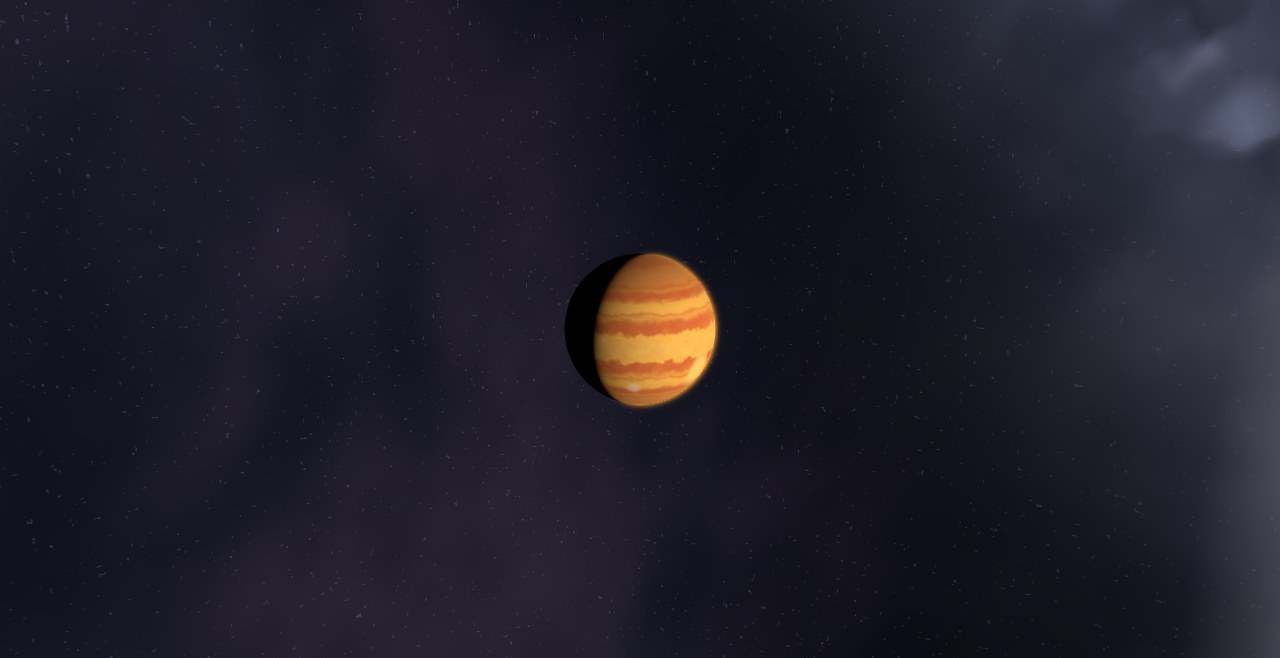
WASP-119, a Sun-like G-type star of 1.02 solar masses, and WASP-119 b, a 1.23-Jupiter-mass companion, with an orbital period of 2.5 days, at 0.036 AU from its star, and an equilibrium temperature near 1,600 K.
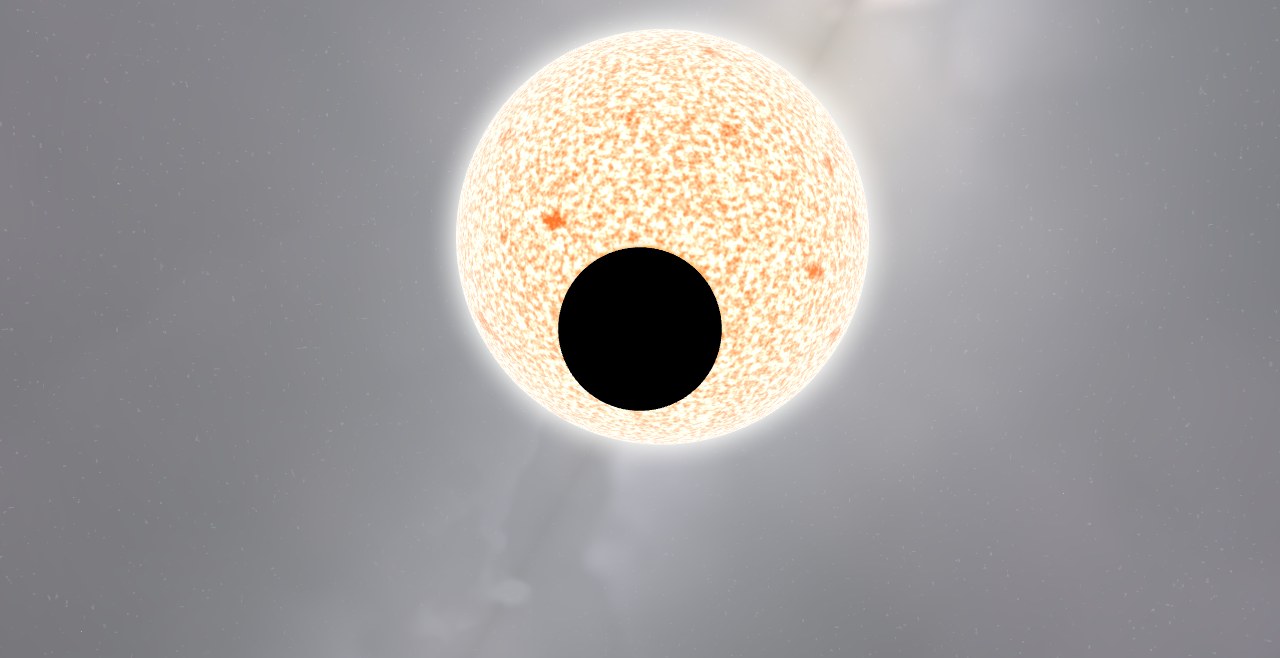
WASP-12 b, an inflated hot Jupiter so close that tides stretch it. Its orbit is decaying, and the planet may be spiraling into the star. Its year lasts a little more than one day.
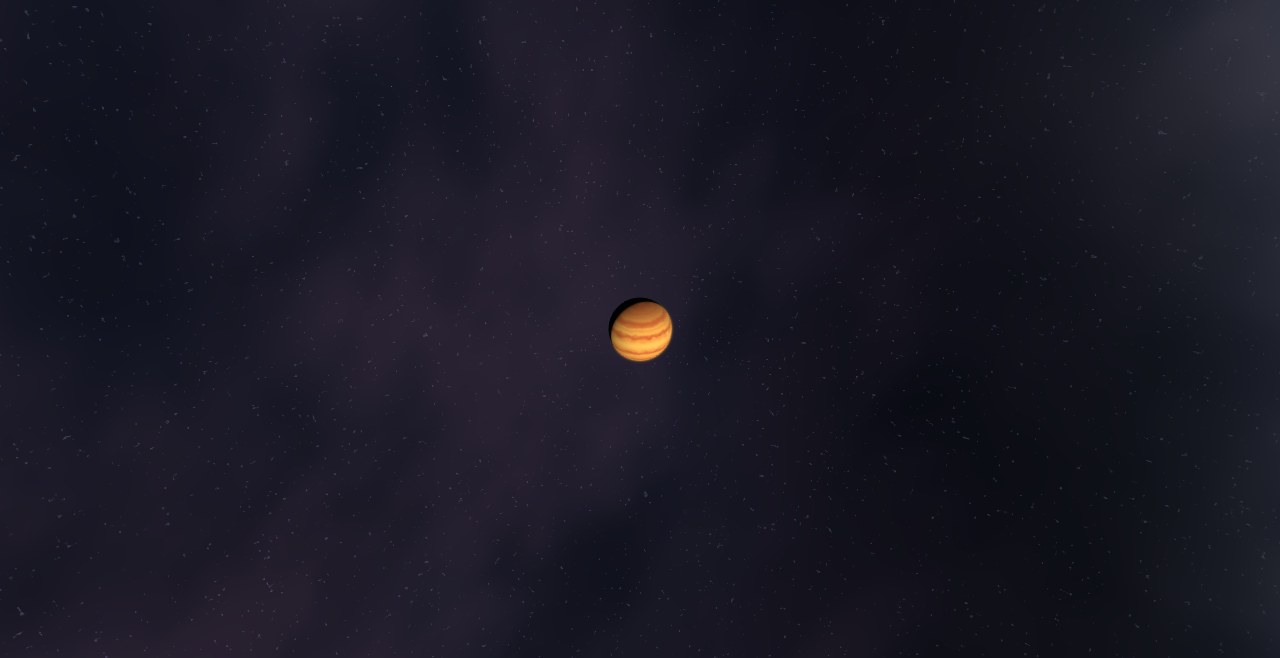
WASP-120, a Sun-like F-type star of 1.39 solar masses, and WASP-120 b, a planet with 15.6 Earth radii, and an equilibrium temperature near 1,749 K.